In modern commercial kitchens, chefs face the constant challenge of delivering dishes that are consistent in appearance, texture, and flavor, even during peak service hours. Efficiency, reliability, and precision have become key factors in determining kitchen performance. In such environments, specialized equipment is essential, and the commercial electric salamander has emerged as a tool that helps chefs maintain consistent results without compromising speed.
Alongside the salamander, other kitchen appliances like the gas fryer machine continue to play a vital role. The fryer allows chefs to produce quickly cooked, evenly fried dishes, which are staples in many menus. While the gas fryer machine ensures a uniform cooking process for fried items, the commercial electric salamander focuses on finishing and surface browning tasks. The combination of these two appliances allows kitchens to meet the demands of a high-volume environment while maintaining quality standards that diners expect.
Understanding how these two appliances function, complement each other, and contribute to kitchen efficiency is essential for chefs and kitchen managers. By integrating both tools effectively, kitchens can improve productivity, reduce food waste, and maintain a consistent dining experience for customers.

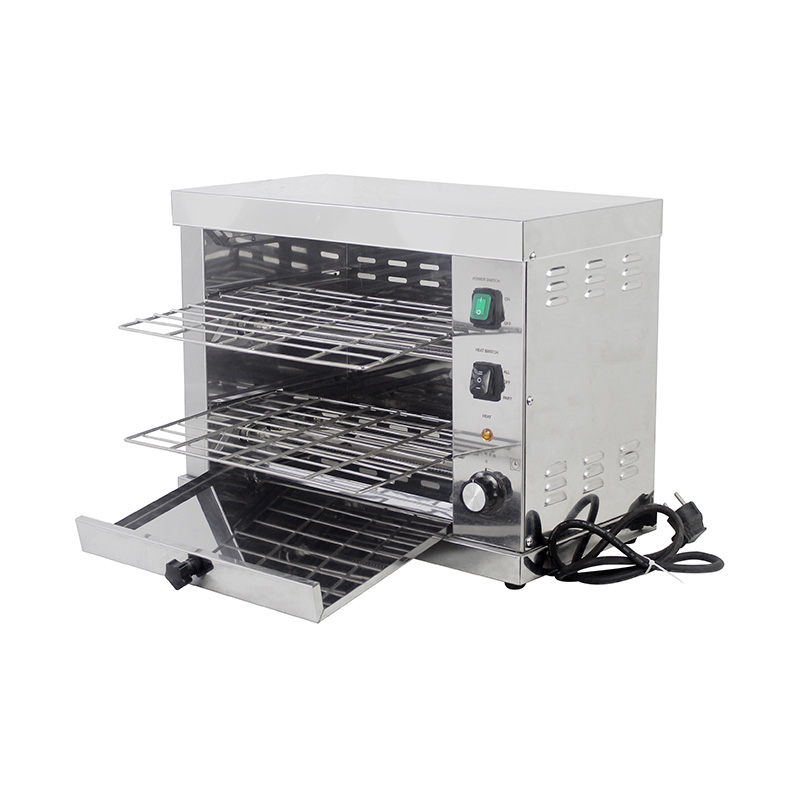
The commercial electric salamander is designed to provide reliable, high-temperature cooking for finishing dishes with precision. One of its most valuable features is its ability to deliver evenly distributed heat, which is critical for tasks like melting cheese, browning gratins, or glazing meats. Unlike traditional ovens, the salamander provides direct heat from above, allowing chefs to monitor and adjust the cooking process in real-time.
Temperature control is another key feature. Adjustable heat settings enable chefs to tailor the cooking process to different dishes, ensuring consistent results across multiple orders. The commercial electric salamander is also energy-efficient because it heats only when needed, unlike large conventional ovens that require preheating and maintain high heat even when idle.
Its compact design makes the salamander suitable for kitchens with limited space. It can be installed above grills, ranges, or work surfaces, saving counter space while remaining within easy reach. This feature makes it an ideal complement to the gas fryer machine, which occupies a different space and serves a different function in the kitchen workflow. By using both appliances, chefs can manage frying, finishing, and plating efficiently, without overcrowding the kitchen.
The versatility of the commercial electric salamander allows it to handle a wide range of food types. From delicate fish fillets to thick cuts of meat, the salamander provides a controlled environment for finishing dishes to the desired standard. Combined with a gas fryer machine, which can handle quick, high-volume frying tasks, kitchens can maintain consistency across a diverse menu while optimizing workflow and space utilization.
Consistency in food preparation is a major concern for chefs working in commercial kitchens. Customers expect the same taste and presentation with every order, and variations can negatively affect a restaurant’s reputation. The commercial electric salamander helps chefs achieve this consistency by providing steady, controlled heat that can be applied precisely where it is needed.
For example, when finishing a dish that requires a golden-brown crust or melted cheese topping, the salamander ensures uniform heat distribution. This reduces the risk of overcooking or unevenly cooked surfaces, which can occur in conventional ovens with hot spots. By delivering predictable results, the salamander allows chefs to focus on other tasks, improving overall kitchen efficiency.
The gas fryer machine complements the salamander by handling foods that require deep frying. Fries, battered fish, chicken wings, and other fried items benefit from precise temperature control, ensuring that each batch is cooked evenly and consistently. By integrating both appliances into the workflow, chefs can manage multiple dishes simultaneously while maintaining uniform quality across all menu items.
Another advantage is time efficiency. The salamander heats up quickly and responds immediately to temperature adjustments. This allows chefs to maintain a consistent cooking environment even during rush hours. When combined with the gas fryer machine, which provides rapid frying capabilities, kitchens can achieve high-volume output without sacrificing consistency. This dual approach reduces errors, improves service speed, and ensures customer satisfaction with every order.
The commercial electric salamander and the gas fryer machine serve different but complementary roles in commercial kitchens. The salamander focuses on finishing and surface cooking, while the fryer handles rapid, uniform frying. Understanding their strengths and limitations helps chefs use both appliances efficiently.
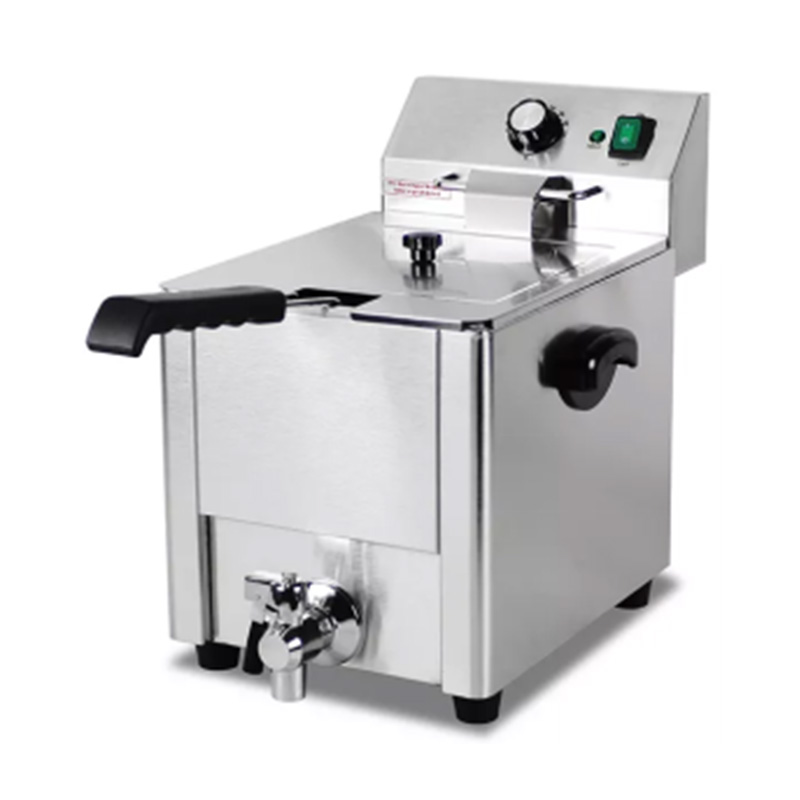
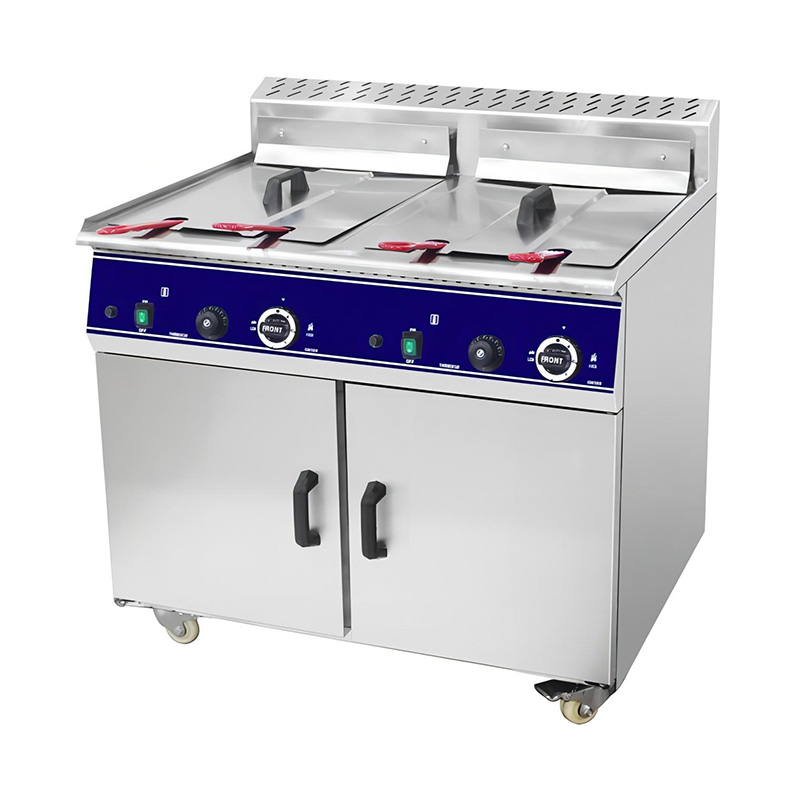
The gas fryer machine is designed to heat oil quickly and maintain a stable temperature. This ensures that fried items, such as potato fries, chicken wings, or breaded vegetables, are cooked evenly from edge to center. Without such consistency, fried foods can vary in texture and color, affecting the overall dining experience.
On the other hand, the commercial electric salamander is ideal for tasks that require surface precision rather than full cooking. It can melt cheese evenly, brown a gratin topping, or glaze meats without altering the underlying texture of the food. The salamander allows for constant visual monitoring, which is difficult in conventional ovens.
When used together, these appliances provide a complete solution for commercial kitchens. Chefs can fry side dishes in the gas fryer machine, while finishing main dishes with the salamander. This approach allows for multiple cooking techniques to occur simultaneously without compromising consistency. Using both tools effectively can also reduce energy consumption and improve workflow, as each appliance is used according to its strengths.
The practical applications of the commercial electric salamander are extensive. Hotels, restaurants, and fast-casual kitchens all rely on its ability to produce consistent results in a fast-paced environment. It is particularly effective for finishing dishes such as gratins, open-faced sandwiches, au gratin potatoes, and desserts that require caramelization or browning.
Meanwhile, the gas fryer machine handles high-volume frying needs efficiently. For busy kitchens, the combination of a fryer and salamander allows for simultaneous preparation of main dishes and sides, ensuring that orders are completed quickly without compromising quality. Fries, fried chicken, or tempura can be prepared in the fryer while the salamander finishes dishes that require precision browning or melting.
Using both appliances also improves workflow management. The salamander heats only the food surface that needs finishing, conserving energy compared to a full-sized oven. The gas fryer machine heats oil quickly, reducing wait times and increasing throughput. This combination allows chefs to prioritize tasks effectively and maintain quality standards across multiple dishes, even during peak hours.
For example, in a busy lunch service, chefs can start frying side items in the gas fryer machine, while simultaneously browning toppings or melting cheese in the salamander. This dual approach ensures a steady stream of dishes ready for service, reduces bottlenecks, and minimizes the risk of overcooking or inconsistencies. The result is a smoother operation, better-quality food, and higher customer satisfaction.
The commercial electric salamander is an essential tool for achieving consistent results in commercial kitchens. Its controlled heat, adjustable settings, and ease of use make it ideal for finishing tasks that require precision and uniformity. When paired with a gas fryer machine, kitchens can cover a wide range of cooking methods, from frying to surface finishing, without compromising quality or efficiency.
For chefs and kitchen managers, integrating both the salamander and the gas fryer machine into daily operations can improve productivity, streamline workflow, and maintain consistent food quality. These appliances allow teams to meet customer expectations consistently, handle multiple orders simultaneously, and maintain visual and taste standards across all dishes.
In conclusion, investing in a commercial electric salamander alongside a gas fryer machine supports a versatile and efficient kitchen environment. By leveraging the strengths of both appliances, chefs can produce dishes that are consistent in appearance, texture, and flavor, even under high-volume conditions. This combination ensures that customers receive reliable quality with every meal, and kitchen staff can operate with confidence and precision.