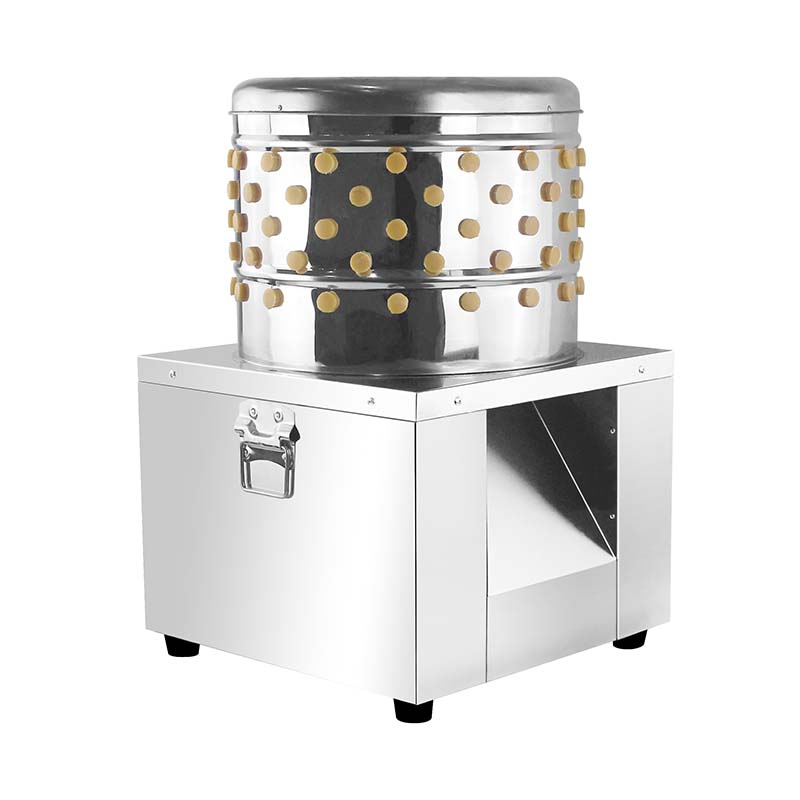
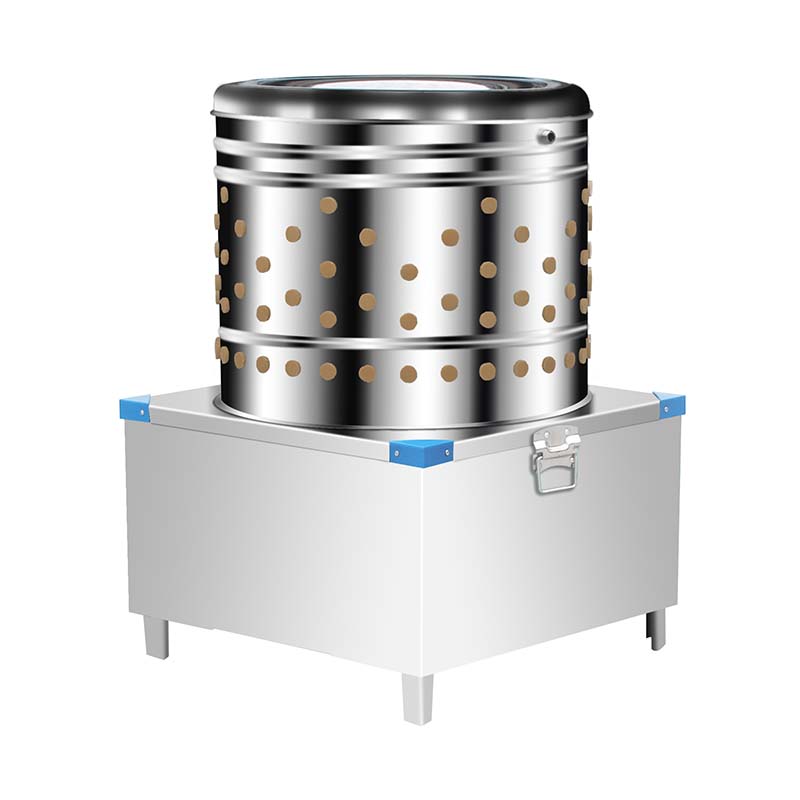
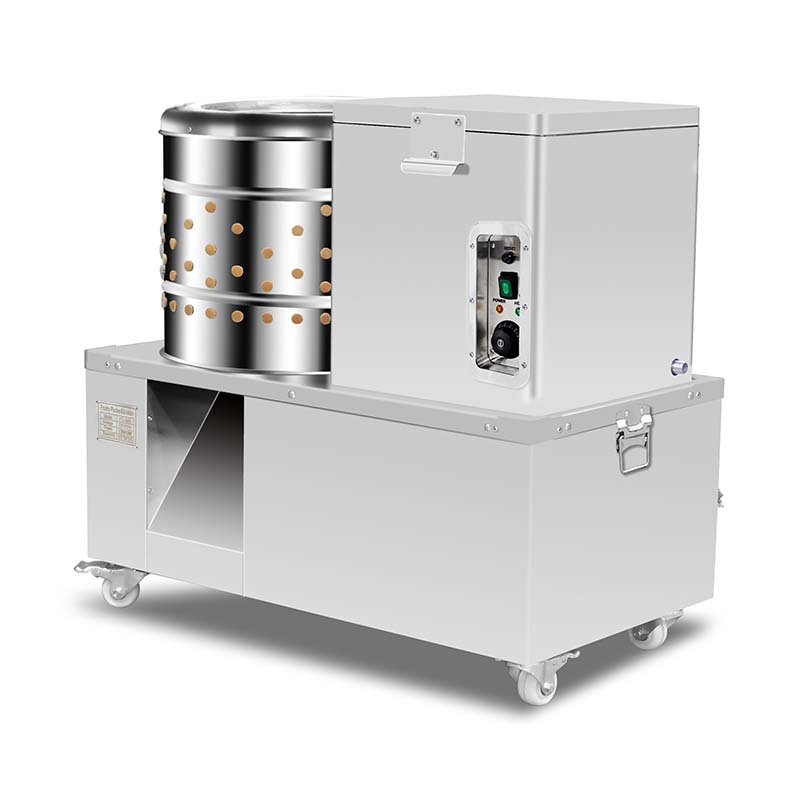
Daily poultry processing often involves balancing multiple pieces of equipment rather than focusing on a single machine. When operators plan production flow, capacity matching becomes a practical concern that directly affects labor use, waiting time, and overall order on the processing floor. The Electric Chicken Plucker for Poultry Processing and the Standing Stainless Steel Commercial Deep Fryer are used at different stages, yet their capacities are often linked by throughput expectations. Understanding how to match plucker capacity to real processing needs helps avoid unnecessary congestion, uneven workloads, or idle equipment.

Capacity is often described in birds per hour, but this number alone does not reflect real operating conditions. An Electric Chicken Plucker for Poultry Processing is affected by poultry size, scalding quality, loading rhythm, and cleaning intervals. A machine rated for a certain output may handle that figure only when upstream steps are well coordinated.
When matching capacity, it is useful to look at average daily volume rather than peak targets. Facilities that process poultry in batches often experience pauses between slaughtering, scalding, plucking, and later cooking. Selecting a plucker that aligns with this rhythm helps maintain steady progress without forcing operators to rush or slow down other steps.
The plucker does not operate independently. Its capacity should correspond to the slaughtering bucket and scalding bucket output. If scalding can prepare a fixed number of birds within a set time, the plucker should be able to accept that same number without extended waiting.
If the plucker is undersized, scalded poultry may cool down while waiting, making feather removal less consistent. If it is oversized, the machine may run below its intended load, causing inefficient energy use. Matching capacity therefore involves reviewing how many birds are scalded per cycle and how frequently those cycles occur.
Poultry size has a direct effect on effective plucking capacity. Smaller birds allow more units to be processed per cycle, while larger birds reduce the number that can be loaded without crowding. Rubber finger spacing and drum dimensions influence how well the machine handles different body sizes.
Facilities processing mixed breeds may need to adjust loading practices rather than relying on a single nominal capacity figure. A slightly larger Electric Chicken Plucker for Poultry Processing may provide more flexibility when bird size varies, even if daily volume remains unchanged.
Capacity planning should also account for labor. Even if a plucker can handle a high throughput, operators must still load, unload, and inspect poultry. When labor is limited, selecting a machine with moderate capacity can create a smoother workflow than installing a larger unit that cannot be consistently supported.
This approach reduces idle time and keeps staff focused on quality checks and sanitation rather than rushing to keep up with machine speed. Matching capacity to labor availability helps maintain stable daily output without unnecessary pressure.
Another aspect of capacity matching is downtime. Electric chicken pluckers require routine cleaning to remove feathers and residue. During these periods, throughput temporarily stops. When calculating capacity, it is useful to factor in these intervals rather than relying on continuous operation assumptions.
A machine that matches realistic throughput expectations allows cleaning to be scheduled without disrupting the overall processing plan. This is particularly relevant in facilities where hygiene routines are strictly followed.
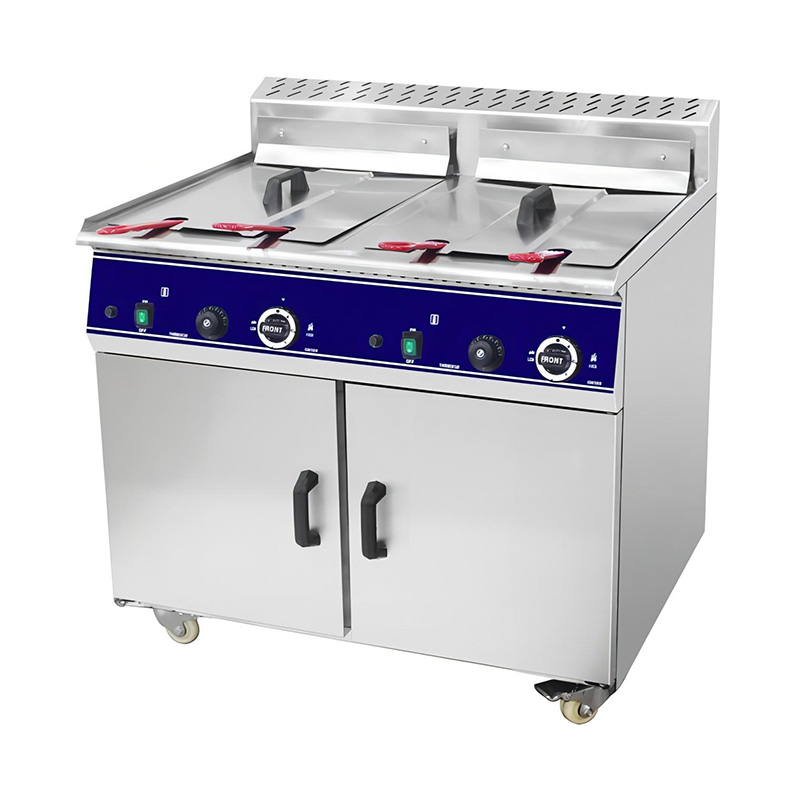
Once poultry has been defeathered and cleaned, it may move directly to cooking or food preparation. Here, the Standing Stainless Steel Commercial Deep Fryer becomes part of the capacity equation. While its purpose differs, its batch size and heating recovery time influence how processed poultry is handled afterward.
If plucking capacity greatly exceeds frying capacity, processed poultry may need to be stored temporarily, adding handling steps. If frying capacity is higher than plucking output, the fryer may operate below its intended workload. Aligning these two stages supports a more balanced operation.
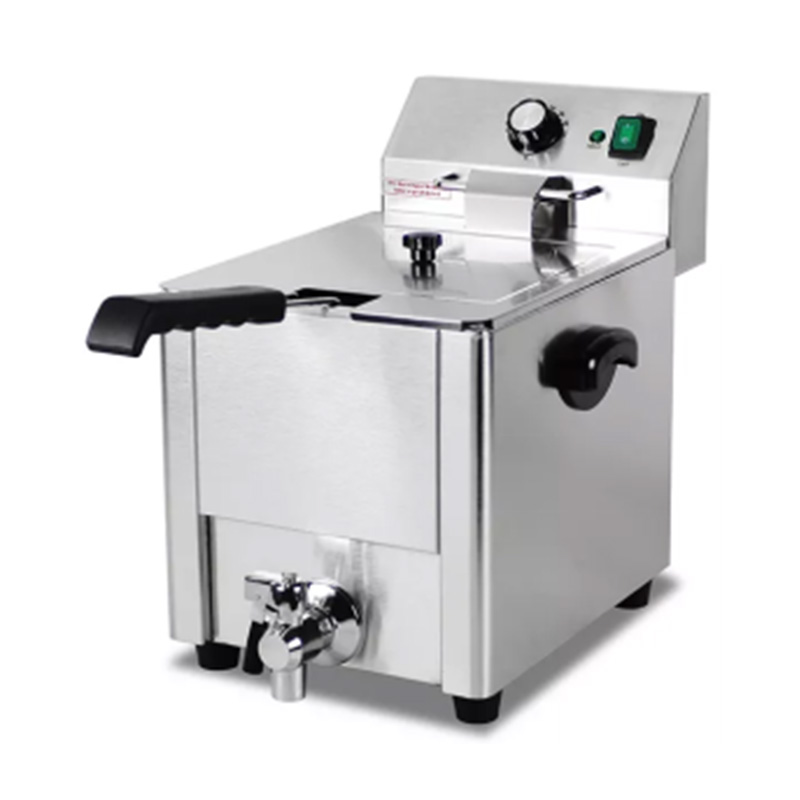
A Standing Stainless Steel Commercial Deep Fryer typically operates in batches. Its effective capacity depends on basket size, oil volume, and heating method. Operators should consider how many birds or portions can be fried per batch and how long each cycle takes.
When matching with plucker capacity, it is practical to compare hourly averages rather than individual batch sizes. For example, if the plucker processes a certain number of birds per hour, the fryer should be able to accommodate a similar number within the same time frame, considering heating recovery between batches.