In busy commercial kitchens, maintaining consistency in cooking is a key challenge. Every dish served needs to meet customer expectations, not just in taste but also in appearance and texture. Chefs often rely on a combination of equipment to ensure smooth operations and predictable results. Among these tools, the professional electric griddle plays a central role. Its ability to provide even heat across a large surface allows for quick preparation of multiple dishes simultaneously.
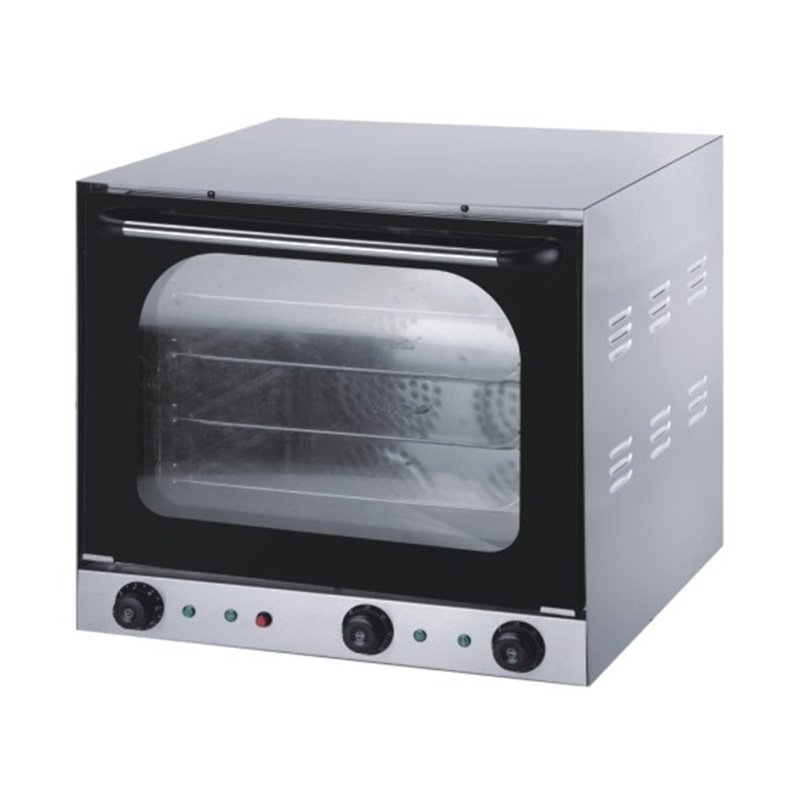
Alongside the griddle, a catering oven is commonly used for baking, roasting, and preparing bulk dishes efficiently. Additionally, the commercial electric salamander grill offers a fast and controlled method to finish dishes, giving them a desirable surface color and texture. Understanding how to utilize these tools effectively can make a significant difference in kitchen performance.
This article explores strategies for consistent cooking, practical advice for equipment use, and tips for integrating different appliances in a commercial setting.

Consistency in commercial cooking is essential for several reasons. Customers expect the same quality each time they visit, and any variation can affect their perception of the restaurant. Even minor differences in cooking time or temperature can change the taste, texture, and presentation of a dish.
The professional electric griddle helps address this issue by maintaining uniform heat across its cooking surface. Unlike traditional stovetop methods, it reduces hot spots, allowing multiple items to cook evenly at the same time. This is particularly useful for dishes like pancakes, burgers, or sandwiches, where uniform browning and texture are crucial.
While the griddle handles flat cooking tasks, a catering oven supports consistency by managing bulk cooking with controlled temperatures. Baked items, roasted meats, or casseroles can be prepared in larger quantities without compromising quality. Meanwhile, a commercial electric salamander grill provides a quick method to finish dishes, sear proteins, or melt toppings. Using all three devices in coordination can enhance overall kitchen efficiency and help maintain consistent food quality.
Selecting the appropriate equipment depends on the type of dishes and volume being prepared. Each appliance serves a specific function and complements the others when used correctly.
Understanding the role of each device helps kitchen managers assign tasks efficiently. For example, items can be started on the professional electric griddle, transferred to the catering oven for thorough cooking, and finished under the commercial electric salamander grill for visual appeal and texture.
Using a professional electric griddle effectively requires attention to several factors. Proper handling and maintenance can enhance its performance and extend its lifespan.
Temperature Control: Consistent heat is essential for even cooking. Preheating the griddle to the recommended temperature allows food to cook uniformly. Monitoring the surface temperature prevents burning or undercooking, especially for delicate ingredients like eggs or fish fillets.
Food Placement and Spacing: Avoid overcrowding the griddle surface. Allowing enough space between items ensures heat circulation and prevents uneven cooking. Grouping similar foods together can help manage cooking times more effectively.
Cleaning and Maintenance: Regular cleaning is crucial to prevent residue build-up, which can affect taste and appearance. Scraping the surface after each batch and periodic deep cleaning helps maintain consistent results. Some griddles also come with removable plates, making thorough cleaning easier.
Integration with Other Equipment: A professional electric griddle works best when coordinated with a catering oven and a commercial electric salamander grill. For instance, partially cooked meats can be finished in the oven to maintain juiciness and then seared briefly under the salamander for color and texture. This combination improves efficiency while keeping food quality consistent.
Even experienced kitchen staff can make mistakes that affect the consistency of cooked food. Being aware of common pitfalls can help prevent problems.
By addressing these mistakes, chefs can maintain reliable results and reduce waste in busy kitchen environments.
Chefs and kitchen managers often emphasize the importance of workflow in addition to equipment quality. Combining the strengths of different appliances can streamline operations.
Training staff to use these appliances together can significantly reduce cooking time while maintaining consistency. Additionally, organizing kitchen stations to facilitate smooth transitions between the griddle, oven, and salamander grill improves overall workflow and reduces stress during peak hours.
Consistency in cooking is a combination of technique, workflow, and the right equipment. The professional electric griddle provides even heat for fast, reliable cooking of flat items. Paired with a catering oven, it supports bulk and slow-cooked dishes. Finally, the commercial electric salamander grill allows for finishing touches that enhance texture and presentation.
By understanding each appliance’s role and avoiding common mistakes, commercial kitchens can maintain predictable results, improve efficiency, and meet customer expectations. Applying these tips can transform the way a kitchen operates, ensuring that every dish served looks and tastes as intended.