Weixinli Weixinli Weixinli Weixinli Weixinli Weixinli Weixinli Weixinli Weixinli Weixinli Weixinli Weixinli Weixinli Weixinli Weixinli
Industry News

Home / News / Industry News / Electric Commercial Countertop Deep Fryer: Compact Frying Solution for Kitchens

Electric Commercial Countertop Deep Fryer: Compact Frying Solution for Kitchens

POST BY WeixinliJul 17, 2026

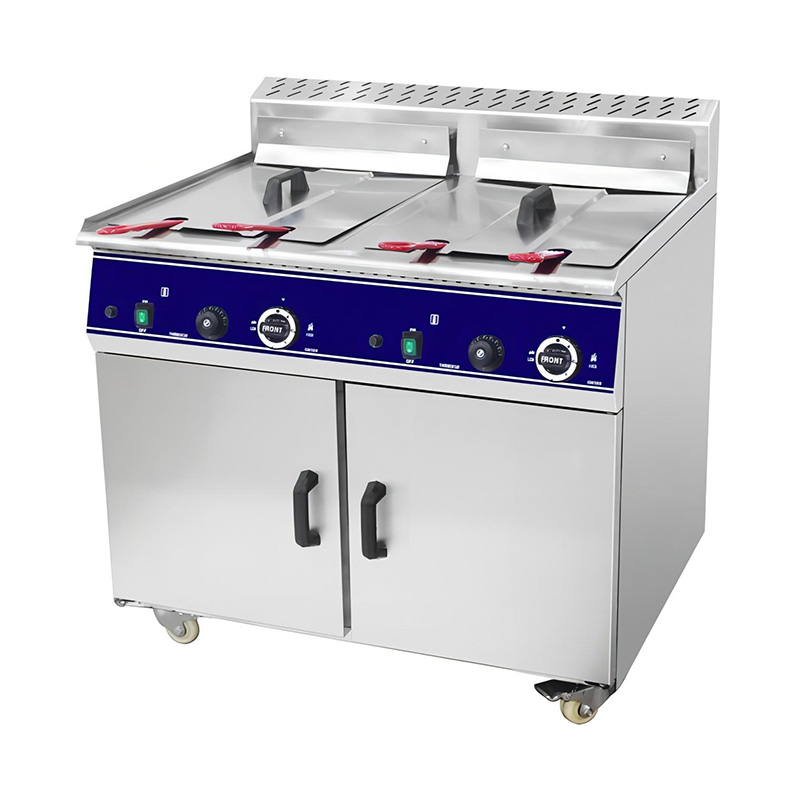
The electric commercial countertop deep fryer has become an essential appliance for restaurants, cafes, and food service operations requiring efficient, high-volume frying in limited kitchen spaces. This compact unit features stainless steel construction, precise thermostatic temperature control, and quick heat recovery, delivering consistent frying results for various food items including french fries, chicken, and seafood. Recent industry surveys indicate that countertop fryers account for a substantial portion of commercial kitchen equipment sales due to their space-saving design, energy efficiency, and ease of operation compared to full-sized floor models.

Construction and Tank Design

The electric commercial countertop deep fryer is built with commercial-grade stainless steel for both the exterior housing and the cooking vessel. The outer shell typically uses 430 stainless steel for structural durability, while the frying tank employs 304 stainless steel for predominant corrosion resistance and food contact safety. The tank capacity ranges from 5 to 15 liters, with smaller units suited for low-volume operations and larger units appropriate for busy service periods. A cold zone at the bottom of the tank allows food particles to settle away from the heating elements, which extends oil life by reducing carbonization. The tank includes a drain valve for safe oil disposal and a full-perimeter grease trough that simplifies cleaning.

Heating System, Basket, and Cooking Performance

The machine utilizes electric heating elements immersed directly in the cooking oil or attached beneath the tank, typically rated from 3 to 6 kilowatts. The temperature control system maintains oil temperature within a tight range through thermostatic regulation and high-limit safety thermostats that automatically shut off power if temperatures exceed safe thresholds. Digital displays show actual oil temperature compared to the set point, with adjustable ranges from 120°C to 200°C for different food types. The frying basket, constructed from chrome-plated or stainless steel wire mesh, accommodates various food types and batch sizes. Key basket specifications include:

Basket dimensions matched to tank size for ideal oil circulation and complete food immersion;

  • Hook and hanger design allowing the basket to rest at a drain position above the oil after cooking;
  • Cool-touch handles that remain safe to hold during frying operations;
  • Removable basket dividers enabling batch cooking of different food items simultaneously.

Proper loading techniques are essential to avoid excessive temperature drop and maintain product quality. Heat-up time from cold to operating temperature typically ranges from 10 to 20 minutes, and recovery time after food loading affects production speed and consistency.

Oil Management and Cleaning Procedures

Proper oil management directly affects both food quality and operational cost. Regular filtration removes food particles that can degrade oil quality and cause off-flavors. Operators should filter oil at least twice daily during heavy use, using filter cones or paper to capture fine particles, and skim the oil surface during cooking to remove floating debris. Monitoring oil condition with test strips helps determine when to change oil, typically when total polar materials exceed acceptable levels. Some models include built-in filtration systems that simplify the process. Regular cleaning is essential for food safety and equipment longevity. After turning off and unplugging the machine, operators should allow the oil to cool to a safe handling temperature before draining and disposing of used oil according to local regulations. The basket should be removed and washed with warm soapy water, while the tank interior requires cleaning with a non-abrasive pad and approved degreaser, followed by thorough rinsing and drying before refilling with fresh oil.

Safety Features and Selection Criteria

The electric commercial countertop deep fryer includes multiple safety features to protect operators and prevent accidents:

  • Automatic shut-off in case of overheating or low oil level;
  • Temperature limiting devices that prevent oil from reaching its flash point;
  • Non-slip rubber feet for stability on countertops;
  • Cool-touch exterior surfaces that prevent burns during operation.

Units should carry electrical certifications such as UL or CE and comply with relevant food safety regulations. When choosing a fryer, buyers evaluate production volume requirements, available counter space, electrical supply compatibility (typically 208V or 240V), and ventilation needs including adequate overhead exhaust to remove steam and oil vapor. Budget considerations influence material selection and control features, with digital controls offering better precision at a higher cost. Warranty coverage and service availability are also important factors, as is operator training on safe oil handling, fire prevention, and emergency procedures. With proper selection and maintenance, these fryers provide years of reliable service in commercial kitchens.