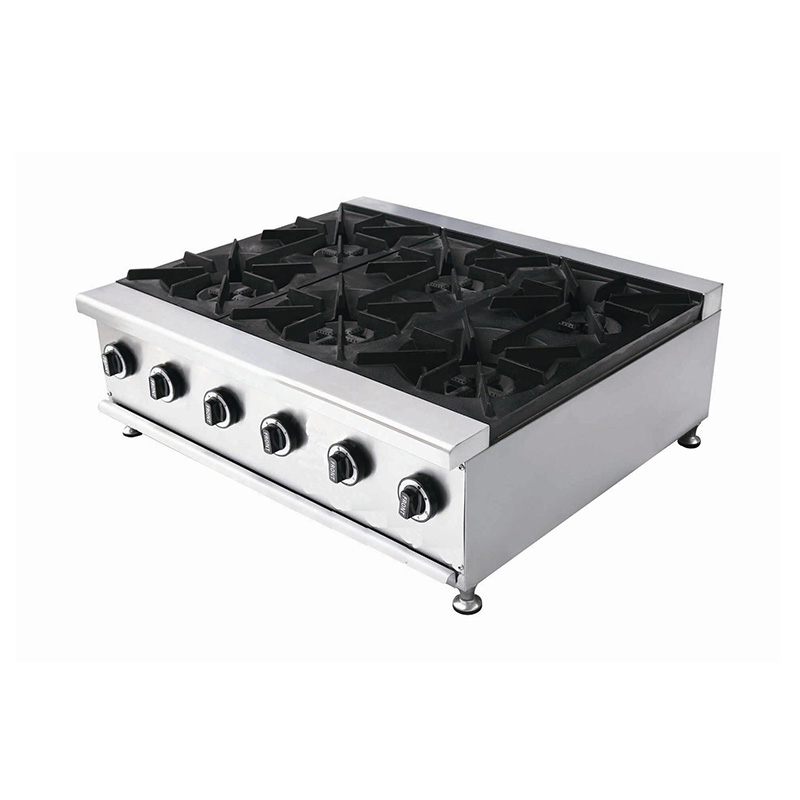
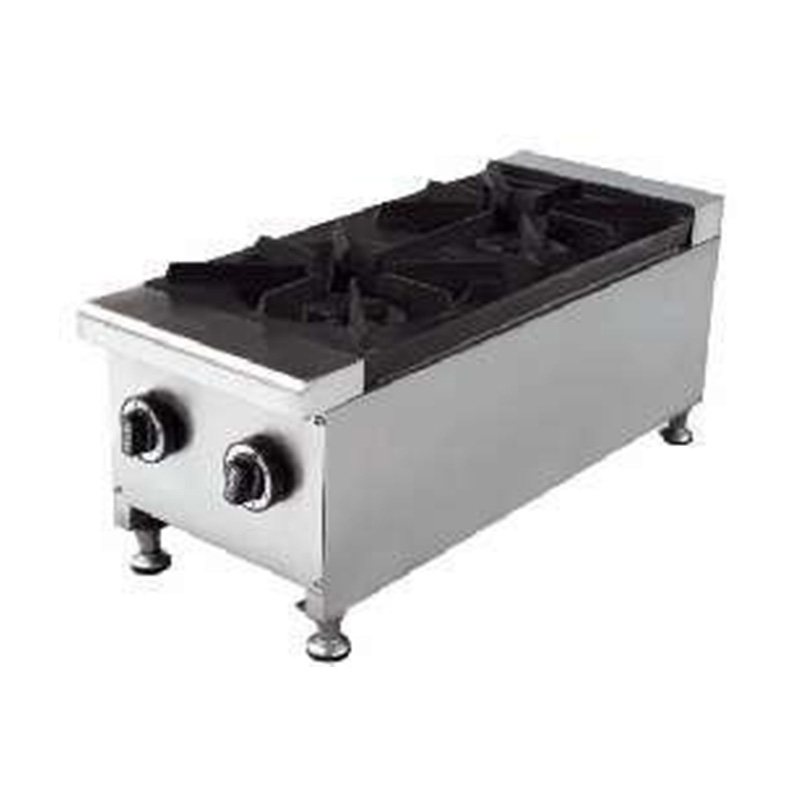
Cook Stove: Key Considerations for Commercial Kitchen Applications
A Cook Stove is a core piece of equipment in professional kitchens, widely used in restaurants, catering facilities, food processing workshops, and institutional dining environments. From a buyer’s perspective, current search trends show that users are primarily concerned with durability, heat consistency, cleaning efficiency, and compliance with commercial kitchen standards.
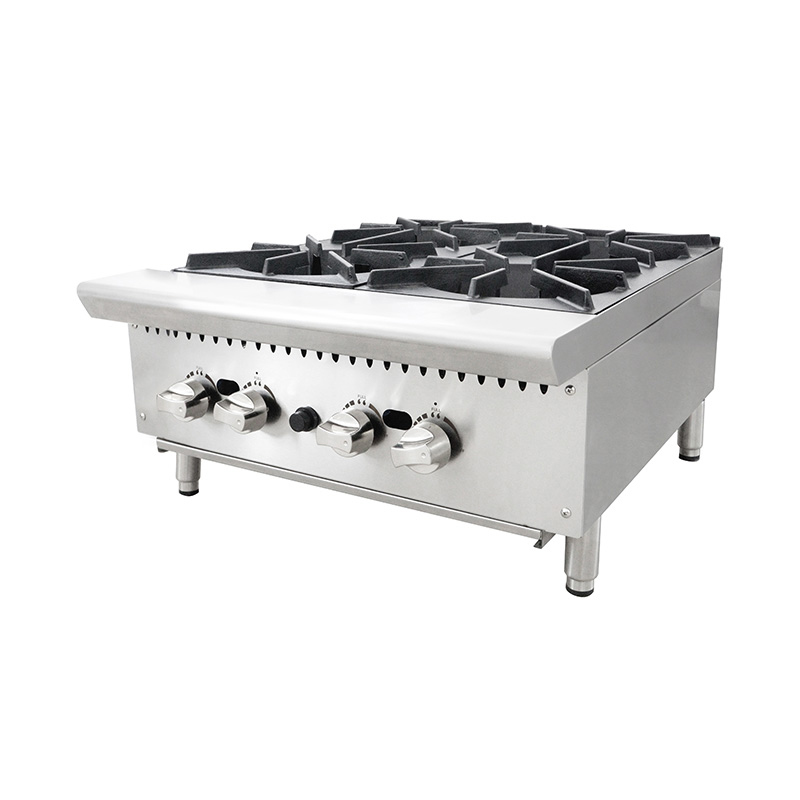
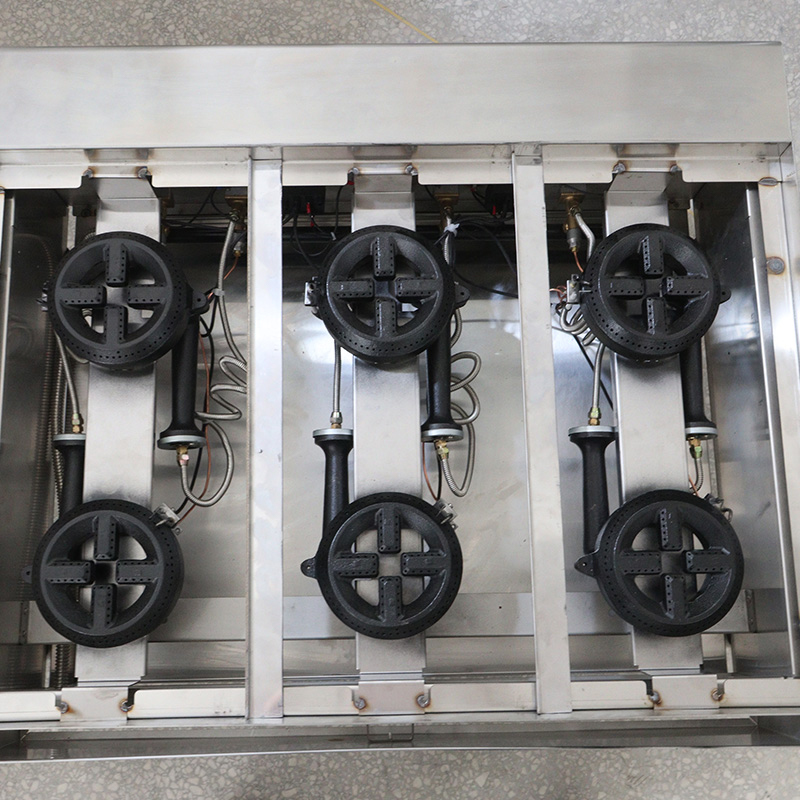
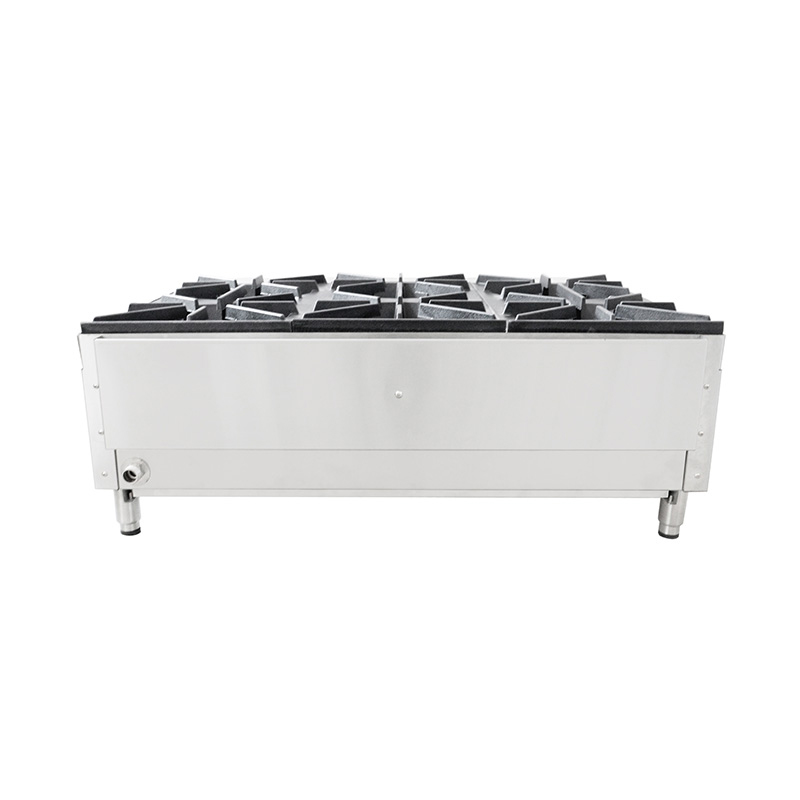
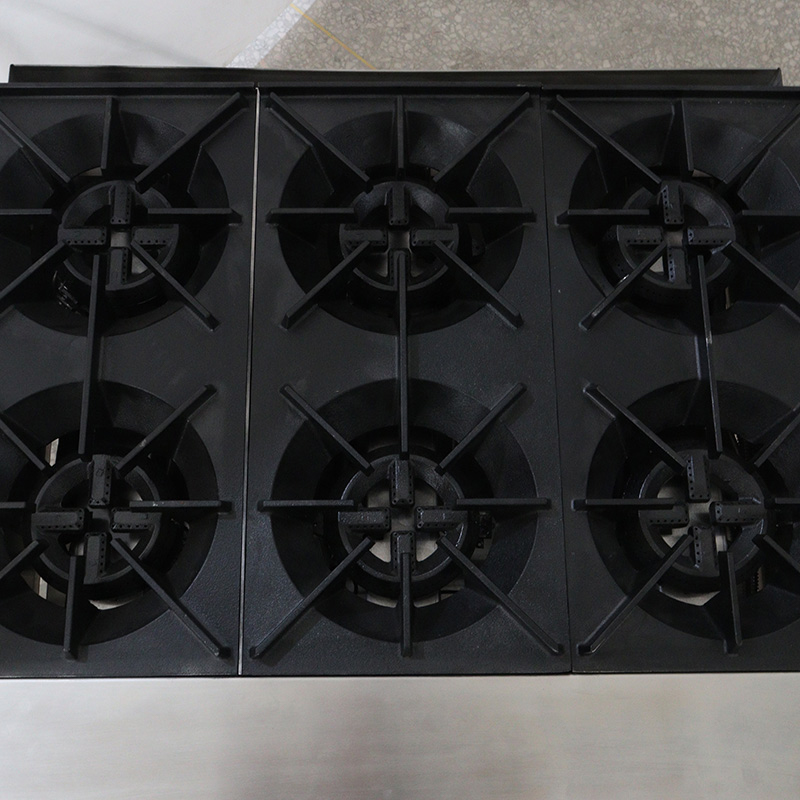
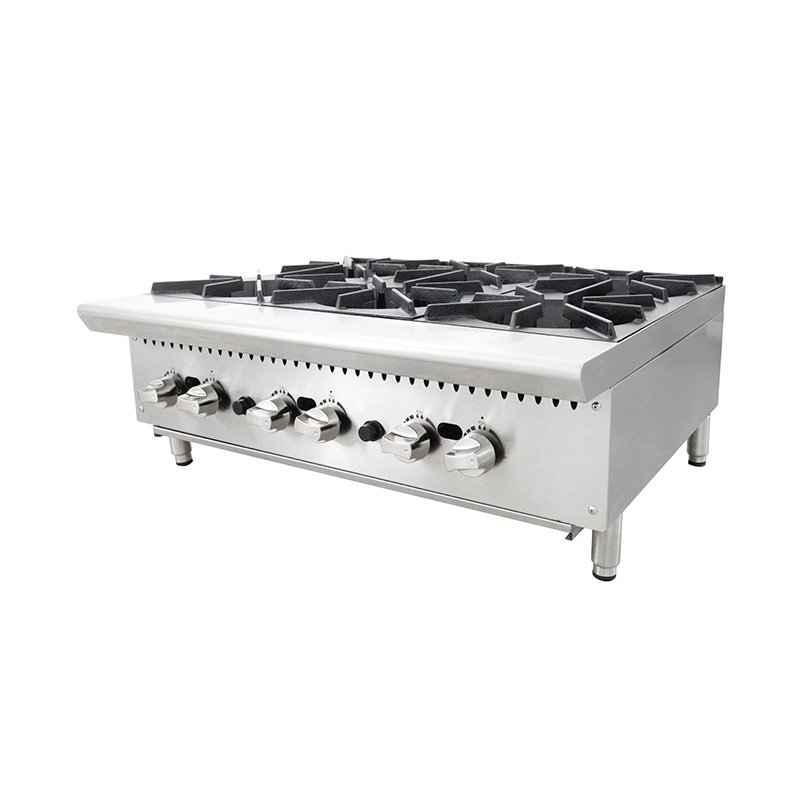
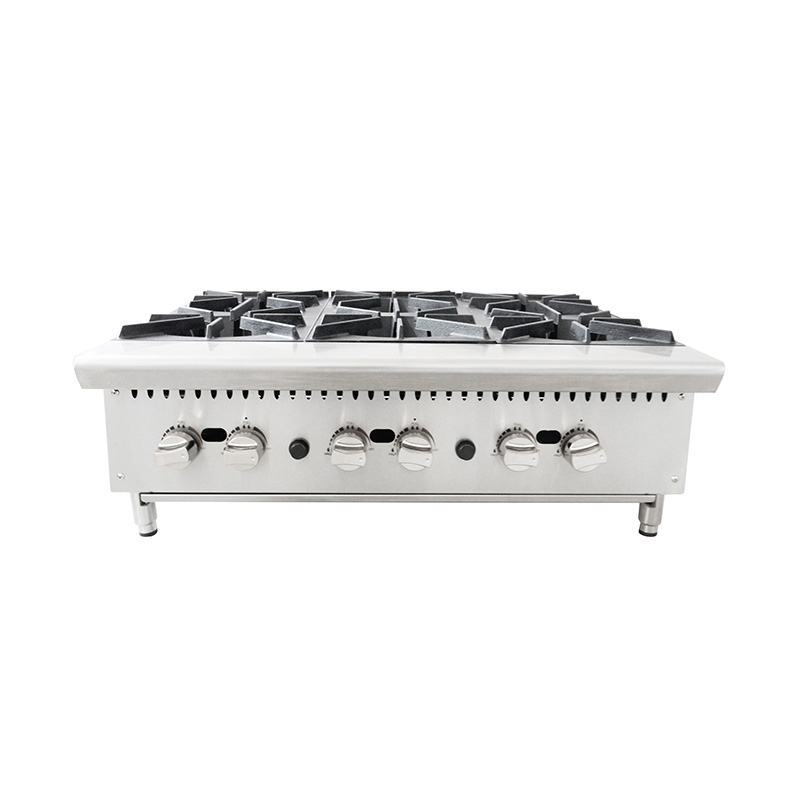
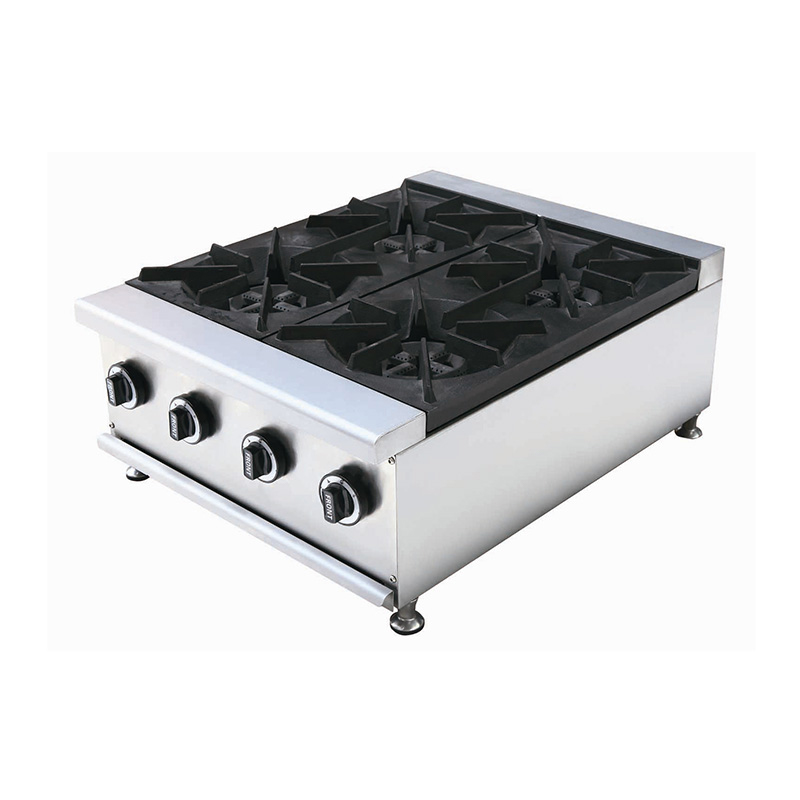
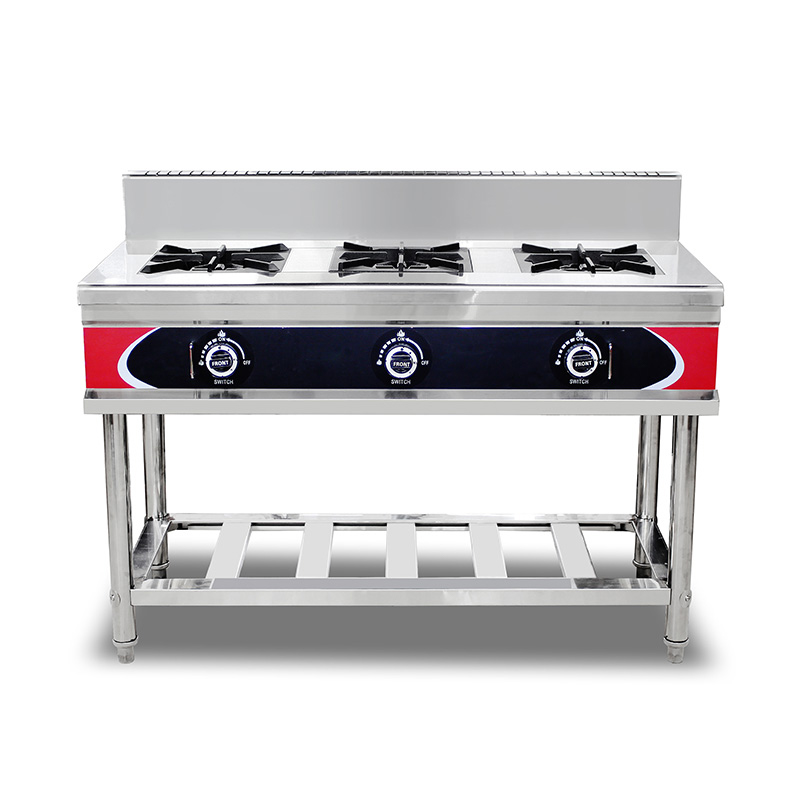
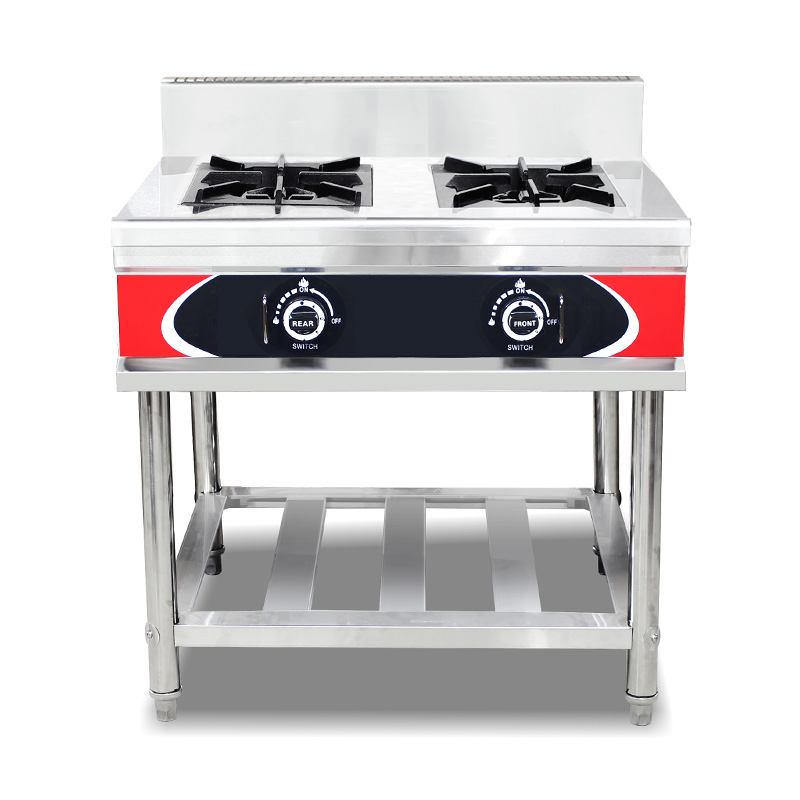
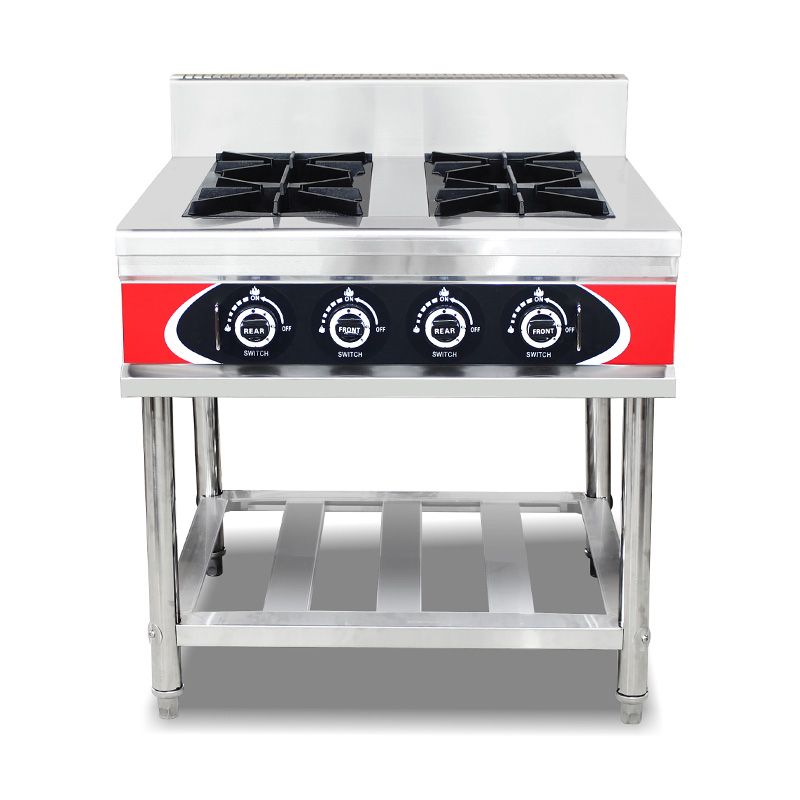
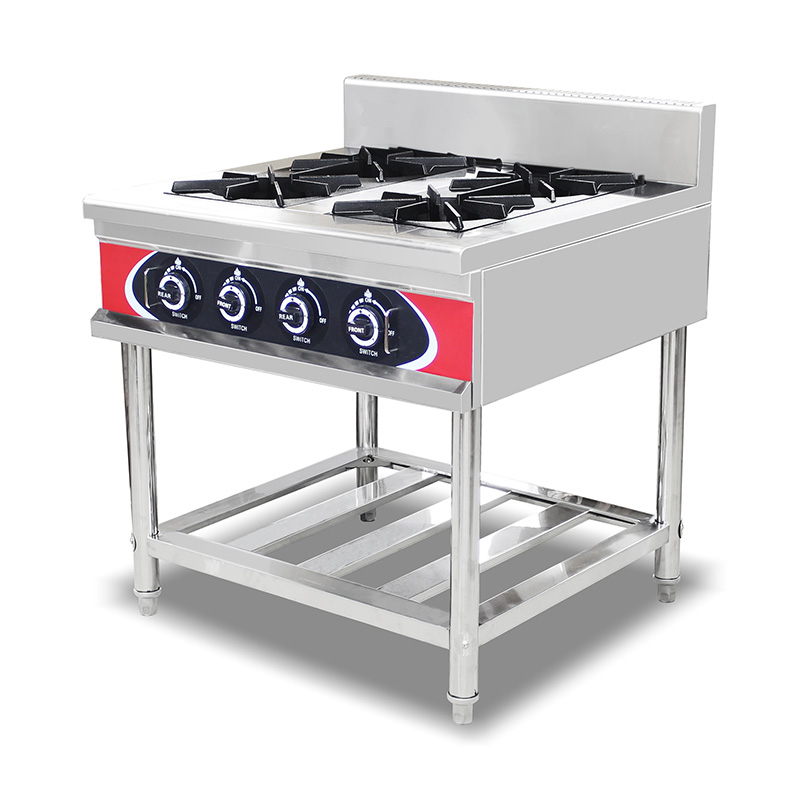
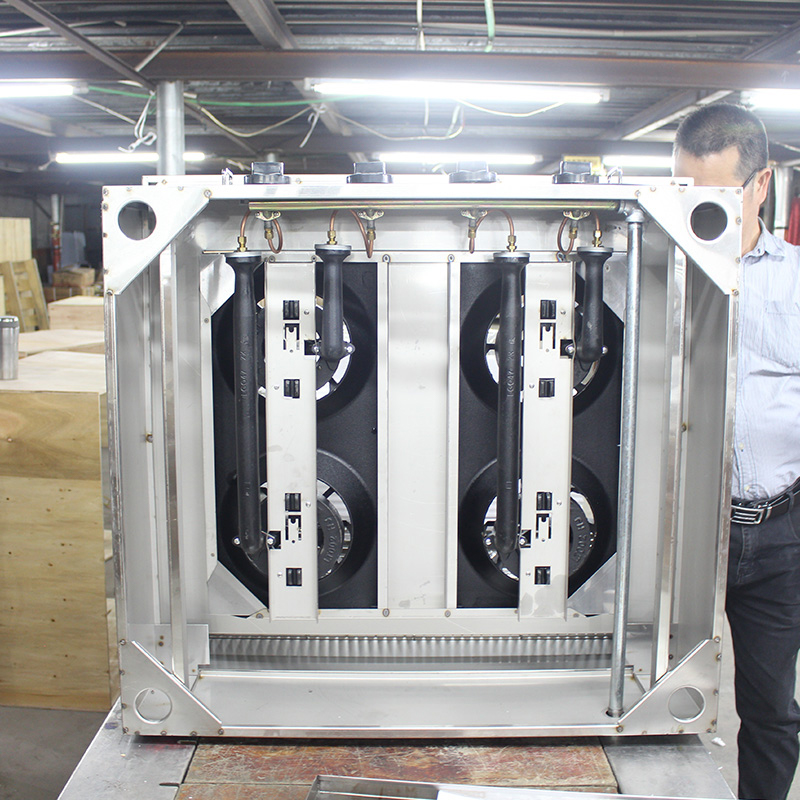
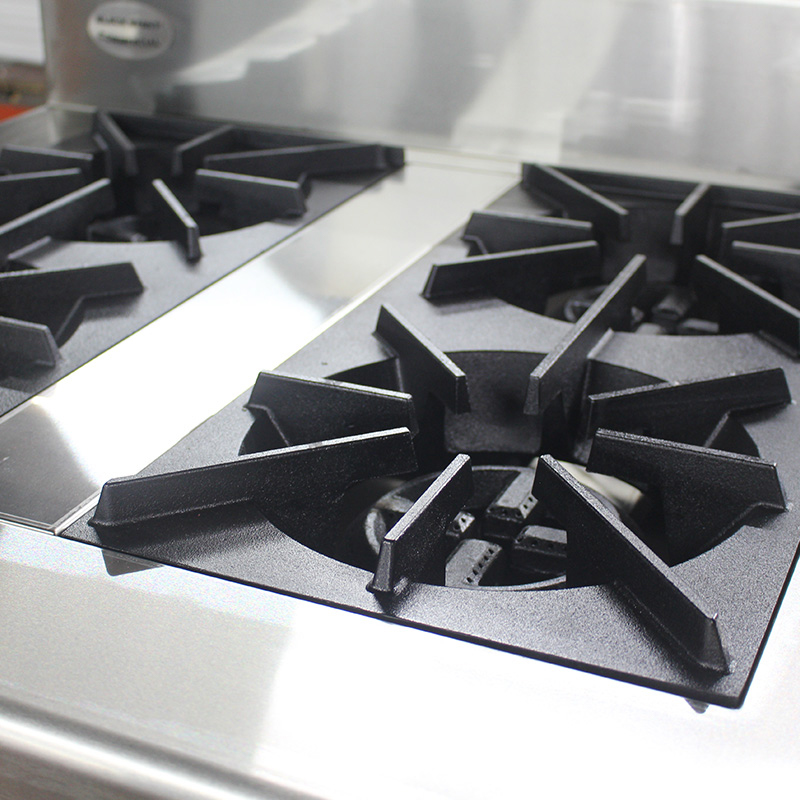
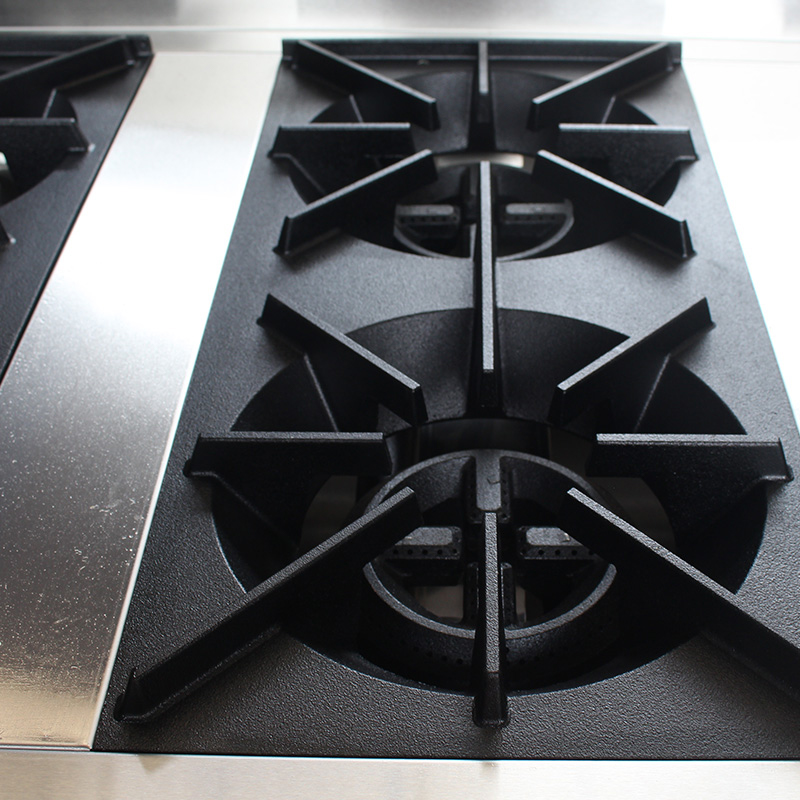
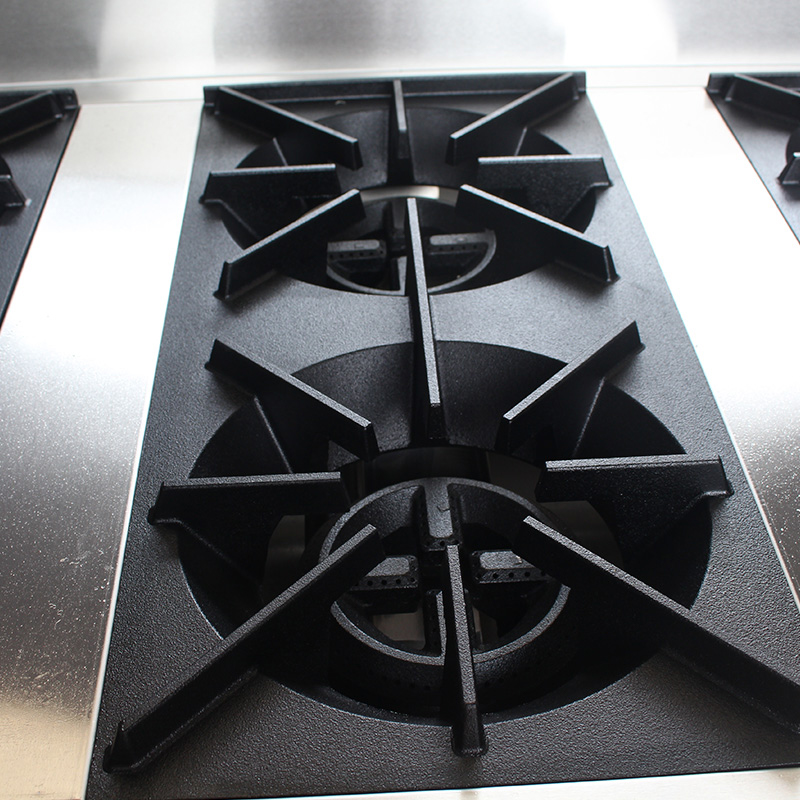
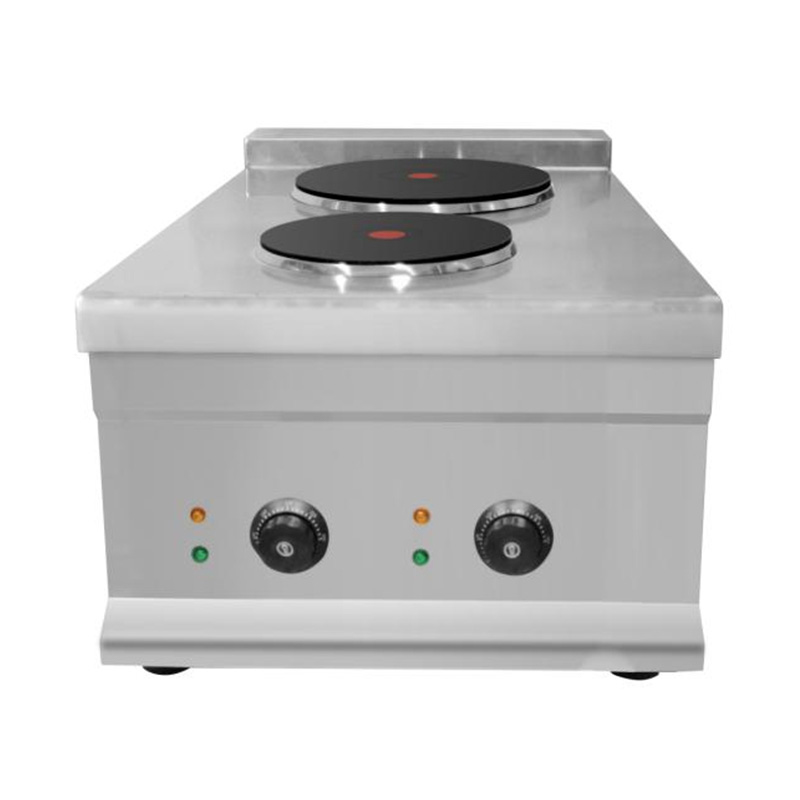
In commercial settings, a cook stove must handle continuous operation while maintaining a stable flame output. Heavy-duty burner construction, reinforced frames, and heat-resistant materials are critical factors affecting long-term performance. Many operators also focus on multi-burner configurations, which allow simultaneous cooking of different dishes and improve workflow efficiency during peak hours.
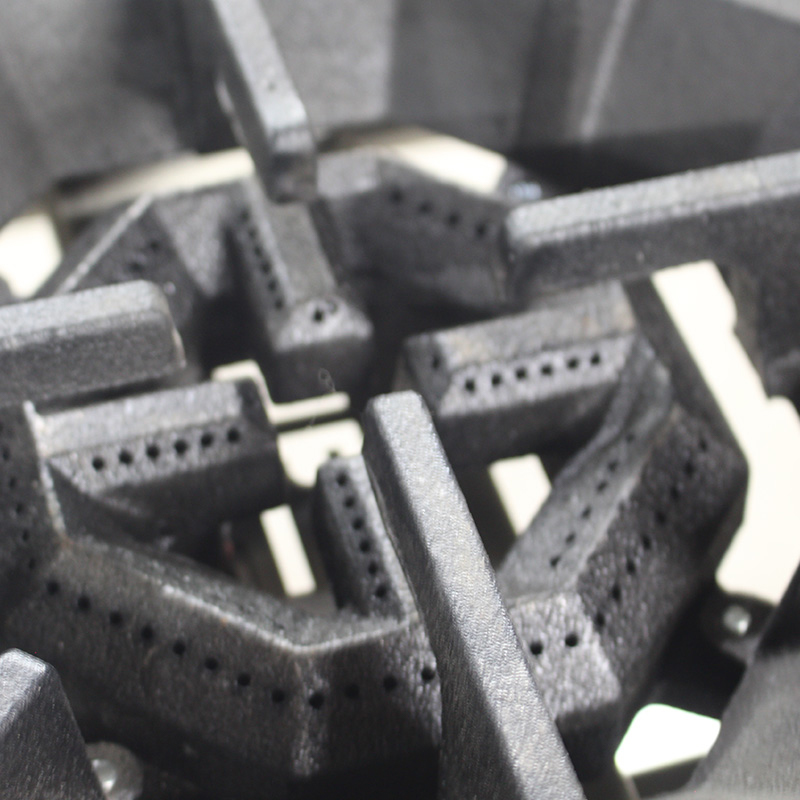
Another frequently searched topic is energy utilization. Commercial users want a cook stove that converts fuel into usable heat effectively, reducing waste and helping control operating costs. Flame distribution and burner spacing directly influence cooking speed and pan compatibility, especially for large cookware commonly used in food service operations.
Cleaning and maintenance are also major concerns. A well-designed cook stove often features removable drip trays, smooth surfaces, and accessible burner components. These design details reduce downtime for cleaning and help maintain hygiene standards required in professional kitchens.
Finally, safety-related questions are common in search results. Features such as flame failure protection, stable pot supports, and proper ventilation compatibility are important aspects that users evaluate when selecting a cook stove for commercial use.
Gas Cook Stove: What Buyers Focus on in Professional Use
A Gas Cook Stove remains one of the more searched cooking appliances due to its direct heat control, fast response time, and operational familiarity.
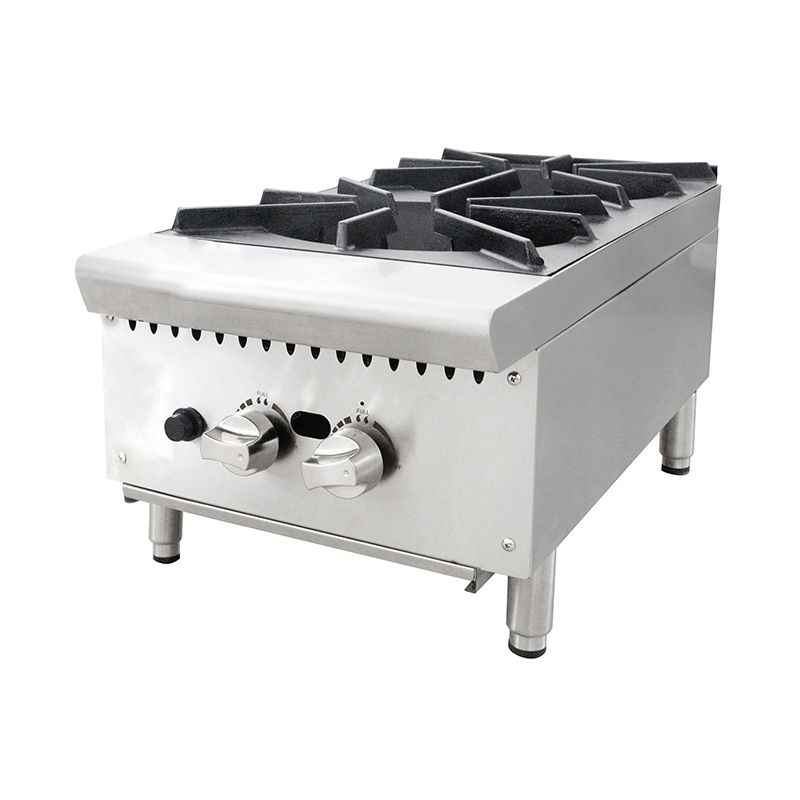
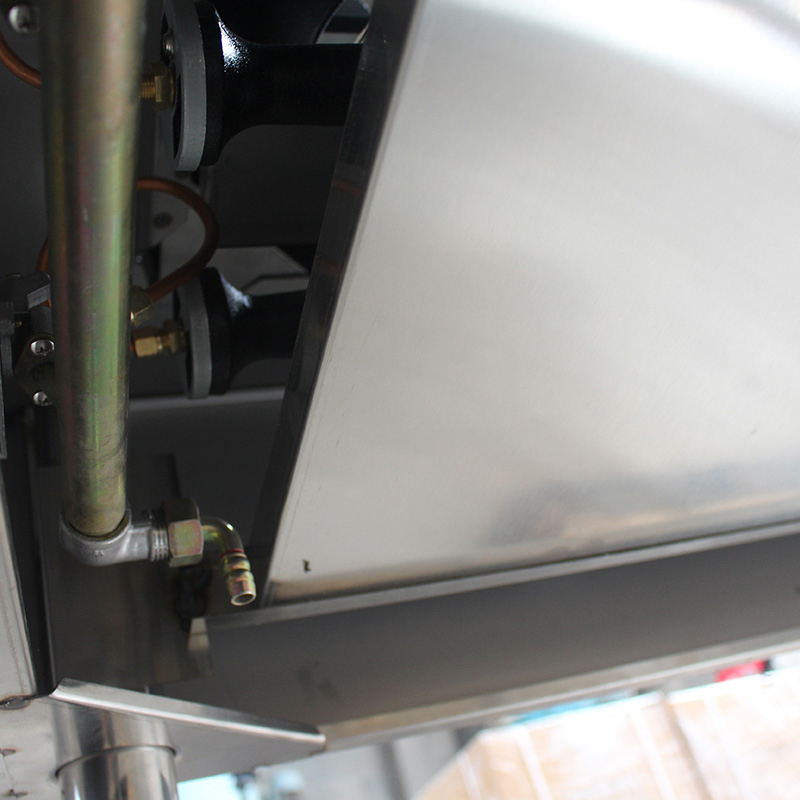
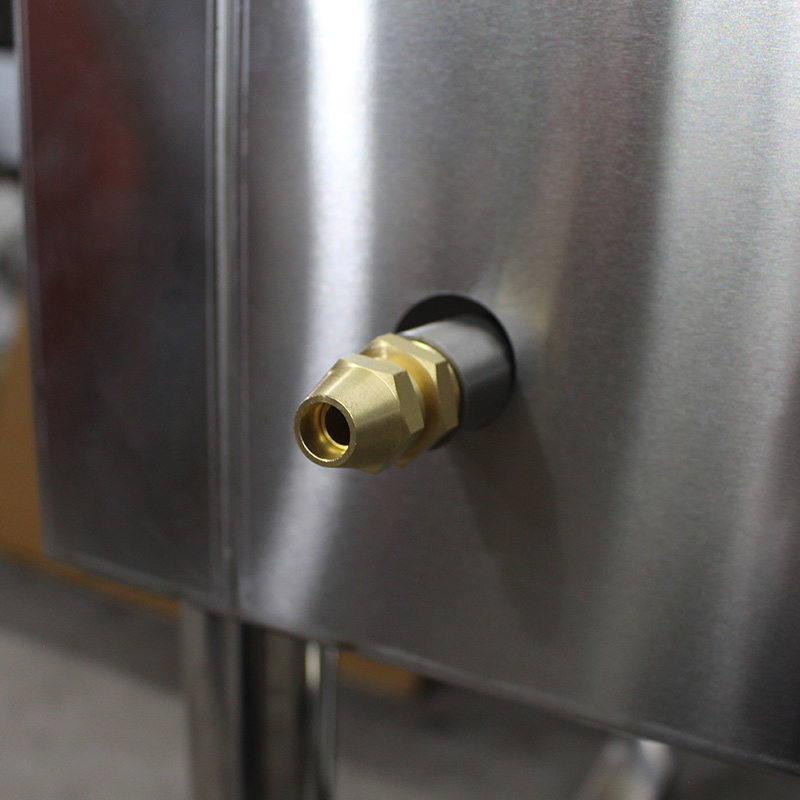
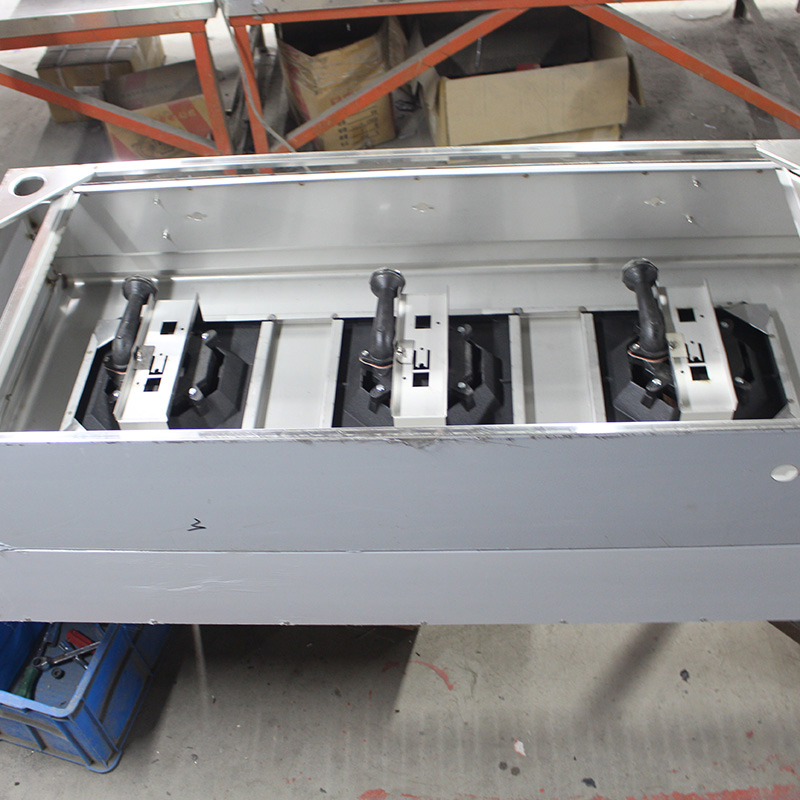
One of the top concerns is fuel compatibility, including natural gas and liquefied petroleum gas. Commercial kitchens often need flexible gas cook stove designs that can be configured according to local gas supply conditions. Proper nozzle sizing and pressure regulation play a key role in maintaining stable flame output and reducing fuel fluctuation issues.
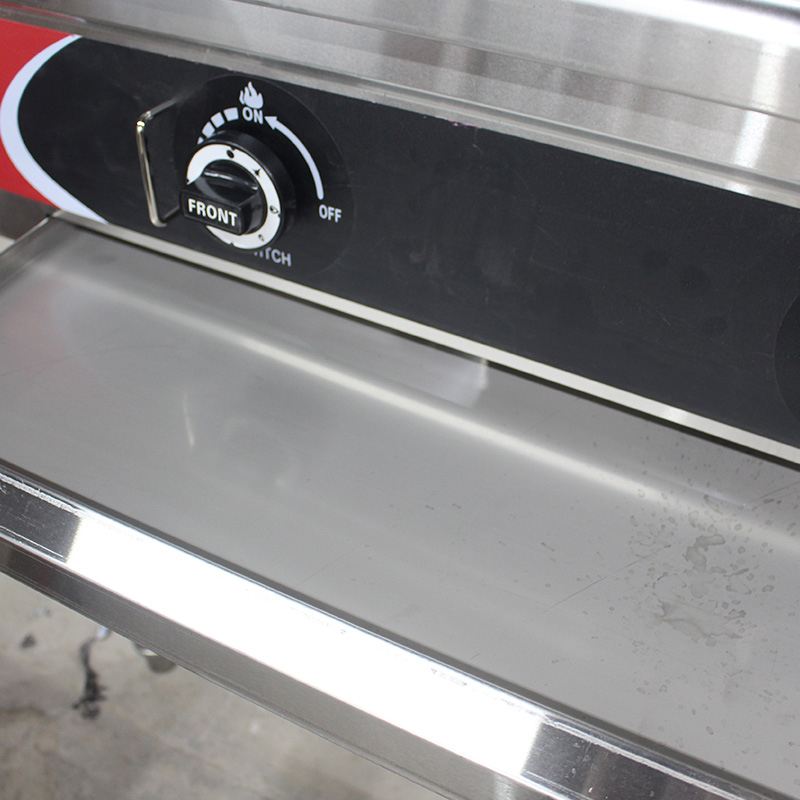
Heat control precision is another widely discussed topic. A gas cook stove allows chefs to adjust flame intensity instantly, which is essential for techniques such as sautéing, searing, and simmering. In professional kitchens, consistent flame behavior across all burners supports standardized cooking results and improves kitchen coordination.
Users also search extensively for safety mechanisms. Modern gas cook stove designs typically integrate flame failure devices that automatically cut off gas flow if the flame goes out. This function is especially important in busy kitchens where equipment is used continuously and monitored by multiple staff members.
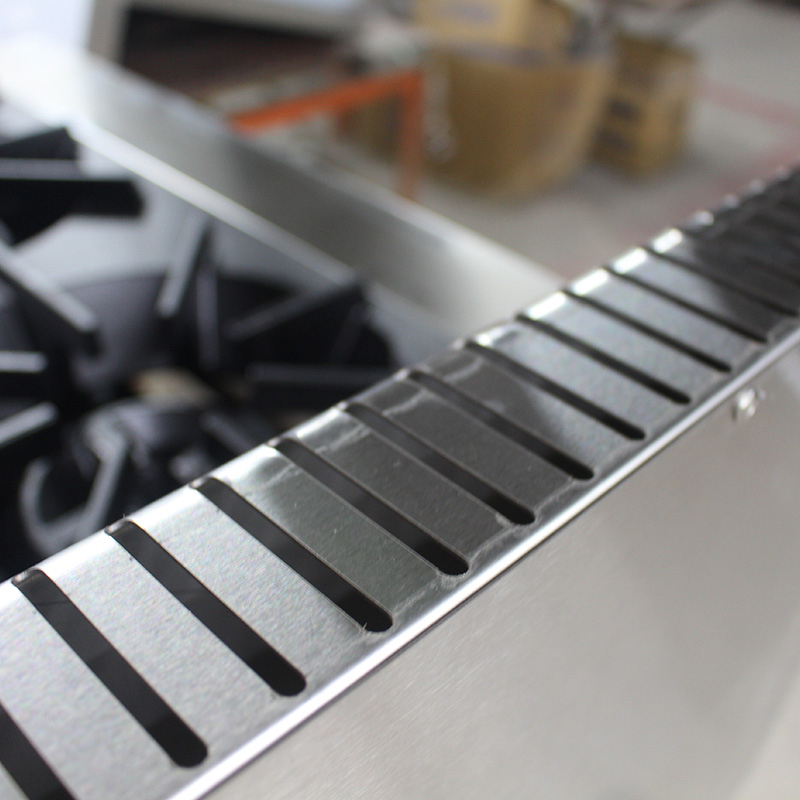
Ventilation compatibility is another key aspect. A gas cook stove generates combustion byproducts, making proper hood integration and airflow planning essential. Buyers often evaluate stove height, burner layout, and exhaust alignment to ensure the unit fits into existing kitchen ventilation systems.
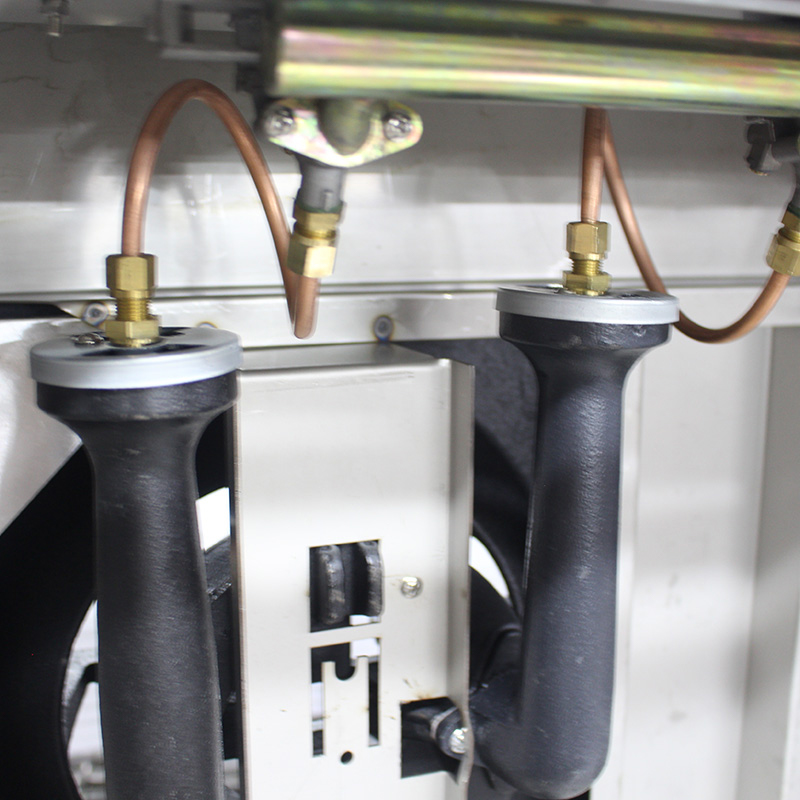
Maintenance-related queries are also common. A gas cook stove with accessible burners, detachable grates, and corrosion-resistant surfaces can simplify routine servicing and extend operational lifespan.
Freestanding Cook Stove: Installation and Space Planning Insights
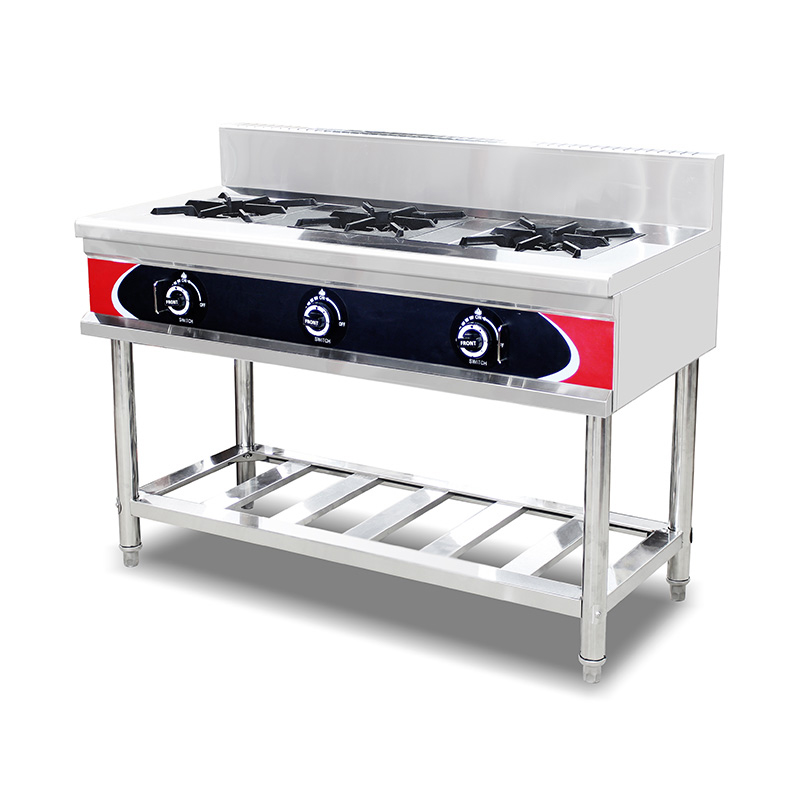
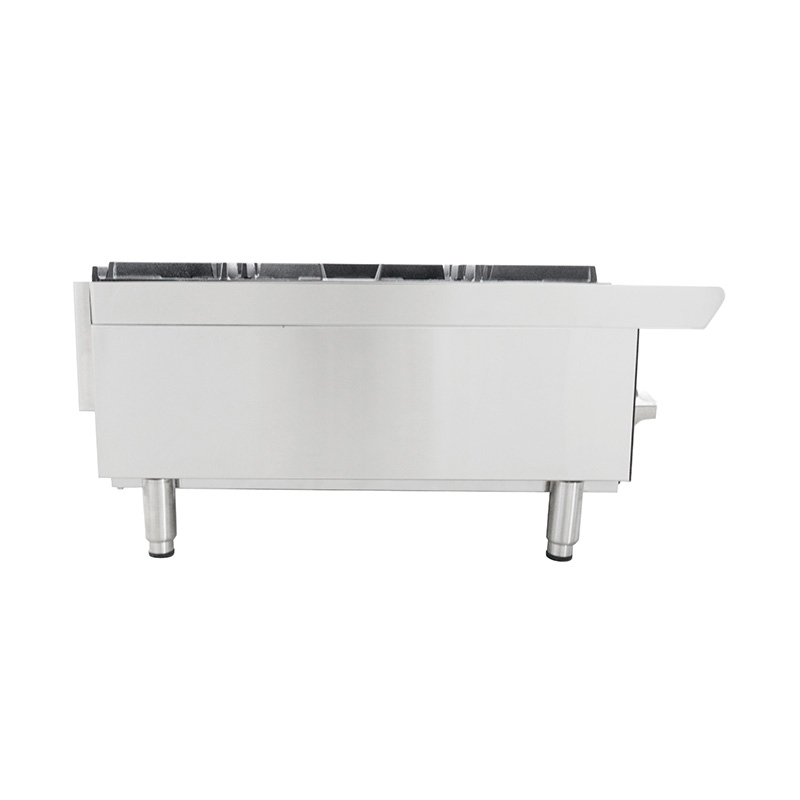
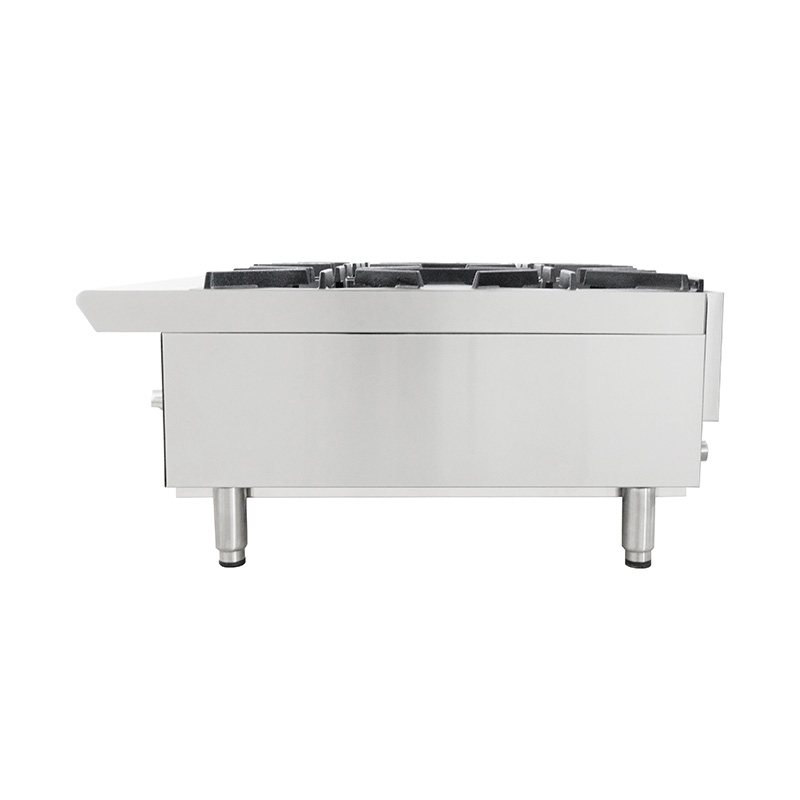
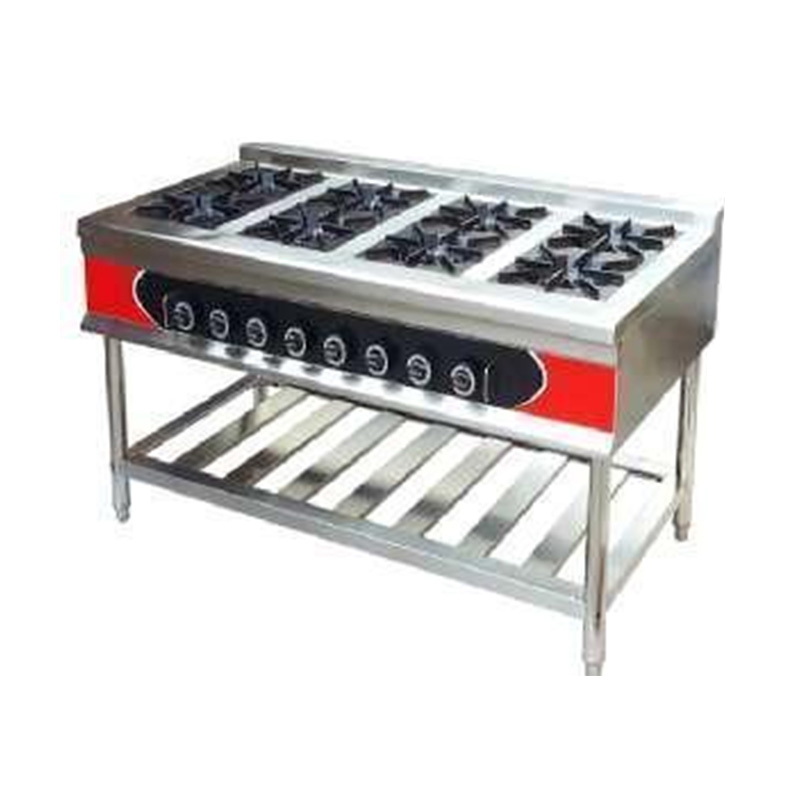
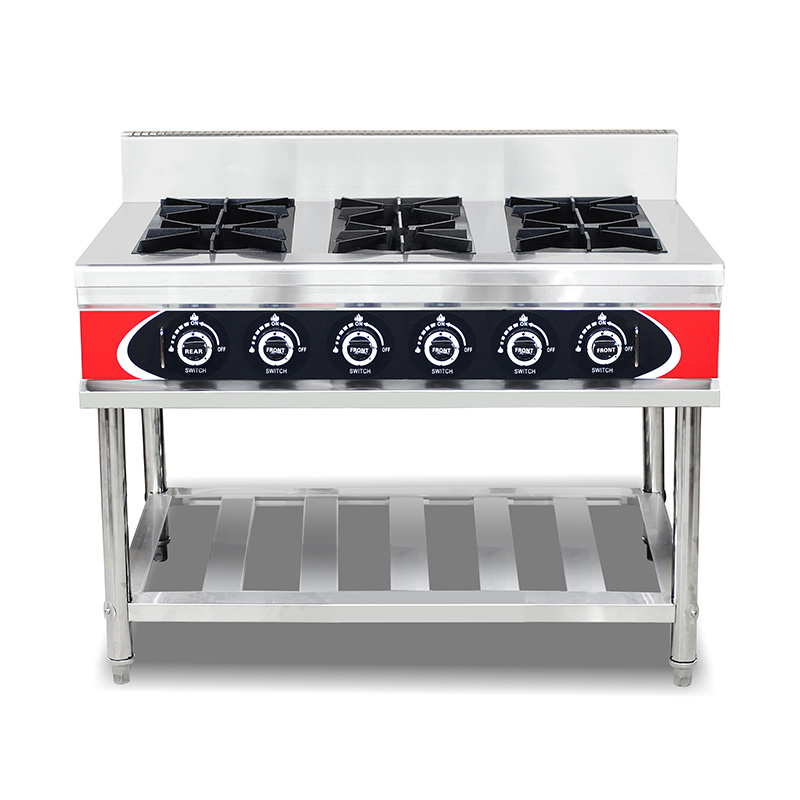
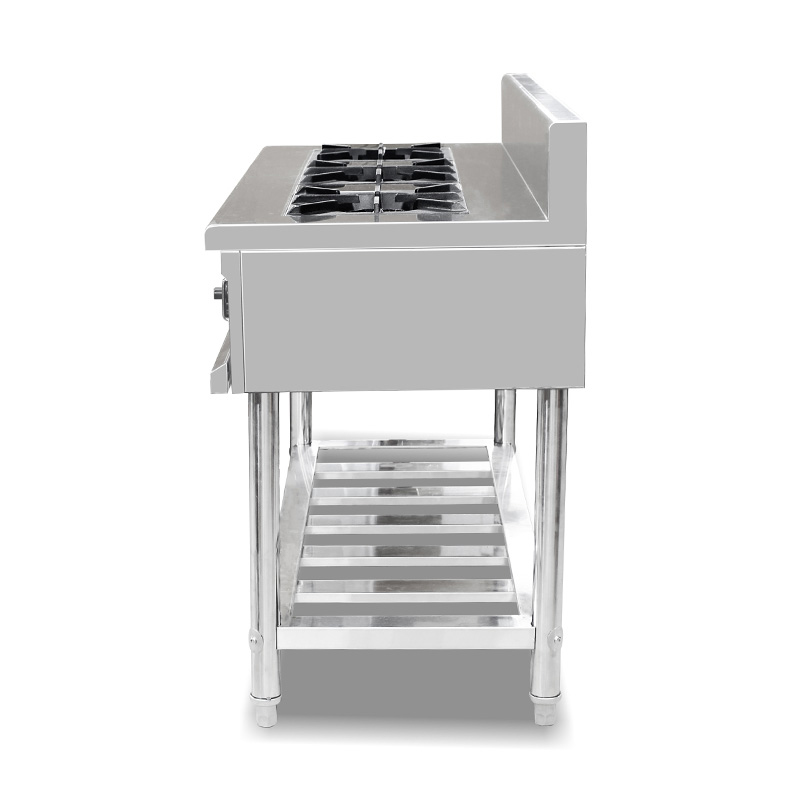
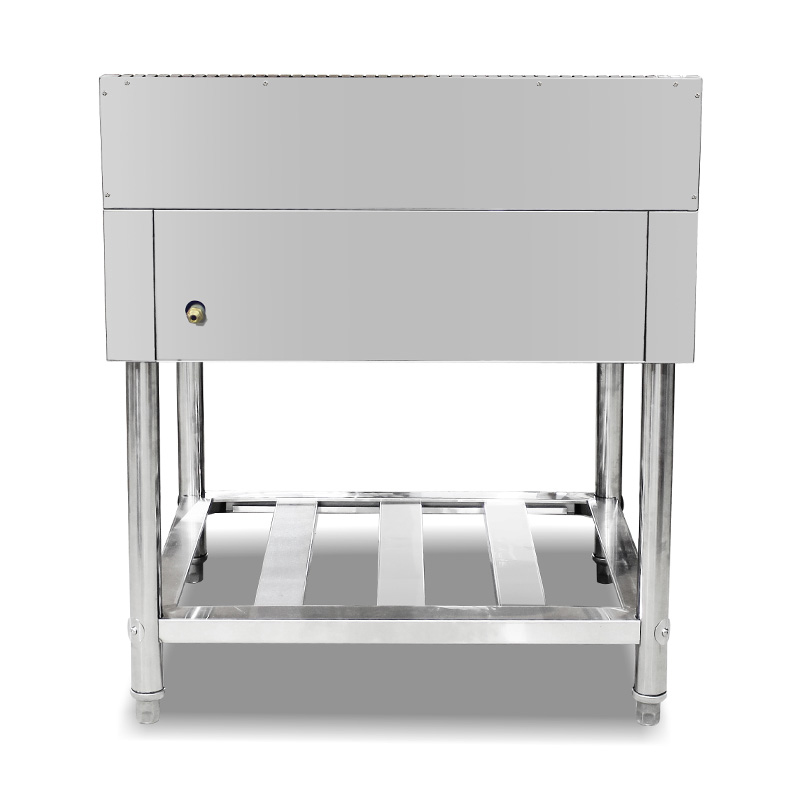
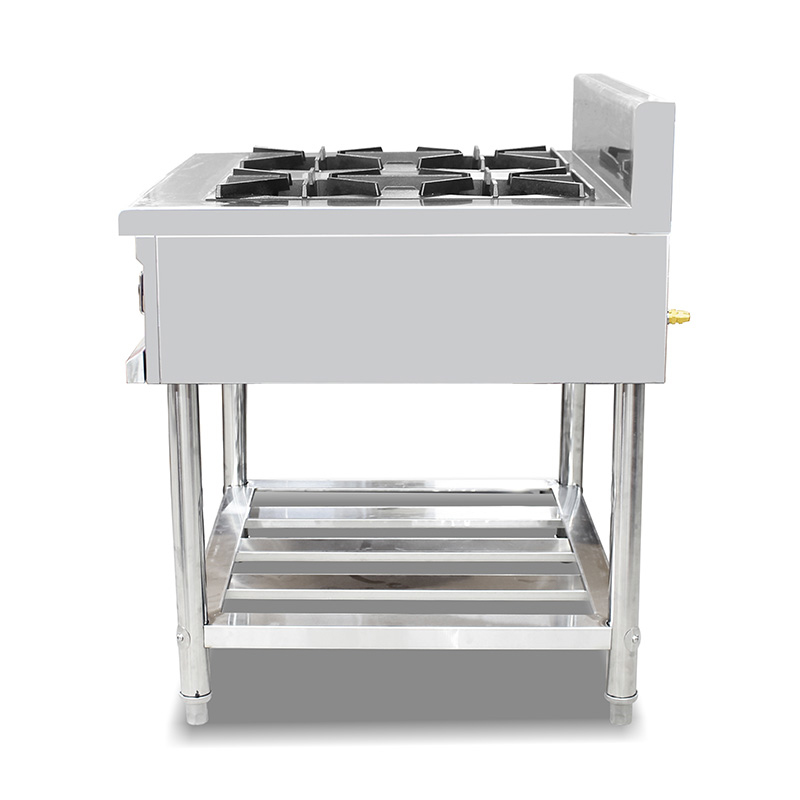
A Freestanding Cook Stove is frequently discussed in searches related to installation flexibility, space utilization, and kitchen layout efficiency. Unlike built-in units, freestanding cook stoves can be placed independently, making them suitable for a wide range of commercial kitchen configurations.
One of the main advantages users research is ease of installation. A freestanding cook stove typically requires fewer structural modifications, which reduces setup time and allows faster kitchen deployment. This makes it appealing for newly established restaurants, mobile kitchens, and facilities that anticipate future layout changes.
Space optimization is another important topic. Freestanding cook stoves are often designed with integrated ovens or storage compartments beneath the burners. This vertical integration helps kitchens maximize usable space, especially in compact environments where efficiency is critical.
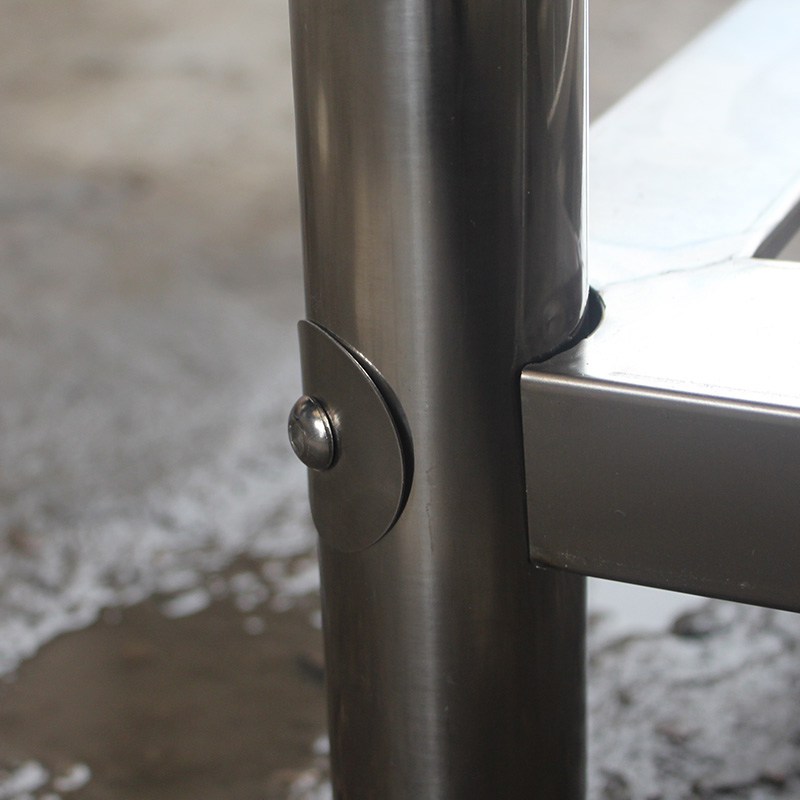
Some freestanding cook stove models are equipped with adjustable legs or reinforced bases, allowing stable placement on different floor surfaces. This adaptability supports various kitchen floor designs and simplifies leveling during installation.
Operational versatility is another factor users care about. A freestanding cook stove can support different cooking styles by accommodating various cookware sizes and cooking volumes. This flexibility is valuable in kitchens offering diverse menus or frequently changing food items.
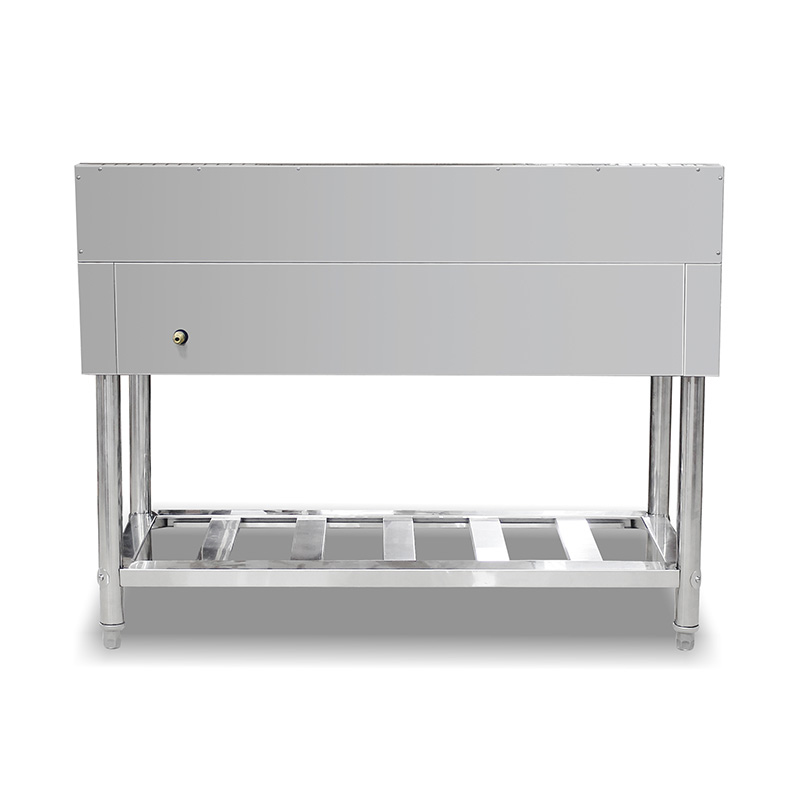
Finally, cleaning access is often highlighted. Since a freestanding cook stove is not fixed into cabinetry, staff can access side and rear areas more easily, supporting thorough cleaning routines and compliance with sanitation requirements.