What Is an Electric Stove and How It Works
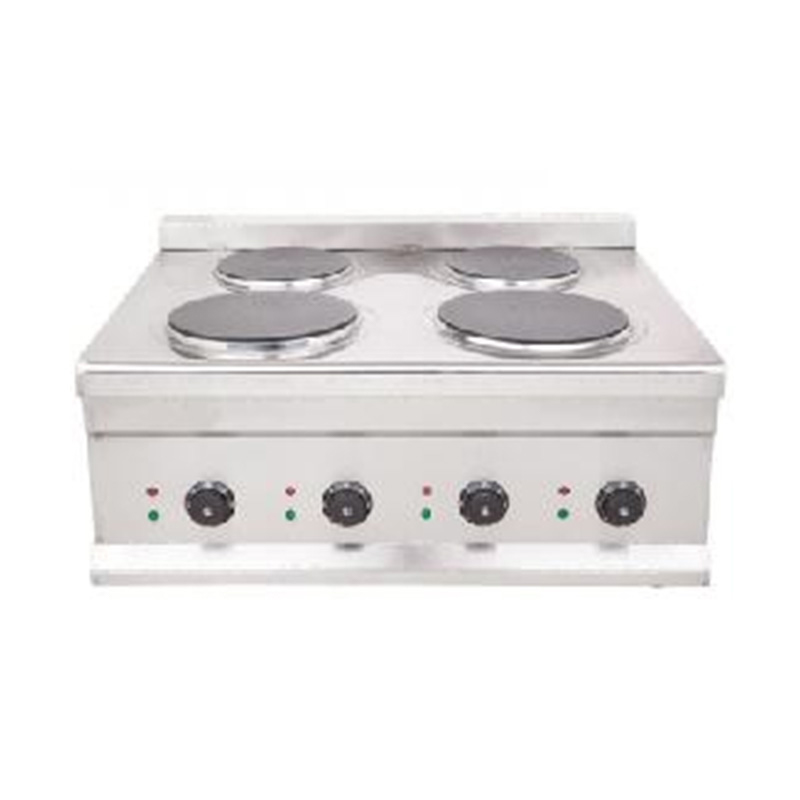
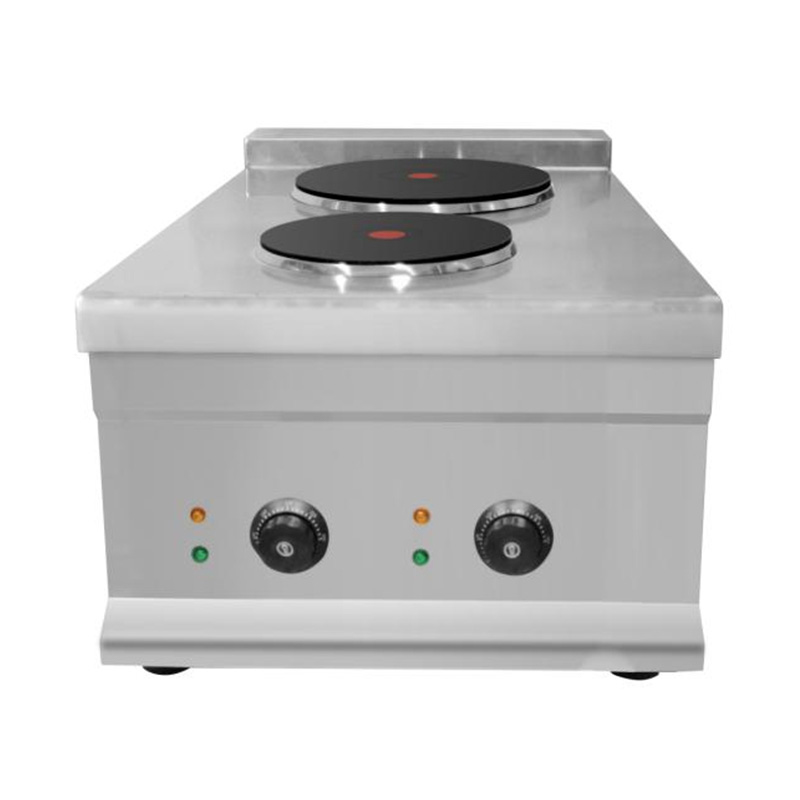
An Electric Stove is a type of commercial cooking equipment that uses electrical energy to generate heat for cooking food. Unlike gas stoves that depend on open flames, electric stoves rely on resistive heating elements that convert electricity directly into heat. In a commercial kitchen, electric stoves offer consistent surface temperature, precise heat control, and a simplified cleaning process. The heating elements can be coil‑type, smooth glass‑top, or induction‑style depending on design and application. Users commonly choose an electric stove when they require a dependable, flame‑free cooking surface that integrates easily with other kitchen electrical infrastructure.
The internal mechanism of an electric stove includes wiring, heating coils, temperature sensors, and control systems. When the chef sets a desired temperature, the control unit delivers current to the heating elements. As the resistance in the element increases, heat is produced and transferred to the cookware. Because electric stoves operate without combustion, they reduce indoor emissions and are frequently used in environments where ventilation limitations exist. Understanding how an electric stove functions helps kitchen managers plan energy use and workflow.
Key Features to Consider in an Electric Stove Machine
An Electric Stove Machine refers to units designed for commercial food preparation using electrical heating. These machines vary in form factor—from countertop single burners to full‑size multi‑burner ranges. Selecting the right electric stove machine involves evaluating:
- Heating Capacity: How much power (in watts) each burner or plate delivers. Higher wattage generally means faster heat build‑up and recovery time.
- Control Precision: Some units offer digital displays and thermoreatic controls, while others use manual knobs. Precise adjustment matters for delicate cooking tasks.
- Surface Material: Stainless steel surfaces resist corrosion and facilitate cleaning. Smooth glass tops can simplify spill management but may need careful handling.
- Burner Type: Coil vs smooth top affects heat distribution and cookware compatibility. Induction‑capable electric stove machines deliver heat through magnetic fields and require compatible pots.
Evaluating these features can help kitchen operators identify the right electric stove machine for their volume, workflow, and menu types.
Electric Stove Safety Standards and Ideal Practices
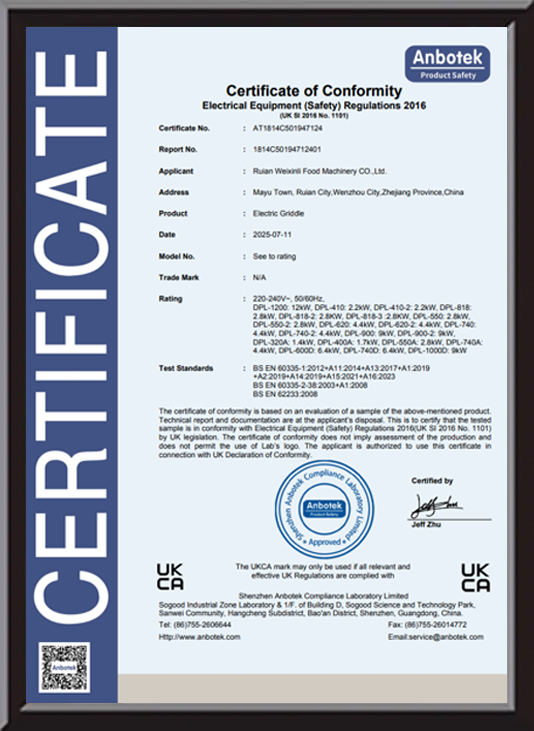
Safety is a central concern for any commercial cooking device, and the Electric Stove is no exception. Because these machines operate at high temperatures and electrical loads, adherence to safety standards and safe operating protocols is crucial.
Commercial kitchens implementing electric stoves should:
- Ensure Proper Installation: A qualified technician should connect the electrical supply to prevent overloads or short circuits. Correct grounding and compliance with local electrical codes protect staff and equipment.
- Train Staff on Operation: Employees should understand how to adjust temperatures, avoid contact burns, and handle cookware correctly on electric surfaces.
- Monitor Appliance Condition Regularly: Worn cables, loose connections, or damaged heating elements can pose risks. Routine visual inspections help maintain safe operation.
- Install Protective Devices: Circuit breakers and overload protection can mitigate fire risk due to electrical faults.
By prioritizing safety guidelines in the use of electric stoves, kitchen managers reduce accidents and maintain a reliable cooking environment.
Energy Efficiency in Electric Stove Machine Use
Energy costs are increasingly important for foodservice operators. The energy efficiency of an Electric Stove Machine depends on how effectively it converts electrical energy into usable heat with less loss. Factors influencing energy efficiency include:
- Heating Technology: Induction variants of electric stove machines offer quicker heat transfer and less wasted energy because heat is generated directly in the cookware.
- Insulation and Design: Well‑insulated housings and surface designs that retain heat help reduce energy consumption during long cooking periods.
- Usage Patterns: Preheating only when necessary, matching burner size to cookware base, and turning down heat promptly after cooking all contribute to efficiency.
Understanding and implementing energy‑aware practices with electric stoves can help foodservice businesses manage utility expenses while maintaining cooking performance.
Cleaning and Maintenance Tips for Electric Stove
Maintaining cleanliness and ideal performance of an Electric Stove protects its lifespan and functionality. Electric heating surfaces can accumulate grease, food debris, and scale over time if not cleaned regularly. Effective maintenance includes:
- Daily Wipe‑Downs: After the unit cools, use a mild detergent and soft cloth to remove surface residues. Avoid abrasive tools that can scratch the surface.
- Degreasing: Commercial kitchens often accumulate grease; dedicated degreasing solutions help maintain hygienic conditions and prevent heat transfer disruption.
- Inspect Heating Elements: Periodically check coils or induction surfaces for signs of wear, discoloration, or warping. Replace any compromised parts to maintain consistent heating.
- Professional Servicing: Annual servicing by qualified technicians can identify electrical issues before they escalate, helping sustain performance over time.
Regular cleaning and care for electric stoves also contribute to compliance with health and safety inspections.
Choosing the Right Electric Stove Machine for Your Kitchen
Selecting a suitable Electric Stove Machine involves aligning kitchen needs with machine capabilities. Consider the following decision factors:
- Cooking Volume: High‑volume operations may need multi‑burner units or high‑output elements capable of handling simultaneous tasks.
- Menu Requirements: Certain cooking styles—sautéing, boiling, simmering—require flexible temperature control that some electric stove machines can deliver better than others.
- Space Constraints: Countertop units may fit limited space, while full‑size ranges serve larger cooking lines.
- Electrical Infrastructure: Ensure your facility’s electrical system supports the required power draw without compromising other operations.
By systematically assessing these elements, kitchen planners and operators can identify electric stove machines that support efficient food preparation, staff workflow, and long‑term cost management.