Understanding the Tabletop Cook Stove
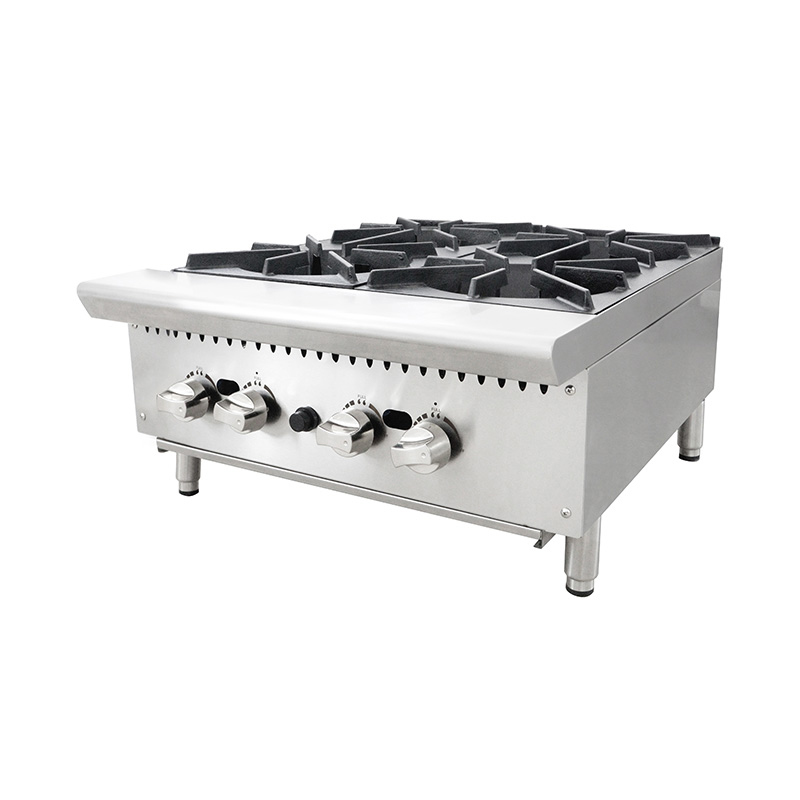
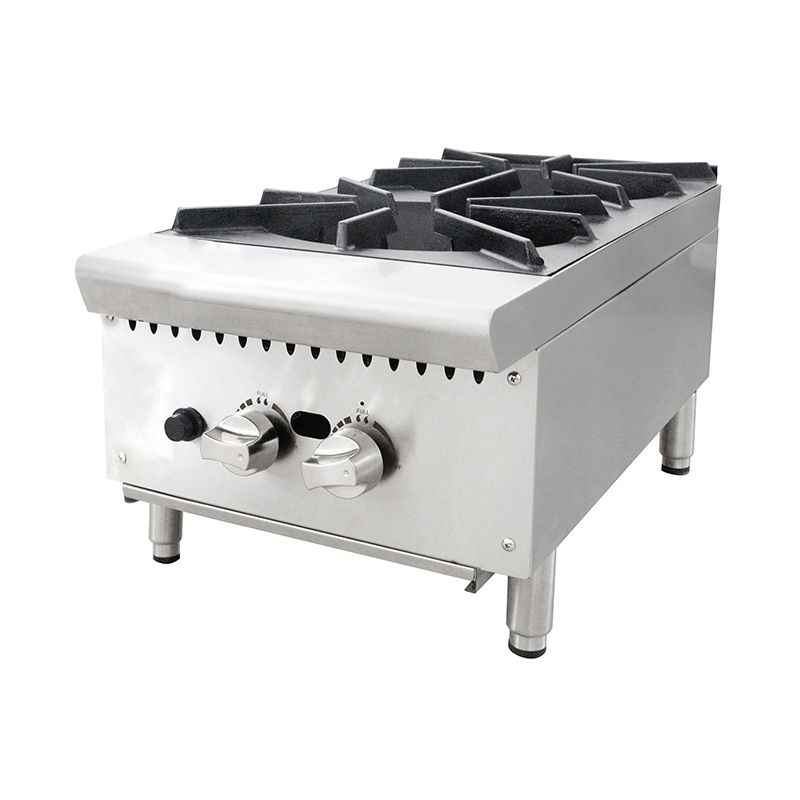
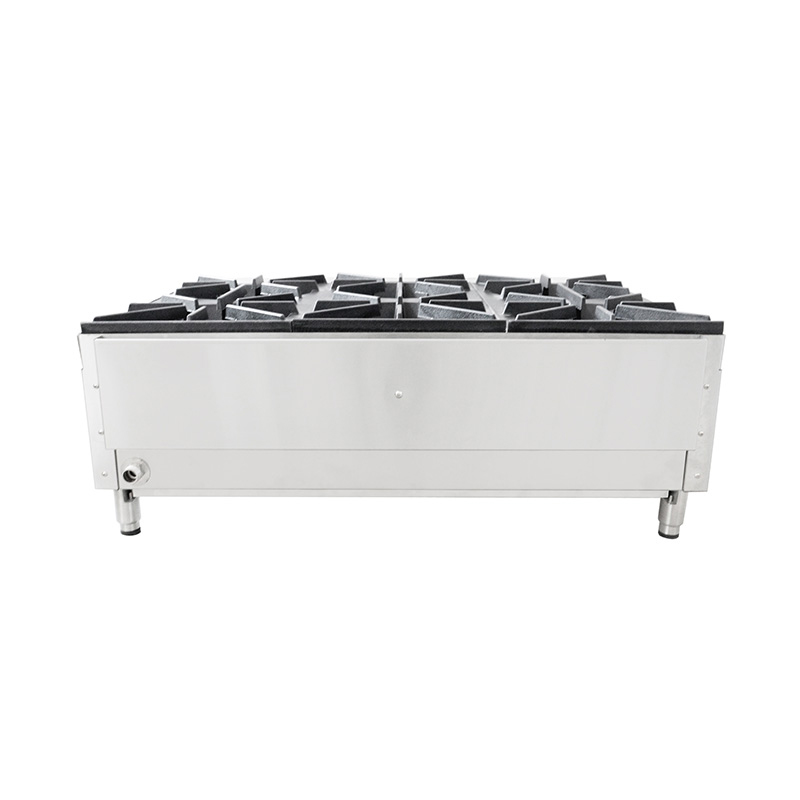
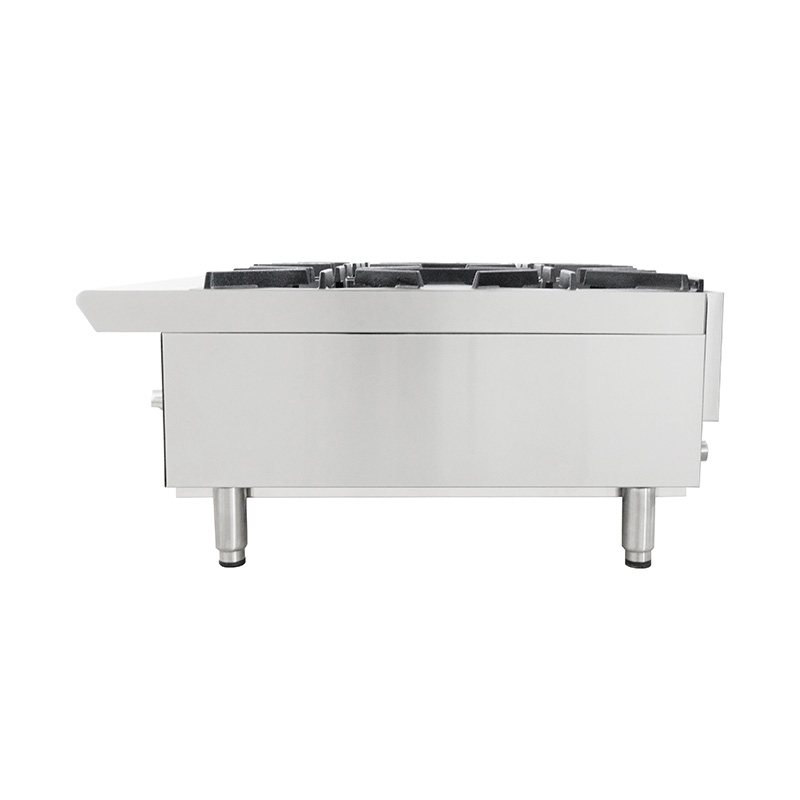
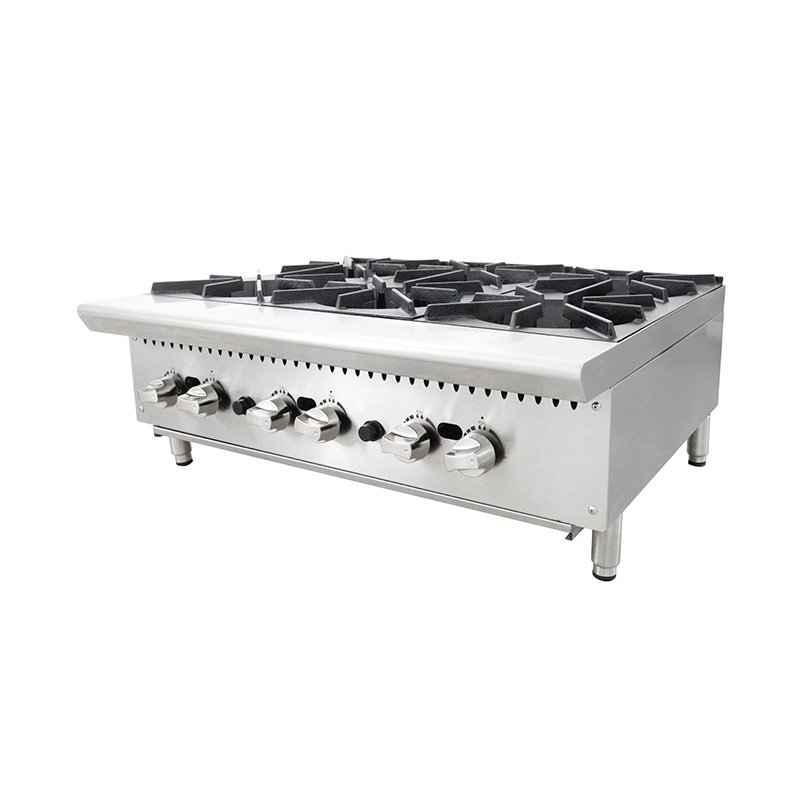
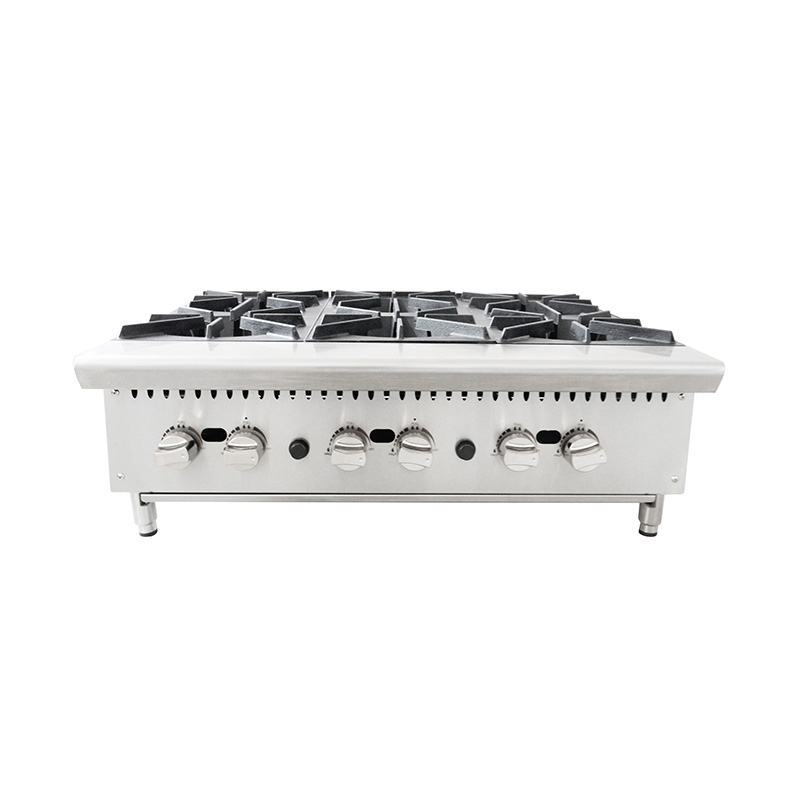
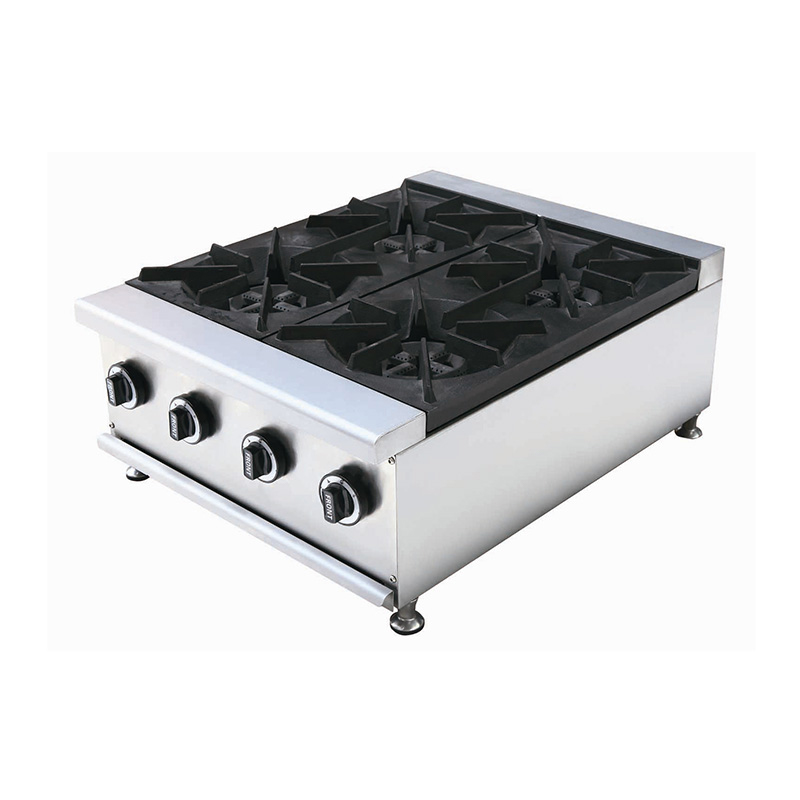
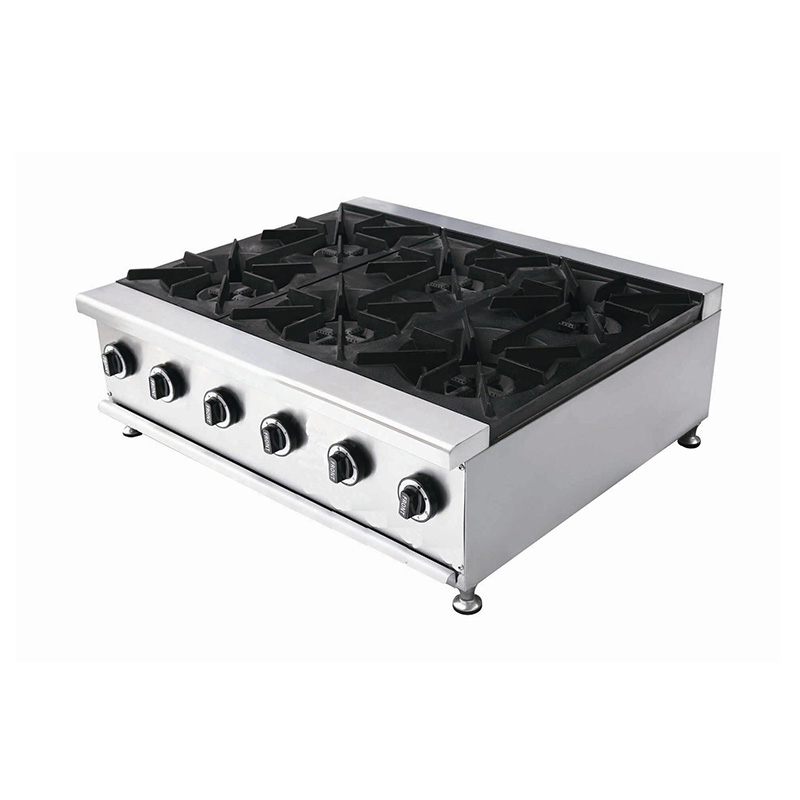
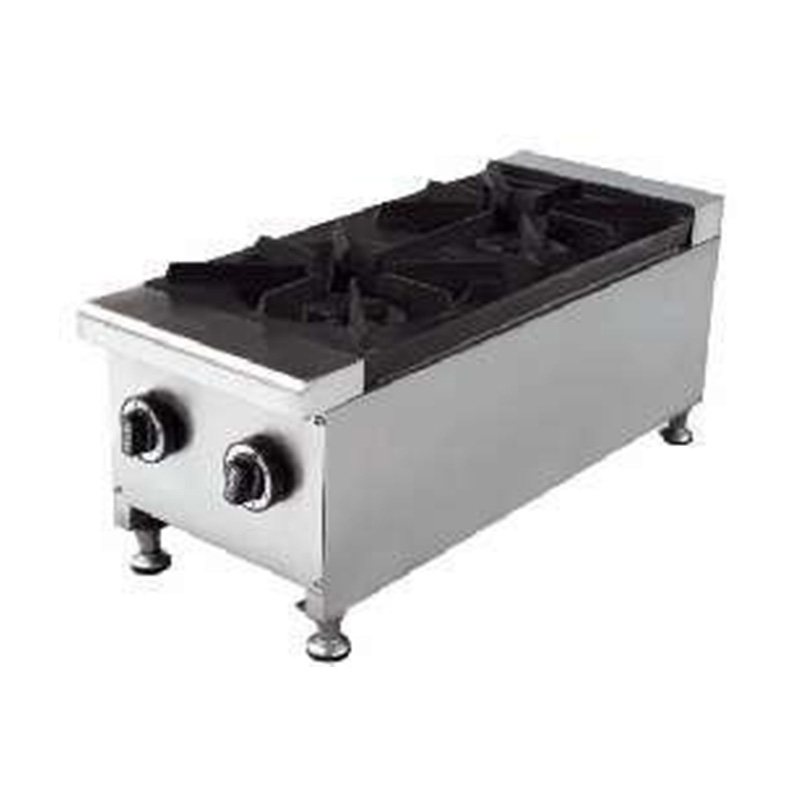
A Tabletop Cook Stove refers to a compact cooking appliance designed to sit on a counter or table surface, commonly used in commercial kitchens, outdoor catering, small restaurants, and food service environments. These units are typically fueled by gas or electricity and provide a convenient, portable solution for food preparation where space is limited or flexibility is required.
When users search for information about a Tabletop Cook Stove, they are often concerned with efficiency, safety, temperature control, and space utilization. These stoves are valued for their ability to integrate into kitchen workflows without requiring extensive installation or dedicated infrastructure. For food service professionals, understanding how a tabletop cook stove performs under continuous use is essential.
Key Features of a Tabletop Cook Stove
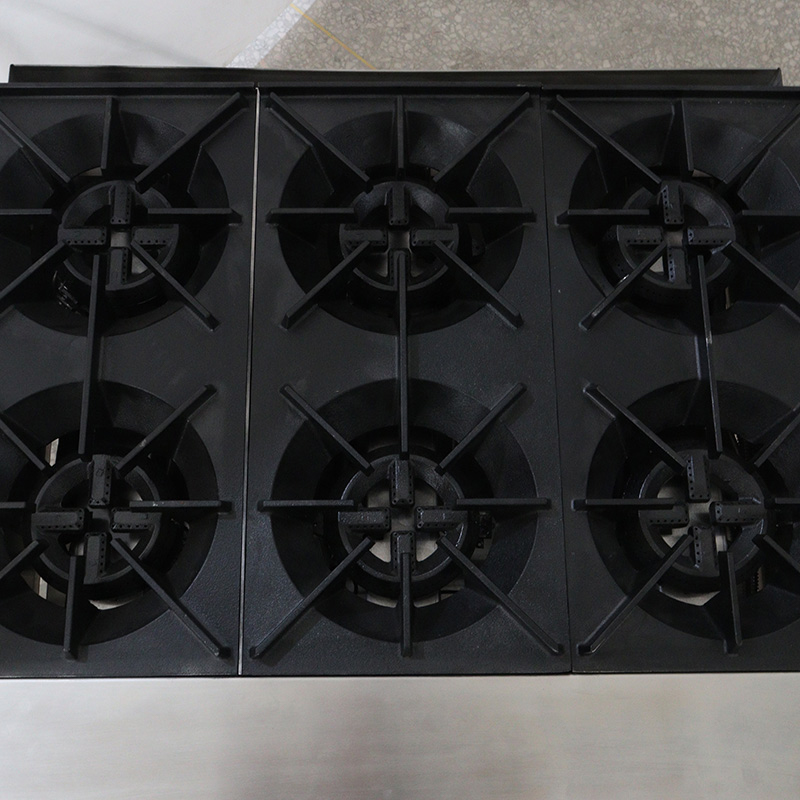
A Tabletop Cook Stove usually includes features such as adjustable heat settings, durable cooking surfaces, and easy-to-clean materials. Heat output control is critical for consistent cooking results, whether for simmering sauces, boiling water, or searing ingredients. Materials like stainless steel and cast iron are commonly used because they withstand frequent use and resist corrosion.
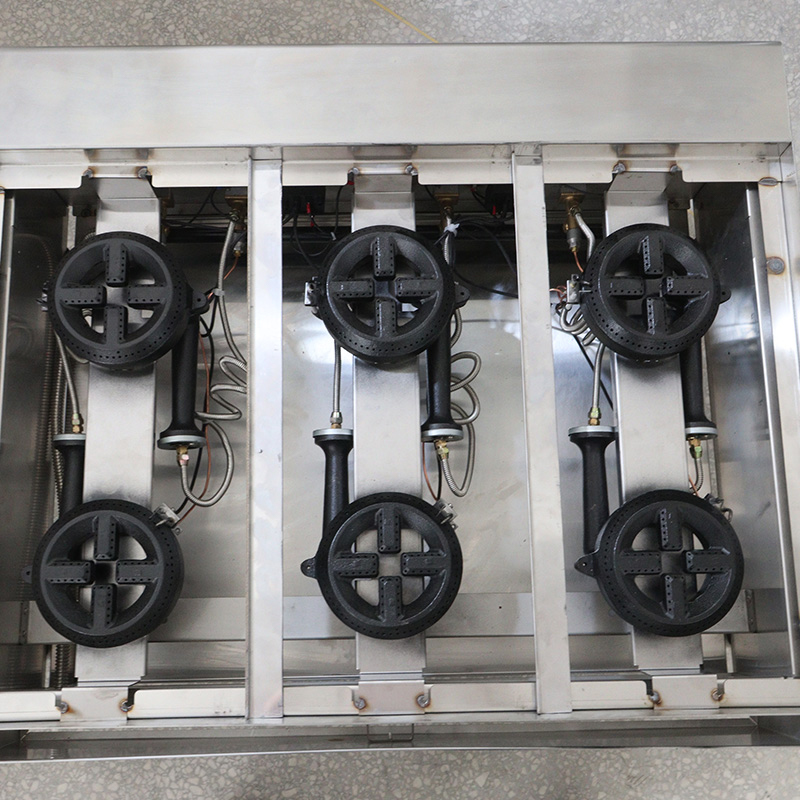
Ease of cleaning is another factor that users search for regarding the Tabletop Cook Stove, especially in commercial settings where sanitation standards are high. Detachable drip trays, sealed burners, and smooth surfaces help reduce downtime between food prep cycles and maintain compliance with hygiene expectations.
Installation and Safety Considerations for Tabletop Cook Stove
One of the practical concerns users have about a Tabletop Cook Stove is ensuring safe and proper installation. Compared to built‑in ranges, these stoves are typically easier to set up, but they still require proper ventilation and clearance from combustible materials. Gas‑powered units need secure connection to appropriate supply lines with leak detection measures, whereas electric models should be installed with adequate electrical capacity and grounded outlets.
Safety features such as flame failure devices, automatic shutoffs, and heat‑resistant knobs are also commonly researched by professionals selecting a Tabletop Cook Stove. These elements help reduce risk in busy environments and support compliance with workplace safety regulations.
Understanding the Desktop Stove Machine
The Desktop Stove Machine refers to a versatile cooking appliance designed to be used on a flat surface or desktop in commercial or high‑volume food prep areas. While the terminology may overlap with tabletop cook stoves, a Desktop Stove Machine often describes a broader category that can include multi‑function units, induction cooktops, and specialized cooking machines tailored for specific food products.
Users searching for Desktop Stove Machine information are often exploring differences in heat distribution, operational control, program settings, and adaptability to various kitchen tasks. These machines are increasingly integrated into modular kitchen systems due to their flexibility and compact footprint.
Key Benefits of Using a Desktop Stove Machine
A major reason food professionals consider a Desktop Stove Machine is its ability to support diverse cooking techniques without occupying extensive kitchen space. For example, in mobile catering or pop‑up food services, a desktop stove machine allows chefs to perform frying, boiling, simmering, and other applications in a single unit. Many of these machines offer precise temperature control, which can be important for delicate cooking processes that require stable heat.
Another aspect users research is energy efficiency. Modern Desktop Stove Machine designs focus on reducing energy consumption while maintaining consistent heat output. Induction‑based versions, for instance, provide rapid heat response and lower wasted energy compared with traditional resistance heating.
Common Questions About Desktop Stove Machine Performance
When evaluating a Desktop Stove Machine, kitchen managers often ask about its compatibility with different cookware types, how evenly heat is distributed across the surface, and whether the machine can handle prolonged continuous use. Heat distribution affects food quality and cooking times, with even heat being crucial for batch preparation or when cooking temperature‑sensitive foods.
Maintenance is another common topic. Users want to know how to clean the surface, whether removable parts are dishwasher safe, and what routine checks are necessary to ensure long‑term performance. A well‑designed Desktop Stove Machine simplifies these tasks with accessible components and materials that resist stains and buildup.
Choosing Between a Tabletop Cook Stove and a Desktop Stove Machine
Many professionals compare a Tabletop Cook Stove with a Desktop Stove Machine to decide which better fits their operations. While both are designed for space‑efficient cooking, user priorities differ. A tabletop cook stove may be more straightforward for basic cooking needs, whereas a desktop stove machine can offer additional functions and programmability.
Search behavior indicates that users consider criteria such as number of burners, heat output range, footprint size, flexibility for multiple cooking styles, and long‑term operational costs. For example, a business focusing on high‑volume frying may prioritize a stove that sustains stable high heat and is easy to clean between shifts.
Trends in Commercial Kitchen Cooking Equipment
Current trends show interest in kitchen appliances that offer improved control interfaces, modularity, and integration with smart kitchen systems. Both Tabletop Cook Stove and Desktop Stove Machine categories are evolving with digital controls, enhanced safety systems, and designs that support streamlined workflows.
Sustainability considerations also influence search interest. Energy‑efficient cooking technology and units that produce less waste align with broader industry shifts toward greener commercial kitchen practices. Users researching these terms often seek data on power consumption, emission reduction, and materials that support long‑term durability.
Maintenance Tips for Tabletop and Desktop Cooking Equipment
Regular maintenance is a frequent search topic for both Tabletop Cook Stove and Desktop Stove Machine owners. Recommended practices include daily cleaning of surfaces and burners, routine inspection of electrical or gas connections, and periodic calibration of temperature controls. Proper maintenance extends equipment life, reduces downtime, and supports consistent food quality.