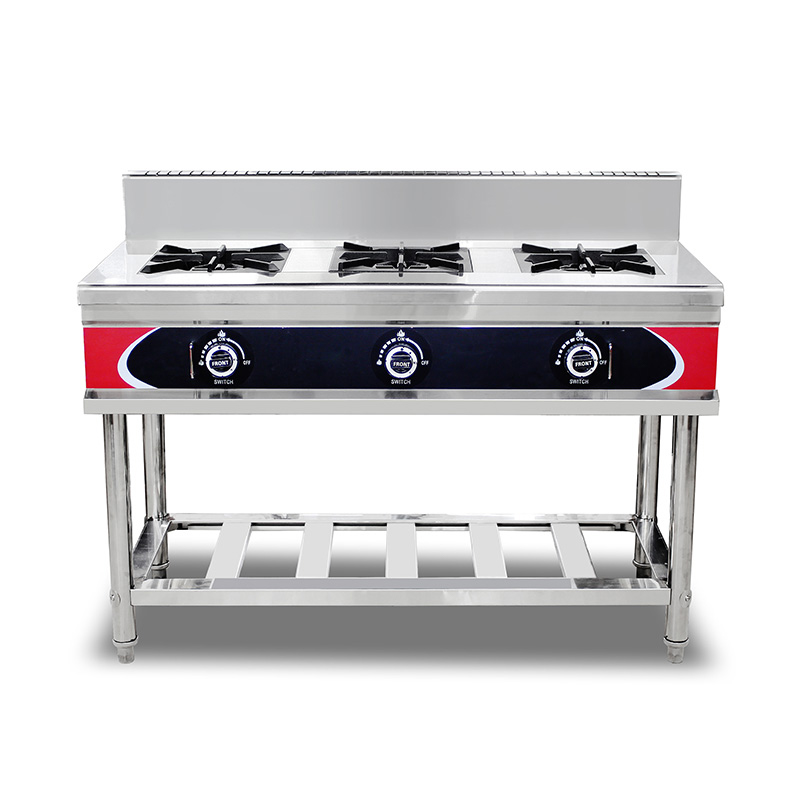
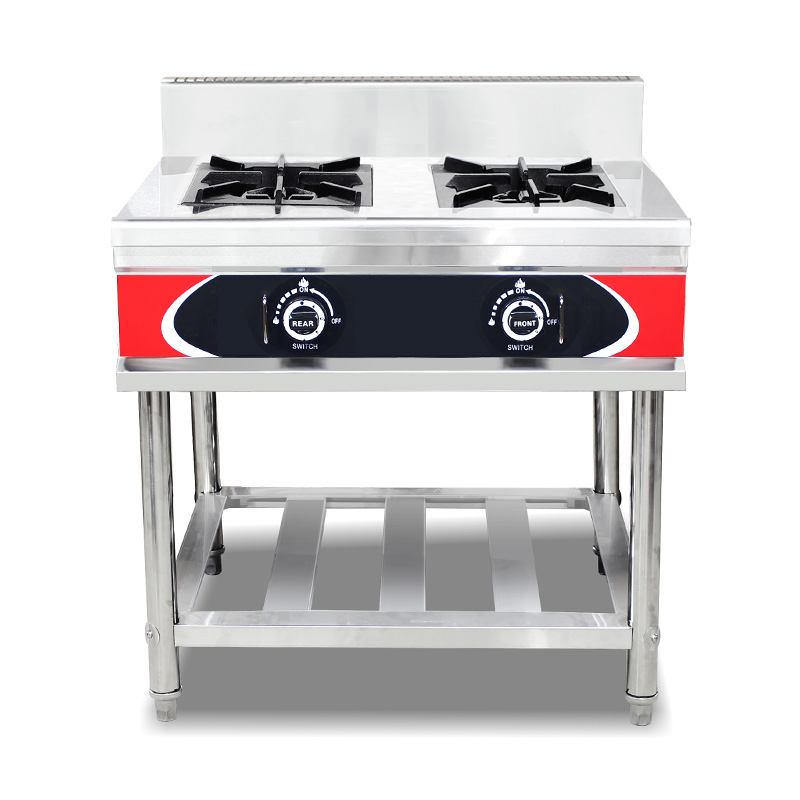
What Is a Vertical Cook Stove and How It Works
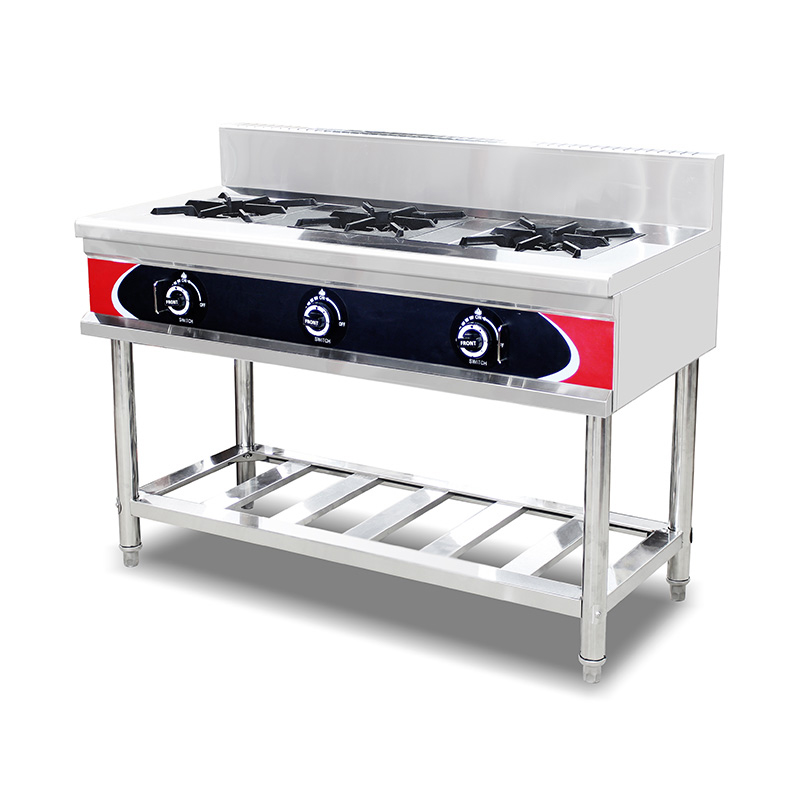
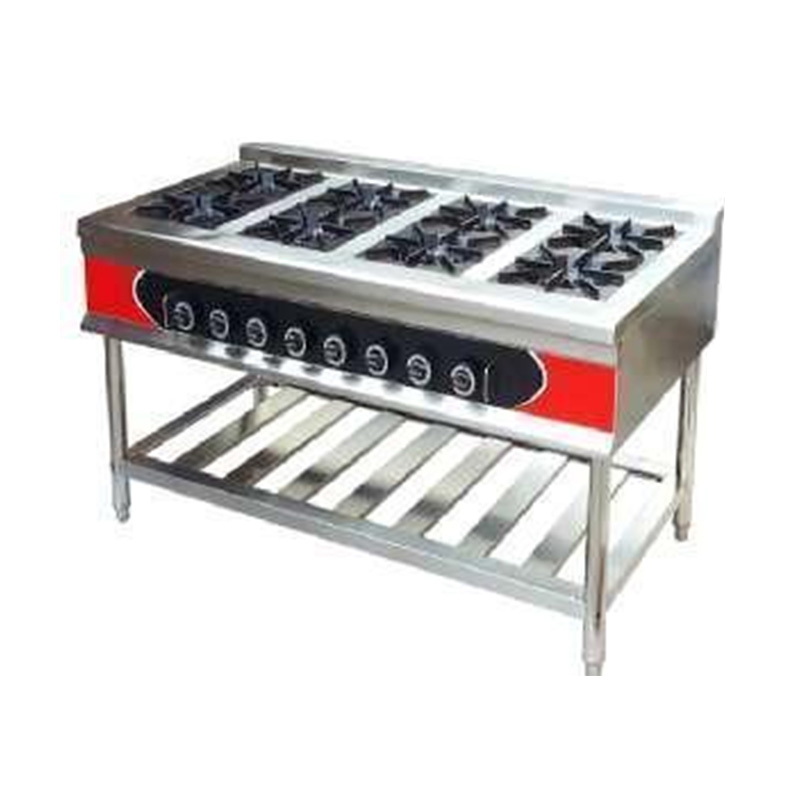
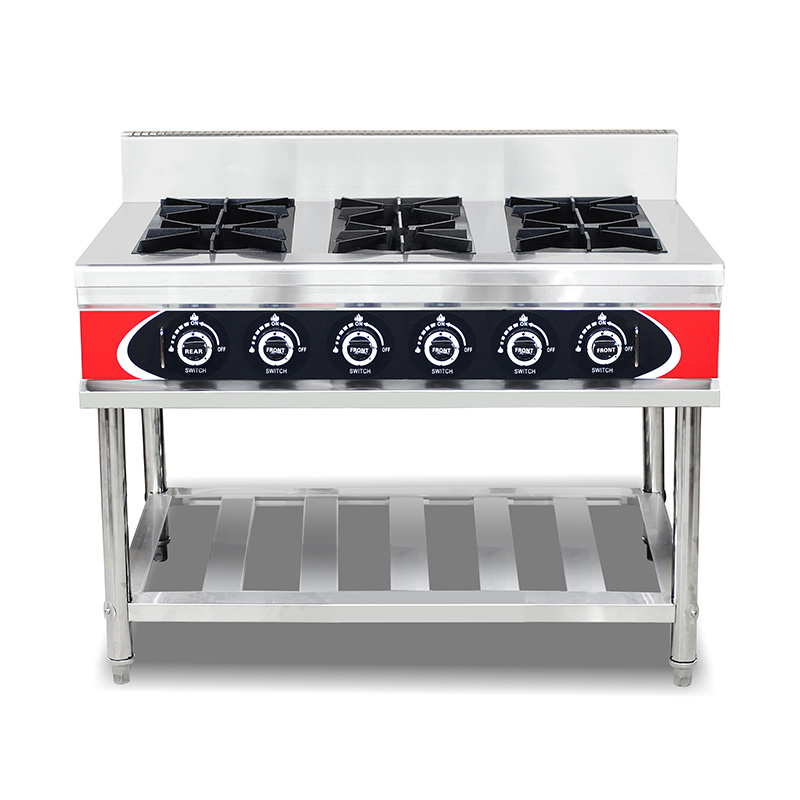
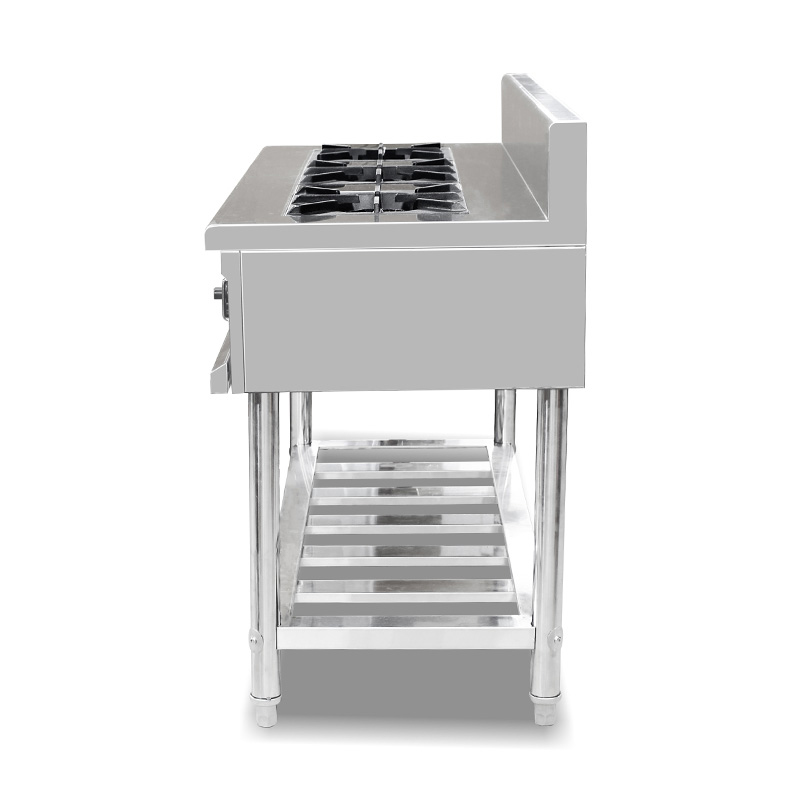
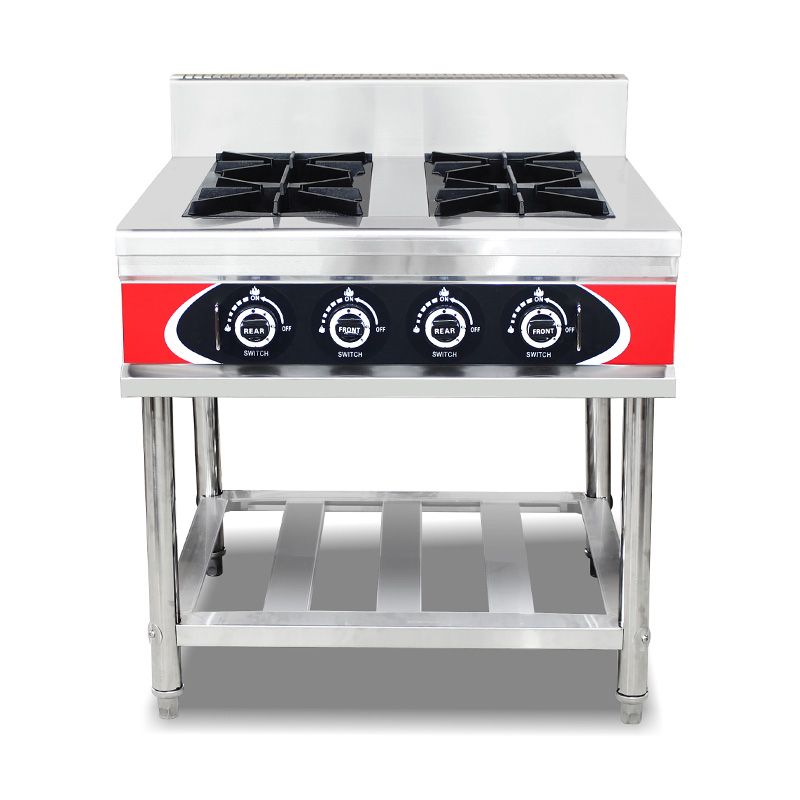
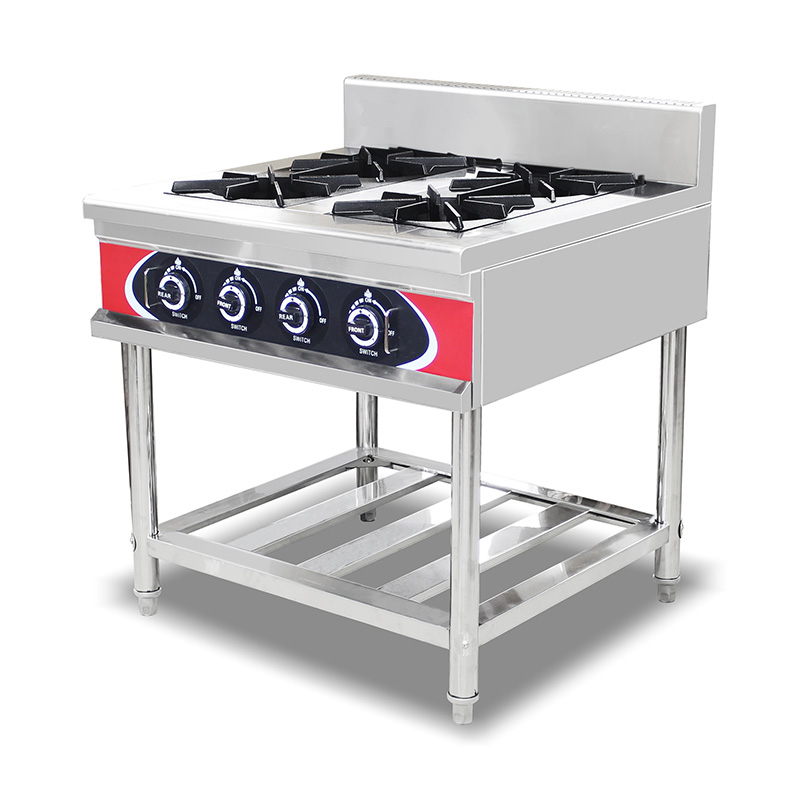
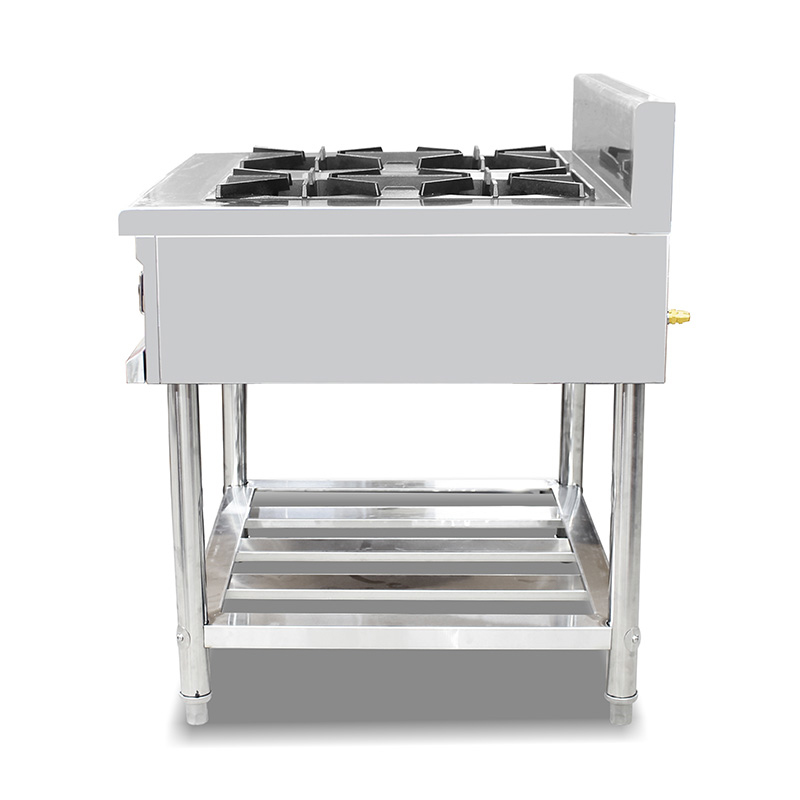
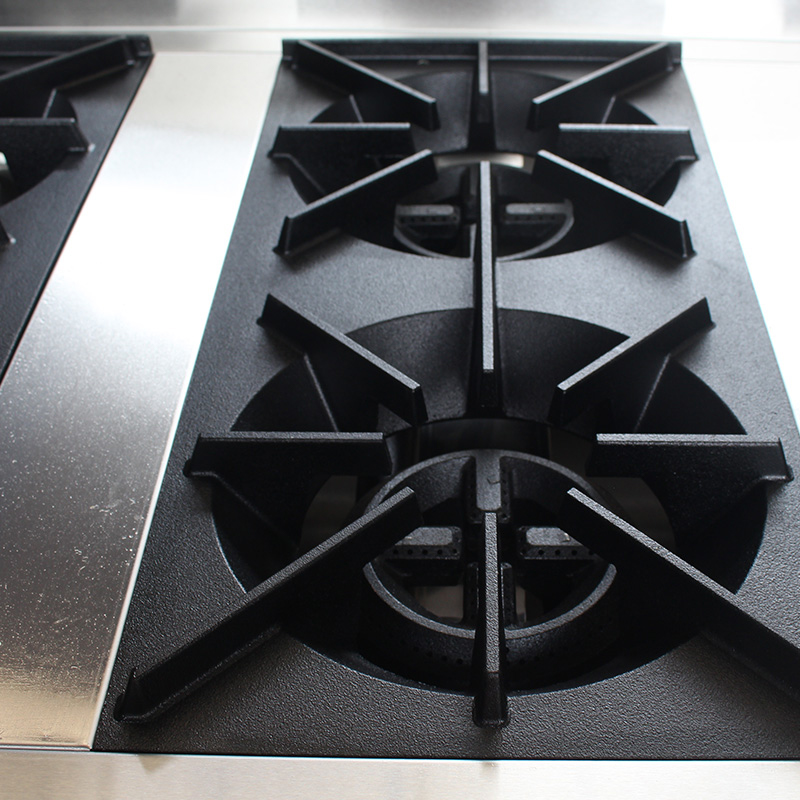
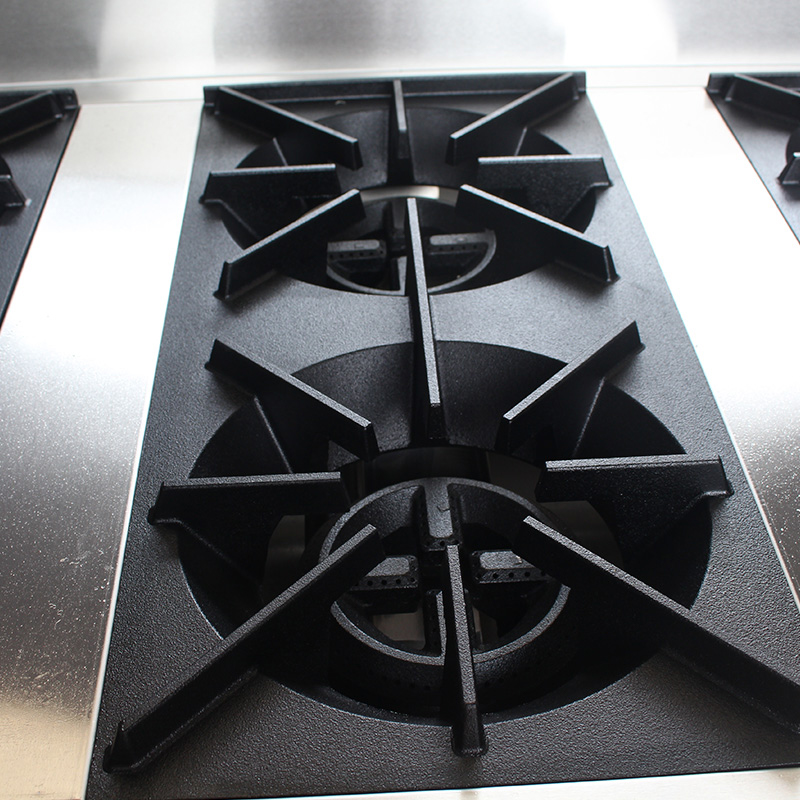
A Vertical Cook Stove is a type of cooking appliance designed for commercial kitchens where space efficiency and heat distribution are priorities. Unlike traditional horizontal stoves, vertical cook stoves stack heating elements, burners, or cooking surfaces vertically. This allows chefs to cook multiple items simultaneously without expanding the kitchen footprint.
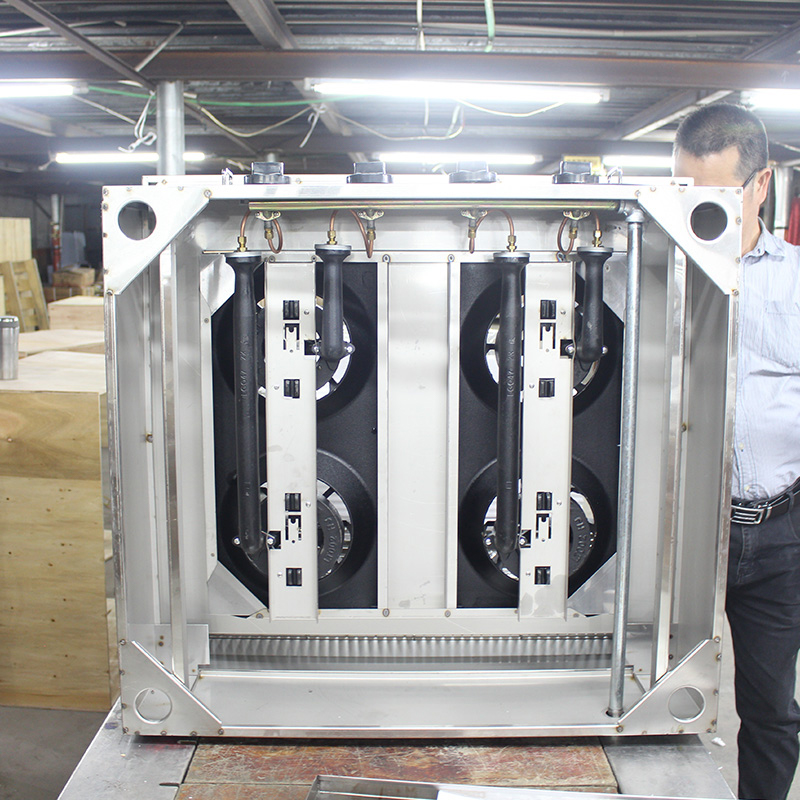
The core design uses vertical alignment of heat sources, which can improve heat circulation and workload organization in a busy kitchen. A vertical cook stove typically includes multiple burner levels, adjustable shelves, and sometimes induction or gas heating systems. The configuration supports a range of cooking tasks, from boiling and simmering to searing and steaming, making it ideal for various foodservice operations.
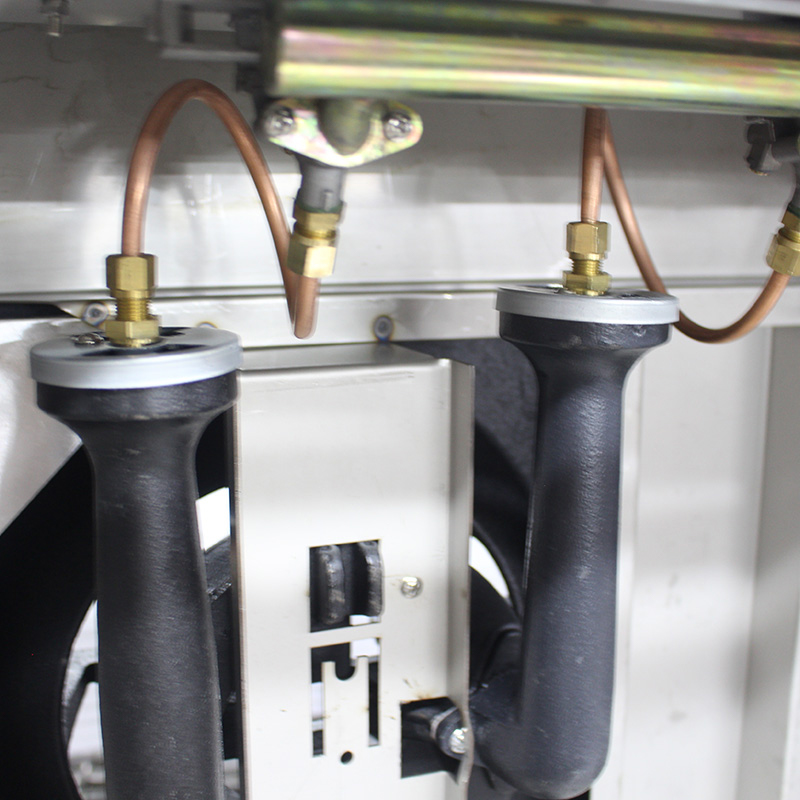
Understanding how a vertical cook stove operates helps kitchen planners evaluate heat output, fuel type, and safety mechanisms. Key components include thermoreatic controls, flame failure devices, and ventilation ports that ensure stable performance during extended use.
Benefits of Using a Commercial Kitchen Vertical Cook Stove
Choosing a Commercial Kitchen Vertical Cook Stove can directly influence kitchen productivity and operational efficiency. One of the primary concerns for chefs and kitchen managers is optimizing limited space. By orienting burners and cooking zones vertically, commercial kitchen layouts can be more compact and organized.
Another benefit is the ability to handle high-volume cooking tasks without requiring multiple separate appliances. Vertical cook stoves often allow for stacking pots and pans at different heights, making multitasking easier during peak service hours. They also support consistent heat distribution, which contributes to uniform cooking results.
Kitchen staff may notice reduced movement between stations since vertical units can centralize several functions in one place. In addition to space savings, a commercial kitchen vertical cook stove can aid in workflow planning by aligning with shelving, refrigeration, or plating stations nearby.
Key Features to Consider When Choosing a Vertical Cook Stove
When evaluating a Vertical Cook Stove for a commercial environment, several features should be carefully reviewed:
- Heat Source Compatibility: Whether gas, electric, or induction, each has implications for installation, energy cost, and maintenance.
- Number of Burners: Determines the capacity for simultaneous cooking tasks.
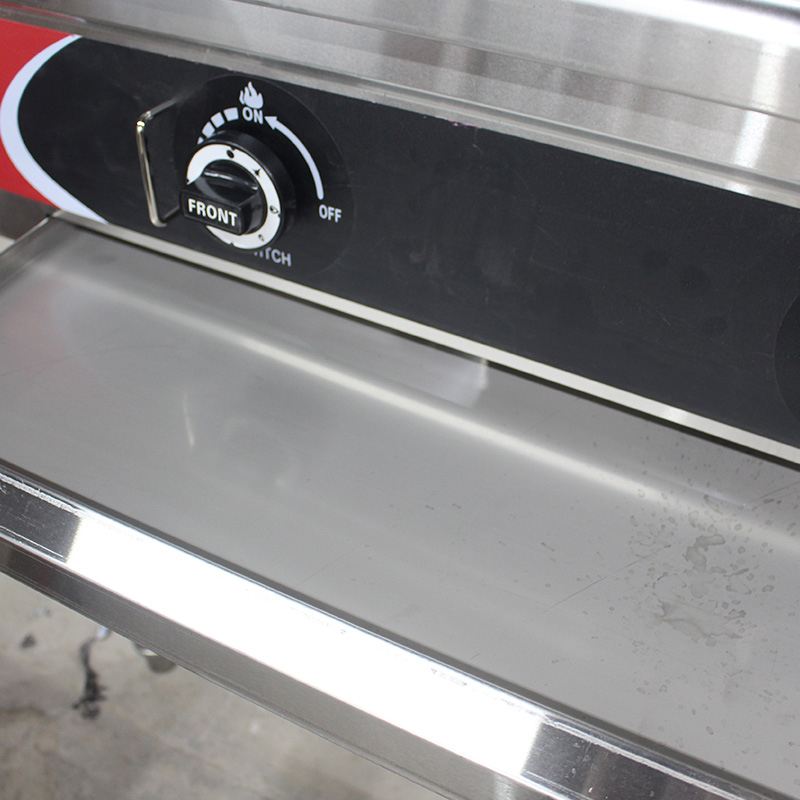
- Temperature Control: Precise controls help maintain consistent heat levels for different types of food.
- Safety Features: Flame failure safety, overheat protection, and certified electrical components.
- Material and Build Quality: Stainless steel or heat-resistant alloys resist corrosion and wear.
- Ventilation Requirements: Proper ventilation integration is essential to manage cooking fumes and heat.
These attributes frequently appear in search queries because kitchen operators want to balance performance with compliance, energy efficiency, and long-term reliability.
How a Commercial Kitchen Vertical Cook Stove Enhances Workflow
In busy foodservice environments, workflow matters as much as individual equipment performance. A Commercial Kitchen Vertical Cook Stove can impact workflow in two major ways:
- Spatial Efficiency: With vertical design, free floor space can be reserved for prep tables, dishwashing zones, or storage. This reduces bottlenecks and allows staff to move more fluidly between tasks.
- Task Consolidation: When burners and cooking zones are stacked, chefs can prepare different dishes or components in parallel at the same station. This decreases the need to transfer pots between separate appliances, which reduces time and potential hazards.
Operational workflow improvements translate into faster turnaround times and fewer mistakes during service. These are common concerns for chefs and kitchen planners searching for equipment solutions online.
Installation and Maintenance for Vertical Cook Stoves
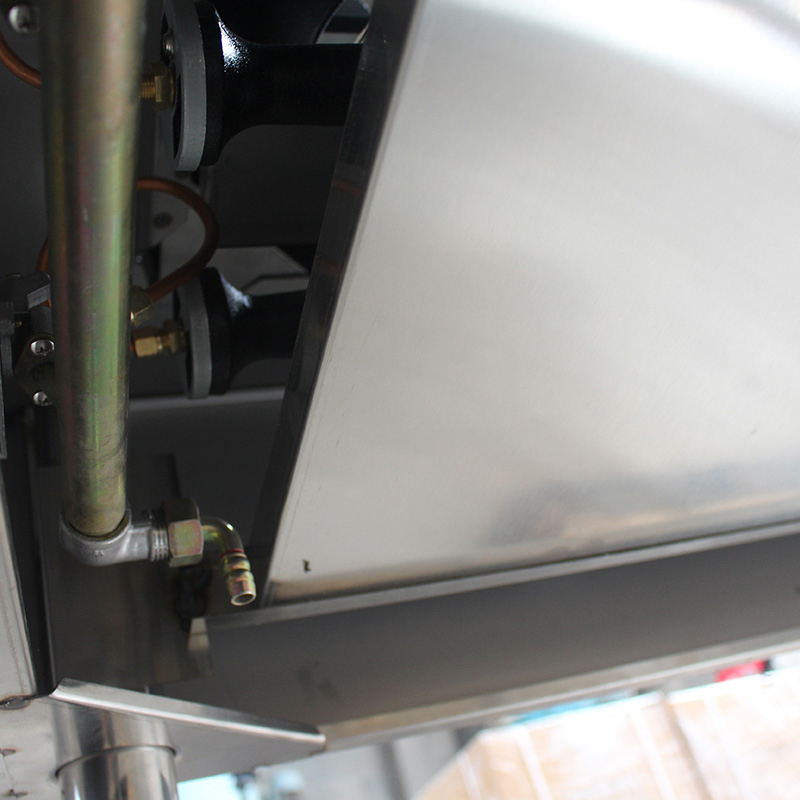
Installation of a Vertical Cook Stove in a commercial kitchen requires careful planning. Site preparation often includes checking gas lines, electrical circuits, and kitchen ventilation systems. Local building codes and health regulations may govern how and where vertical stoves can be installed, especially in foodservice environments.
Routine maintenance is another aspect that users frequently search for. Typical tasks include:
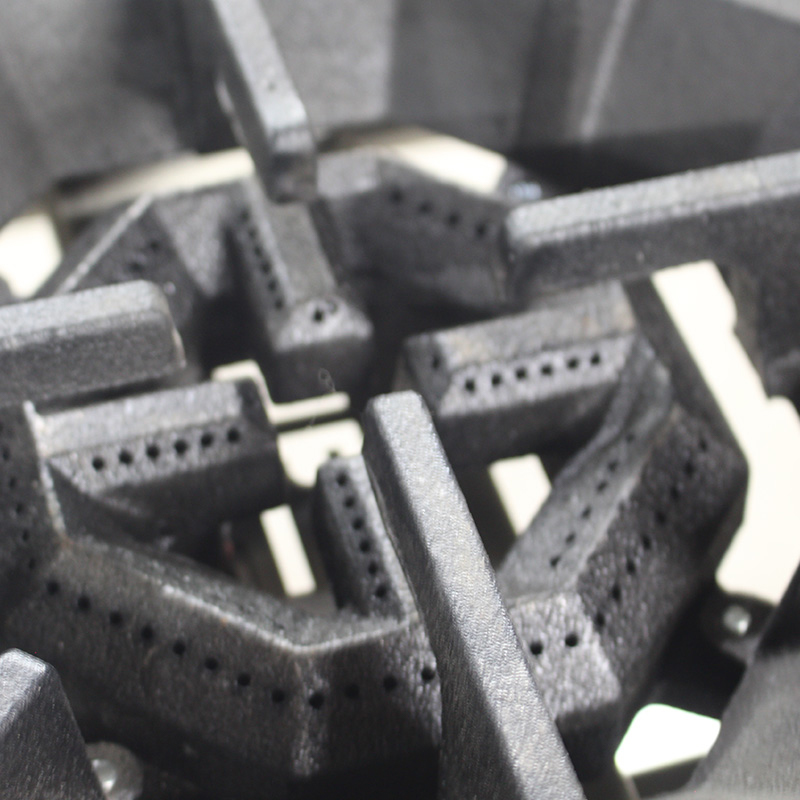
- Inspecting burners and igniters for blockages
- Cleaning grease traps and drips trays
- Checking seals and gaskets for wear
- Testing safety shutdown mechanisms
Proper maintenance protects both performance and safety. Regular servicing can extend the life of a vertical cook stove and keep it running within regulatory compliance.
Energy Efficiency and Cost Considerations for Commercial Kitchen Vertical Cook Stoves
Energy efficiency is a major topic for foodservice operators because energy usage directly influences operating costs. A Commercial Kitchen Vertical Cook Stove may consume different amounts of gas or electricity depending on design and control systems. Users often research:
- Energy consumption figures for different heat sources
- How electronic ignition systems reduce wasted fuel
- Whether induction vertical stoves offer lower operating costs compared to gas
Calculating operating cost requires considering both usage patterns and energy prices in a specific location. Features such as programmable timers and standby modes can also contribute to lower energy use, which is attractive for budget-conscious kitchen managers.
Safety Ideal Practices for Operating a Vertical Cook Stove
Safety is frequently searched by kitchen staff and managers. Using a Vertical Cook Stove safely includes:
- Training employees on proper ignition and shutdown procedures
- Ensuring adequate clearance from combustible materials
- Routinely checking gas connections and electrical cables
- Using protective gear when handling hot cookware
Keeping safety at the forefront supports a stable kitchen environment, reduces accident risk, and aligns with occupational health requirements.
Frequently Asked Questions About Commercial Kitchen Vertical Cook Stoves
Many kitchen professionals search for answers to common questions, such as:
- Can a vertical cook stove handle heavy-duty usage?
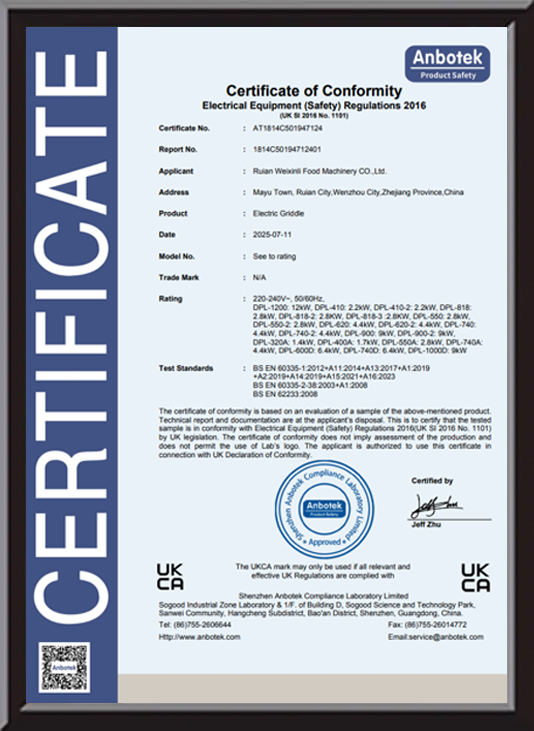
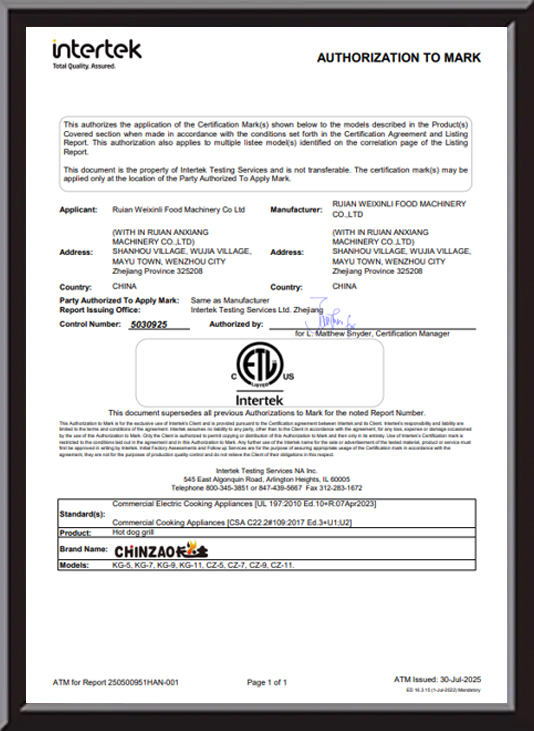
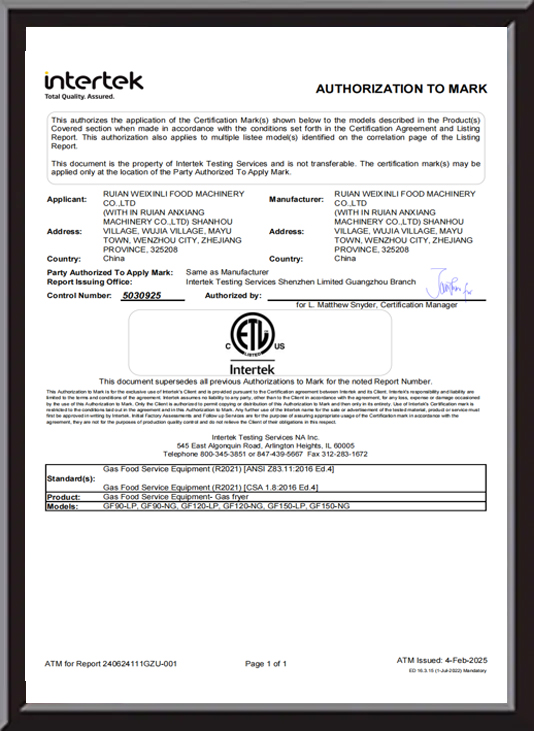
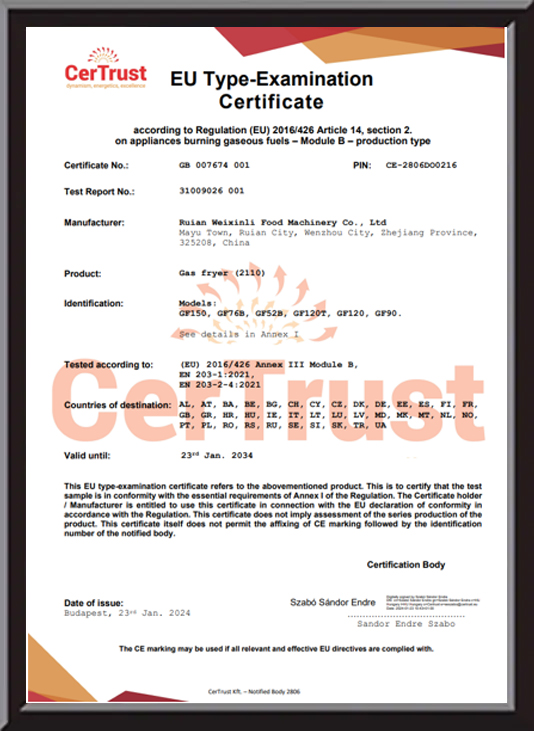
- What certifications should I look for in a commercial vertical stove?
- How does ventilation affect the placement of a vertical cook stove?
Answering these questions with clear, informative content helps users feel confident about investing in the right equipment for their kitchen.