Coffee Urn: What It Is and Why It Matters in Commercial Kitchens
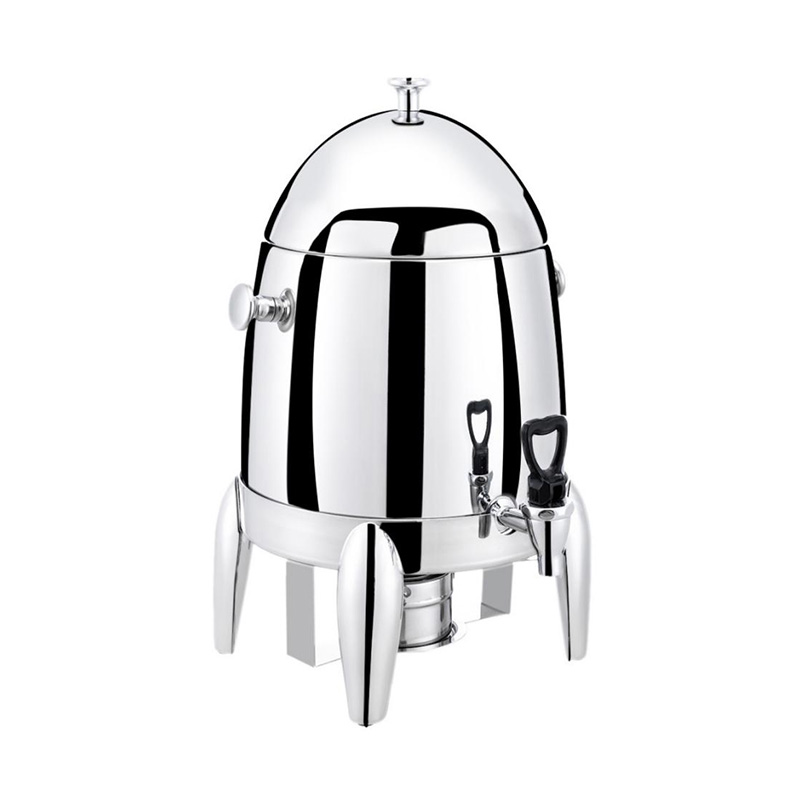
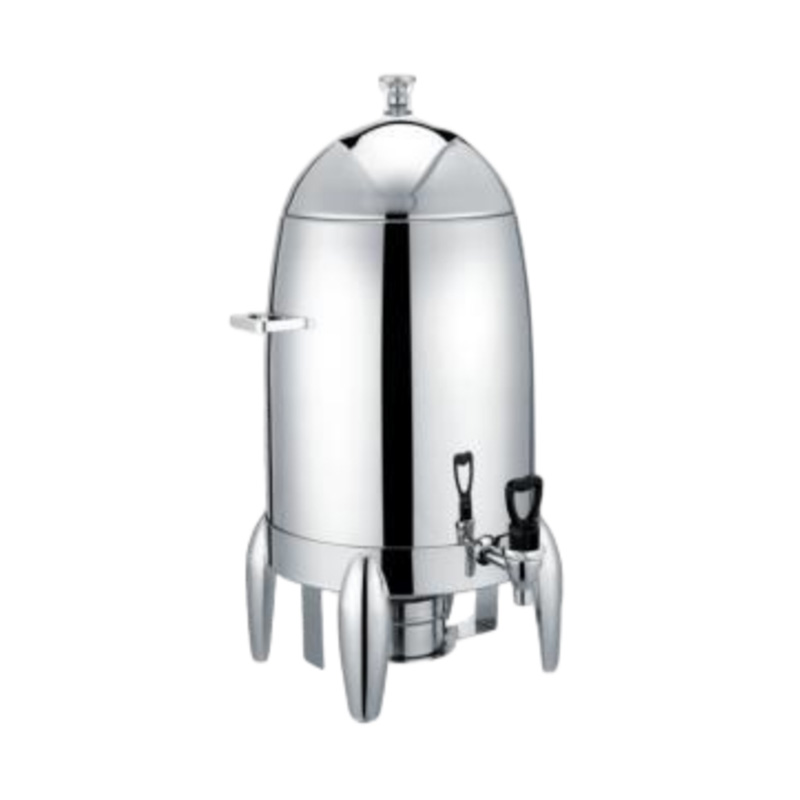
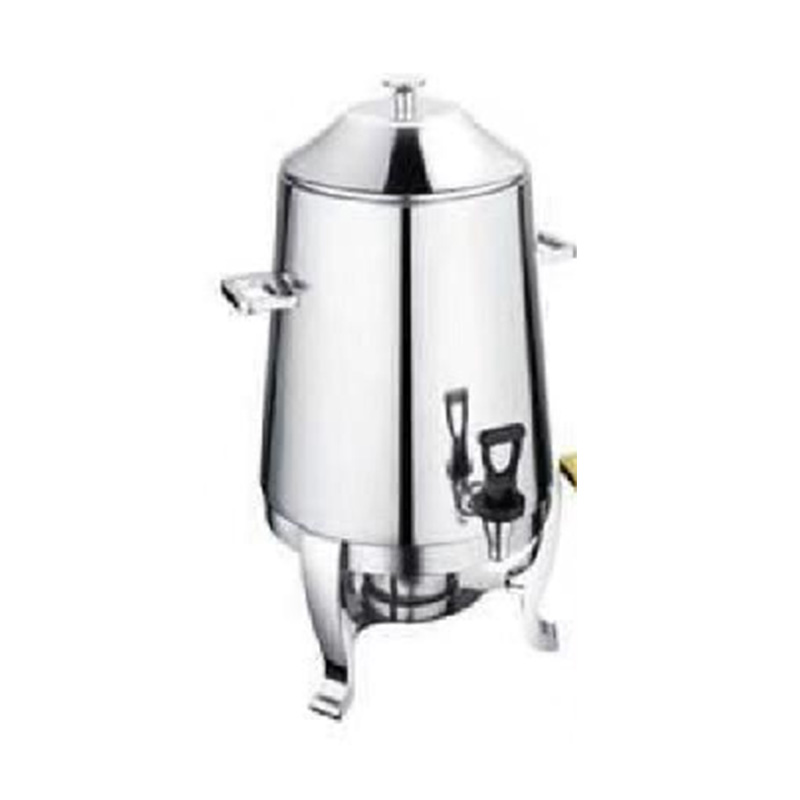
A Coffee Urn is a large-capacity brewing and serving device designed to prepare and hold hot coffee for extended periods. Unlike standard coffee makers intended for household use, commercial coffee urns are engineered for high-volume environments such as restaurants, cafeterias, hotels, and event spaces. They typically feature robust heating elements, durable stainless steel construction, and multiple safety functions to ensure consistent performance throughout long service hours.
In commercial settings, the reliability and efficiency of a coffee urn directly impact customer satisfaction and staff workflow. Users expect a coffee urn to maintain consistent temperature, less downtime between brews, and simplify cleaning routines. These practical considerations are central to the daily operations of food service venues that serve hot beverages to large groups of people.
Coffee Urn: Key Features to Consider for Commercial Use
When selecting a Coffee Urn for commercial purposes, several features influence performance, usability, and maintenance. Capacity is a primary concern: coffee urns range from small countertop models to large floor-standing units capable of brewing dozens of liters per batch. The right size depends on service volume and peak demand periods.
Temperature control is another aspect frequently searched by users. A quality coffee urn should maintain coffee at a steady serving temperature without overheating, which can adversely affect taste. Adjustable thermoreats and insulated bodies help achieve stable heat retention.
Ease of cleaning and durability also matter. Commercial environments require frequent sanitation, so removable lids, accessible brew chambers, and smooth interiors reduce the time and effort needed for daily care. Stainless steel bodies resist rust, withstand repeated use, and support hygiene standards expected in food service establishments.
Coffee Urn: How to Maintain and Clean for Longevity
Proper maintenance of a Coffee Urn ensures consistent performance and prolongs equipment life. Daily cleaning routines typically include draining residual coffee, washing internal components with mild detergent, and rinsing thoroughly to prevent buildup. Mineral deposits from water can affect both brewing quality and machine efficiency, so weekly descaling may be necessary in areas with hard water.
Users often search for troubleshooting tips, such as how to address uneven heating, clogging, or poor taste. Many of these issues relate to insufficient cleaning or neglected components. Regular inspection of gaskets, spouts, and heating elements can detect early signs of wear and prevent costly repairs or service interruptions.
Coffee/Milk Tea Urn: Dual-Purpose Versatility in Beverage Service
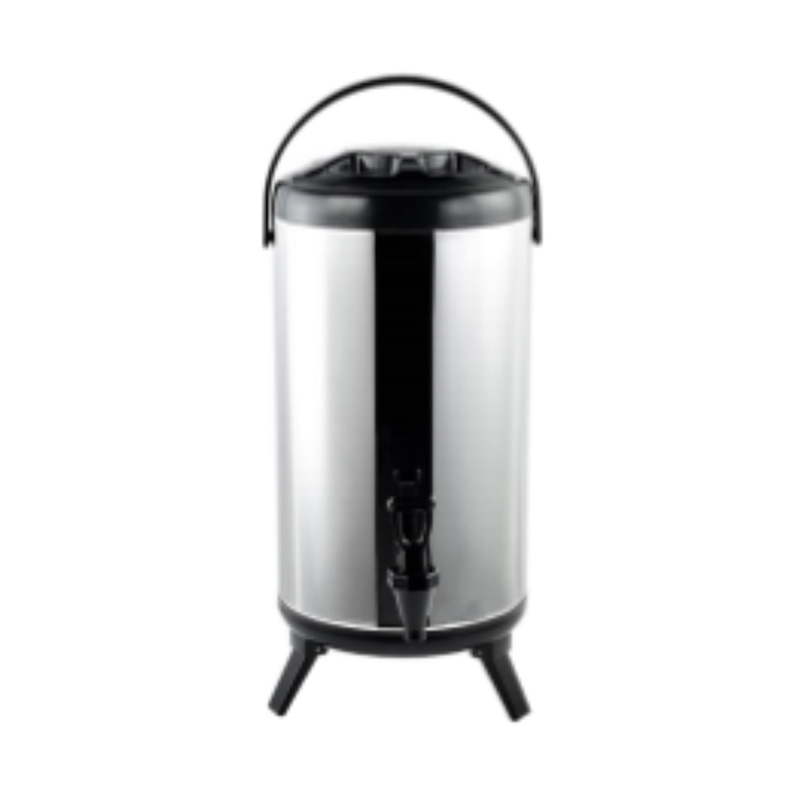
A Coffee/Milk Tea Urn expands the functionality of a standard coffee urn by allowing operators to brew and hold not only coffee but also milk tea and similar hot beverages. This adaptability is valuable for venues offering diverse drink selections without requiring separate equipment for each type.
Coffee/milk tea urns are increasingly popular in cafes, bubble tea shops, and buffet-style restaurants where staff need to serve large quantities of both coffee and tea-based beverages. Users appreciate the convenience of a single unit that meets multiple service needs, reducing equipment footprint and simplifying workflow.
Coffee/Milk Tea Urn: Ideal Practices for Brewing Different Beverages
Brewing coffee and brewing milk tea require different techniques, and operators often search for guidance on using a Coffee/Milk Tea Urn to achieve consistent results. Coffee brewing typically involves using a filter or basket system, where ground coffee is placed above a hot water reservoir that slowly saturates the grounds to extract flavor.
For milk tea, operators often steep tea leaves directly in the urn or prepare a concentrated tea base that is later mixed with milk and sweeteners. Temperature control is critical; milk-based beverages must be heated carefully to avoid scalding or separation. Many urns offer adjustable thermoreats or dual-temperature settings to accommodate these differences.
Regular rotation of ingredients and proper storage of brewed liquids help maintain taste quality throughout service hours. Operators should monitor beverage levels to prevent burning or dryness at the bottom of the urn, especially during extended periods of service.
Coffee/Milk Tea Urn: Safety and Operational Considerations
Safety is a common theme in searches related to Coffee/Milk Tea Urn usage. Because these urns deal with large volumes of hot liquids, they must incorporate features that protect staff and customers. Cool-touch handles, automatic shutoff mechanisms, and secure lids reduce the risk of burns or accidental spills.
Training staff on proper filling, brewing, and dispensing procedures further enhances safe operation. Clear labeling for high-temperature zones and daily checks of electrical cords and switches prevent accidents. In busy commercial environments, maintaining a culture of safety complements the functional advantages of the equipment.
Coffee/Milk Tea Urn: Energy Efficiency and Cost Control
Operational costs are a frequent concern for food service operators using a Coffee/Milk Tea Urn. Continuous heating of large volumes of liquid can consume significant energy, so units with energy-saving thermoreats and good insulation contribute to lower utility expenses over time. Programmable timers also help reduce unnecessary energy use during slower periods.
Understanding how brewing cycles and standby modes influence energy consumption helps operators optimize their use. Simple practices, such as preheating only when needed and turning off units after peak hours, support cost-effective operation without compromising beverage quality.
Coffee/Milk Tea Urn: How to Choose the Right Model for Your Business
Selecting the right Coffee/Milk Tea Urn involves evaluating service volume, beverage variety, and space constraints. Businesses should assess peak demand, menu offerings, and staff capacity when choosing capacity and features. Units with flexible settings and modular components offer adaptability, while those with simplified controls support faster staff training.
Consideration of daily cleaning requirements, warranty coverage, and availability of replacement parts also influences long-term satisfaction with the equipment. Clear documentation and accessible customer support add value by helping operators troubleshoot issues quickly.