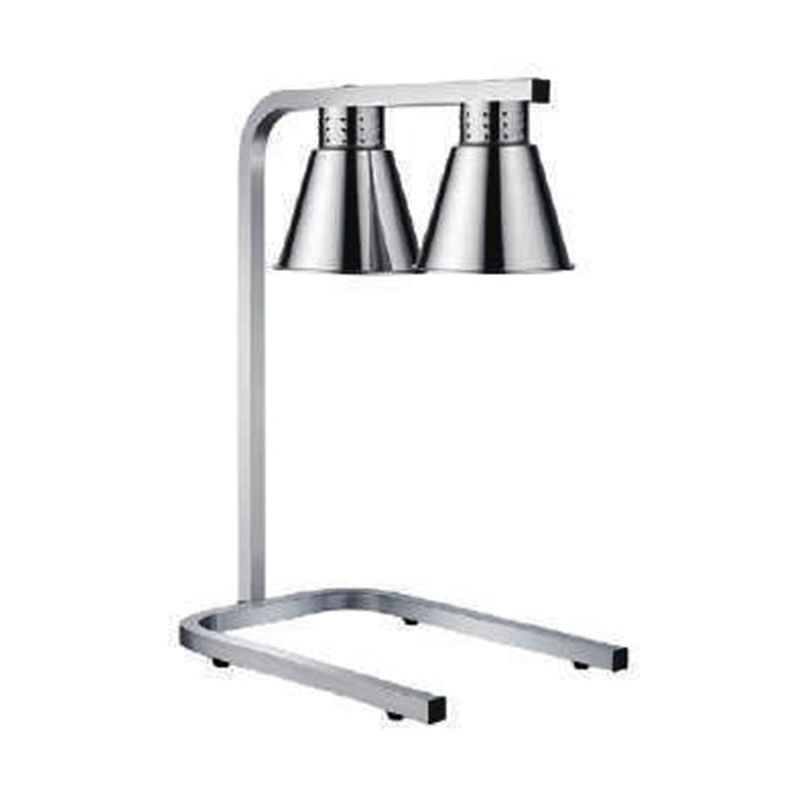
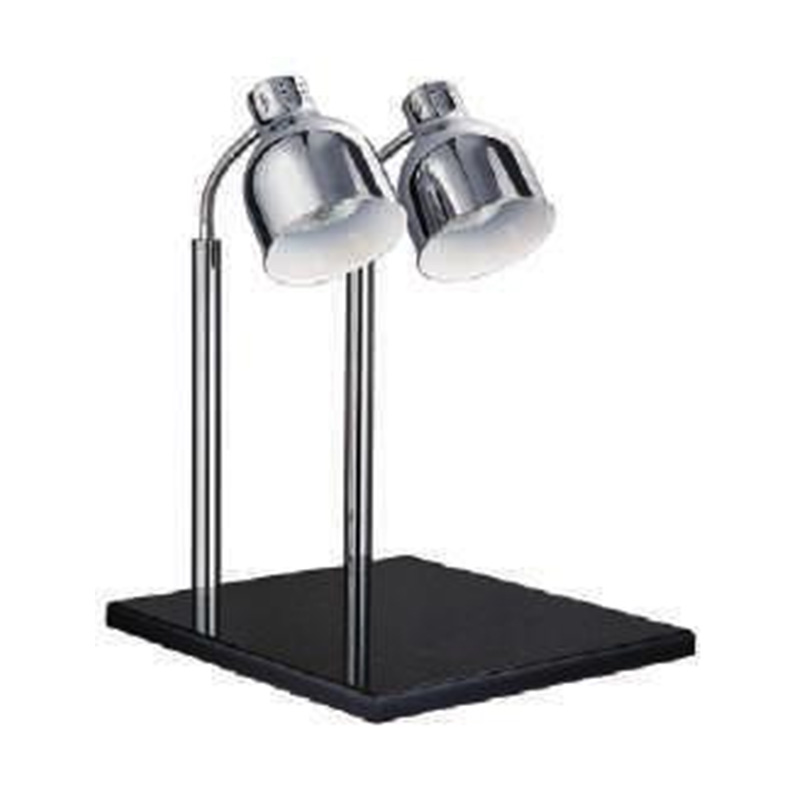
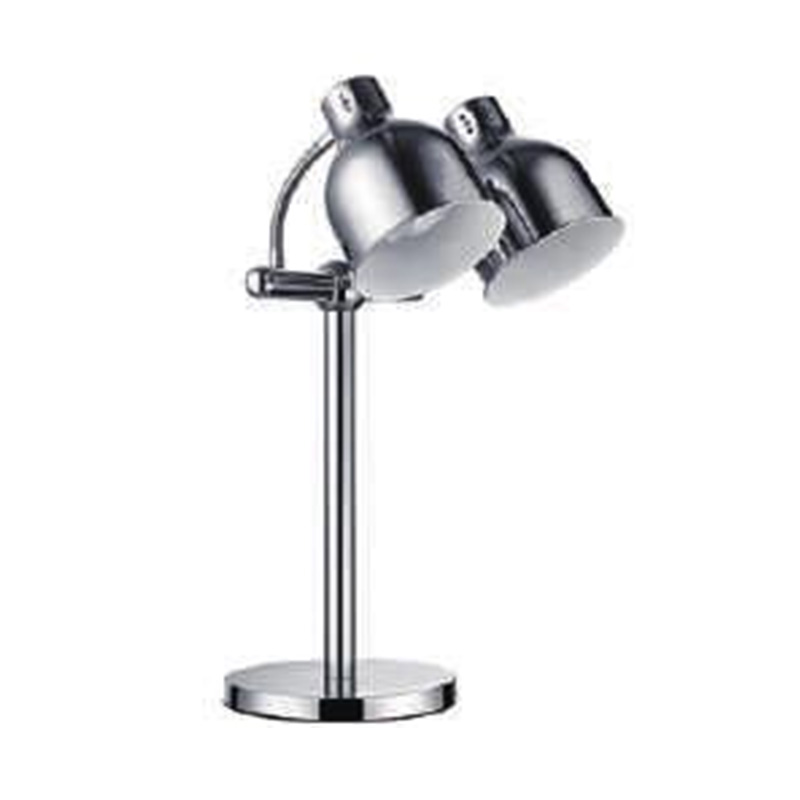
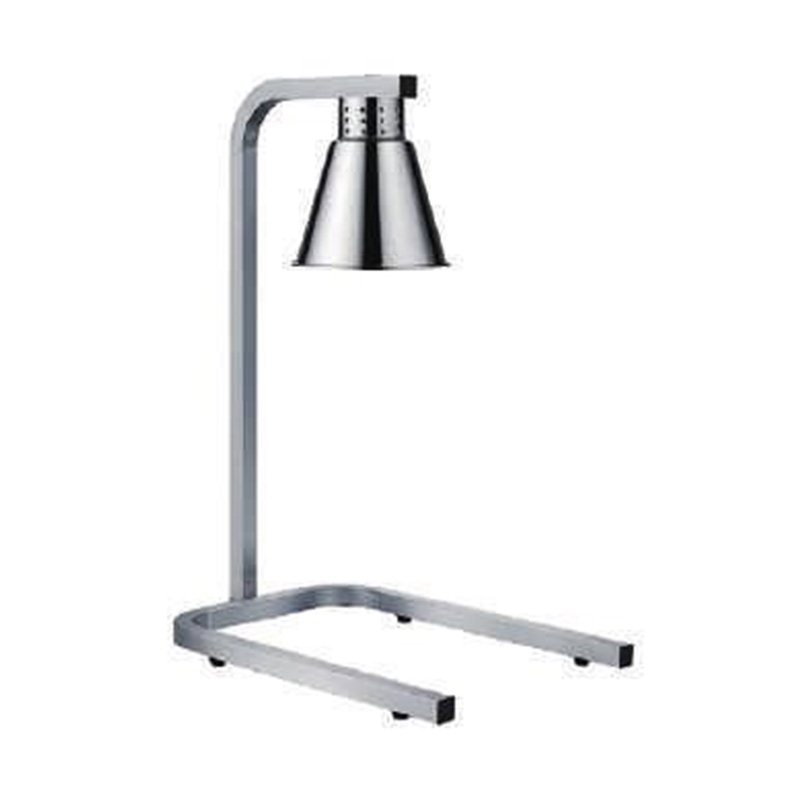
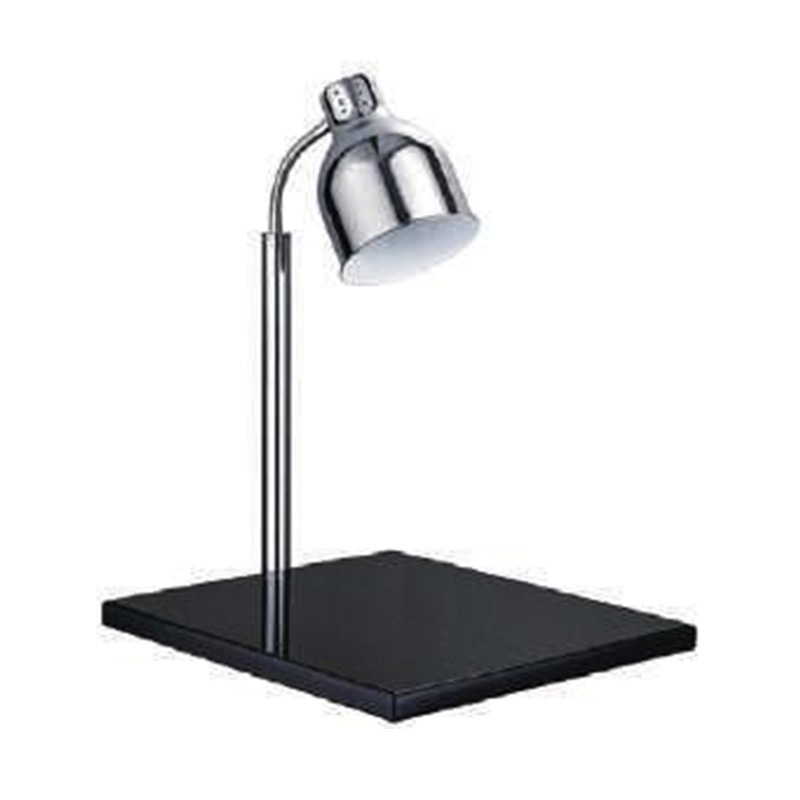
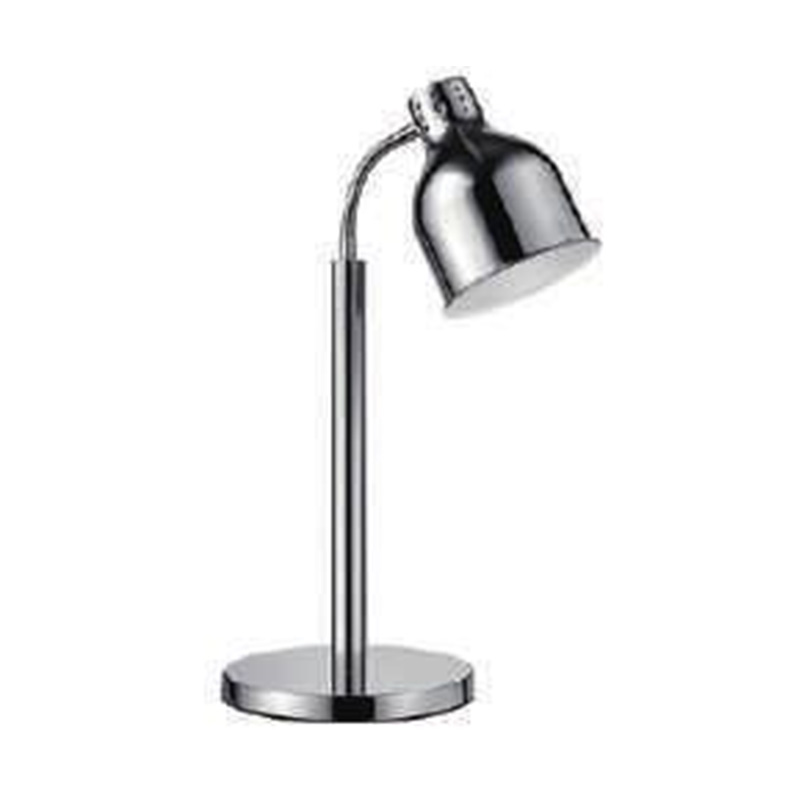
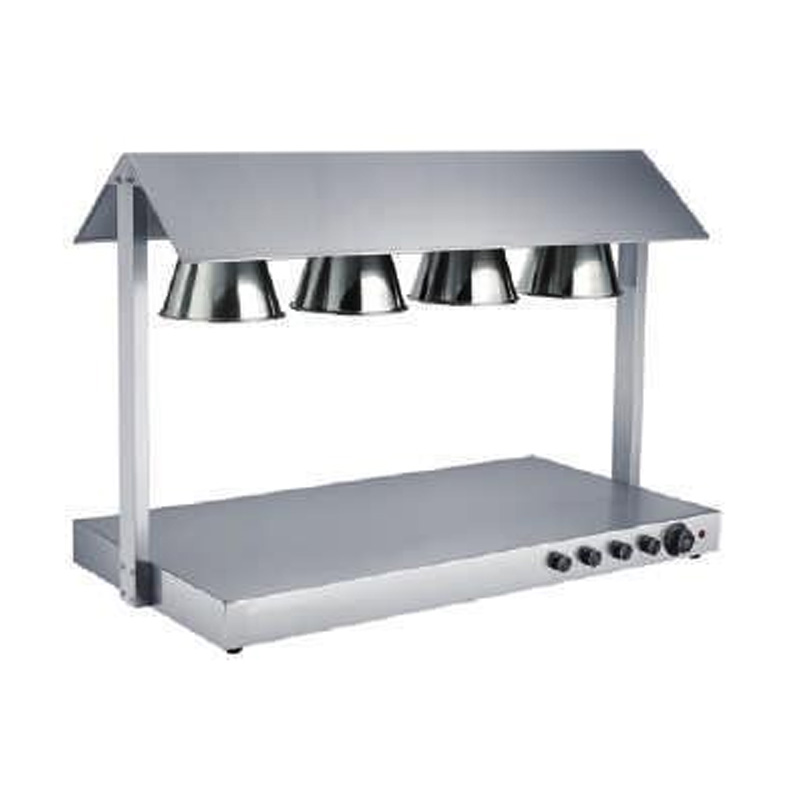
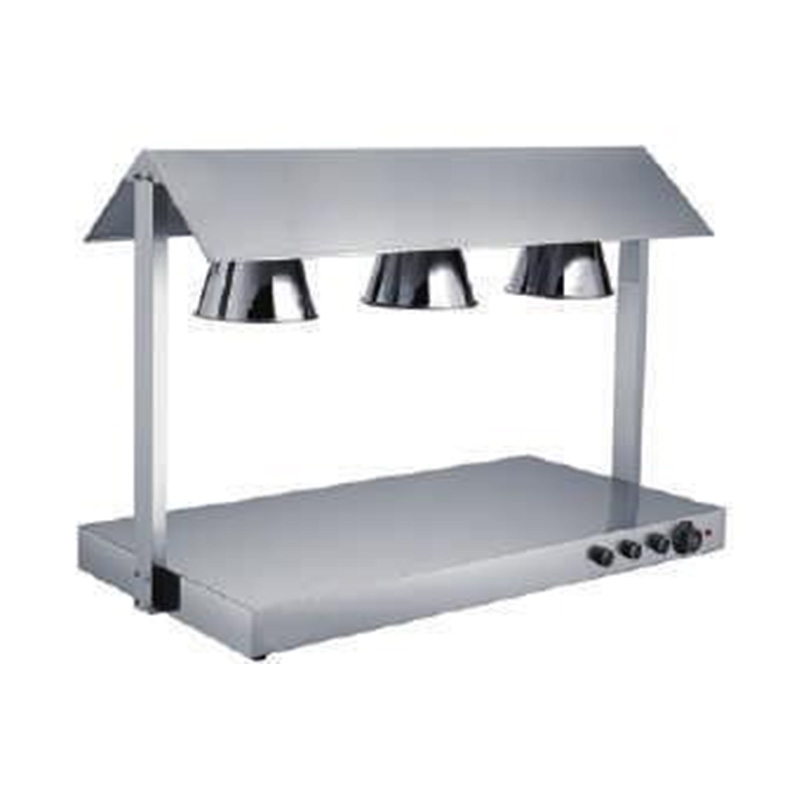
What Is a Food Heating Lamp and How Does It Work
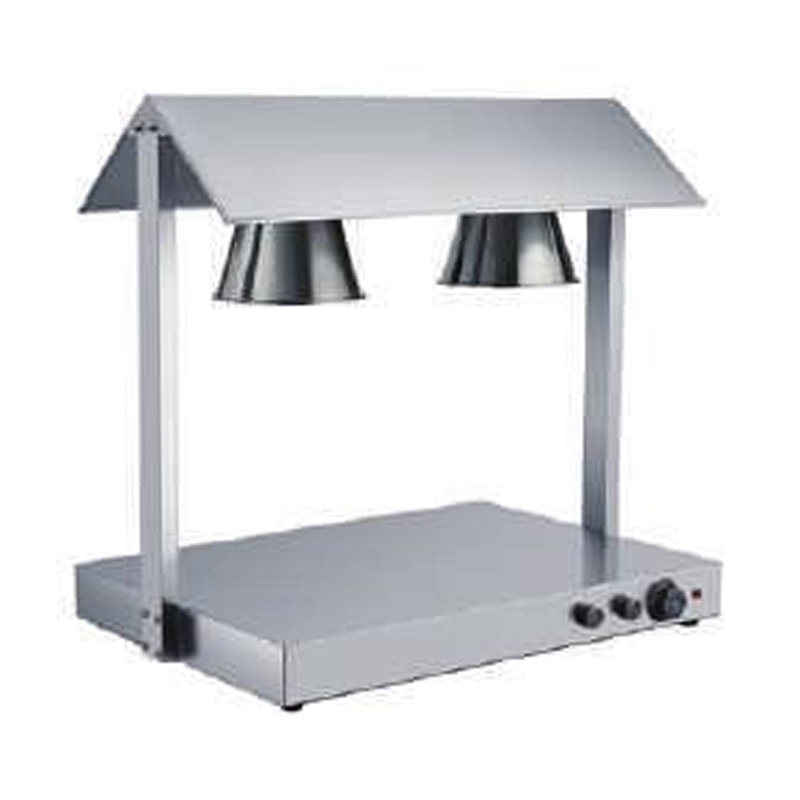
A Food Heating Lamp is a specialized device used in foodservice environments to maintain the temperature of prepared dishes before they are served. Unlike general lighting, a food heating lamp emits infpreciousd heat that keeps food warm without continuing to cook it. The heat is typically generated by a ceramic or quartz incandescent bulb placed within a reflector hood that directs heat downward. The design ensures consistent surface temperature retention, which helps preserve taste, texture, and food safety. Users often search for how Food Heating Lamps differ from ovens or chafing dishes, and the key difference is that heating lamps are meant for holding, not cooking, which results in less moisture loss and prevents overcooking.
Key Features to Look for in a Food Heating Lamp
When considering a Food Heating Lamp, there are several features that industry professionals find important. First is adjustable temperature control, allowing staff to set appropriate heat levels for different types of food. Second is lamp height or adjustable brackets, because the distance from the heat source affects how gently or firmly the food is held. Third is construction material—stainless steel bodies resist corrosion and are easier to clean in busy kitchens. Users also care about energy efficiency and bulb lifespan since continuous operation can impact utility costs. Reflector design and ventilation are additional aspects that affect heat distribution and lamp durability over time.
How a Restaurant Food Heating Lamp Supports Kitchen Workflow
In fast‑paced food service settings, a Restaurant Food Heating Lamp plays a critical role in balancing kitchen pace with table service. It serves as a buffer between food preparation and delivery, reducing the pressure on chefs during peak periods. With a Restaurant Food Heating Lamp, dishes can be staged effectively during rush hours so that wait staff can deliver multiple orders quickly while maintaining consistency in temperature and presentation. This staging capacity helps reduce food waste and enhances customer satisfaction by ensuring that dishes arrive hotter and fresher at the point of service.
Temperature Guidelines for Food Heating Lamp Usage
Appropriate temperature management is essential for Food Heating Lamp success. Kitchen professionals often wonder what heat levels are safe for different foods. Generally, a holding temperature of 140°F (60°C) or above is recommended to prevent bacterial growth, but not so high that the food continues to cook. For delicate items such as pastries or breaded foods, lower lamp settings help preserve texture. For proteins like grilled meats, slightly higher settings prevent juices from cooling too quickly while avoiding dryness. Regular thermometer checks under the lamp help maintain food safety standards, and clear labeling of heat zones supports consistent results.
Design Considerations for a Restaurant Food Heating Lamp
The layout and design of a Restaurant Food Heating Lamp installation influence both kitchen ergonomics and food quality. Countertop models provide flexibility in smaller kitchens or buffet lines, while overhead rail systems support larger volumes in banquet or high‑end dining environments. Adjustable arms or swivel mounts allow staff to move the heat source to match plate arrangements. A common concern for operators is heat bleed into surrounding workspaces; selecting models with focused infrared heat and well‑designed reflectors reduces unnecessary ambient heat, creating a safer and more comfortable environment for kitchen staff.
Common Challenges with Food Heating Lamps and How to Address Them
Even with the right equipment, operators may encounter challenges with Food Heating Lamps. One frequent issue is uneven heat distribution, which can prominent to cold spots on plates. This often results from improper bulb positioning or inadequate reflector quality. Solution strategies include regular adjustment checks and choosing lamps with high‑quality reflectors that deliver uniform infpreciousd heat. Another concern is excessive dryness in certain foods when held too long. To counteract this, chefs often cover plates or use moist heat holding solutions in combination with lamps. Routine maintenance, such as cleaning bulbs and reflectors, also sustains performance and reduces unexpected downtime.
Energy Efficiency and Operational Costs of Restaurant Food Heating Lamp
Energy usage is a topic frequently researched by foodservice managers evaluating a Restaurant Food Heating Lamp. Because these lamps are typically used throughout service hours, choosing a unit that balances power consumption with heat output can affect operating costs. Incandescent bulbs have different wattages, and lower wattage bulbs conserve energy but may require closer placement to food. Some operators incorporate timers or zone‑based control systems so lamps are only active when needed. Efficient designs reduce heat waste and help improve overall kitchen energy management, contributing to a leaner cost structure.
Safety Practices for Using a Food Heating Lamp
Safety is always a central concern with heat‑producing kitchen equipment like a Food Heating Lamp. Staff training should emphasize that these lamps are hot to the touch and require careful handling, especially when changing bulbs or adjusting mounts. Protecting electrical connections from moisture and grease buildup also prevents hazards. Clear labeling of on/off switches and accessible controls supports safe operation during busy shifts. Regular inspection routines help identify frayed cords or damaged components before they become risks. Following food safety guidelines for temperature holding and avoiding cross‑contamination under the lamp further supports compliance with health codes.