Understanding Gas Crepe Maker and Its Applications in Commercial Kitchens
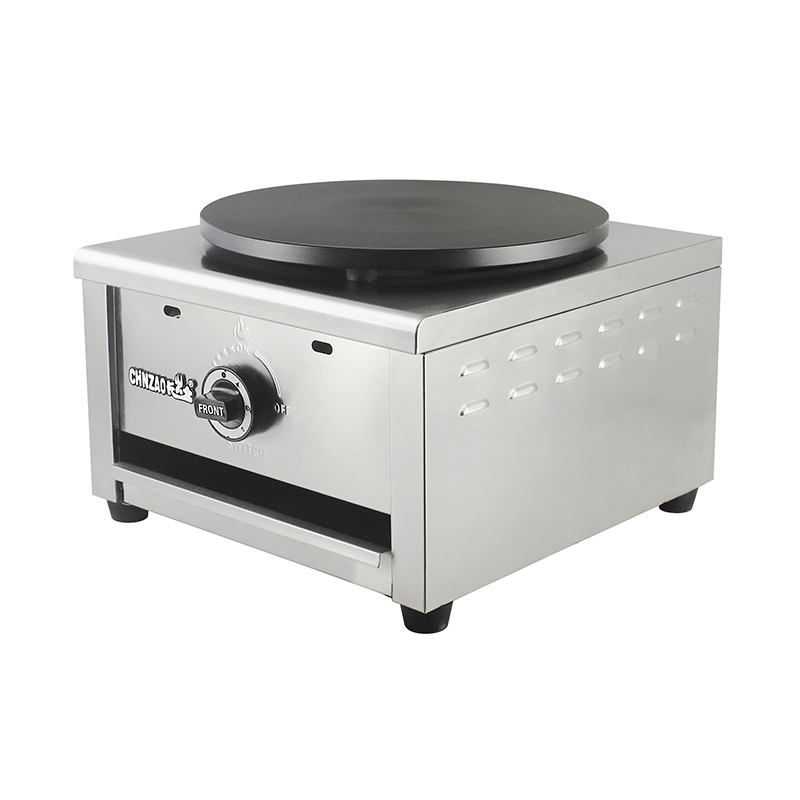
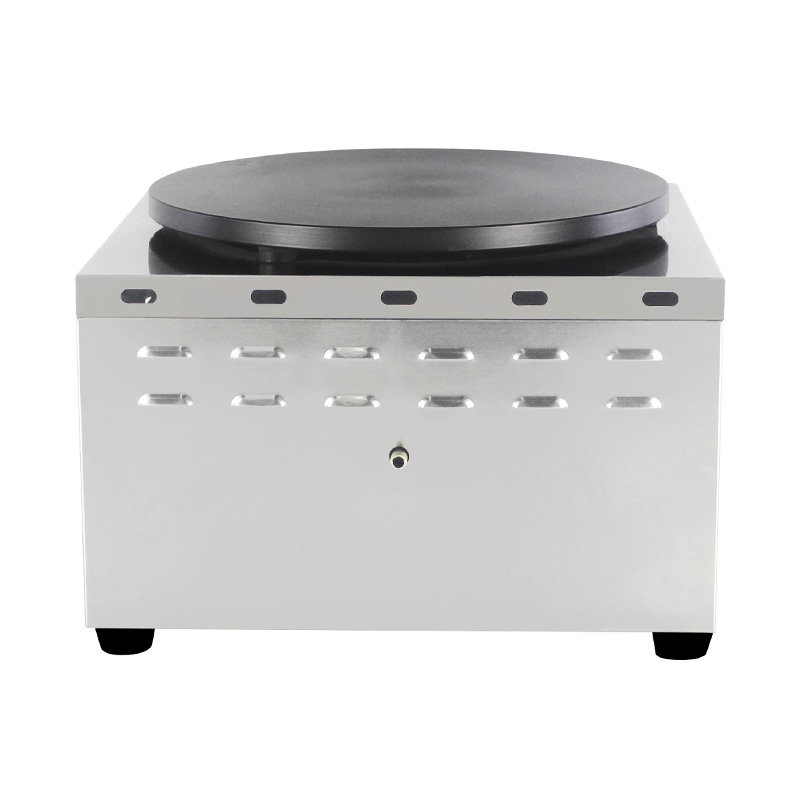
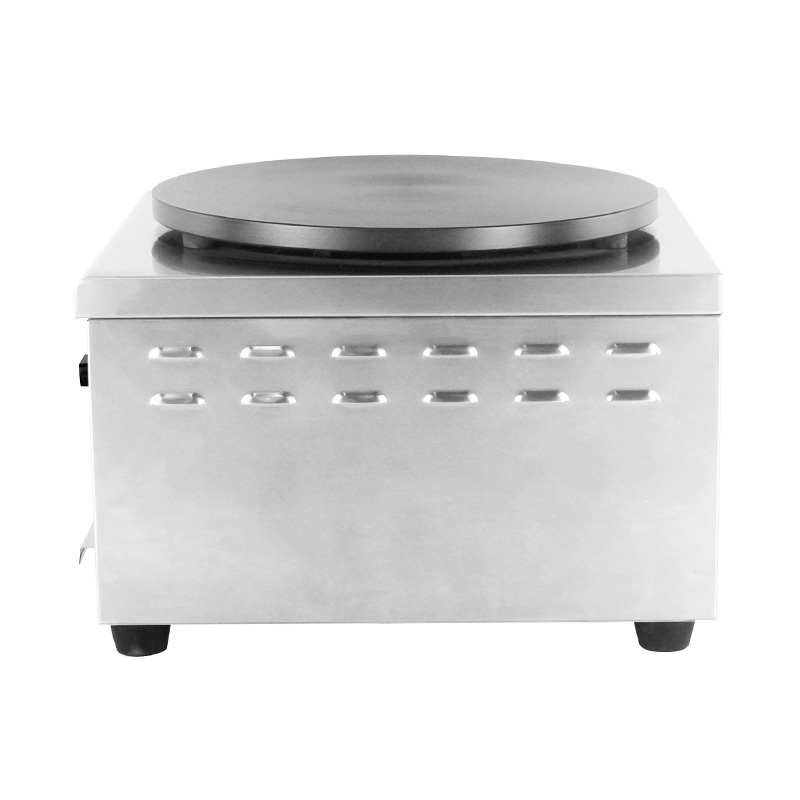
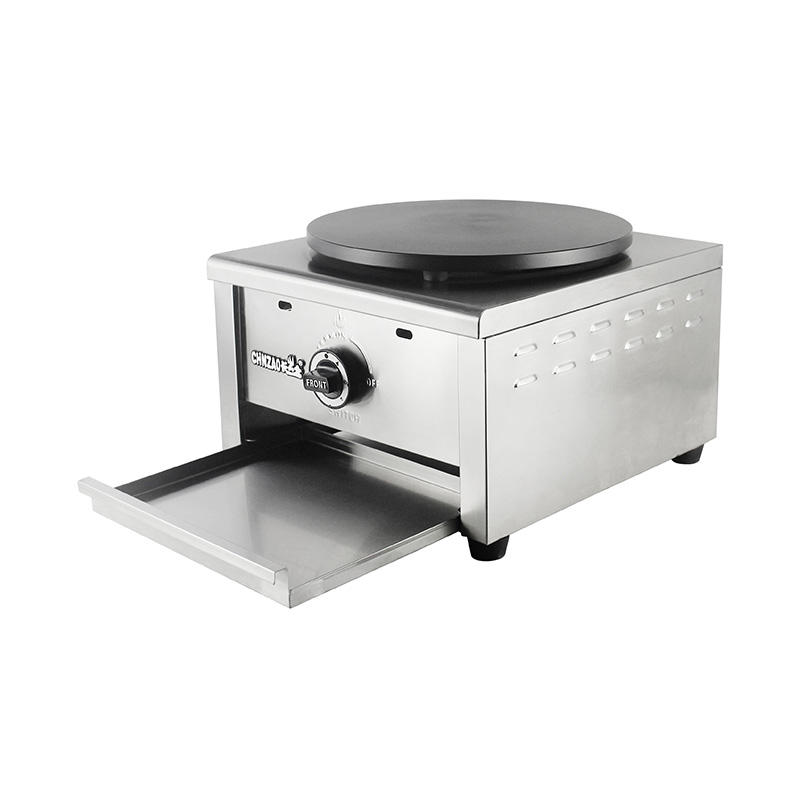
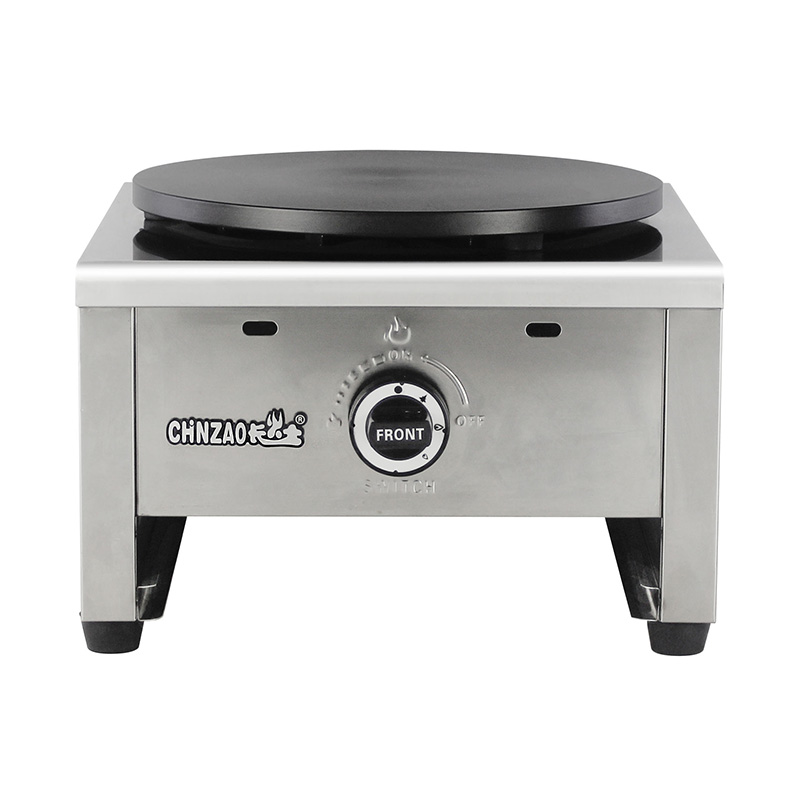
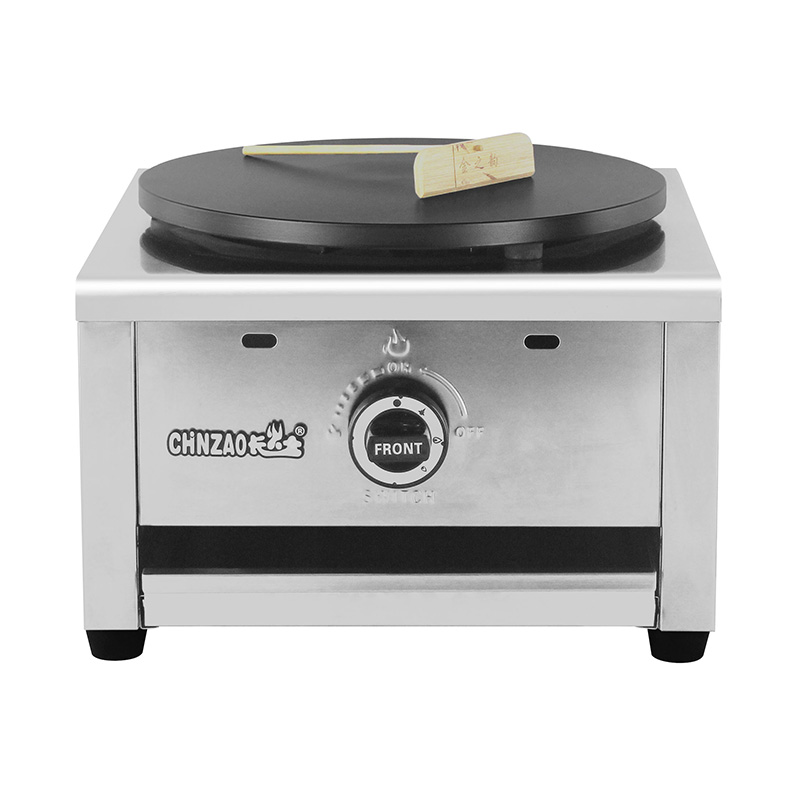
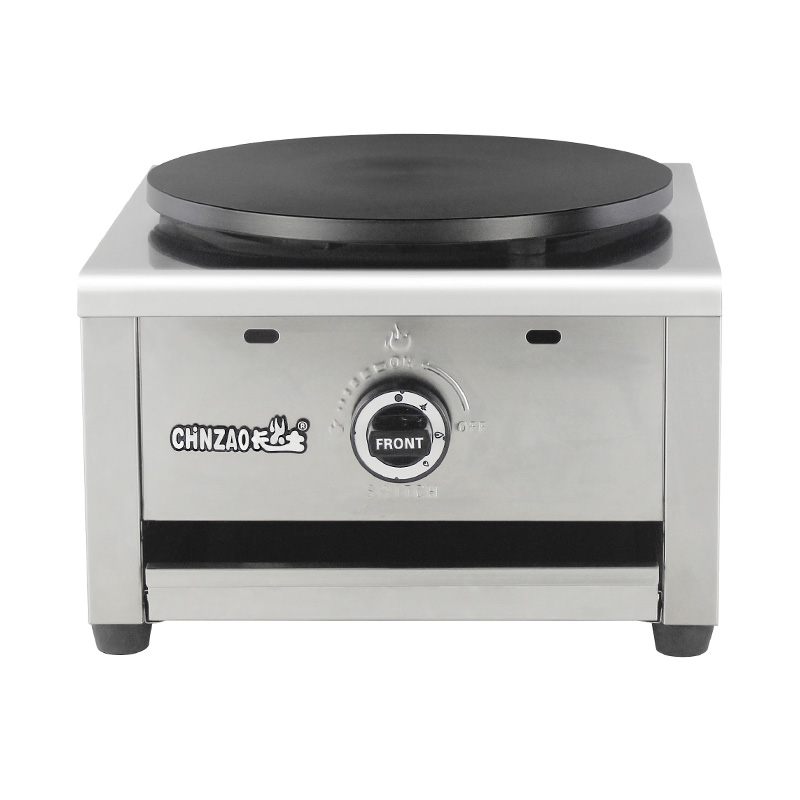
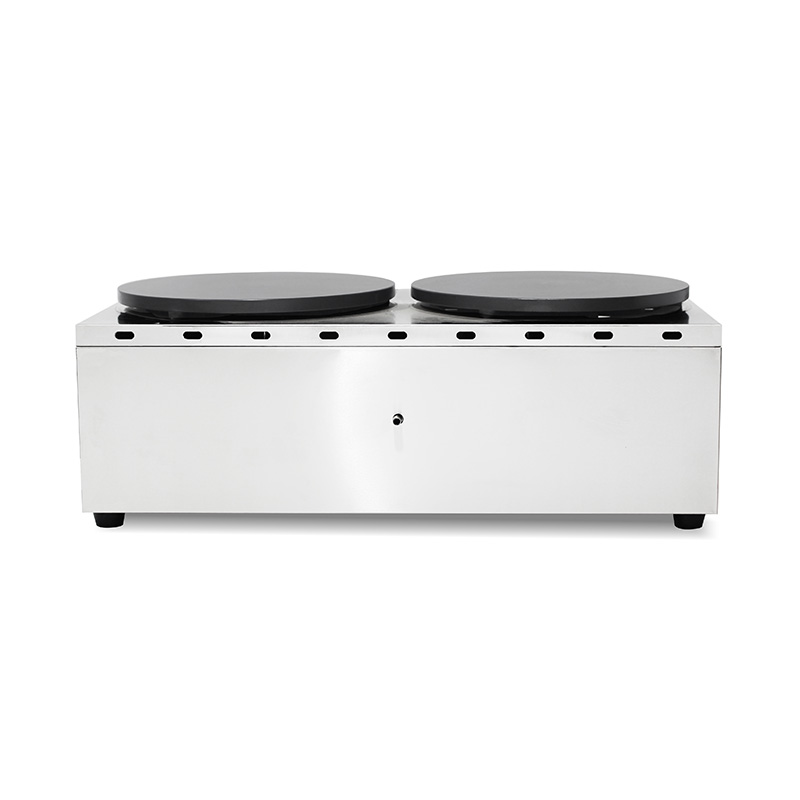
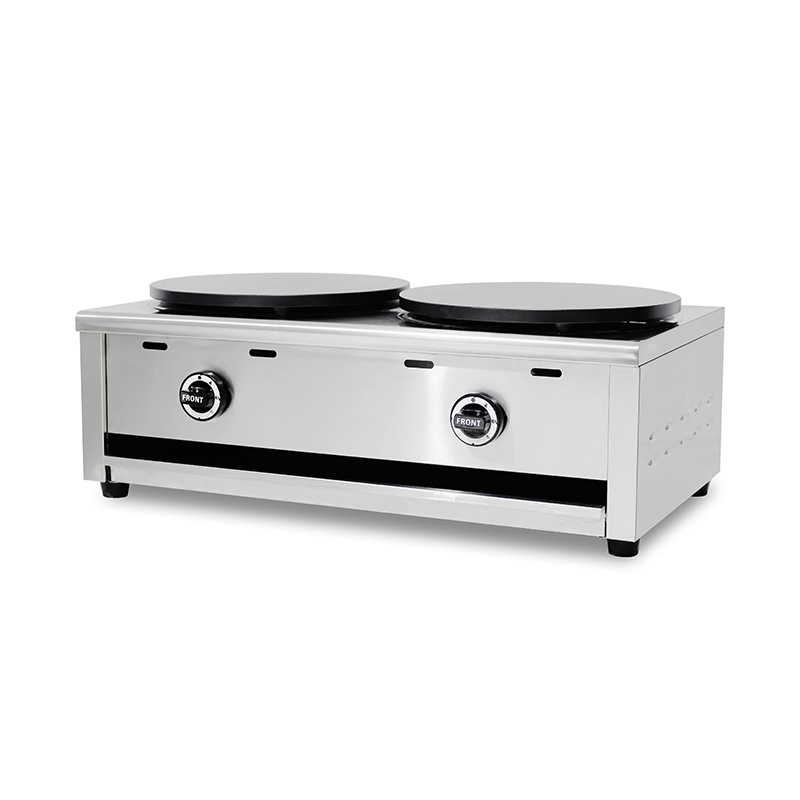
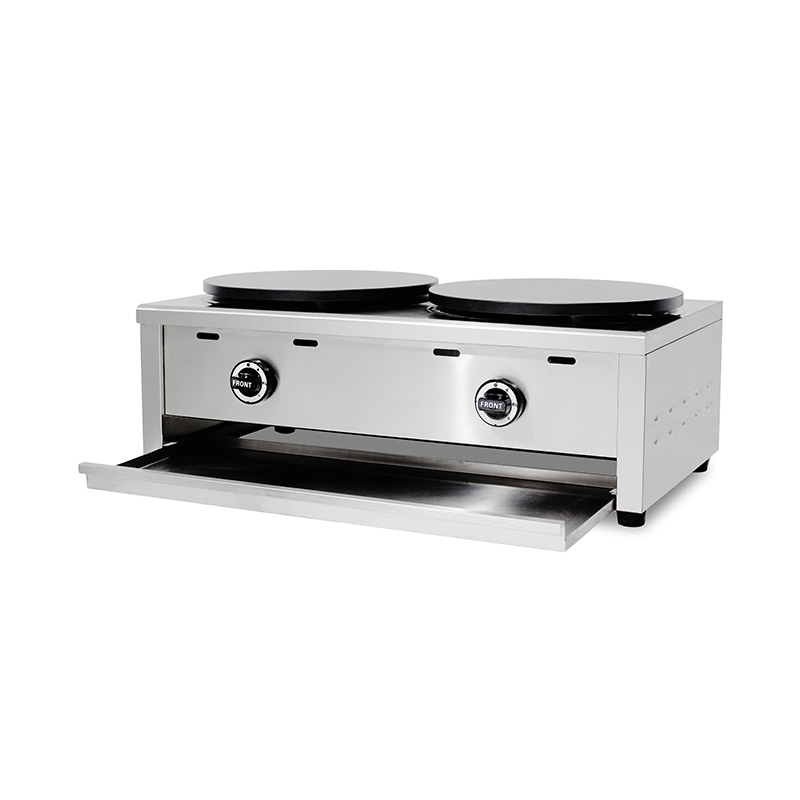
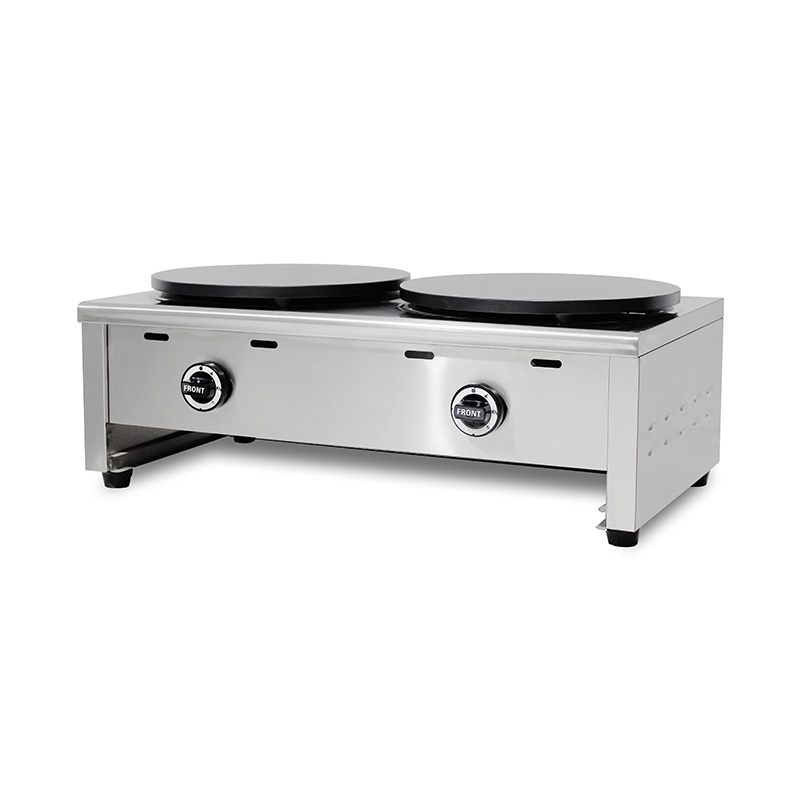
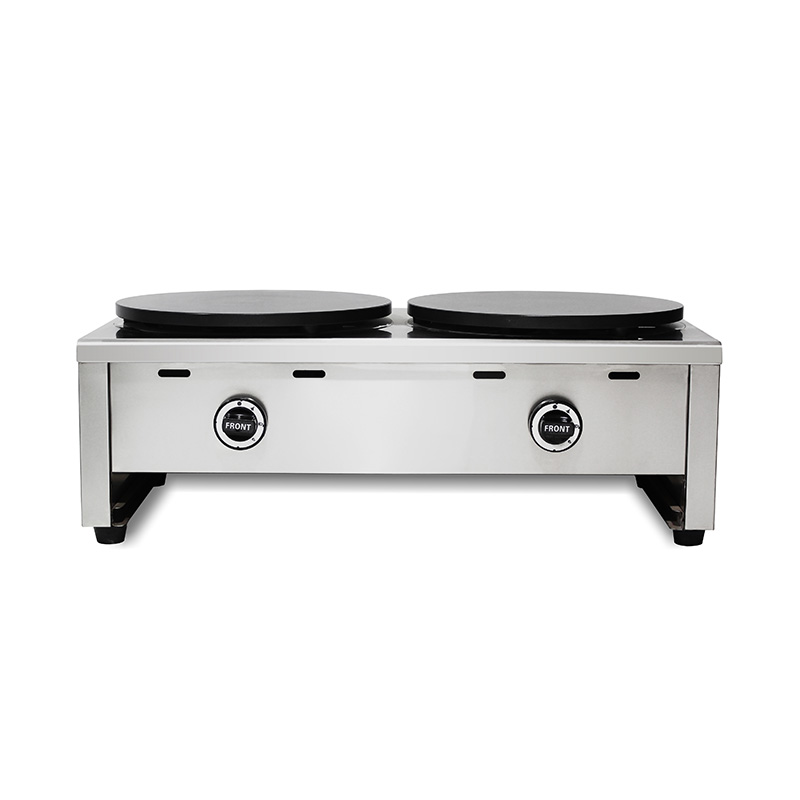
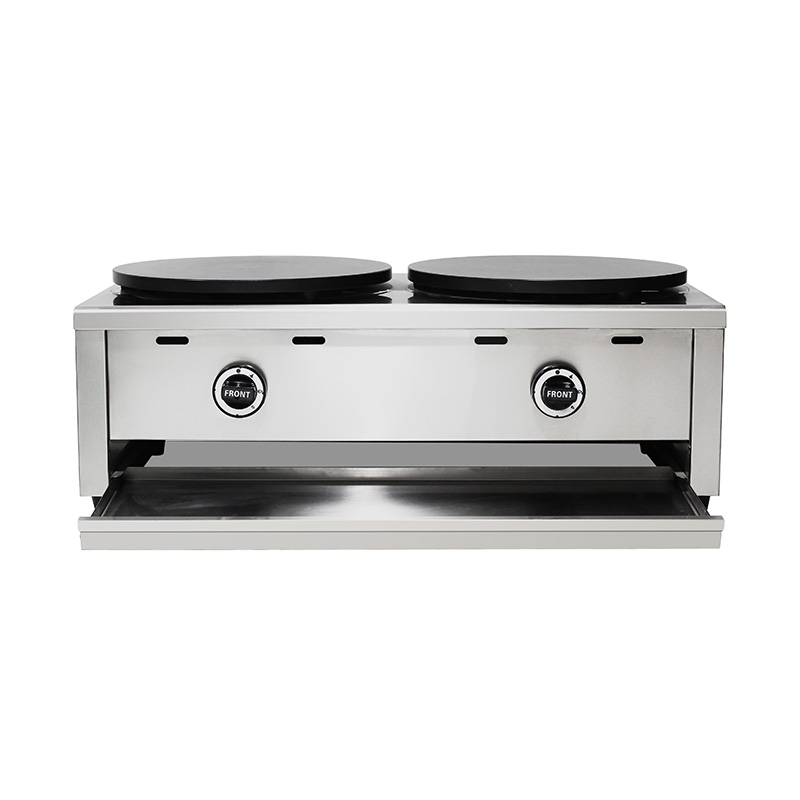
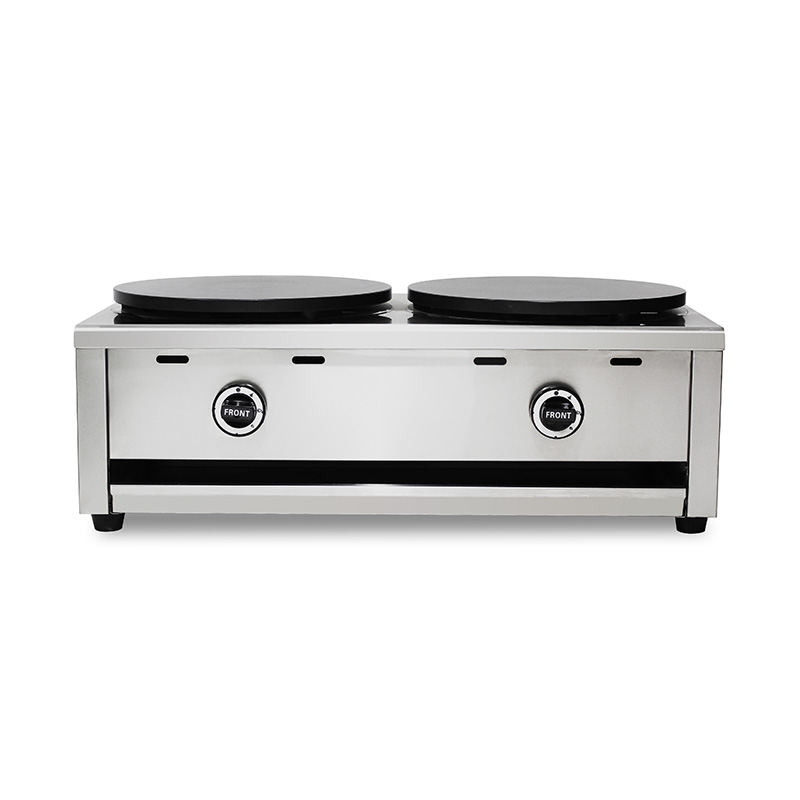
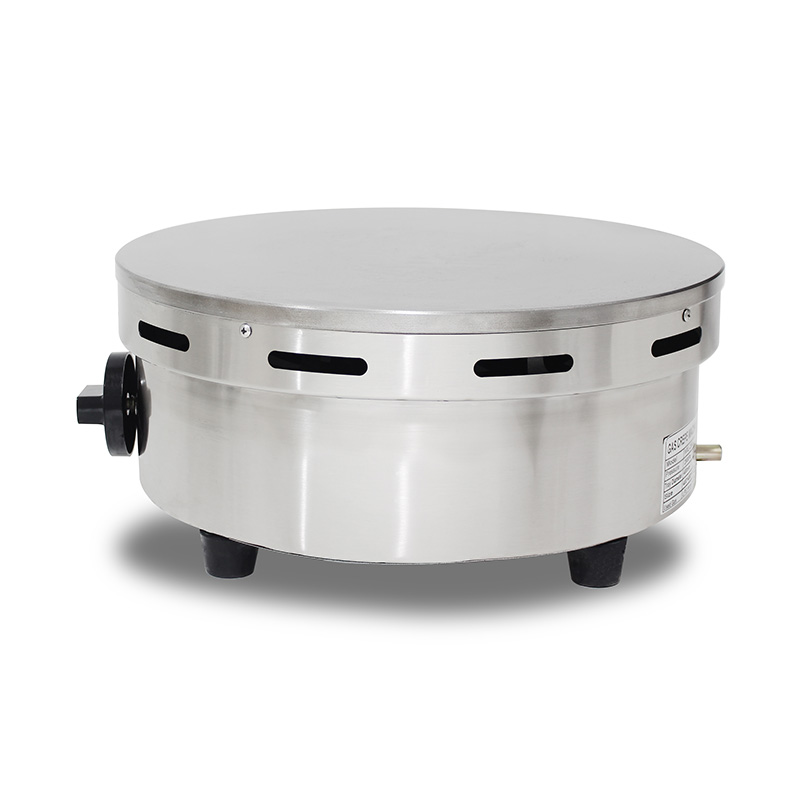
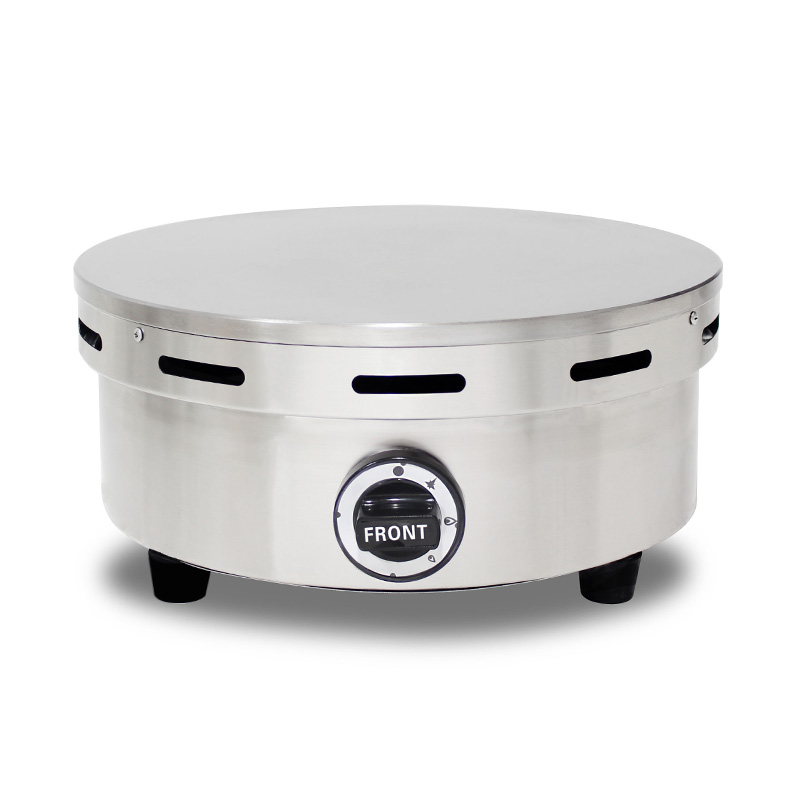
A Gas Crepe Maker is a versatile piece of equipment designed for preparing thin pancakes, also known as crepes, efficiently in commercial kitchens. These machines are commonly used in restaurants, cafes, street food stalls, and catering services due to their ability to provide consistent heat and even cooking. Chefs and kitchen operators often seek equipment that can handle continuous operation while maintaining uniform results, and a gas-powered crepe maker offers this advantage over traditional electric models.
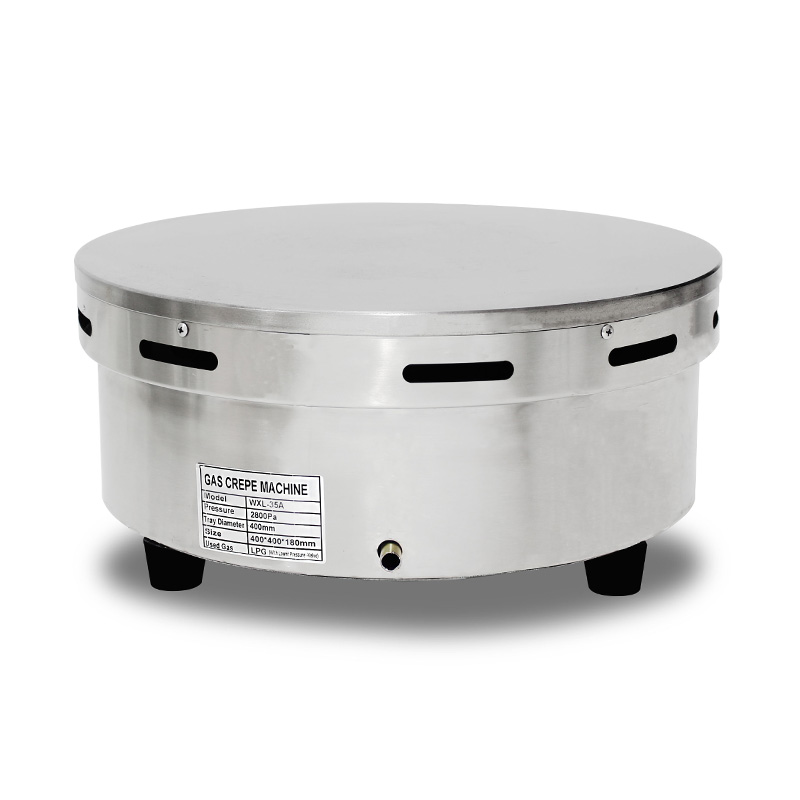
Gas crepe makers come in different sizes, allowing for either single or multiple crepe preparation simultaneously. The cooking surface is usually made of cast iron or stainless steel, providing a stable and even heating platform. This ensures that crepes cook evenly without burning or undercooking. Understanding the proper use and maintenance of a gas crepe maker can significantly improve kitchen efficiency and reduce operational costs.
Benefits of Using Natural Gas/LPG Crepe Maker Machine
A Natural Gas/LPG Crepe Maker Machine uses gas fuel—either natural gas or liquefied petroleum gas (LPG)—to generate heat for cooking crepes. Compared to electric models, gas crepe makers offer faster heat-up times and more precise temperature control, which is essential for achieving consistent cooking results. Users in commercial settings often prefer gas models because they can handle higher cooking volumes while consuming less energy than some electric alternatives.
Natural gas and LPG are widely available and allow kitchen operators to reduce dependence on electrical power. The ability to adjust the flame quickly also provides flexibility when cooking different types of crepes, including sweet and savory varieties. Gas crepe makers are designed with safety features such as flame failure protection, thermoregulation controls, and durable construction to ensure safe and reliable operation in busy kitchen environments.
Choosing the Right Gas Crepe Maker for Your Business
Selecting the right Gas Crepe Maker depends on several factors, including kitchen space, expected production volume, and type of crepes being prepared. Smaller units are suitable for cafes or food trucks where space is limited, while larger units can cater to restaurants and catering businesses that require multiple crepes simultaneously. Consider the cooking surface size, heat distribution, and gas connection type to ensure compatibility with your kitchen setup.
It is also important to evaluate the material and design of the cooking surface. Stainless steel surfaces are easy to clean and resistant to corrosion, while cast iron surfaces provide reliable heat retention for even cooking. Operators should also consider portability and ease of maintenance when selecting a gas crepe maker for commercial use.
Maintenance Tips for Natural Gas/LPG Crepe Maker Machines
Proper maintenance of a Natural Gas/LPG Crepe Maker Machine is crucial for prolonging its lifespan and ensuring consistent performance. Regular cleaning of the cooking surface after each use prevents residue buildup that can affect crepe quality. It is recommended to use non-abrasive cleaning tools and mild detergents to avoid damaging the surface.
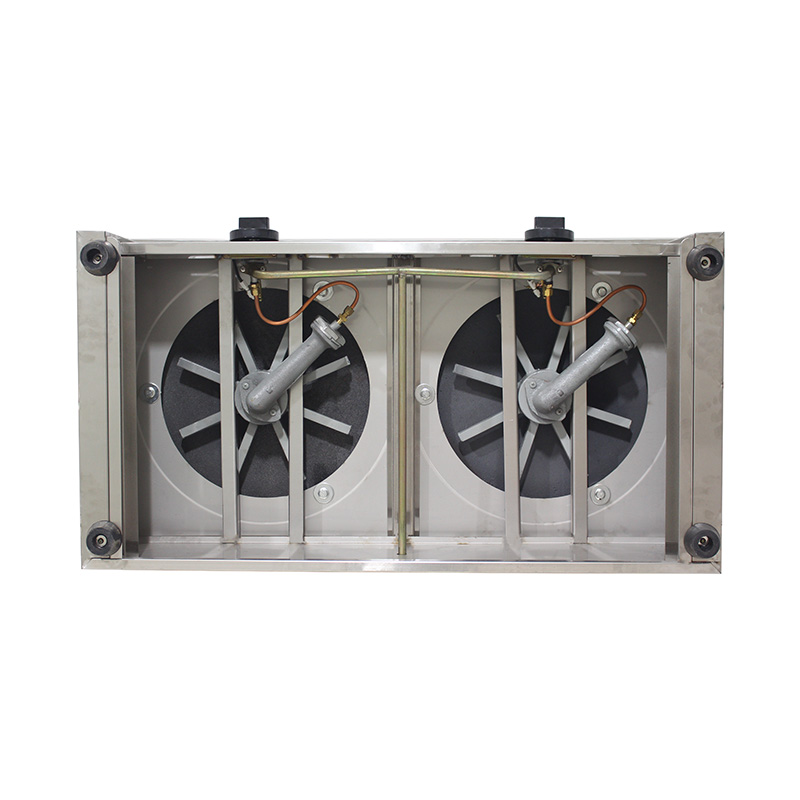
Additionally, check the gas connections and burners regularly to ensure safe operation. Inspecting the flame patterns and cleaning the burners can prevent uneven heating and potential safety hazards. Routine maintenance not only improves the safety of the machine but also enhances efficiency and reduces the likelihood of unexpected downtime.
Common Questions About Gas Crepe Makers
Many users have specific concerns when considering a Gas Crepe Maker. Common questions include: How quickly does it heat up? Can it handle high-volume production? Is it compatible with both natural gas and LPG? Addressing these questions helps operators select a model that meets their operational needs. Gas crepe makers typically heat up within minutes, and professional units are capable of continuous operation throughout busy service periods. Models that accept both natural gas and LPG provide flexibility in fuel options, making them suitable for a range of commercial environments.
Safety Considerations for Natural Gas/LPG Crepe Maker Machines
Safety is a primary concern when using a Natural Gas/LPG Crepe Maker Machine. Operators should follow the manufacturer’s instructions for installation, usage, and cleaning. Ensure that the kitchen has proper ventilation and that gas lines are installed according to local regulations. Flame failure devices and automatic shut-off features add an extra layer of safety to prevent accidents. By following recommended safety practices, businesses can reduce risks and maintain a secure cooking environment.
Energy Efficiency and Operational Costs
Using a Gas Crepe Maker or a Natural Gas/LPG Crepe Maker Machine can help reduce operational costs in commercial kitchens. Gas-powered equipment often consumes less energy compared to electric alternatives, especially when cooking large quantities of crepes. Properly maintained machines operate efficiently, offering consistent performance while consuming less fuel. Kitchen operators who monitor fuel usage and maintain burners and cooking surfaces regularly can optimize cost-effectiveness and improve overall productivity.