Dehydrator: What It Is and How It Works
A Dehydrator is a machine designed to remove moisture from food to preserve it, reduce spoilage, and transform raw ingredients into shelf‑stable products. Dehydrators apply controlled heat and airflow to extract water content, slowing microbial growth and enzymatic reactions that cause food to deteriorate. Unlike freezing or canning, dehydration preserves flavor and nutrients without added preservatives.
Users choose dehydrators for a wide range of foods, including fruits, vegetables, herbs, and meat,s because of their versatility. Moisture removal concentrates natural sugars and oils, enhancing taste profiles for dried fruit snacks, jerky, herbal seasonings, and more. Proper settings of temperature and airflow ensure consistent drying results without case hardening, where the exterior hardens while the interior remains moist.
Commercial Dehydrator: Why Businesses Invest in It
A Commercial Dehydrator differs significantly from home‑use dryers in capacity, control precision, and durability. For foodservice operations, grocery stores, catering services, and food manufacturers, commercial dehydrators support high‑volume processing, consistent product quality, and operational efficiency.
Key Advantages for Commercial Use
- Extended Shelf Life & Reduced Waste: By removing moisture, commercial dehydrators significantly extend the shelf life of ingredients and finished goods, helping businesses cut spoilage and reduce waste.
- Product Diversification: Restaurants and food producers can create value‑added items like dried fruit mixes, vegetable chips, and spice blends that appeal to health‑conscious consumers.
- High Capacity & Efficiency: Commercial dehydrators are designed to handle large batches daily, with powerful heating elements and airflow systems that shorten drying cycles compared to domestic models.
- Precision Controls: Programmable timers, adjustable temperature, and humidity controls improve repeatability and product consistency across production runs.
When choosing a commercial dehydrator, businesses often evaluate their daily production volume, floor space availability, and expected product types to select a model that balances throughput with energy consumption.
Stainless Steel Dehydrator: Construction, Hygiene, and Longevity
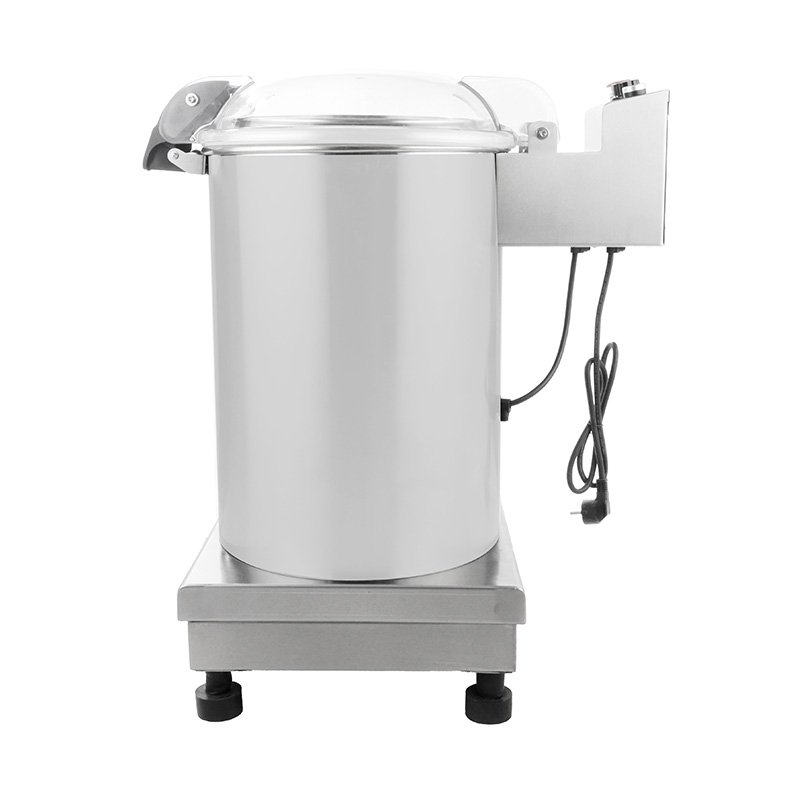
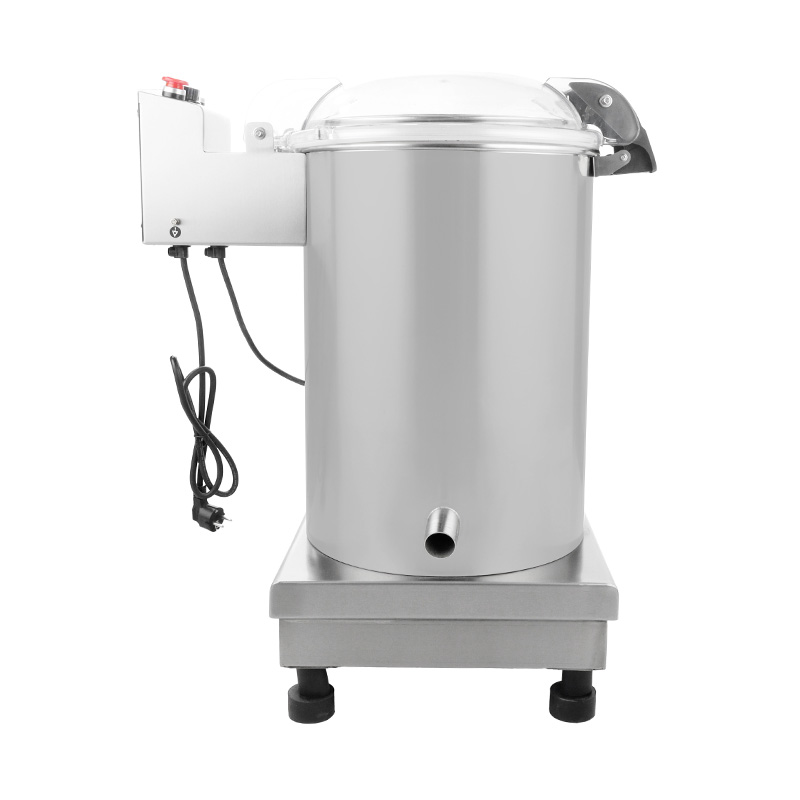
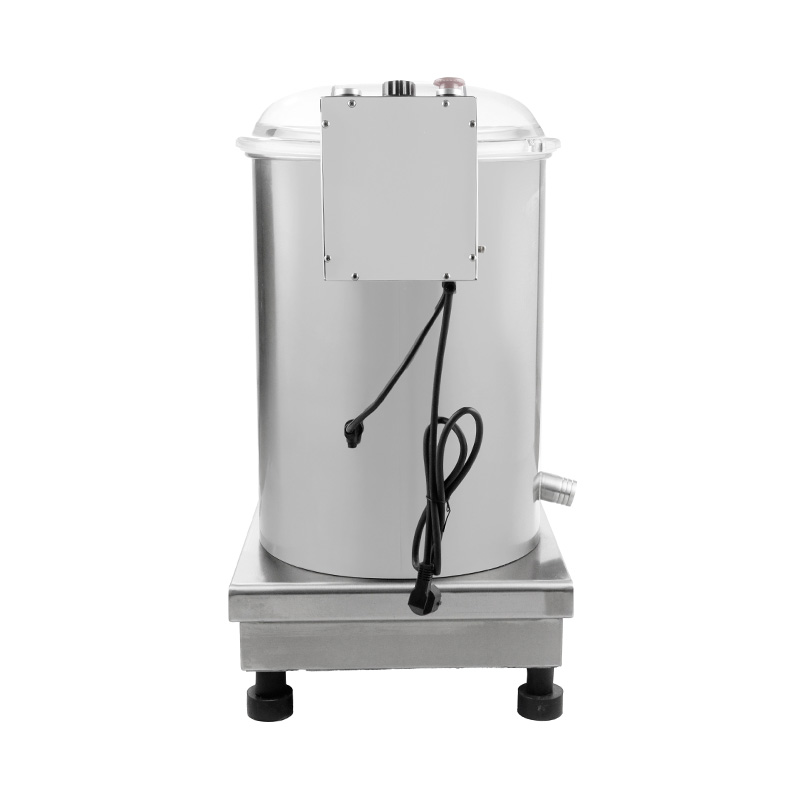
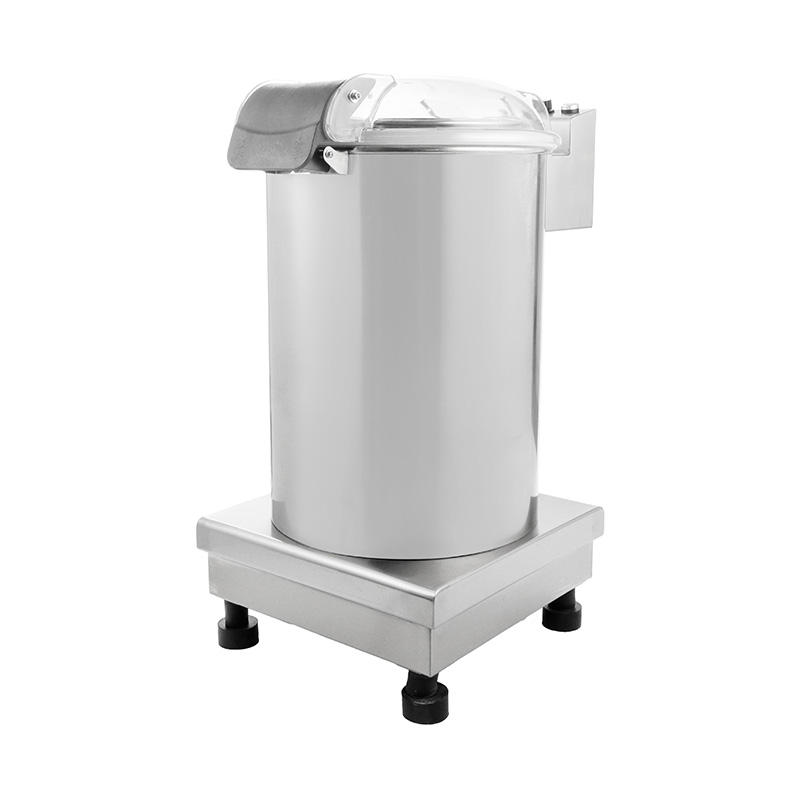
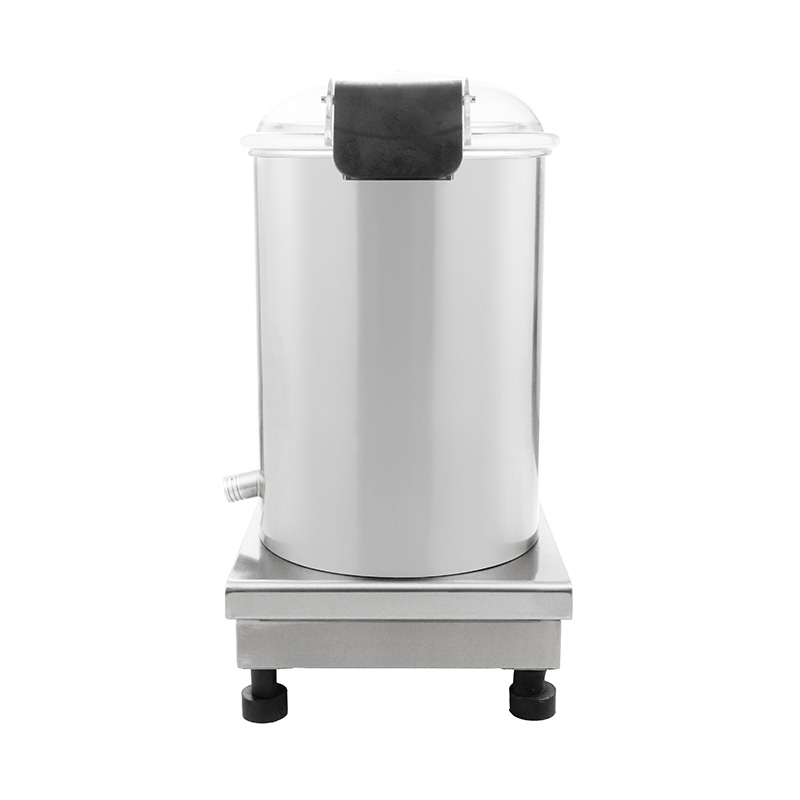
A Stainless Steel Dehydrator is widely preferred in commercial kitchens and industrial settings because of its material advantages. Stainless steel resists corrosion, withstands frequent cleaning, tolerates higher operating temperatures, and aligns with food safety standards required in professional environments.
Material and Hygiene Benefits
- Food Safety Compliance: Stainless steel surfaces are non‑porous and easy to sanitize, reducing the risk of bacterial buildup between batches.
- Thermal Performance: Stainless steel offers better heat retention and stable internal temperatures, which support even dehydration across tray levels.
- Durability: Frequent operation in a commercial setting subjects machines to heavy duty use. Stainless steel resists dents, discoloration, and degradation over time.
In addition to the main chamber, trays or racks made from stainless steel mesh or perforated sheets promote uniform airflow and reduce clumping or interference from moisture pockets. Stainless steel construction also simplifies cleanup, as trays can be removed and washed without damage.
How to Choose the Right Dehydrator for Your Business
When evaluating what dehydrator to install in a commercial kitchen or food production facility, consider these technical and operational factors:
- Capacity and Scaling: Match capacity to expected batch size and scaling plans. Larger operations may prioritize units with multiple trays and increased airflow.
- Temperature Range: Dehydrators capable of a wide temperature range are more adaptable to different food types, from low‑temperature herbs to higher‑temperature meats.
- Control Features: Digital controls with programmable cycles improve automation and reduce labor. Advanced systems also allow humidity monitoring for sensitive products.
- Maintenance and Safety: Ensure models include features like automatic shut‑off, easy‑to‑access trays for cleaning, and clear safety guidance for daily use.
Investing in the right commercial dehydrator means balancing upfront cost with long‑term operational savings through reduced energy use, lower waste, and creation of valuable product lines.
Operating and Maintaining Commercial Dehydrators
Proper operation and maintenance of commercial dehydrators are vital for consistent performance and food safety compliance. Daily routines include inspecting trays, verifying temperature settings, and cleaning any residues. Weekly or monthly deep cleaning with food‑safe sanitizers helps prevent buildup and maintain airflow efficiency.
Routine maintenance not only prolongs the machine’s lifespan but also ensures adherence to hygiene standards required by food regulatory authorities. Keeping a log of service and cleaning activities supports quality control and audit readiness.