Electric Bain Marie: Applications, Temperature Control, and Food Safety Concerns
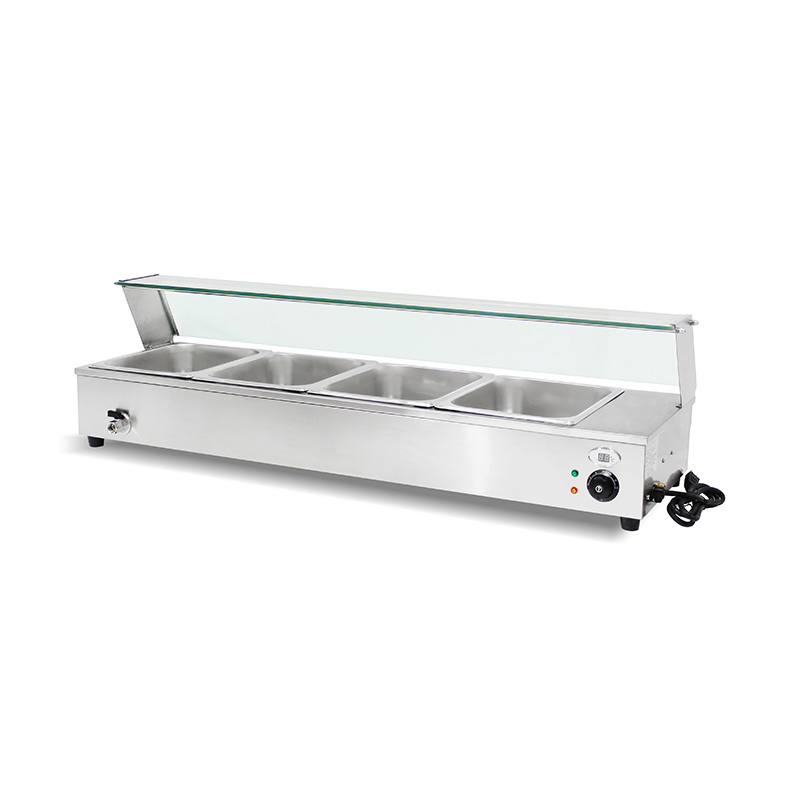
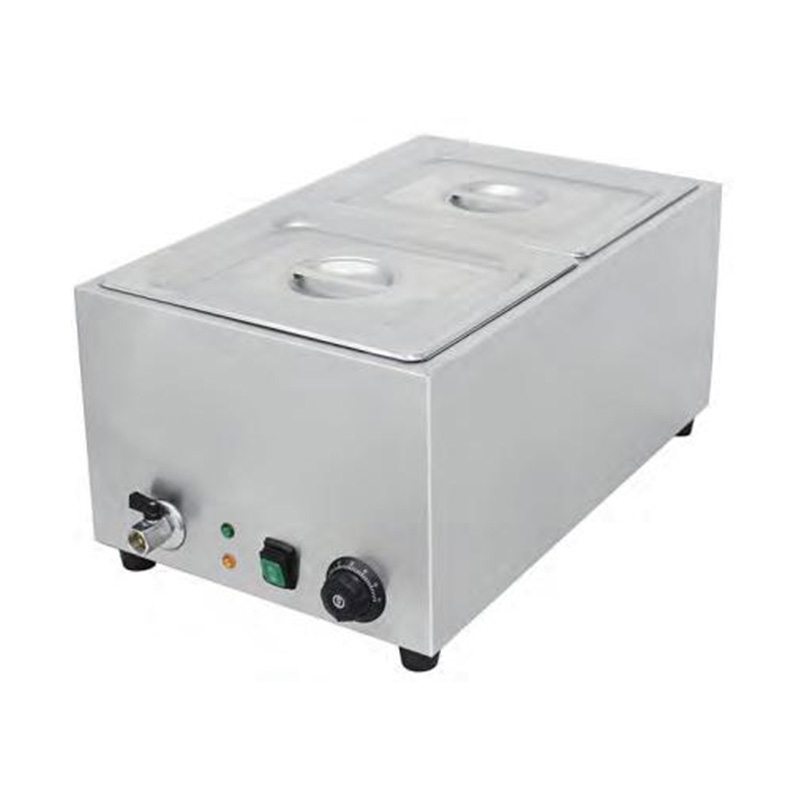
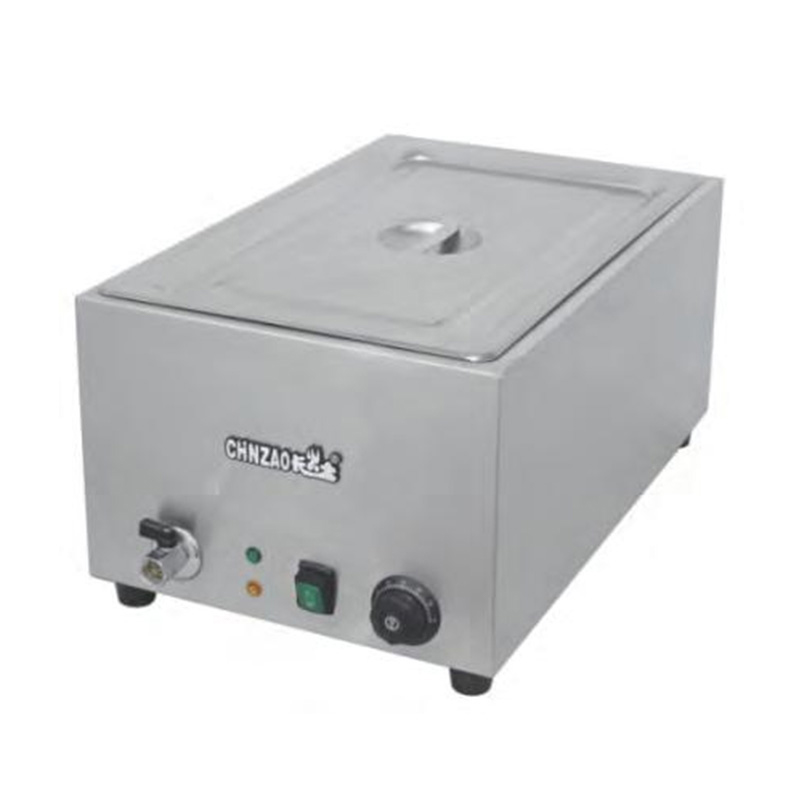
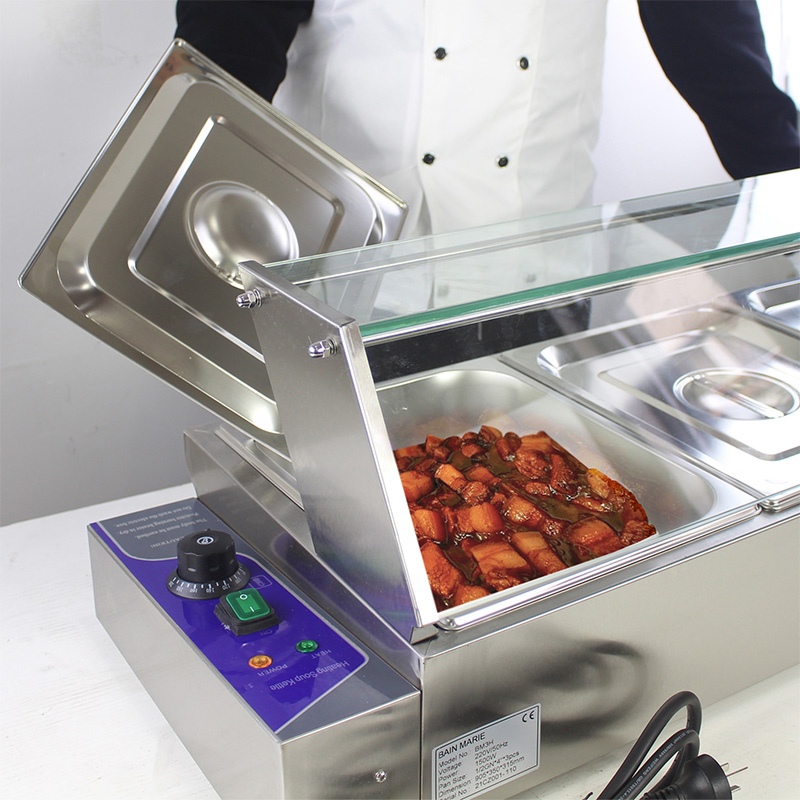
An Electric Bain Marie is widely used in commercial kitchens to keep prepared food warm over extended service periods. One of the more common user concerns related to Electric Bain Marie equipment is how it maintains food temperature without overcooking or drying food out. Unlike direct heating equipment, an Electric Bain Marie uses a water bath combined with electric heating elements to deliver gentle, indirect heat. This design helps stabilize temperature and reduces the risk of scorching sauces, soups, gravies, and other moisture-sensitive foods.
Another frequently searched topic is food safety compliance. Electric Bain Marie units are commonly used in buffet lines, catering operations, and institutional kitchens where food must be held within safe temperature ranges. Users often look for guidance on holding temperatures, recovery time after lid opening, and consistency during peak service hours. Stable electric heating allows operators to maintain food above food-safety thresholds while reducing temperature fluctuations caused by repeated serving.
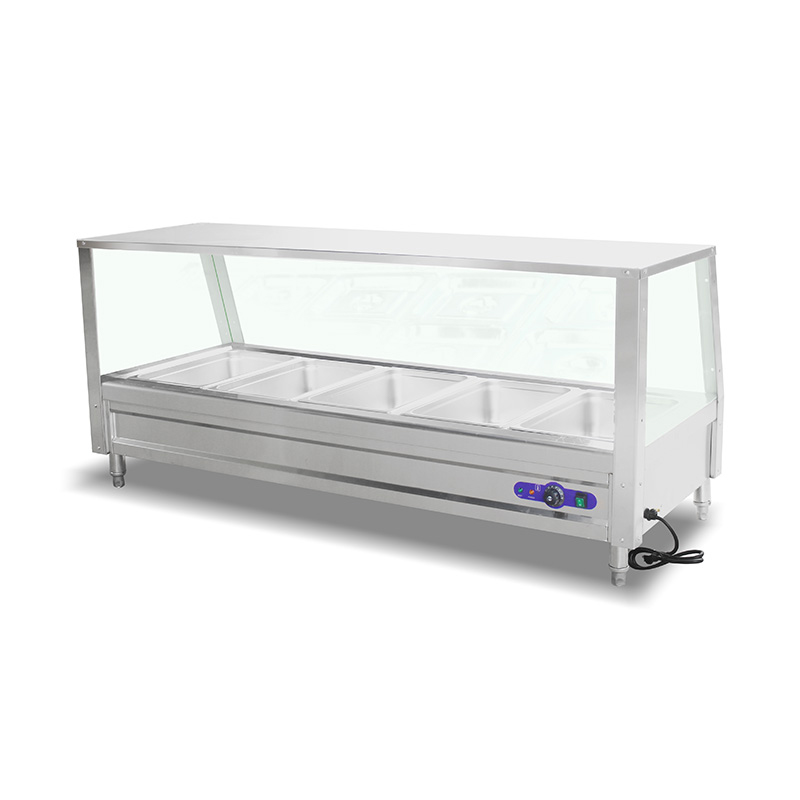
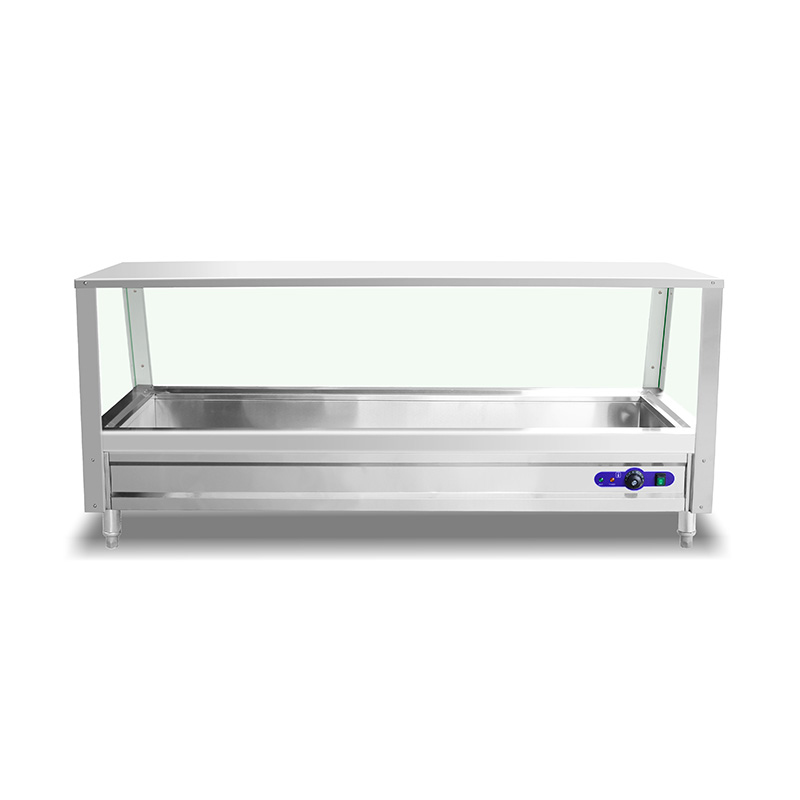
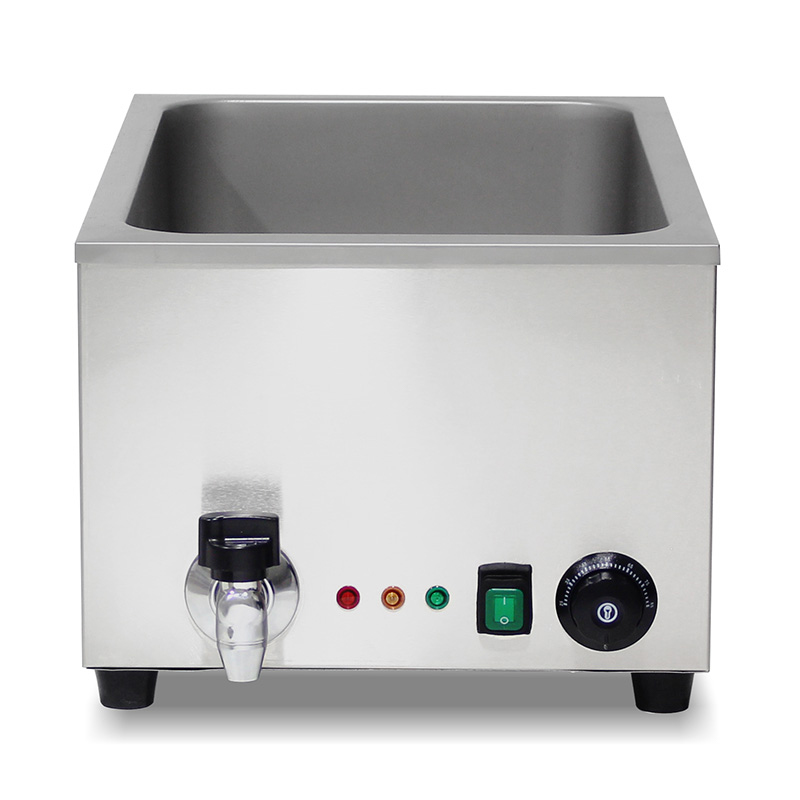
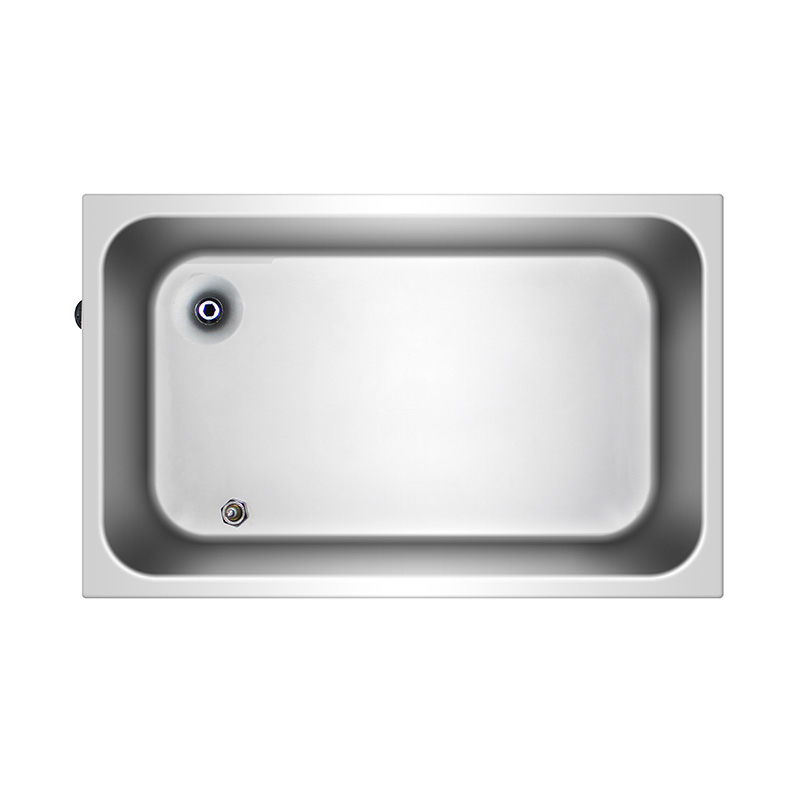
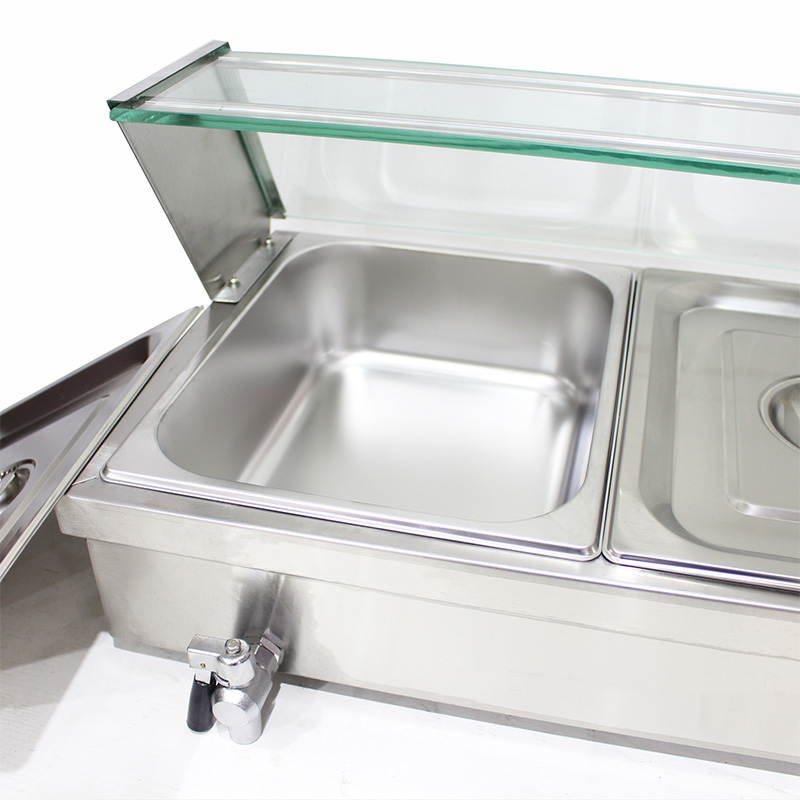
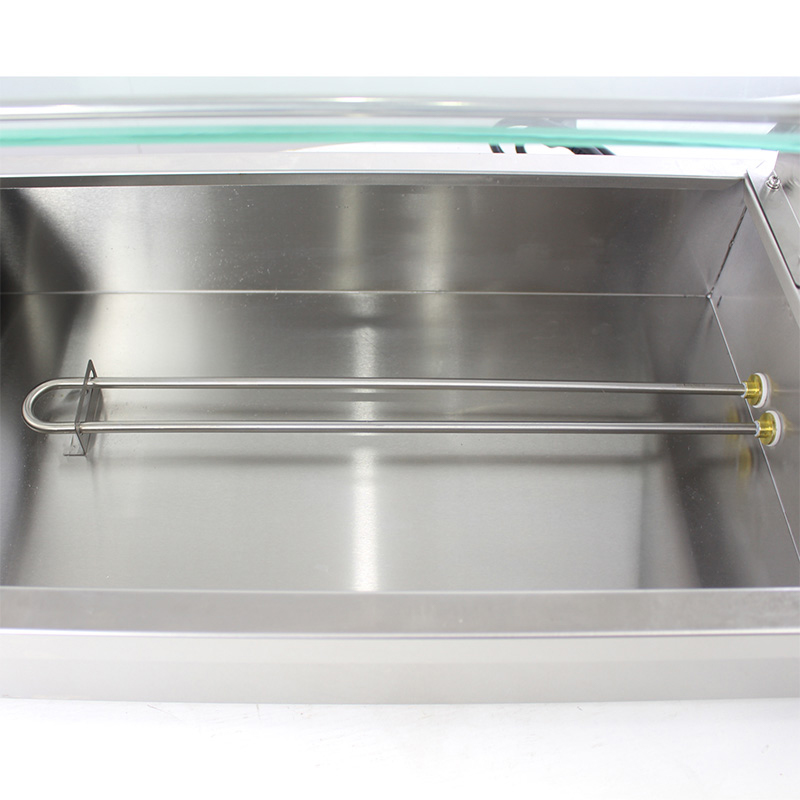
Ease of cleaning and hygiene is also a concern. Electric Bain Marie designs typically feature stainless steel tanks, removable gastronorm pans, and smooth interior corners. These features support daily cleaning routines and help reduce residue buildup. From an operational perspective, users are interested in how Electric Bain Marie units fit into food preparation workflows, particularly when coordinating between cooking, holding, and serving stations.
Kitchen Electric Bain Marie: Design Integration and Energy Efficiency in Commercial Kitchens
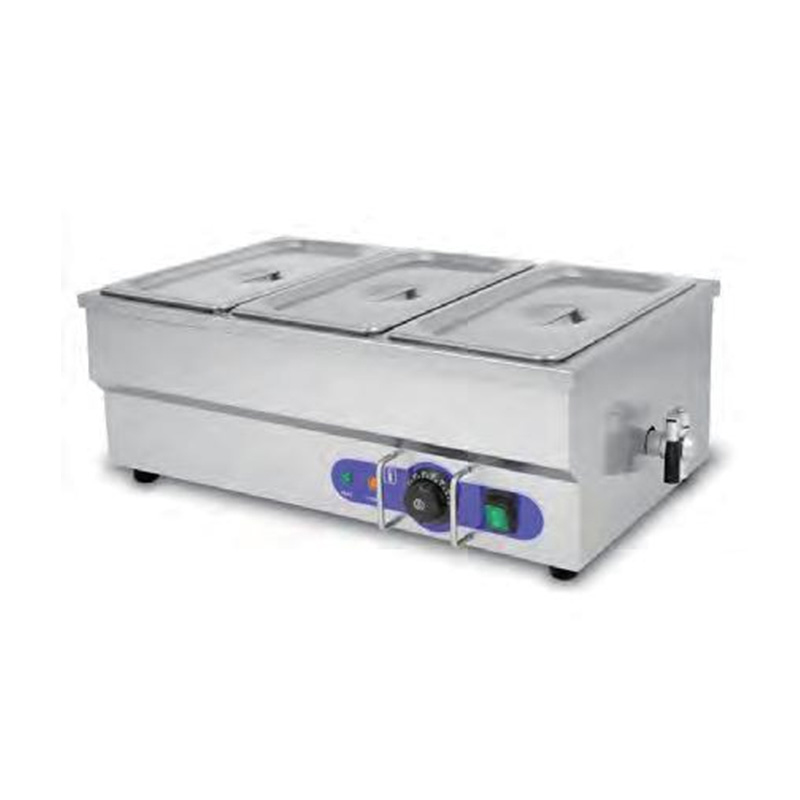
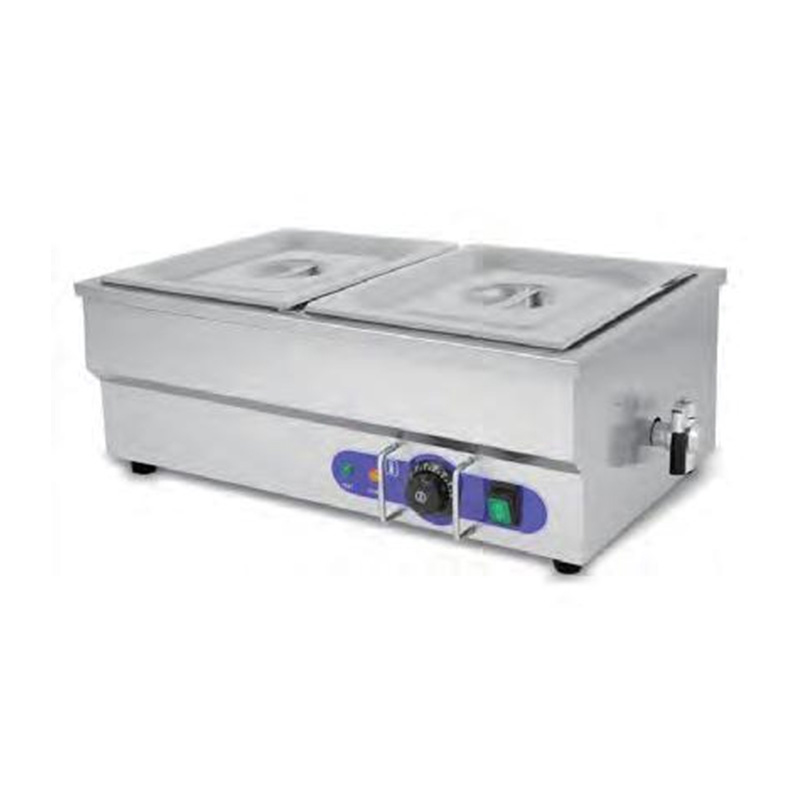
The term Kitchen Electric Bain Marie is commonly searched by users planning professional kitchen layouts. One key concern is how well the unit integrates into different kitchen environments, including restaurants, hotels, canteens, and food service counters. Kitchen Electric Bain Marie equipment is often selected based on counter depth, pan capacity, and compatibility with other kitchen appliances.
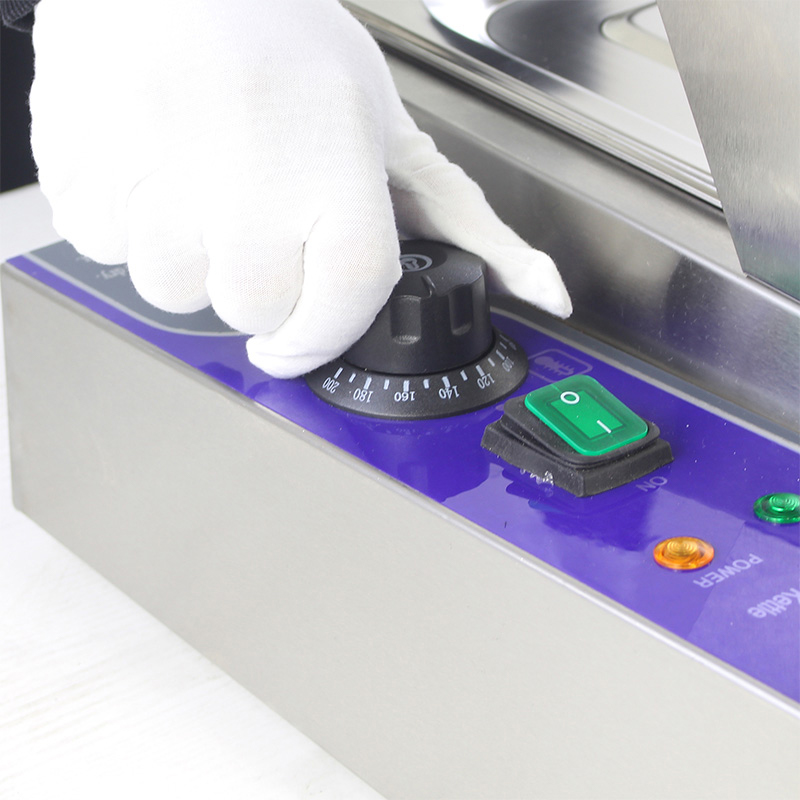
Energy efficiency is another major topic associated with Kitchen Electric Bain Marie searches. Operators want to understand power consumption during continuous operation and whether electric models provide stable performance throughout service hours. Electric systems allow for precise temperature control, enabling kitchens to adjust heating levels based on food type and service duration. This helps reduce unnecessary energy use during low-demand periods while maintaining readiness during peak times.
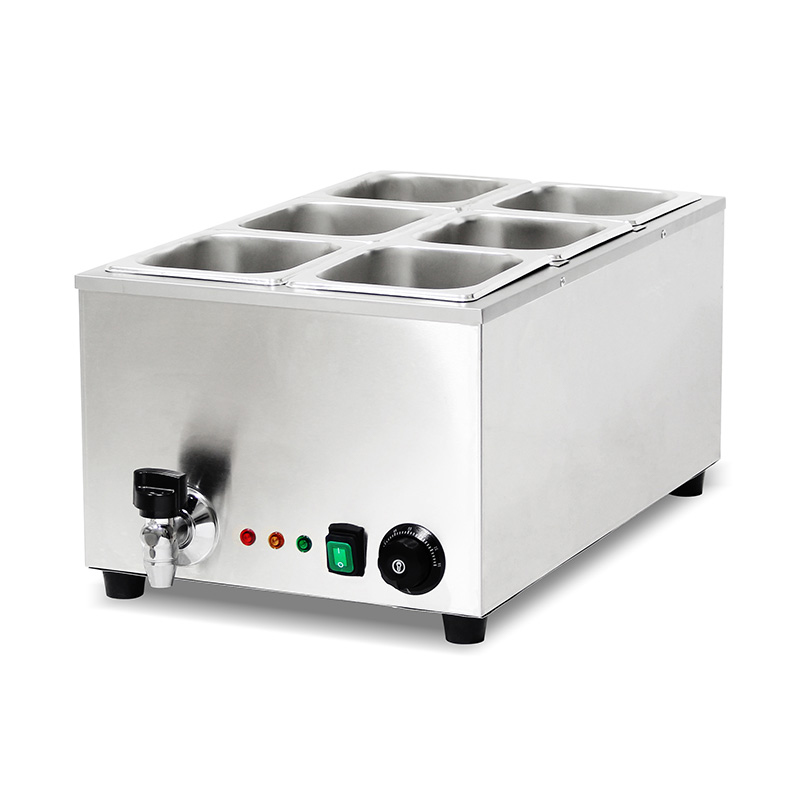
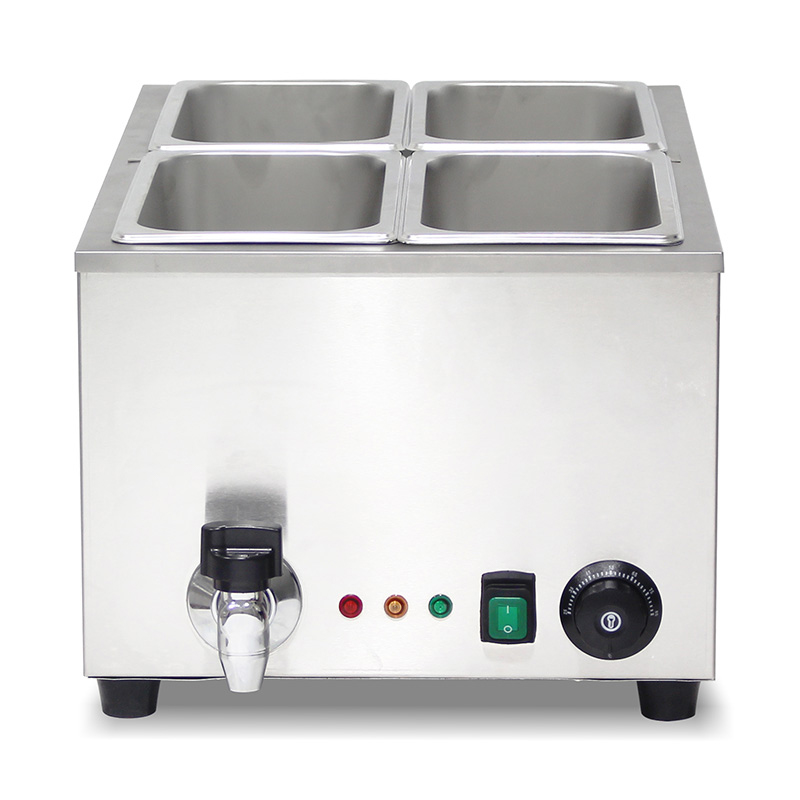
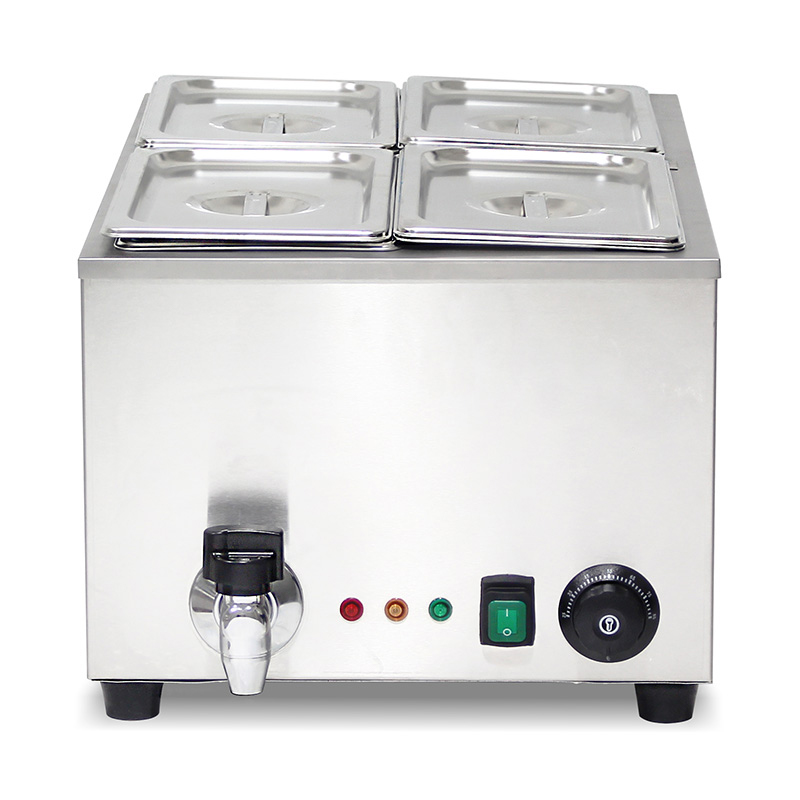
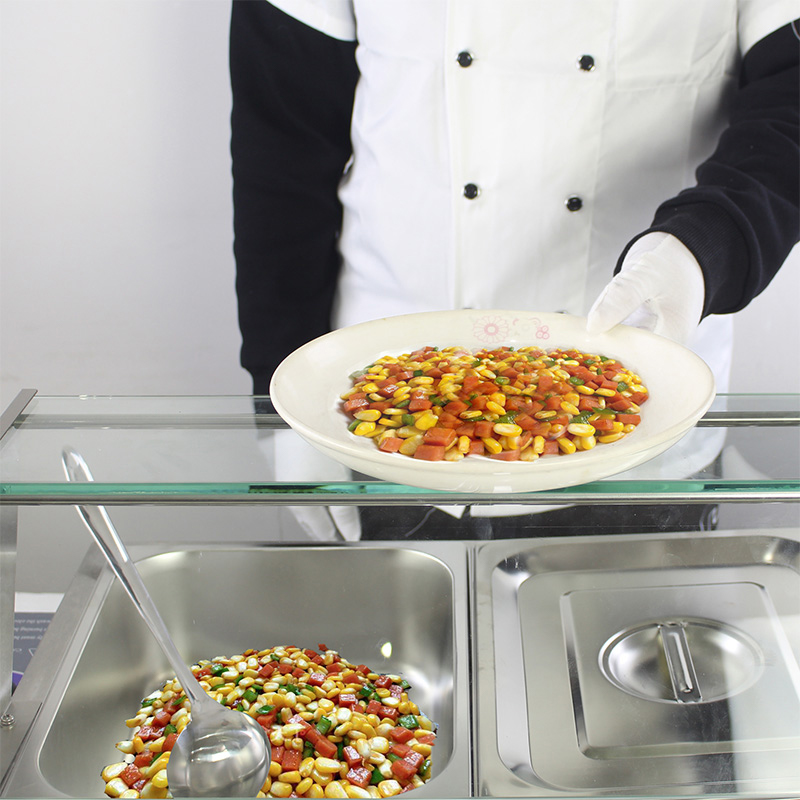
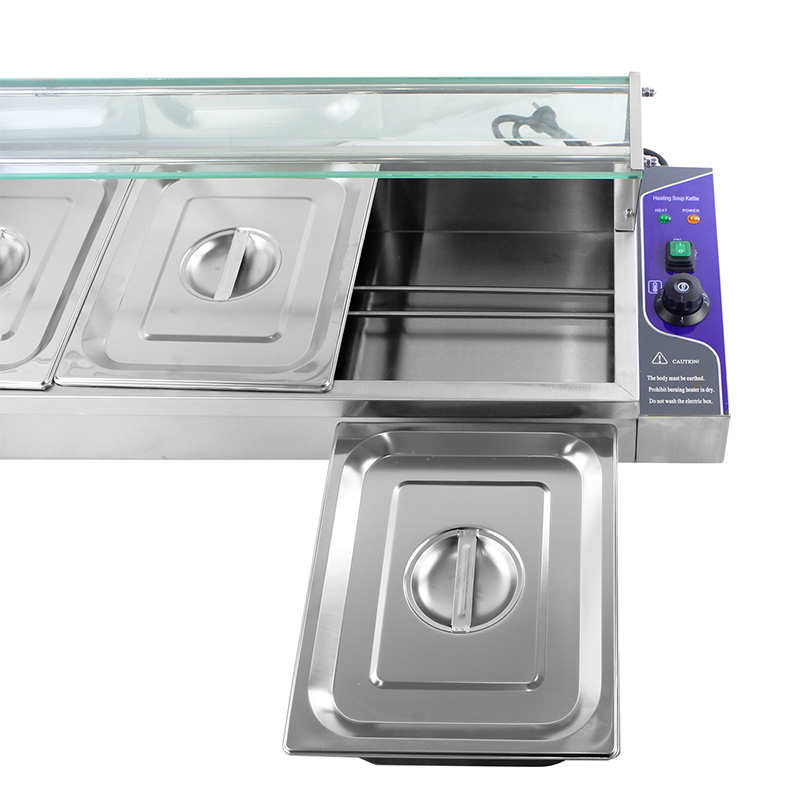
Users also focus on versatility and menu flexibility. A Kitchen Electric Bain Marie can accommodate multiple pans simultaneously, allowing kitchens to hold different food items at consistent temperatures. This is particularly relevant for menus that change frequently or include sauces, side dishes, and pre-cooked components that require holding rather than active cooking. Search trends indicate that buyers value adjustable pan layouts, compatibility with standard gastronorm sizes, and ease of operation for kitchen staff with varying experience levels.
Freestanding Electric Bain Marie: Capacity Planning and Mobility Considerations
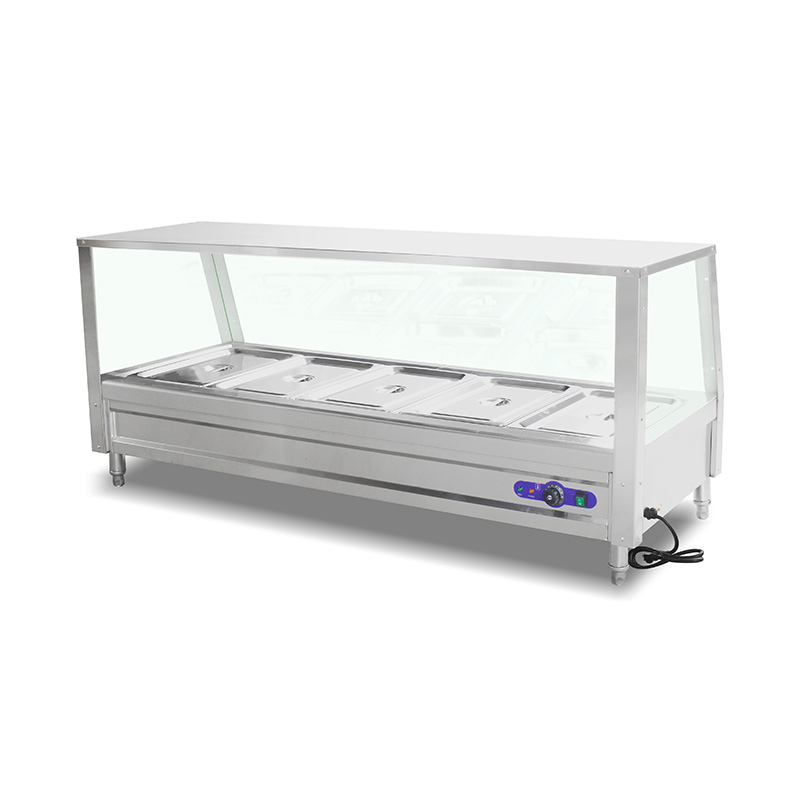
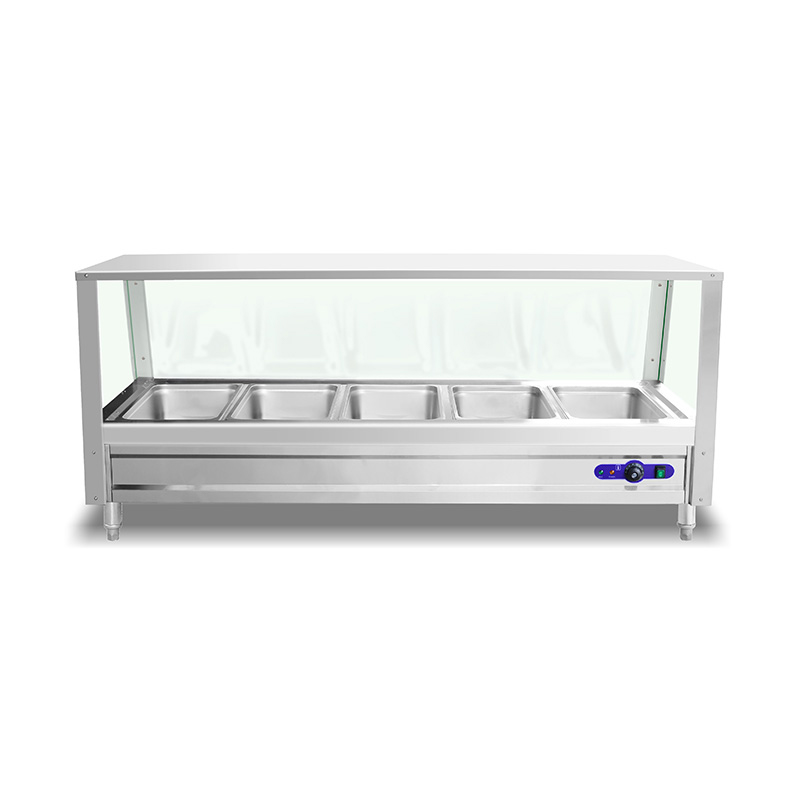
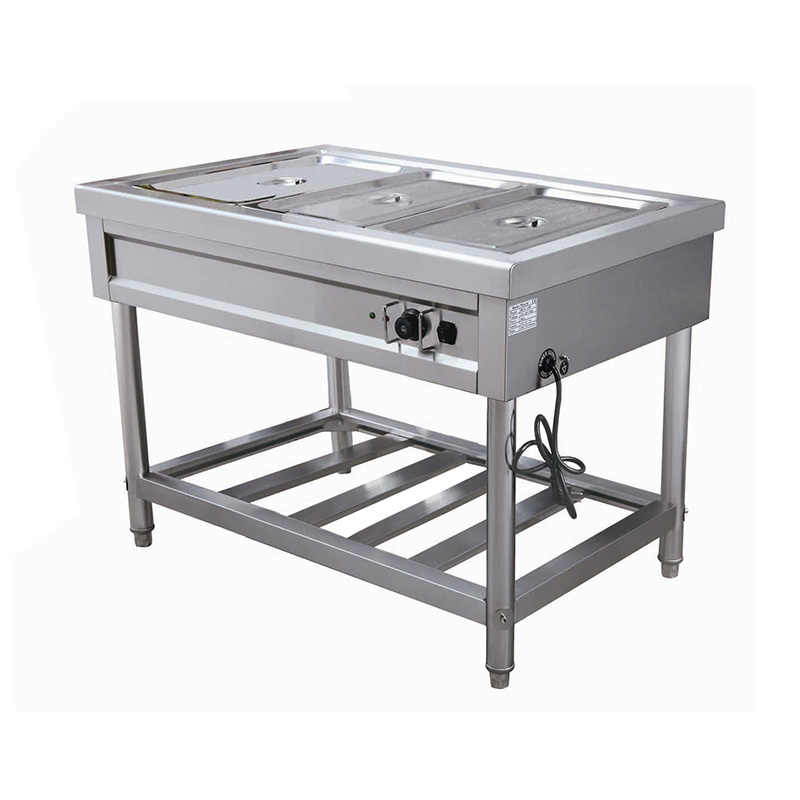
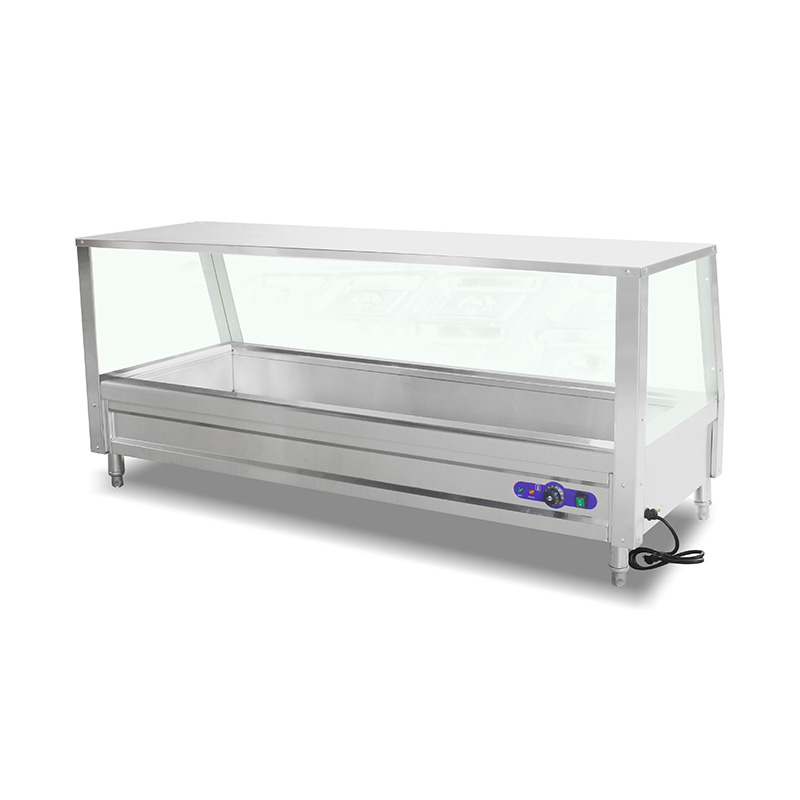
A Freestanding Electric Bain Marie is often searched by users looking for independent food holding solutions that do not require countertop installation. One of the main concerns is capacity planning—how many pans the unit can hold and how that capacity supports service volume. Freestanding Electric Bain Marie units are commonly used in buffet setups, catering lines, and self-service areas where accessibility and visibility are important.
Mobility and placement flexibility are also key discussion points. Many Freestanding Electric Bain Marie designs include adjustable legs or casters, allowing operators to reposition the unit based on event layout or service flow. This is especially relevant for catering businesses and hotels that reconfigure dining areas frequently. Users want to understand how stable the unit remains during operation and whether mobility affects temperature consistency.
Another area of interest is installation and electrical requirements. Freestanding Electric Bain Marie equipment is typically designed for straightforward setup, requiring only a suitable power connection and water filling. Search queries often focus on voltage compatibility, daily operation procedures, and maintenance intervals. Because freestanding models are visible to customers, appearance and build quality also play a role in purchasing decisions, particularly in open-kitchen or buffet environments.
From a long-term perspective, users researching Freestanding Electric Bain Marie solutions are concerned with durability under continuous use, ease of servicing, and adaptability to different food service formats. These factors influence how well the equipment supports evolving operational needs without requiring frequent replacement or modification.





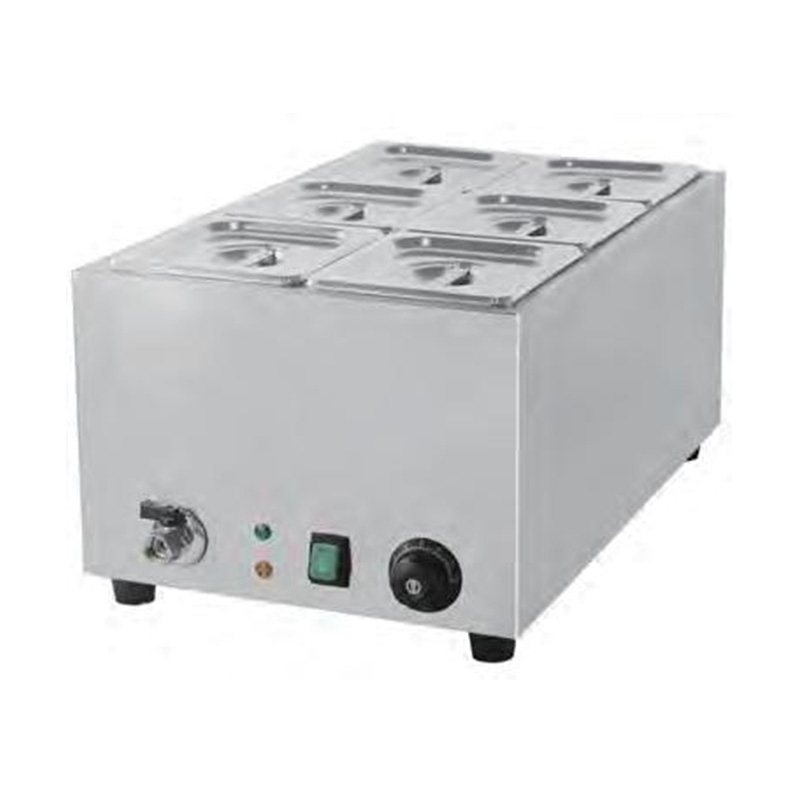
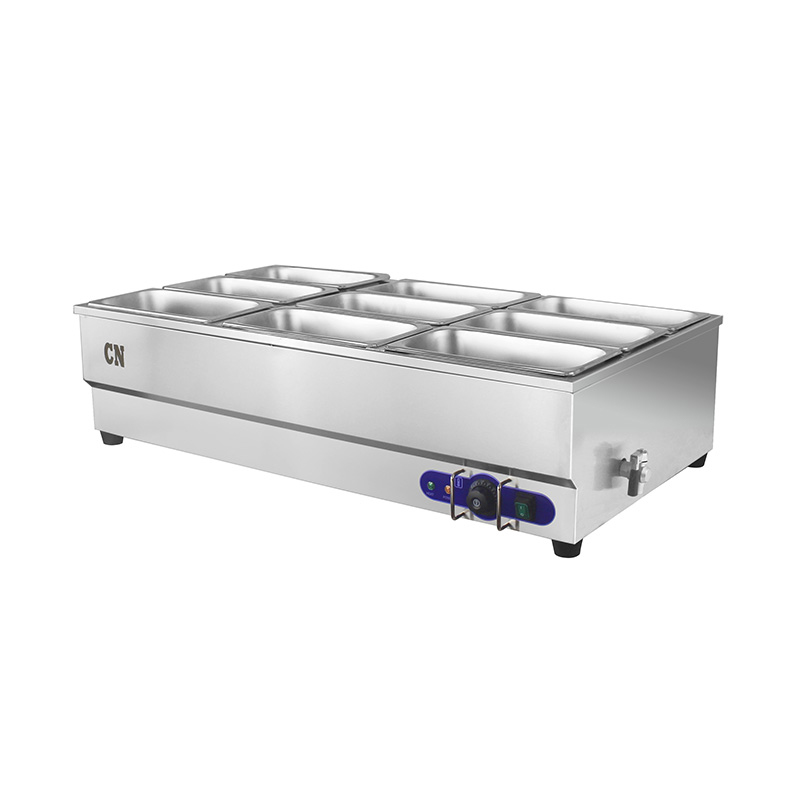
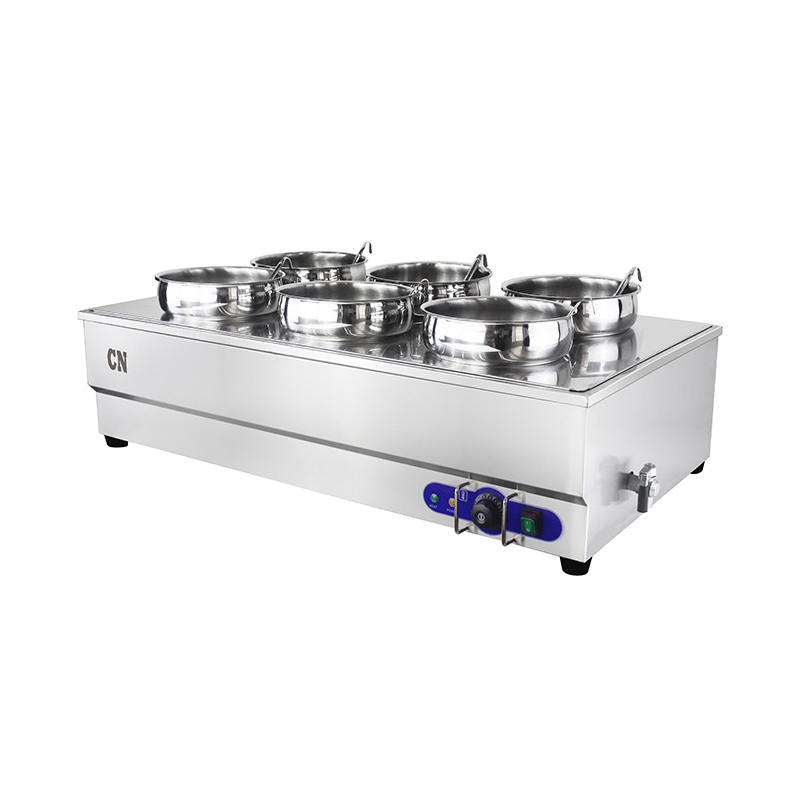
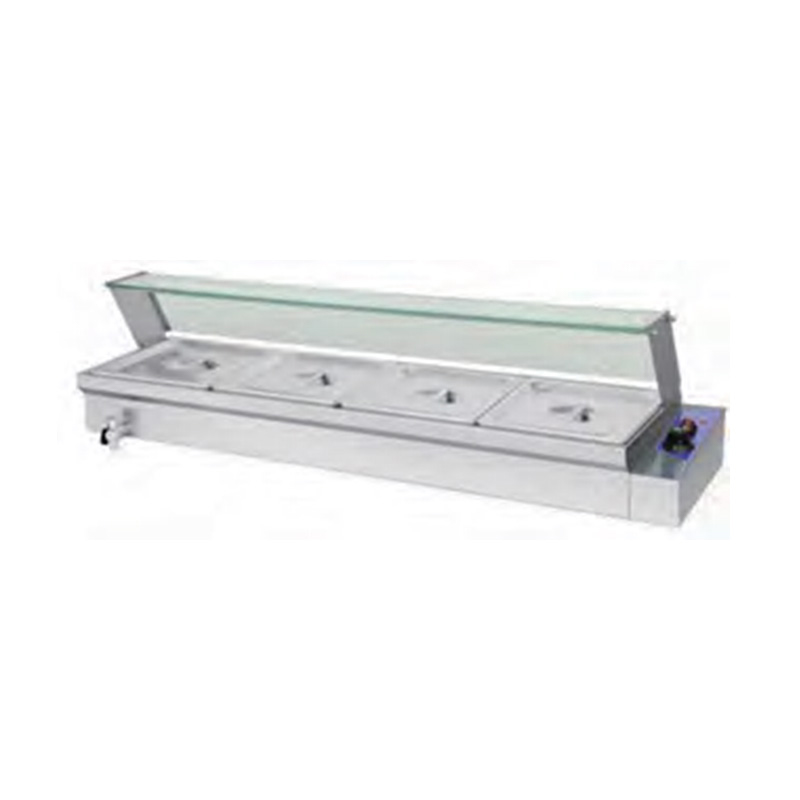

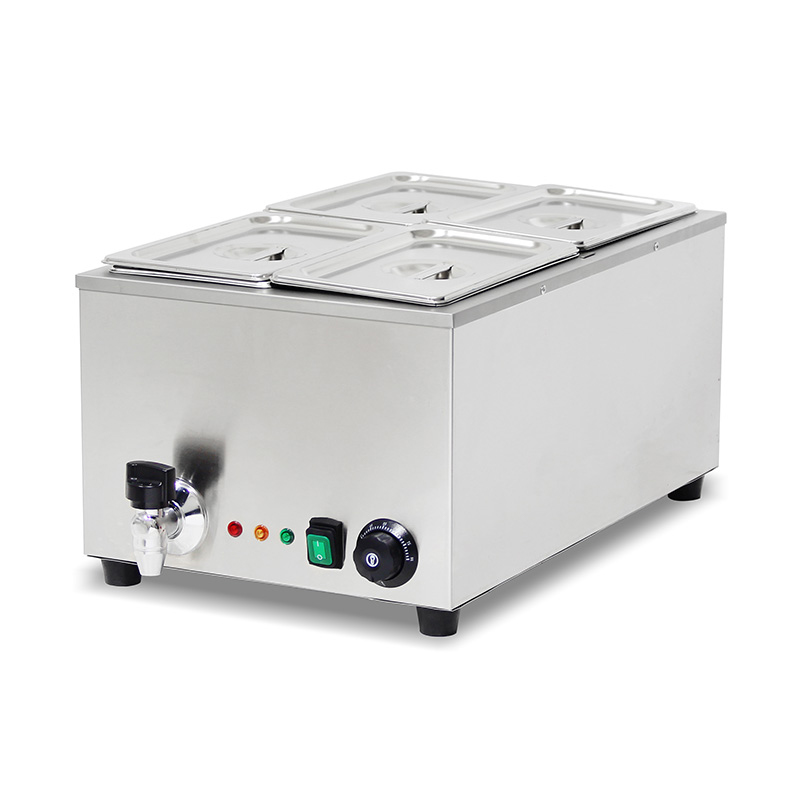

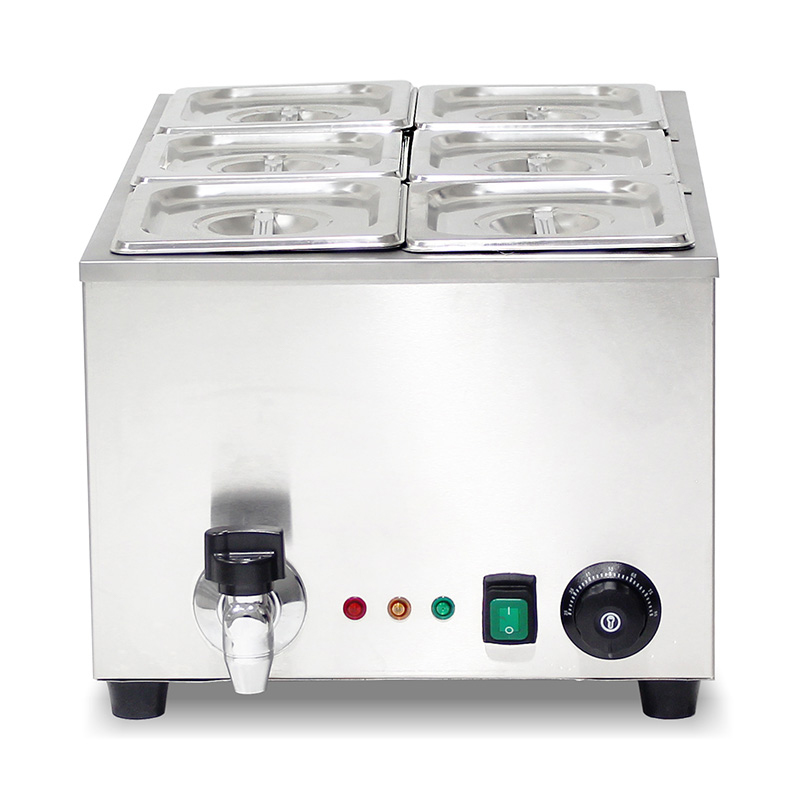
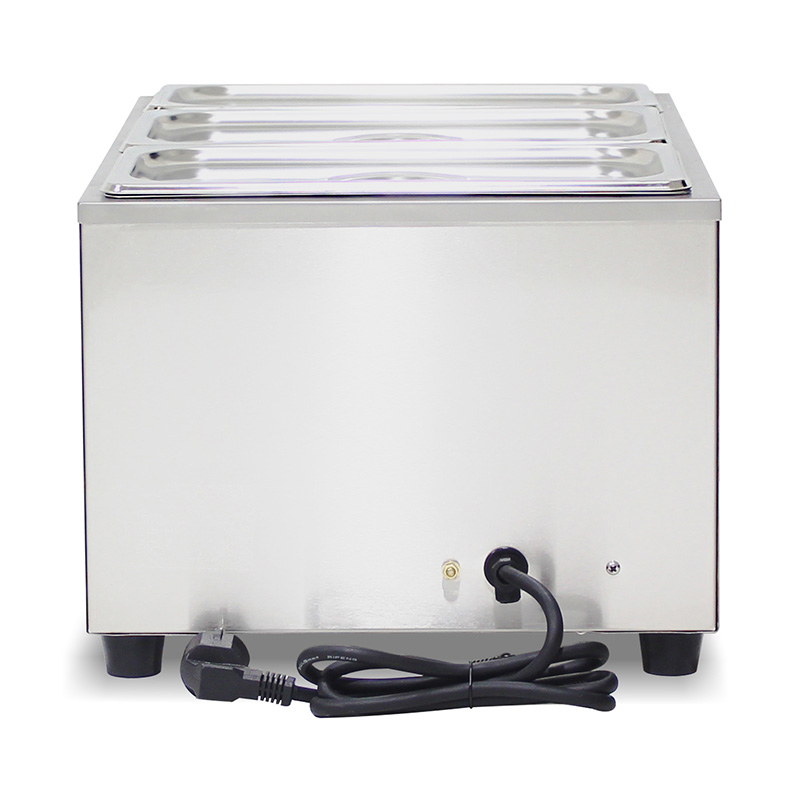
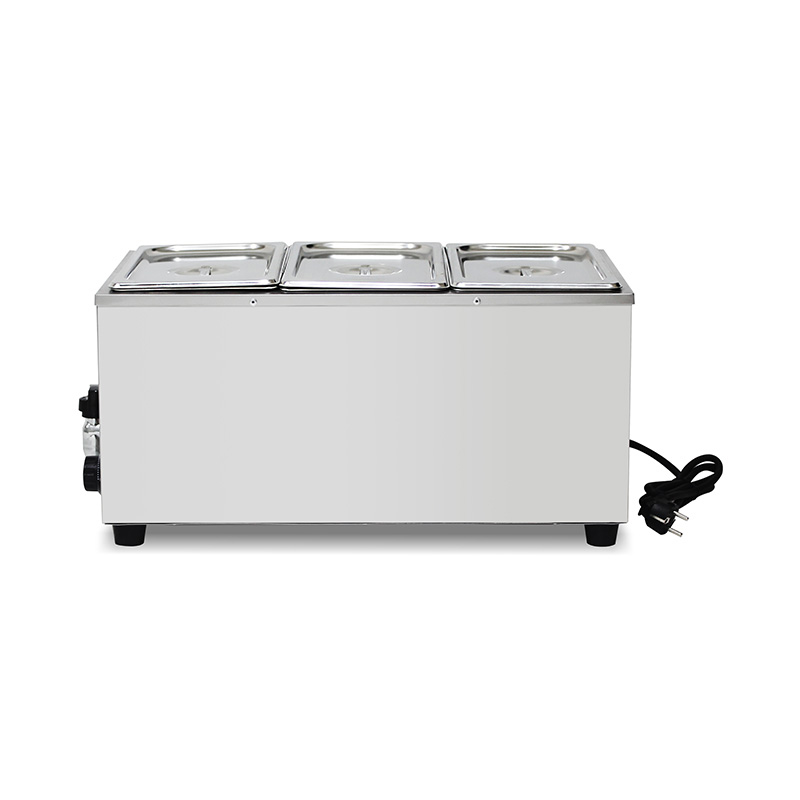
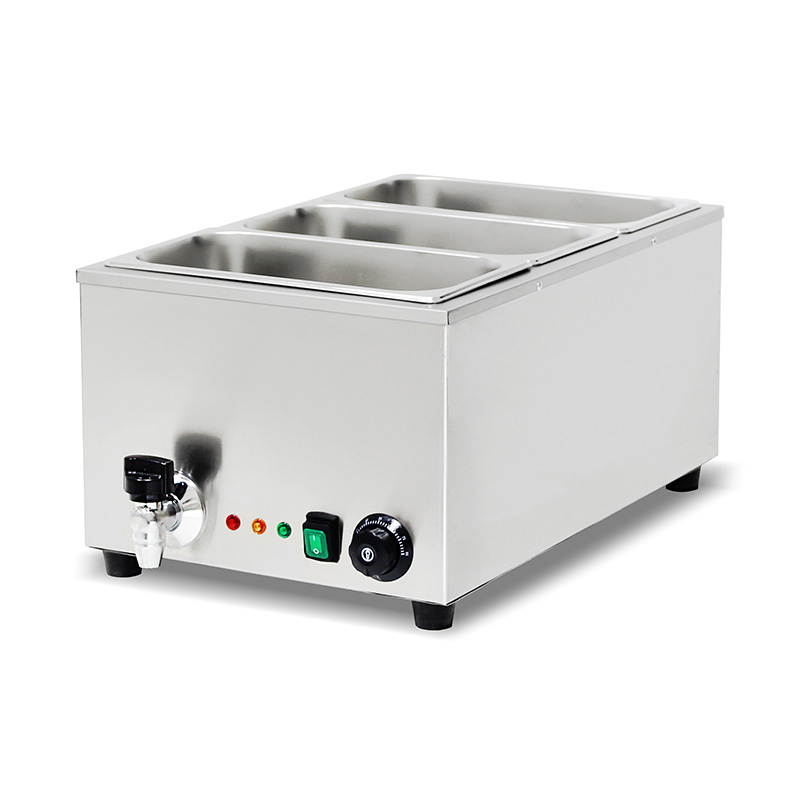
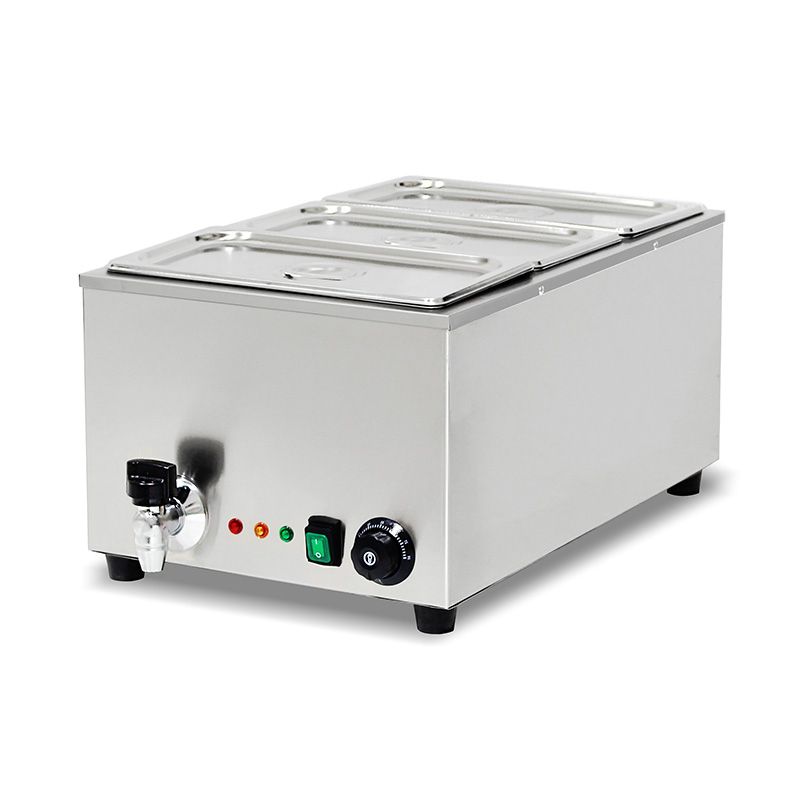
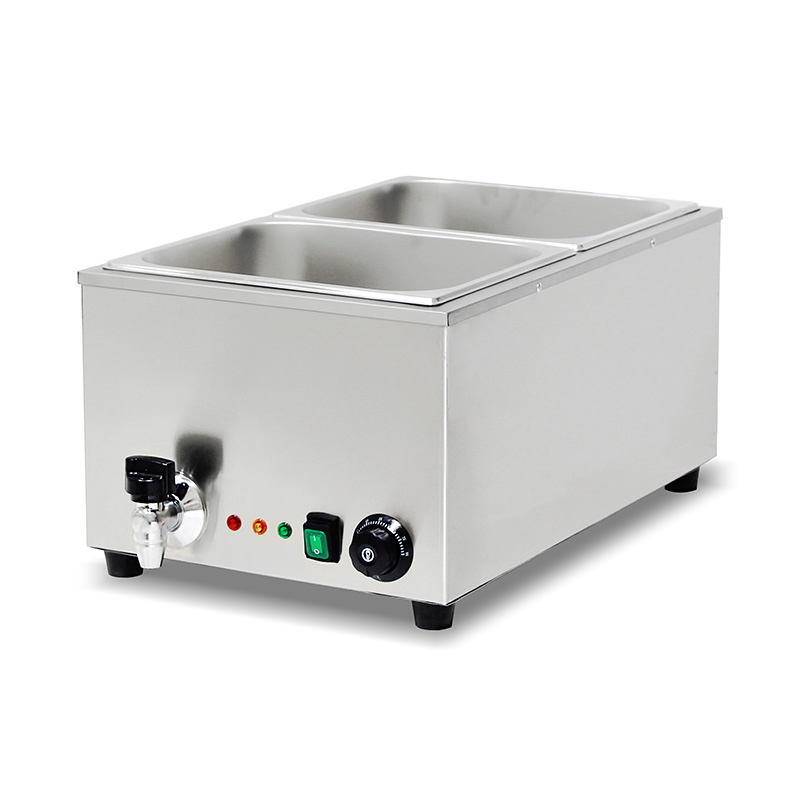


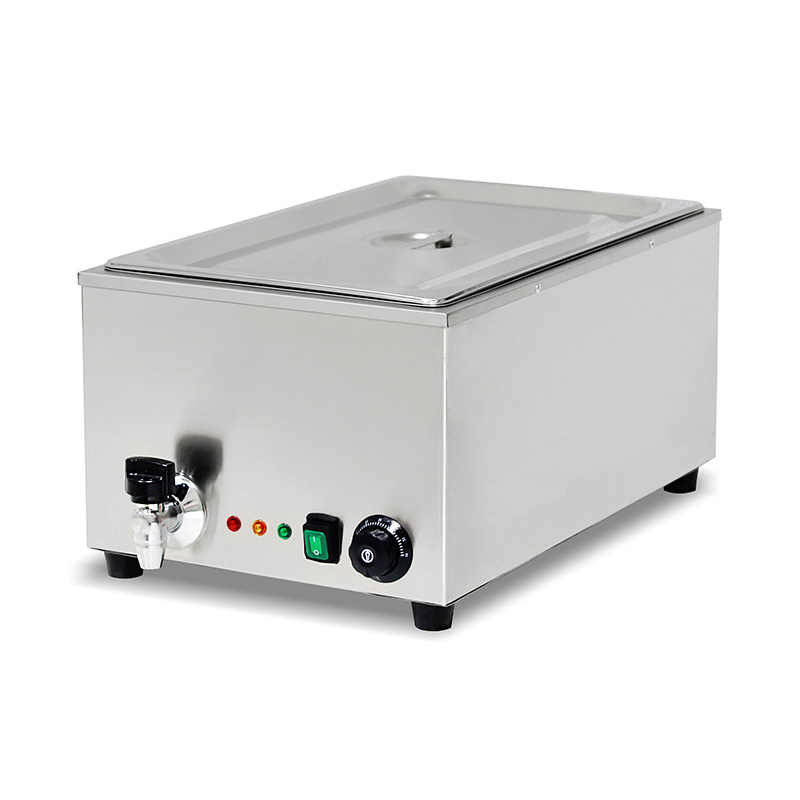
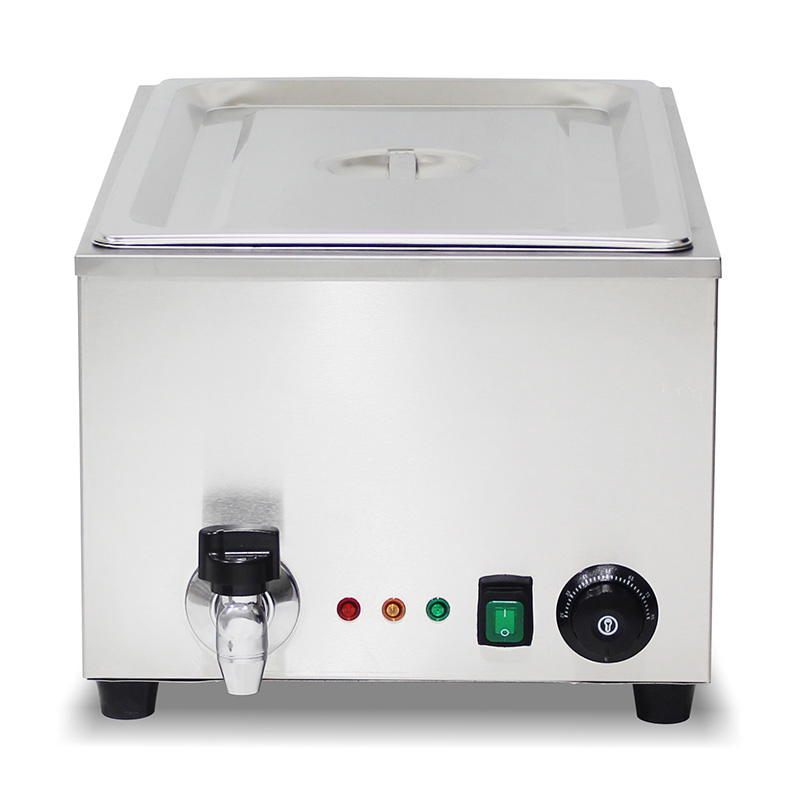
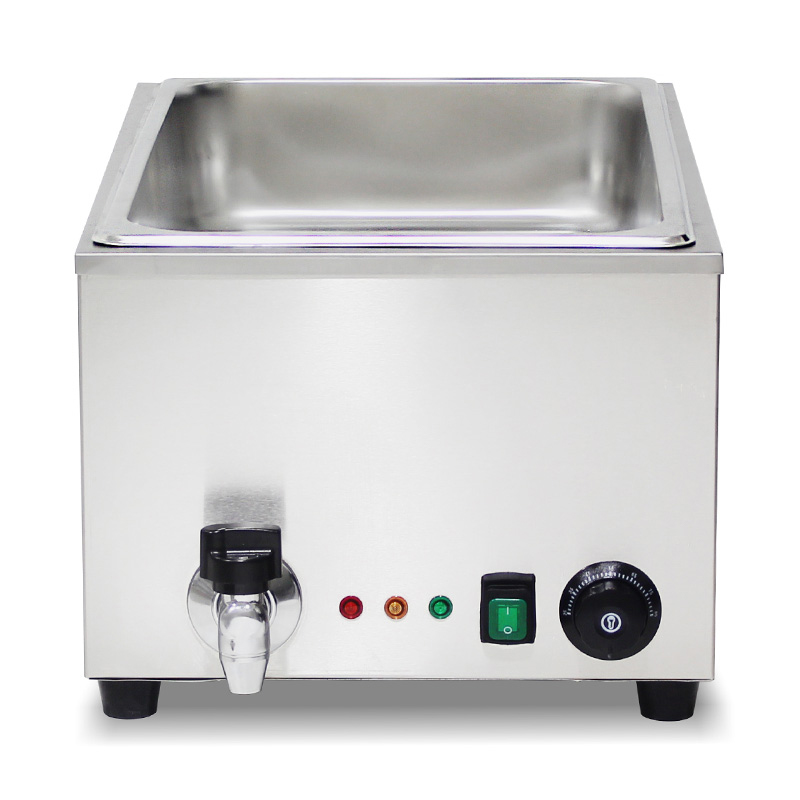
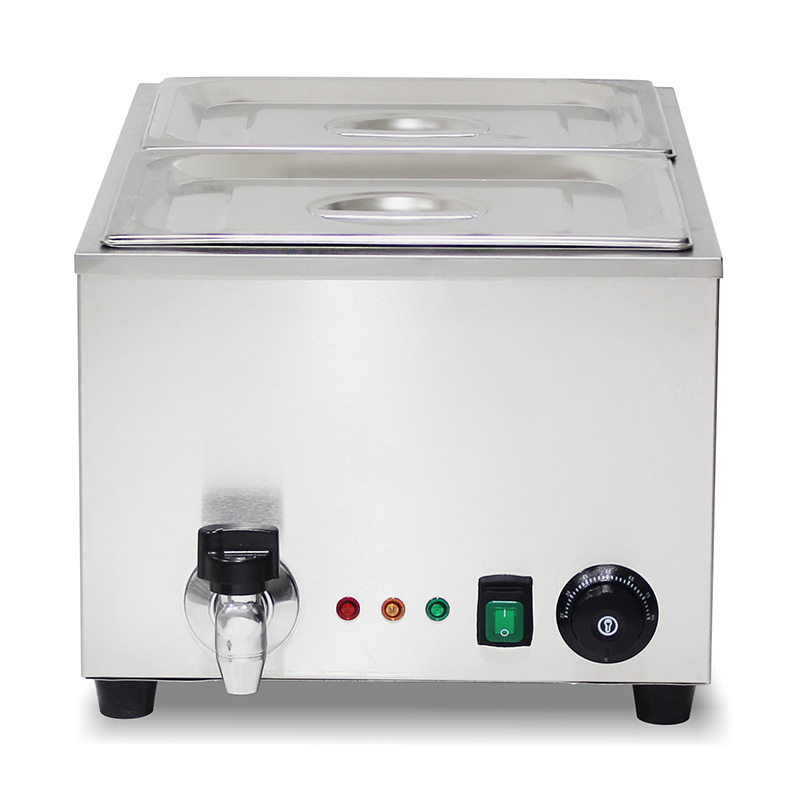
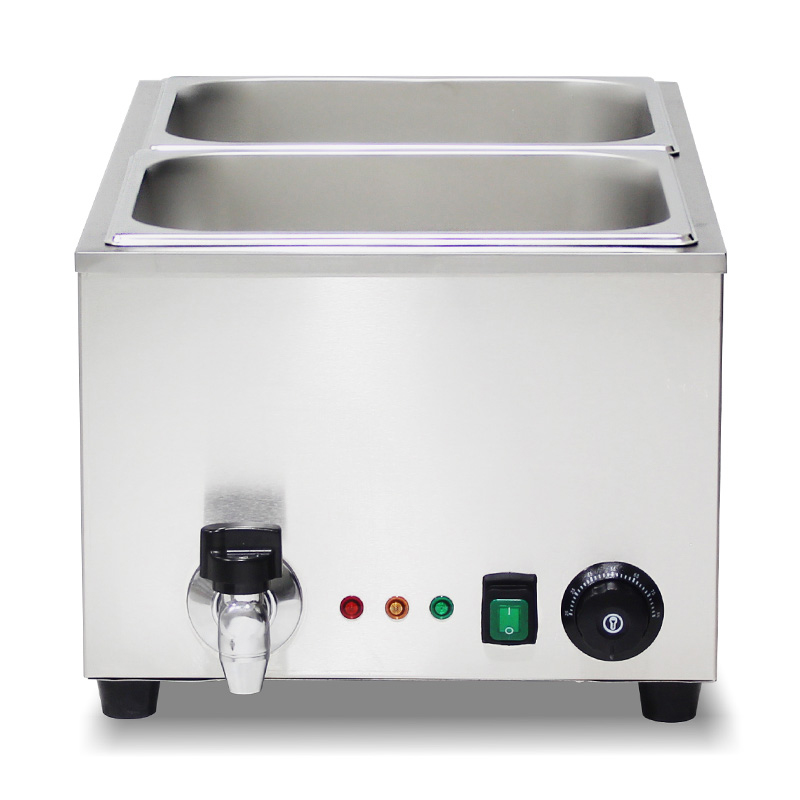
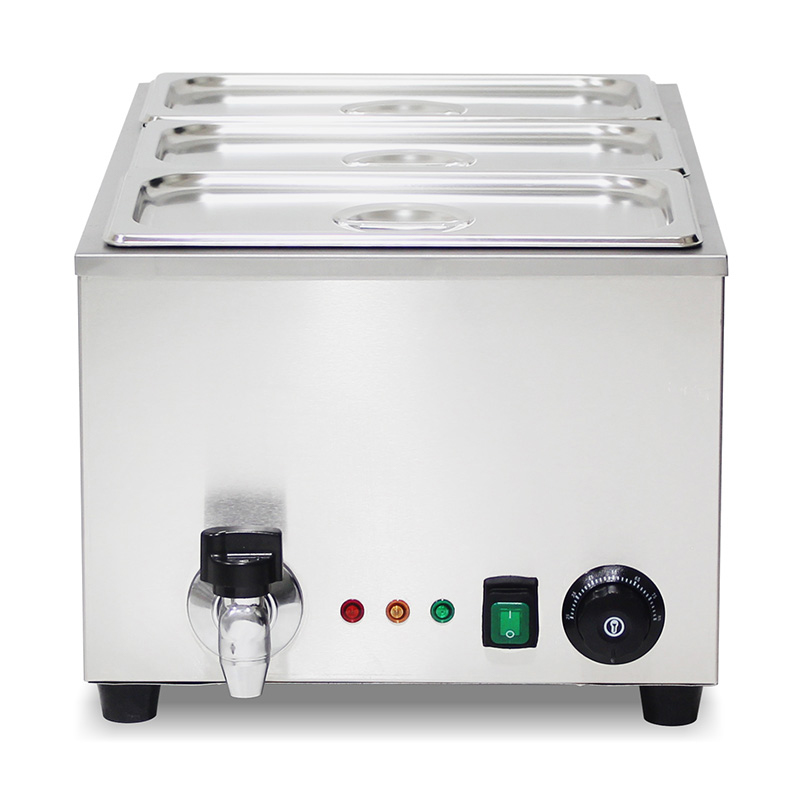
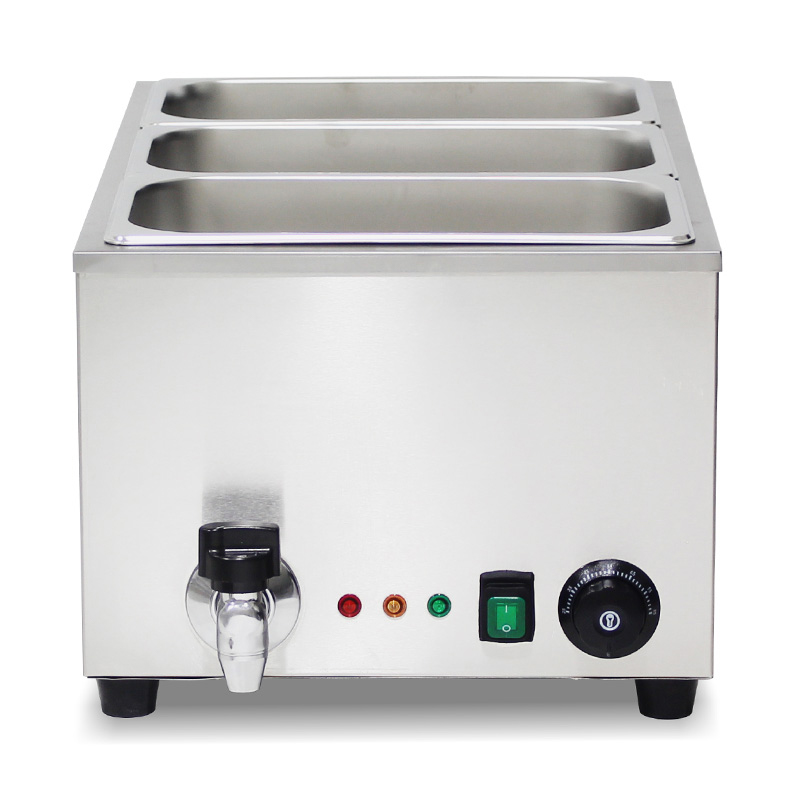

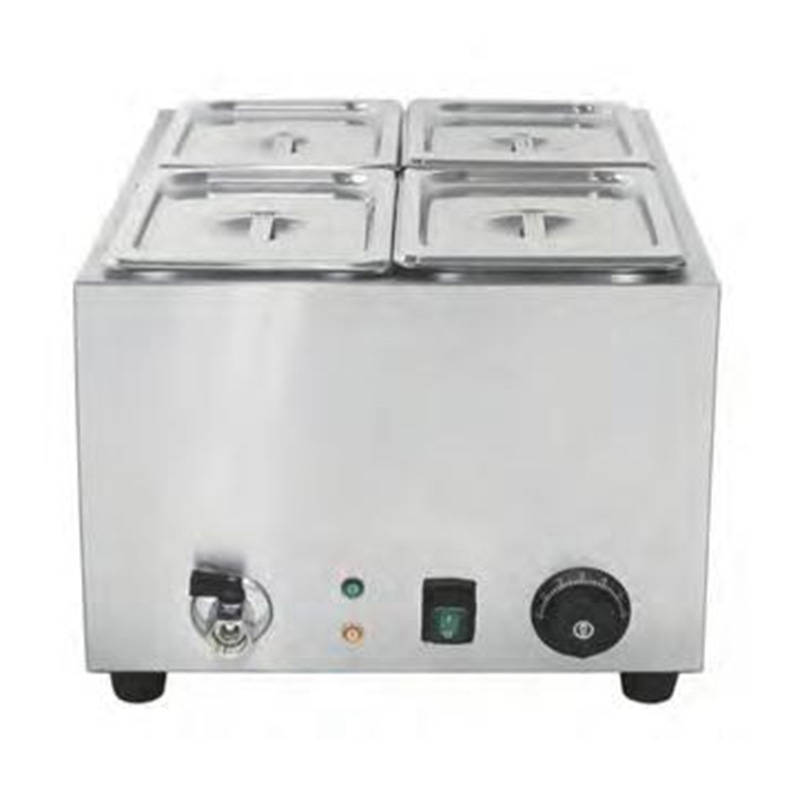
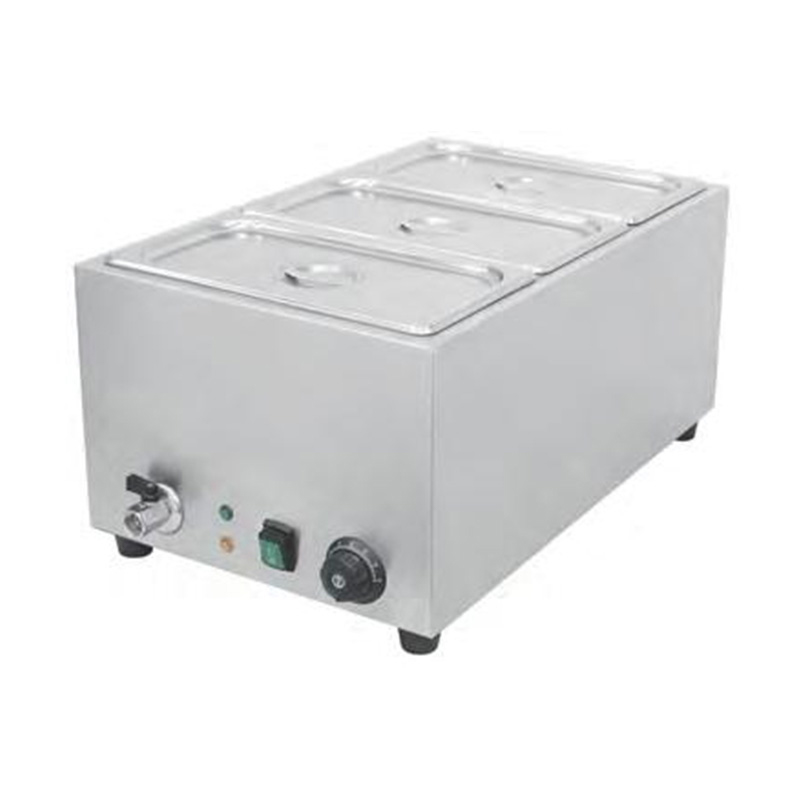


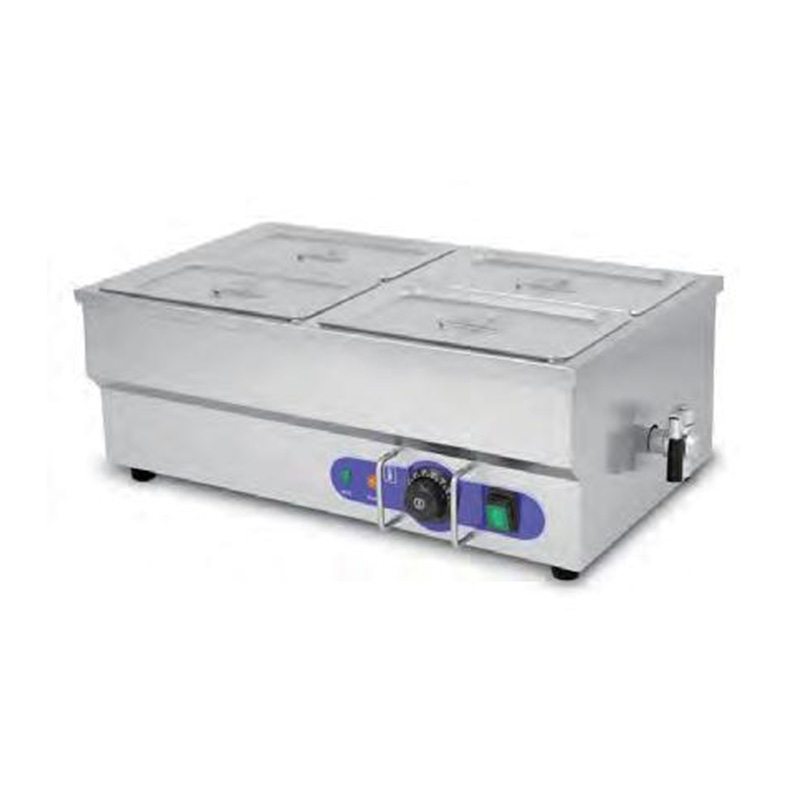
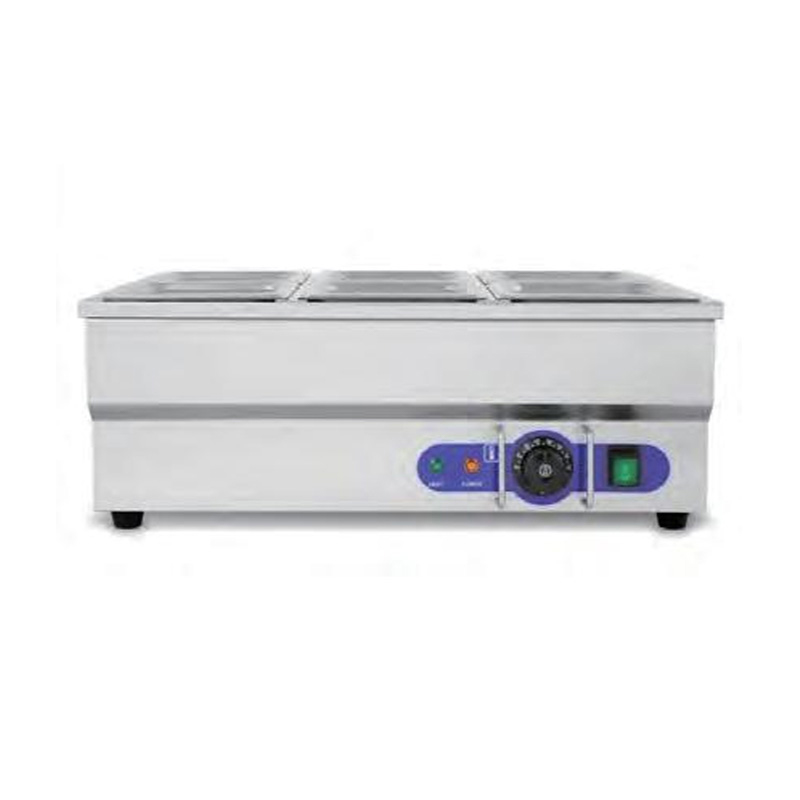
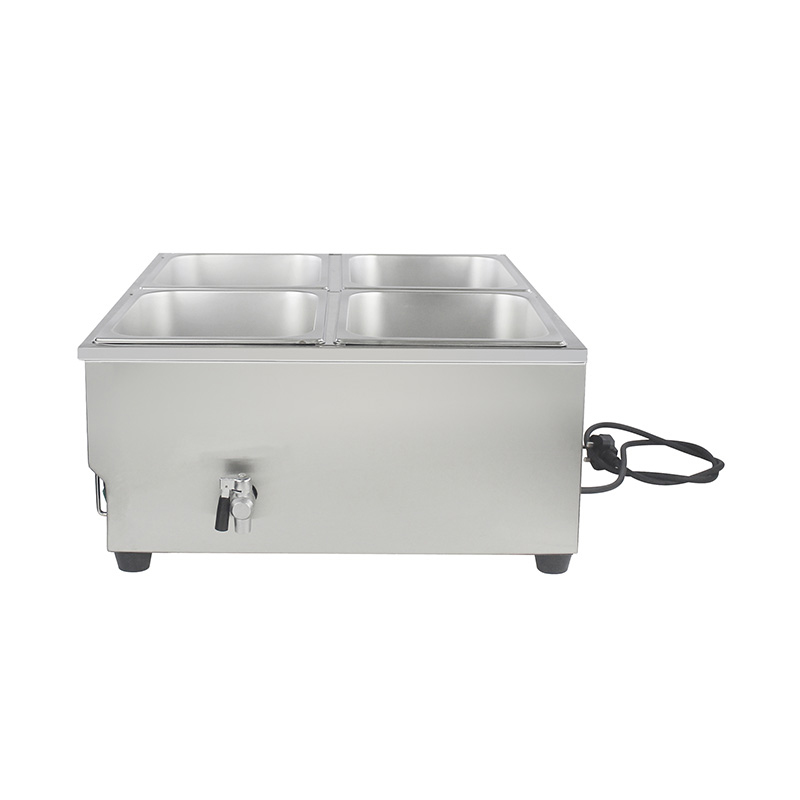
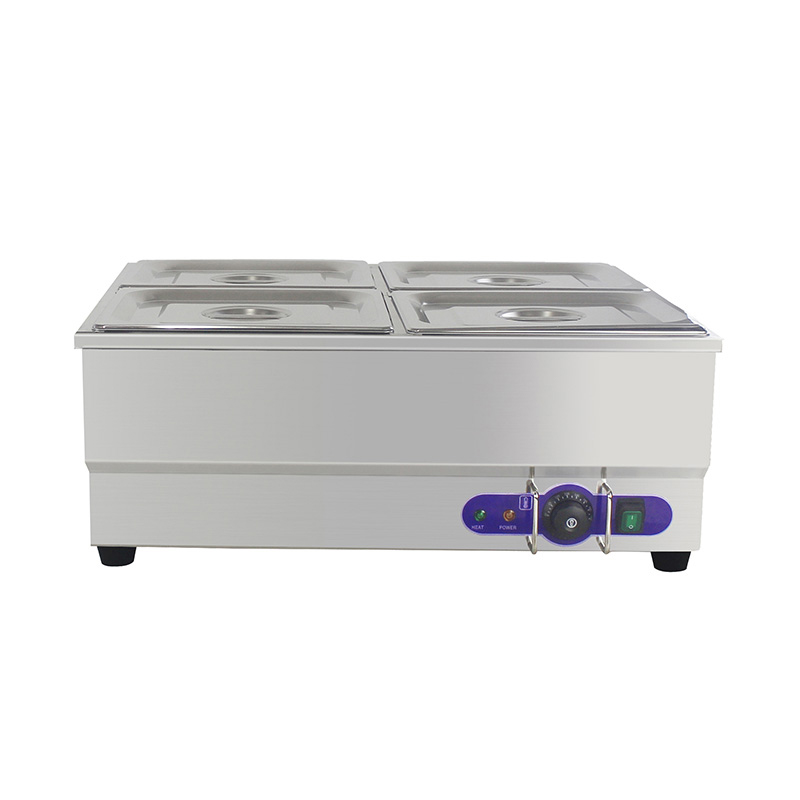
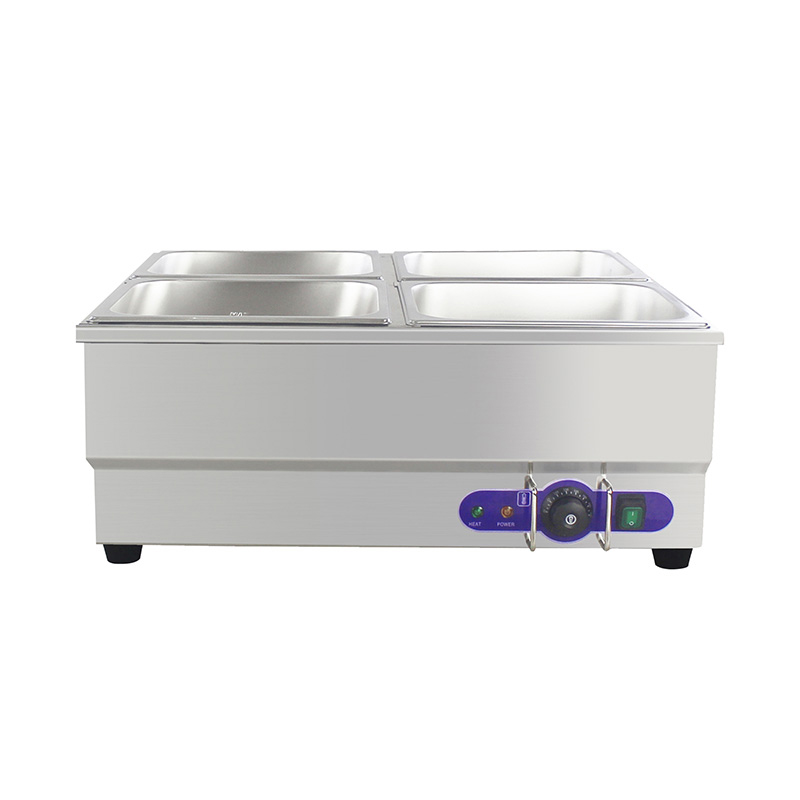
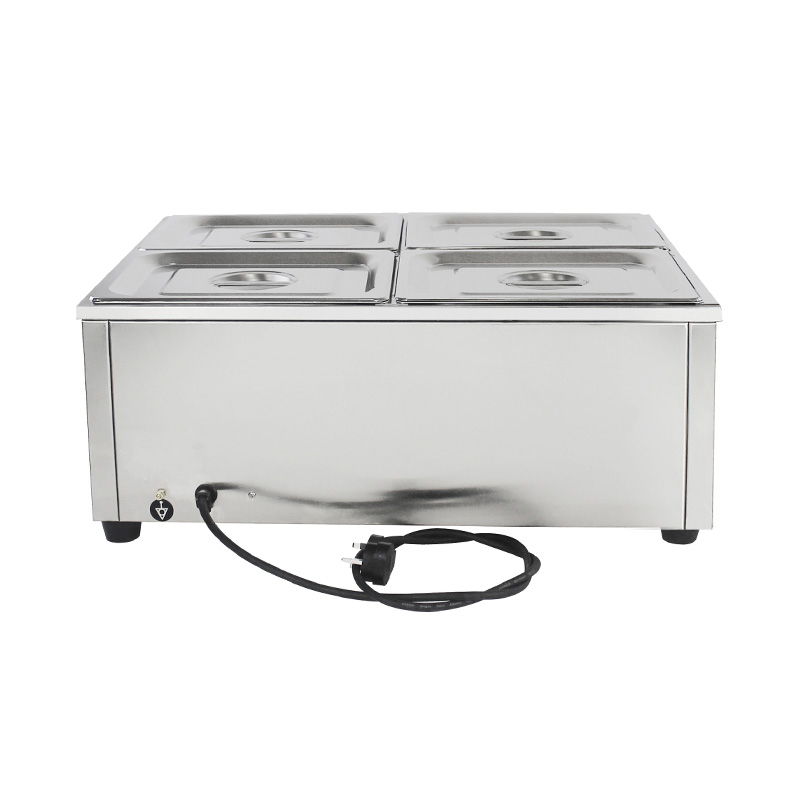
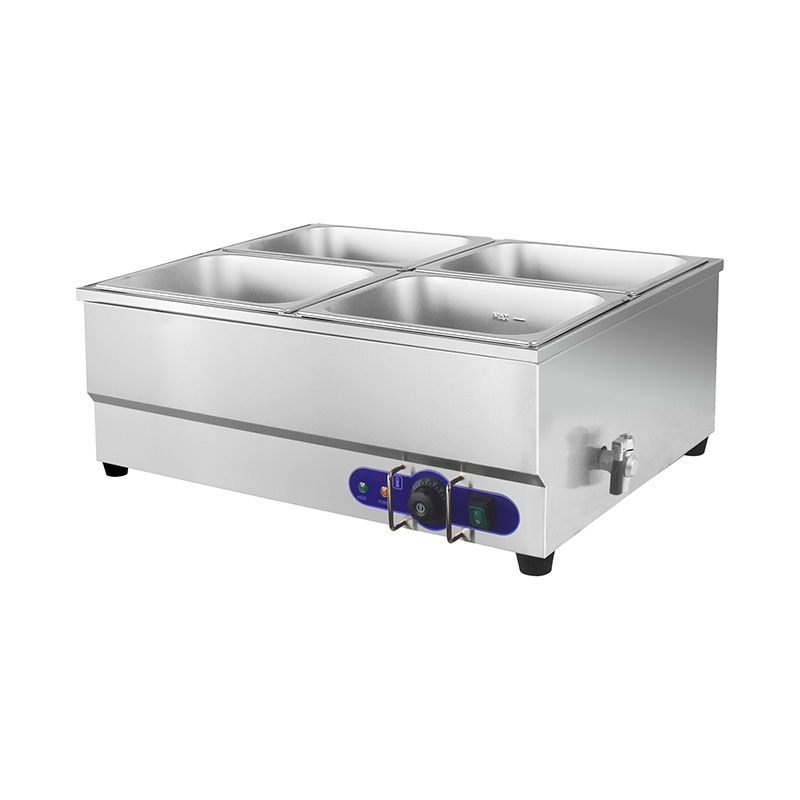
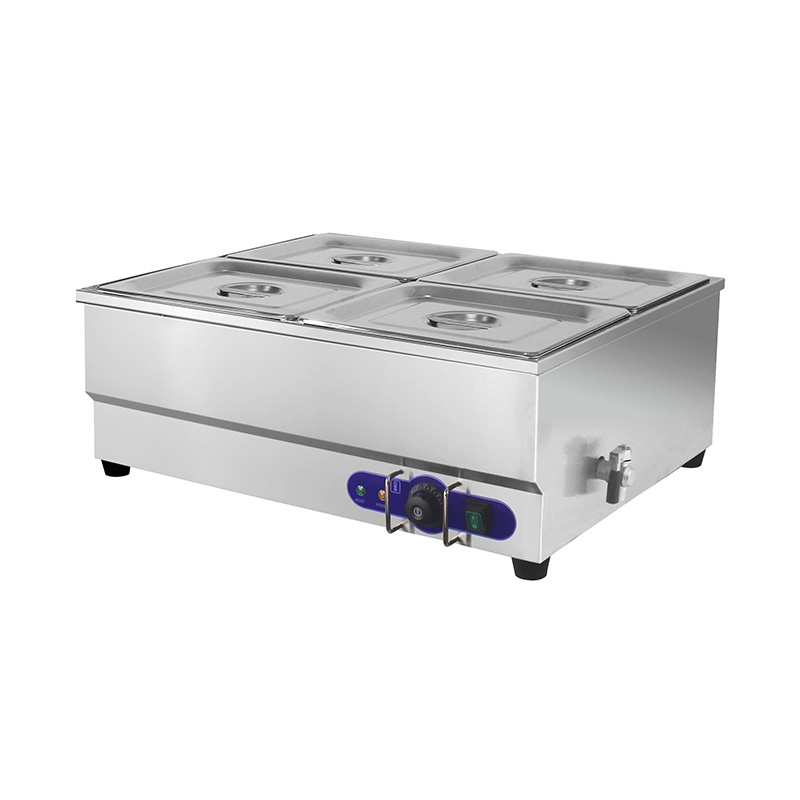
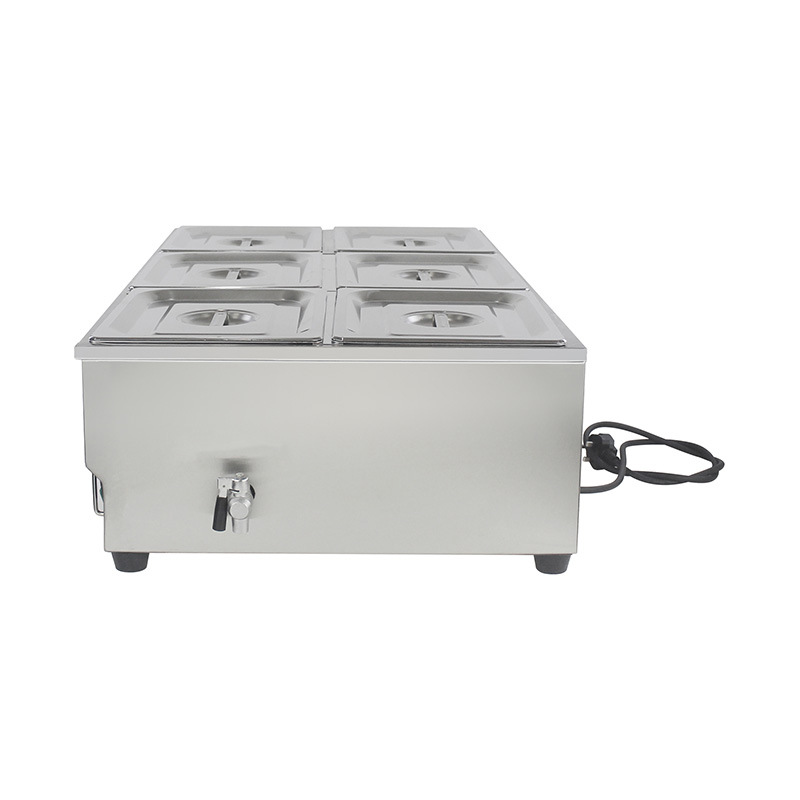
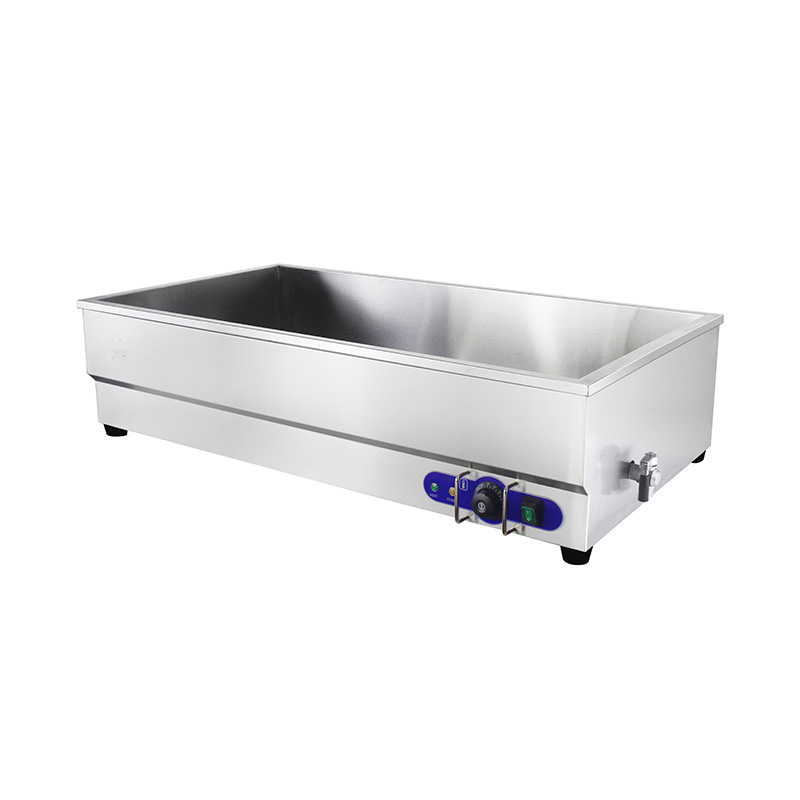
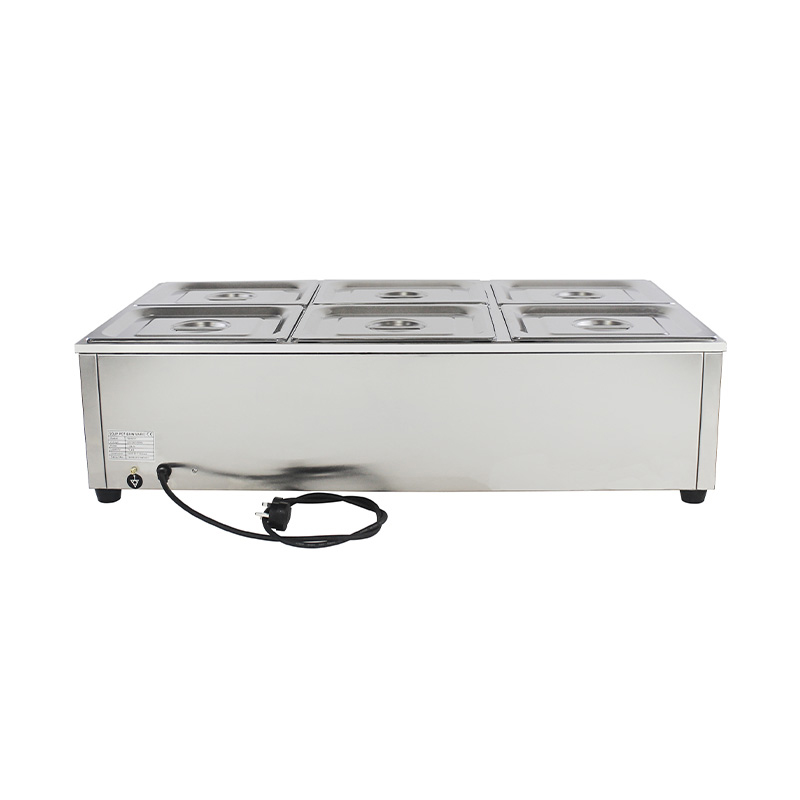
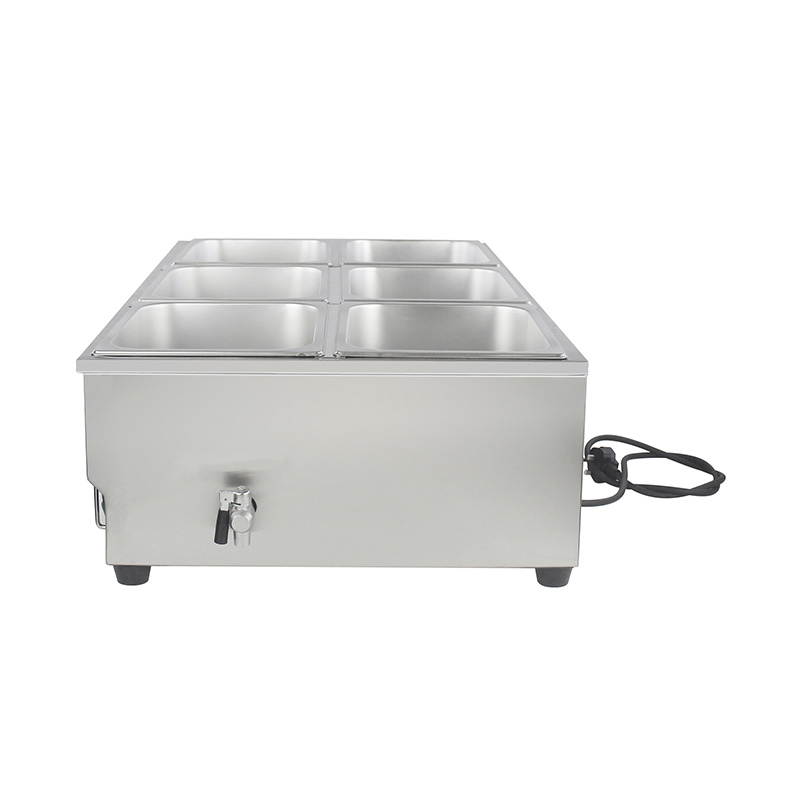
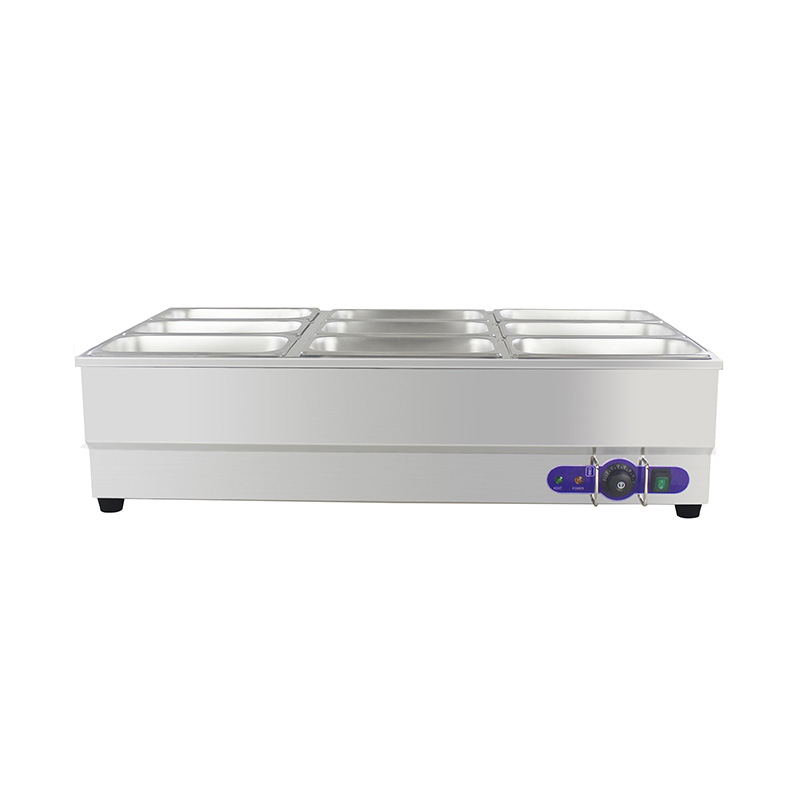
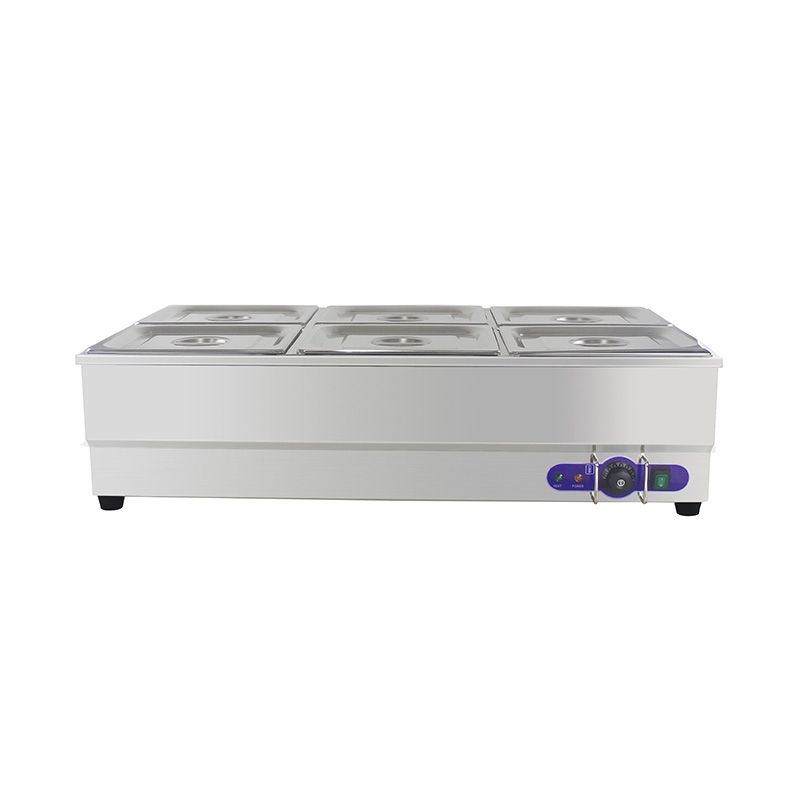
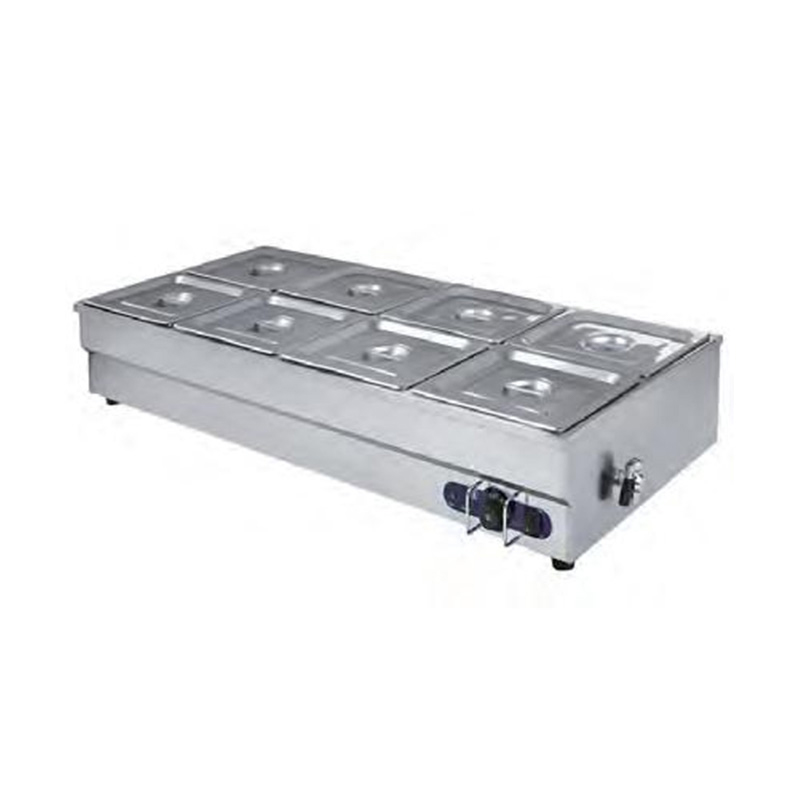
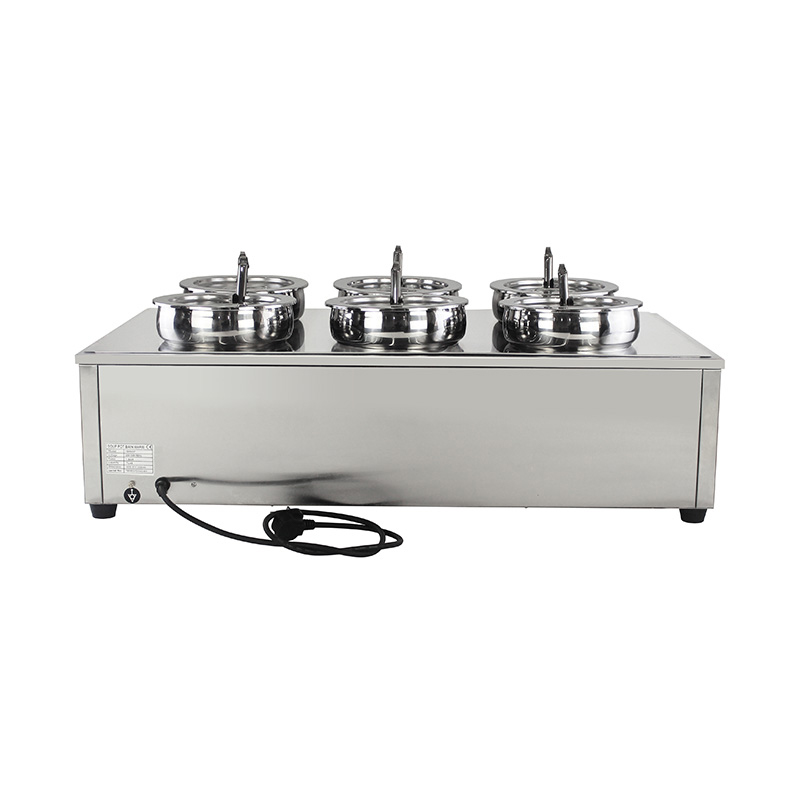
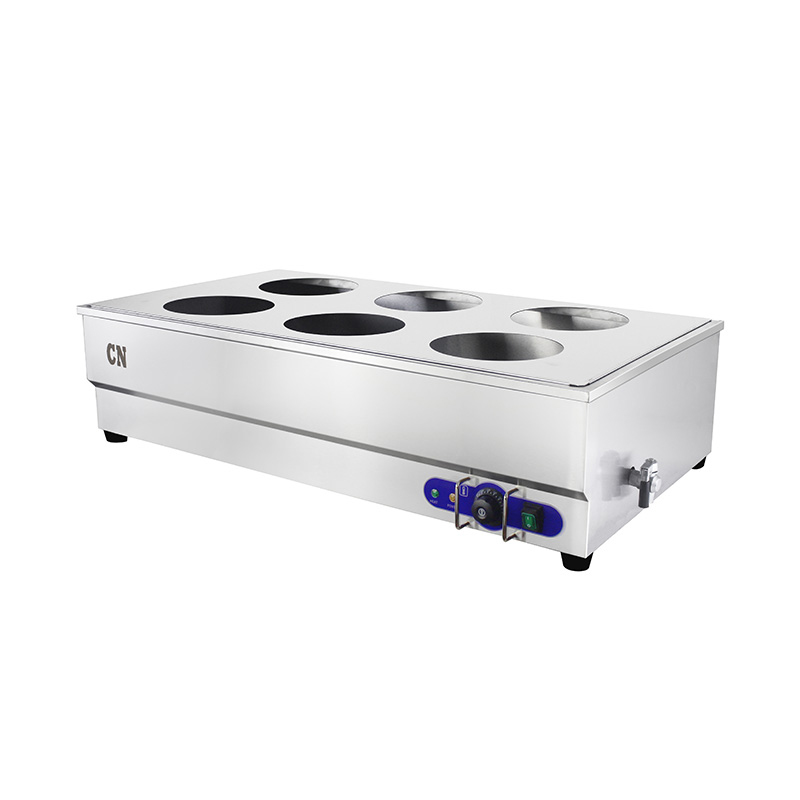
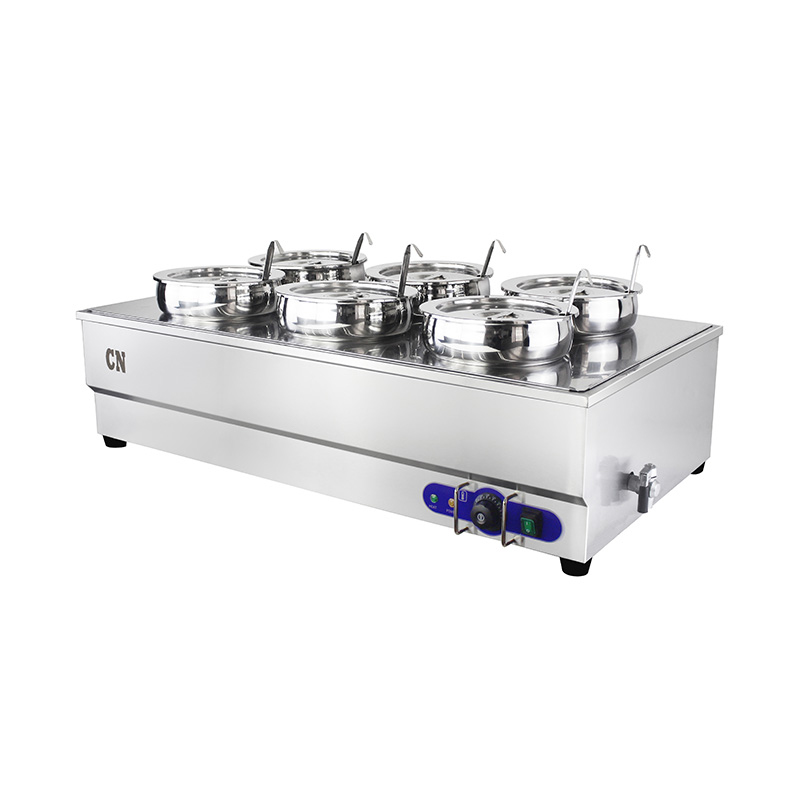
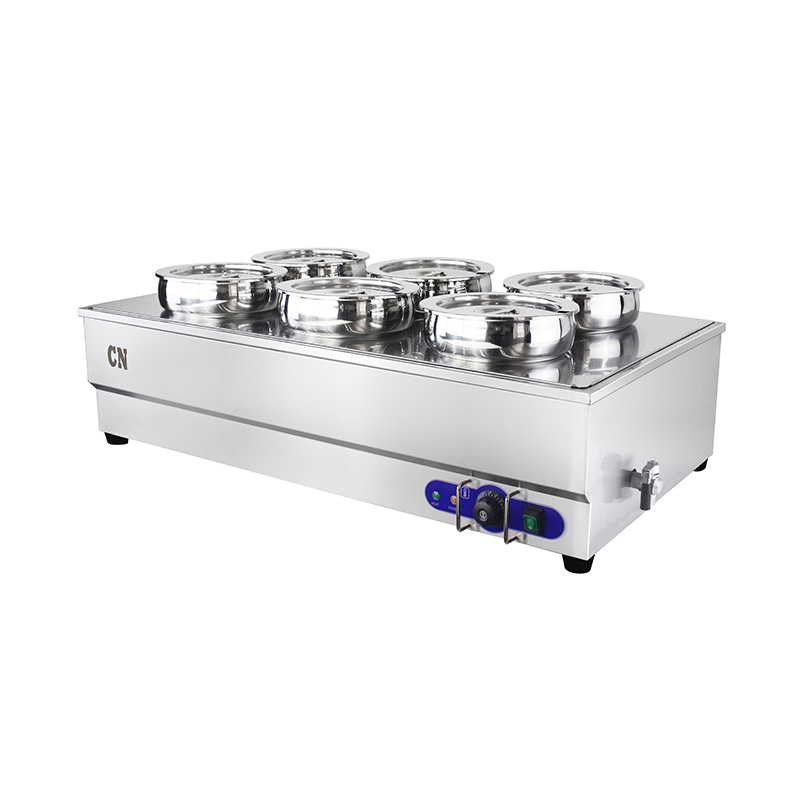
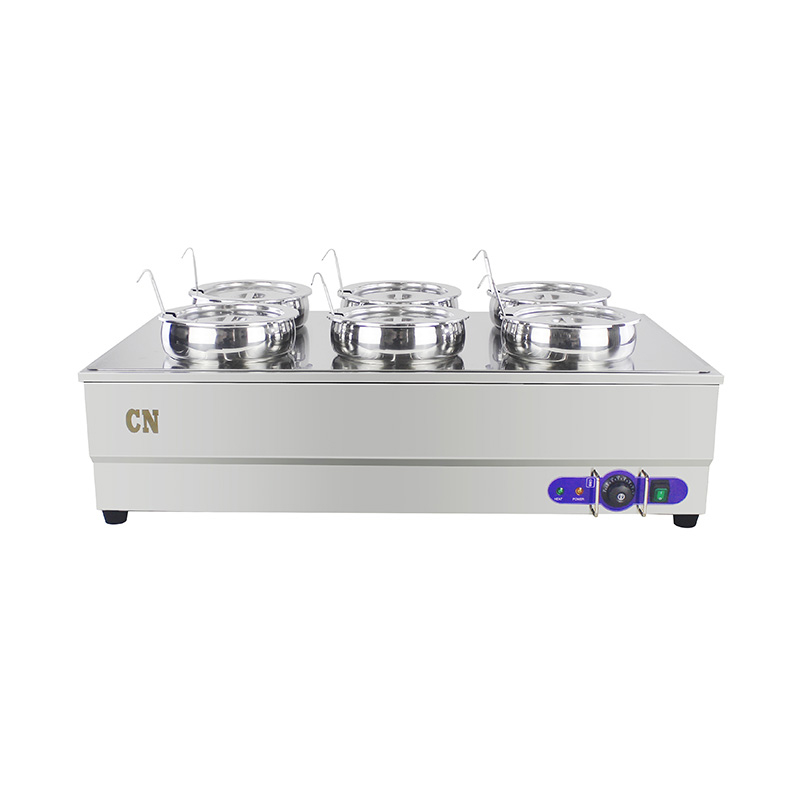
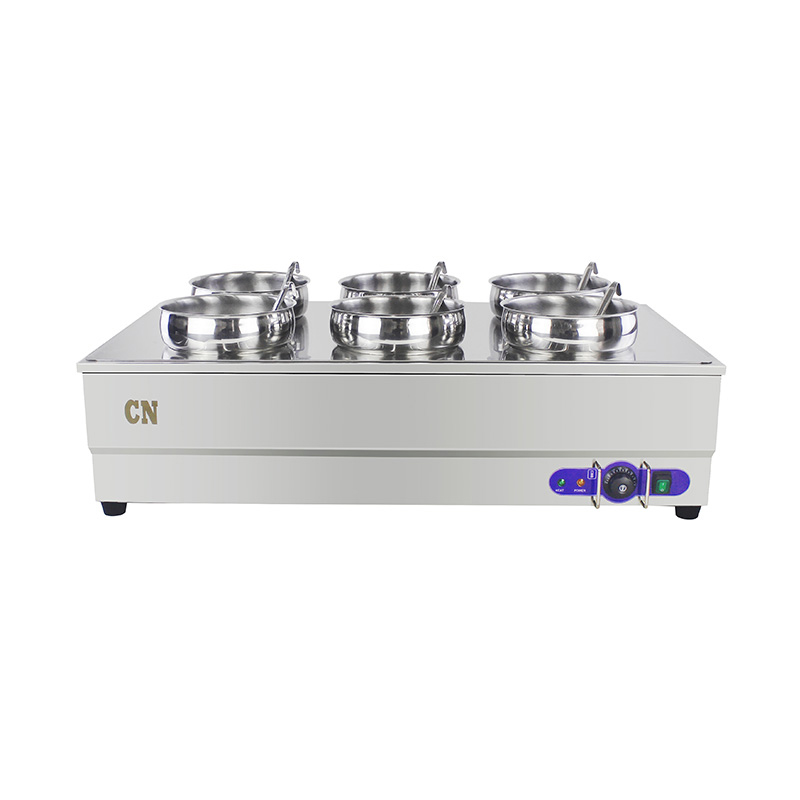
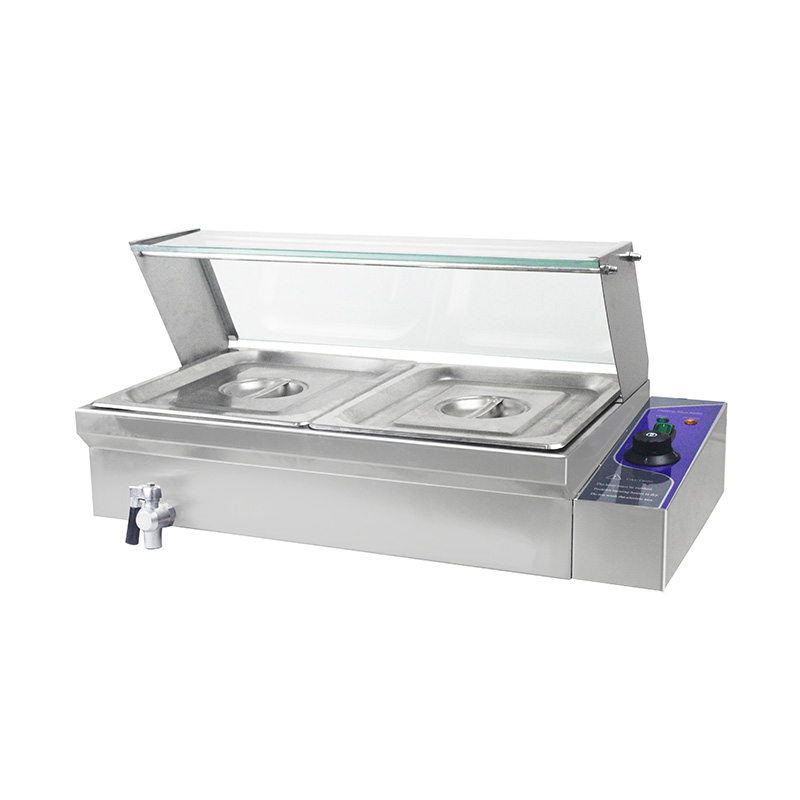
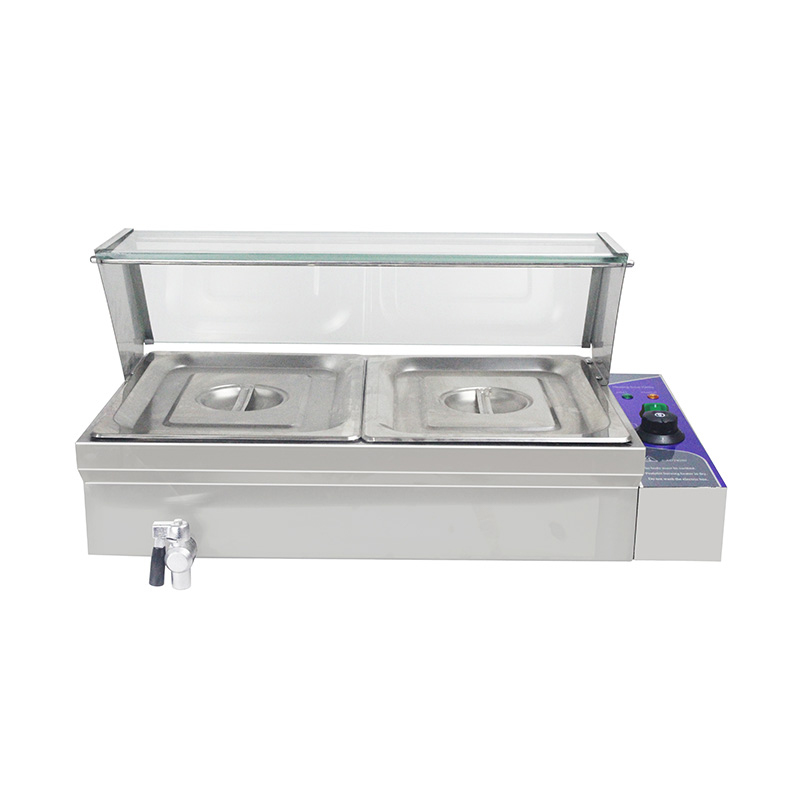
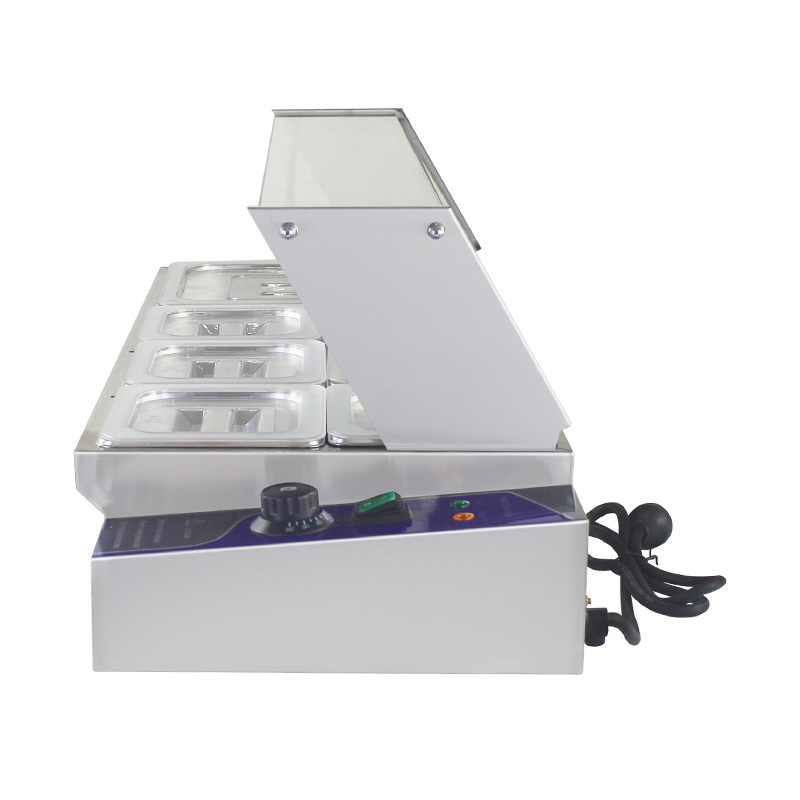
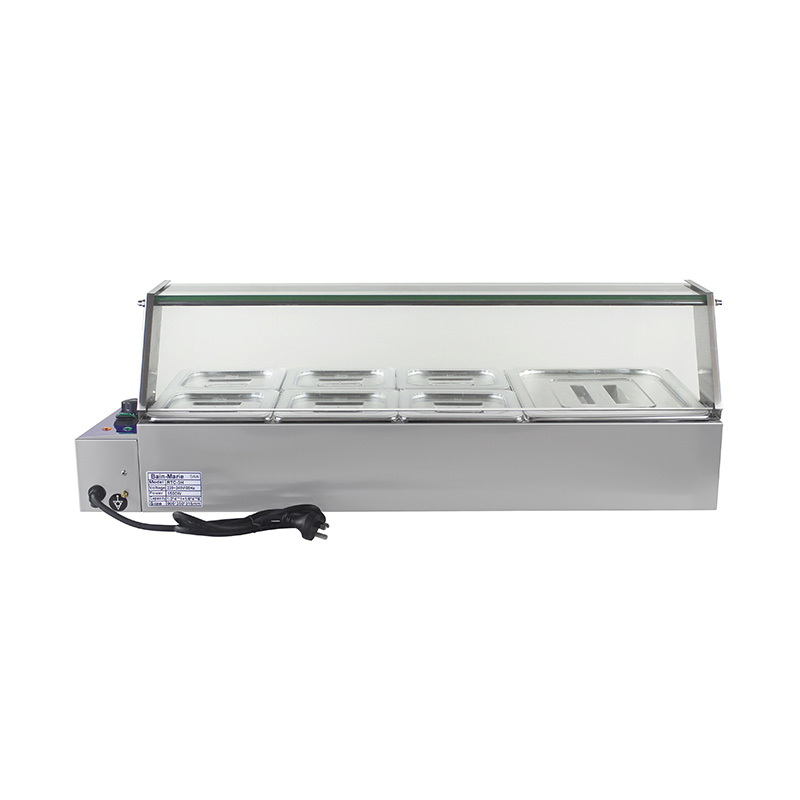


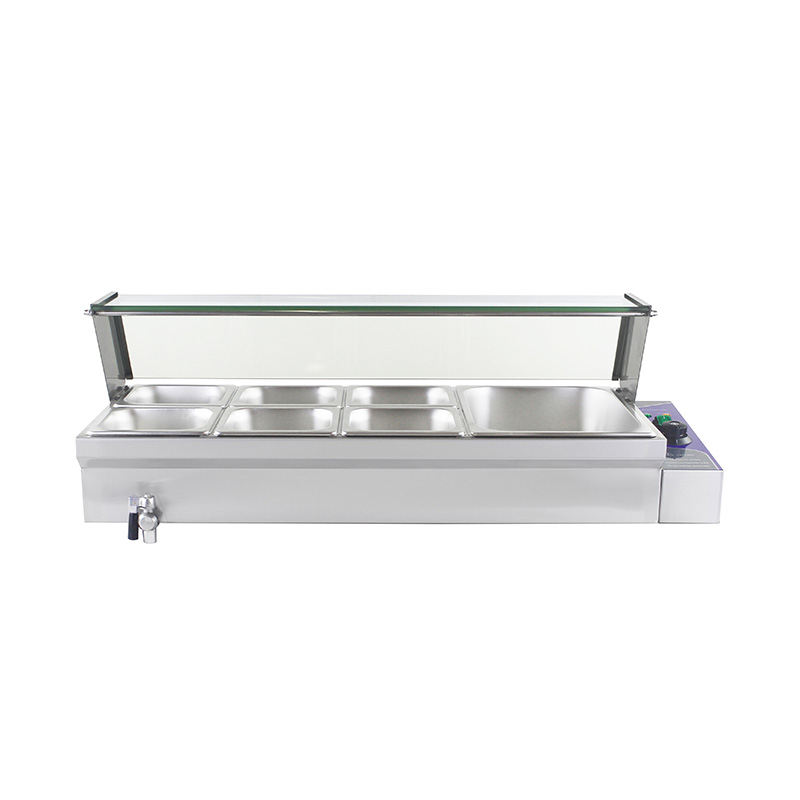
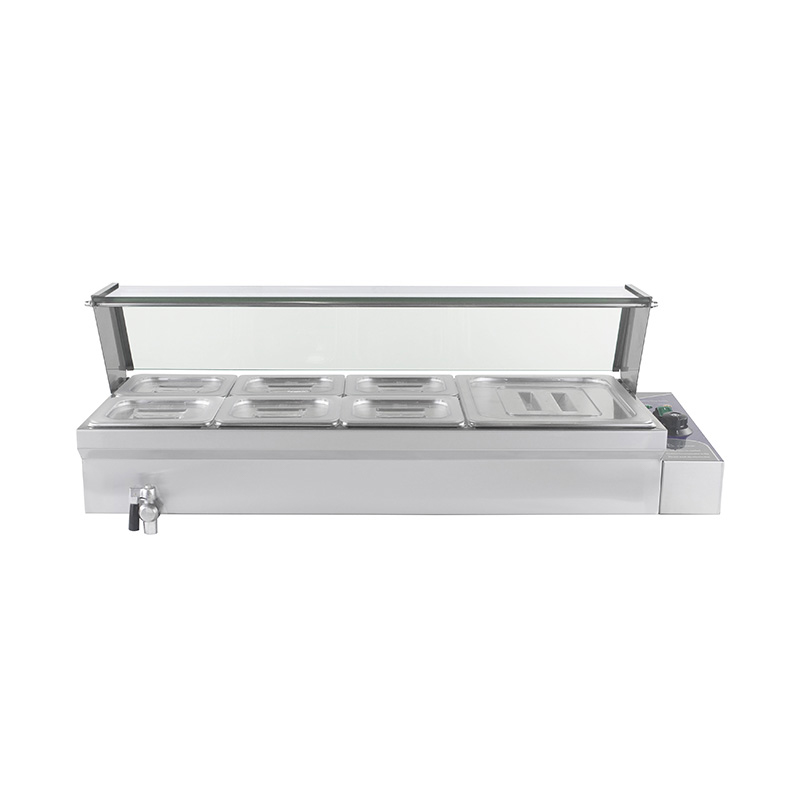
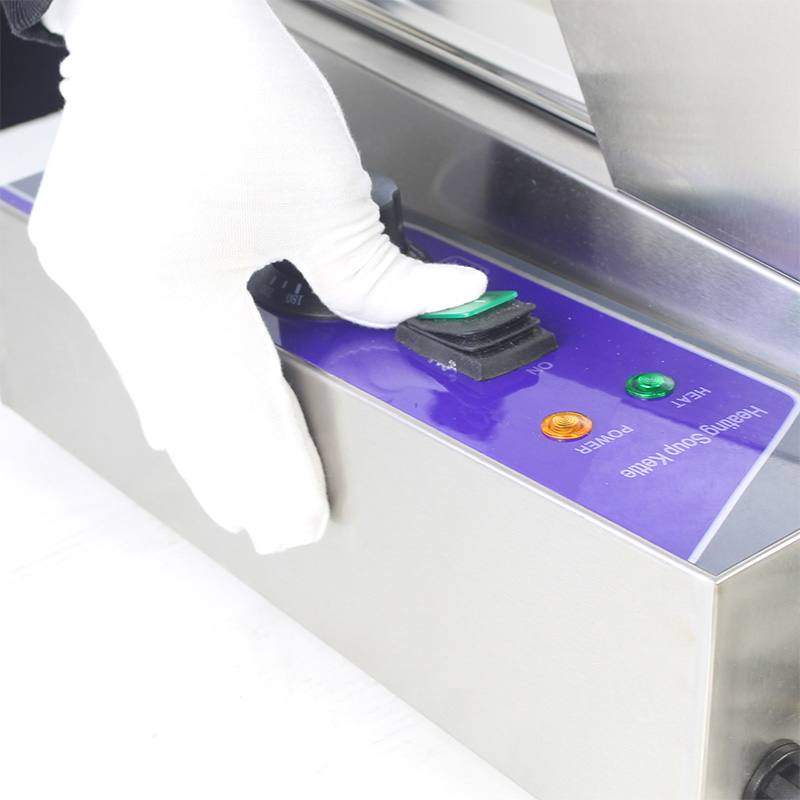
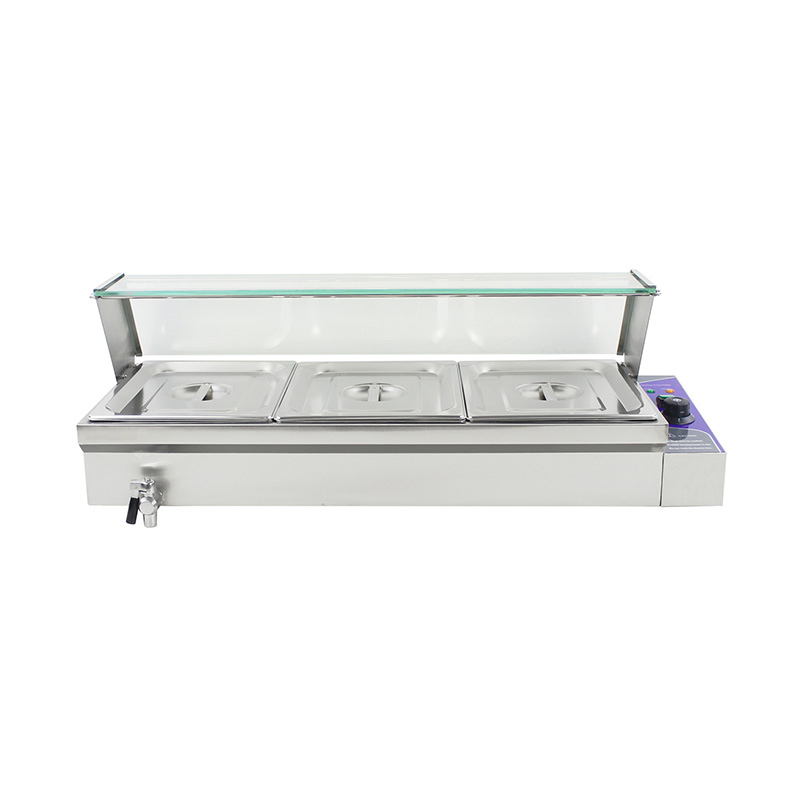
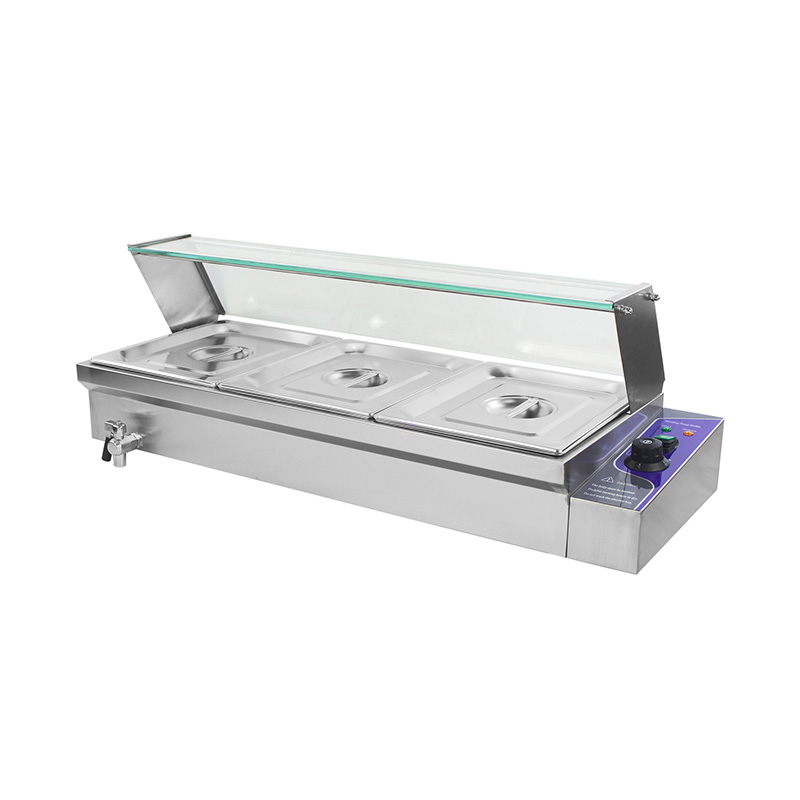
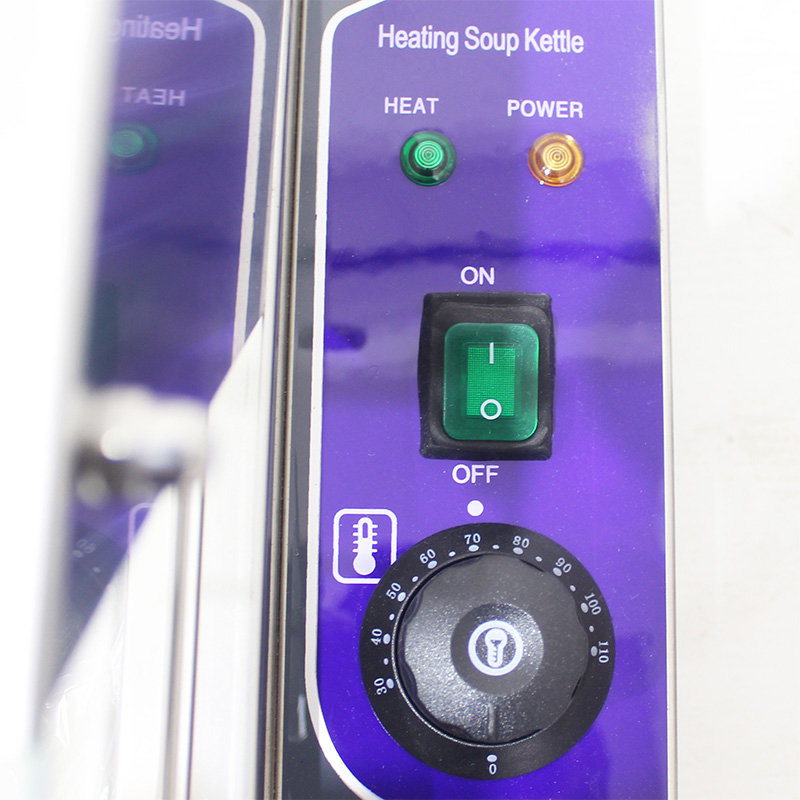
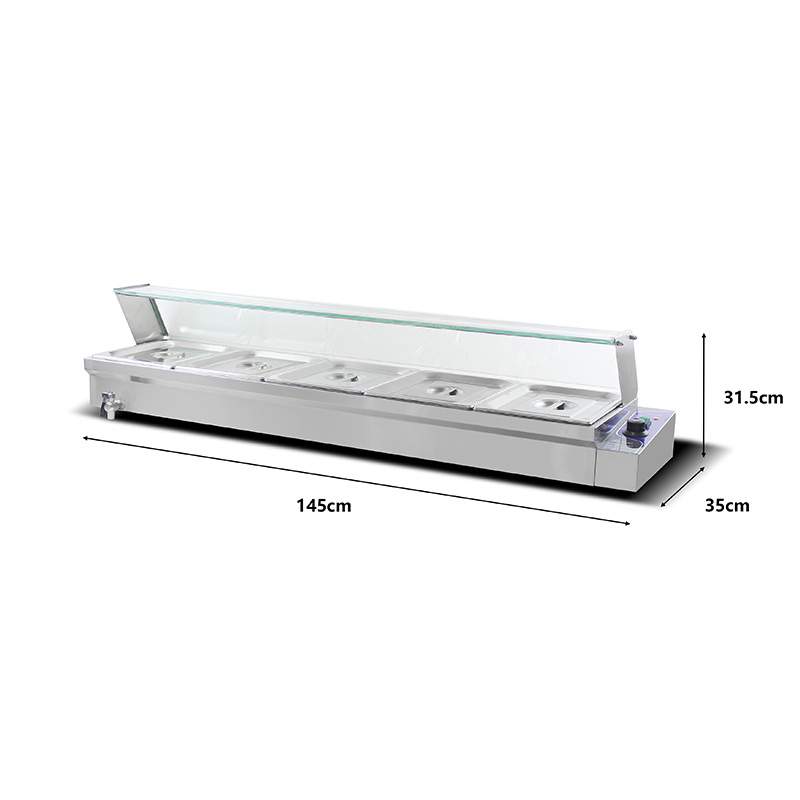
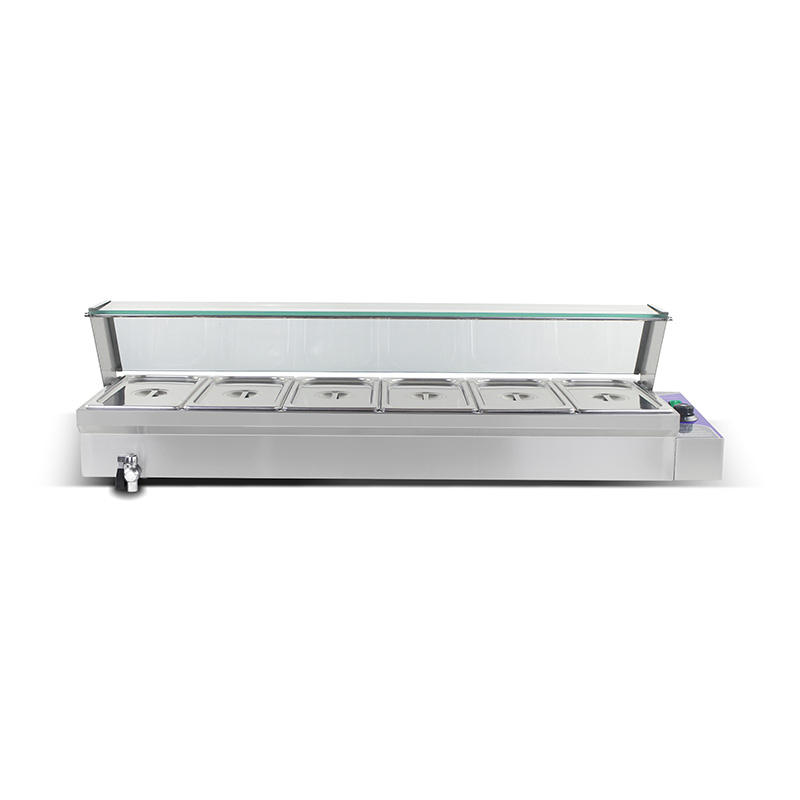
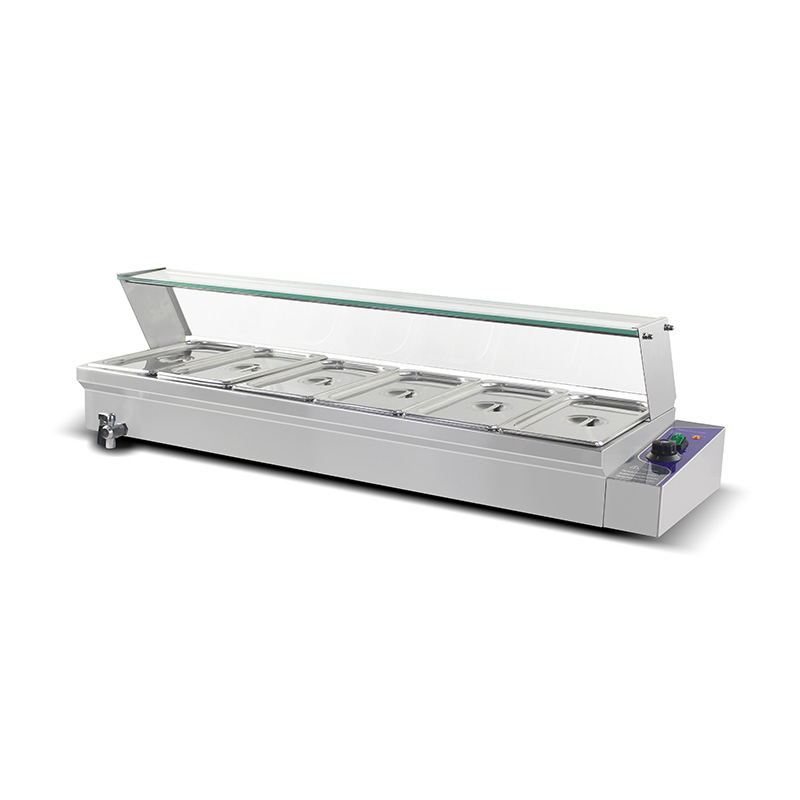
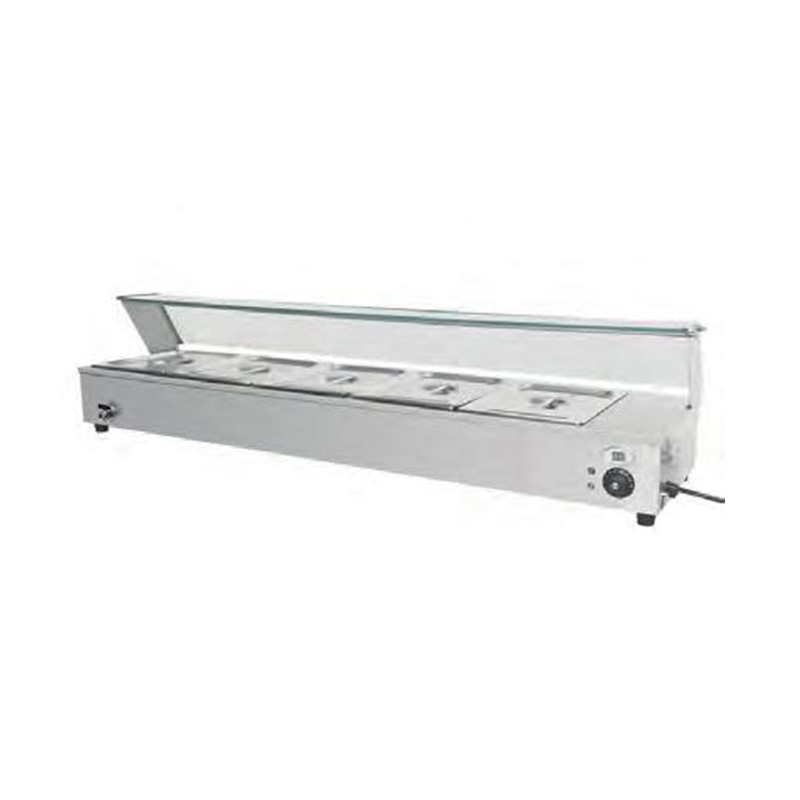
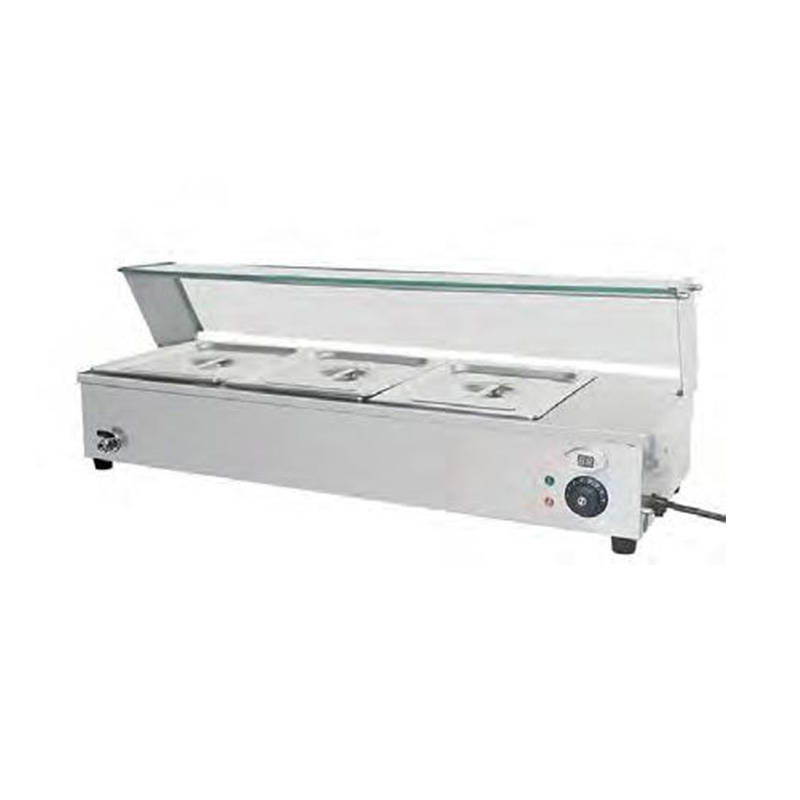
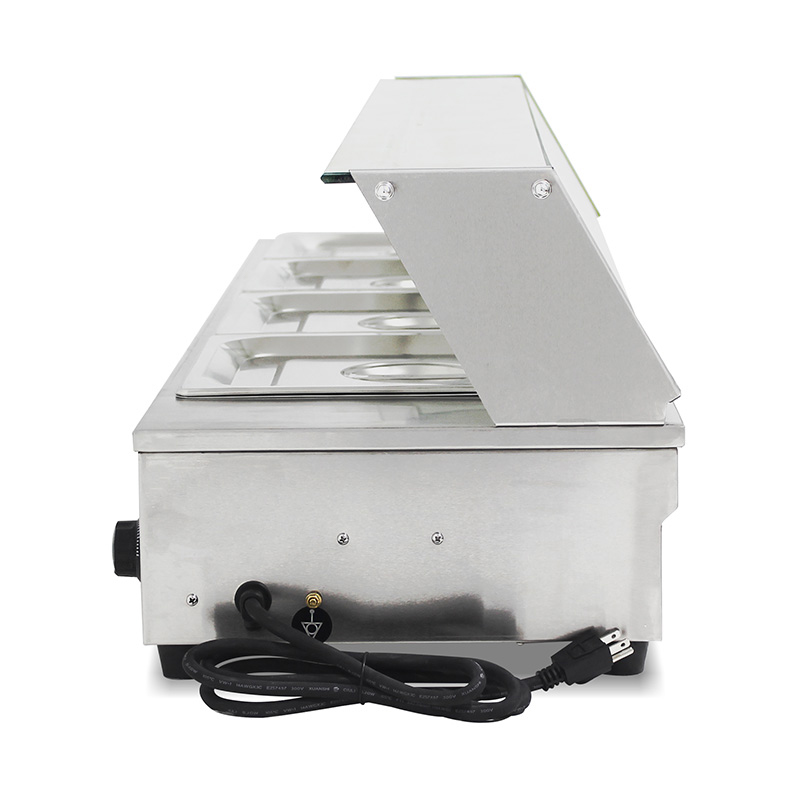
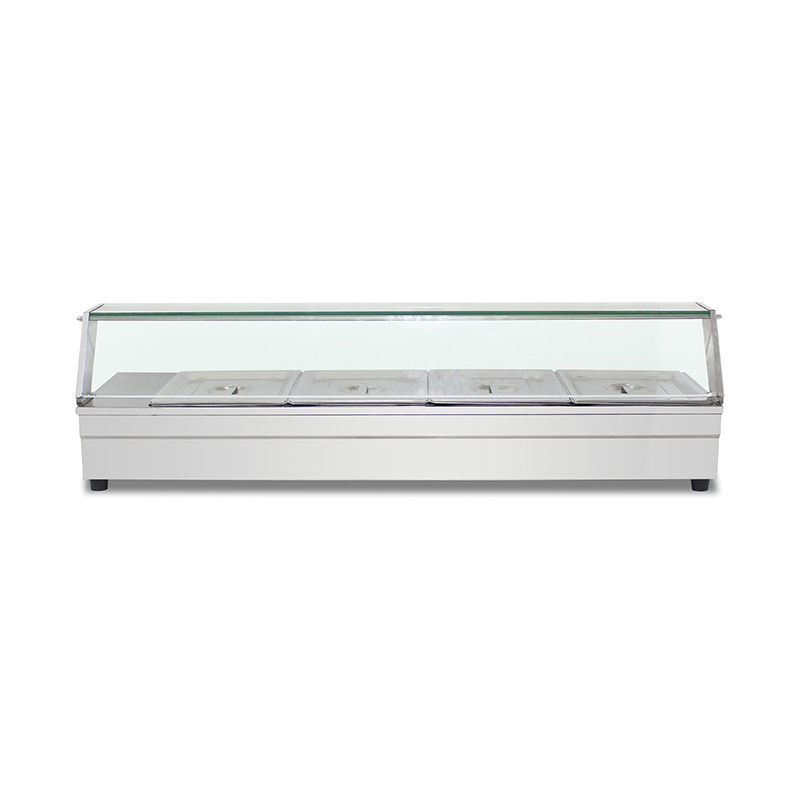
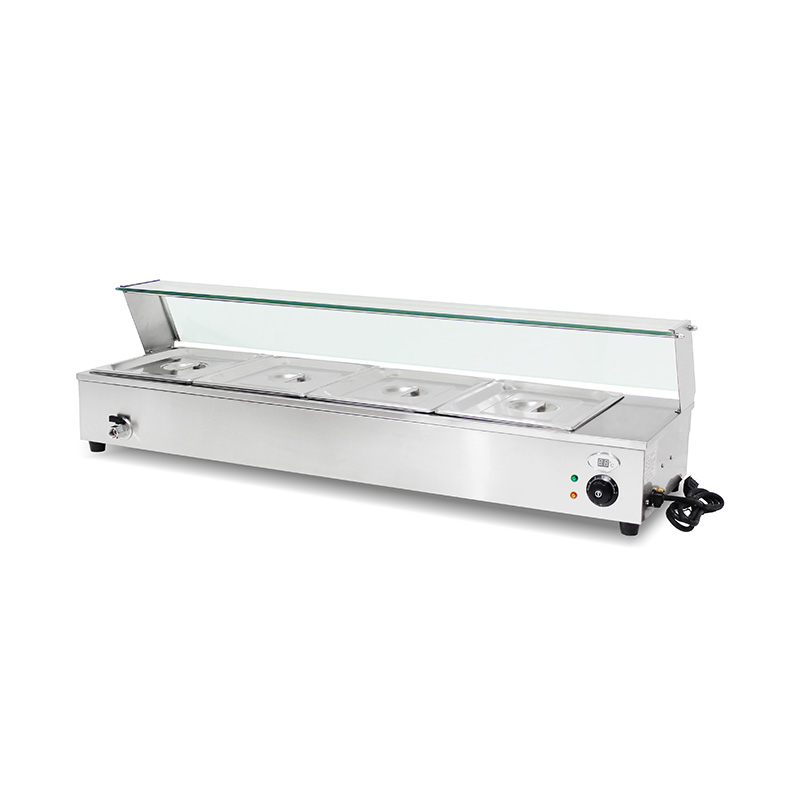
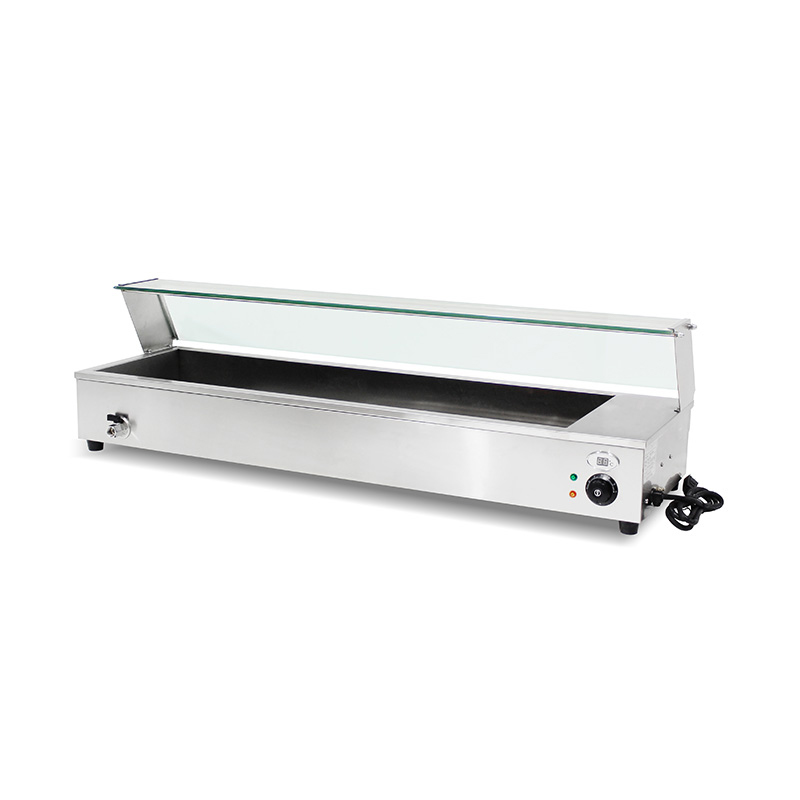
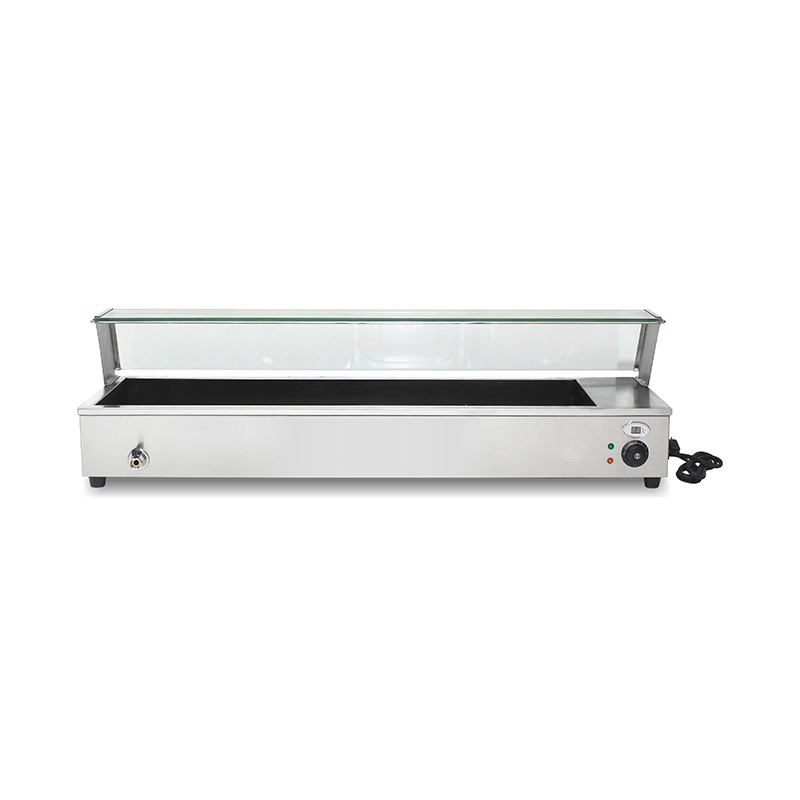
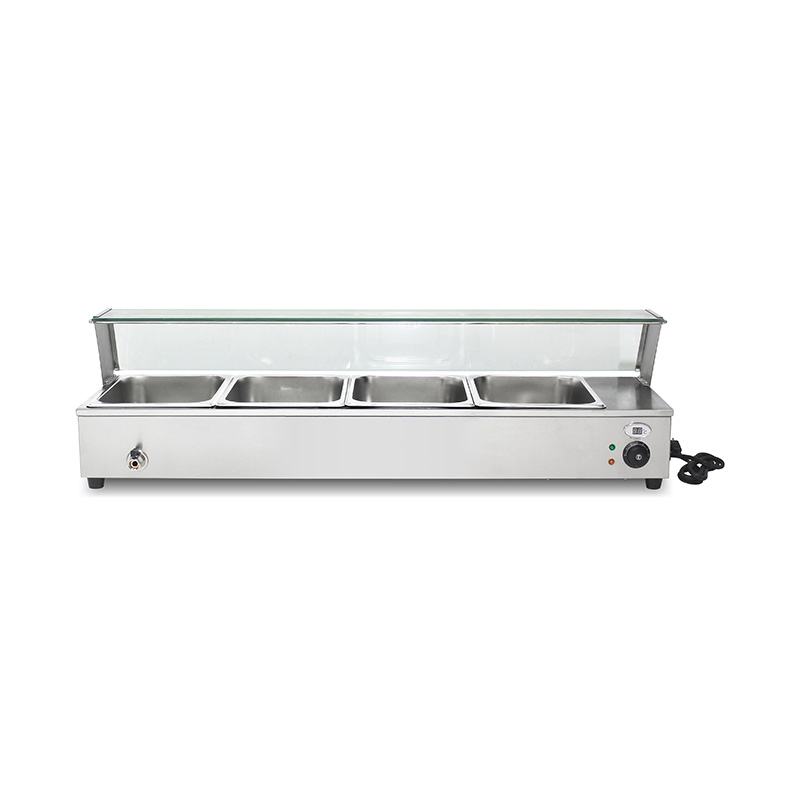
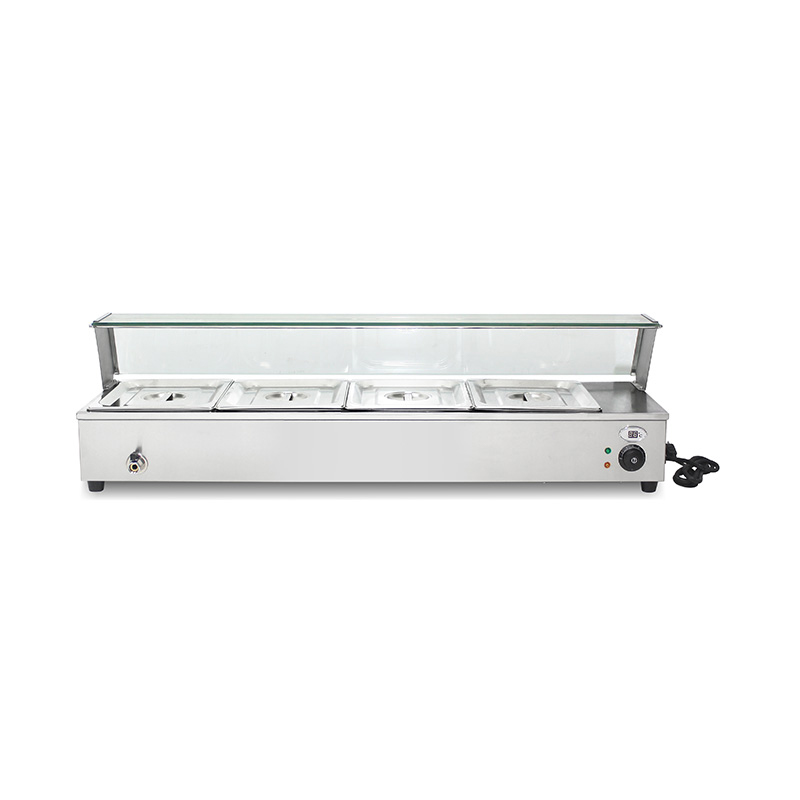
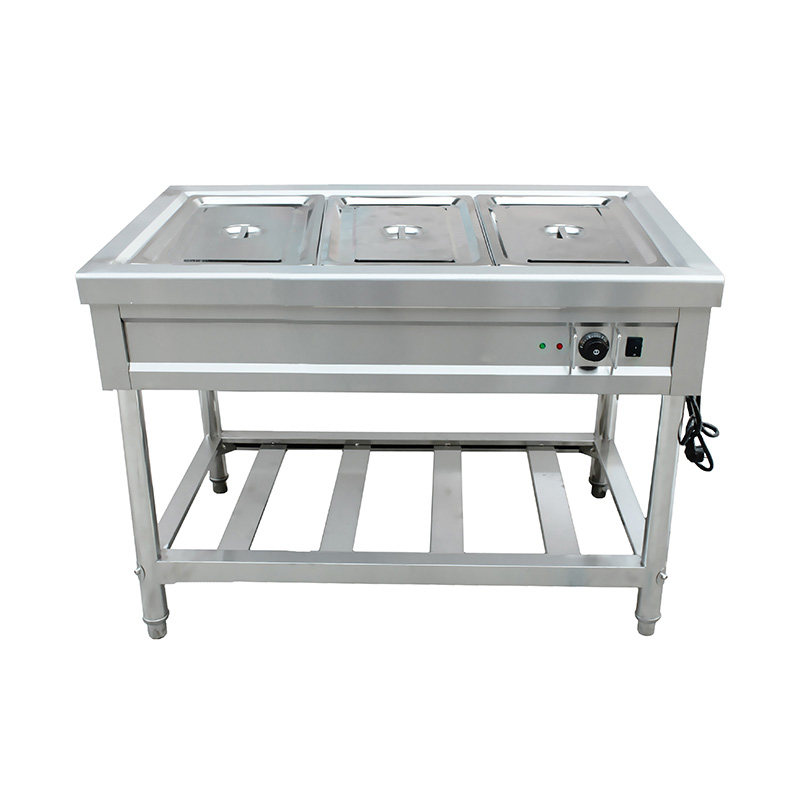
.jpg "Stainless Steel Commercial Electric Tabletop Bain Marie Kitchen Machine")