Stainless Steel Commercial Electric Bain Marie Explained for Kitchen Operations
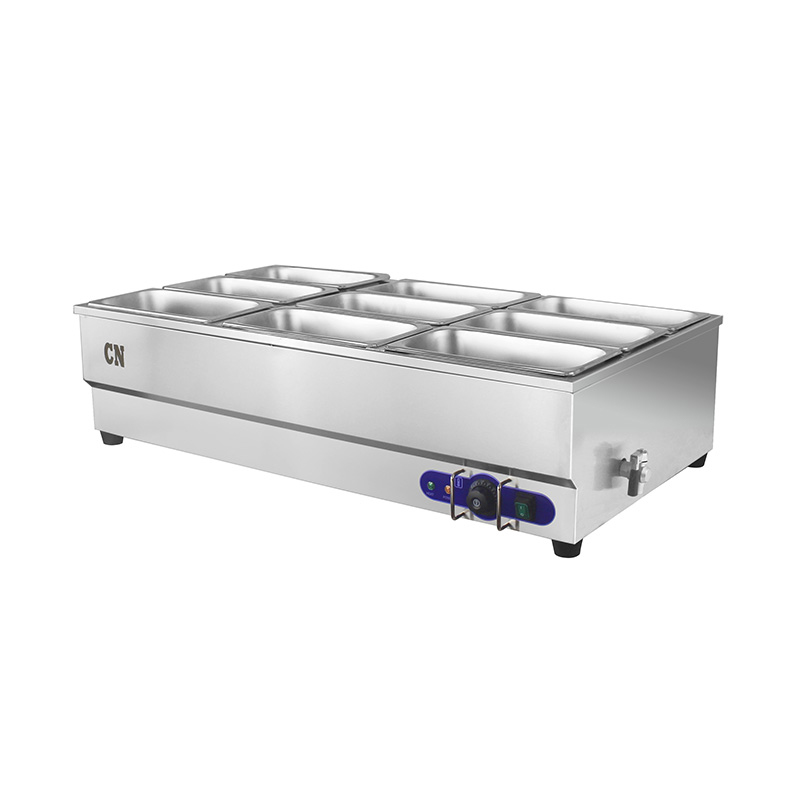
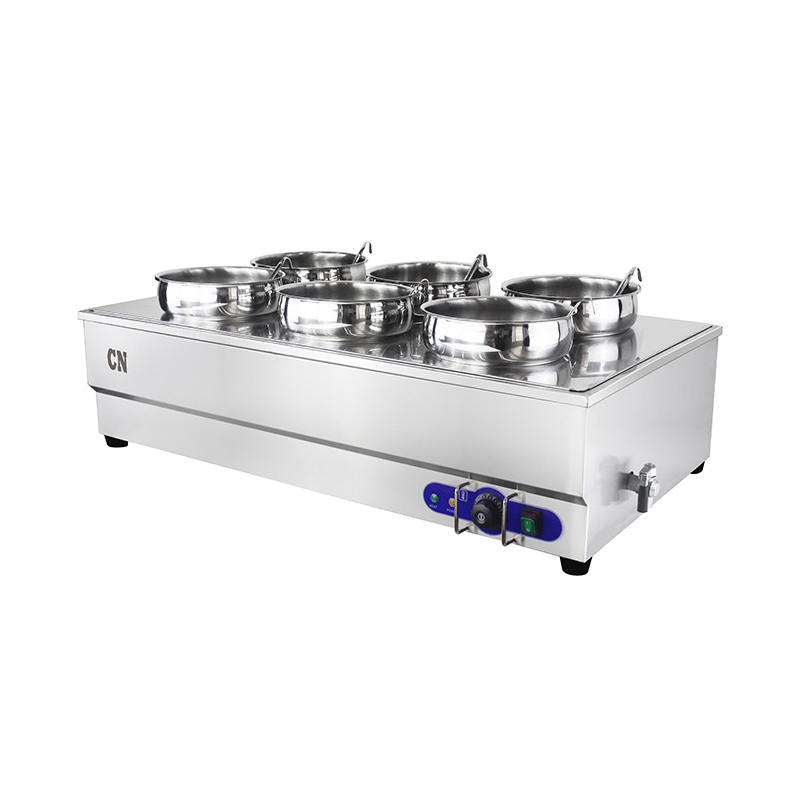
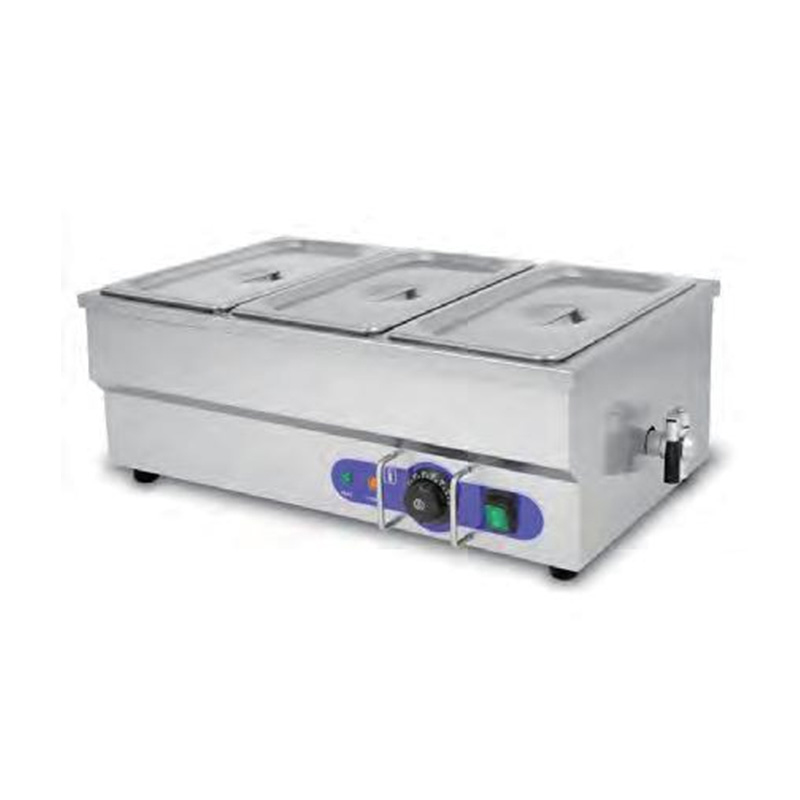
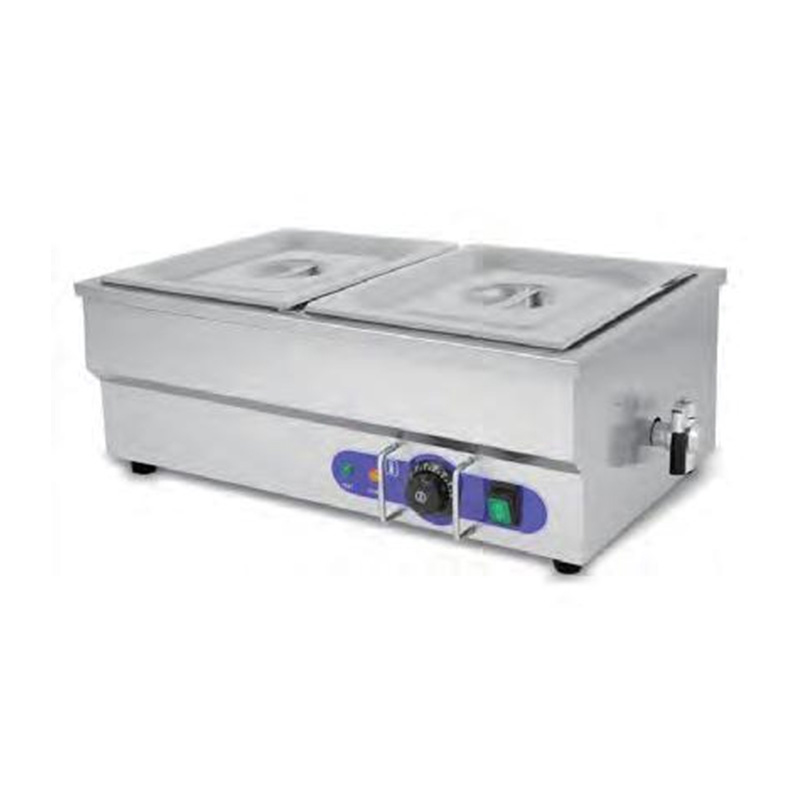
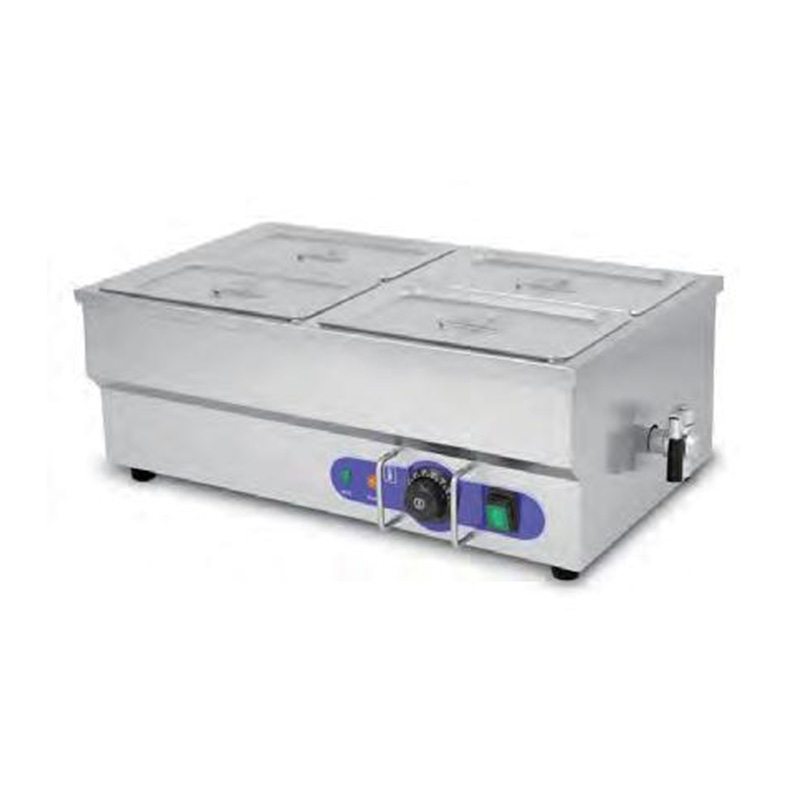
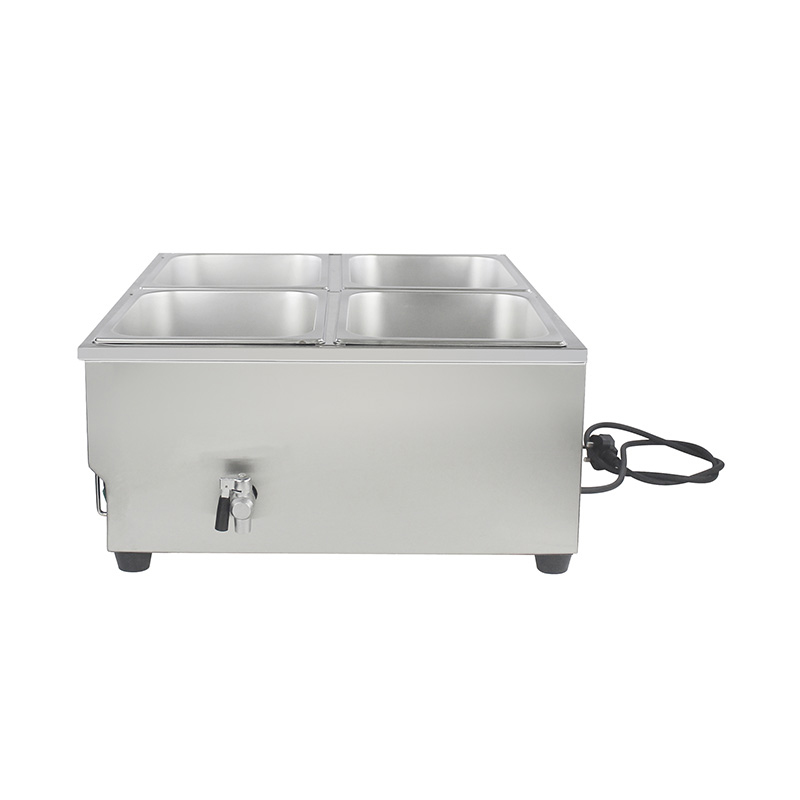
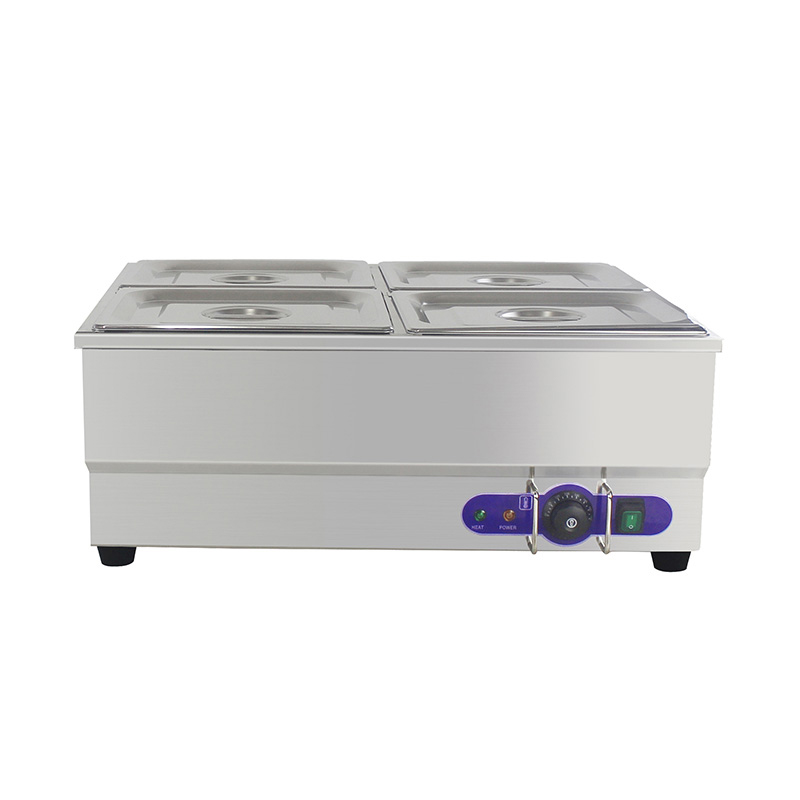
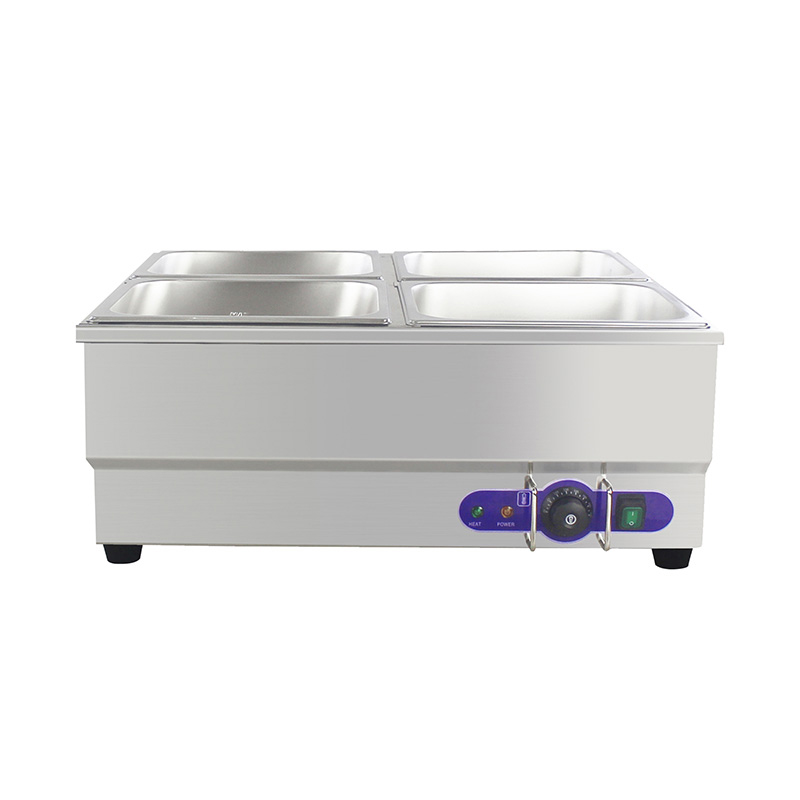
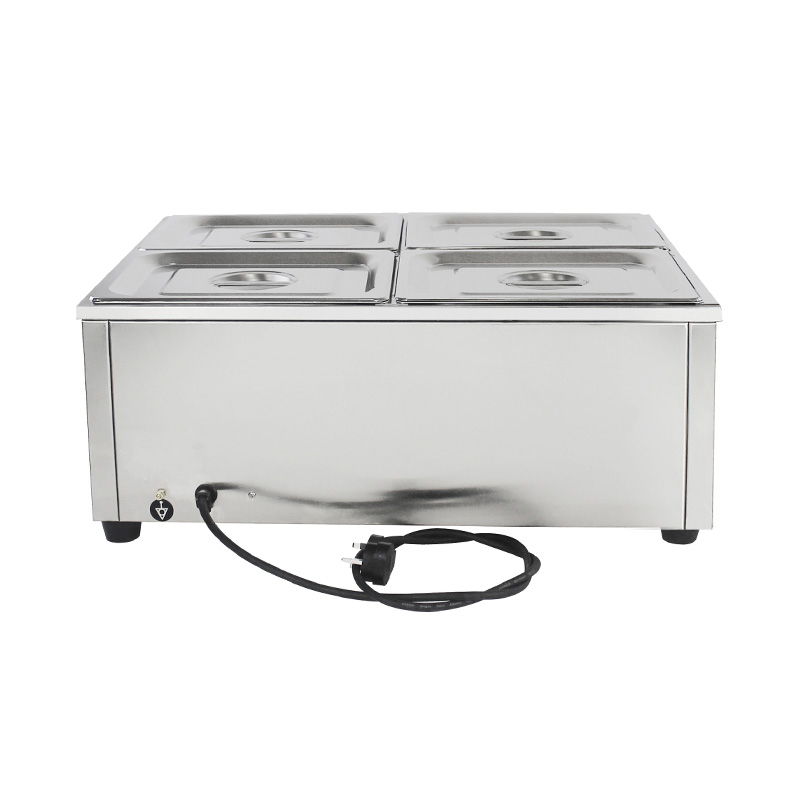
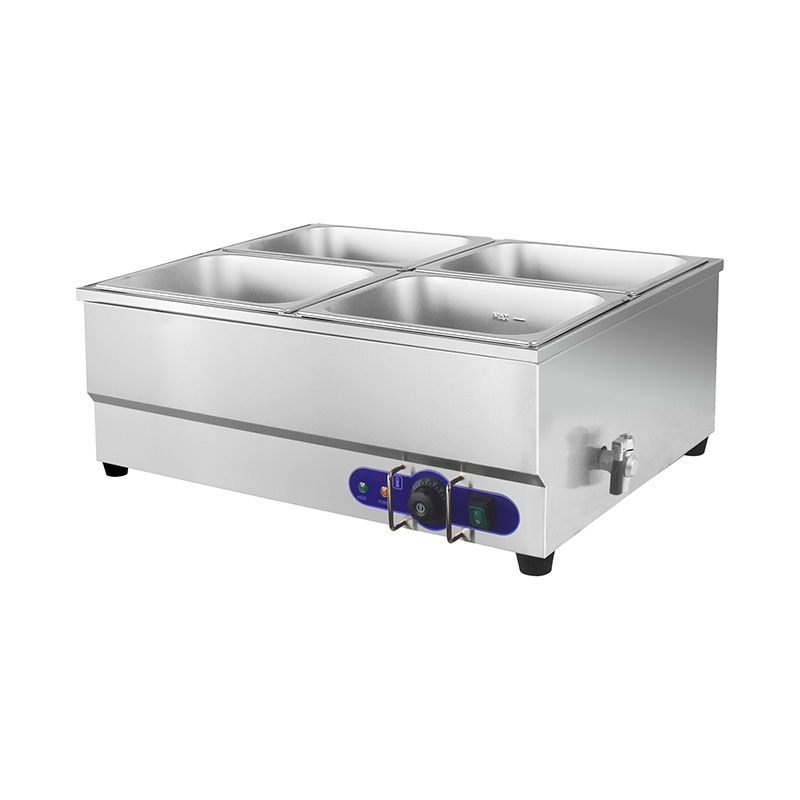
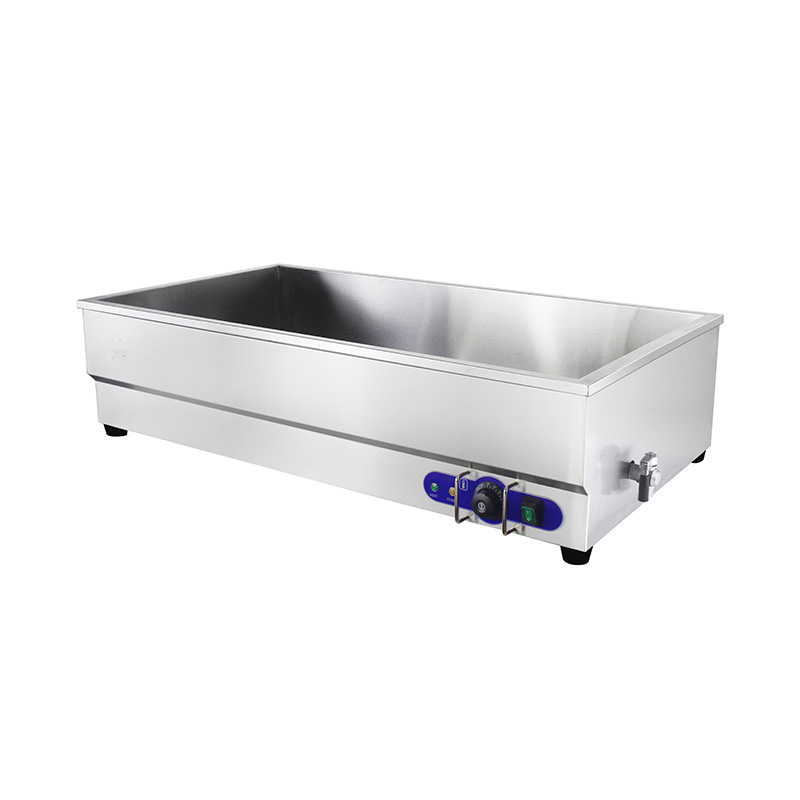
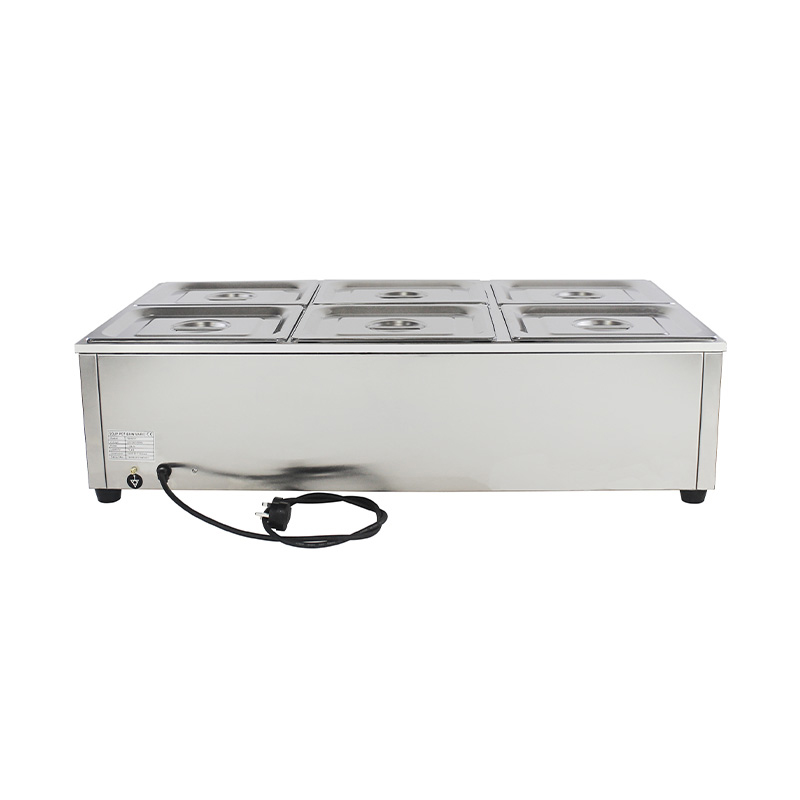
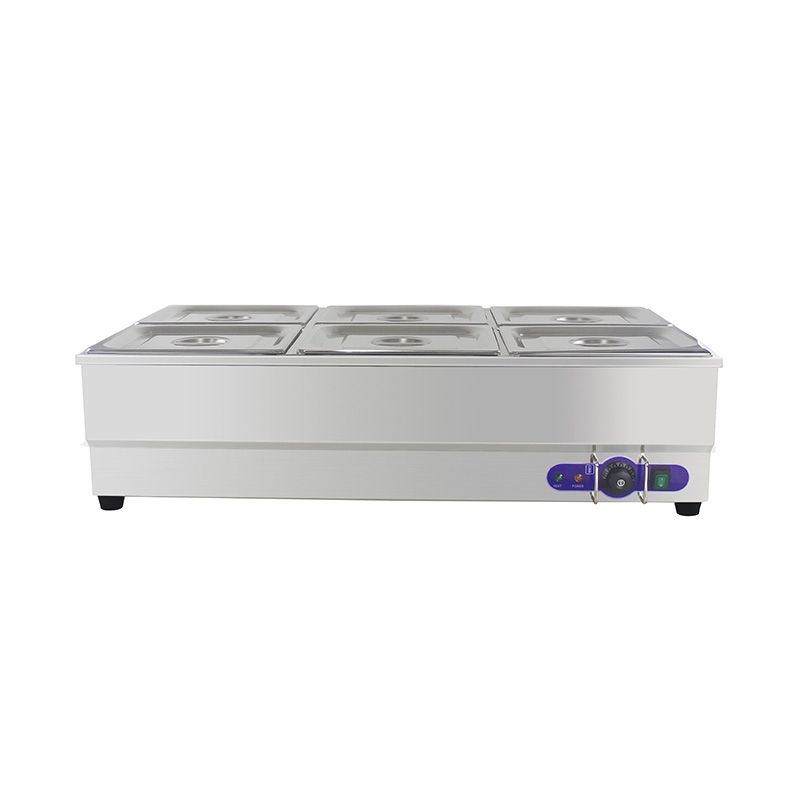
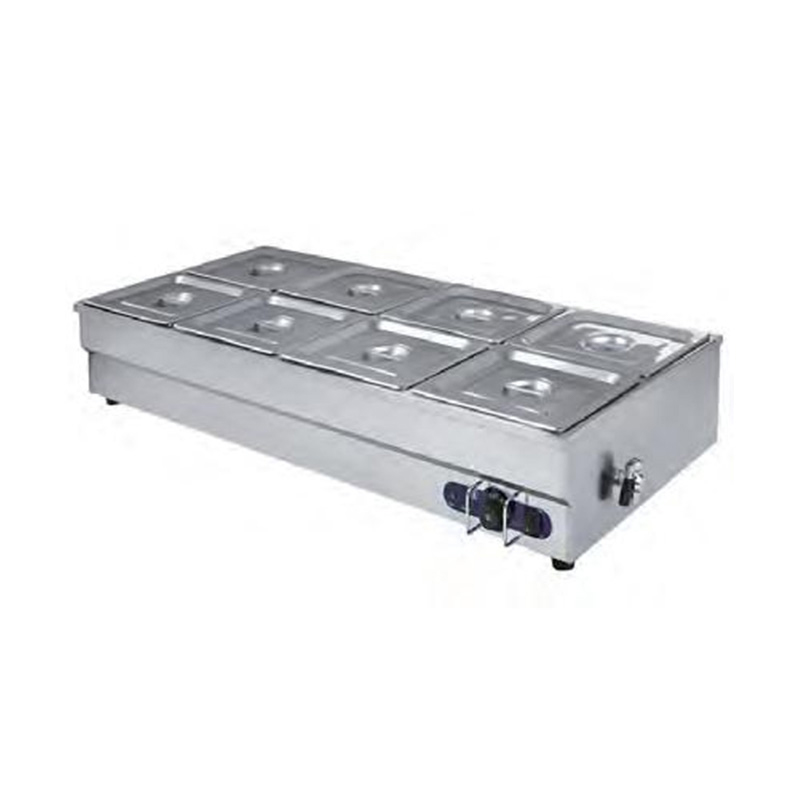
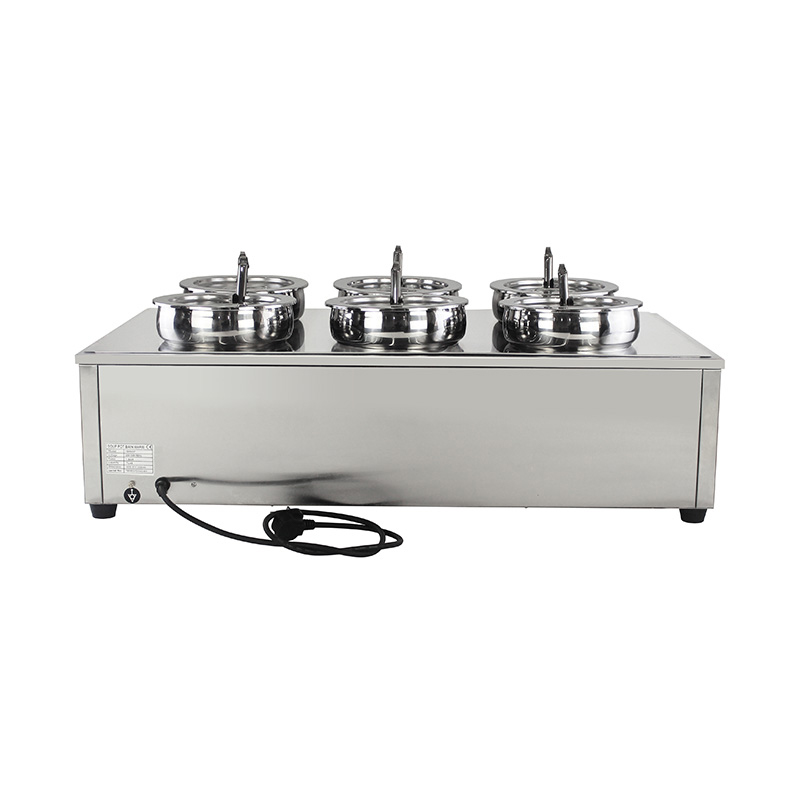
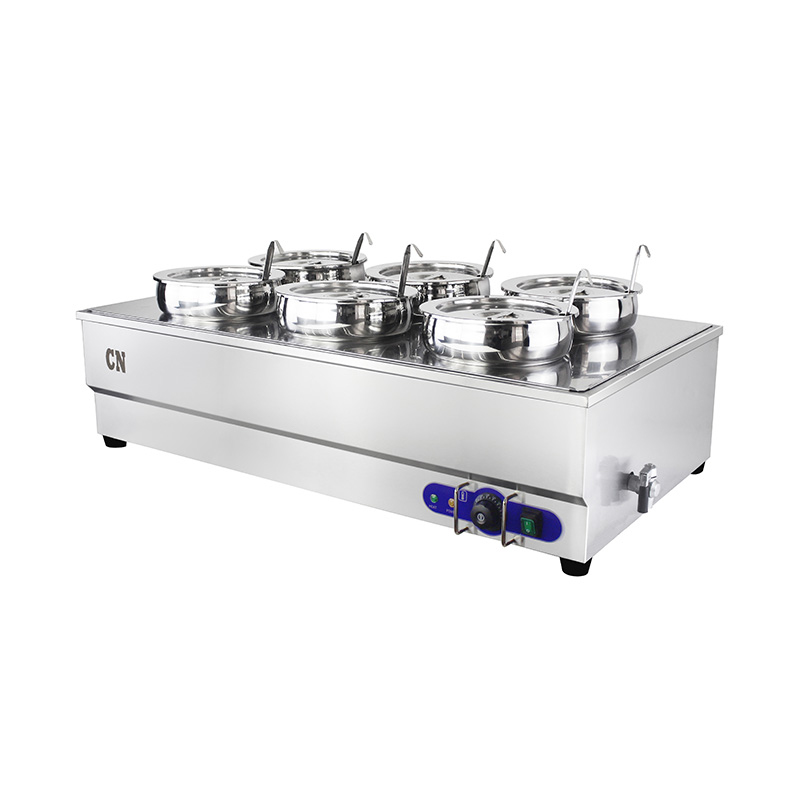
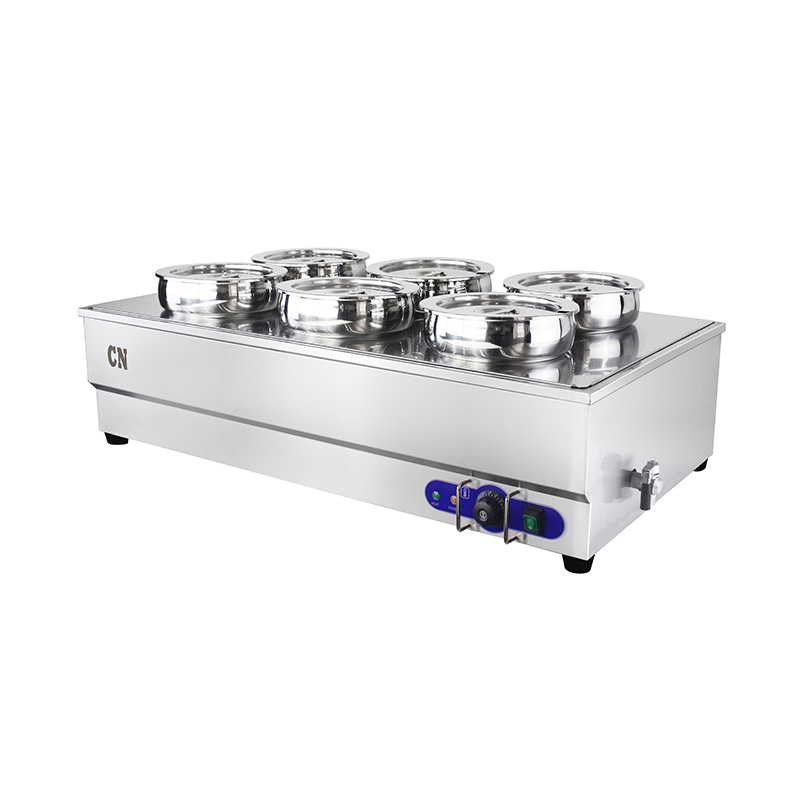
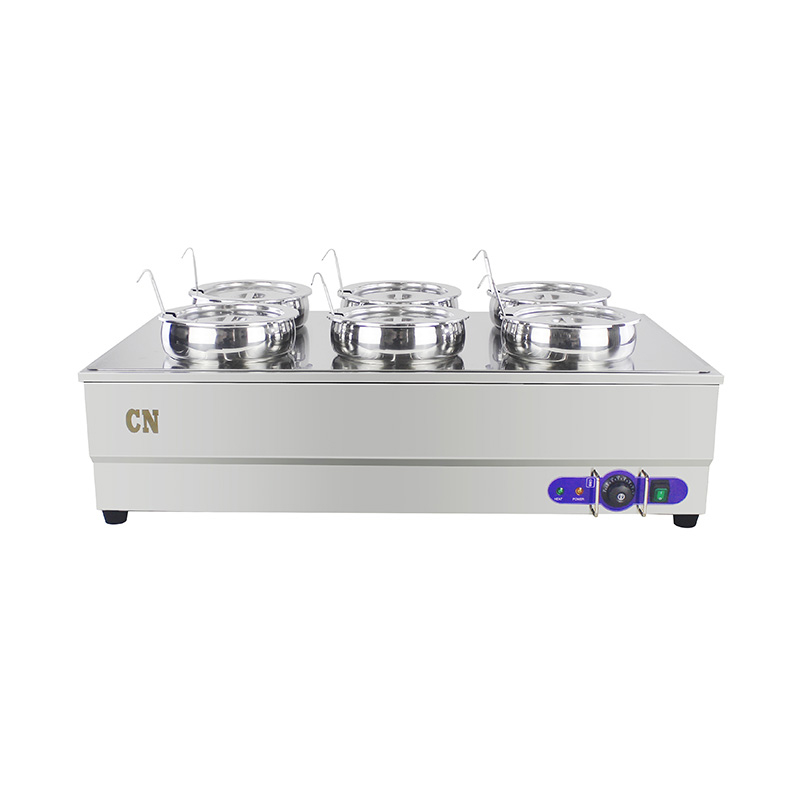
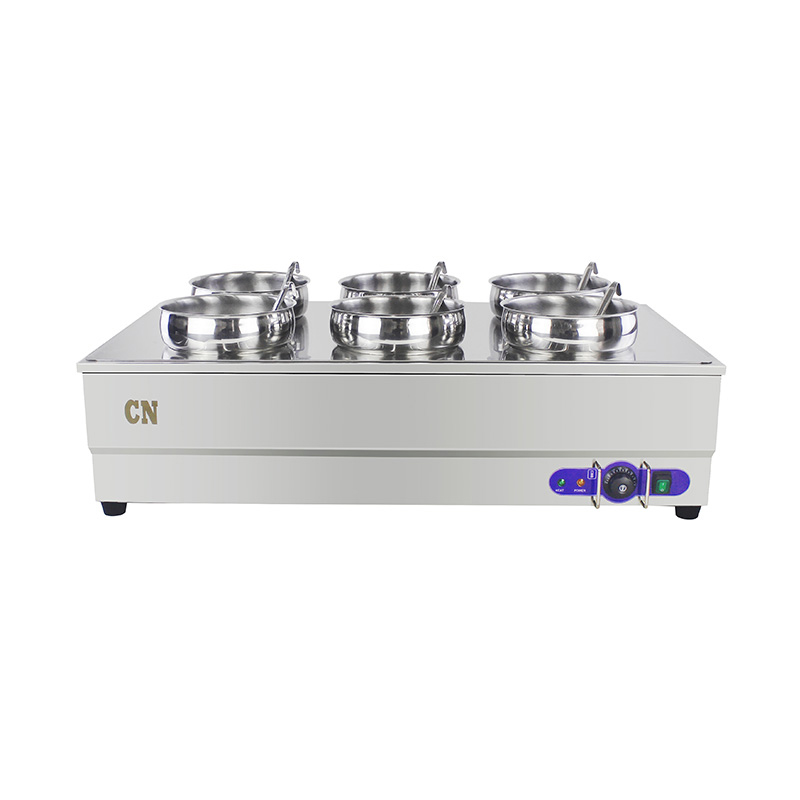
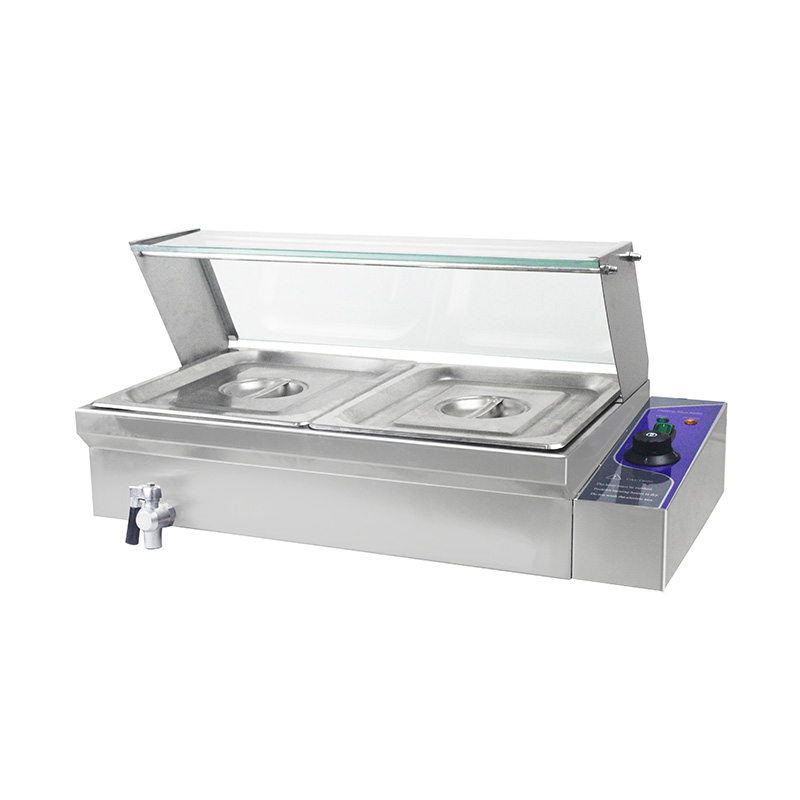
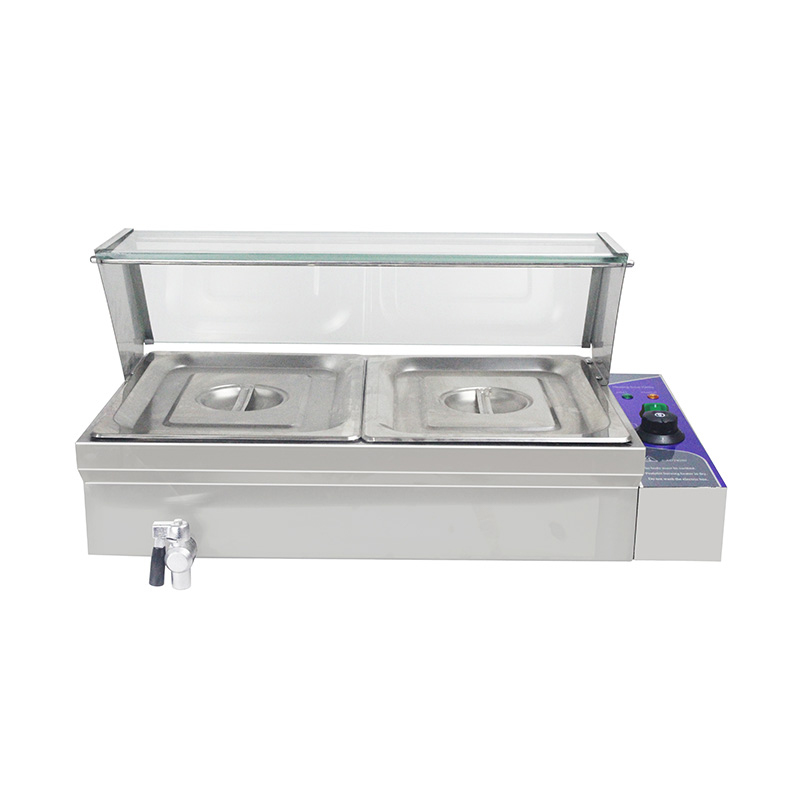
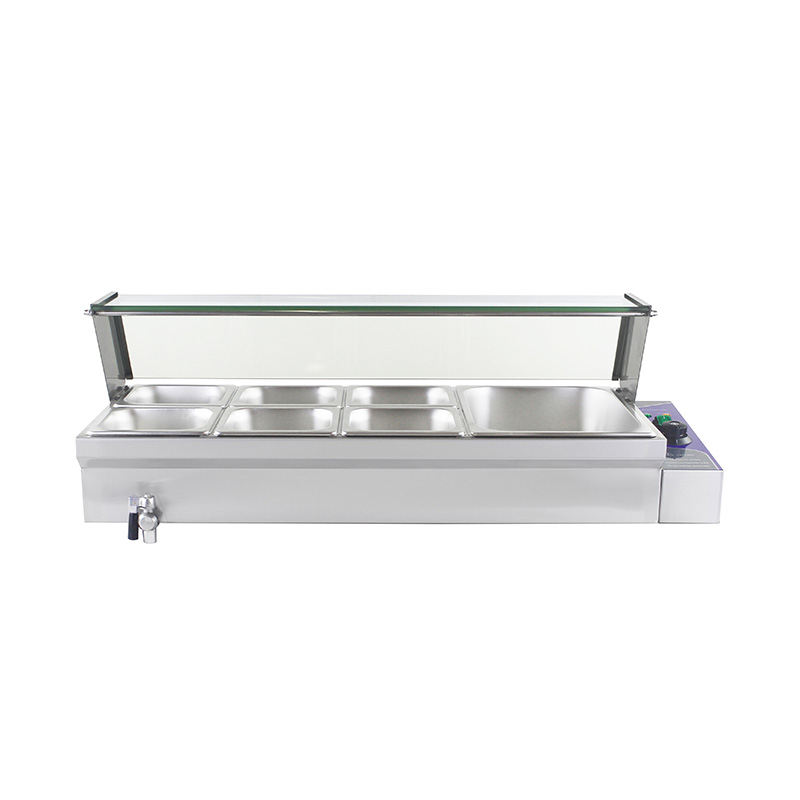
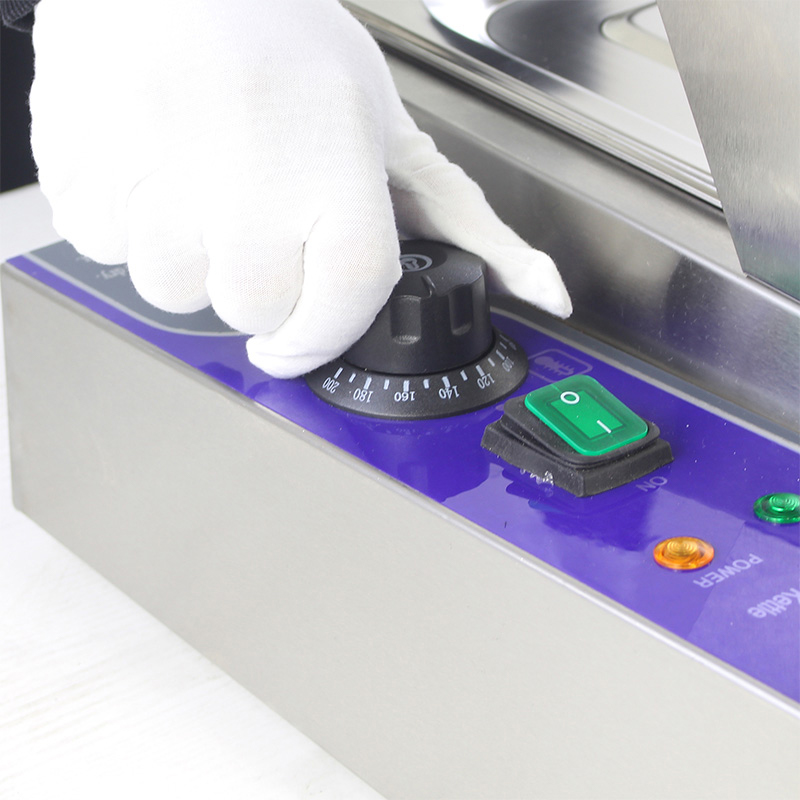
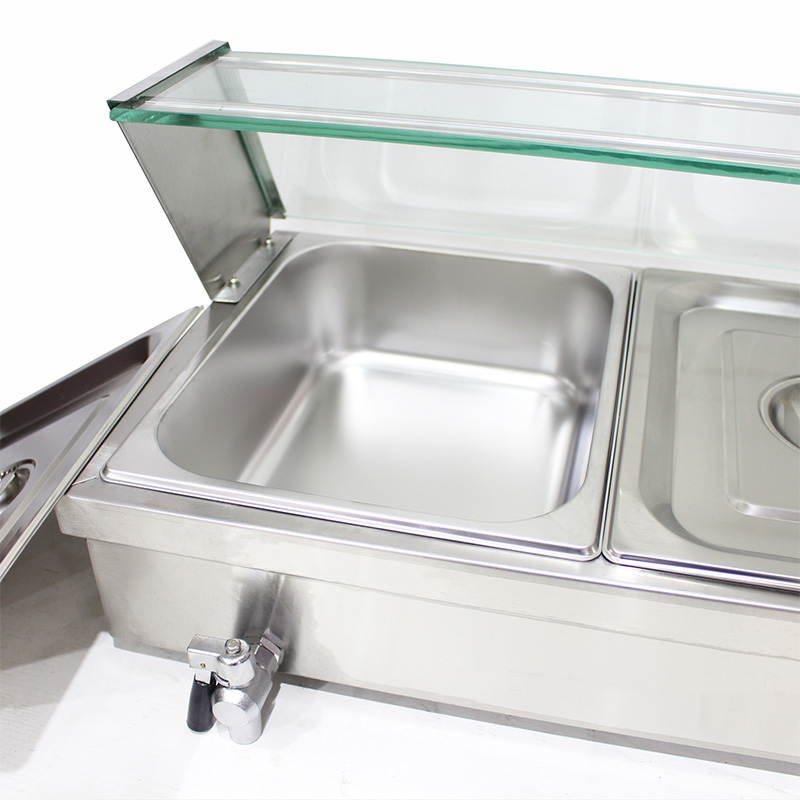
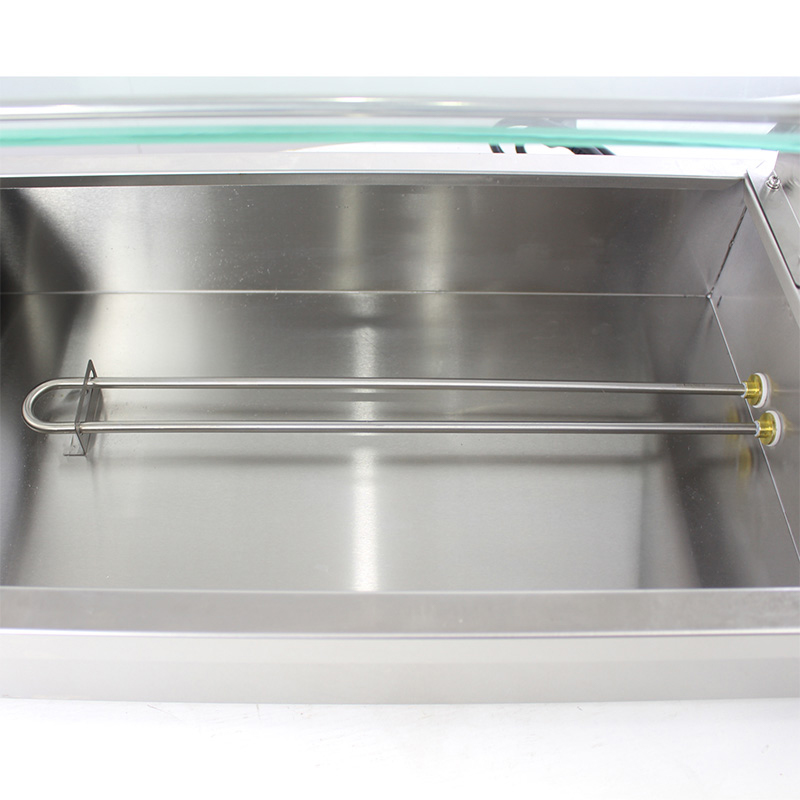
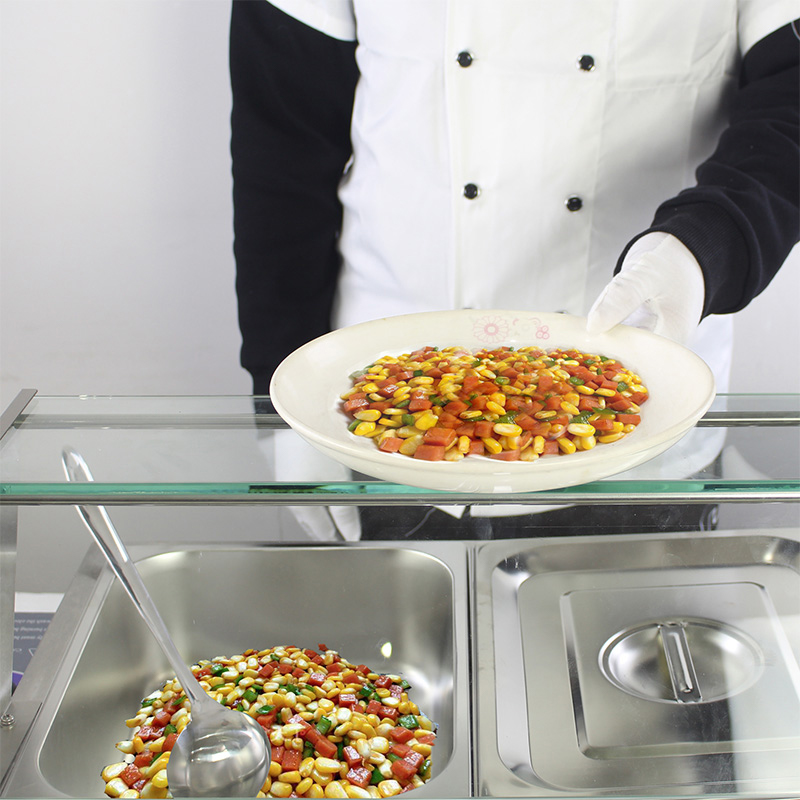
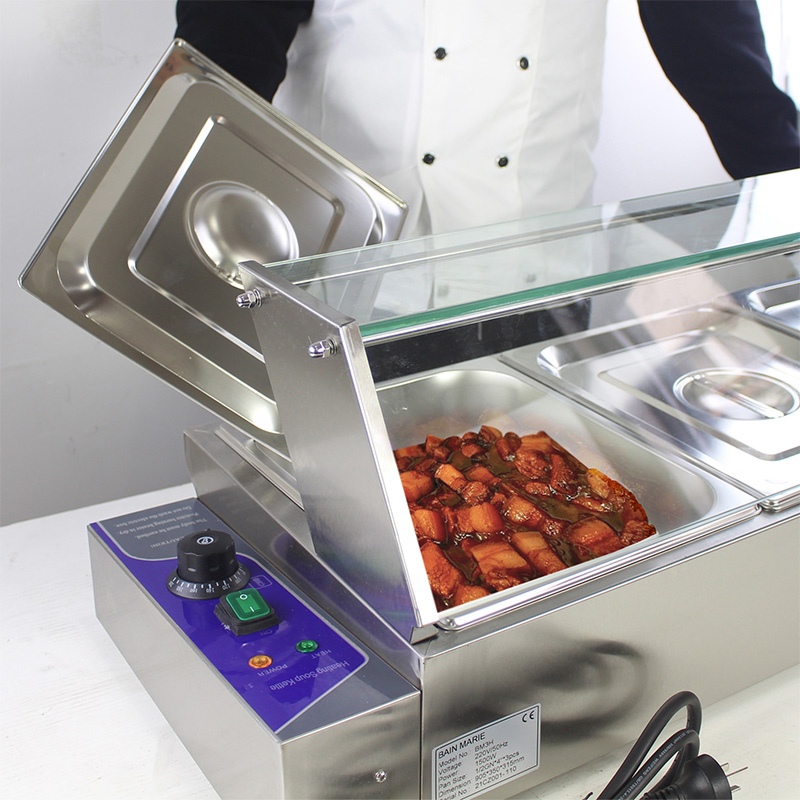
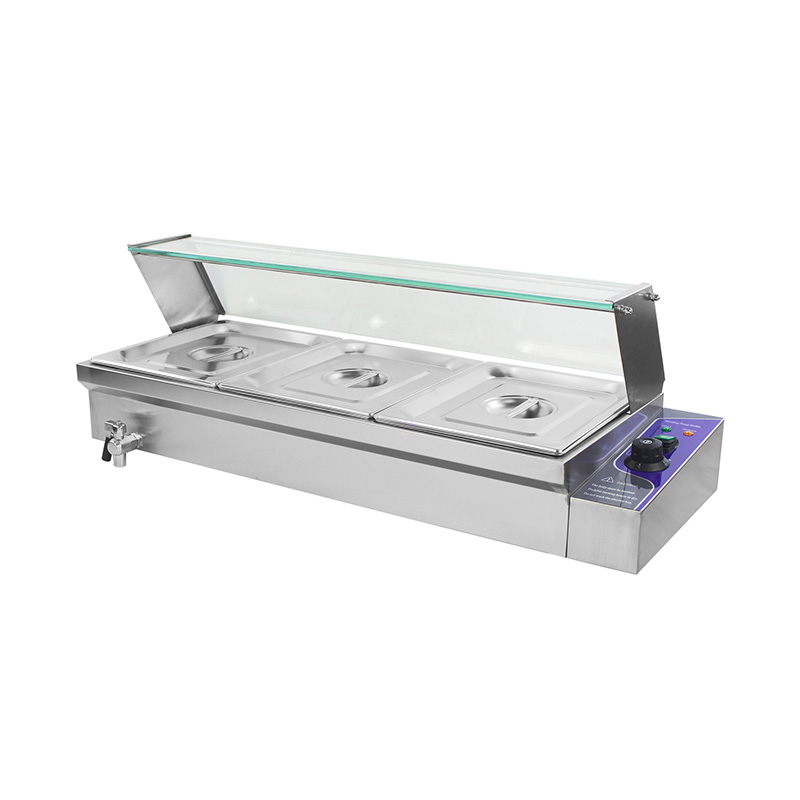
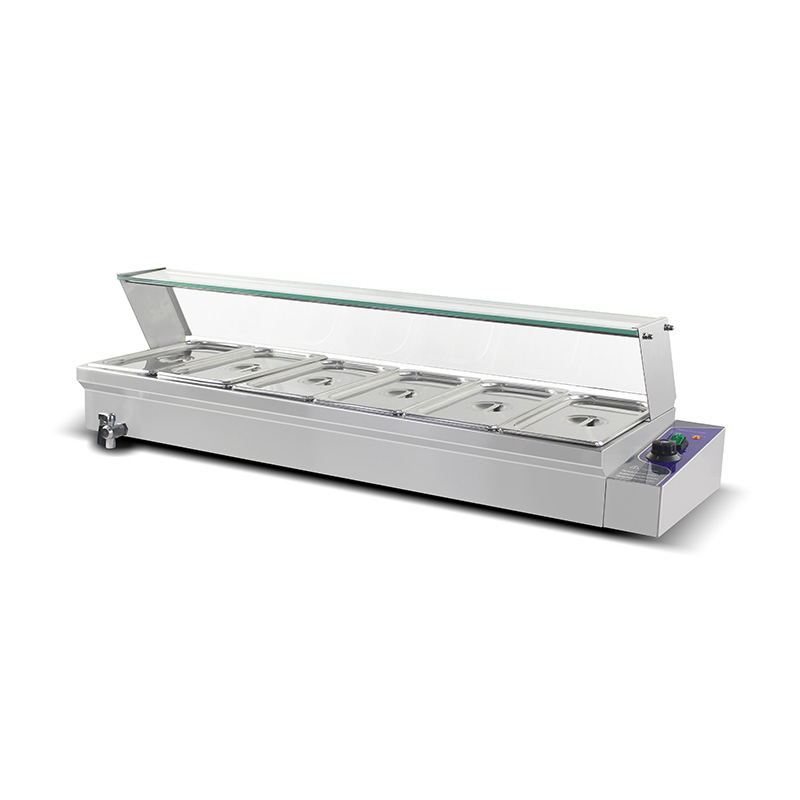
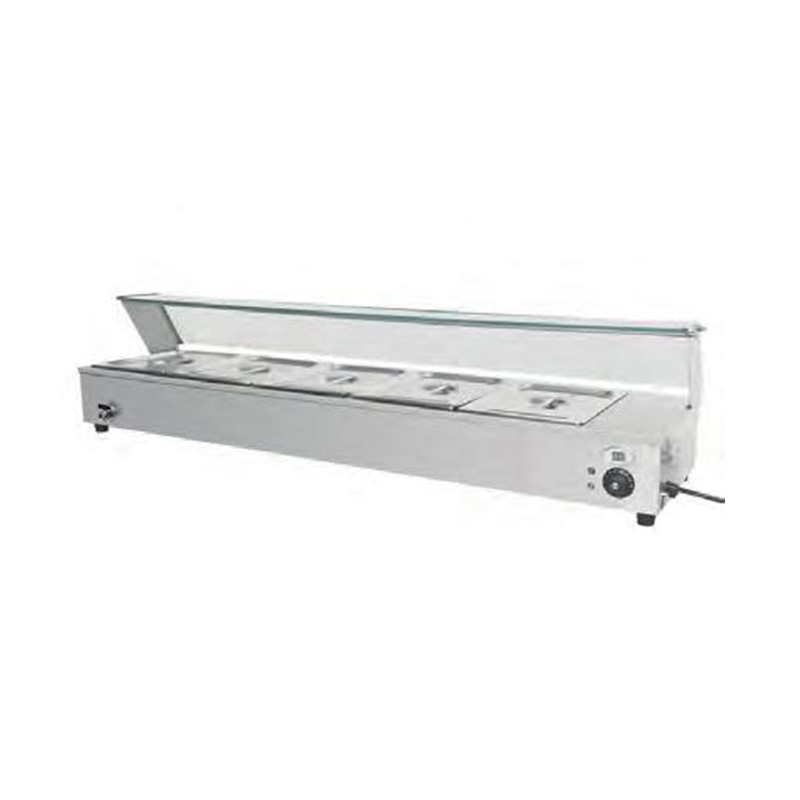
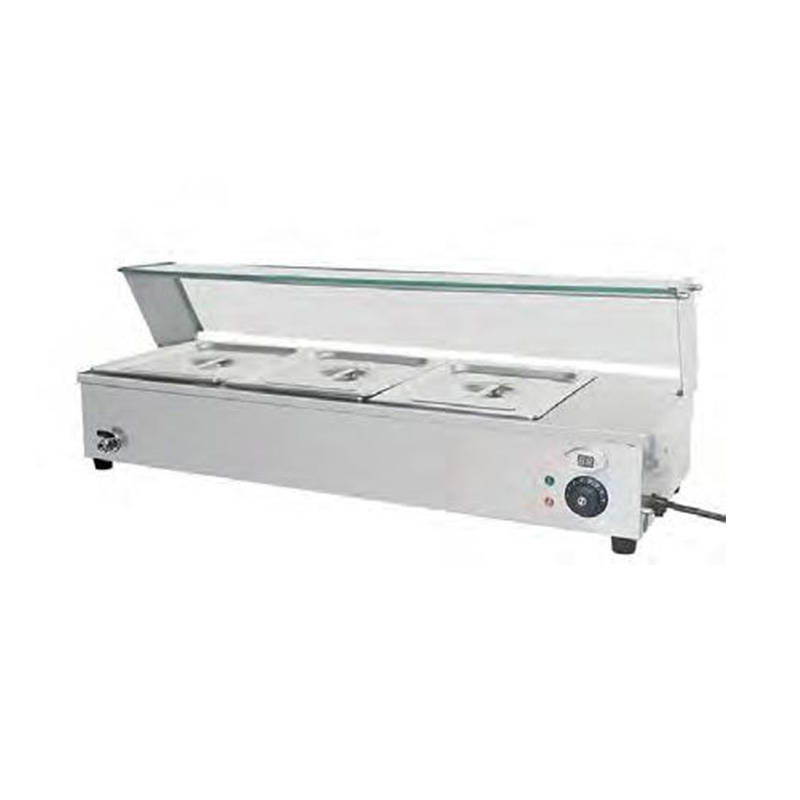
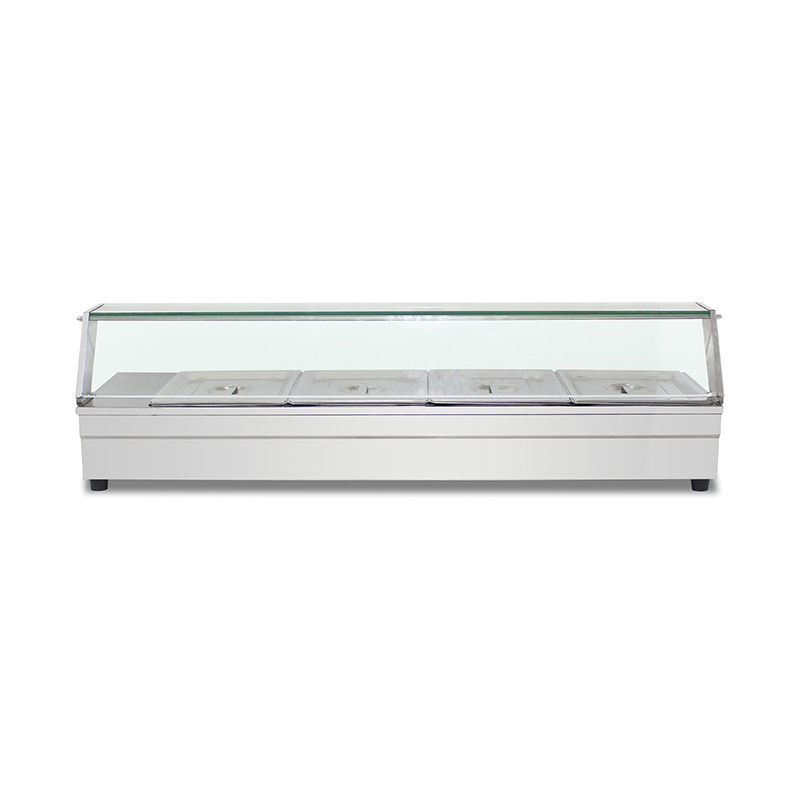
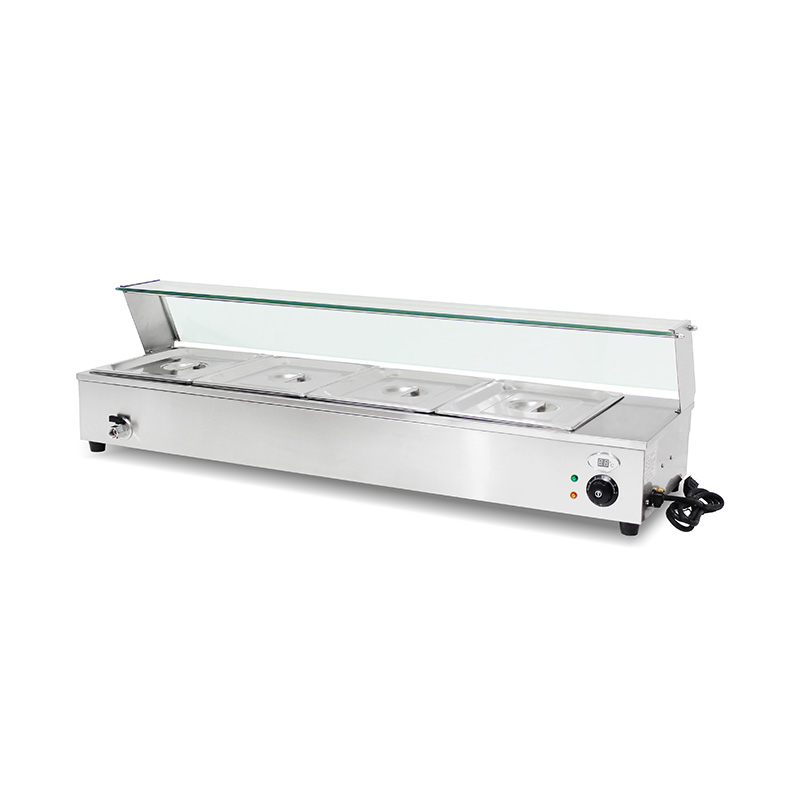
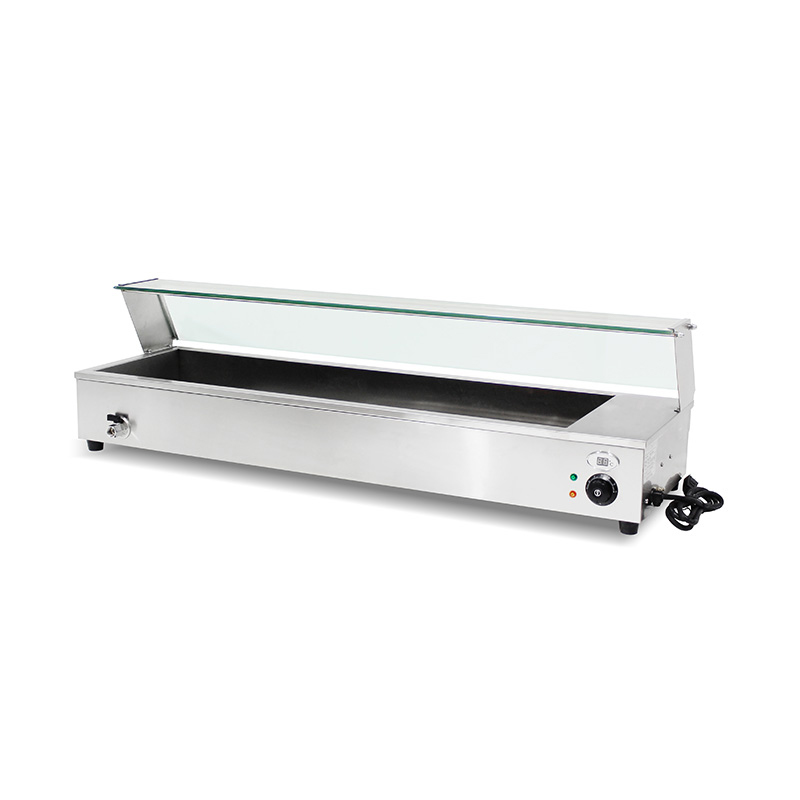
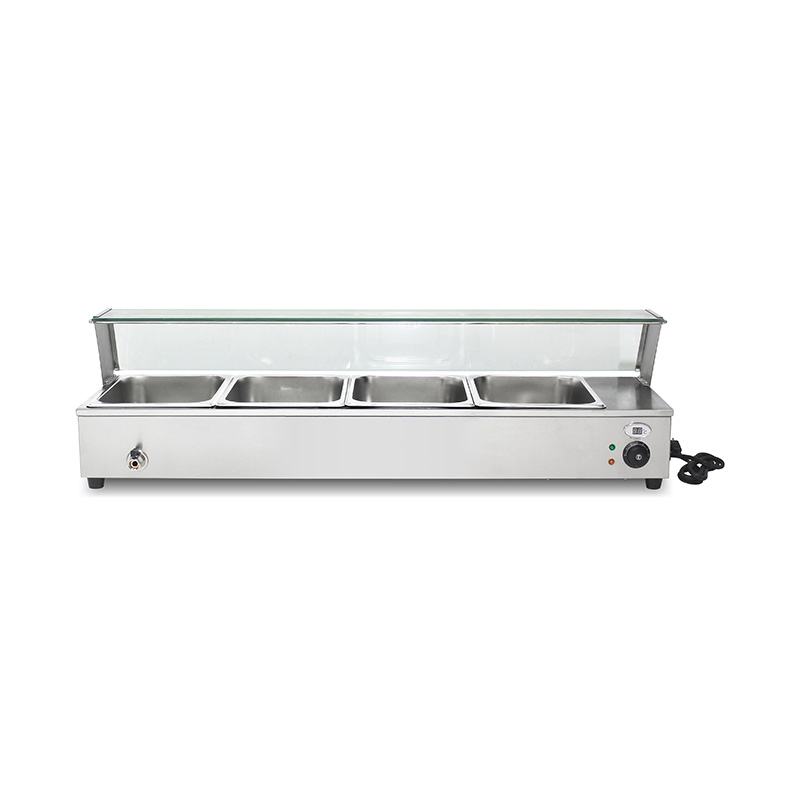
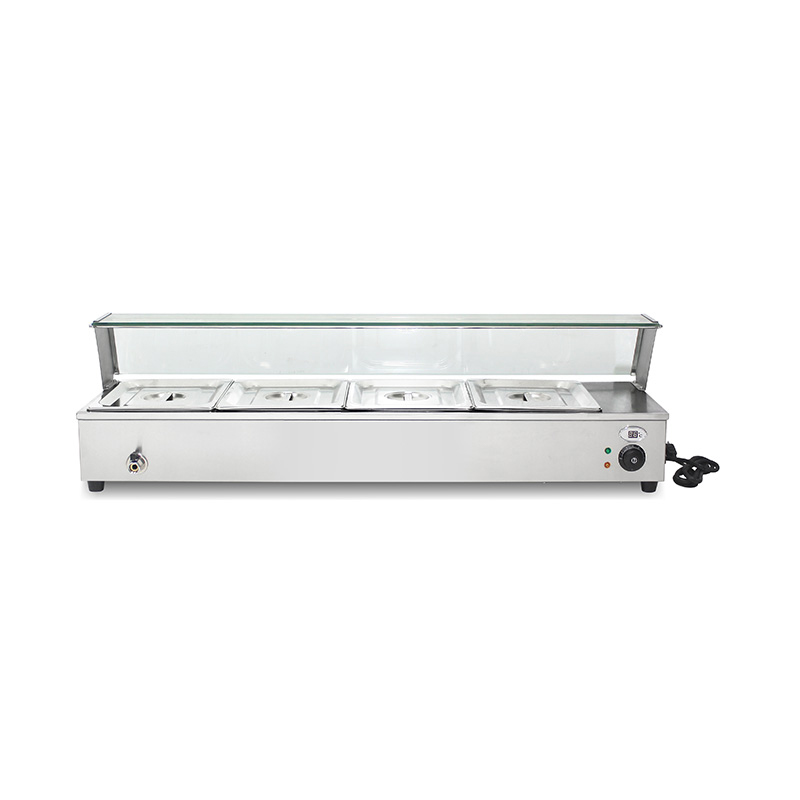
A Stainless Steel Commercial Electric Bain Marie is a specialized food heating and holding appliance widely used in professional kitchens, buffet stations, catering setups, and hotel food service lines. At its core, this unit uses a heated water bath to gently and evenly transfer heat to the food pans, which helps maintain consistent temperature across all dishes without direct exposure to an intense heat source. The use of quality stainless steel in construction offers resistance to corrosion, simplified cleaning, and durability under frequent sanitation cycles — attributes that are especially important in busy commercial environments where hygiene standards must be upheld. Stainless steel surfaces are easy to wipe down and less likely to harbor bacteria compared to lower-quality materials, which supports overall food safety practices. The electric aspect of the appliance means it typically plugs into standard power sources and includes adjustable temperature controls, allowing staff to set and monitor holding temperatures for different types of foods. This gentle heating approach protects delicate foods like sauces, gravies, and proteins from drying out, and it allows kitchen teams to prepare items in advance while ensuring they stay ready for service.
Commercial Bain Marie Use Cases and Food Safety Considerations
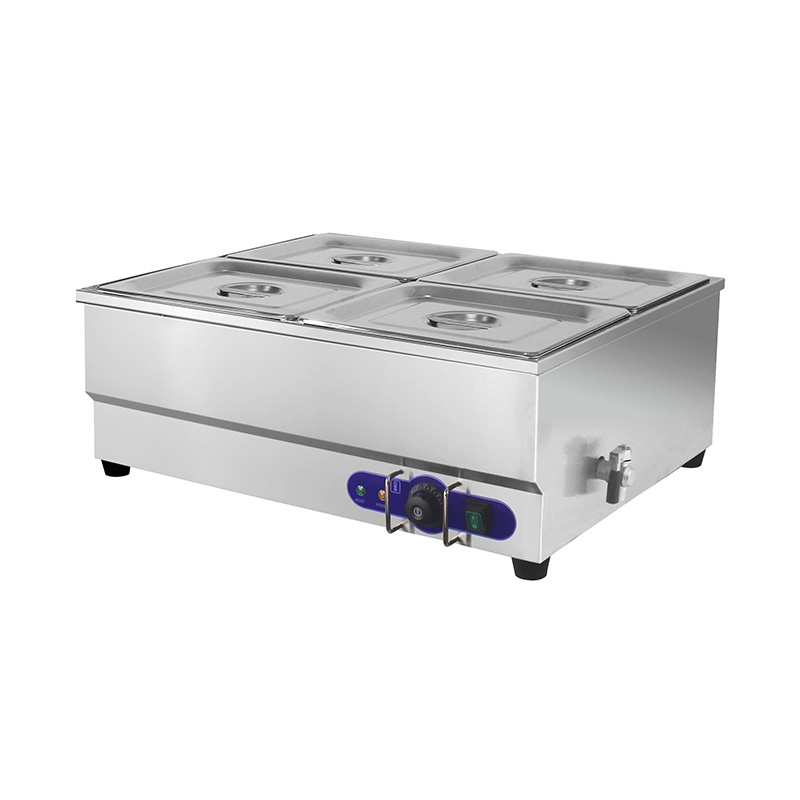
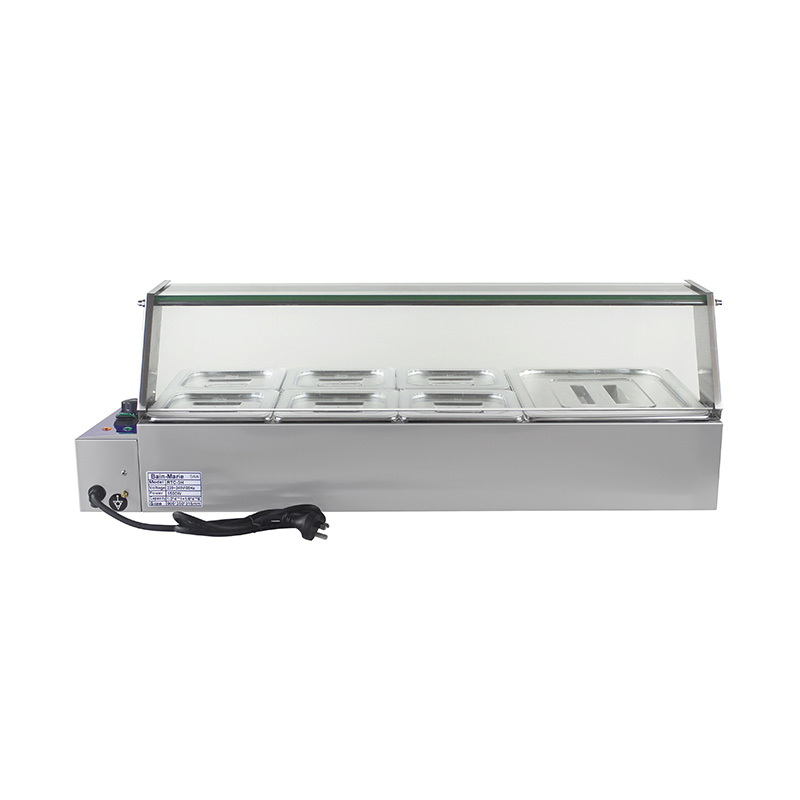
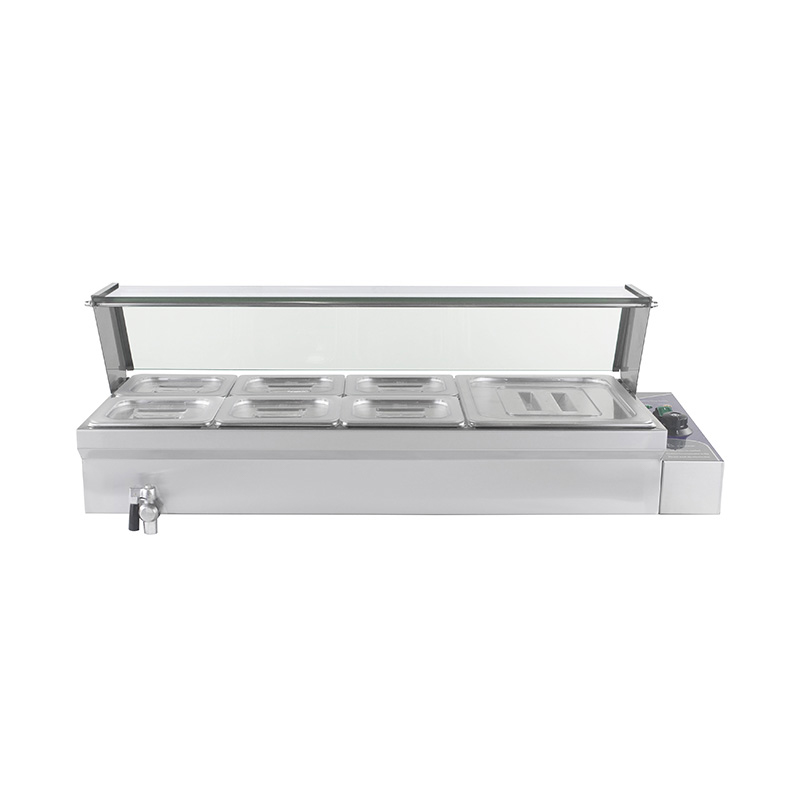
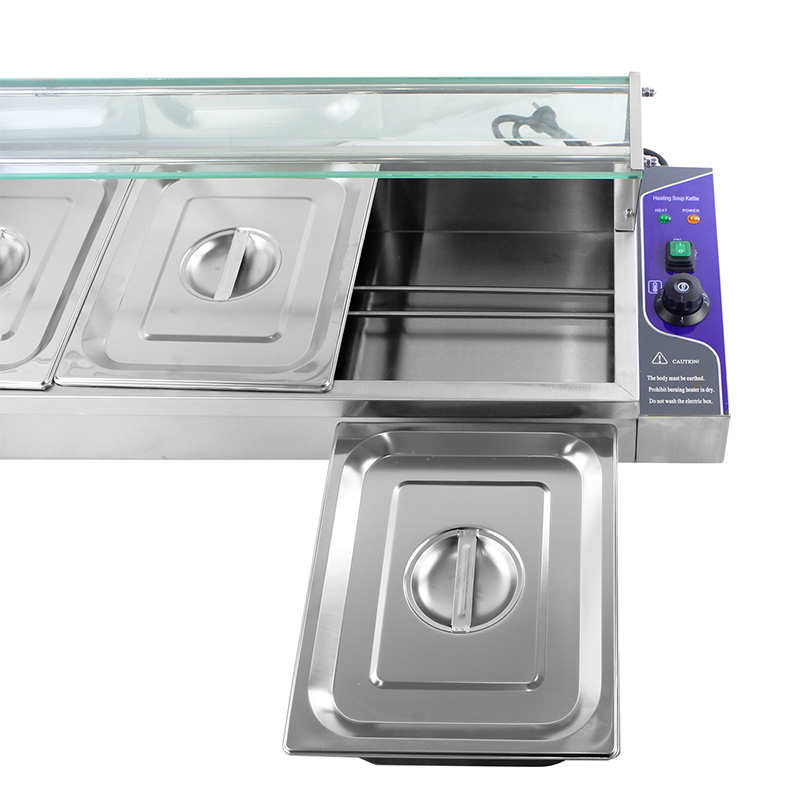
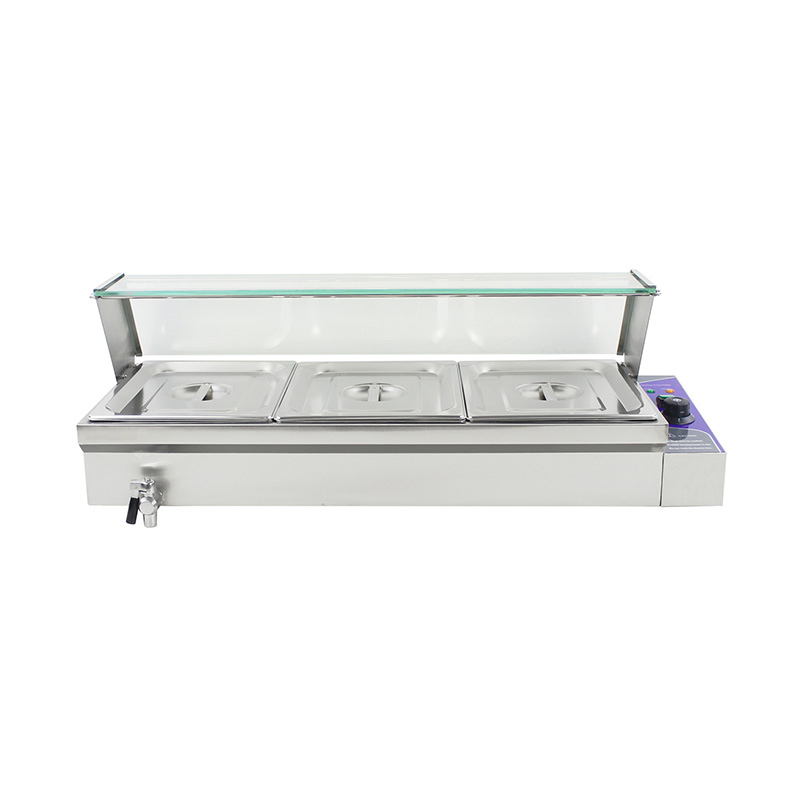
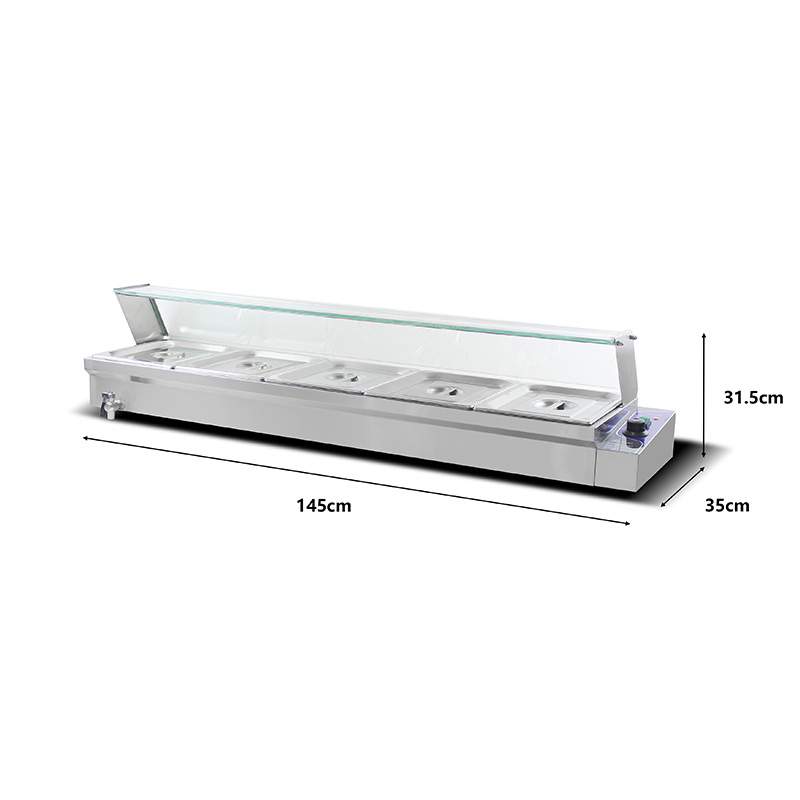
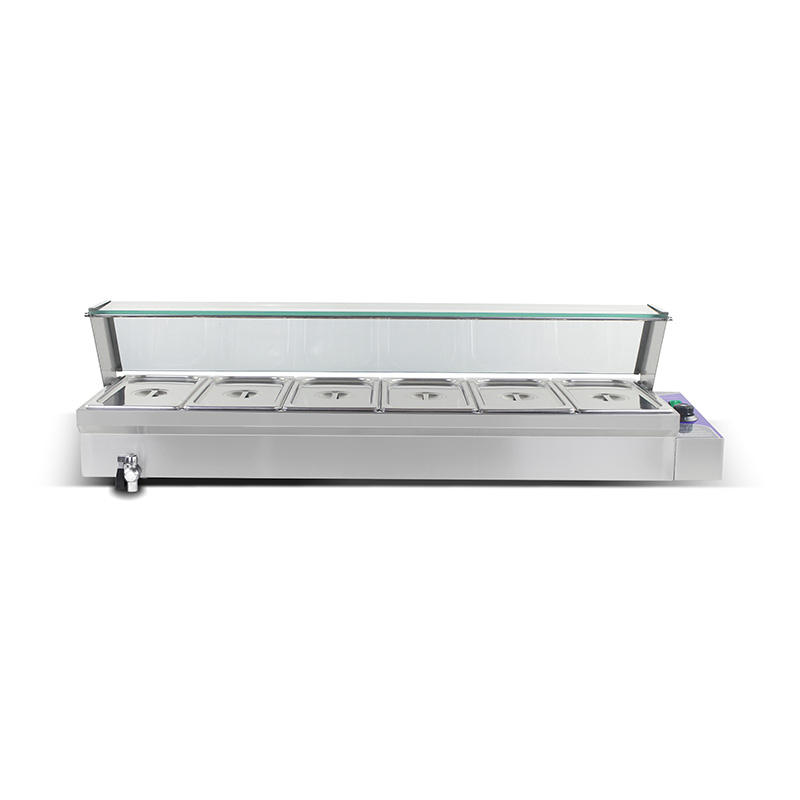
A Commercial Bain Marie is a central piece of equipment for hot holding in many foodservice operations, from breakfast buffets to cafeteria lines and high‑volume catering events. It holds several food pans at once, making it possible to offer a variety of dishes with consistent quality throughout service periods. The key functional principle in these units is a water bath or wet heat environment that delivers even heat, reducing hot spots and preventing food moisture loss. According to professional kitchen guides, maintaining hot foods above safe holding temperatures is essential to avoid bacterial growth and foodborne illness — a concern that is particularly relevant for foodservice operators who must meet health code standards. A commercial bain marie helps achieve this by keeping prepared dishes well above the typical food safety danger zone. Beyond safety, operators value the versatility of this equipment: it can accommodate soups, sauces, vegetables, meats, and even desserts using modular pan configurations. The ability to adjust individual pan temperatures or insert lids further enhances control over food quality. Commercial bain maries are often available in different sizes and configurations, allowing kitchens to scale capacity based on service volume and spatial constraints.
Commercial Food Warming Unit Benefits and Operational Insights
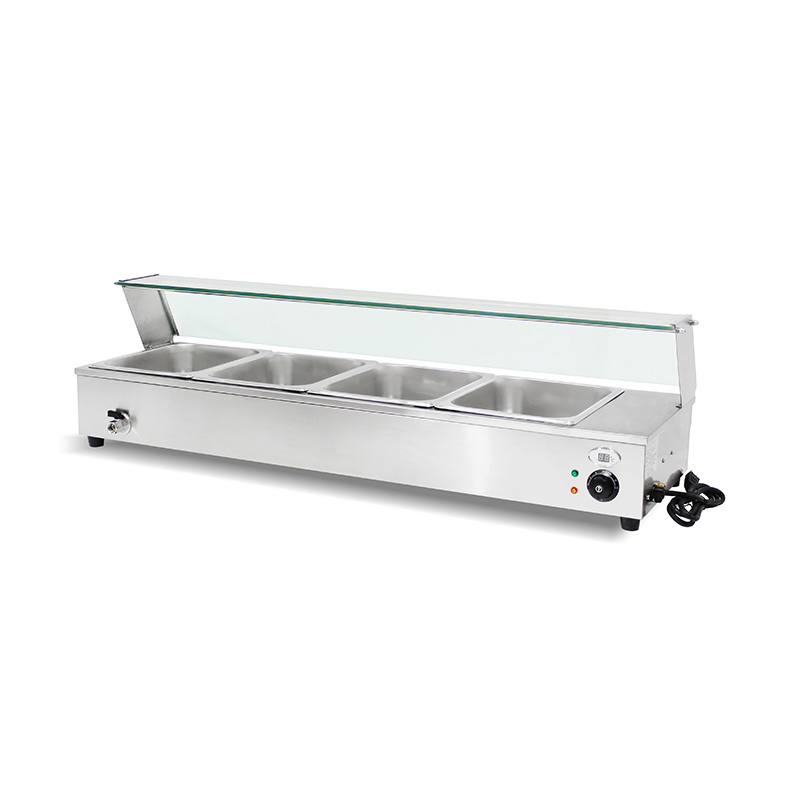
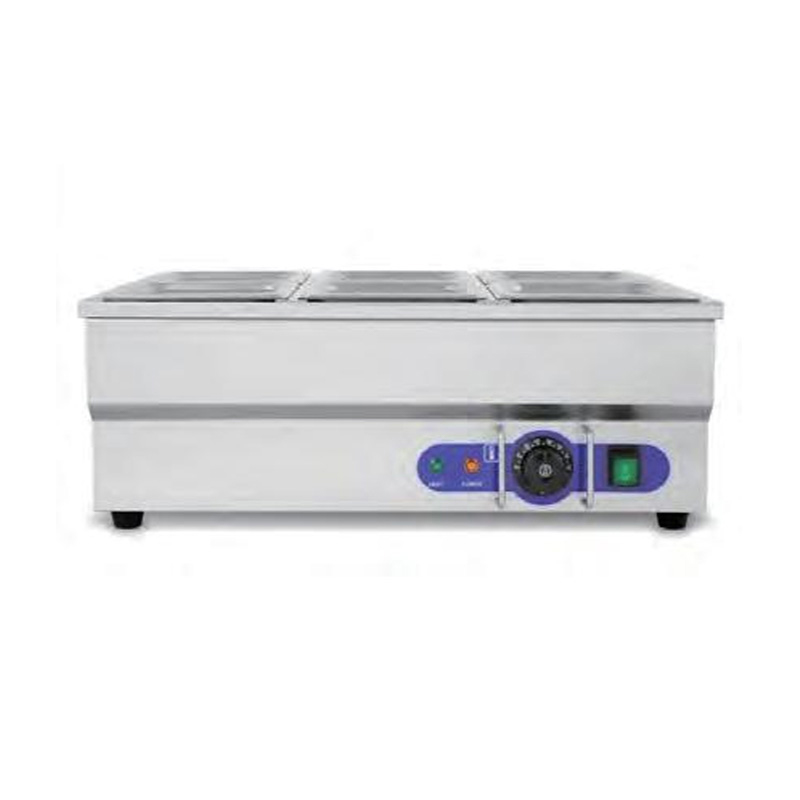
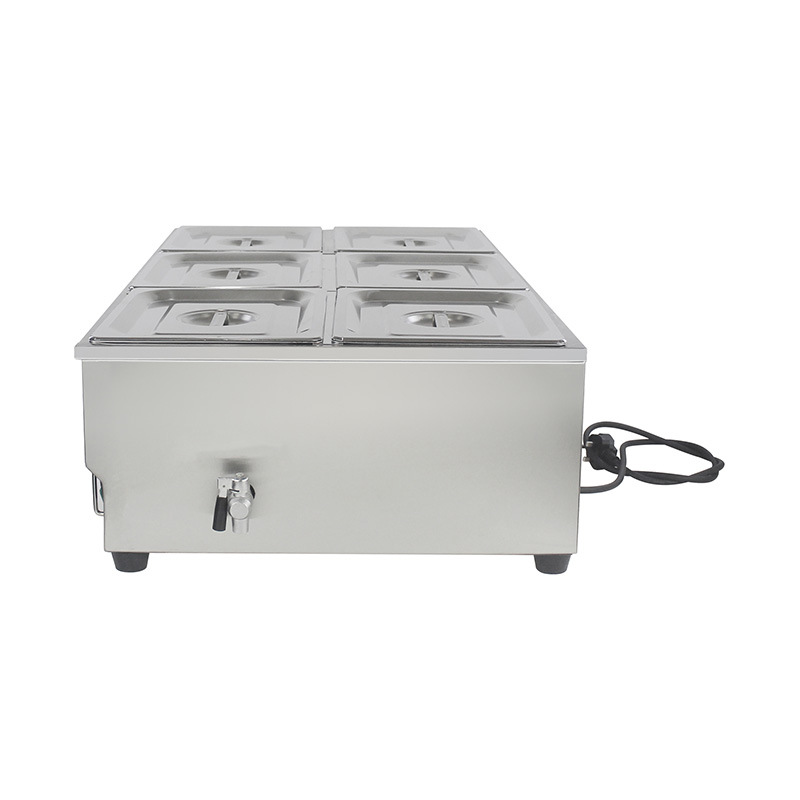
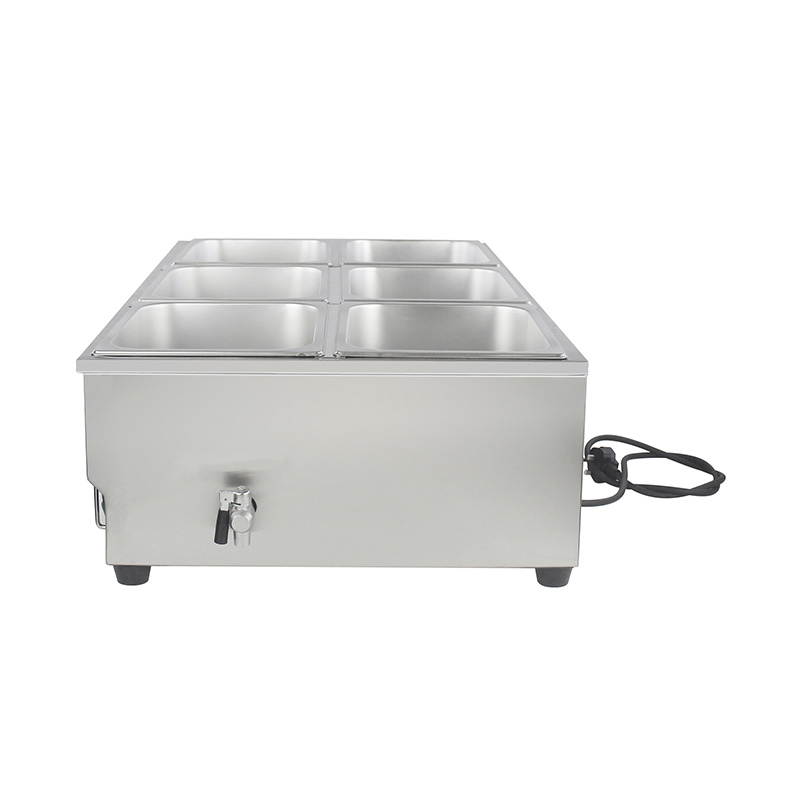
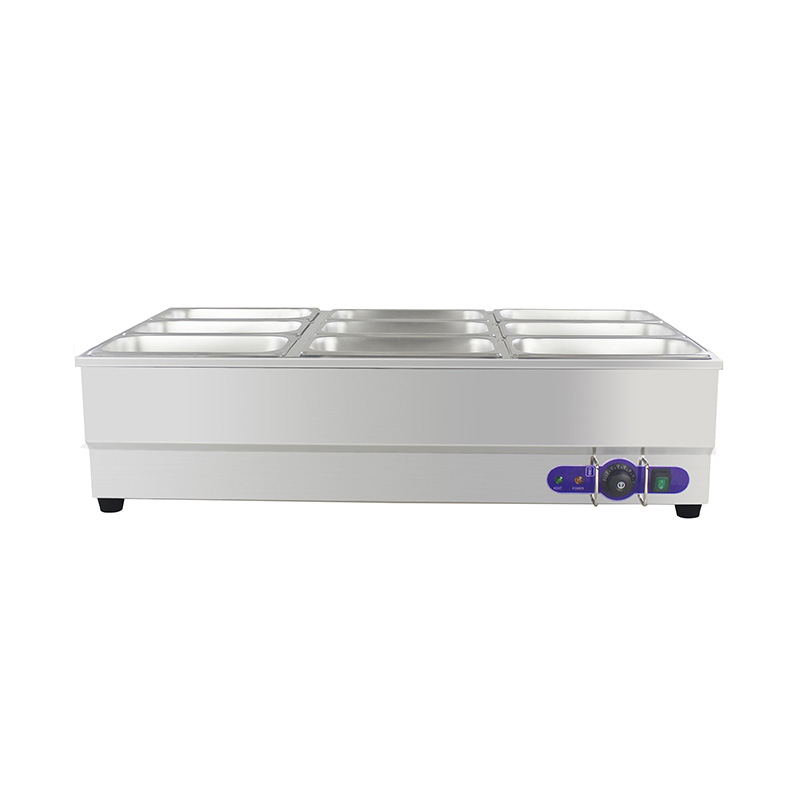
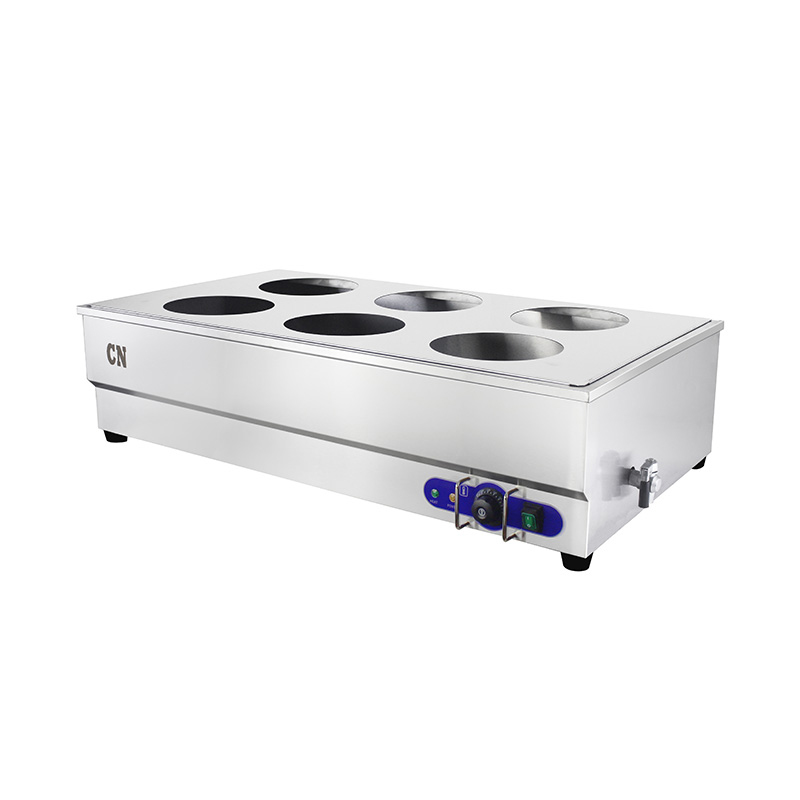
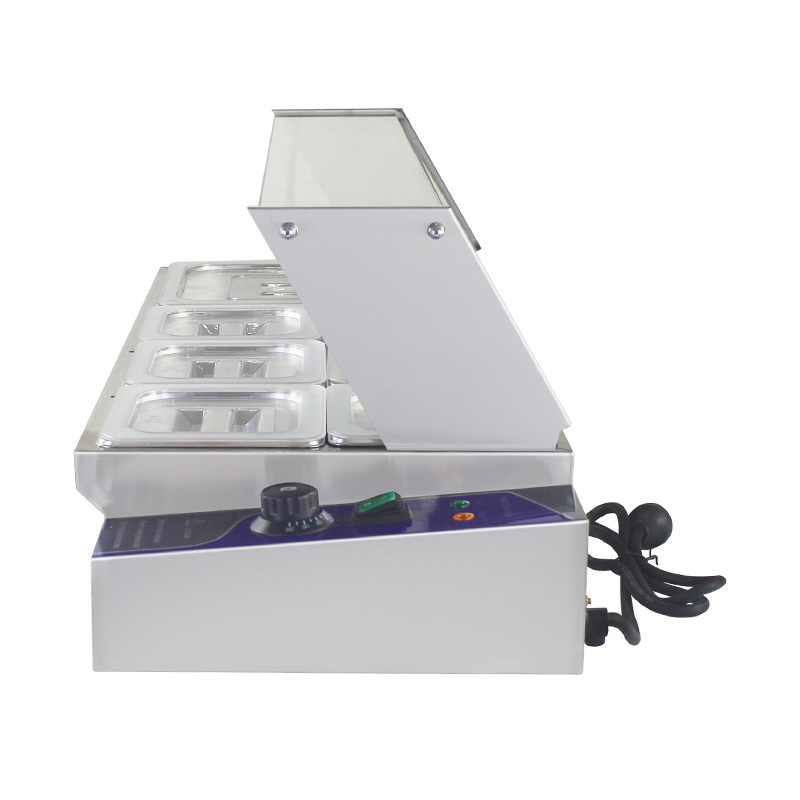
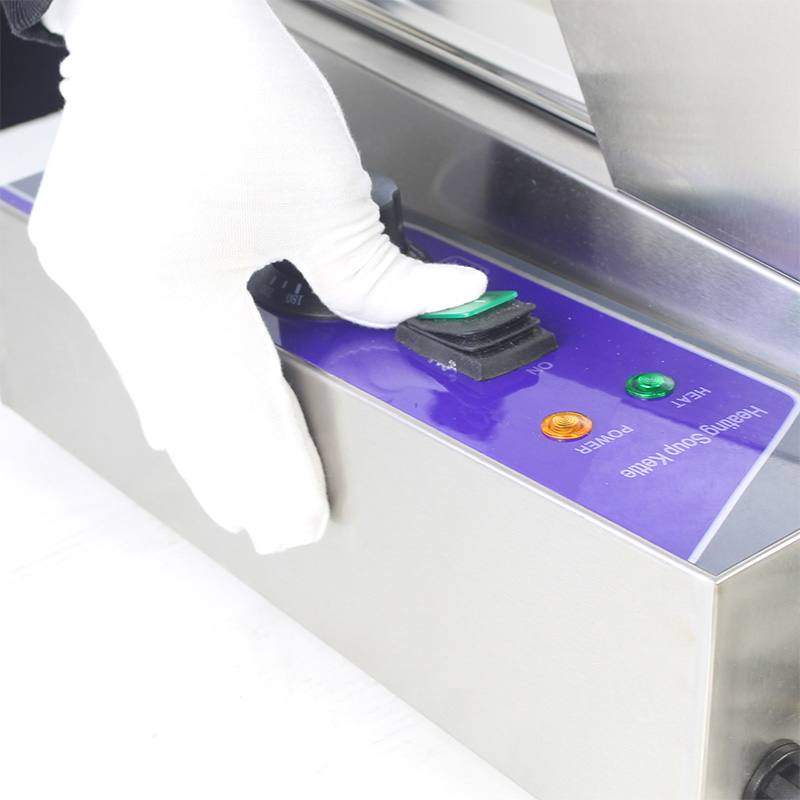
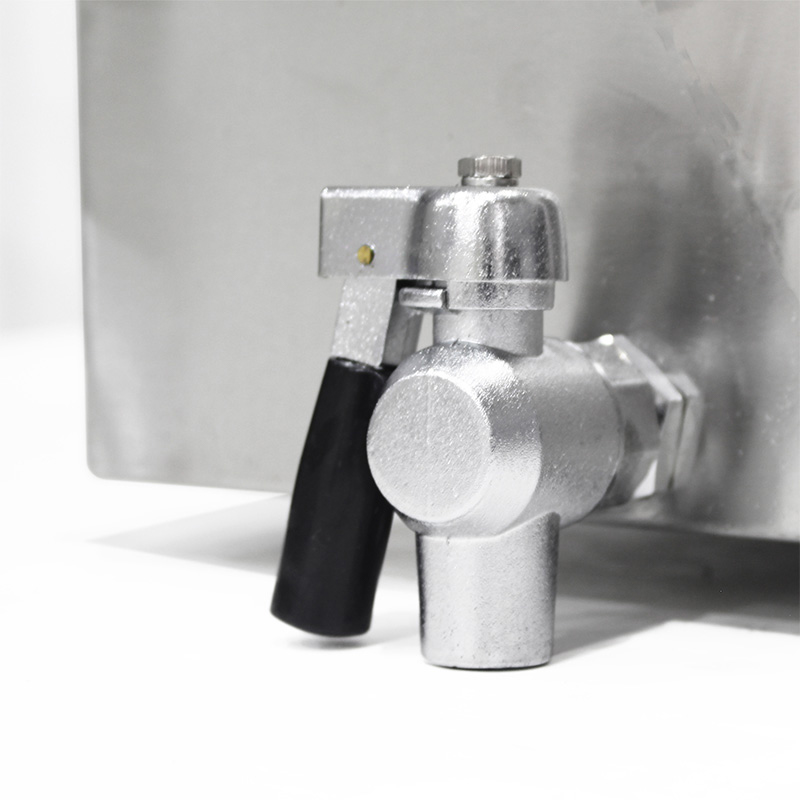
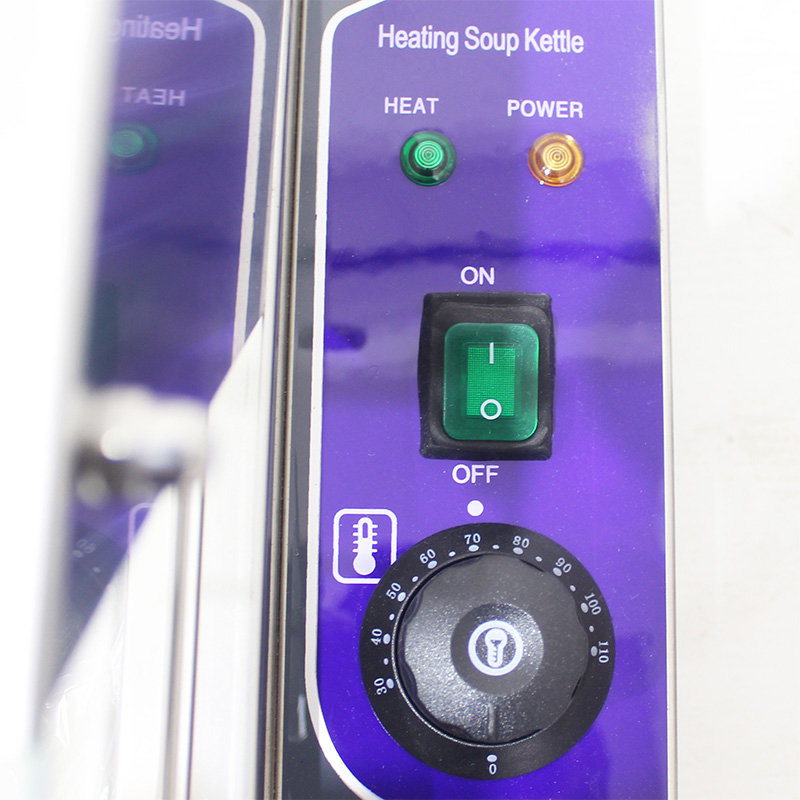
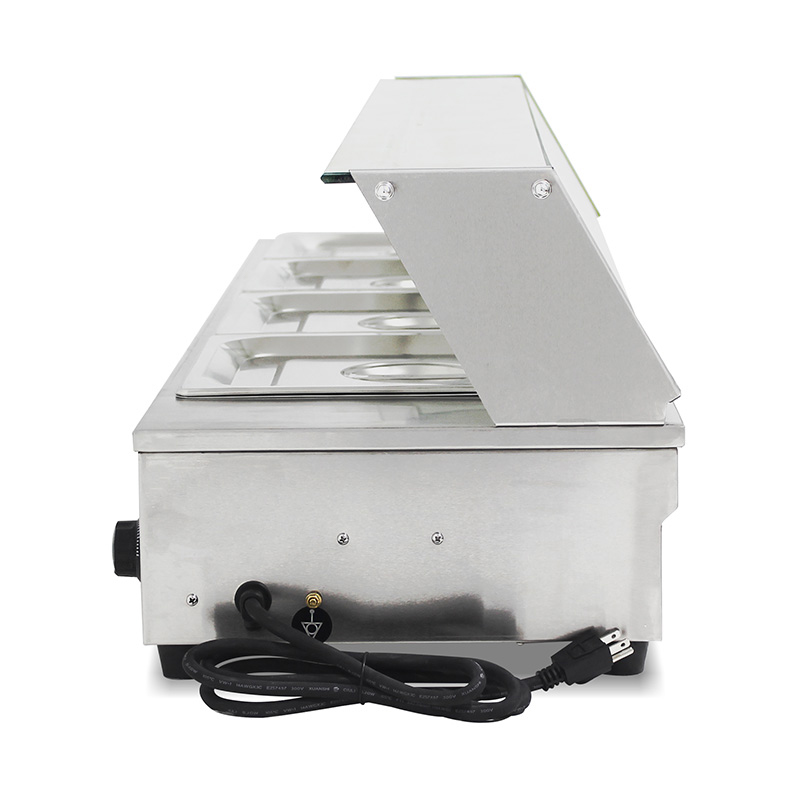
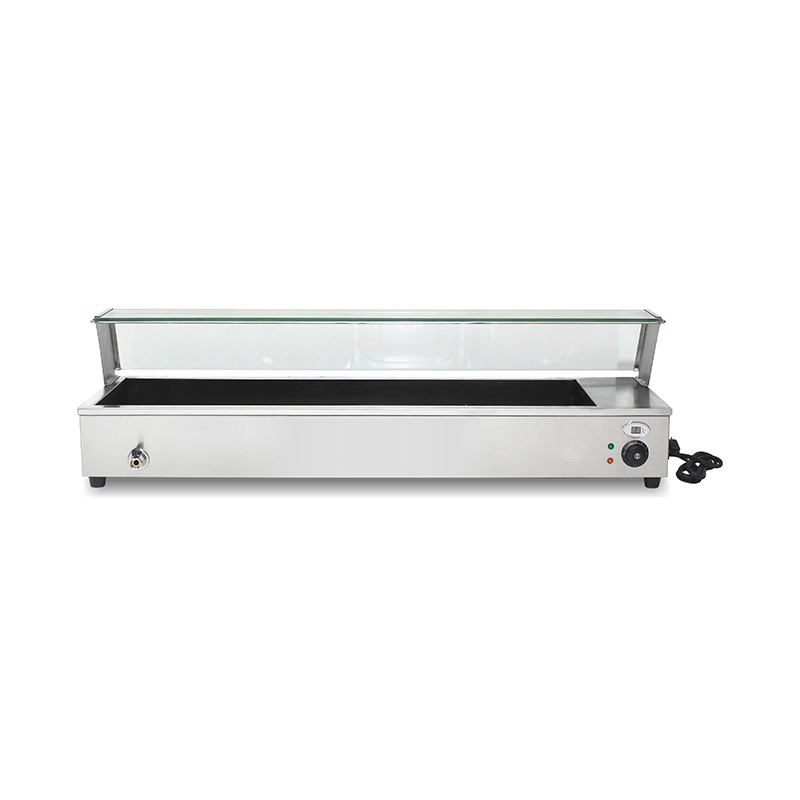
A Commercial Food Warming Unit is designed to keep prepared foods at consistent, service‑ready temperatures for extended periods without compromising texture or moisture. These units are popular in restaurants, hotels, quick‑serve outlets, and catering operations where food must stay warm between preparation and serving. Unlike dry heat appliances that can overcook or dry out foods, commercial food warming units typically use water or moist heat methods to preserve natural food qualities. This is especially important for items like soups, sauces, stews, and other dishes that benefit from a gentle heating environment. In practical terms, food warming units often include adjustable thermostats, simple control interfaces, indicator lights that show when the unit is heating, and removable pans for easy cleaning. Some units also provide drain valves or bath water markers to help staff maintain proper water levels and reduce time spent on maintenance tasks. By less temperature fluctuations, these units support food safety standards and help reduce waste from food drying out or cooling prematurely. Additionally, the ability to prepare dishes ahead of time and keep them ready for service enhances kitchen workflow and can improve service speed during peak hours, which is a common operational concern for foodservice facilities.
Choosing and Maintaining a Stainless Steel Commercial Electric Bain Marie
WWhen selecting a Stainless Steel Commercial Electric Bain Marie, foodservice operators should evaluate several key factors that reflect common concerns on consumer searches: capacity, temperature range, ease of cleaning, and compatibility with their menu and service style. Capacity needs vary widely — smaller countertop units may suit cafes or small catering operations, while larger installations might be required for hotel buffets or high‑volume cafeteria lines. Temperature control flexibility is important; kitchens often serve a mix of foods with different safe holding temperatures, so reliable thermoregulatory controls and clear indicators can help staff adjust settings quickly. Stainless steel construction remains a priority due to its impact on durability and hygiene. In terms of maintenance, regular cleaning of the water bath and pan surfaces prevents mineral buildup and helps avoid corrosion, while periodic inspection of electrical components ensures stable performance. Proper maintenance also reduces the likelihood of uneven heating or other operational issues, which are common concerns among kitchen professionals who depend on consistent equipment performance during long service periods.
Comparing Commercial Bain Marie and Commercial Food Warming Unit Features
While both a Commercial Bain Marie and a Commercial Food Warming Unit serve the purpose of holding food at serving temperature, there are practical differences that foodservice professionals often search for. A commercial bain marie typically focuses on a wet heat system — a water bath that provides indirect, gentle heat — which is well‑suited to foods that can benefit from moist heat environments. In contrast, some commercial food warming units may use dry heat or hybrid systems when appropriate for different menu items. The choice between these units often depends on menu requirements, space constraints, and service flow. For example, dishes that require moisture retention, like soups or sauced entrees, may perform better in a wet heat bain marie; whereas dry heat units might be more suitable for items that should stay crisp or free‑flowing. Both categories of equipment prioritize food safety and temperature consistency, but understanding these operational differences helps kitchen managers align their equipment choices with daily service needs and long‑term maintenance goals.