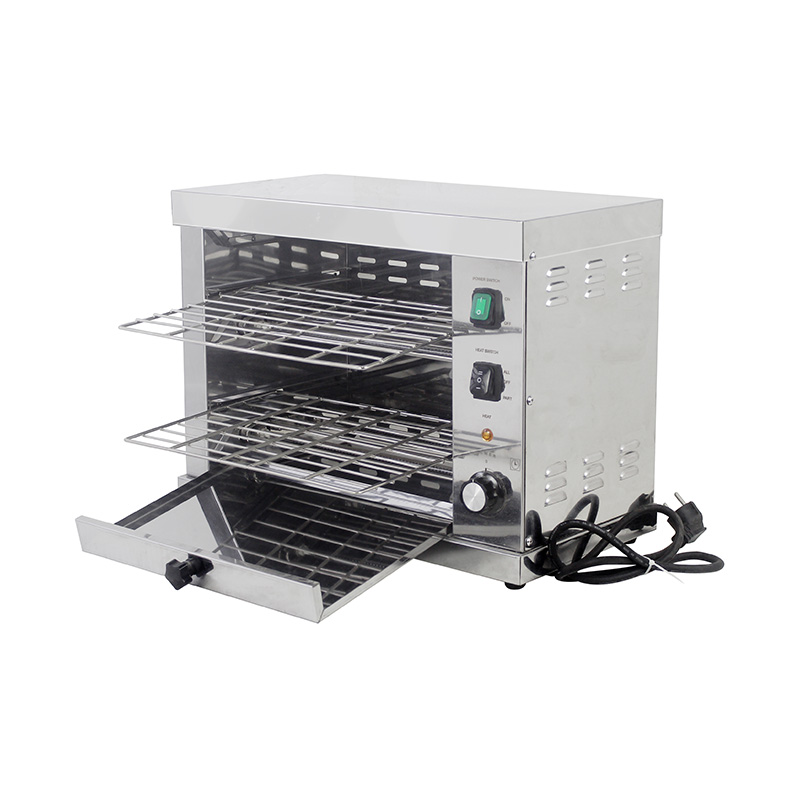
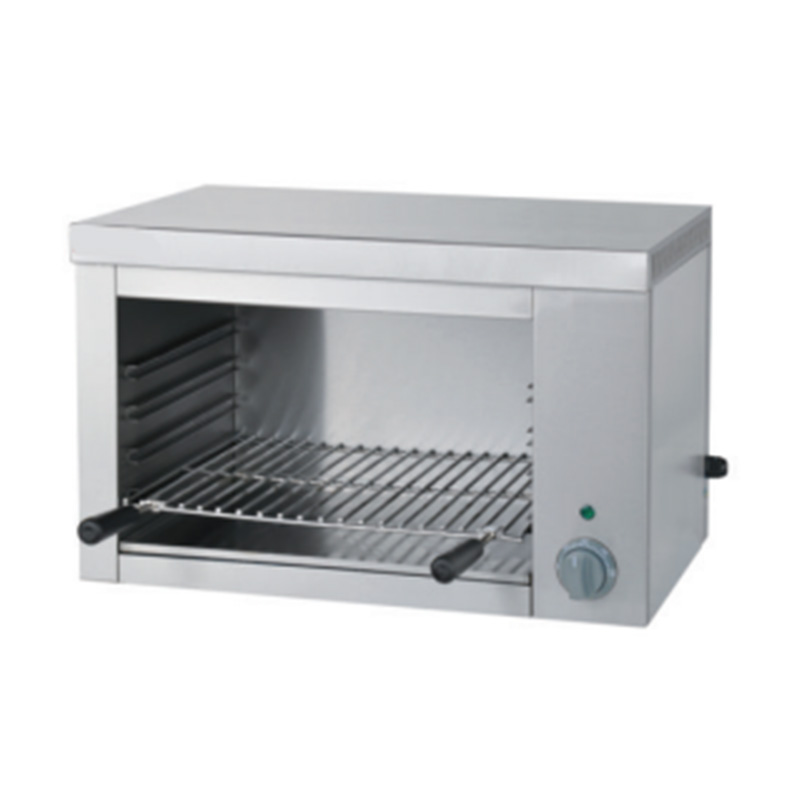
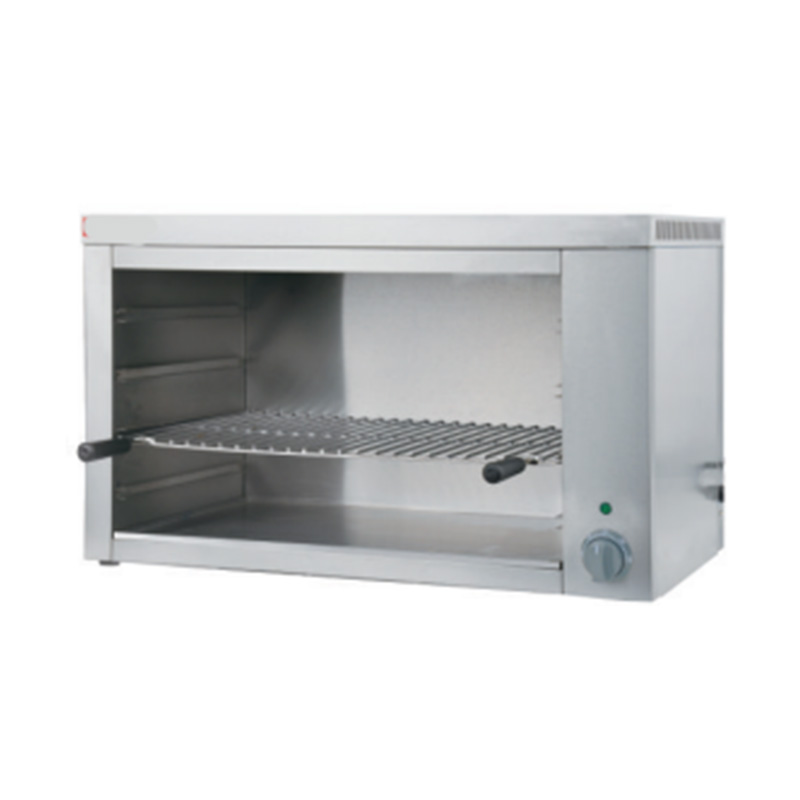
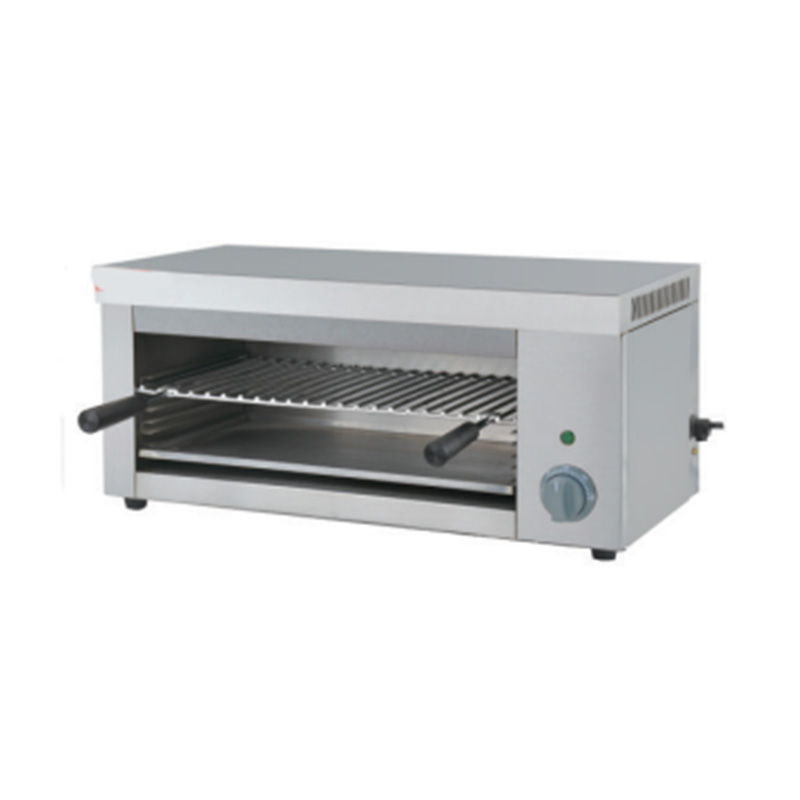
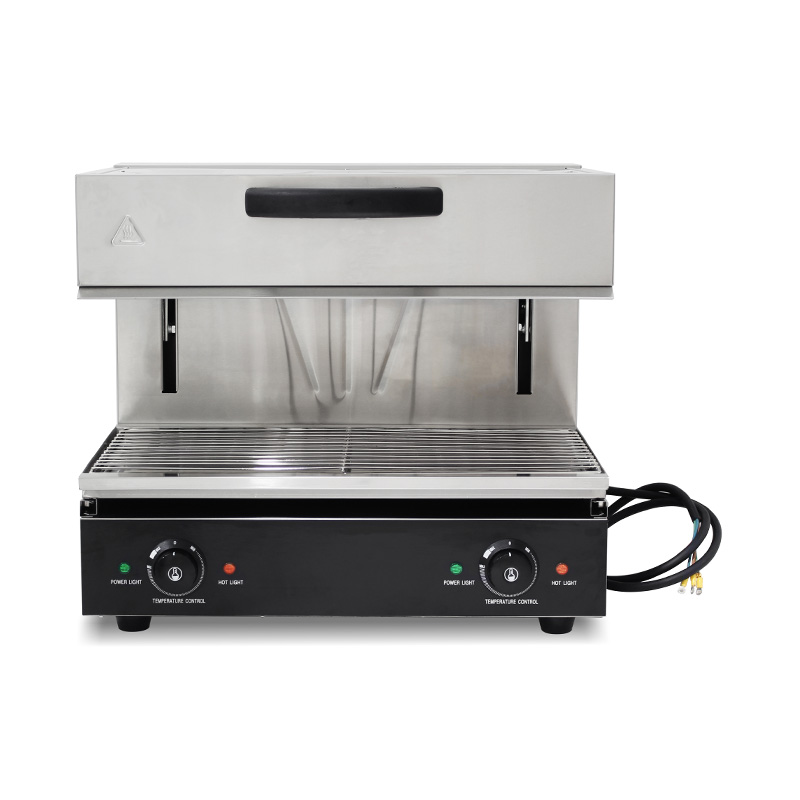
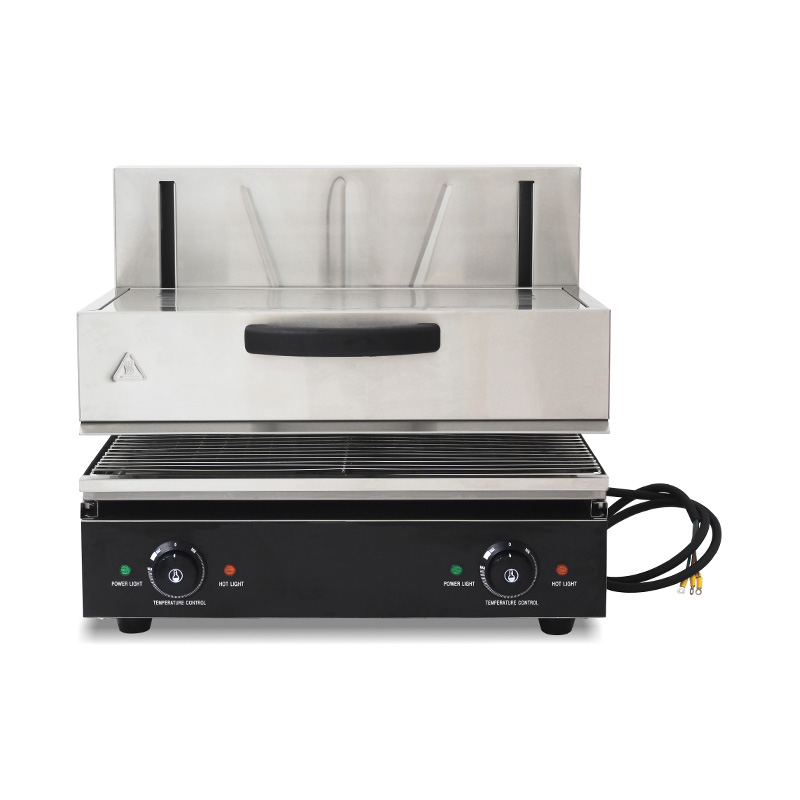
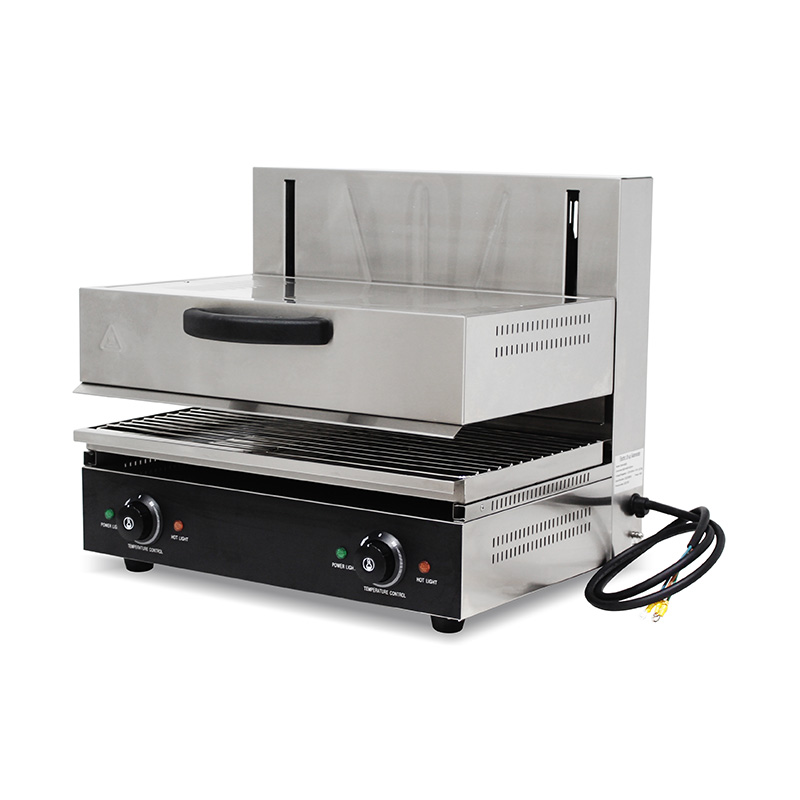
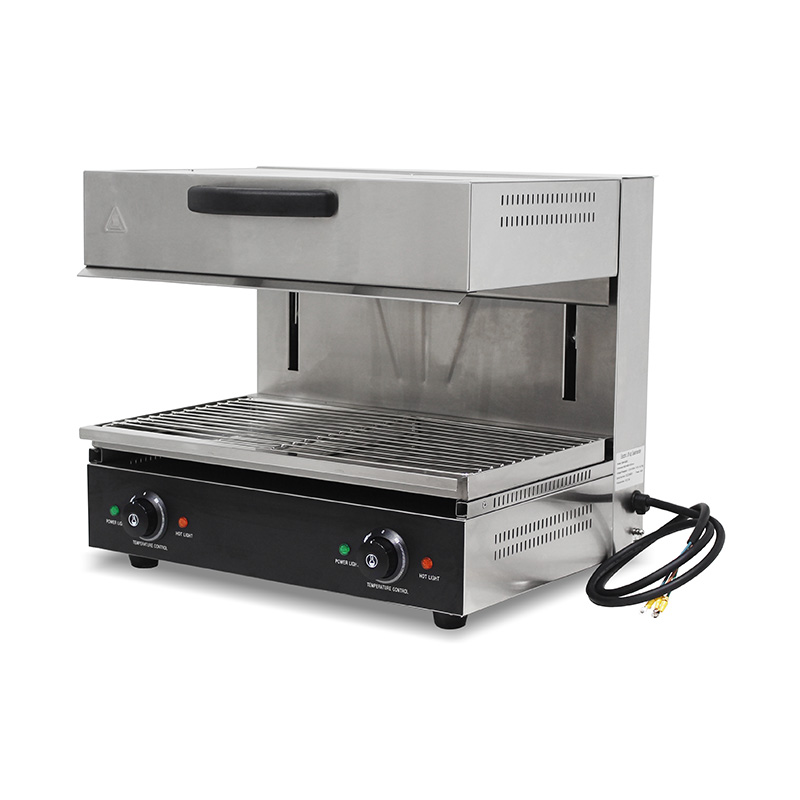
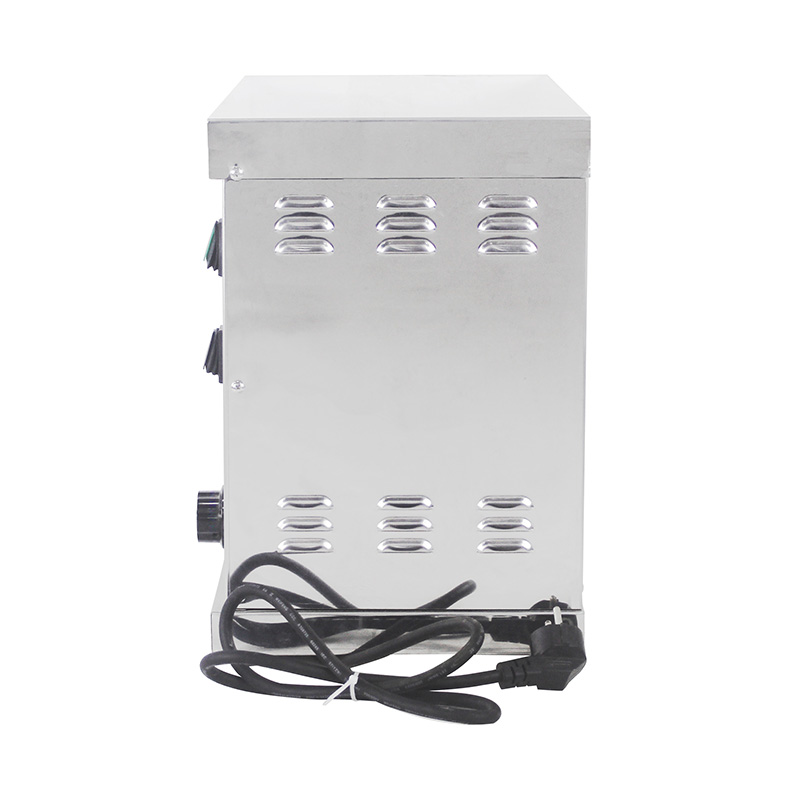
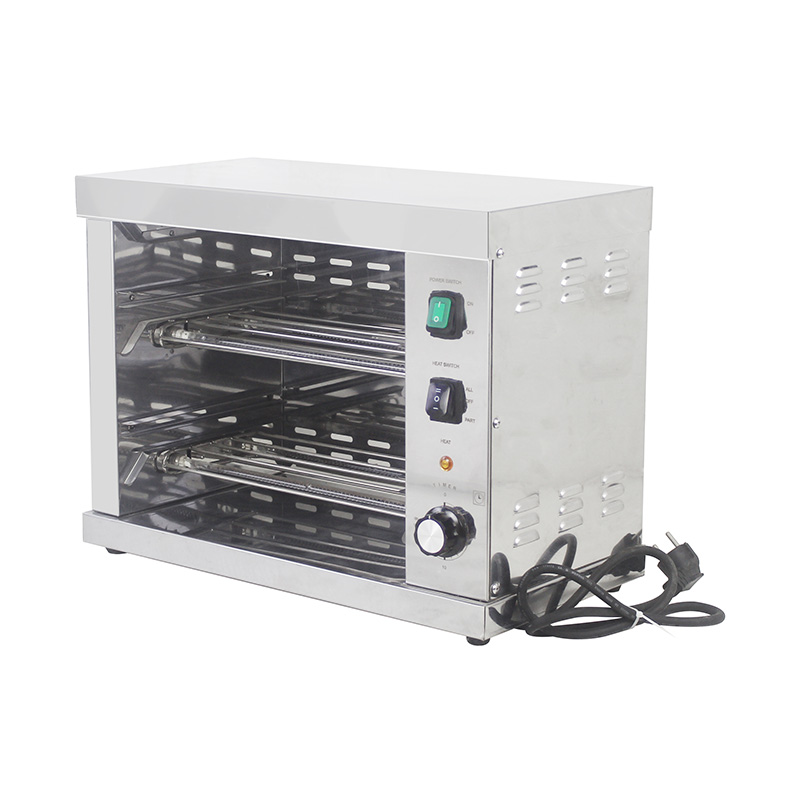
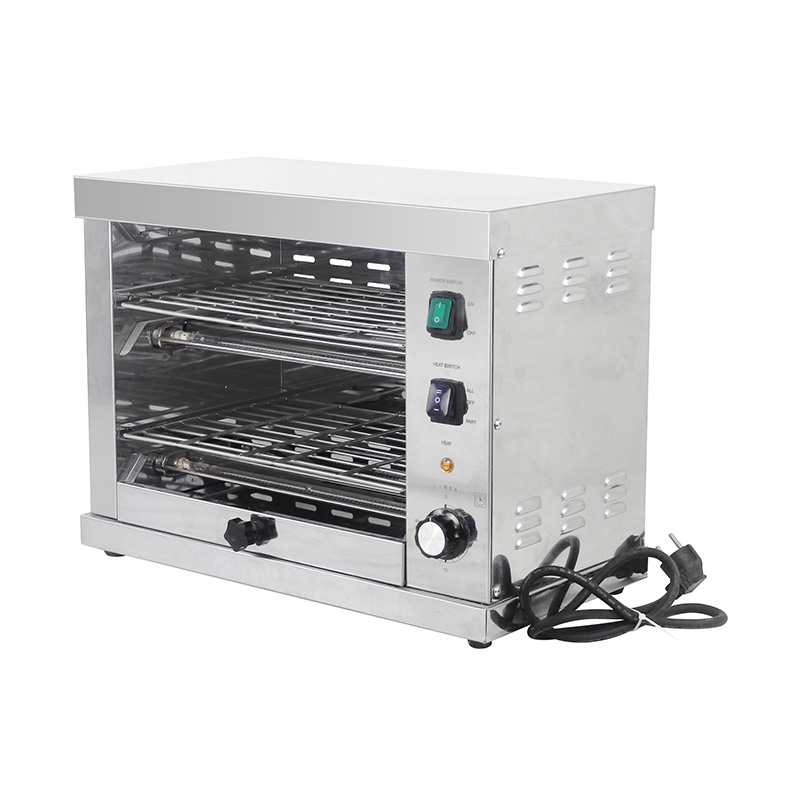
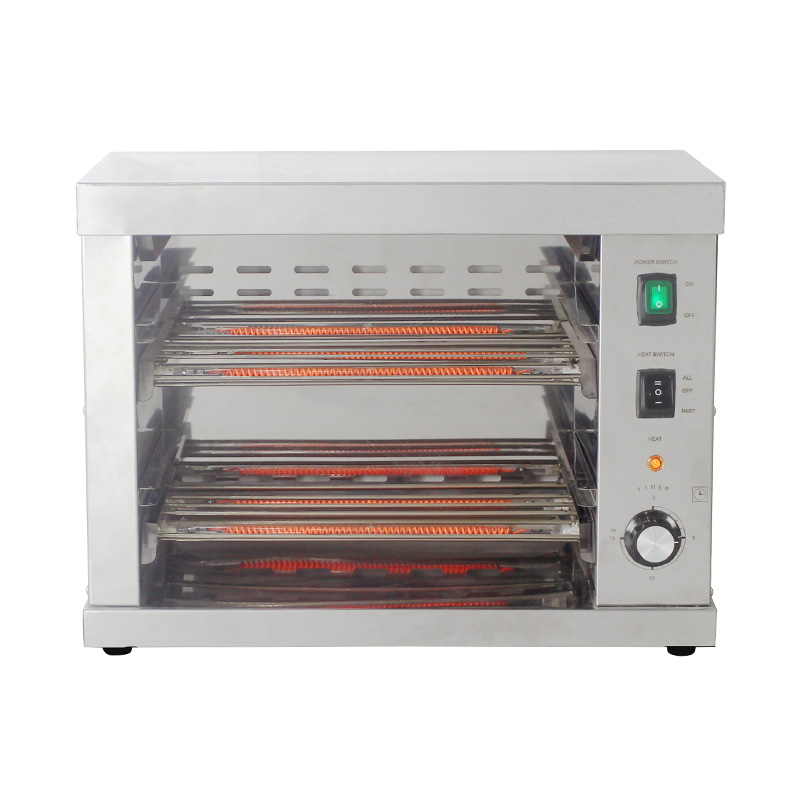
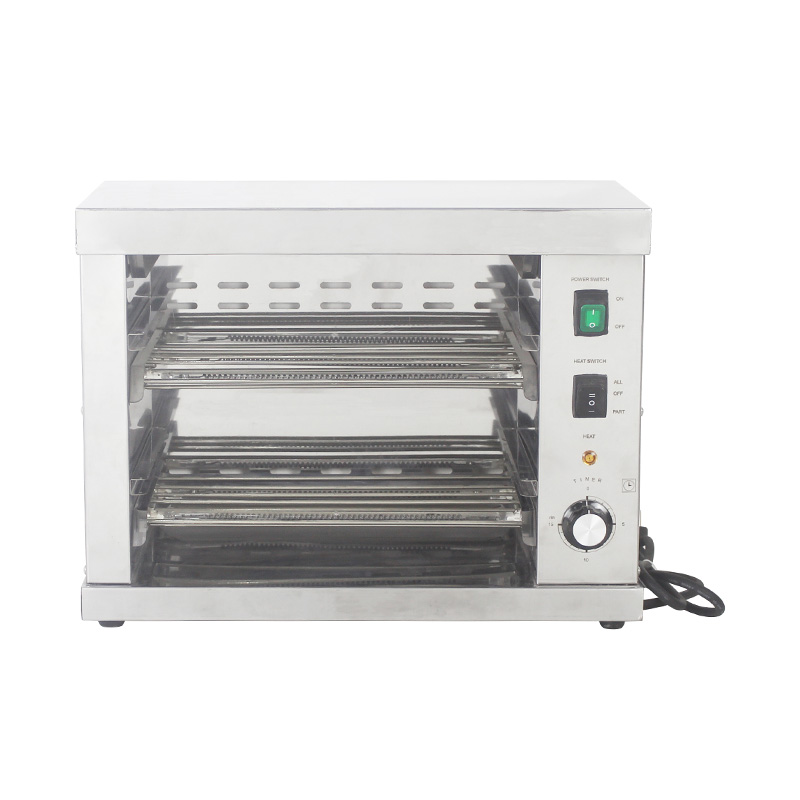
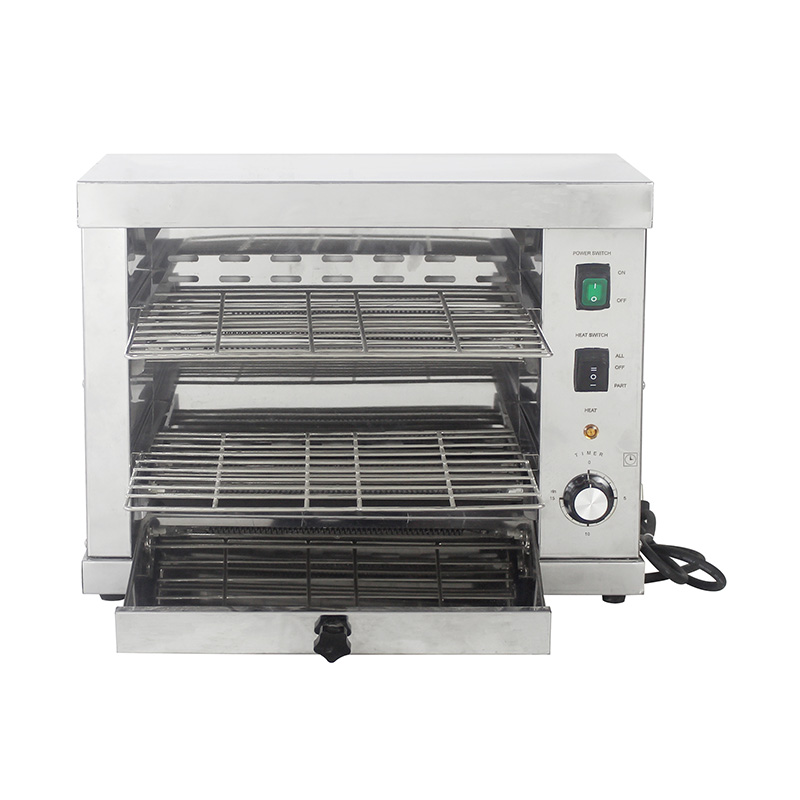
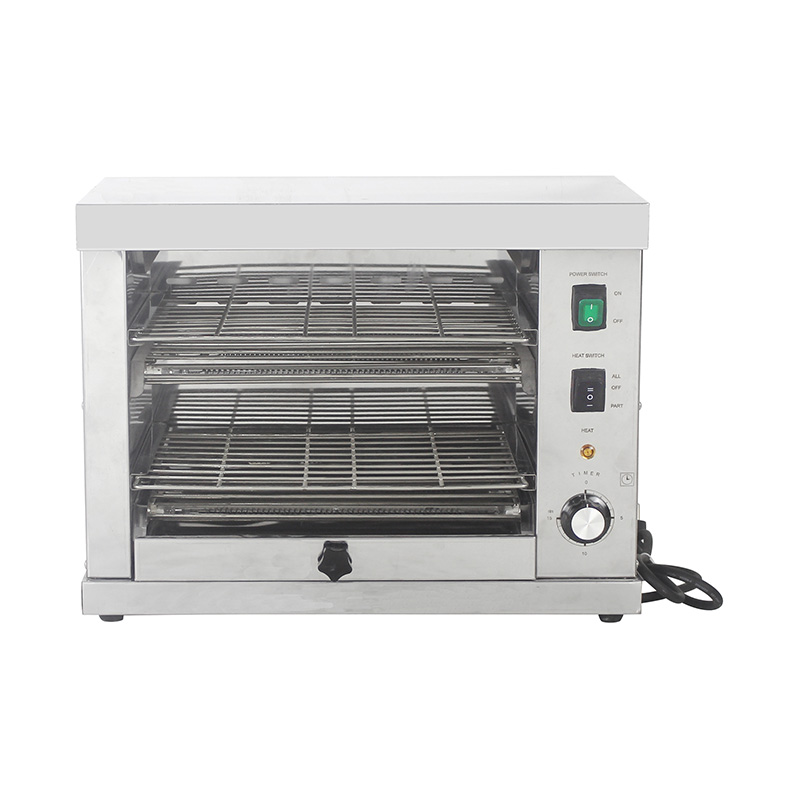
Stainless Steel Commercial Kitchen Electric Salamander Machine – What Is It and Why It Matters
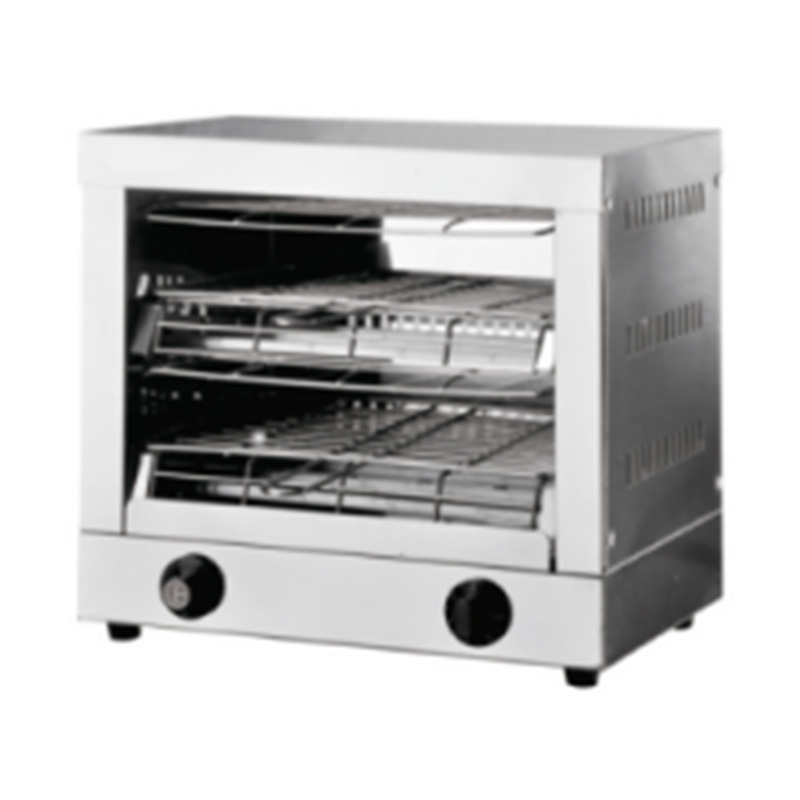
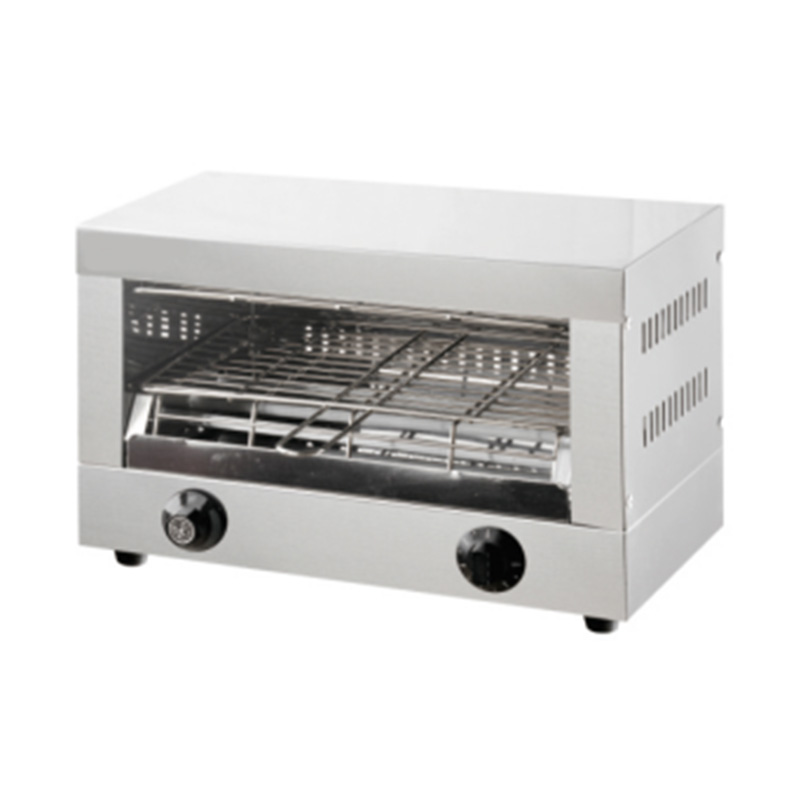
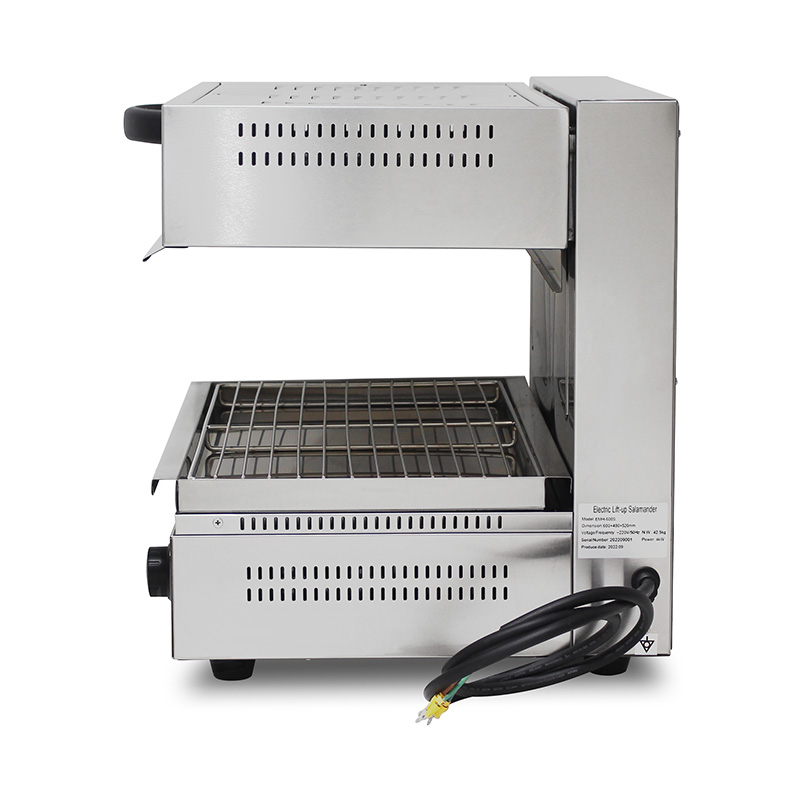
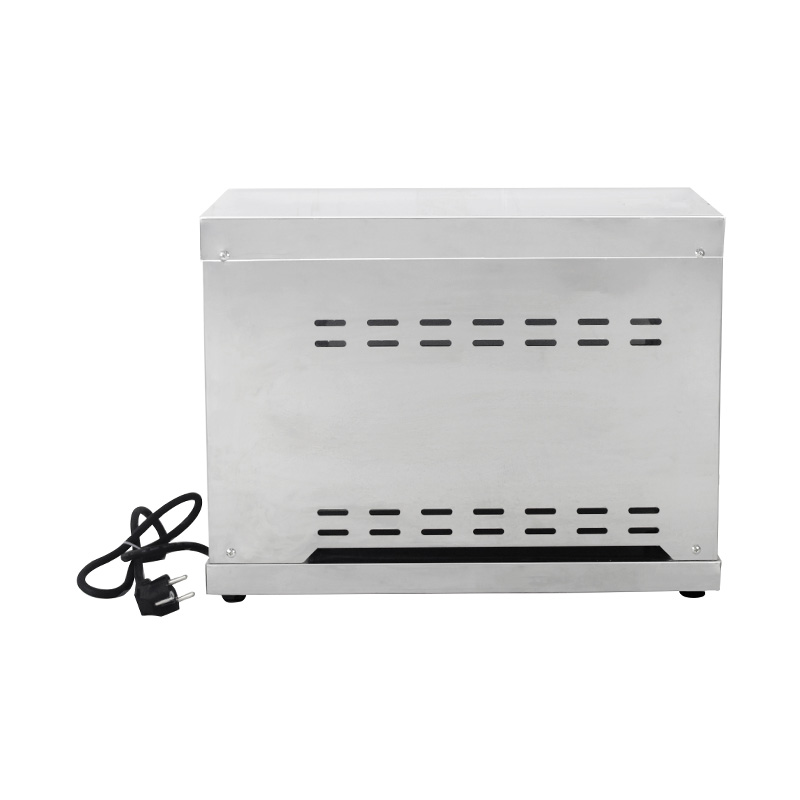
A Stainless Steel Commercial Kitchen Electric Salamander Machine is a high‑intensity overhead broiler designed for professional kitchens. It operates using electric heating elements that provide direct radiant heat from above. Kitchens install these units above a range or worktable for tasks that require strong top heat without the need for a traditional oven.
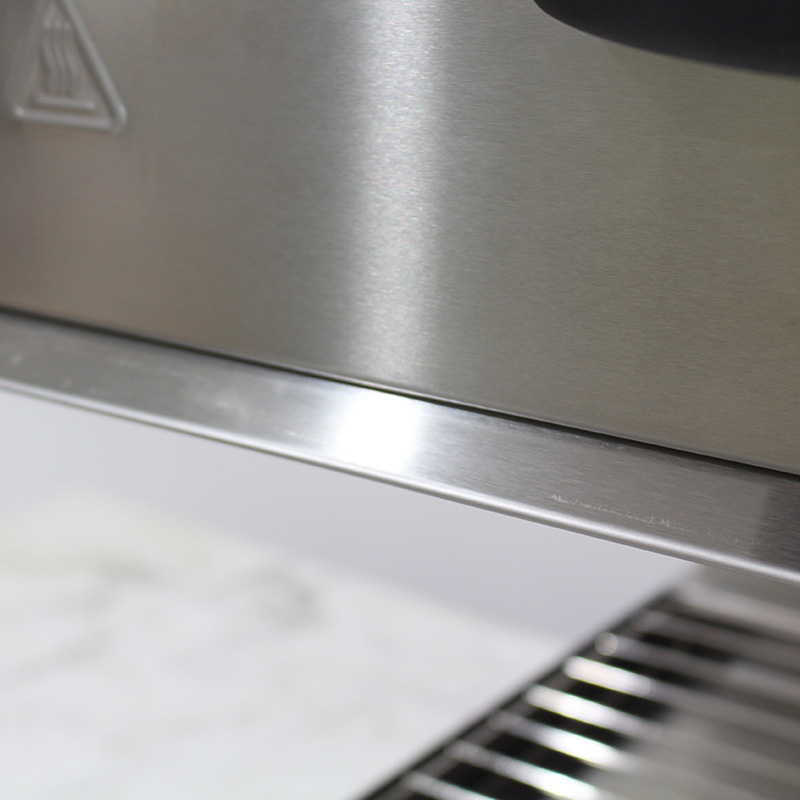
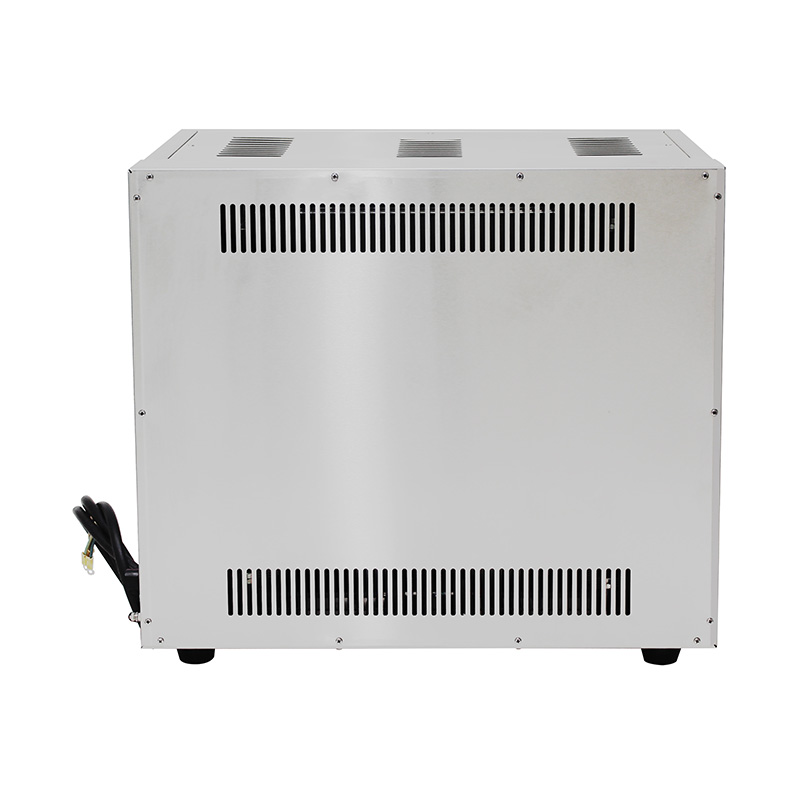
Stainless steel construction is the industry standard for commercial kitchen equipment due to its resistance to corrosion, ease of cleaning, and long‑term durability in demanding environments. In the context of a salamander machine, stainless steel housing and interior panels help maintain food safety standards while withstanding the high operating temperatures involved in broiling and finishing.
Professionals often choose this type of salamander machine because it integrates smoothly into busy kitchen workflows. The compact footprint and open‑front design allow chefs to quickly insert and remove food without opening an oven door. This direct access is essential for finishing dishes and maintaining consistent plating speeds during service.
Common considerations when evaluating a Stainless Steel Commercial Kitchen Electric Salamander Machine include wattage (which affects heat intensity), adjustable height or grate positions (for variable heat control), and ease of cleaning for high‑volume use.
Electric Salamander – Key Applications in Commercial Kitchens
An Electric Salamander serves multiple functions in foodservice operations, and understanding its uses can help kitchen managers optimize menu quality and workflow. Unlike traditional ovens that apply heat from all sides, an electric salamander applies intense heat from above, which is ideal for specific finishing techniques.
One of the core uses of an Electric Salamander is gratinating – adding a browned crust to dishes like casseroles, gratin vegetables, or certain pasta preparations. The high radiant heat quickly creates caramelization without overcooking the interior.
Another frequent application is toasting or melting cheese uniformly. Because the heat source comes from above, cheese toppings can be evenly melted without burning the dish below. Users often rely on salamanders for plating dishes that require a visually appealing, melted finish.
An Electric Salamander also enables quick searing or browning of proteins after sous‑vide or slow‑cook methods. In high‑volume kitchens, this capability supports rapid turnaround times without affecting the quality of the protein’s interior doneness.
Operational considerations include proper placement of the salamander to avoid heat damage to surrounding equipment, adequate ventilation to manage heat and smoke, and safety protocols for operators due to the high radiant heat.
Electric Salamander Grill – How It Enhances Food Quality and Presentation
An Electric Salamander Grill bridges the functions of a broiler and a grill. While both grilling and salamander use high heat, the electric salamander grill offers overhead radiant heat similar to a broiler and can also function as a grill for quick char and texture development.
Chefs often turn to an Electric Salamander Grill for finishing grilled items, enhancing surface color, and adding grill marks after initial cooking. This dual capability supports menu flexibility – restaurants can use one unit to grill delicate items (like fish) and then brown or glaze items from above as needed.
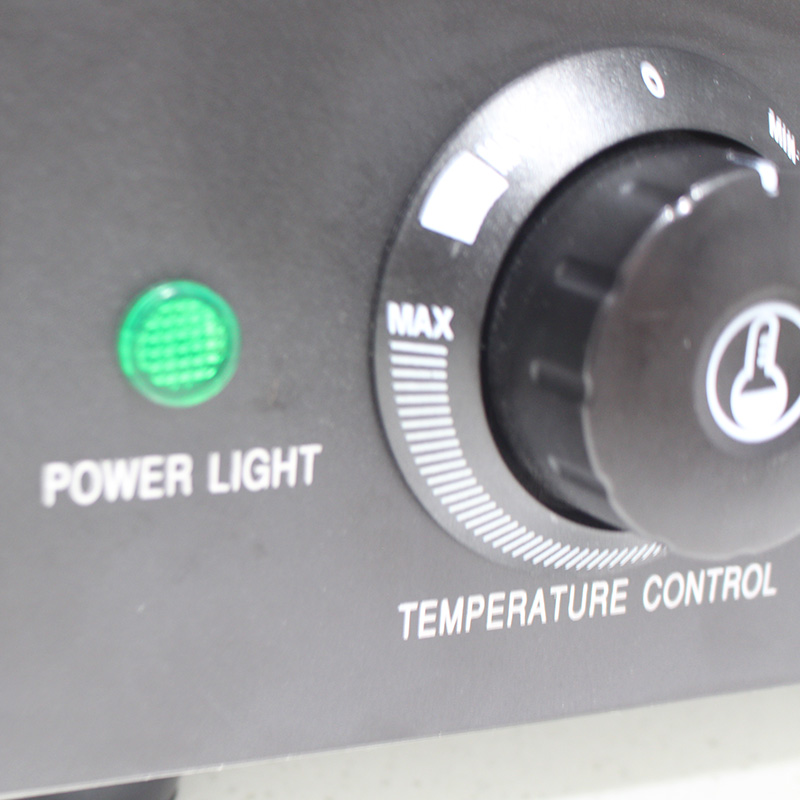
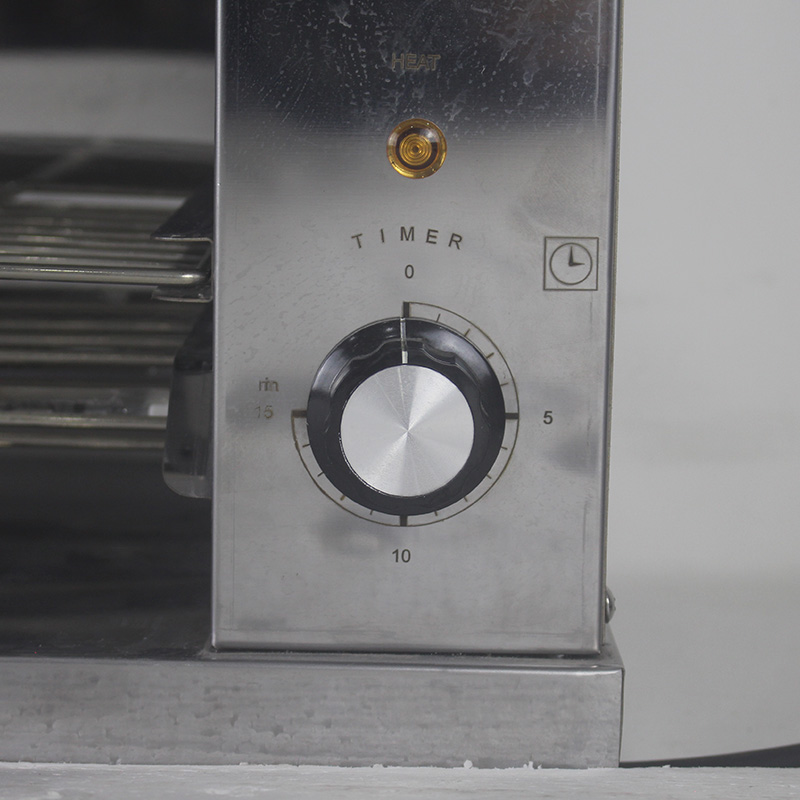
One advantage of an electric salamander grill is temperature control. Adjustable heating elements allow operators to set precise heat levels to suit different ingredients. This is particularly important when finishing desserts, toasting bread toppings, or melting cheese without burning.
Cleaning and maintenance are common concerns for users of an Electric Salamander Grill. Because intense heat can cause food particles to stick to rack surfaces, units with removable grills and drip trays can significantly reduce downtime for cleaning. Stainless steel construction helps prevent corrosion and simplifies sanitation routines.
Selecting the Right Stainless Steel Commercial Kitchen Electric Salamander Machine for Your Operation
When professionals research a Stainless Steel Commercial Kitchen Electric Salamander Machine, they often ask questions about capacity, adjustability, and energy usage. Match the salamander size to your kitchen’s volume to avoid underutilization or overcrowding of workstations.
Adjustability refers to how easily the cooking grate or shelf height can be changed. Multiple height positions give operators flexibility to handle different dish sizes and heat requirements. A fixed grill height may limit usability across menu items.
Electric salamanders vary in power consumption. While higher wattage generally means stronger heat output, it can also mean greater energy use. Balancing power requirements against kitchen electrical capabilities and efficiency goals is essential.
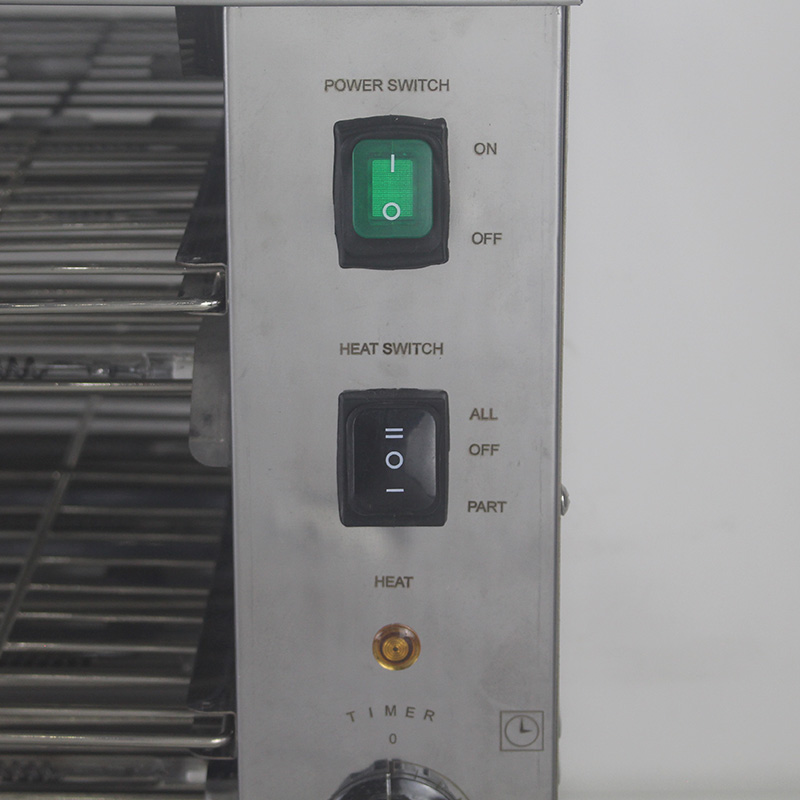
Safety features also matter. Look for heat shields, insulated handles, and clearly marked controls to reduce the risk of operator burns. Clear labeling and accessible shut‑off switches contribute to safer environments in commercial kitchens.
Electric Salamander and Electric Salamander Grill – Performance, Maintenance, and Safety Insights
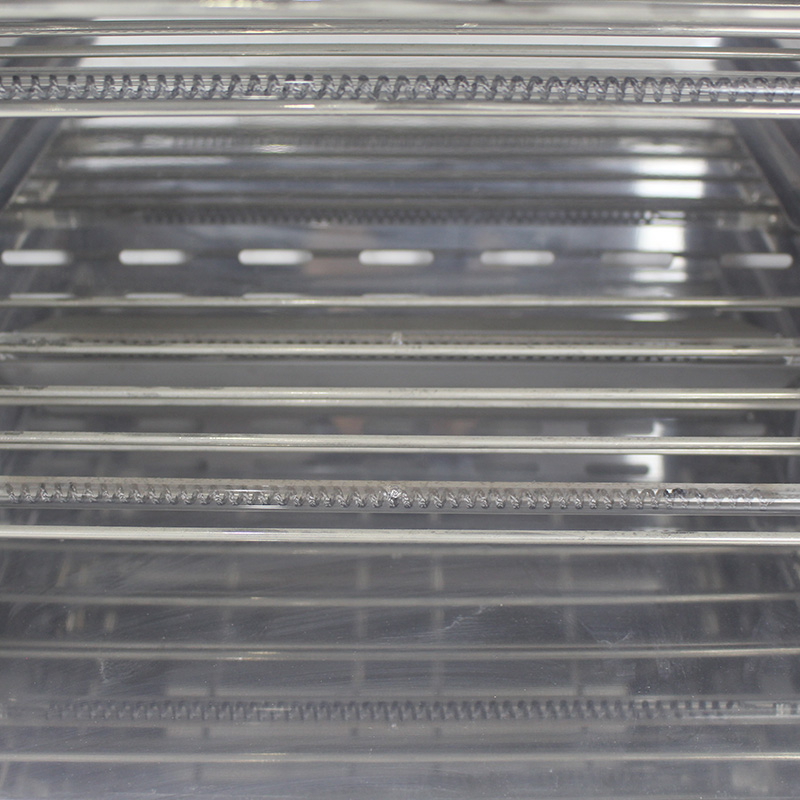
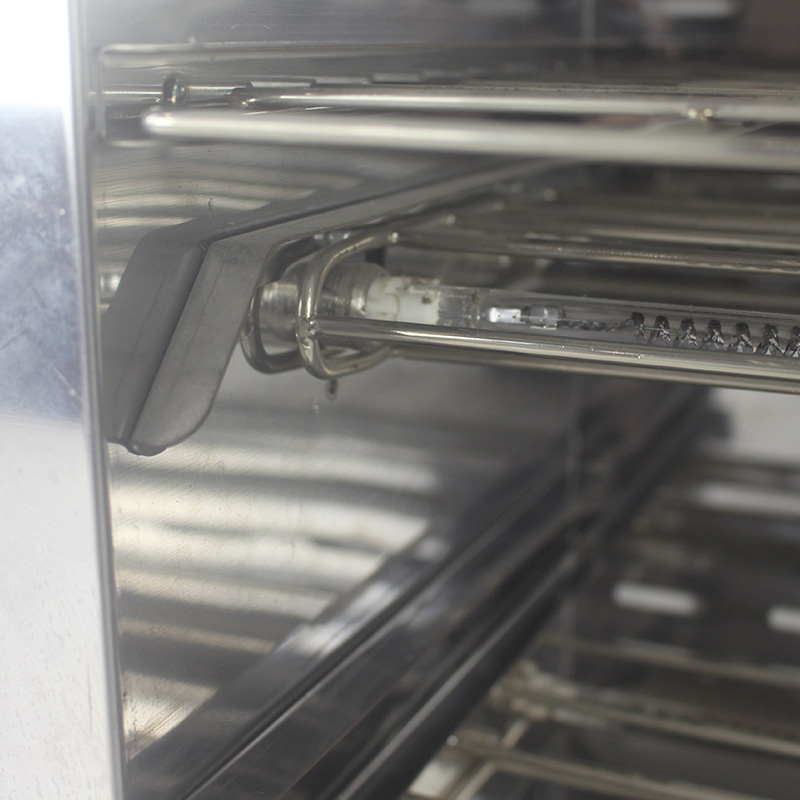
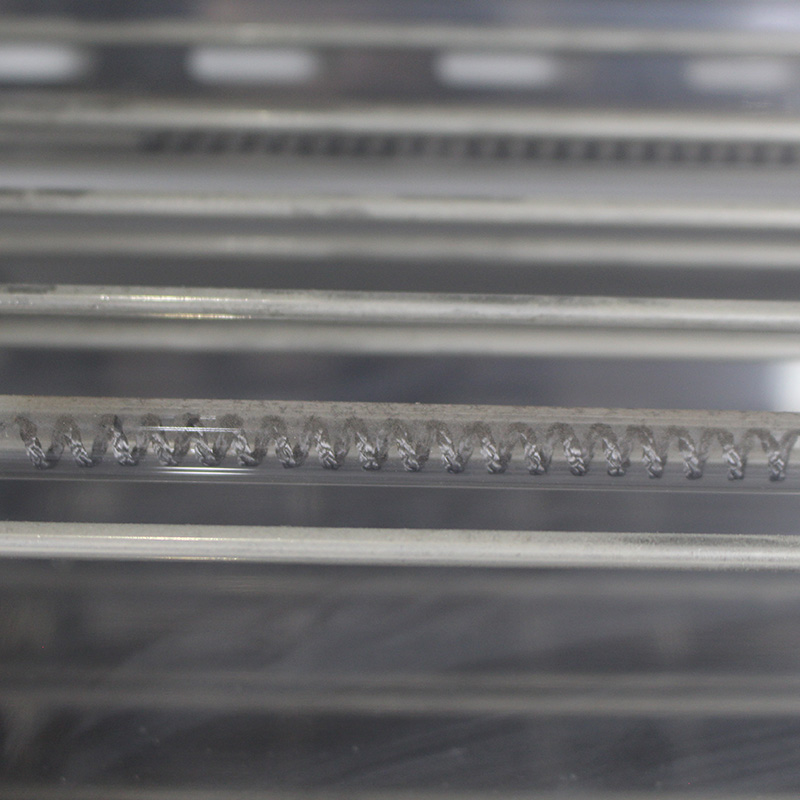
For both Electric Salamander units and Electric Salamander Grill variants, performance depends on heat distribution and operator control. Even heat spread ensures consistent browning and avoids hotspots that can burn food. Users often check for multiple heating elements and reflective interiors that enhance radiant heat efficiency.
Maintenance needs include regular surface cleaning to prevent buildup of grease and food debris. Because these units reach high temperatures, operators should cool them before cleaning to prevent injury. Removable racks and trays make routine cleaning faster and more thorough.
Safety is a key concern in any commercial kitchen. Operators should use appropriate protective equipment (insulated gloves, long‑handled tools) when working with salamander appliances. Regular inspection of electrical wiring and internal components helps prevent malfunctions and ensures reliable kitchen performance.