Flour Mixer: What It Is and How It Works
A Flour Mixer is a mechanical device designed to combine flour with liquid and other ingredients to form a uniform mixture. While small versions are used in home kitchens, the term also covers larger machines in food production facilities. Flour mixers operate using rotating paddles, arms, or spirals that fold and blend ingredients until they reach the desired consistency.
Understanding how a flour mixer works helps users decide what type of machine fits their needs. Key components typically include a mixing bowl, motor, drive system, and controls for speed and time. Modern flour mixers may also offer safety features such as automatic shutoff, splash guards, and overload protection. Proper operation involves gradually adding ingredients, selecting an appropriate speed setting, and monitoring the mix to avoid overworking the dough.
Why Choose a Commercial Flour Mixer for Foodservice
A Commercial Flour Mixer is designed specifically for professional environments such as bakeries, restaurants, and catering operations. Compared to domestic mixers, commercial flour mixers are built to handle larger quantities, longer operating times, and repetitive use. These attributes make them suitable for businesses that rely on consistent, high‑volume mixing.
When selecting a commercial flour mixer, users often consider capacity, durability, ease of cleaning, and available speeds. Large capacity helps reduce batch times and supports workflow efficiency. Machines with stainless steel bowls and components resist corrosion and simplify sanitation, which is critical in foodservice. Variable speed settings allow operators to adjust mixing intensity for different recipes, from light batters to heavy doughs. Understanding these aspects helps businesses invest in a unit that supports productivity and kitchen safety.
Dough Mixer Basics: Types and Uses
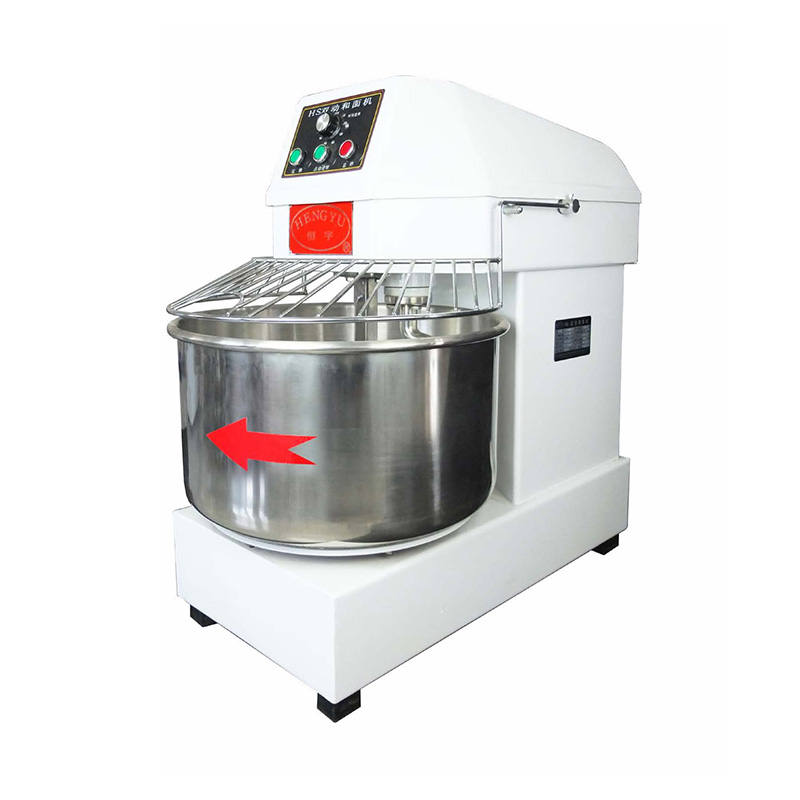
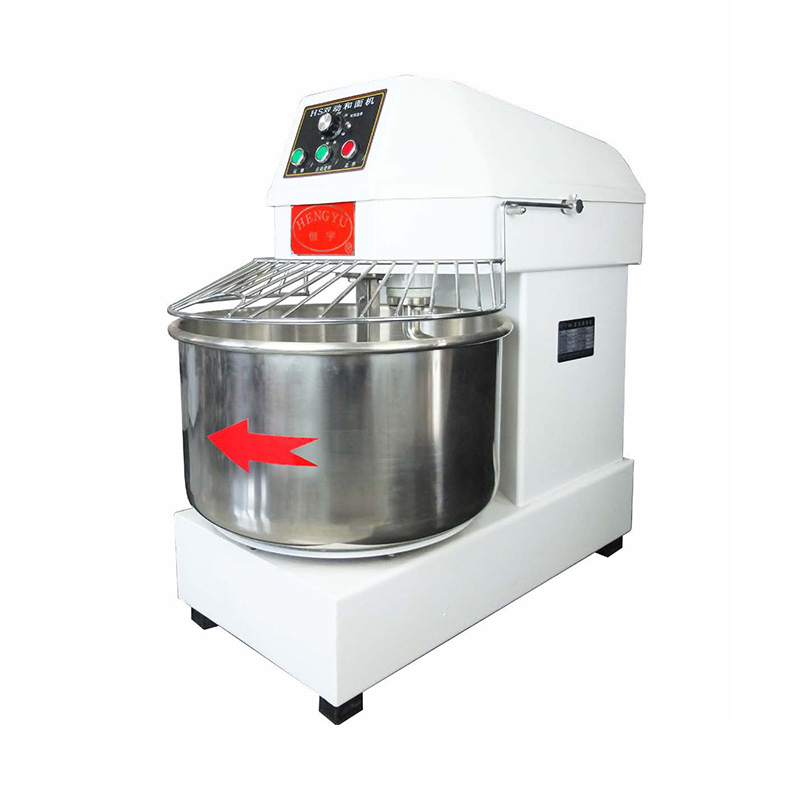
A Dough Mixer refers to a type of mixer specifically tailored for kneading dough. While flour mixers focus on blending dry and wet ingredients, a dough mixer emphasizes working the mixture to develop gluten structure. This process is essential for baked goods such as bread, pizza crusts, and rolls, where dough elasticity impacts final texture.
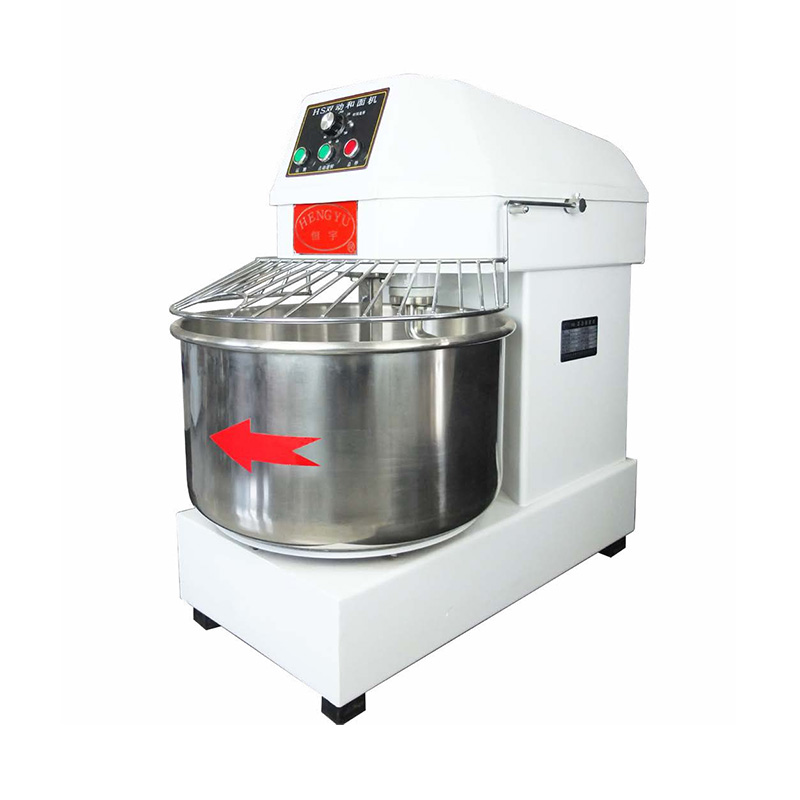
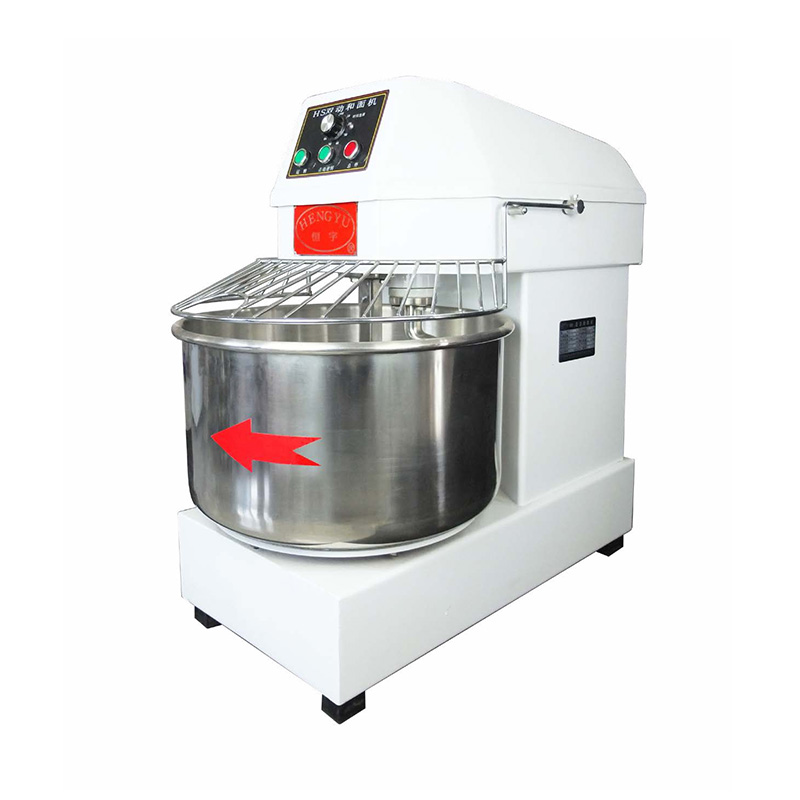
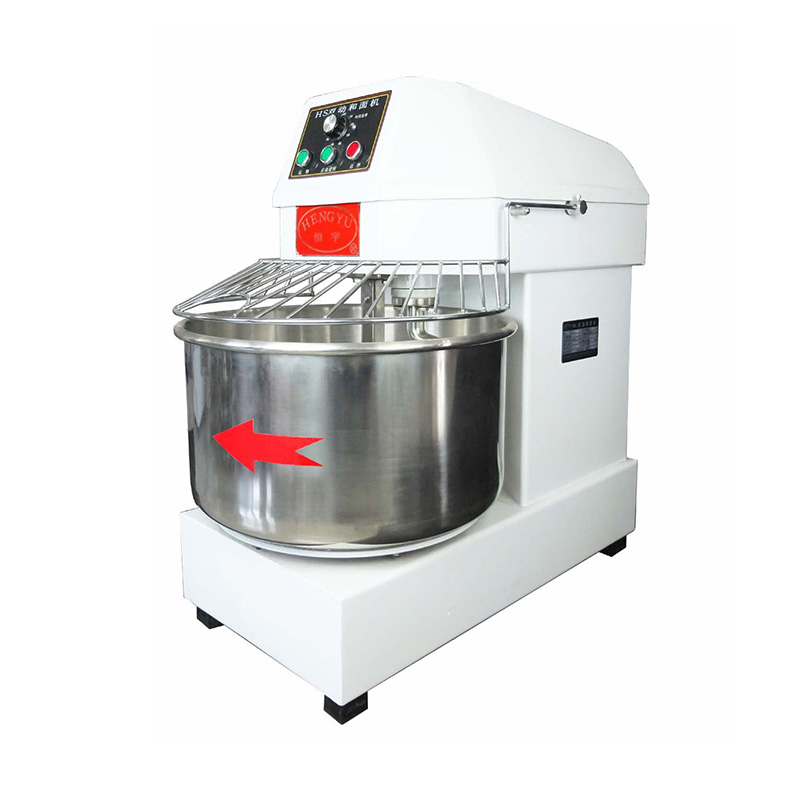
There are several common dough mixer designs, including spiral mixers, planetary mixers, and hook mixers. Spiral dough mixers use a rotating bowl and spiral arm to mimic hand kneading, which can be gentler on dough. Planetary mixers have a rotating head that moves around a stationary bowl, offering versatility for mixing, whipping, or beating. Hook attachments are often found on planetary mixers for basic dough tasks. Choosing the right dough mixer depends on product type, batch size, and desired knead quality.
Flour Mixer Capacity: Balancing Size and Output
One of the primary questions users search for when researching a Flour Mixer is how to match machine capacity to their production needs. Mixer capacity is usually measured in liters or pounds of dough it can handle per batch. Undersized mixers may overheat or struggle with heavy doughs, while excessively large units can be inefficient for small batches.
To determine appropriate capacity, businesses often calculate anticipated daily output and typical batch sizes. For example, a bakery producing multiple loaves per day may need a larger mixer than a café that prepares dough once or twice daily. It’s also important to consider future growth; selecting a machine with moderate excess capacity can help accommodate increasing demand without overinvesting initially.
Commercial Flour Mixer Maintenance and Cleaning
Maintaining a Commercial Flour Mixer is critical for performance, hygiene, and equipment longevity. Regular cleaning prevents buildup of flour and dough residues, which can harbor bacteria and cause odors. Because commercial kitchens must comply with food safety standards, effective cleaning practices are often mandated.
Daily maintenance typically involves removing and washing bowls, attachments, and accessible surfaces with food‑safe cleaners. Lubrication of moving parts may be scheduled weekly or monthly, depending on usage intensity. Inspecting belts, gears, and electrical connections helps prevent unexpected breakdowns. Operators should follow manufacturer guidelines for maintenance intervals and use recommended parts to ensure safe and reliable operation.
Dough Mixer Speed Settings and Dough Development
A key concern for users of a Dough Mixer is understanding speed settings and their effect on dough development. More mixers offer low, medium, and high speeds. Low speed is suitable for initial ingredient incorporation, while medium to higher speeds are used for kneading and gluten development. Excessive speed can overheat dough, potentially affecting yeast activity and final product texture.
Professional bakers often adjust speeds based on recipe characteristics. Denser doughs, such as whole wheat or enriched doughs with added fats and sugars, may require longer kneading at lower speeds, whereas lighter doughs can tolerate moderate speeds. Understanding how speed interacts with mixing time helps operators achieve consistent results.
Flour Mixer Safety Considerations
Safety is an important aspect that users search for when considering a Flour Mixer. Commercial mixers present hazards such as moving parts, electrical components, and heavy bowls. To mitigate risks, operators should use machines equipped with safety guards, emergency shutoff switches, and non‑slip feet.
Training staff on proper use, including how to lock attachments and avoid placing hands near moving parts, reduces accidents. Ensuring that the mixer is turned off and unplugged before cleaning or maintenance further prevents injuries. Selecting a machine with clear safety instructions and labeled controls supports a safer work environment.
Integrating a Dough Mixer into Your Workflow
Finally, businesses often want to know how a Dough Mixer fits into their kitchen workflow. Placing the mixer near preparation tables and ingredient storage areas reduces handling time. Staff should be trained in loading, operating, and unloading the mixer to maintain efficiency. Scheduling mixing tasks to coincide with other prep work helps streamline operations and prevent bottlenecks.
In high‑volume settings, having more than one mixer or assigning specific machines to certain dough types can improve throughput. Clear labeling and dedicated attachments for different doughs also help maintain consistency and reduce cross‑contamination. Thoughtful integration of a dough mixer supports smoother kitchen operations and consistent product quality.