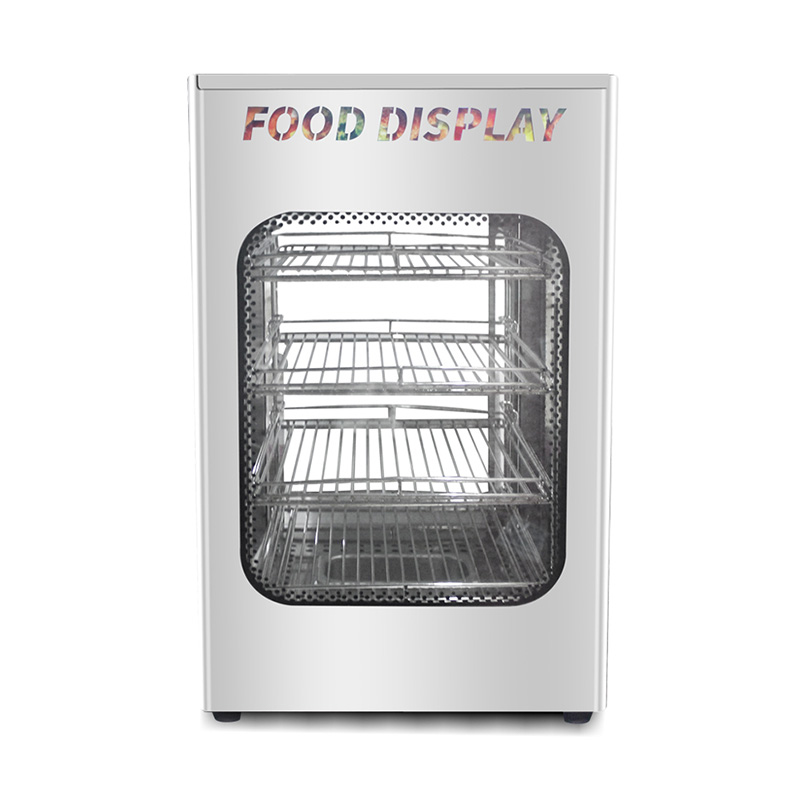
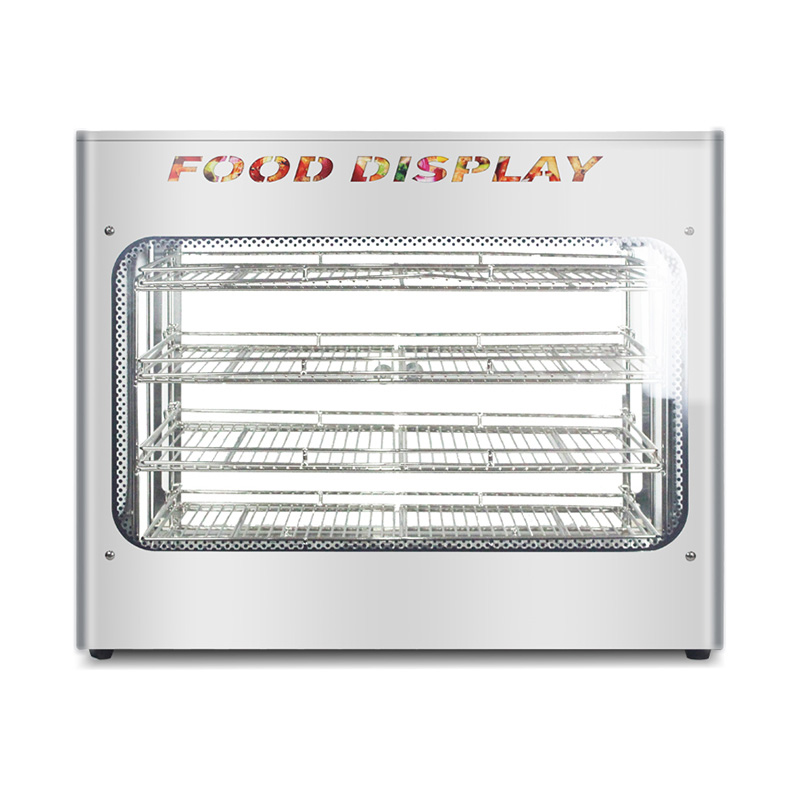
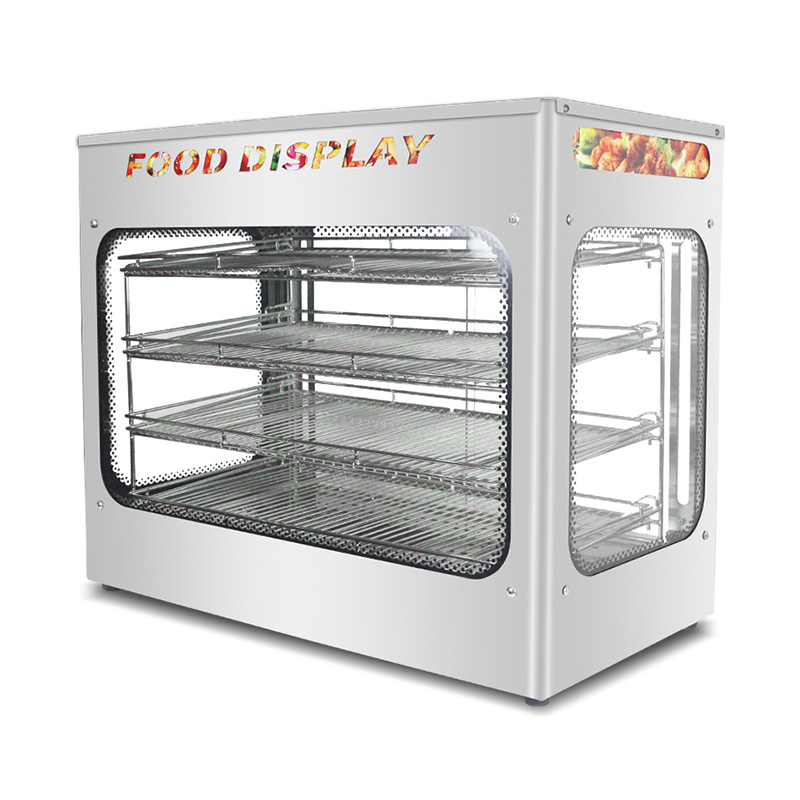
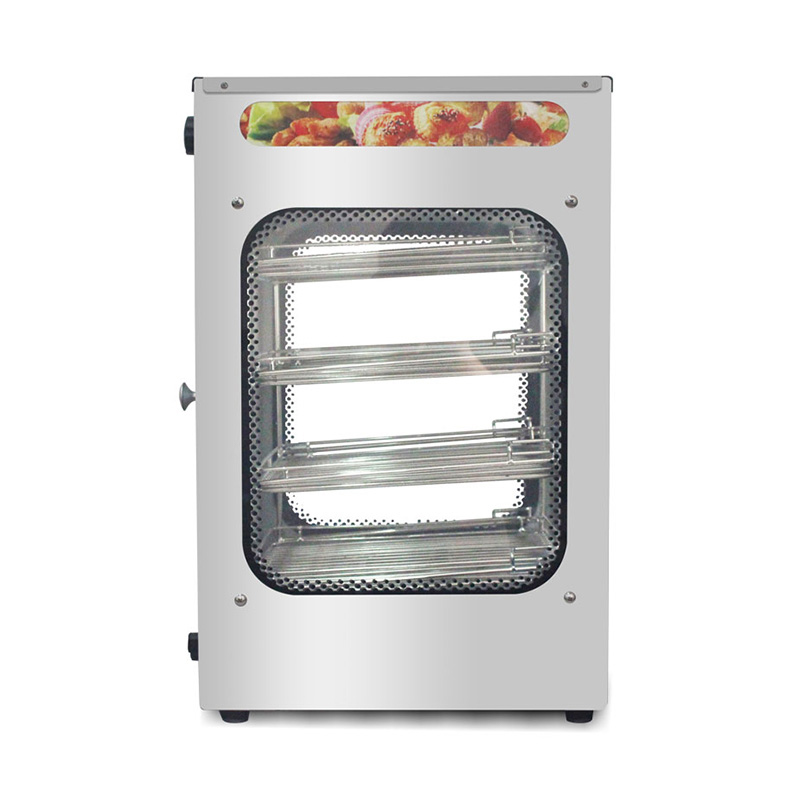
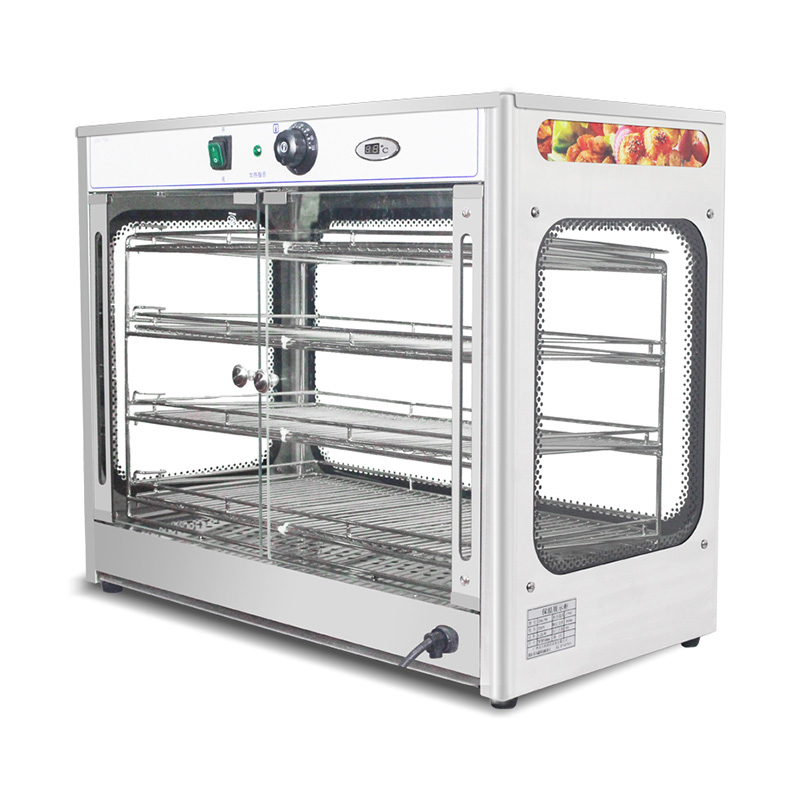
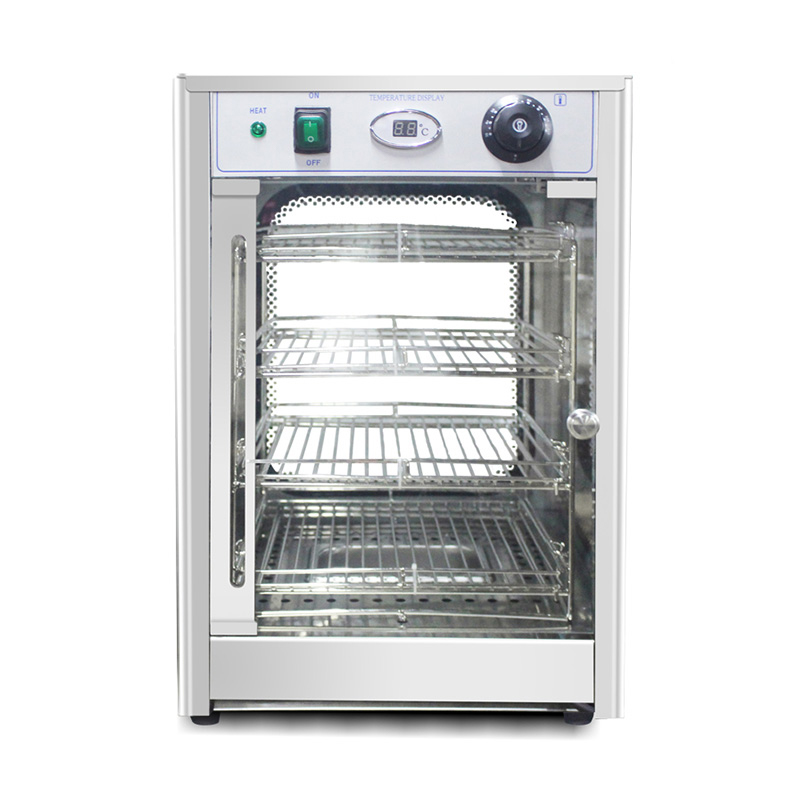
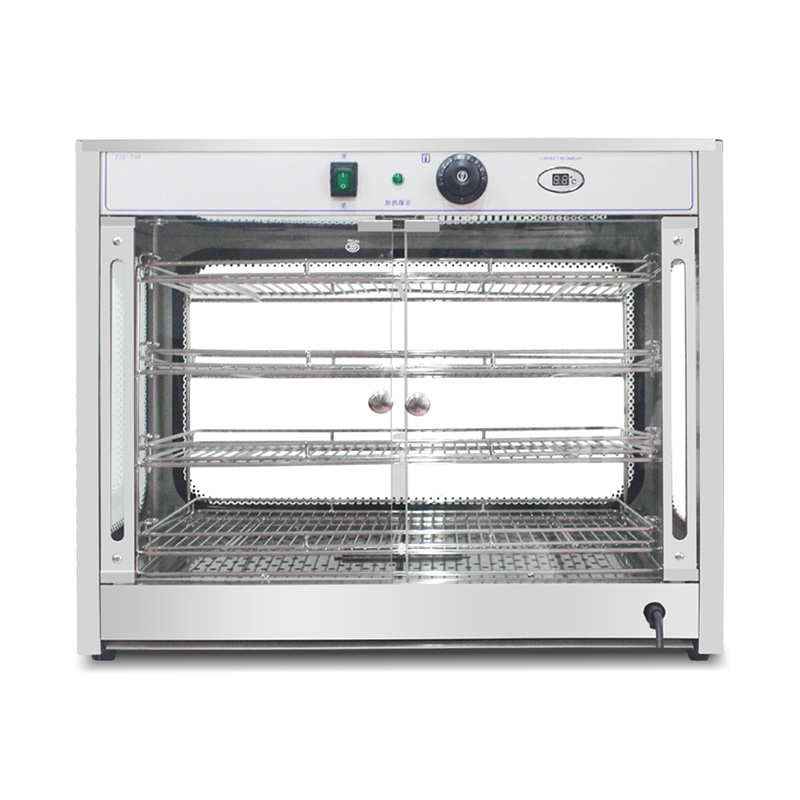
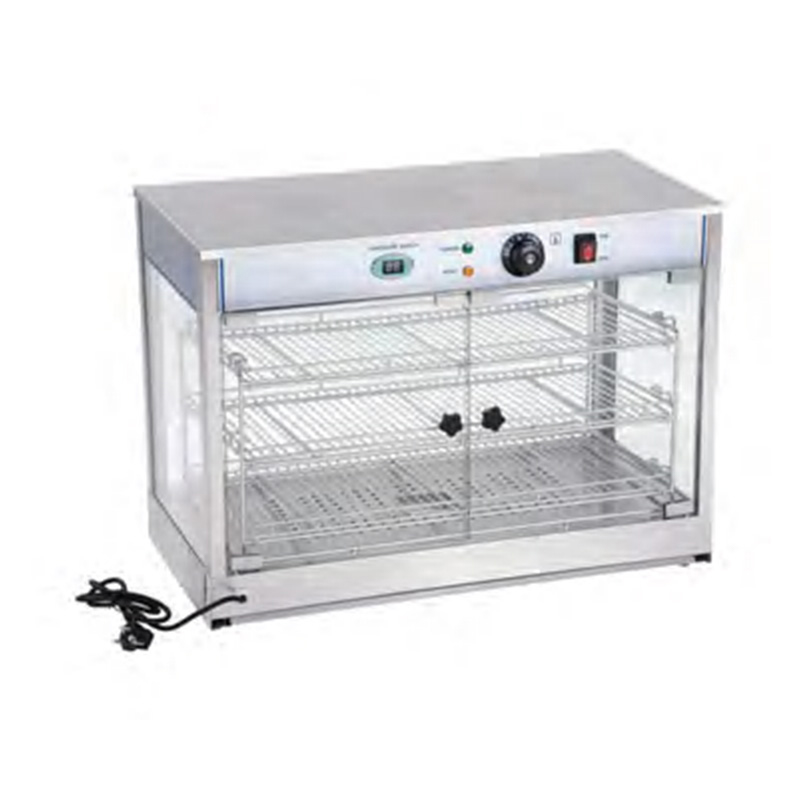
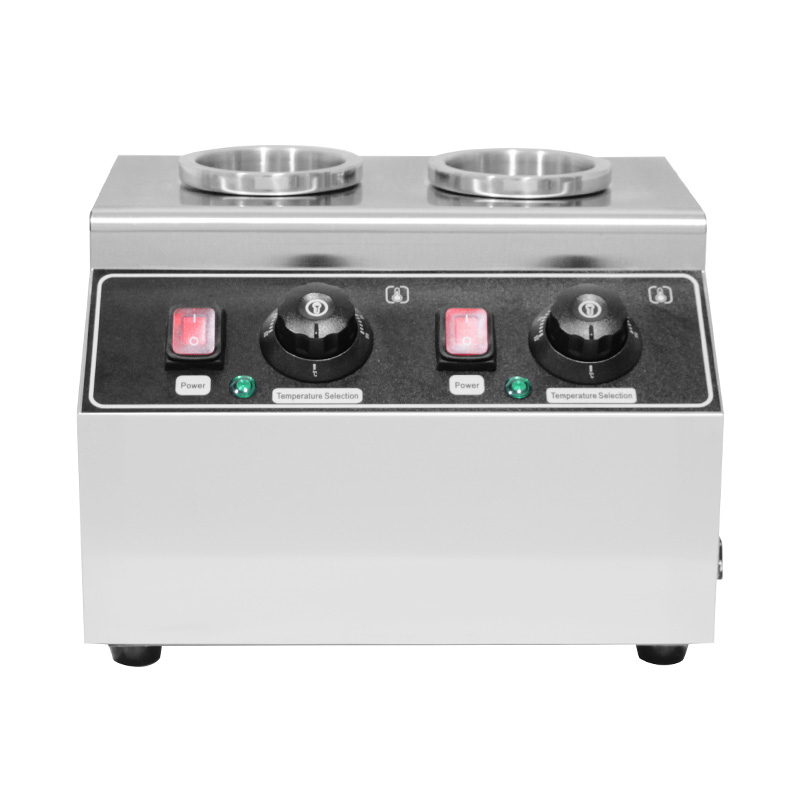
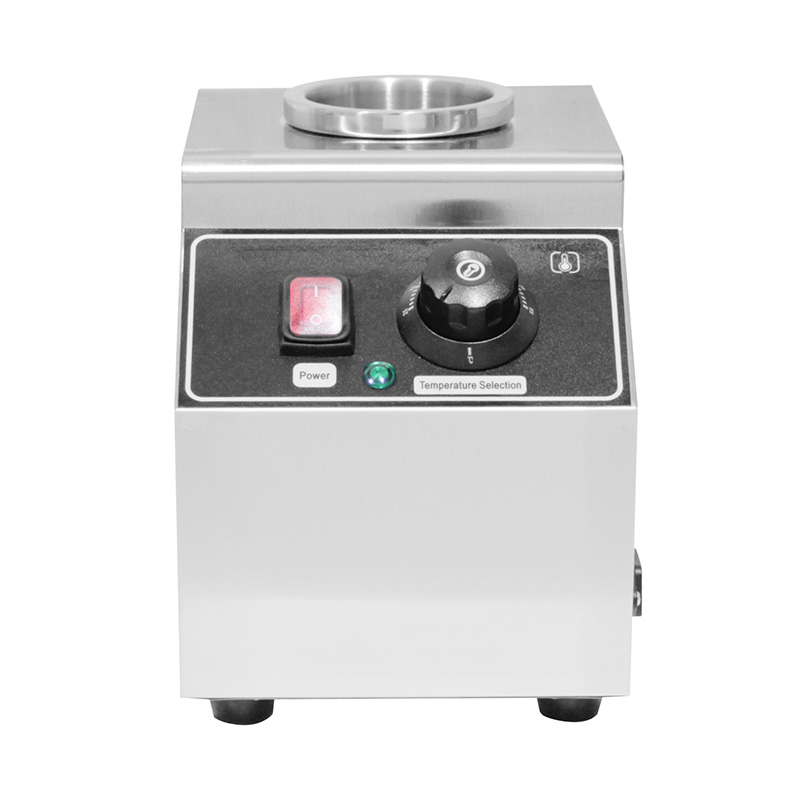
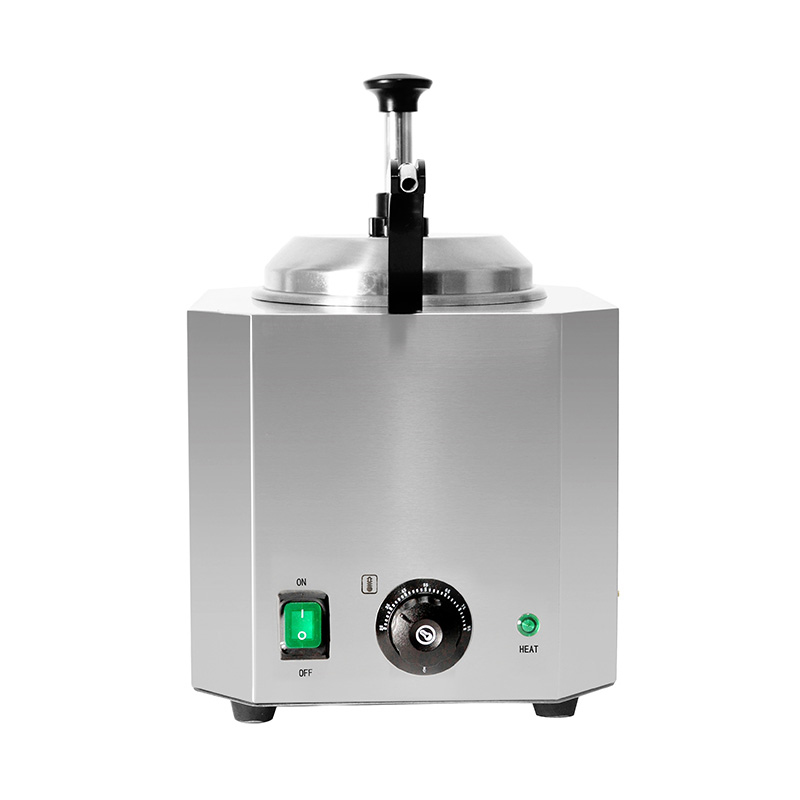
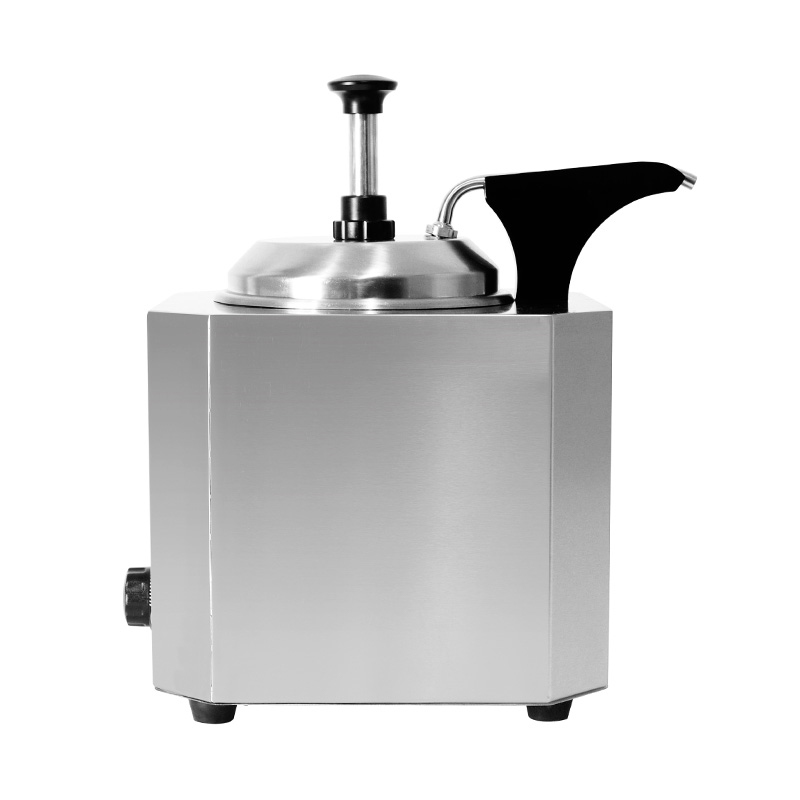
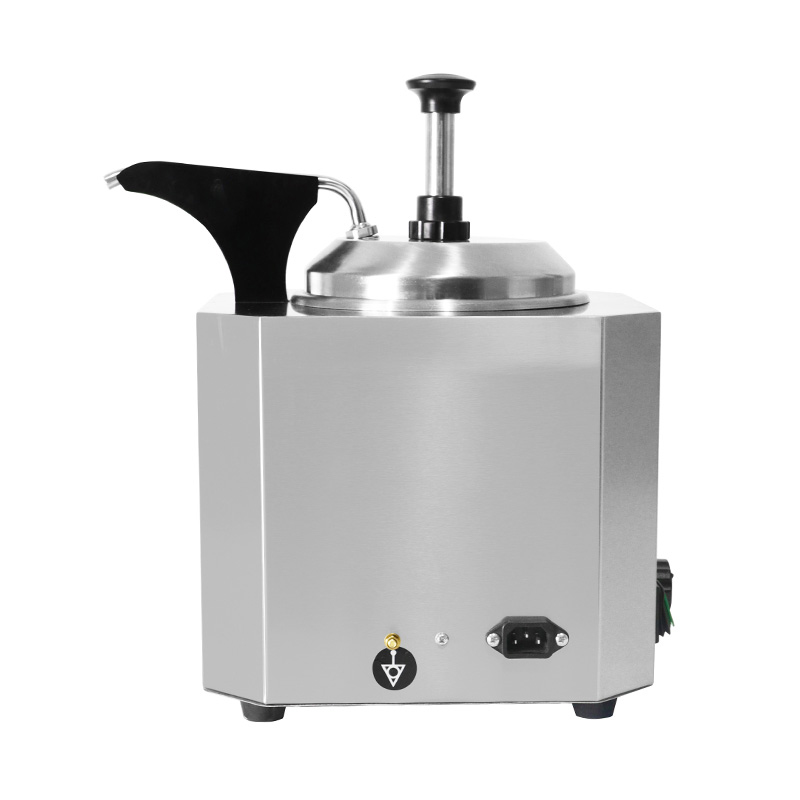
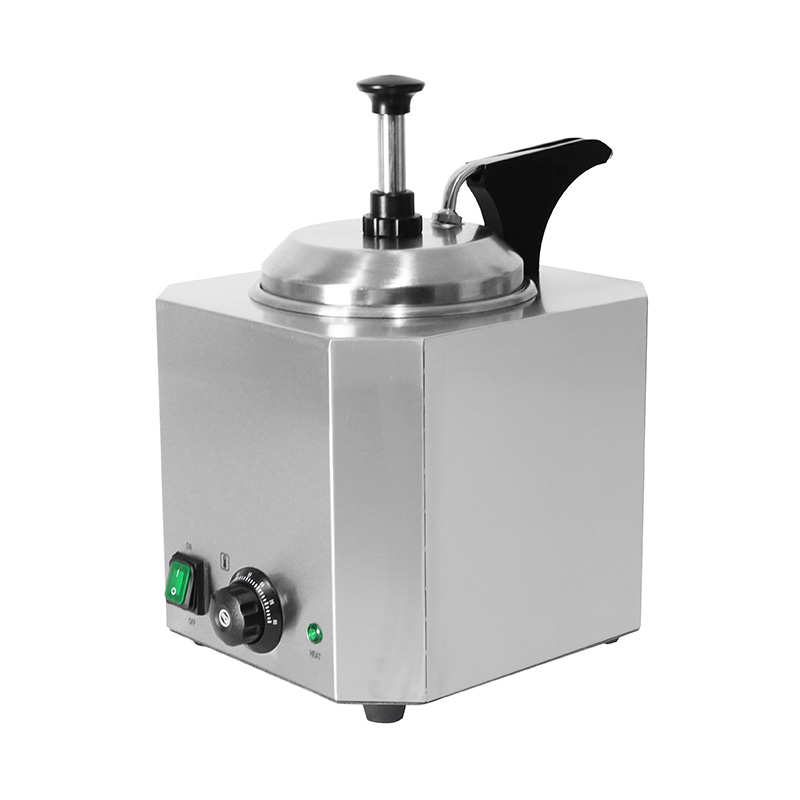
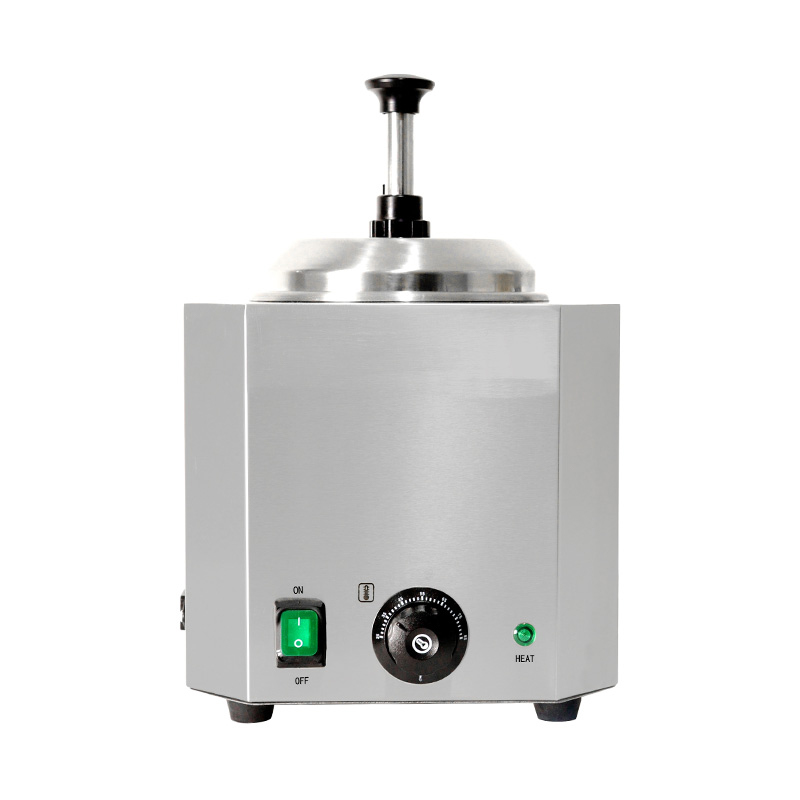
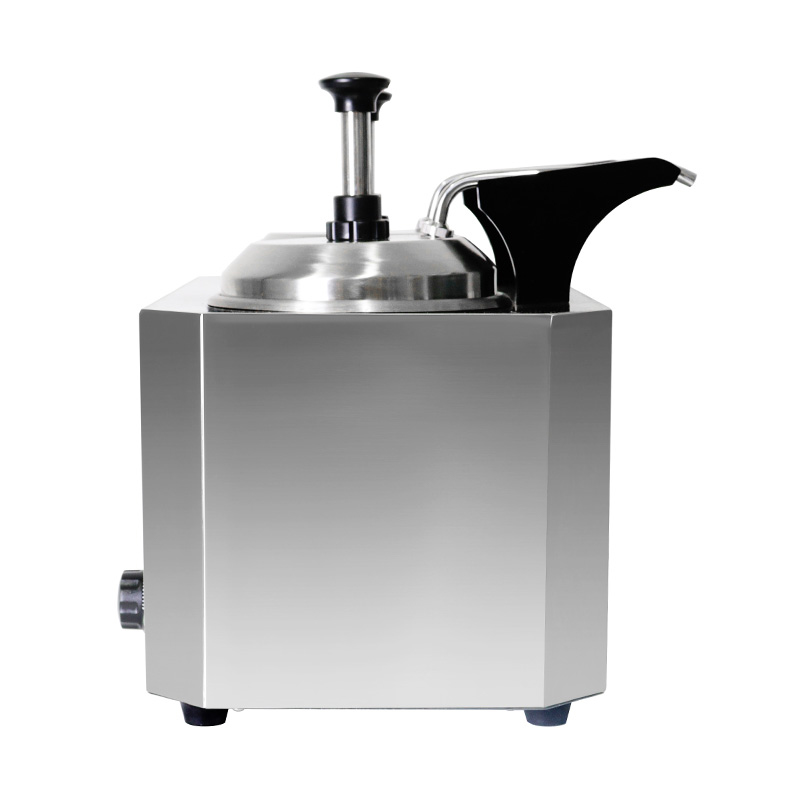
What Is a Food Warmer and How Does It Work?
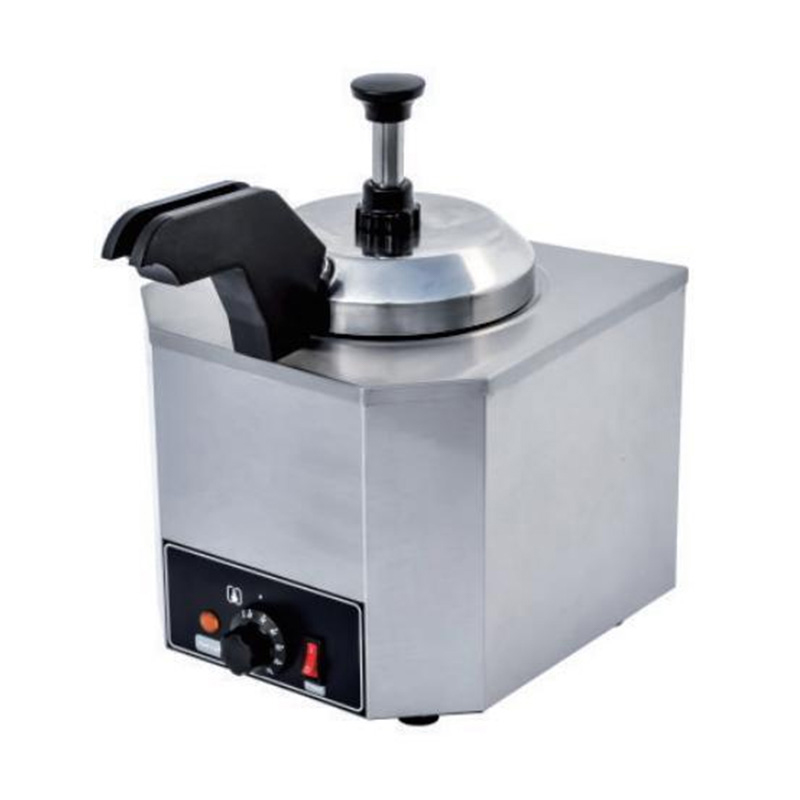
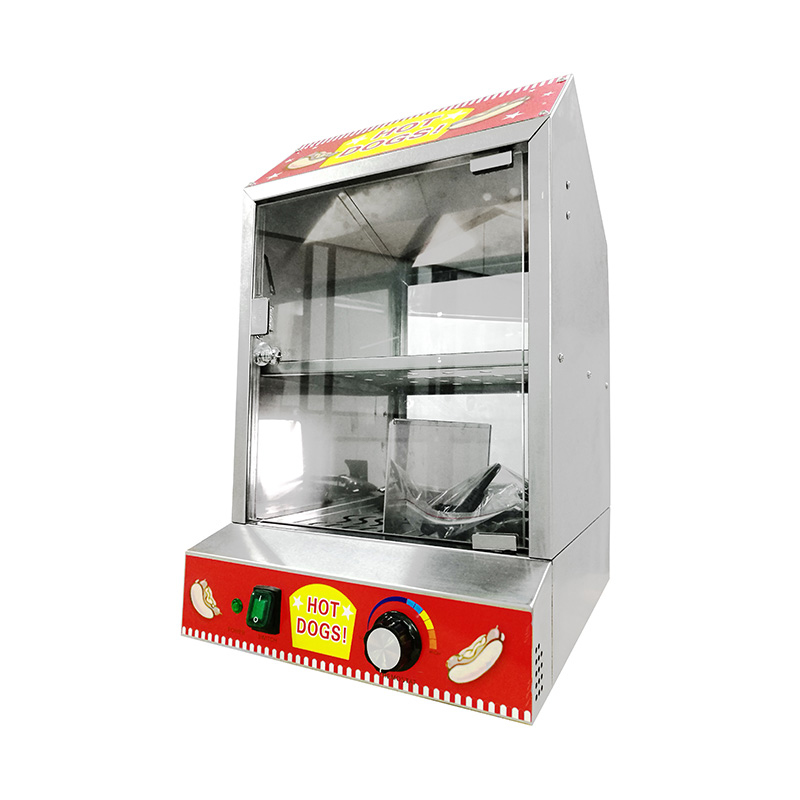
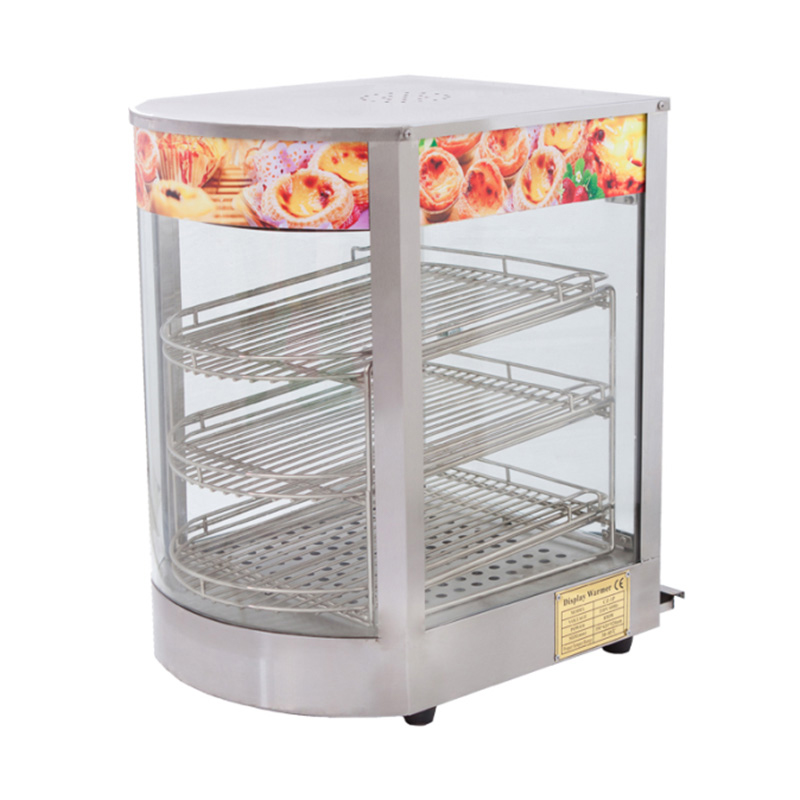
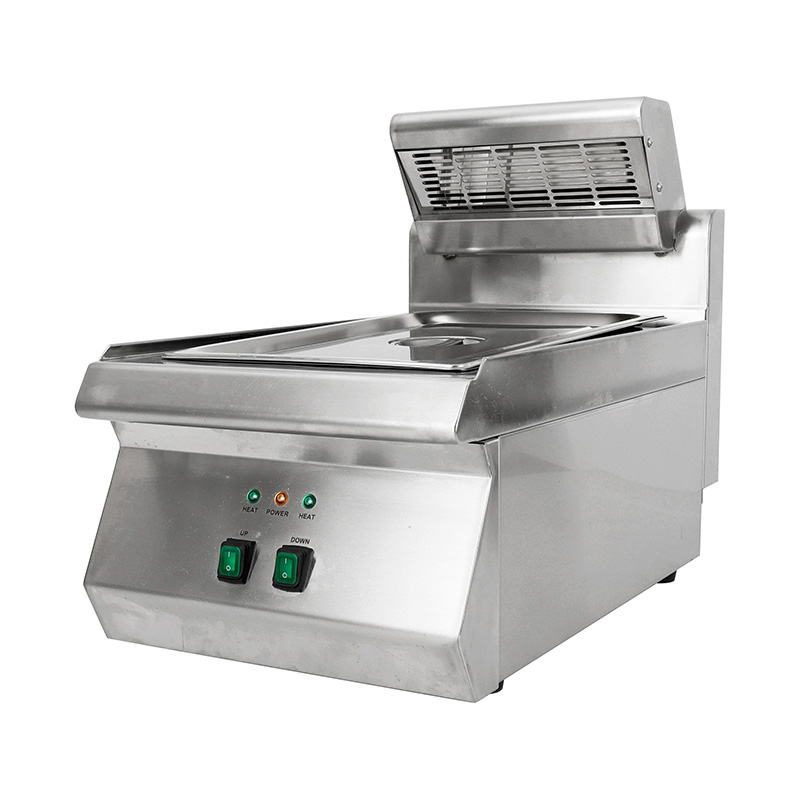
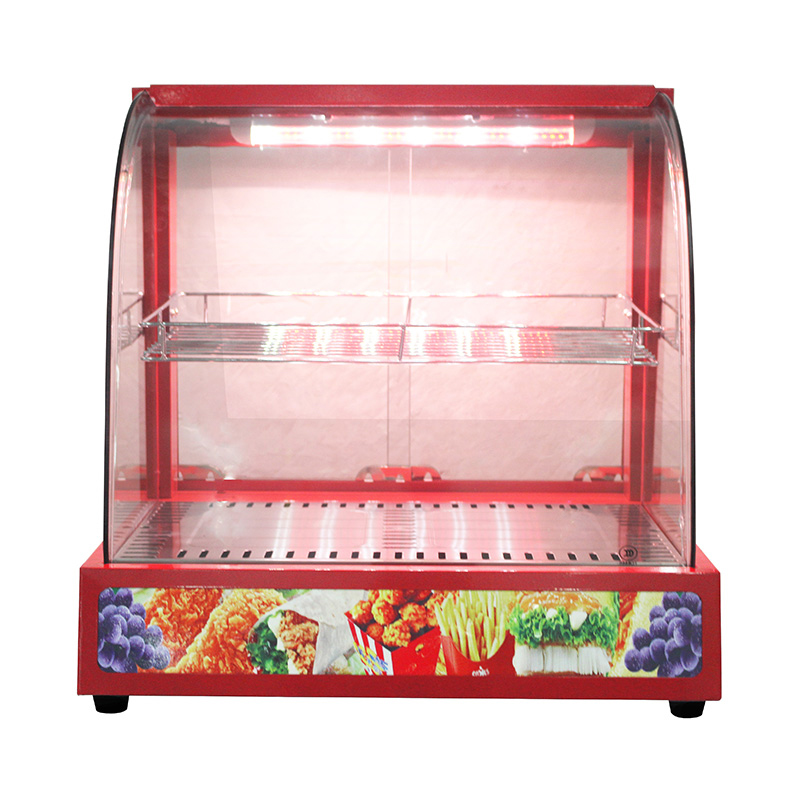
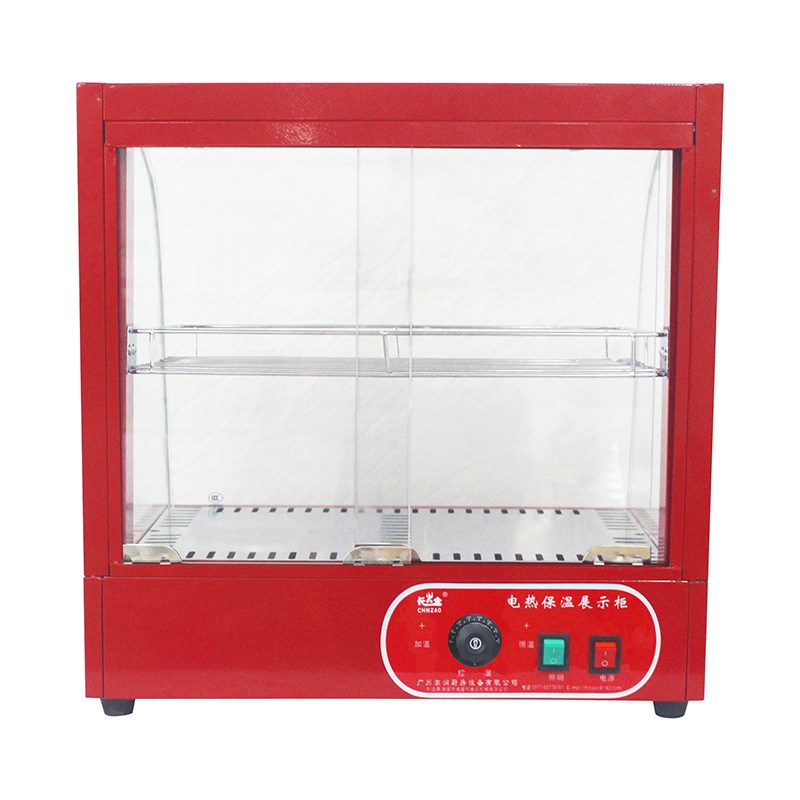
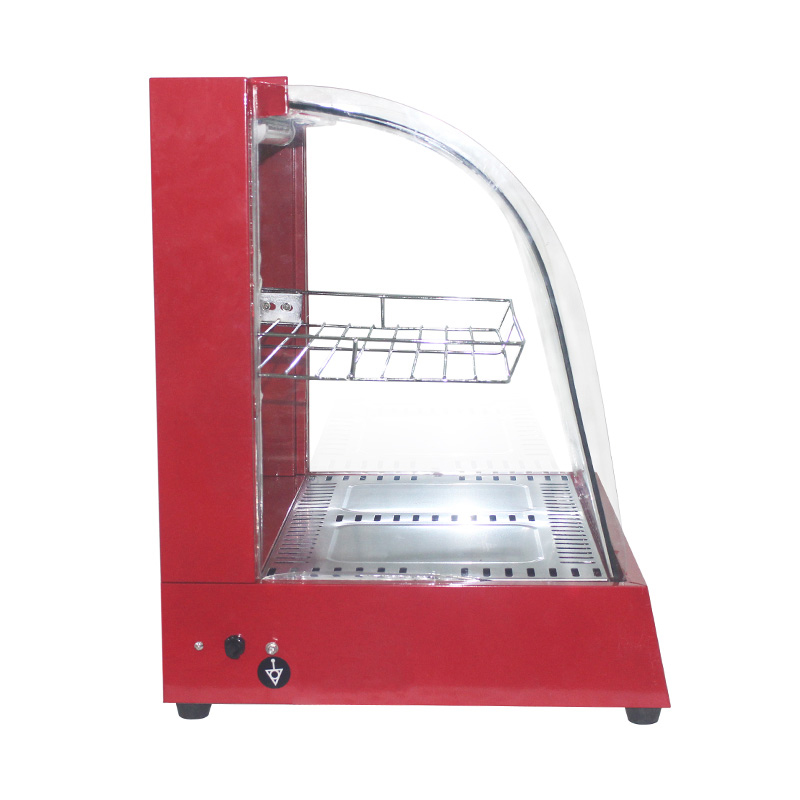
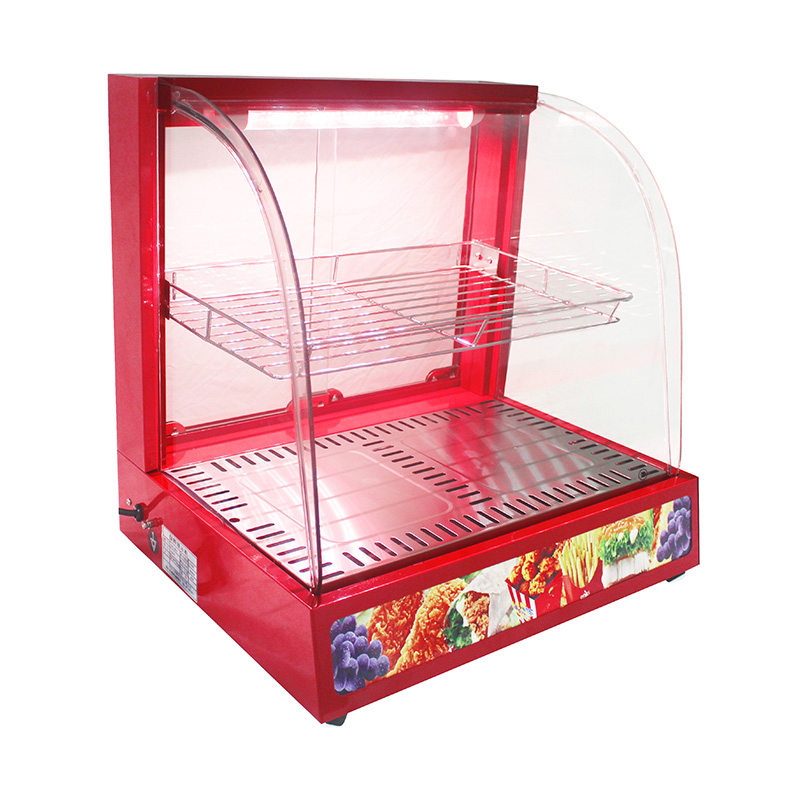
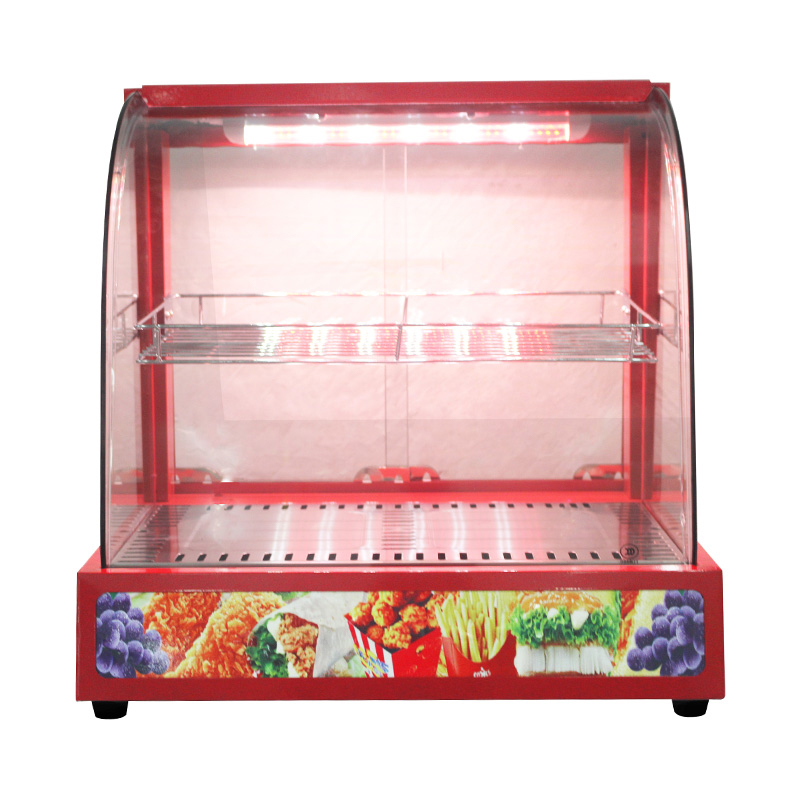
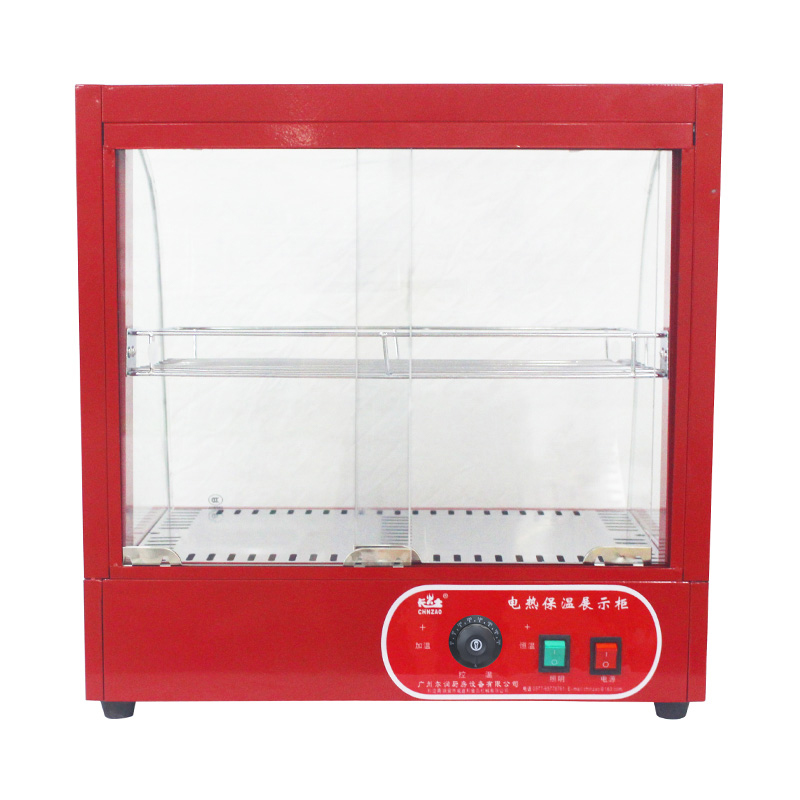
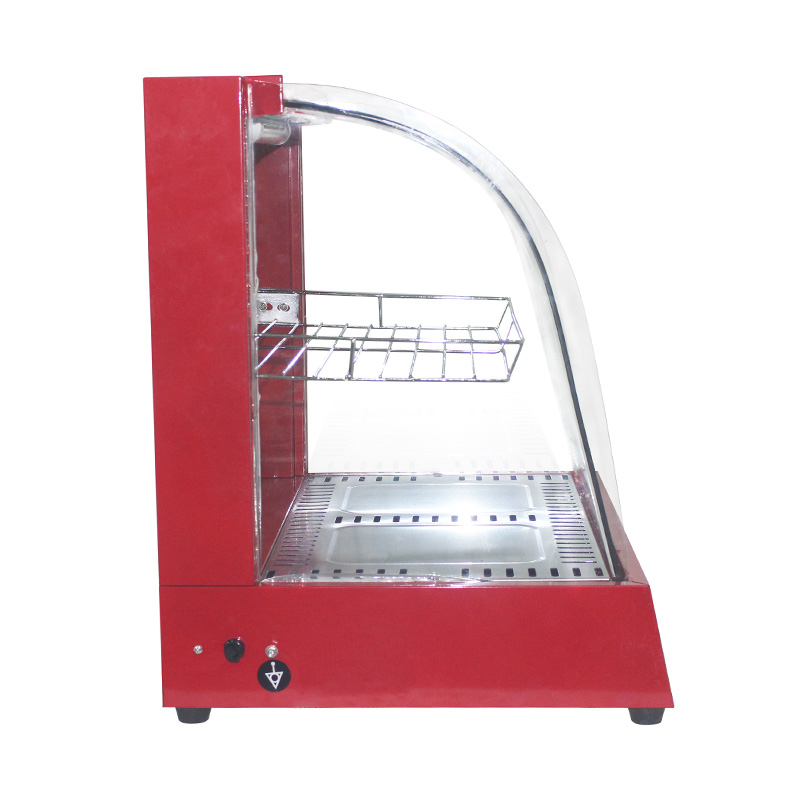
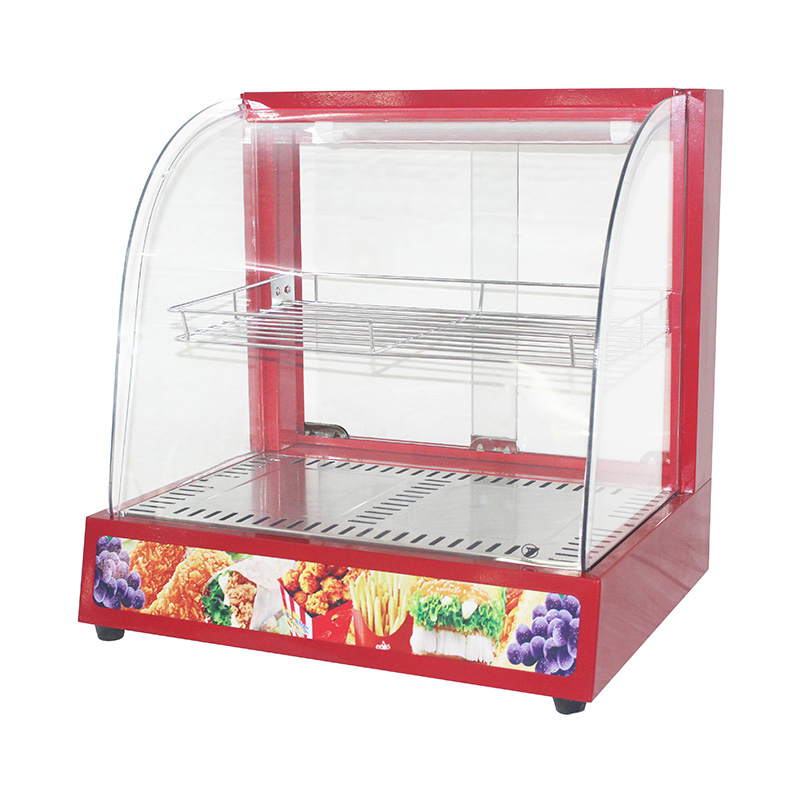
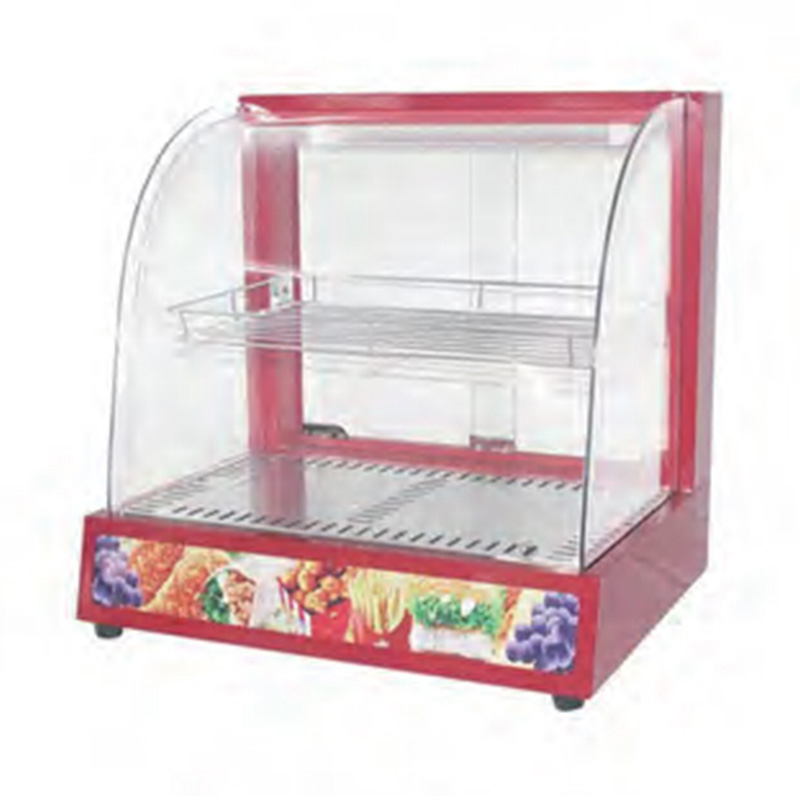
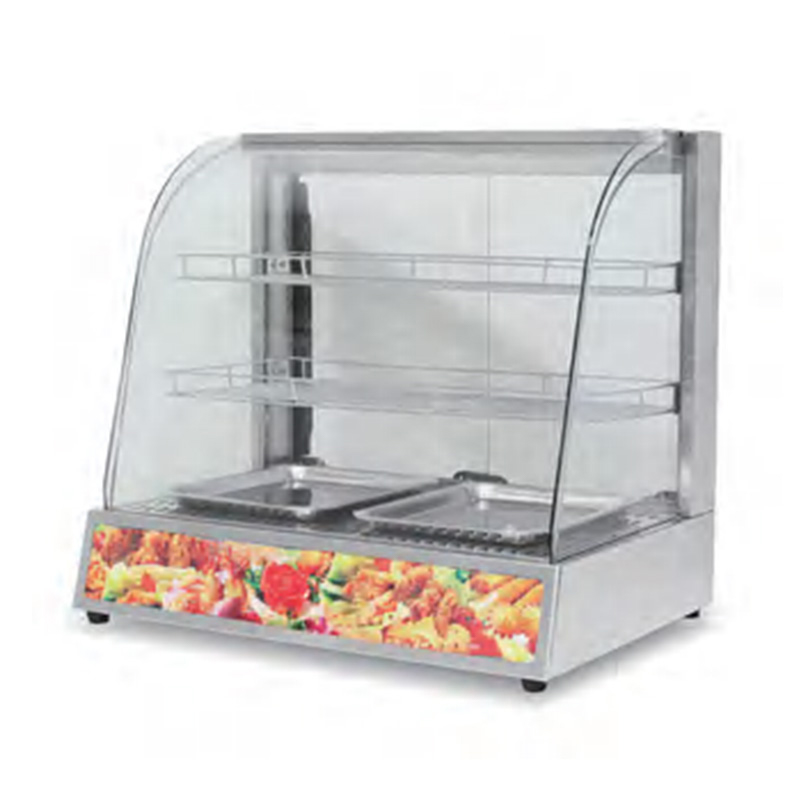
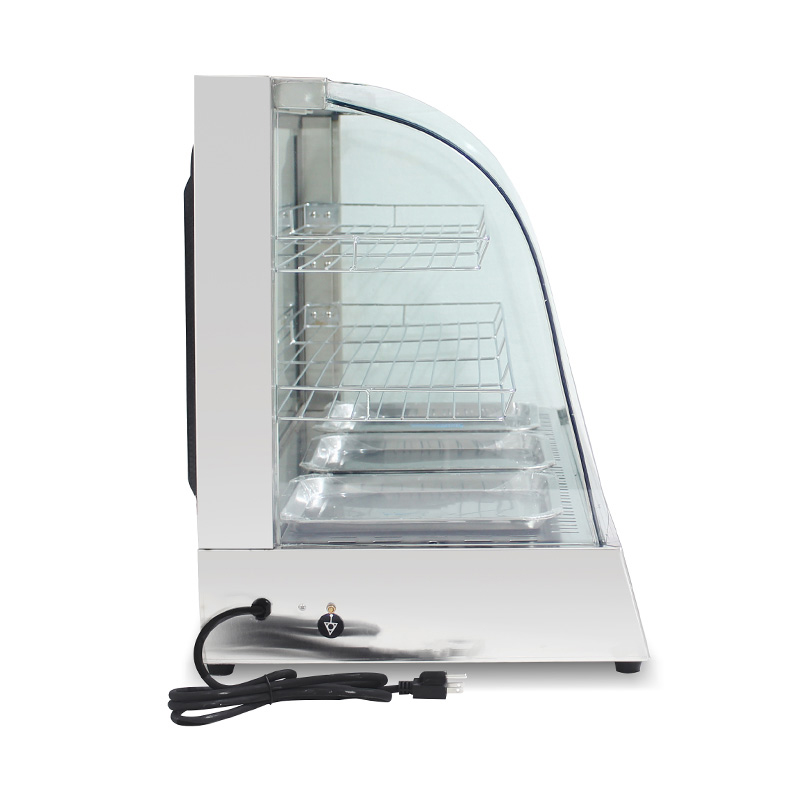
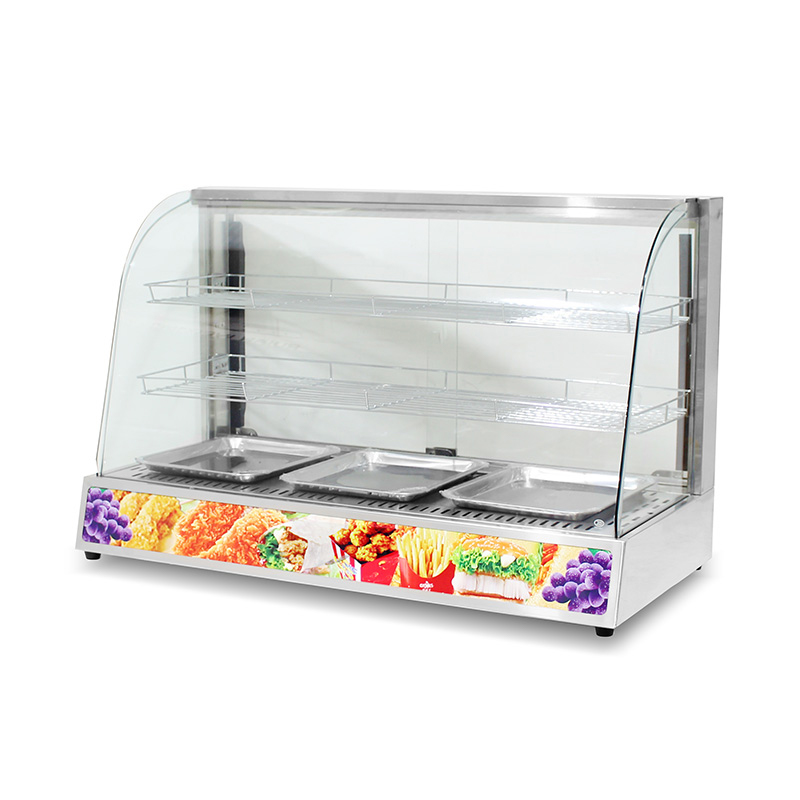
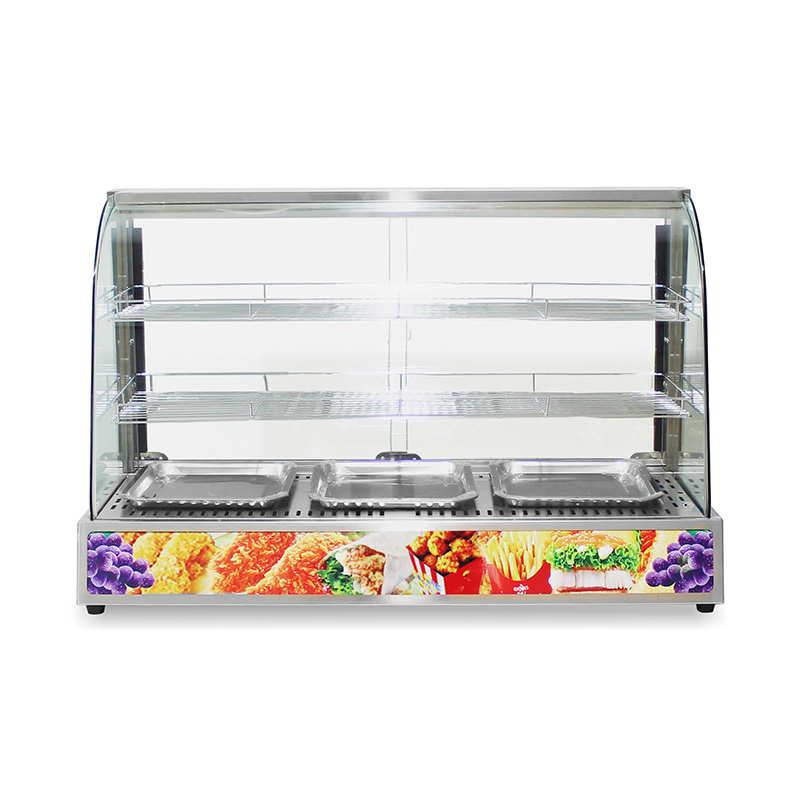
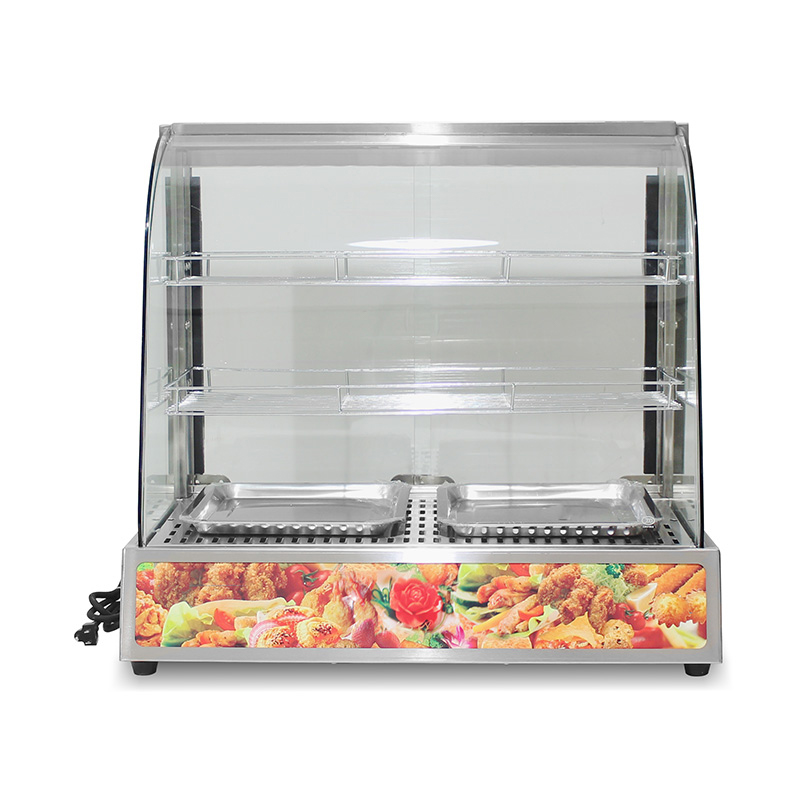
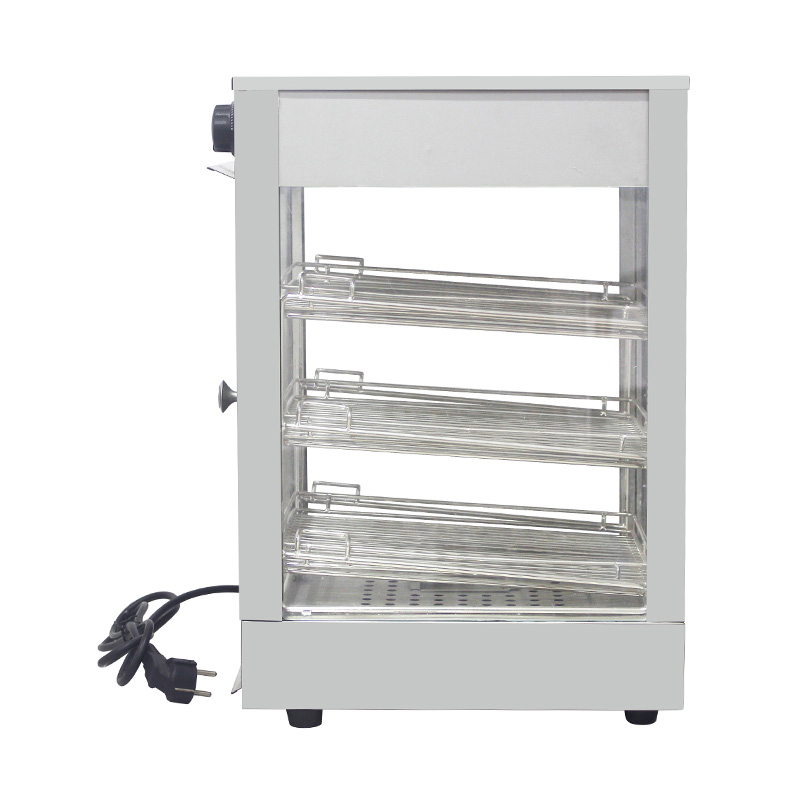
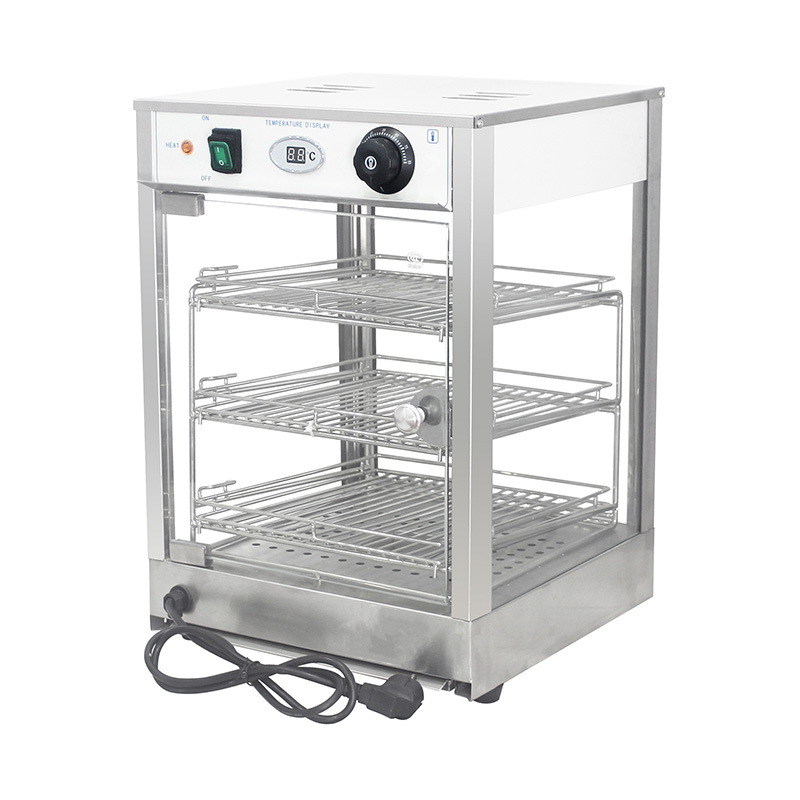
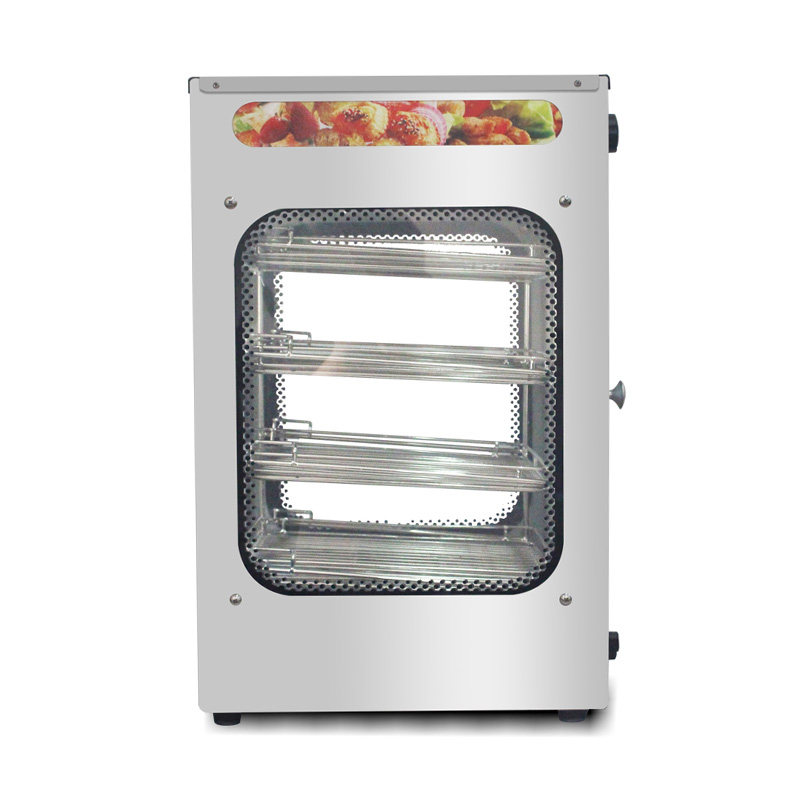
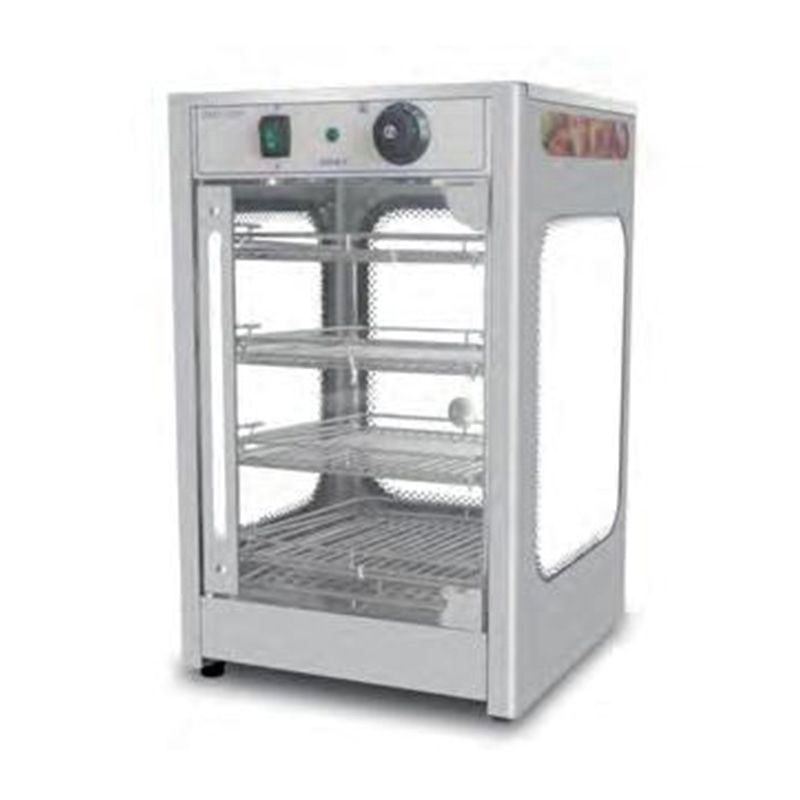
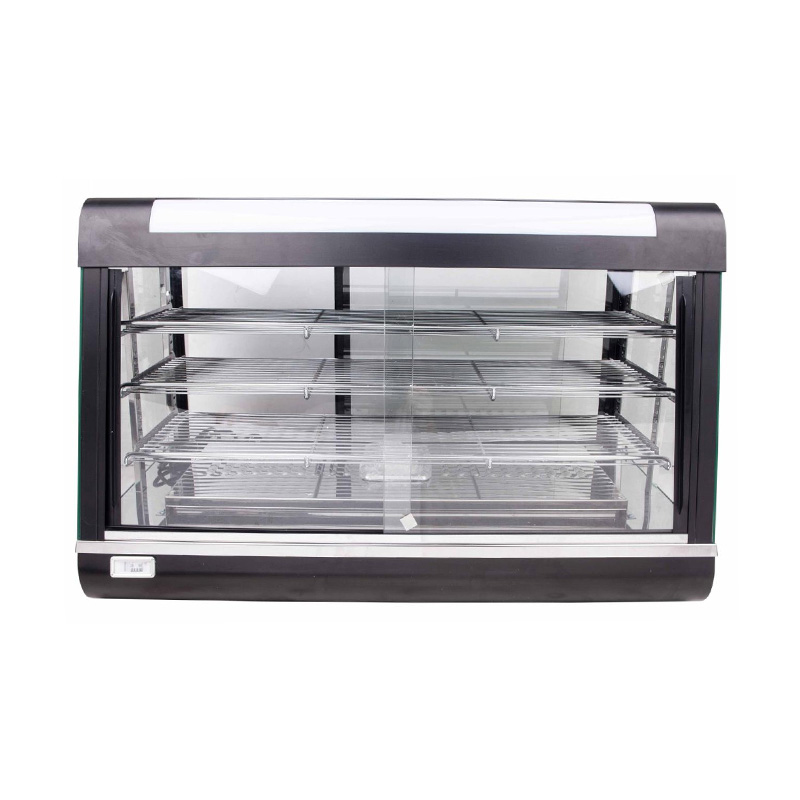
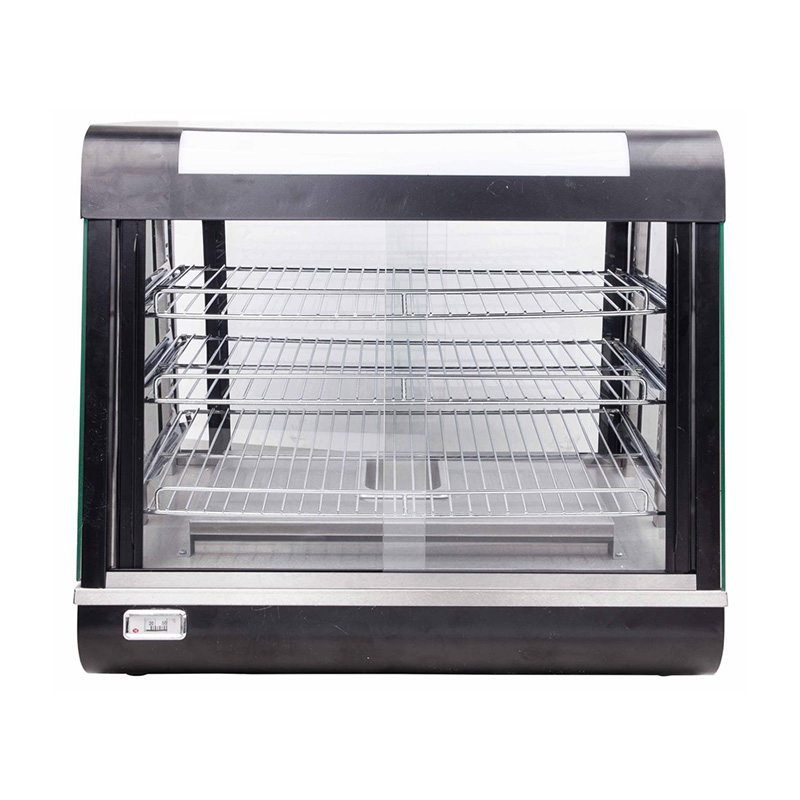
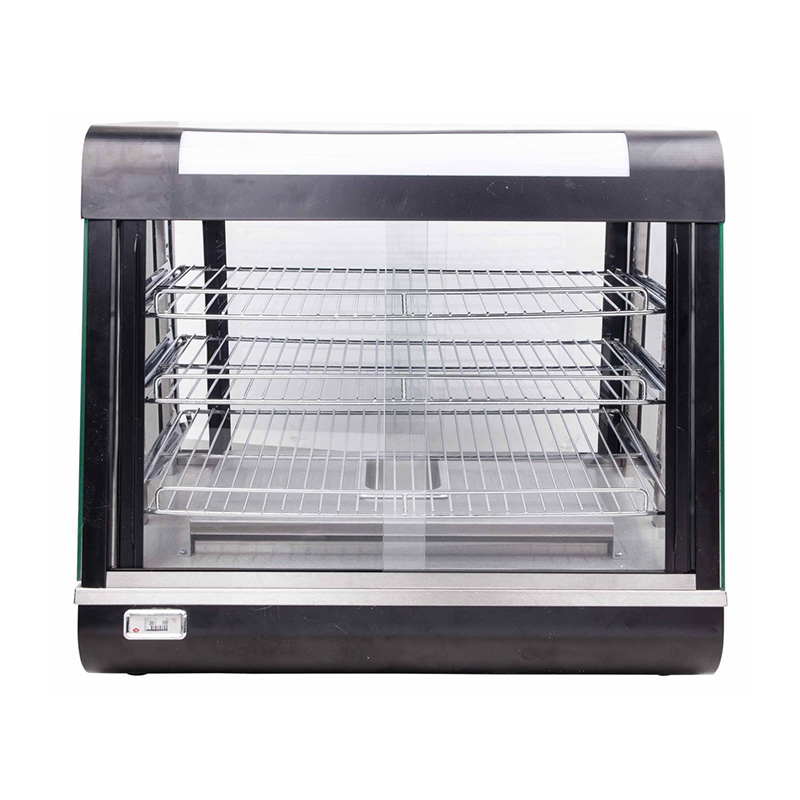
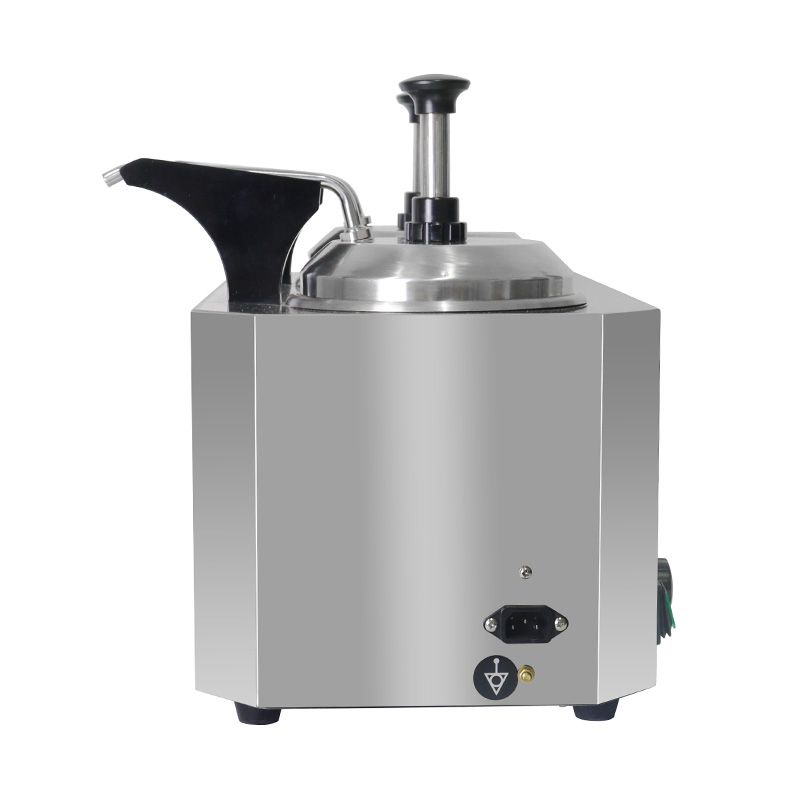
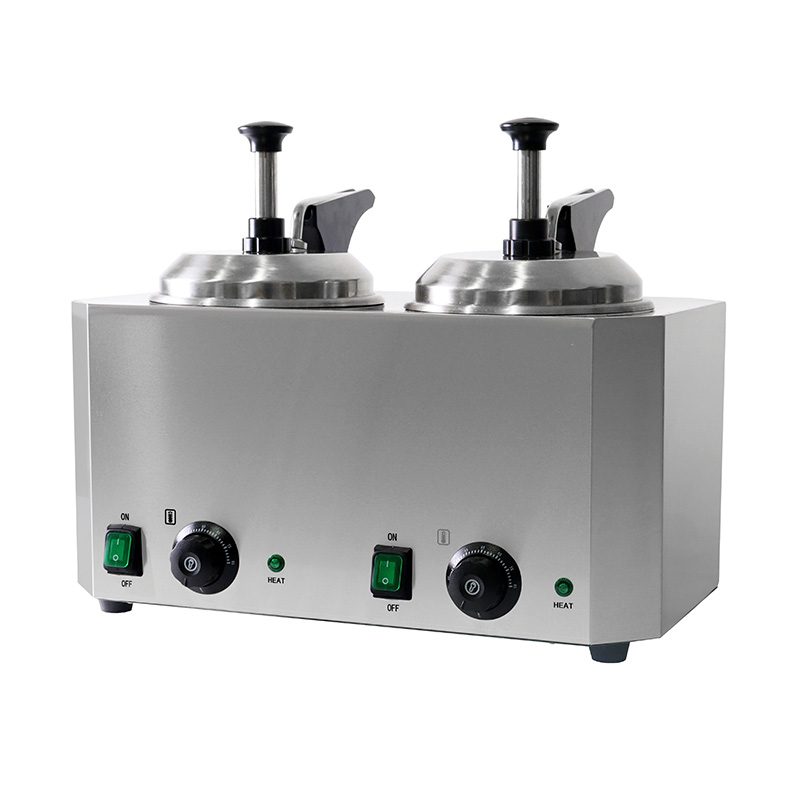
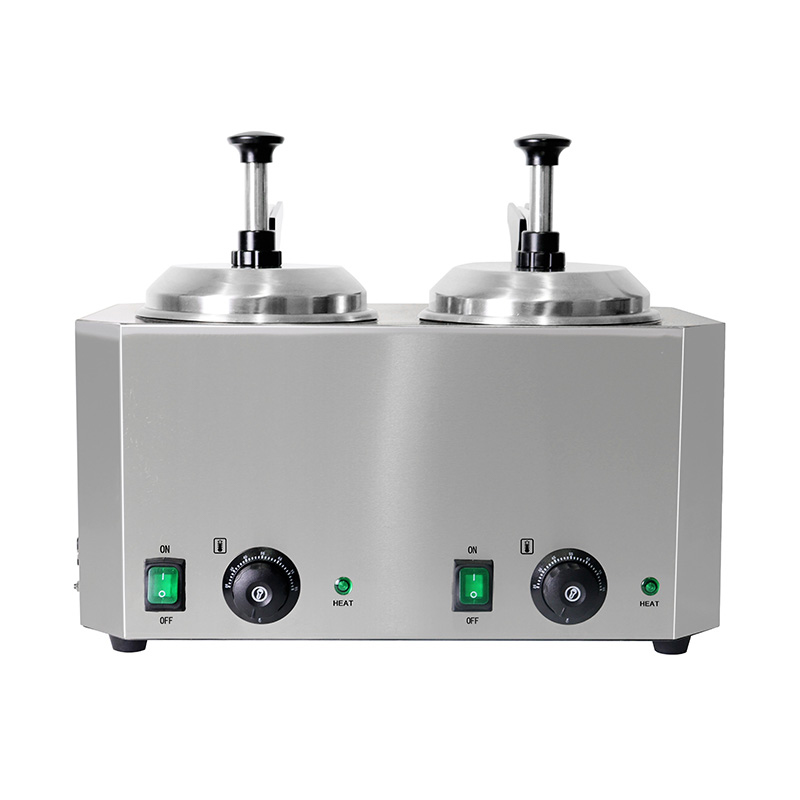
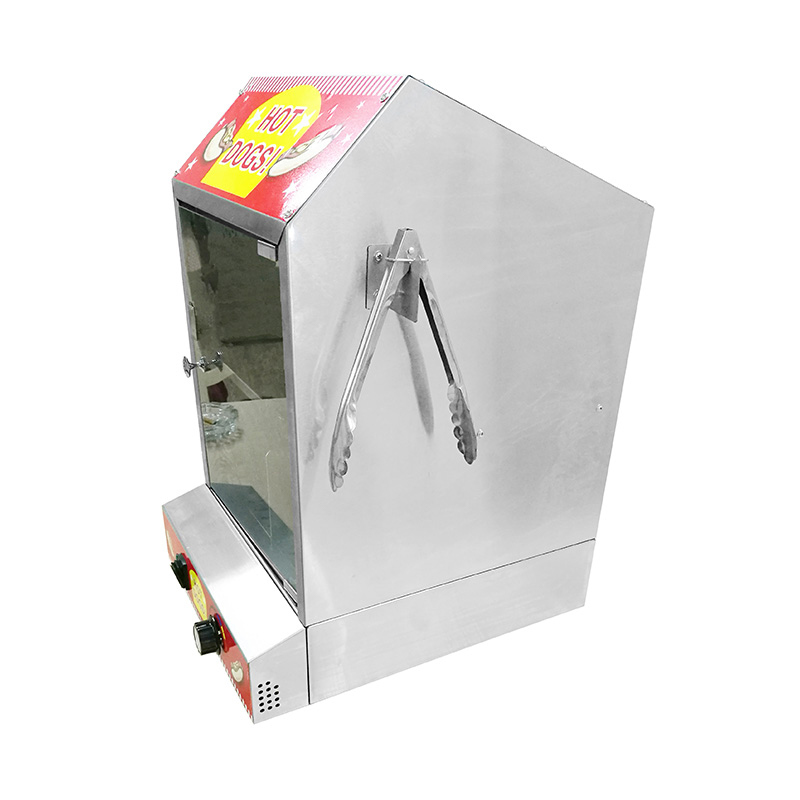
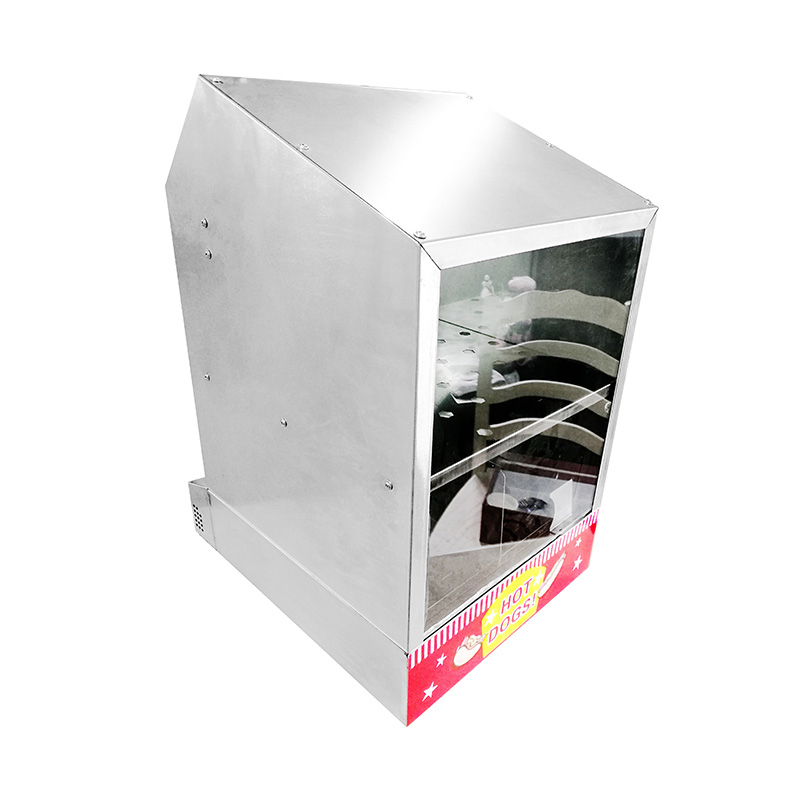
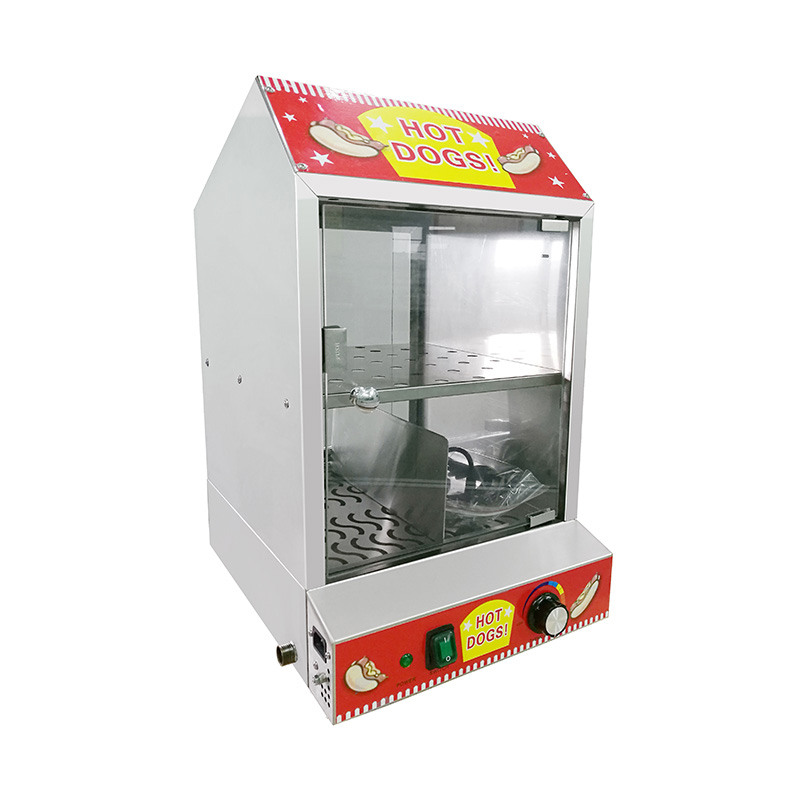
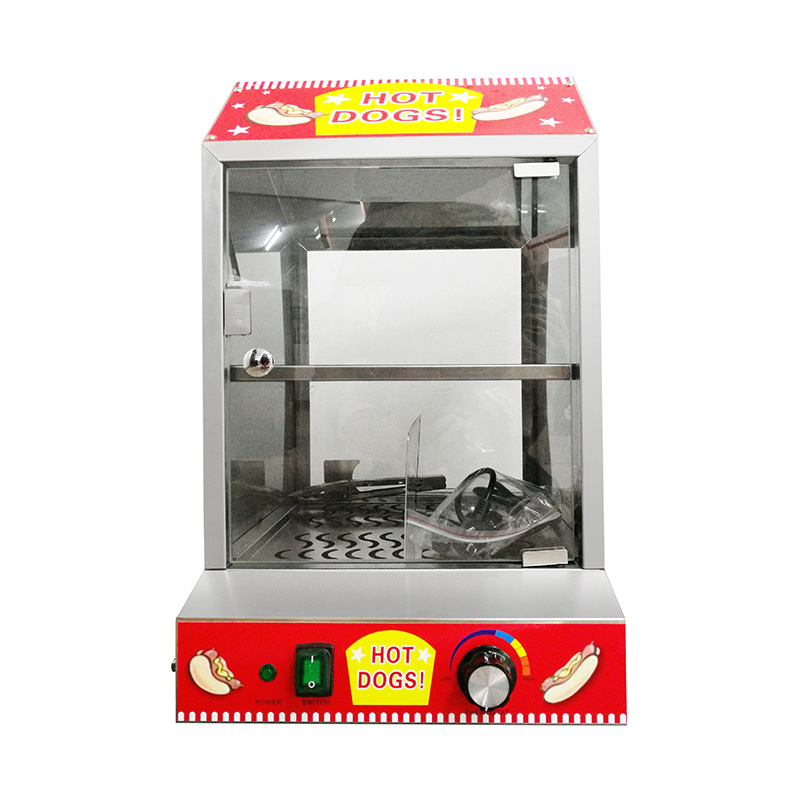
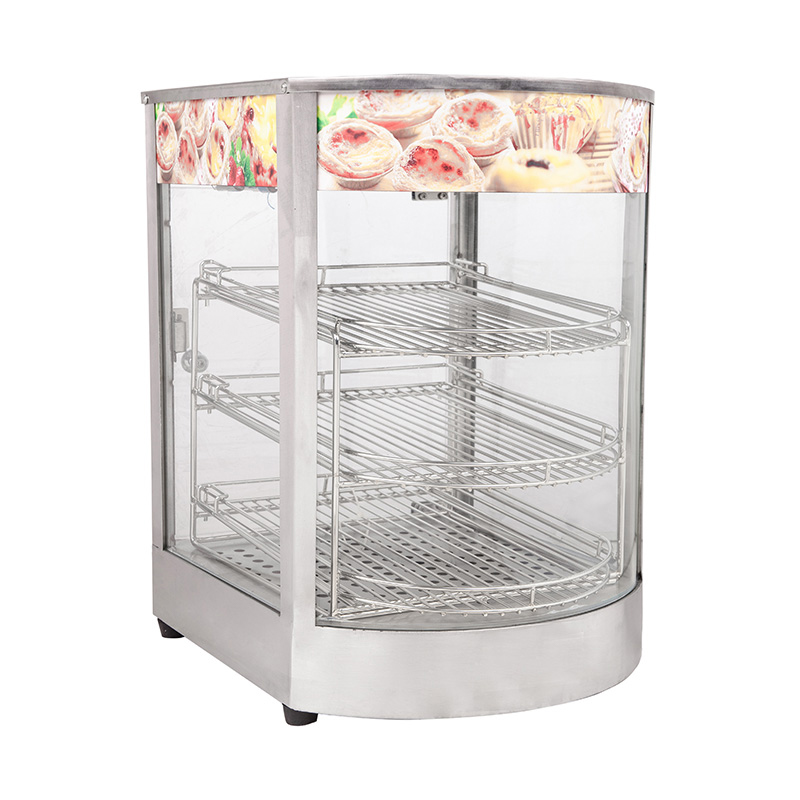
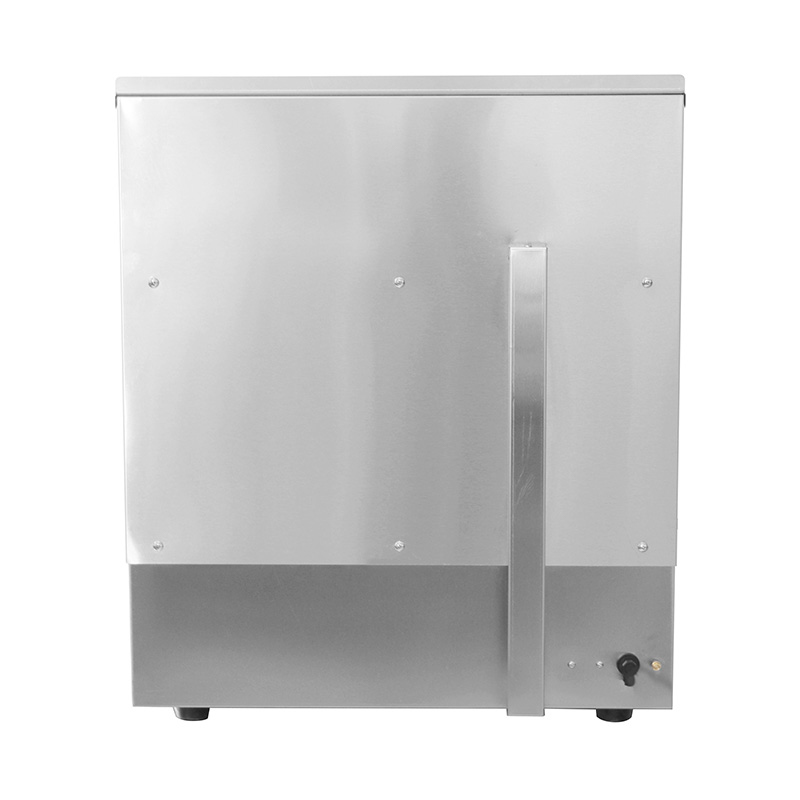
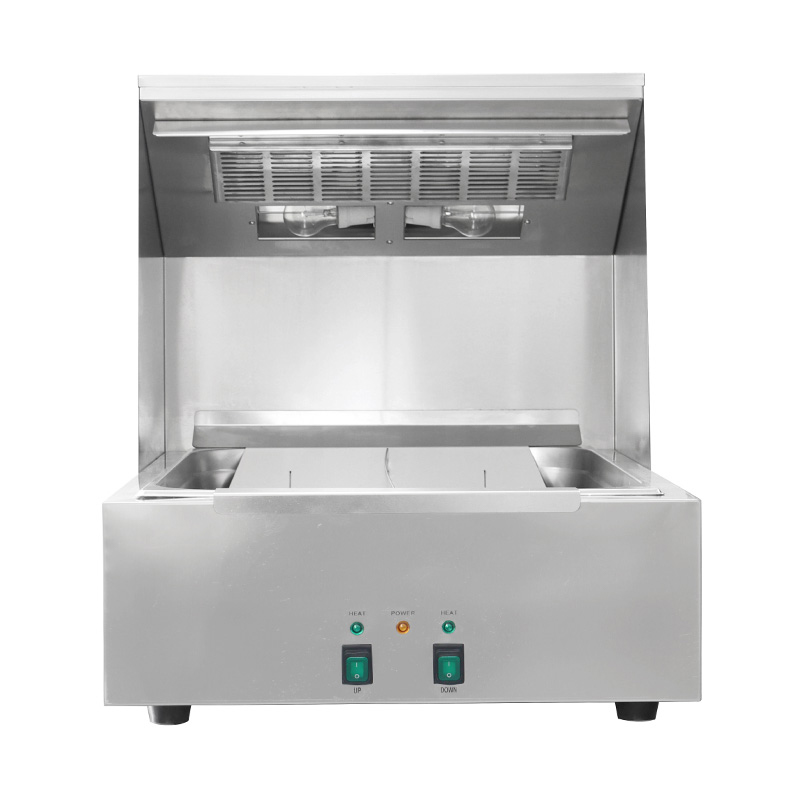
A Food Warmer is a piece of equipment designed to maintain cooked food at a safe and consistent serving temperature until it is ready to be served. Food warmers are widely used in restaurants, buffets, catering services, hotels, and institutional kitchens. The basic operating principle involves thermal regulation—either through direct heat, steam, or heated water baths—to keep food warm without continuing the cooking process. Proper temperature control is critical to food safety and quality, preventing bacterial growth that can occur when food sits in the temperature “danger zone” (typically between 40°F and 140°F or 4°C and 60°C).
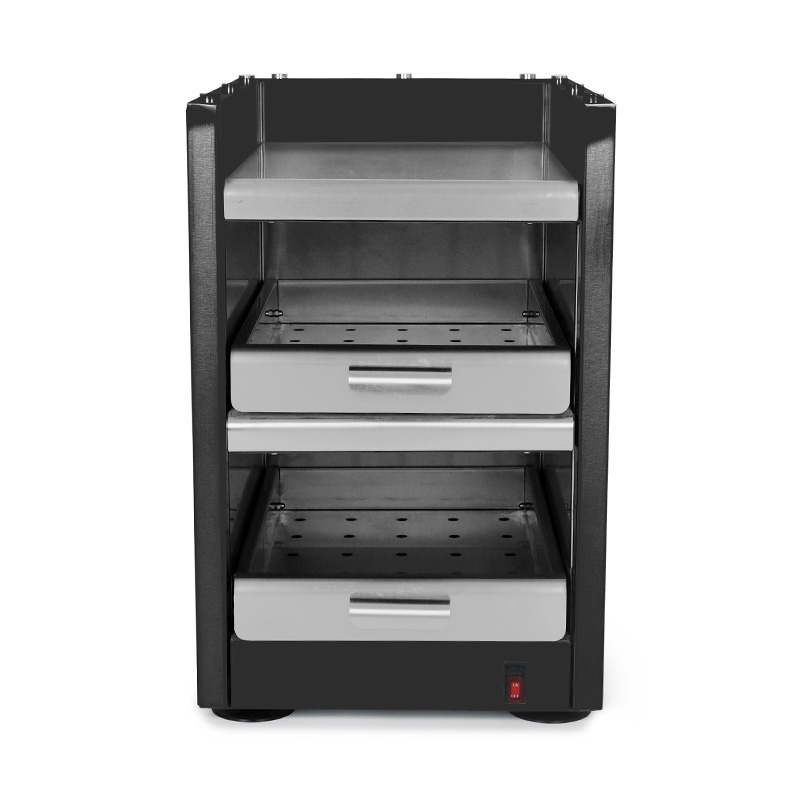
Food warmers can be stationary or portable, tabletop units or built into buffet lines. Some use manual temperature controls, while others have digital settings for precise heat management. Users often ask how long different types of food can safely remain in a food warmer. The answer depends on the food type, moisture content, and device design, but the goal is always to balance temperature retention with food texture and quality.
Choosing the Right Commercial Food Warmer for Your Kitchen
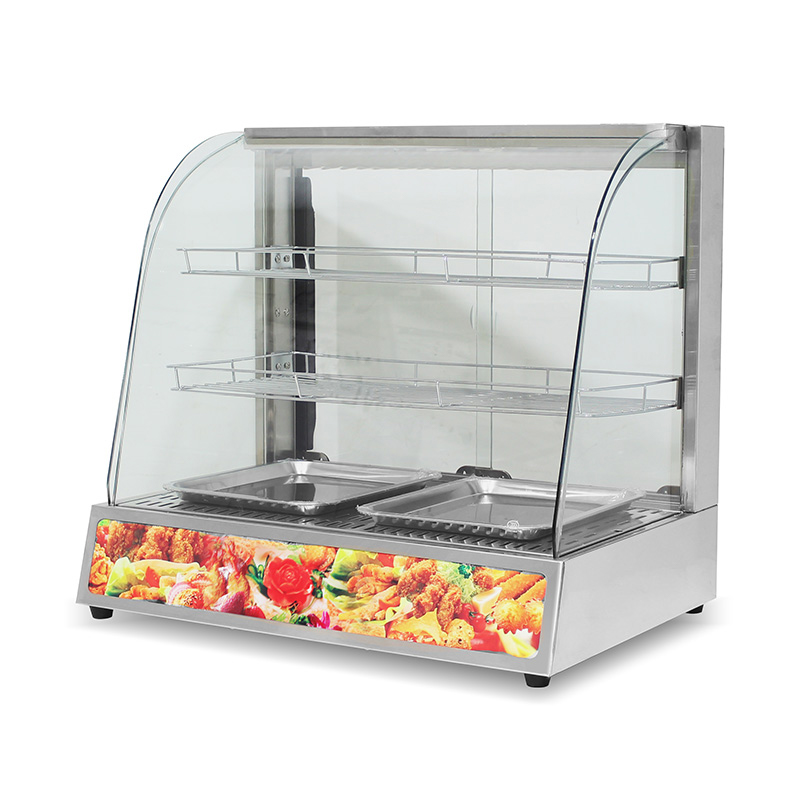
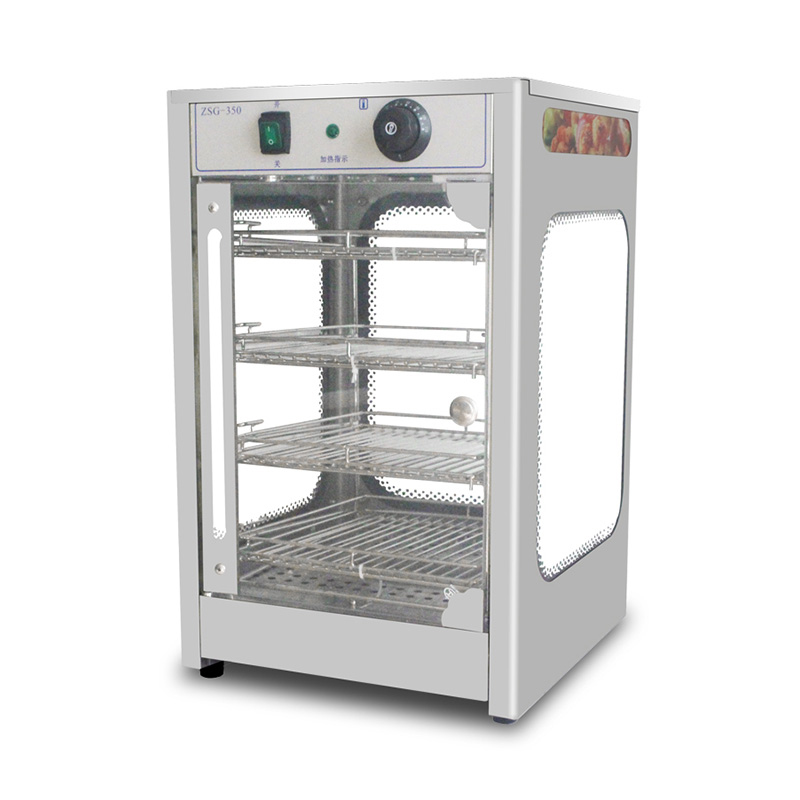
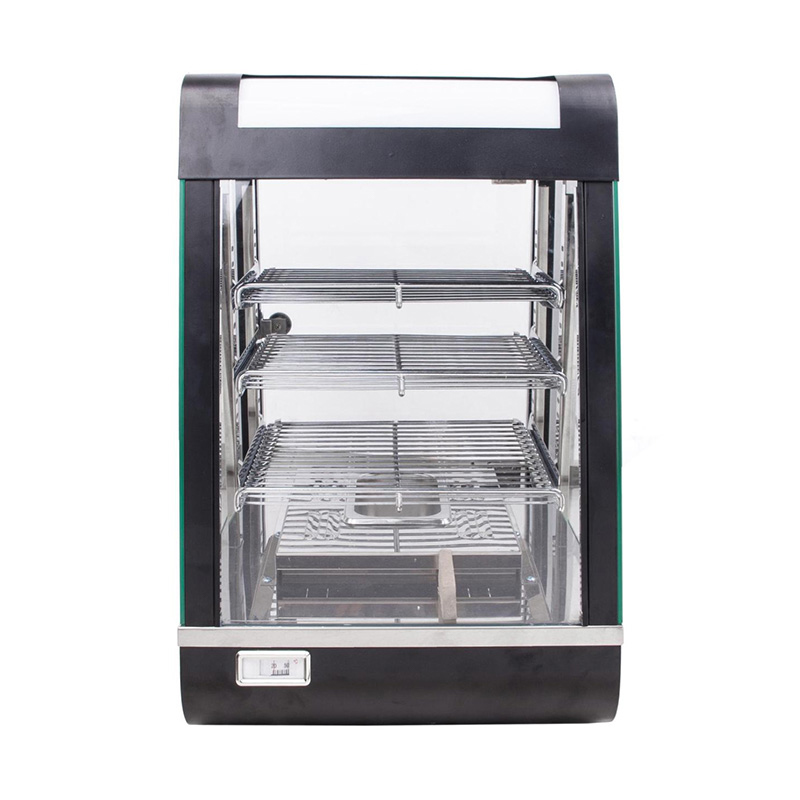
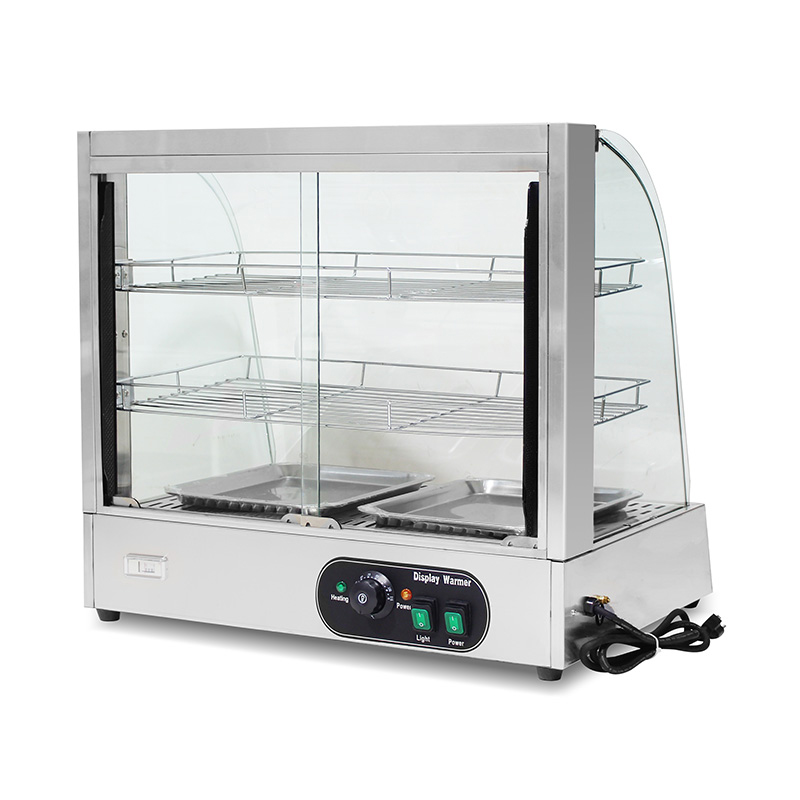
A Commercial Food Warmer is engineered for professional food service environments where high volumes of food must be kept at serving temperature throughout service hours. When evaluating commercial food warmers, kitchen operators typically focus on capacity, energy efficiency, ease of cleaning, and durability.
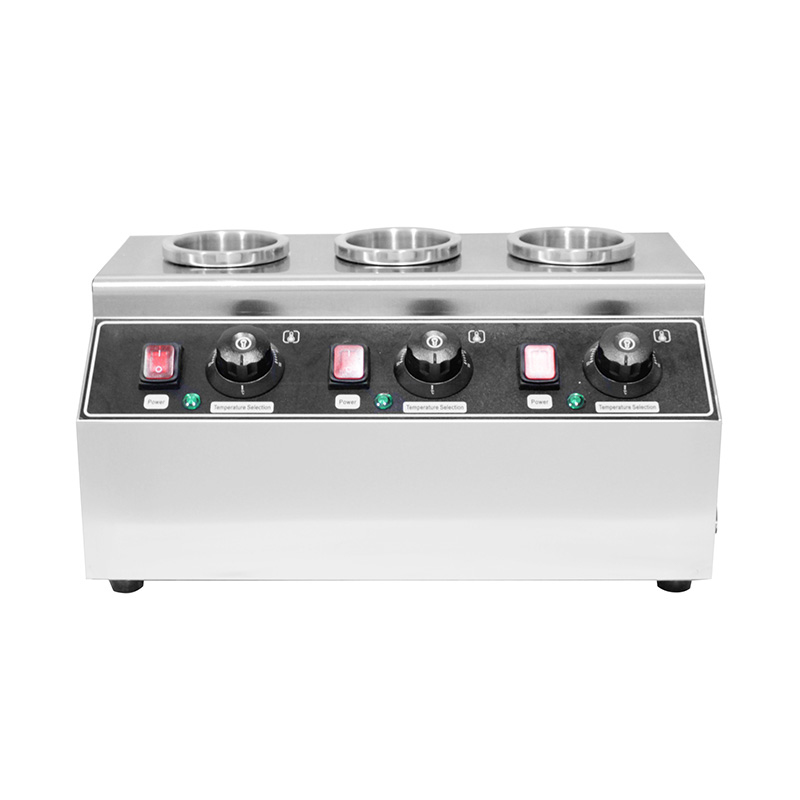
Capacity refers to both the volume of food the unit can hold and the number of food pans it accommodates. For example, buffet lines may require multiple wells for different dishes, while a kitchen prepping large batches may need expansive holding cabinets. Energy efficiency matters because commercial units often run for hours, and inefficient warmers increase utility costs.
Another important concern for buyers is how easy the unit is to clean. Food service staff prefer designs with removable pans, smooth surfaces, and accessible heating elements that reduce downtime between service periods. Materials like stainless steel are common because they resist corrosion and withstand frequent cleaning.
Commercial food warmers may use dry heat, wet heat (with water pans), or steam systems. Each method has benefits. Wet heat systems often provide more even temperatures and are suited for dishes that dry out easily. Dry heat units can be simpler to maintain. Understanding these differences helps food service professionals choose a warmer that matches food types and service style.
Benefits of Using an Electric Food Warmer in Your Food Service Operation
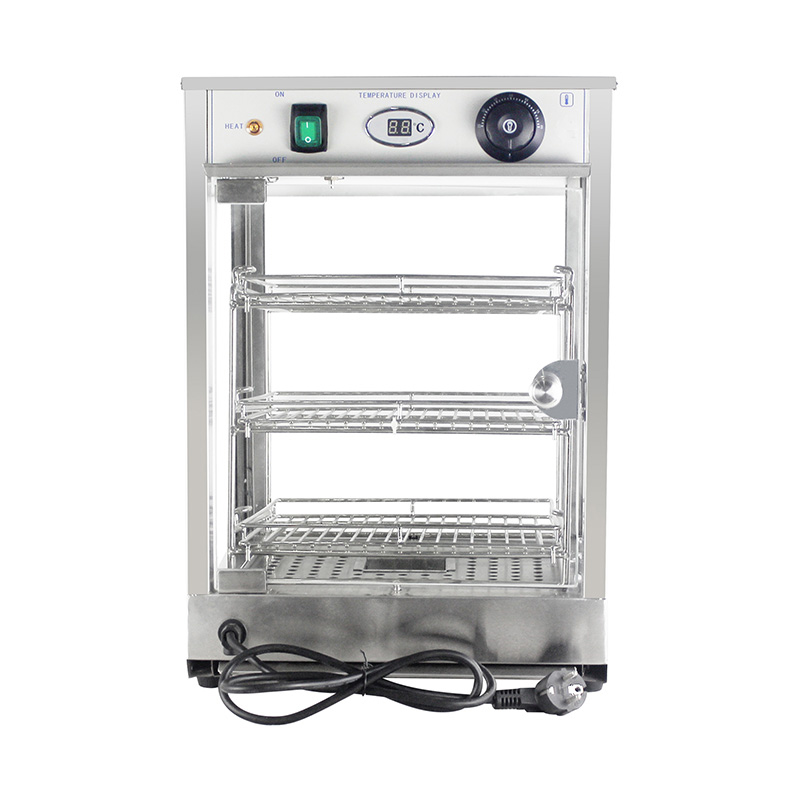
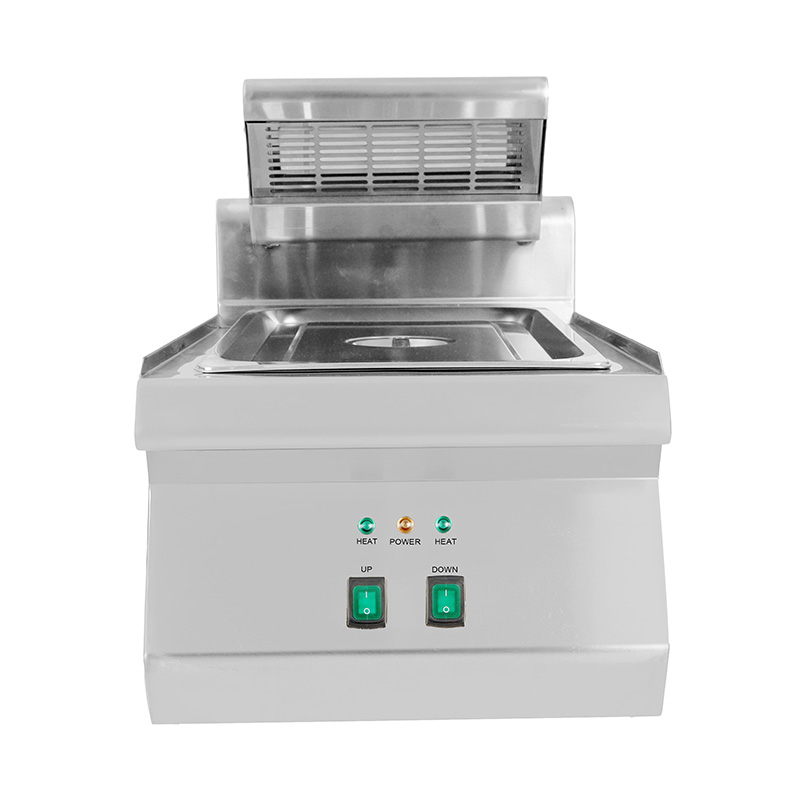
An Electric Food Warmer uses electrical power to produce consistent heat that keeps food at designated temperatures. One of the main advantages of electric models is the precision of temperature control. Many electric warmers have thermoreats and digital displays that allow staff to set specific temperature ranges, which is vital for maintaining food safety standards and preserving food texture.
Electric food warmers also tend to heat up quickly and distribute heat evenly across the food surface. This can reduce hot and cold spots that might occur in less sophisticated warming devices. Because they rely on electricity rather than gas or open flames, electric warmers are generally safer in enclosed environments and suitable for a wide range of locations, including indoor kitchens and catering setups.
Users often ask about the difference between an electric warmer and other warming methods. Electric units typically offer lower operational noise, simpler installation, and a reduced need for ventilation compared with flame-based alternatives. They may also provide features such as adjustable racks, timers, and safety shutoff systems.
Food Warmer Temperature Guidelines for Food Safety
Proper temperature settings are one of the top concerns for anyone using a Food Warmer. Maintaining food above safe holding temperatures is crucial to prevent the growth of harmful bacteria. The general guideline for hot food holding is to keep it at 140°F (60°C) or higher. Many warmers come with built‑in thermoreats that help users monitor and maintain these temperatures.
Different foods have different tolerances. For example, sauces and soups can typically handle slightly higher temperatures without drying out, while items like steamed vegetables or delicate proteins may require gentler heat to preserve moisture and texture. Regular calibration of temperature controls ensures that the actual heat inside the warmer matches the desired setting.
In commercial environments, staff should check temperatures with a food thermometer at regular intervals during service. This practice helps verify that the warmer maintains safe temperatures and provides data for compliance with health inspections.
Installation and Maintenance Tips for Commercial Food Warmers
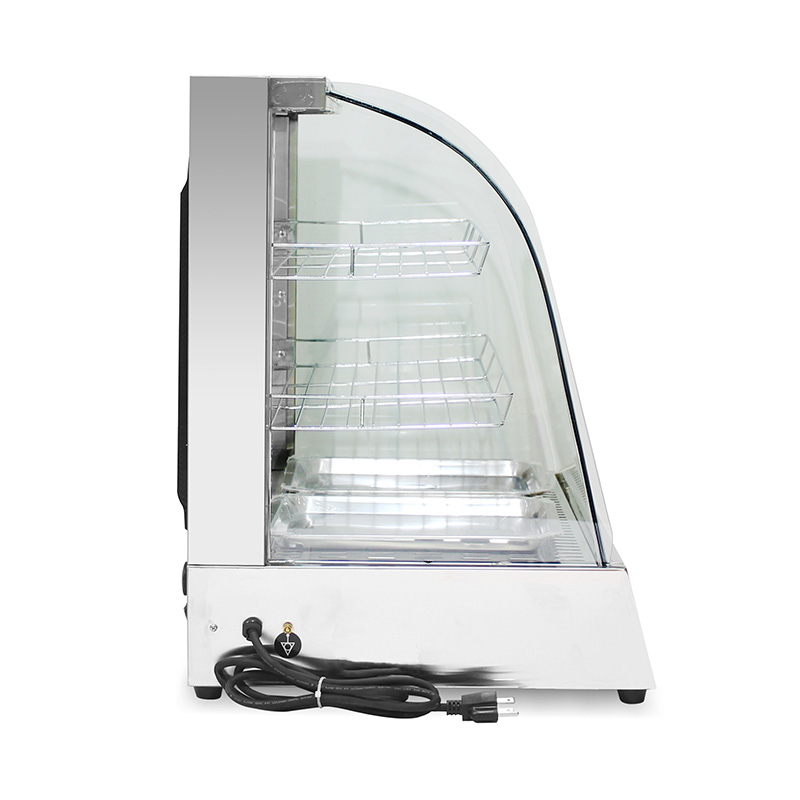
Installing a Commercial Food Warmer correctly affects both performance and longevity. Placement should allow adequate airflow around the unit, access to power sources, and easy reach for staff during peak service times. Electric warmers require stable electrical connections that meet local safety codes.
Maintenance includes routine cleaning of food pans, heating surfaces, and external panels. Users should avoid abrasive cleaners that can damage surfaces and instead use warm, soapy water or manufacturer‑recommended solutions. Periodic inspection of electrical cords, switches, and thermostats helps prevent operational issues.
Regular descaling may be necessary when using wet heat or steam systems, especially in areas with hard water. Descaling prevents buildup that can interfere with heating efficiency and increase maintenance costs over time.
Trends in Commercial and Electric Food Warmers
In recent years, innovations in Commercial Food Warmer and Electric Food Warmer design have focused on energy efficiency, digital controls, and modular configurations. Many operators now prefer units with smart features such as programmable temperature zones, automatic shut-off, and compatibility with kitchen management systems.
Energy‑efficient insulation and low‑wattage heating elements help reduce operating costs without compromising performance. Modular designs allow kitchens to customize warmer layouts depending on menu variety and service flow. Digital interfaces and remote monitoring can also assist managers in tracking food holding performance and ensuring consistent food quality.