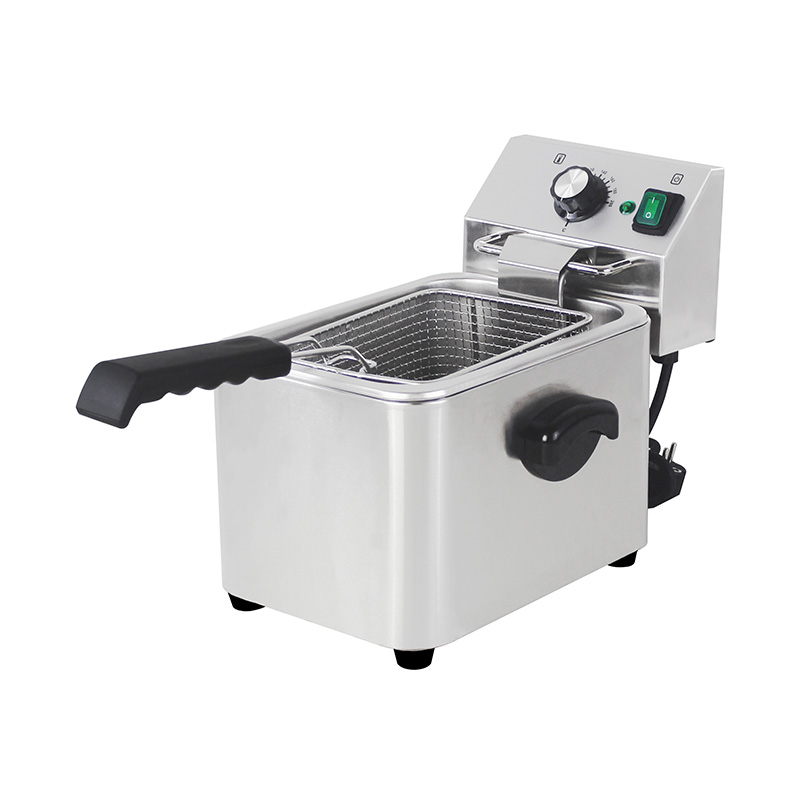
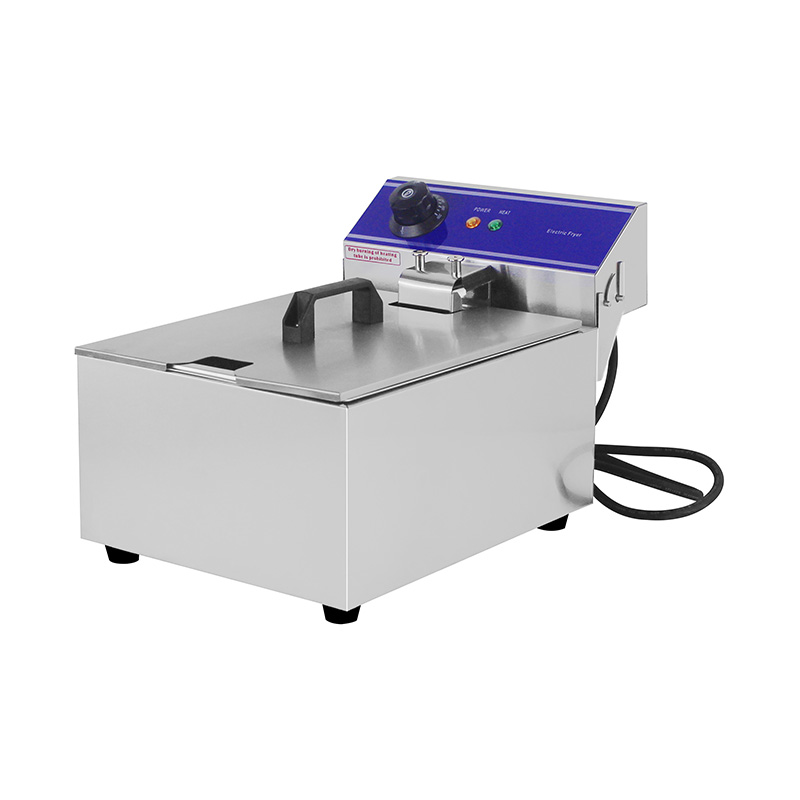
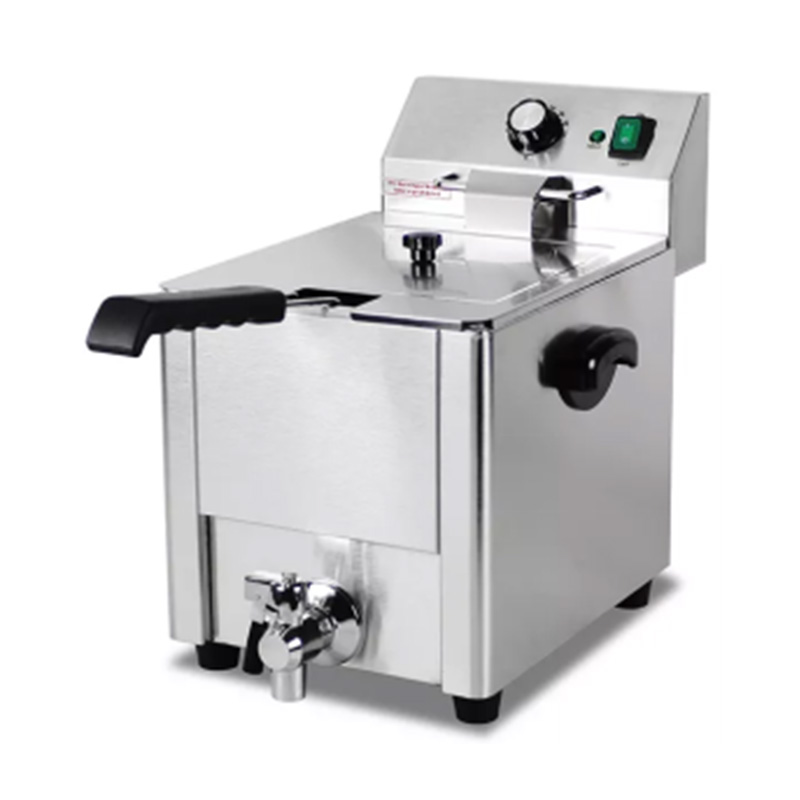
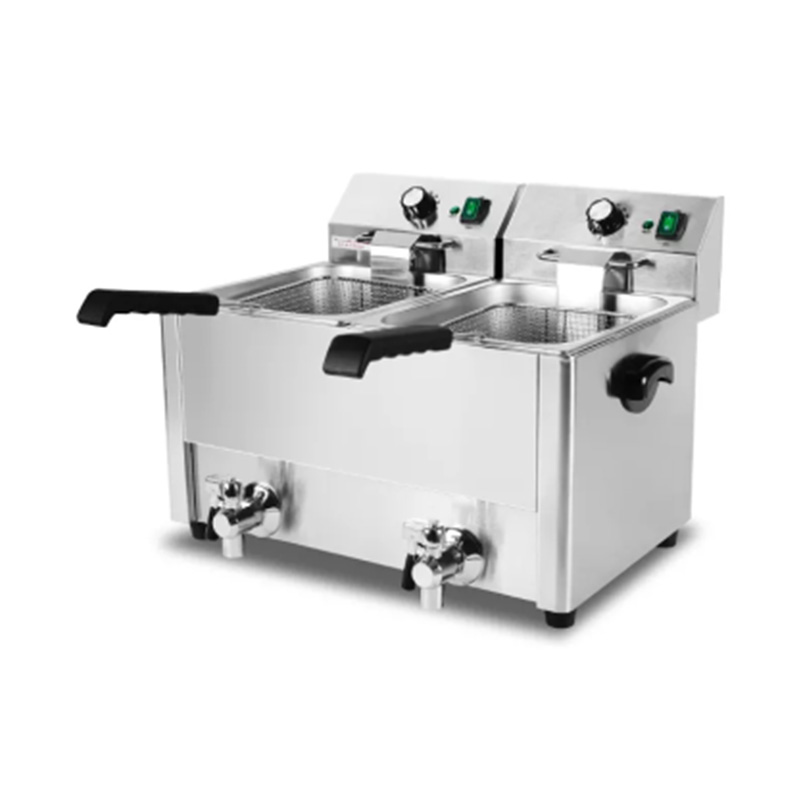
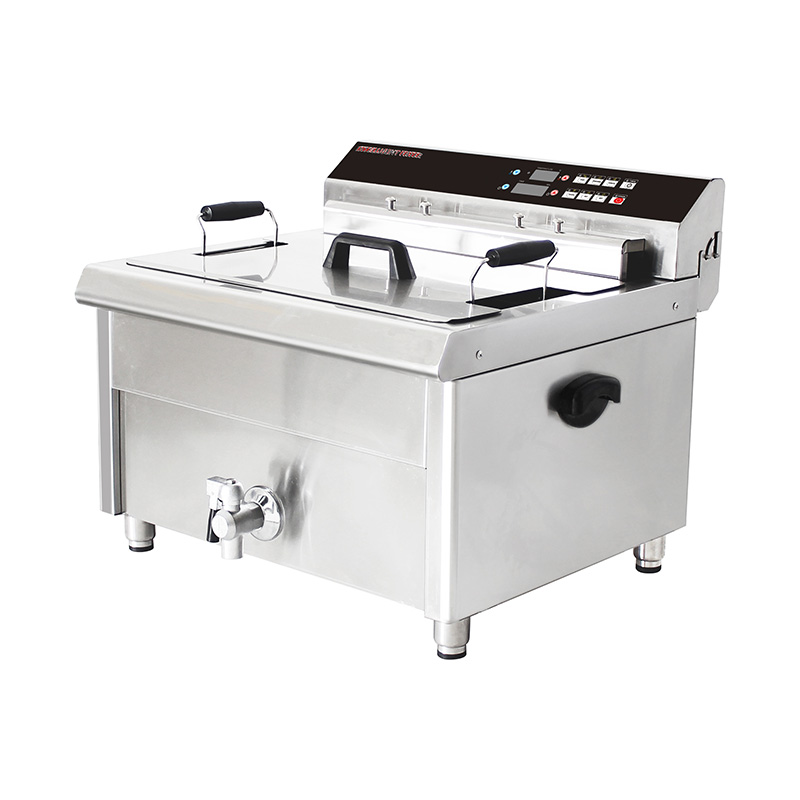
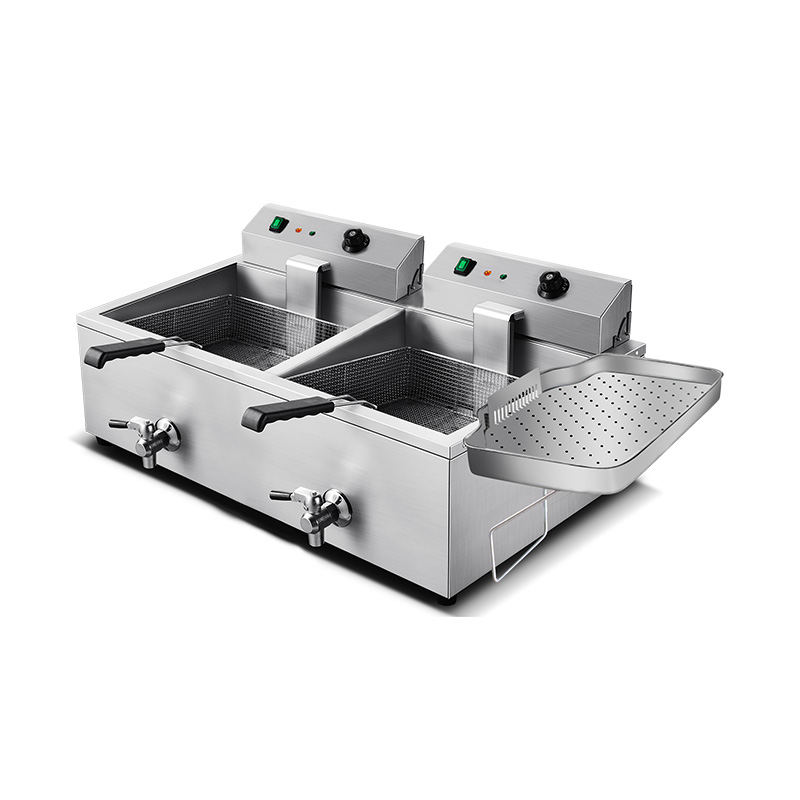
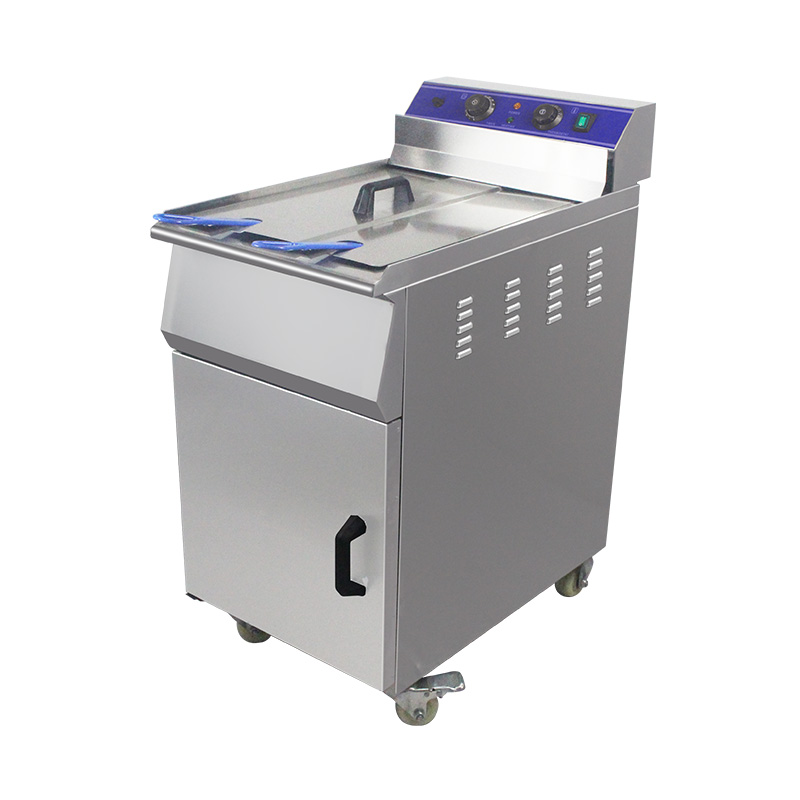
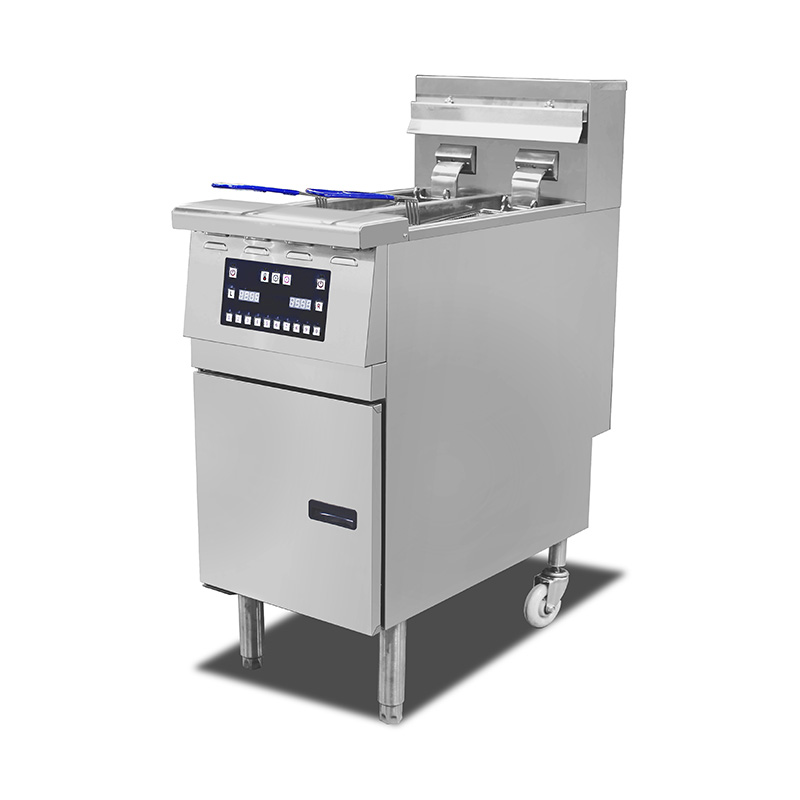
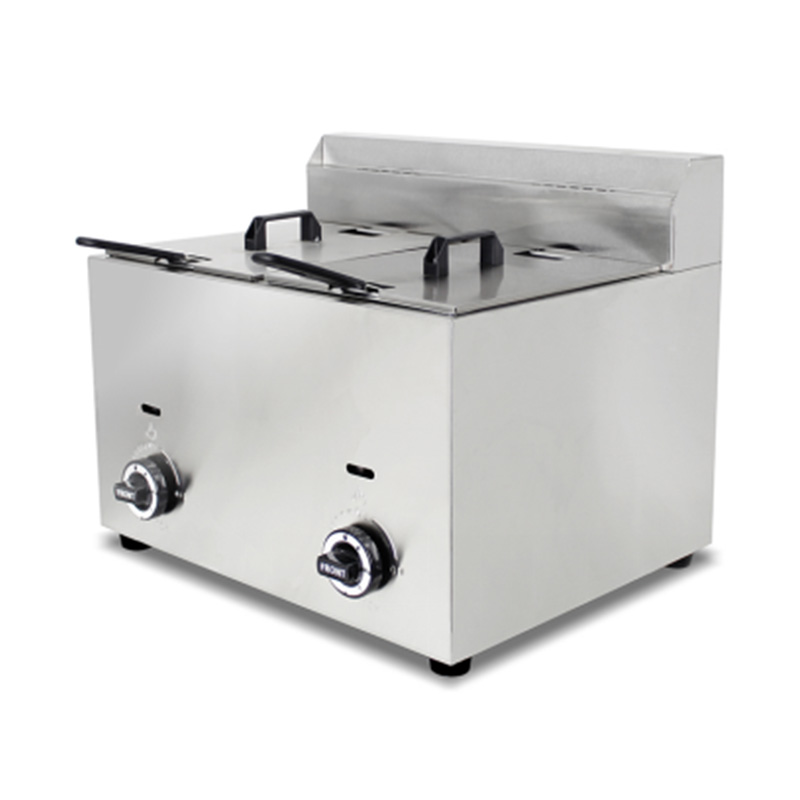
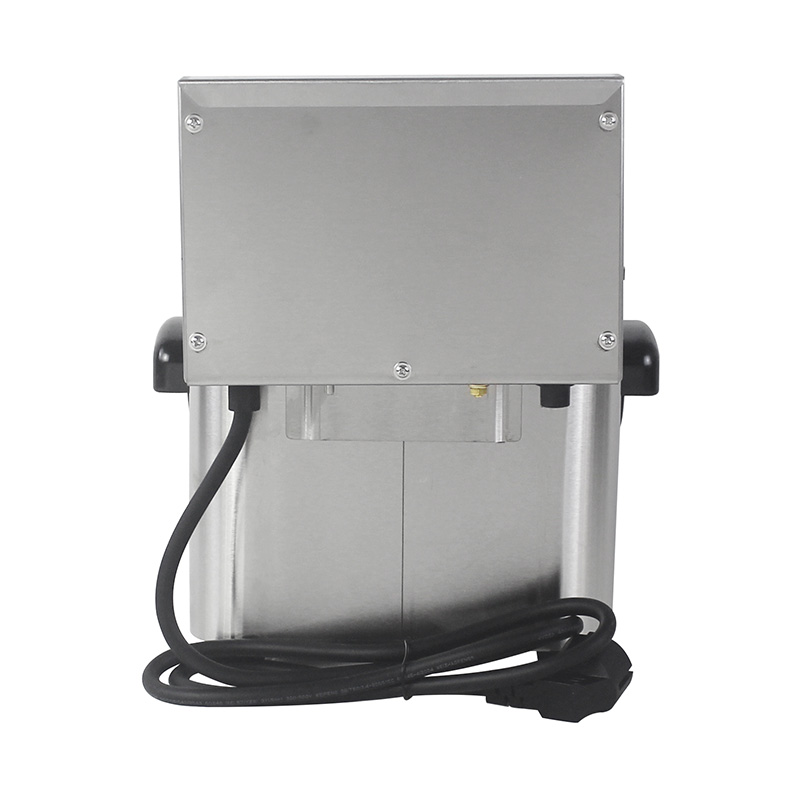
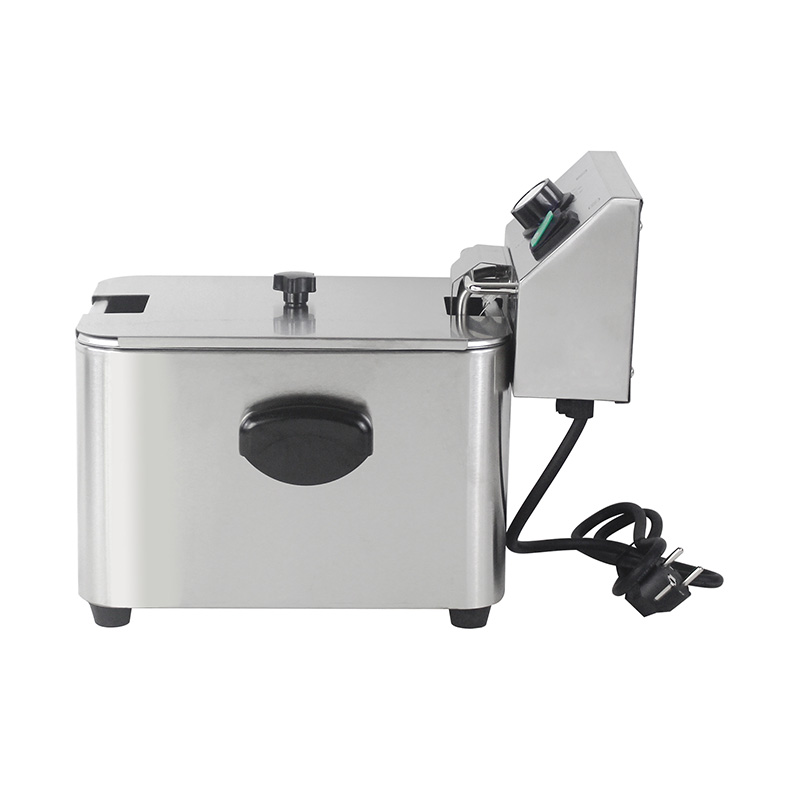
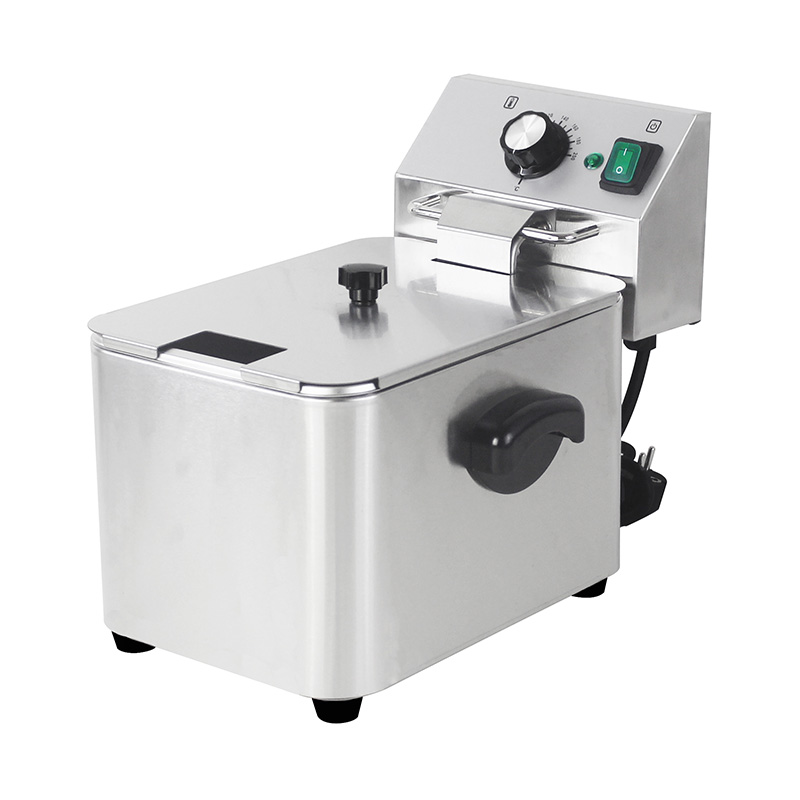
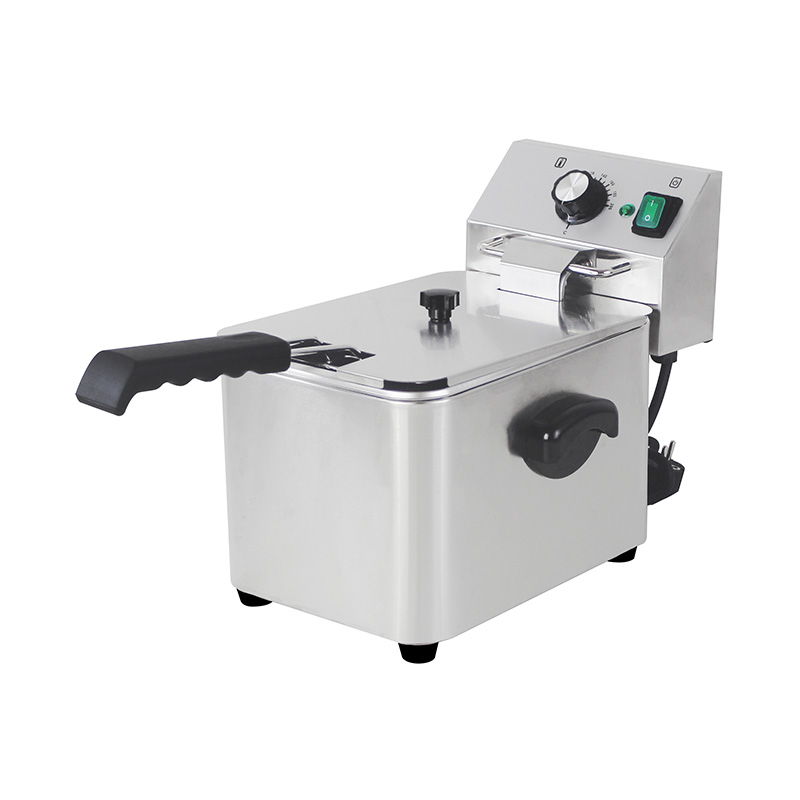
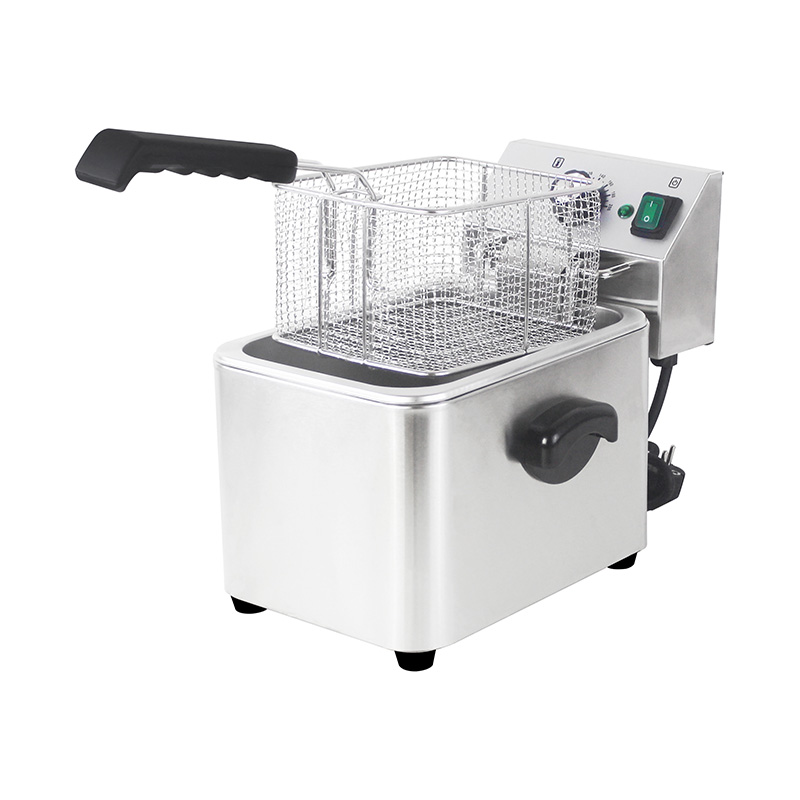
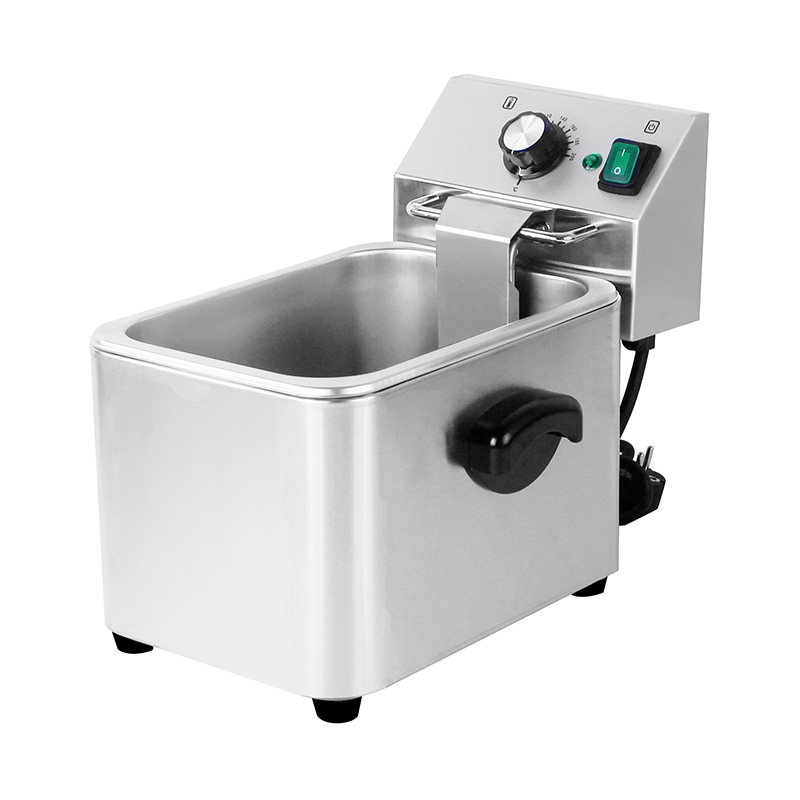
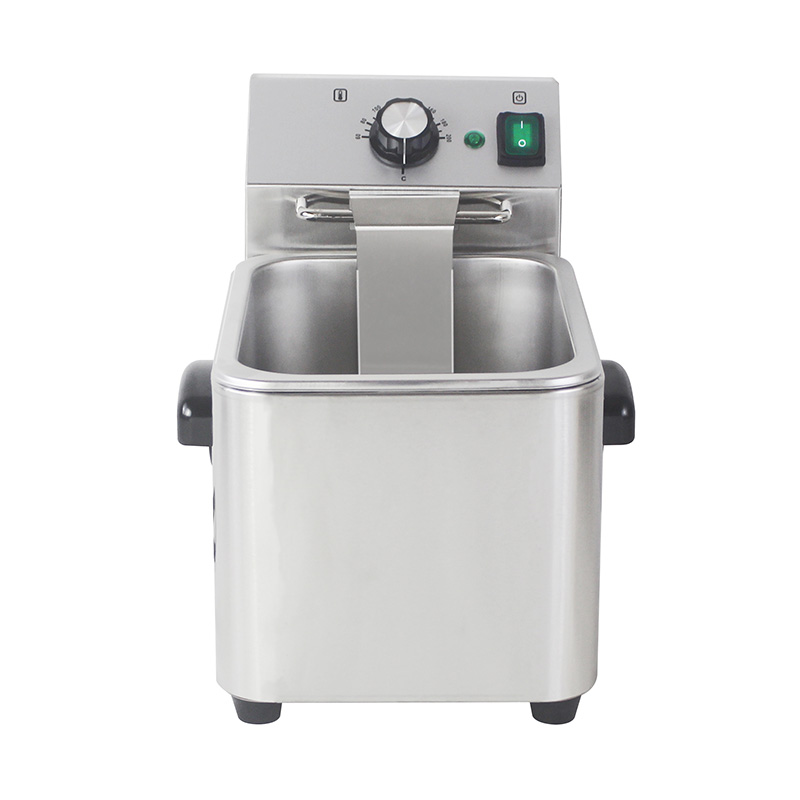
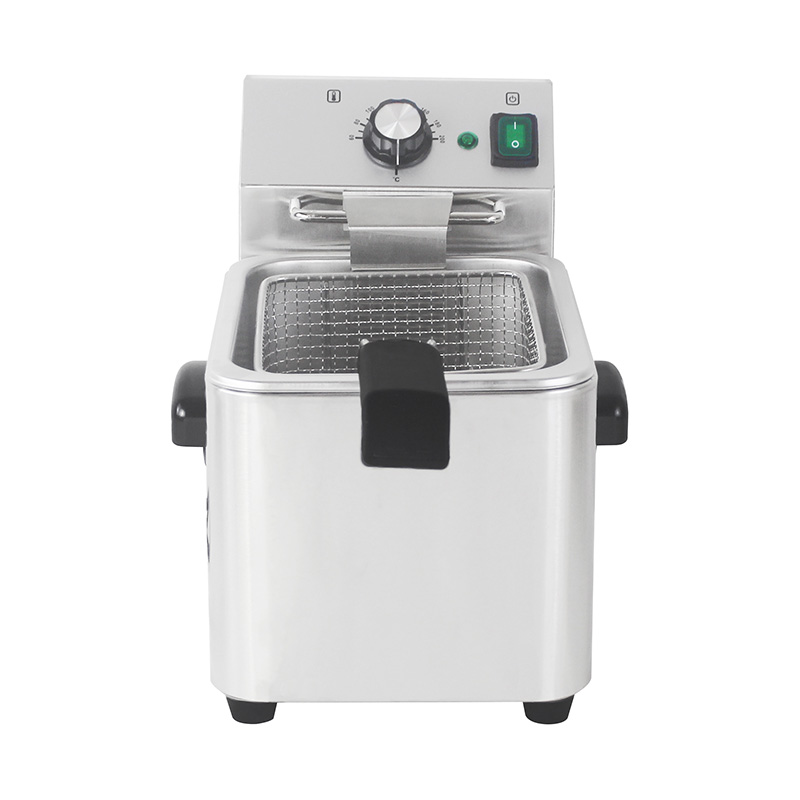
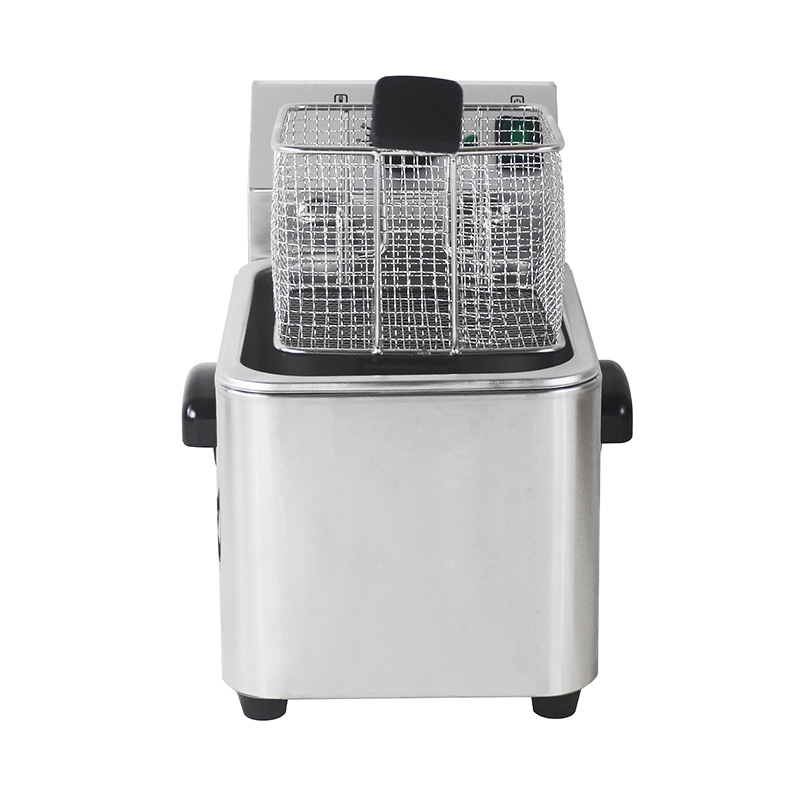
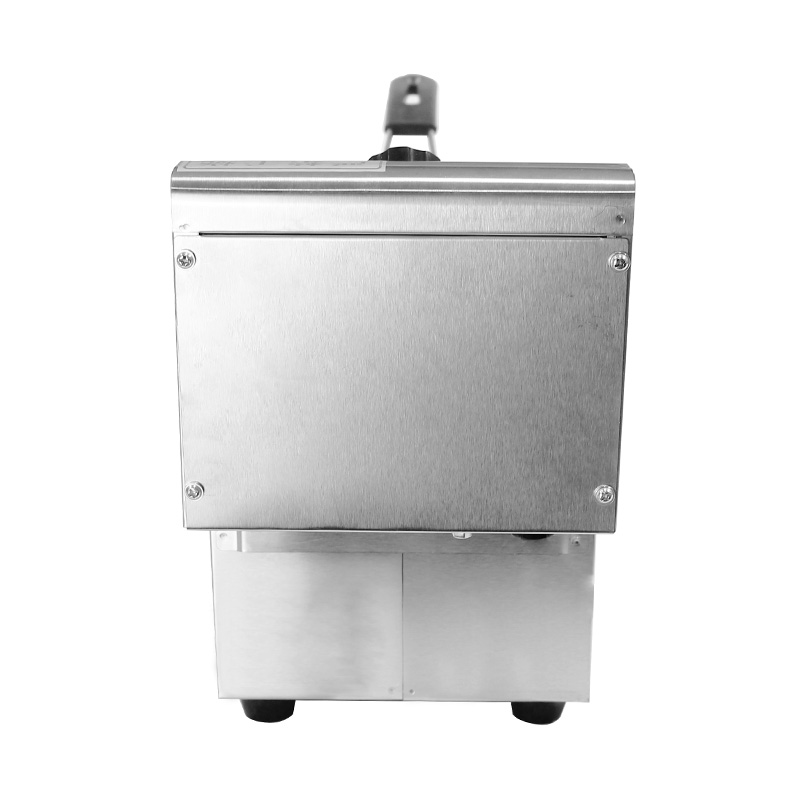
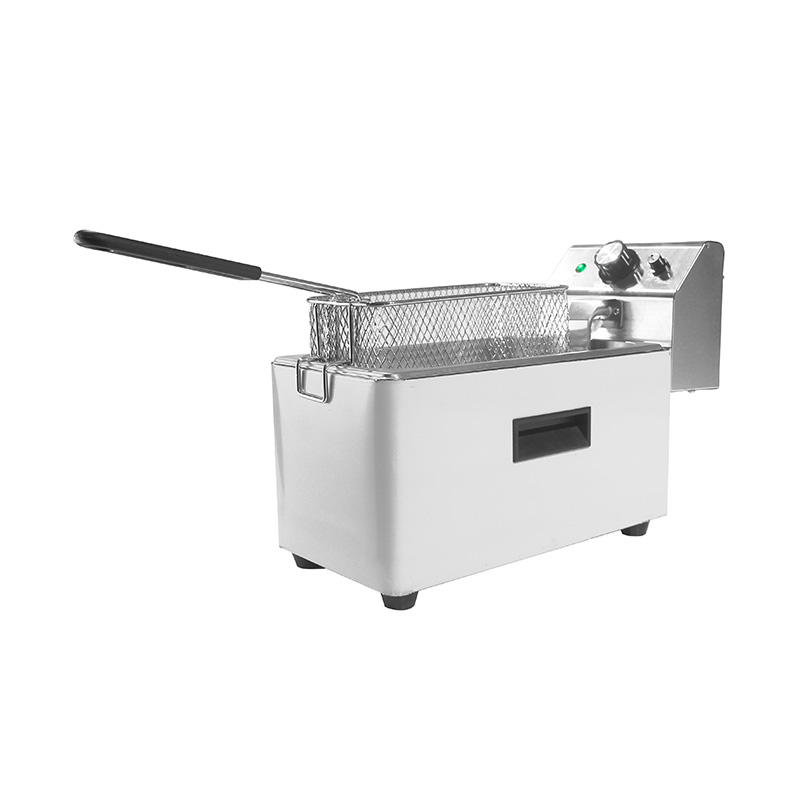
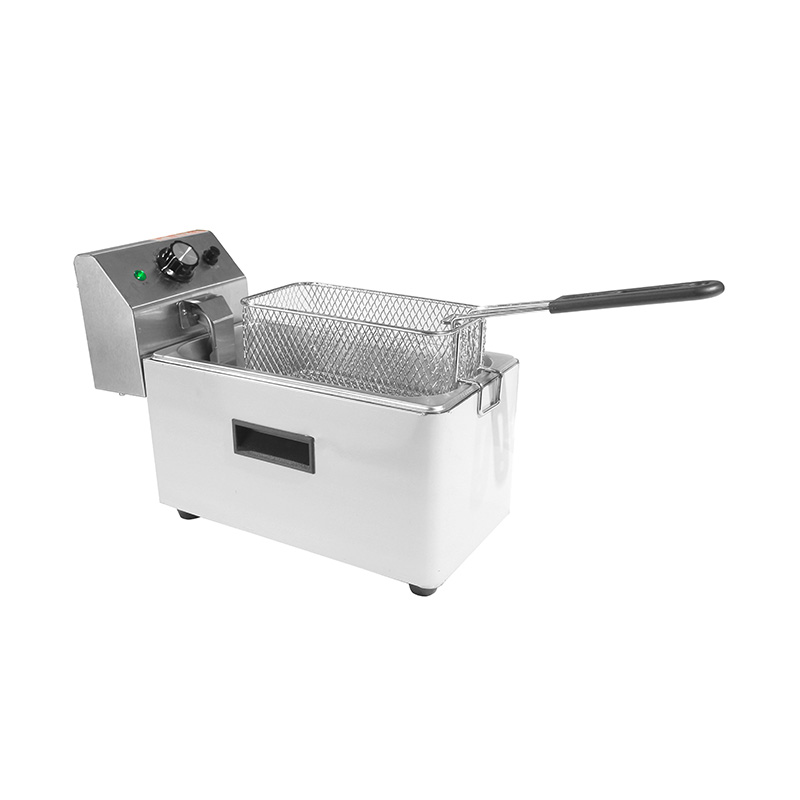
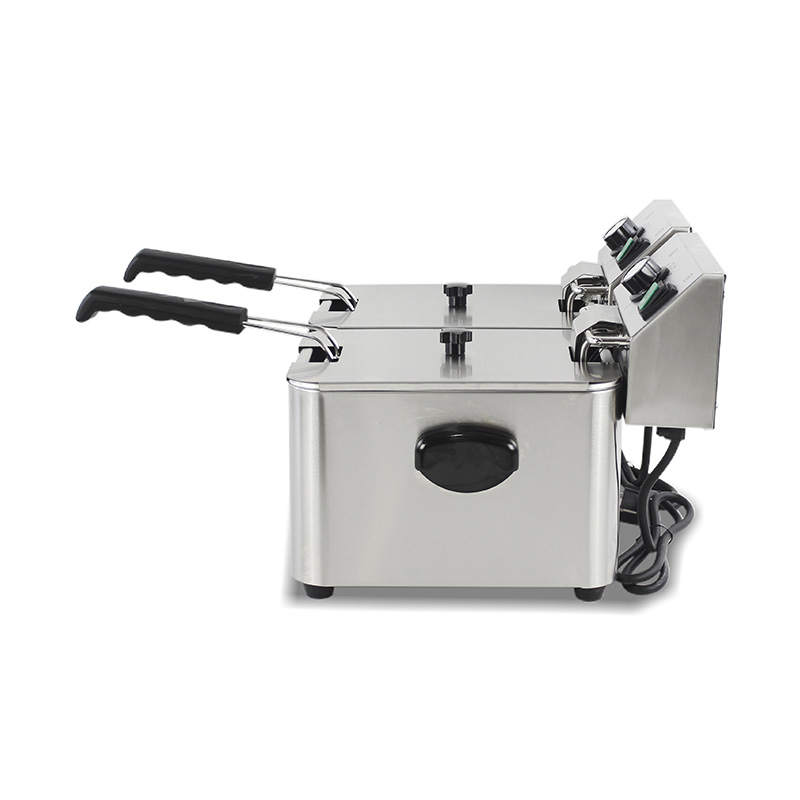
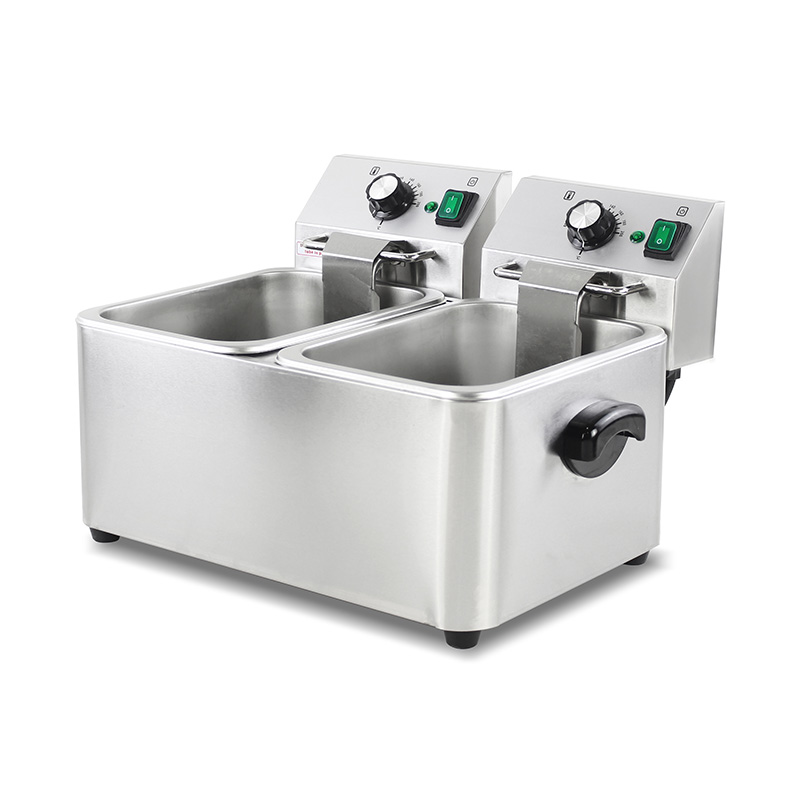
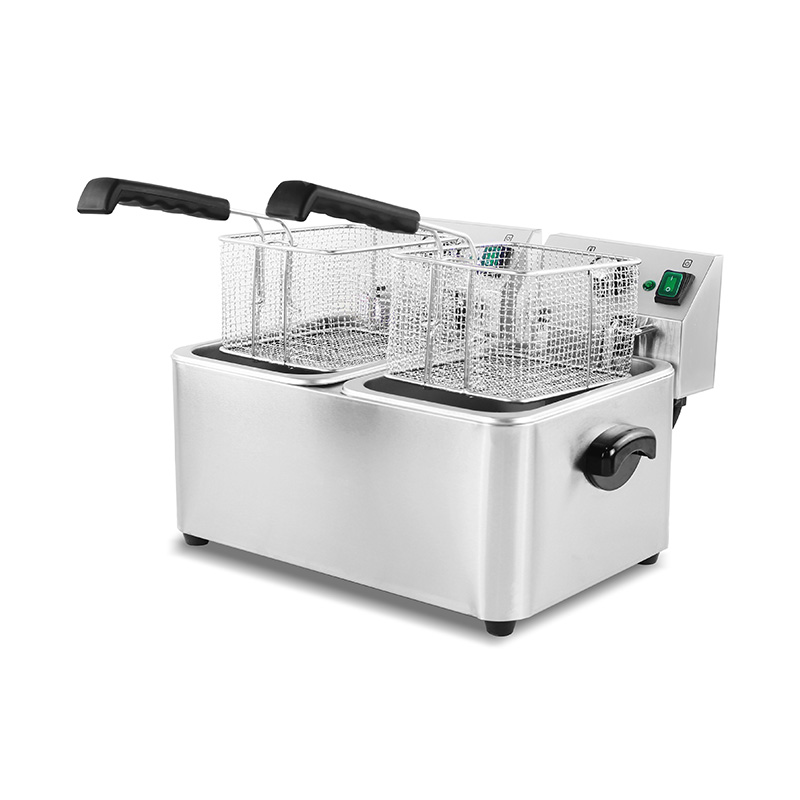
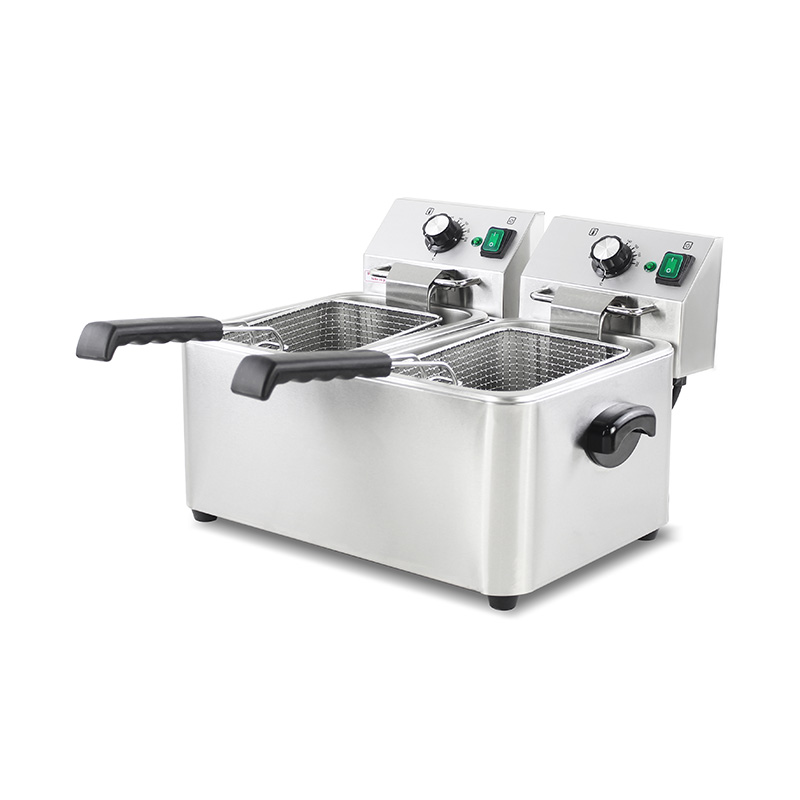
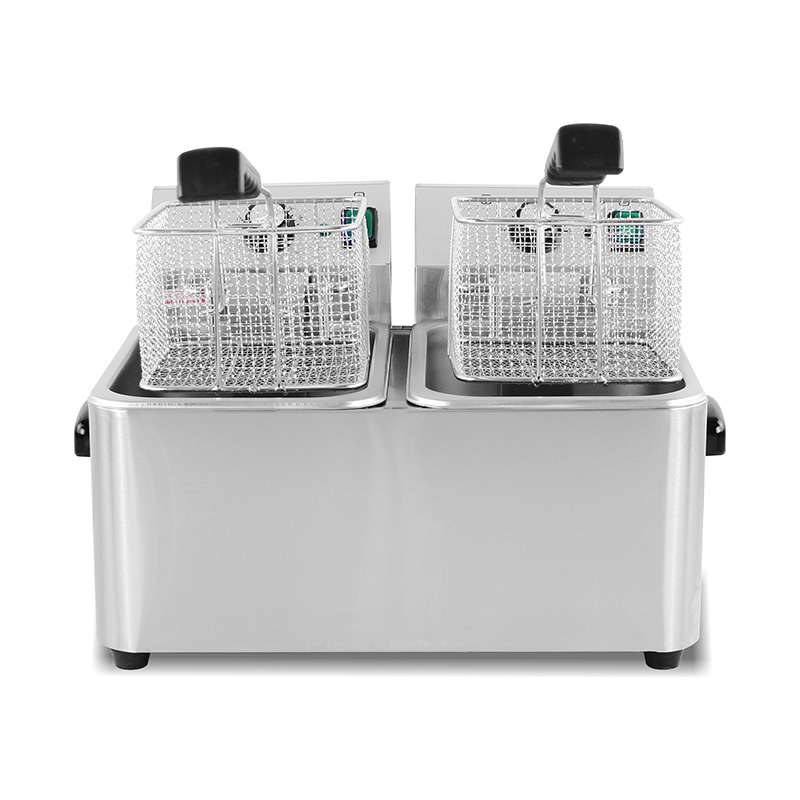
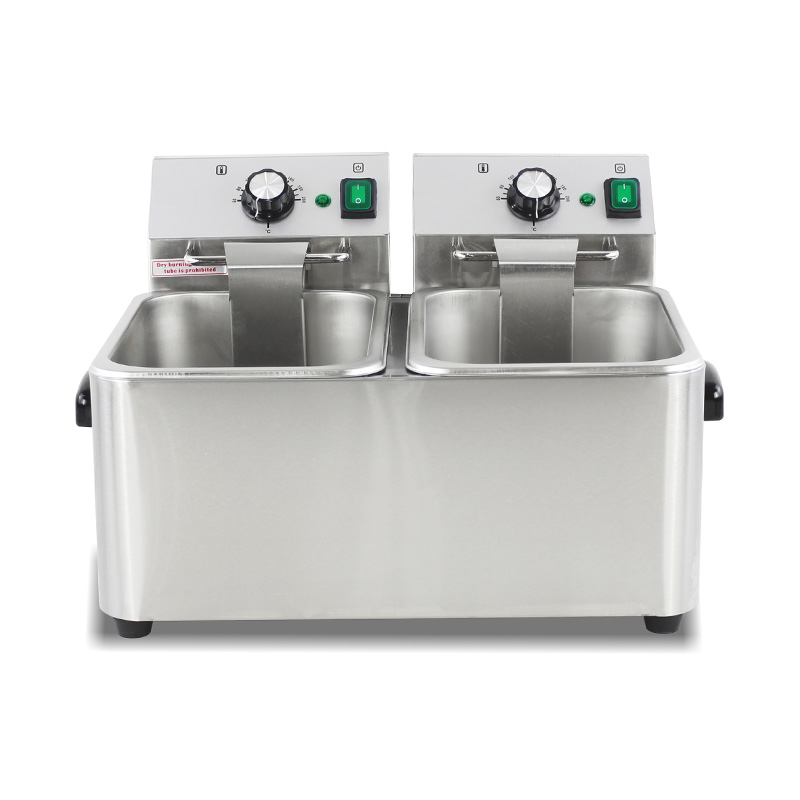
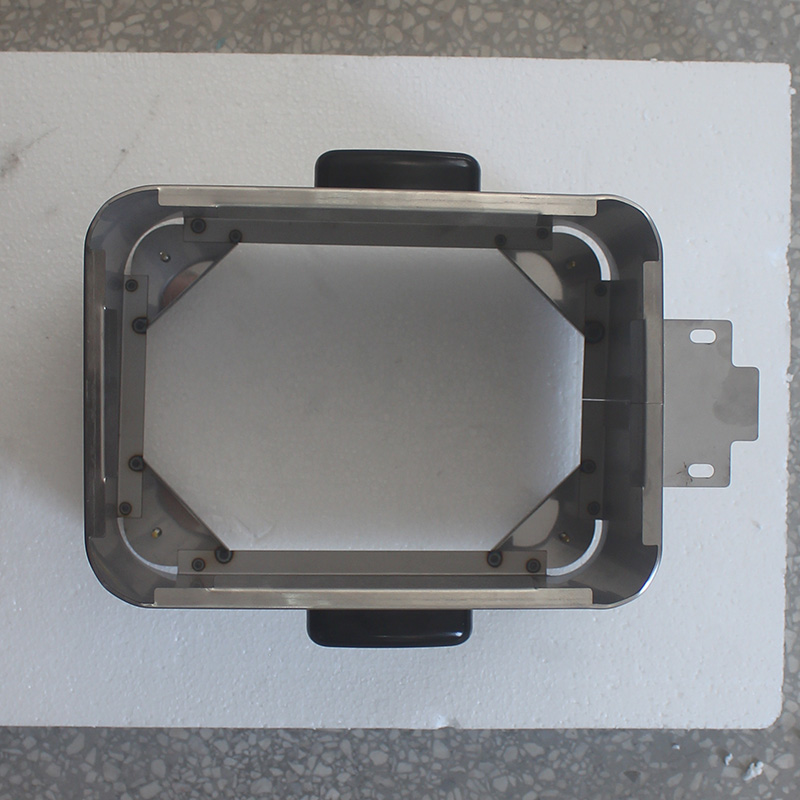
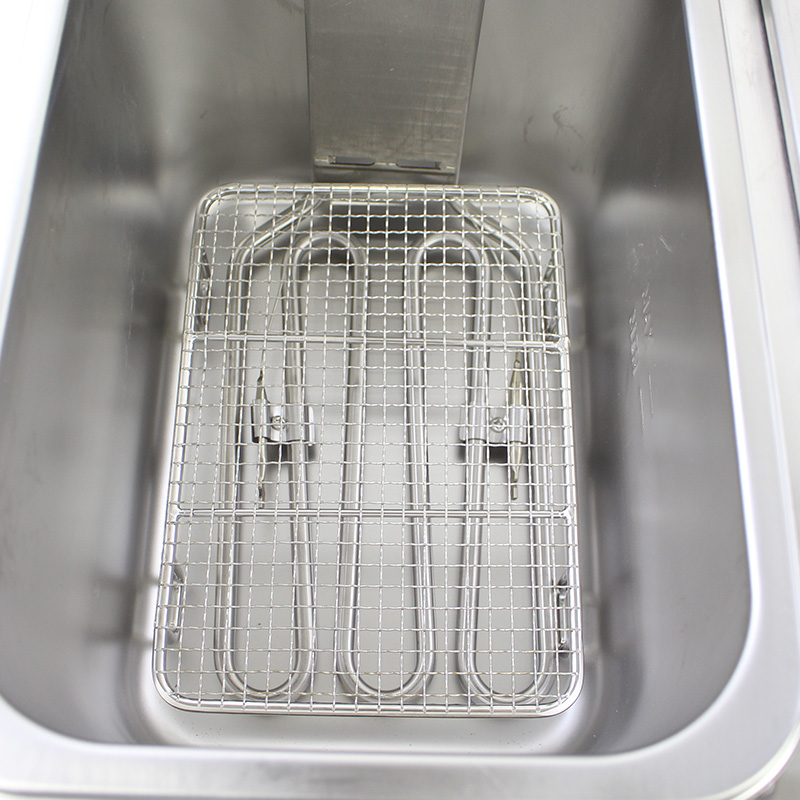
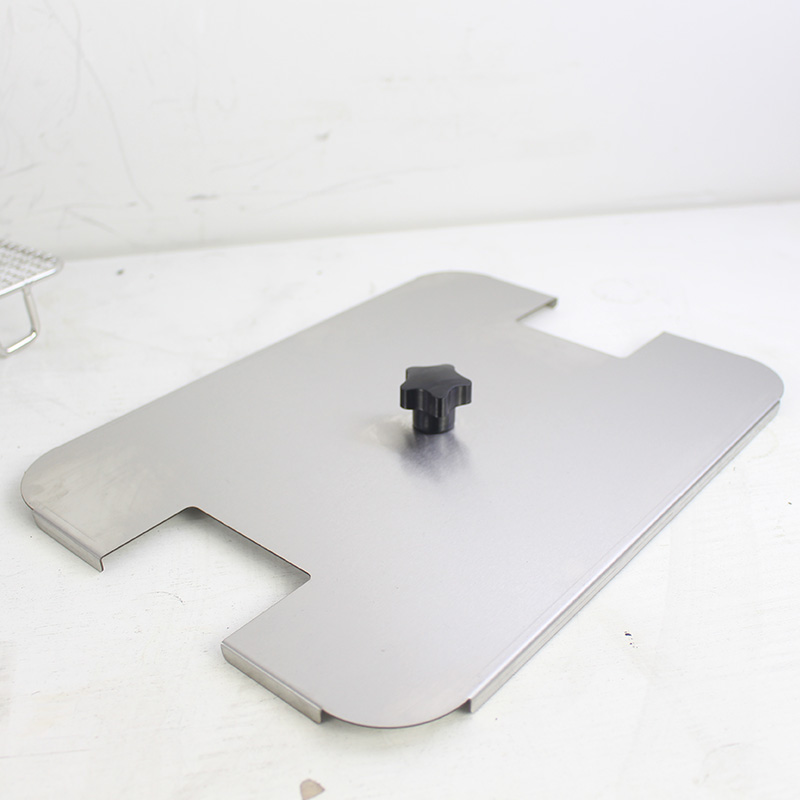
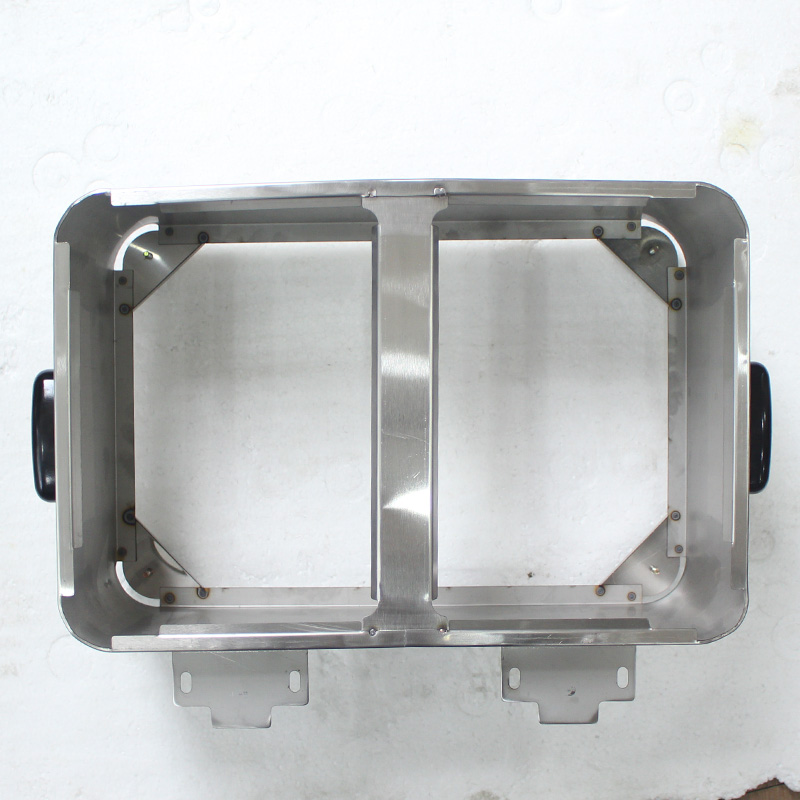
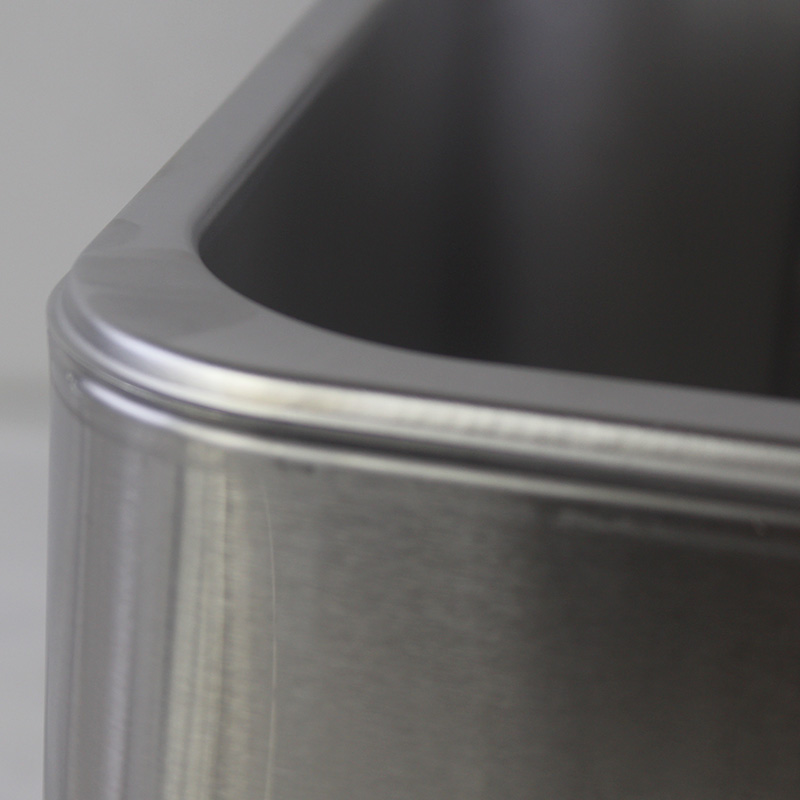
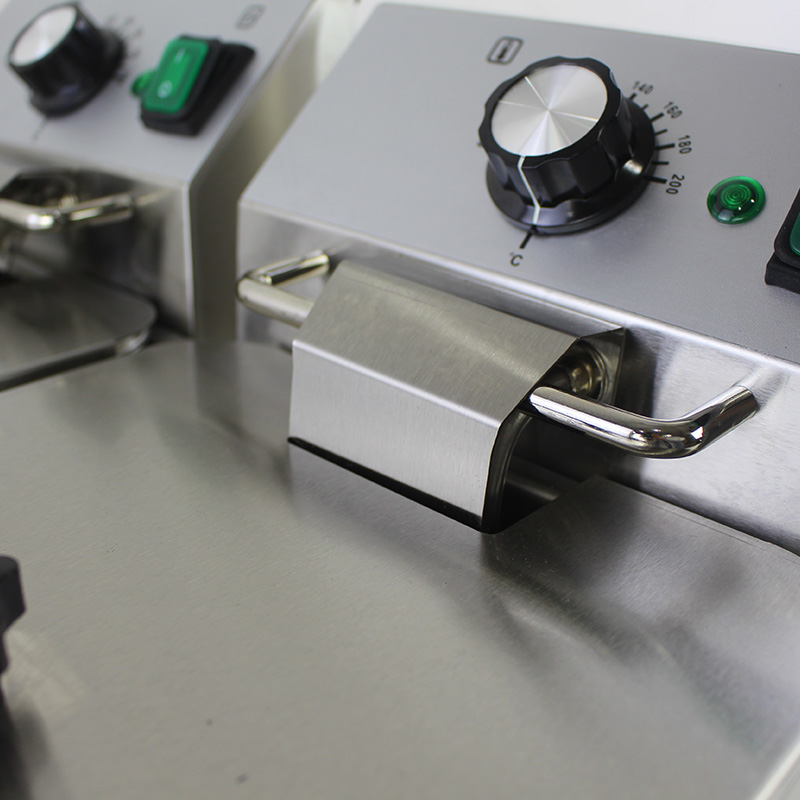
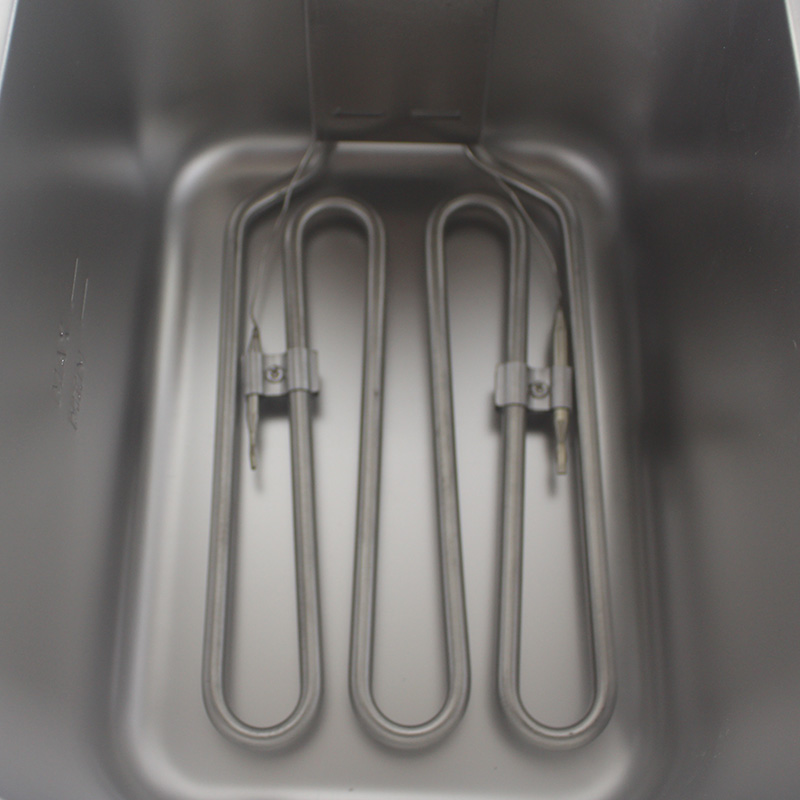
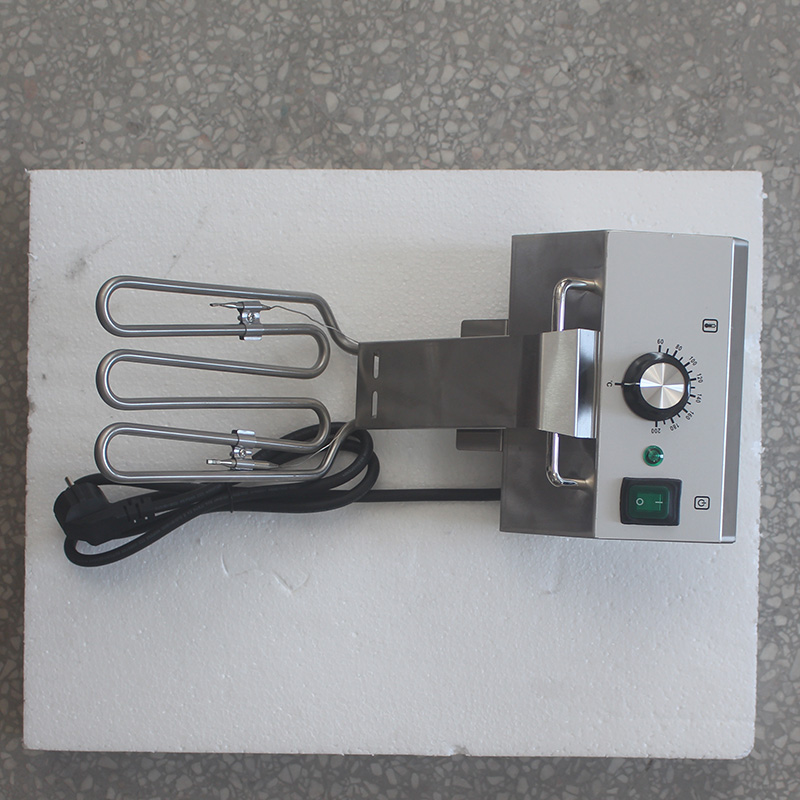
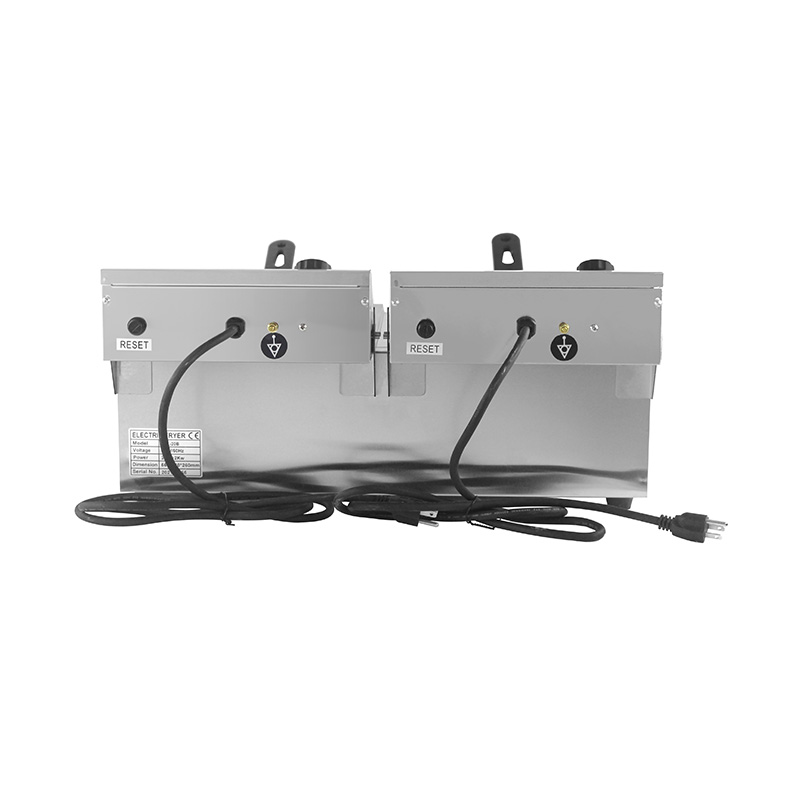
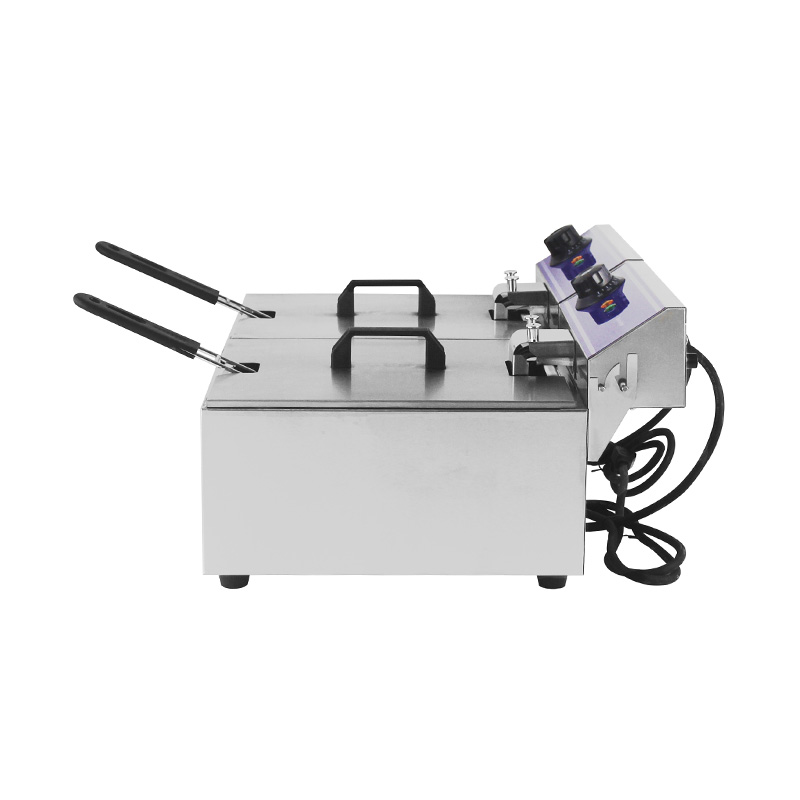
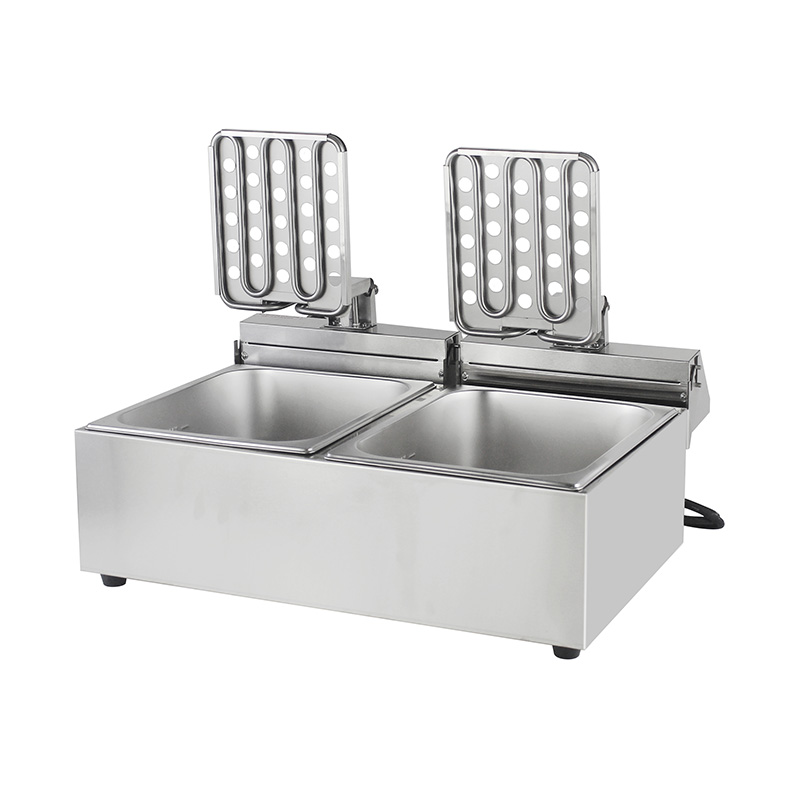
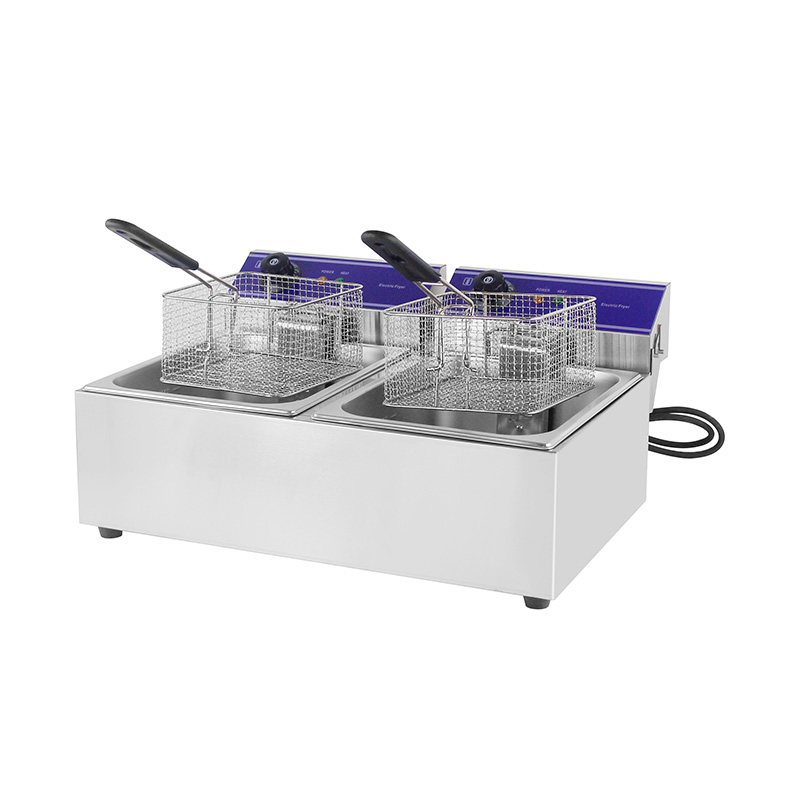
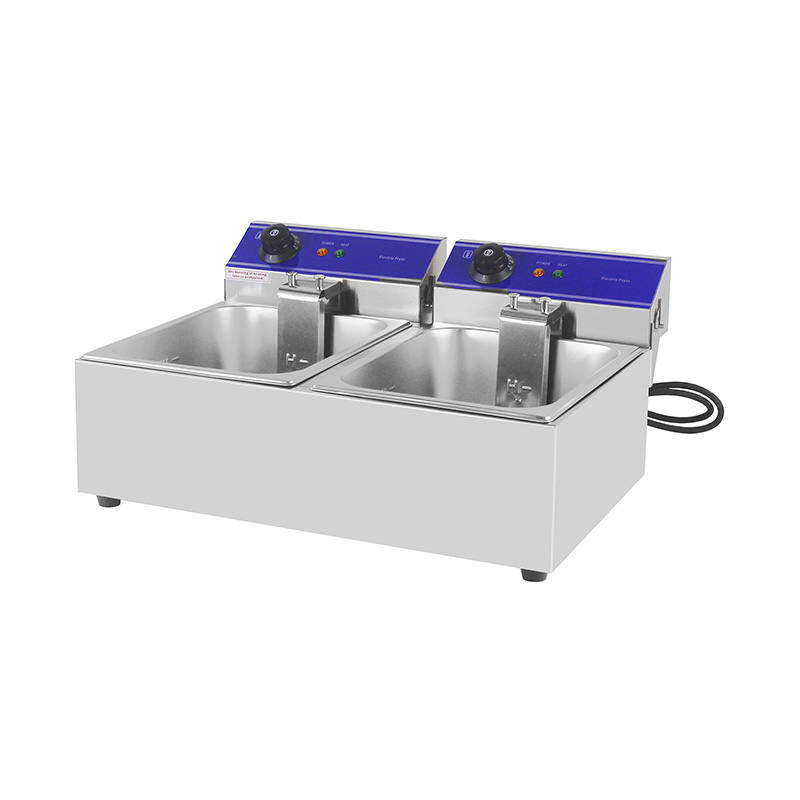
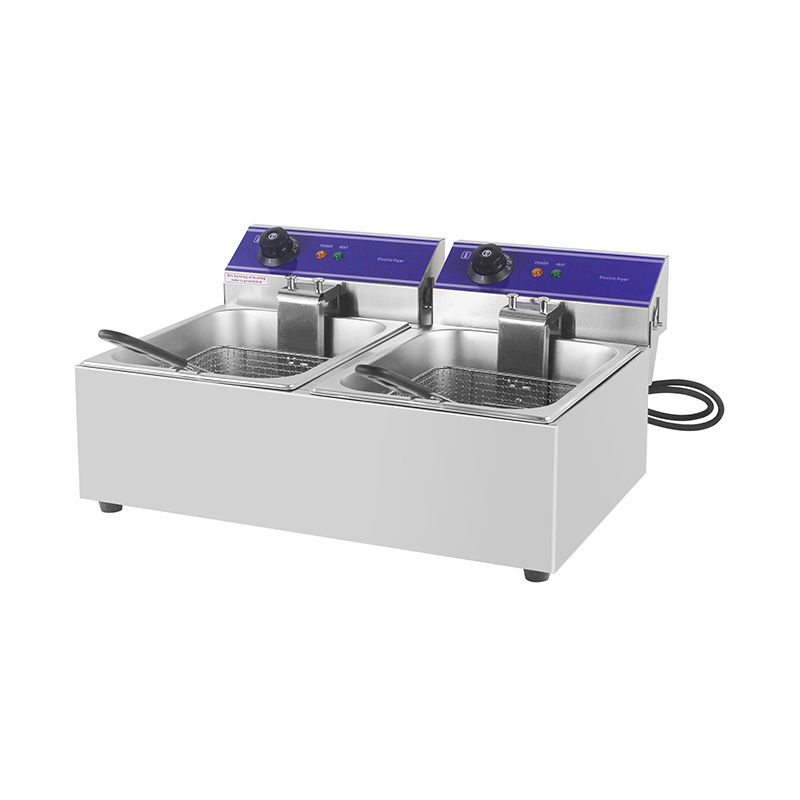
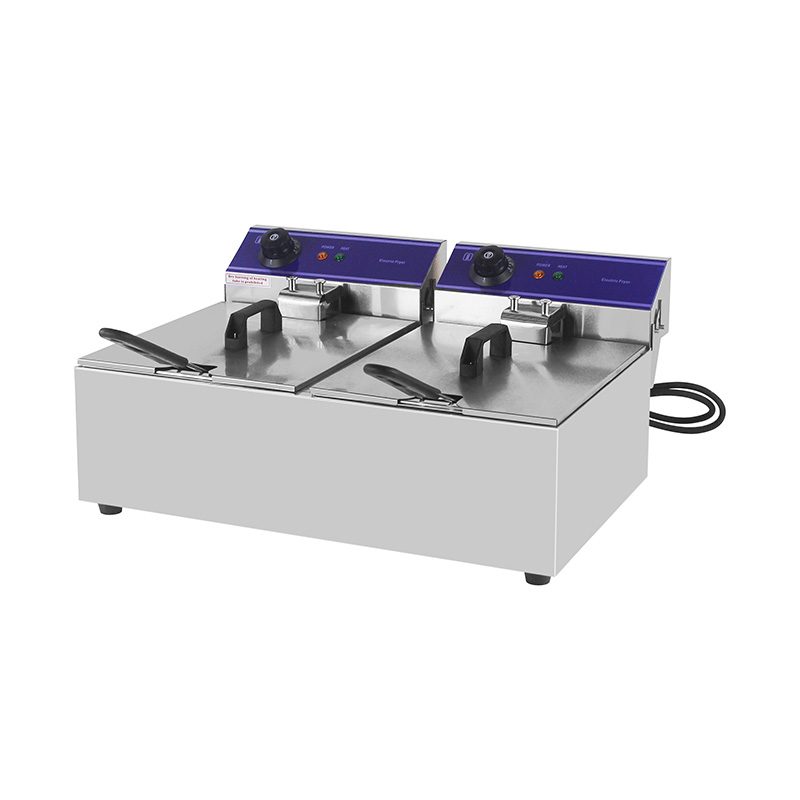
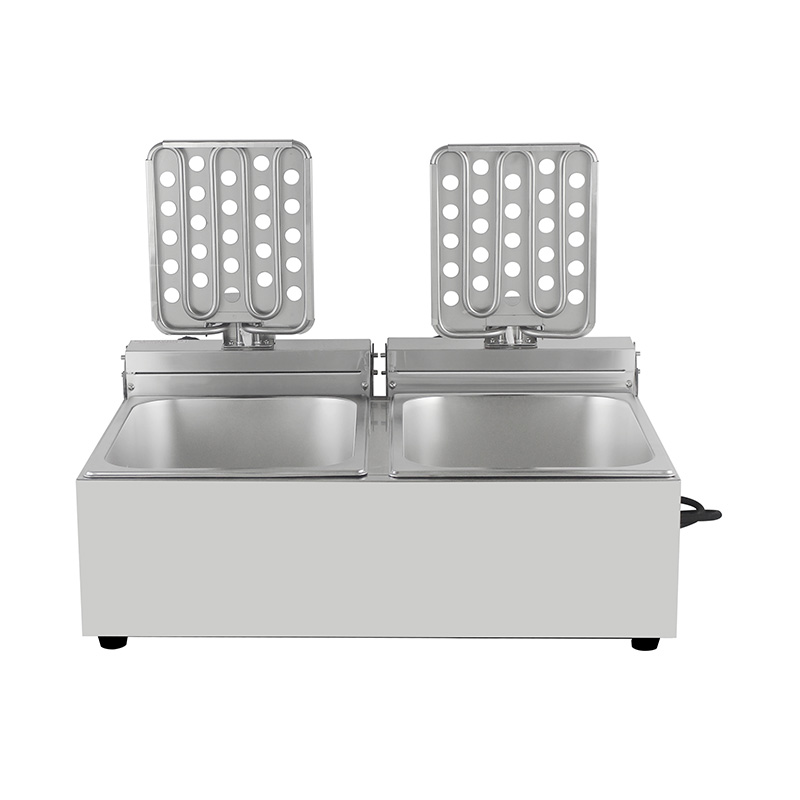
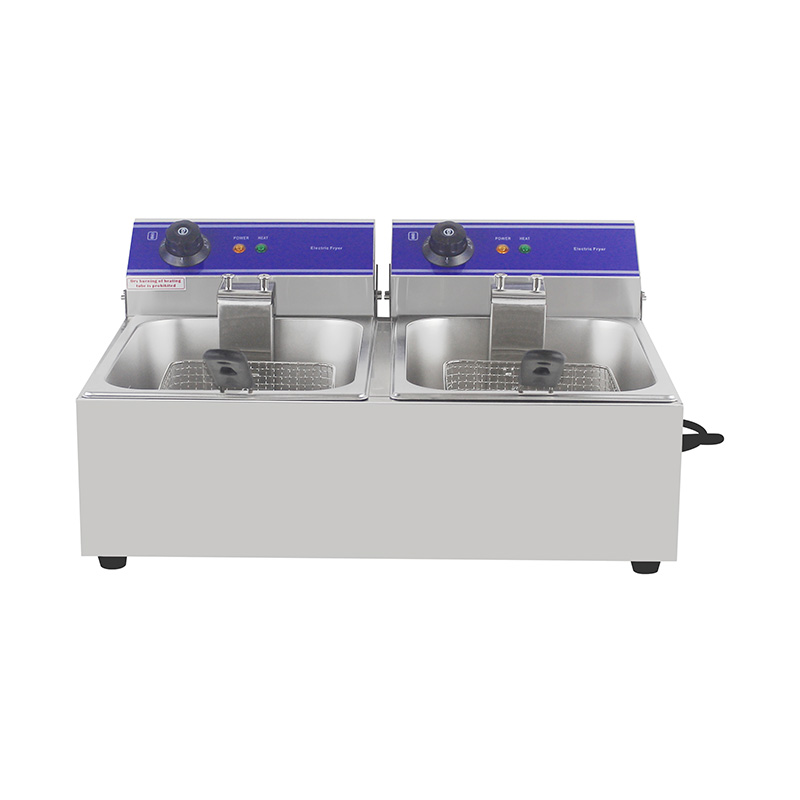
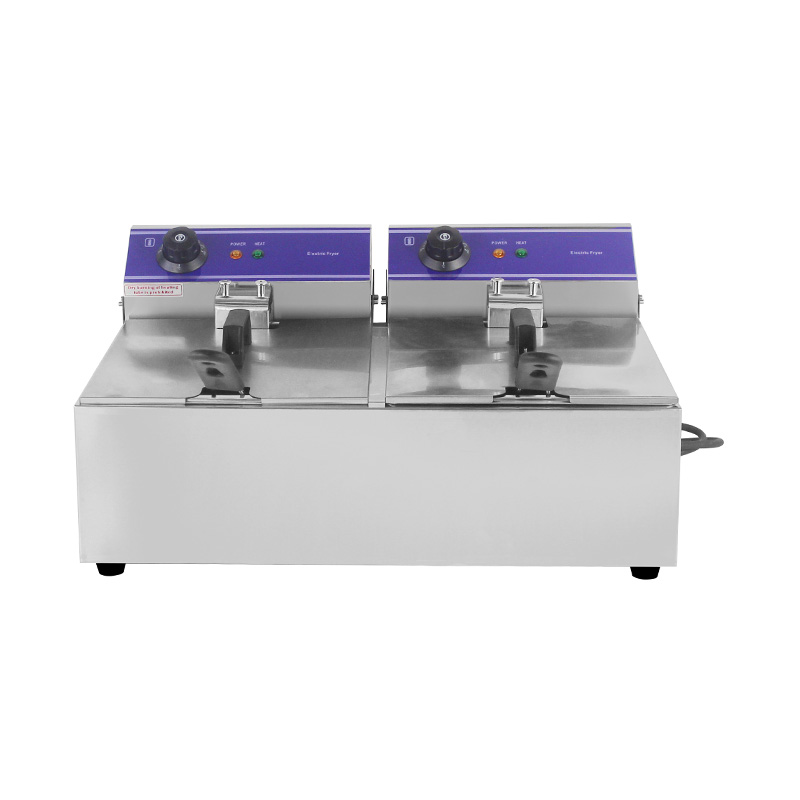
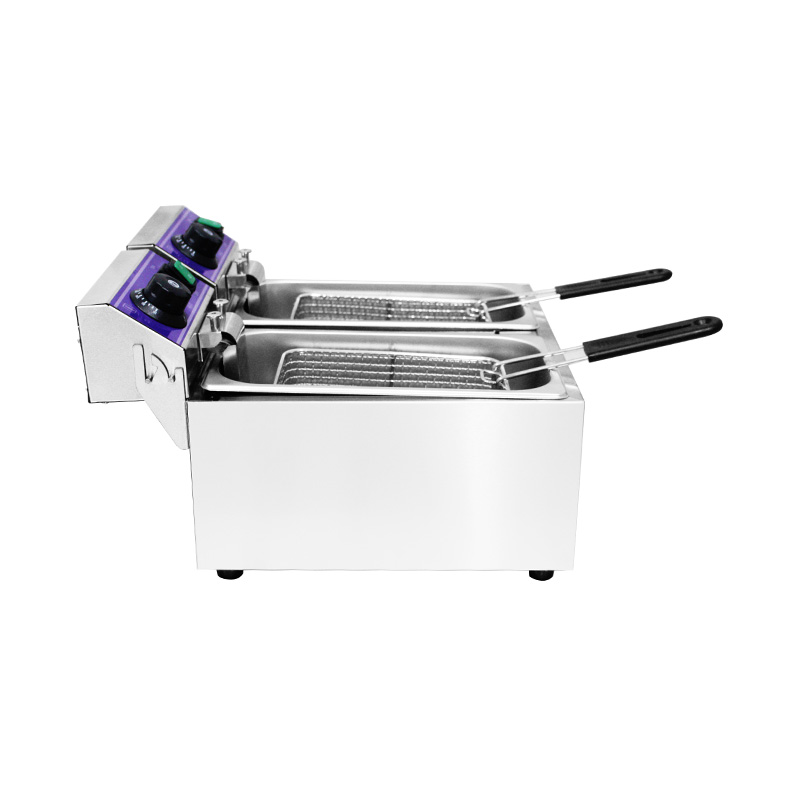
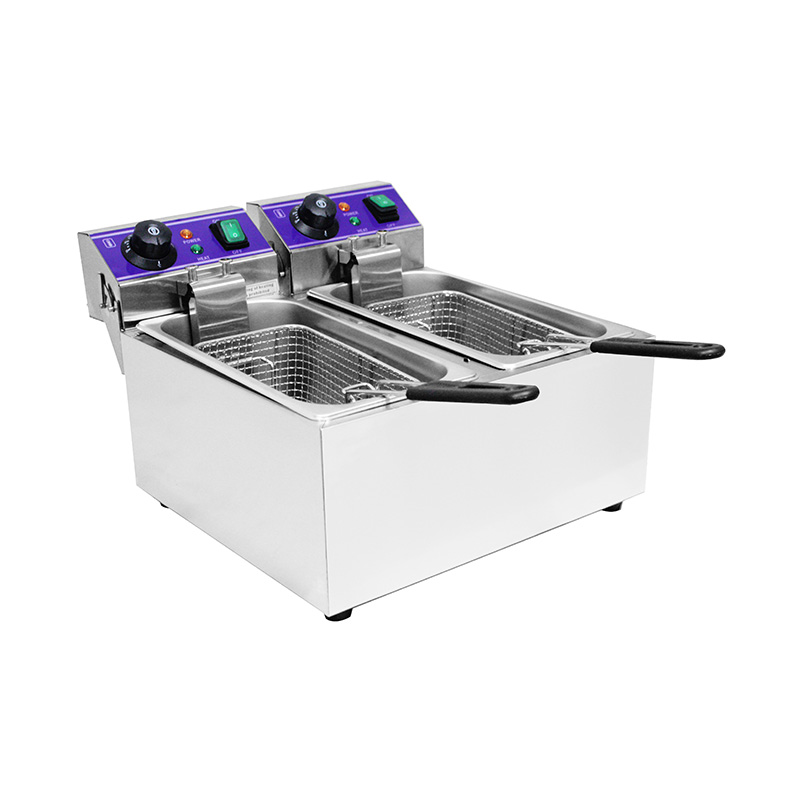
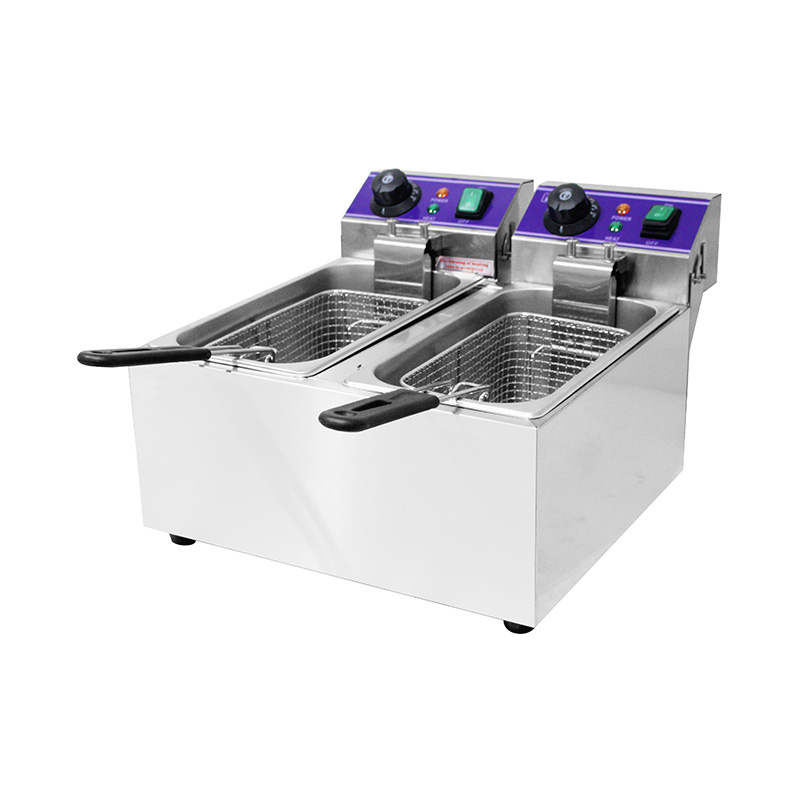
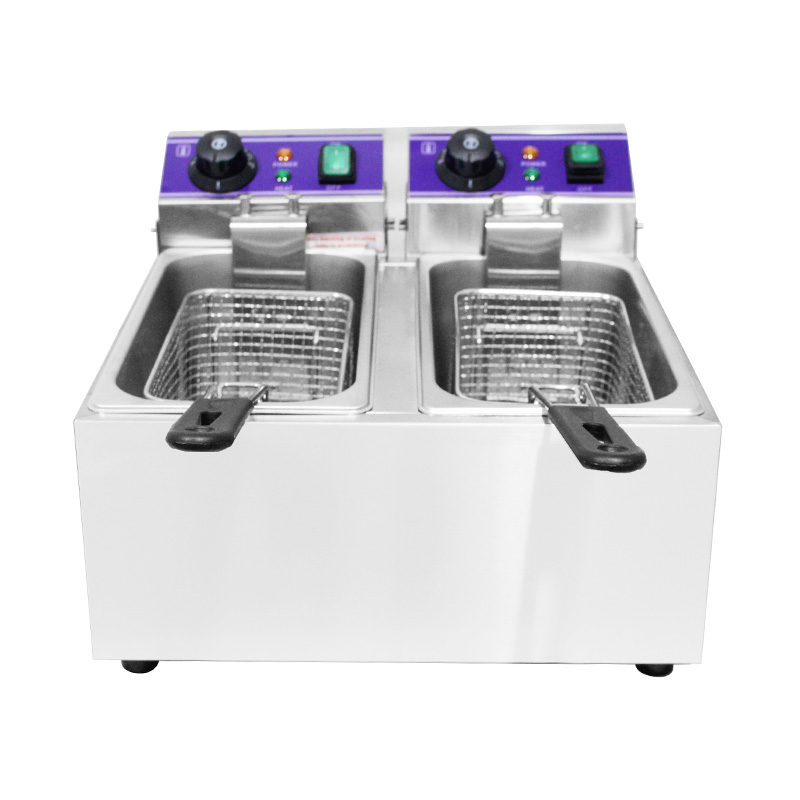
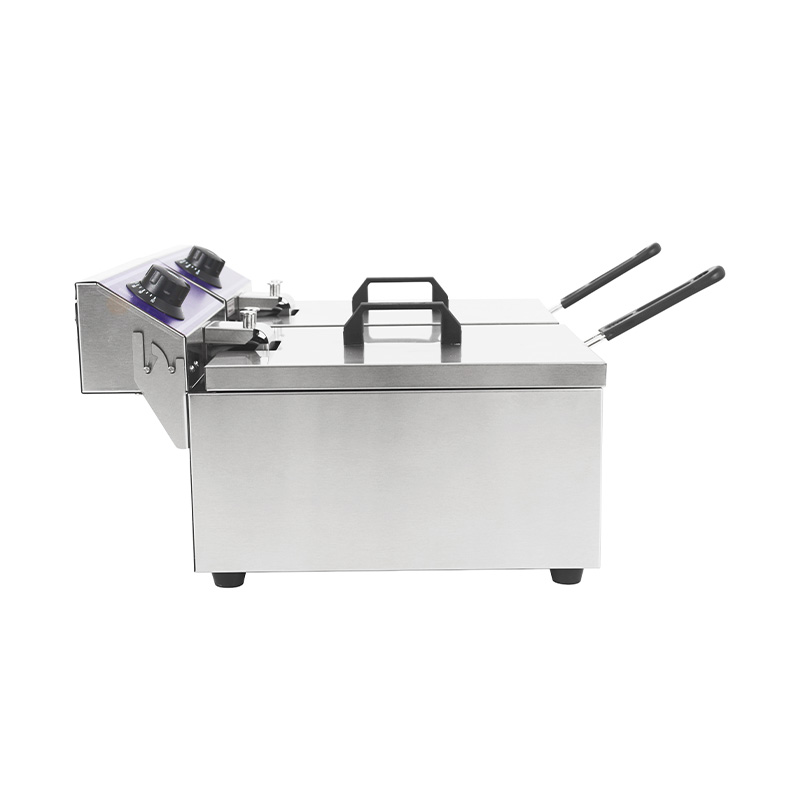
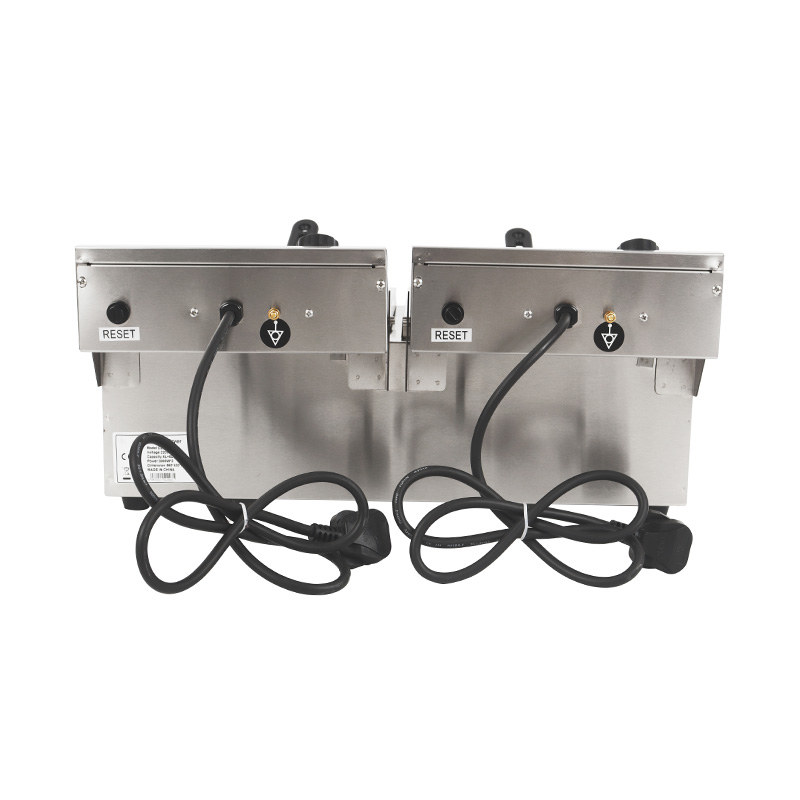
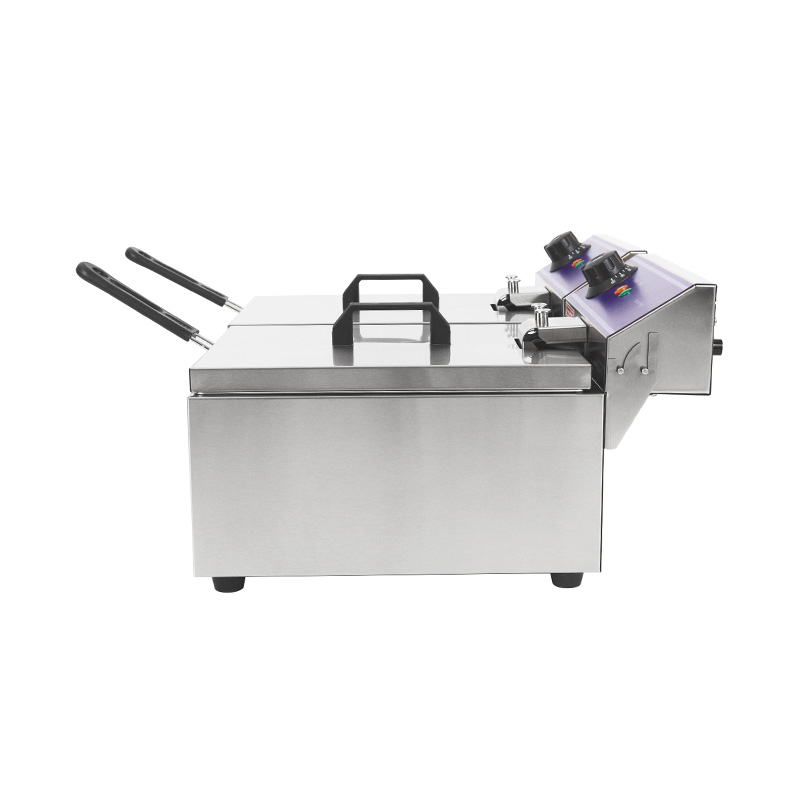
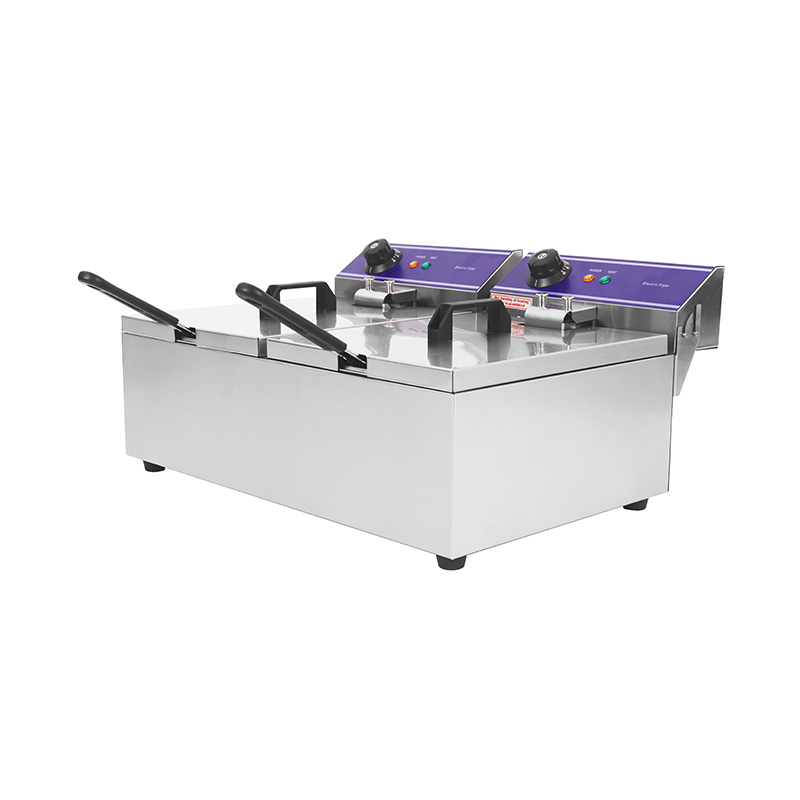
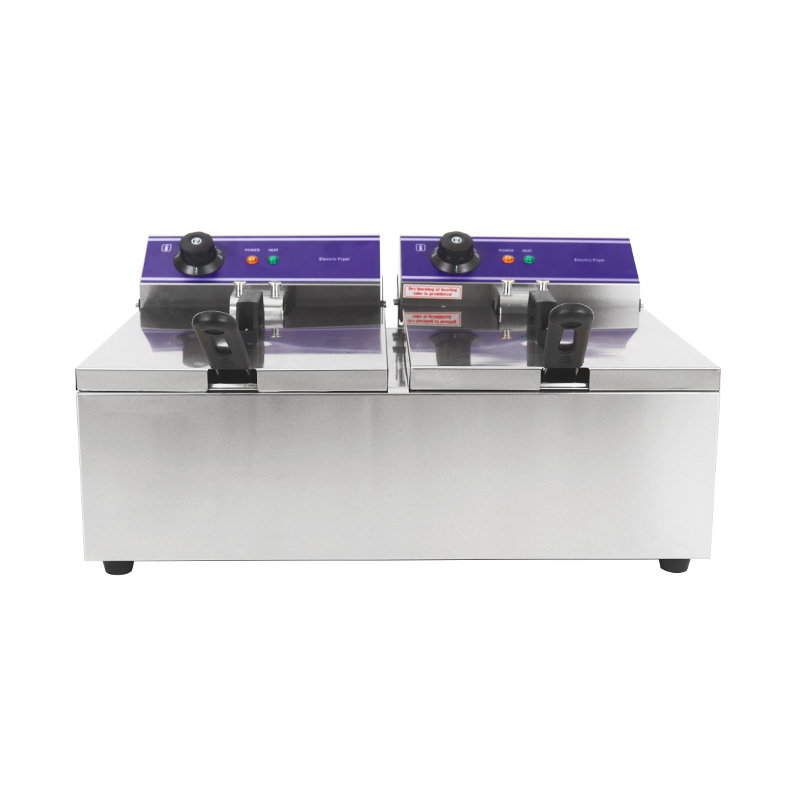
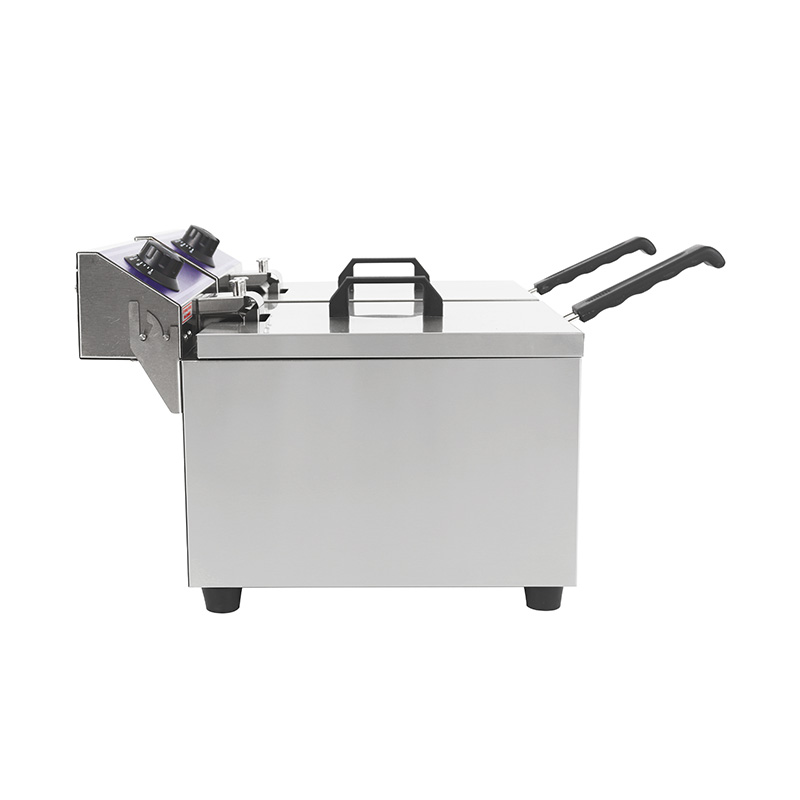
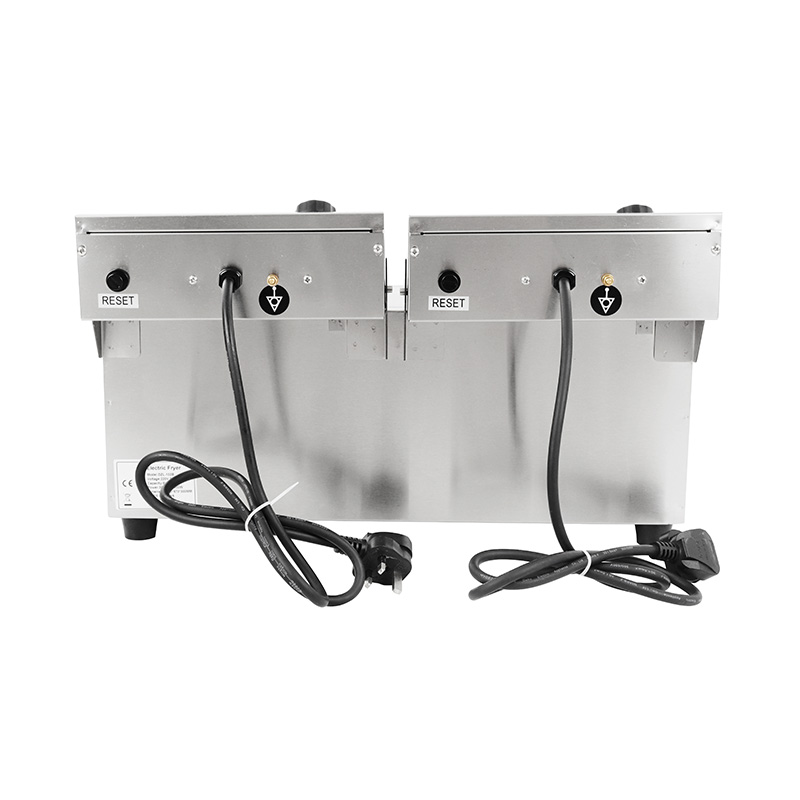
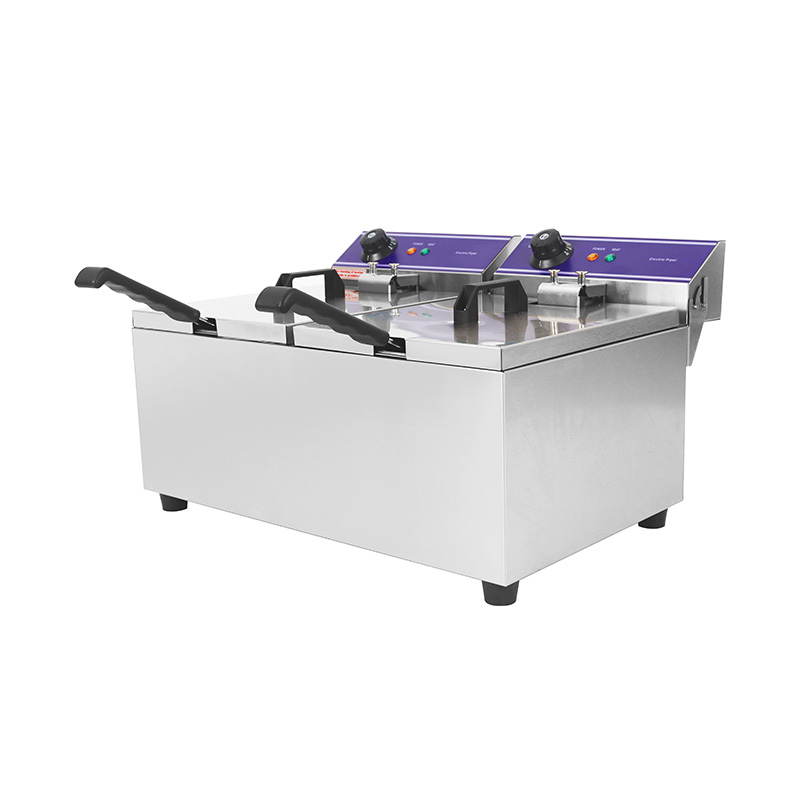
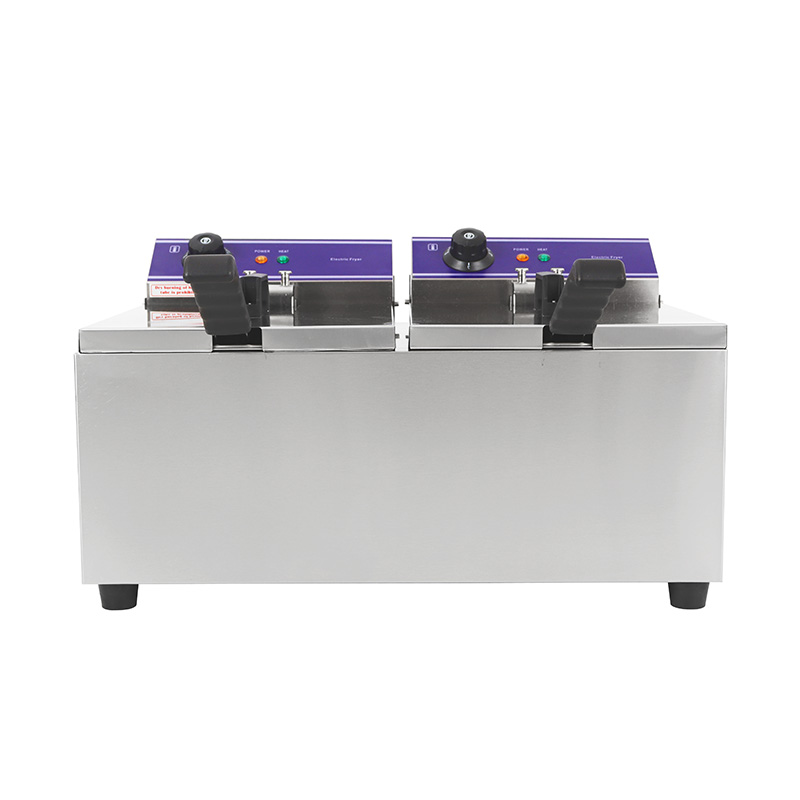
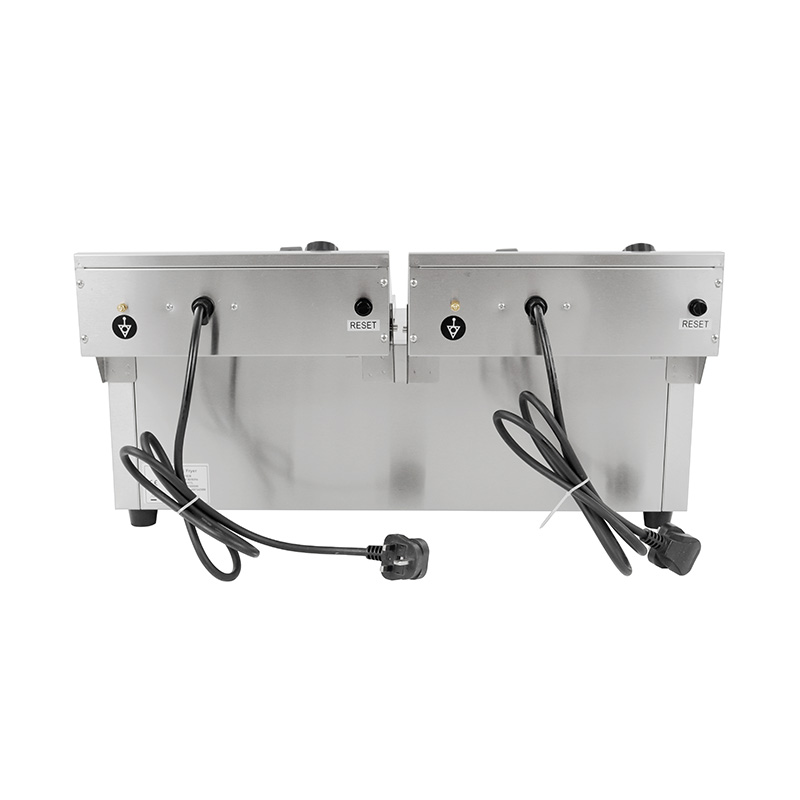
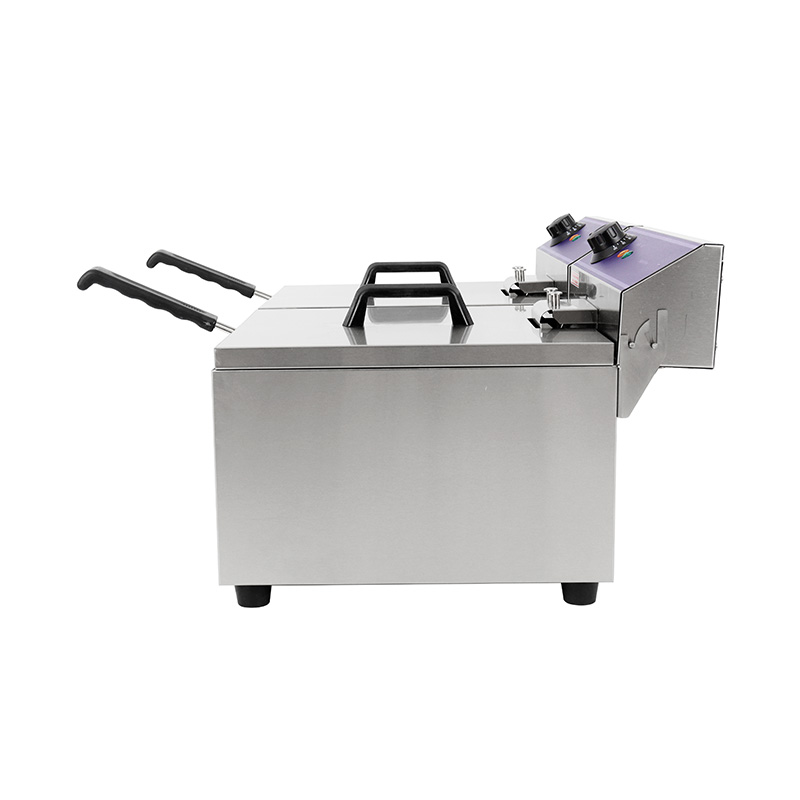
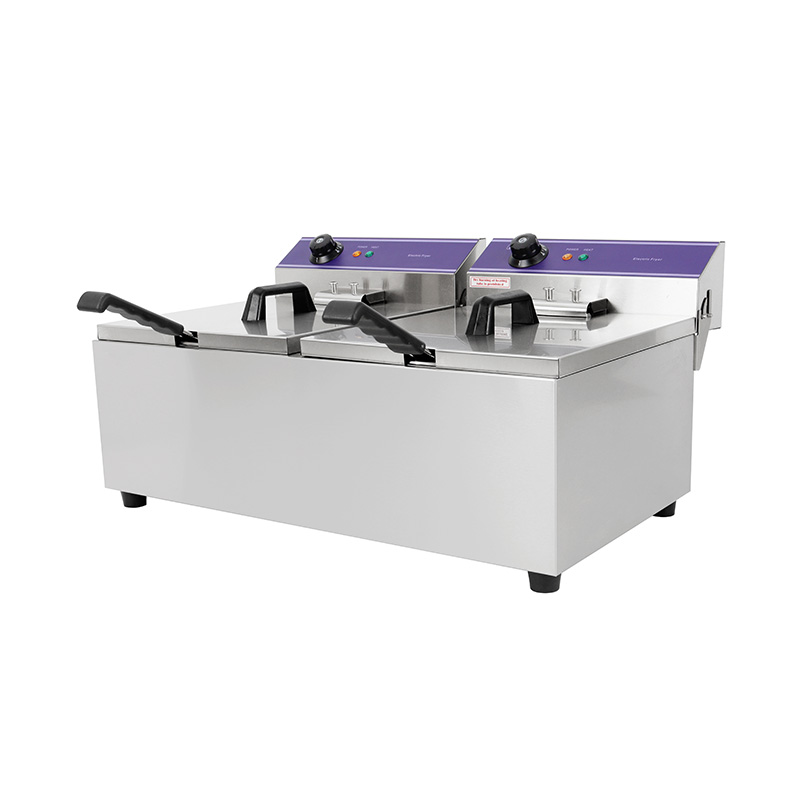
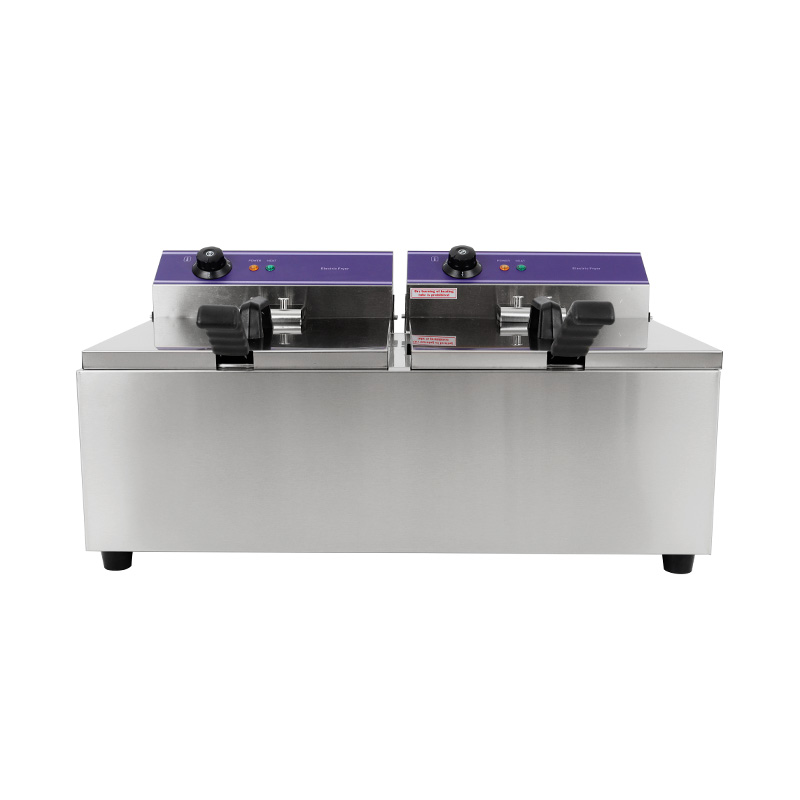
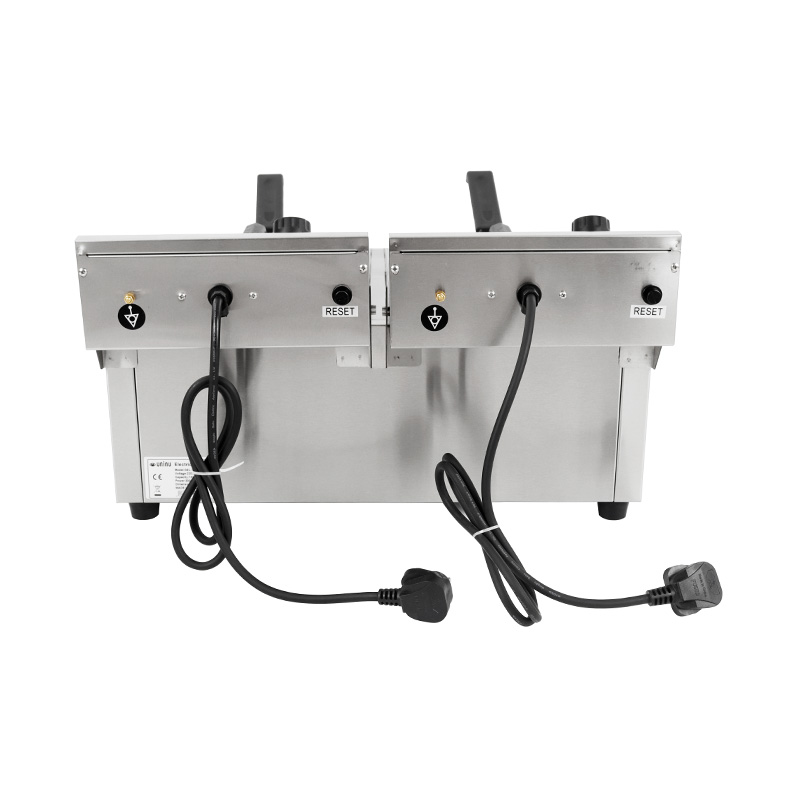
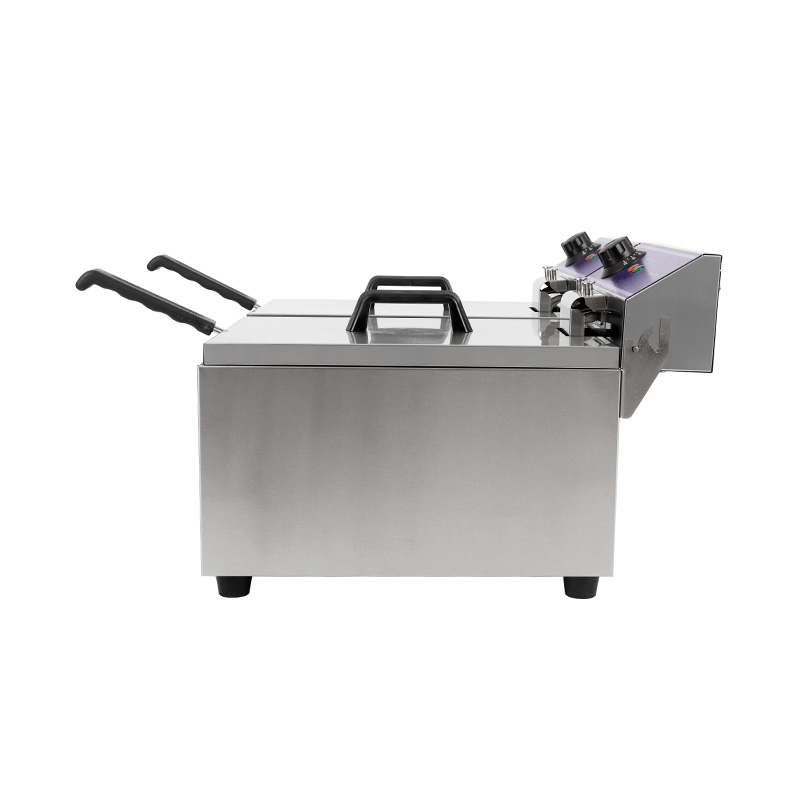
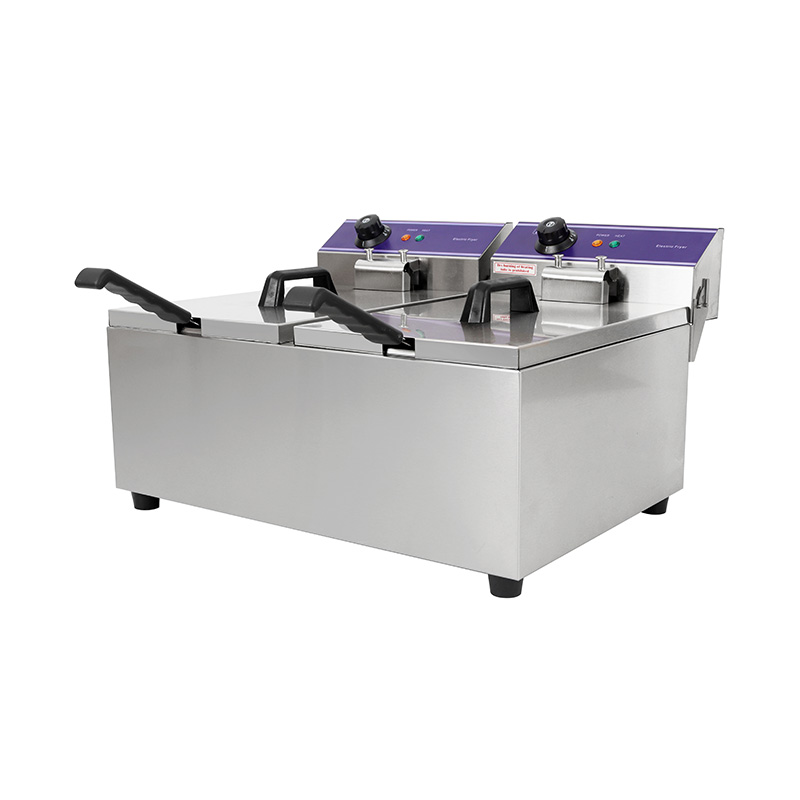
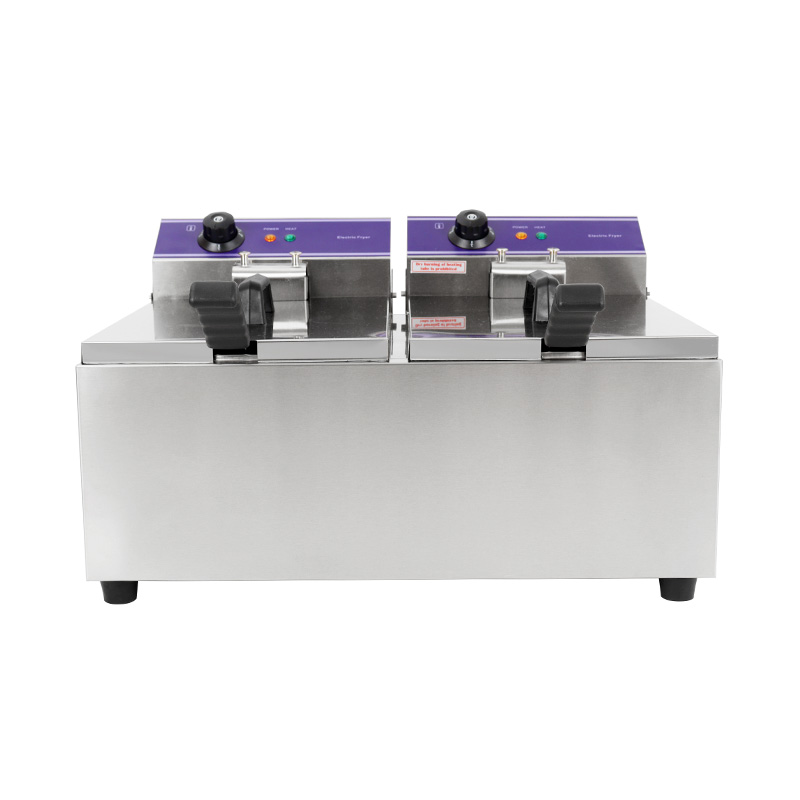
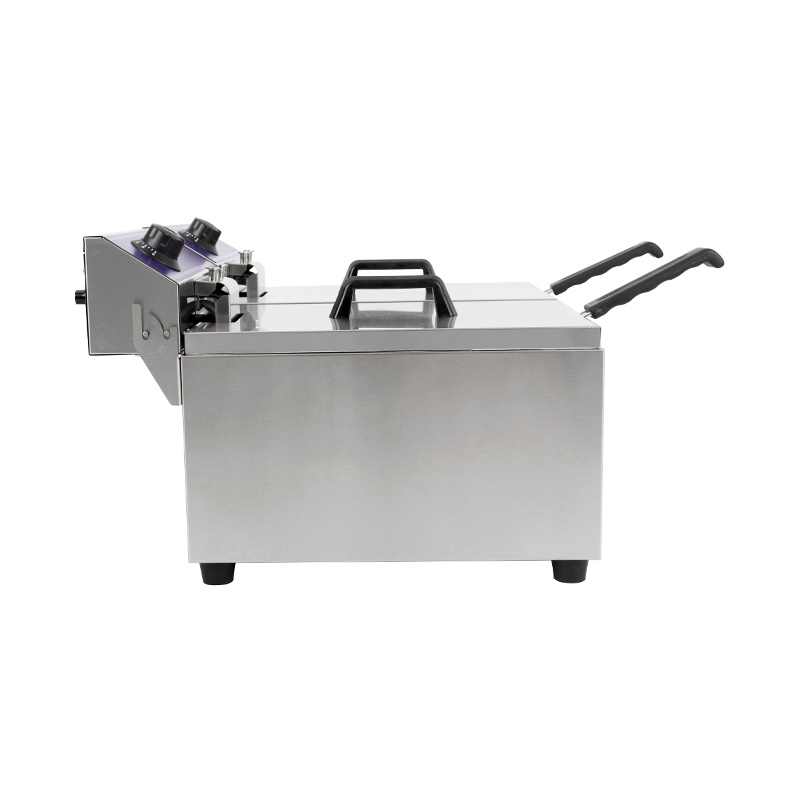
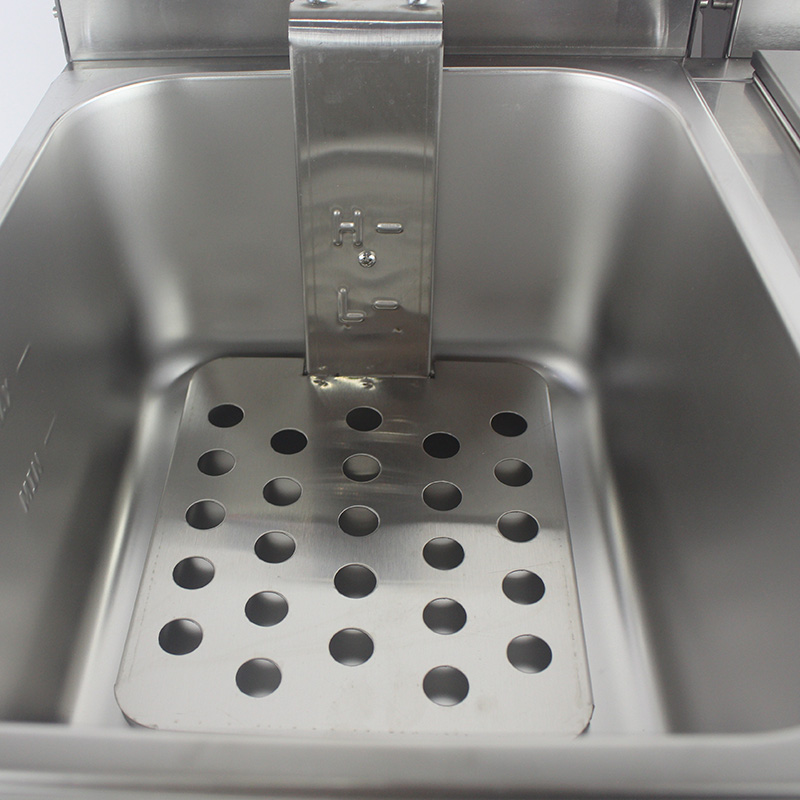
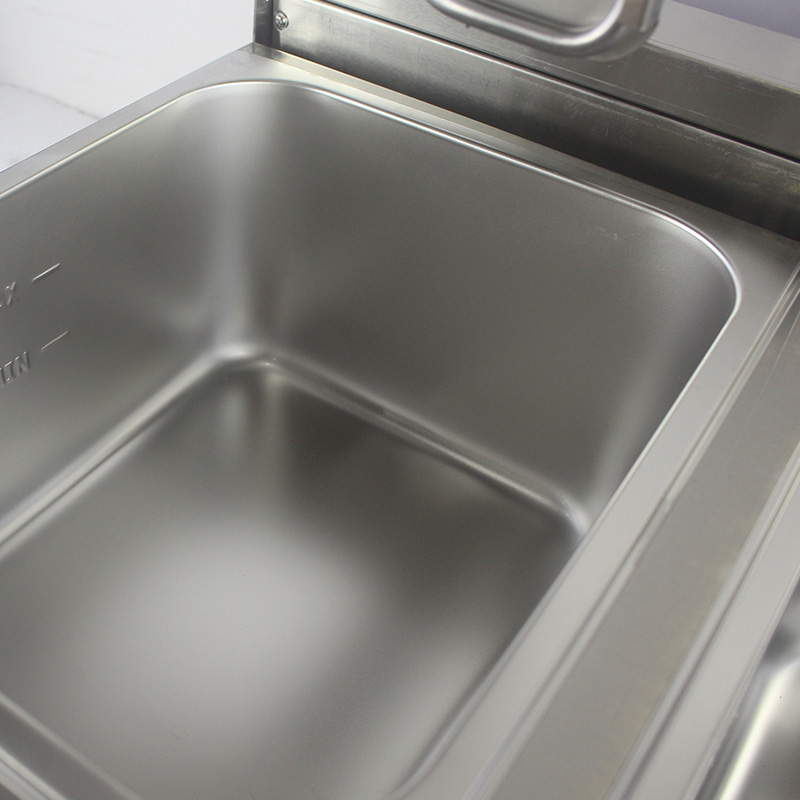
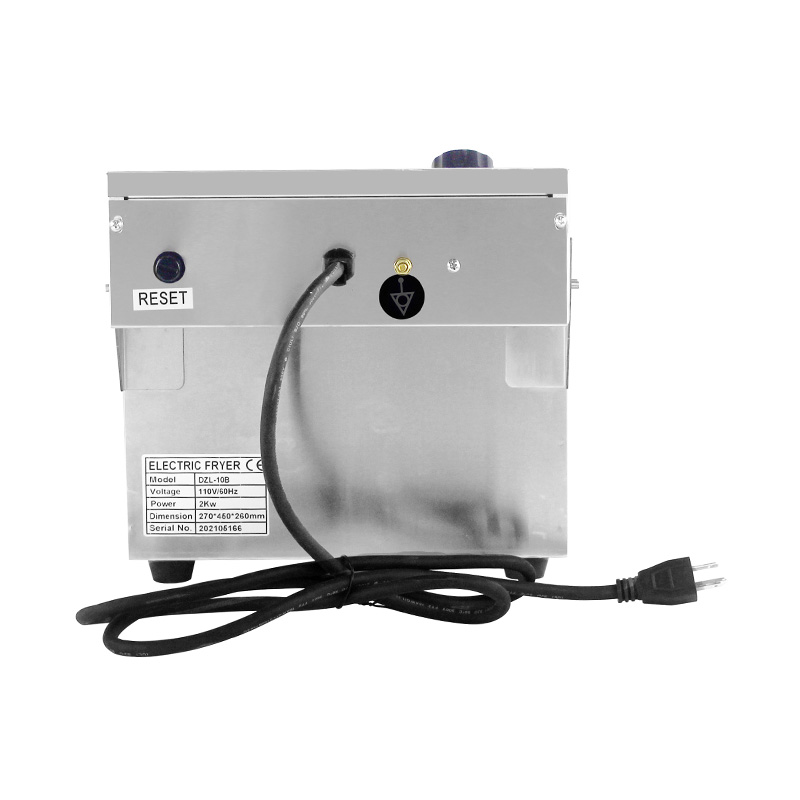
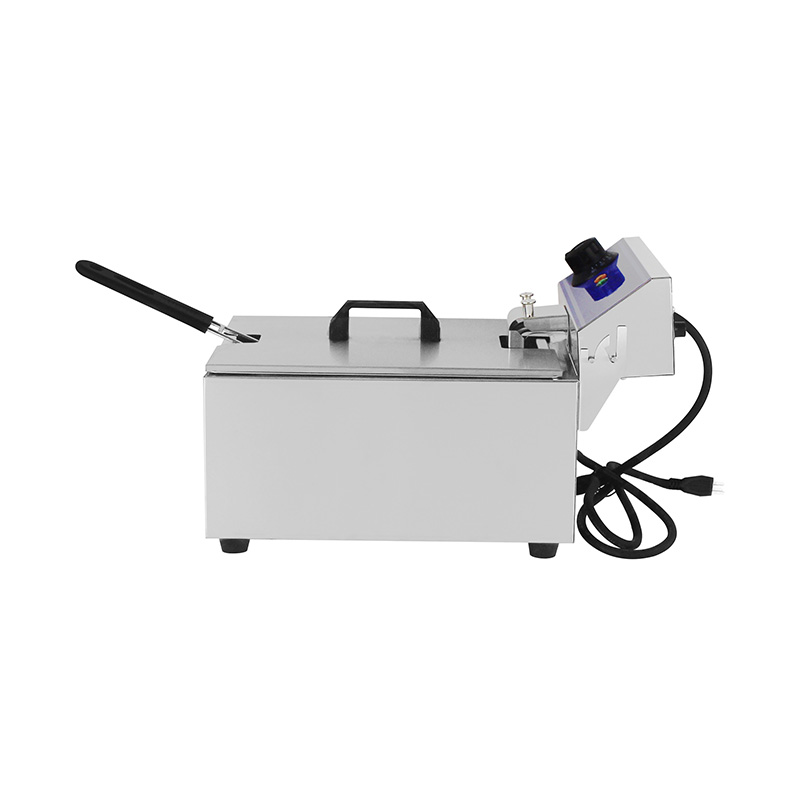
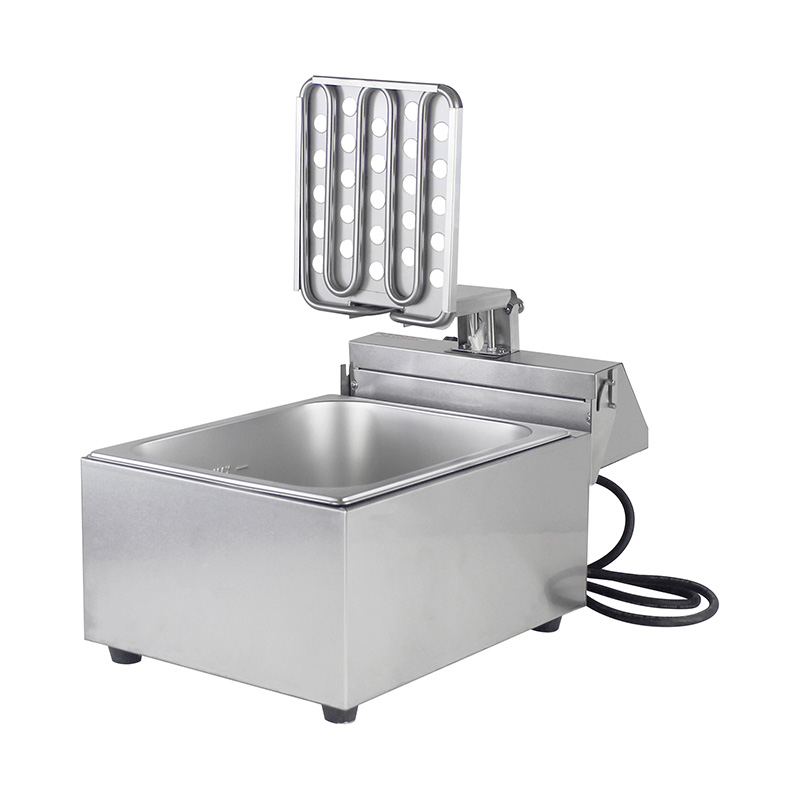
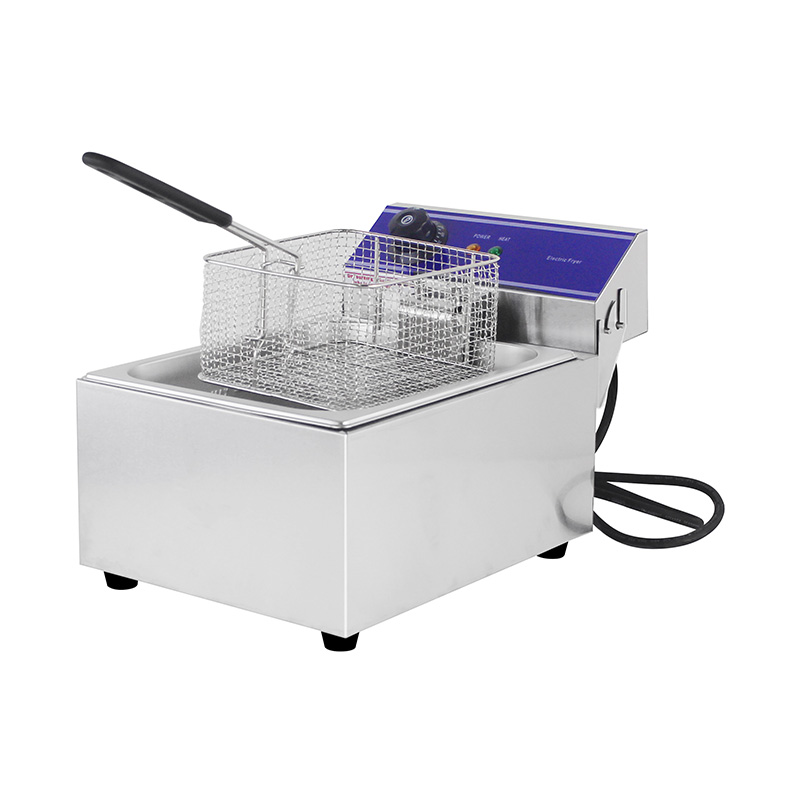
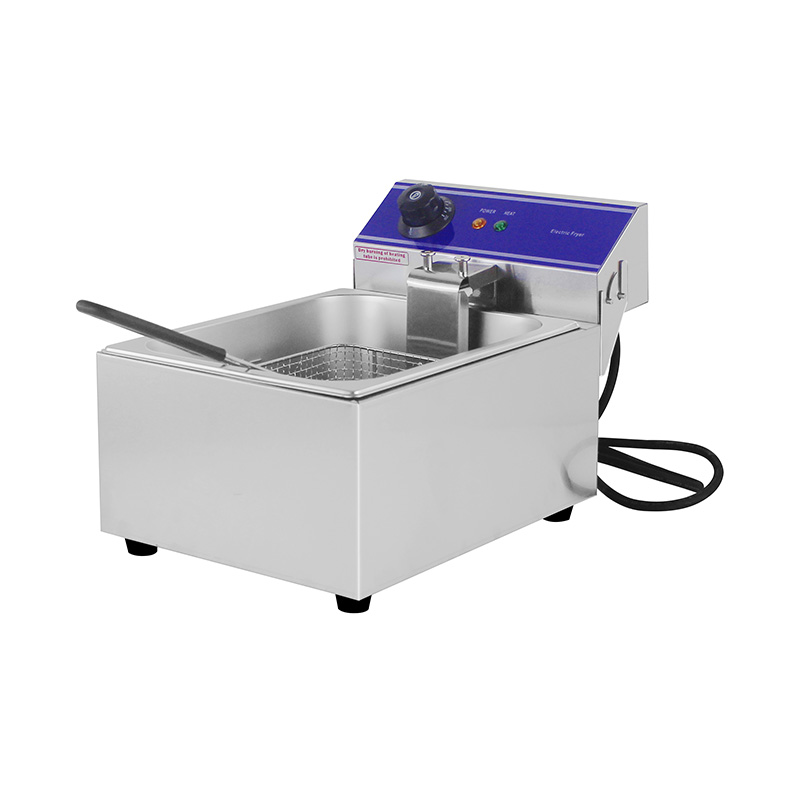
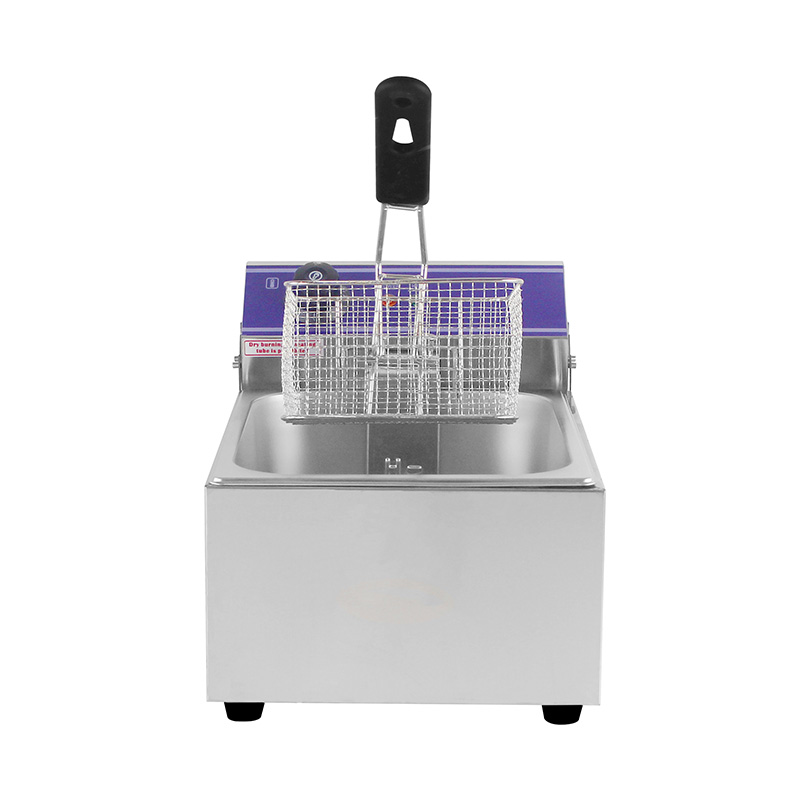
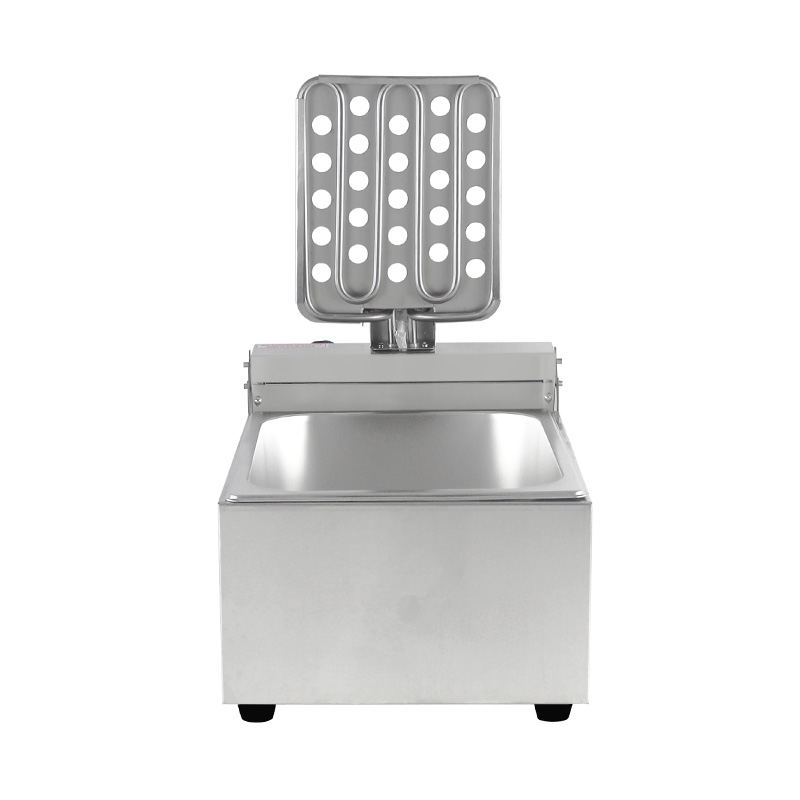
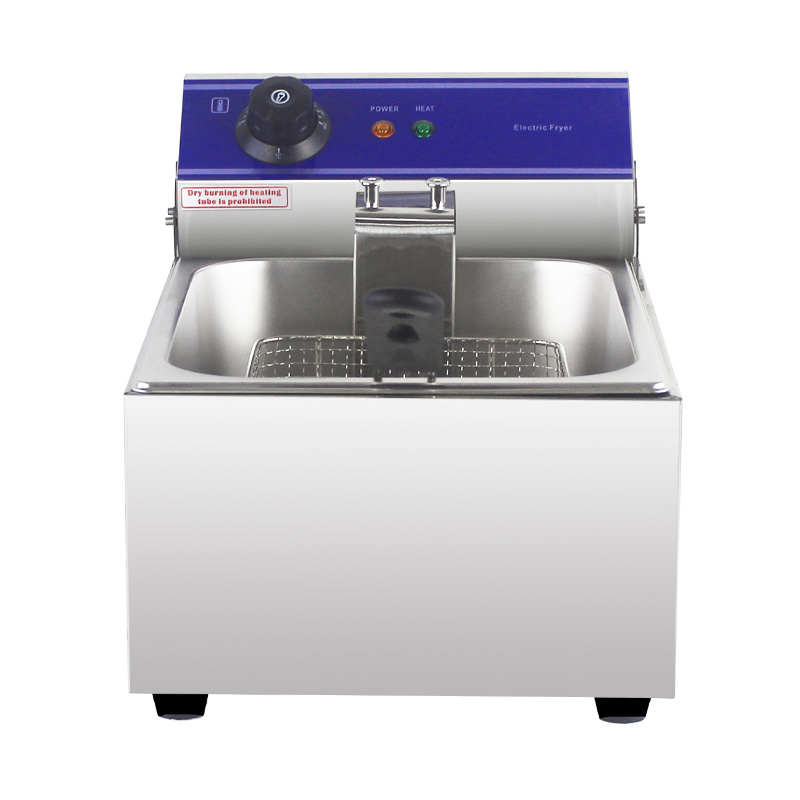
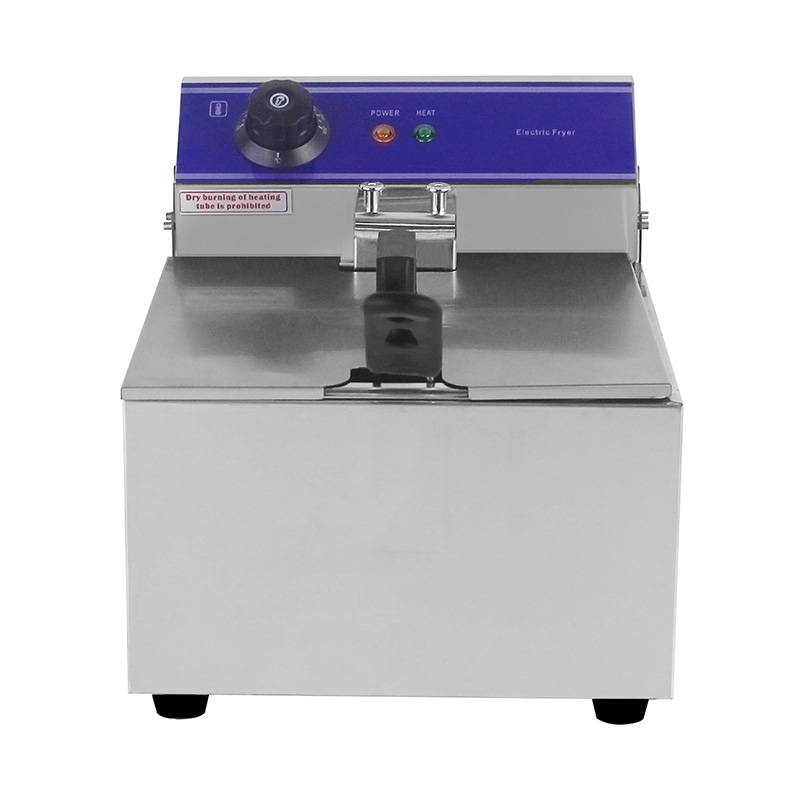
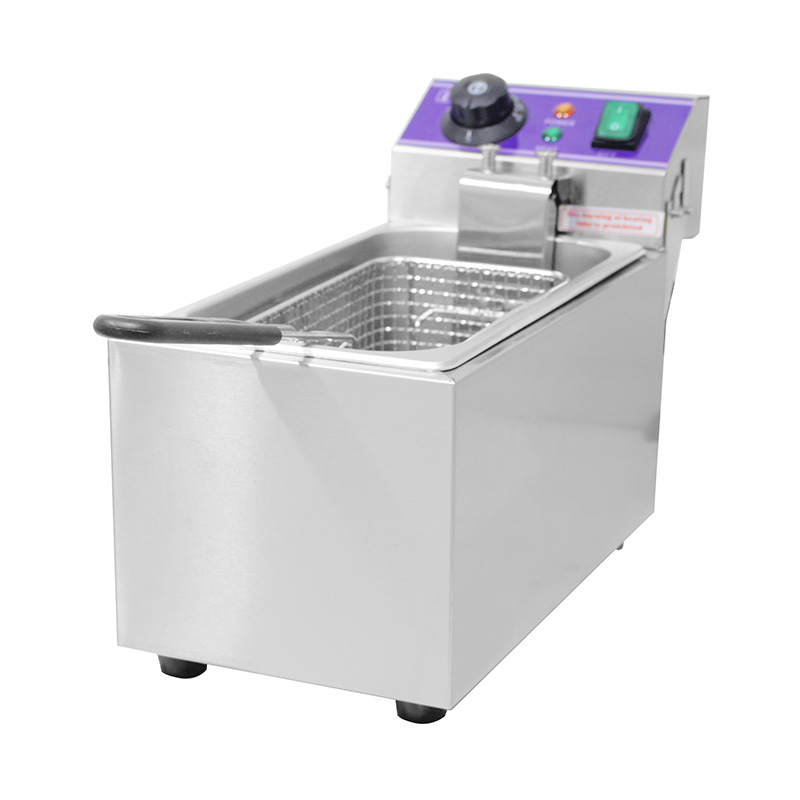
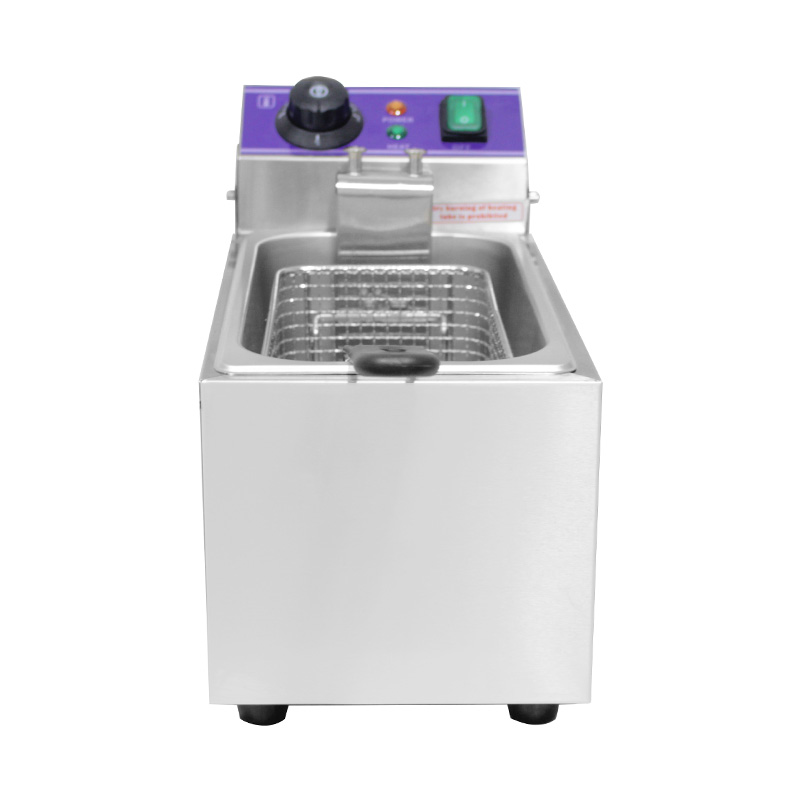
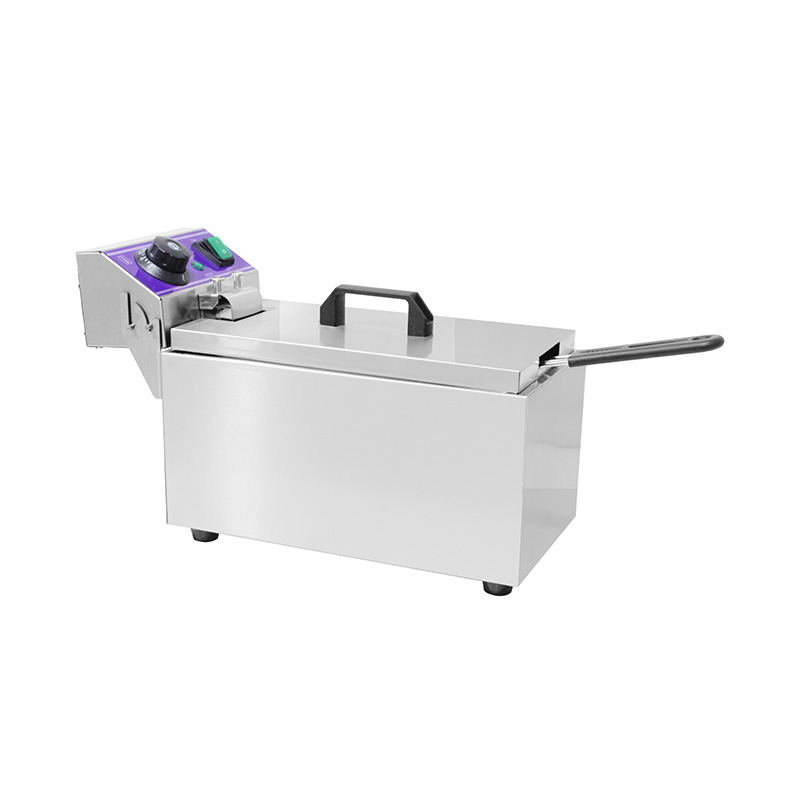
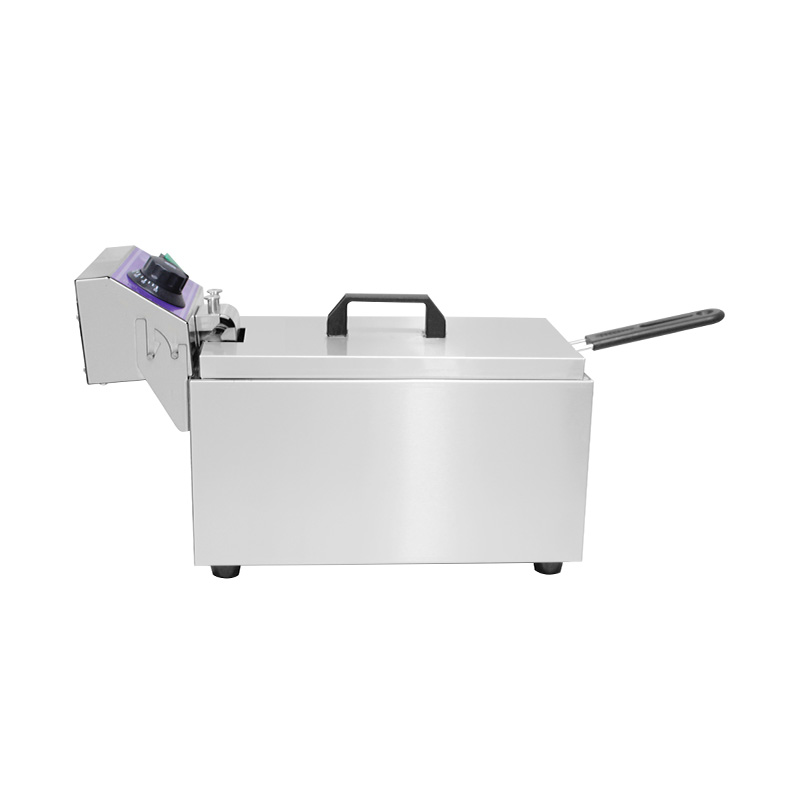
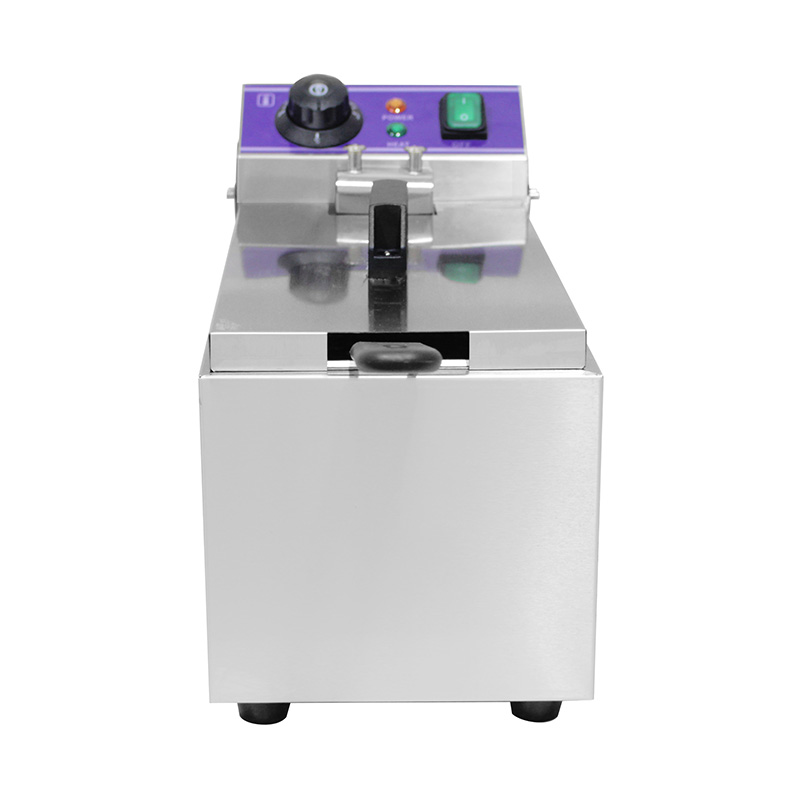
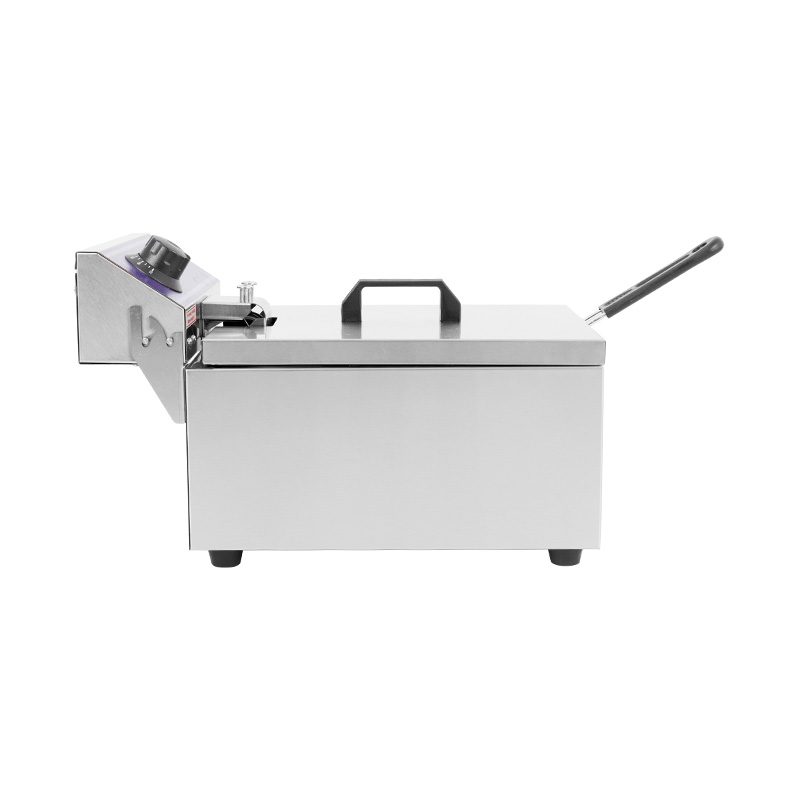
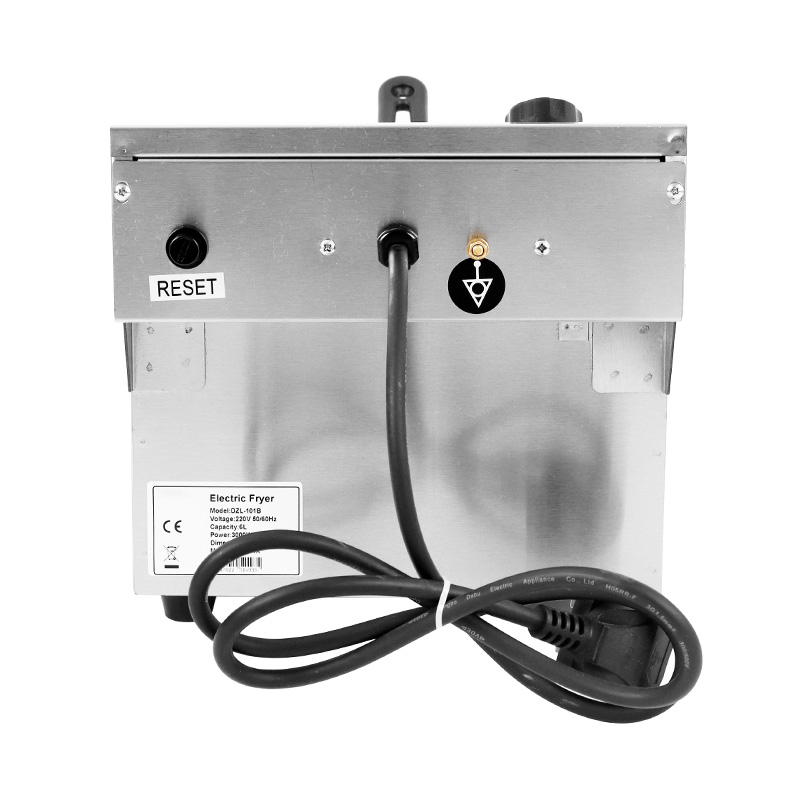
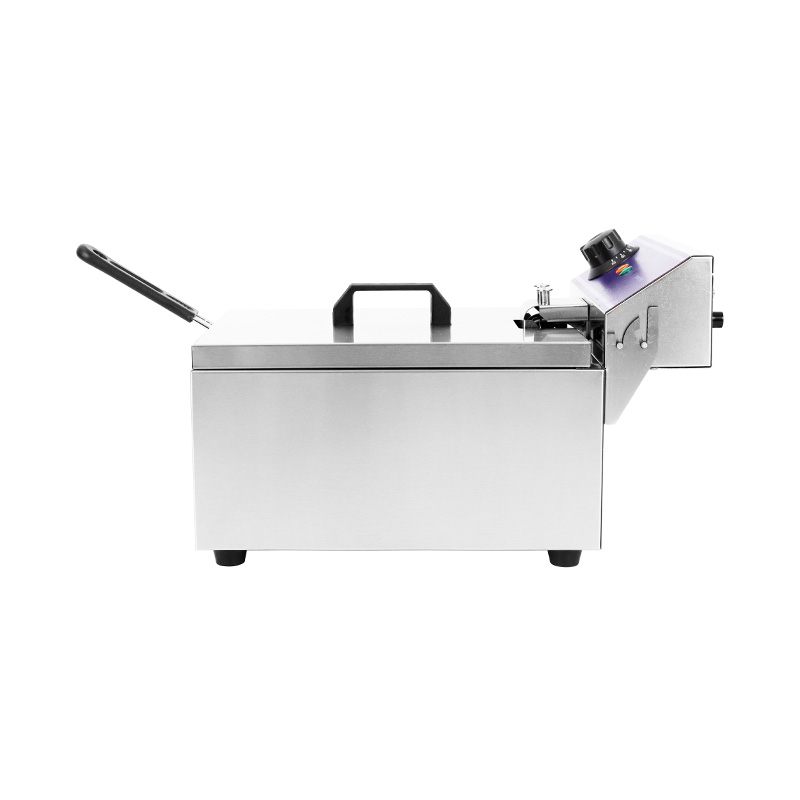
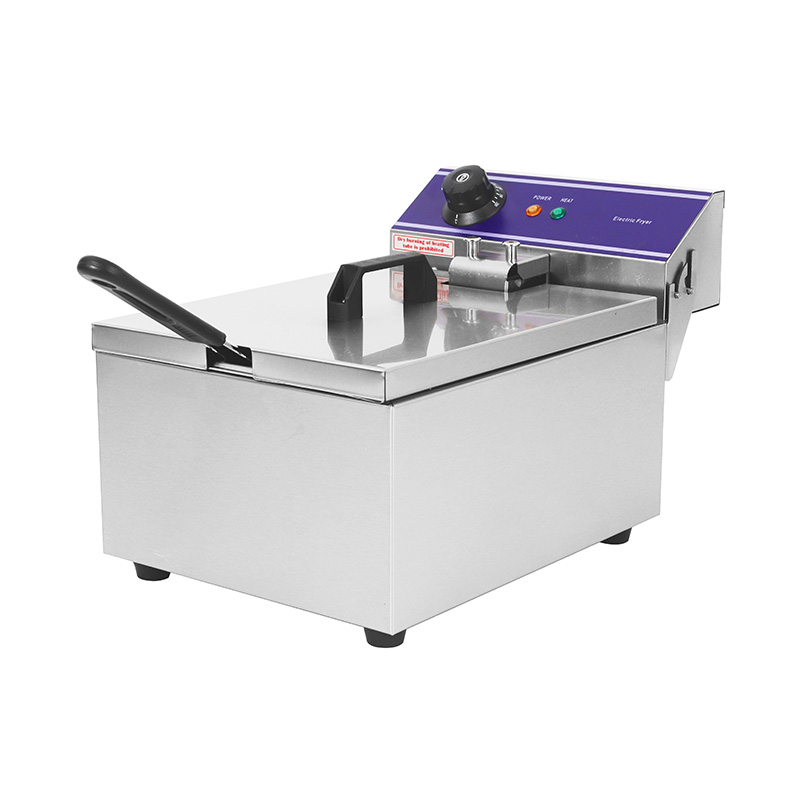
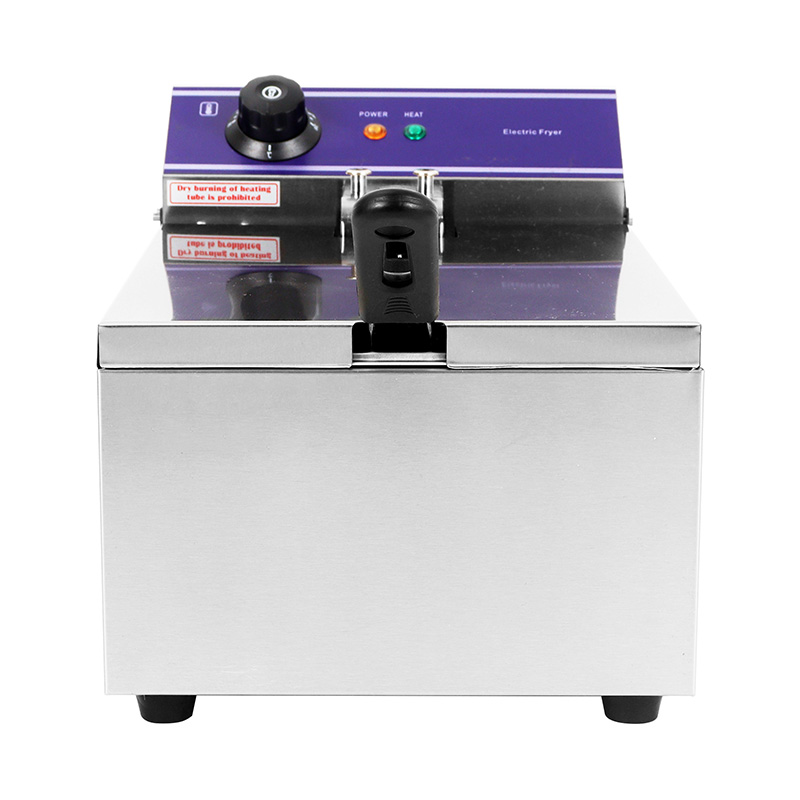
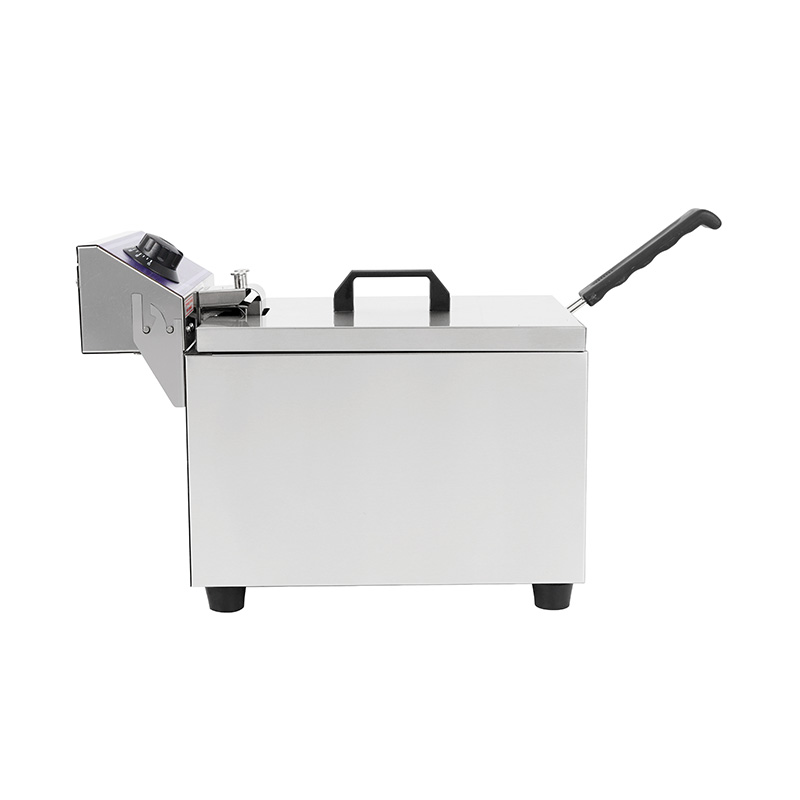
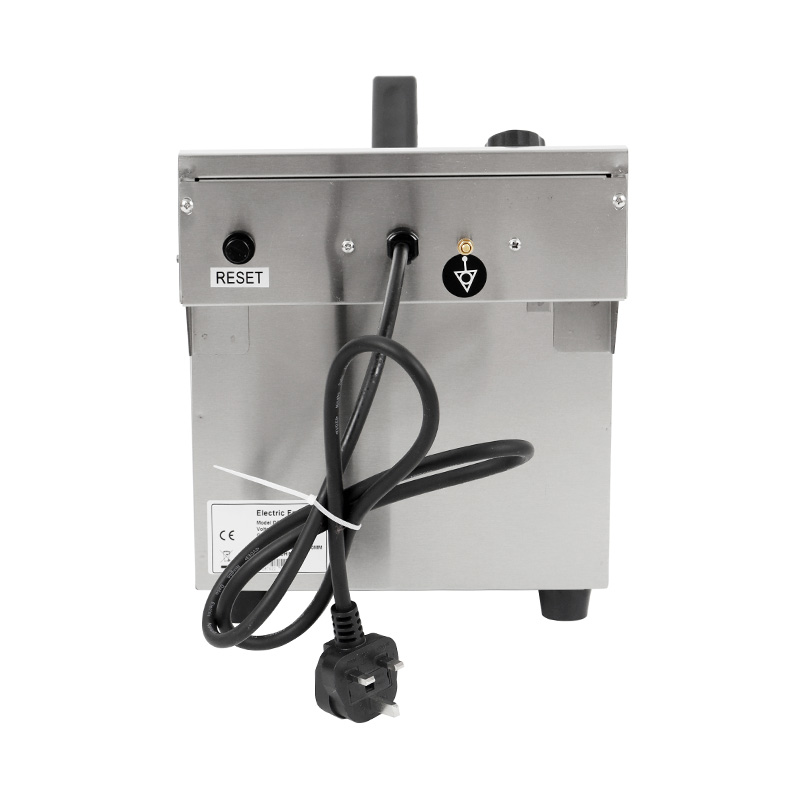
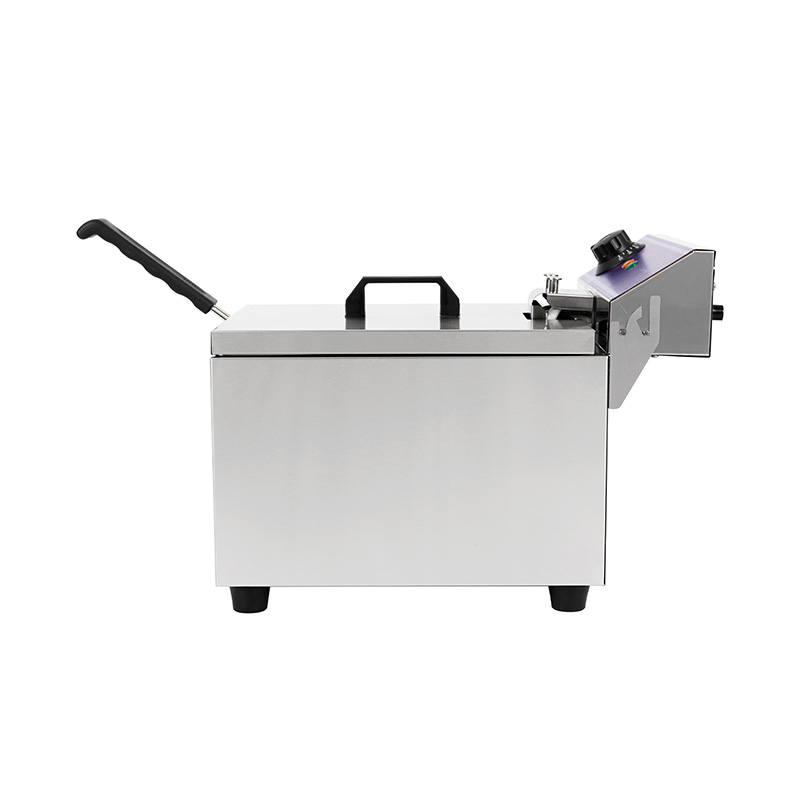
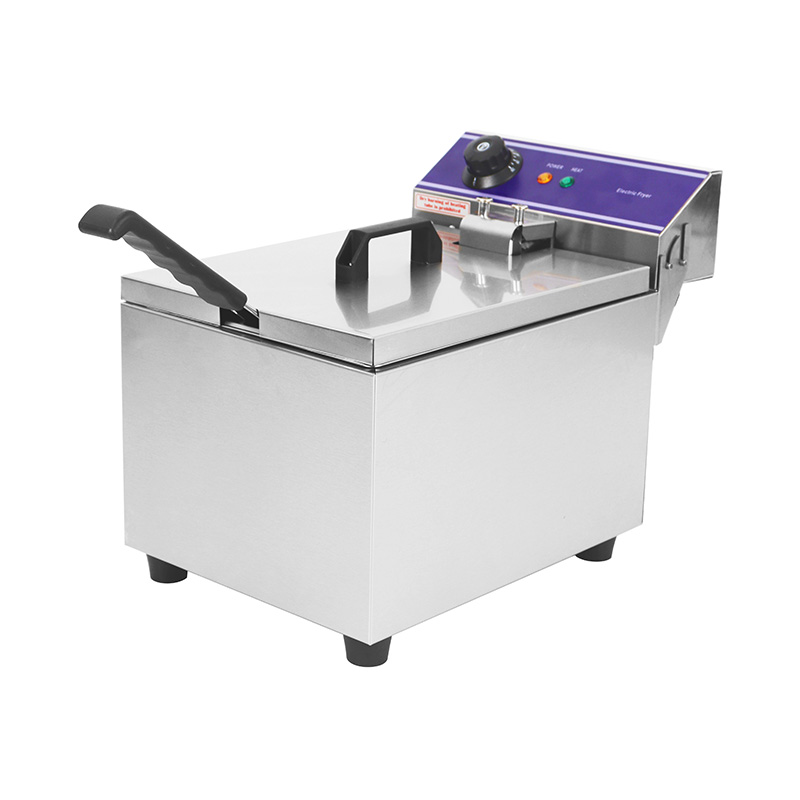
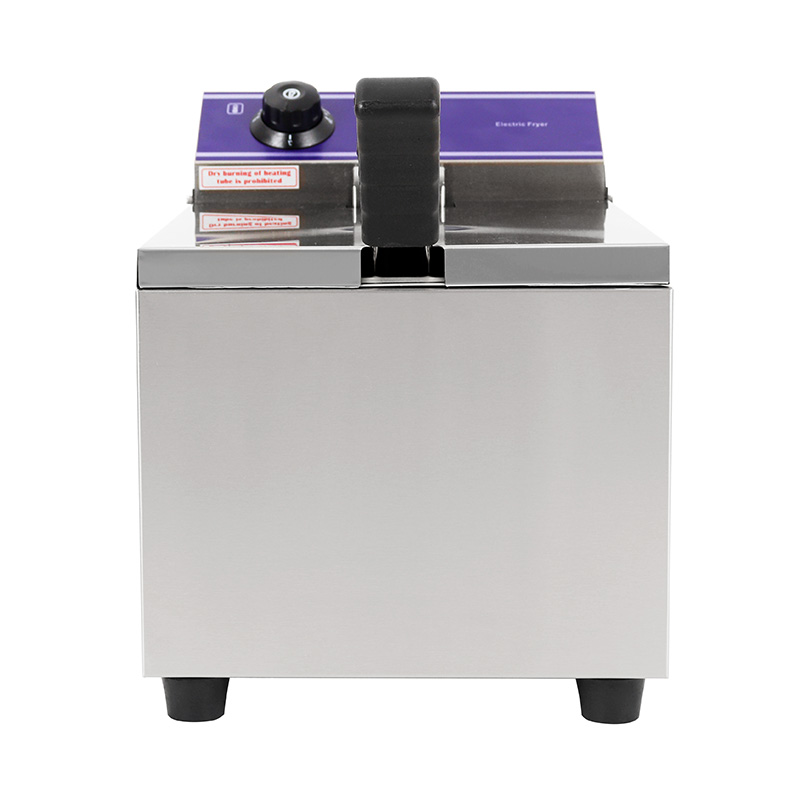
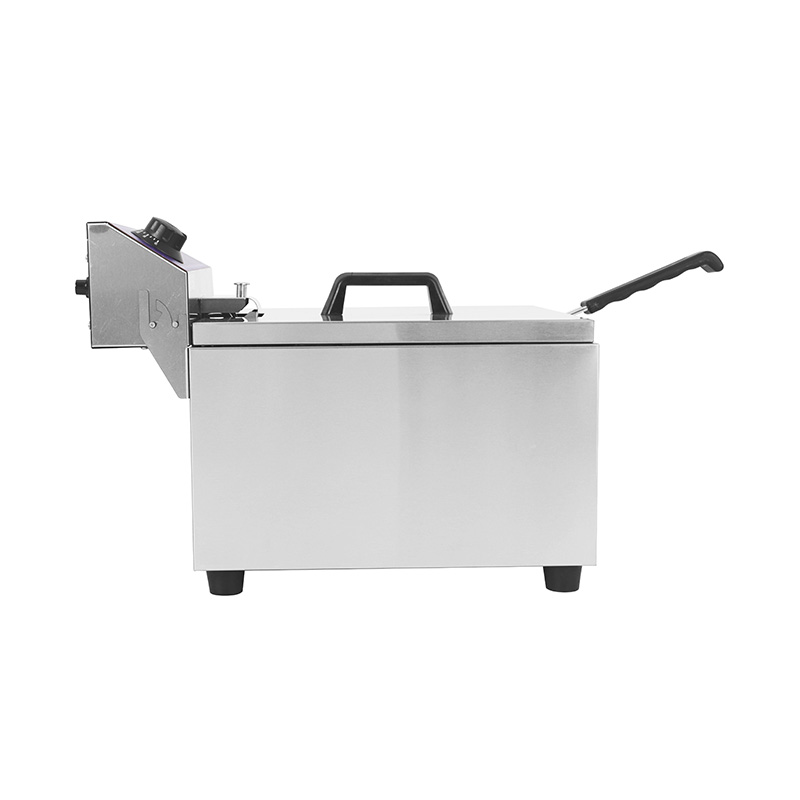
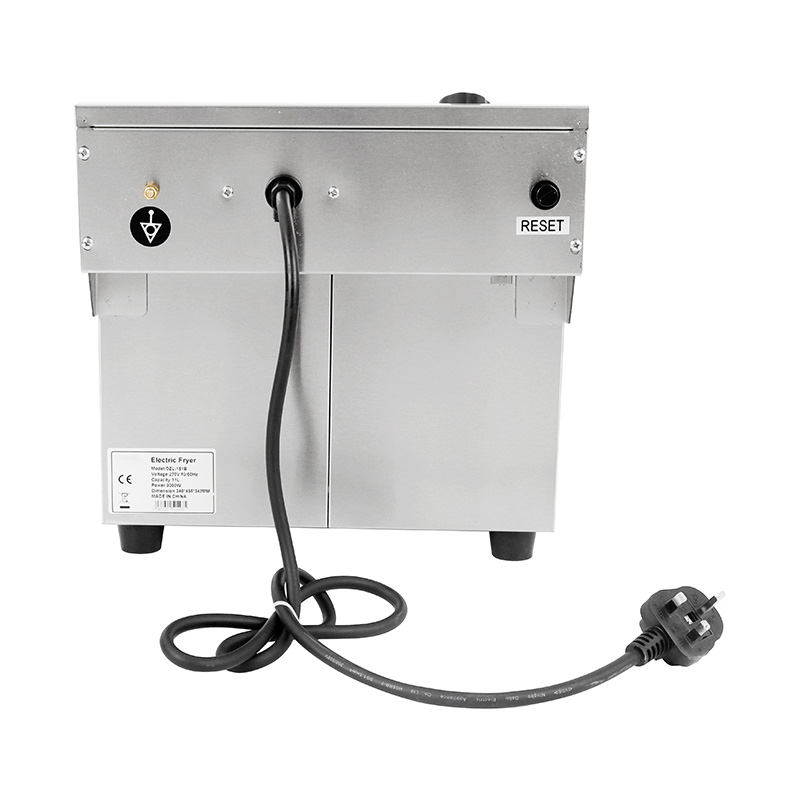
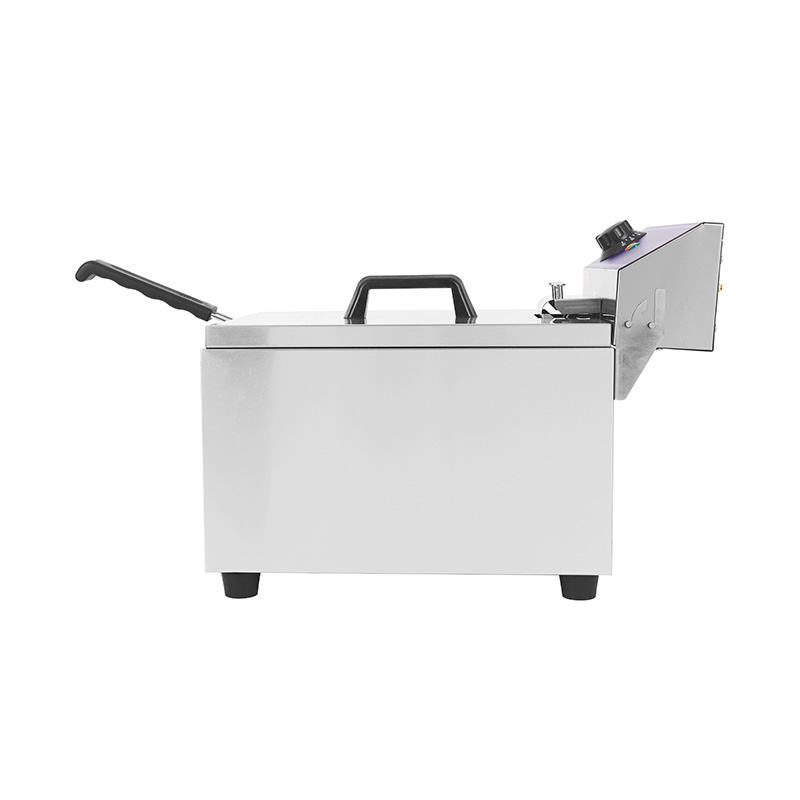
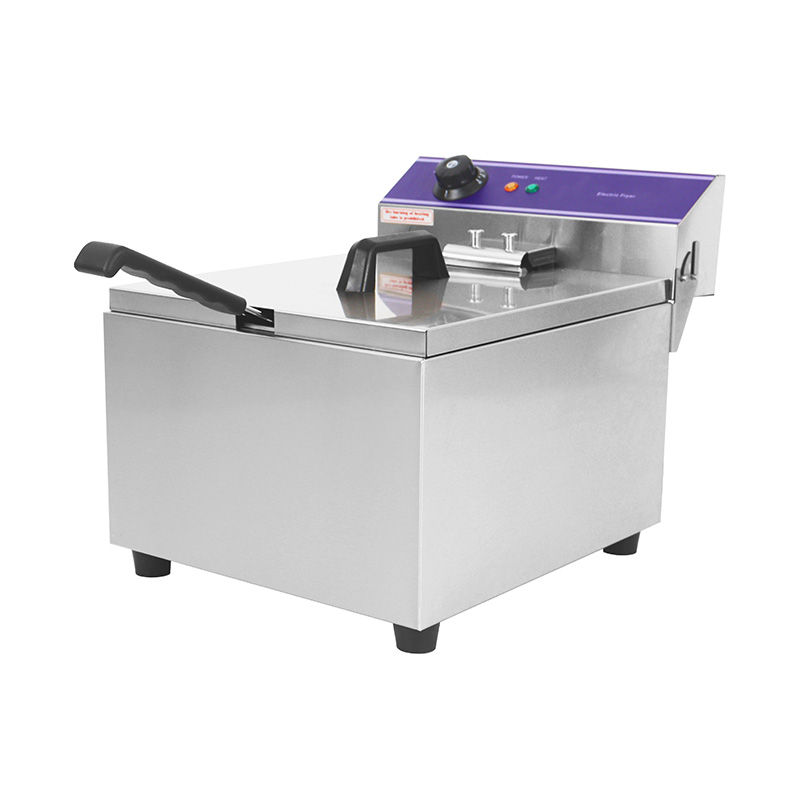
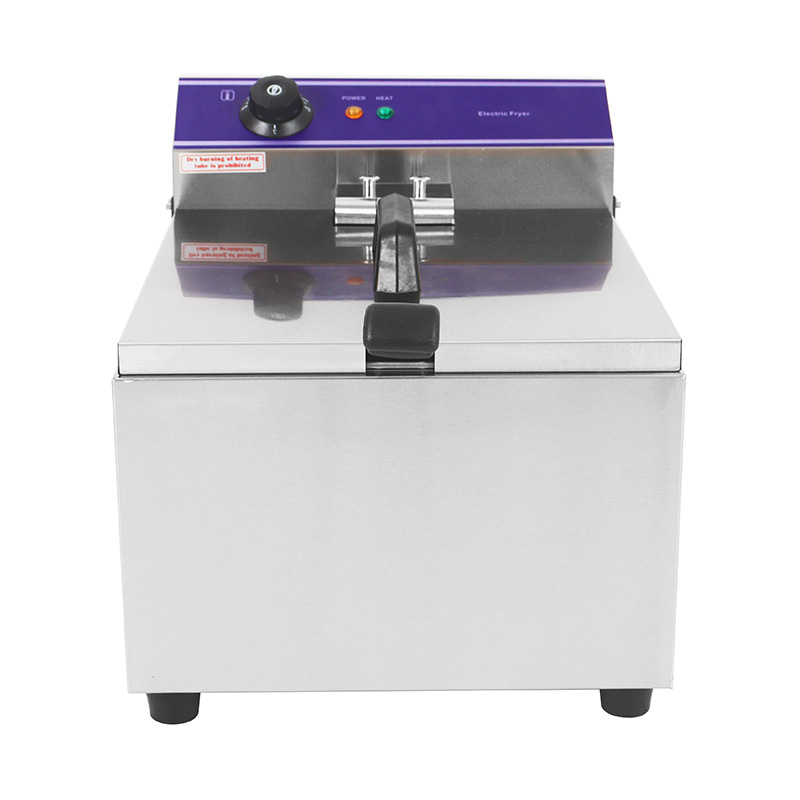
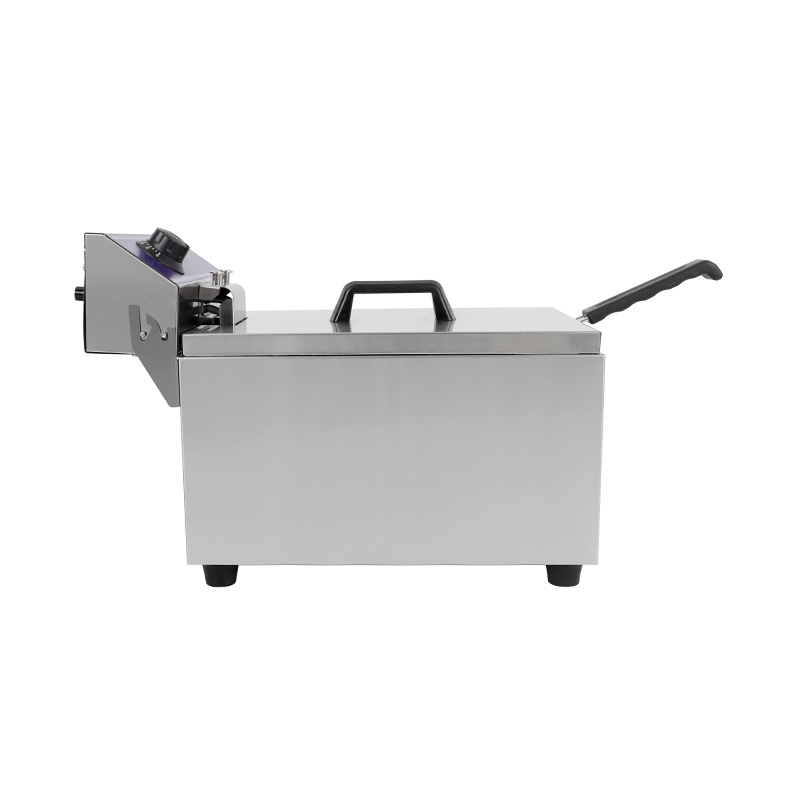
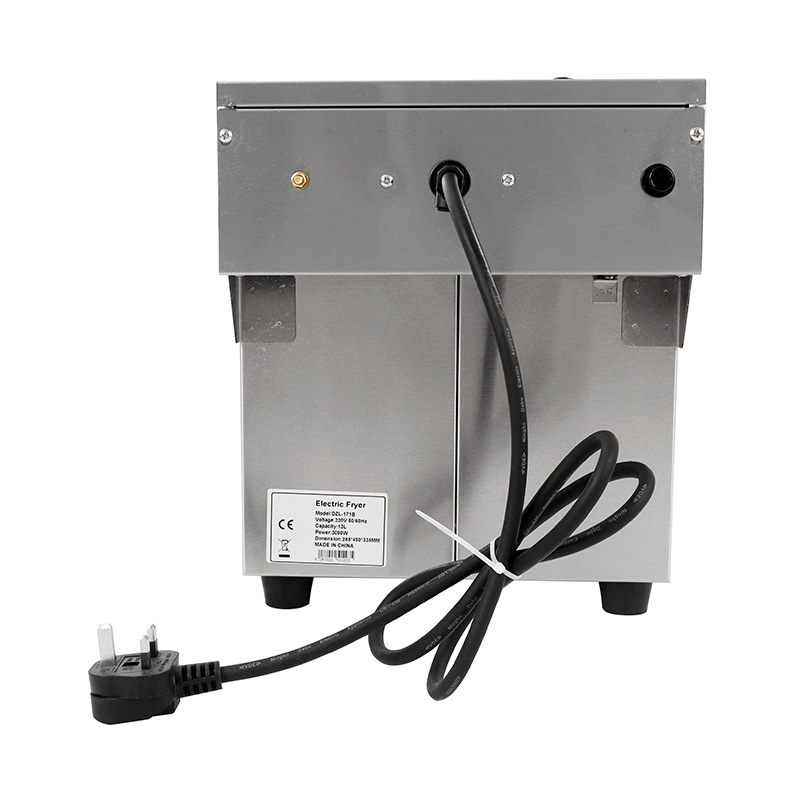
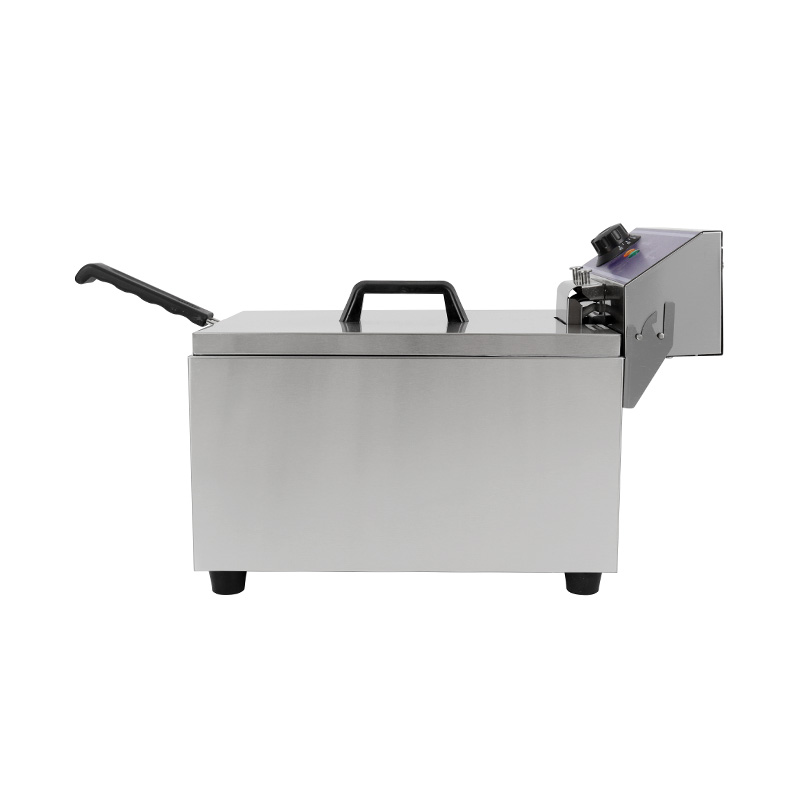
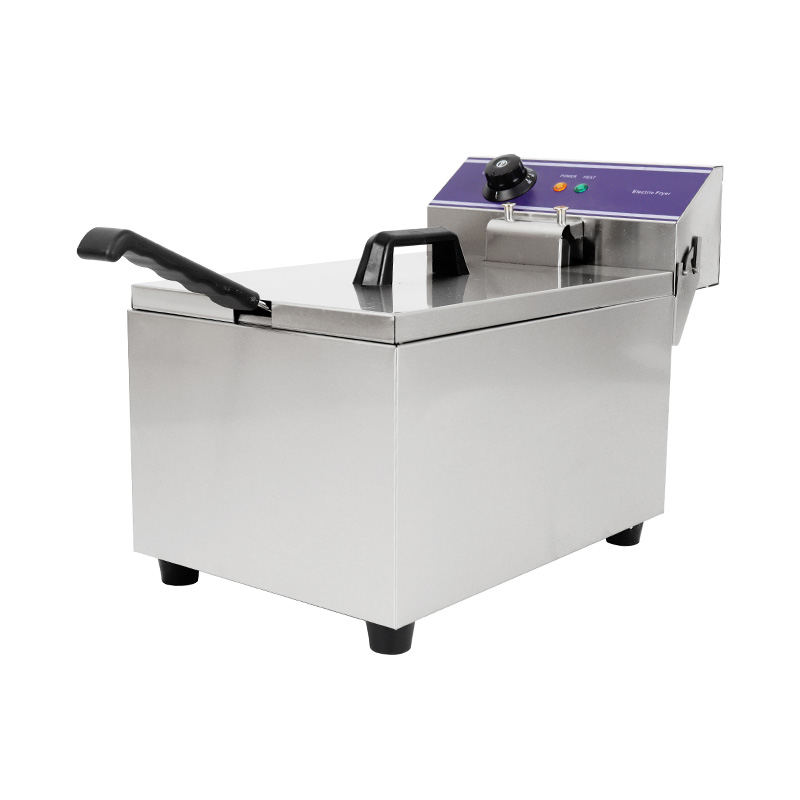
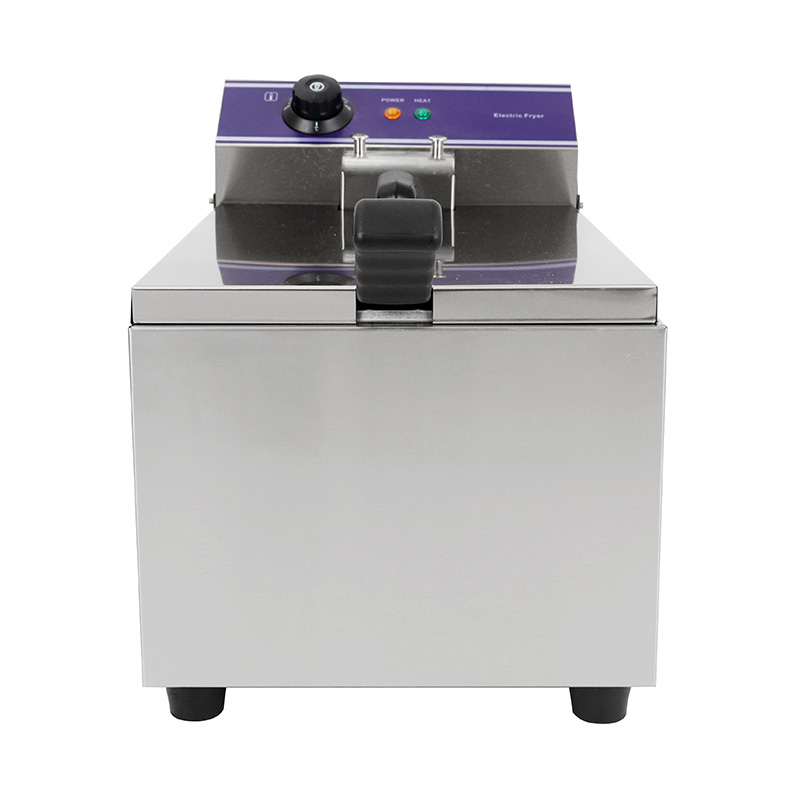
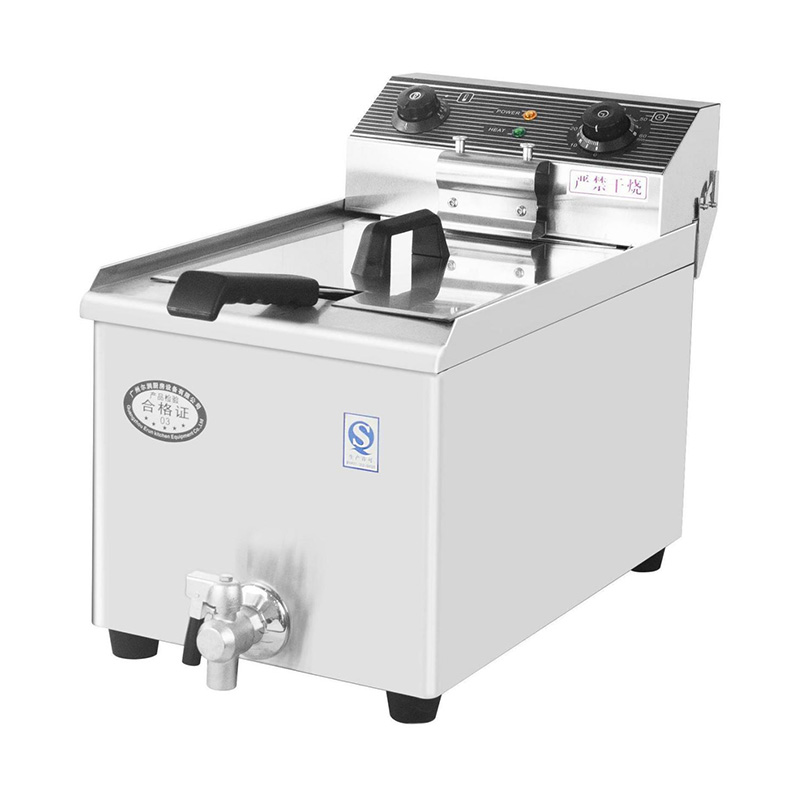
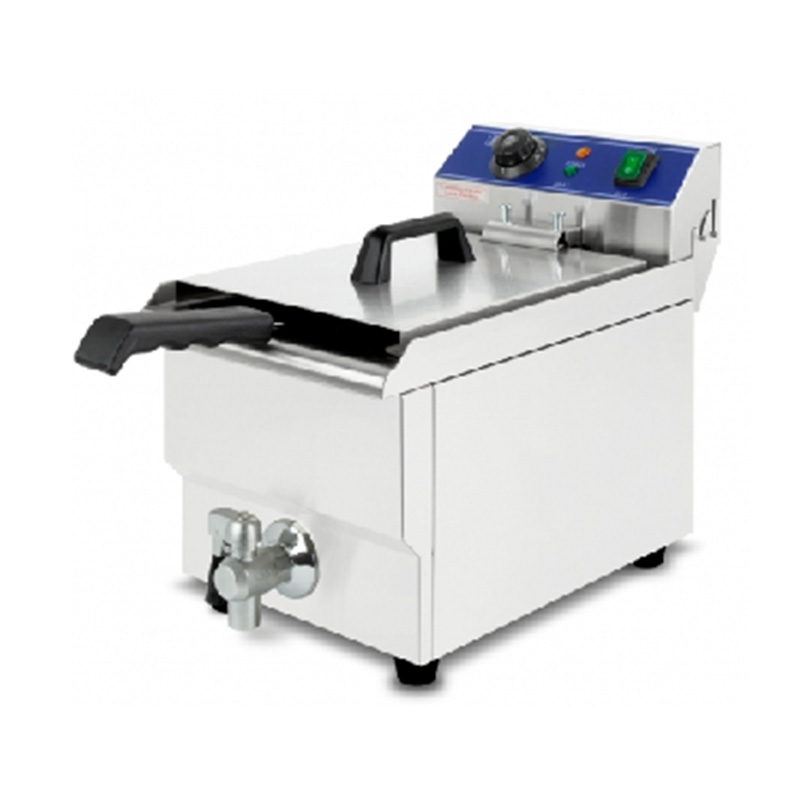
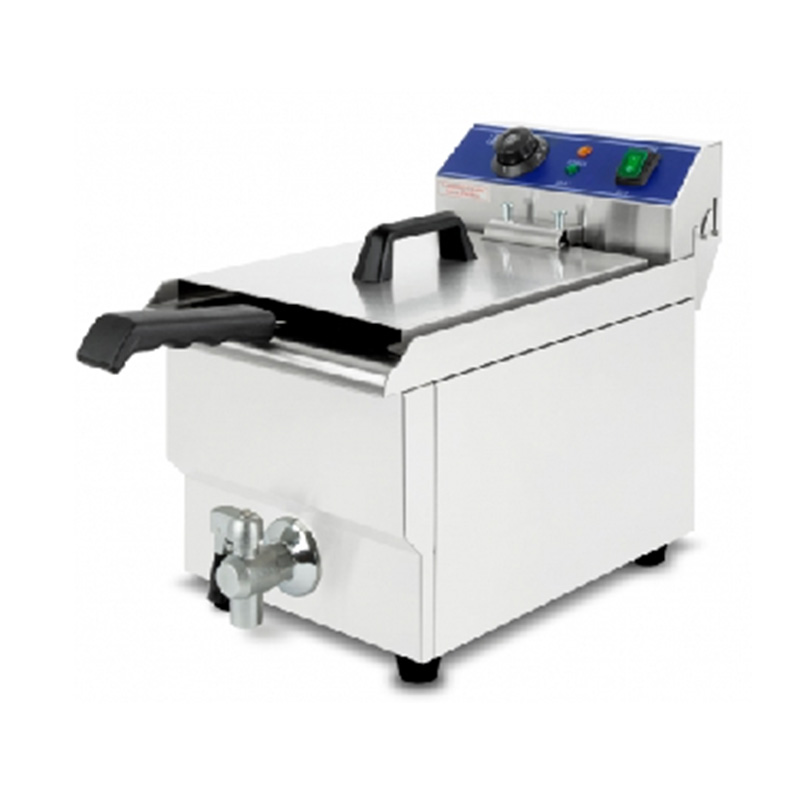
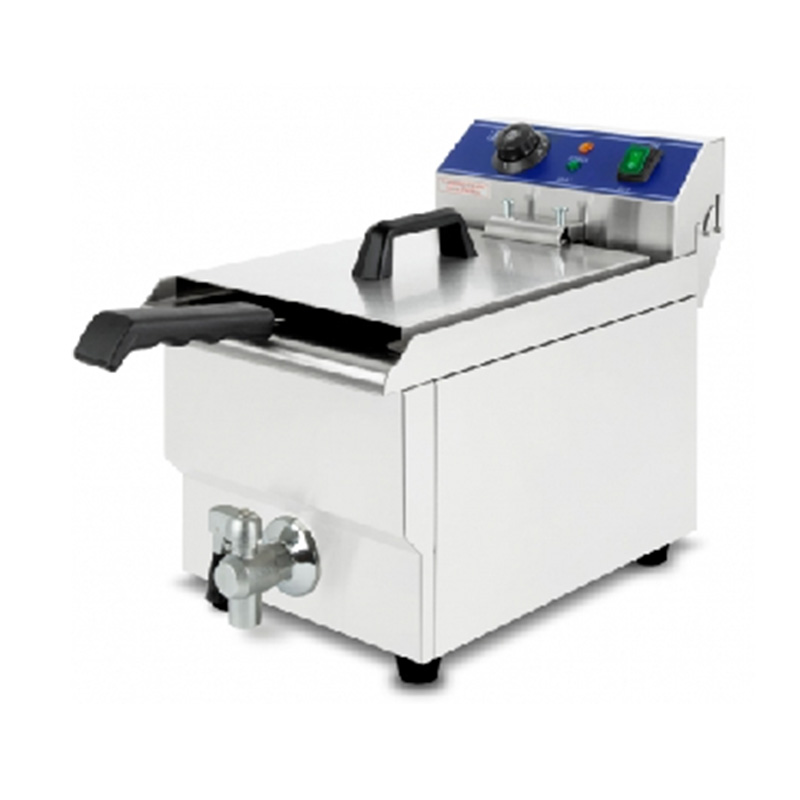
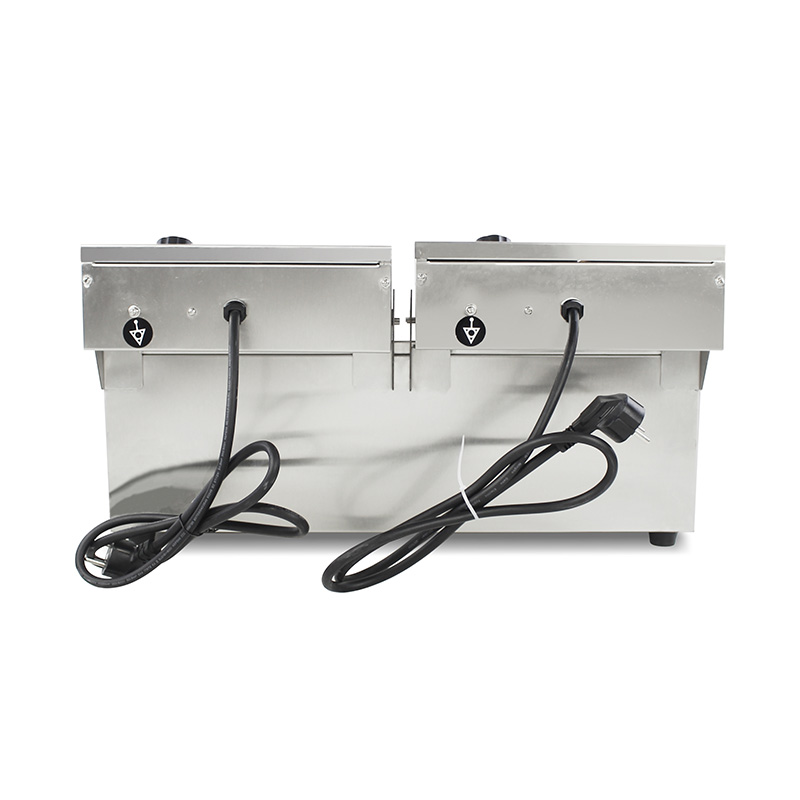
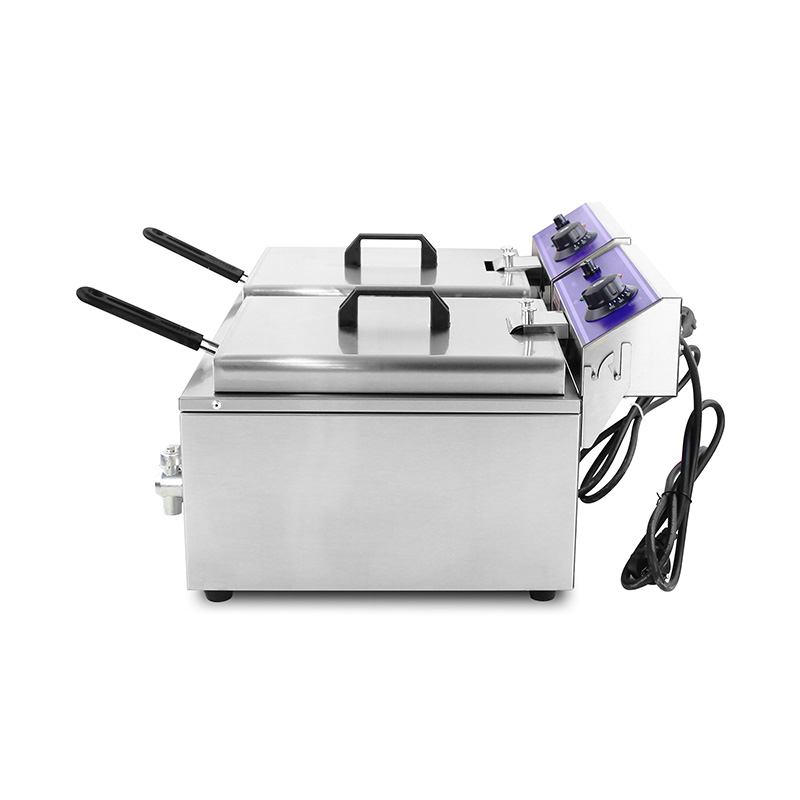
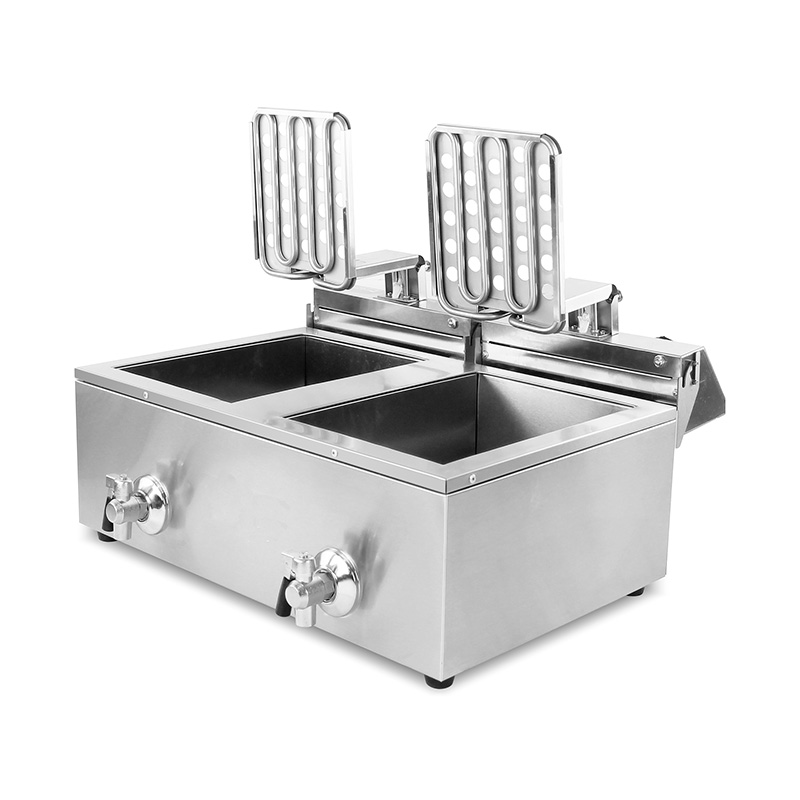
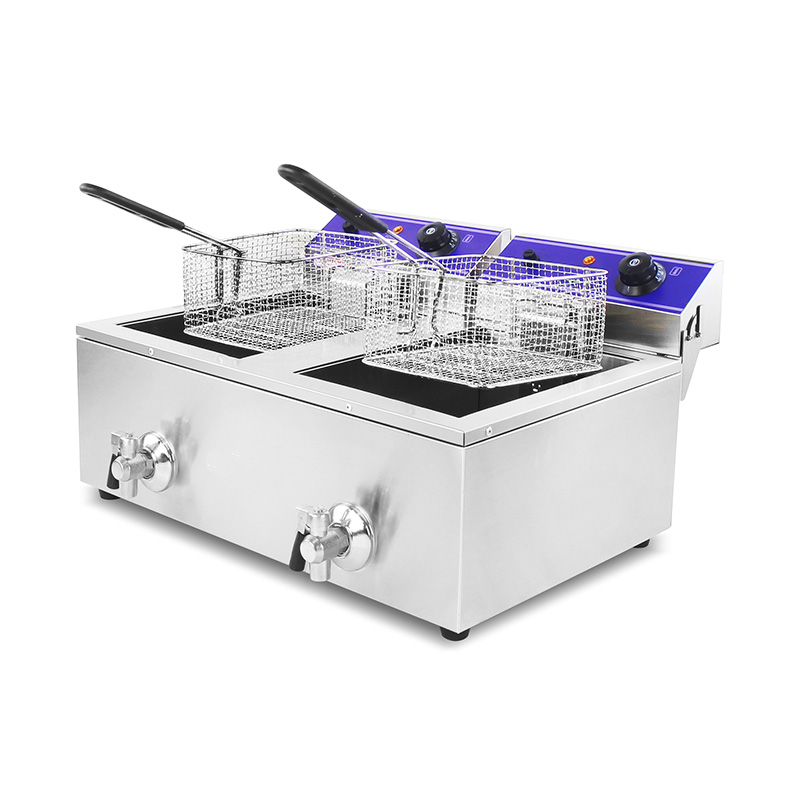
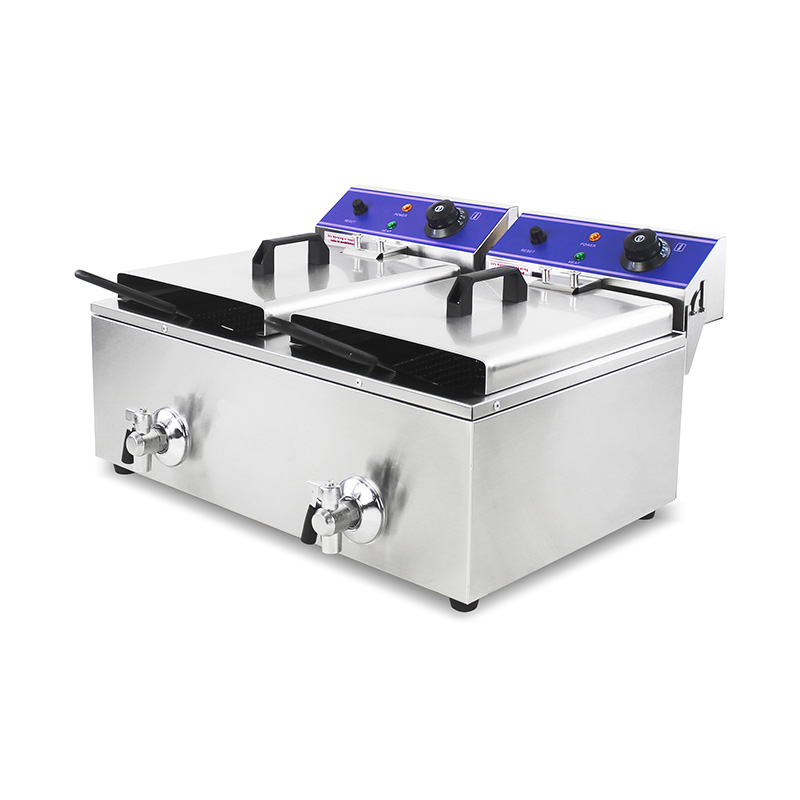
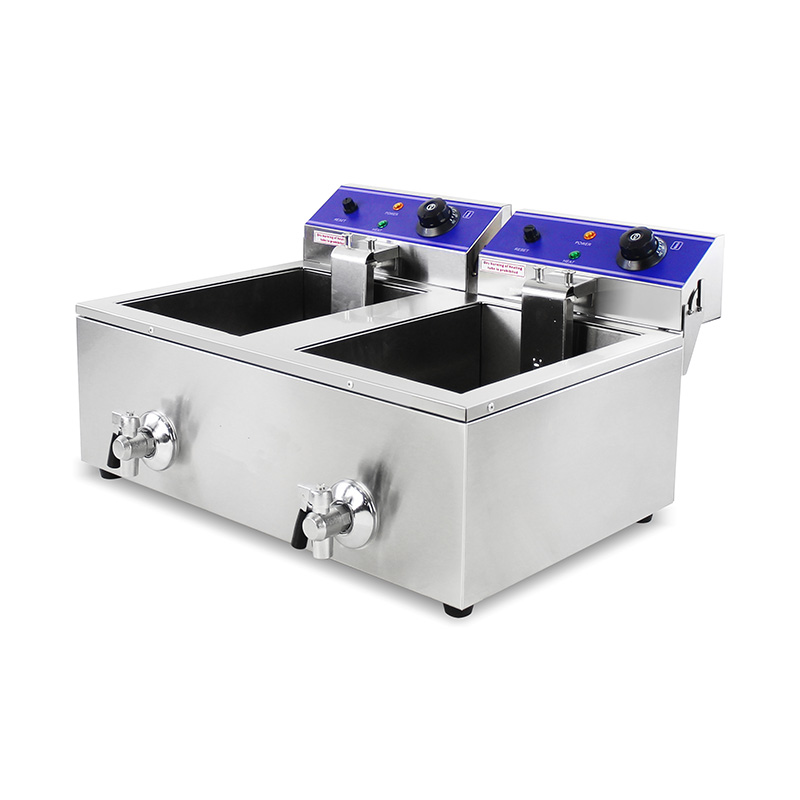
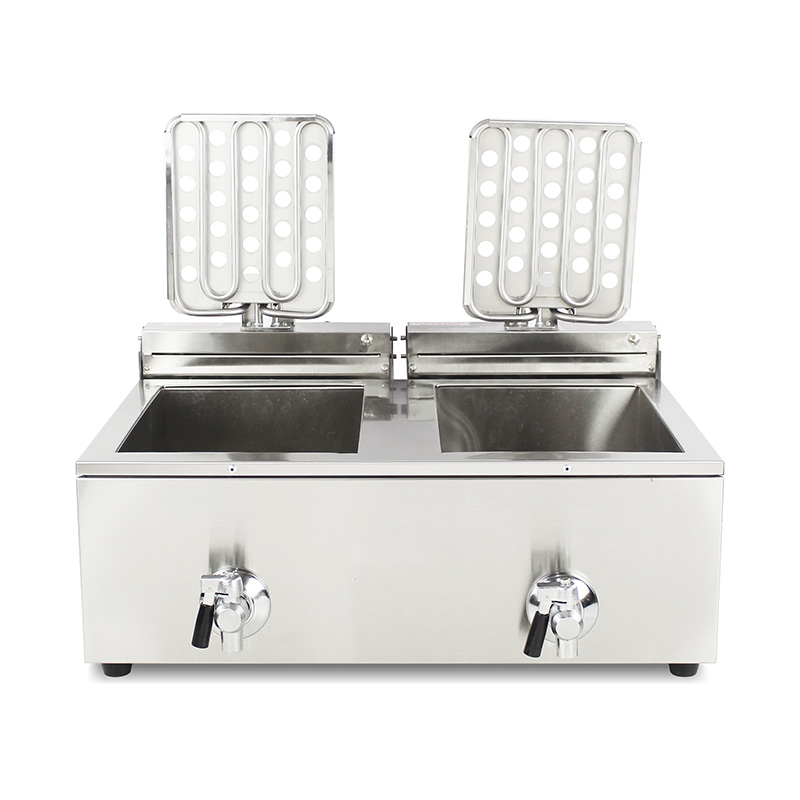
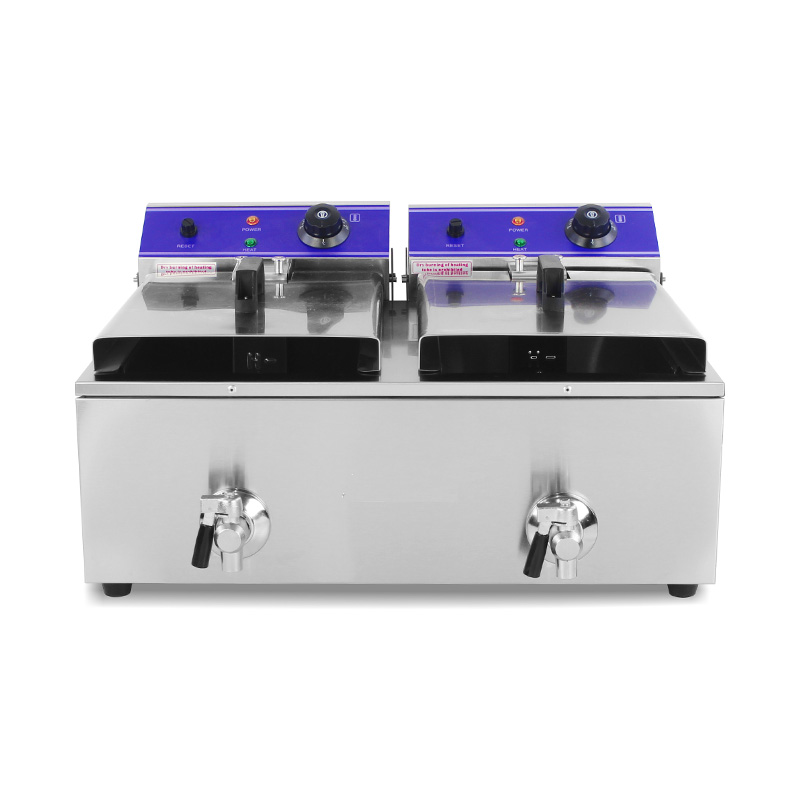
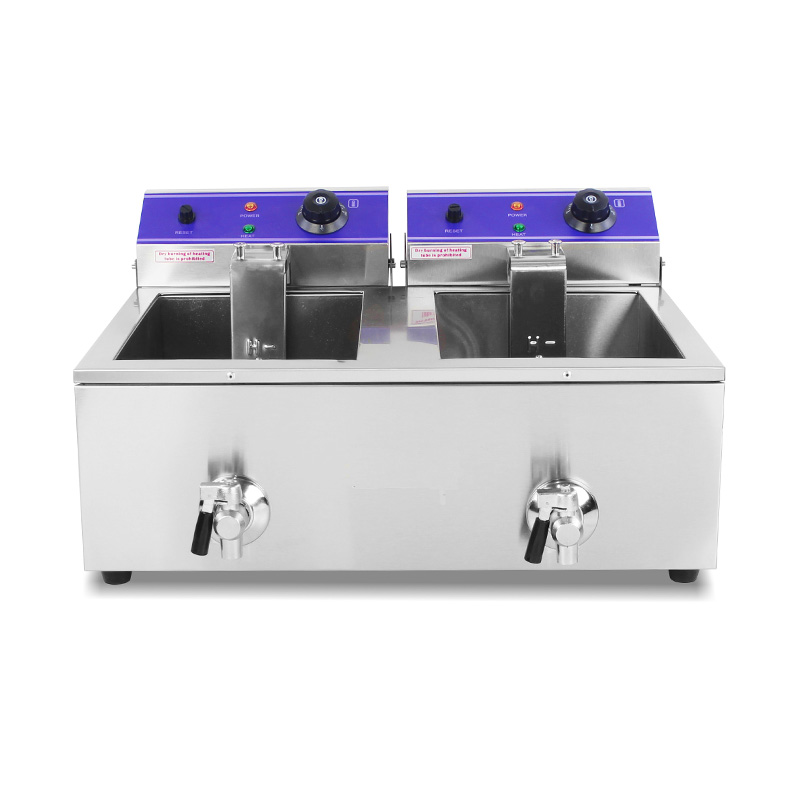
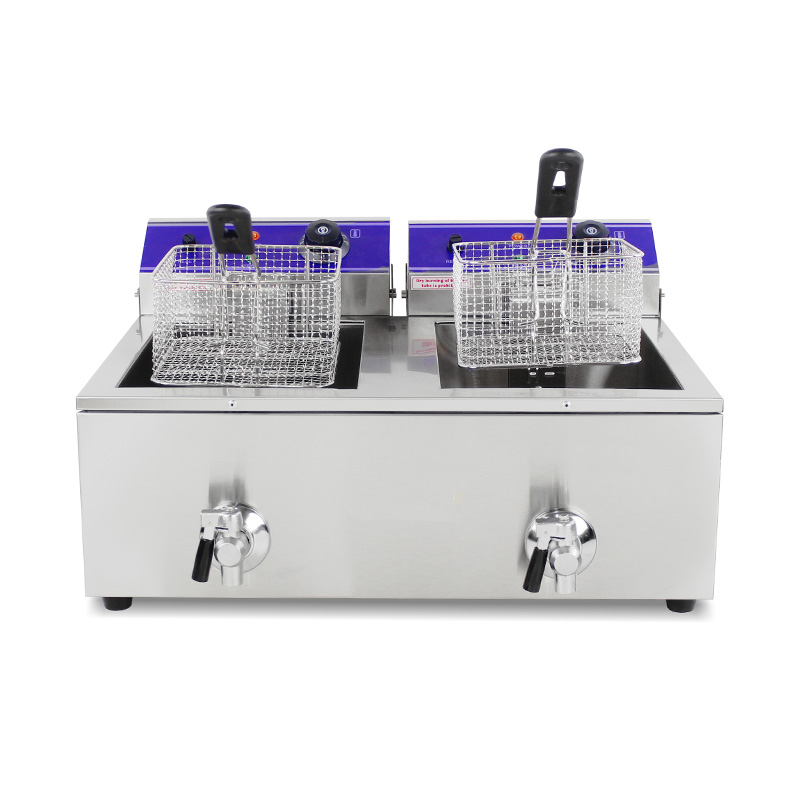
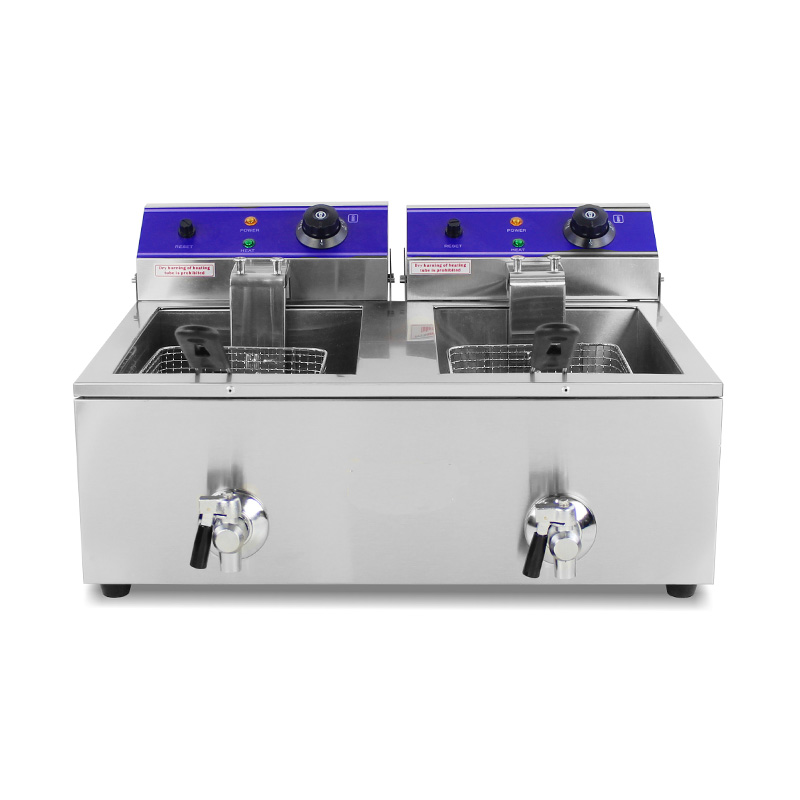
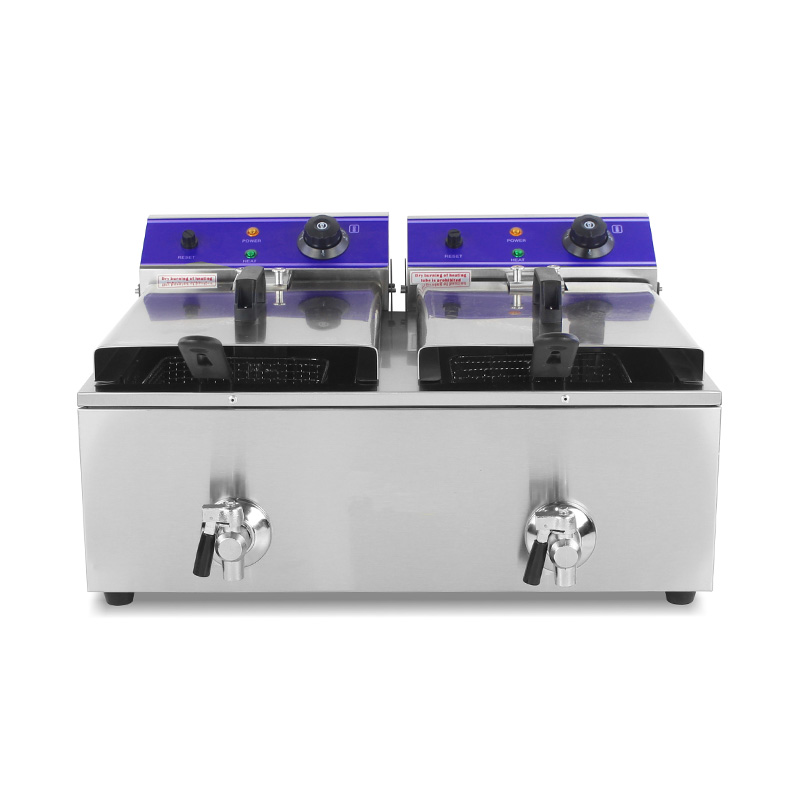
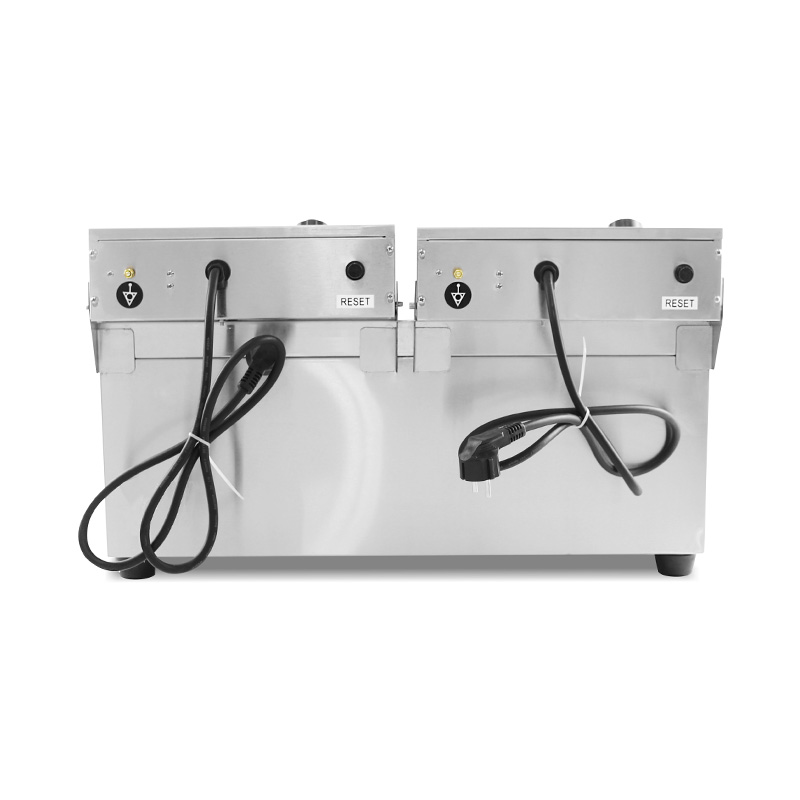
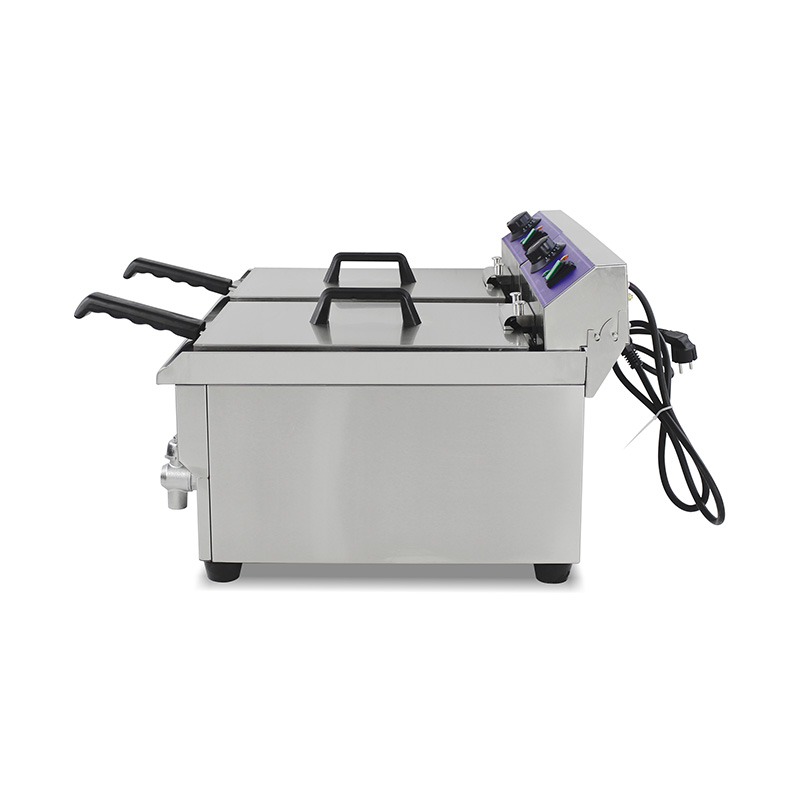
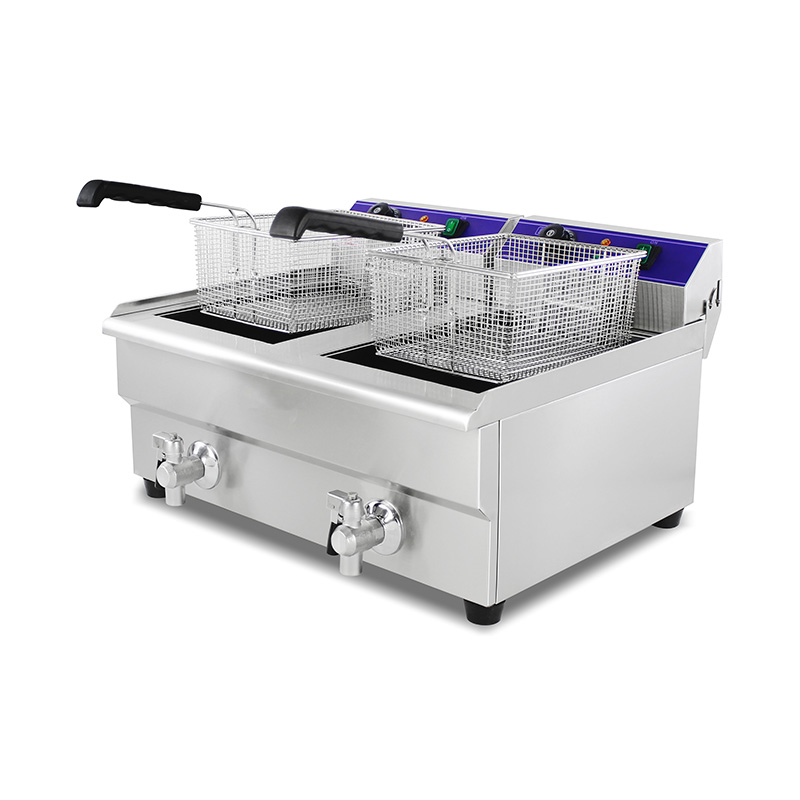
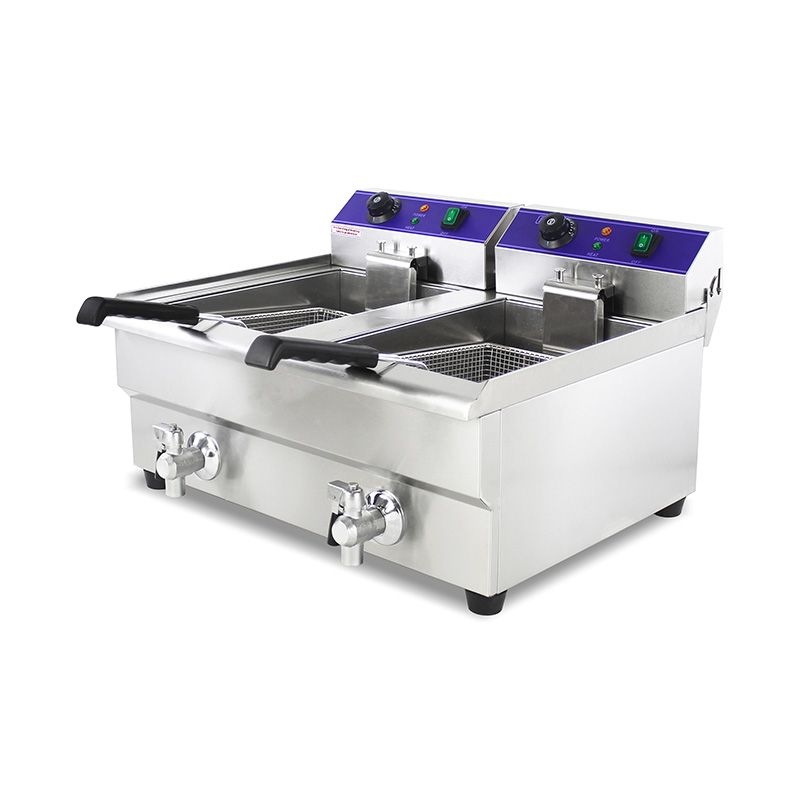
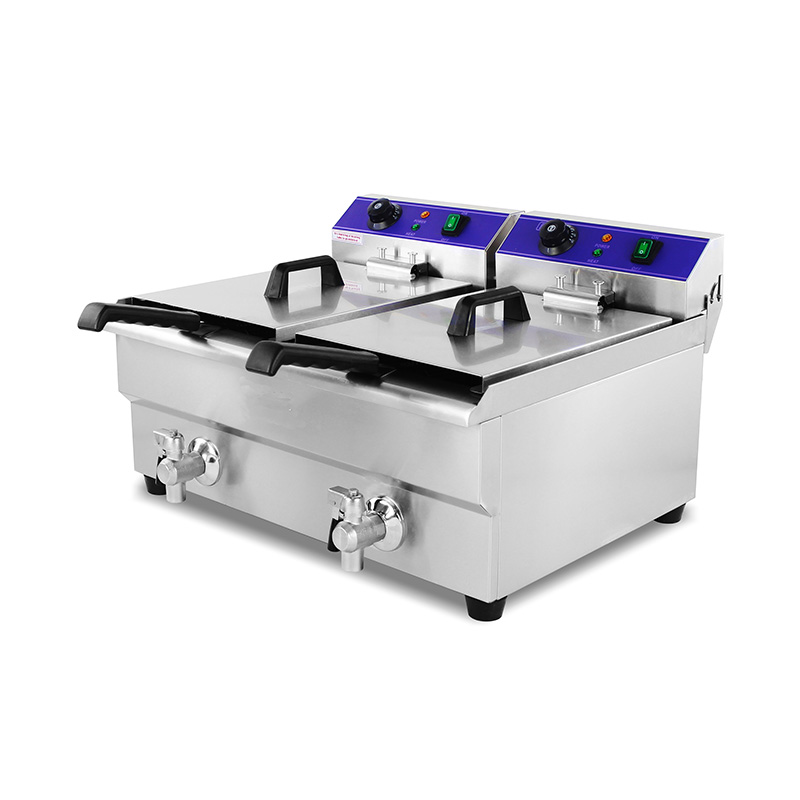
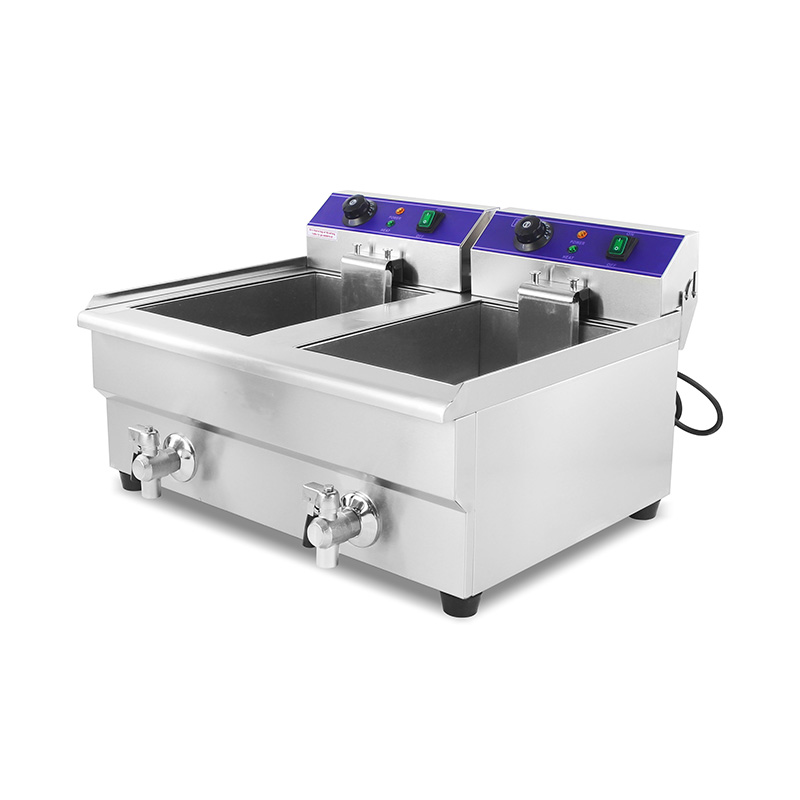
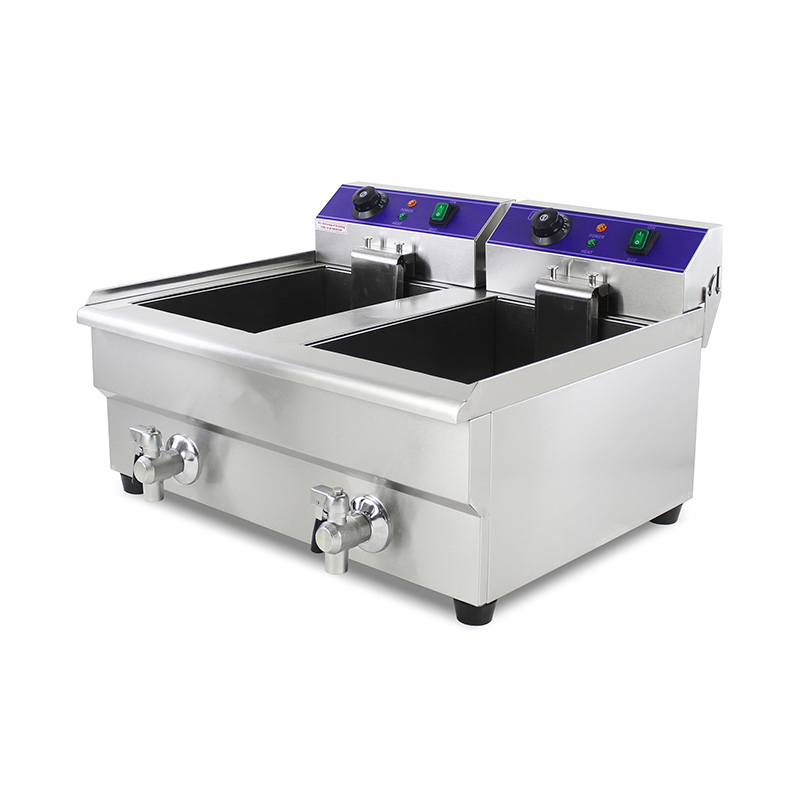
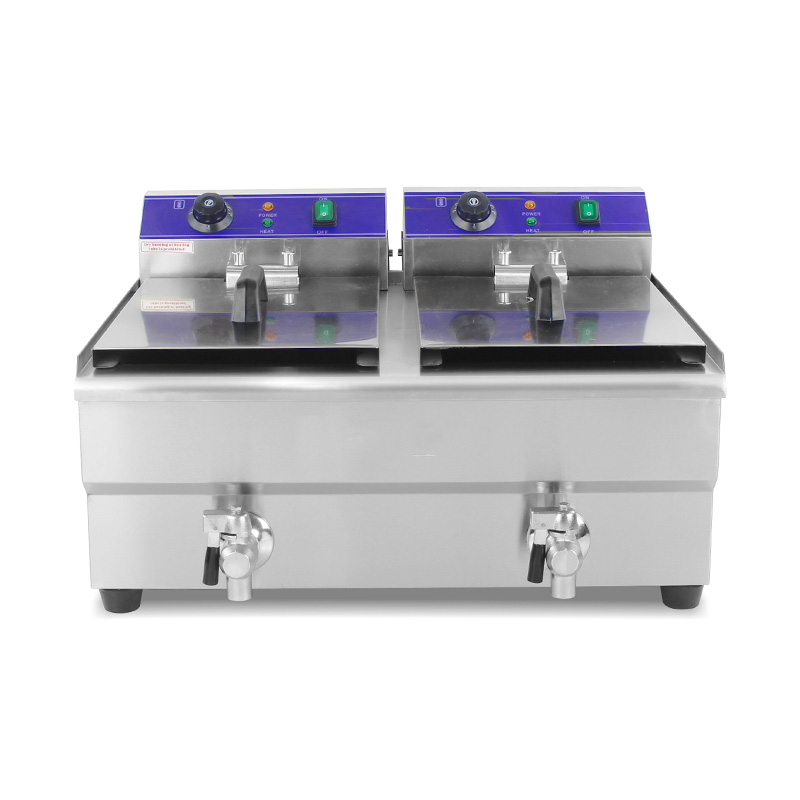
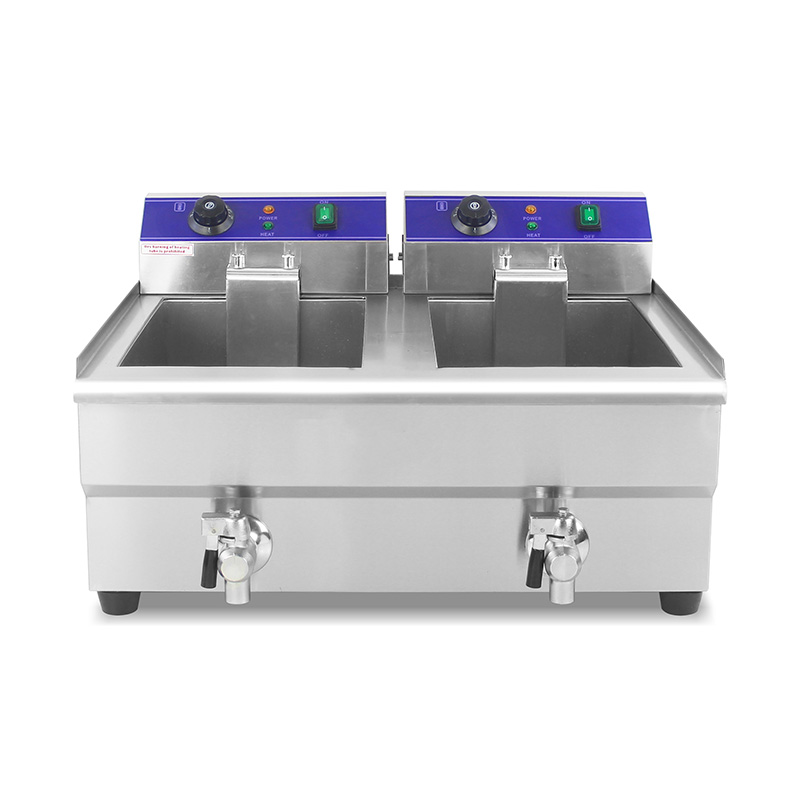
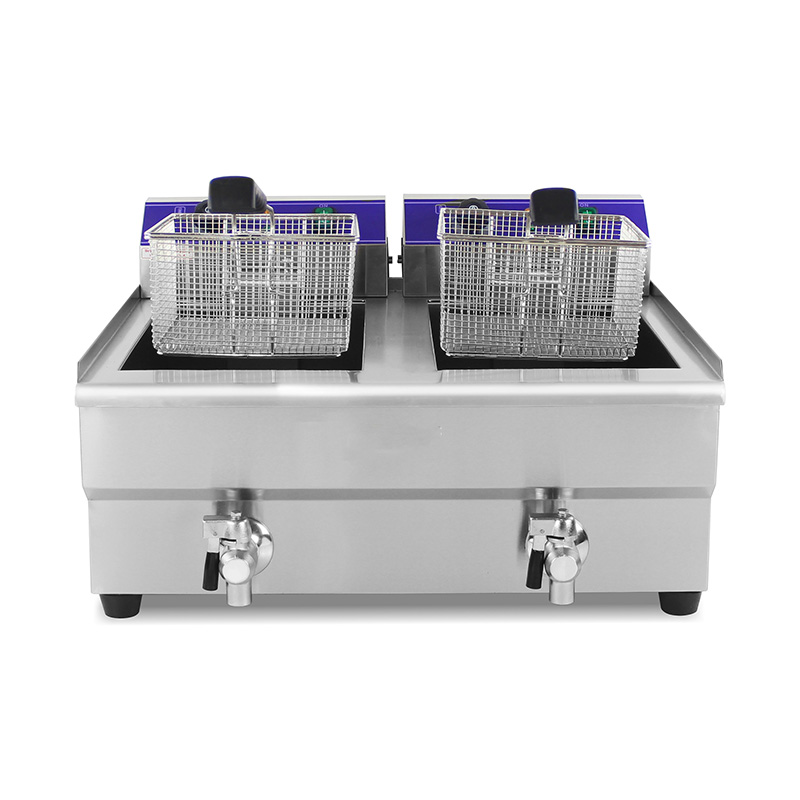
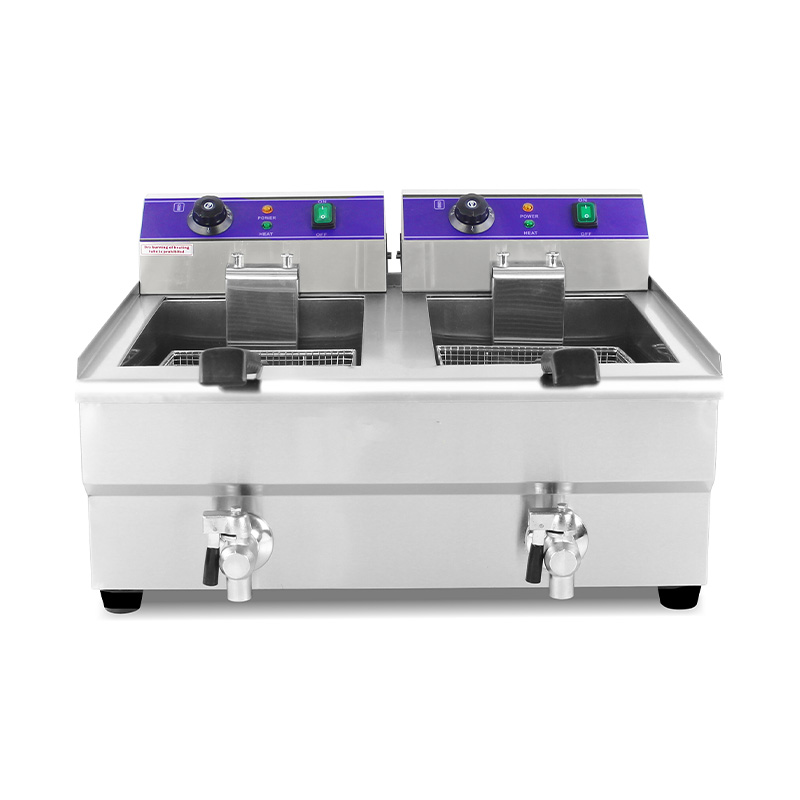
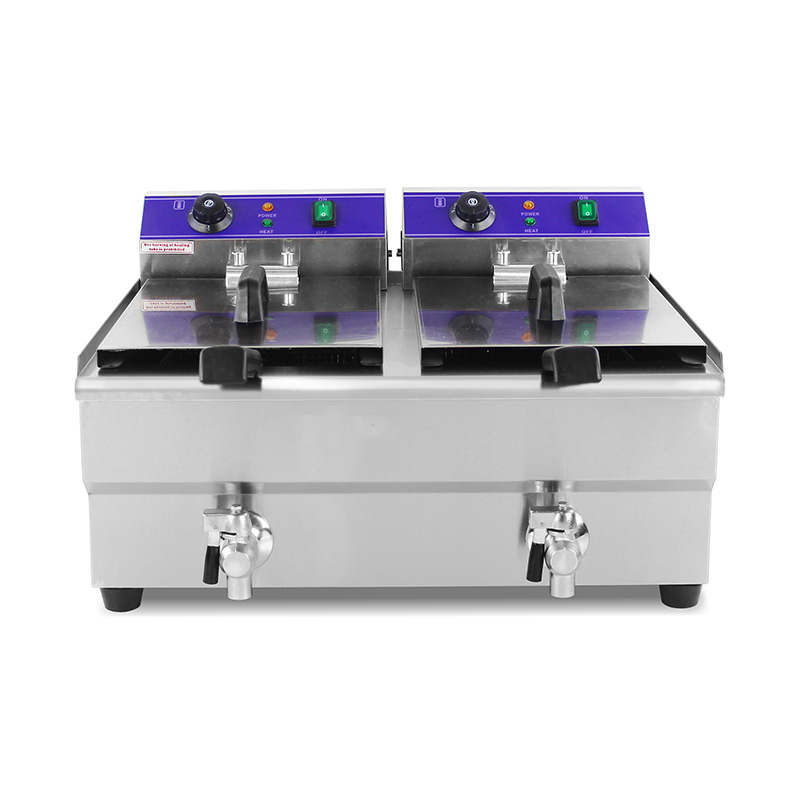
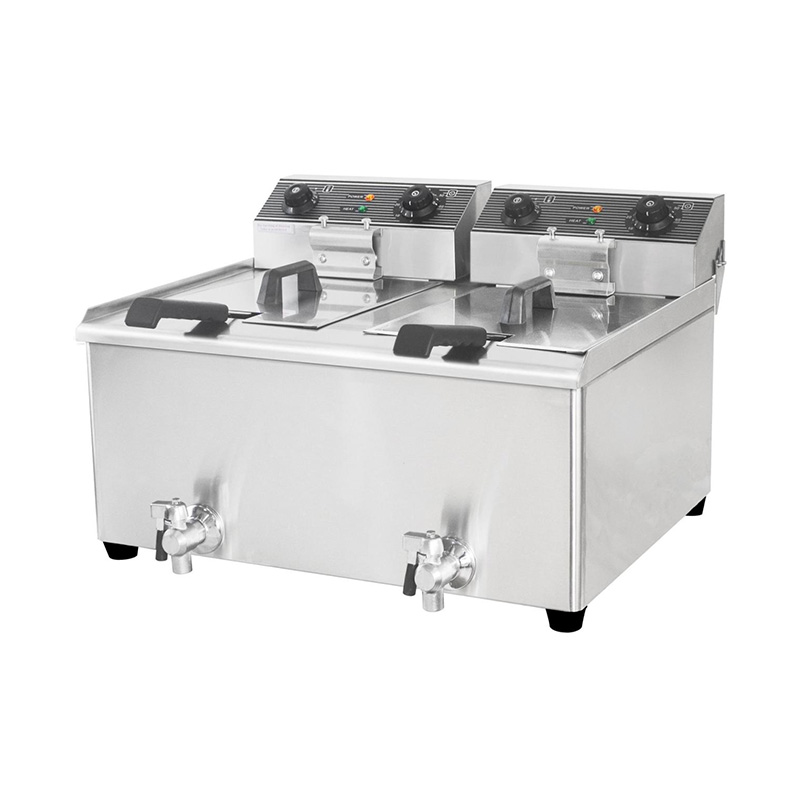
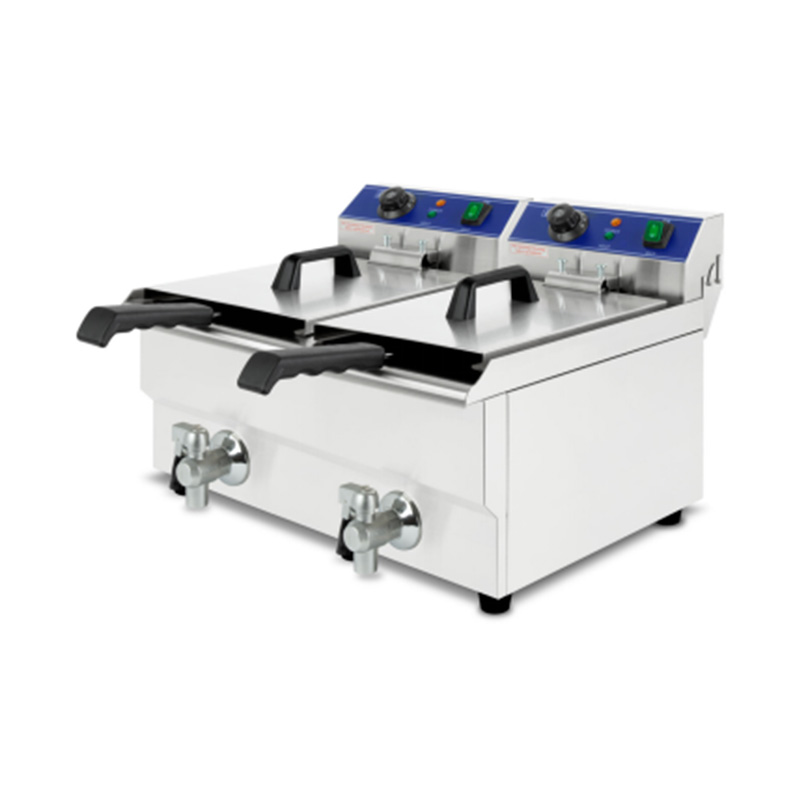
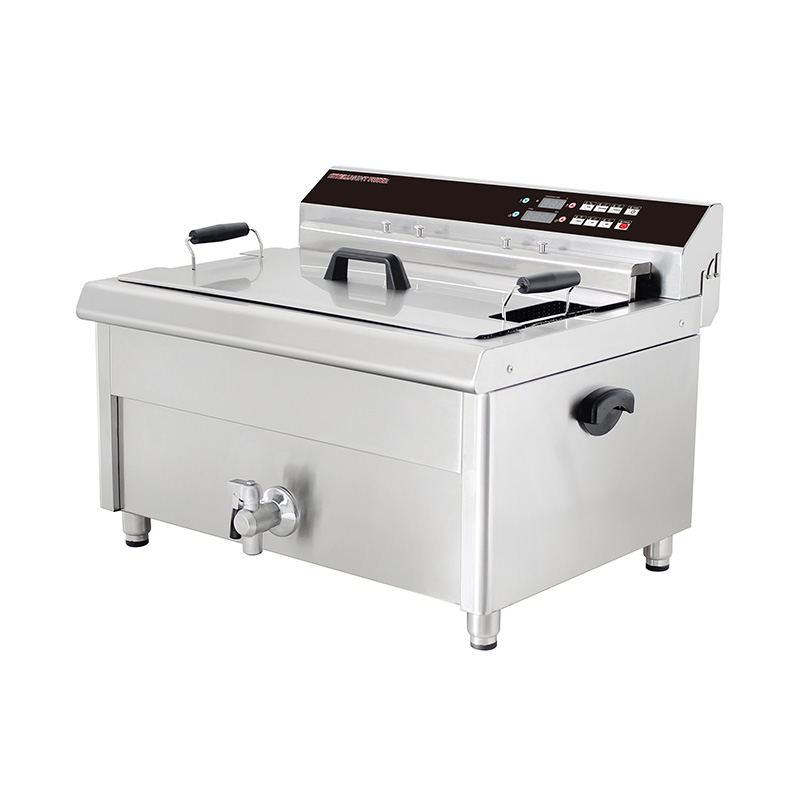
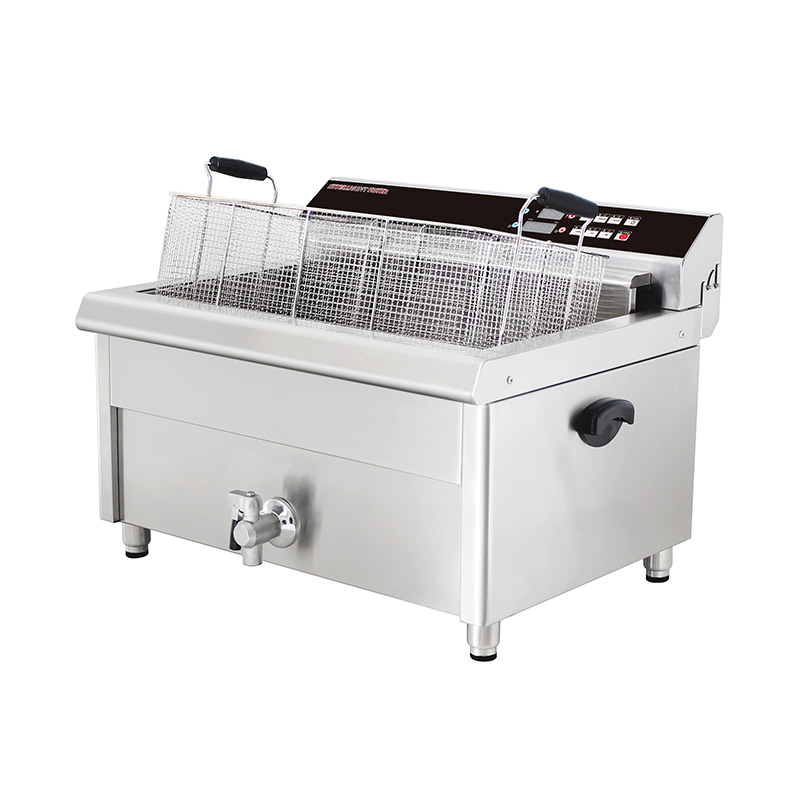
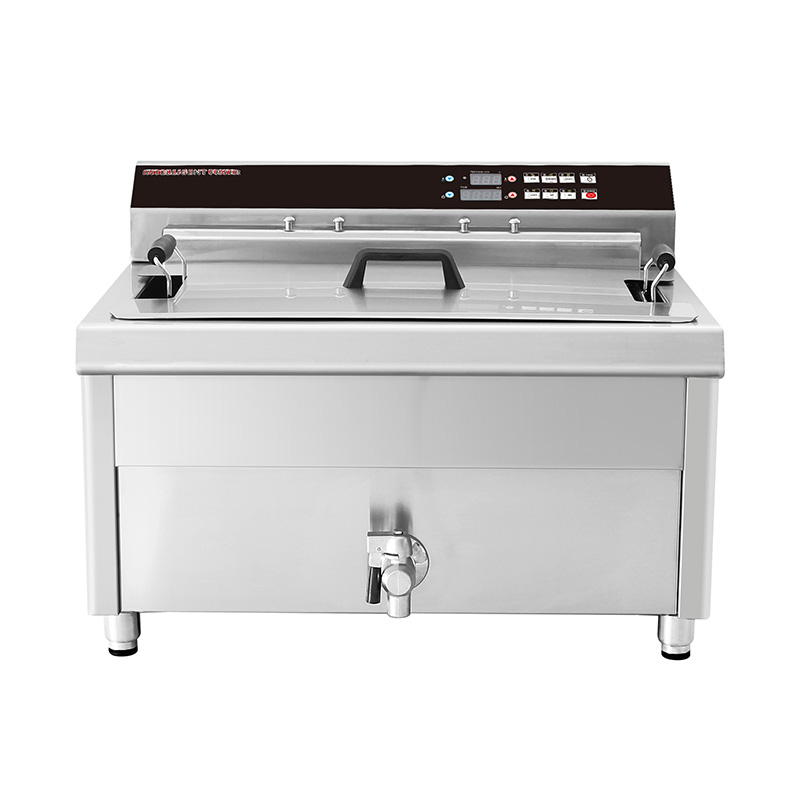
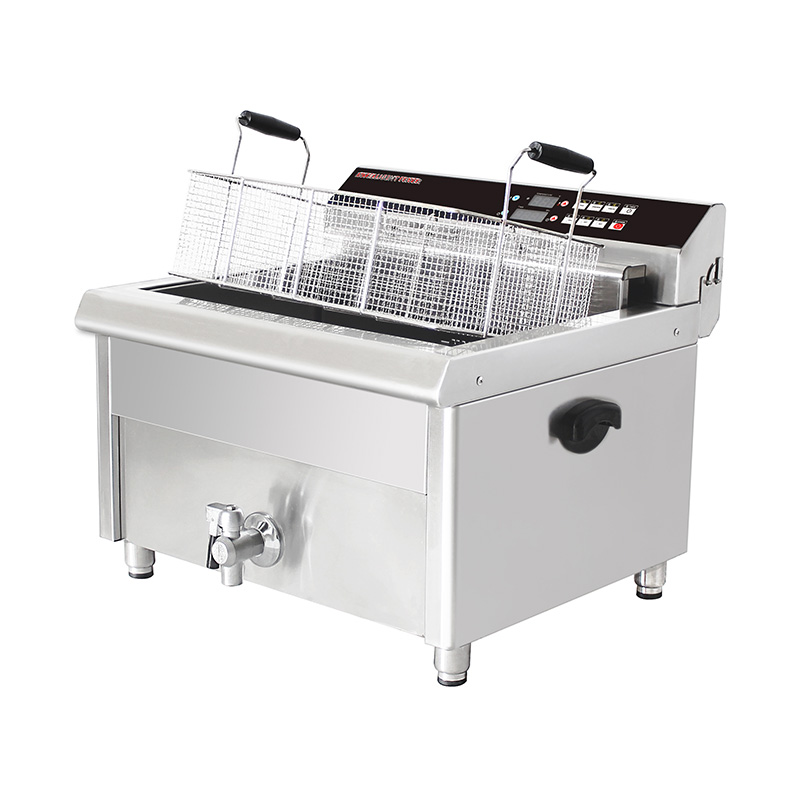
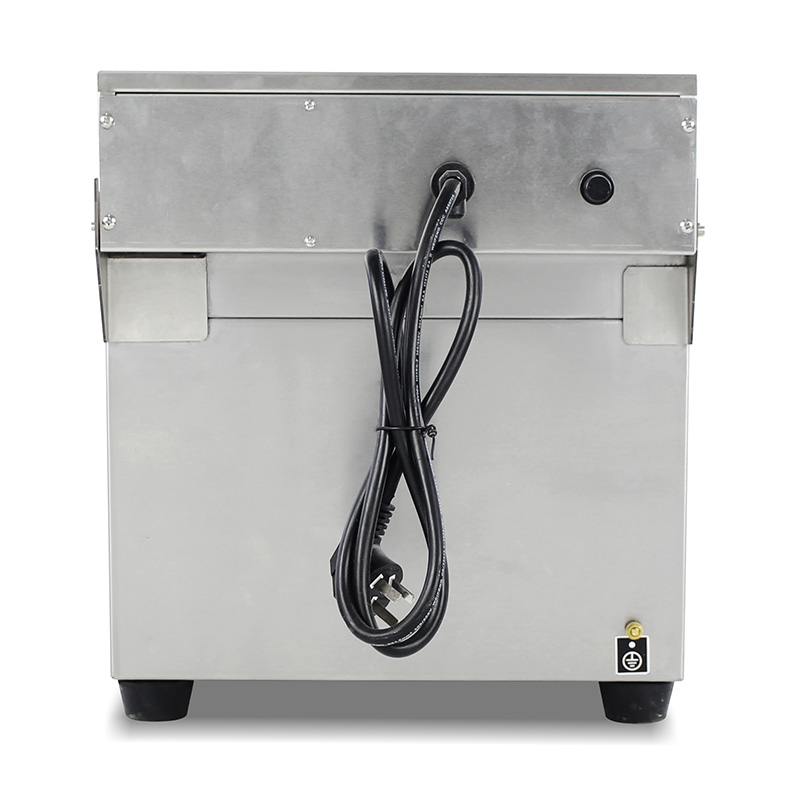
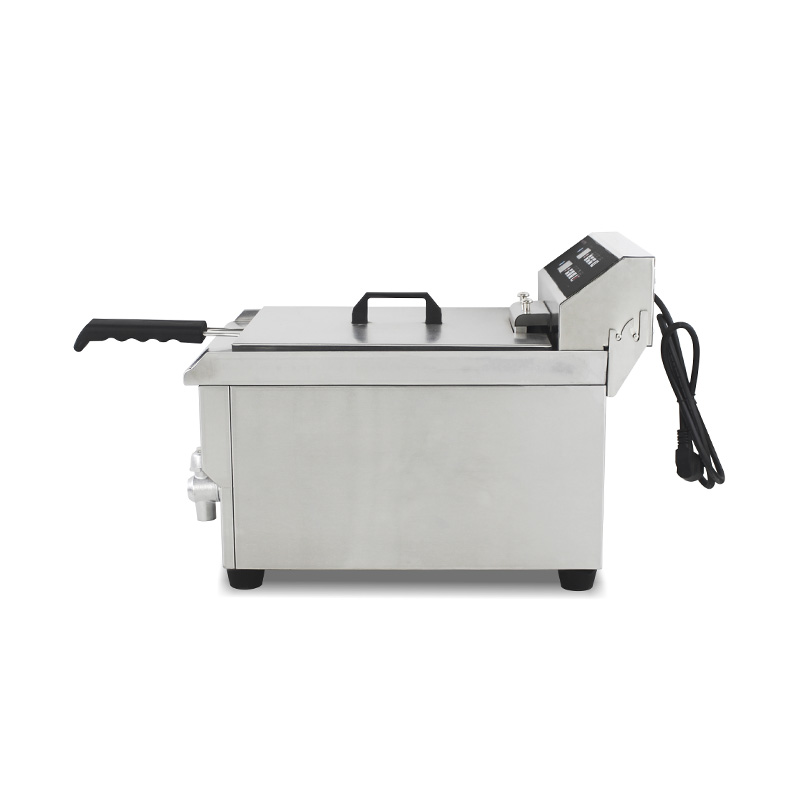
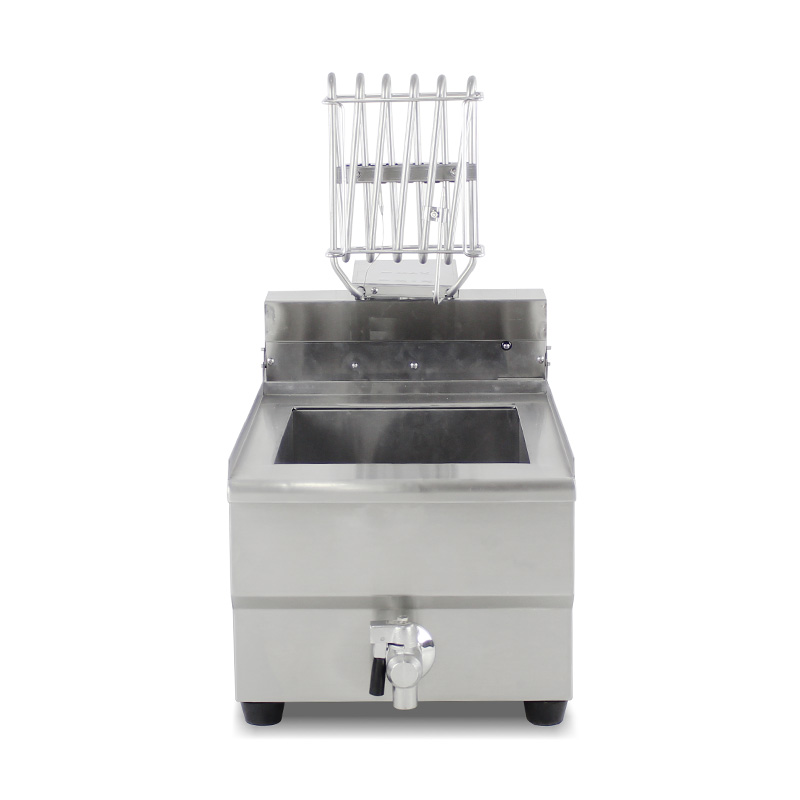
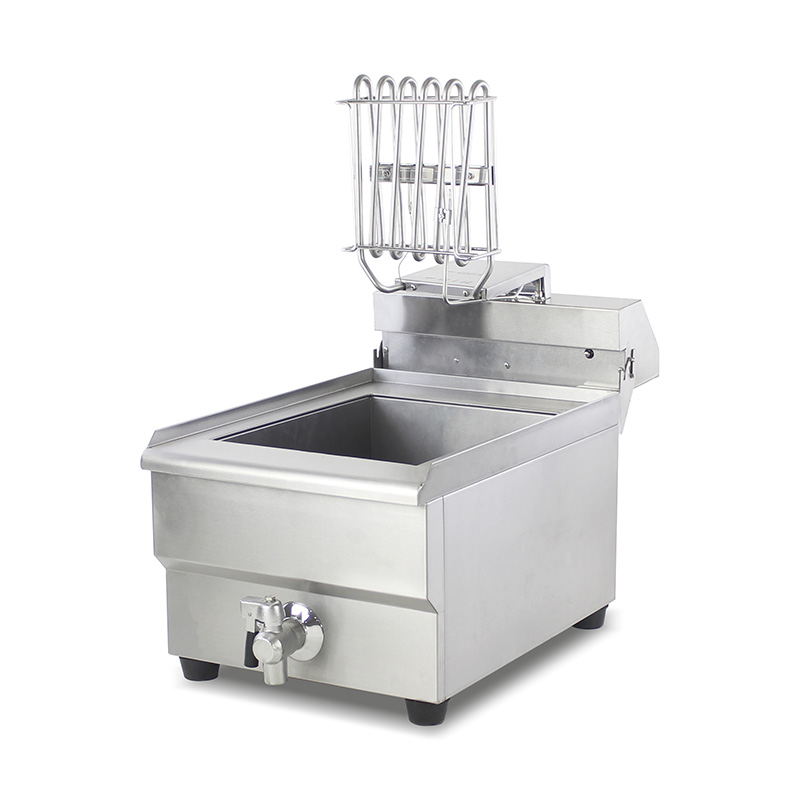
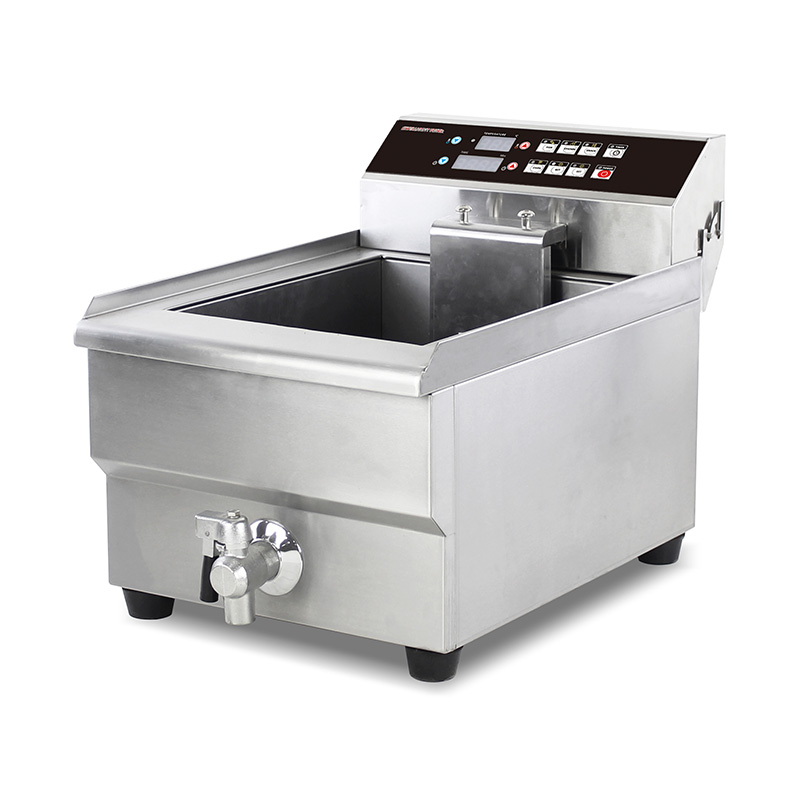
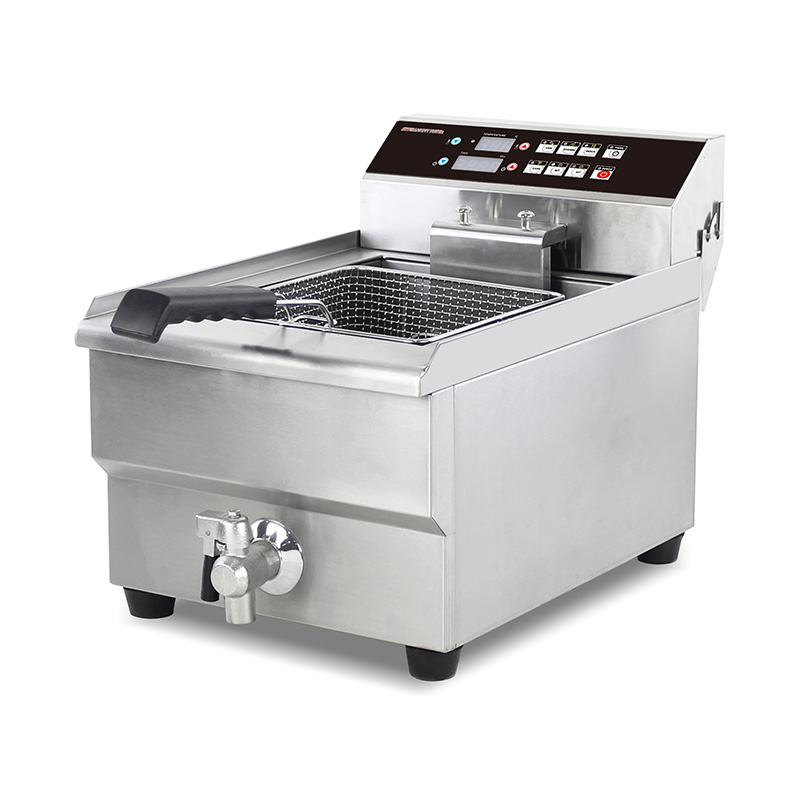
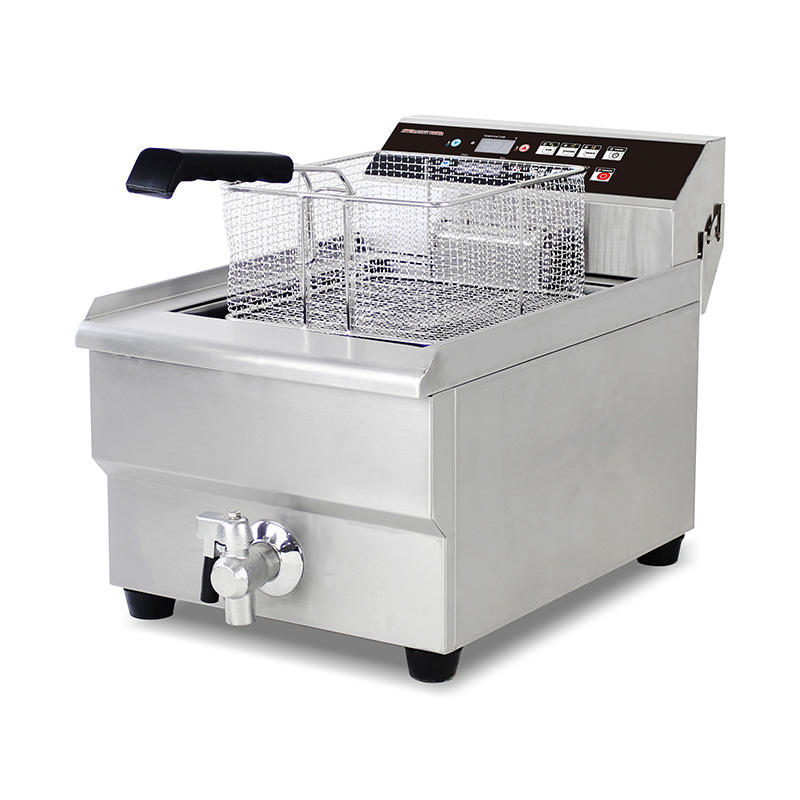
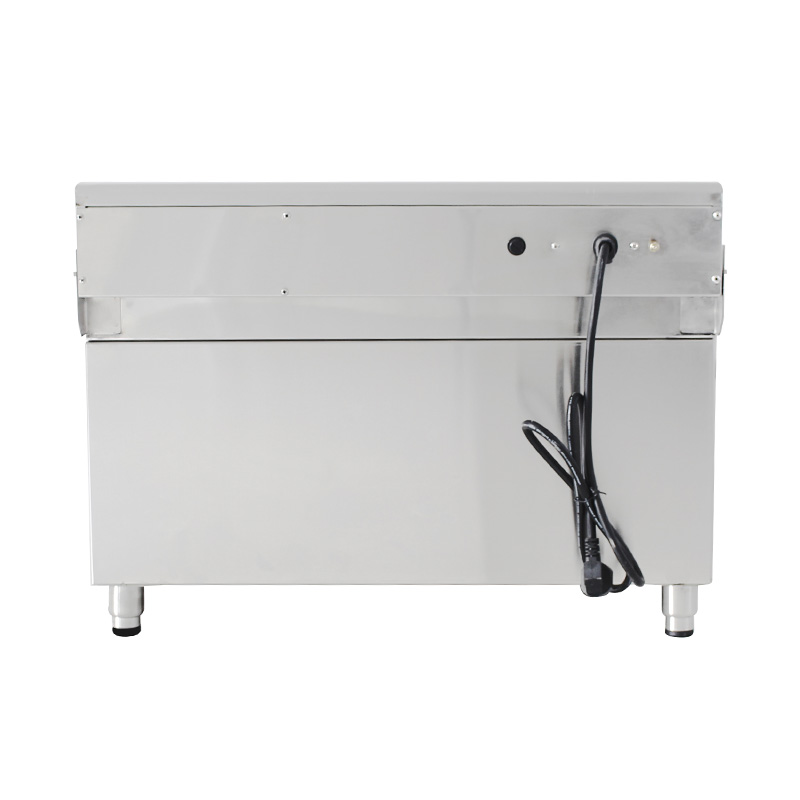
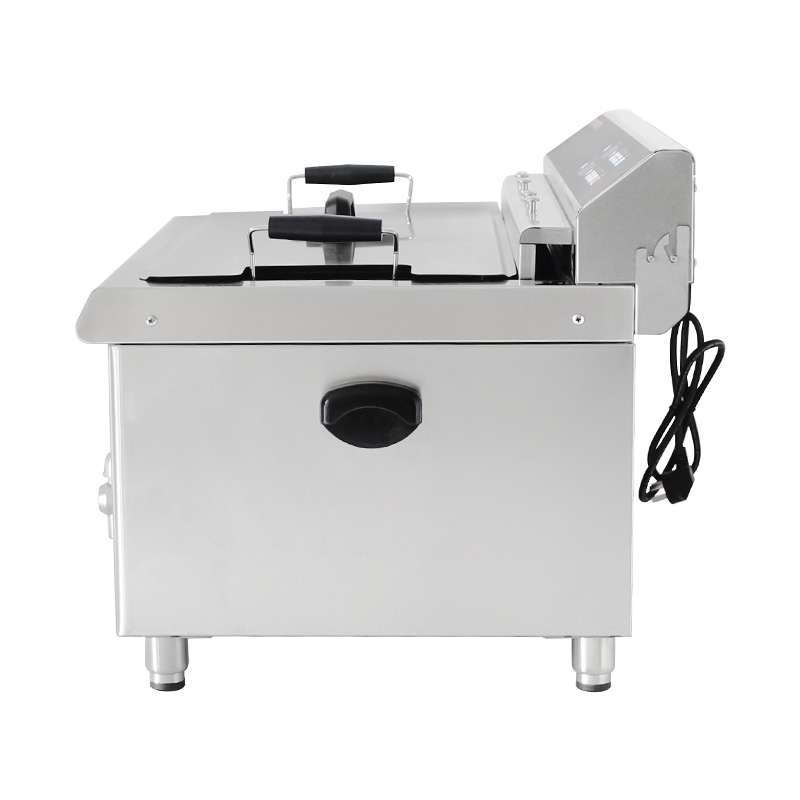
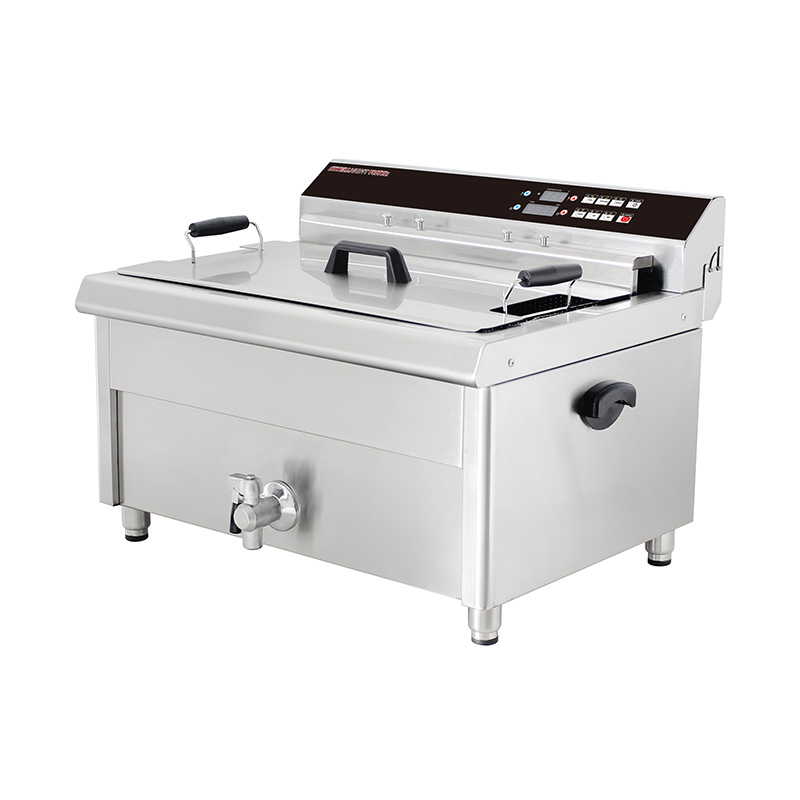
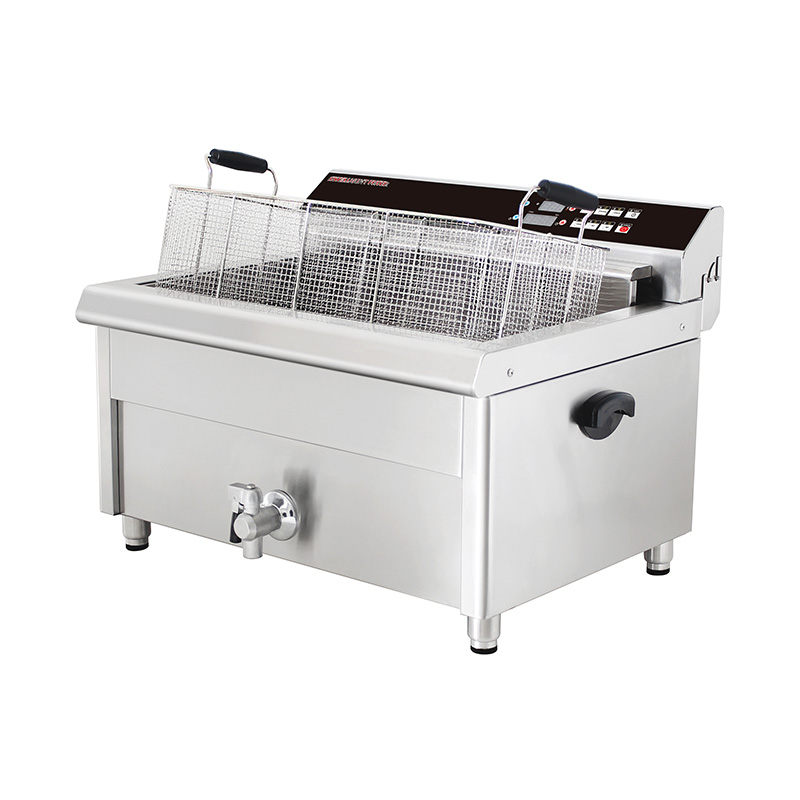
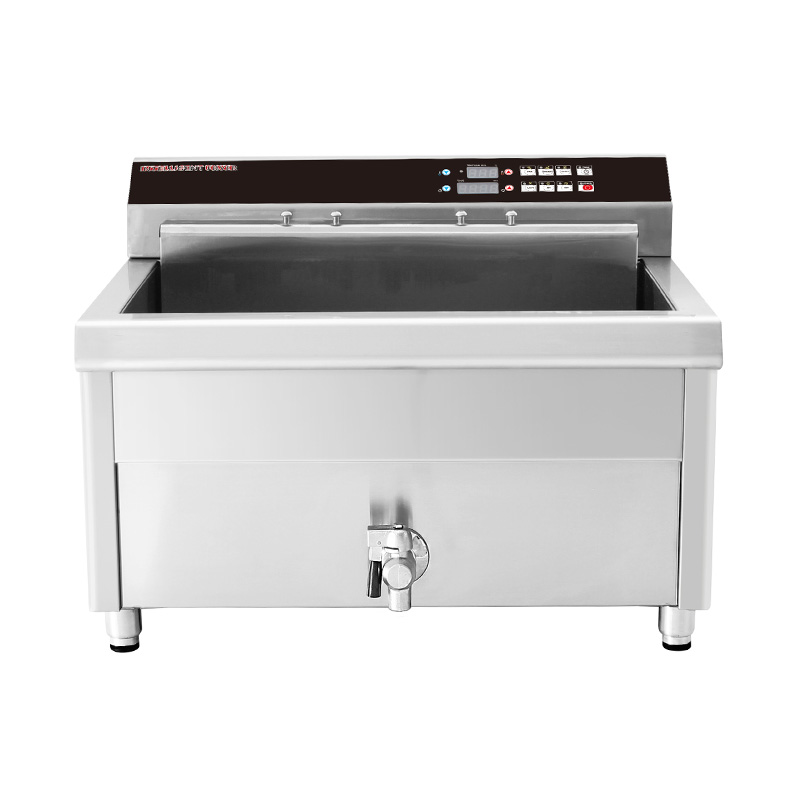
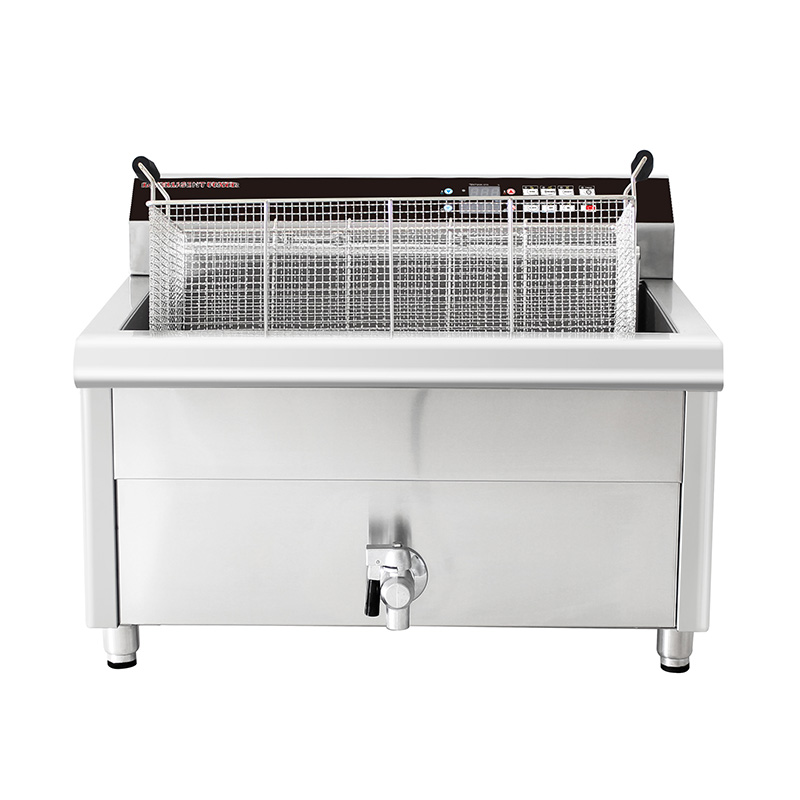
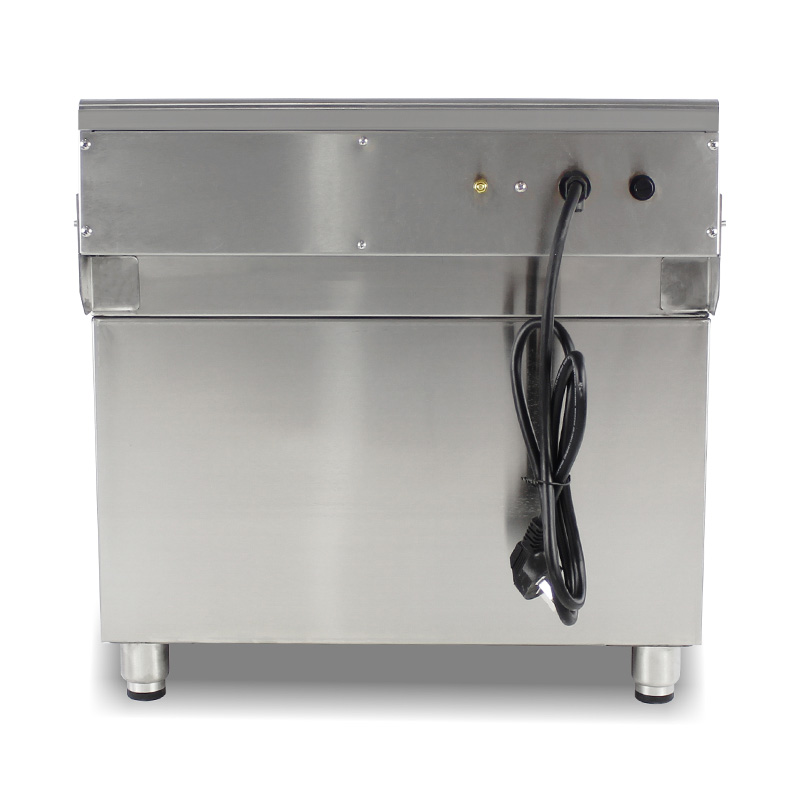
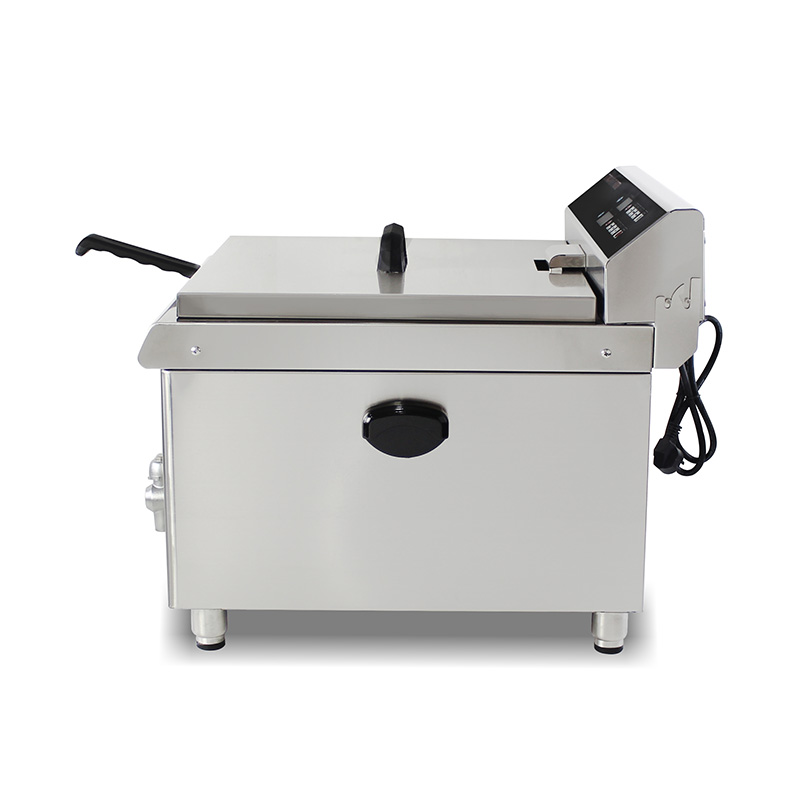
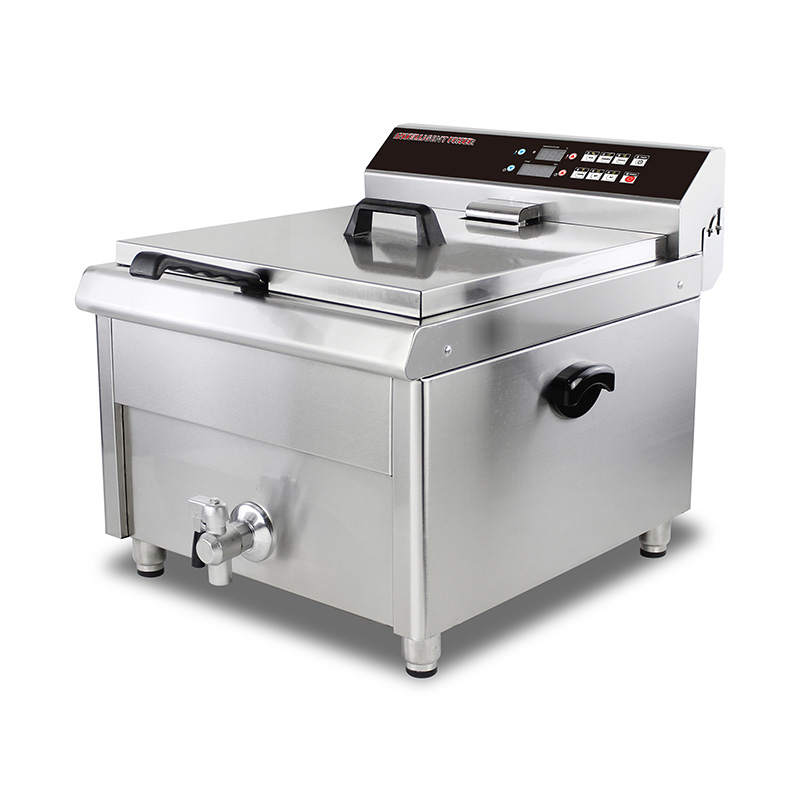
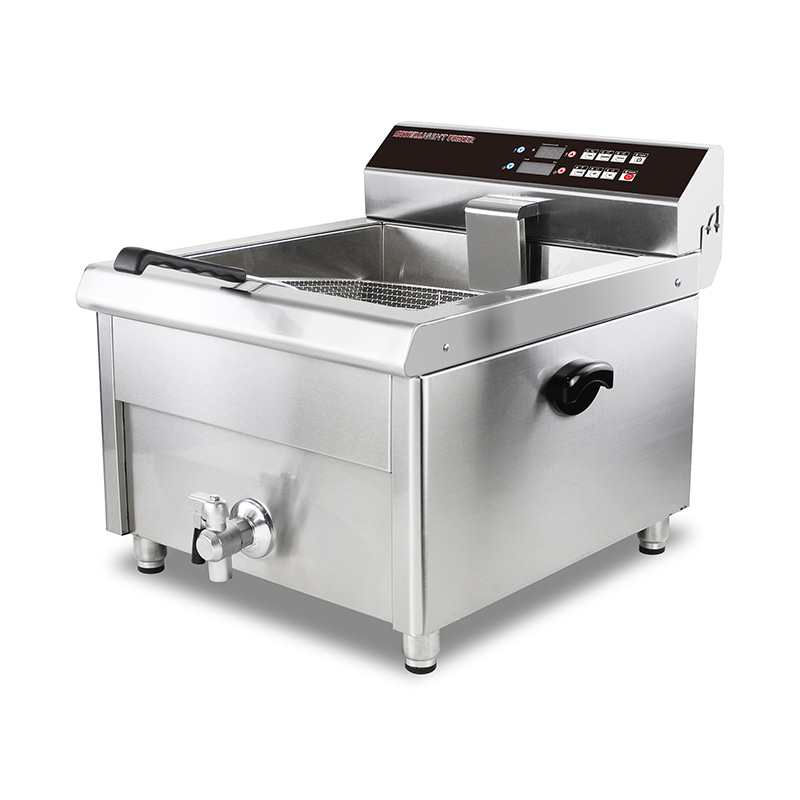
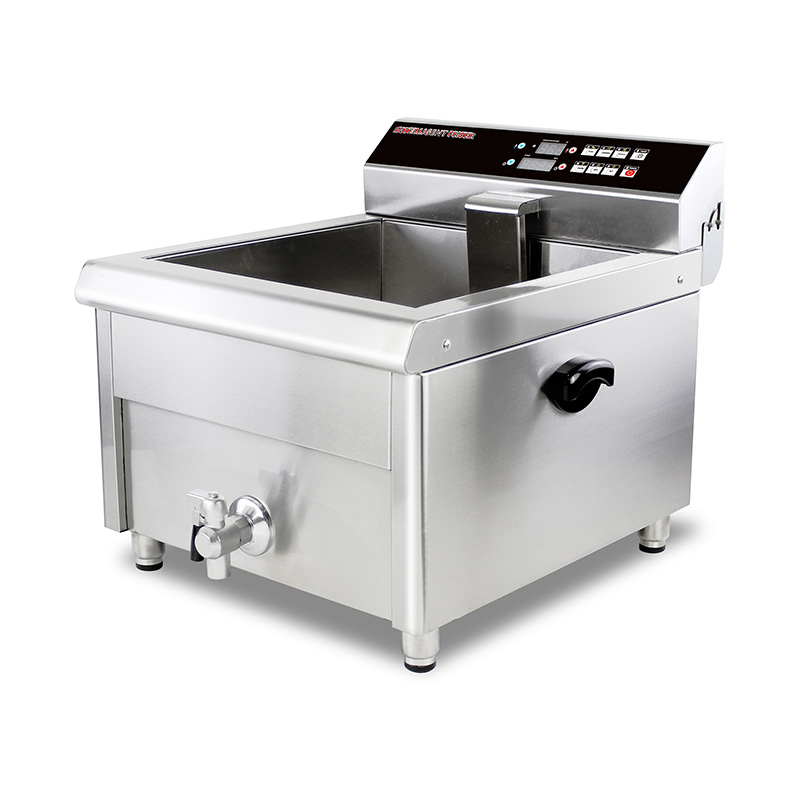
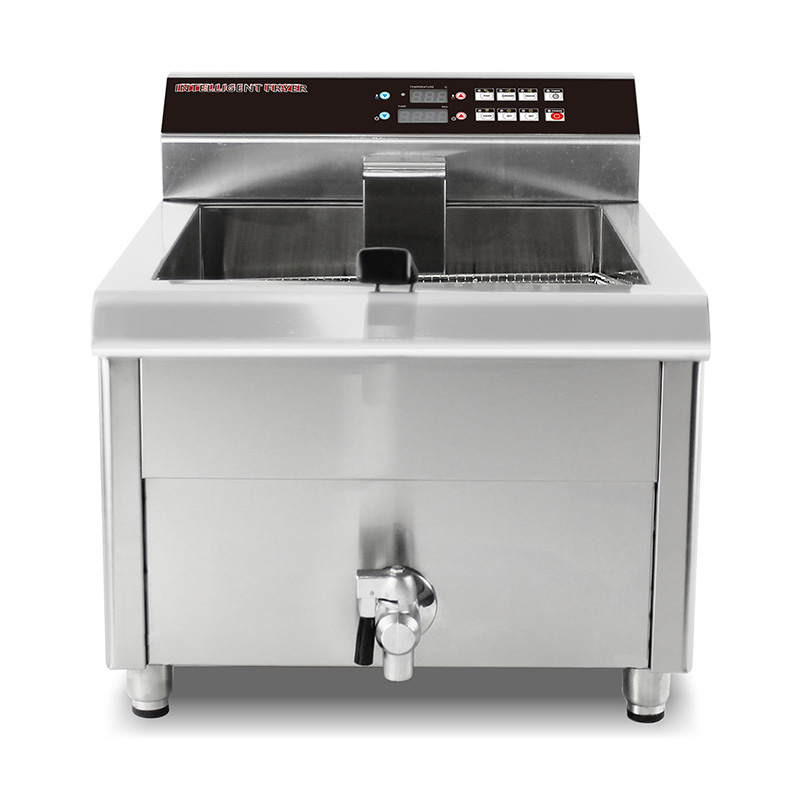
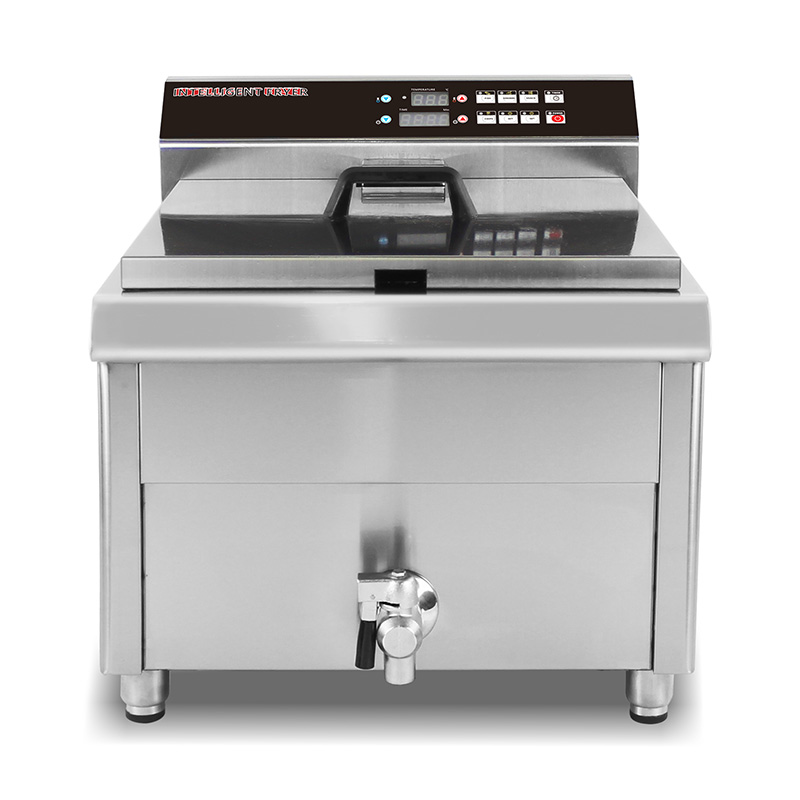
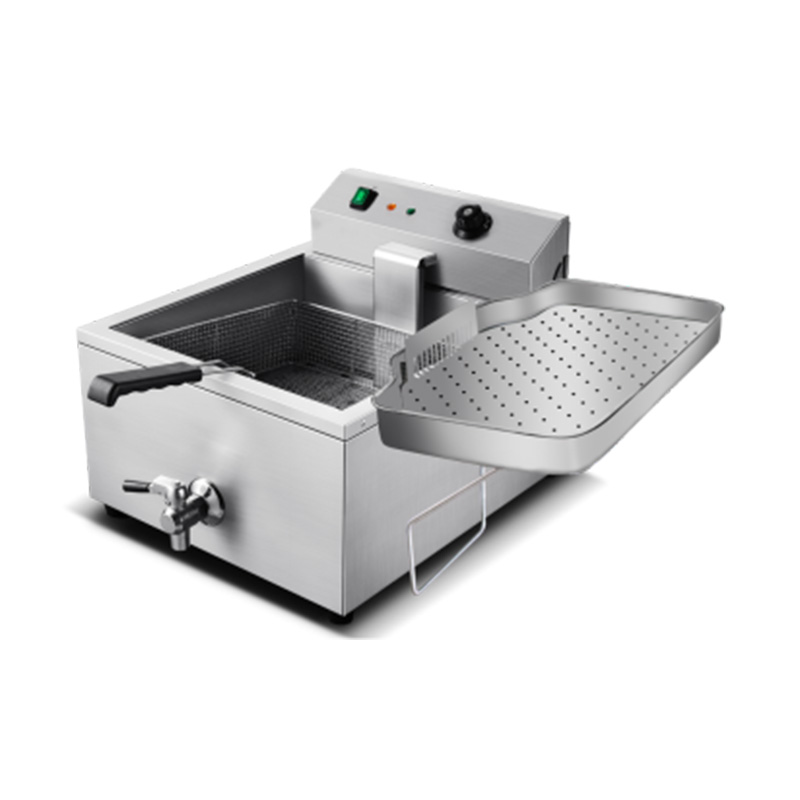
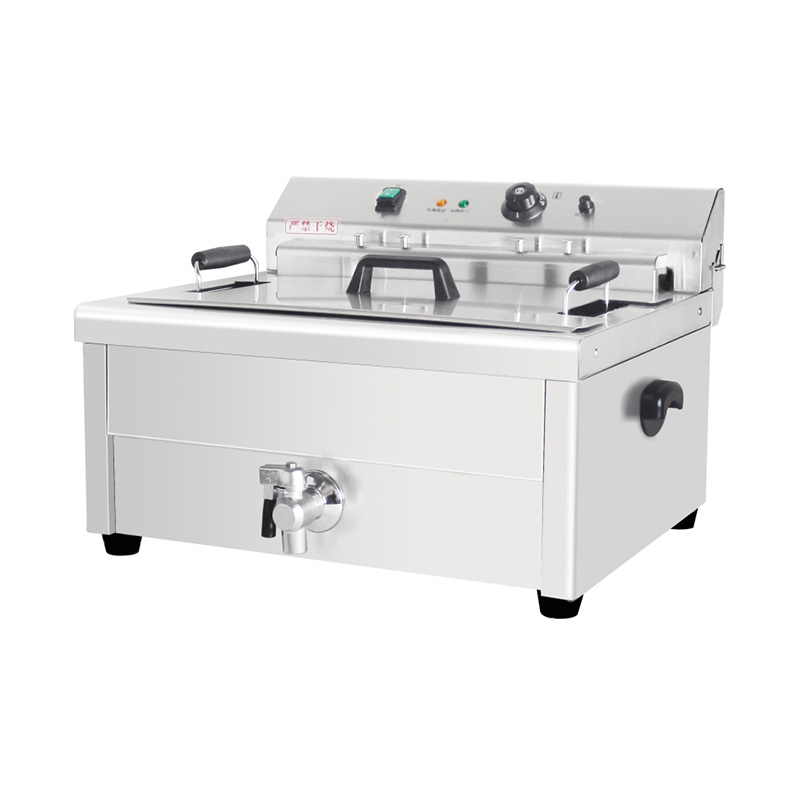
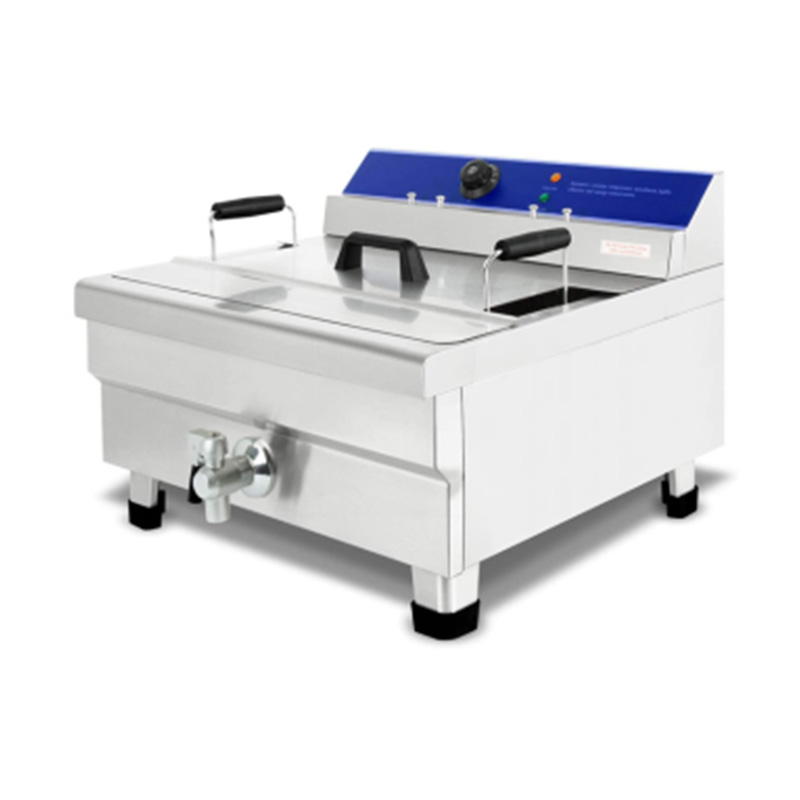
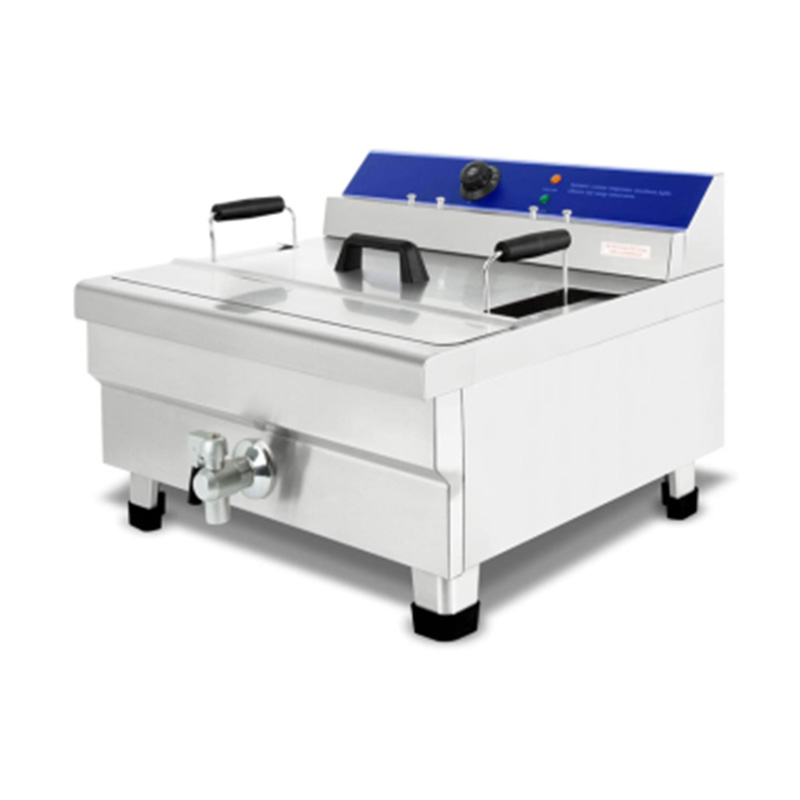
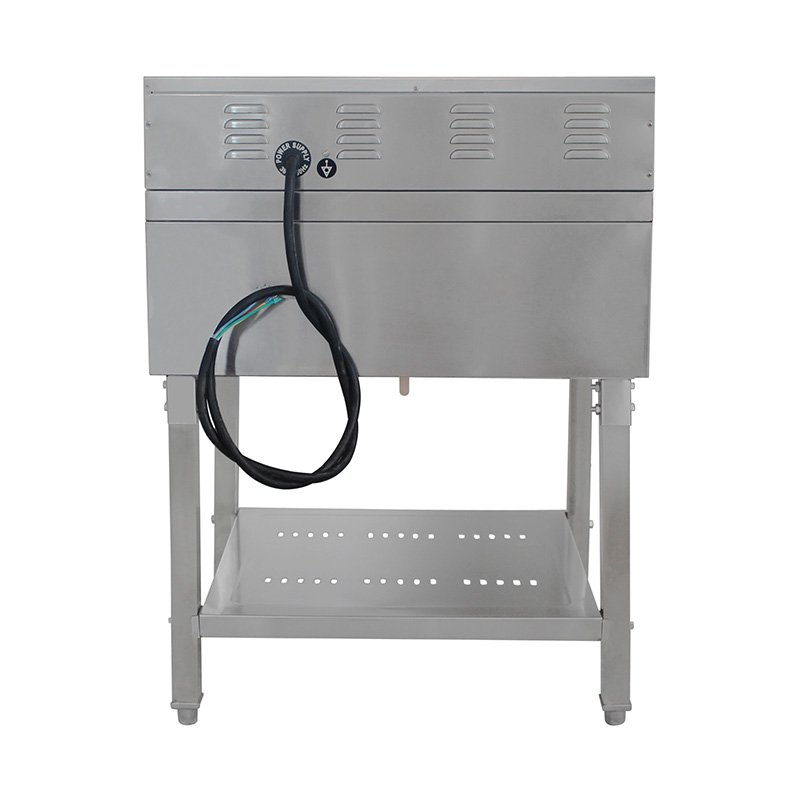
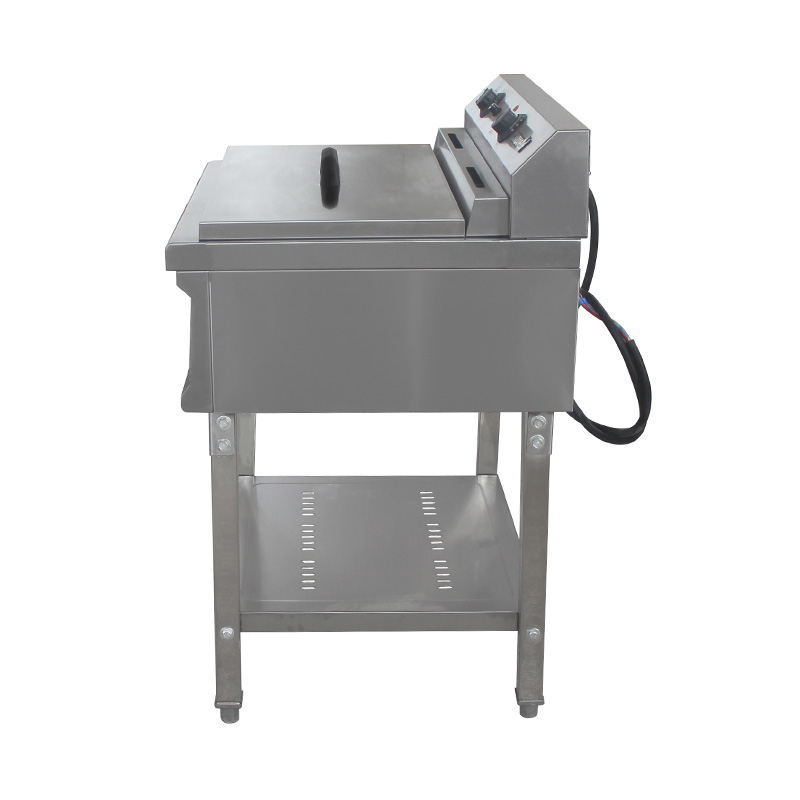
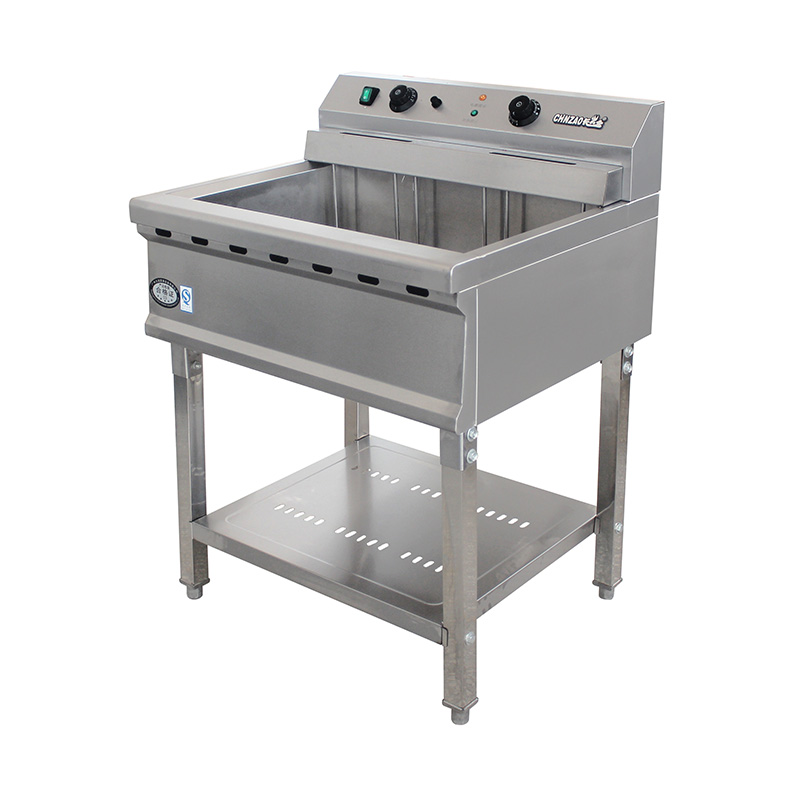
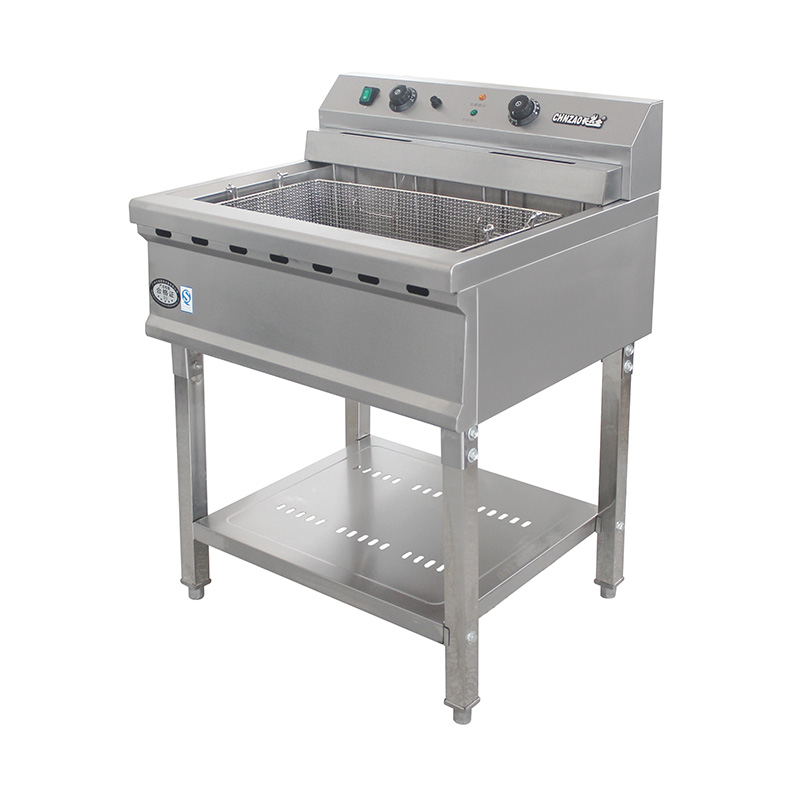
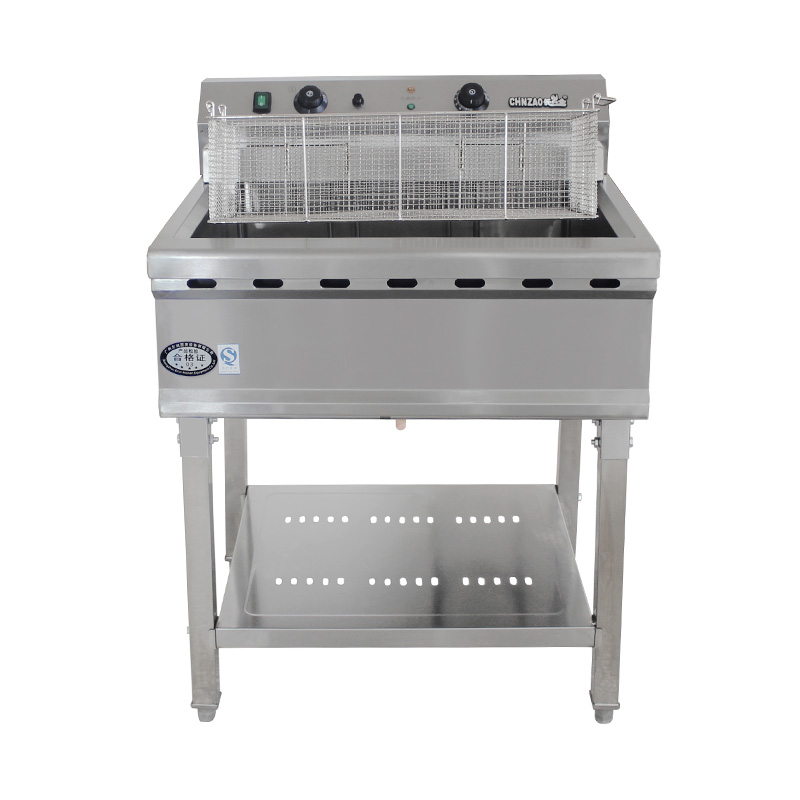
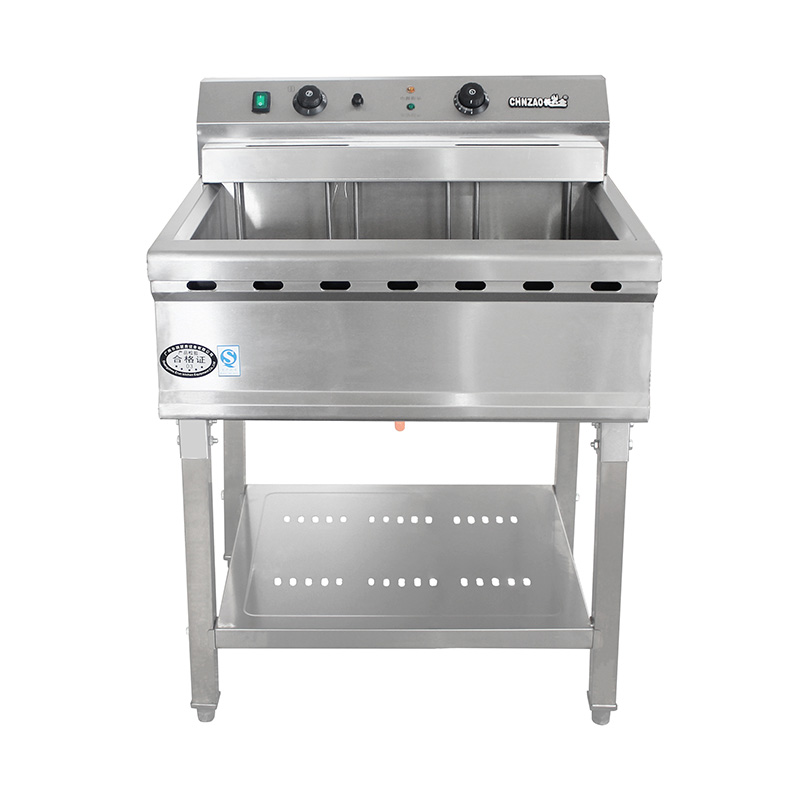
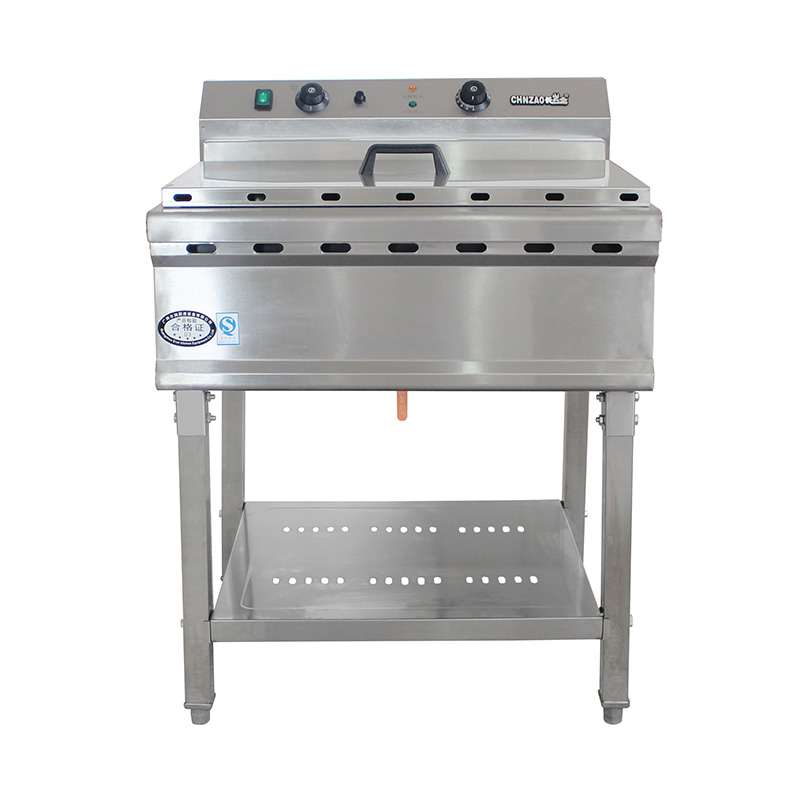
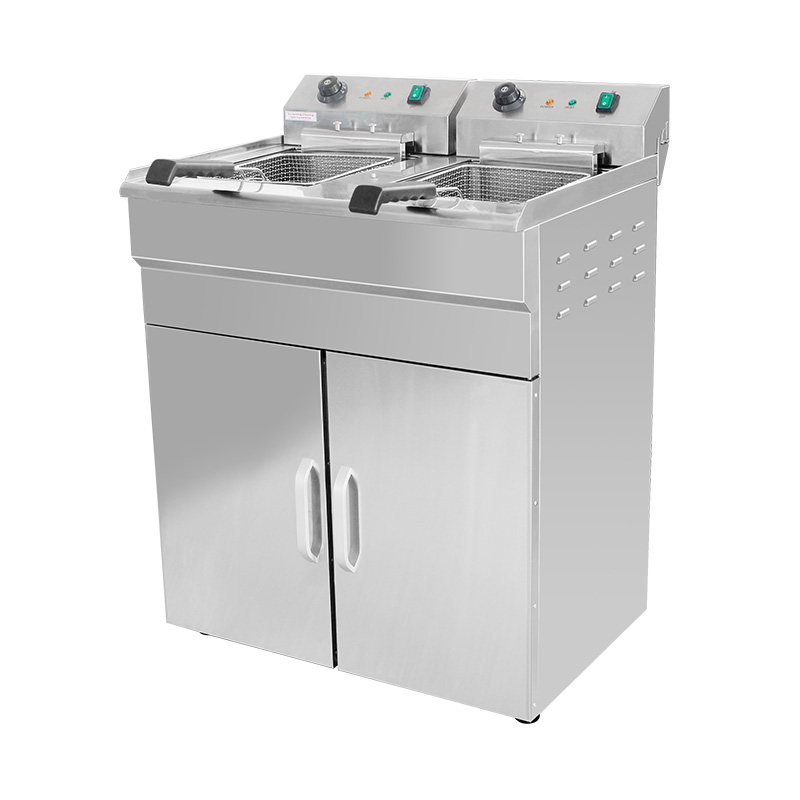
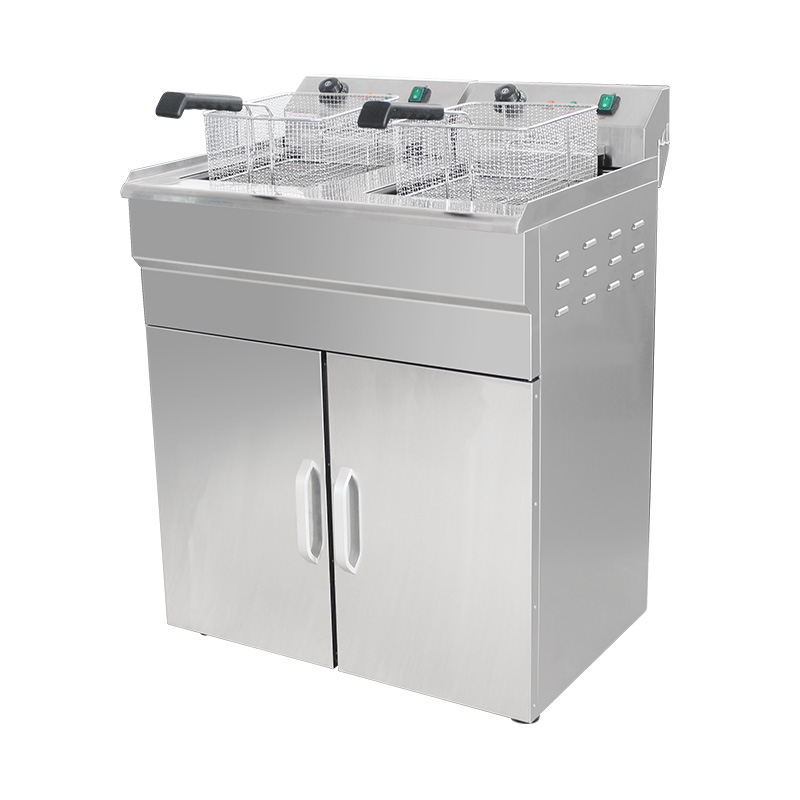
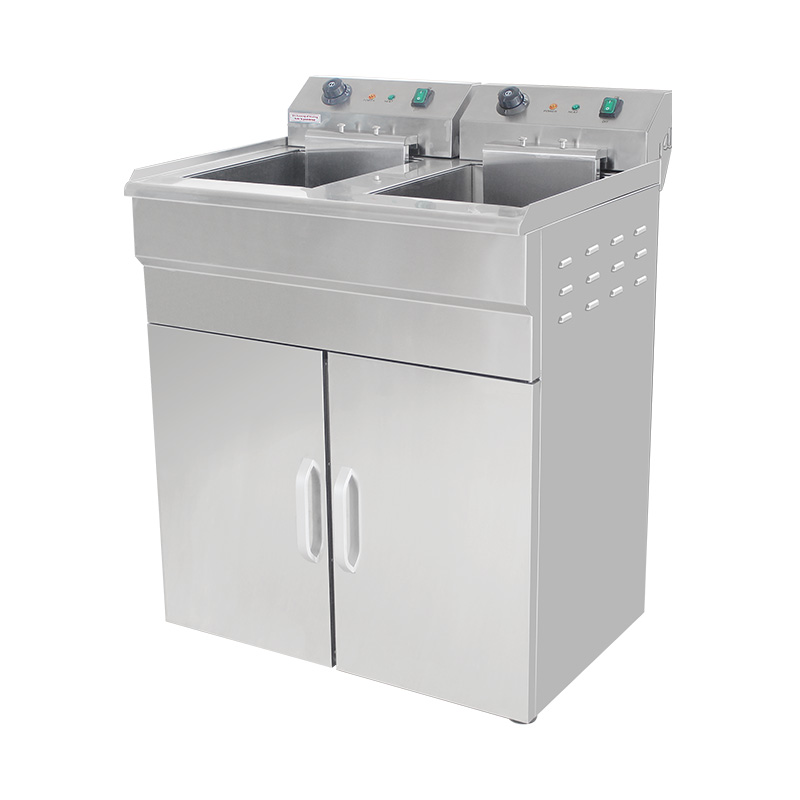
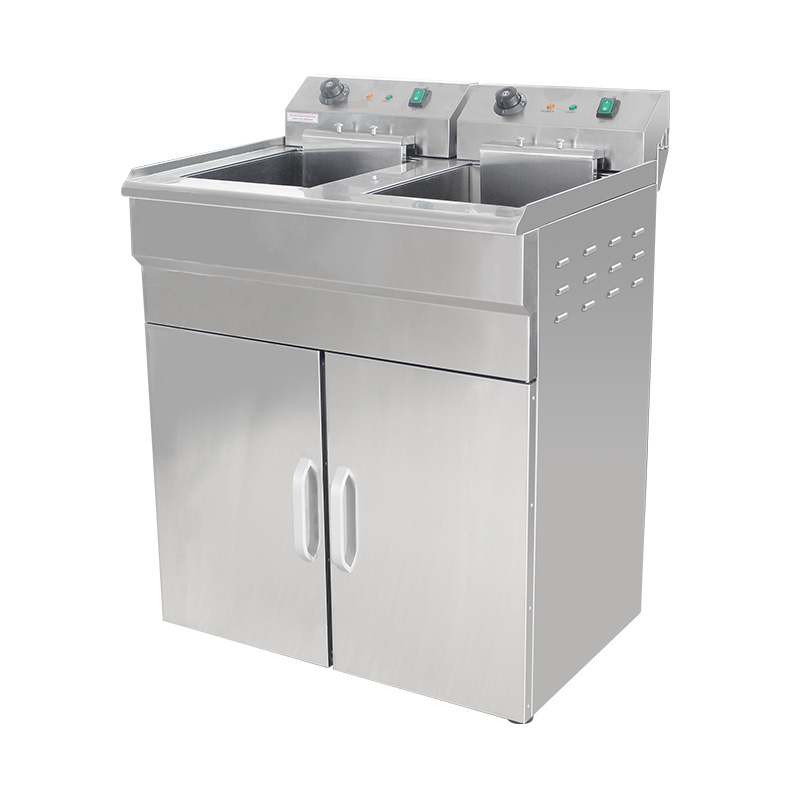
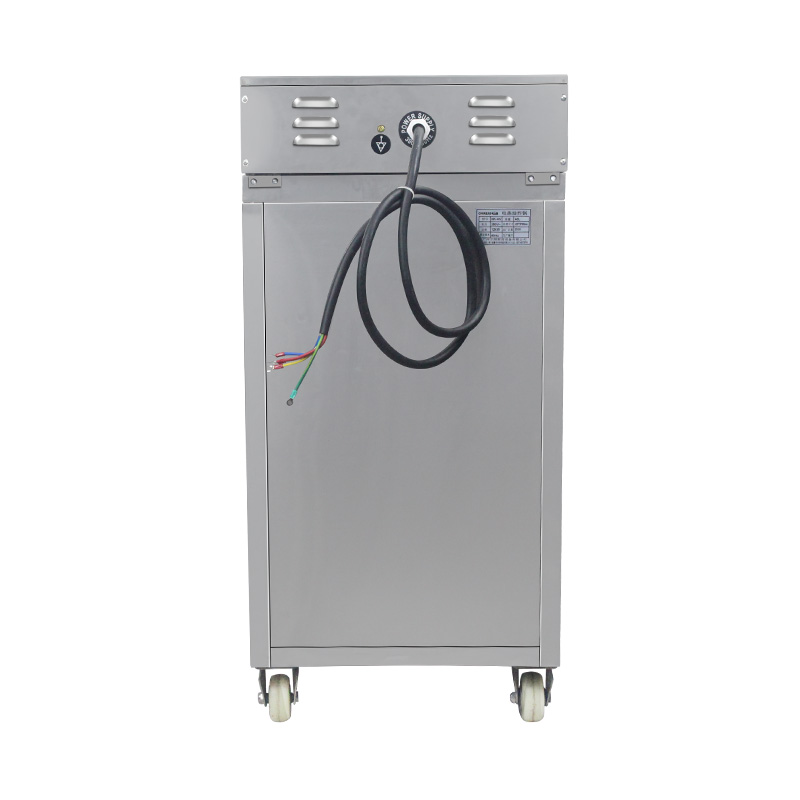
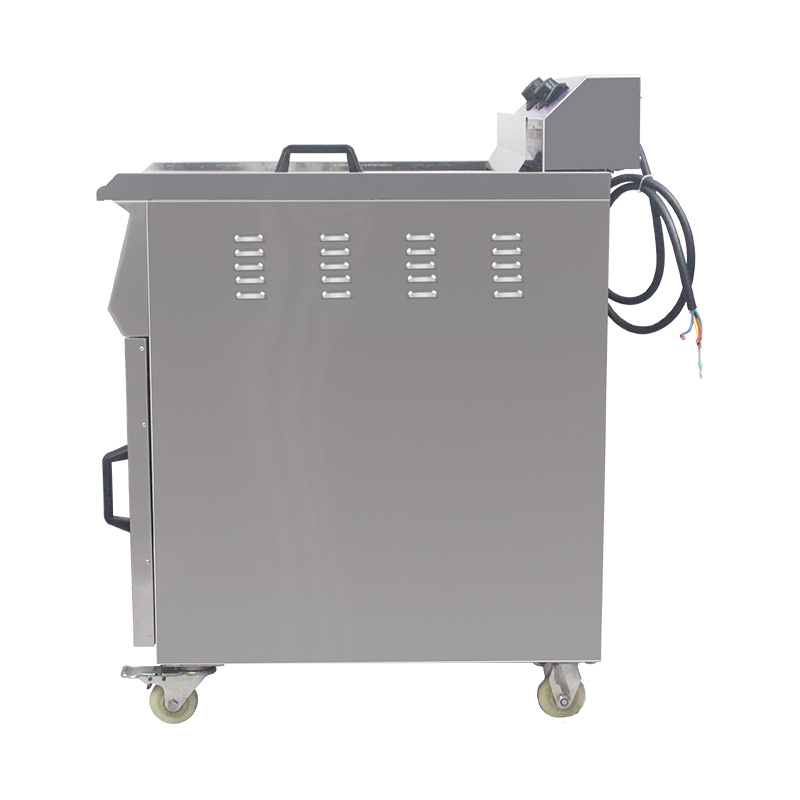
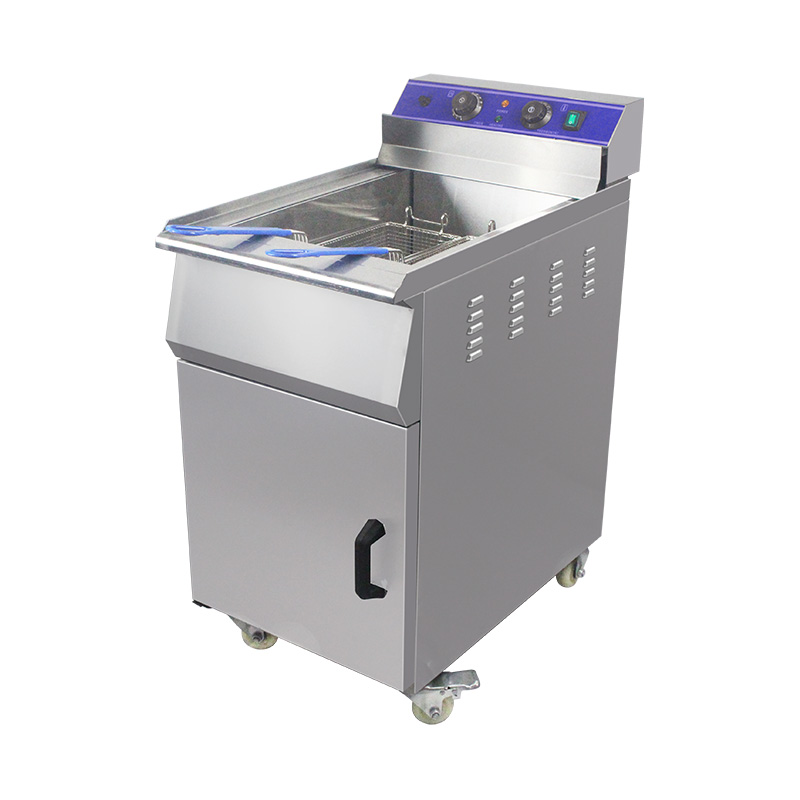
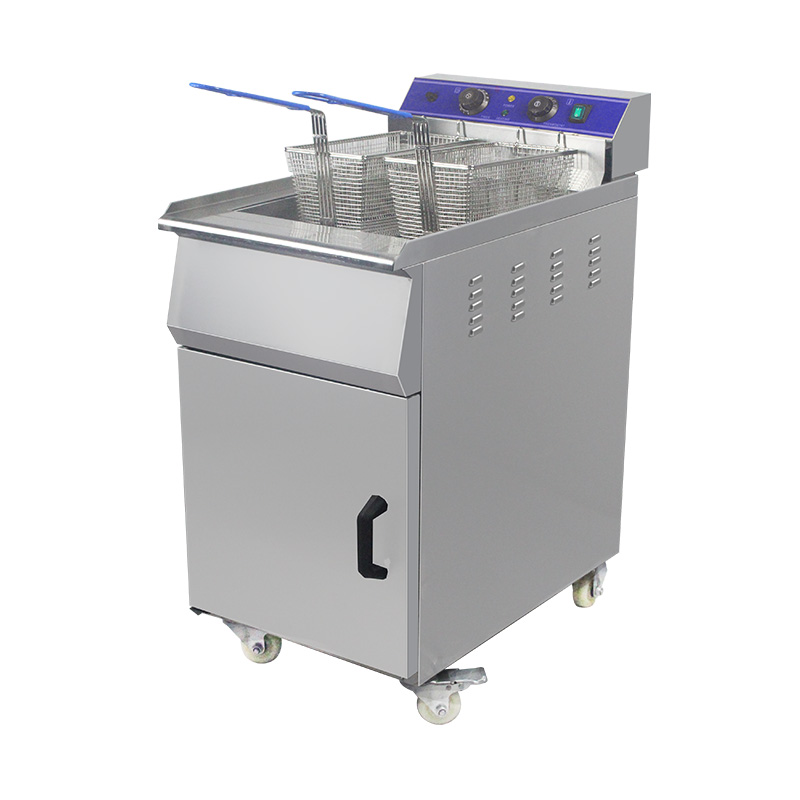
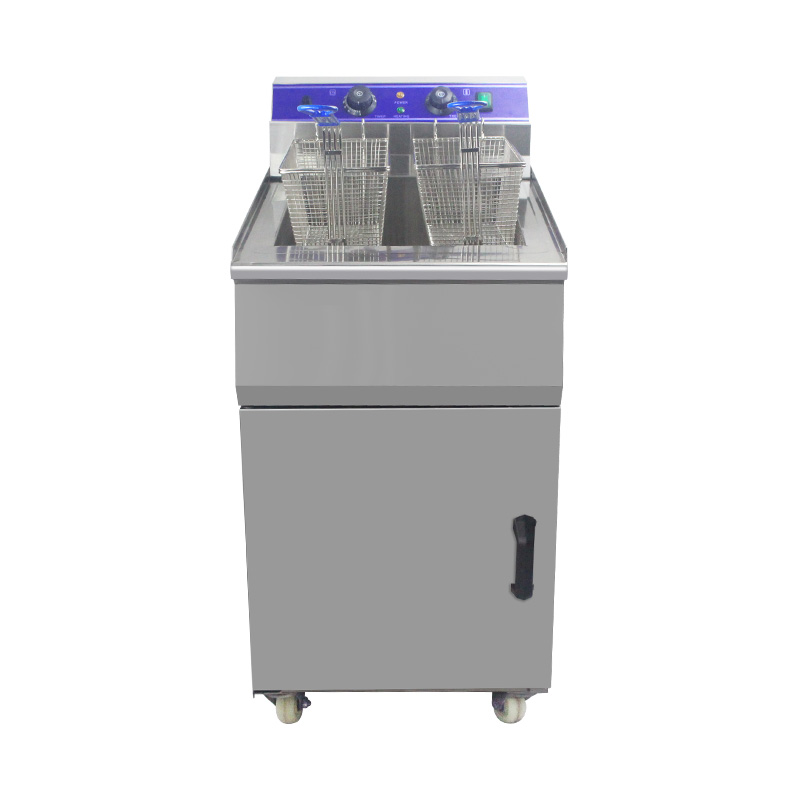
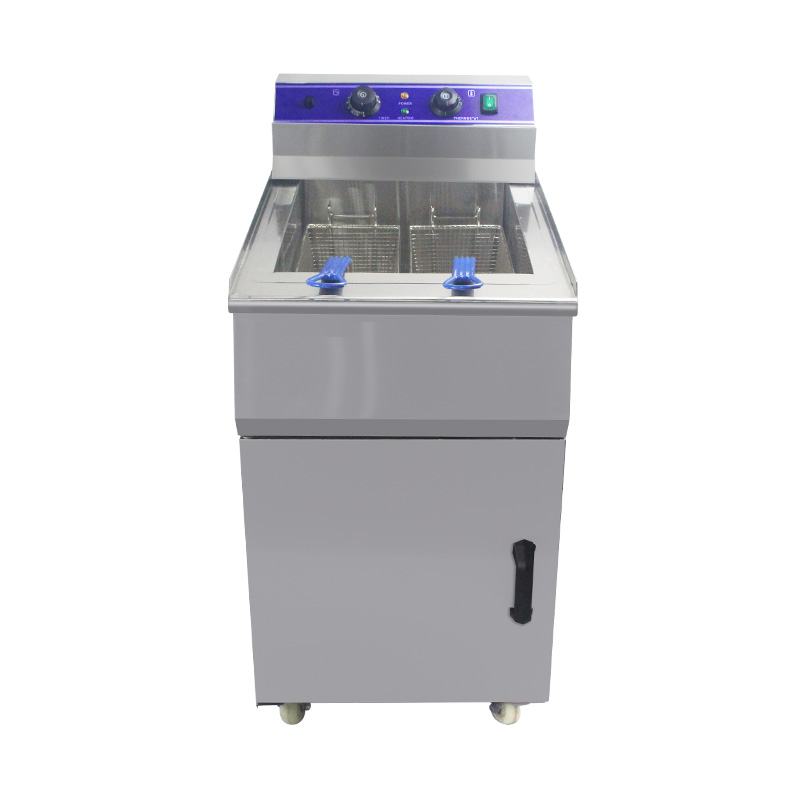
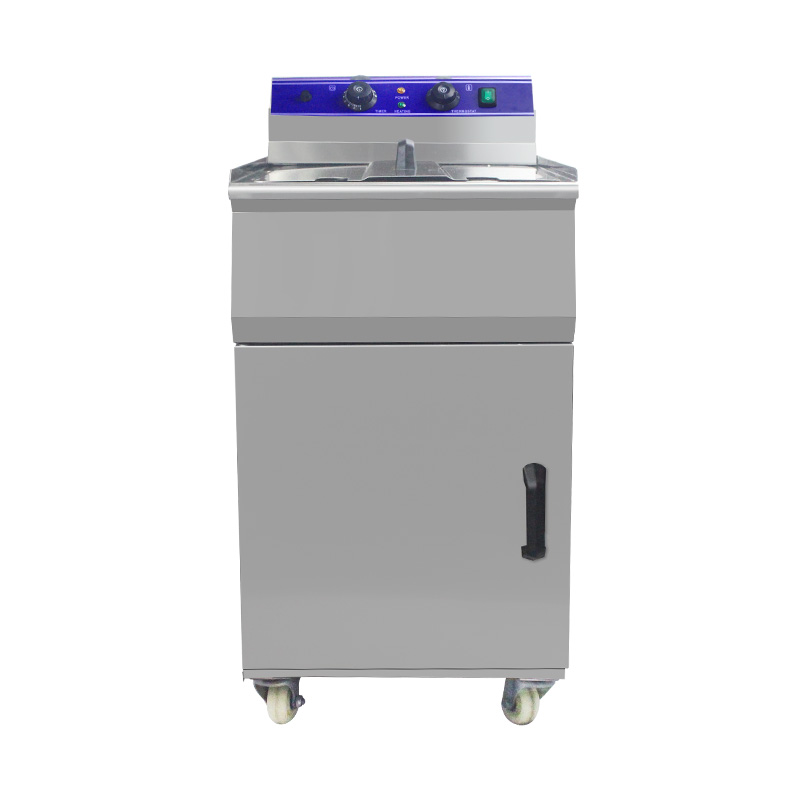
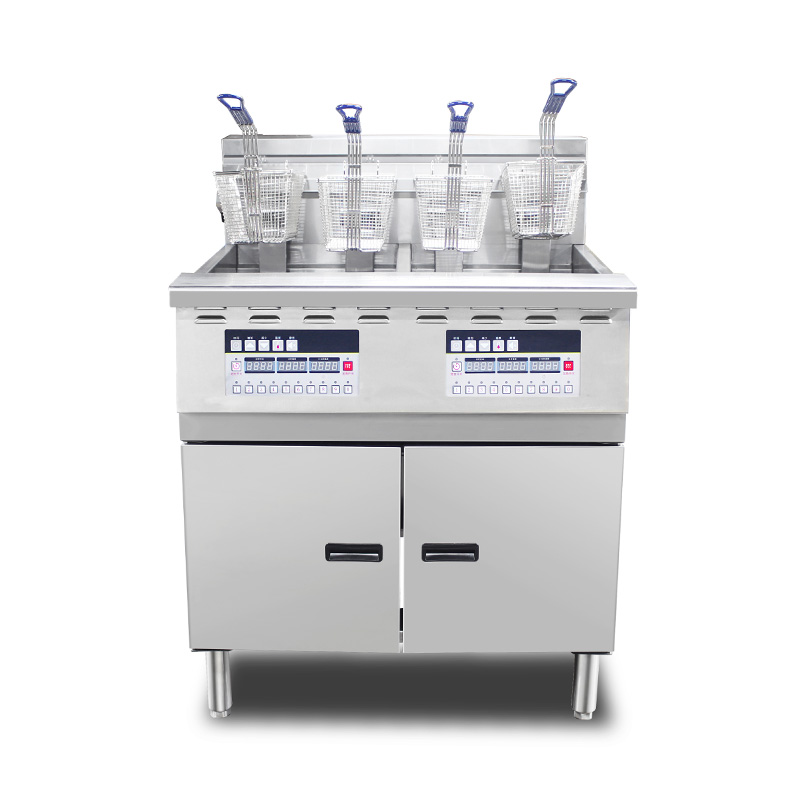
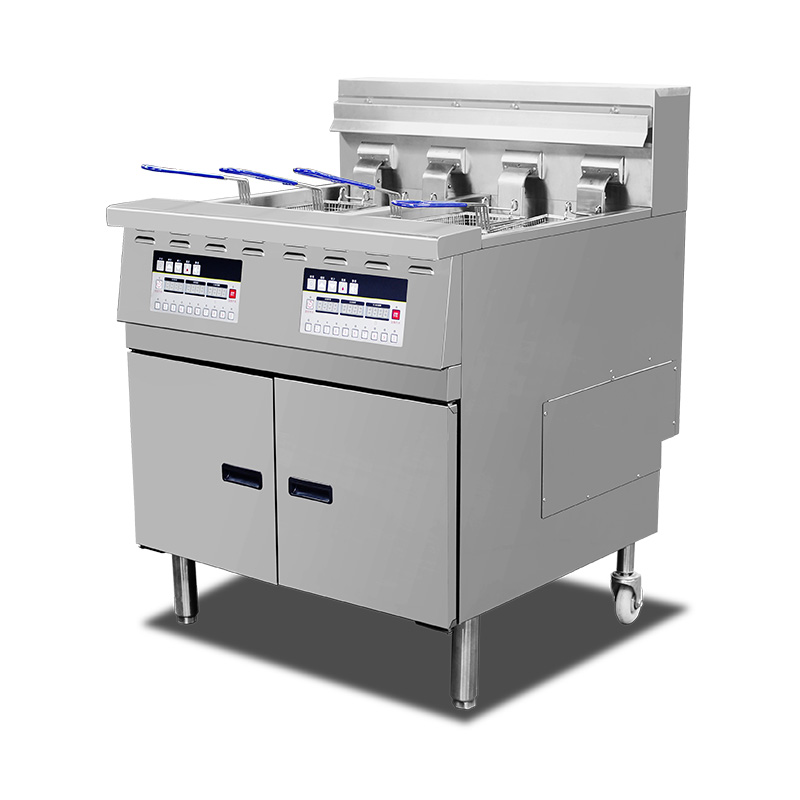
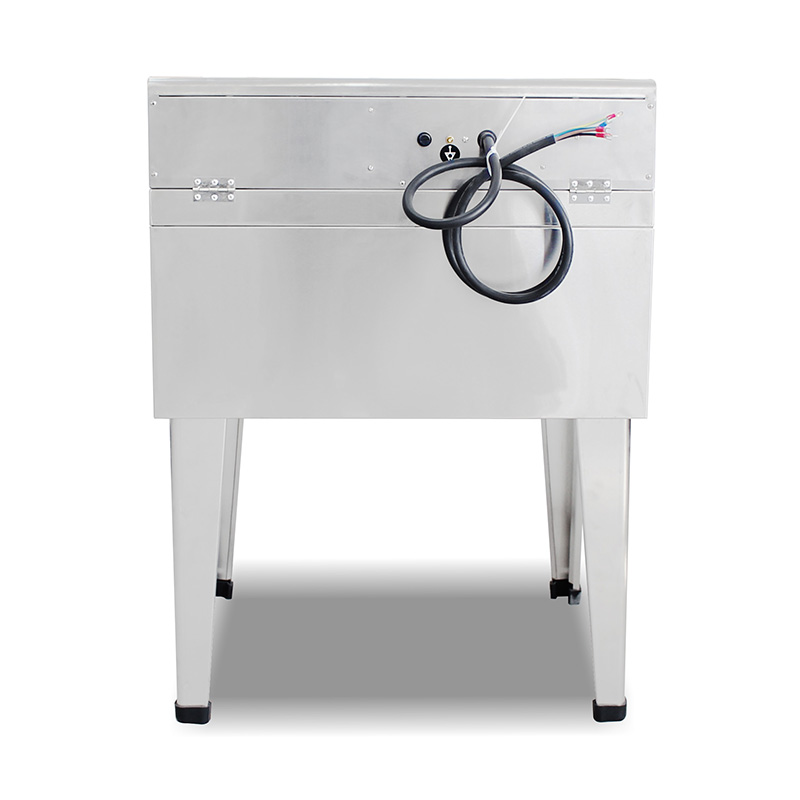
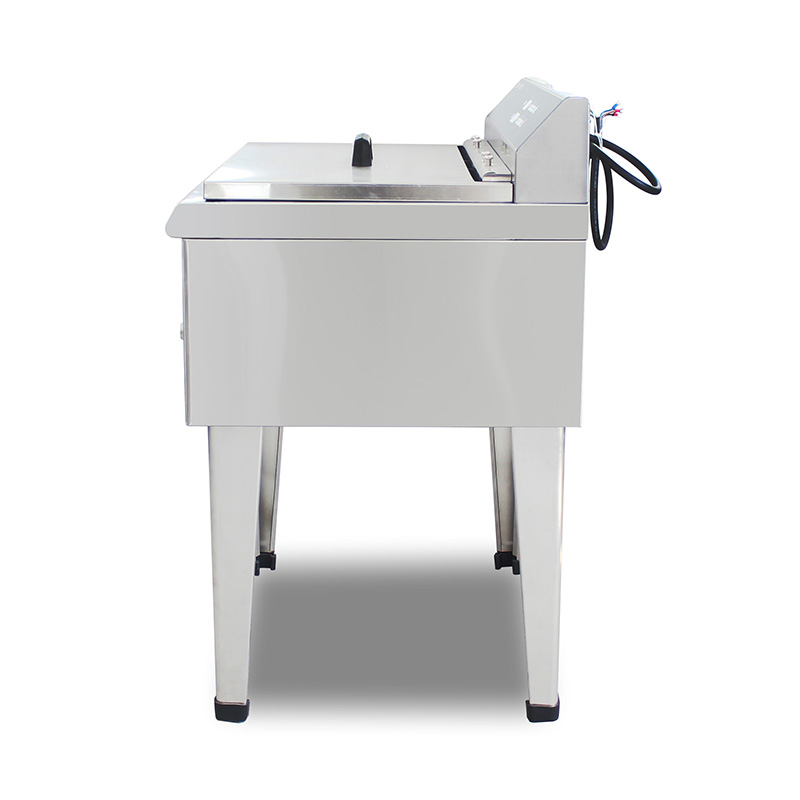
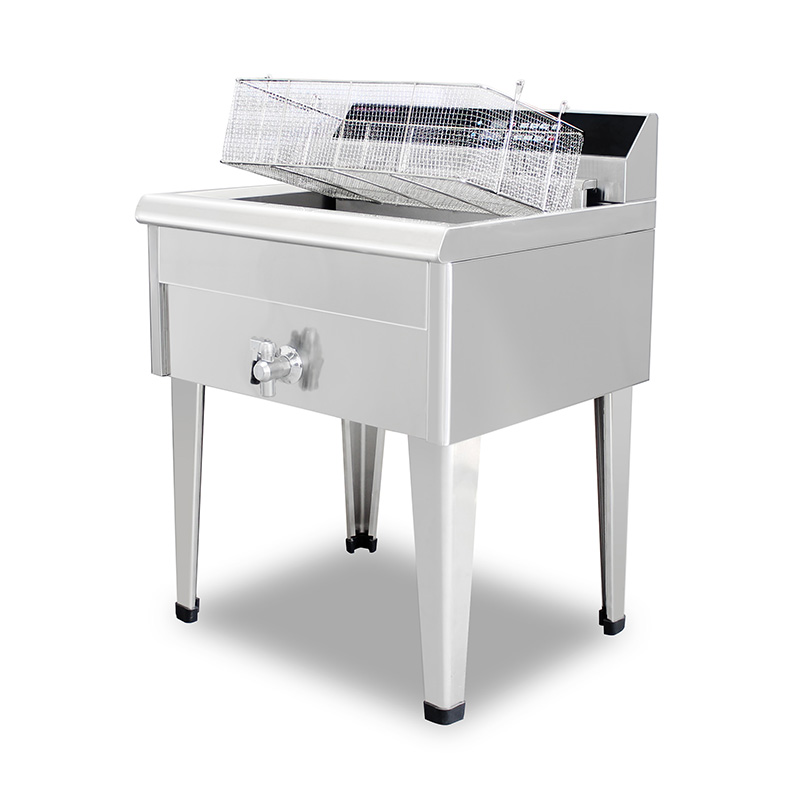
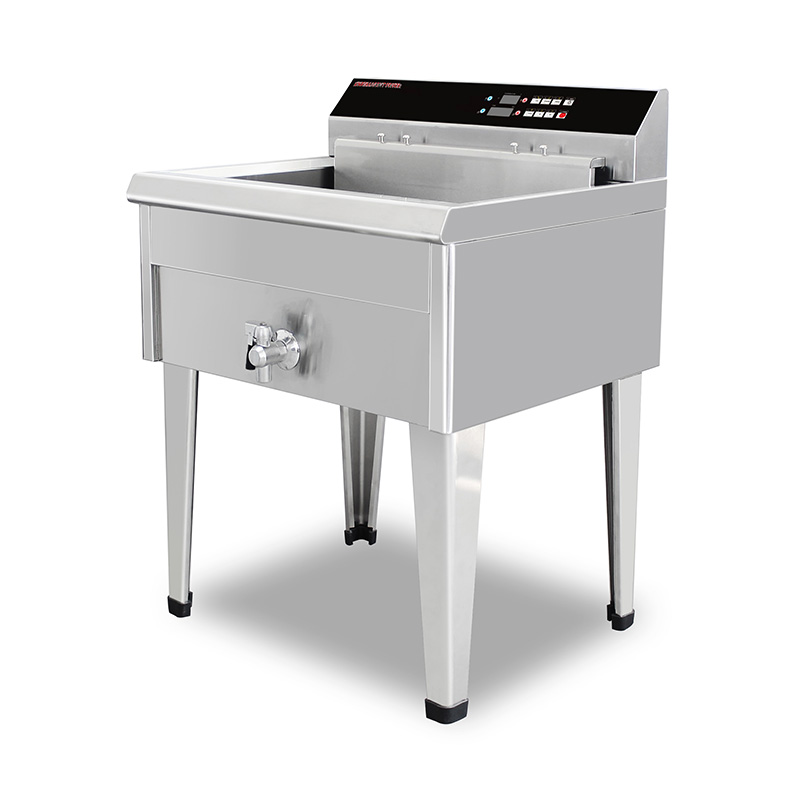
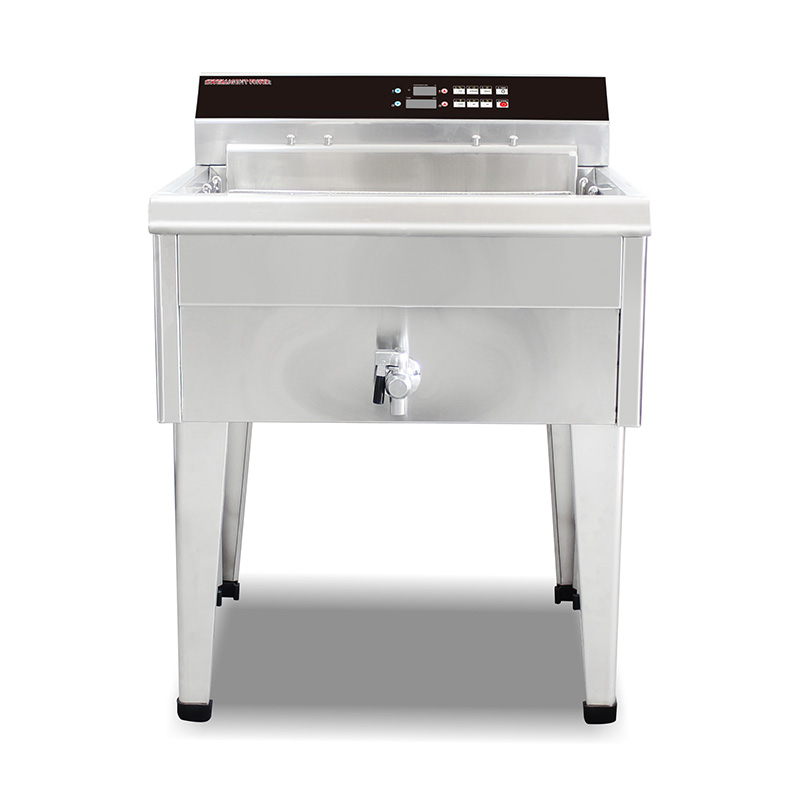
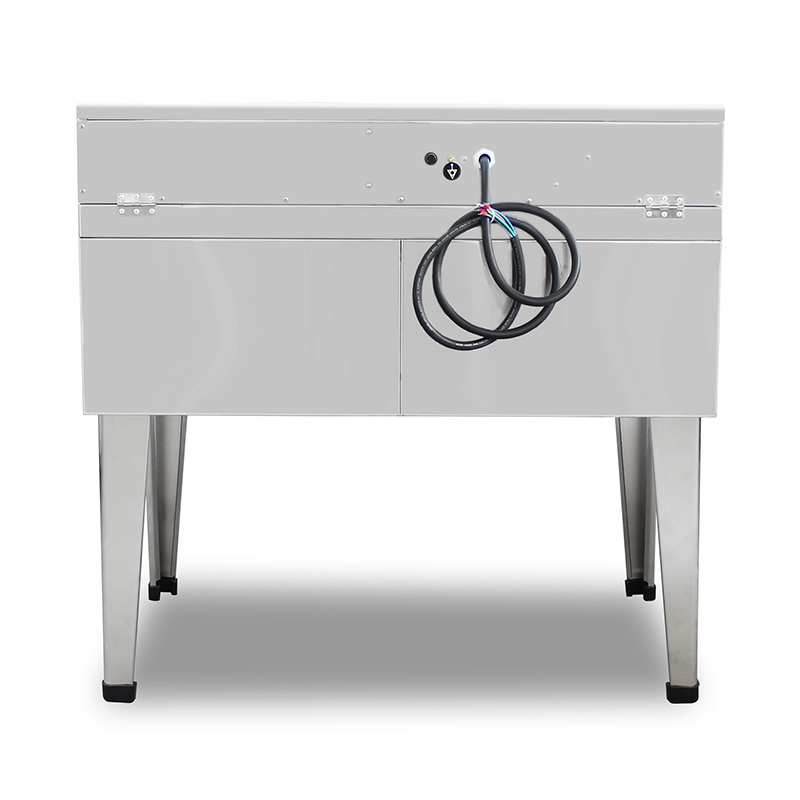
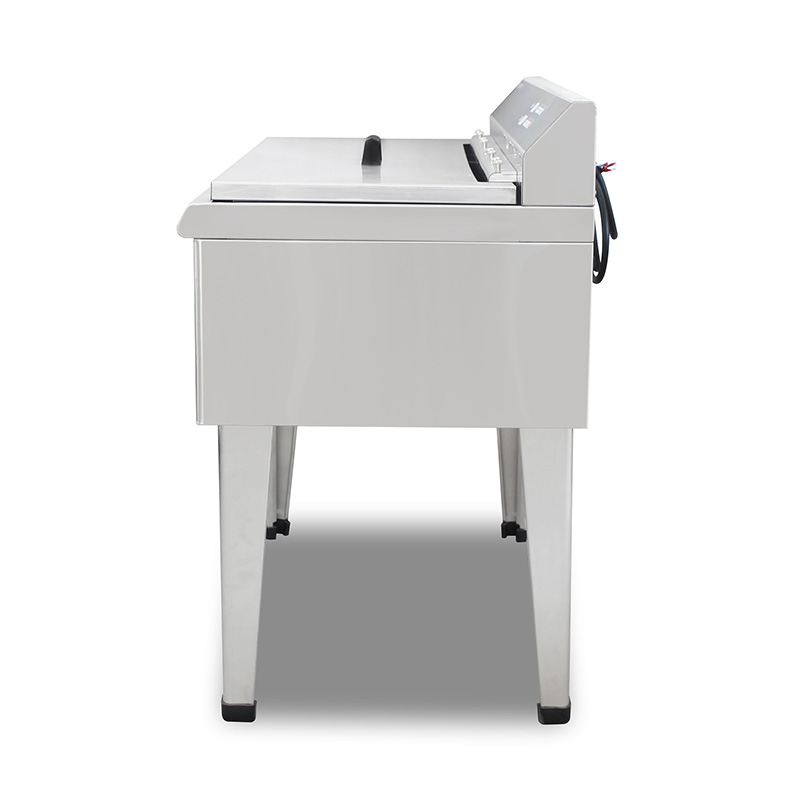
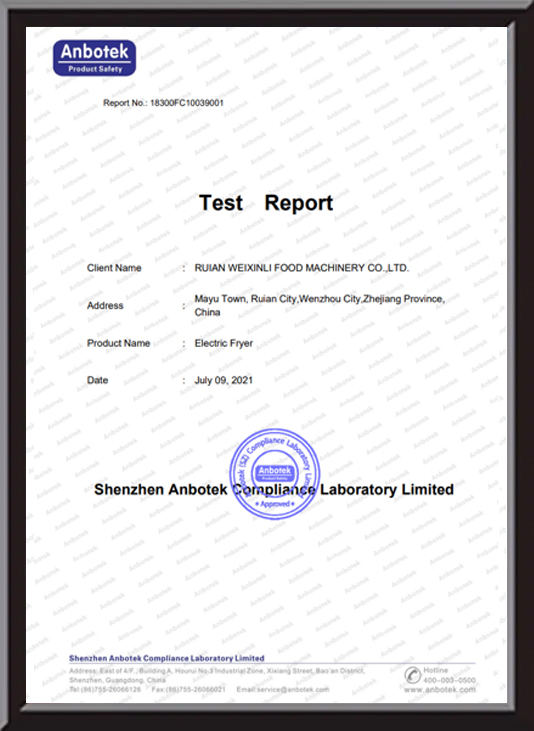
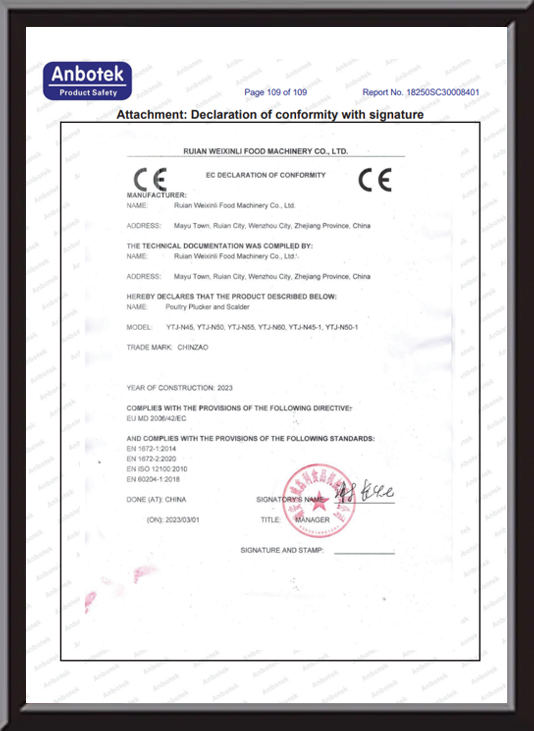
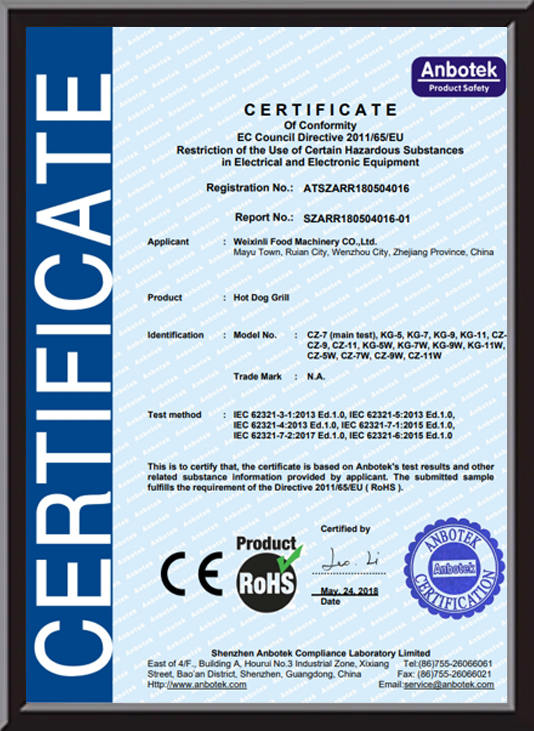
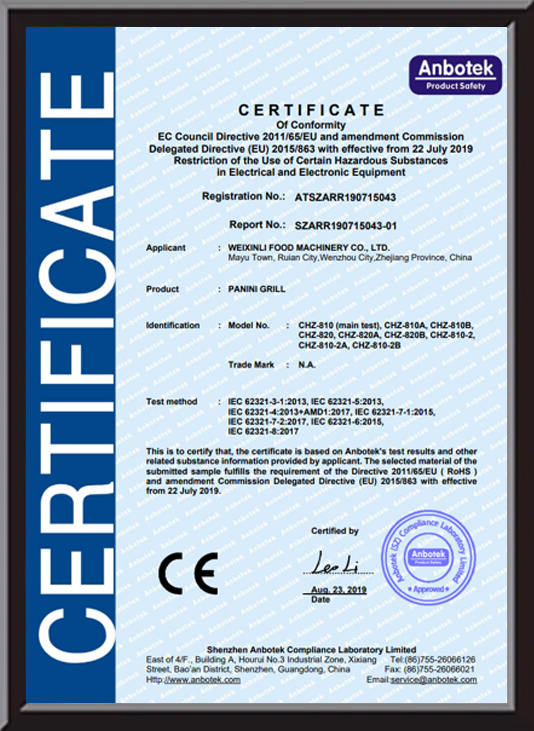
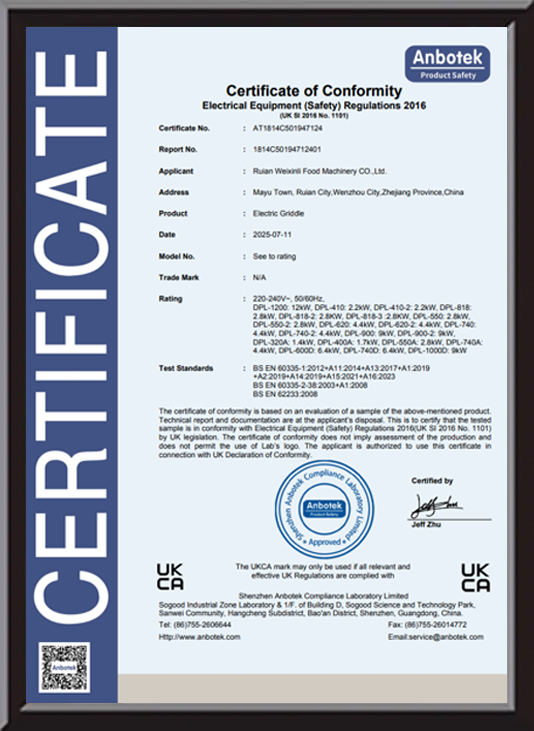
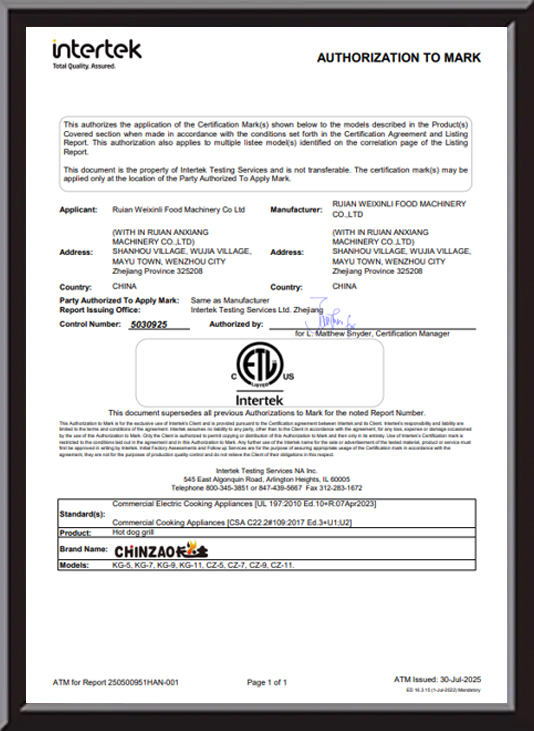
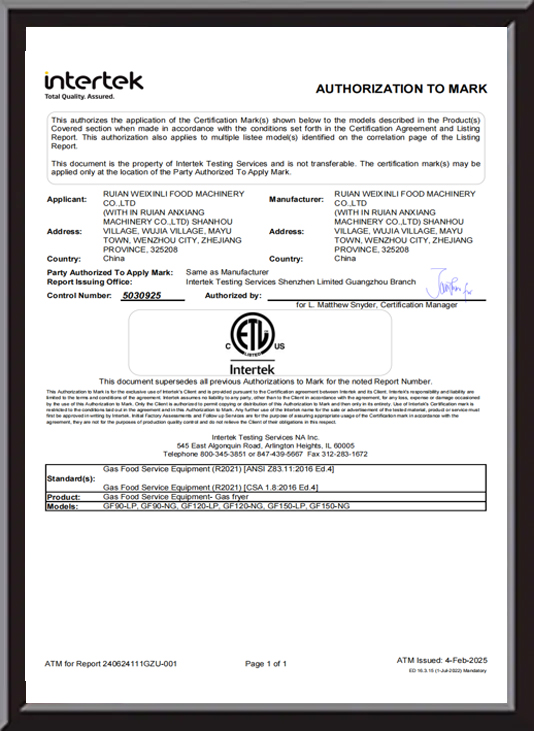
The product is made of 201 stainless steel, and the basket is made of nickel-plated iron. Both are CE and RoHS certified, meeting European market certification requirements.
It meets different voltage and frequency requirements depending on the customer's country: 220~240V/50~60Hz; 110V/60Hz.
It includes a thermostat and temperature limiter to ensure customer safety.
Temperature range: 50-200 degrees Celsius.
Carton packaging.
DZL-20B
DZL-20B
DZL-20B
DZL-20B
DZL-20B
DZL-20B
DZL-20B
DZL-20B
DZL-20B
DZL-20B
DZL-20B
DZL-062B
DZL-062B
DZL-062B
DZL-062B
DZL-102B
DZL-102B
DZL-102B
DZL-102B
DZL-102B
DZL-132B
DZL-132B
DZL-132B
DZL-132B
DZL-132B
DZL-152B
DZL-152B
DZL-152B
DZL-152B
DZL-152B
DZL-172B
DZL-172B
DZL-172B
DZL-172B
DZL-172B
DZL-082B
DZL-20B
DZL-20B
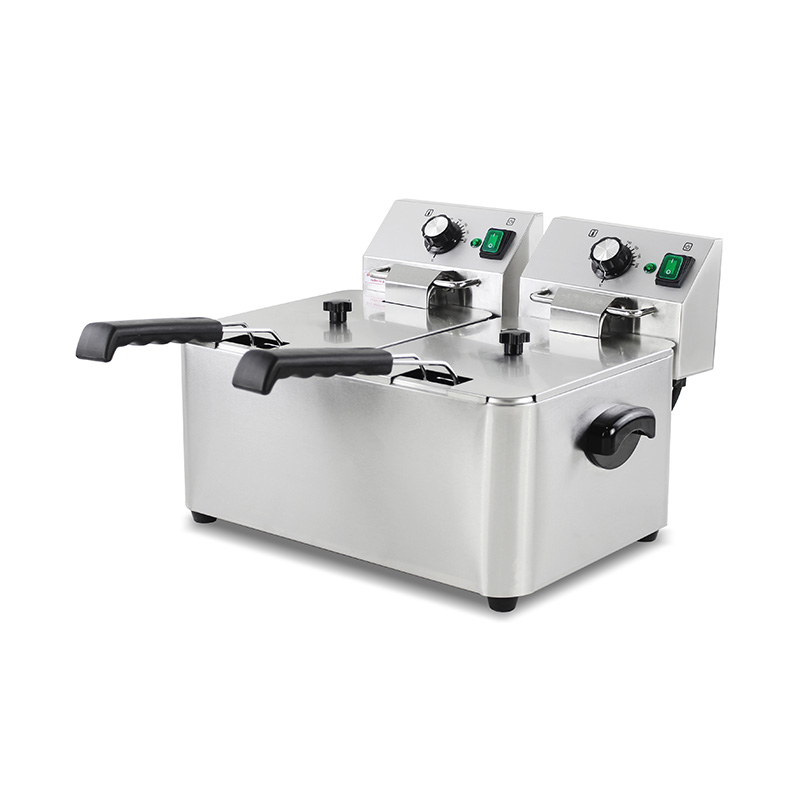
The product is made of 201 stainless steel, and the basket is made of nickel-plated iron. The fryer is CE, RoHS, and LFGB certified, meeting European market certification requirements.
It meets different voltage and frequency requirements depending on the customer's country: 220~240V/50~60Hz; 110V/60Hz.
It includes a thermostat and temperature limiter to ensure customer safety.
Designs include single/double cylinder, blue panel. Temperature range is 50-200 degrees Celsius.
Carton packaging.
DZL-10B
DZL-10B
DZL-10B
DZL-10B
DZL-10B
DZL-10B
DZL-10B
DZL-10B
DZL-10B
DZL-10B
DZL-10B
DZL-061B
DZL-061B
DZL-061B
DZL-061B
DZL-061B
DZL-101B
DZL-101B
DZL-101B
DZL-101B
DZL-101B
DZL-131B
DZL-131B
DZL-131B
DZL-131B
DZL-131B
DZL-151B
DZL-151B
DZL-151B
DZL-151B
0_0004_IMG_5368
DZL-171B
DZL-171B
DZL-171B
DZL-171B
DZL-171B
DZL-081B
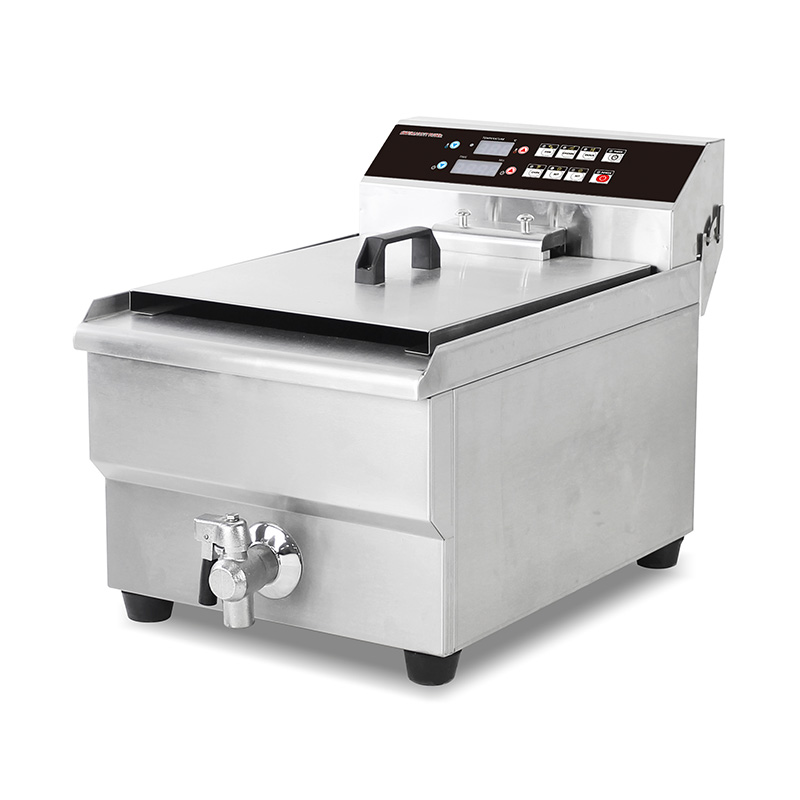
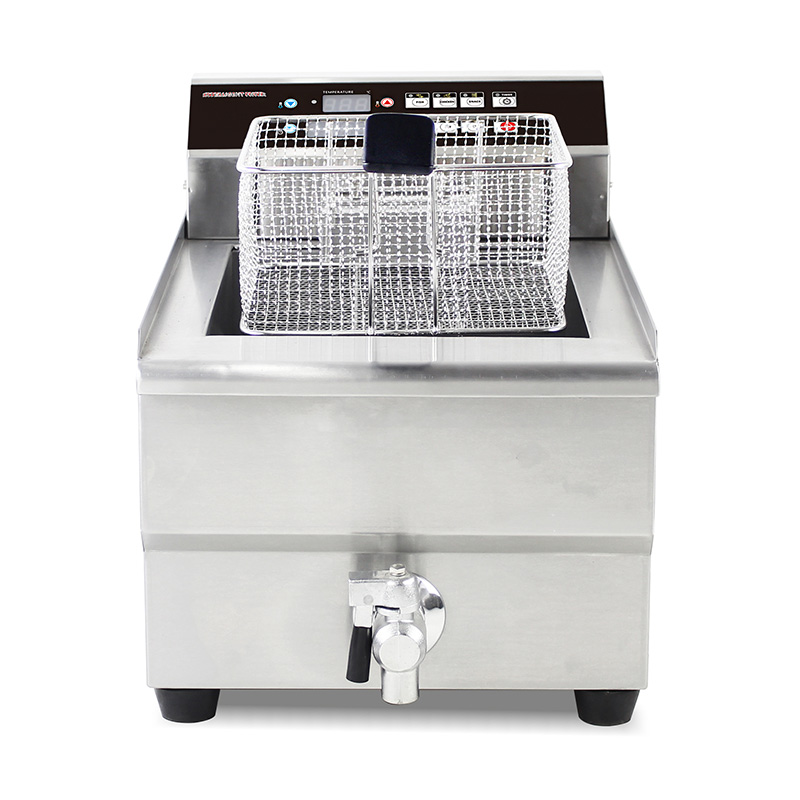
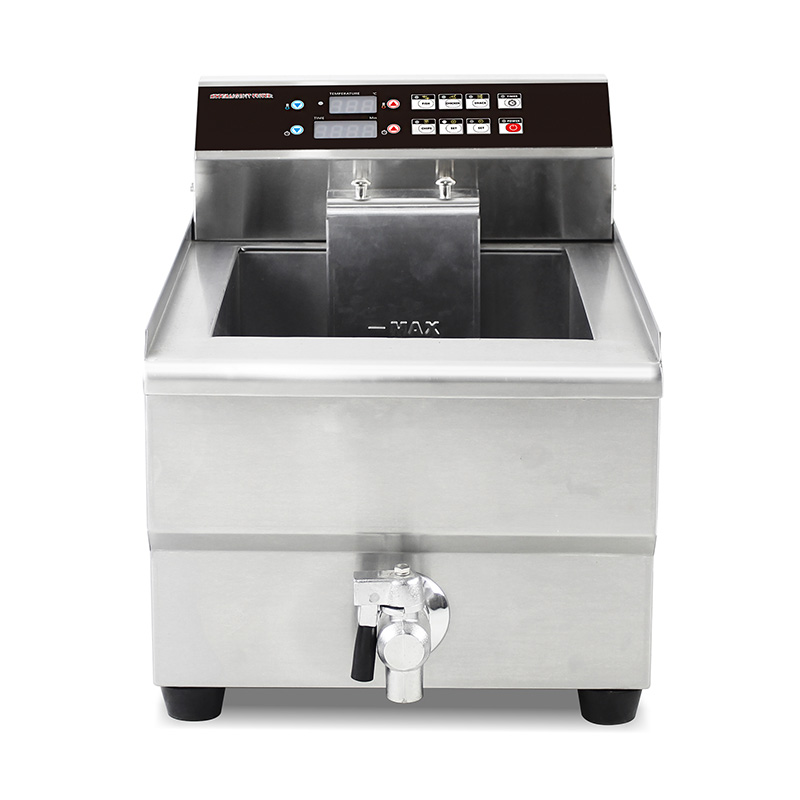
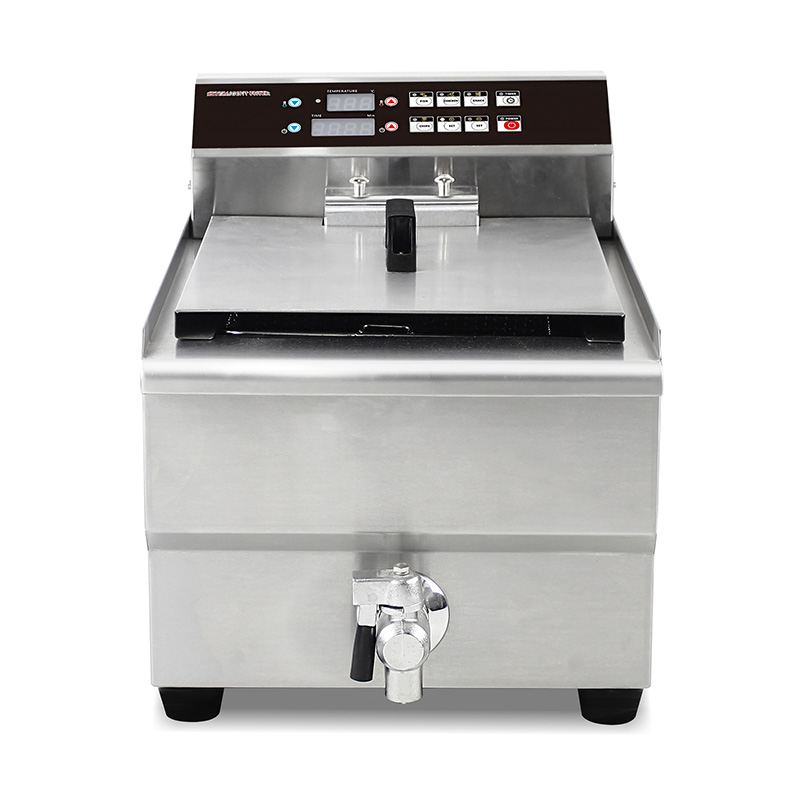
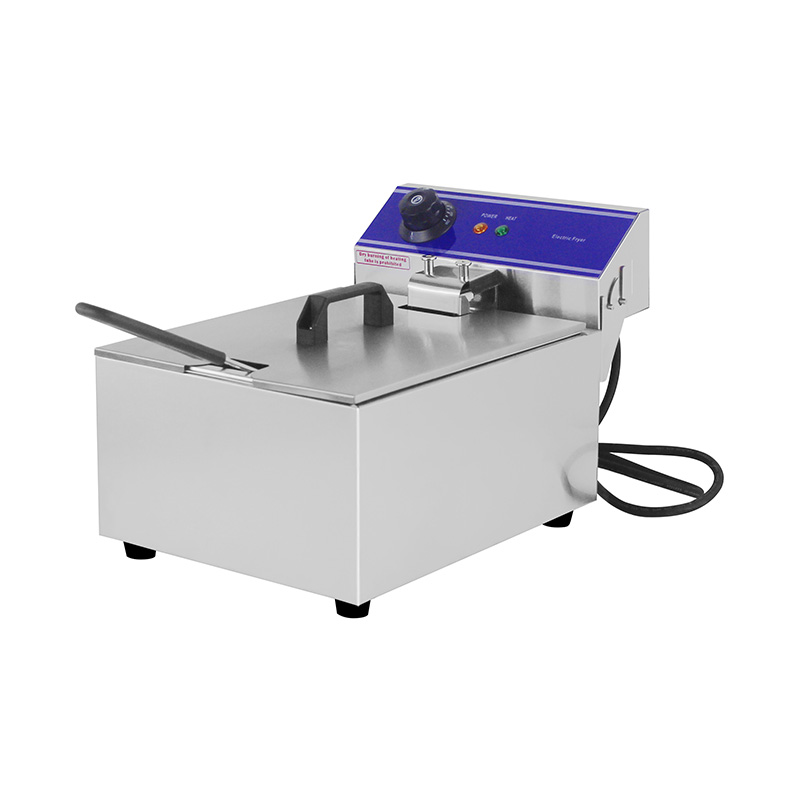
This countertop electric fryer features a 201 stainless steel body and a nickel-plated iron frying basket, ensuring a robust and durable structure suitable for various small catering settings. The valveless design simplifies operation and enhances safety; the front-mounted blue function panel improves visual visibility and makes controls more intuitive.
The fryer incorporates a built-in thermostat and temperature limiter, allowing for precise temperature adjustment within the 50–200°C range, ensuring stable heating and effective user safety. Depending on the market, it is available with either 220–240V/50–60Hz or 110V/60Hz voltage configurations.
The product comes with a standard frying basket suitable for everyday frying needs. The entire unit has passed key certifications such as CE, RoHS, and LFGB, fully complying with European market safety and food contact standards. It is shipped in a cardboard box for easy transportation and storage.
The product is made of 201 stainless steel, and the basket is made of nickel-plated iron. It has CE, RoHS, and LFGB certifications, meeting the certification requirements of the European market.
It meets different voltage and frequency requirements according to the customer's country: 220~240V/50~60Hz; 110V/60Hz. Some can meet 380~400V/50Hz. Single basket configuration includes:
Equipped with a thermostat, temperature limiter, and valve to ensure customer safety.
Temperature range: 50-200 degrees Celsius.
Carton packaging.
The product is made of 201 stainless steel, and the basket is made of nickel-plated iron. It has CE, RoHS, and LFGB certifications, meeting the certification requirements of the European market.
It meets different voltage and frequency requirements according to the customer's country: 220~240V/50~60Hz; 110V/60Hz. Some can meet 380~400V/50Hz. It features a double-basket configuration.
Equipped with a thermostat, temperature limiter, and valve to ensure customer safety.
Temperature range: 50-200 degrees Celsius.
Carton packaging.
The product is constructed from 201 stainless steel, with the basket material being nickel-plated iron.
Voltage and frequency specifications are tailored to customer country requirements: 220–240V/50–60Hz; 110V/60Hz.
Features include a thermostat, temperature limiter, and timer.
Temperature range: 50–200°C.
Packaged in cardboard boxes.
The product is made of 201 stainless steel, and the basket is made of nickel-plated iron. RoHS certified, meeting European market certification requirements.
It meets different voltage and frequency requirements depending on the customer's country: 220~240V/50~60Hz; 110V/60Hz.
It includes a thermostat, temperature limiter, and timer.
The temperature range is 50-200 degrees Celsius.
It is packaged in a cardboard box.
The product is made of 201 stainless steel, and the basket is made of nickel-plated iron. It has CE and RoHS certifications, meeting European market certification requirements. Capacities are 20L and 30L wide frying baskets.
It meets different voltage and frequency requirements depending on the customer's country: 220~240V/50~60Hz; 110V/60Hz.
It includes a thermostat and temperature limiter to ensure customer safety.
Temperature range: 50-200 degrees Celsius.
Carton packaging.
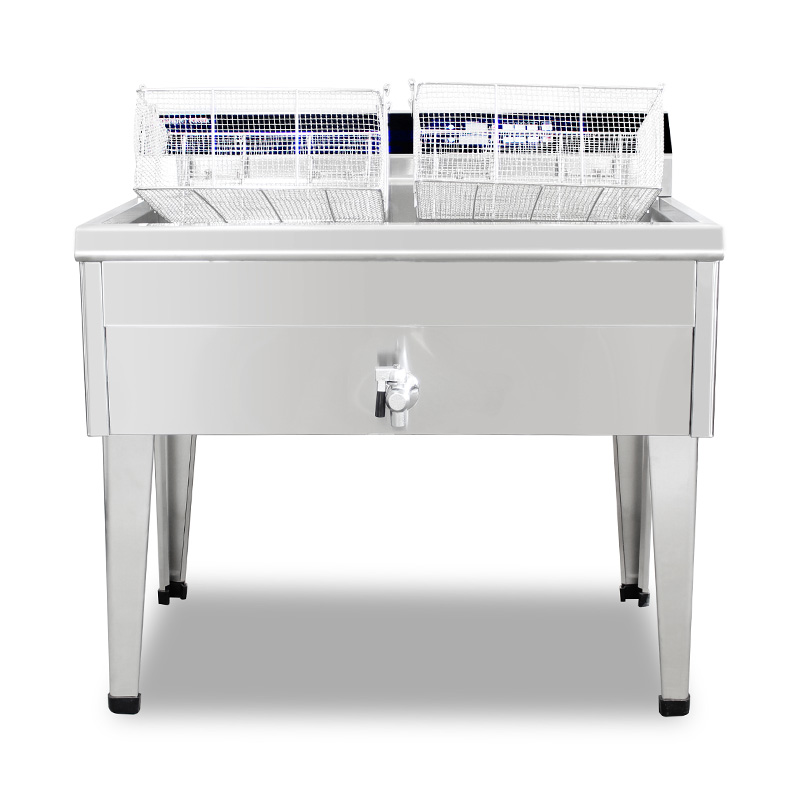
The product is made of 201 stainless steel, and the basket is made of nickel-plated iron. Commercial capacities are 52L and 76L.
Both products are CE, RoHS, and LFGB certified, meeting European market requirements.
Different voltage and frequency requirements are met depending on the customer's country: 220~240V/50~60Hz; 110V/60Hz; 380~400V/50Hz.
Equipped with a thermostat and temperature limiter to ensure customer safety.
Temperature range: 50-200 degrees Celsius.
Wooden crate packaging.
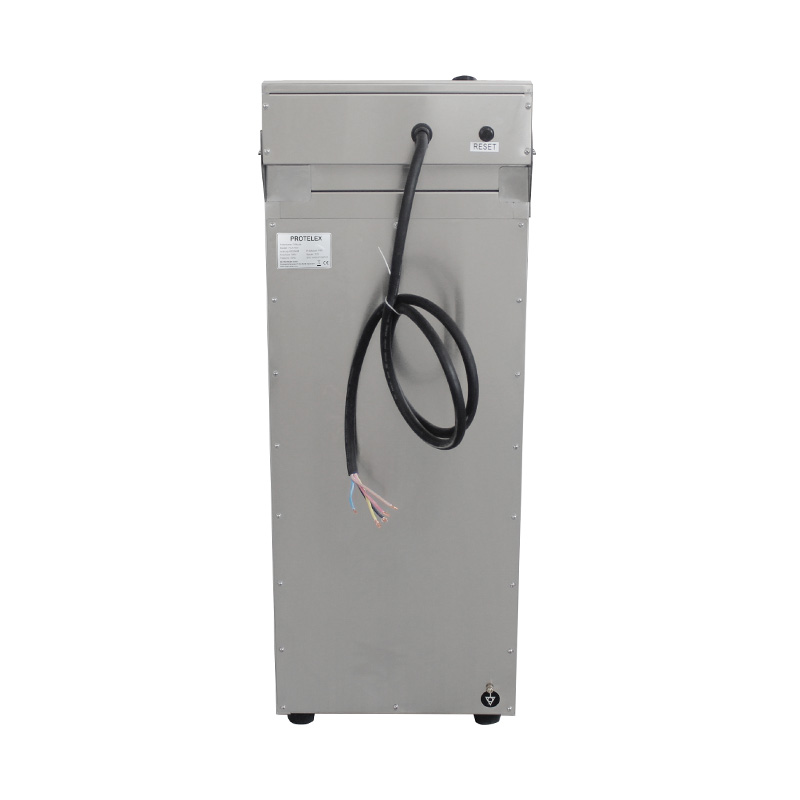
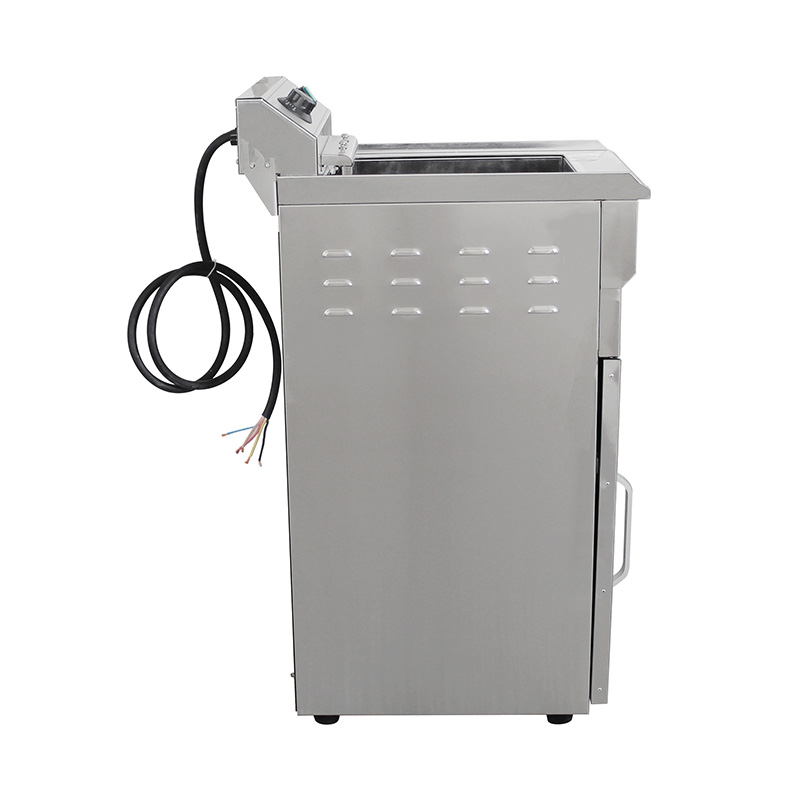
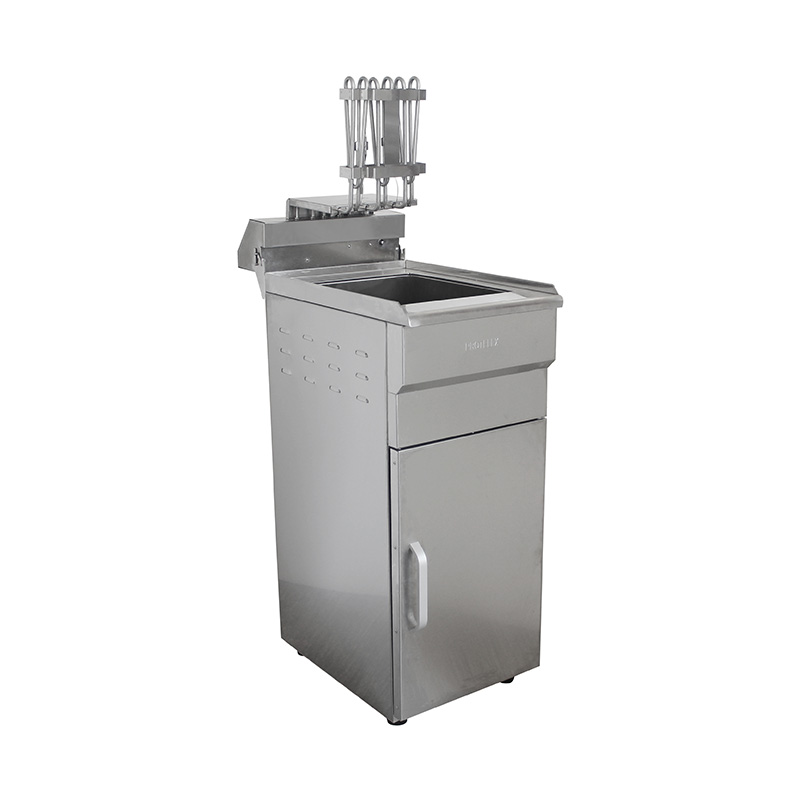
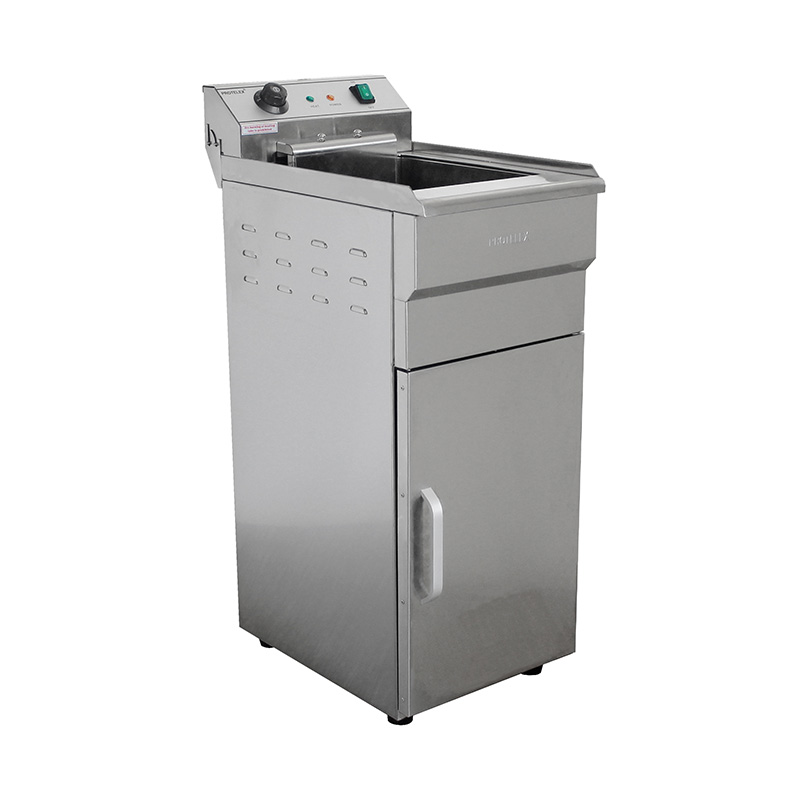
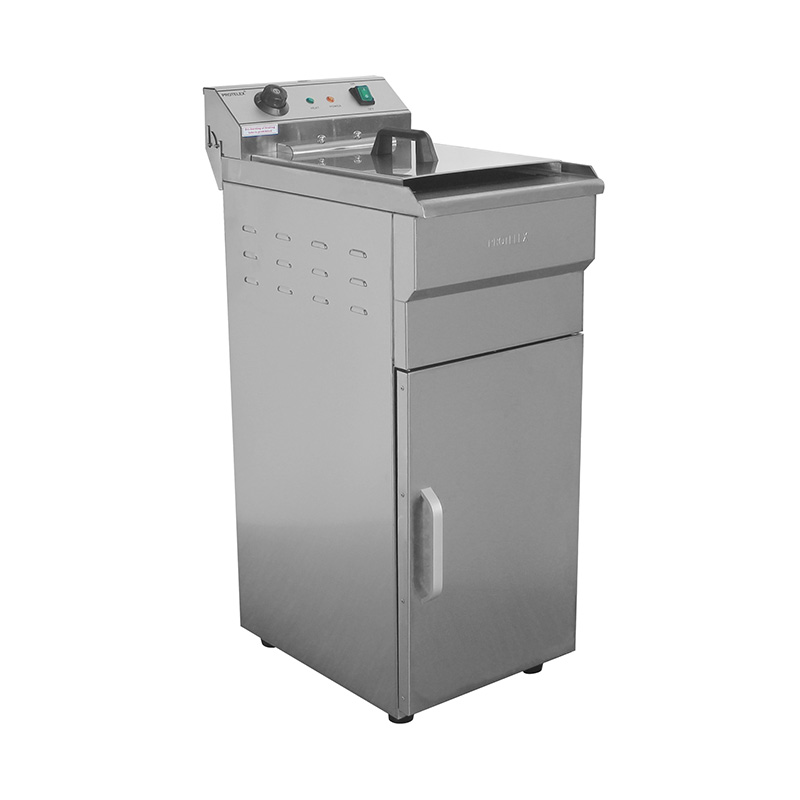
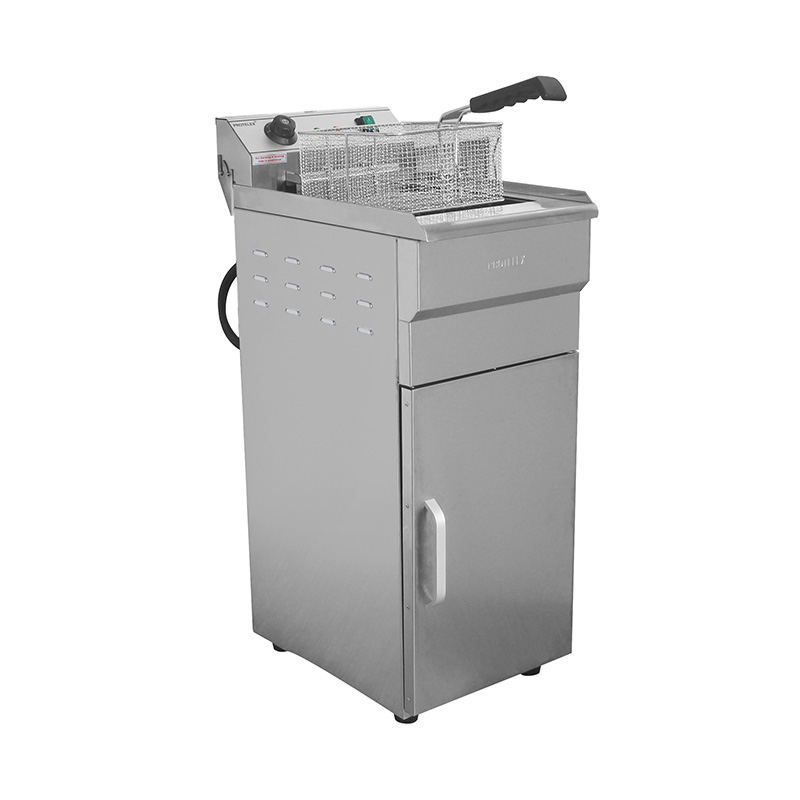
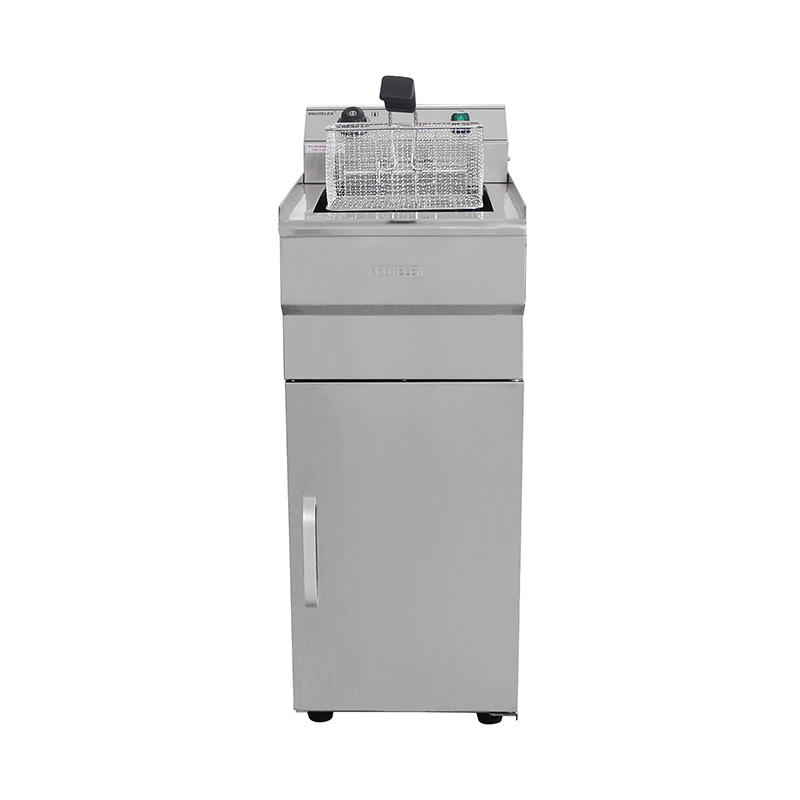
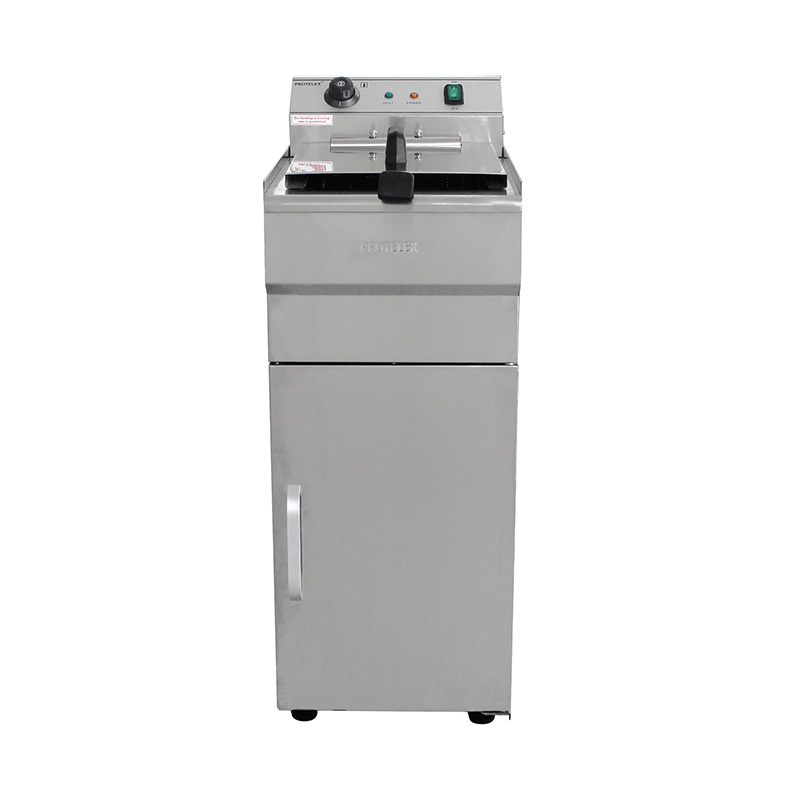
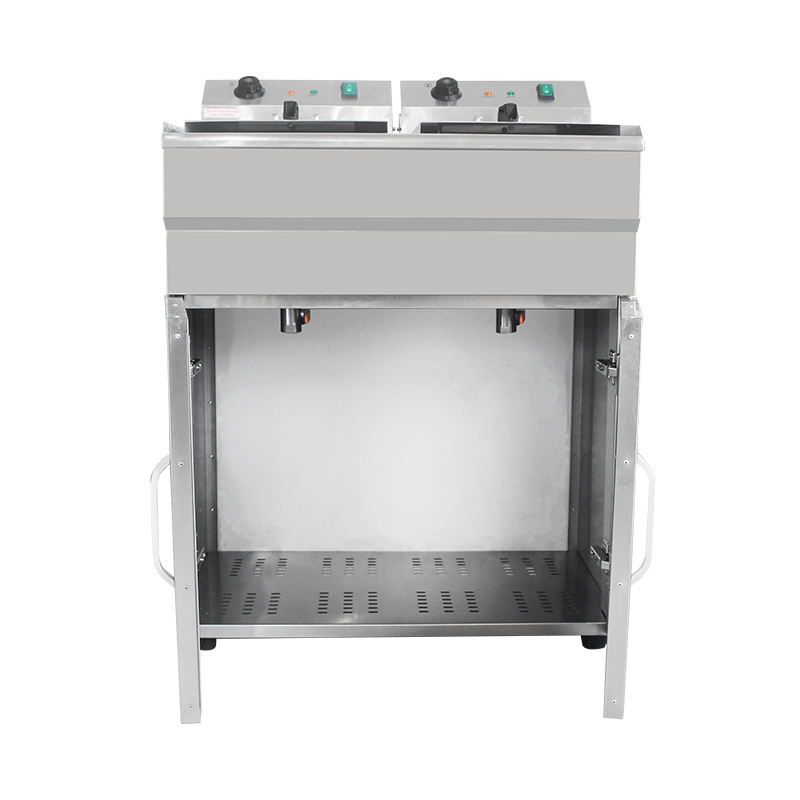
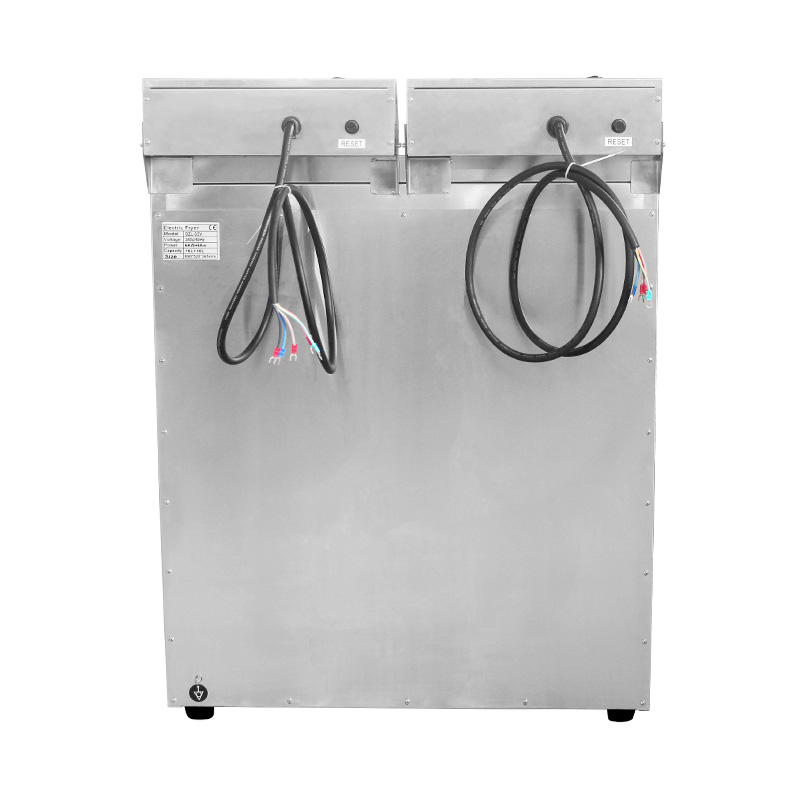
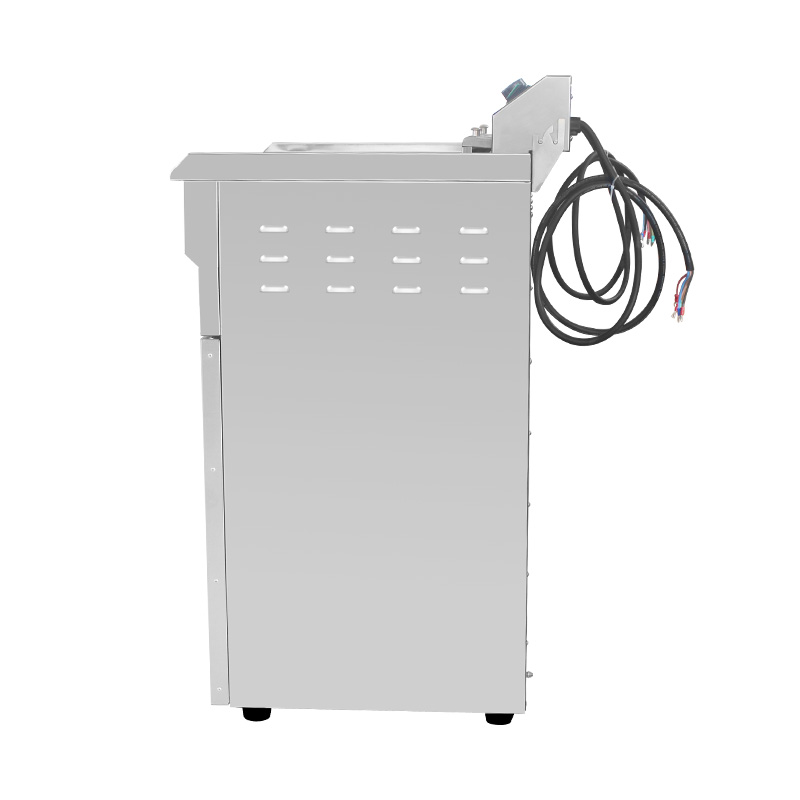
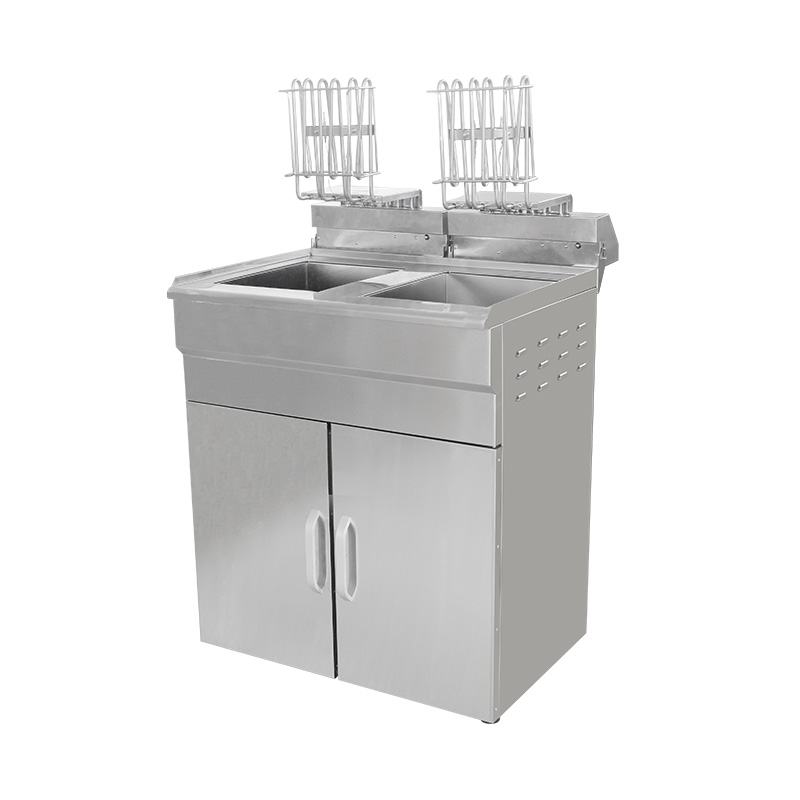
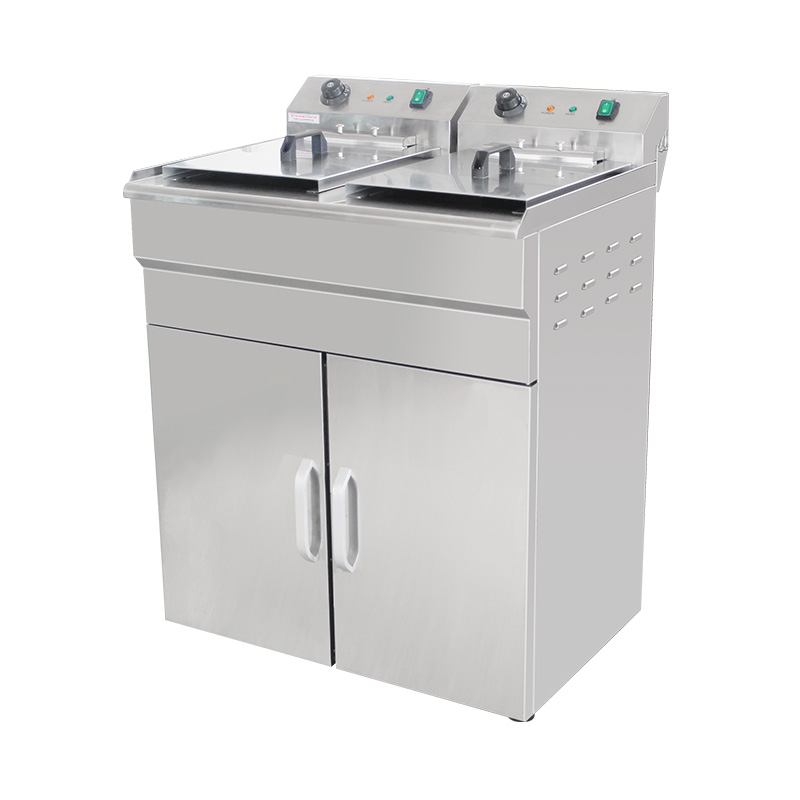
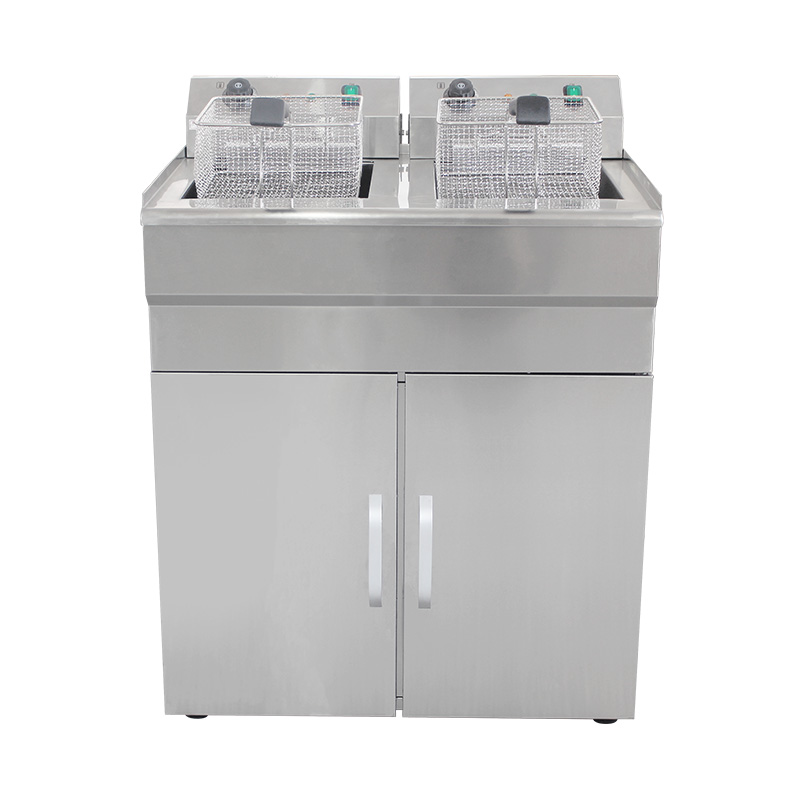
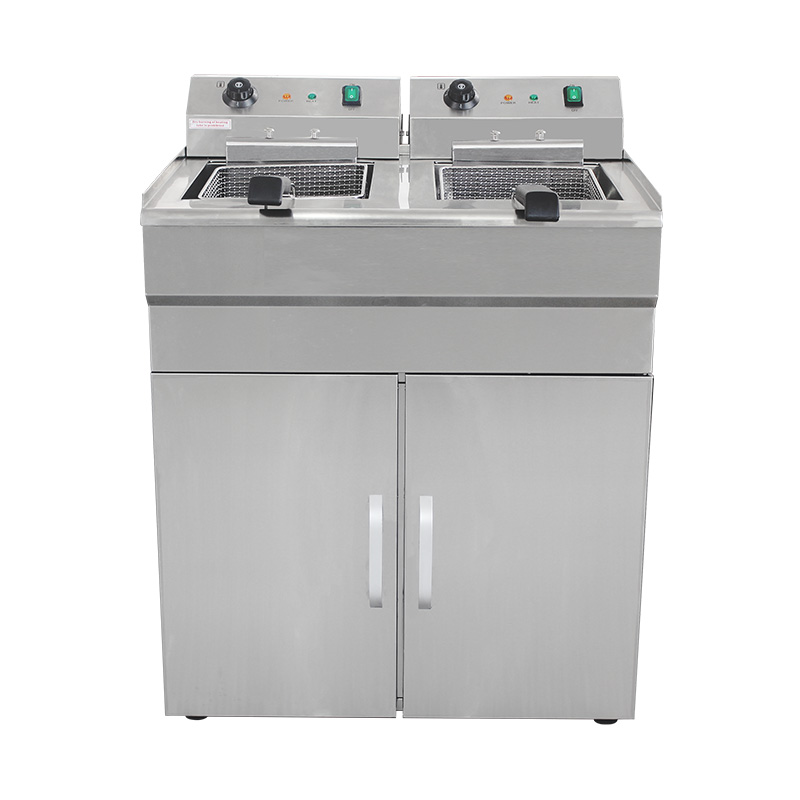
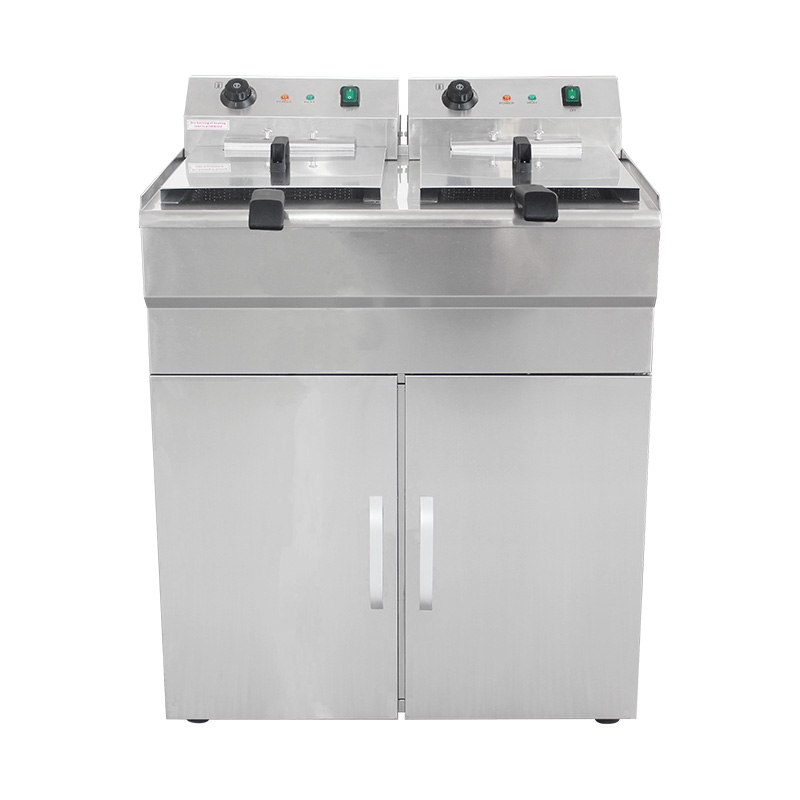
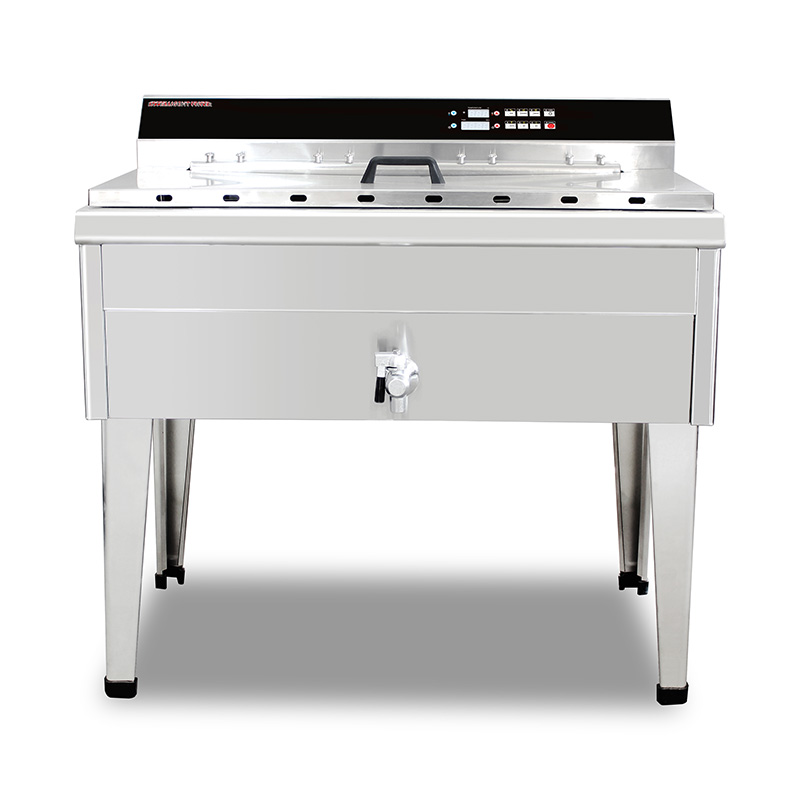
The product is made of 201 stainless steel, and the basket is made of nickel-plated iron. The machine is designed with a door.
It has CE and RoHS certifications, meeting the certification requirements of the European market.
It meets different voltage and frequency requirements according to the customer's country: 220~240V/50~60Hz; 110V/60Hz. Some can meet 380~400V/50Hz.
It is equipped with a thermostat, temperature limiter, and power switch to ensure customer safety.
The temperature range is 50-200 degrees Celsius.
Wooden crate packaging.
The BC series is made of 201 stainless steel, while the E series is made of 430 stainless steel.
Depending on the customer's country of origin, it meets different voltage and frequency requirements: 220~240V/50~60Hz; 110V/60Hz. BC type can be 380V/50Hz
The BC series includes a thermostat, temperature limiter, and timer, while the E series features a computer-programmable interface for enhanced intelligence and customer safety.
Temperature range: 50-200 degrees Celsius.
Vertical fryers are packaged in wooden crates.
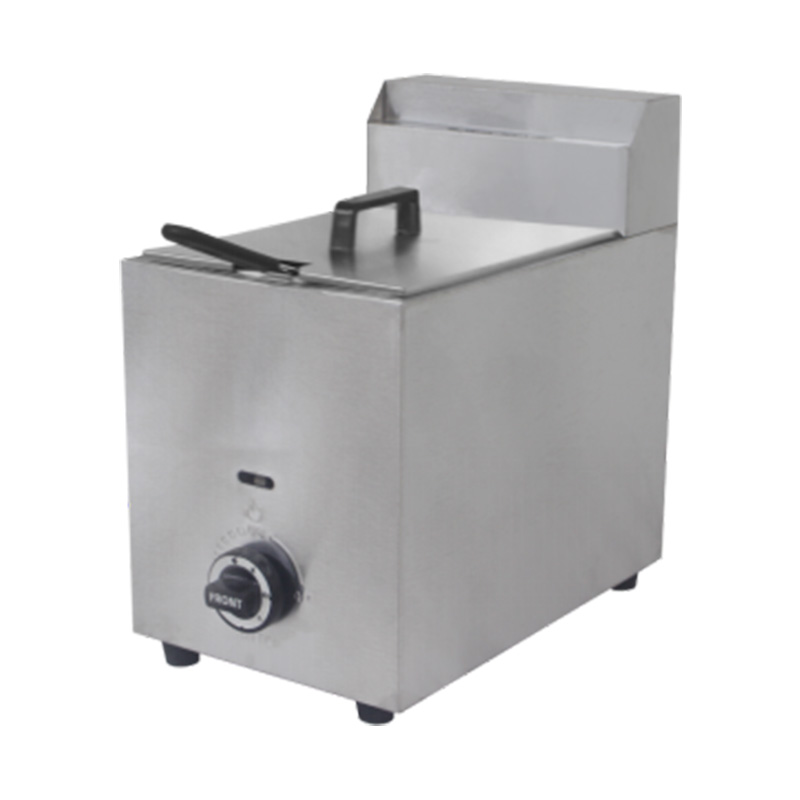
The product is made of 201 stainless steel; the basket is made of nickel-plated iron; and the fuel tank is 0.7 mm thick.
It comes in a cardboard box.
The capacities are 10L single-cylinder and 10L*2 double-cylinder.
Ruian Weixinli Food Machinery Co.,Ltd was established in year 1996. The company possesses advanced production equipment, strong technical capabilities, strict quality inspection procedures, and a scientific management system.
Our company always insists on being customer-centric and prioritizing quality belief. We specialize in manufacturing high-quality Fryer and have developed into an international China Fryer manufacturer, primarily for export to more than fifty countries and regions, including Germany, Italy, France, Australia, America and Southeast Asia.
Weixinli will continue to work hard, breaking through obstacles in the intense waves of competition, and carefully bringing customers top-quality products with excellent cost performance. We eagerly look forward to joining hands with you to create brilliance together. Become your reliable wholesale Fryer factory.
A Fryer is one of the more widely used pieces of thermal cooking equipment in commercial kitchens. From an industry perspective, a fryer operates by heating cooking oil to a controlled temperature, allowing food to cook rapidly through full oil immersion or surface contact, depending on design.
One major concern associated with a fryer is temperature stability. Uneven heat distribution can affect food texture and color, especially during continuous operation in busy kitchens. Modern fryer designs focus on accurate thermoreats, fast heat recovery, and consistent oil circulation to reduce cooking fluctuations. Another frequently discussed topic is oil degradation, as repeated heating causes oxidation and residue buildup. This directly influences food taste, appearance, and operating costs.
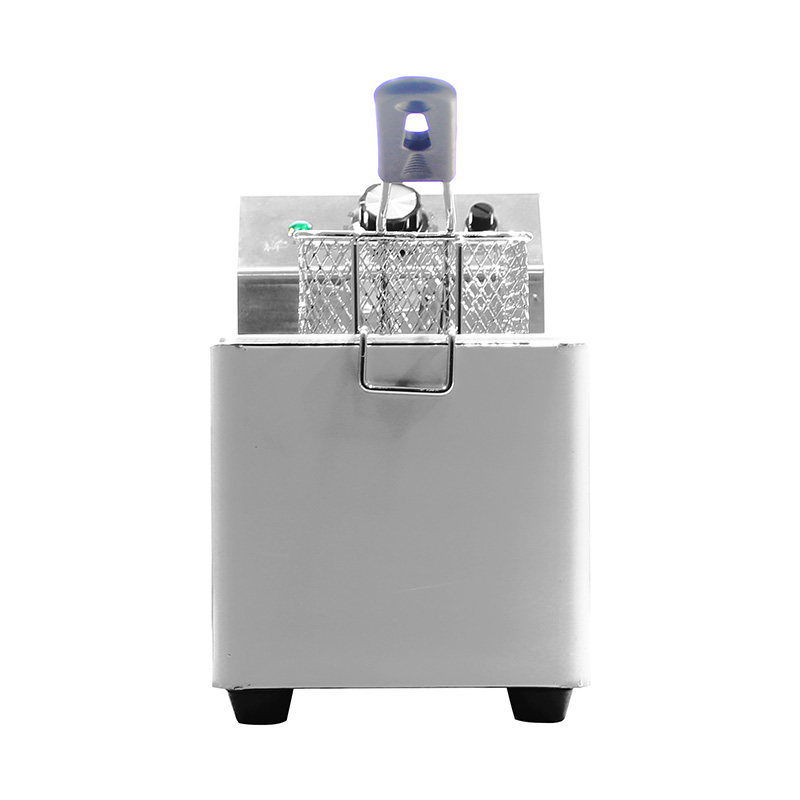
Safety is another common point of attention. Commercial fryer users often look for information on overheating protection, splash prevention, and oil drainage design. In response to these concerns, industrial fryers typically integrate insulated housings, safety limit switches, and controlled oil outlets to reduce operational risk. From an industry knowledge standpoint, selecting a fryer is not only about capacity, but also about how well it balances heat control, oil life, and operator safety.
The term Deep Fryer is closely associated with professional foodservice environments where consistent output and high production volume are required.
A deep fryer is designed to fully submerge food in hot oil, which places higher demands on oil quality management. One of the more discussed industry topics is oil filtration and replacement cycles. Poor oil management can result in uneven frying, excessive smoke, and increased waste. From a technical perspective, deeper oil tanks allow better heat distribution, but they also require proper filtration systems to remove food particles and maintain stable performance.
Capacity selection is another area users frequently research. Deep fryers are available in single-tank and multi-tank configurations, and capacity should match menu volume rather than floor space alone. Overloading a deep fryer can reduce oil temperature rapidly, pilot to inconsistent results and longer cooking times. Industry professionals often emphasize matching fryer capacity with peak service demand to maintain efficiency.
Energy use is also a key concern. Whether powered by electricity or gas, a deep fryer must balance heating speed with steady temperature maintenance. Improved insulation, efficient heating elements, and responsive control systems are widely discussed solutions within the industry. These features help reduce standby energy loss while supporting continuous frying during busy service periods.
Restaurant Fryers are specifically designed to meet the demands of commercial foodservice operations, including quick-service restaurants, hotels, and catering kitchens.
Menu versatility is a major factor influencing fryer selection. Restaurant fryers must handle a wide range of food items, from frozen products to fresh ingredients, without flavor transfer. This has led to increased interest in independent temperature controls, multiple baskets, and zone-based heating designs. These features help restaurants manage different products while maintaining consistent output.
Cleaning and maintenance are also high-priority concerns. In commercial environments, downtime directly affects service efficiency. As a result, restaurant fryers are often evaluated based on oil drainage design, smooth interior surfaces, and accessibility of heating components. Easy-to-clean structures reduce labor time and support daily hygiene routines, which is an important topic frequently discussed in online searches.
Compliance with food safety and electrical or gas standards is another widely searched topic related to restaurant fryers. Commercial kitchens must follow strict regulations regarding materials, temperature control, and operational safety. From an industry knowledge standpoint, restaurant fryers are typically designed with food-grade stainless steel, sealed control panels, and reliable temperature limit systems to meet inspection requirements in different regions.
Across Fryer, Deep Fryer, and Restaurant Fryers categories, industry trends show a growing focus on efficiency, durability, and adaptability. This has driven attention toward modular designs, improved thermal efficiency, and standardized components that simplify maintenance.
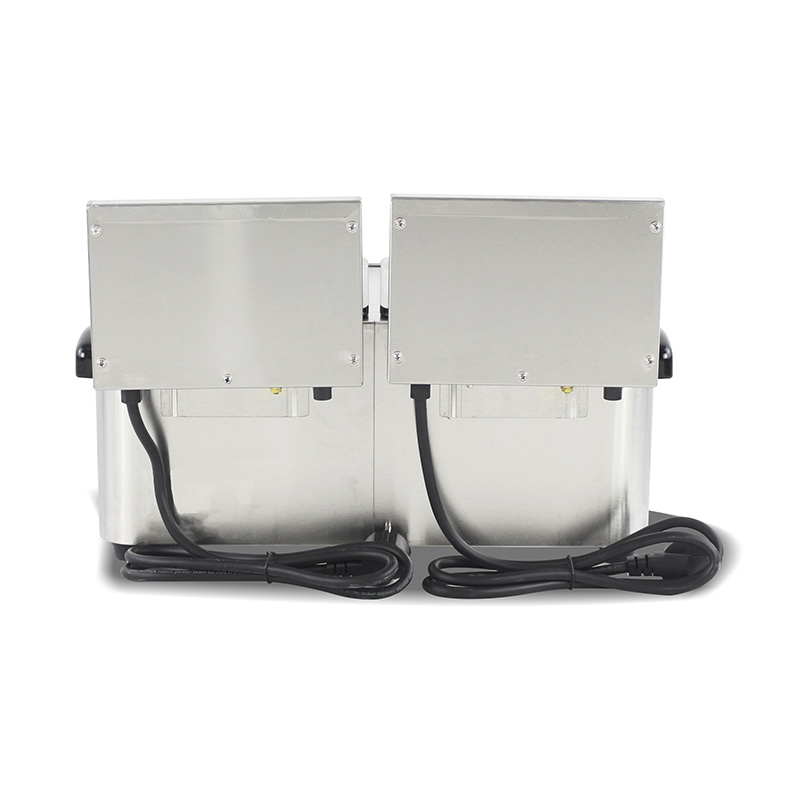
Another important trend is export-oriented compliance. As restaurant equipment is used globally, commercial fryers must adapt to different voltage systems, fuel types, and safety regulations. This makes design flexibility and technical documentation important considerations for international buyers.
From an SEO and industry content perspective, addressing these practical concerns helps align website pages with real user intent. By focusing on how fryers function, how deep fryers manage oil and energy, and how restaurant fryers support daily commercial operations, websites can provide valuable, search-relevant information that supports both visibility and credibility.