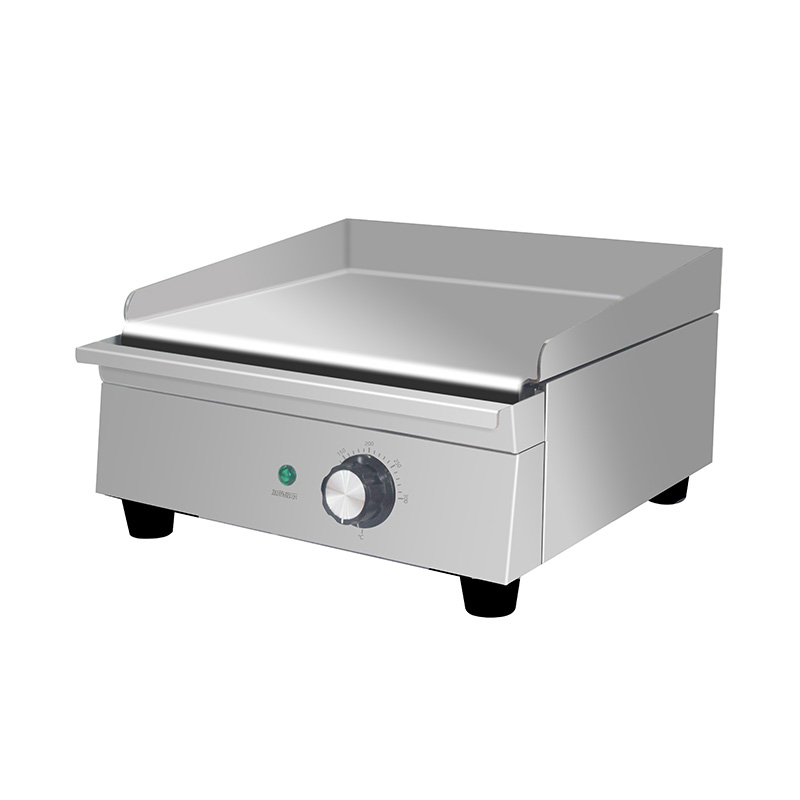
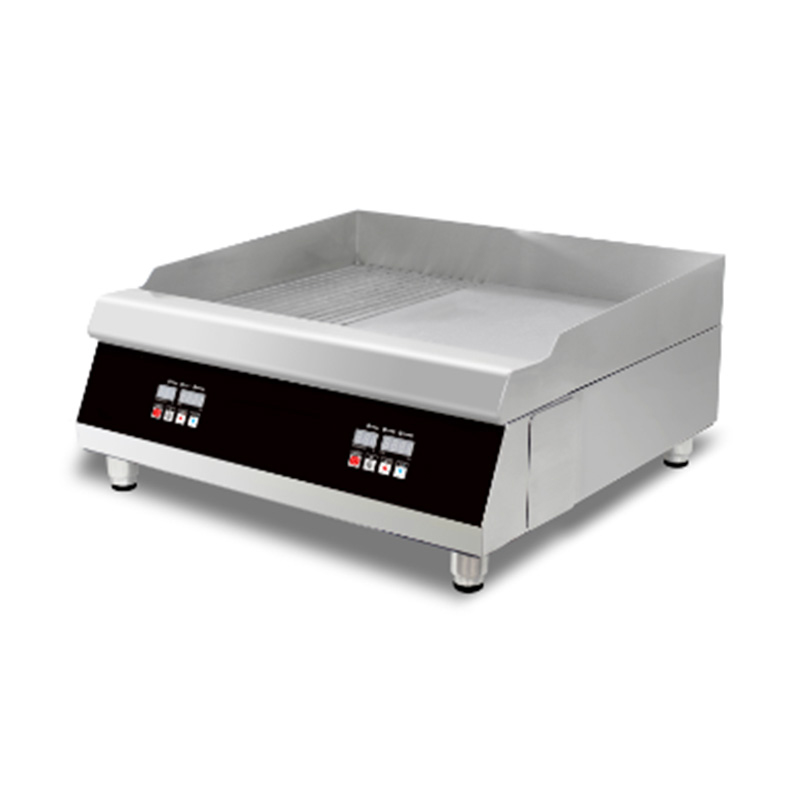
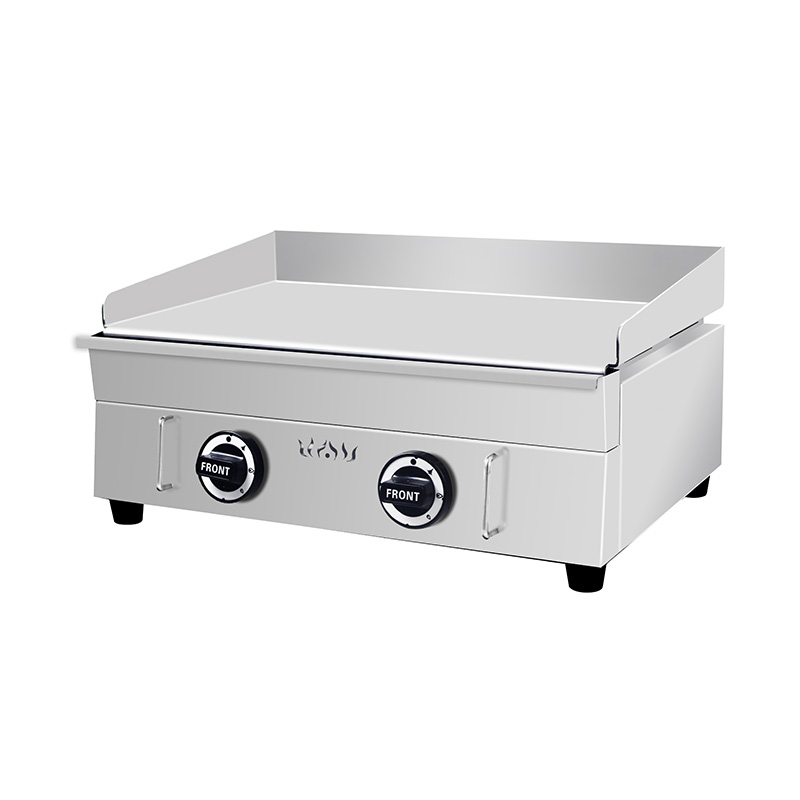
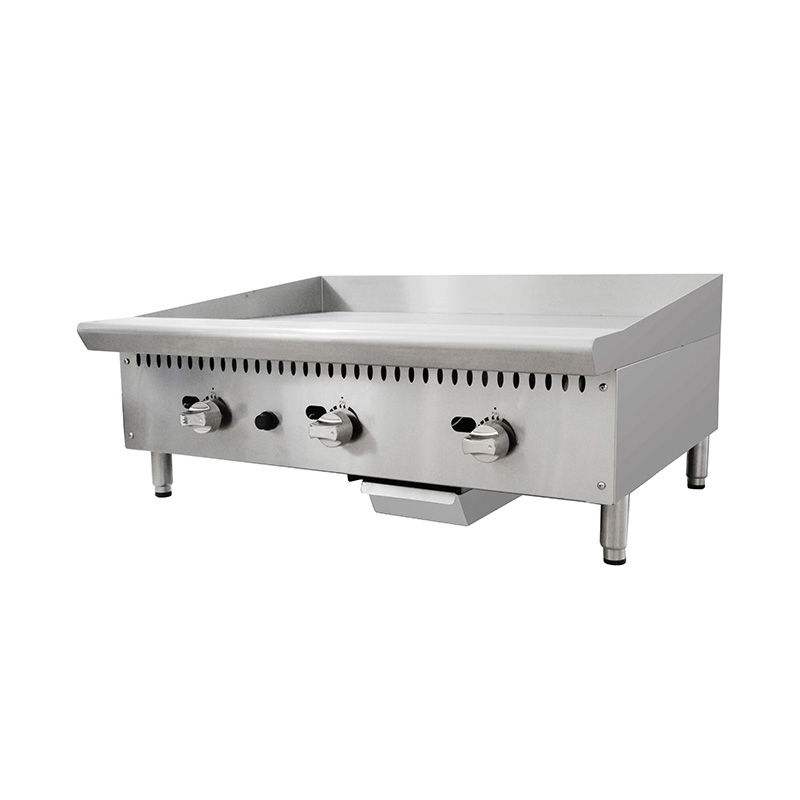
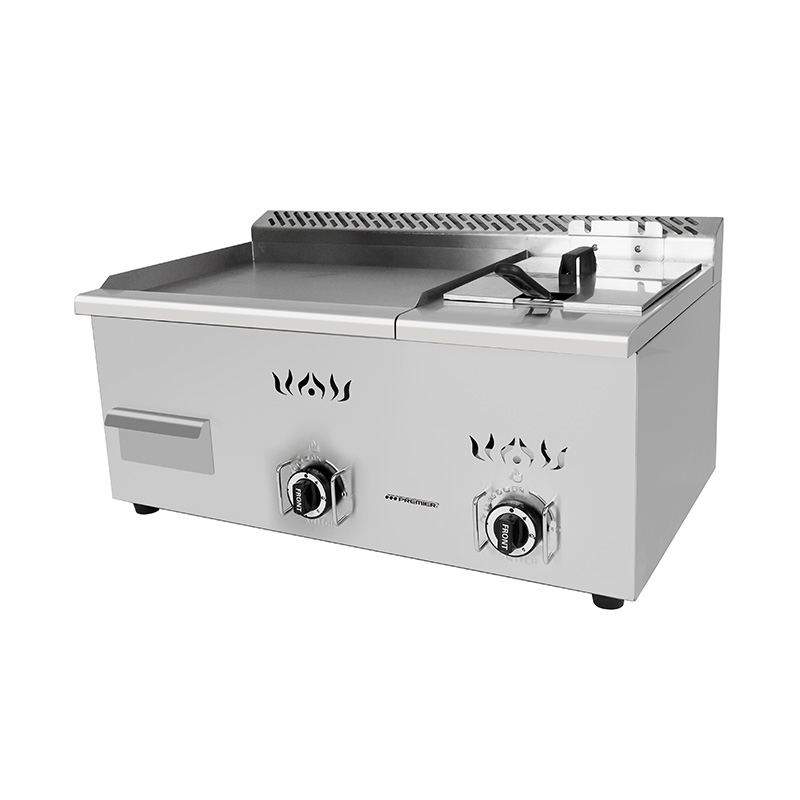
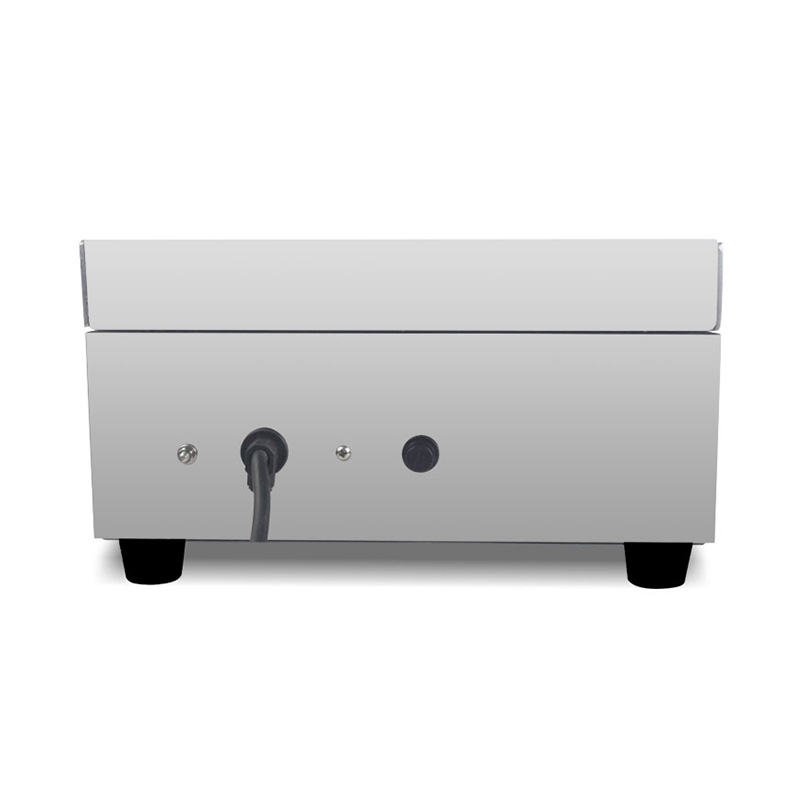
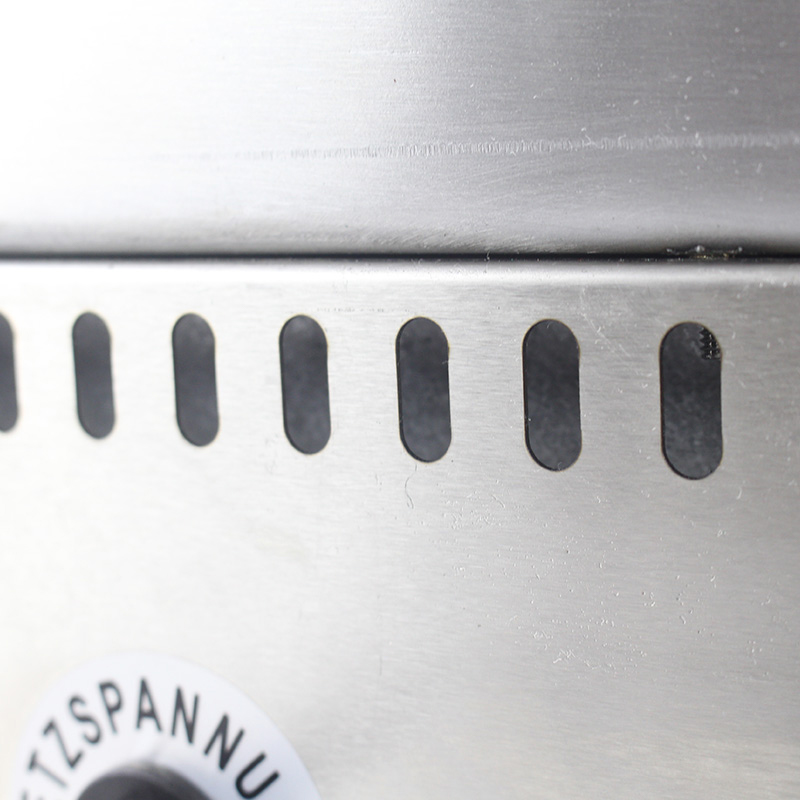
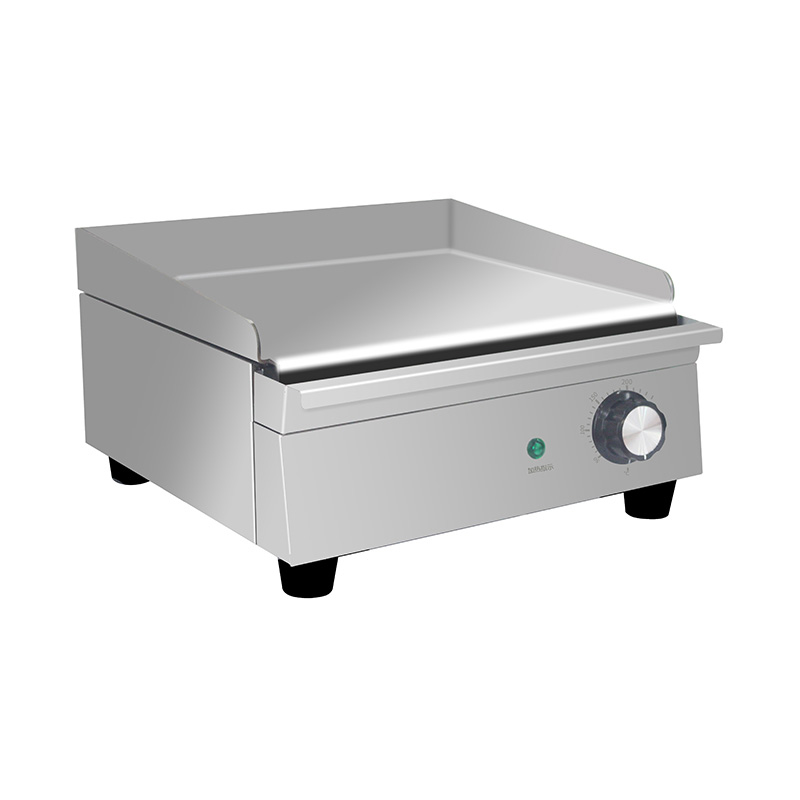
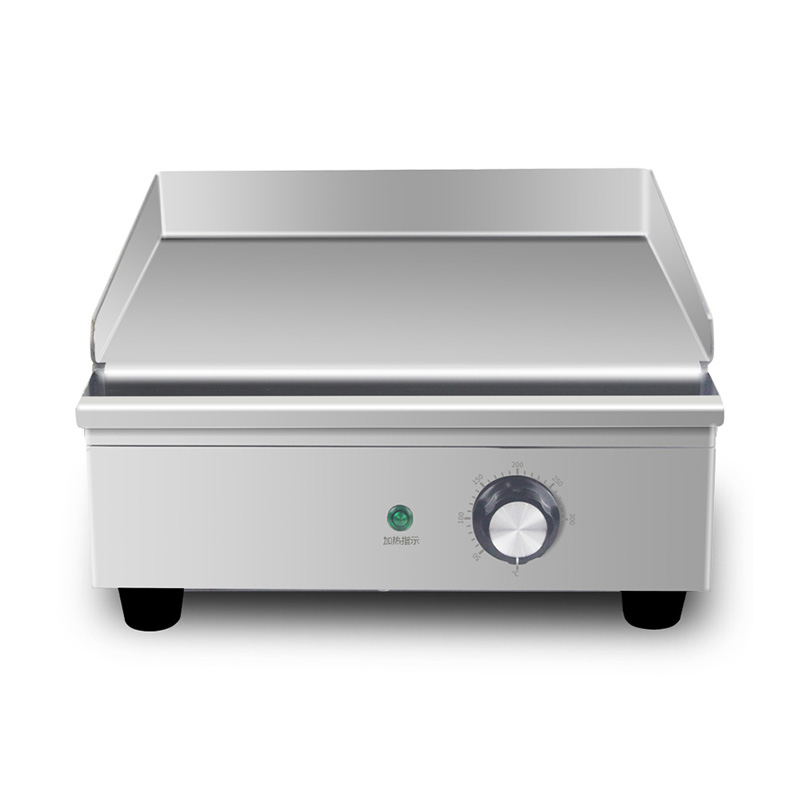
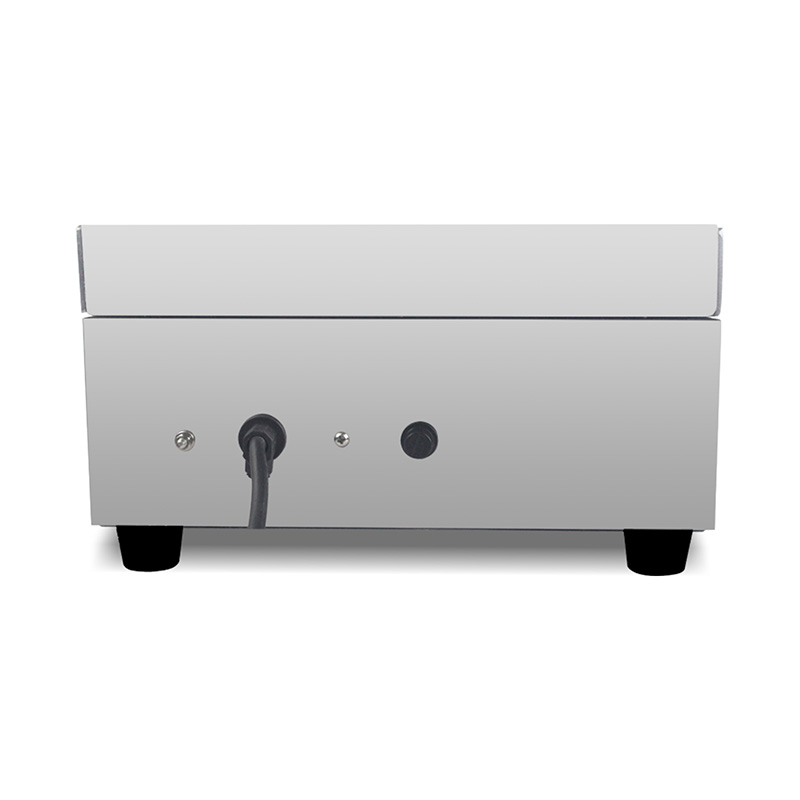
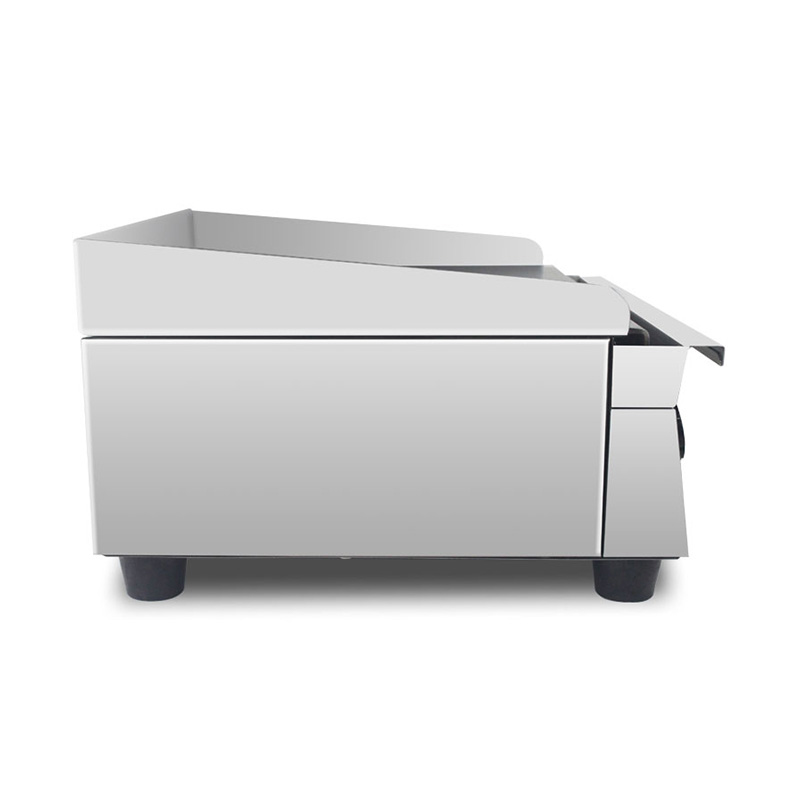
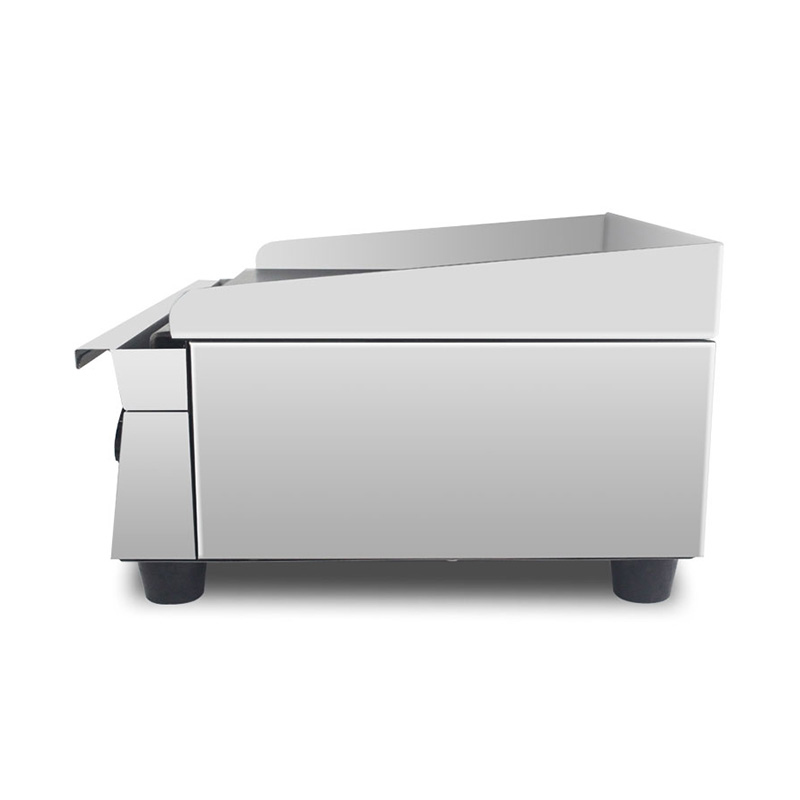
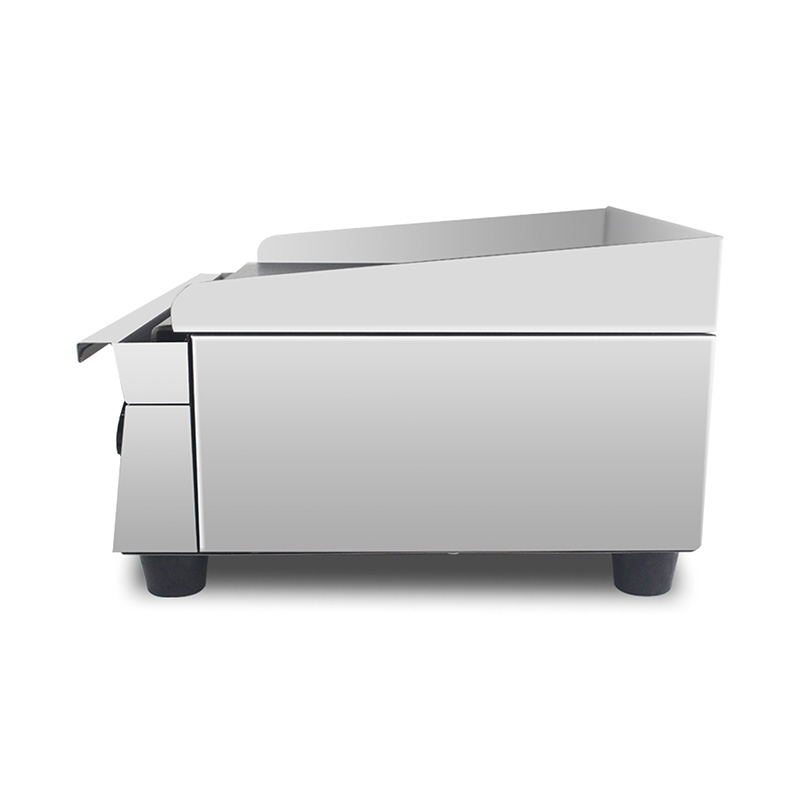
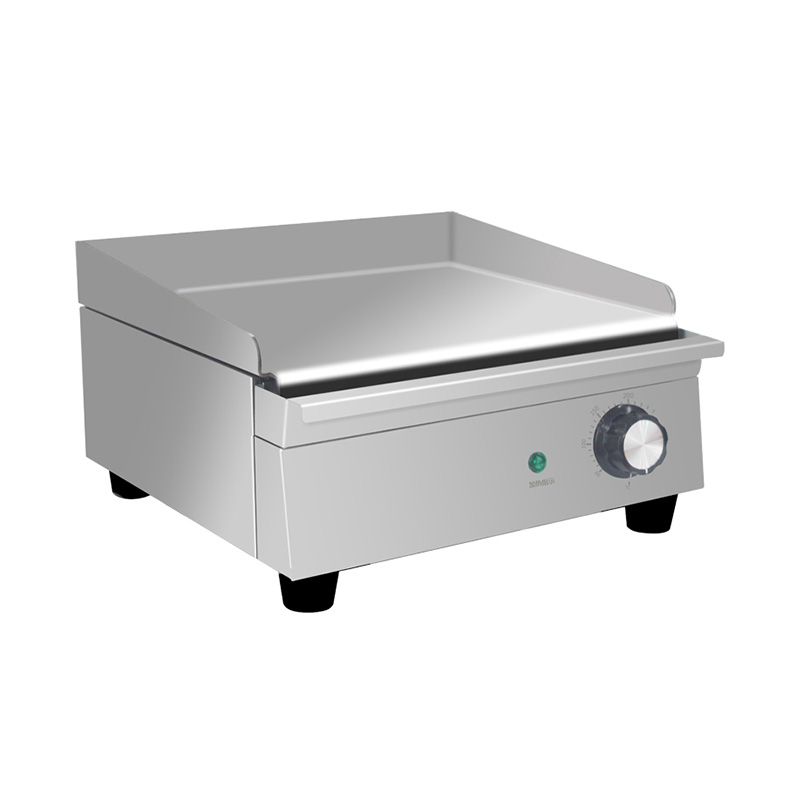
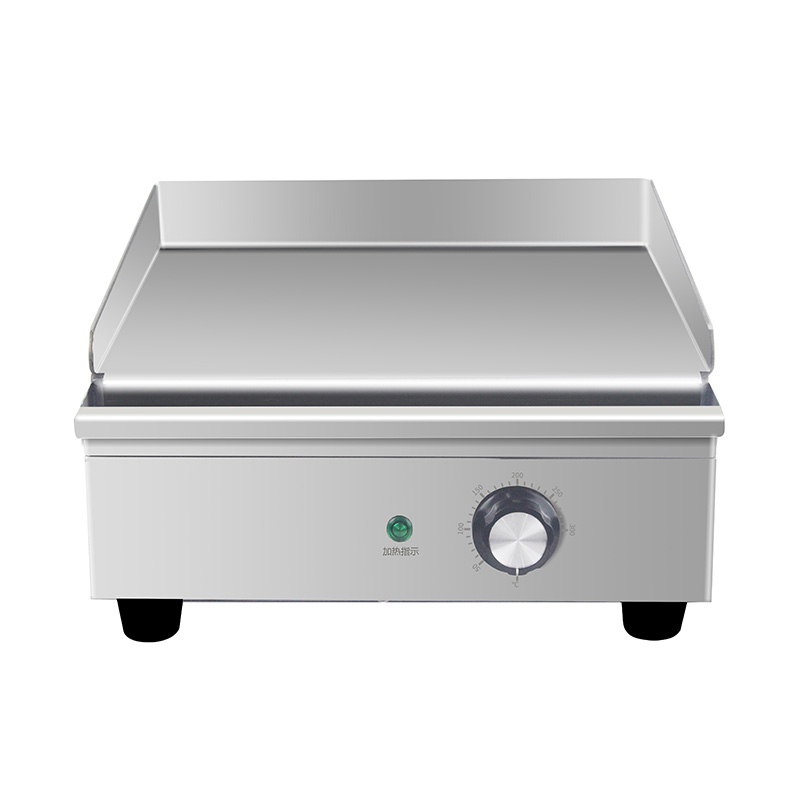
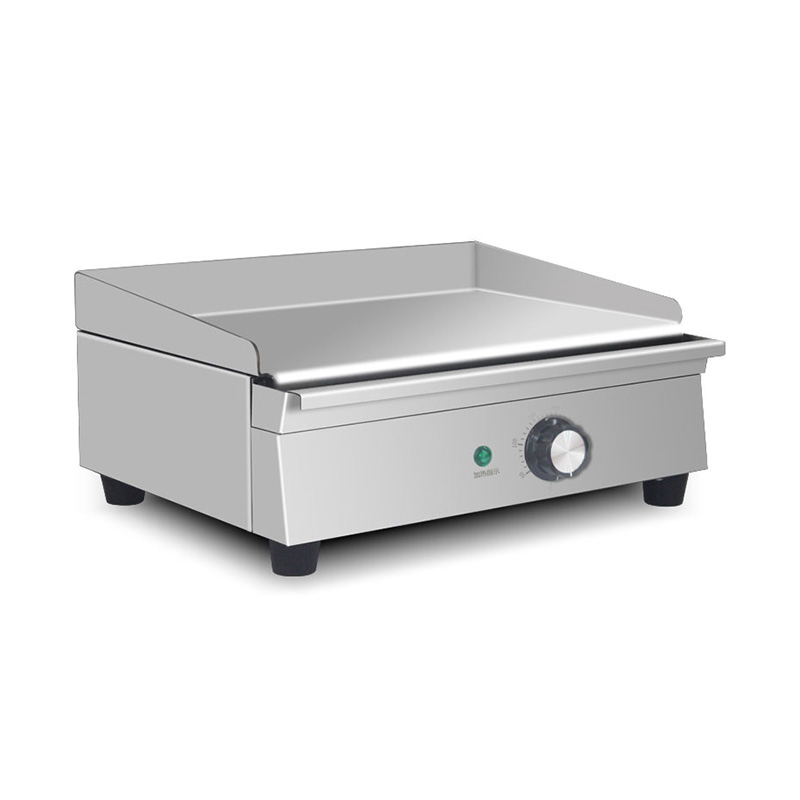
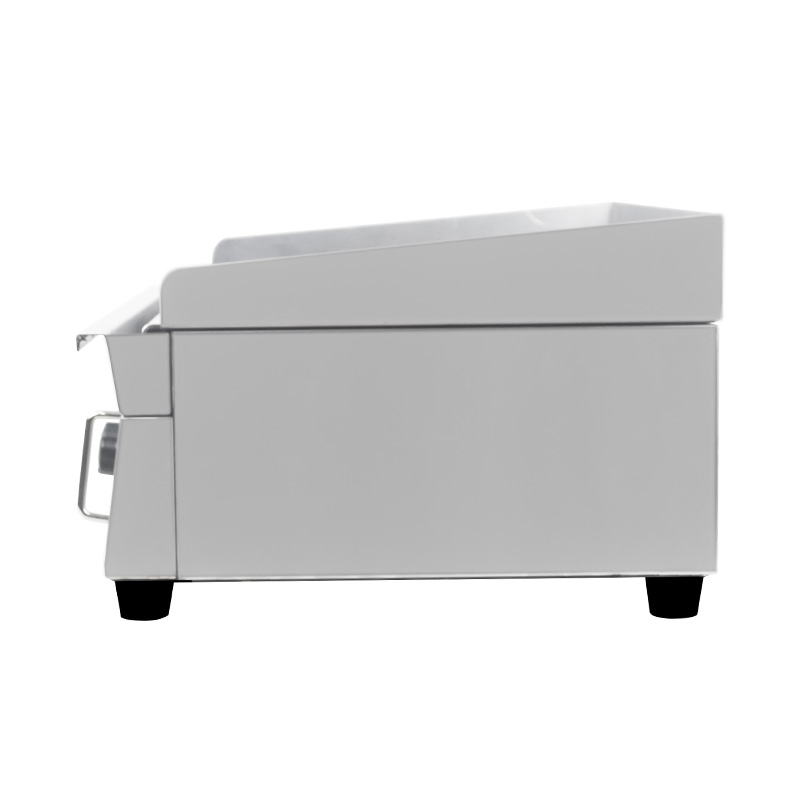
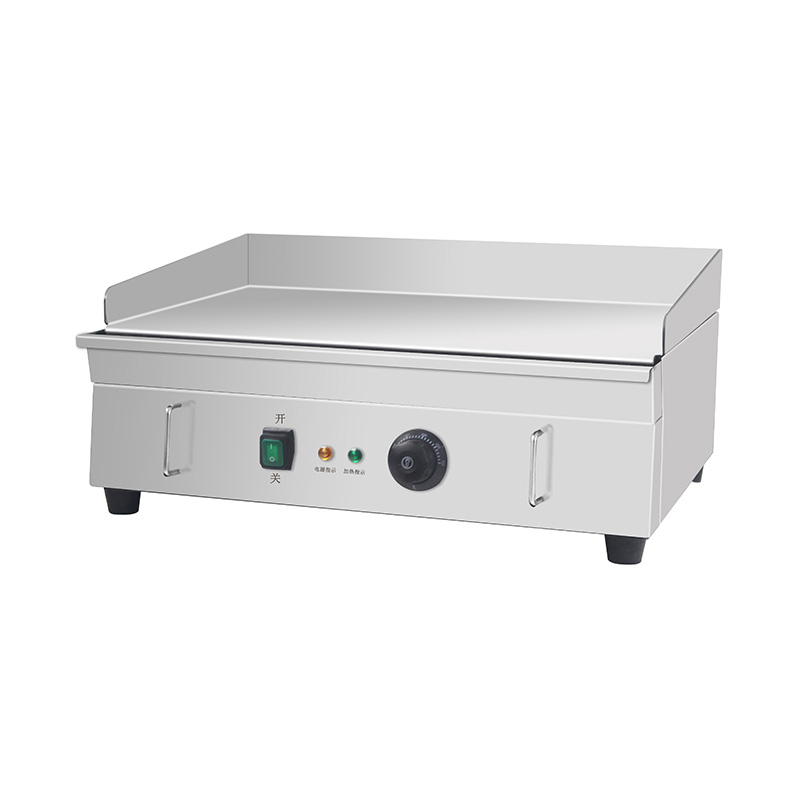
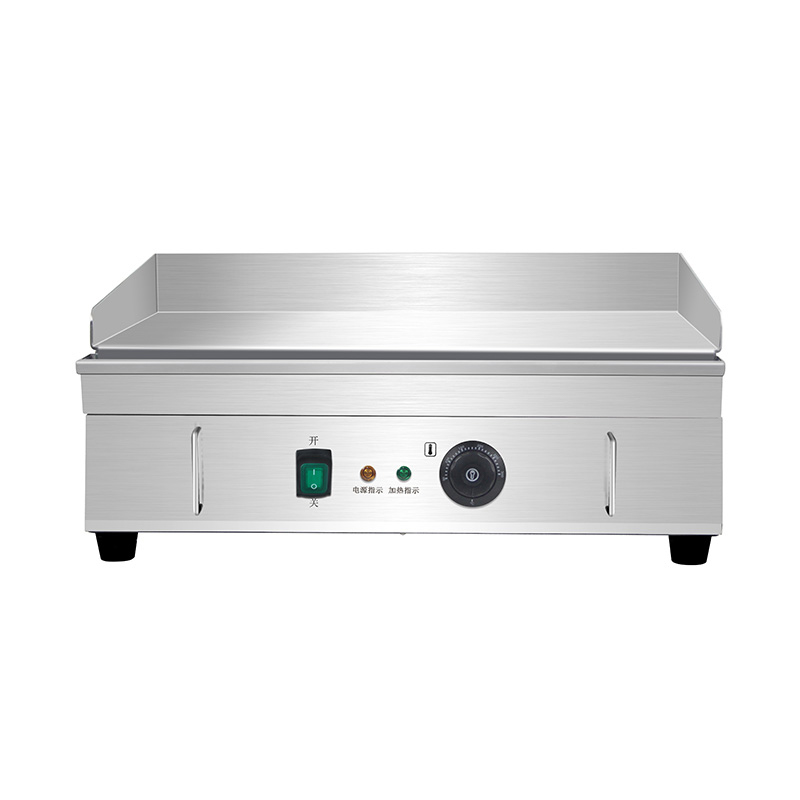
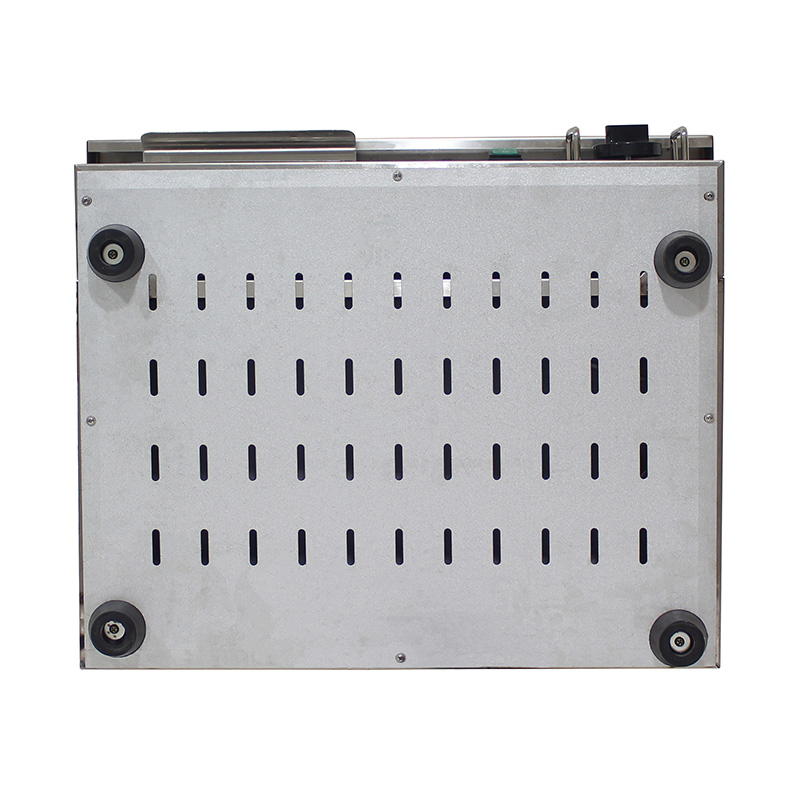
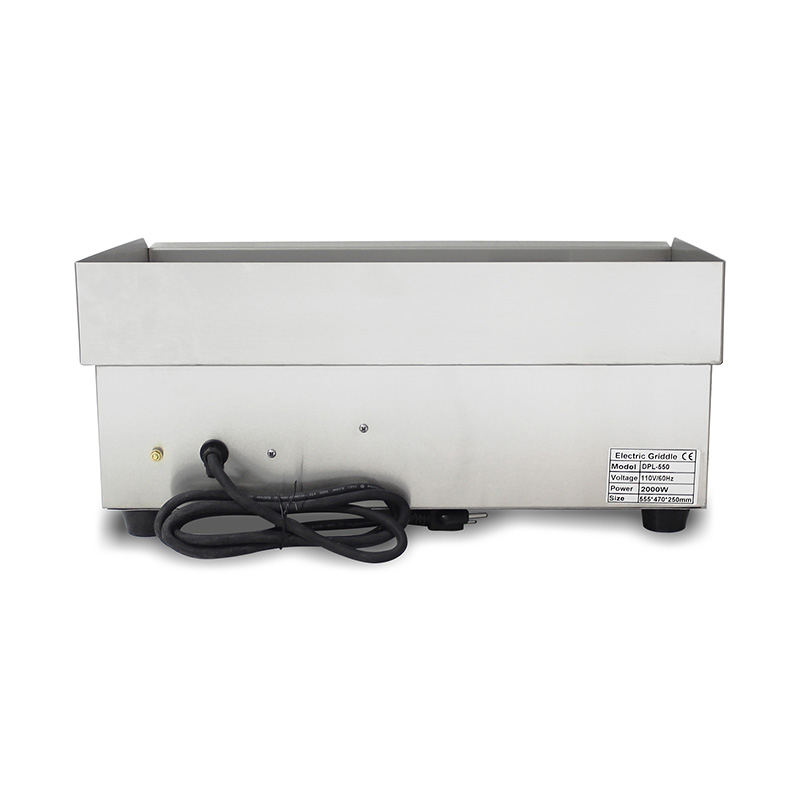
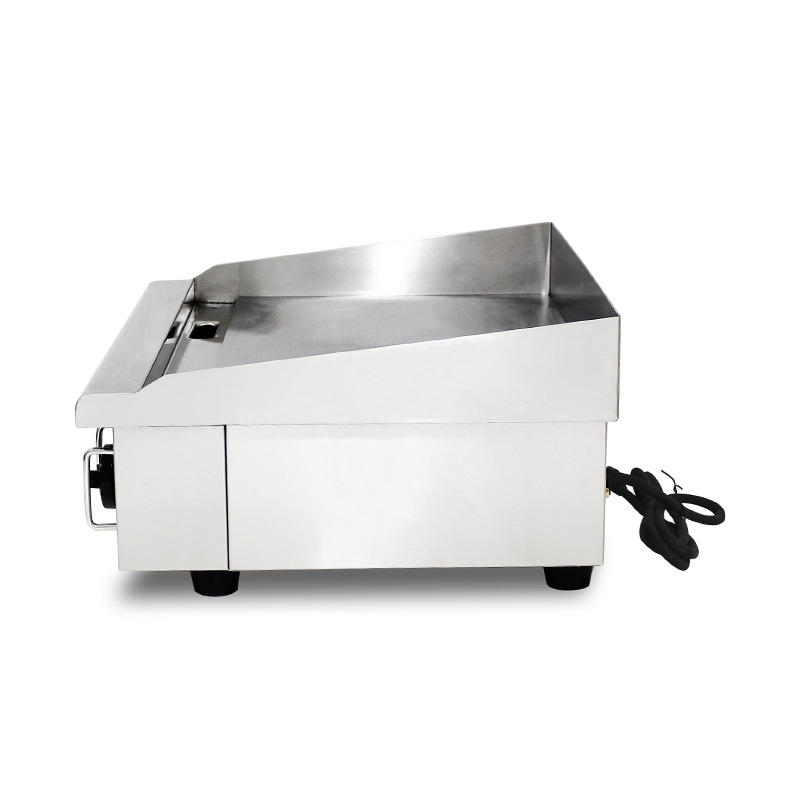
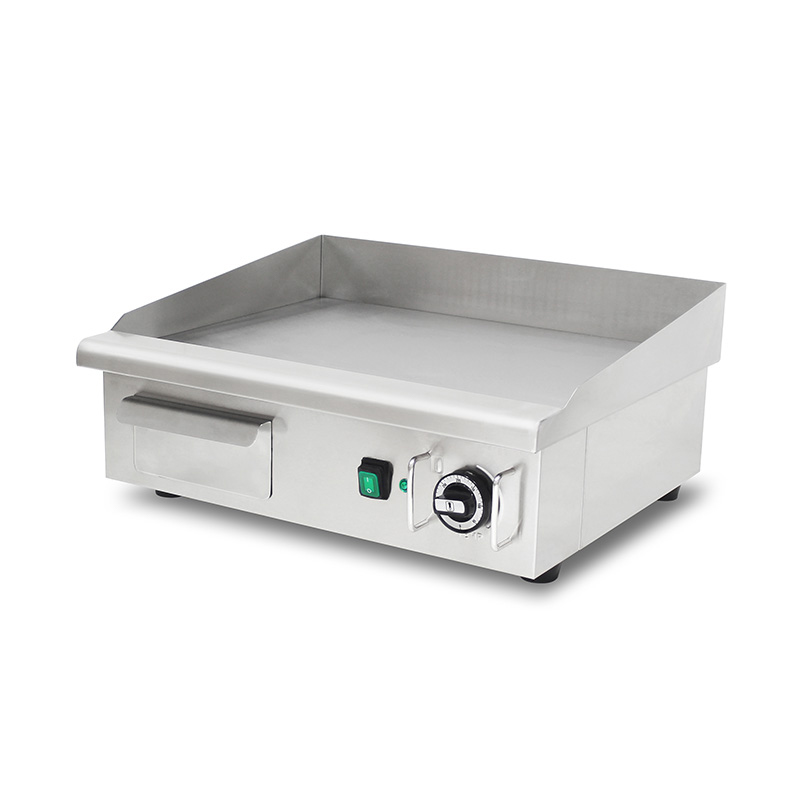
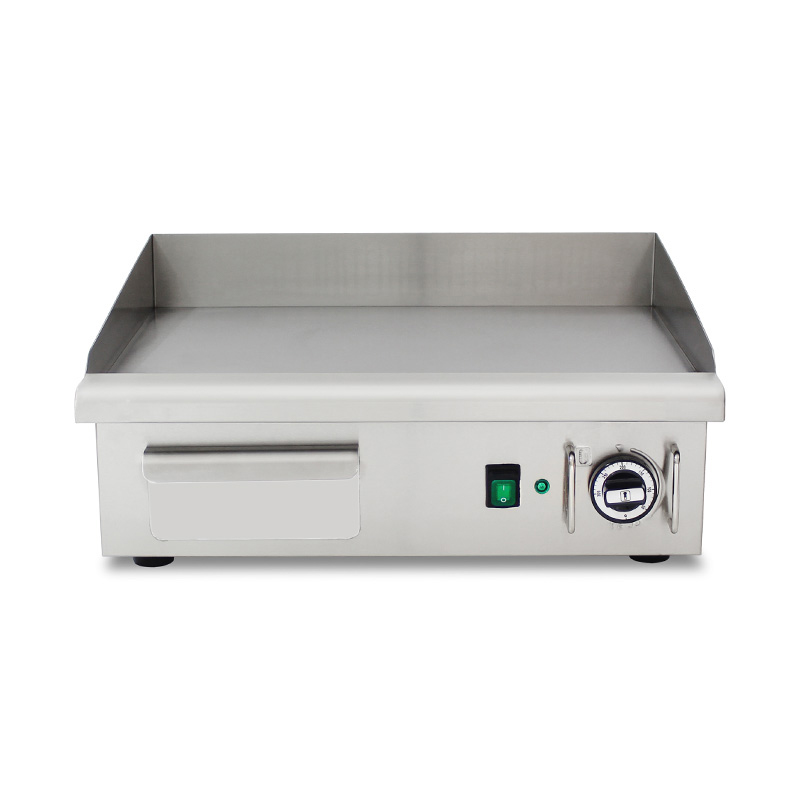
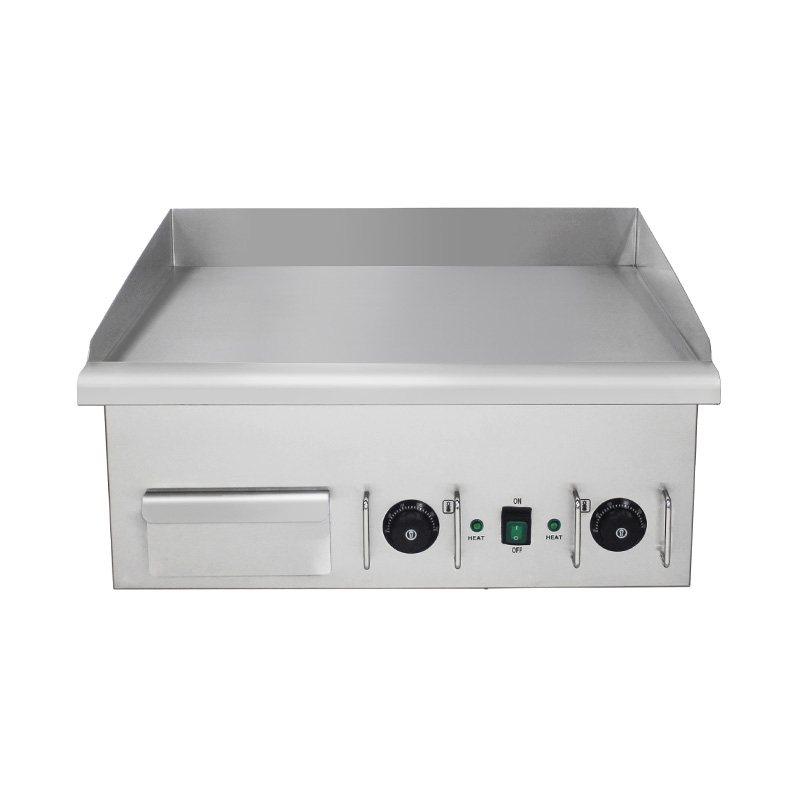
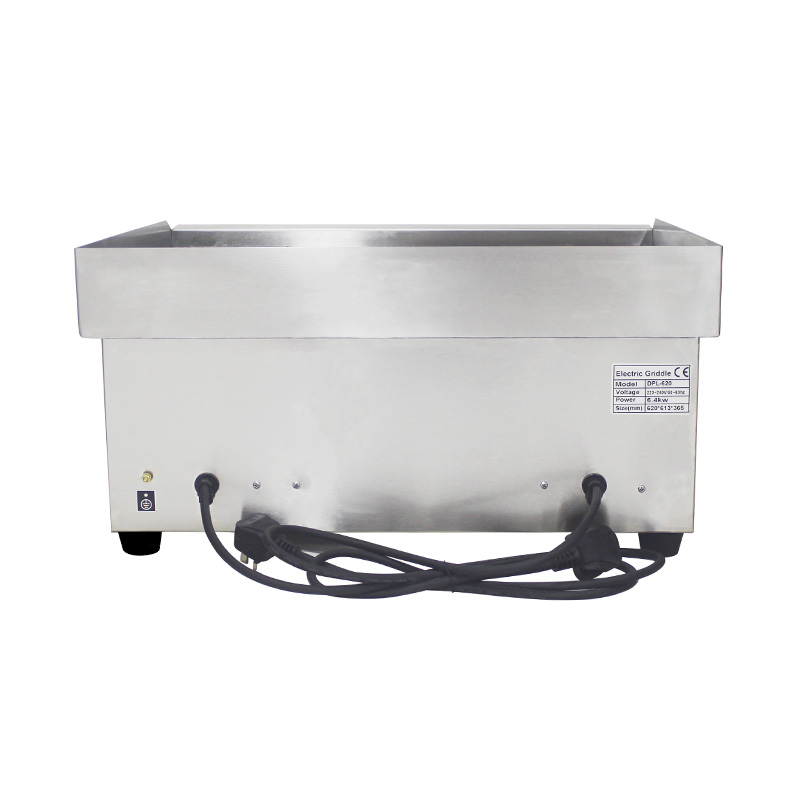
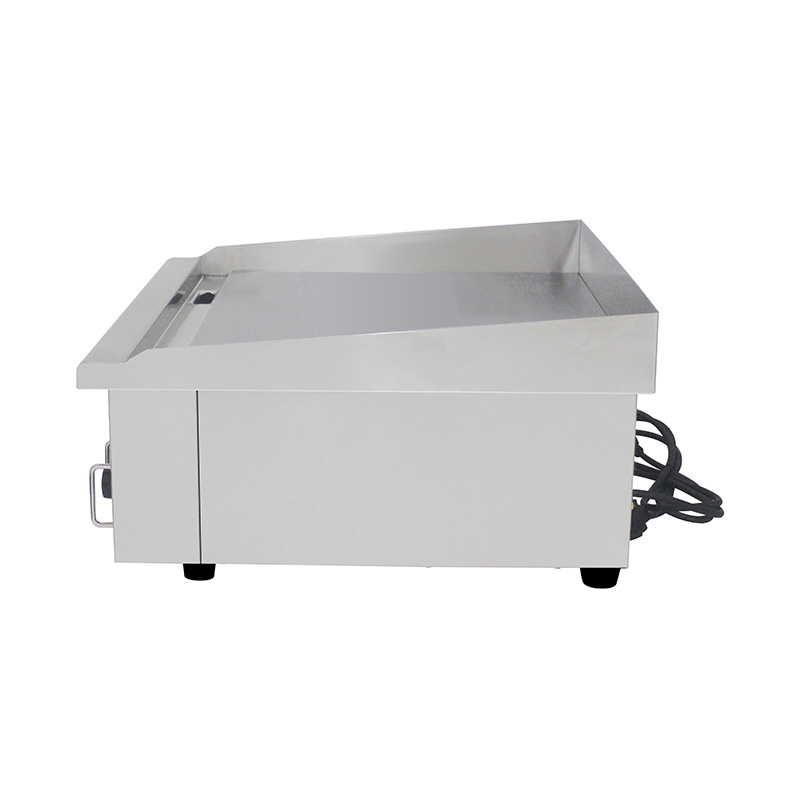
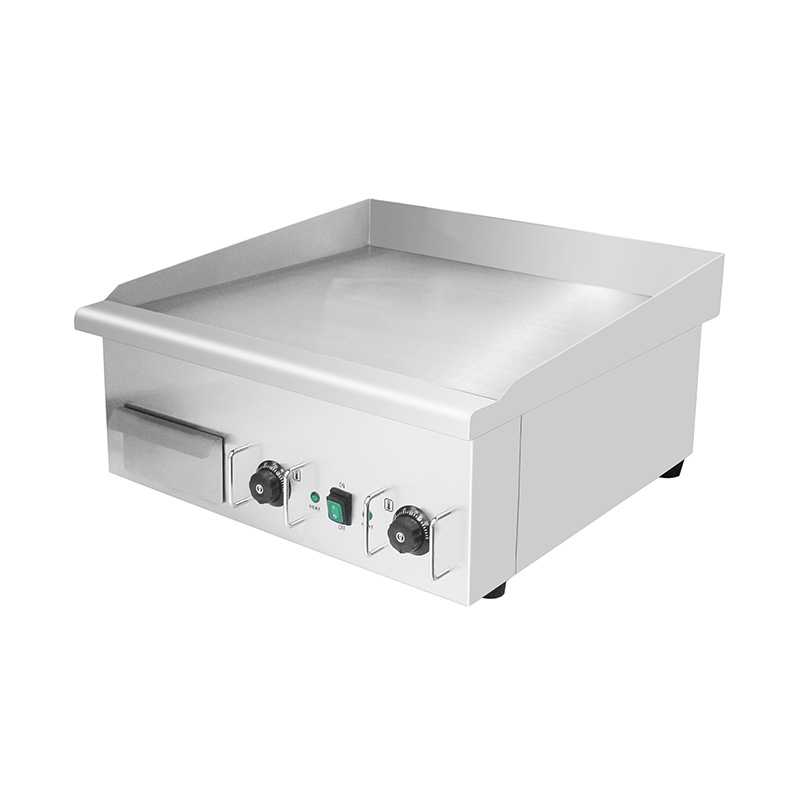
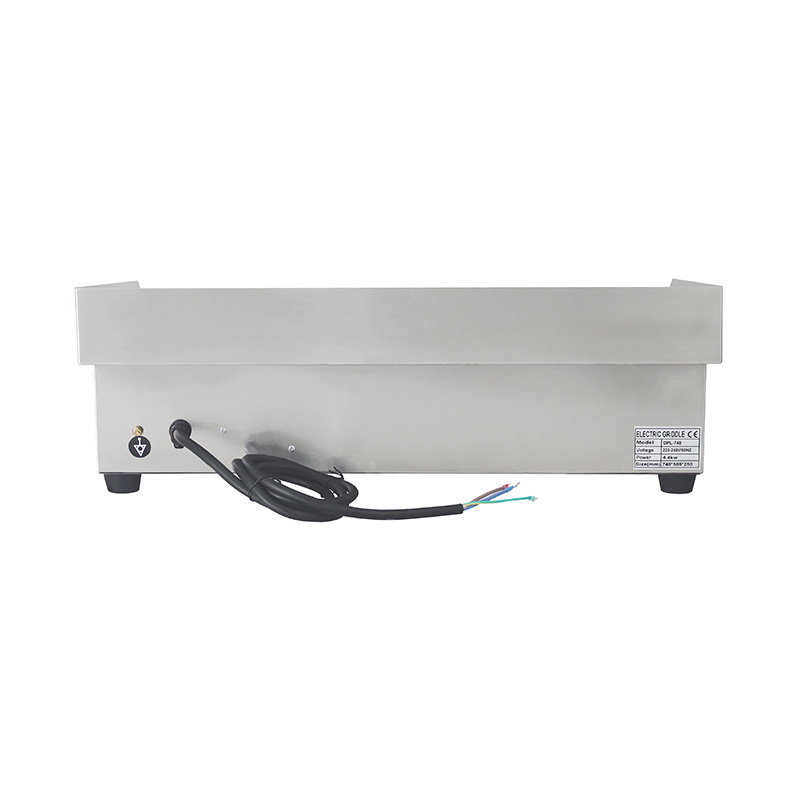
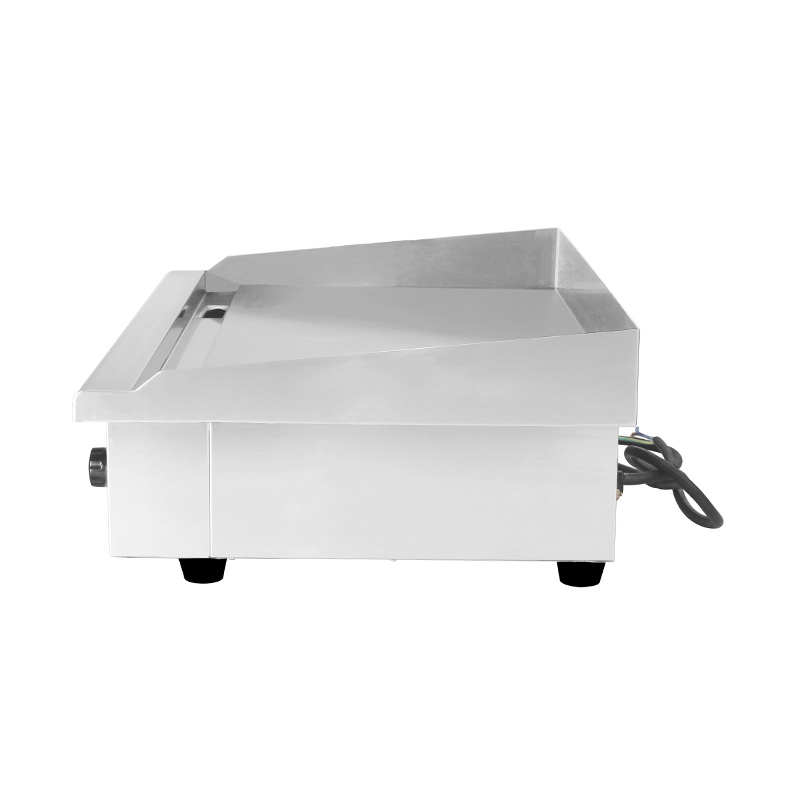
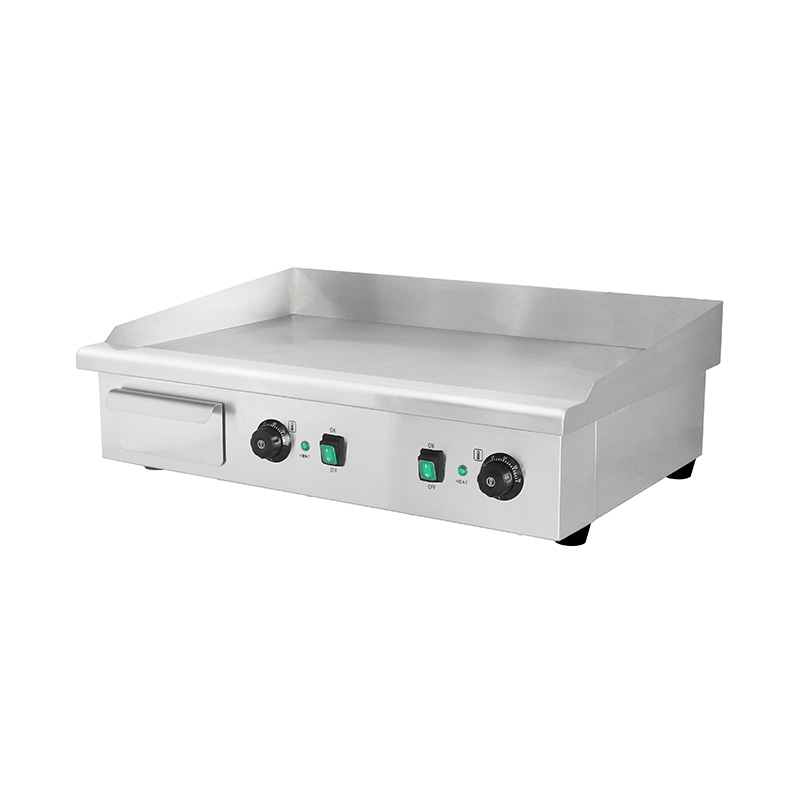
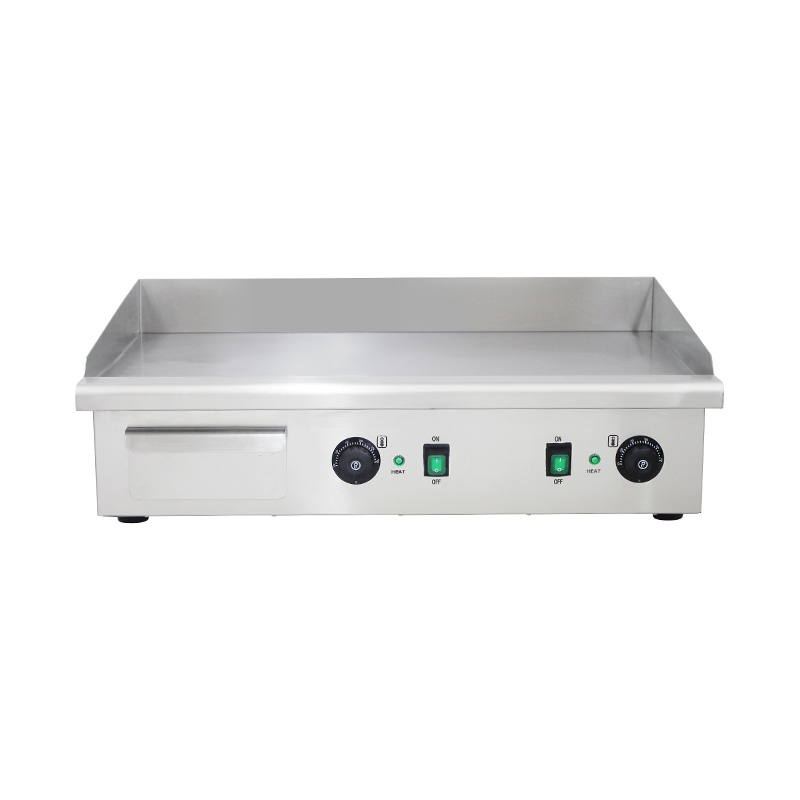
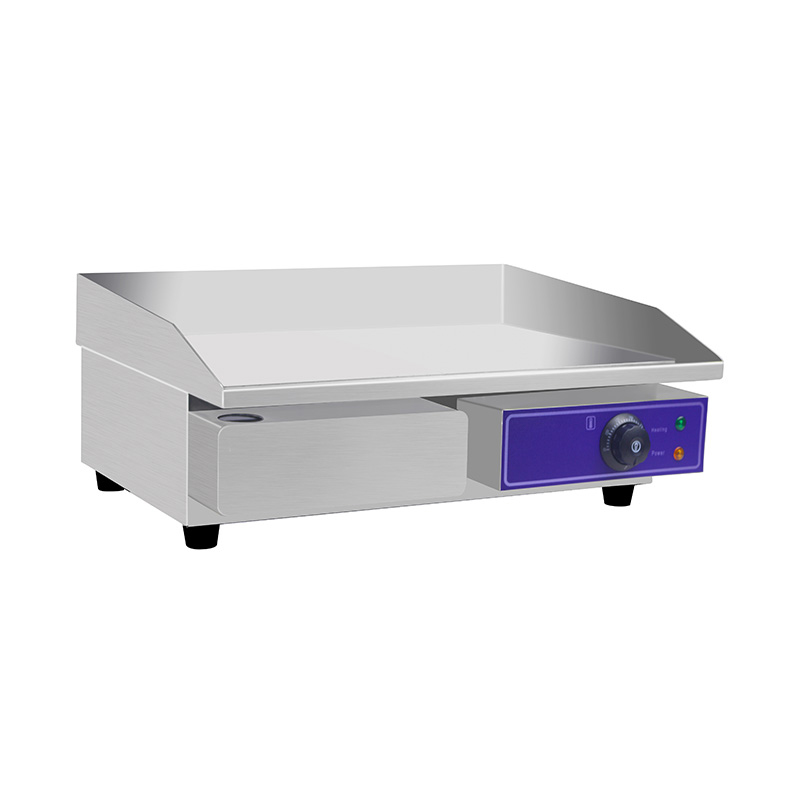
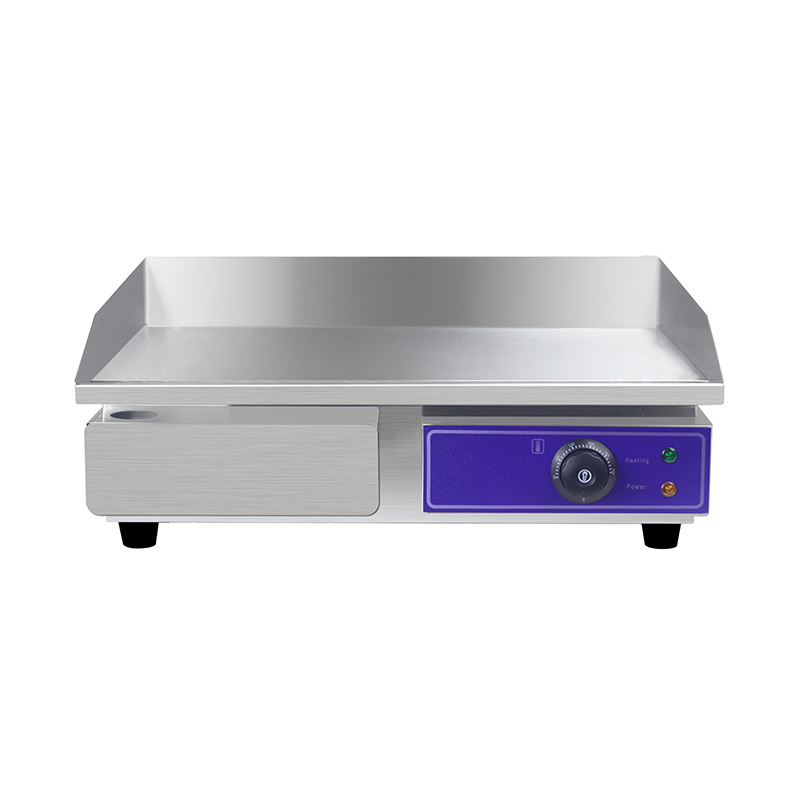
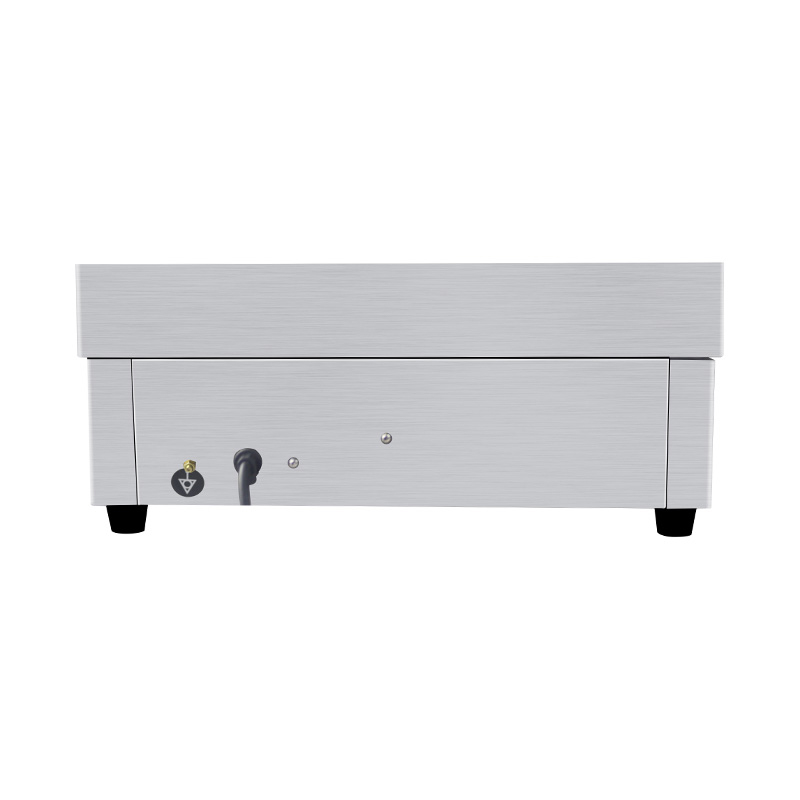
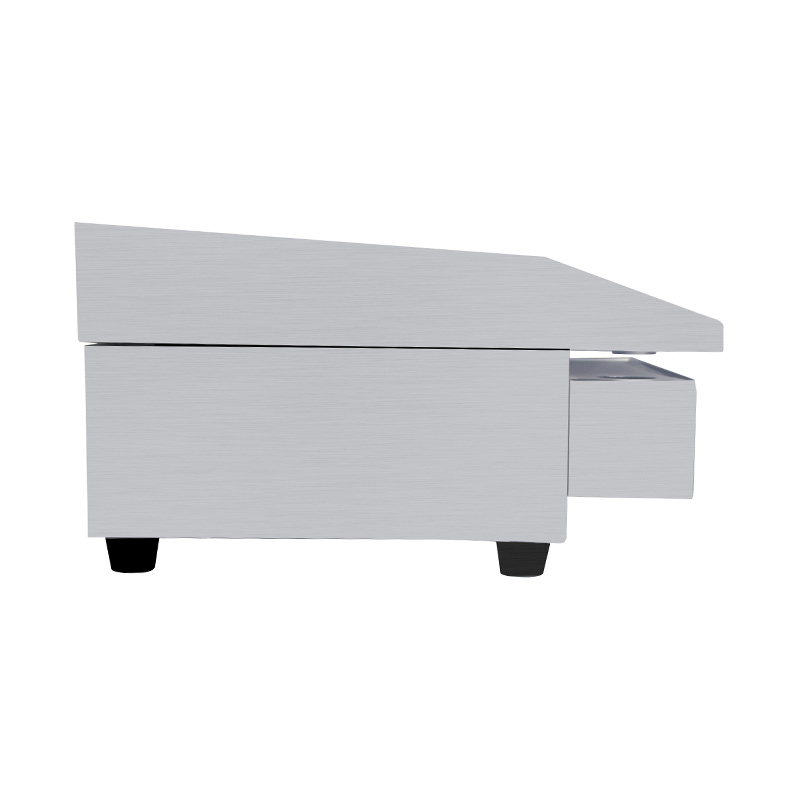
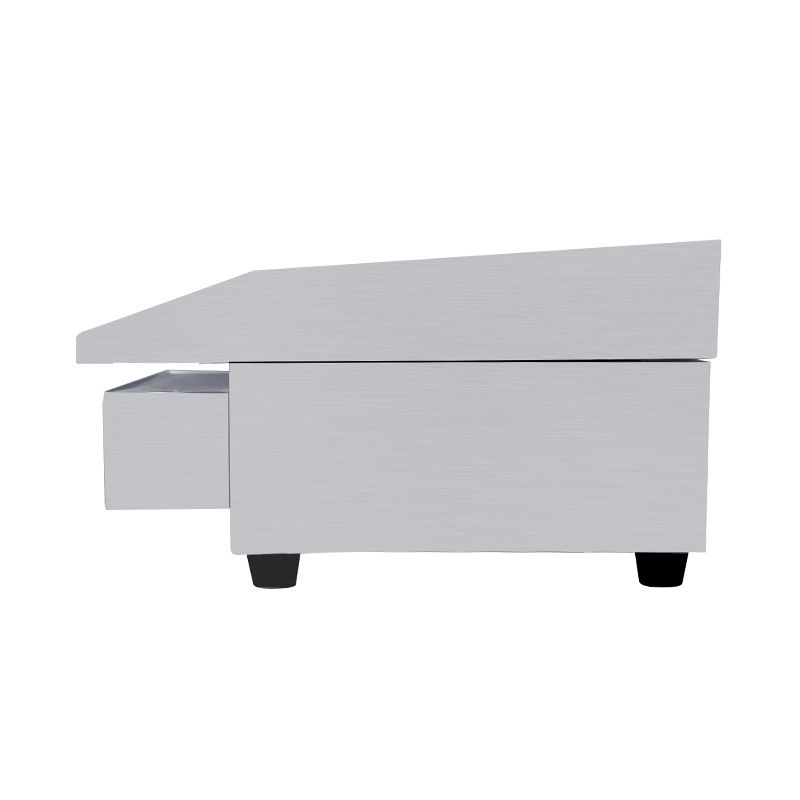
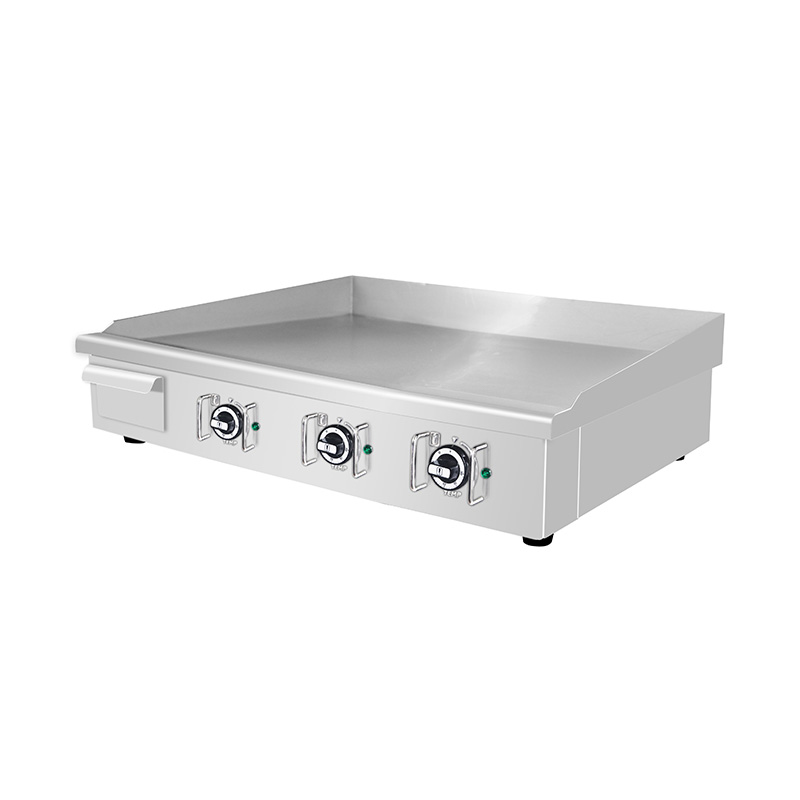
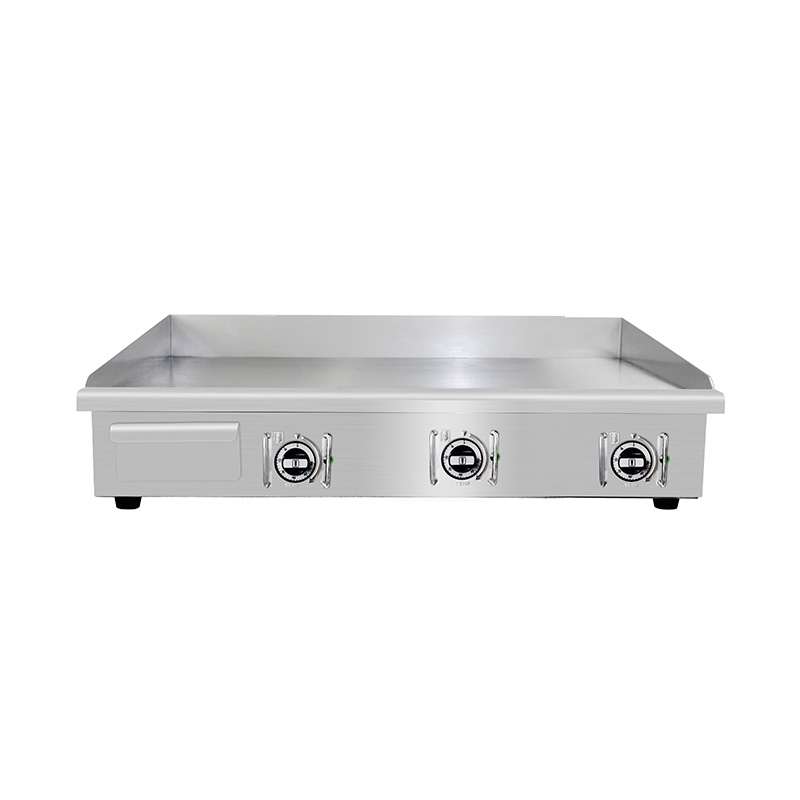
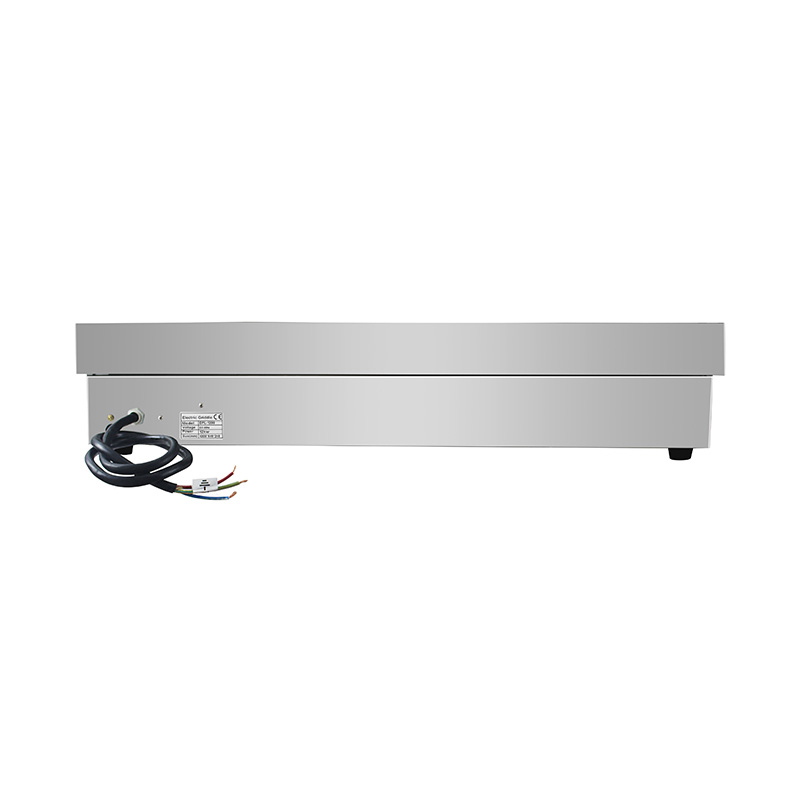
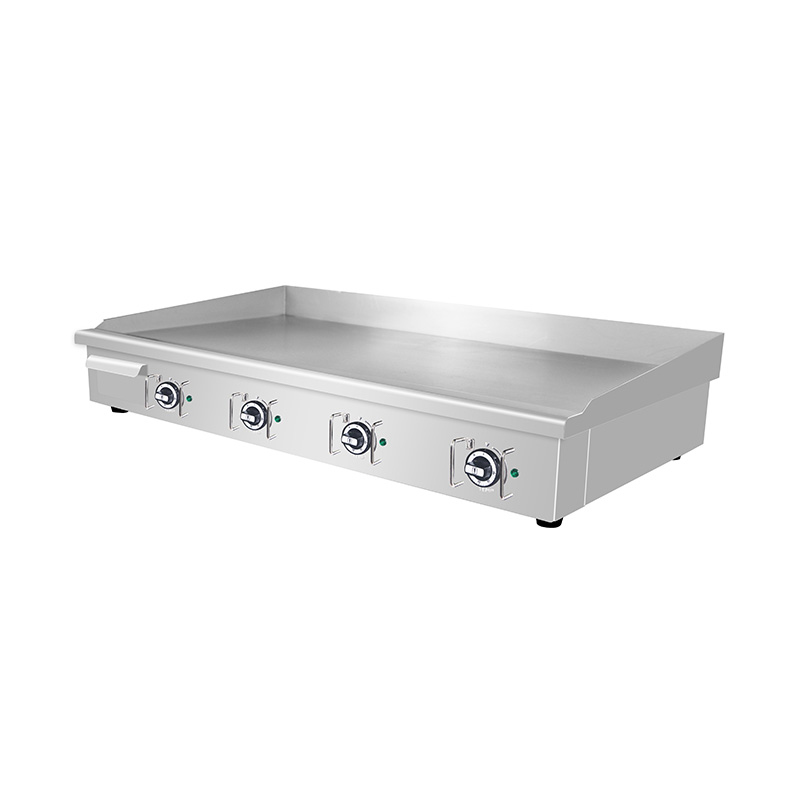
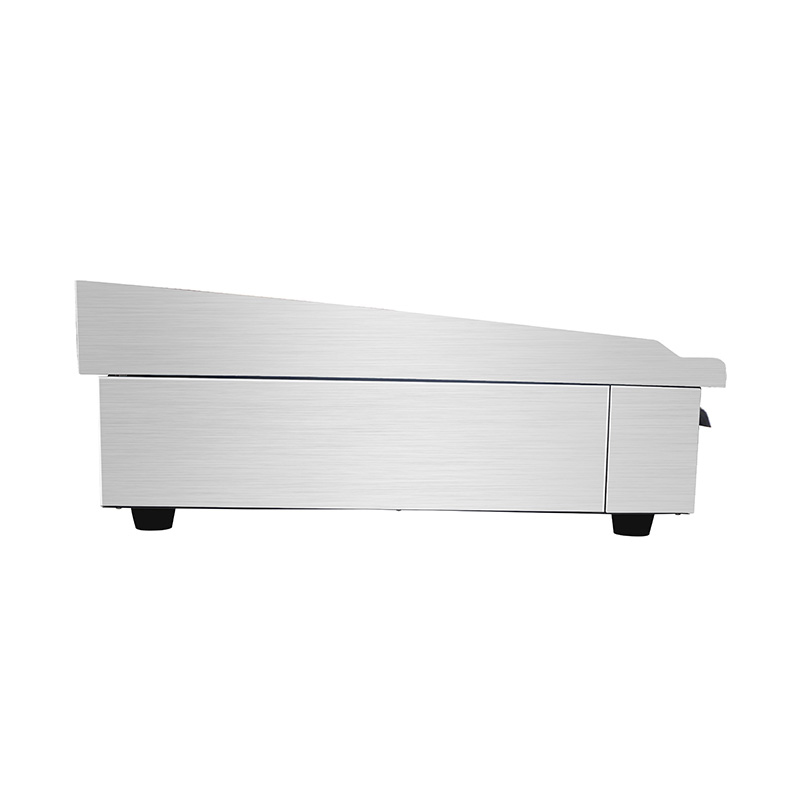
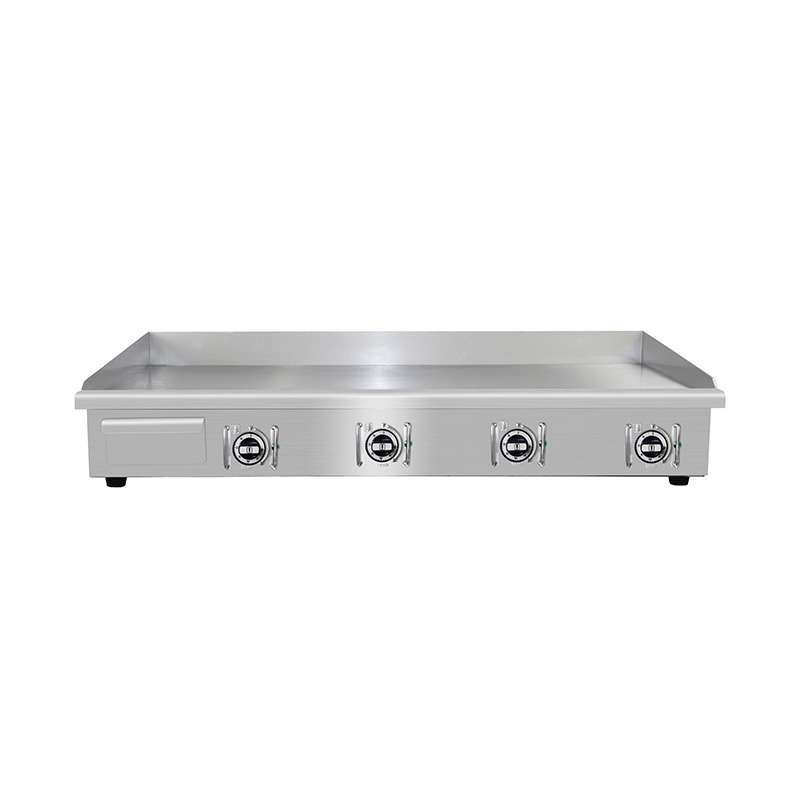
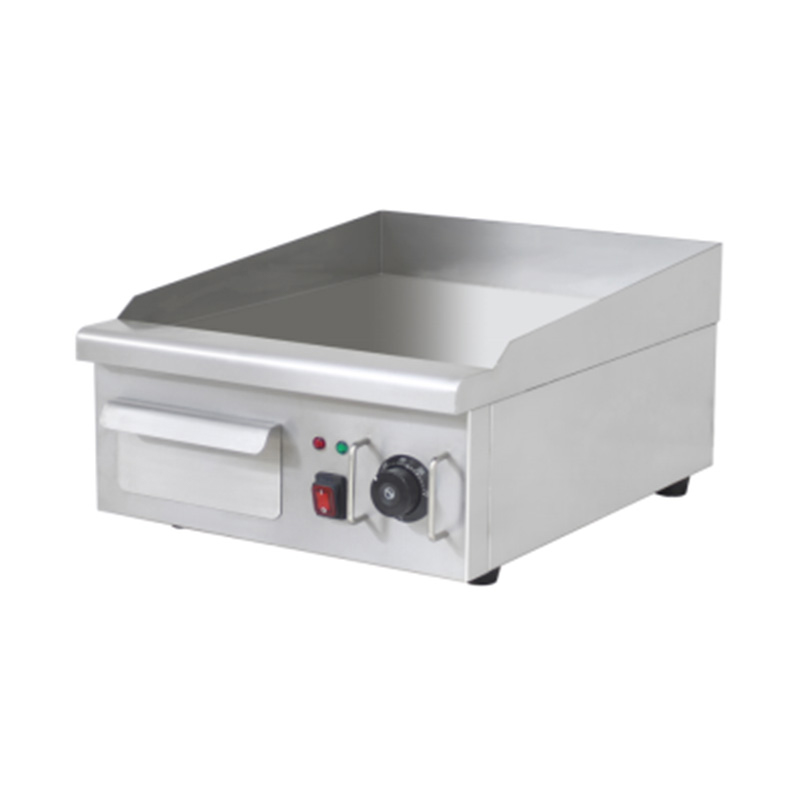
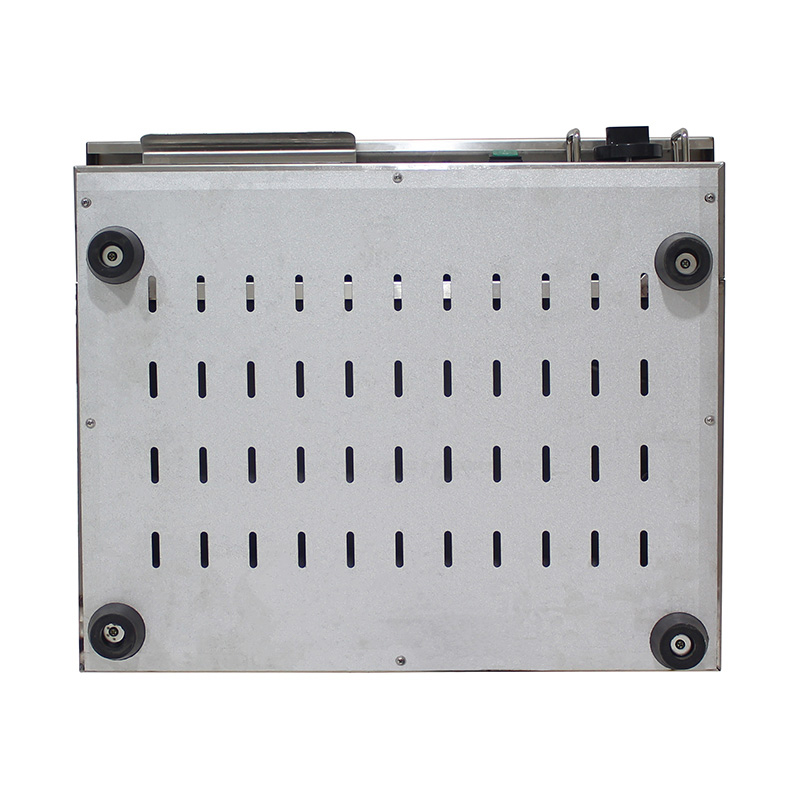
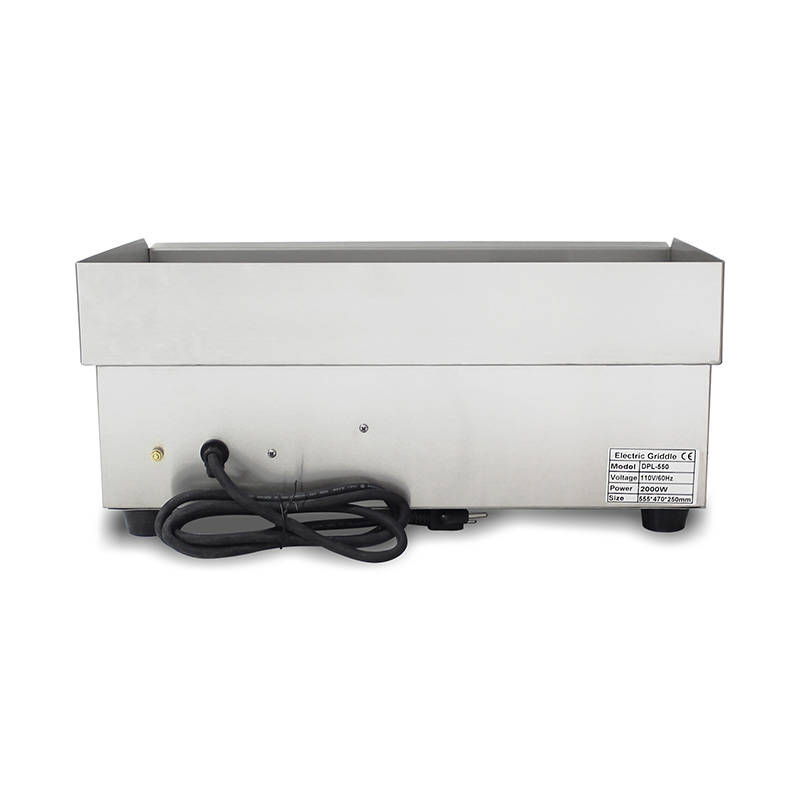
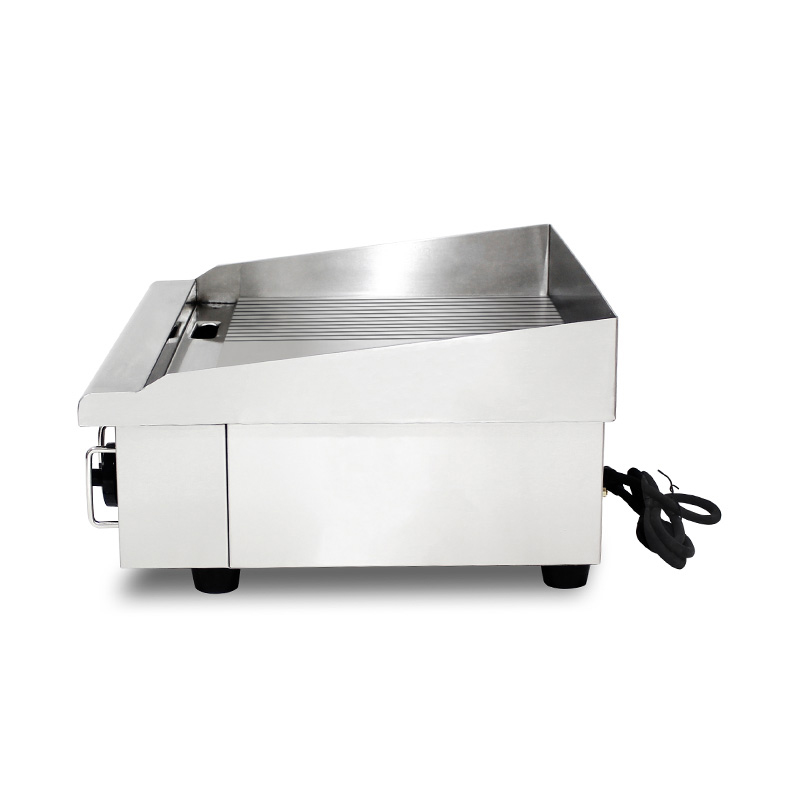
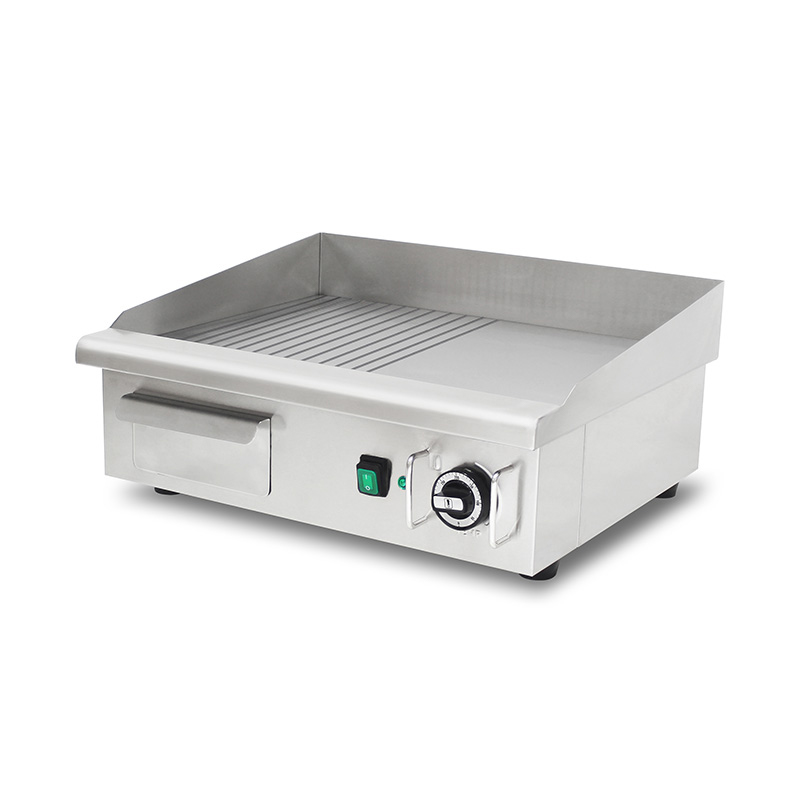
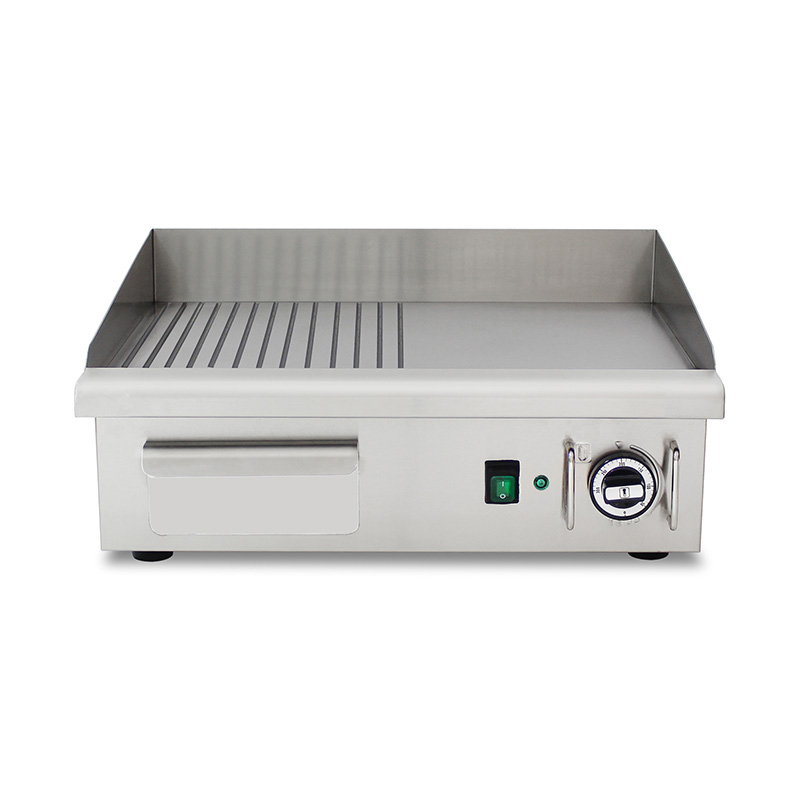
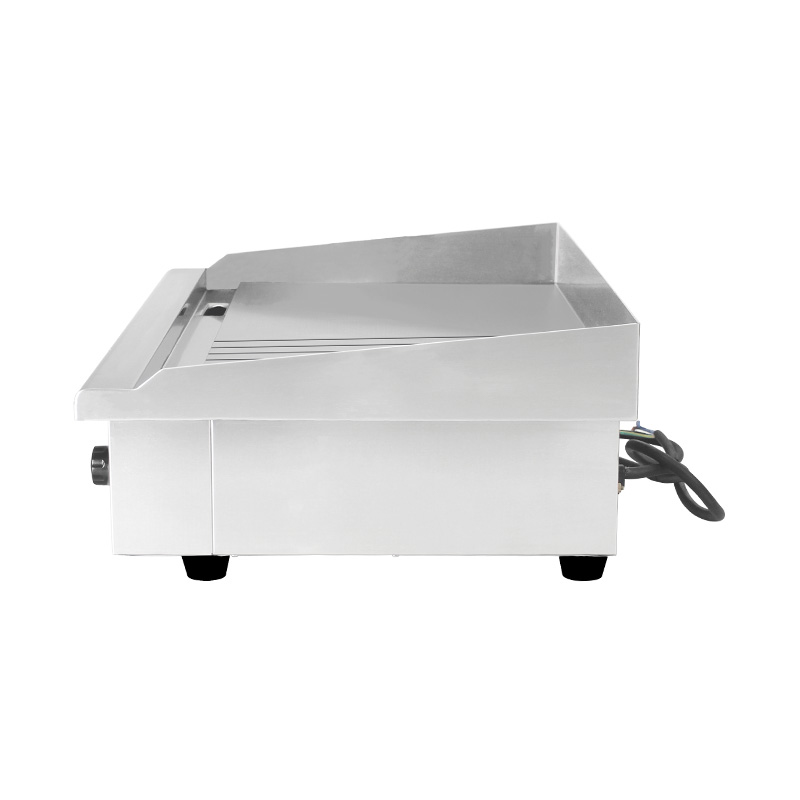
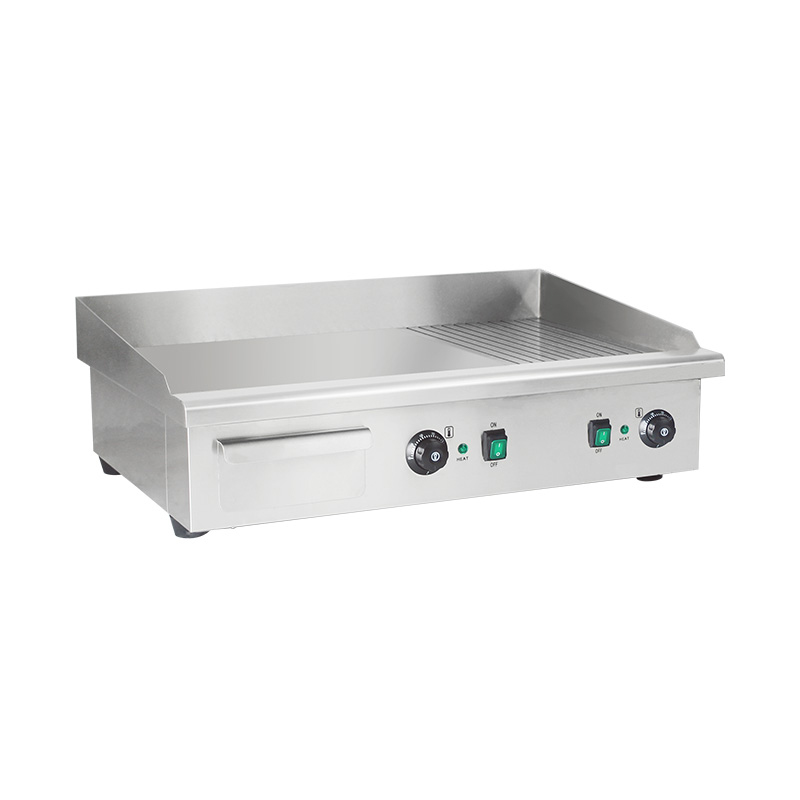
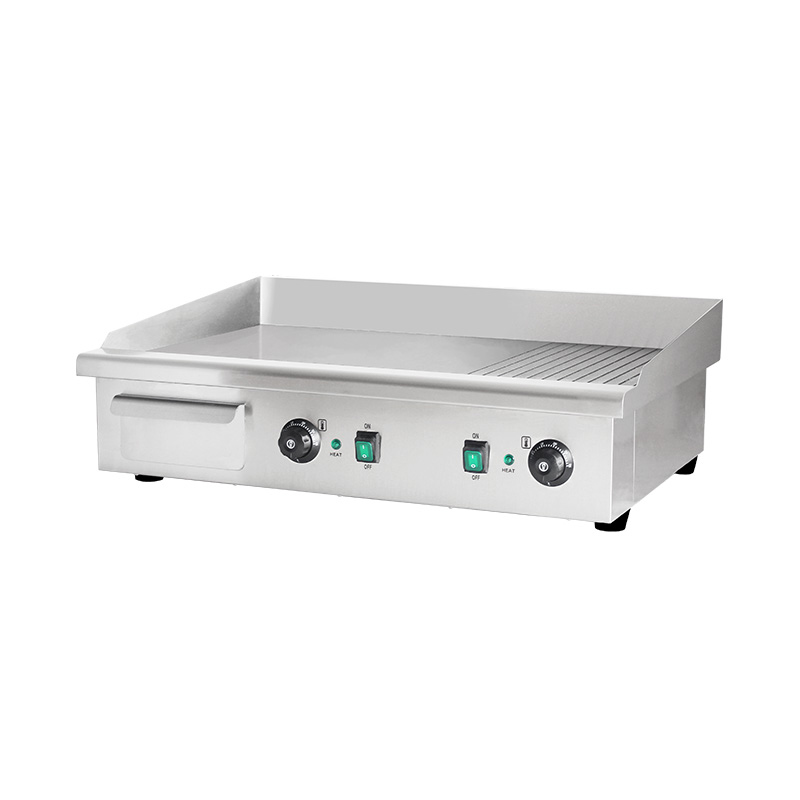
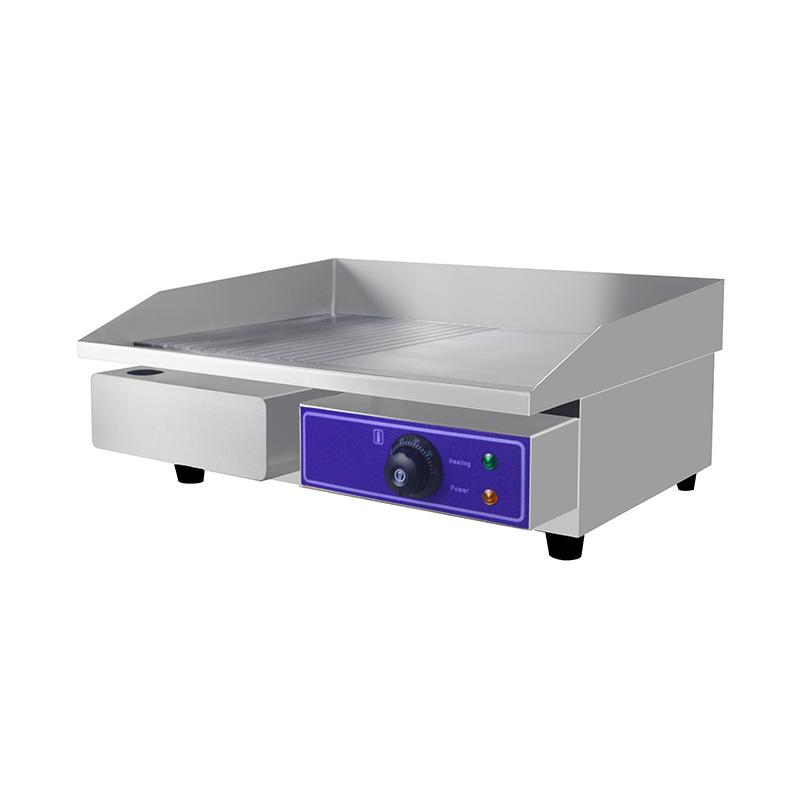
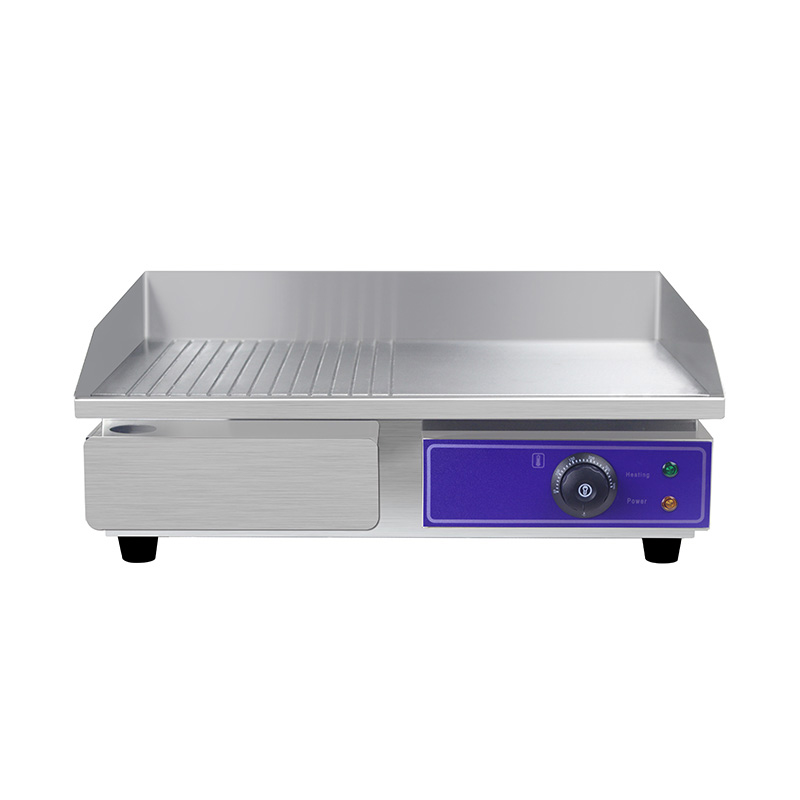
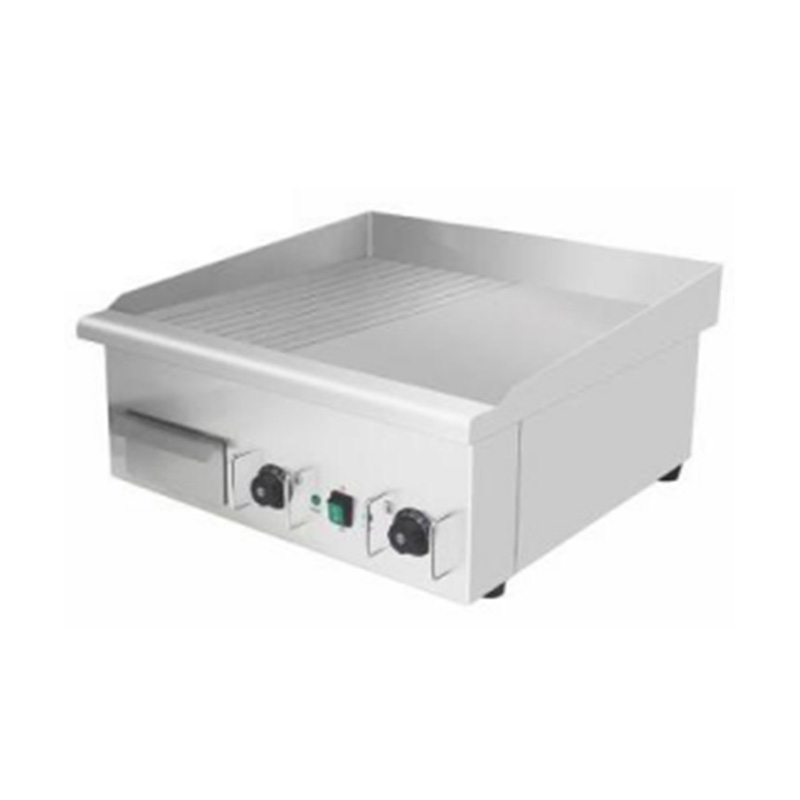
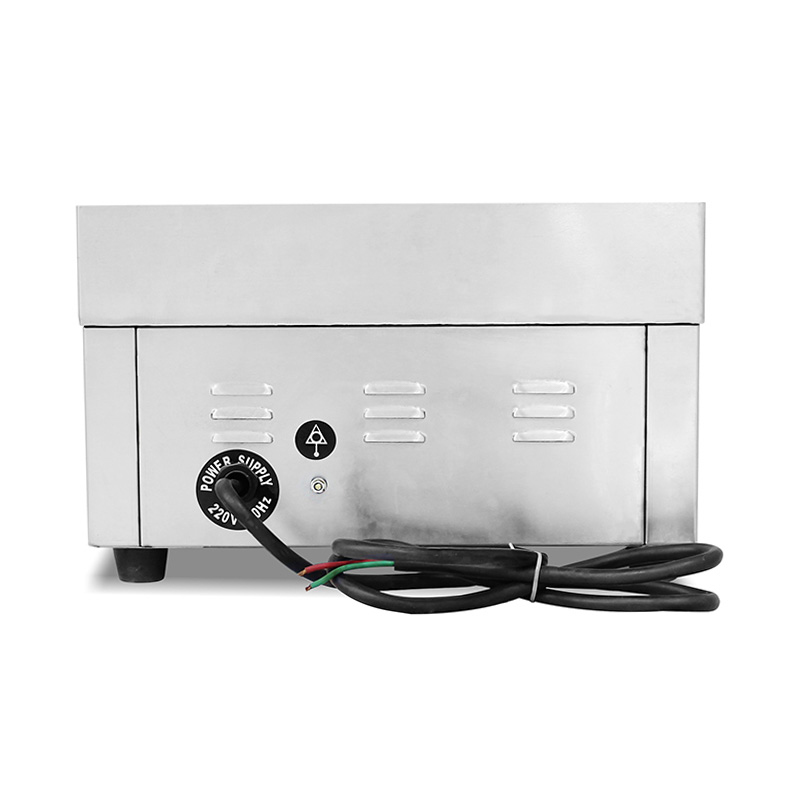
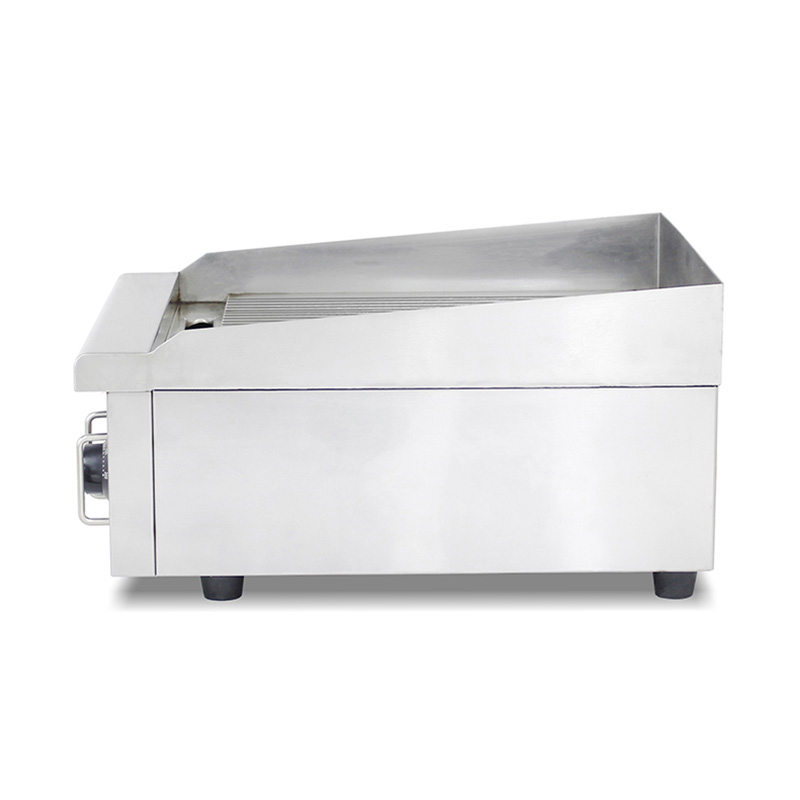
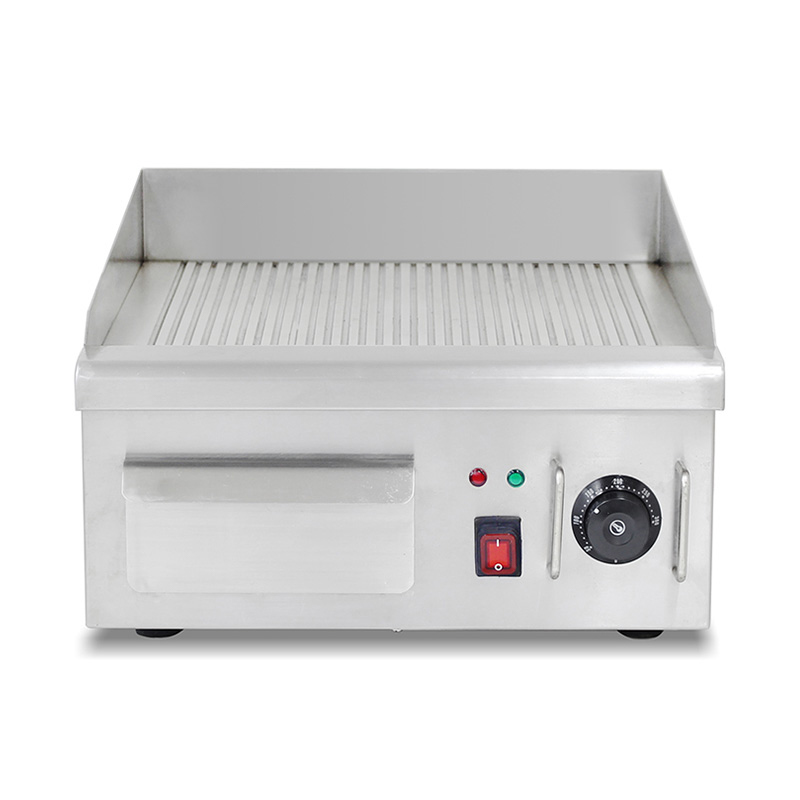
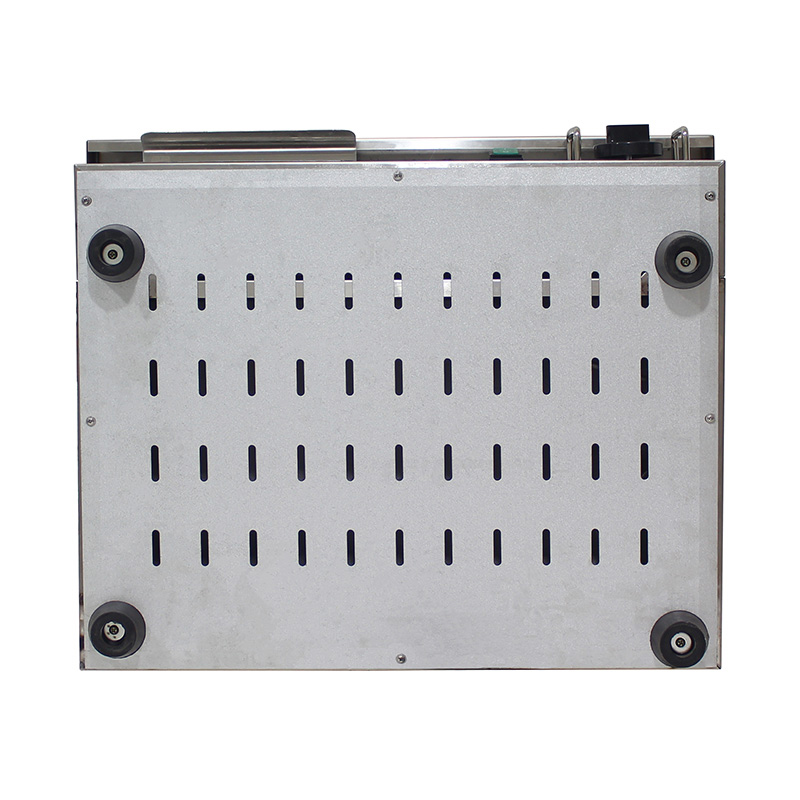
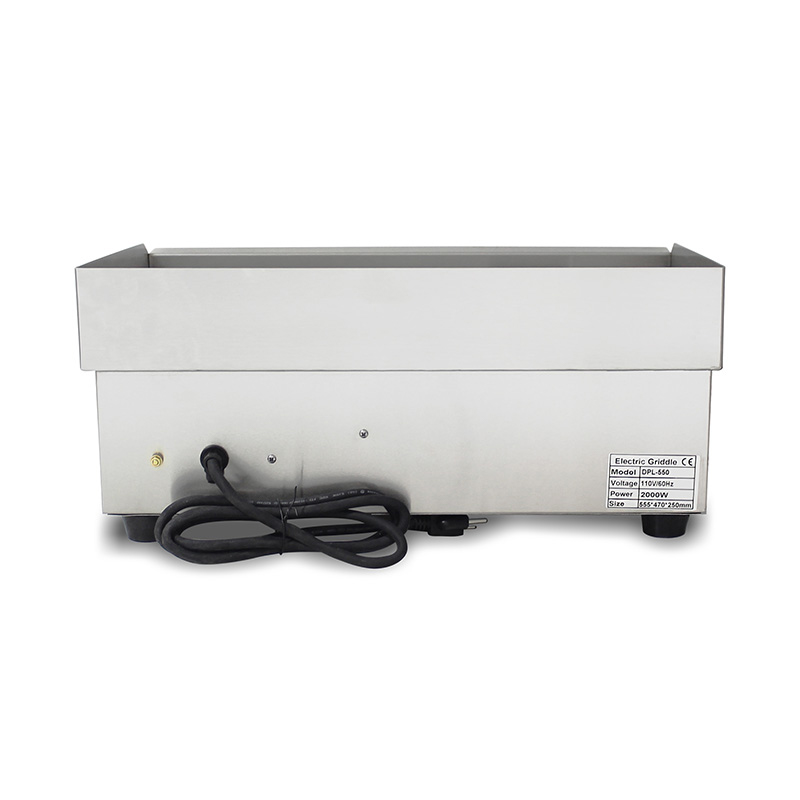
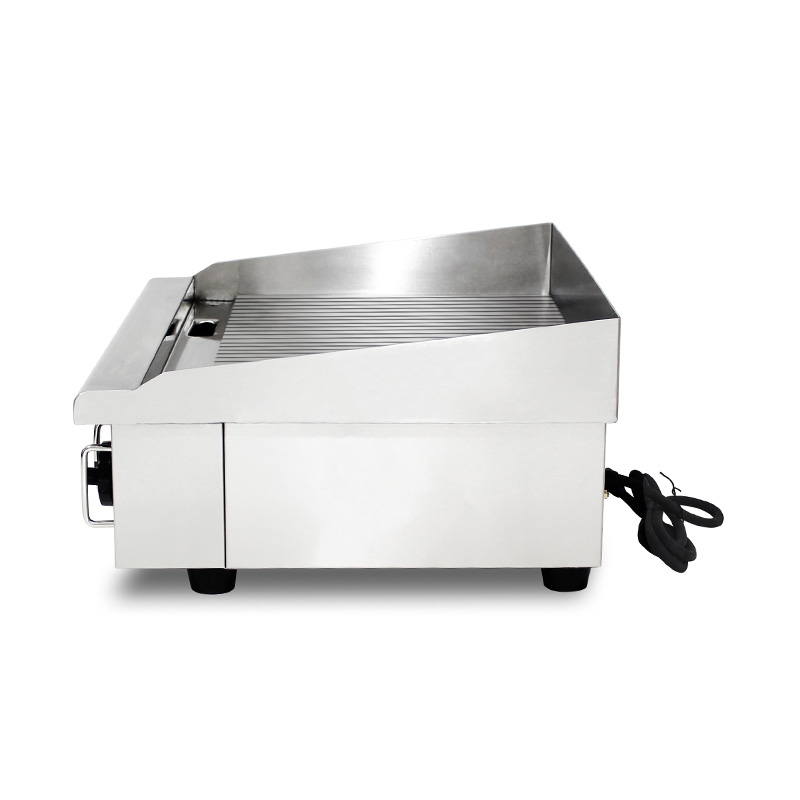
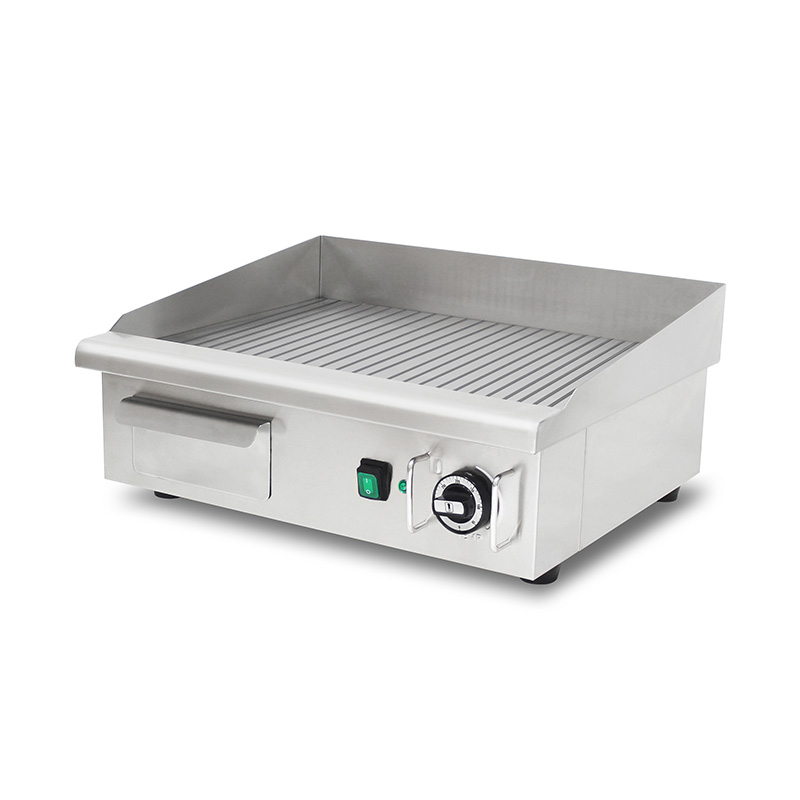
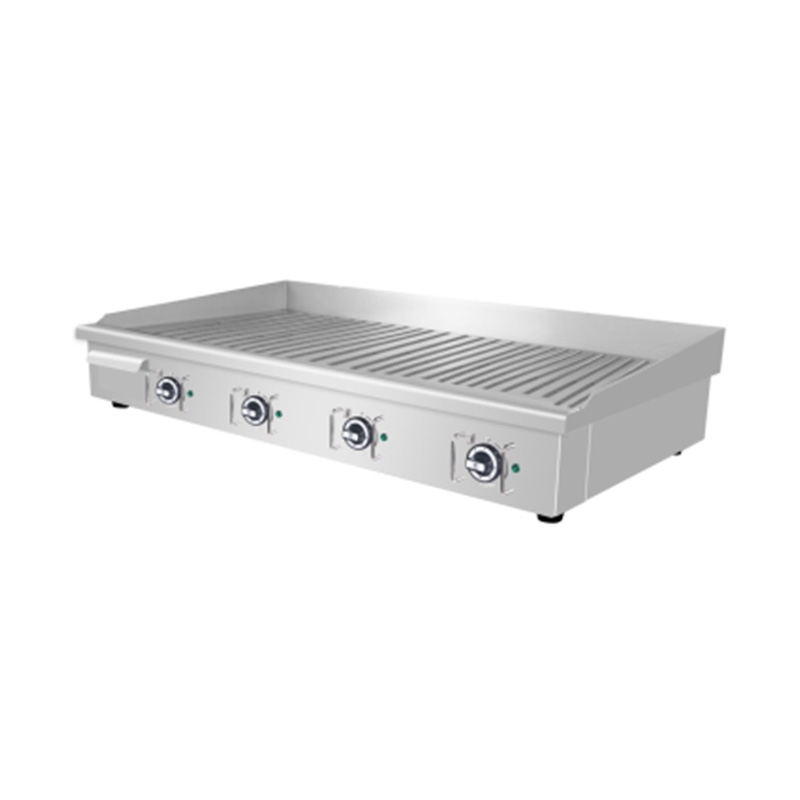
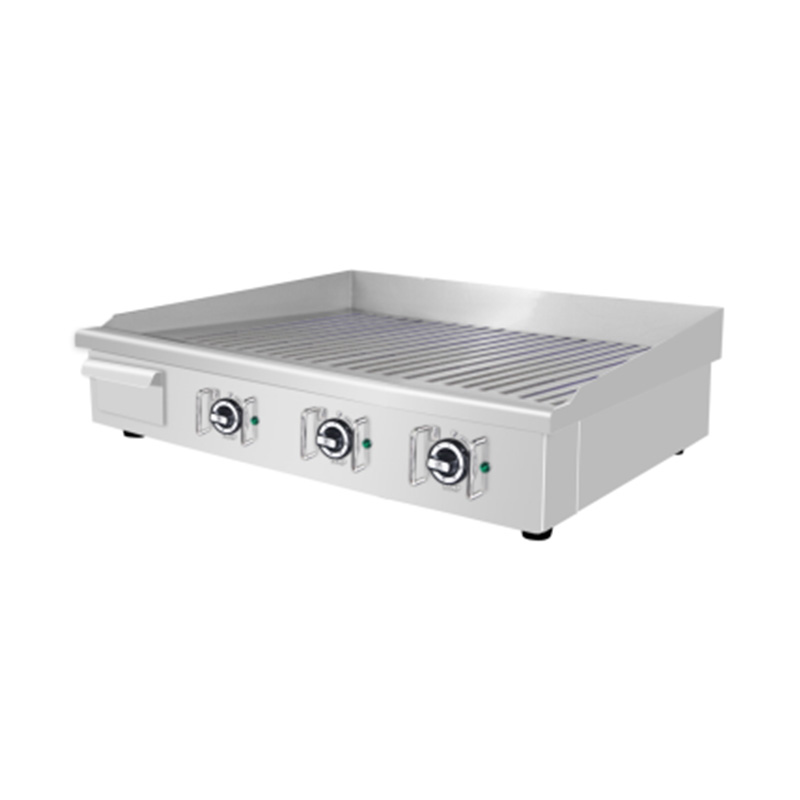
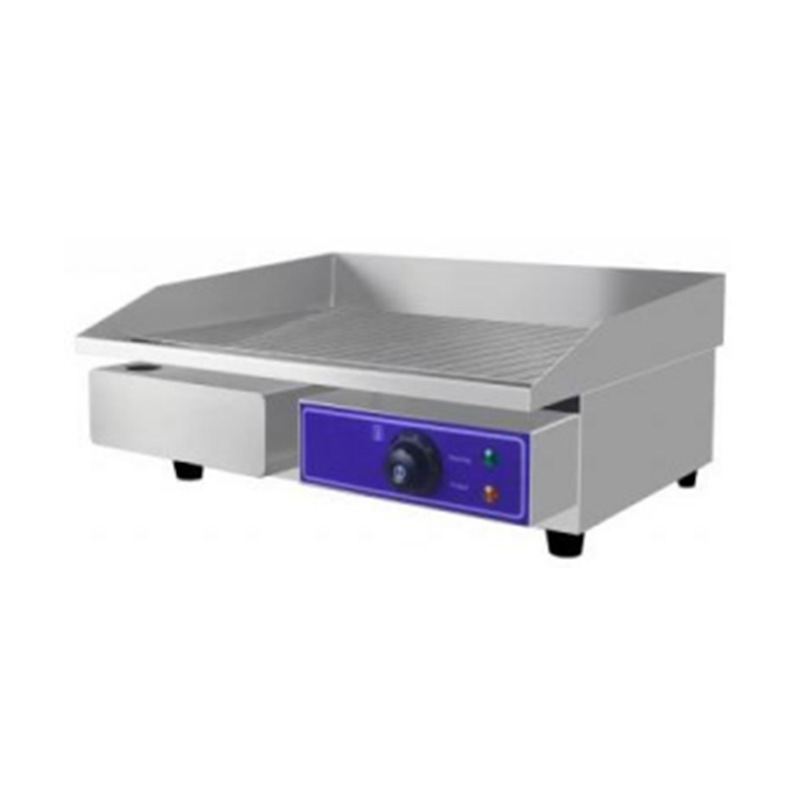
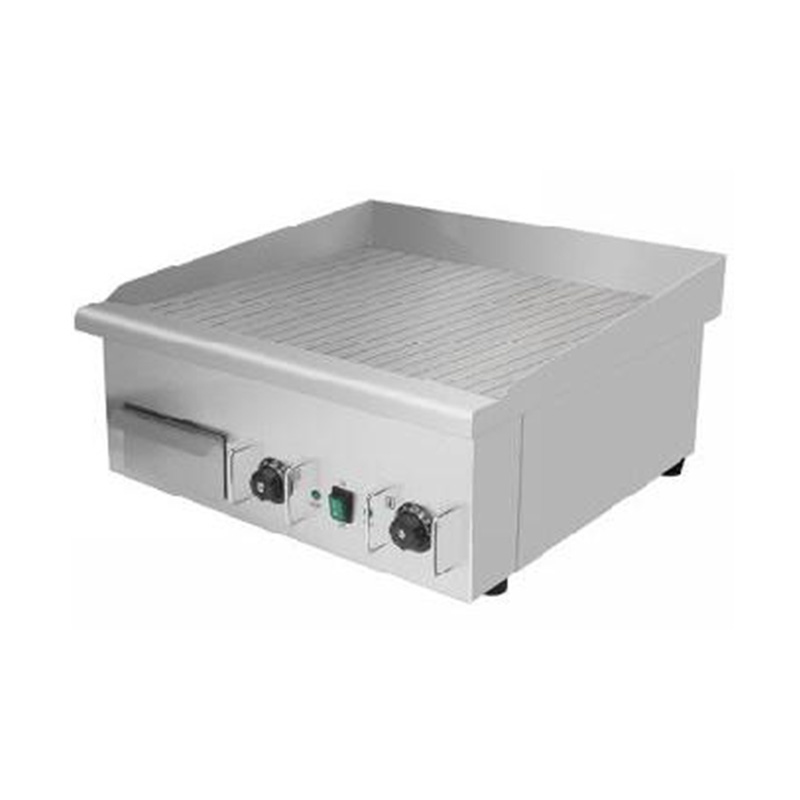
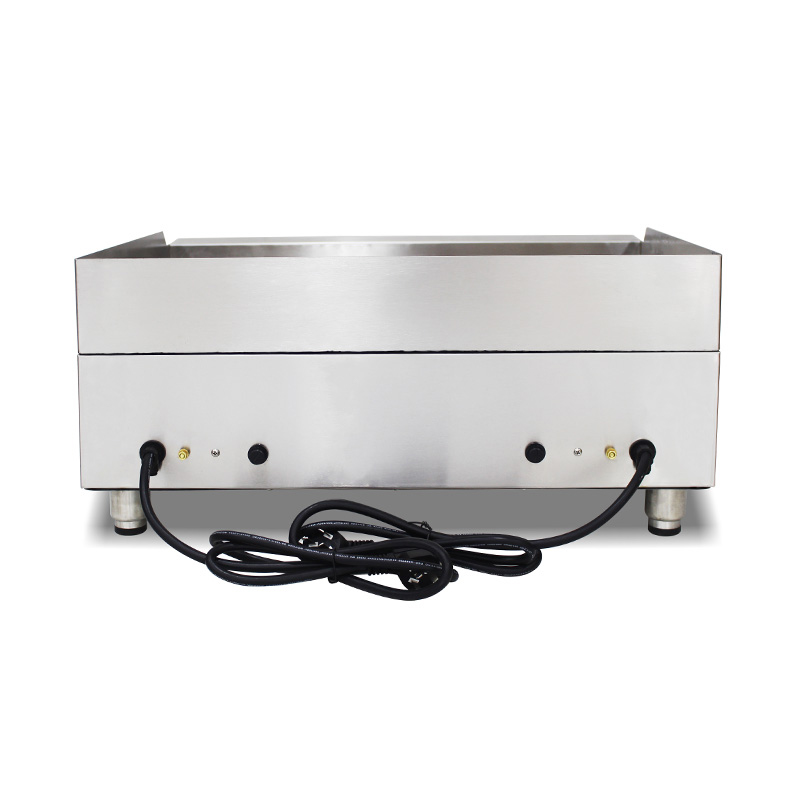
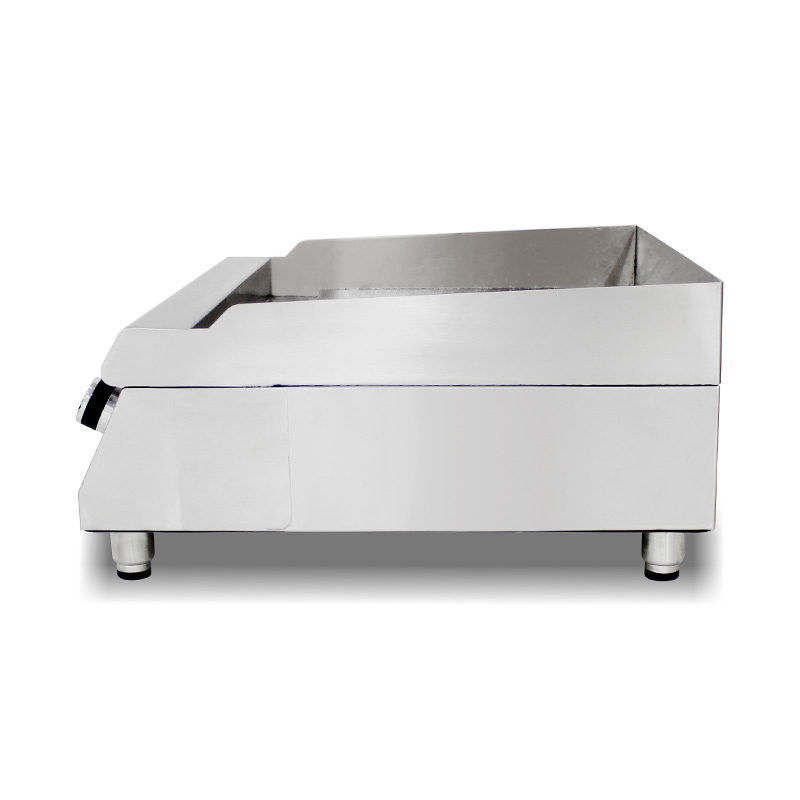
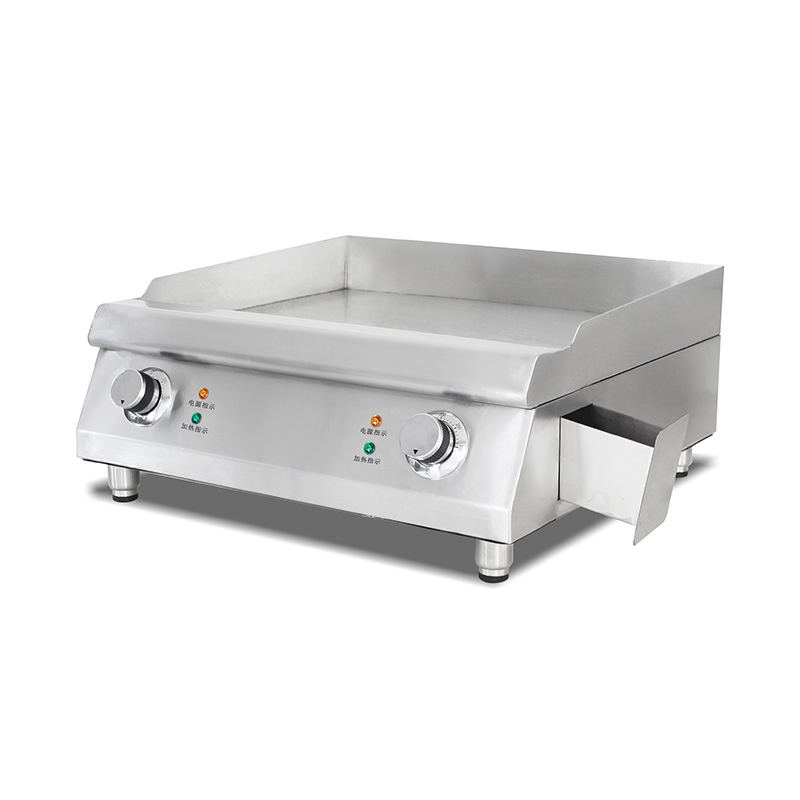
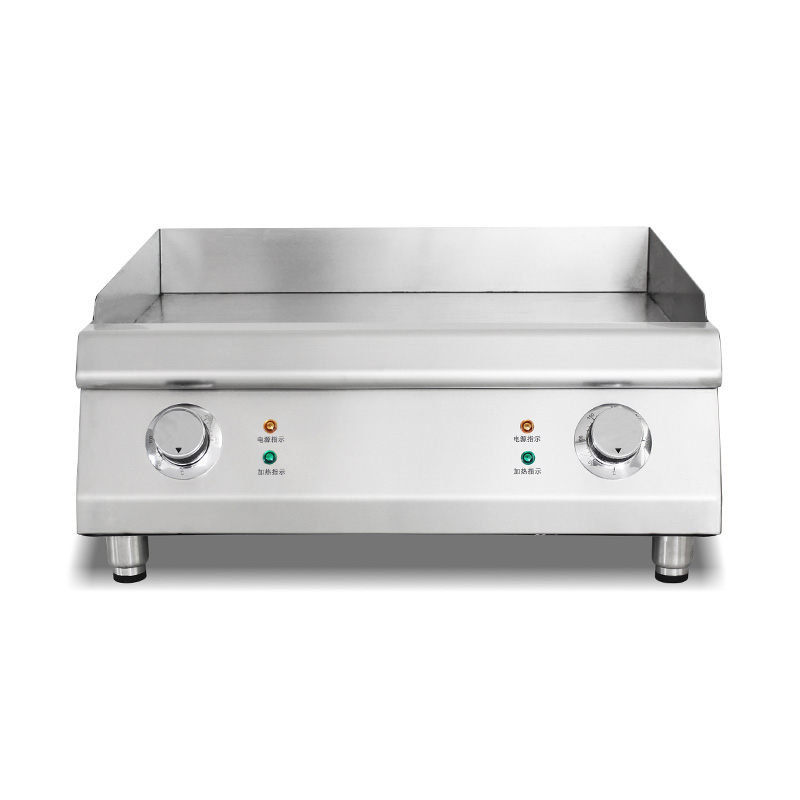
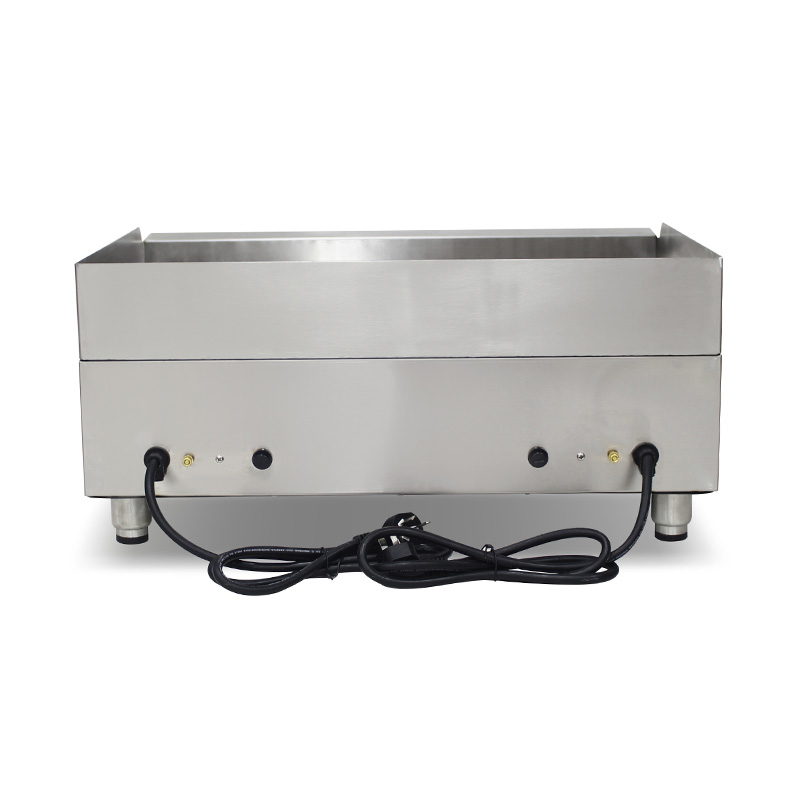
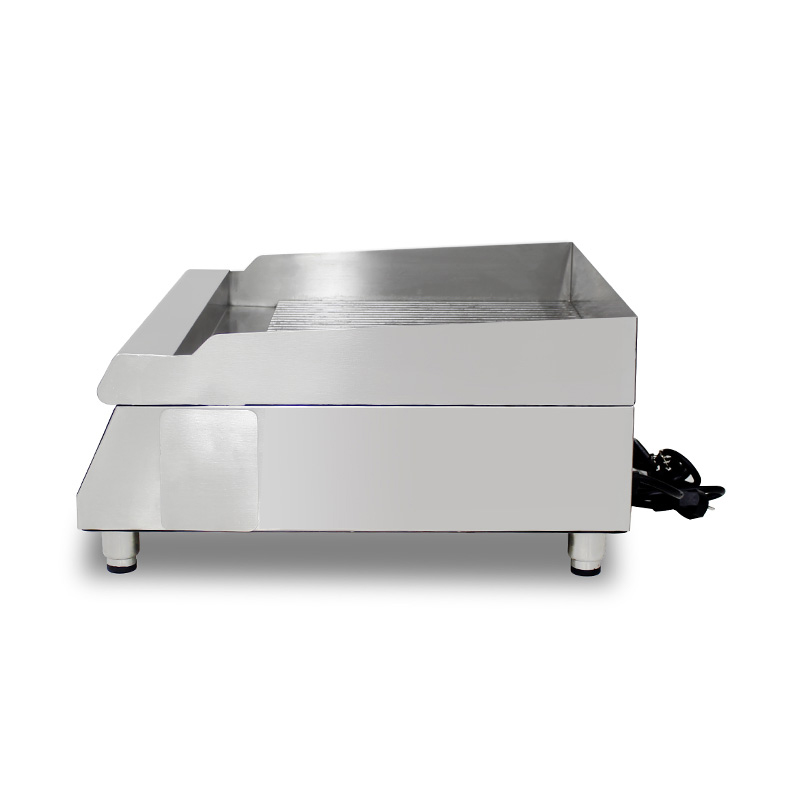
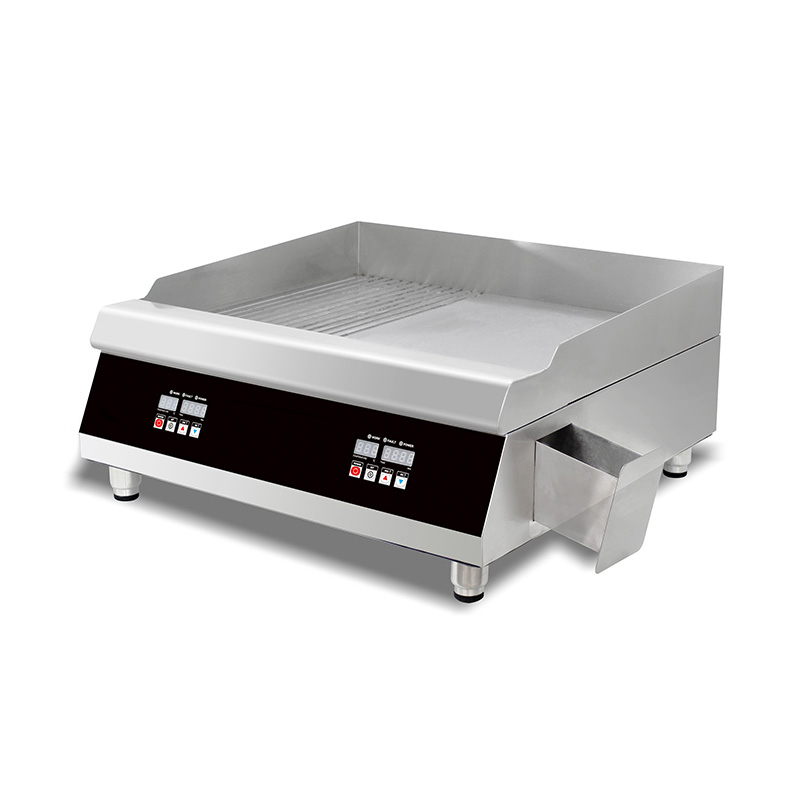
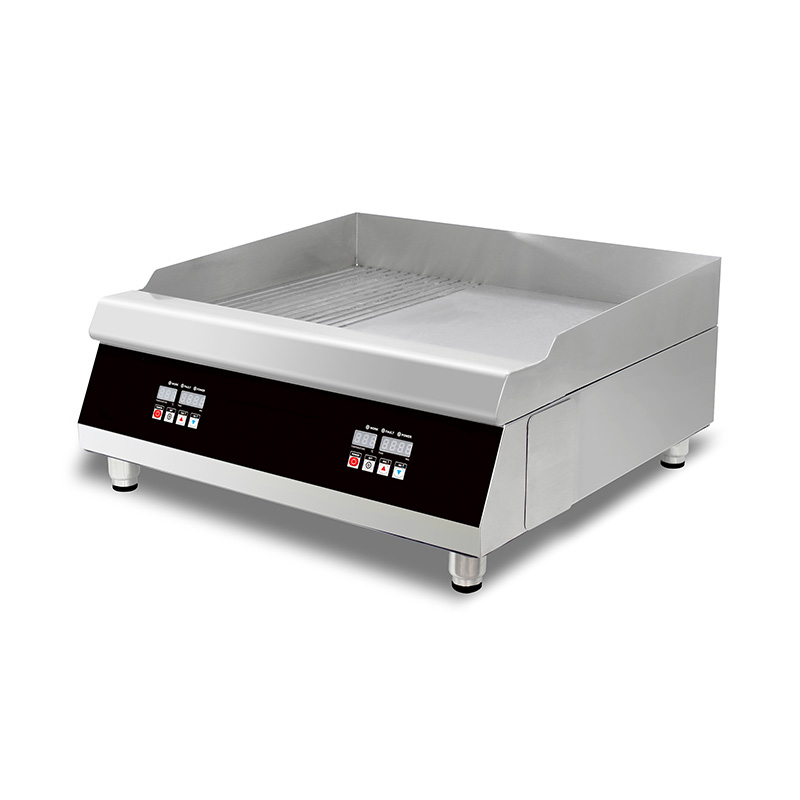
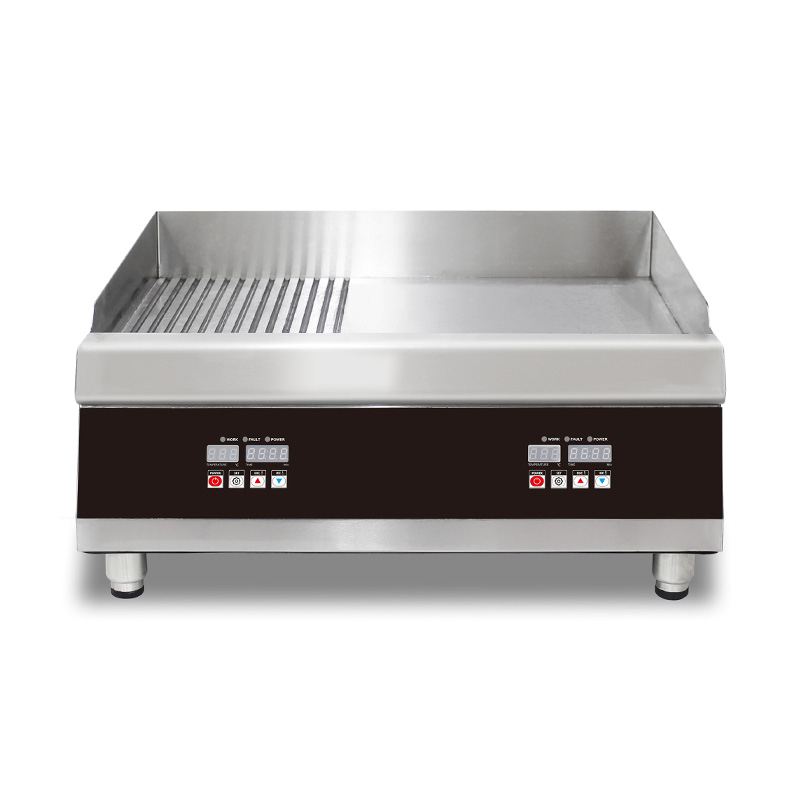
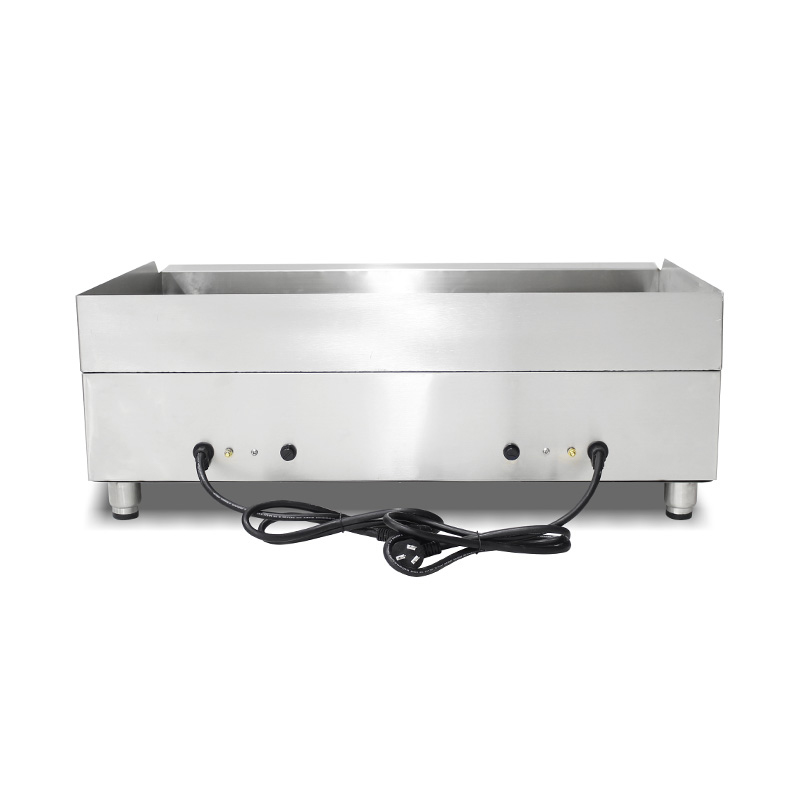
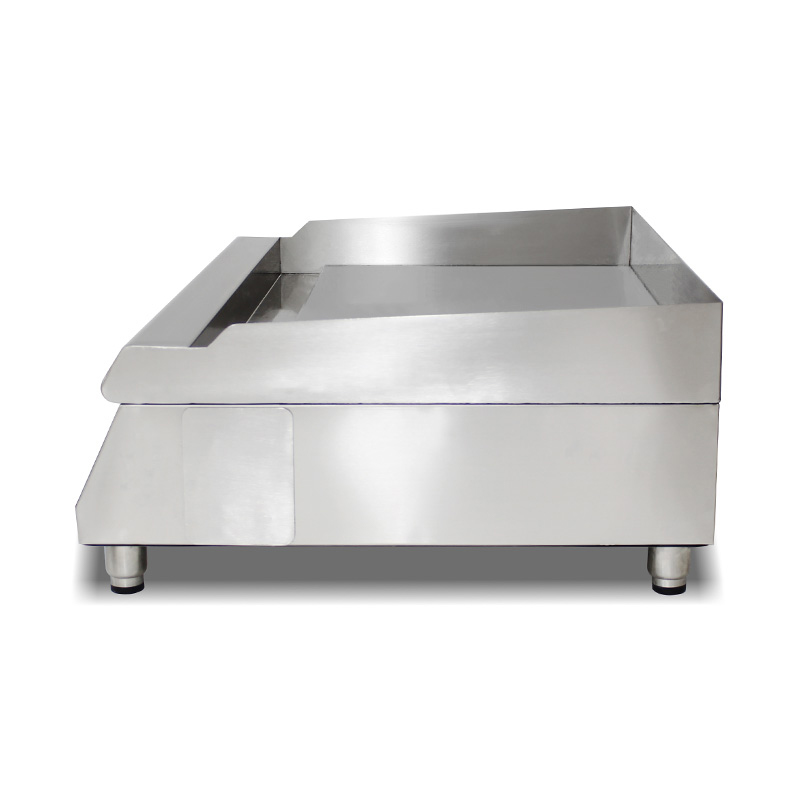
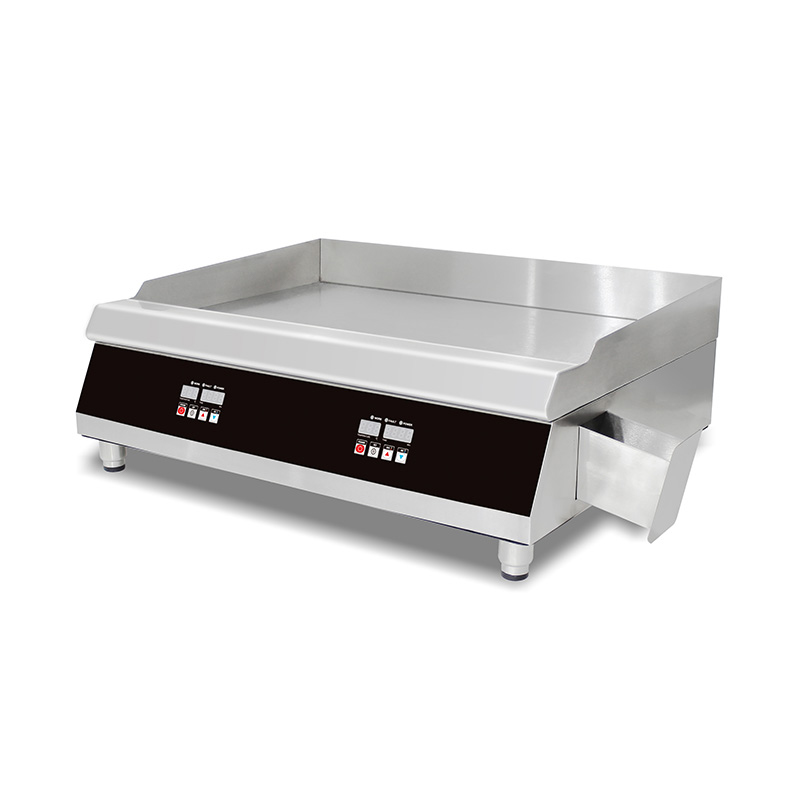
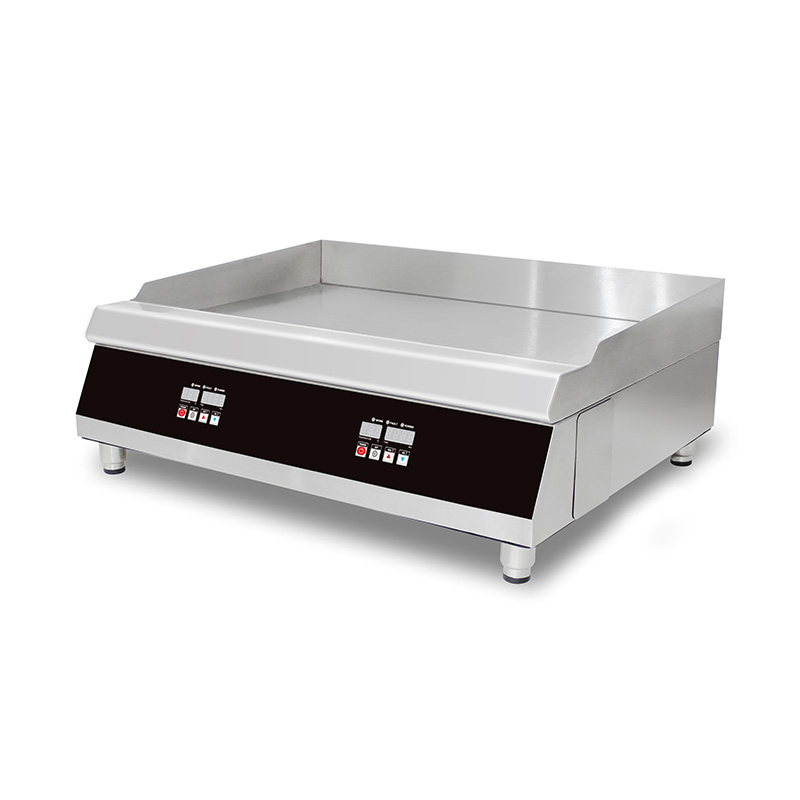
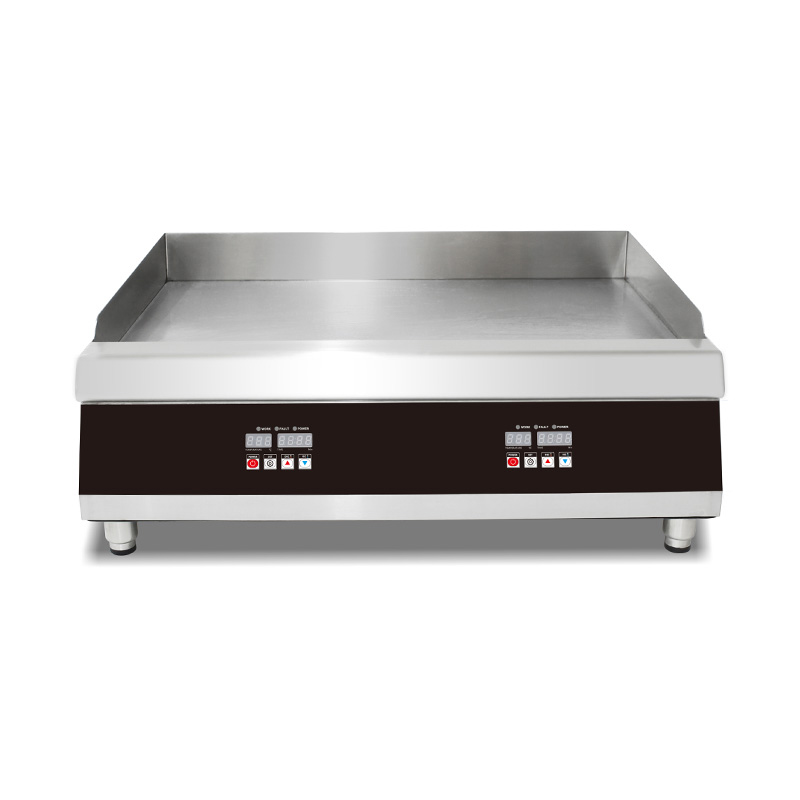
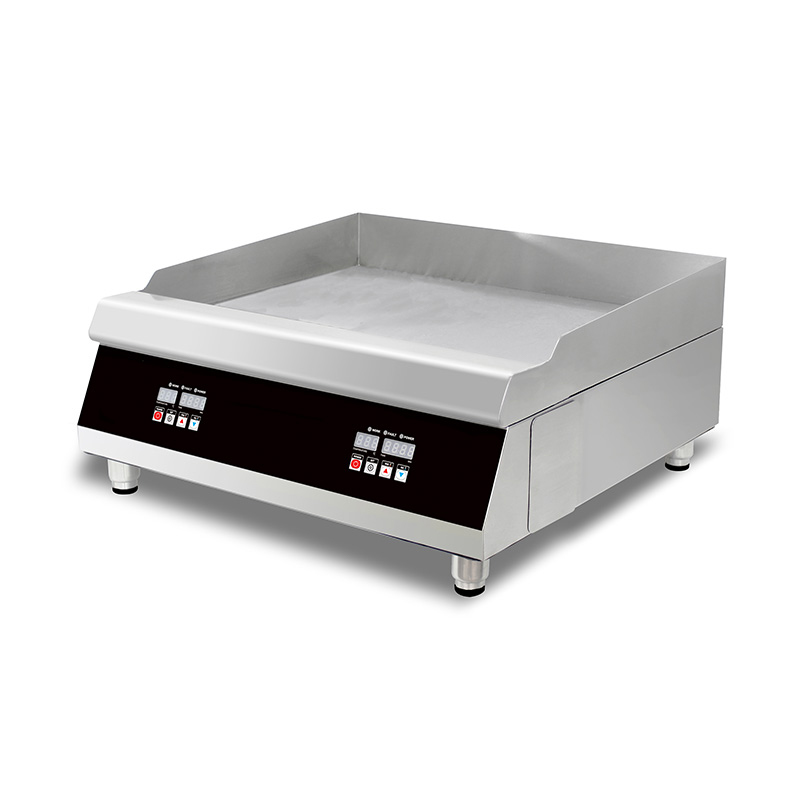
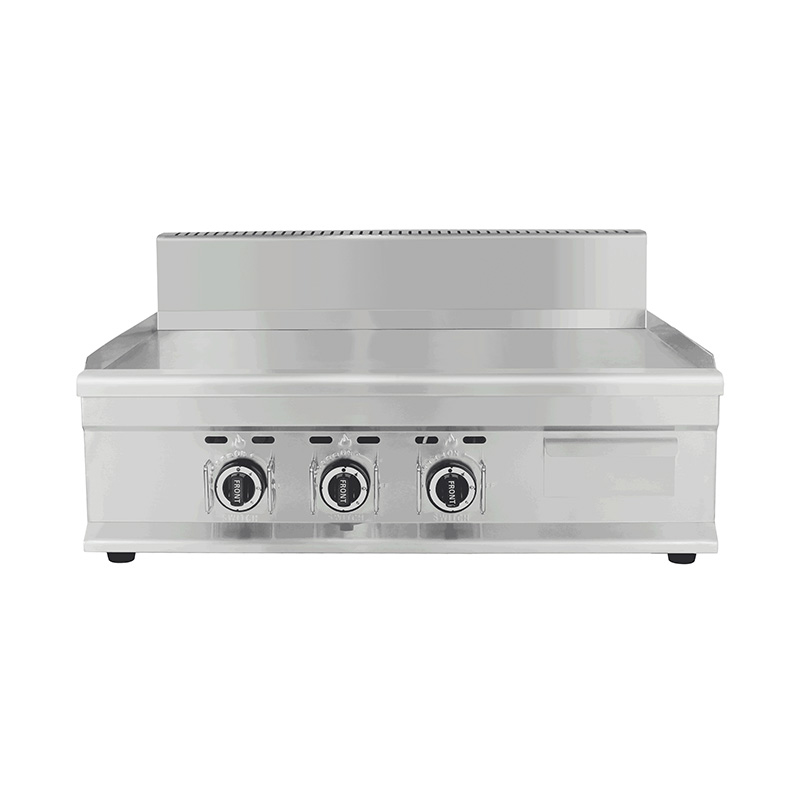
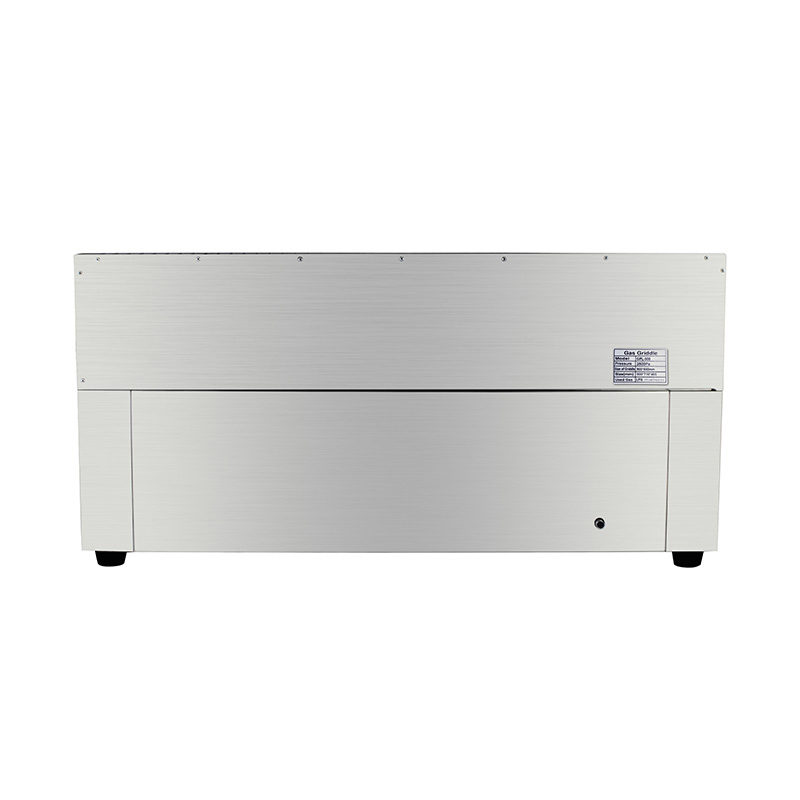
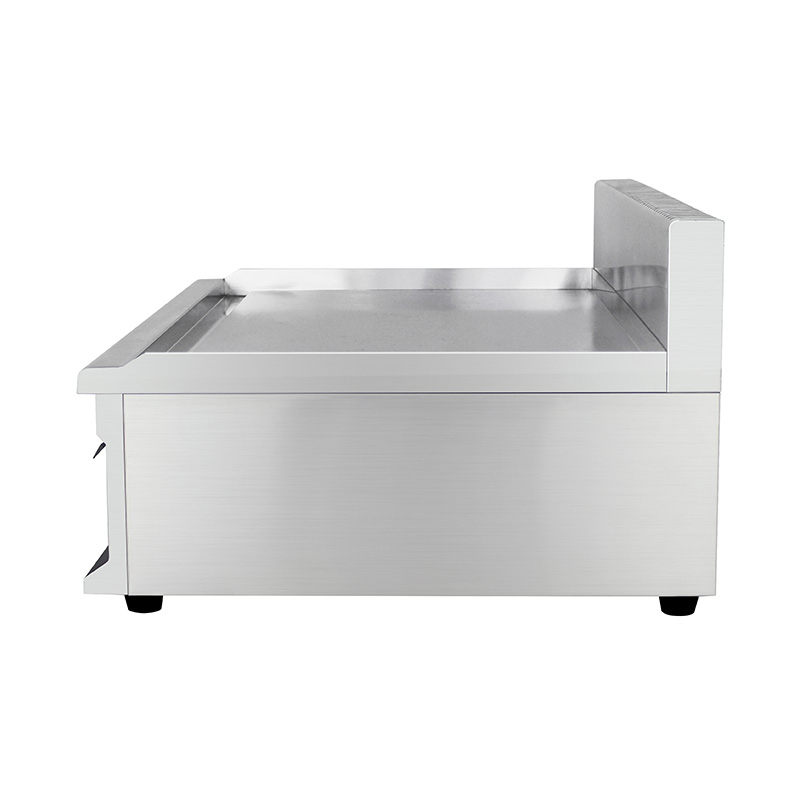
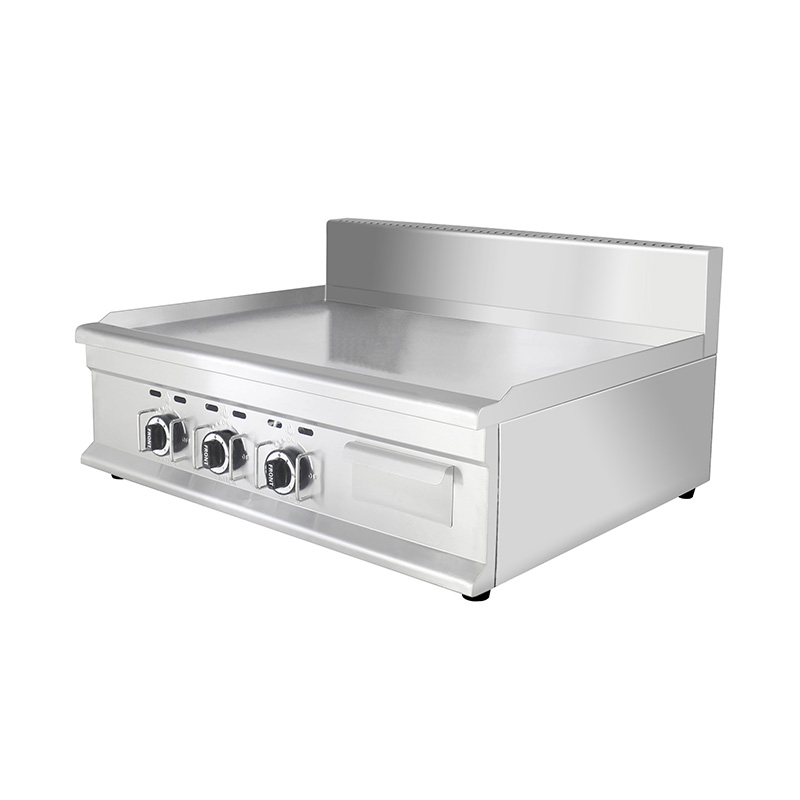
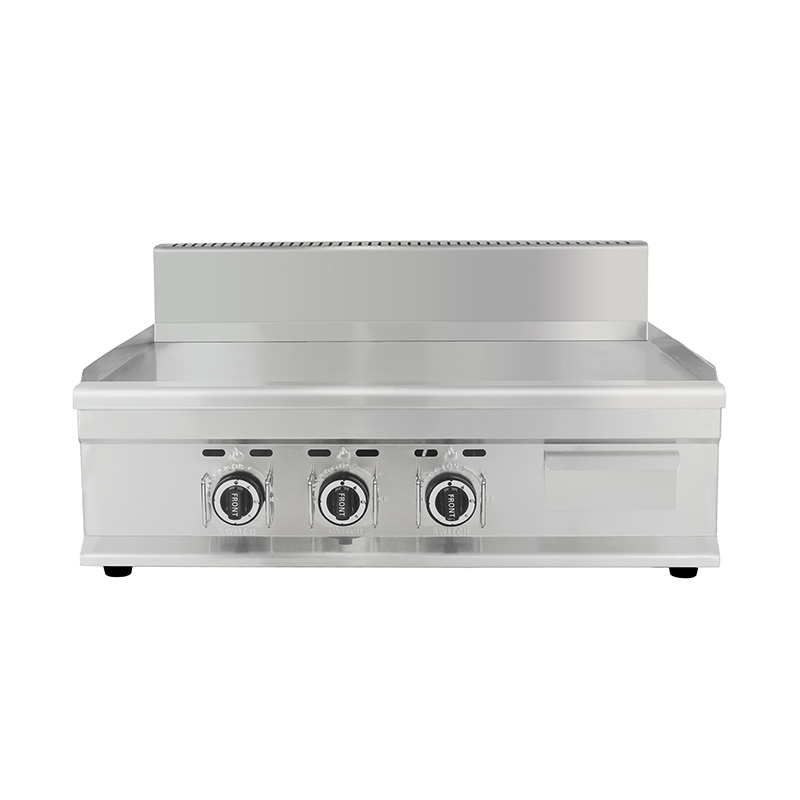
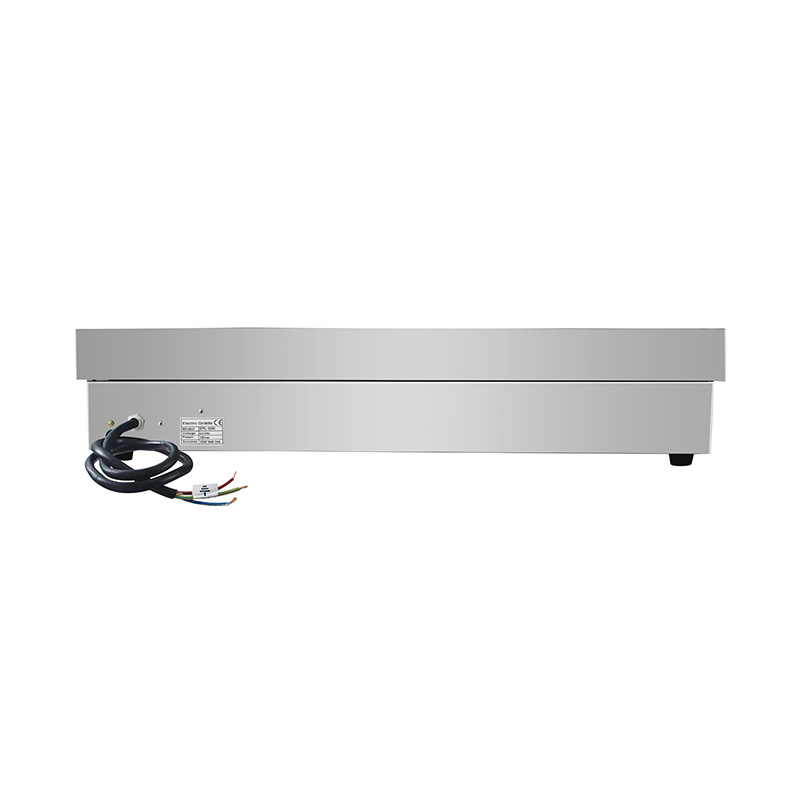
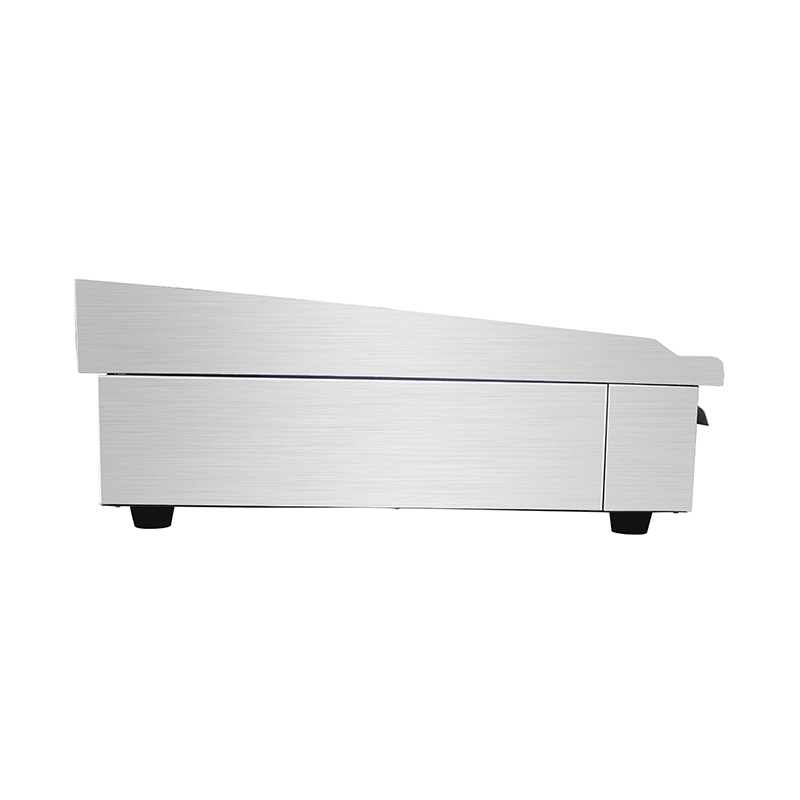
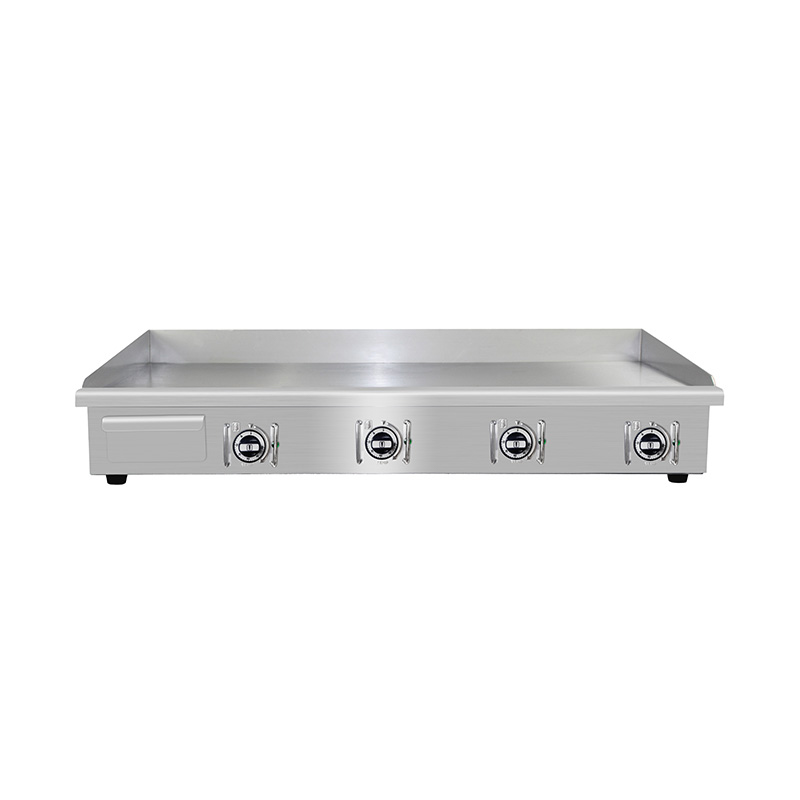
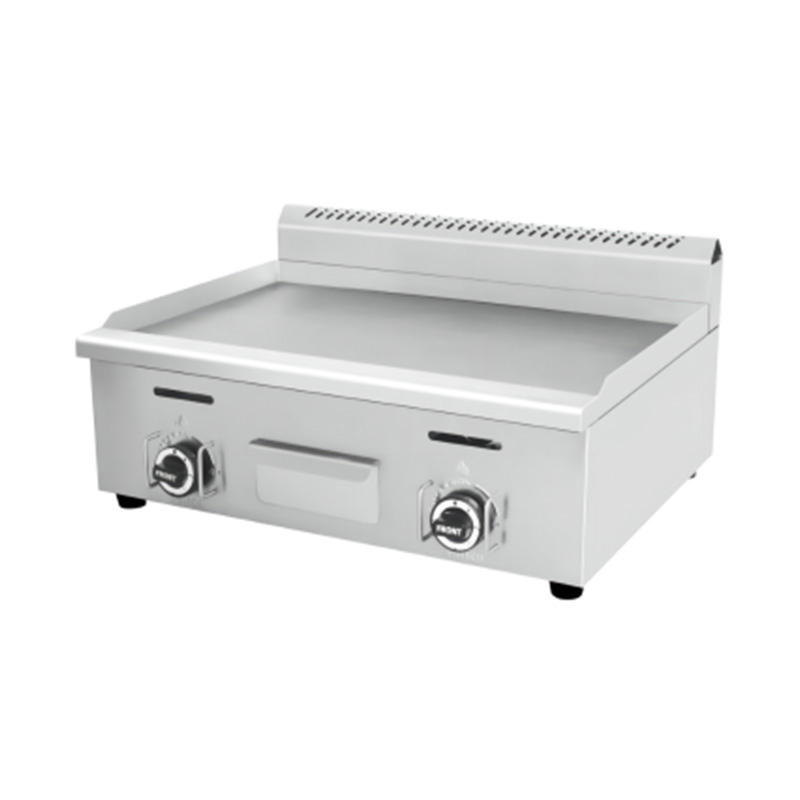
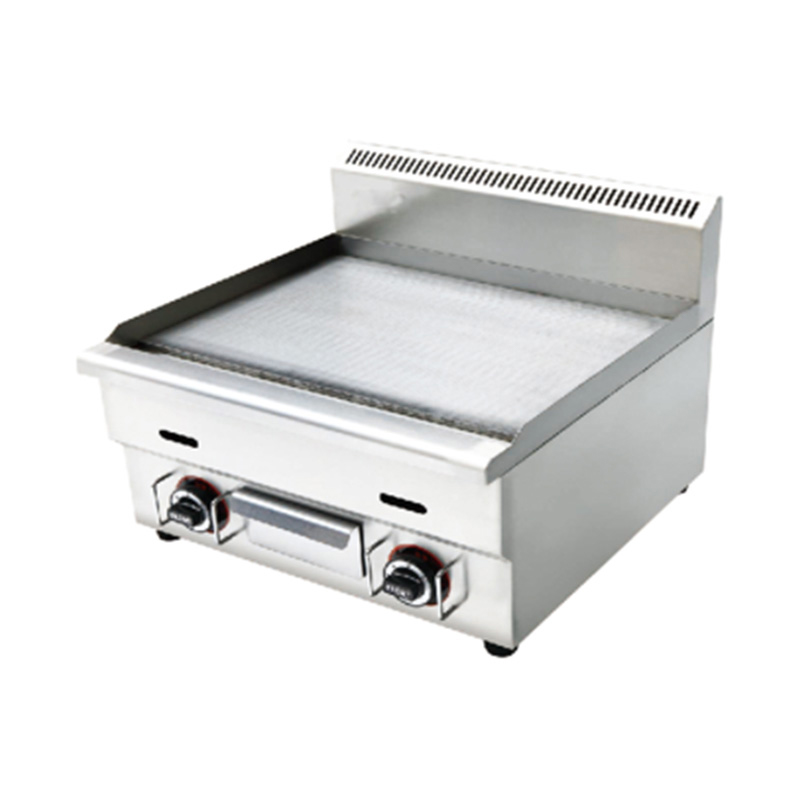
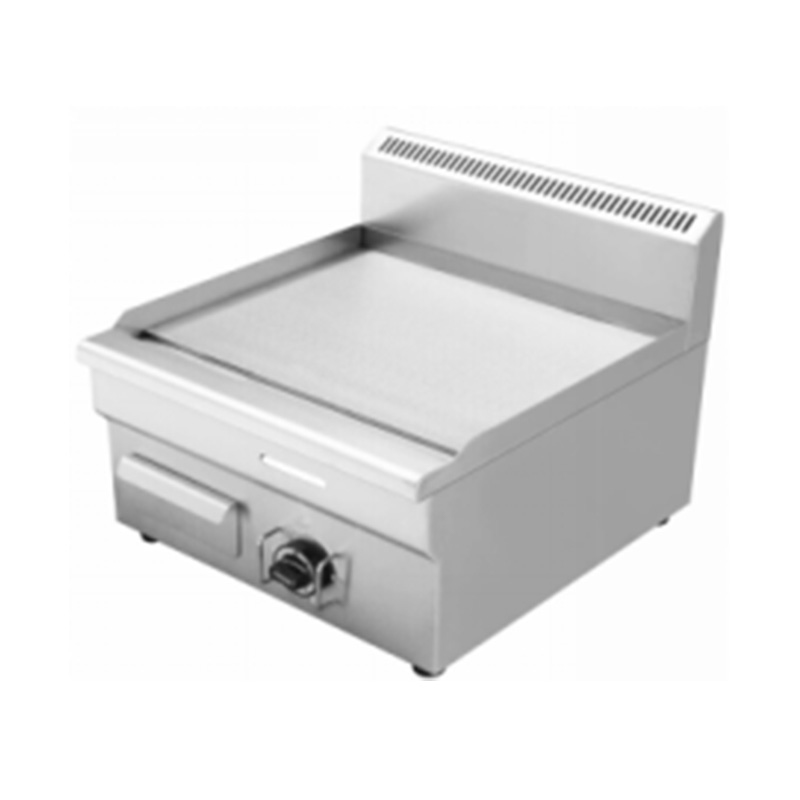
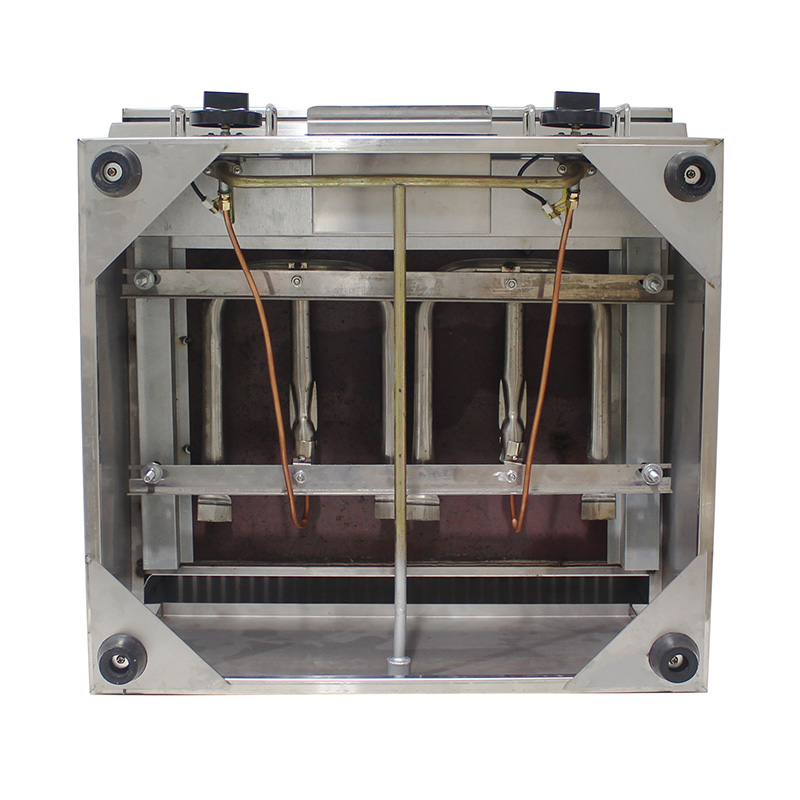
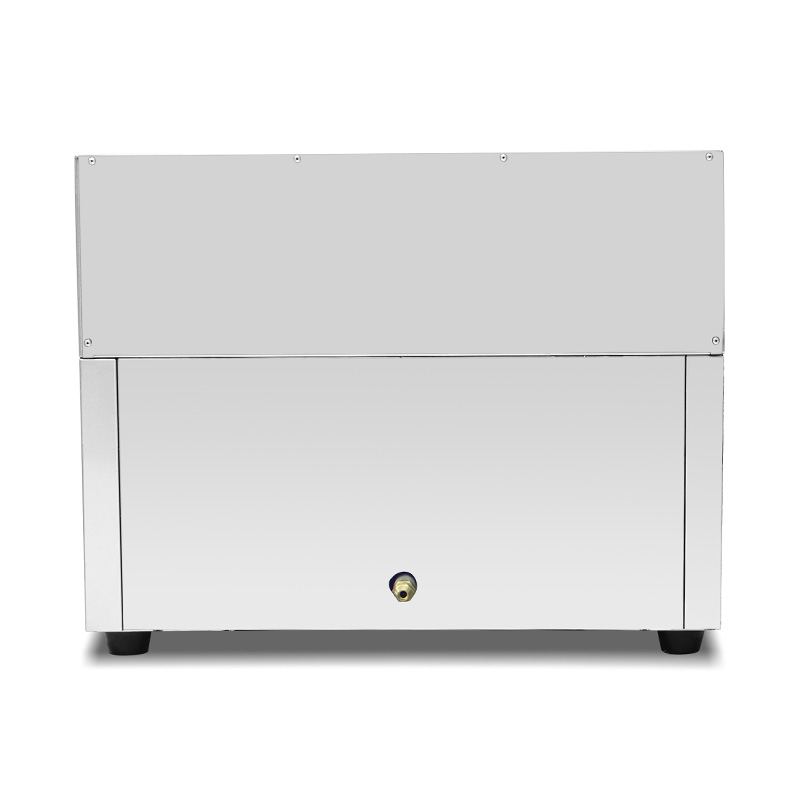
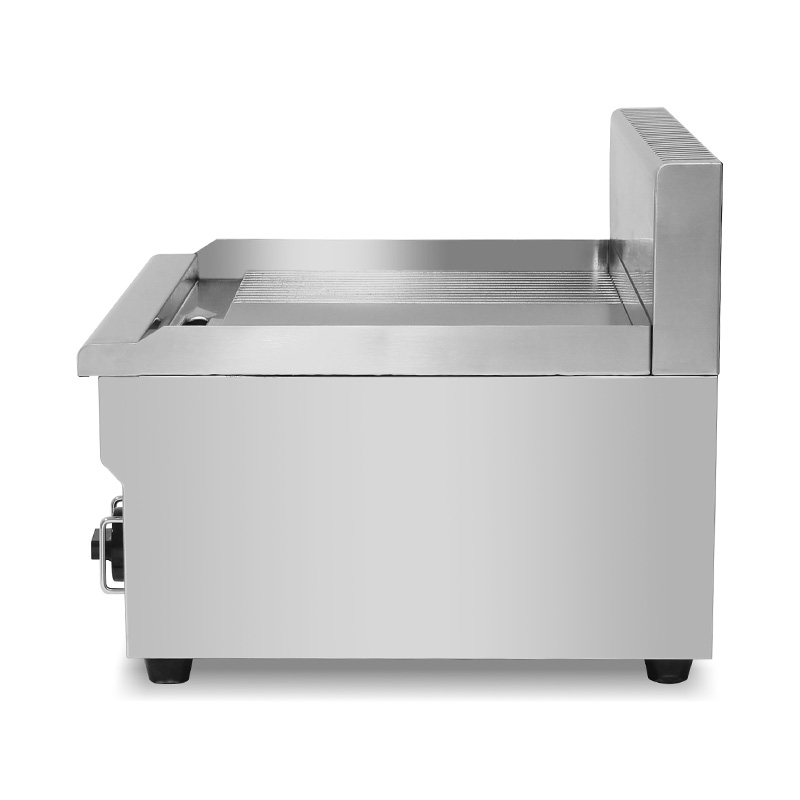
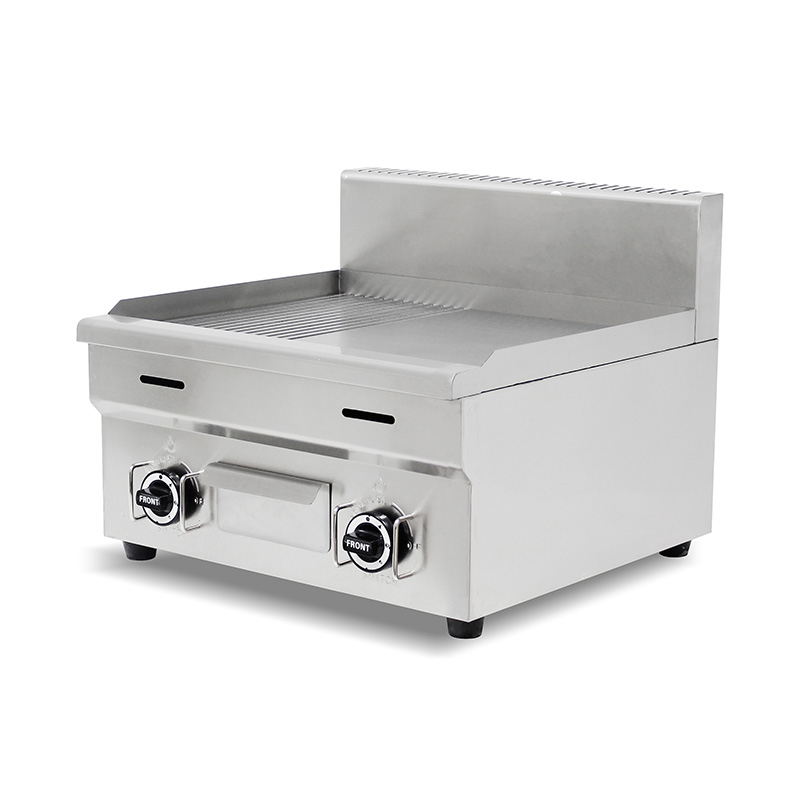
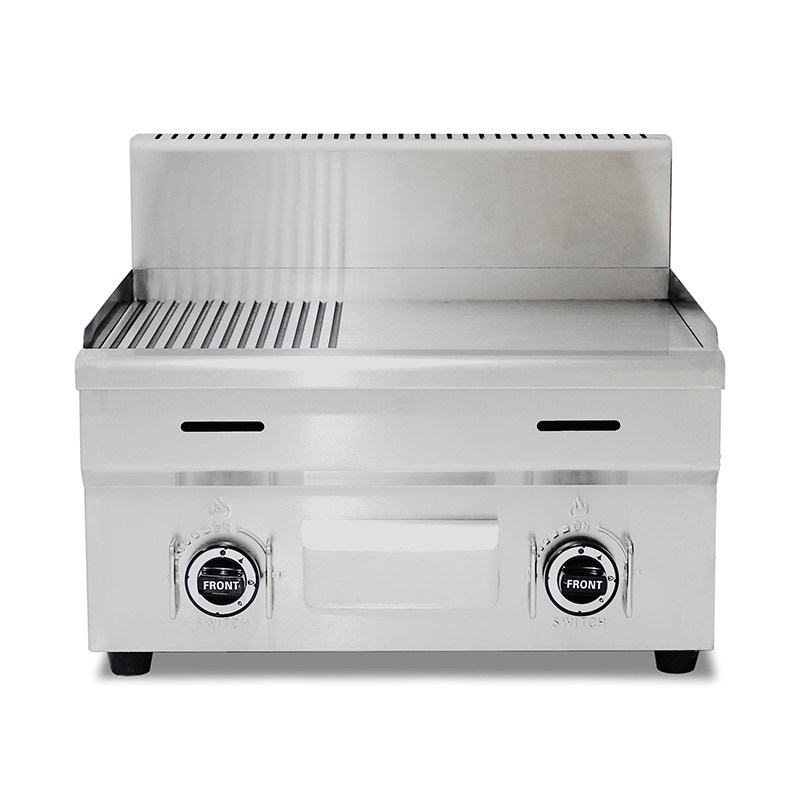
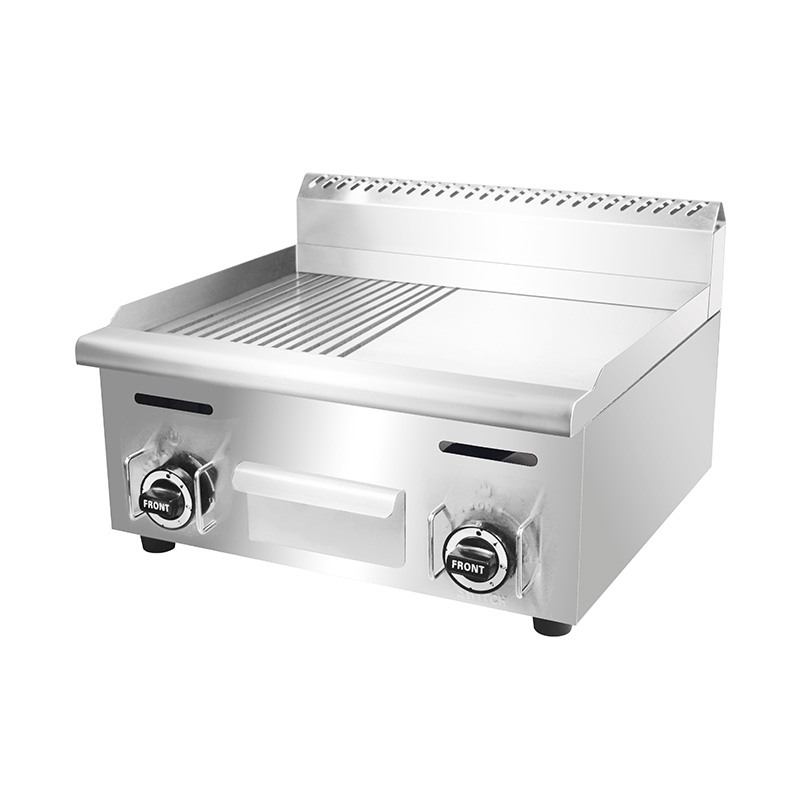
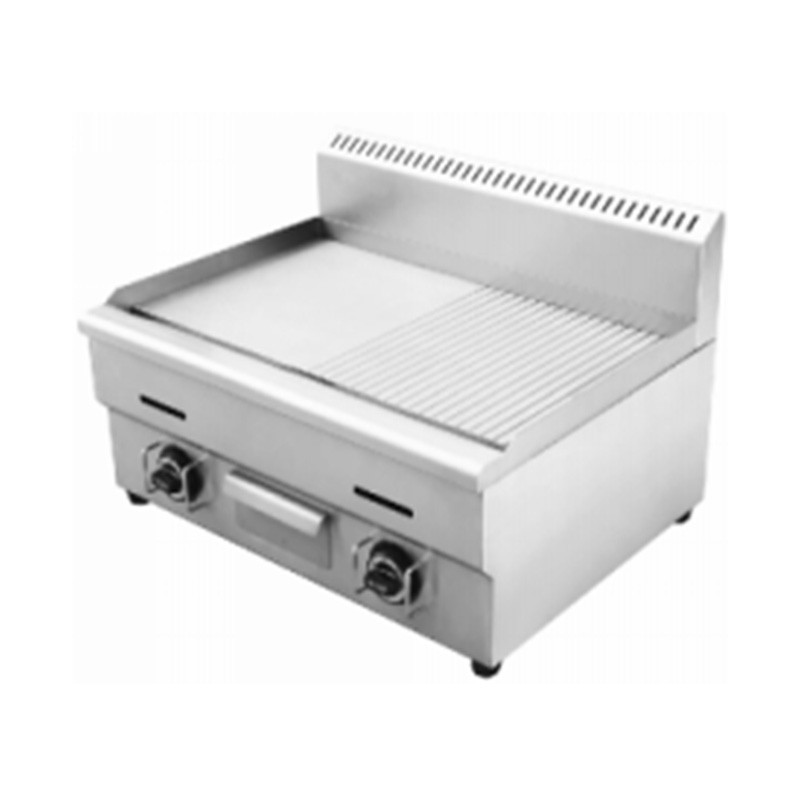
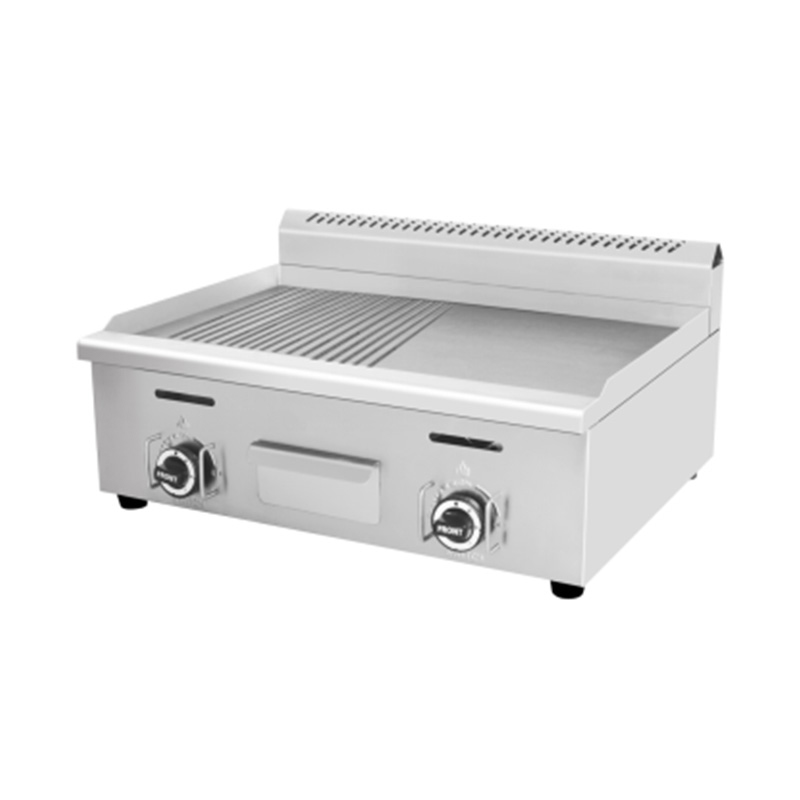
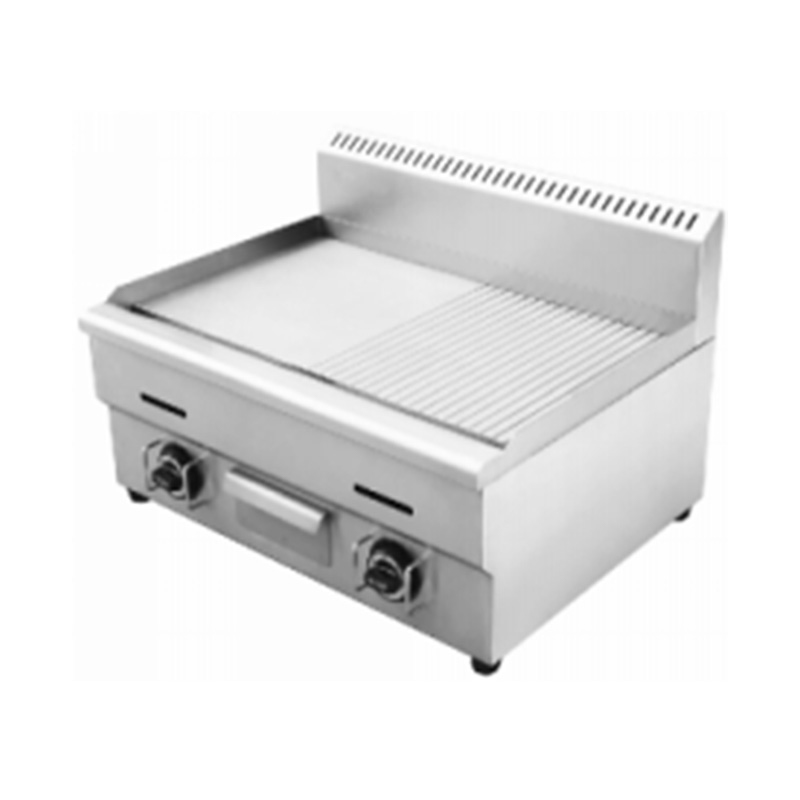
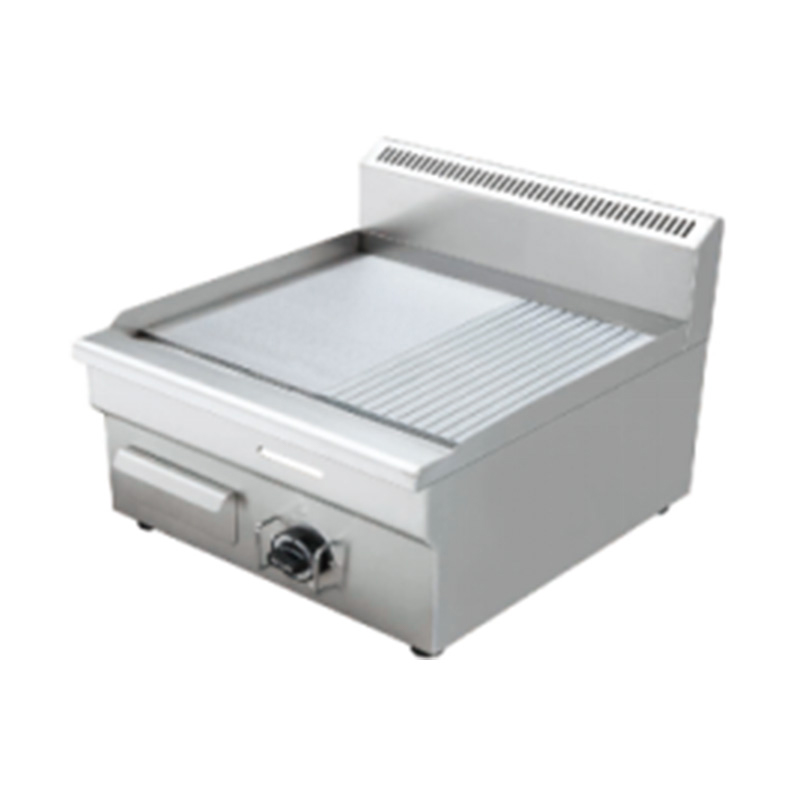
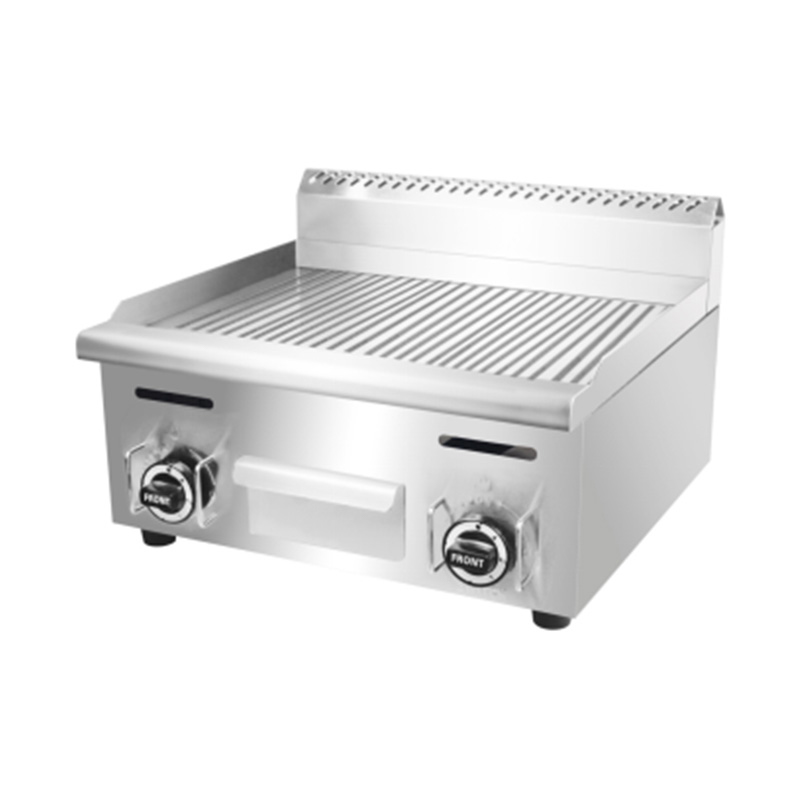
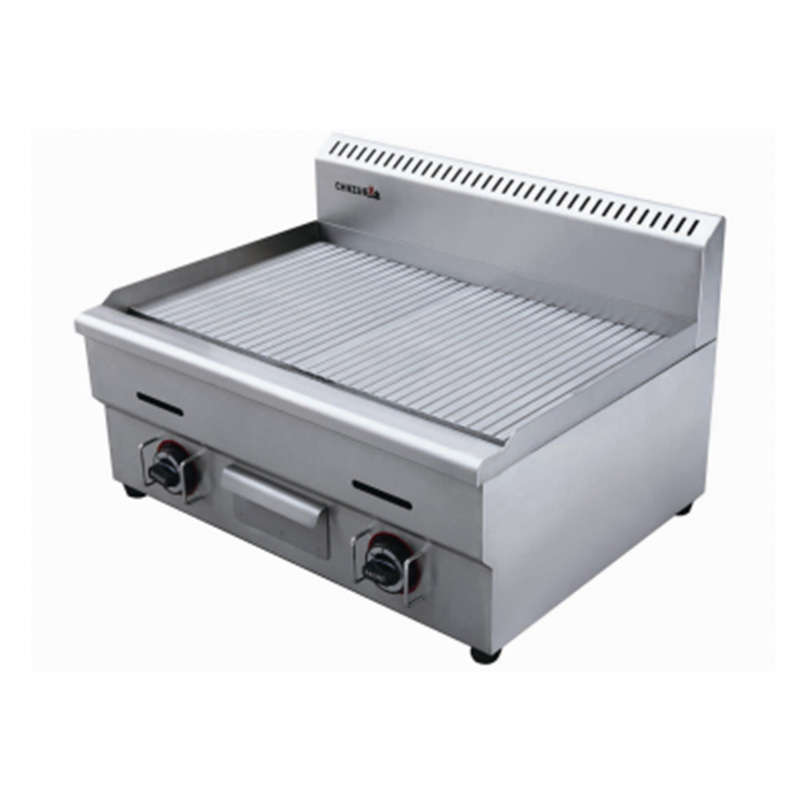
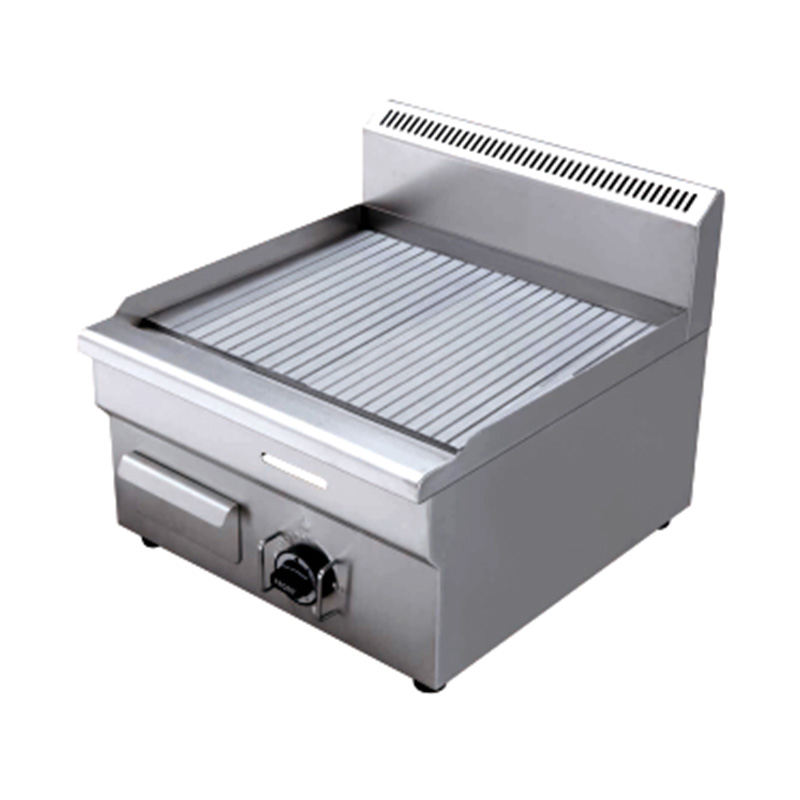
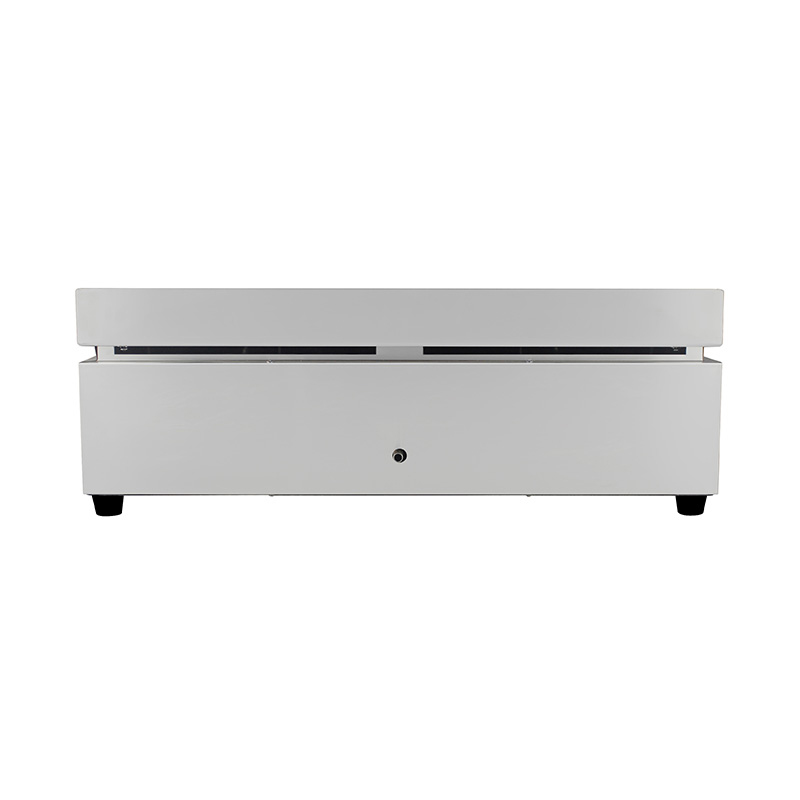
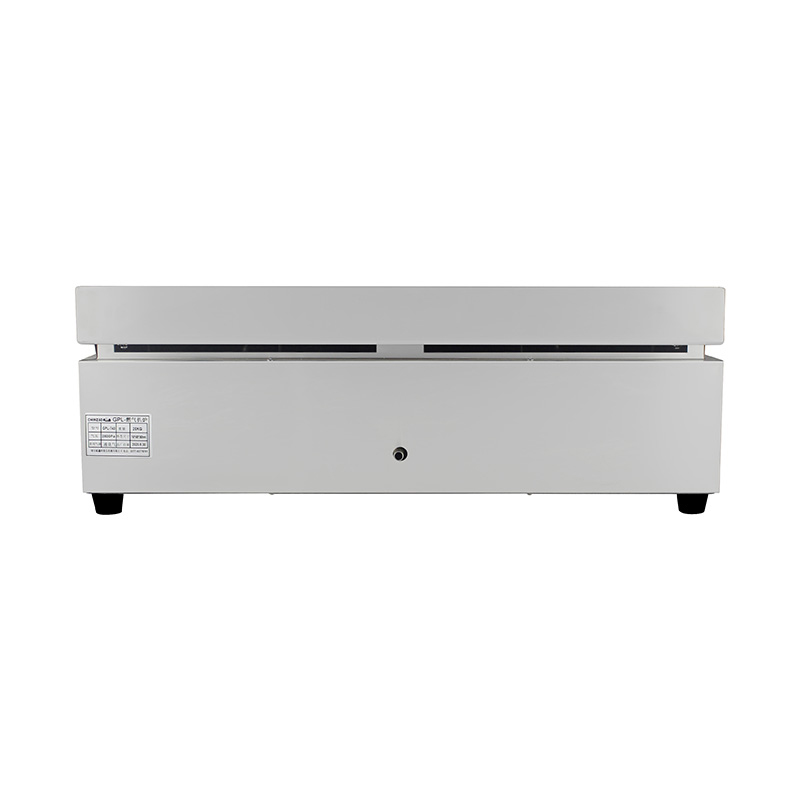
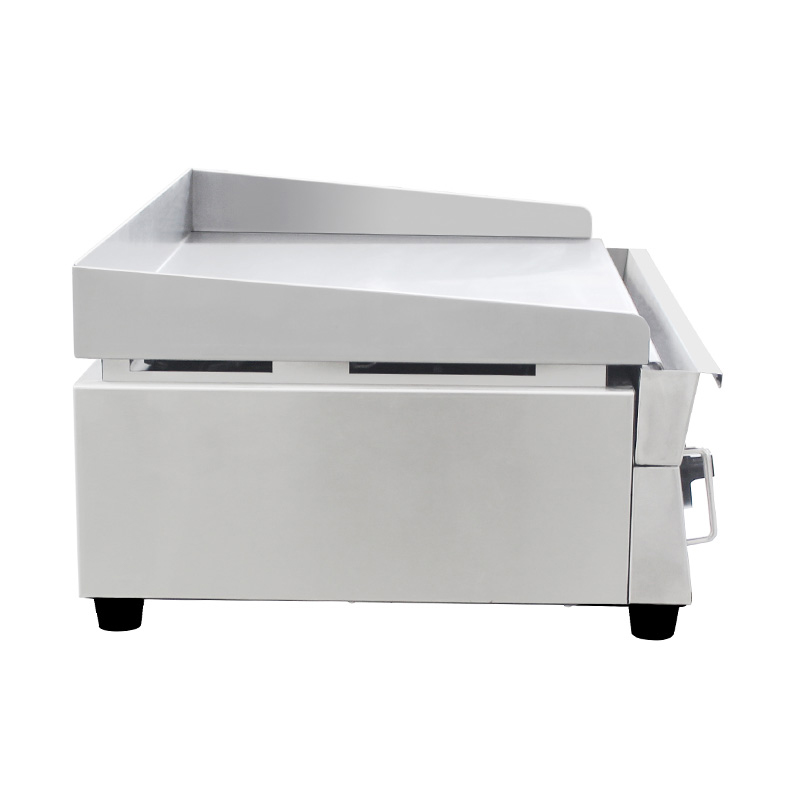
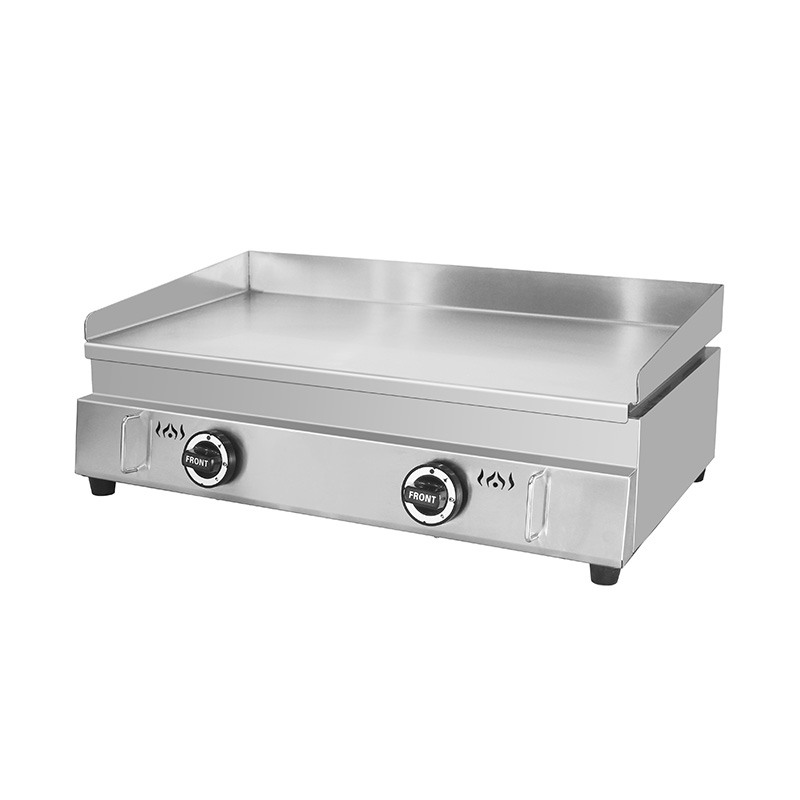
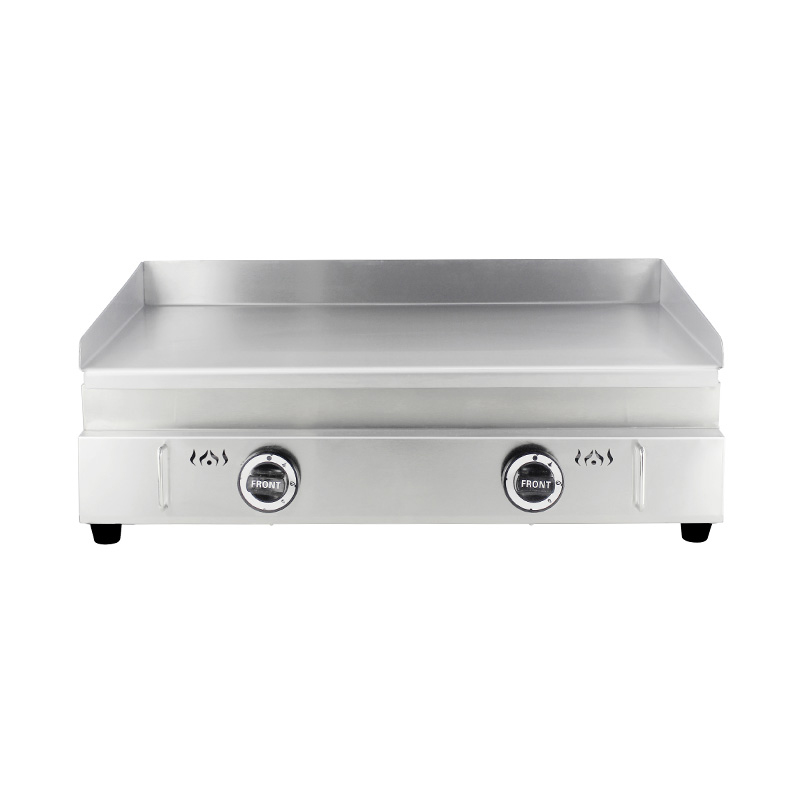
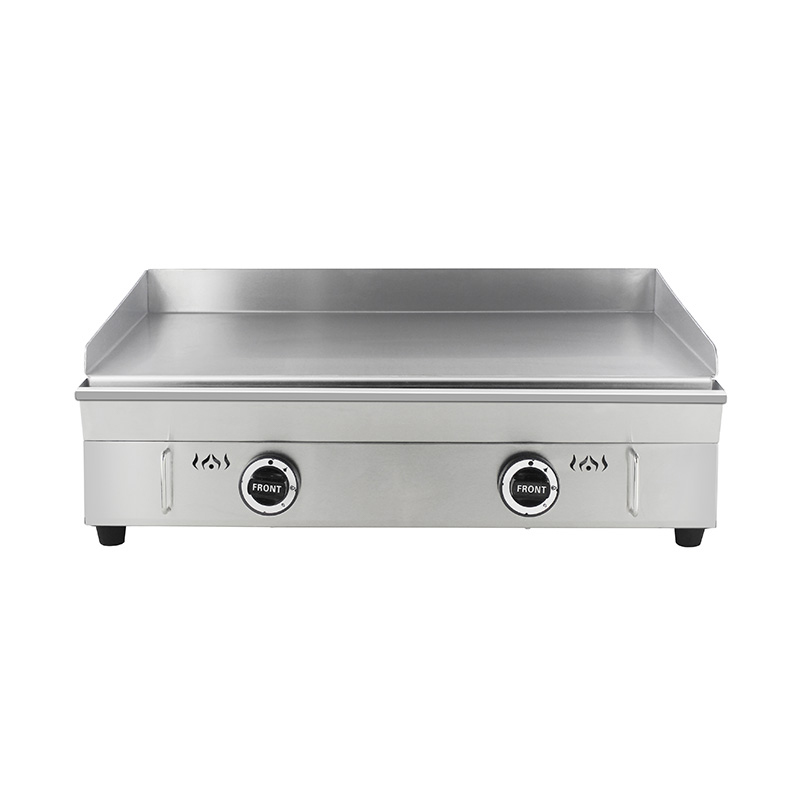
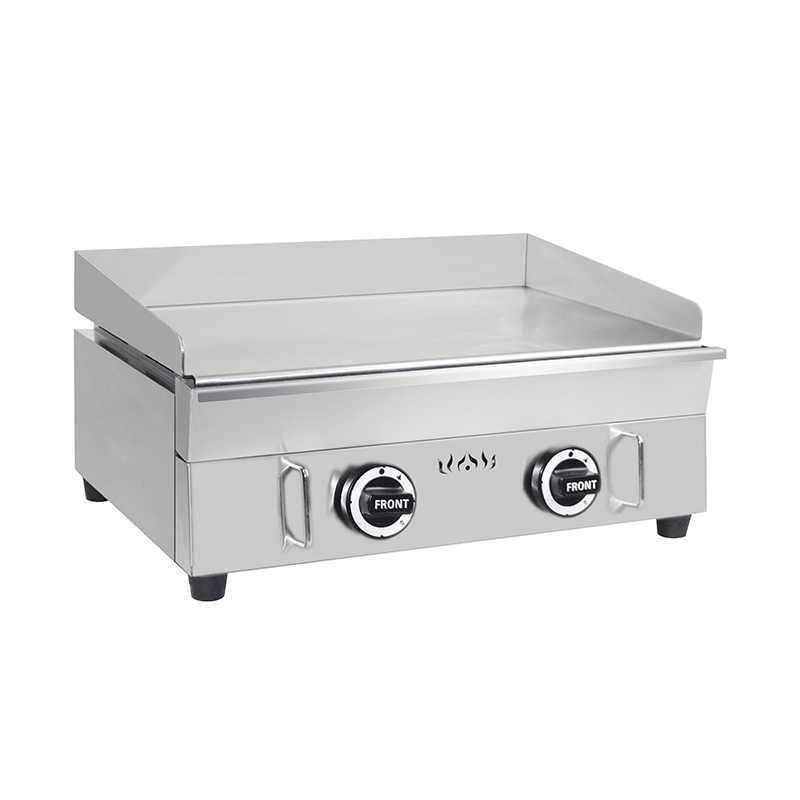
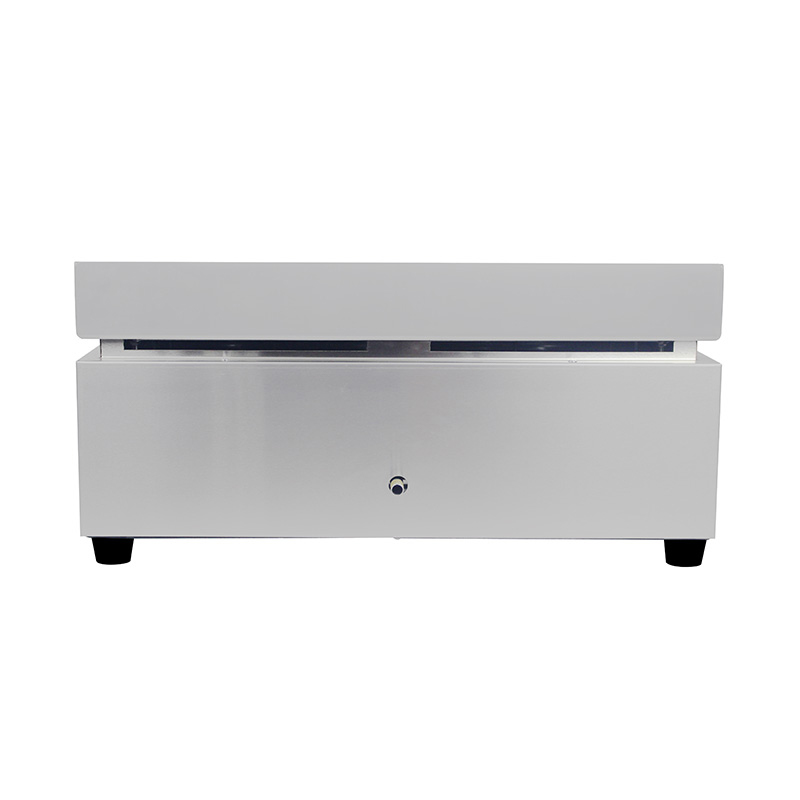
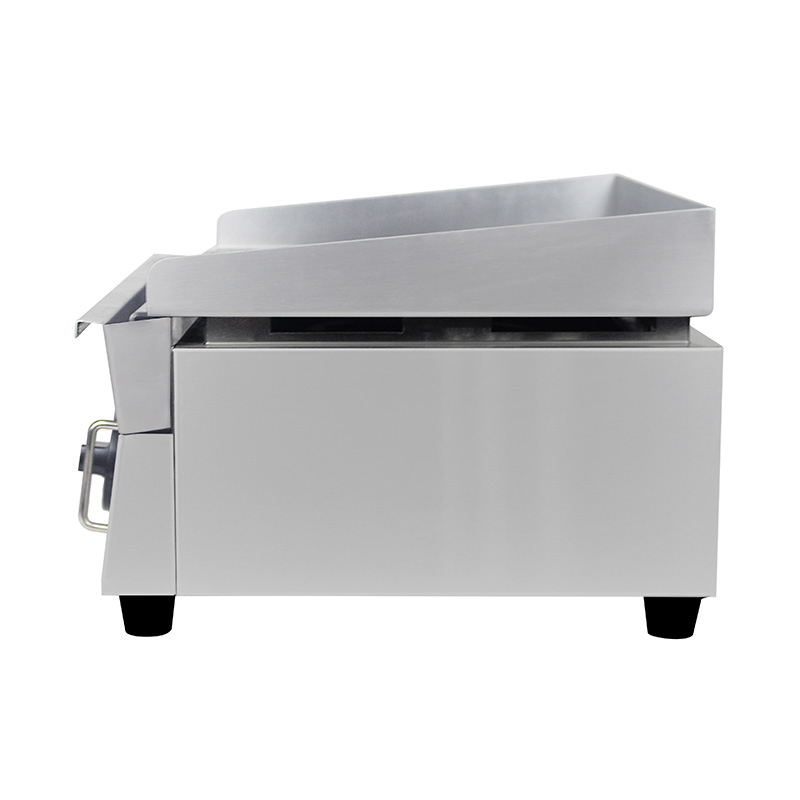
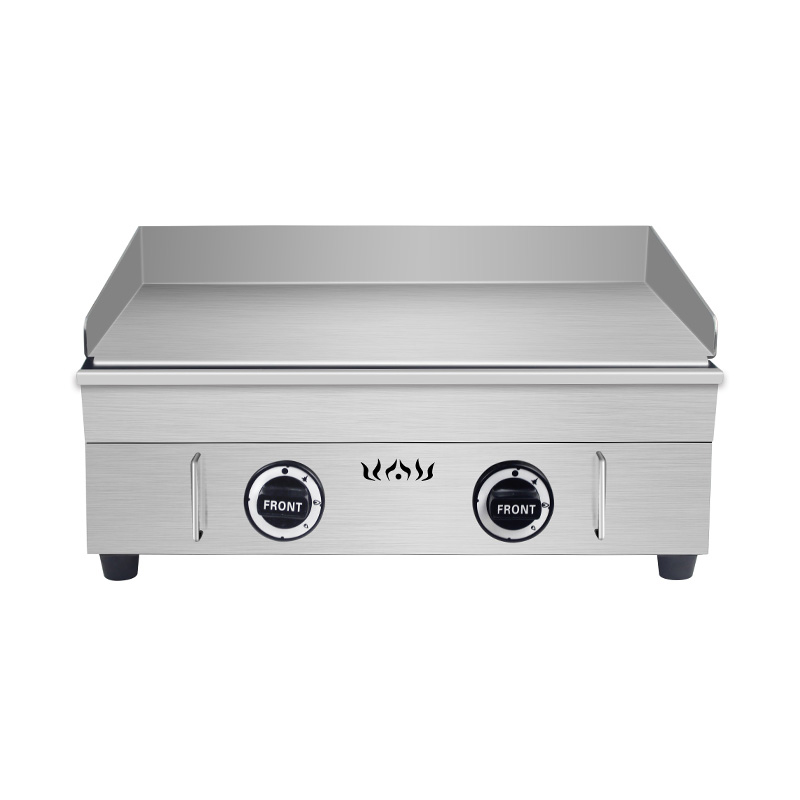
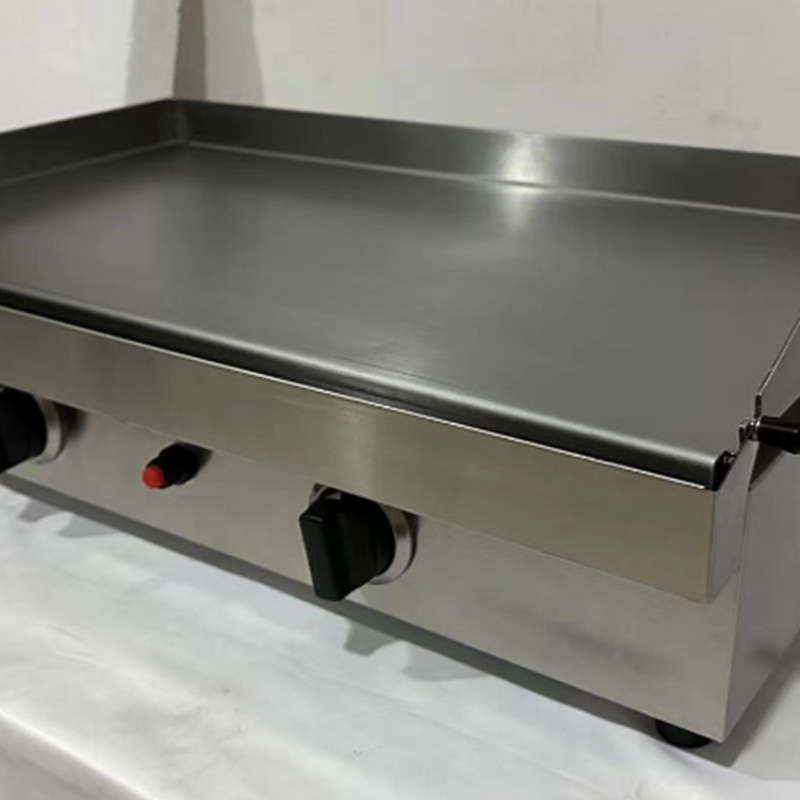
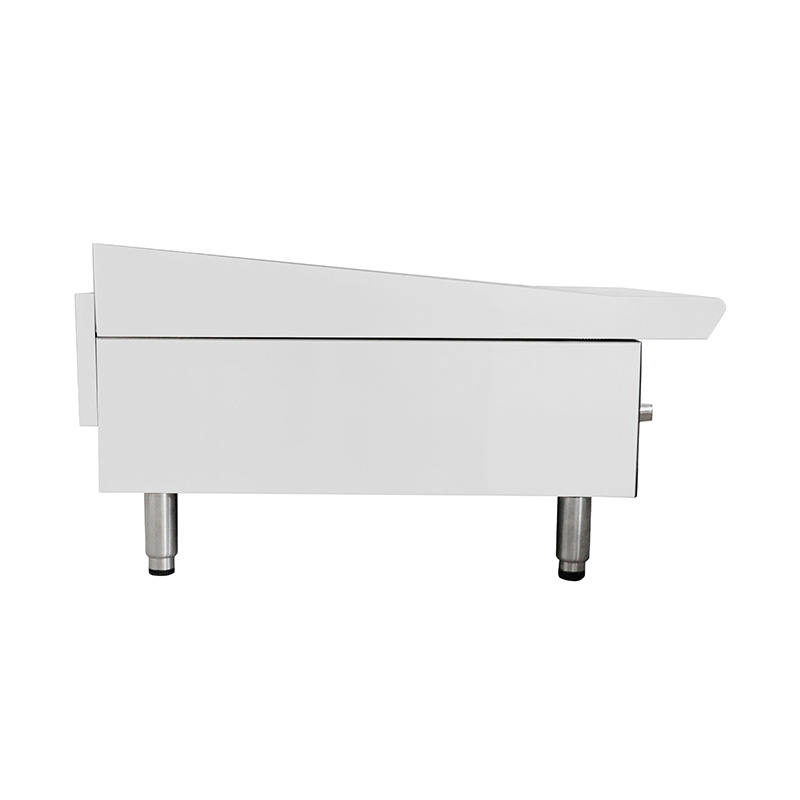
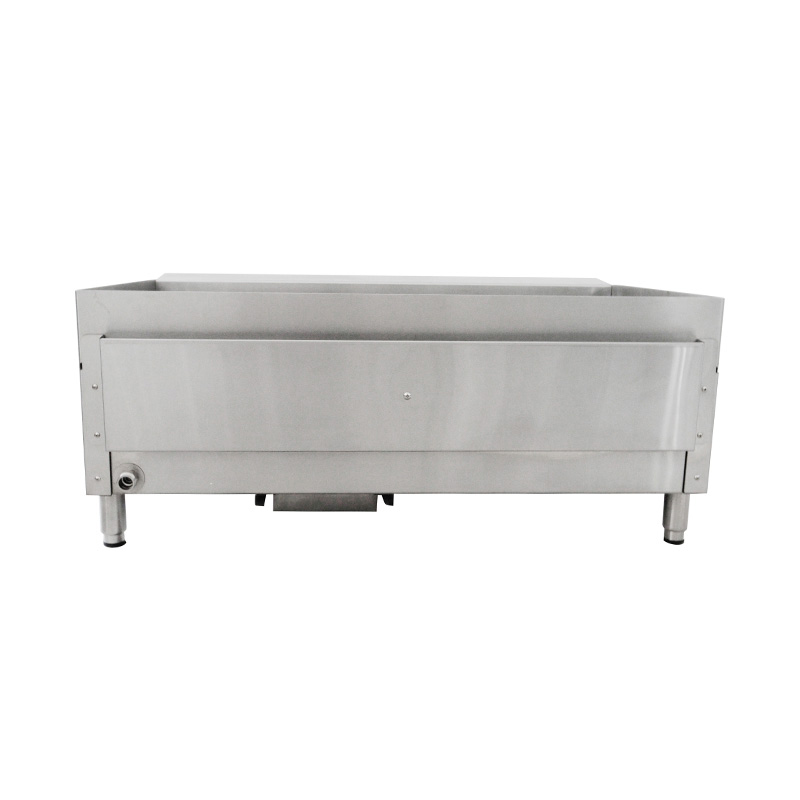
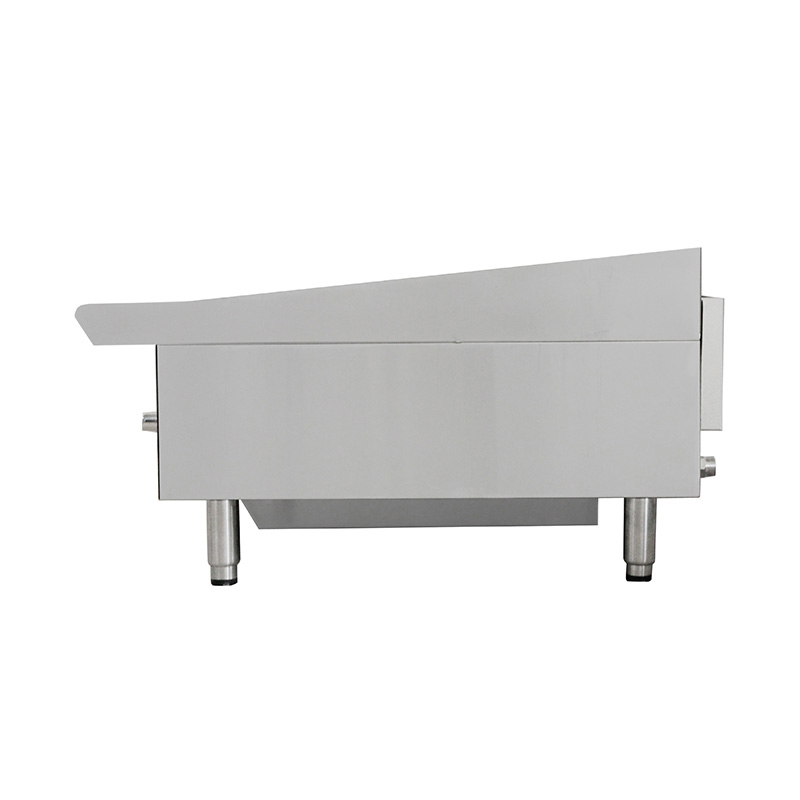
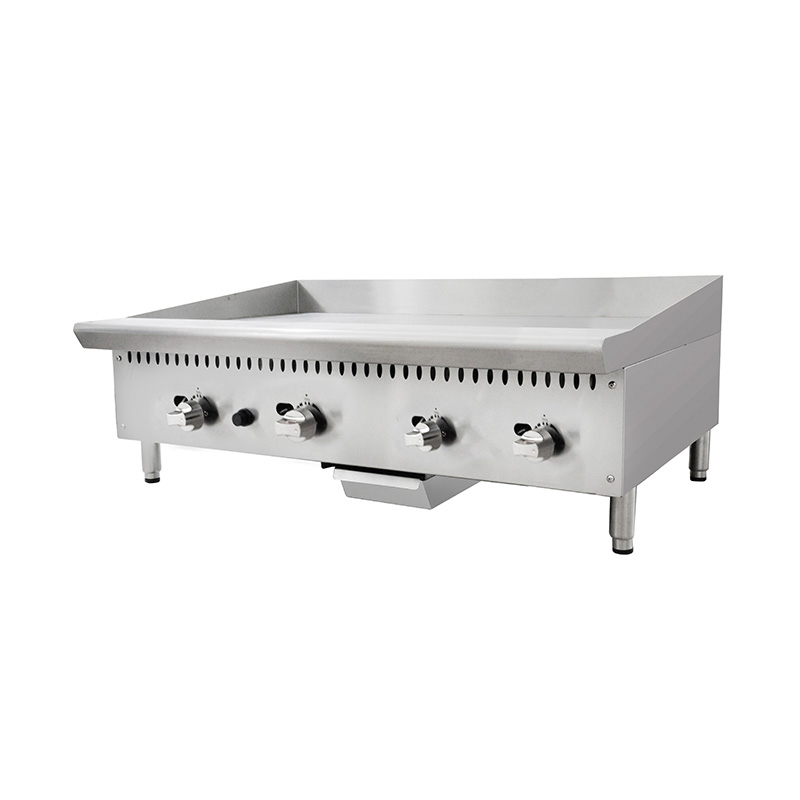
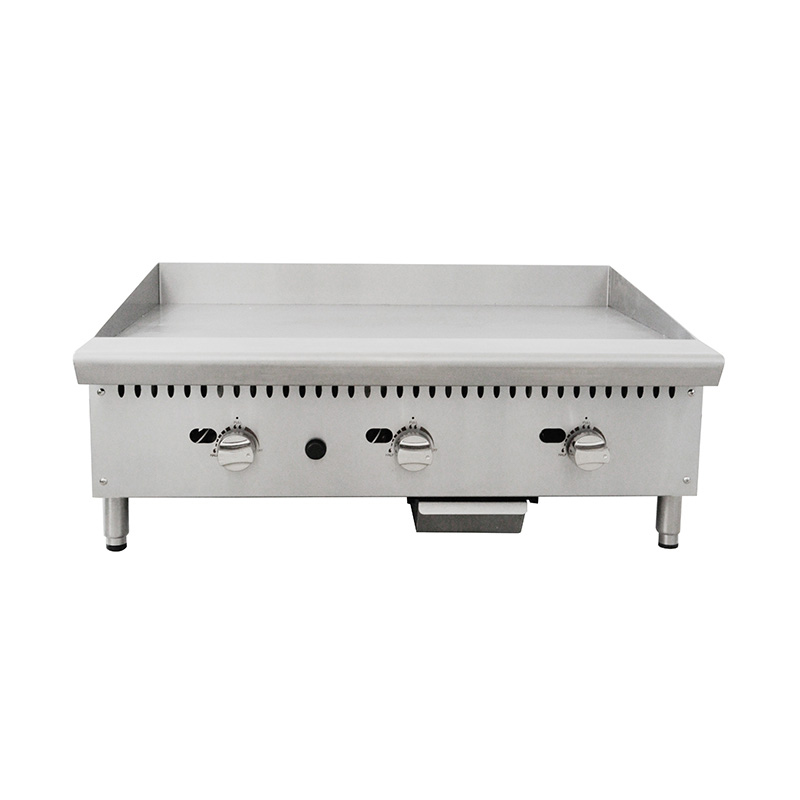
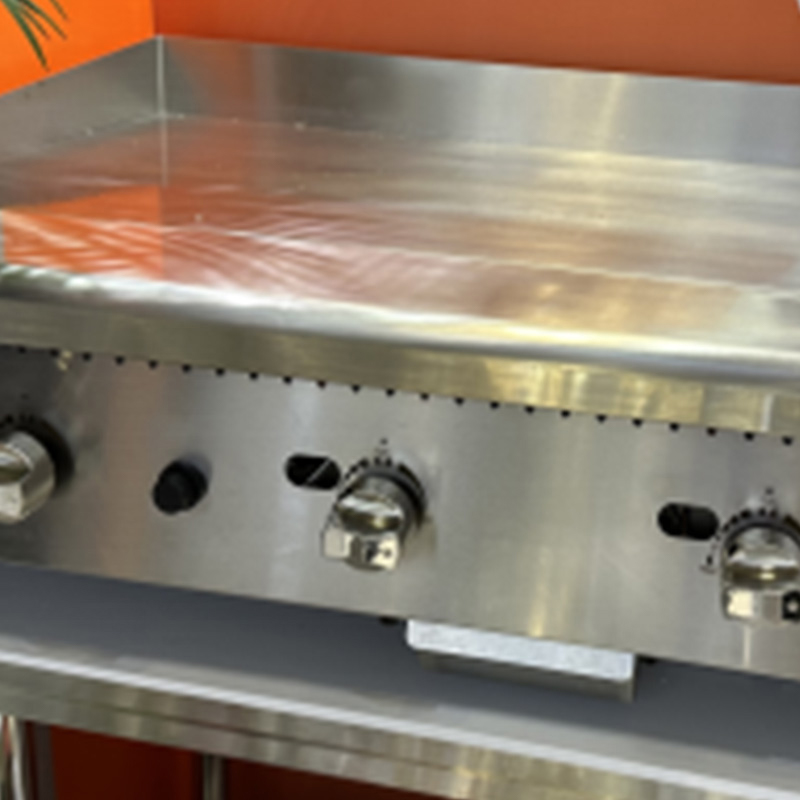
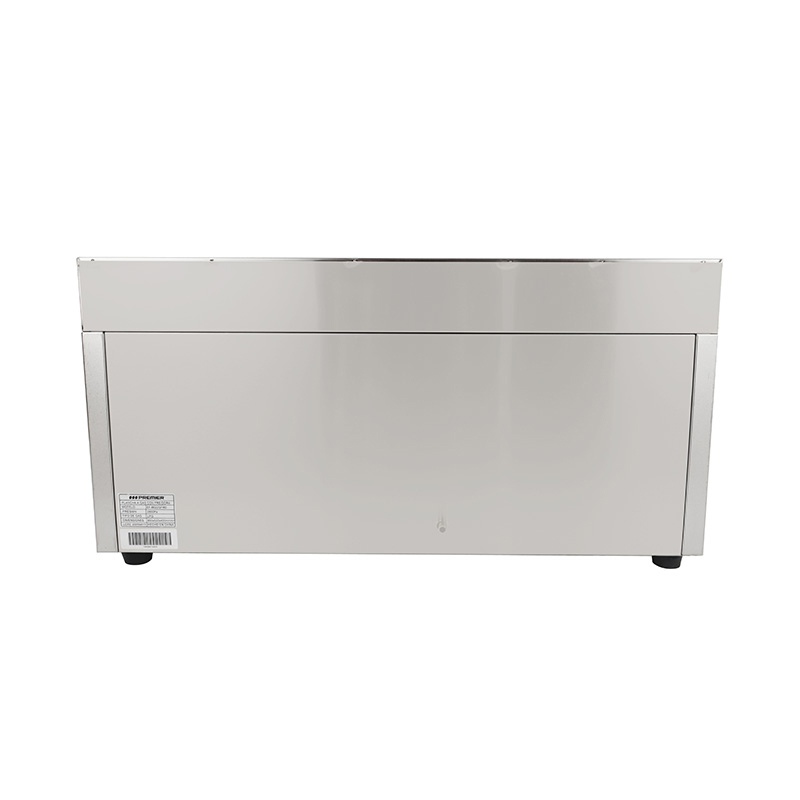
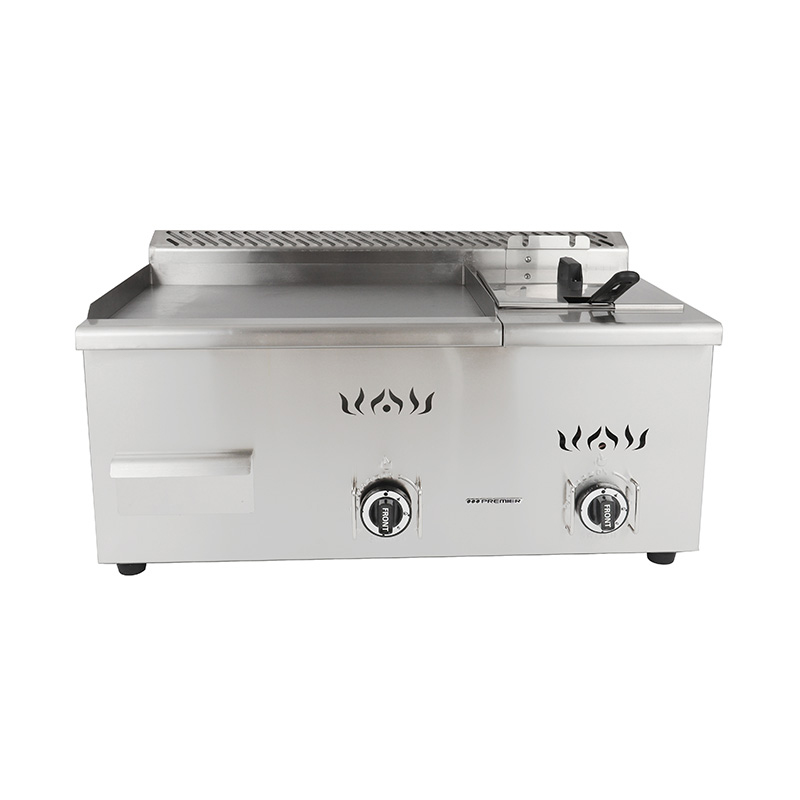
The product is made of 201 stainless steel, and the plate material is 430 stainless steel.
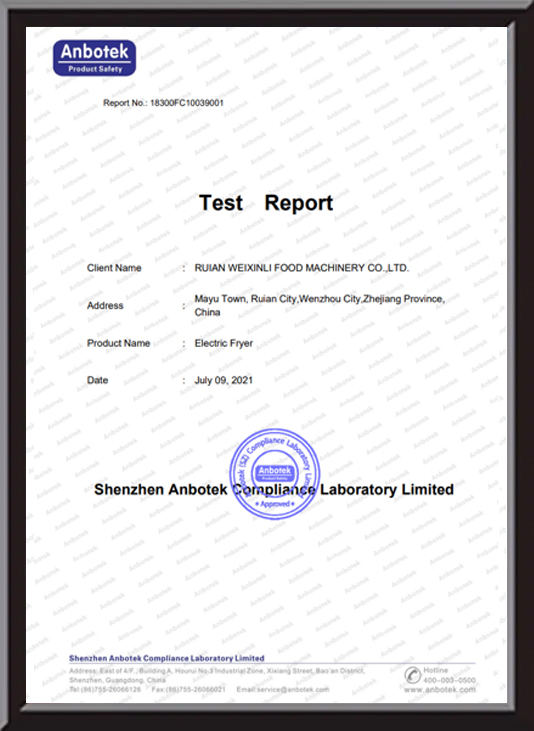
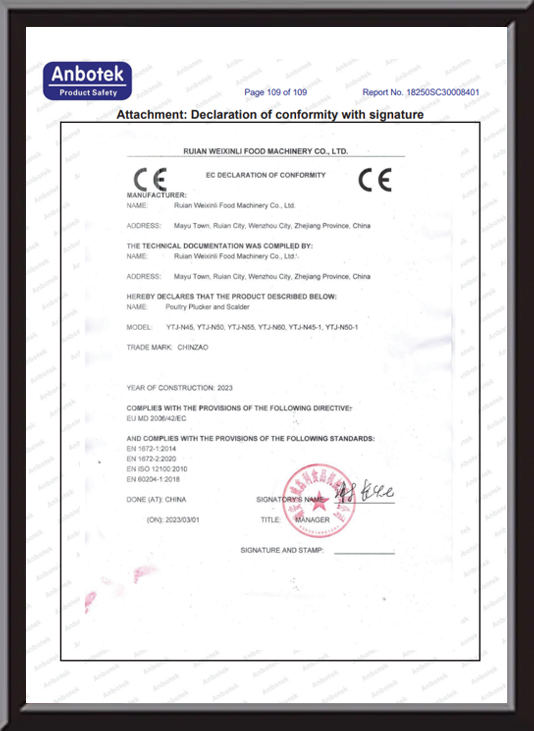
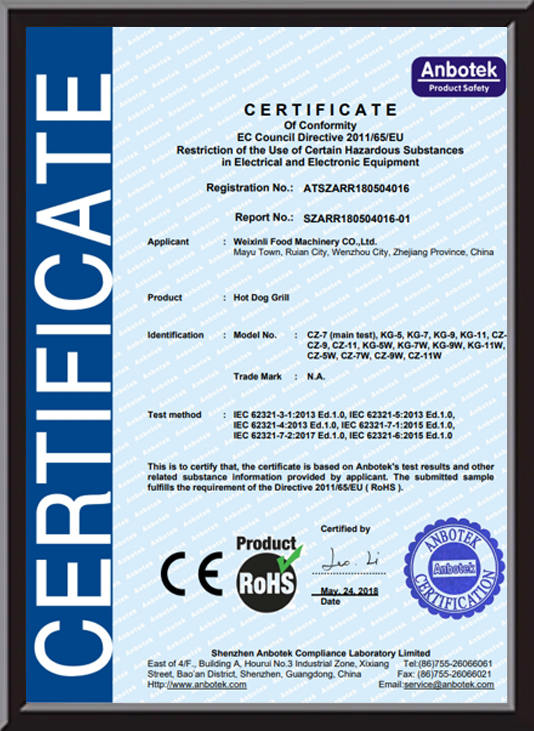
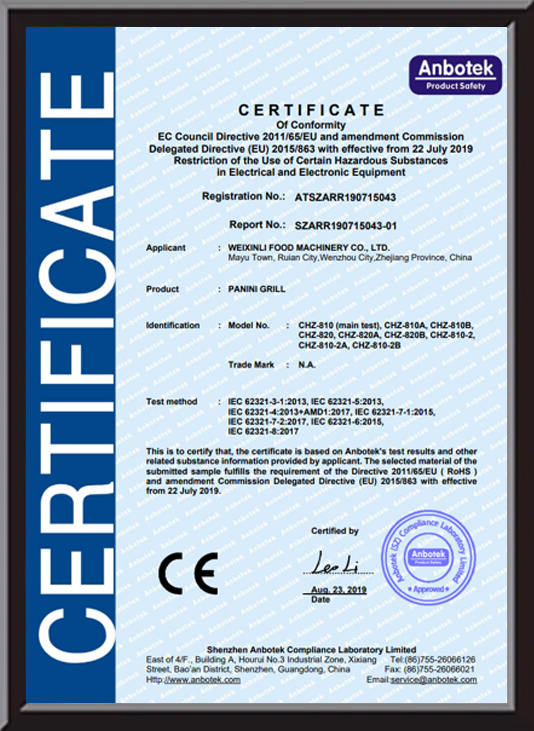
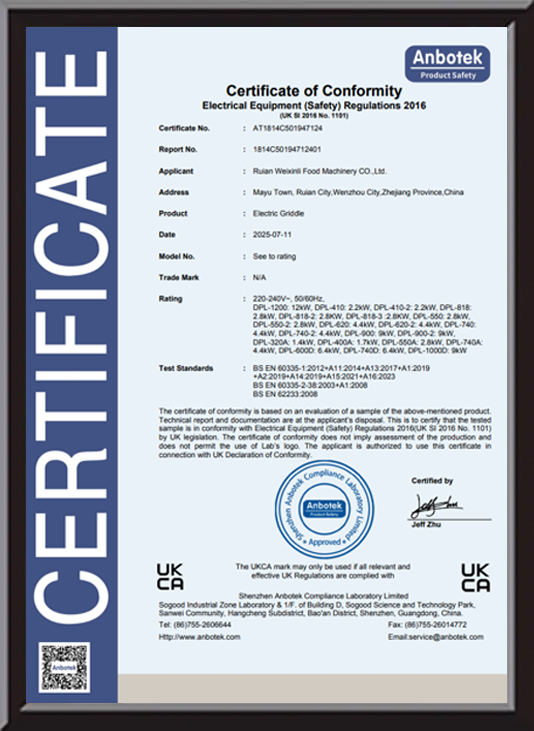
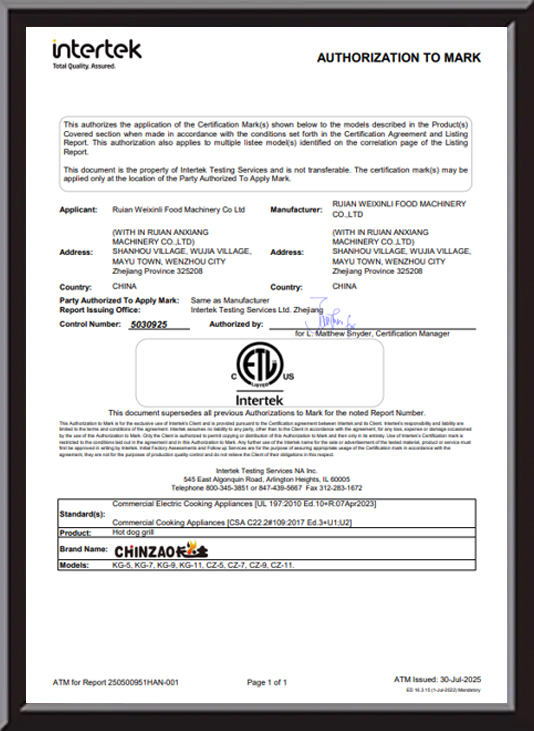
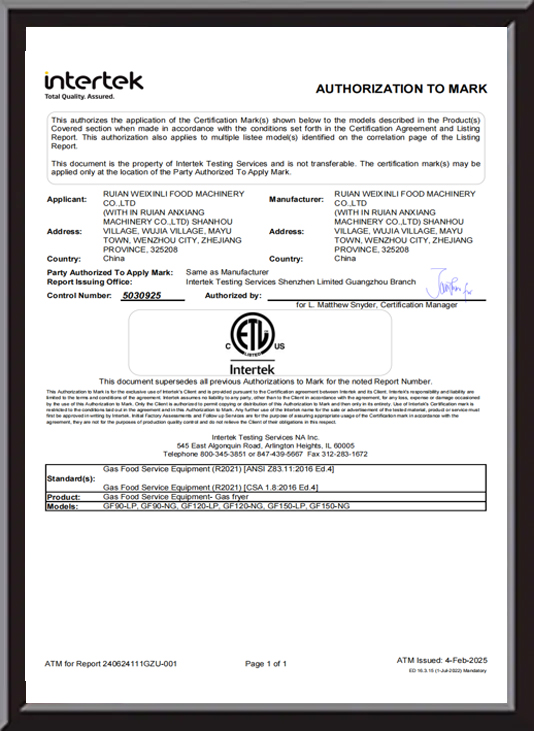
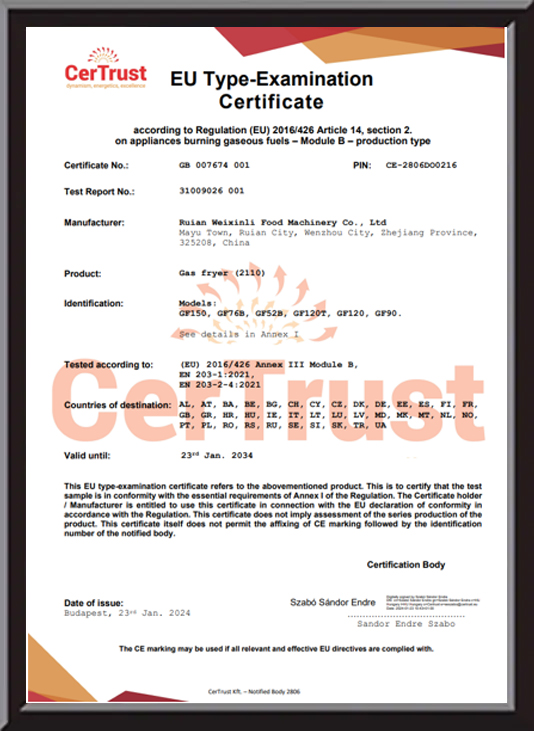
The electric griddle has CE, RoHS, and LFGB certifications, meeting the certification requirements of the European market.
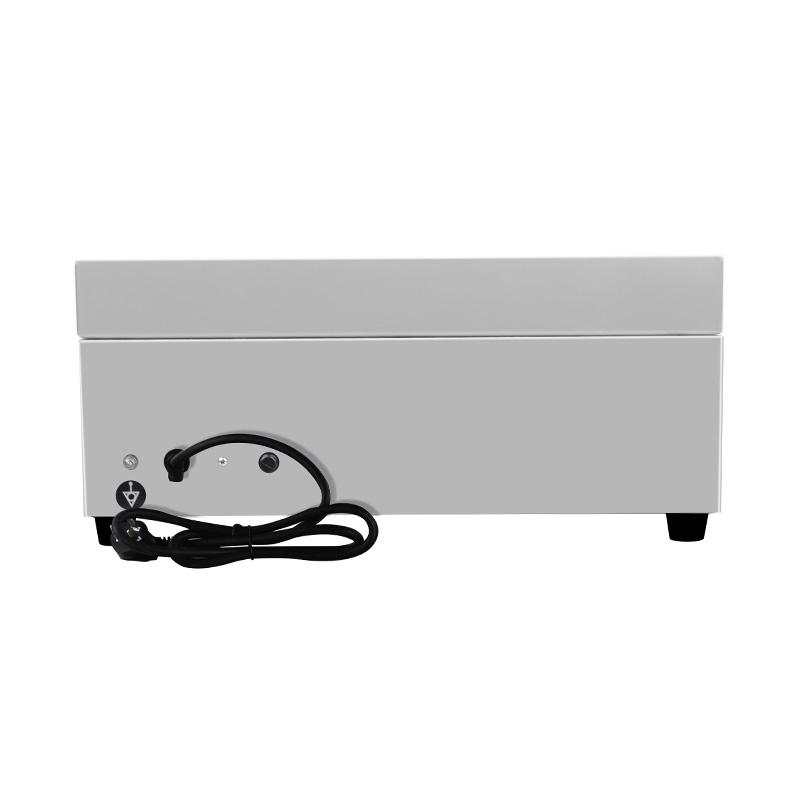
It meets different voltage and frequency requirements: 220~240V/50~60Hz; 110V/60Hz.
The electric griddle is equipped with a thermostat and a temperature limiter to ensure customer safety.
Carton packaging.
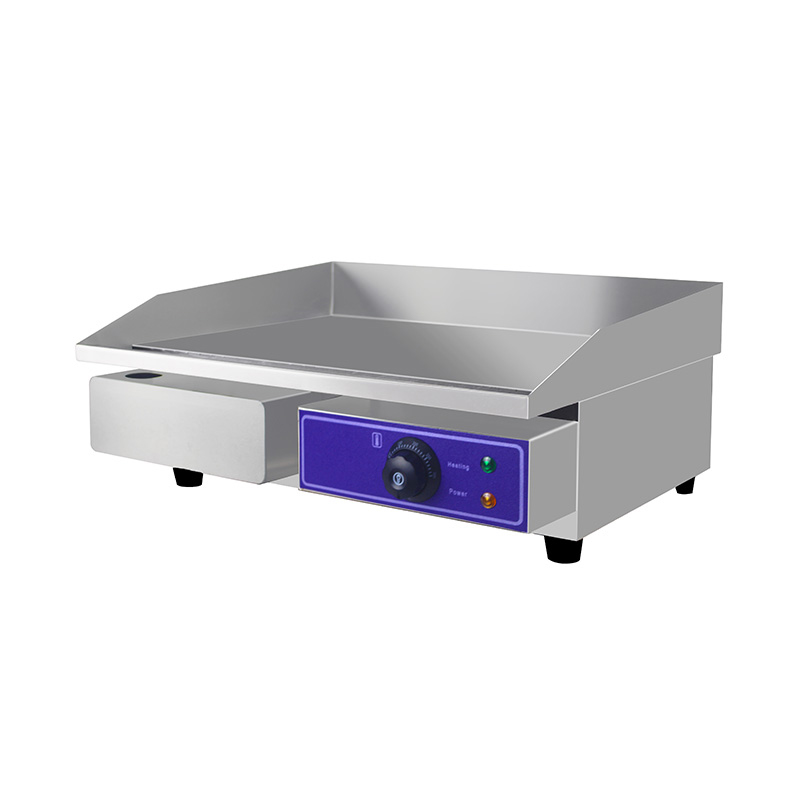
The product is made of 201 stainless steel, and the grill plate is made of A3 iron plate. All electric grills are CE, RoHS, and LFGB certified, meeting European market certification requirements. To meet customer needs, the standard model is available in different sizes. The grill plate pattern is full flat.
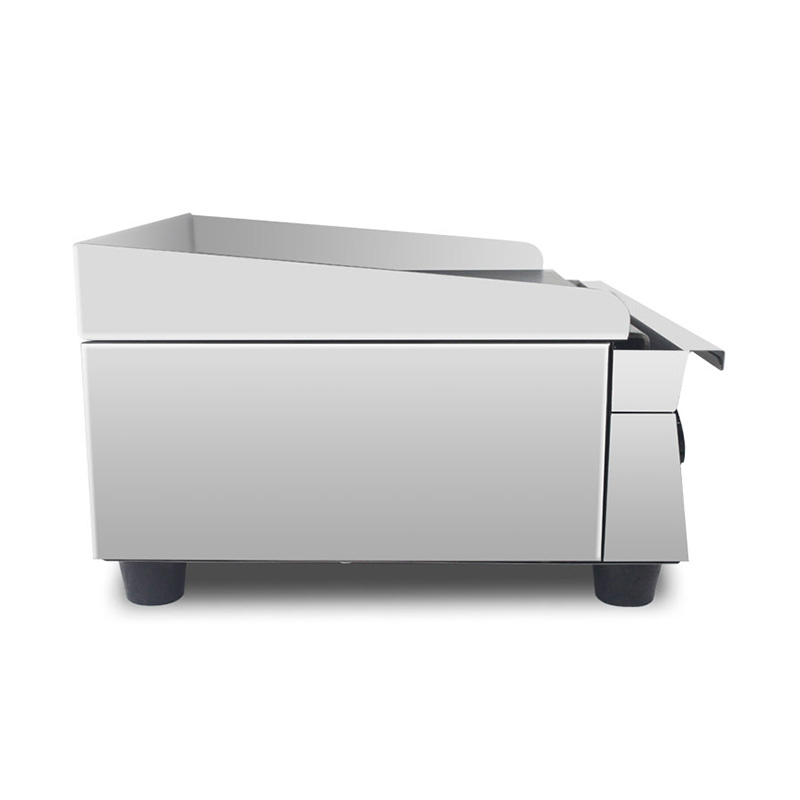
It meets different voltage and frequency requirements: 220~240V/50~60Hz; 110V/60Hz. DPL-900 and DPL-1200 meets 380V/50Hz commercial voltage.
The electric grill has a thermostat and a temperature limiter.
Most are packaged in cardboard boxes; 900 and 1200 models are packaged in wooden crates.
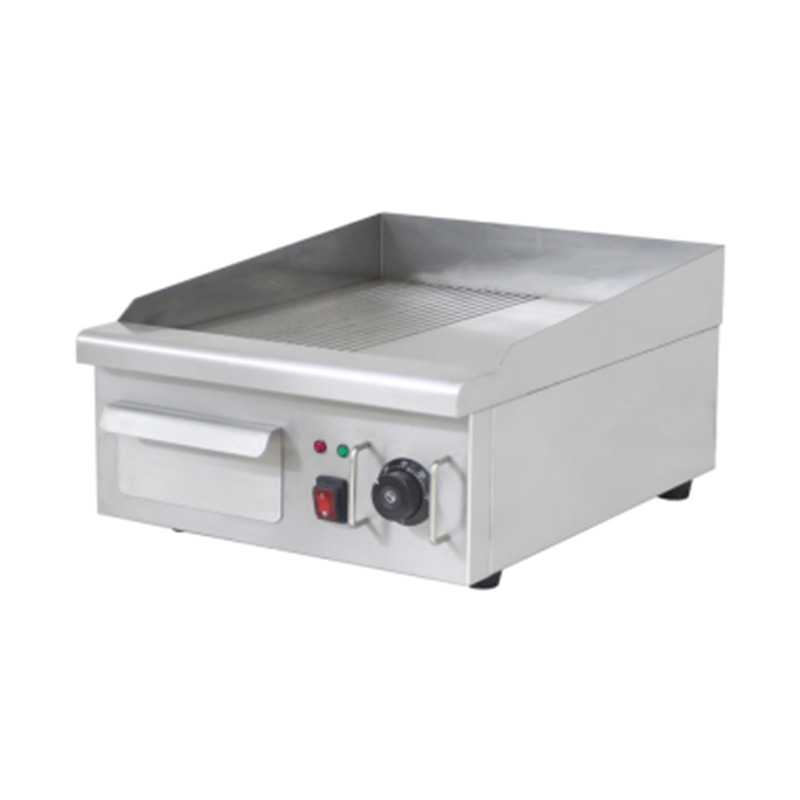
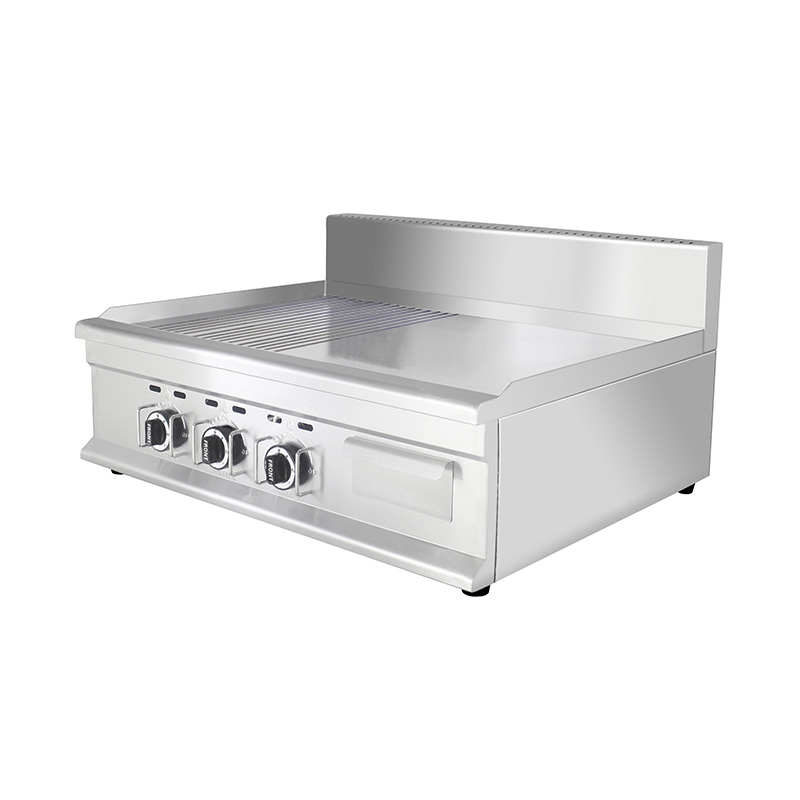
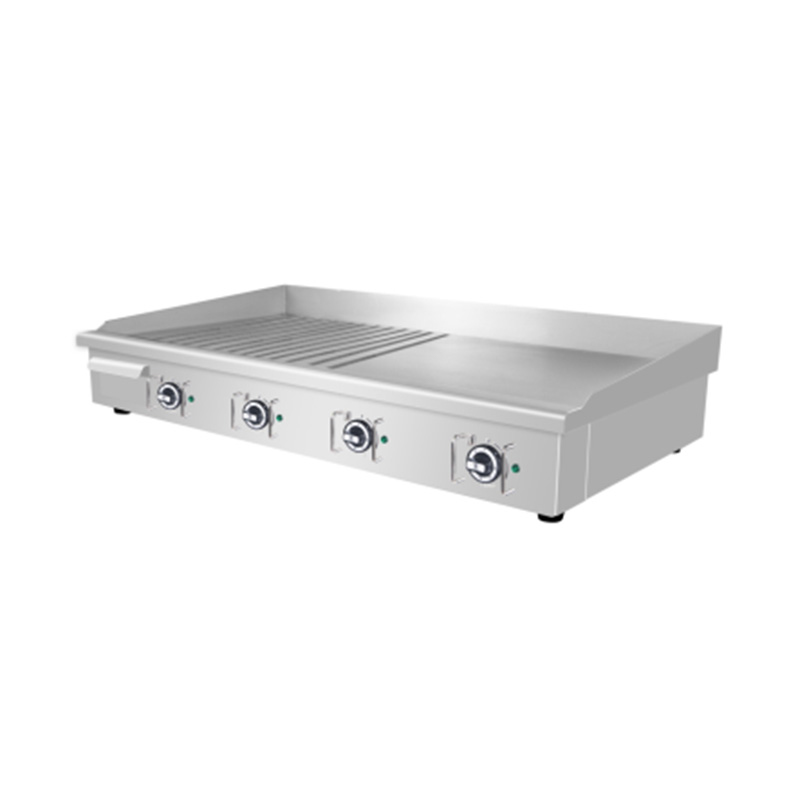
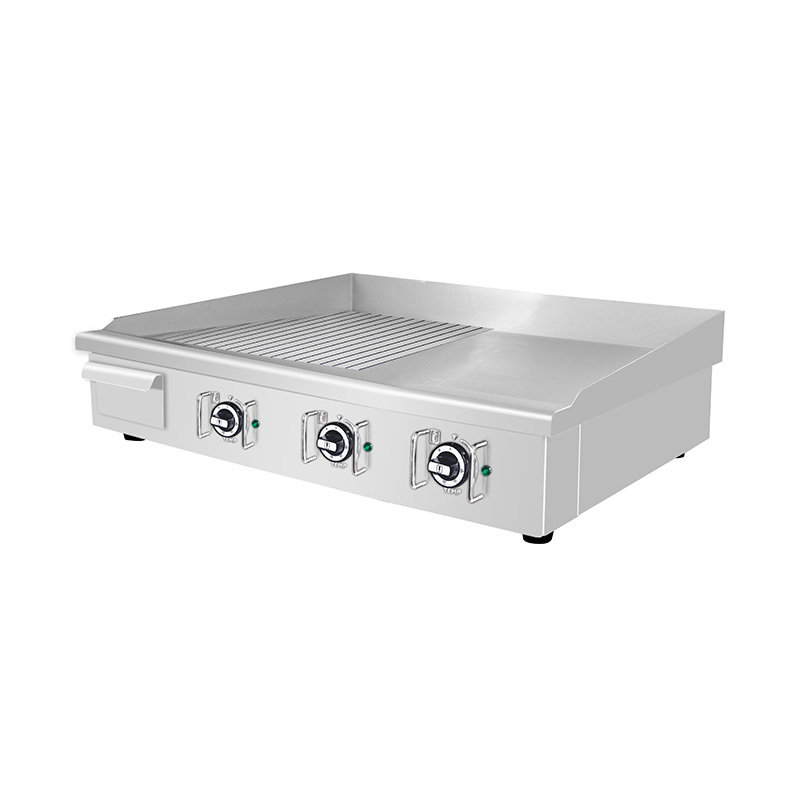
The product is made of 201 stainless steel, and the grill plate is made of A3 iron plate. All electric grills are CE, RoHS, and LFGB certified, meeting European market certification requirements. To meet customer needs, the standard model is available in different sizes. Grill plate type: half flat, half groove.
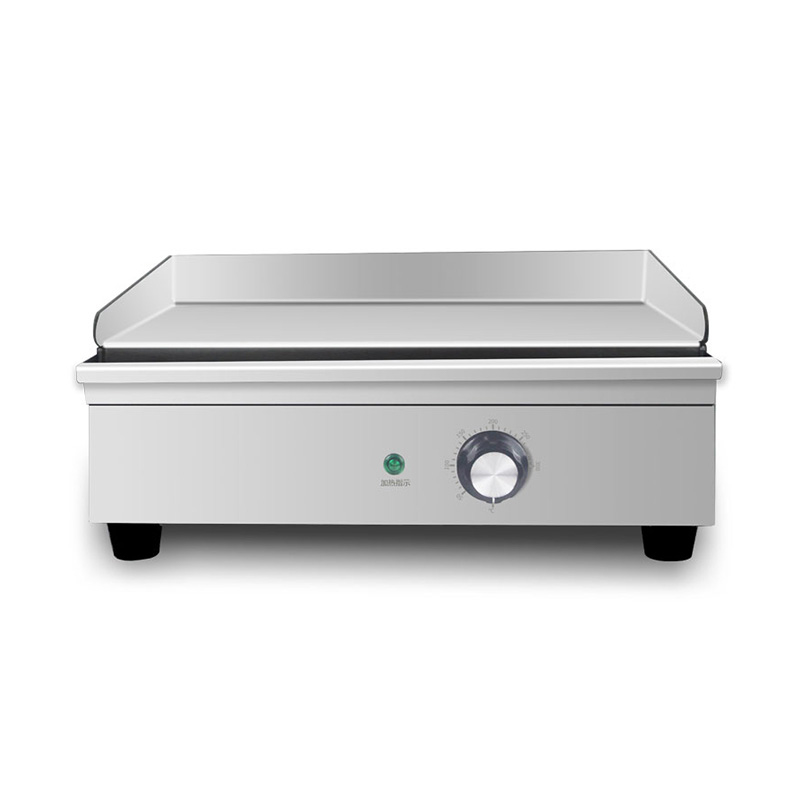
Meets different voltage and frequency requirements: 220~240V/50~60Hz; 110V/60Hz. DPL-900 and DPL-1200 meets 380V/50Hz commercial voltage.
The electric grill has a thermostat and a temperature limiter.
Most are packaged in cardboard boxes; 900 and 1200 models are packaged in wooden crates.
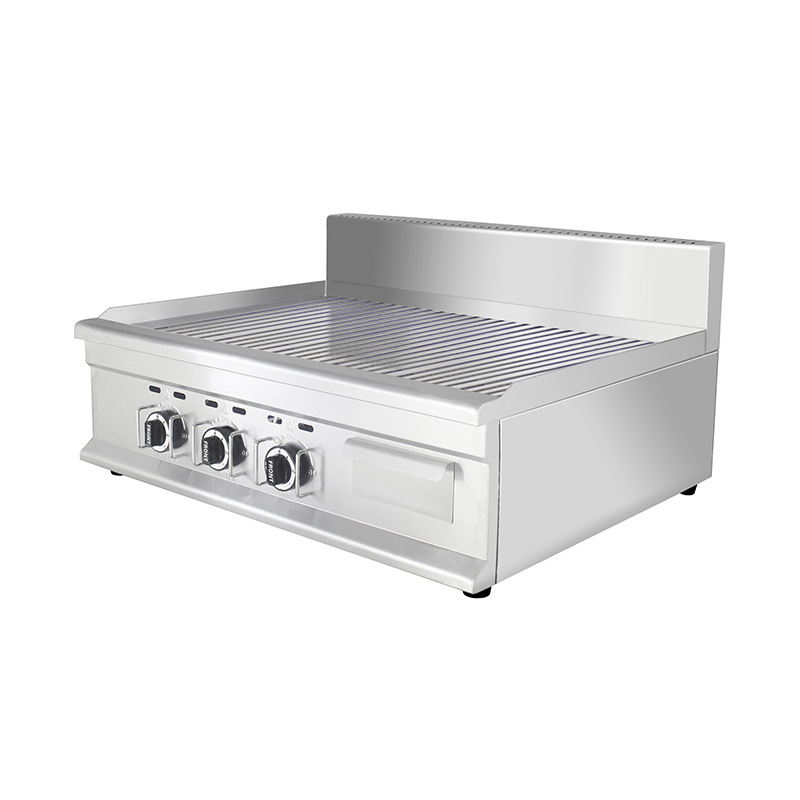
The product is made of 201 stainless steel, and the grill plate is made of A3 iron plate. It has CE, RoHS, and LFGB certifications, meeting the certification requirements of the European market. To meet customer needs, the standard model is available in different sizes. Grill plate type: full groove.
It meets different voltage and frequency requirements: 220~240V/50~60Hz; 110V/60Hz. DPL-900 and DPL-1200 meets 380V/50Hz commercial voltage.
The electric grill has a thermostat and a temperature limiter.
Most are packaged in cardboard boxes; 900 and 1200 models are packaged in wooden crates.
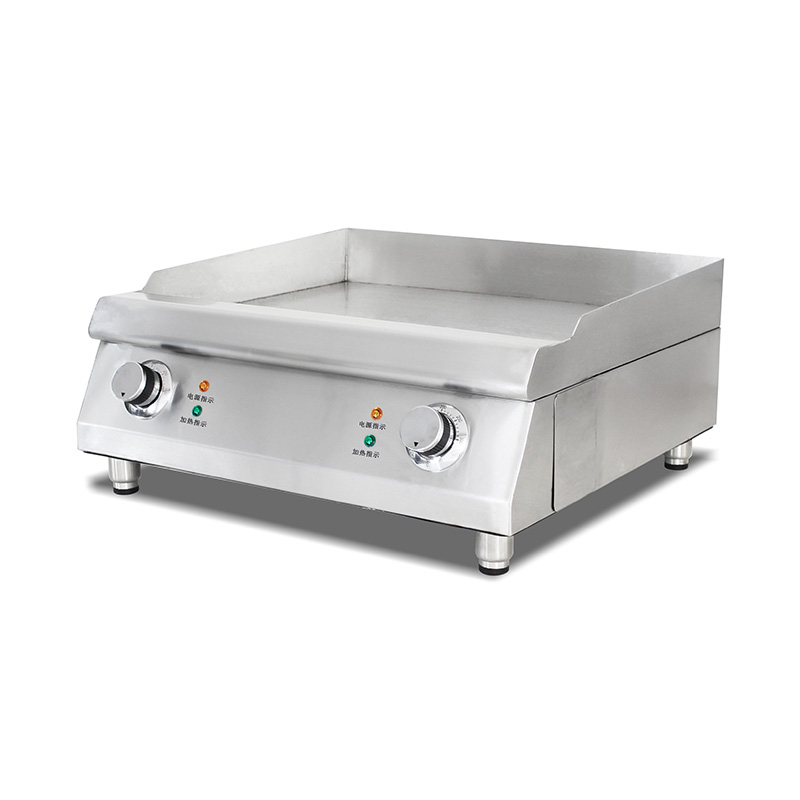
The product is made of 201 stainless steel, and the grill plate is made of A3 iron plate. All electric grills are CE and RoHS certified, meeting European market certification requirements.
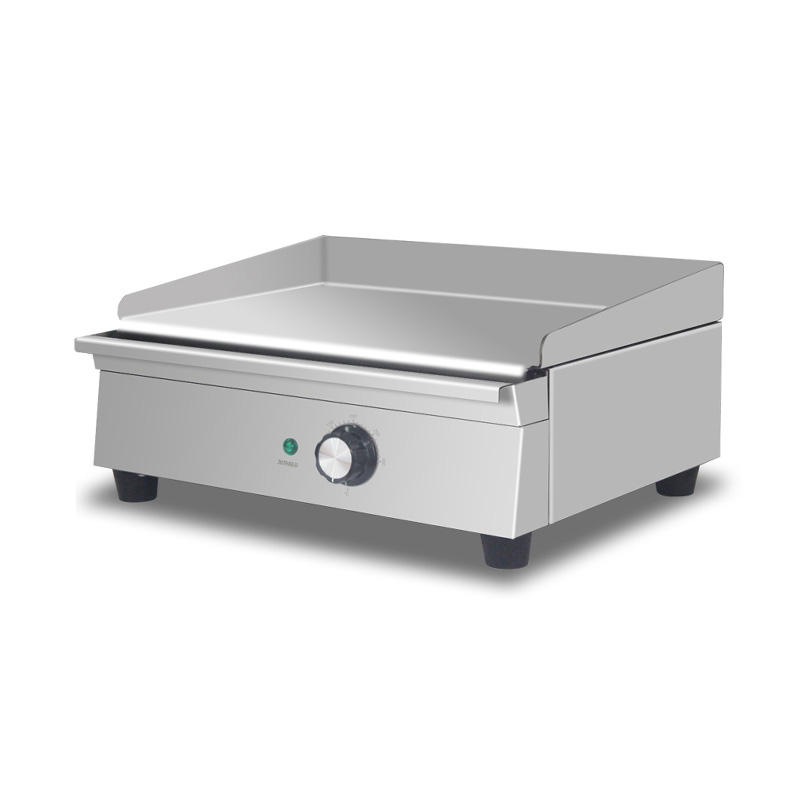
They meet different voltage and frequency requirements: 220~240V/50~60Hz; 110V/60Hz.
To meet customer needs, different sizes and grill plate types are available. Grill plate types: full smooth, half flat half groove.
The electric grill has a thermostat and a temperature limiter.
Packaged in a wooden crate.
The product is made of 201 stainless steel, and the grill plate is made of A3 iron plate.
The C series includes a computer control panel.
It meets different voltage and frequency requirements: 220~240V/50~60Hz; 110V/60Hz.
To meet customer needs, different sizes and grill plate types are available. Grill plate types: full smooth, half flat half groove.
Packaged in wooden crates.
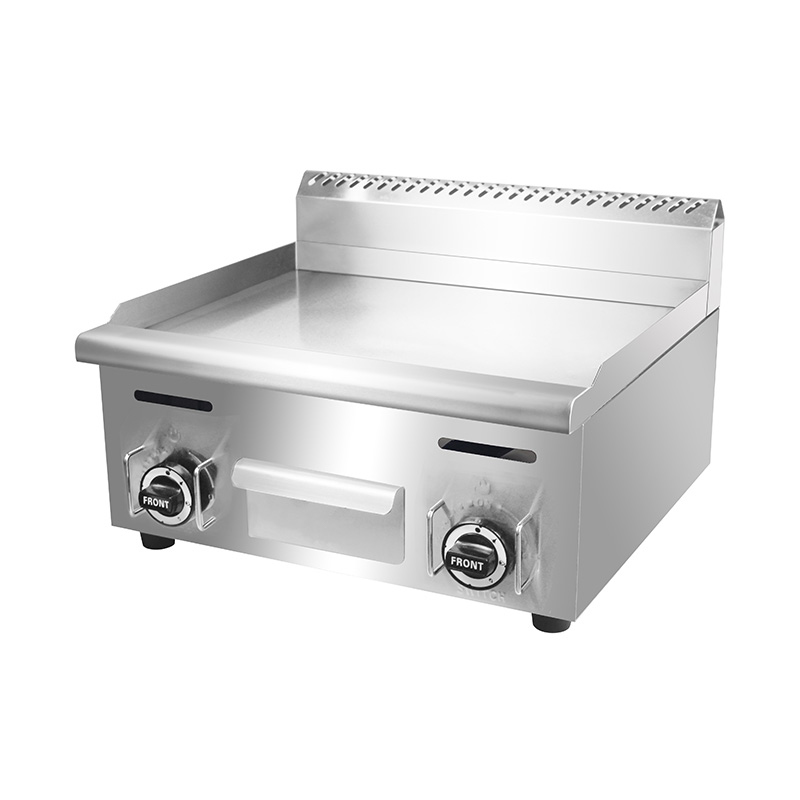
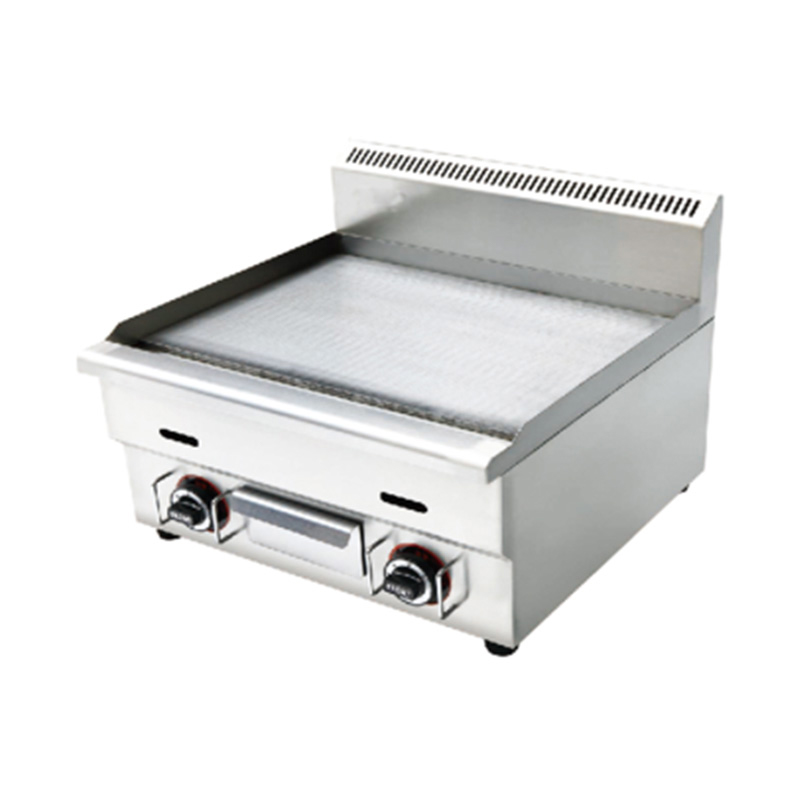
The product is made of 201 stainless steel, with an A3 iron plate grill plate. Chrome plating is also available as an option.
To meet customer needs, the standard model is available in different sizes. The grill plate is fully flat.
Primarily packaged in wooden crates. It can use natural gas or liquefied petroleum gas. It features two U-shaped burners.
The product is made of 201 stainless steel, with an A3 iron plate grill plate. Chrome plating is also available as an option.
To meet customer needs, the standard model is available in different sizes. The grill plate is a half-flat, half-groove design.
Primarily packaged in a wooden crate. It can use natural gas or liquefied petroleum gas. It features two U-shaped burners.
The product is made of 201 stainless steel, with an A3 iron plate grill plate. Chrome plating is also available as an option.
To meet customer needs, the standard model is available in different sizes. The grill plate is a full groove type.
Primarily packaged in a wooden crate. It can use natural gas or liquefied petroleum gas. It has two U-shaped burners.
The product is made of 201 stainless steel, while the A series is made of 430 stainless steel. It features two U-shaped burners.
Packaged in cardboard and plywood boxes, it can use natural gas or liquefied petroleum gas. GPL-400A (with flameout protector) and GPL-740A (with flameout protection) ensure customer safety.
The product is made of 201 stainless steel, and the chaff is made of A3 iron plate.
To meet customer needs, the standard model is available in different sizes. The chaff is fully flat.
It features electronic ignition and flameout protection, and can use natural gas or liquefied petroleum gas. It is primarily packaged in a wooden crate.
The machine body is made of 201 stainless steel, and the grill plates are made of A3 iron plate. The frying basket is made of nickel-plated iron.
To meet customer needs, different sizes and grill plate types are available. Two grill plate types are offered: full flat and 2/3 flat, 1/3 groove. It can use natural gas or liquefied petroleum gas.
Wooden crate packaging.
Ruian Weixinli Food Machinery Co.,Ltd was established in year 1996. The company possesses advanced production equipment, strong technical capabilities, strict quality inspection procedures, and a scientific management system.
Our company always insists on being customer-centric and prioritizing quality belief. We specialize in manufacturing high-quality Griddle and have developed into an international China Griddle manufacturer, primarily for export to more than fifty countries and regions, including Germany, Italy, France, Australia, America and Southeast Asia.
Weixinli will continue to work hard, breaking through obstacles in the intense waves of competition, and carefully bringing customers top-quality products with excellent cost performance. We eagerly look forward to joining hands with you to create brilliance together. Become your reliable wholesale Griddle factory.
A Stainless Steel Commercial Kitchen Countertop Griddle is widely discussed in the foodservice industry due to increasing attention to hygiene standards, long-term durability, and operational efficiency. Stainless steel is commonly chosen for commercial kitchen environments because it offers resistance to corrosion, grease buildup, and frequent exposure to moisture and cleaning chemicals. This makes it suitable for restaurants, hotels, catering facilities, and institutional kitchens that operate continuously.
Stainless steel surfaces are non-porous, which helps reduce the risk of bacterial retention when compared with coated or painted materials. This characteristic supports compliance with food safety regulations in many markets. In addition, smooth stainless steel housings allow faster wipe-downs during peak service periods, helping kitchens maintain consistent sanitation without disrupting workflow.
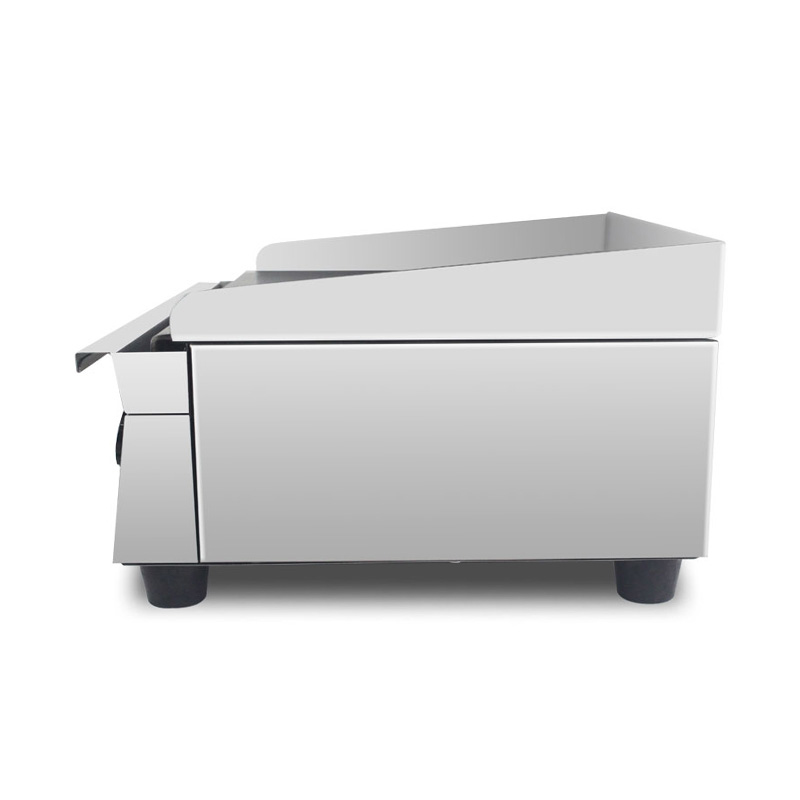
Another commonly discussed topic is structural strength. A countertop griddle constructed with stainless steel framing can withstand repeated heating cycles without warping or deformation. This is particularly important for griddles used for high-temperature cooking, such as searing meats, cooking pancakes, or preparing breakfast menus. Users are also interested in how stainless steel contributes to equipment lifespan, as it maintains appearance and functionality over extended periods of use.
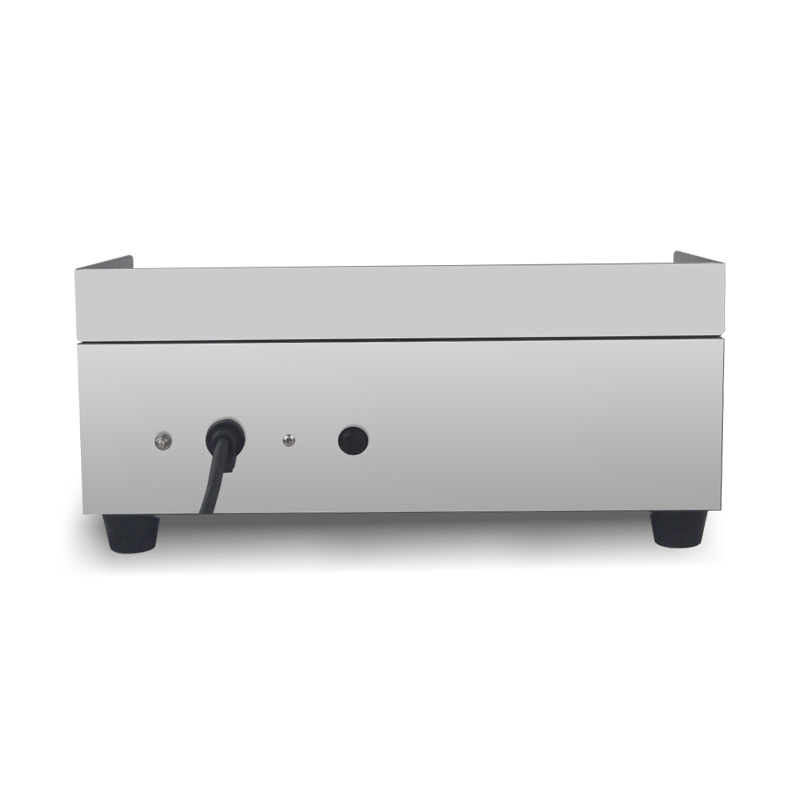
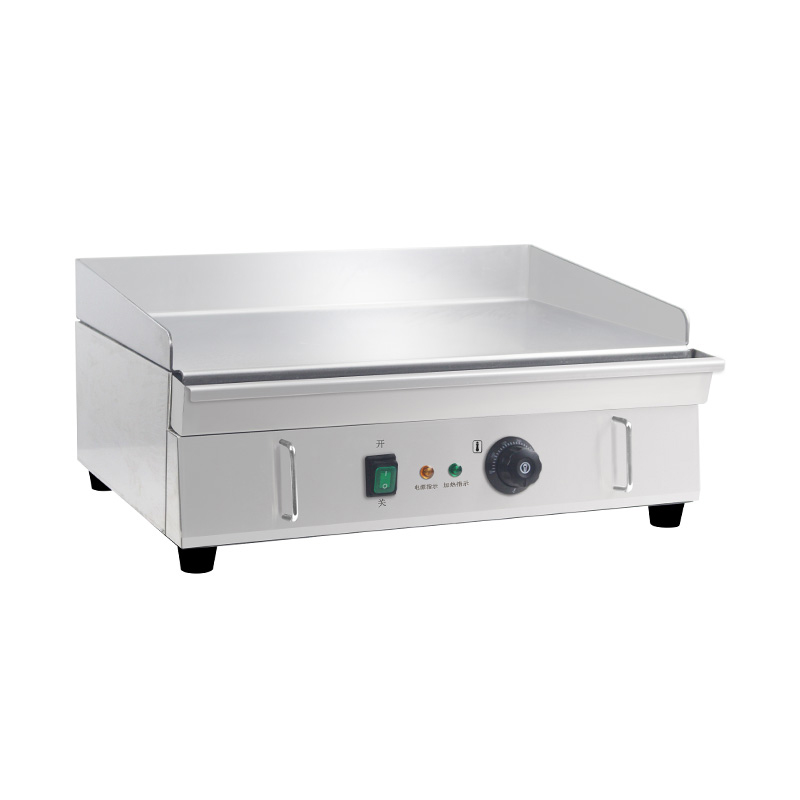
From an installation perspective, stainless steel countertop griddles are valued for their adaptability. They integrate easily into modular kitchen layouts and can be paired with ventilation systems, storage units, and preparation counters. These practical advantages explain why stainless steel commercial kitchen countertop griddles remain a frequent subject in purchasing research and equipment comparison queries.
When users search for information about a Griddle, their focus often centers on cooking performance rather than exterior construction. One of the more frequently asked questions relates to heat distribution and temperature stability. A well-designed griddle should deliver consistent heat across the cooking surface, reducing uneven browning and food waste. This is especially relevant for high-volume kitchens that rely on predictable cooking times.
Surface material is another area of strong interest. Griddle plates may be made from stainless steel, cast iron, or carbon steel, each offering different heat retention and response characteristics. Stainless steel surfaces are often associated with ease of cleaning and neutral flavor interaction, while heavier plates can provide steadier thermal mass. Users frequently compare these options to determine which surface aligns with their menu requirements.
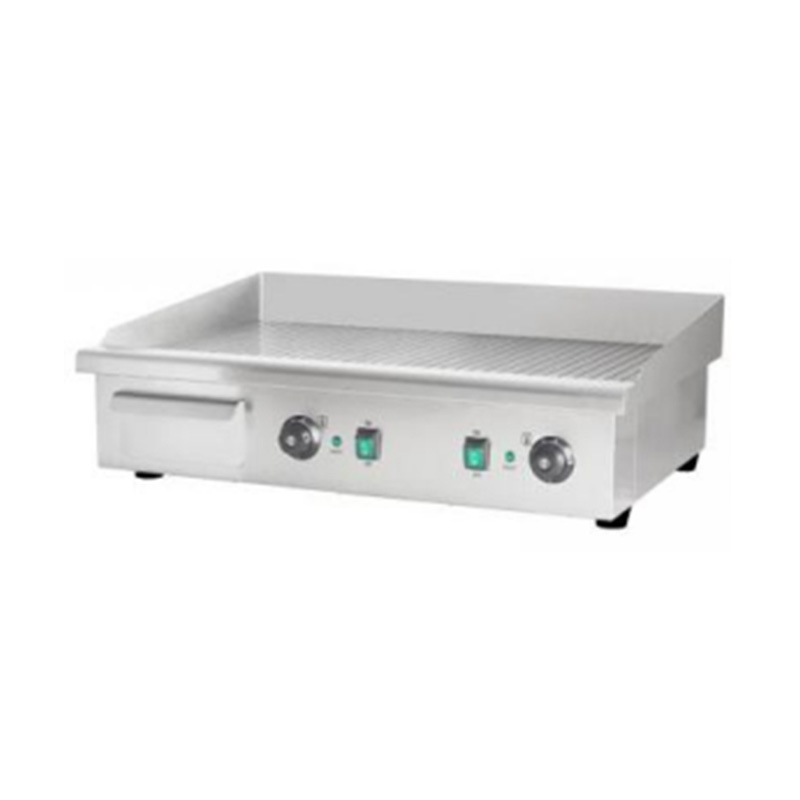
A griddle can be used for a wide range of foods, including eggs, pancakes, vegetables, burgers, seafood, and flatbreads. This flexibility makes it an essential piece of equipment for breakfast services, fast-casual restaurants, and food preparation lines where multiple items must be cooked simultaneously.
Another important topic is temperature control. Modern griddles often feature independent heating zones, allowing operators to cook different foods at separate temperatures on the same surface. This function supports efficiency during busy service hours and helps reduce energy consumption. Overall, performance-related considerations remain central to how users evaluate griddles for professional kitchen use.
Choosing a Commercial Griddle involves more than comparing dimensions; buyers are increasingly concerned with energy sources, production capacity, and long-term operating costs. One of the more common questions involves the difference between electric and gas commercial griddles. Electric models are often discussed for their precise temperature control and straightforward installation, while gas models are associated with rapid heat recovery and suitability for high-output kitchens.
Capacity planning is another key topic. Commercial kitchens must assess griddle width, depth, and cooking zones based on expected customer volume and menu complexity. A griddle that is too small can slow service, while an oversized unit may result in inefficient energy usage. Users frequently search for guidance on matching griddle size to kitchen layout and daily output needs.
Operational efficiency is also a growing concern. Commercial griddles are evaluated based on warm-up time, ease of cleaning, grease management systems, and accessibility for maintenance. Features such as removable grease trays and splash guards are often highlighted in user discussions because they directly affect workflow and staff labor requirements.
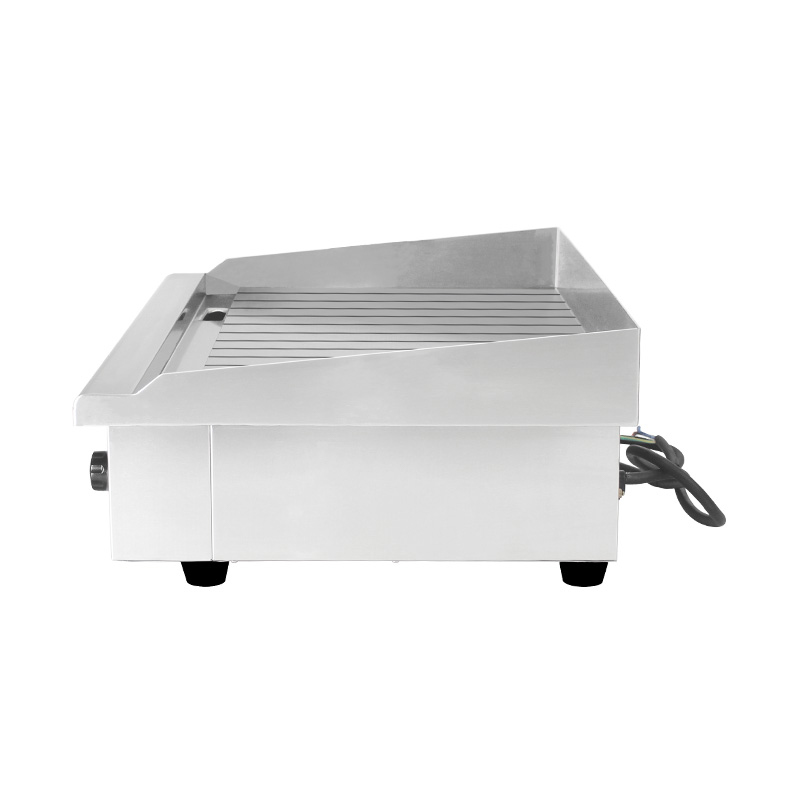
Finally, durability and compliance standards influence purchasing decisions. A commercial griddle must be designed for continuous use and meet applicable safety and electrical or gas regulations in target markets. Buyers researching commercial griddles typically seek equipment that balances reliable performance, manageable maintenance, and adaptability to different foodservice environments.