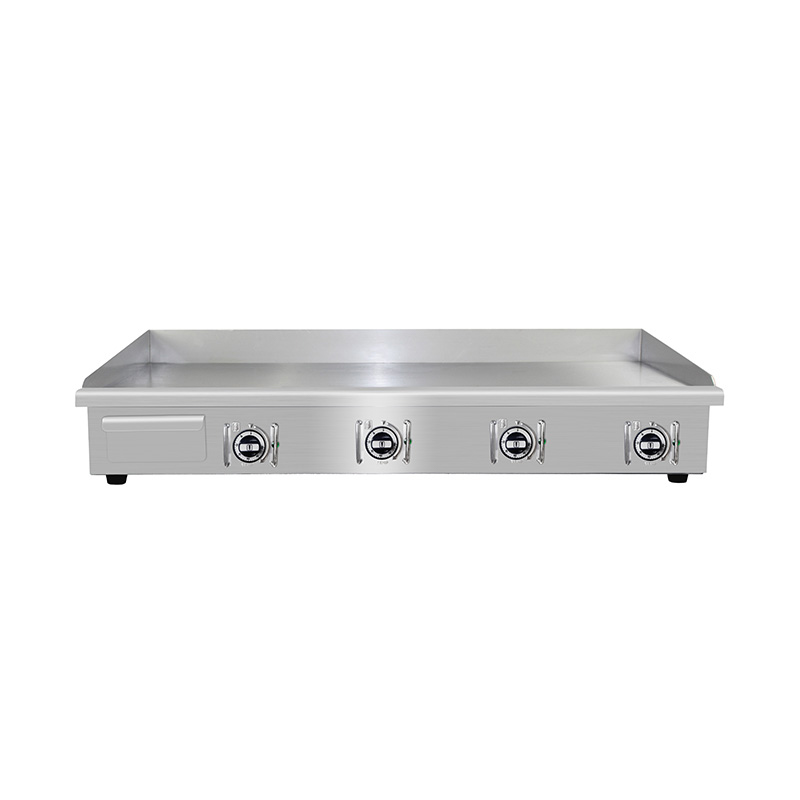
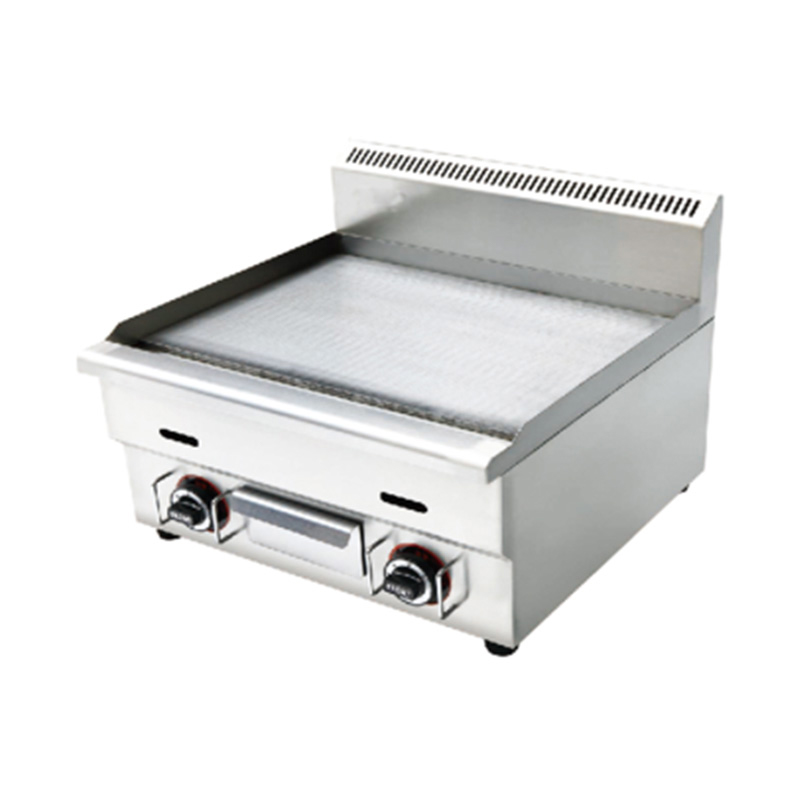
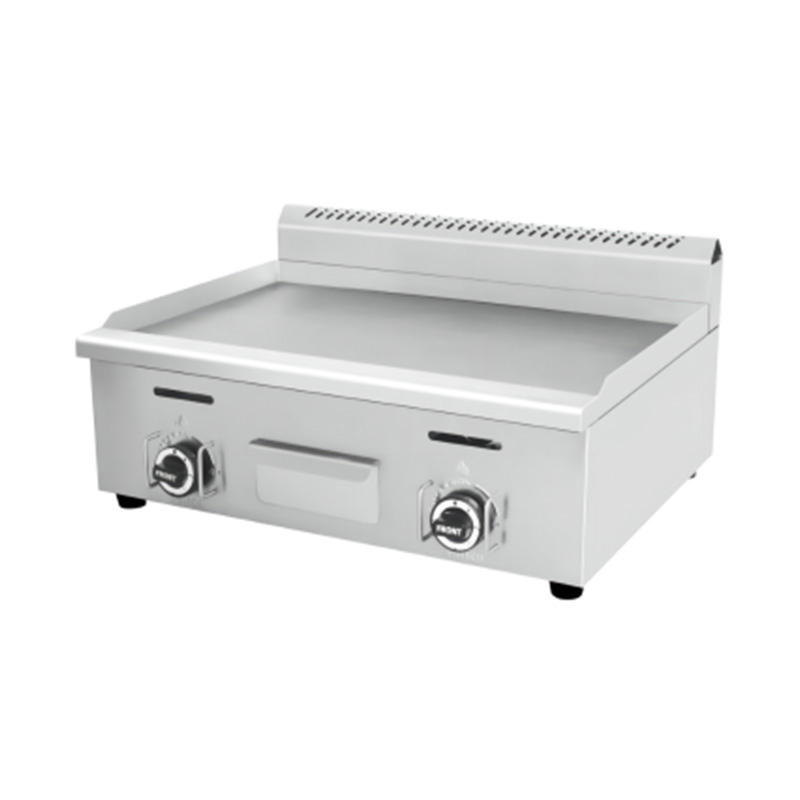
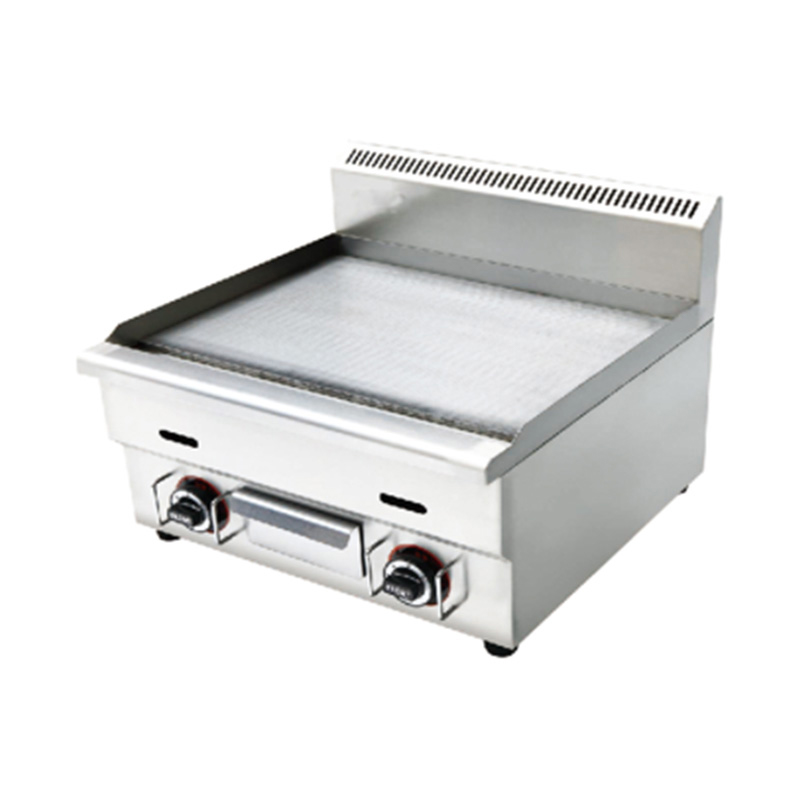
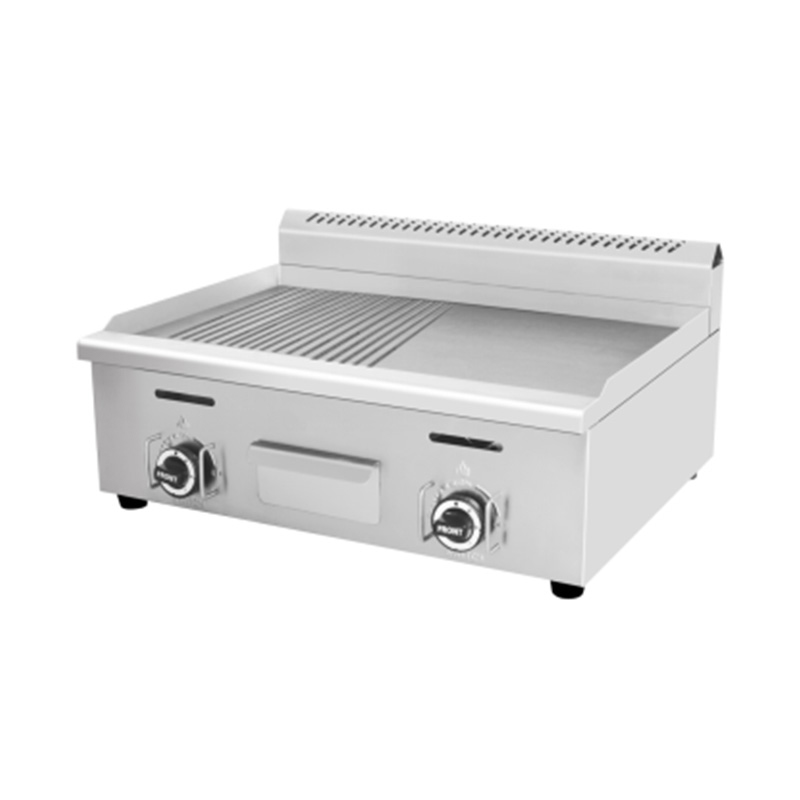
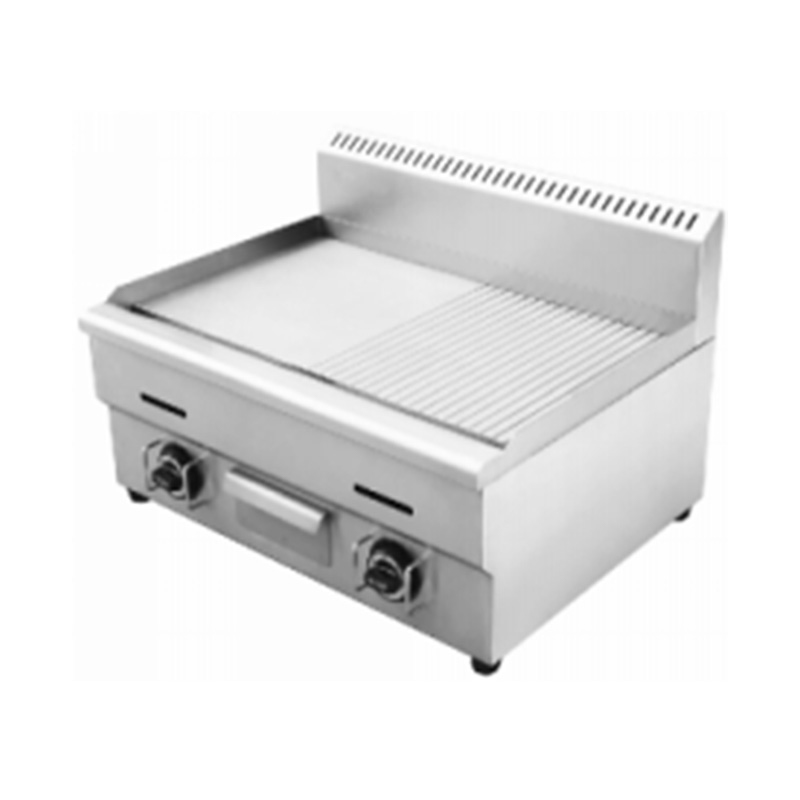
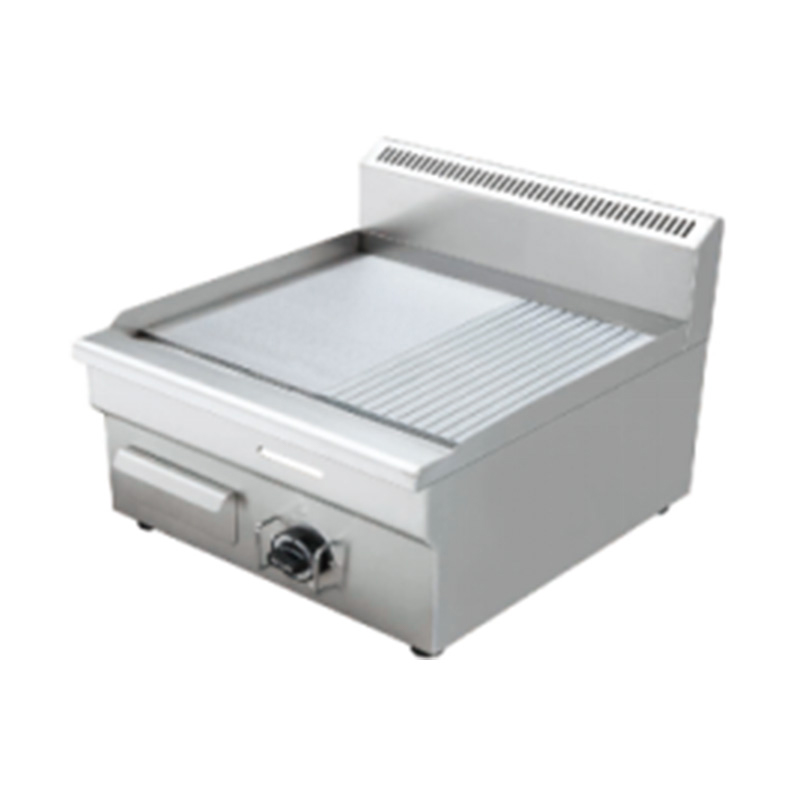
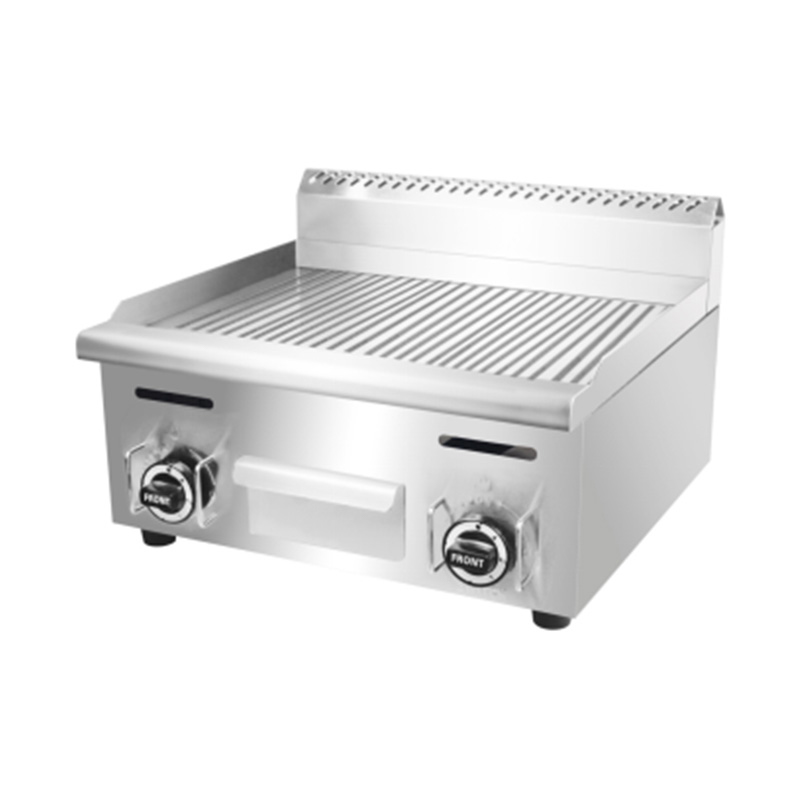
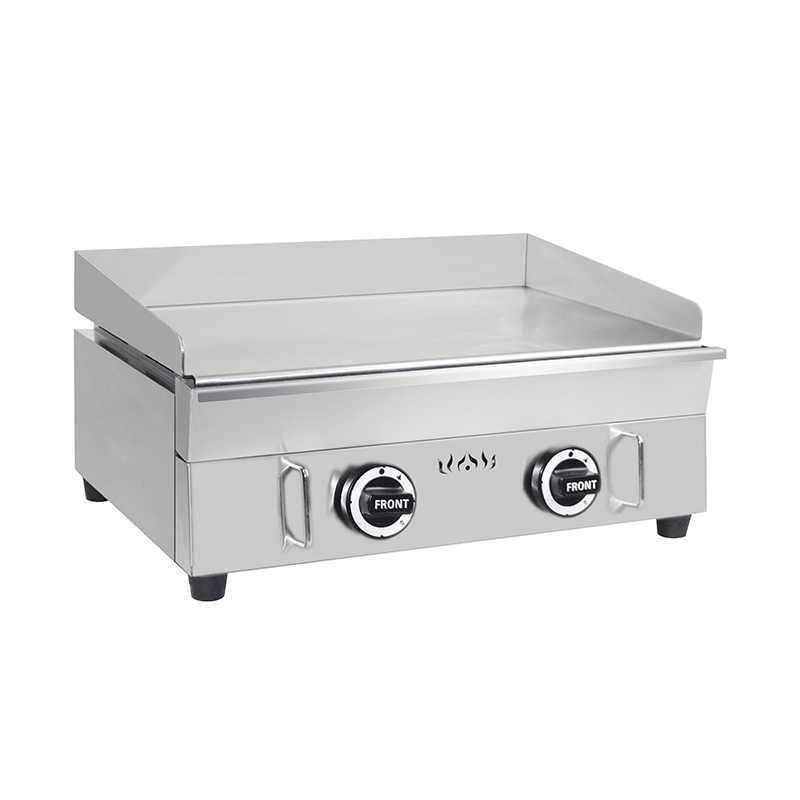
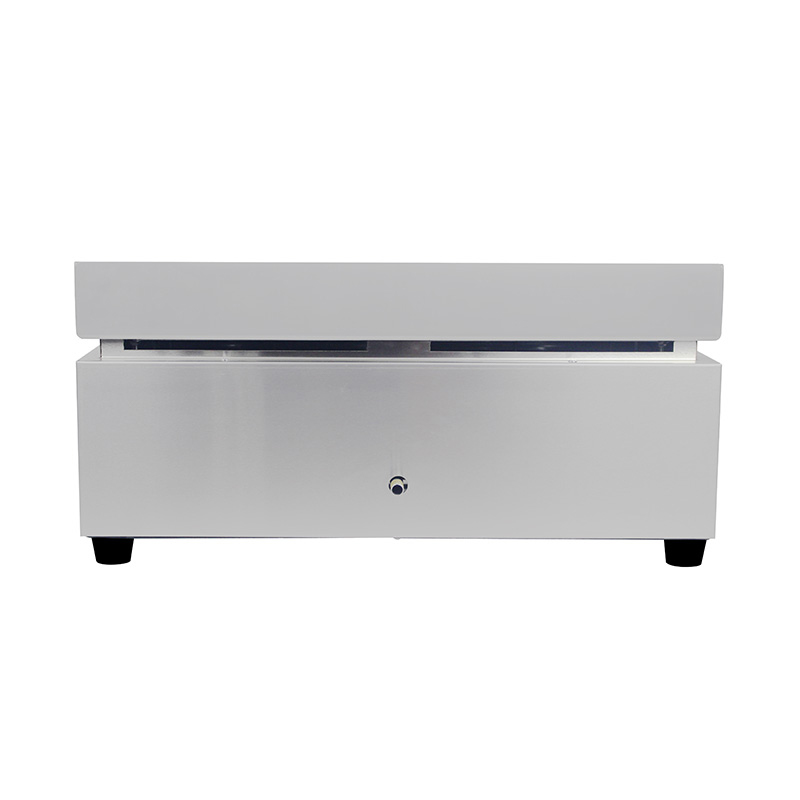
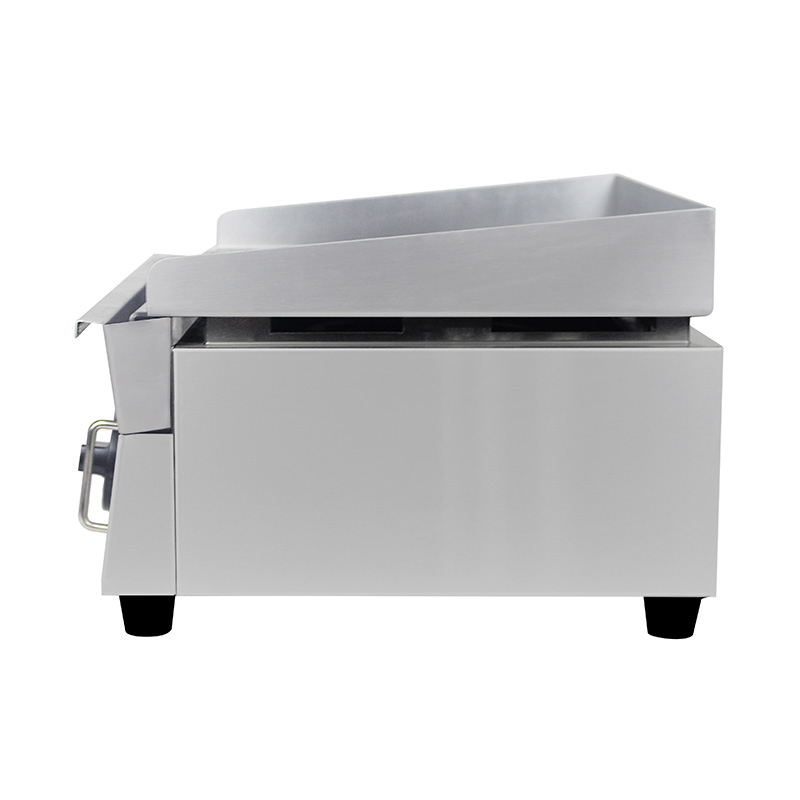
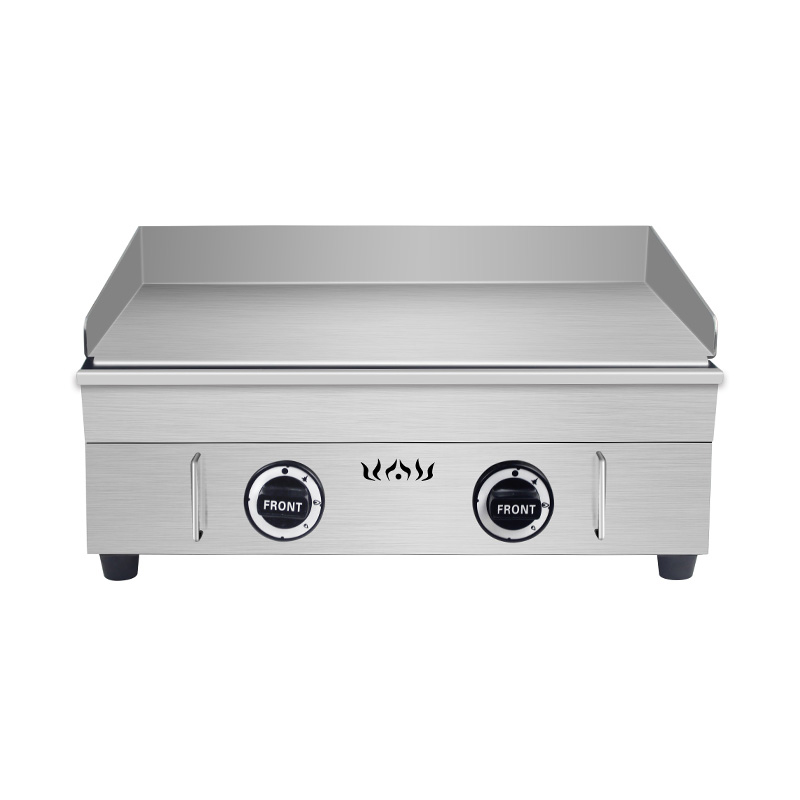
Gas Griddle: What It Is and Why It’s Used in Commercial Kitchens
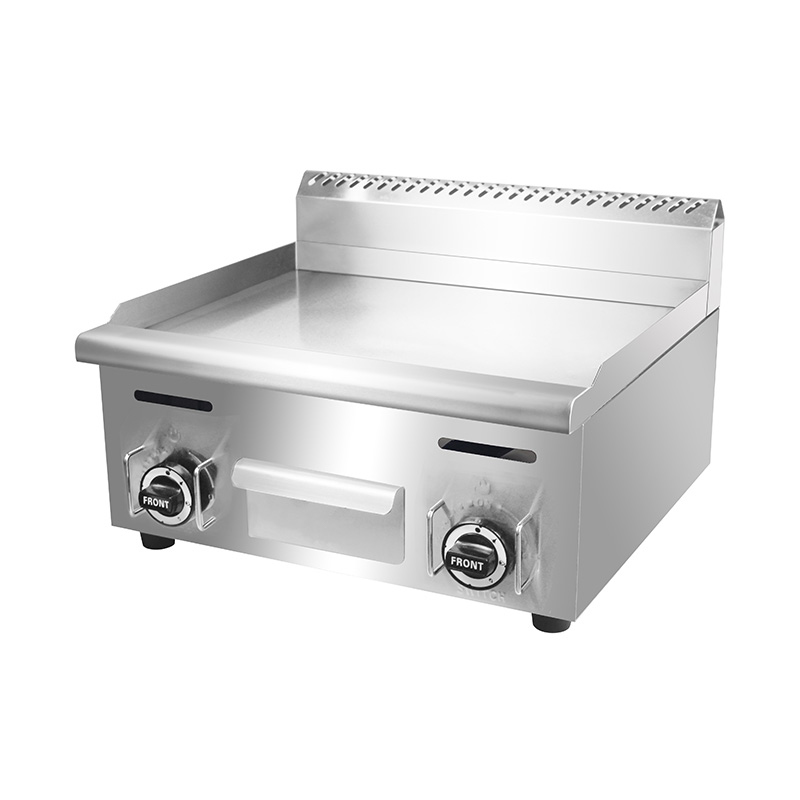
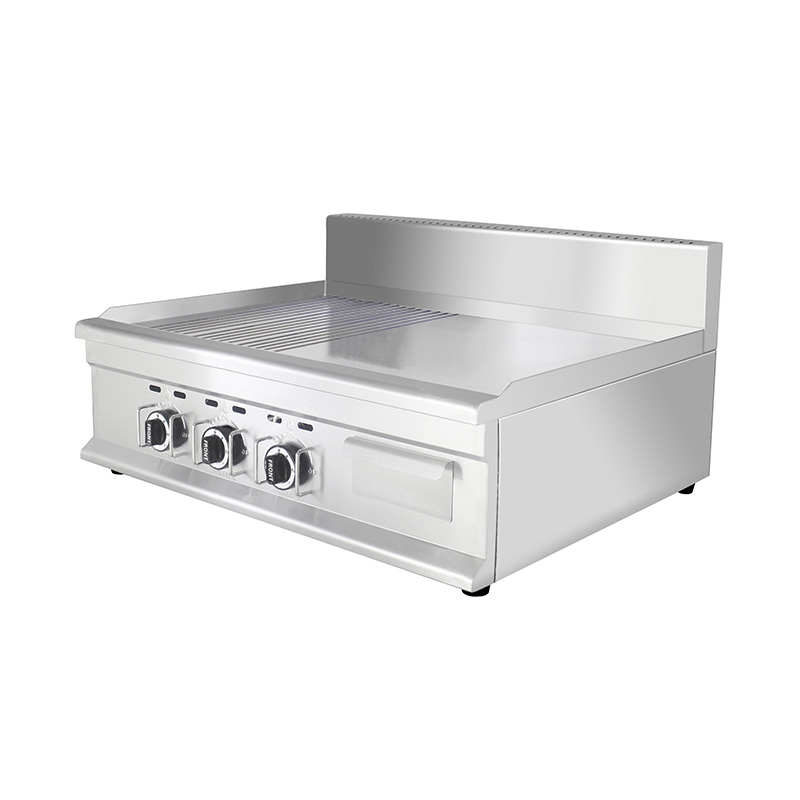
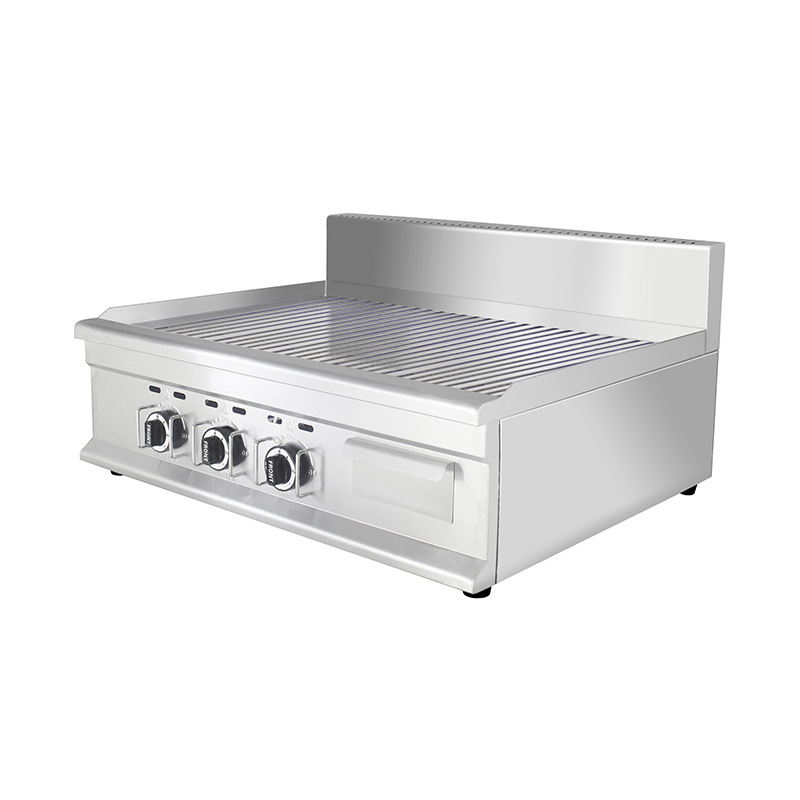
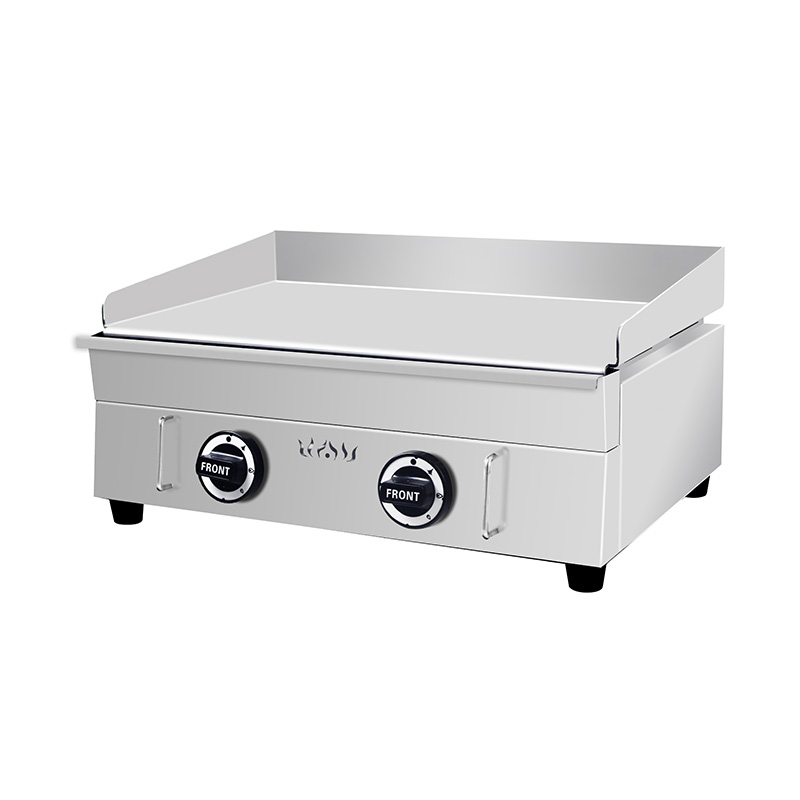
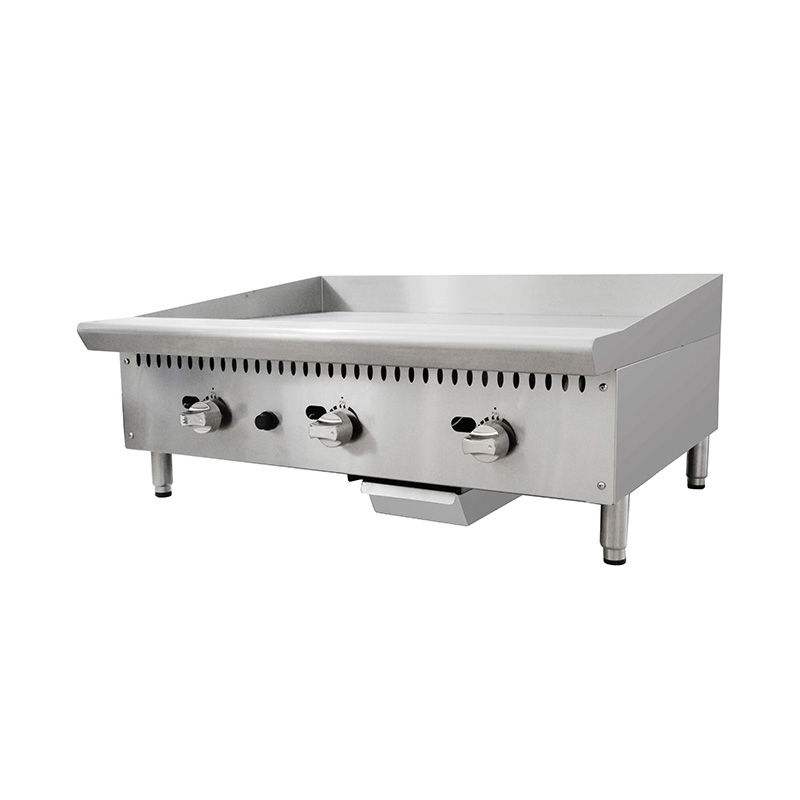
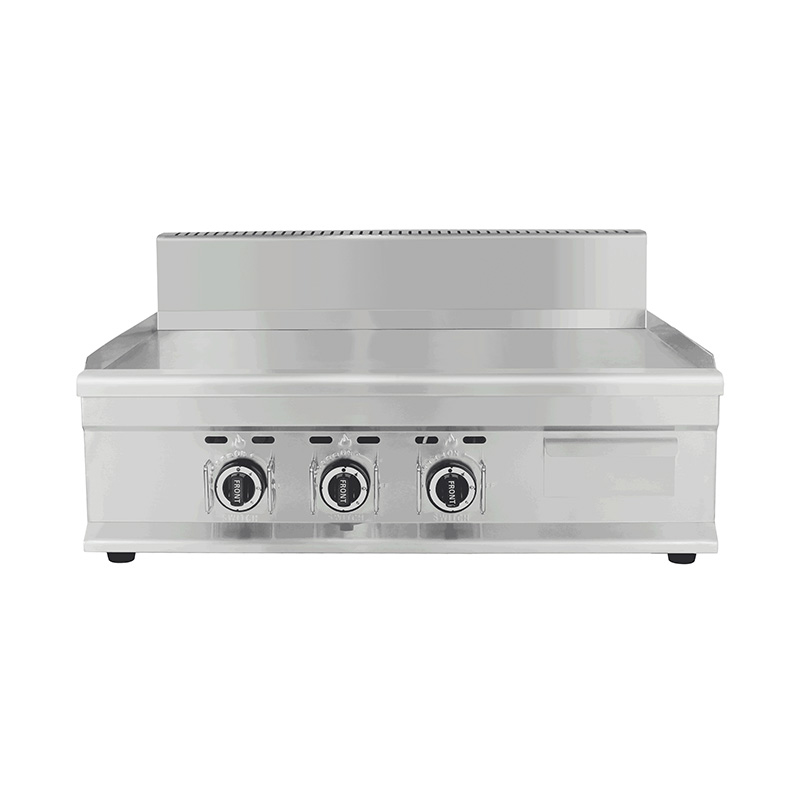
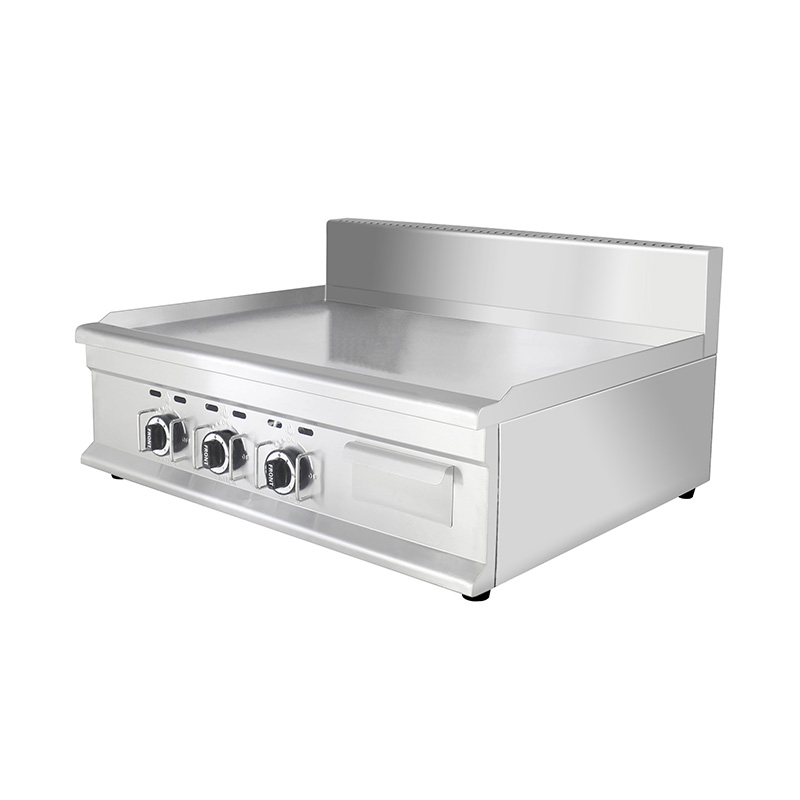
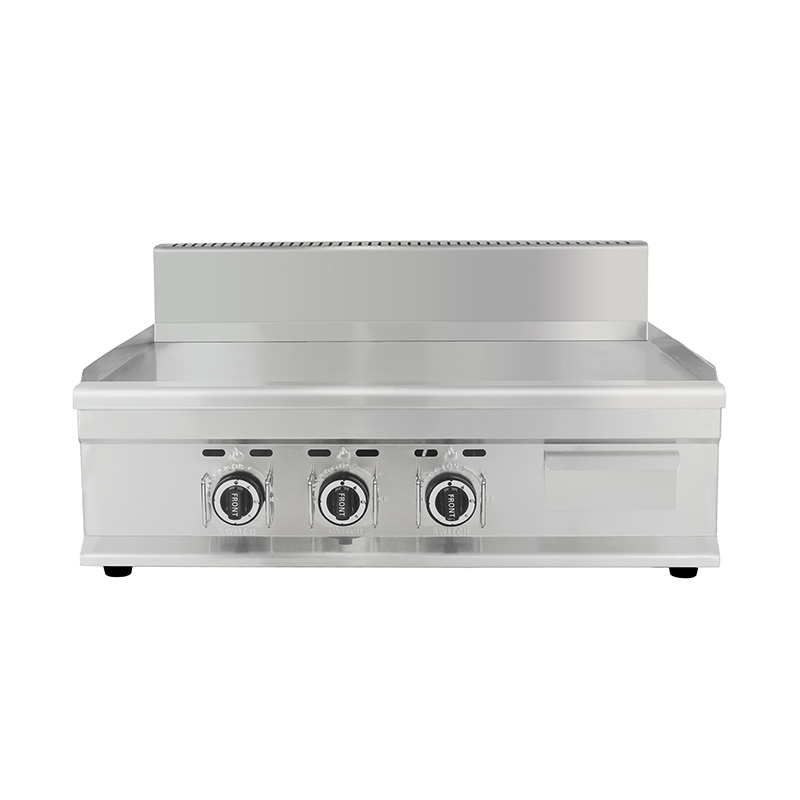
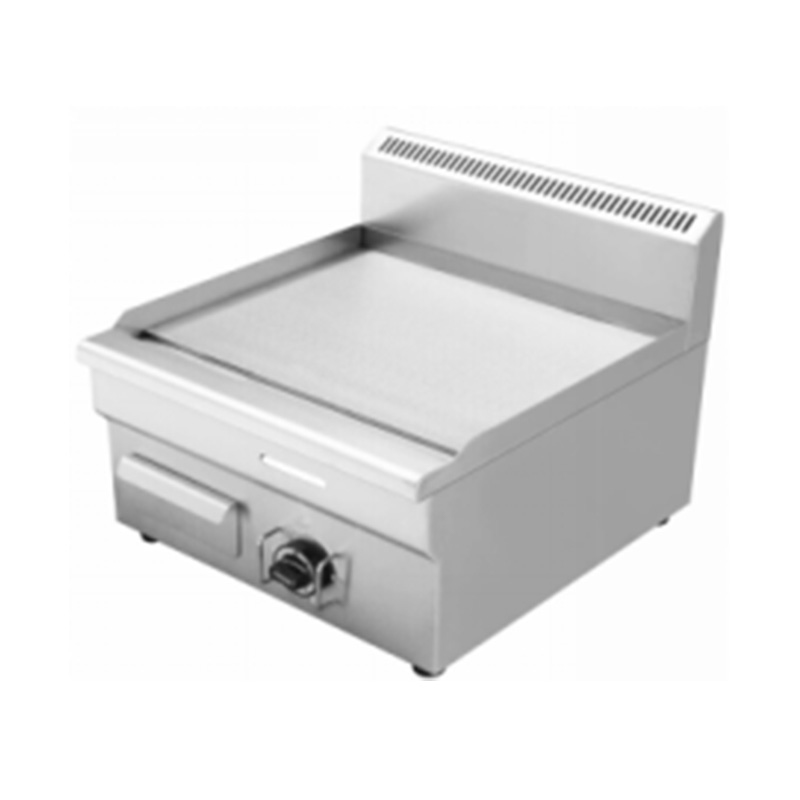
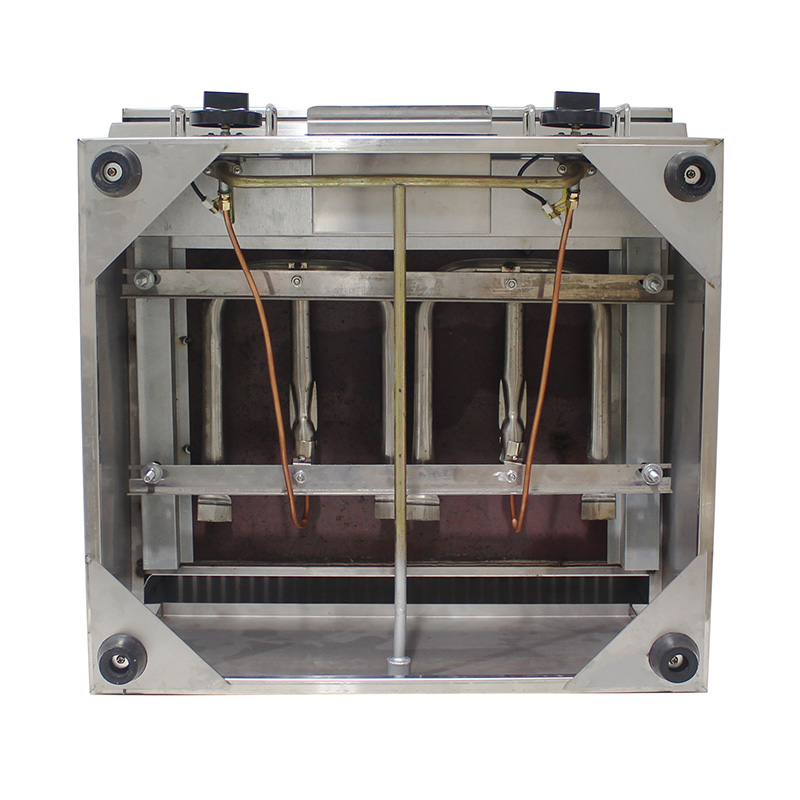
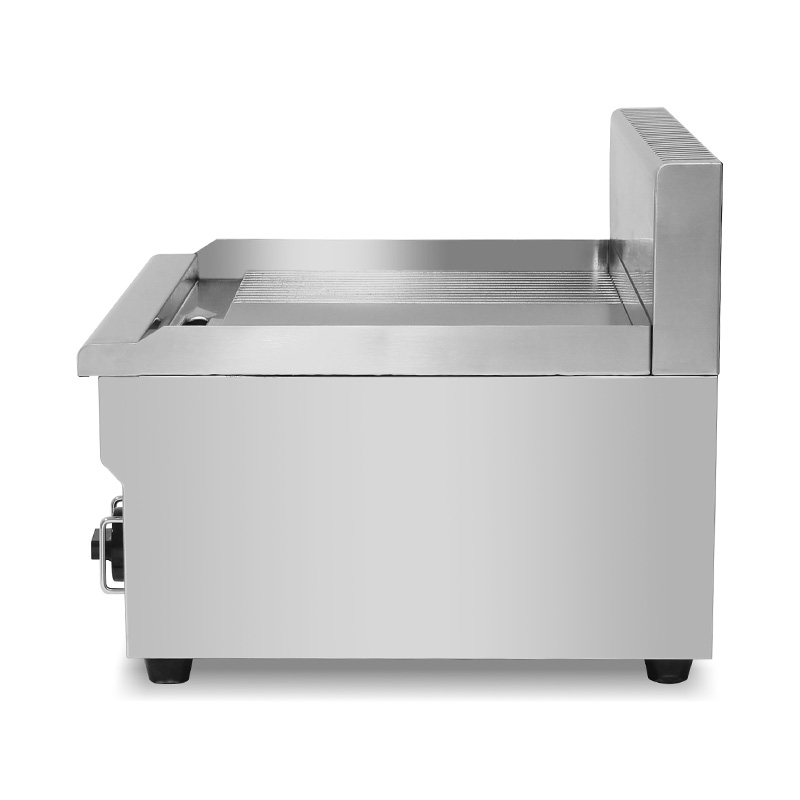
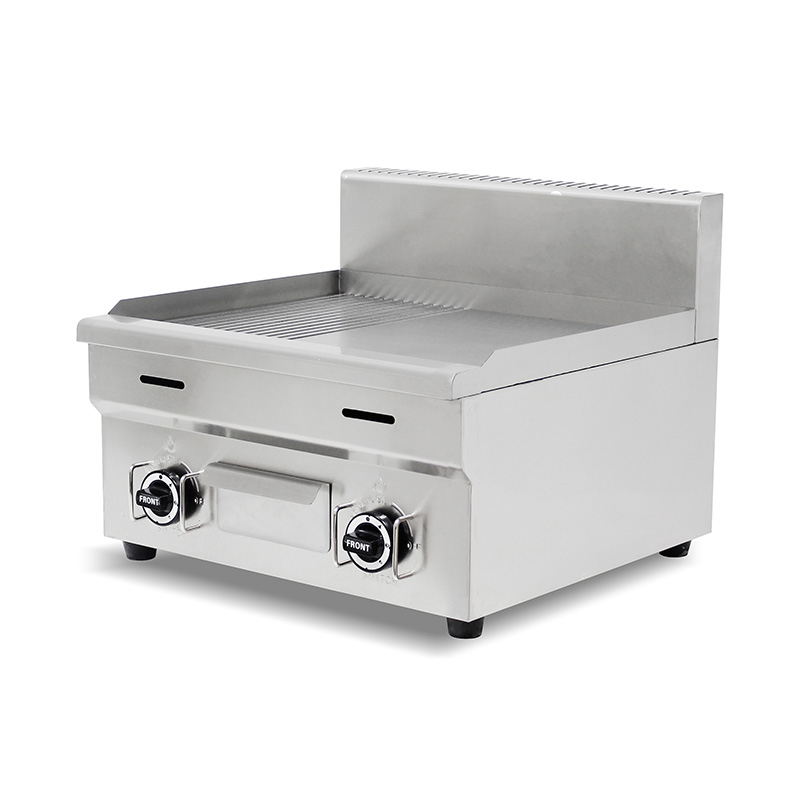
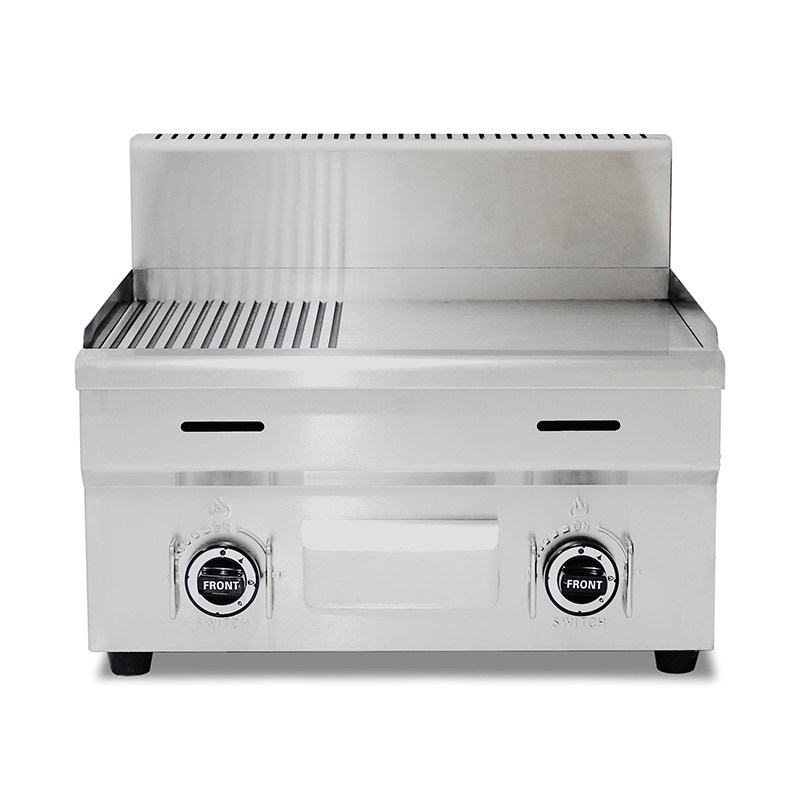
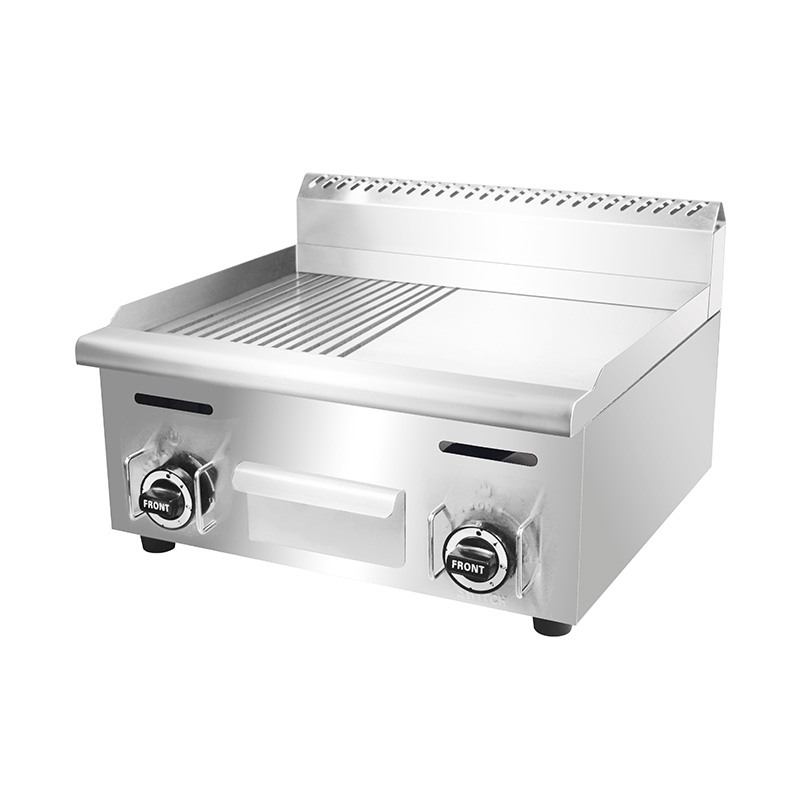
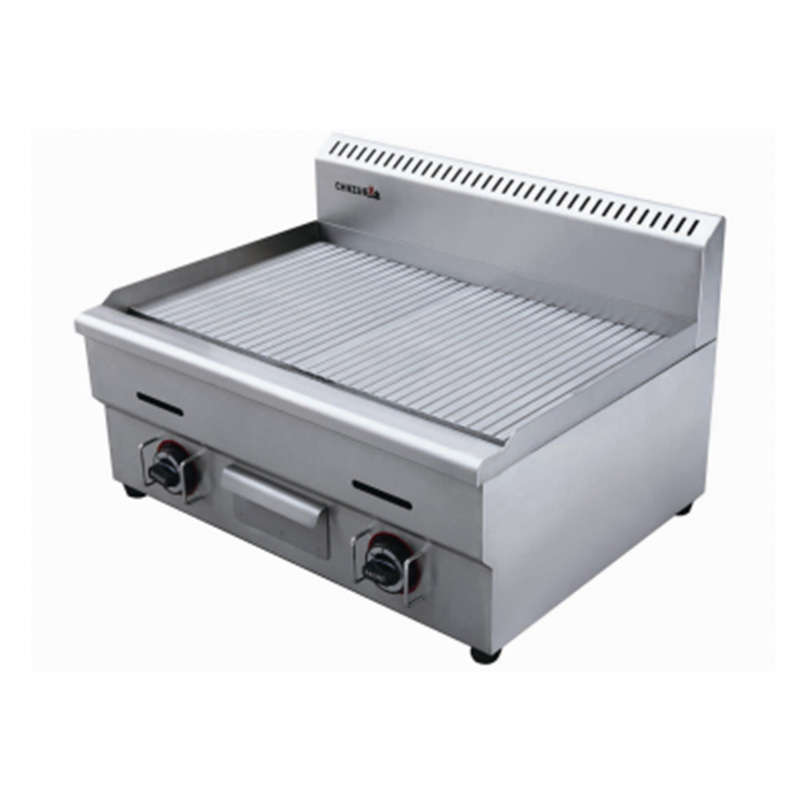
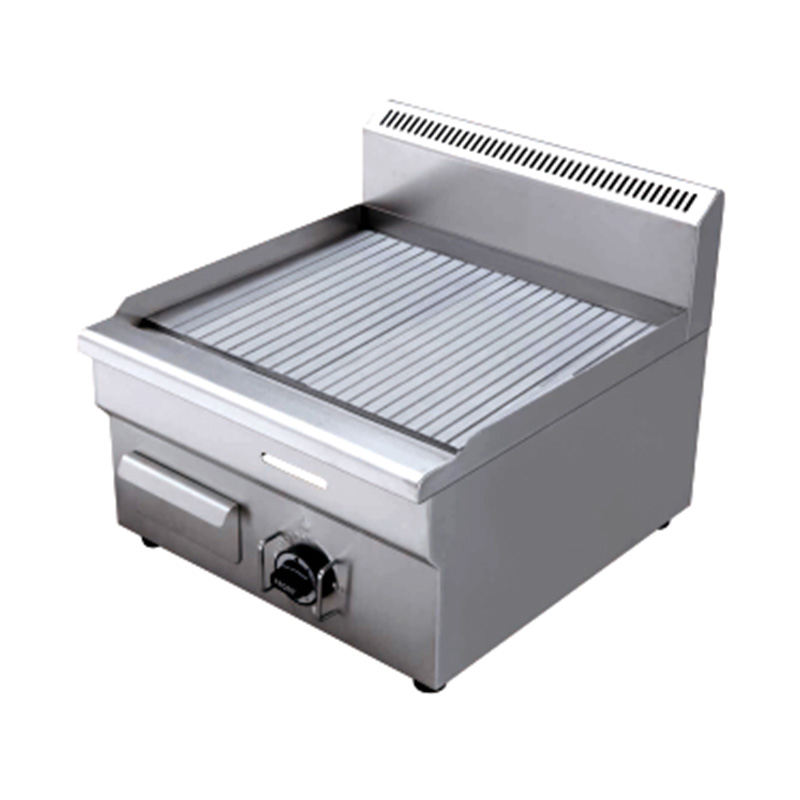
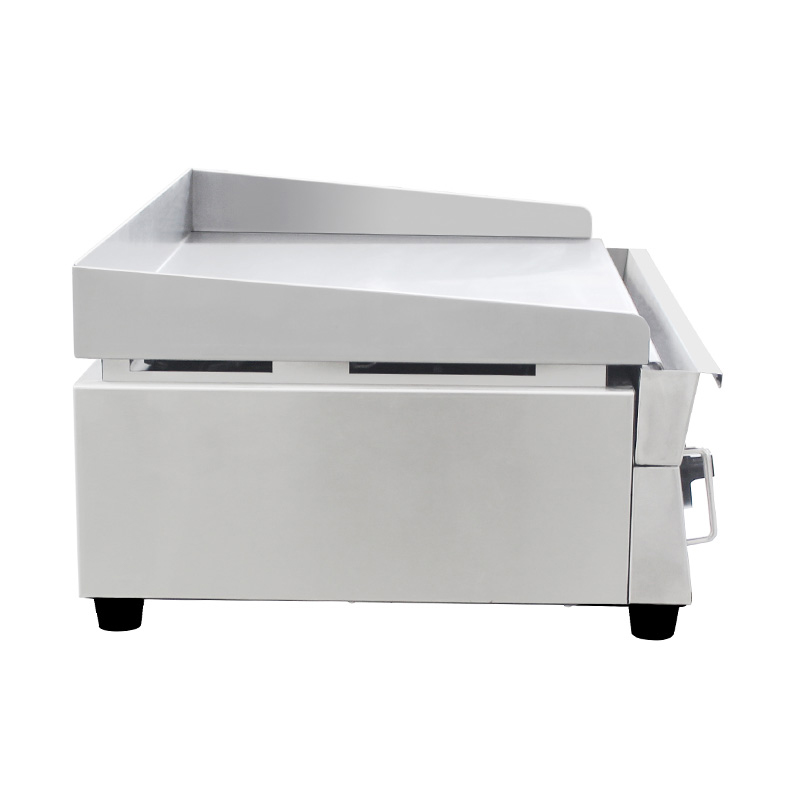
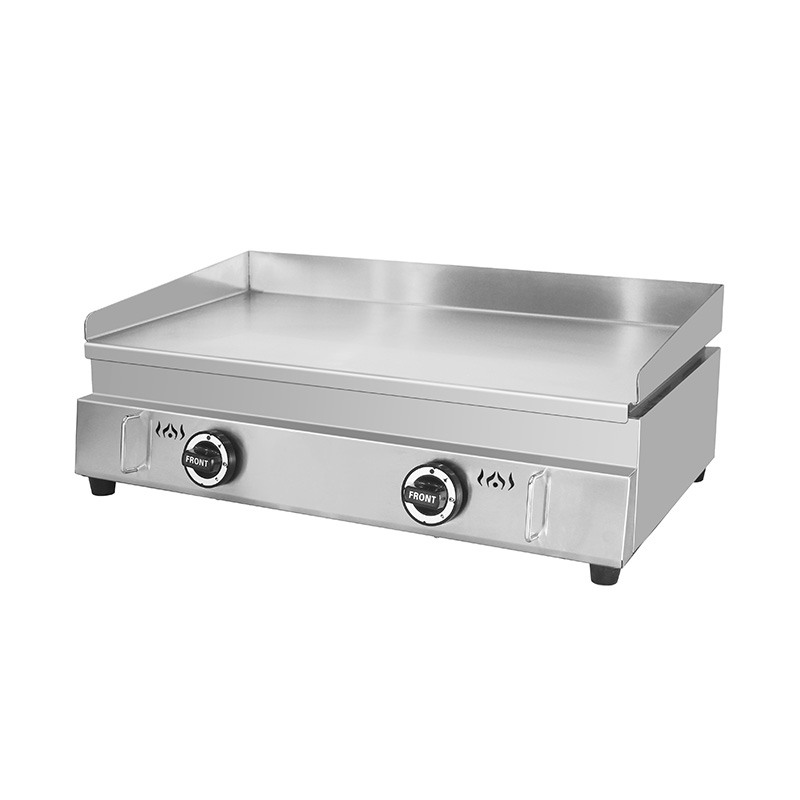
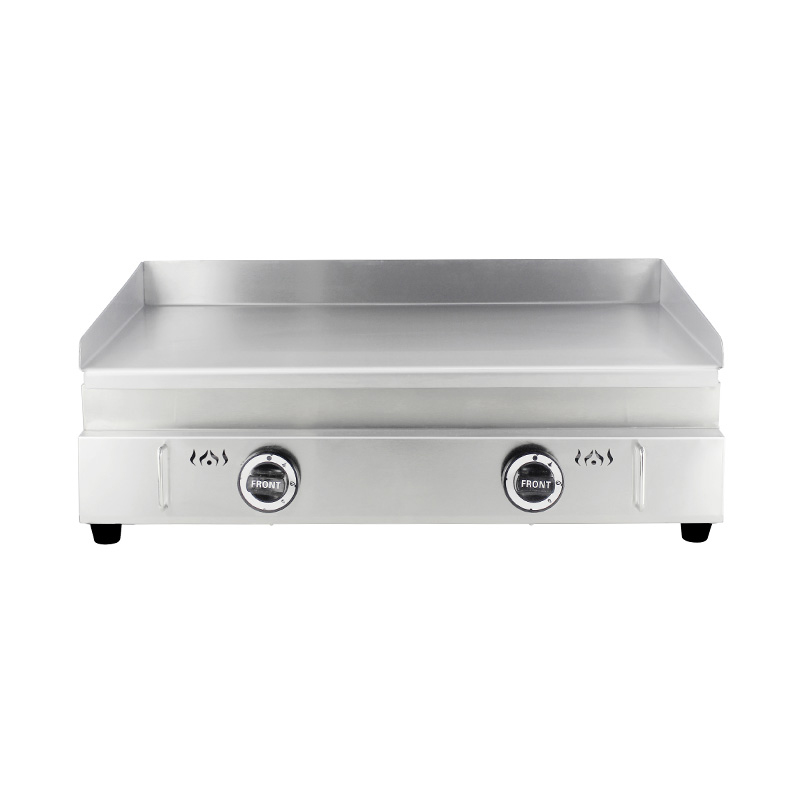
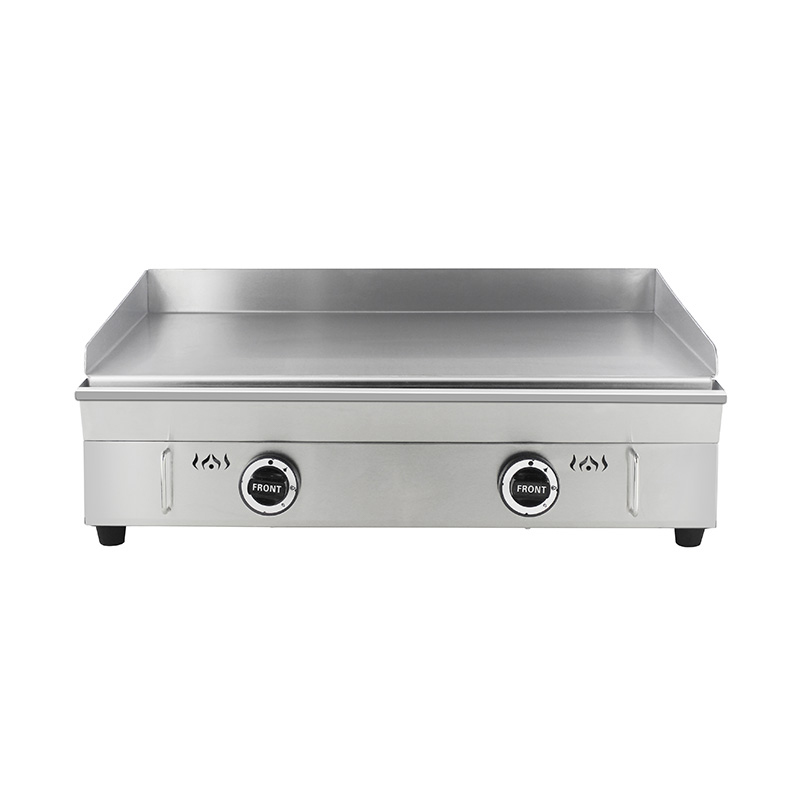
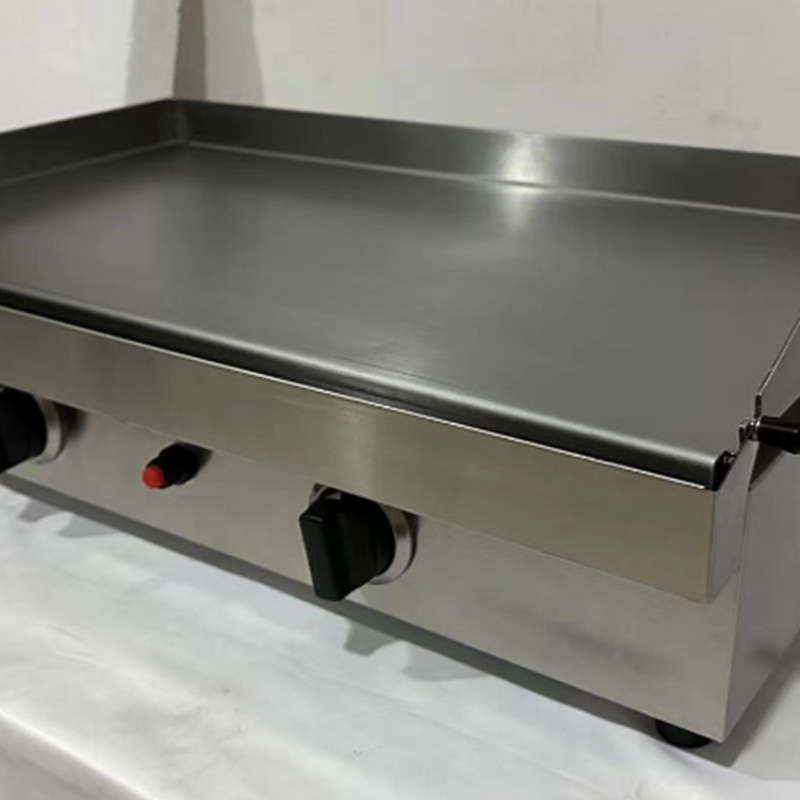
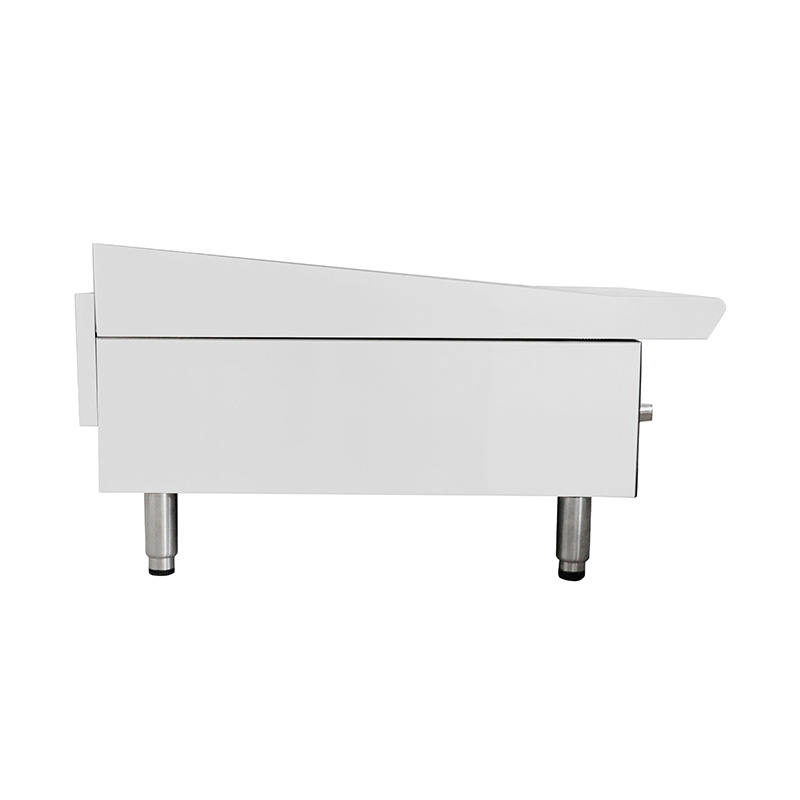
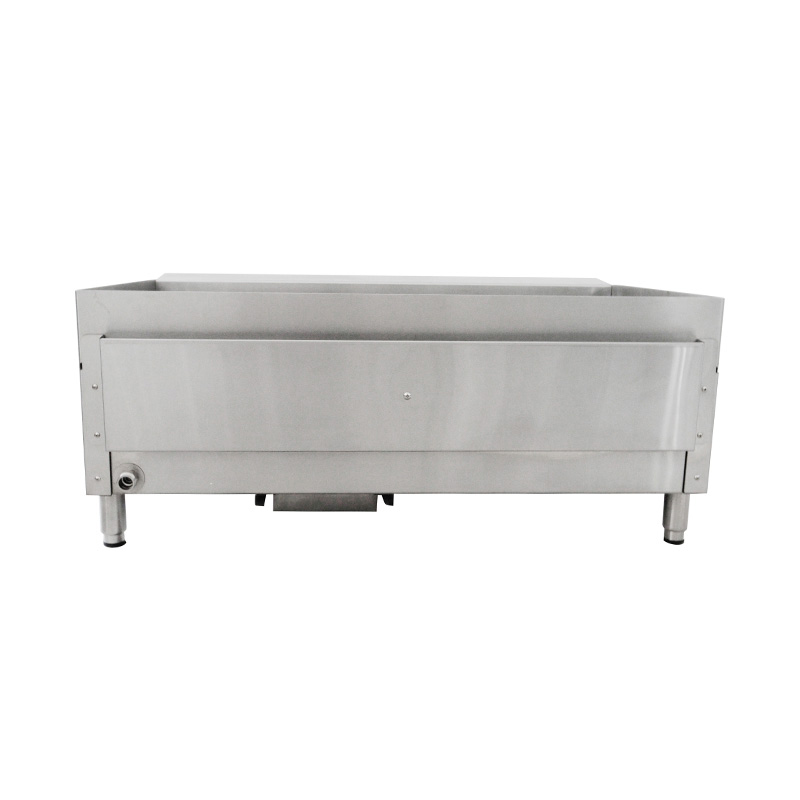
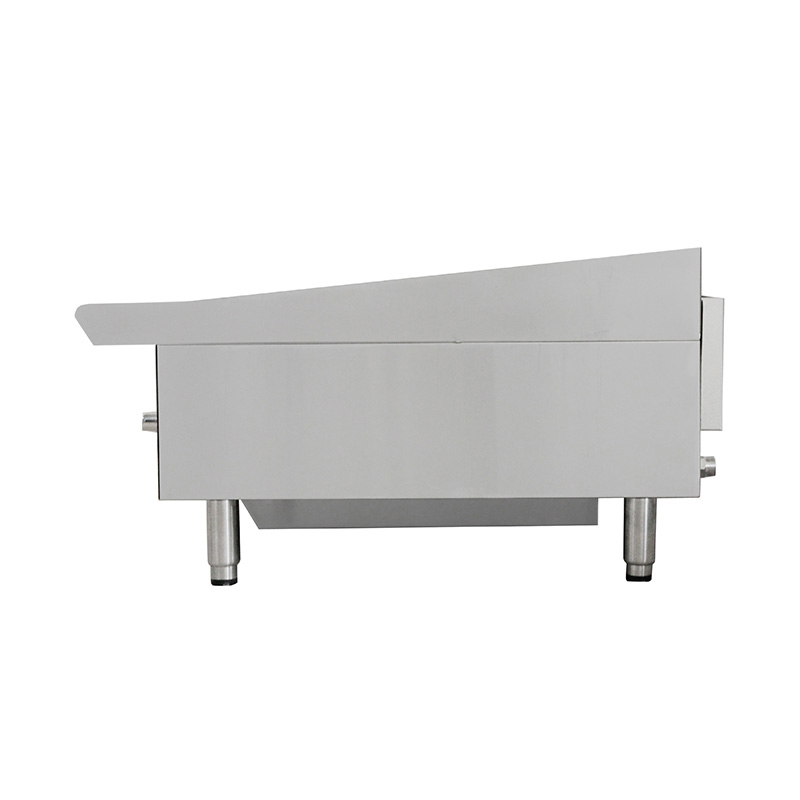
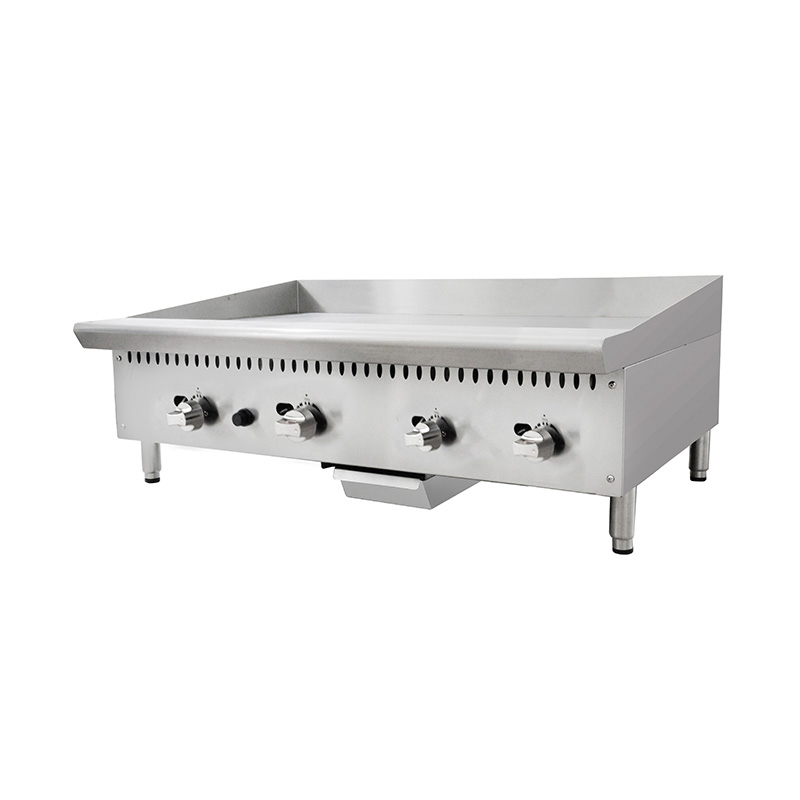
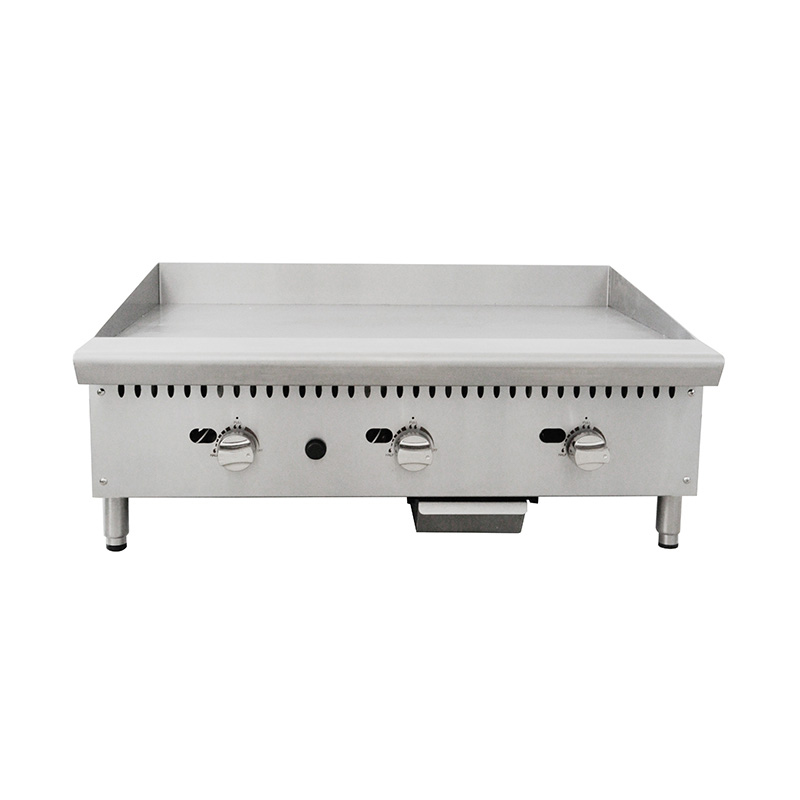
A Gas Griddle is a flat cooking surface powered by gas burners underneath. Unlike traditional grills with open flames, griddles provide an even and smooth surface ideal for frying, searing, and sautéing. Restaurants, food trucks, diners, and catering services commonly use gas griddles because they deliver consistent heat across the cooktop.
Chefs and kitchen operators often ask how a gas griddle compares to other cooking appliances. Key advantages include the ability to cook multiple foods simultaneously, maintain different heat zones, and handle high‑volume output. Gas griddles also heat up quickly, respond well to temperature adjustments, and can handle foods that require flat contact with the cooking surface — such as eggs, pancakes, and burgers.
Typical questions focus on maintenance and cleaning. Daily scraping and periodic deep cleaning help prevent the buildup of grease and carbon, which can affect food quality and the lifespan of the equipment. Many gas griddles come with grease troughs and catch trays to simplify this process, an important consideration in food safety and kitchen hygiene.
Natural Gas Griddle: Fuel Source Considerations and Installation
A Natural Gas Griddle refers to units that run on natural gas rather than propane or electric power. Natural gas is delivered through a building’s pipeline, offering a steady supply without the need for tank changes. For many commercial establishments, natural gas is a preferred fuel type due to lower operational disruptions and predictable energy costs.
When considering a natural gas griddle, business owners often search for information about energy efficiency and cost. Natural gas generally burns cleaner and can be more economical for high‑volume kitchens that operate long hours. An important factor is ensuring proper gas supply pressure; inadequate gas flow can prominent to uneven heating or poor performance.
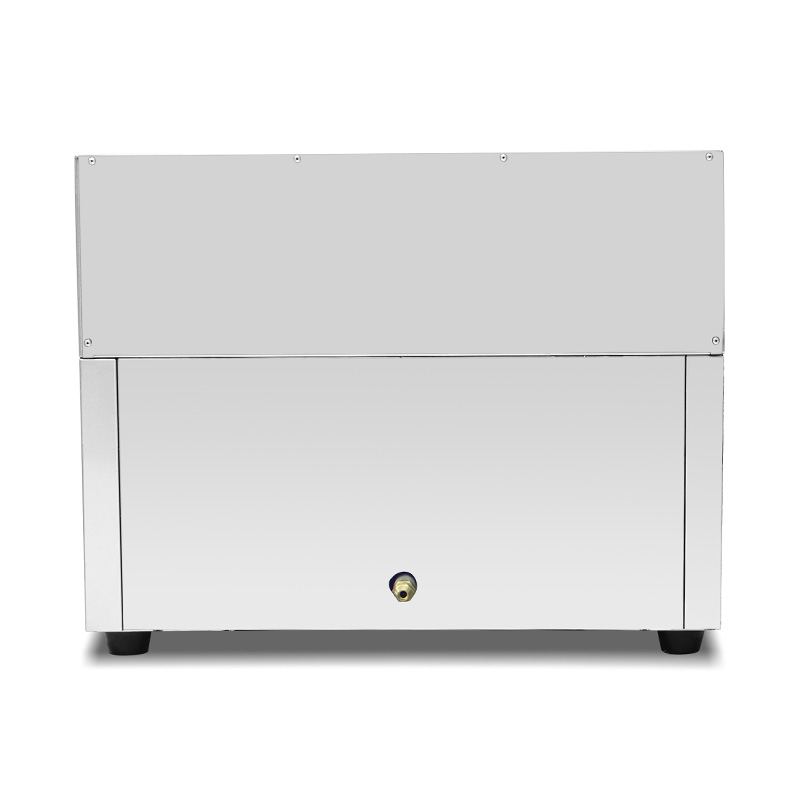
Installation questions frequently arise. Natural gas griddles need to be connected by a certified technician who understands local codes and ventilation requirements. Adequate air exchange and proper exhaust hoods reduce heat buildup and help satisfy fire safety standards. Many operators check with local inspectors to confirm that installation meets both health and building regulations.
Maintenance for natural gas models includes regular checks of gas lines and burners. Blocked orifices and irregular flame patterns can signal adjustments or cleaning. Routine inspection not only preserves performance but also less the risk of gas leaks or unsafe conditions in a busy kitchen.
Outdoor Flat Top Gas Griddle: Advantages for Outdoor Cooking and Events
An outdoor flat top Gas Griddle transforms open‑air cooking by offering a stable, flat surface ideal for large gatherings, food festivals, and backyard kitchens. Outdoor griddles vary in size from portable tabletop options to larger freestanding units. They allow chefs and cooks to prepare breakfast items, grilled sandwiches, stir fries, and more in outdoor settings without relying on traditional grills with grates.
People researching outdoor flat top gas griddles often want to know whether they are suited to both residential and commercial use. Outdoor models typically balance portability with power, making them flexible for catering, concession stands, and home entertainment. Their flat surfaces enable cooking of delicate items that could otherwise fall through grill grates.
Safety and durability are common areas of concern in outdoor environments. Quality outdoor flat top gas griddles use corrosion‑resistant materials to withstand weather exposure. Stainless steel components and sealed burners help reduce rust and performance loss. Users should also consider covers and protective storage to preserve condition during periods of non‑use.
Temperature control is another topic frequently searched. Outdoor flat top gas griddles often include multiple burners with independent controls so zones can be set for both high‑heat searing and low‑heat simmering. This versatility lets cooks prepare a fuller range of menu items at one station. Learning how to balance heat zones and adjust for wind or outside temperatures can enhance cooking results and fuel efficiency.
Gas Griddle Versatility: Foods and Techniques
Gas griddles are valued for cooking flexibility. Key query themes include how to prepare eggs, sandwiches, meats, and vegetables on a gas griddle surface.
A gas griddle’s large flat surface allows multiple items to cook at once. Users often ask about recommended techniques for oiling the surface, spreading batter, and flipping foods without sticking. Preheating the griddle before adding food helps achieve consistent results. Turning and spacing foods evenly supports even cooking and reduces flare‑ups.
Griddle techniques also cover managing humidity and steam. Some kitchen operators place lids or shields to trap heat and speed cooking for thicker items like burgers or steaks. Conversely, foods that require crisp edges, such as hash browns, benefit from direct contact and little moisture.
Natural Gas Griddle Efficiency: Energy Use and Cost Savings
For businesses, energy use on a natural gas griddle is a key concern. Questions often compare natural gas to alternative fuels in terms of cost per hour, environmental impact, and heat delivery. Natural gas typically burns at a stable rate and can be more cost‑effective than propane in regions with accessible pipeline infrastructure.
To maximize efficiency in natural gas models, operators are advised to match burner size with cooking demand. Larger burners draw more fuel; using partial griddle areas with adjustable heat settings can save energy when cooking smaller batches.
Routine maintenance and periodic calibration of controls also help ensure that flame output aligns with temperature settings. Uneven or low flames may indicate nozzle cleaning or technician service is needed.
Outdoor Flat Top Gas Griddle Setup: What to Expect
Setting up an outdoor flat top gas griddle requires attention to the surface, fuel connection, and ventilation. Outdoor units may run on propane tanks or connect to natural gas with an adapter. Patio placement should set the griddle on a stable, non‑flammable surface away from overhangs.
Users often ask how to protect outdoor griddles from rain and debris. Covers, custom enclosures, and weatherproofing sprays help preserve performance. Regular checks of hoses and regulator assemblies further enhance safety.