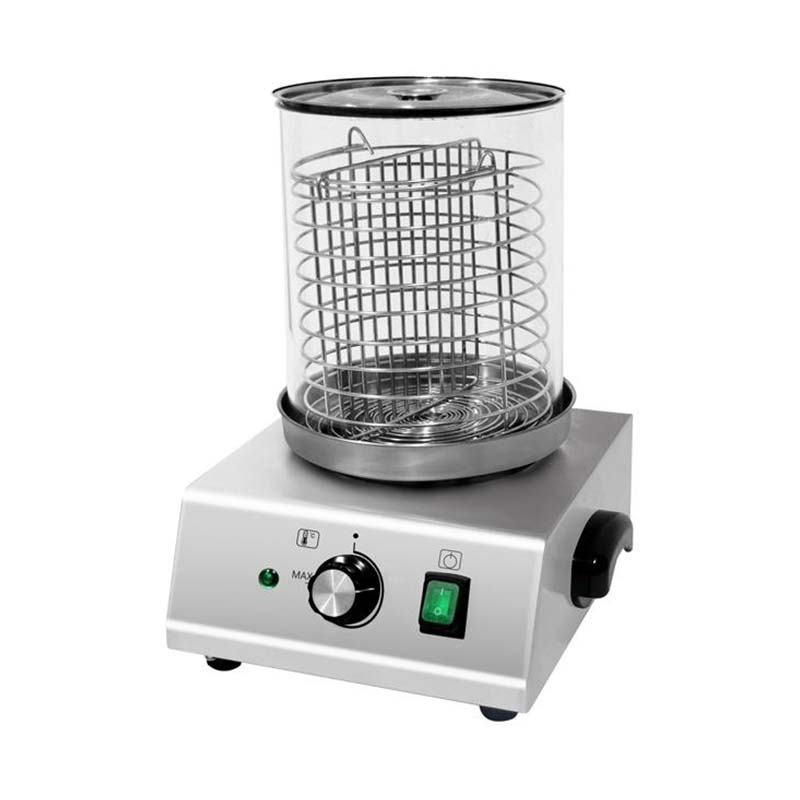
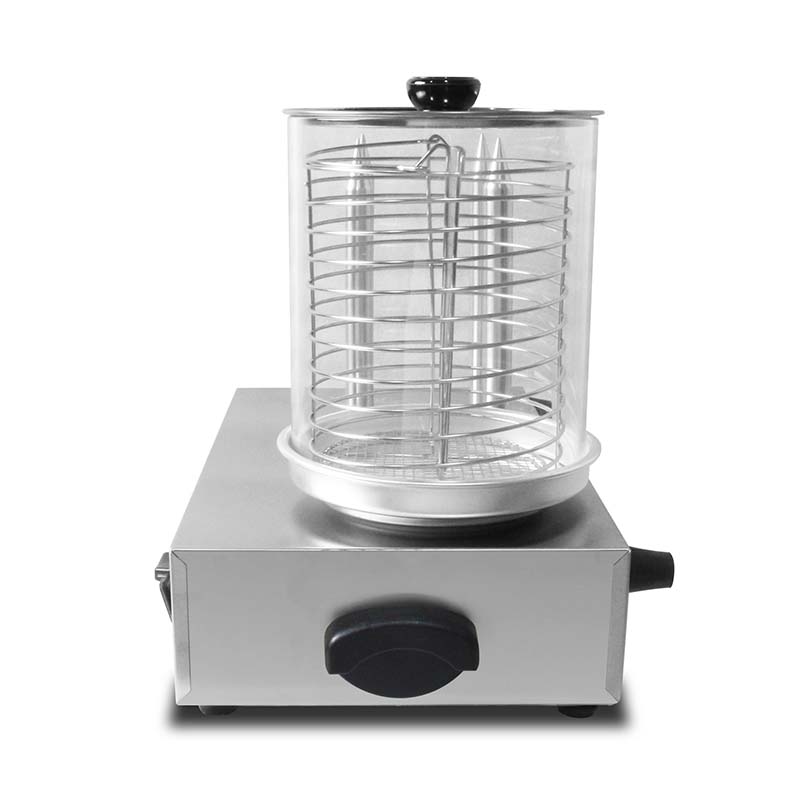
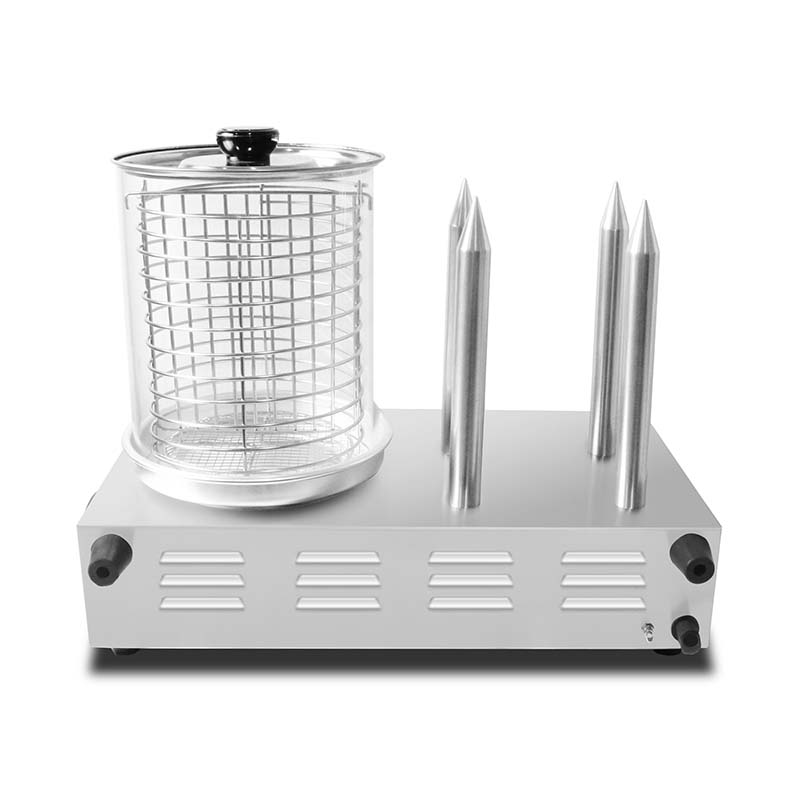
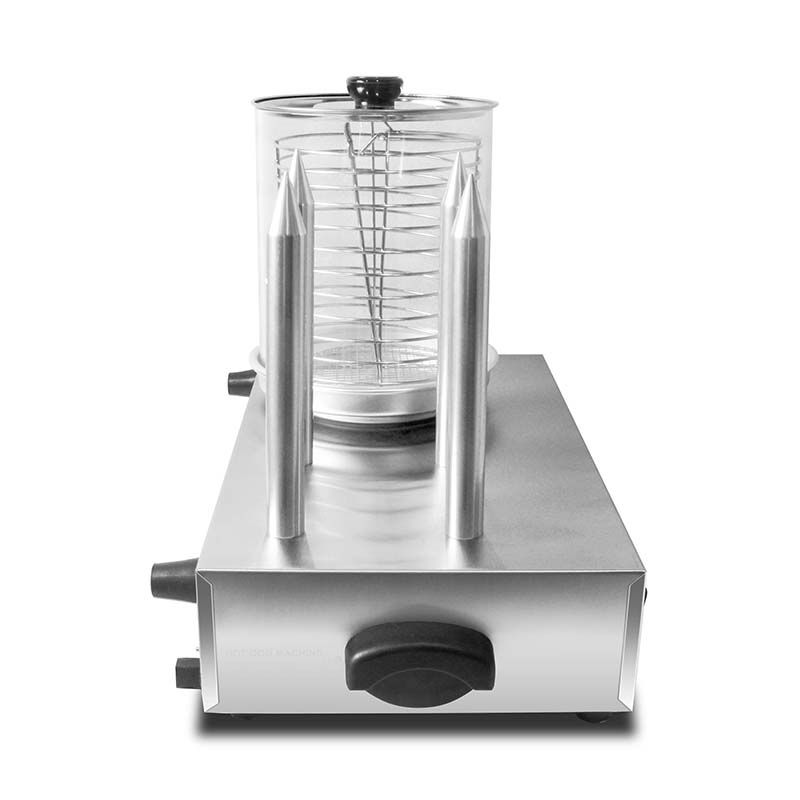
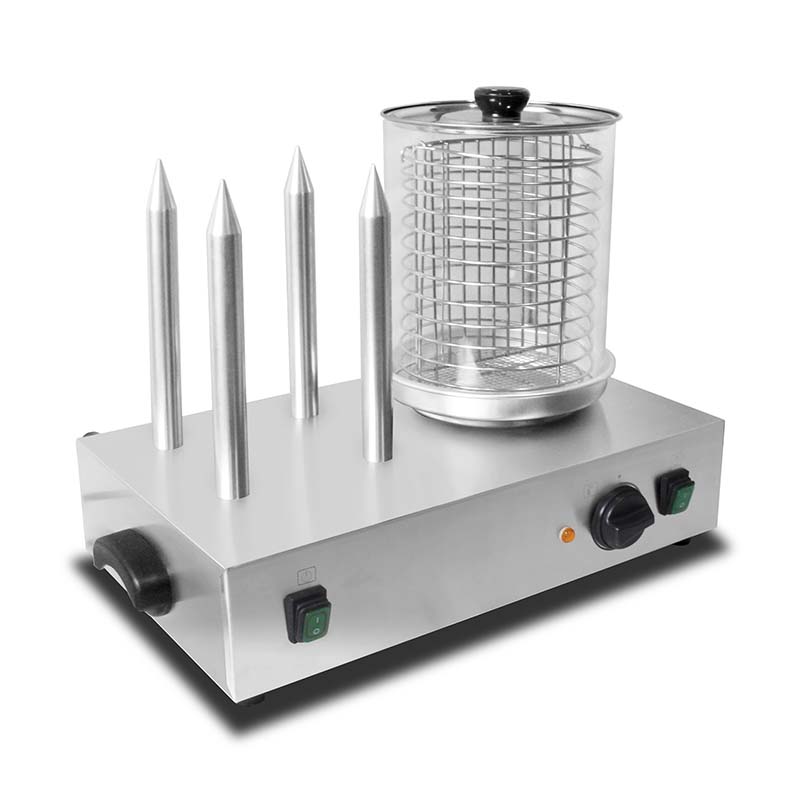
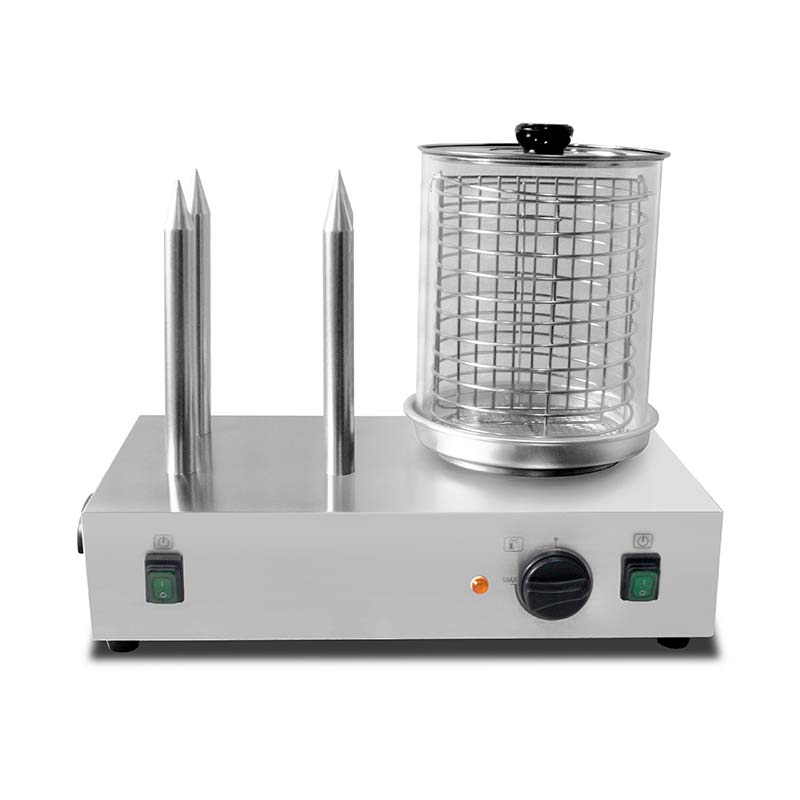
Hot Dog Roller: Key Operating Principles and Buyer Considerations
A Hot Dog Roller is a widely used piece of commercial food equipment designed to heat and hold sausages evenly while maintaining visual appeal. Understanding these aspects helps buyers select suitable equipment for different foodservice environments.
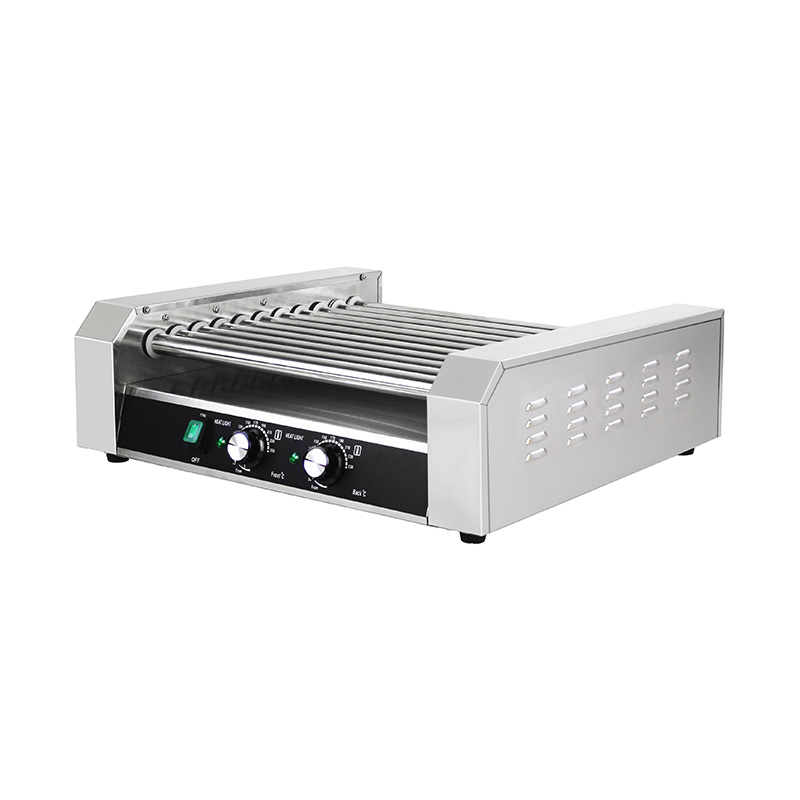
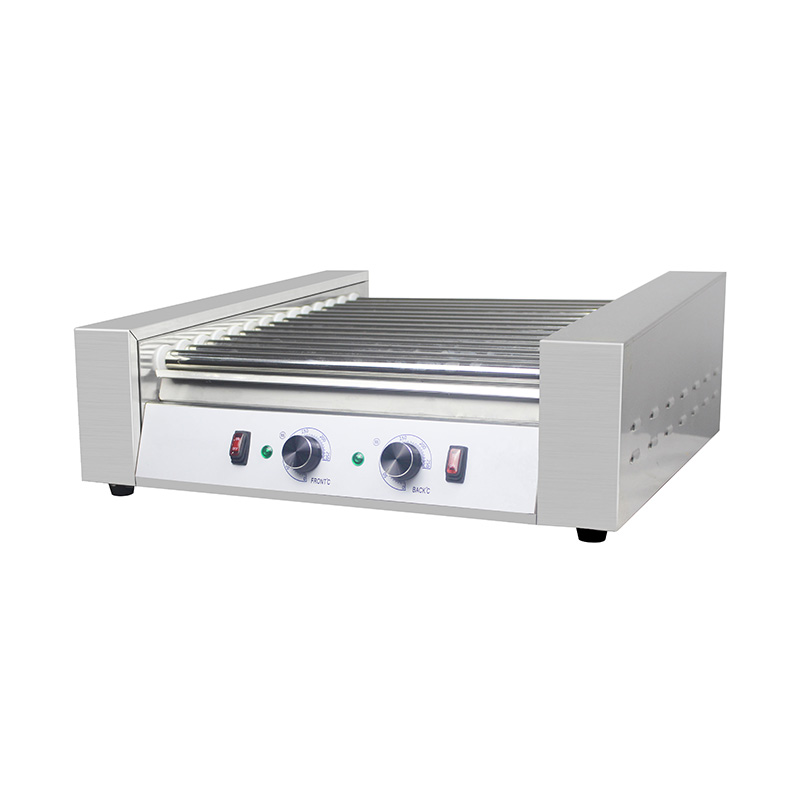
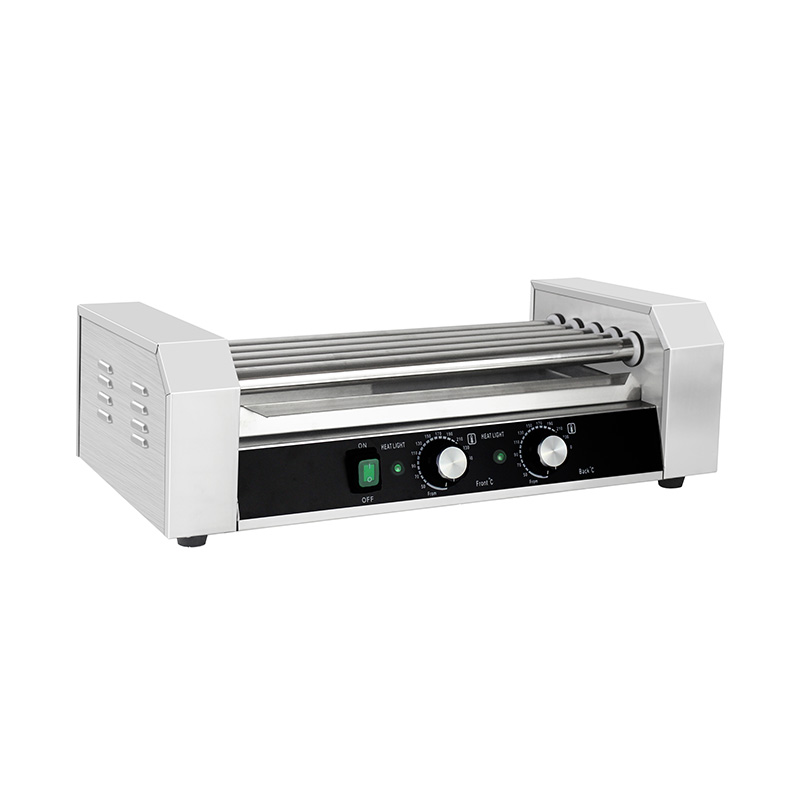
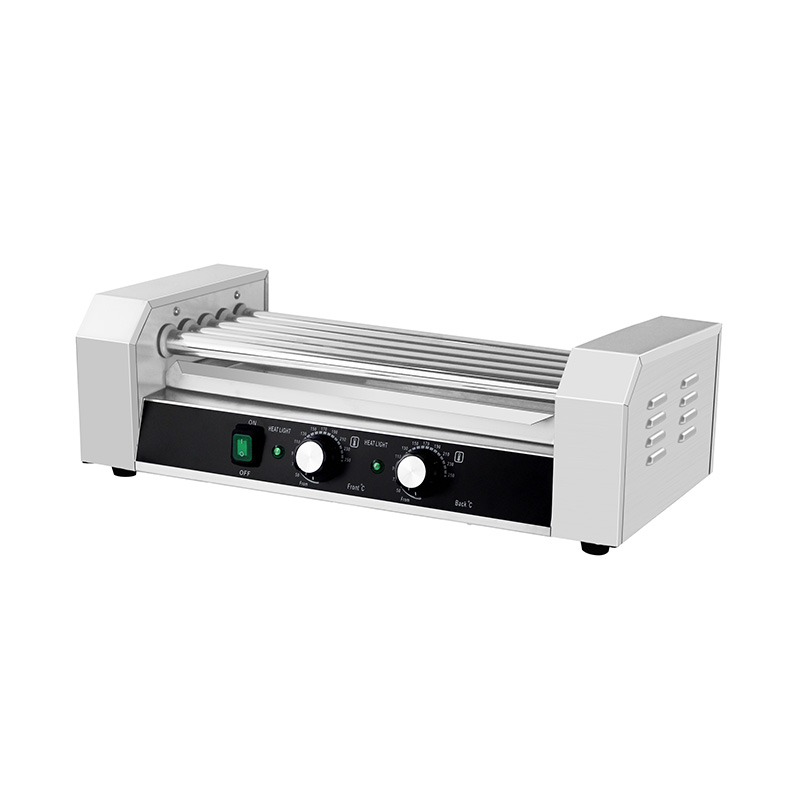
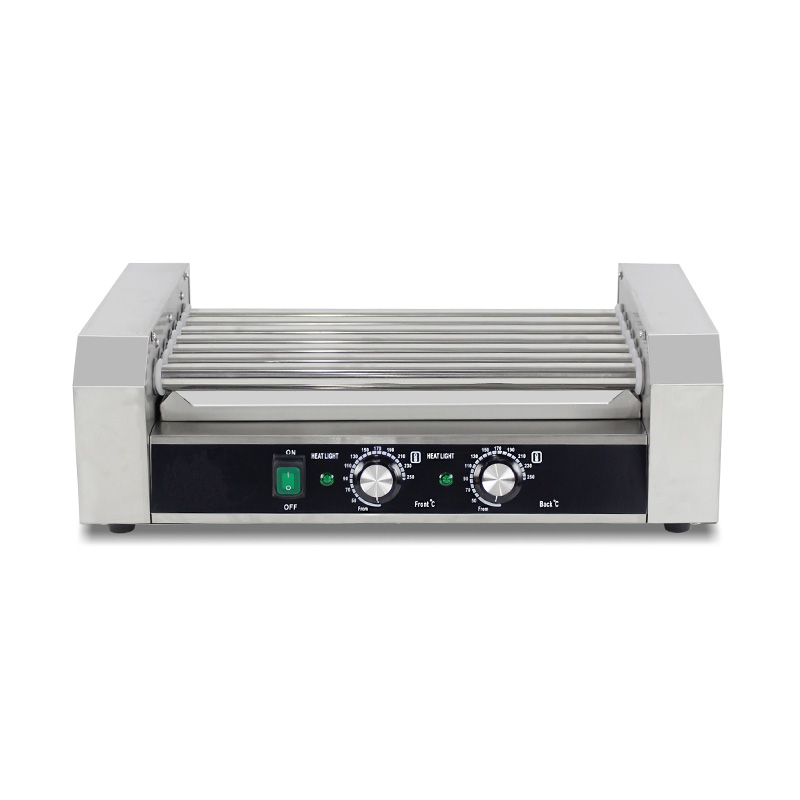
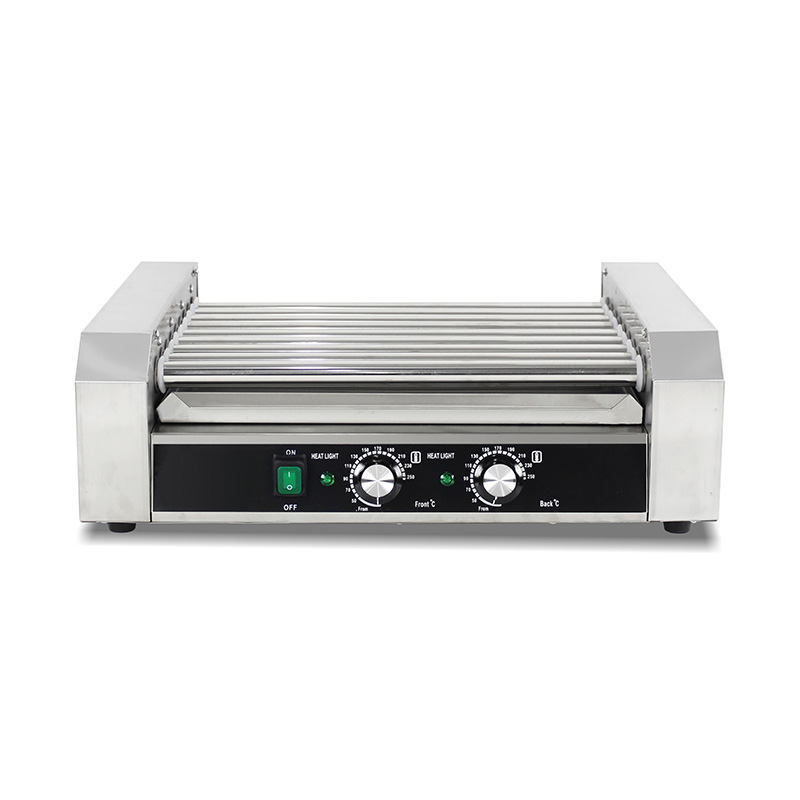
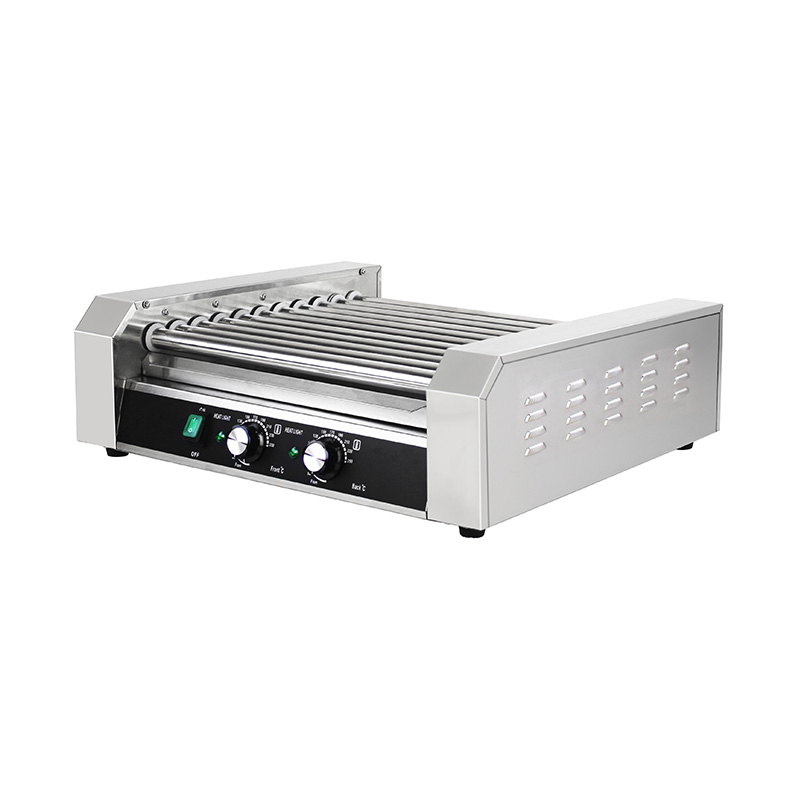
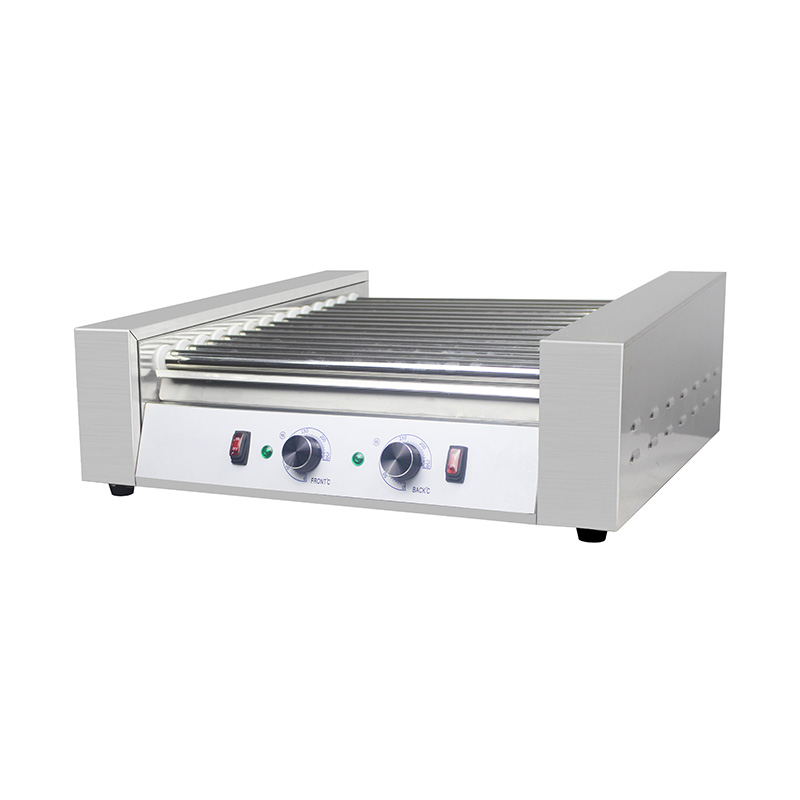
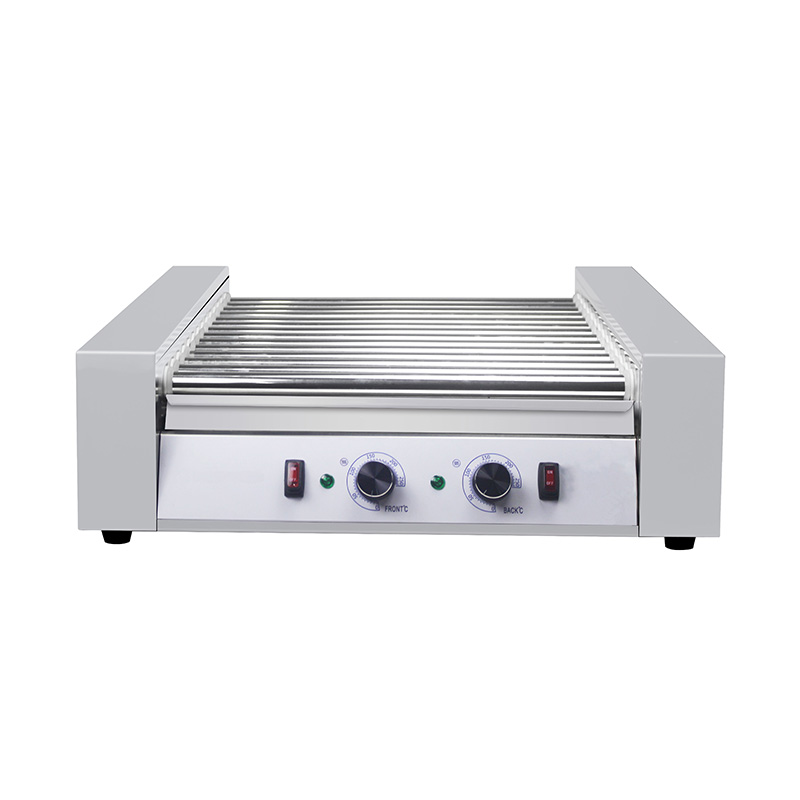
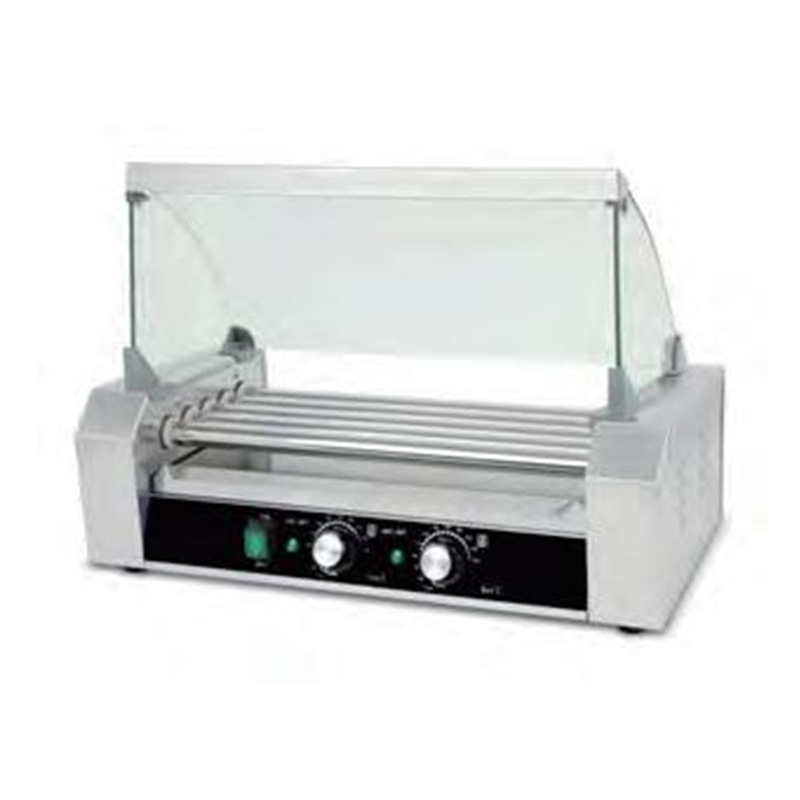
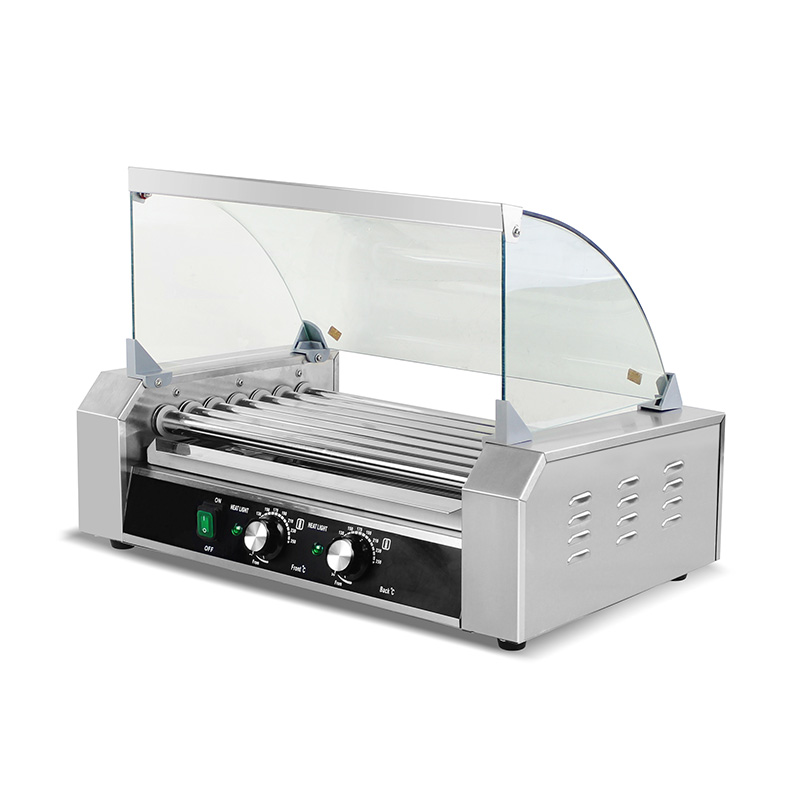
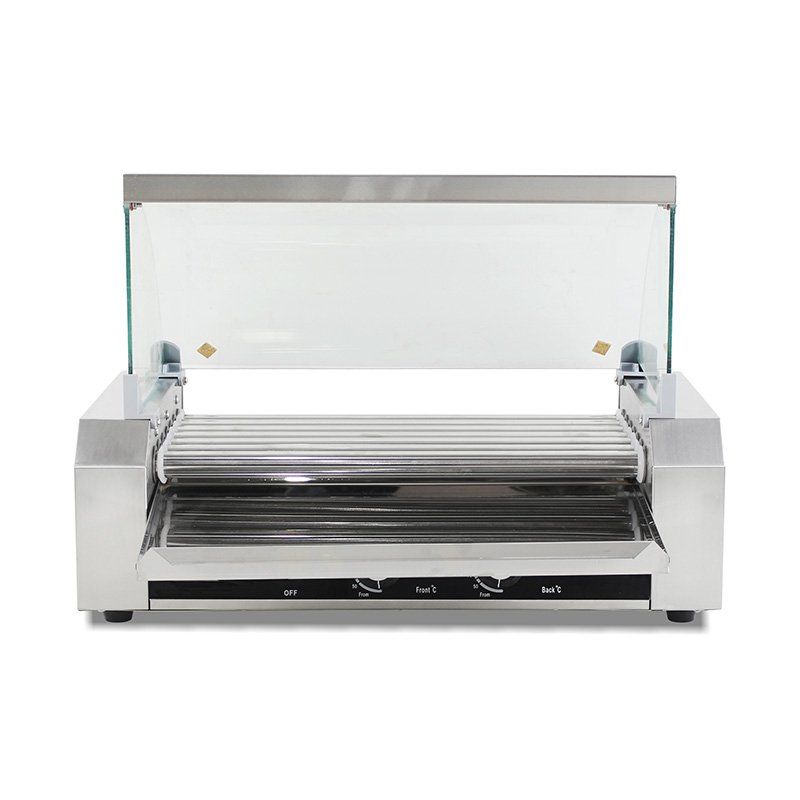
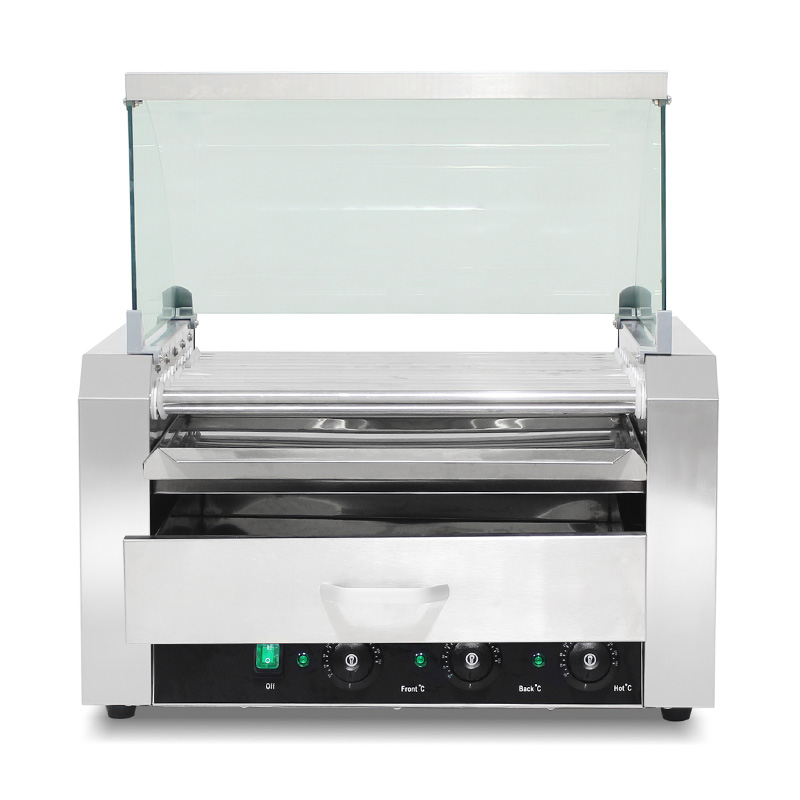
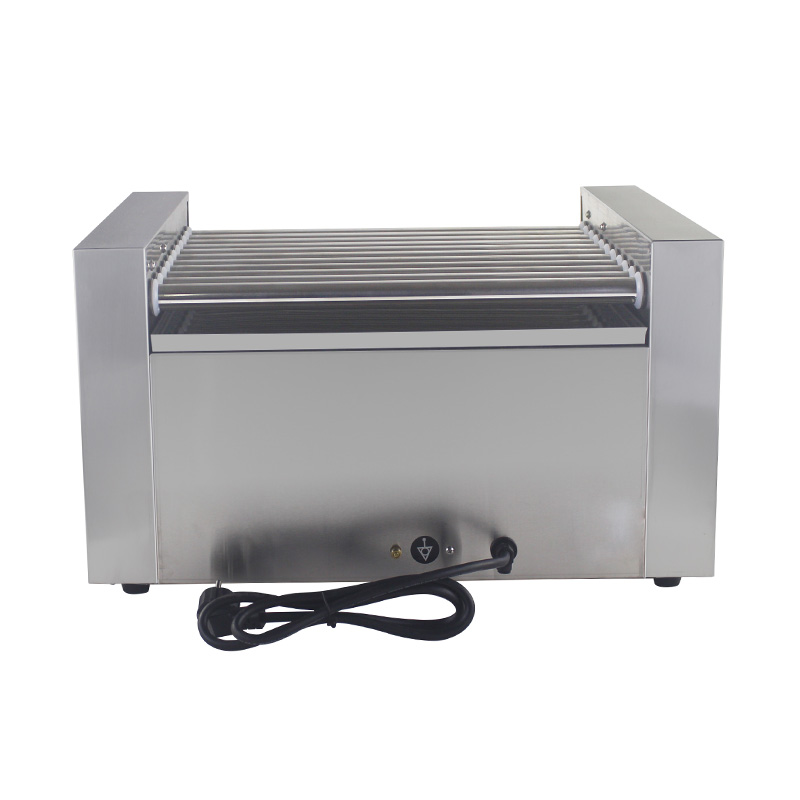
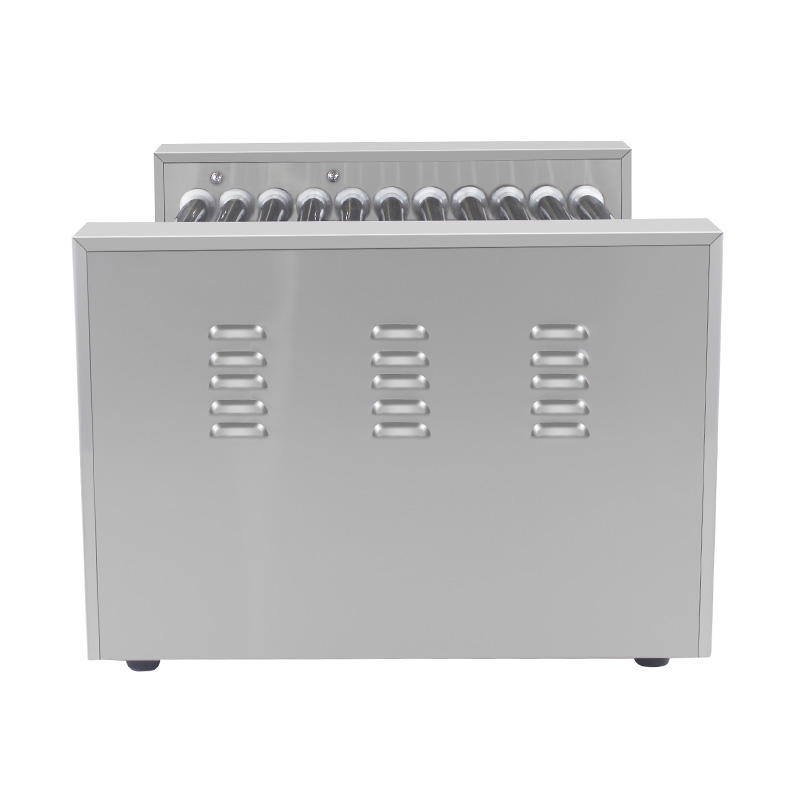
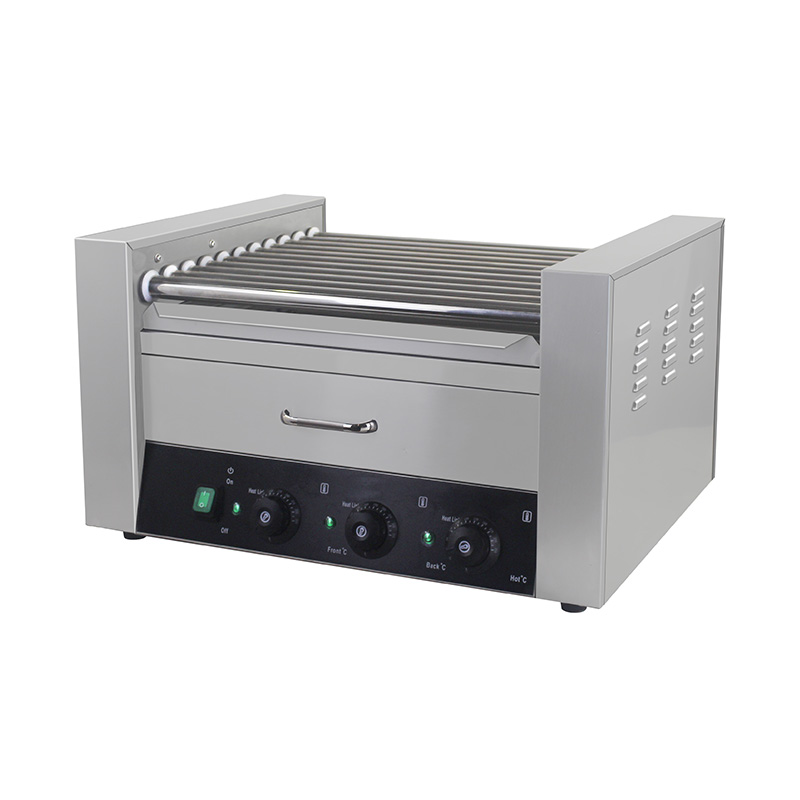
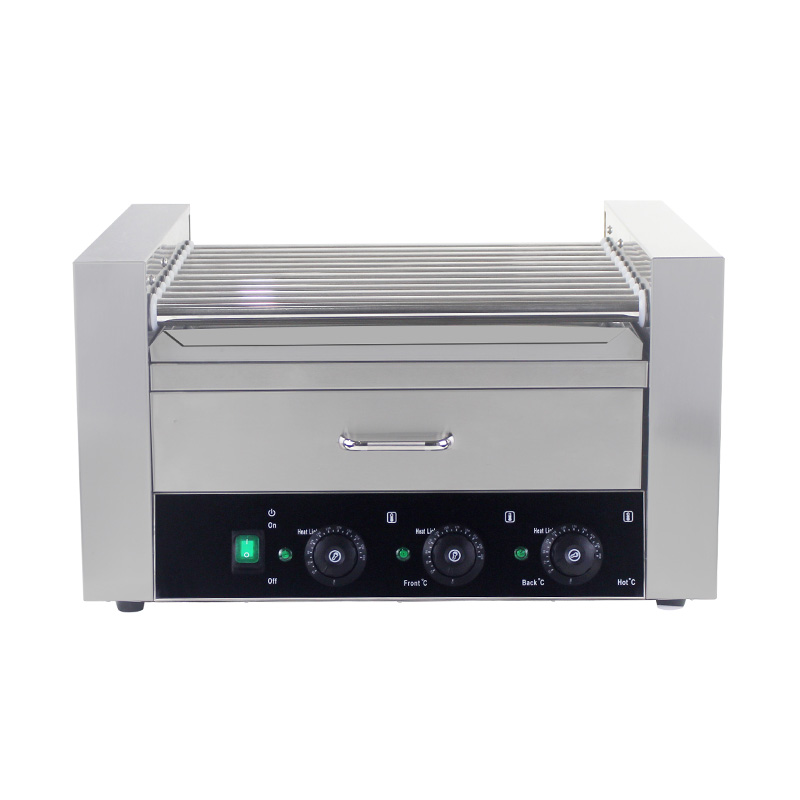
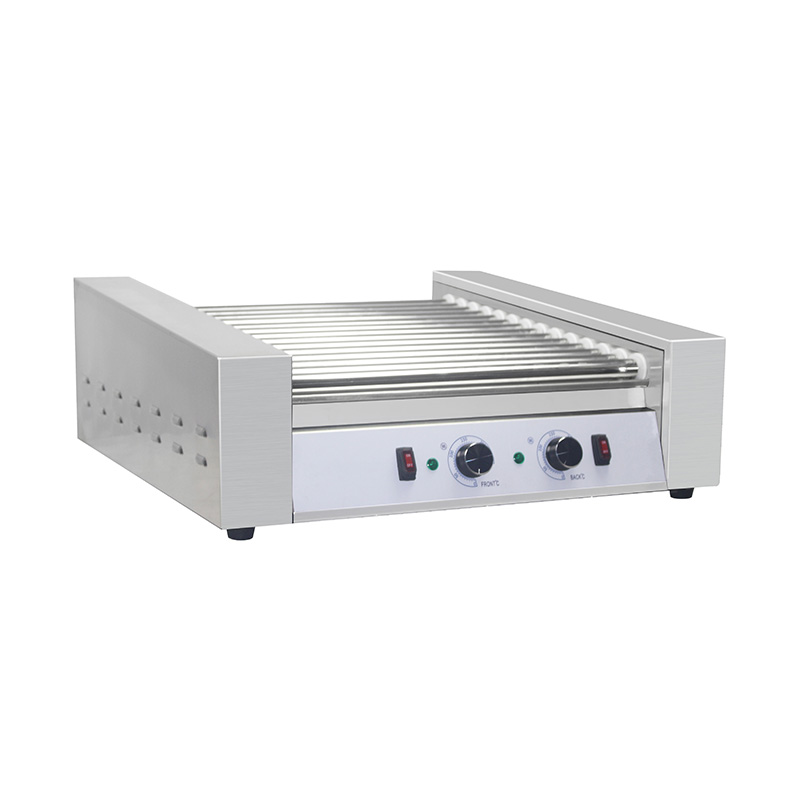
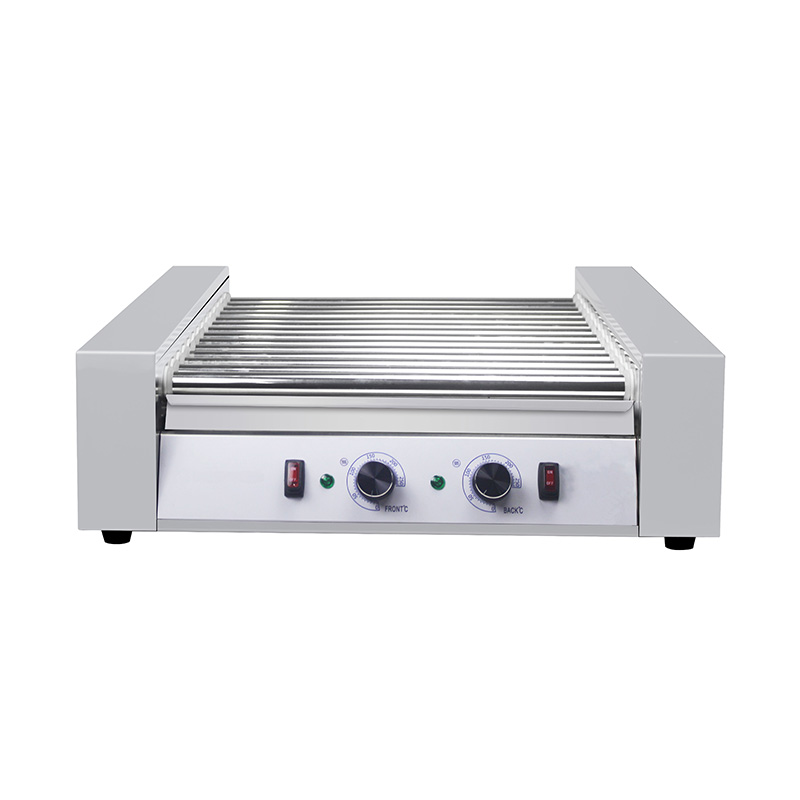
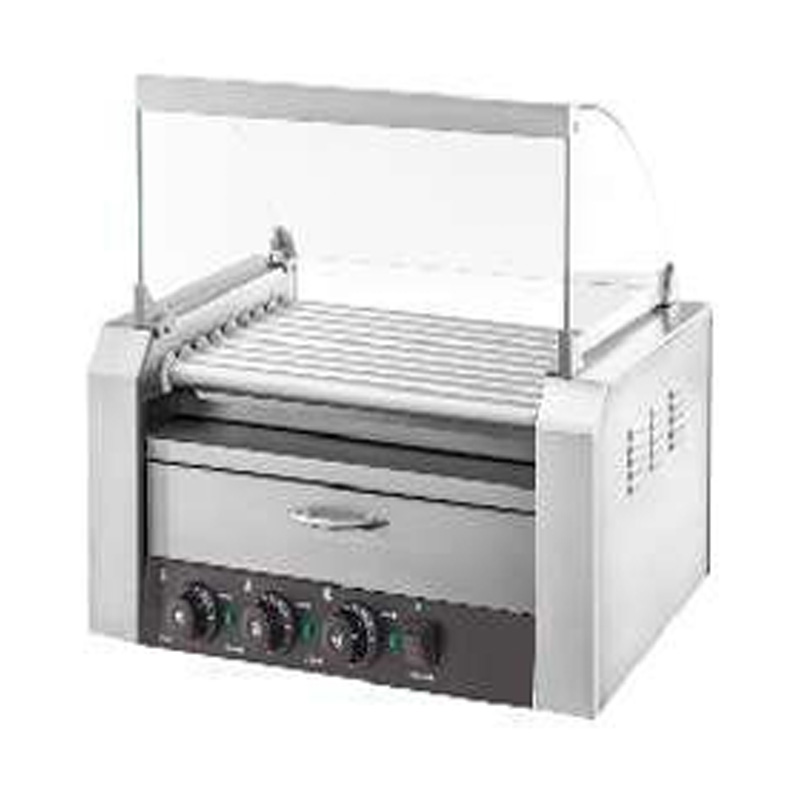
From an operational perspective, a hot dog roller uses rotating heated rollers to distribute heat uniformly across the sausage surface. This rolling motion prevents localized overheating and reduces the risk of burning on one side. Many users are concerned about whether rollers dry out hot dogs; in practice, consistent rotation combined with controlled temperature settings helps retain moisture during extended holding periods.
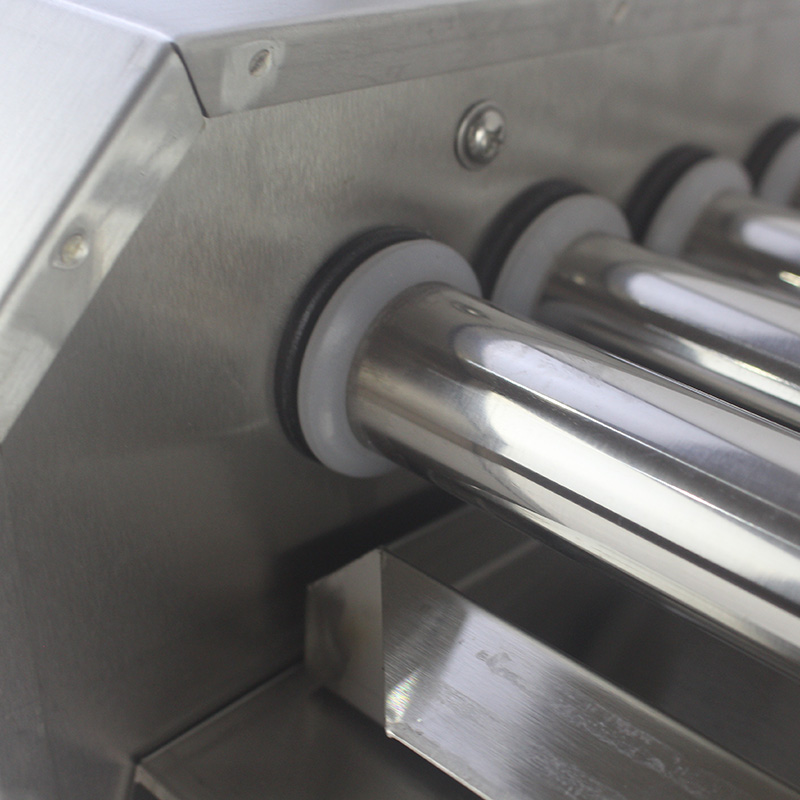
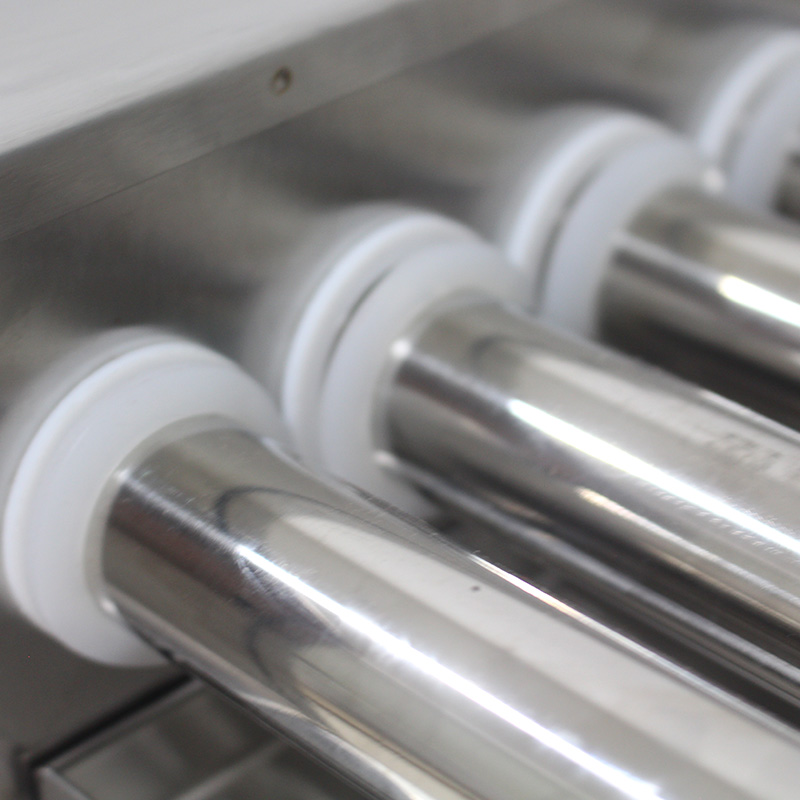
Material choice is another frequent topic. Stainless steel rollers are commonly discussed due to their corrosion resistance and ease of cleaning, which is important for hygiene compliance. Some models use non-stick coated rollers, which users often associate with easier maintenance and reduced residue buildup.
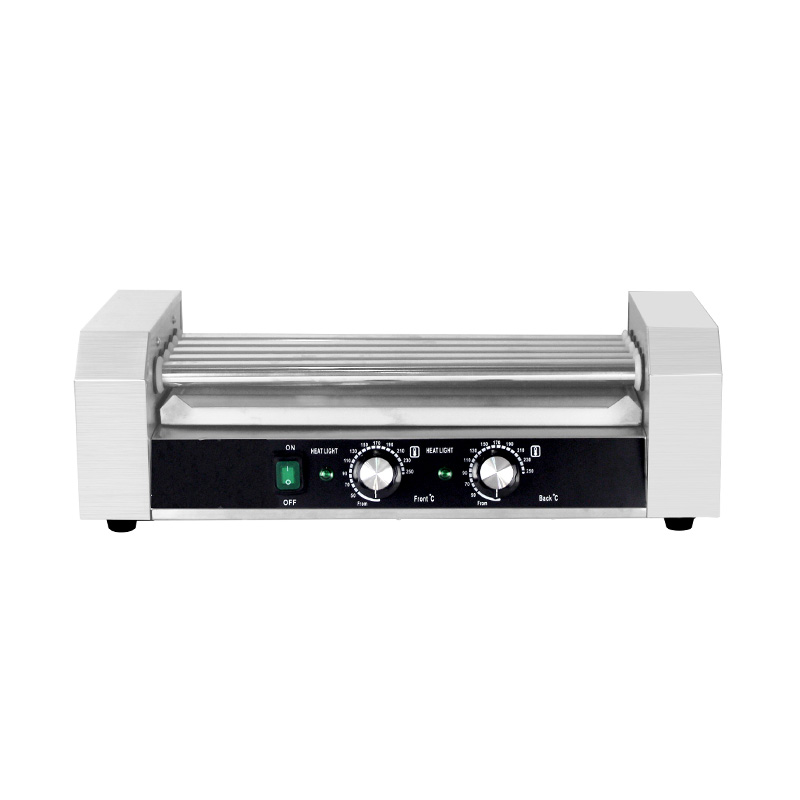
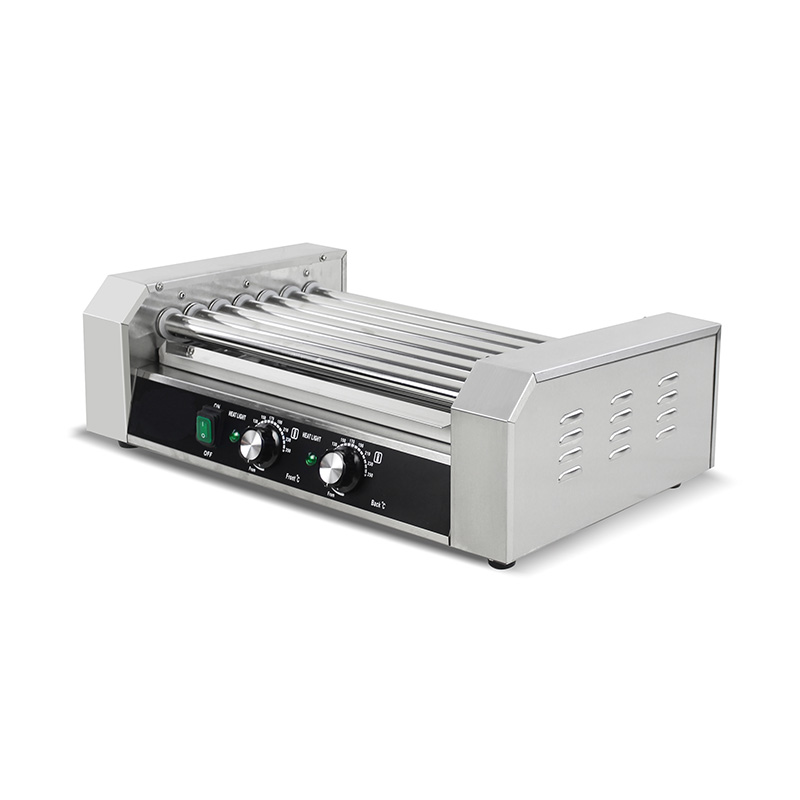
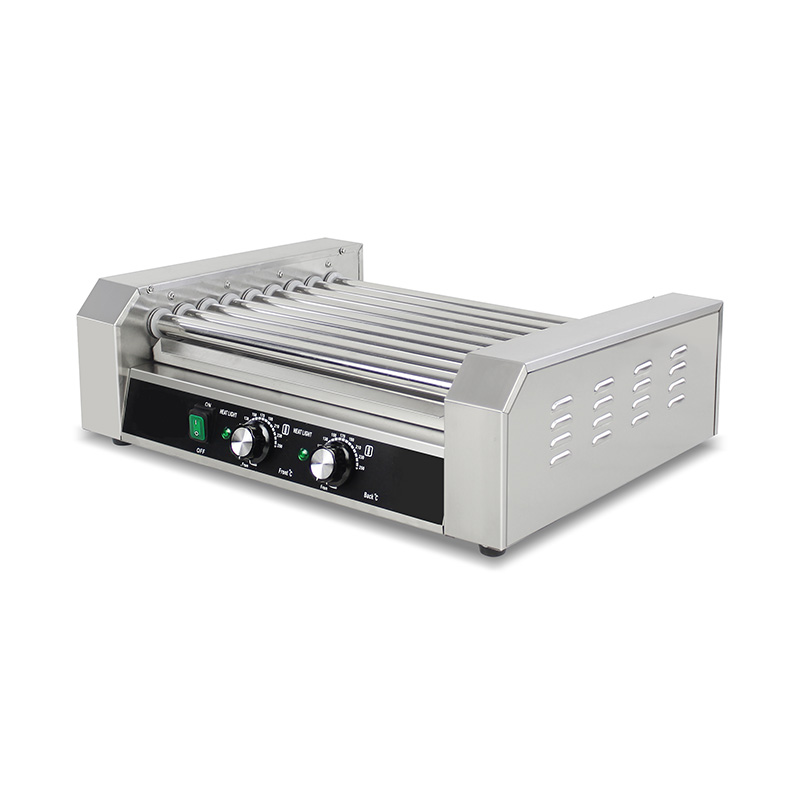
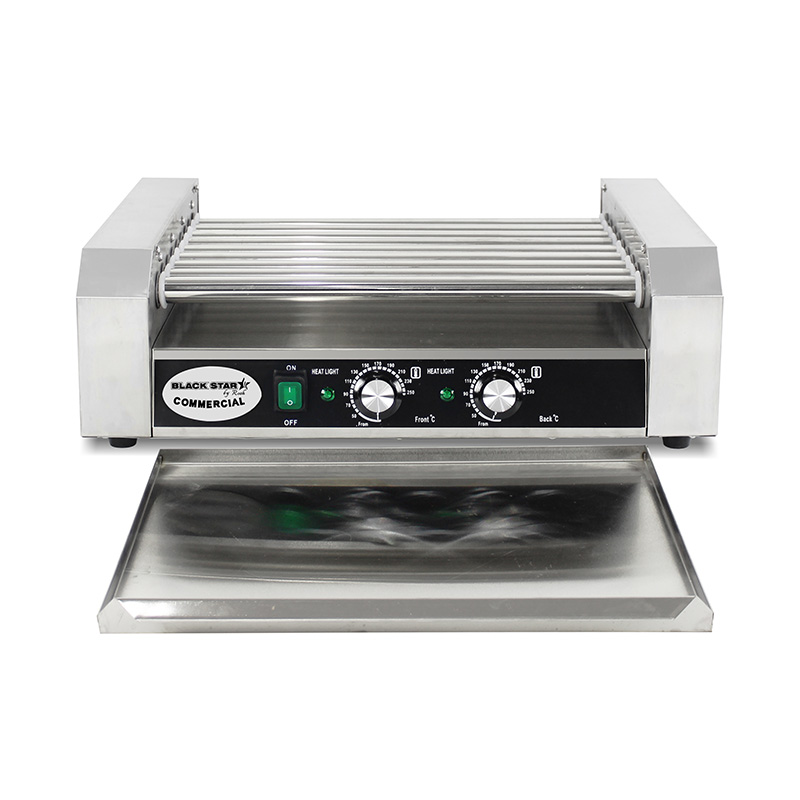
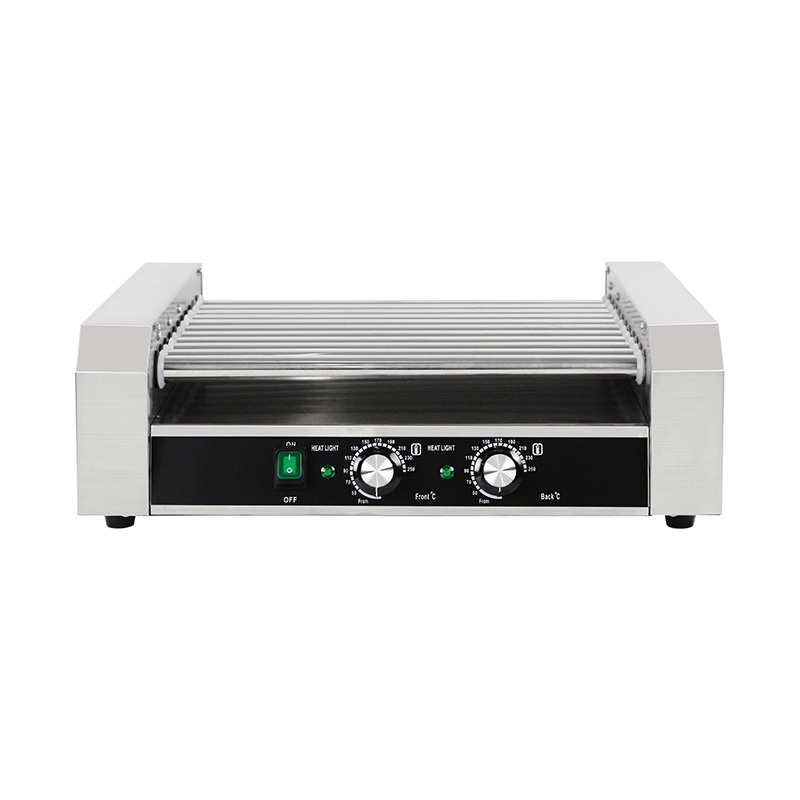
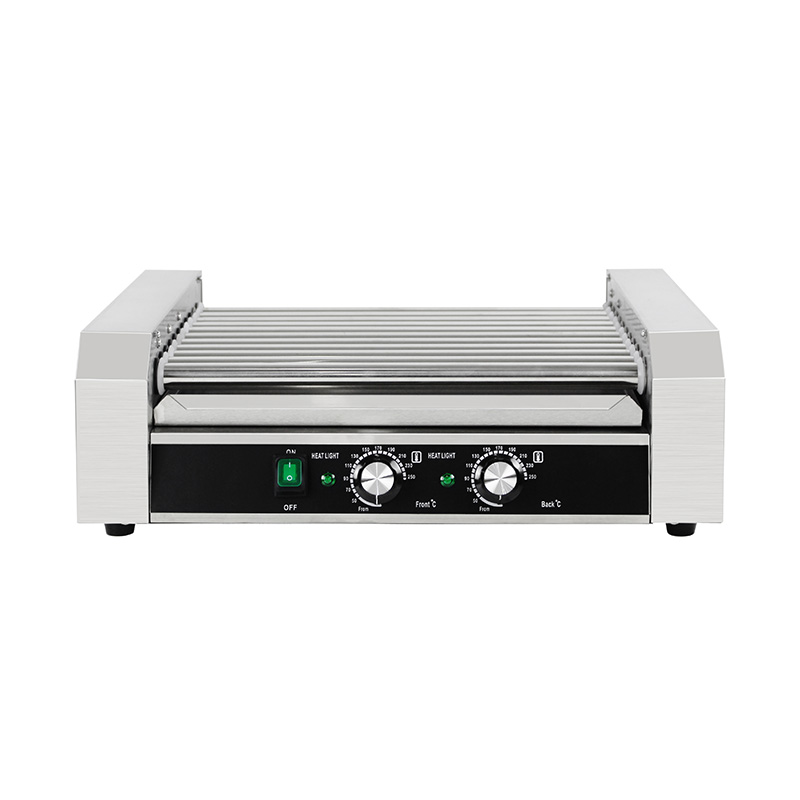
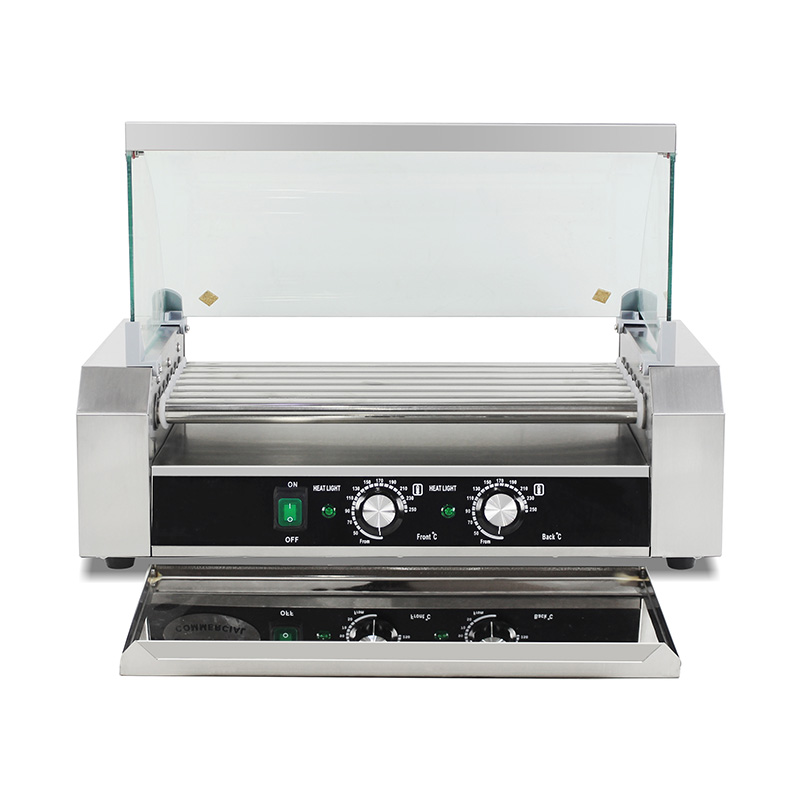
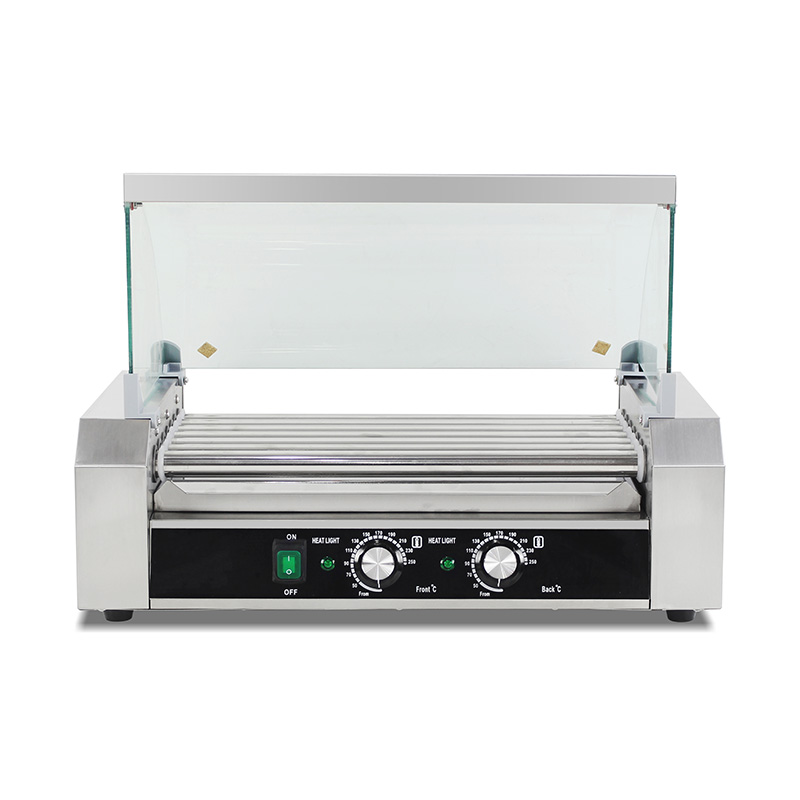
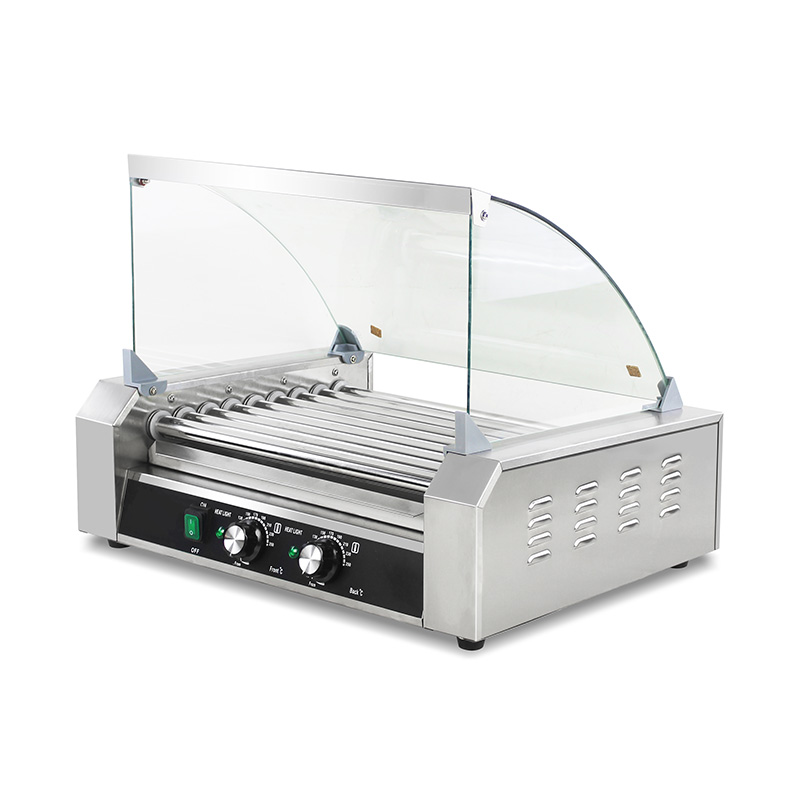
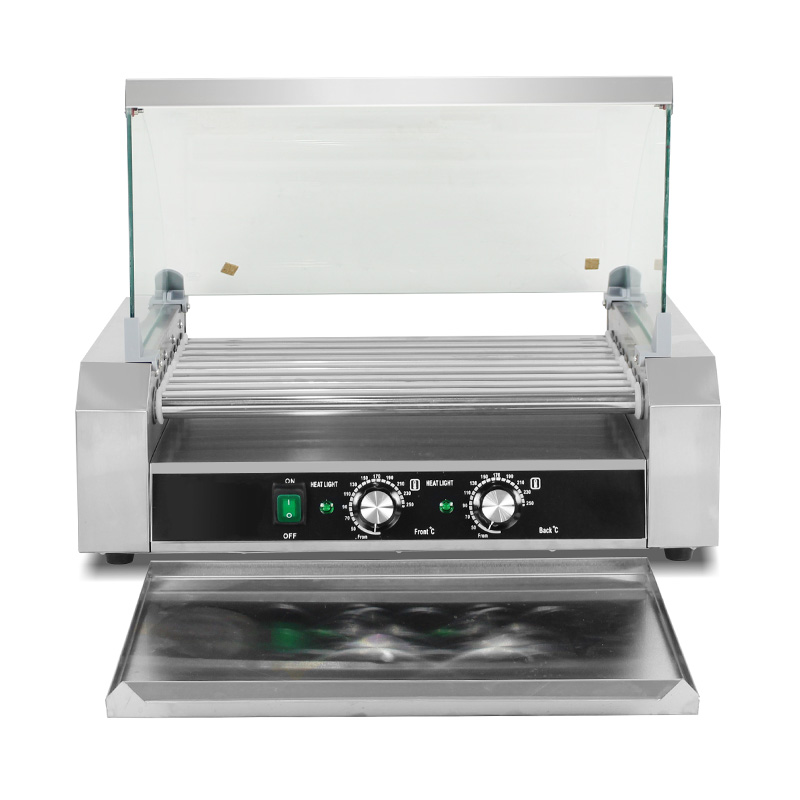
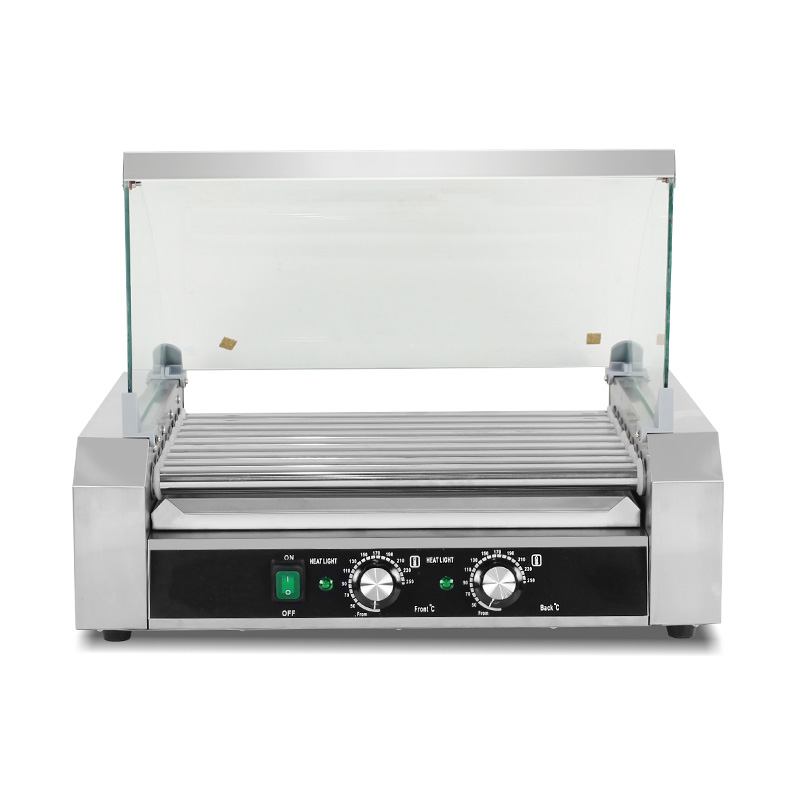
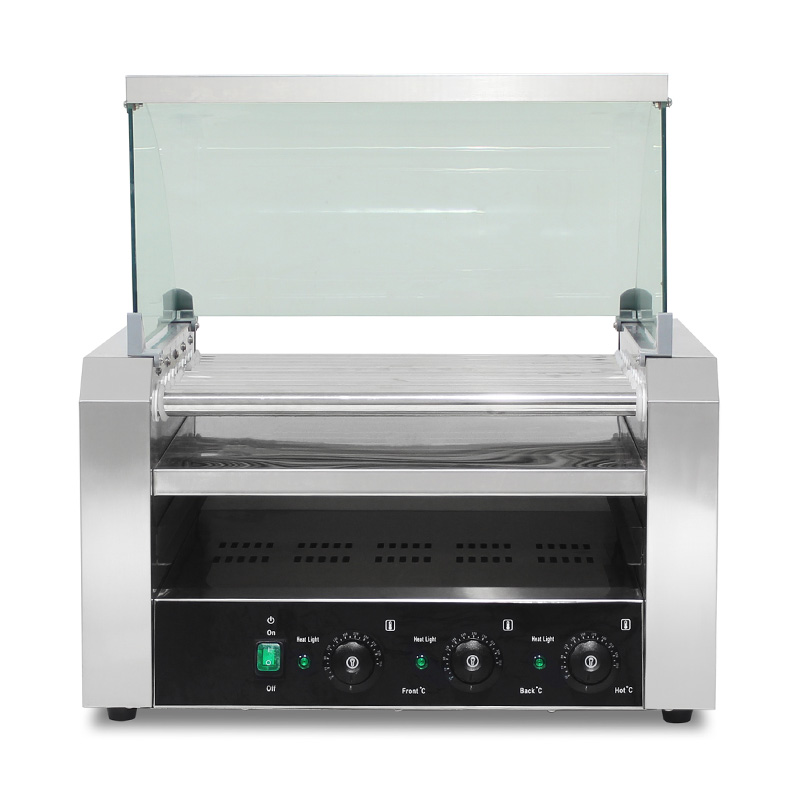
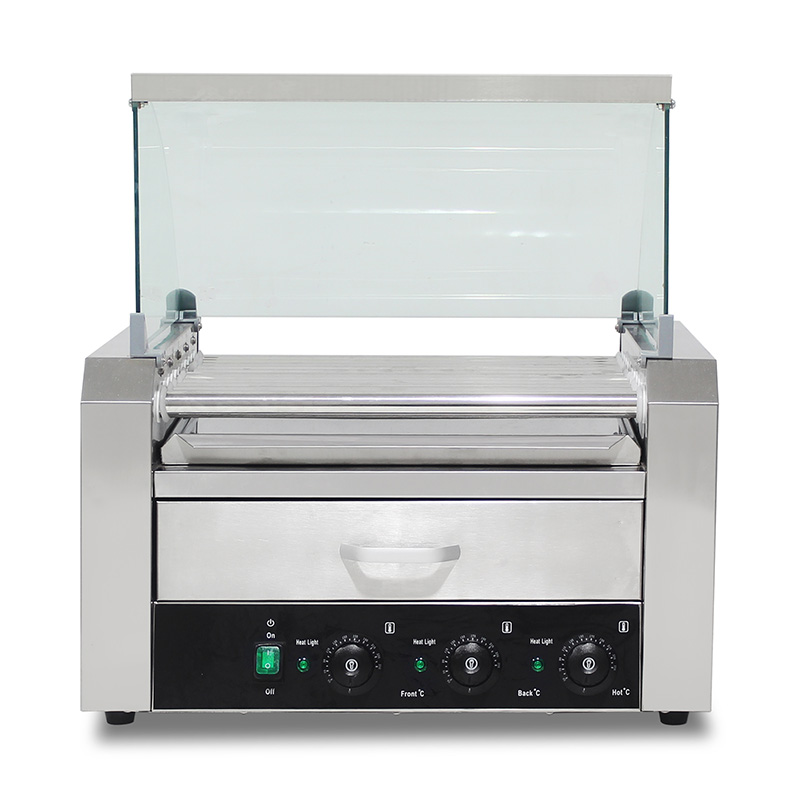
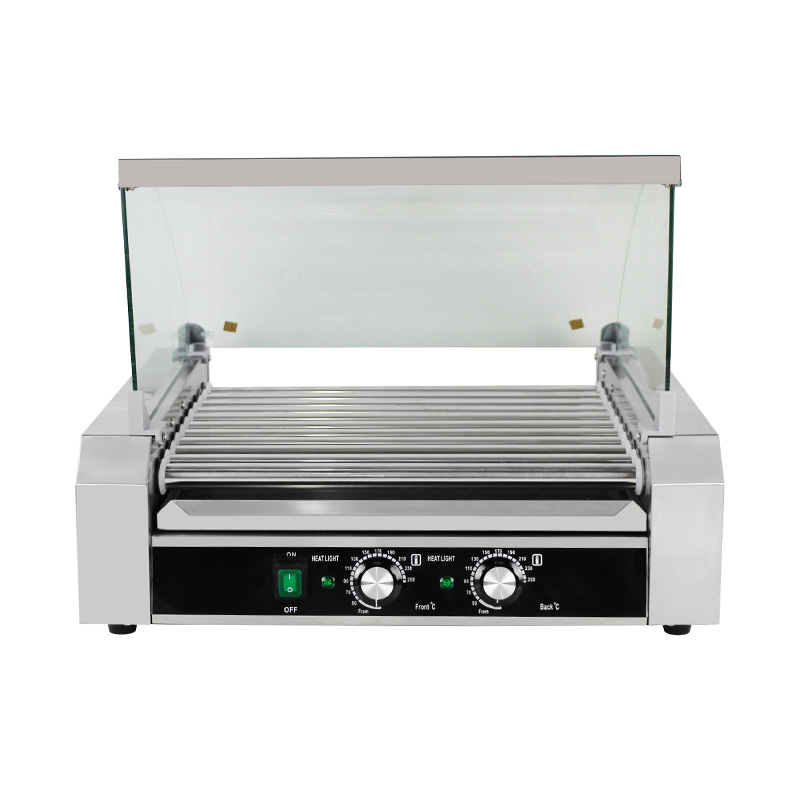
Temperature control is a critical factor raised by buyers. Adjustable thermoreats allow operators to adapt to different sausage types, including beef, poultry, or plant-based options. Users are also attentive to energy consumption, asking whether hot dog rollers can operate continuously during peak hours without excessive power usage. For this reason, insulation design and heating efficiency are commonly evaluated during purchasing decisions.
Commercial Hot Dog Rollers: Performance, Capacity, and Compliance Needs
Search queries around Commercial Hot Dog Rollers often focus on durability, output capacity, and suitability for high-volume foodservice operations. These units are typically used in convenience stores, cinemas, stadiums, and catering environments where consistent performance is required throughout the day.
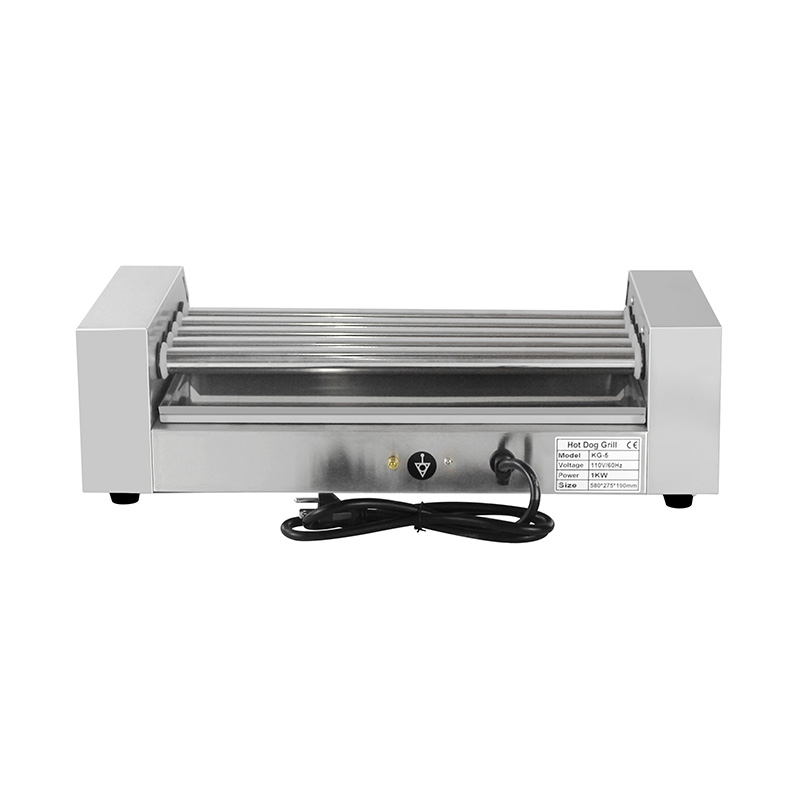
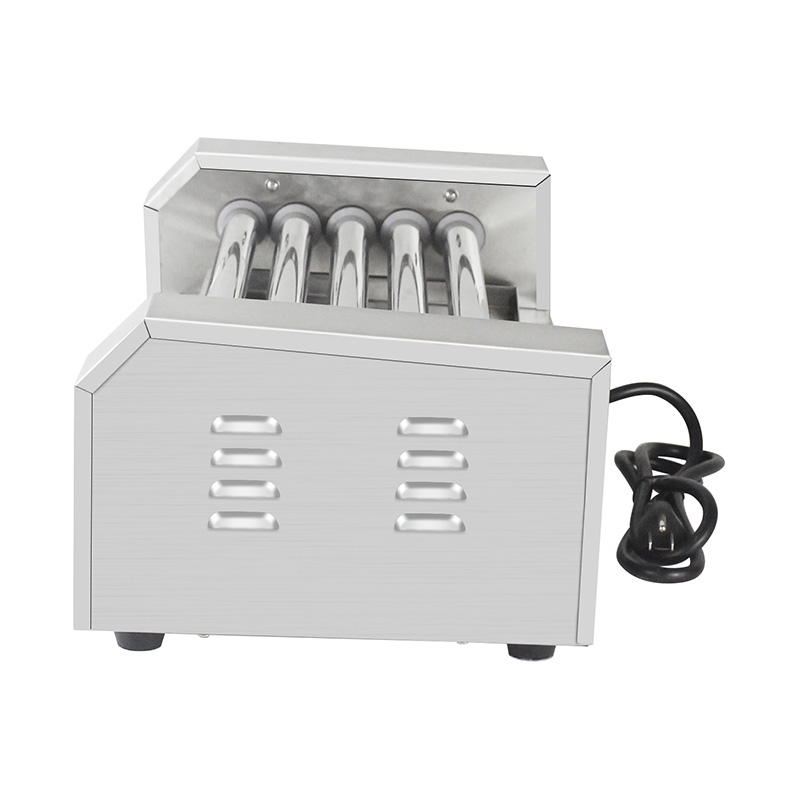
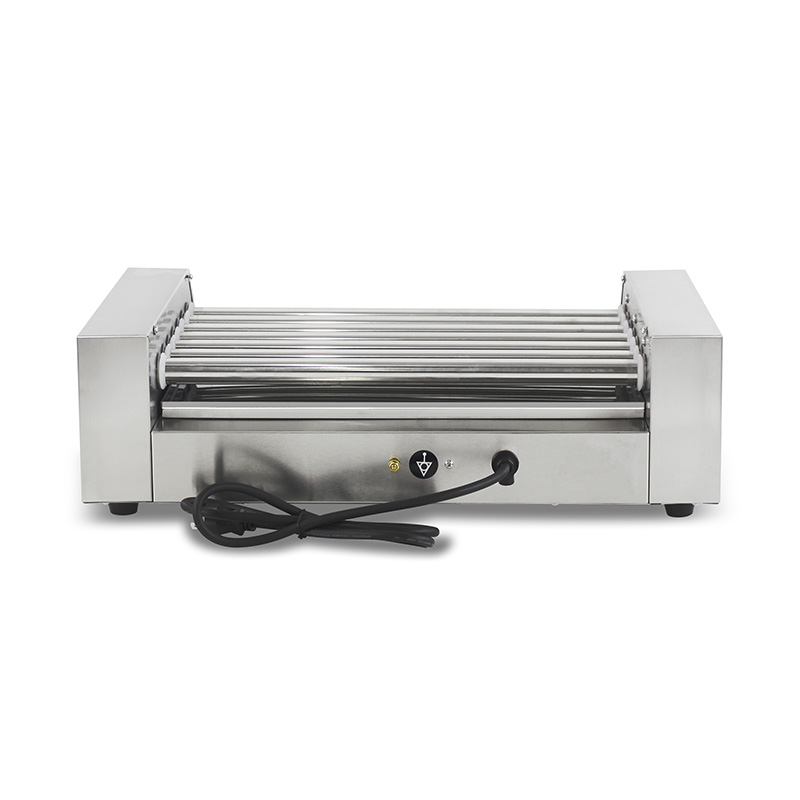
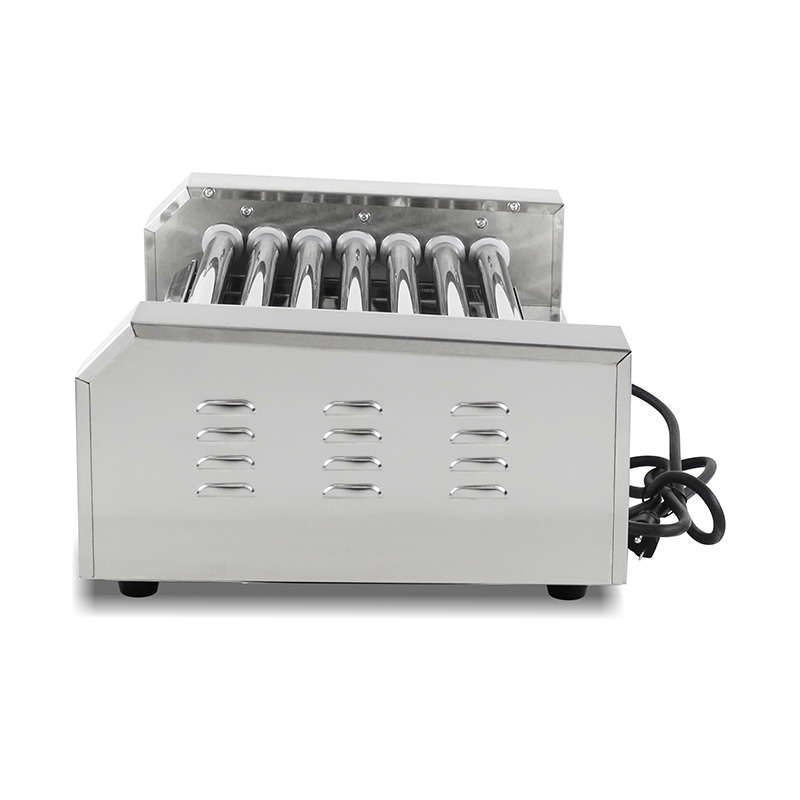
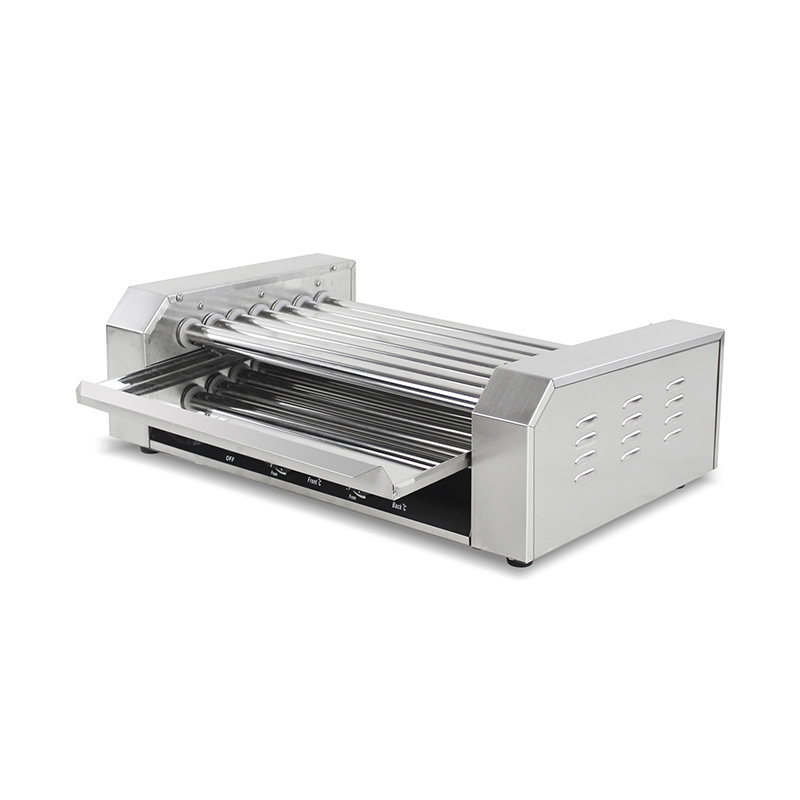
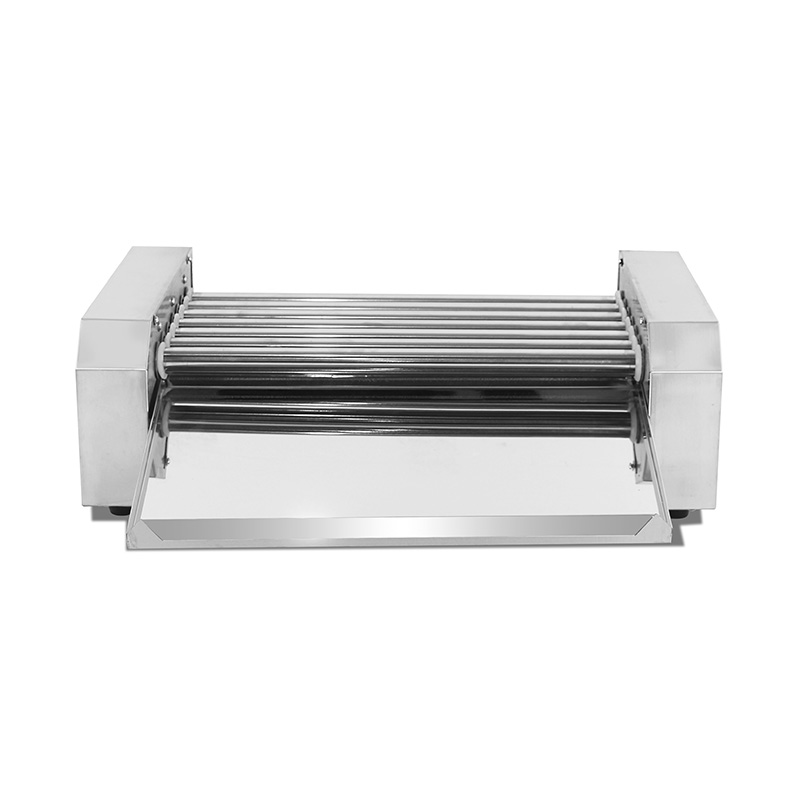
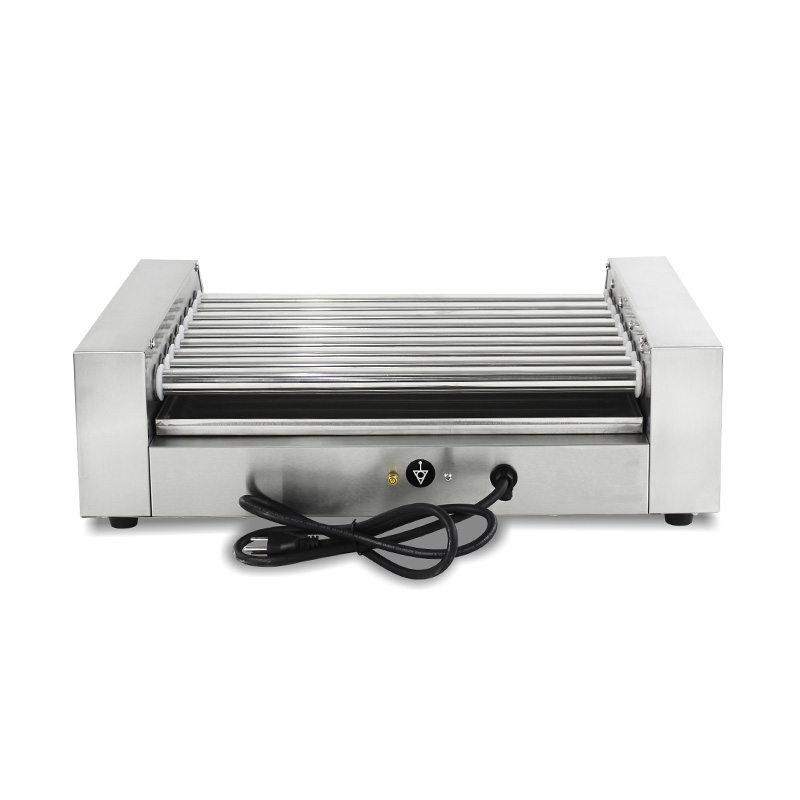
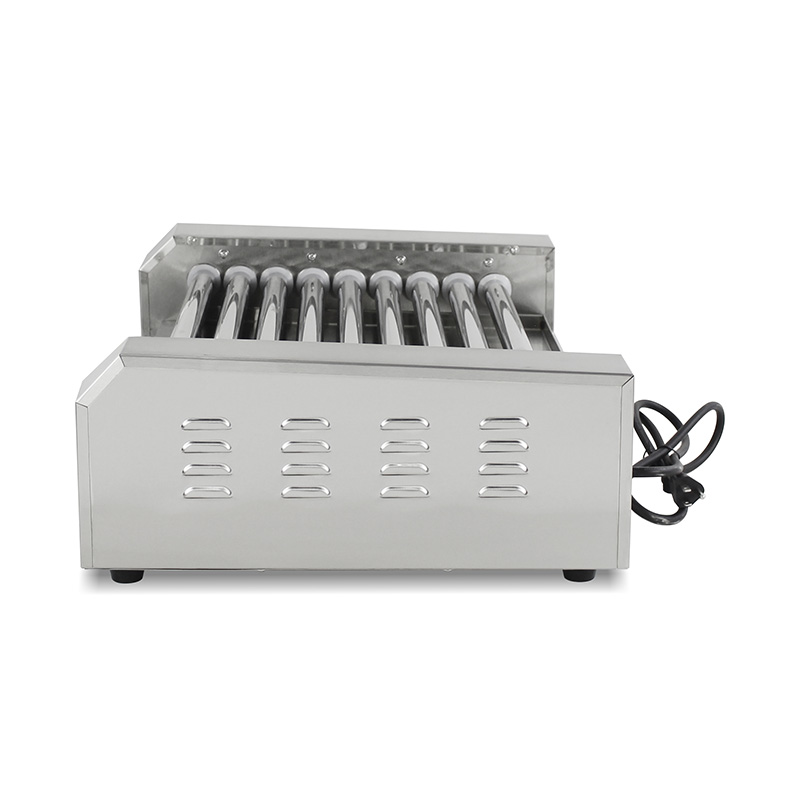
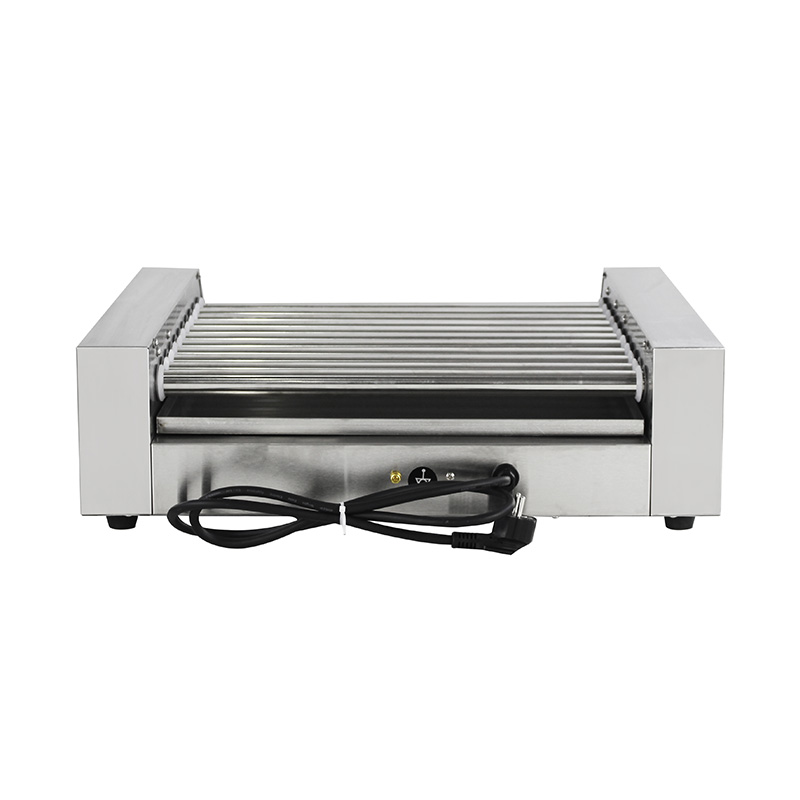
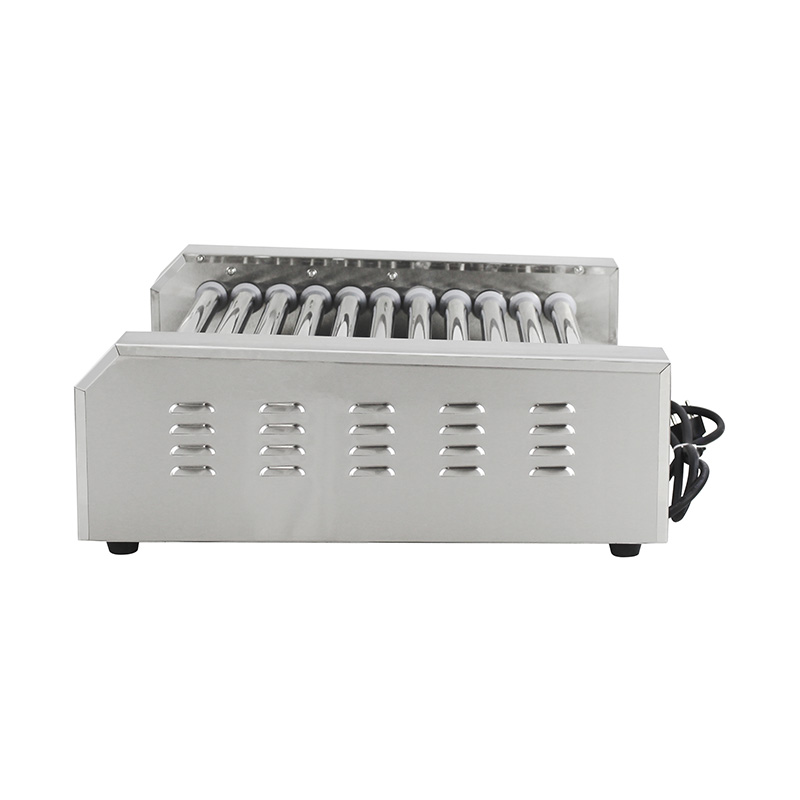
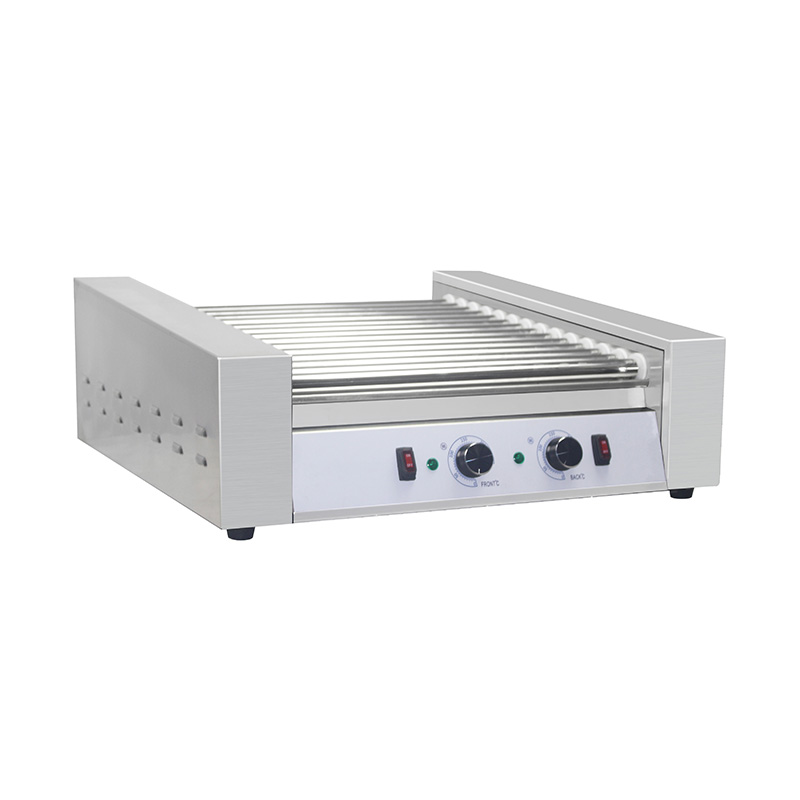
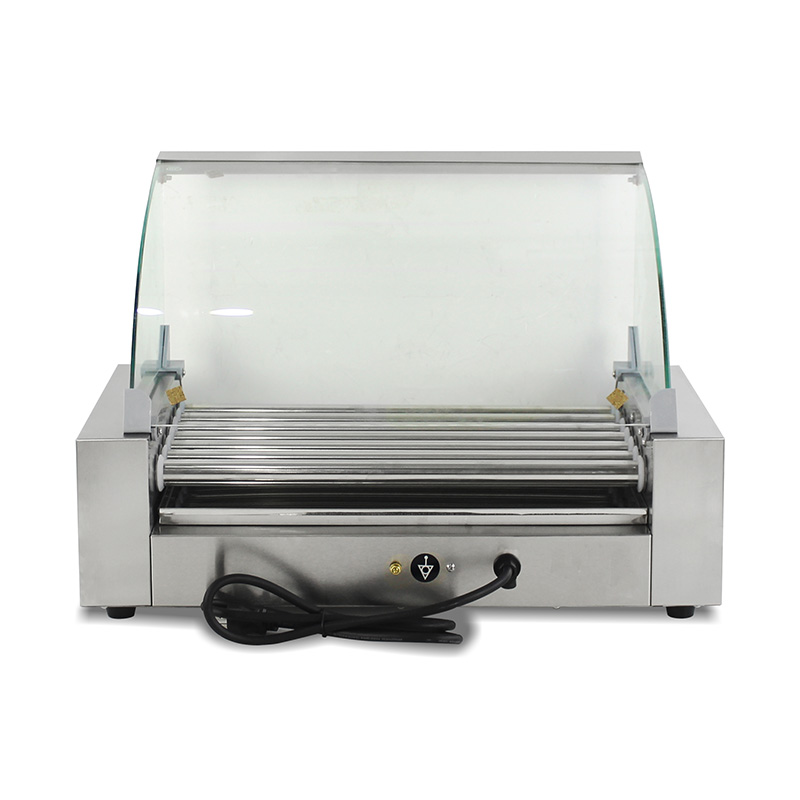
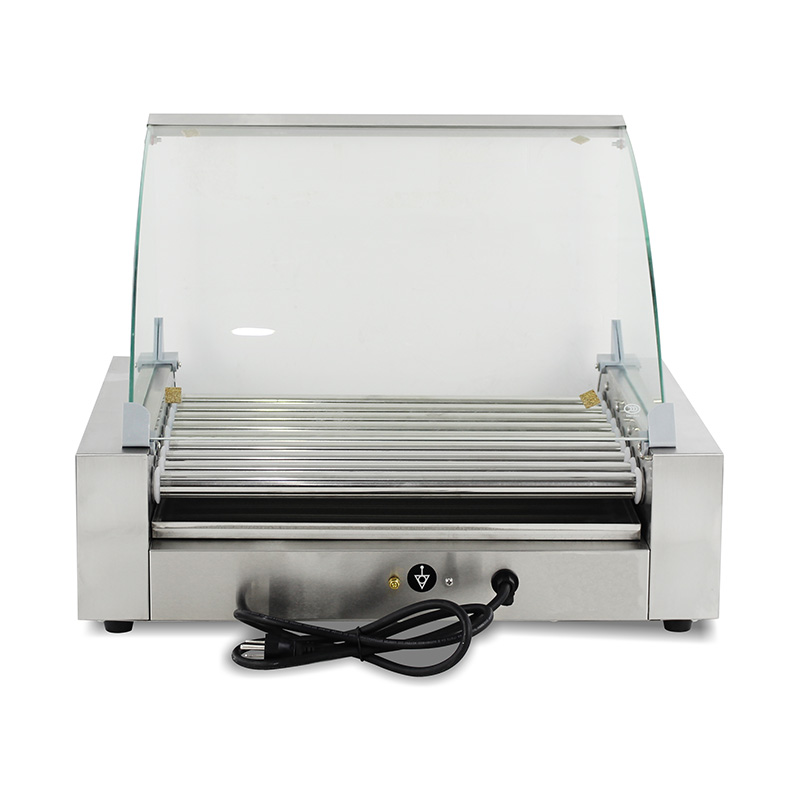
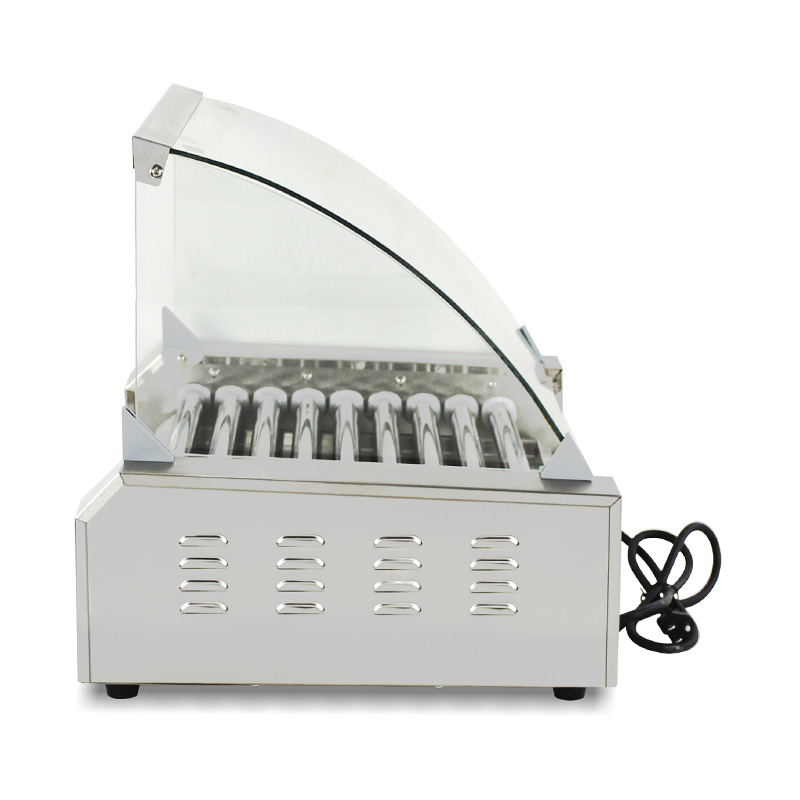
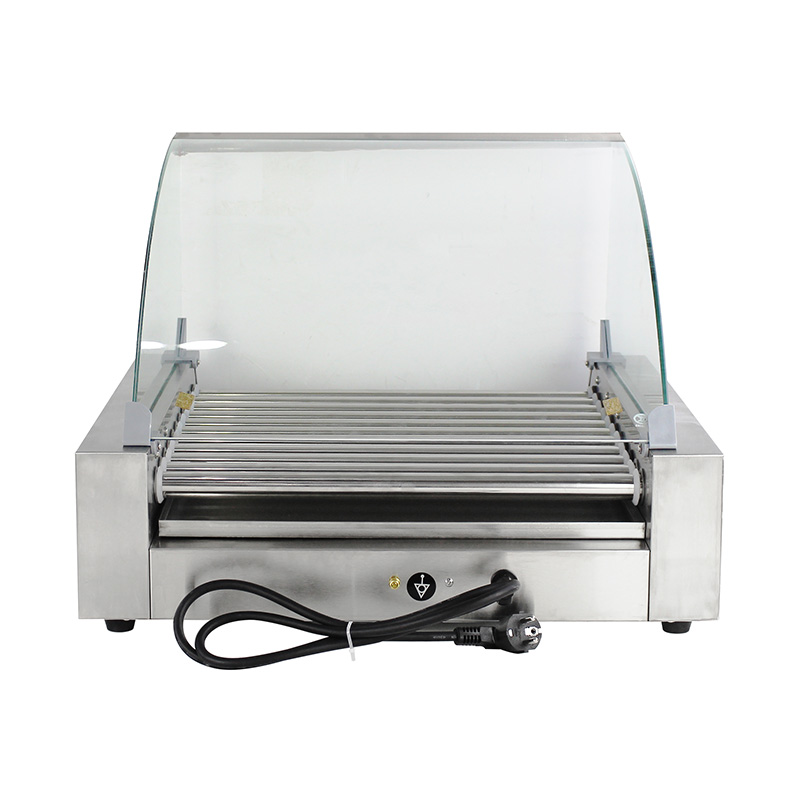
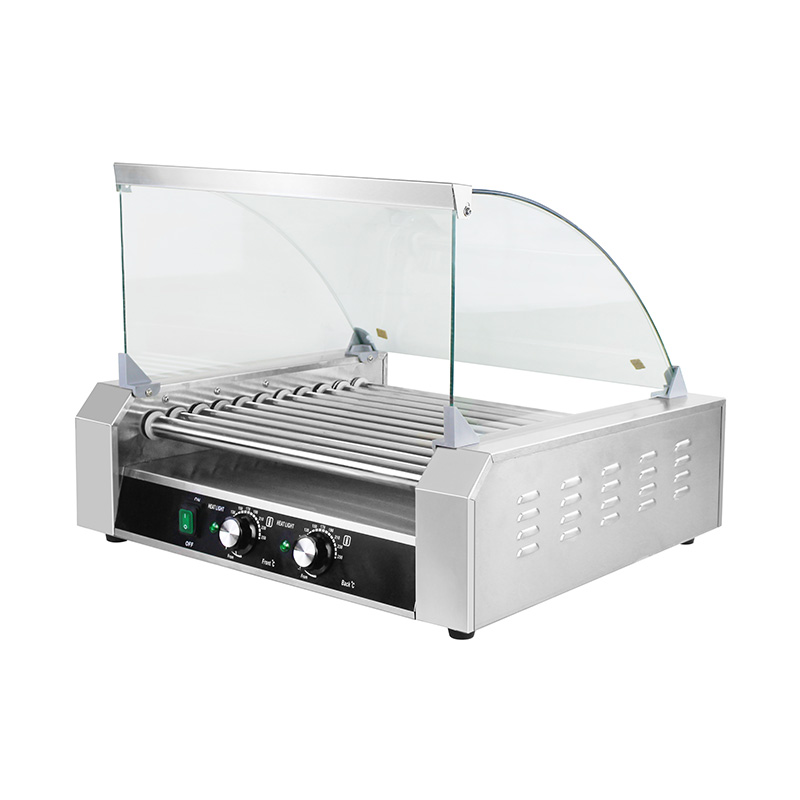
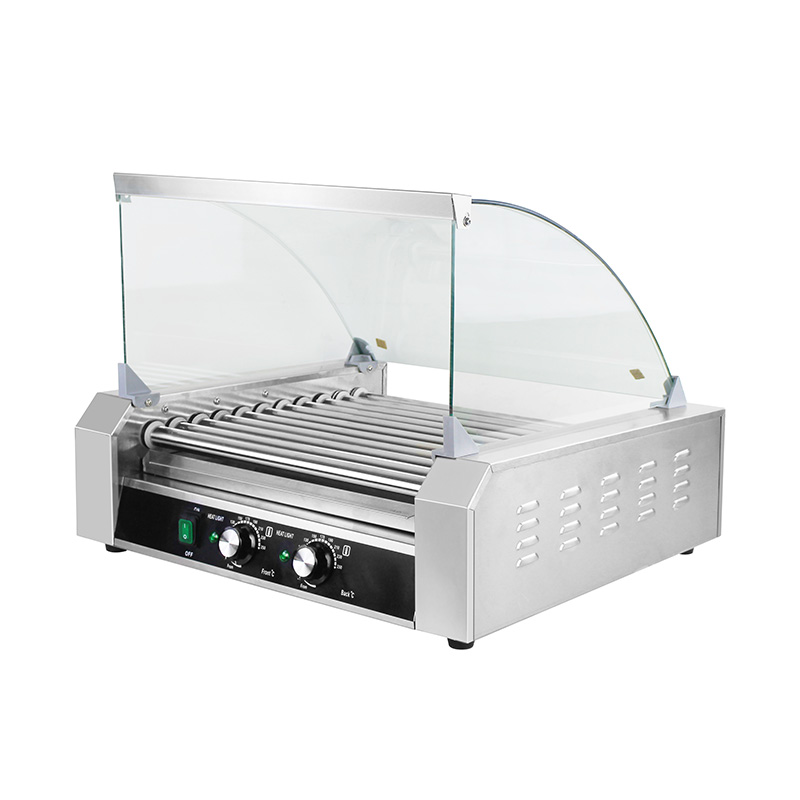
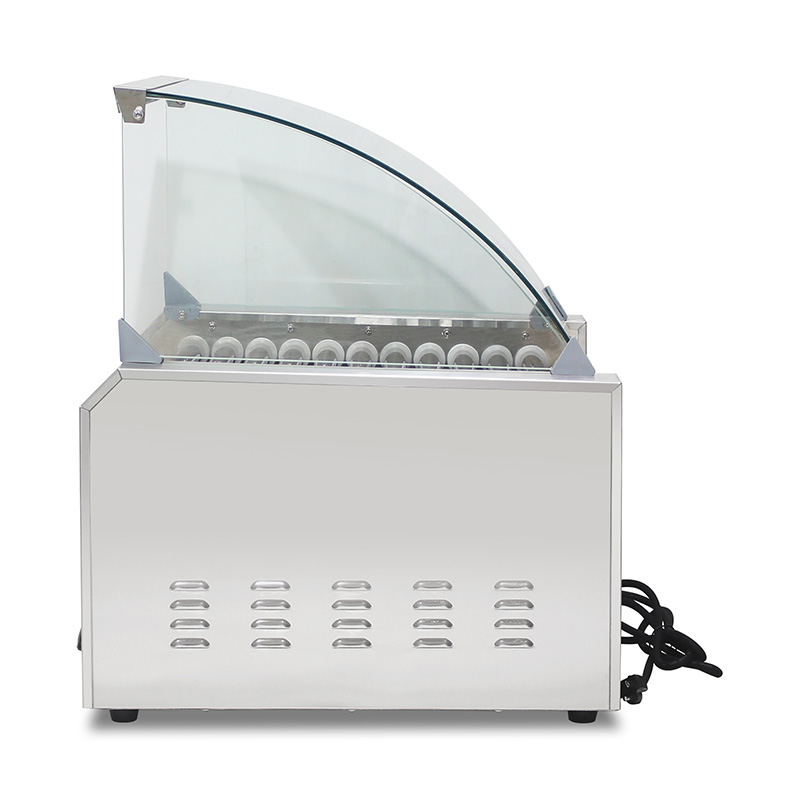
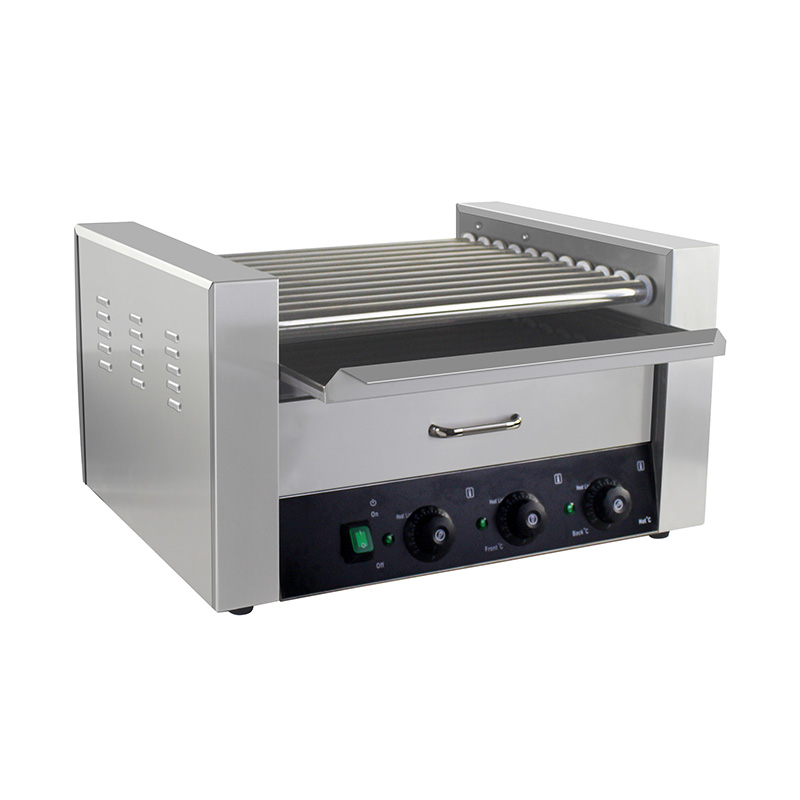
Capacity is one of the more discussed aspects. Commercial hot dog rollers are available in multiple roller counts, allowing operators to match output with foot traffic levels. Proper spacing between rollers ensures even heat exposure and smooth rotation, which contributes to product consistency.
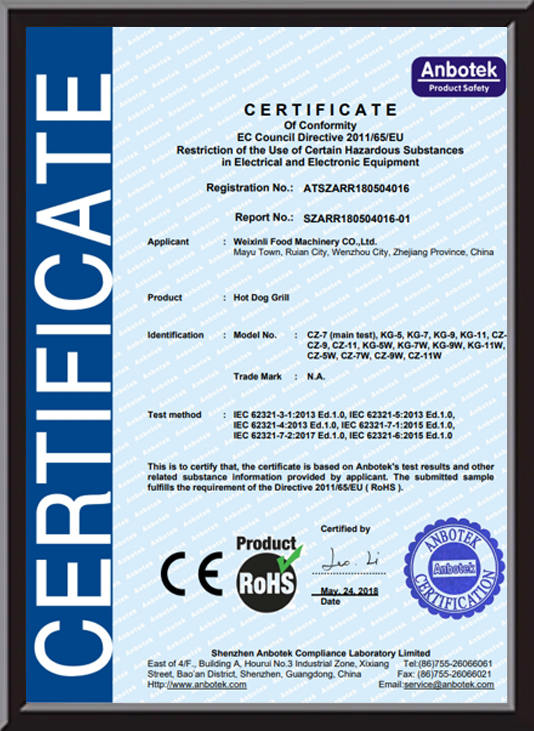
Another area of concern is compliance with food safety and electrical standards. Buyers often search for information about temperature stability and food-holding safety. Commercial hot dog rollers are designed to maintain safe serving temperatures while allowing visual monitoring, which supports food safety management in open-service environments.
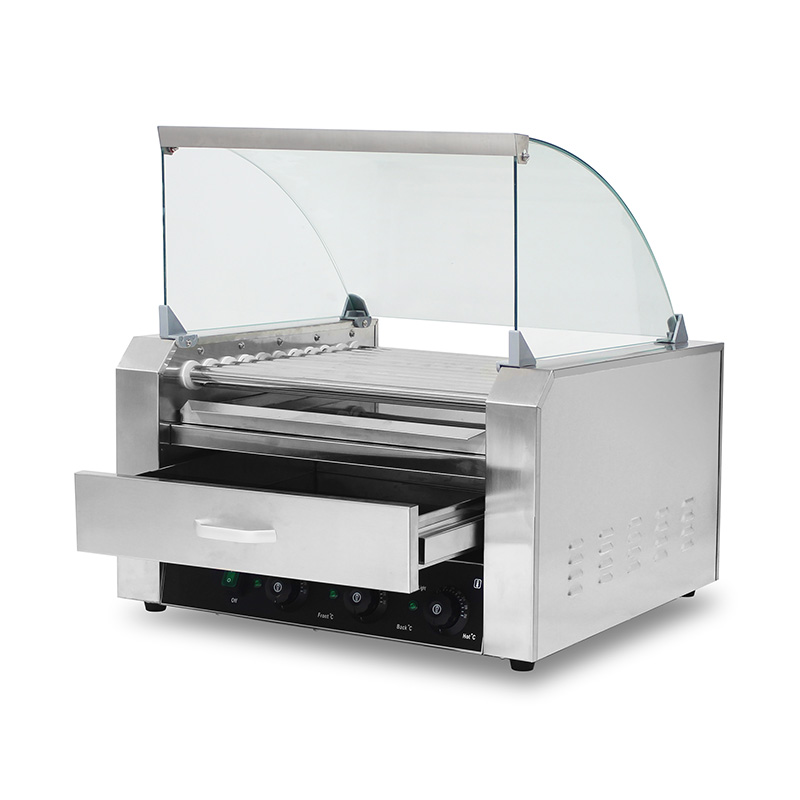
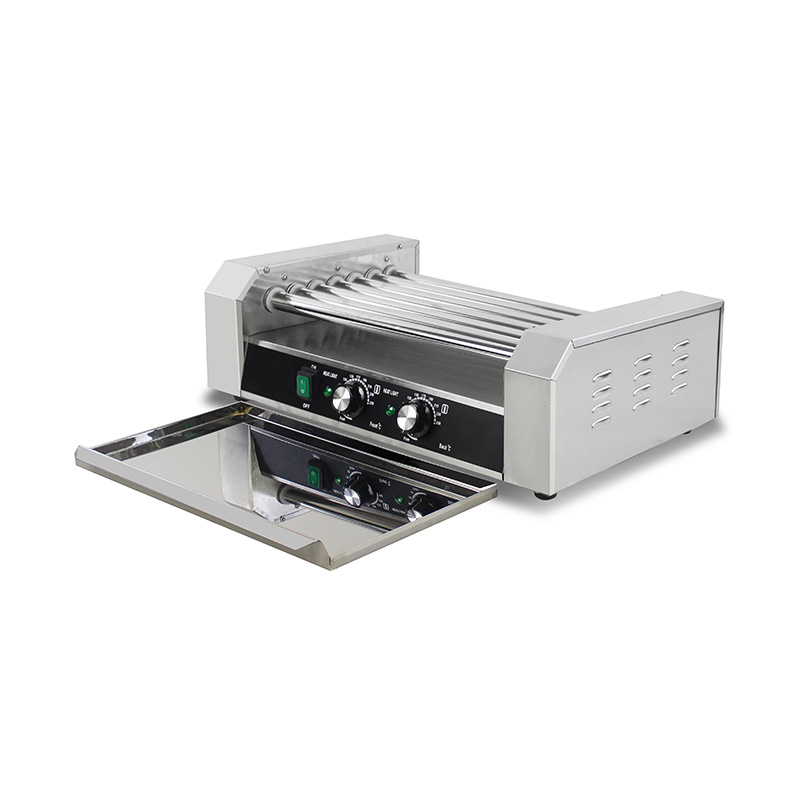
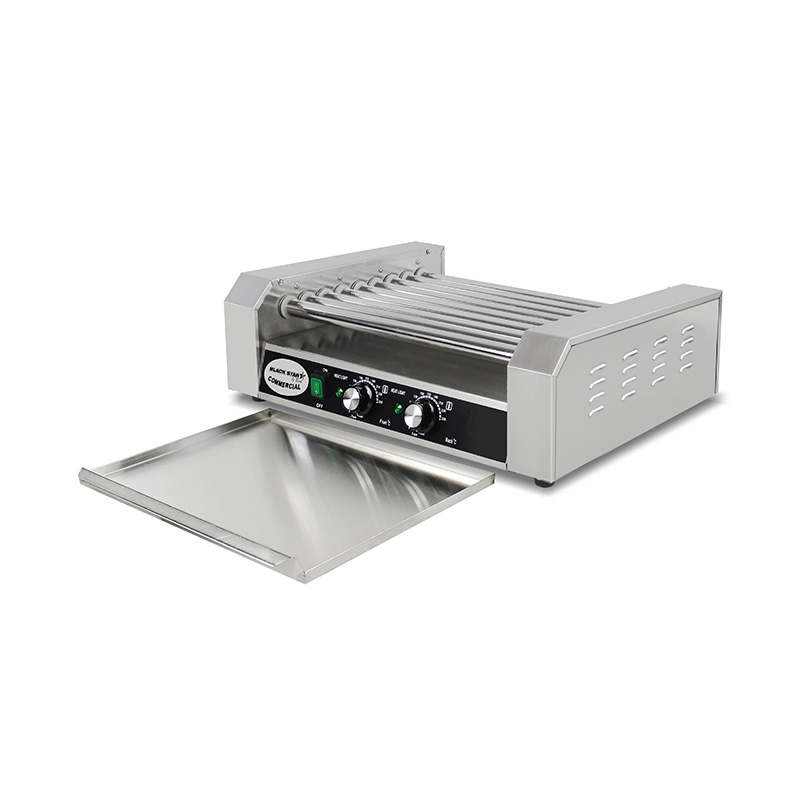
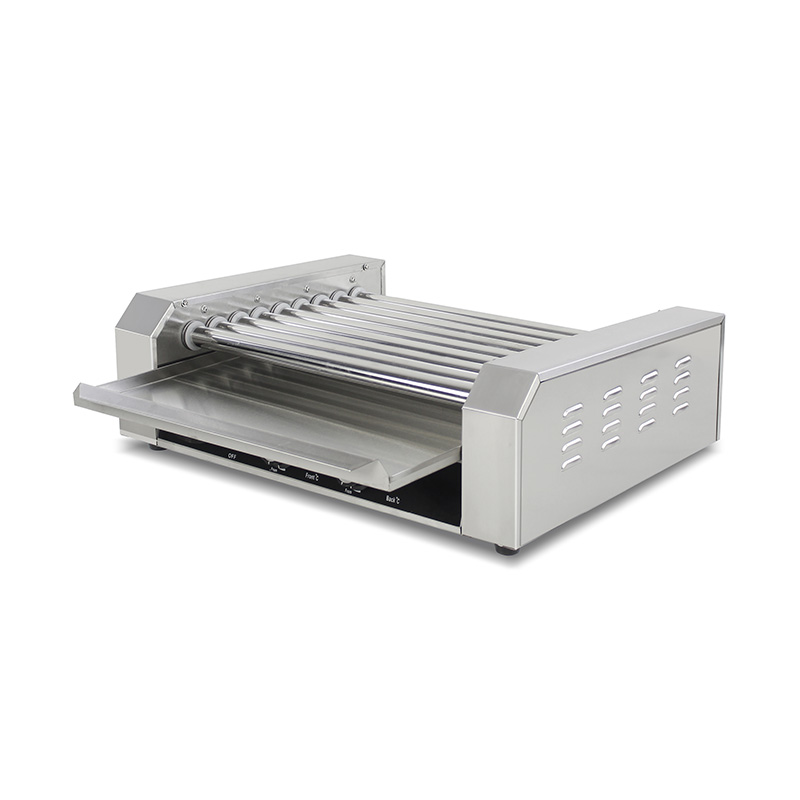
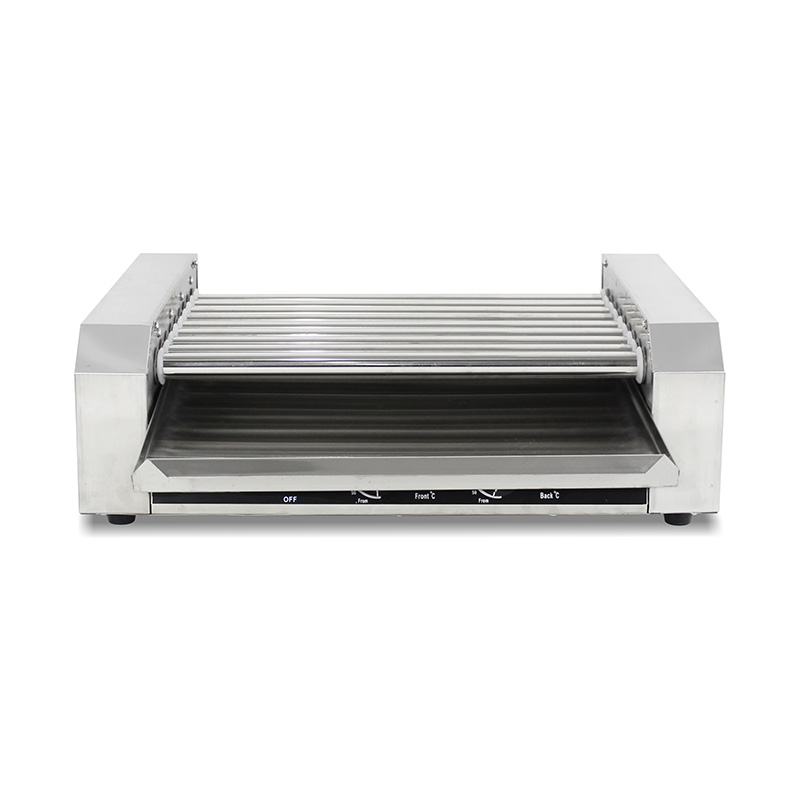
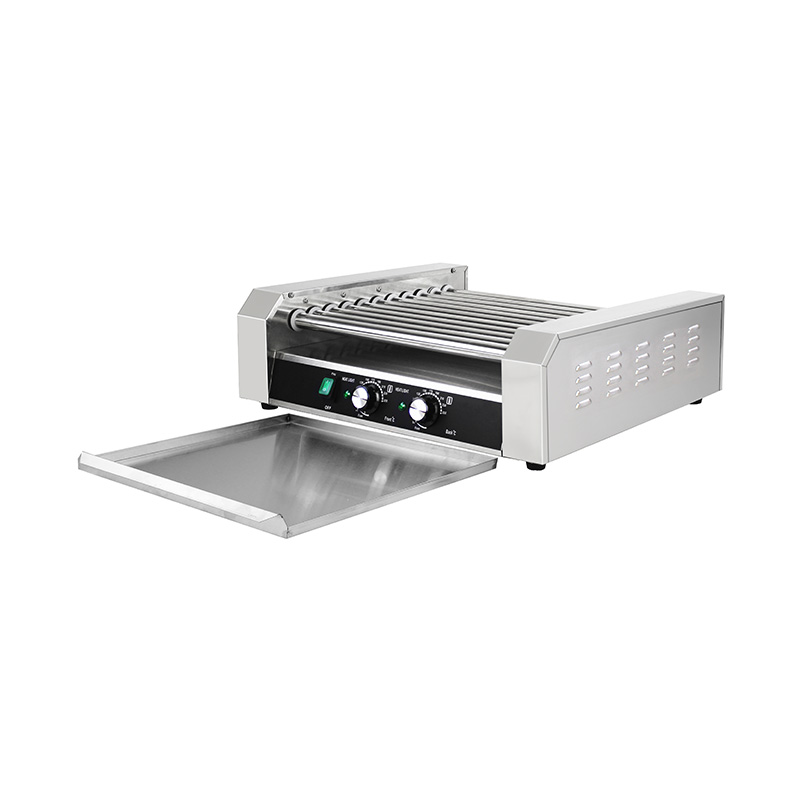
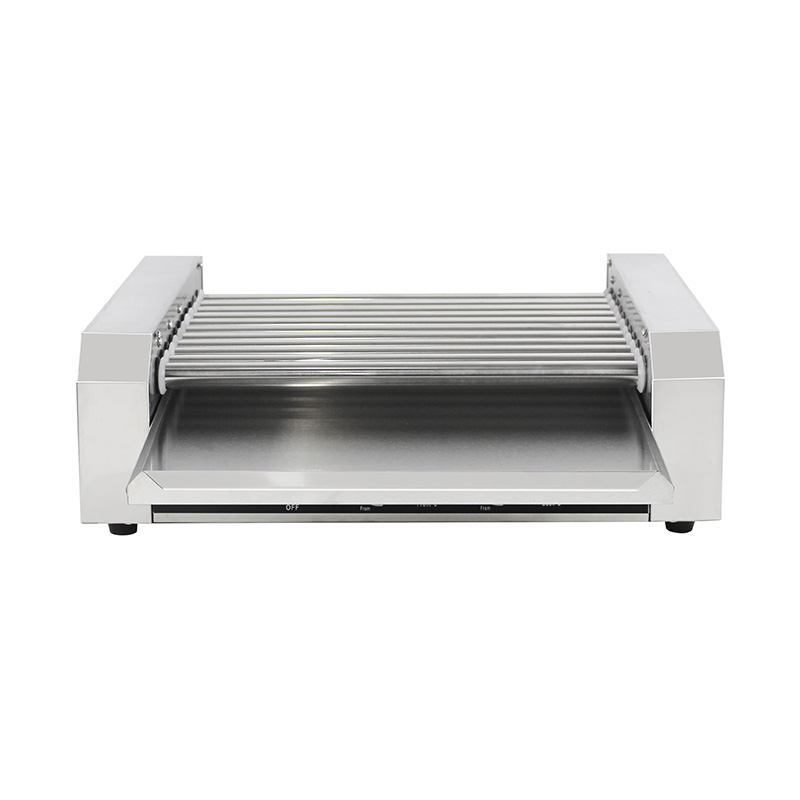
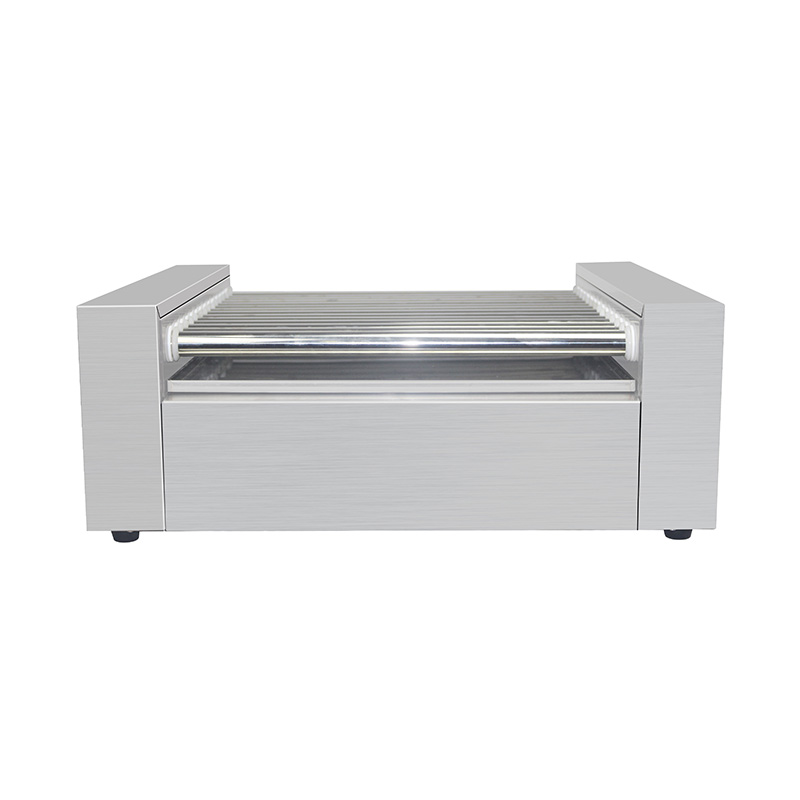
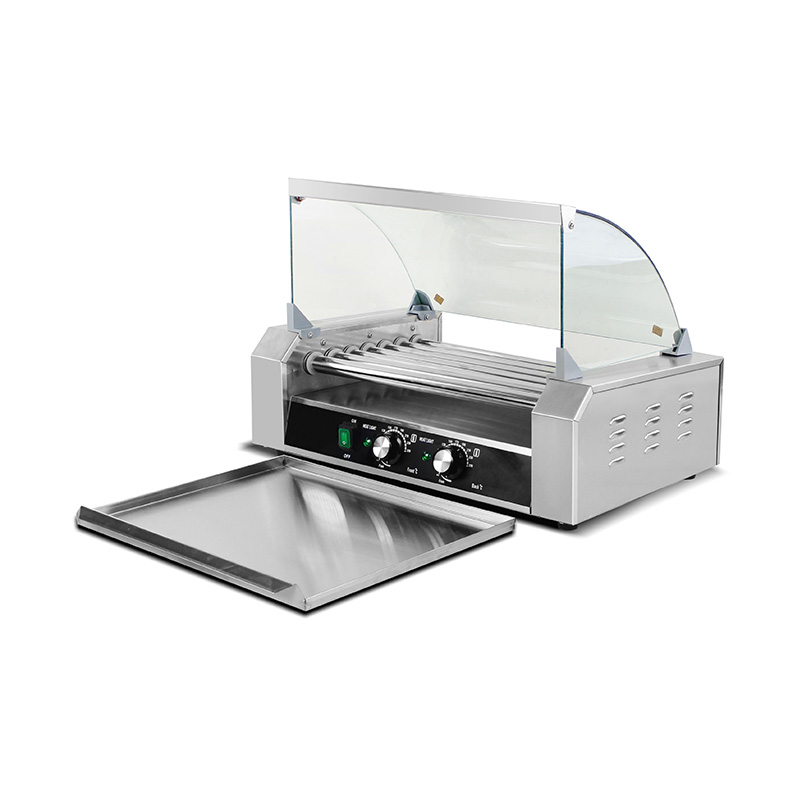
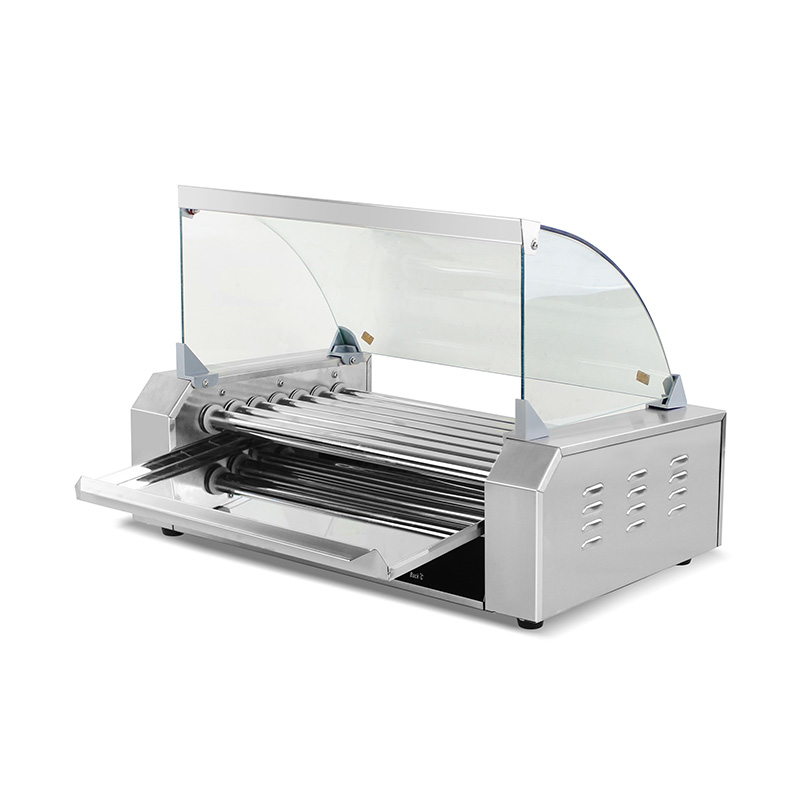
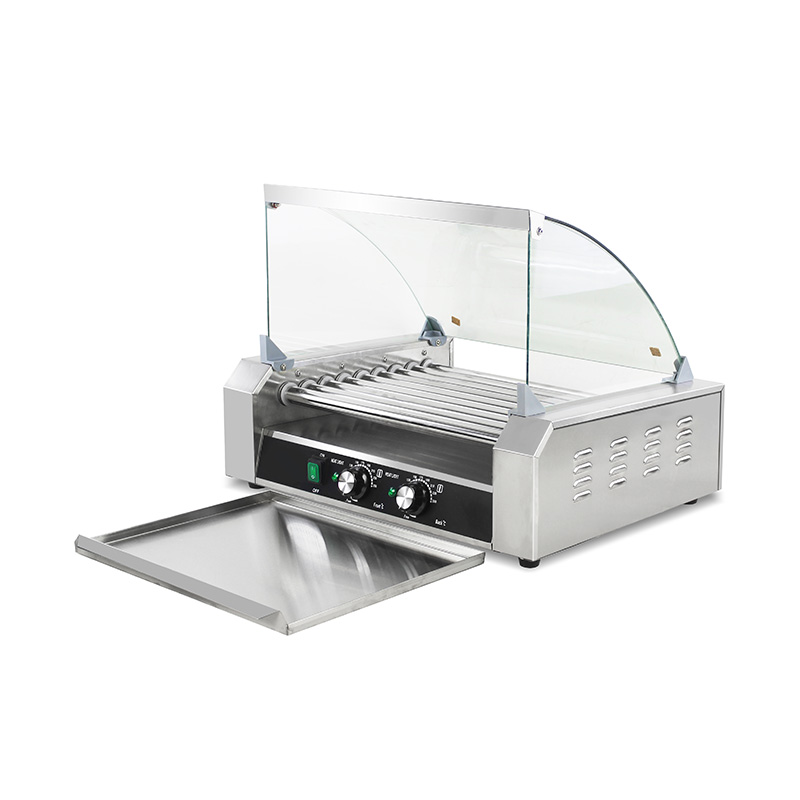
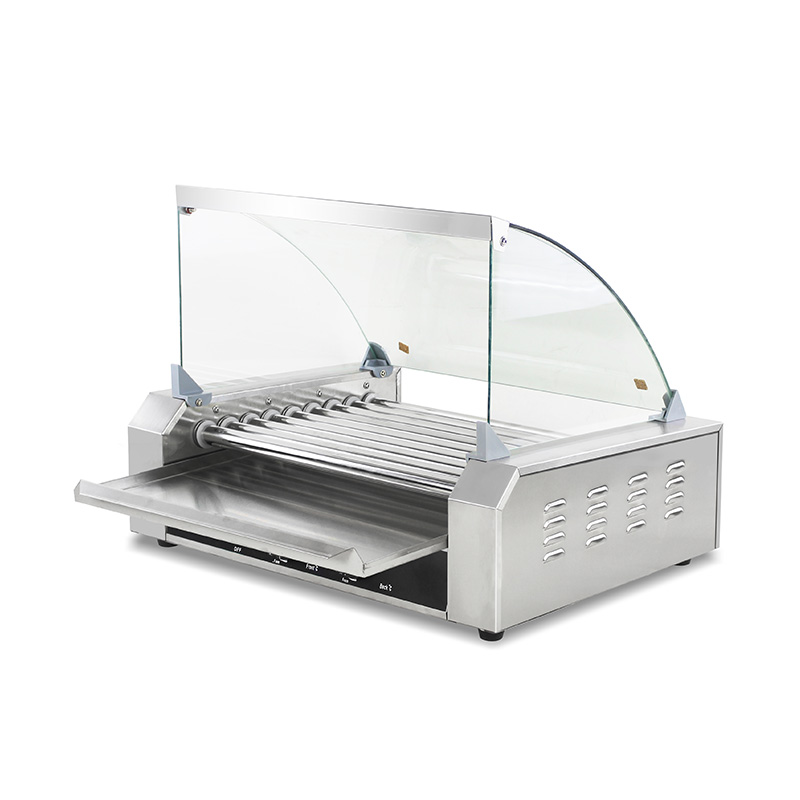
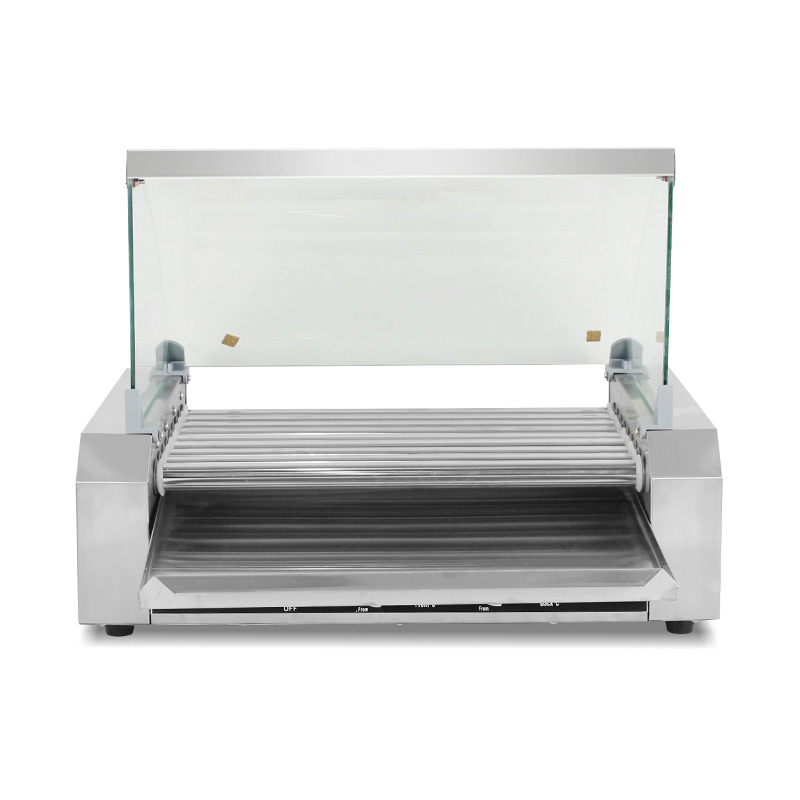
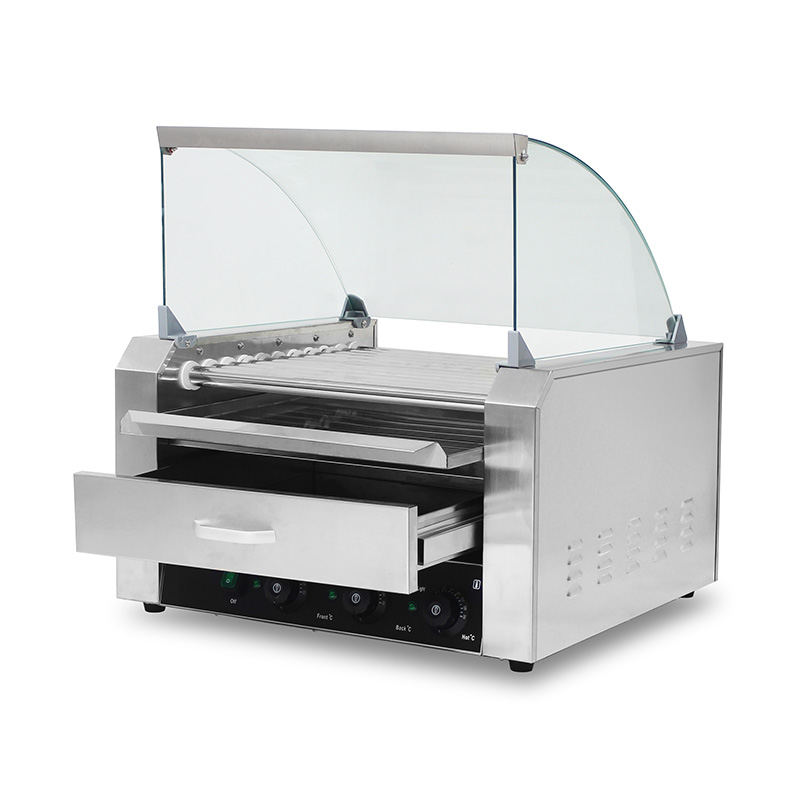
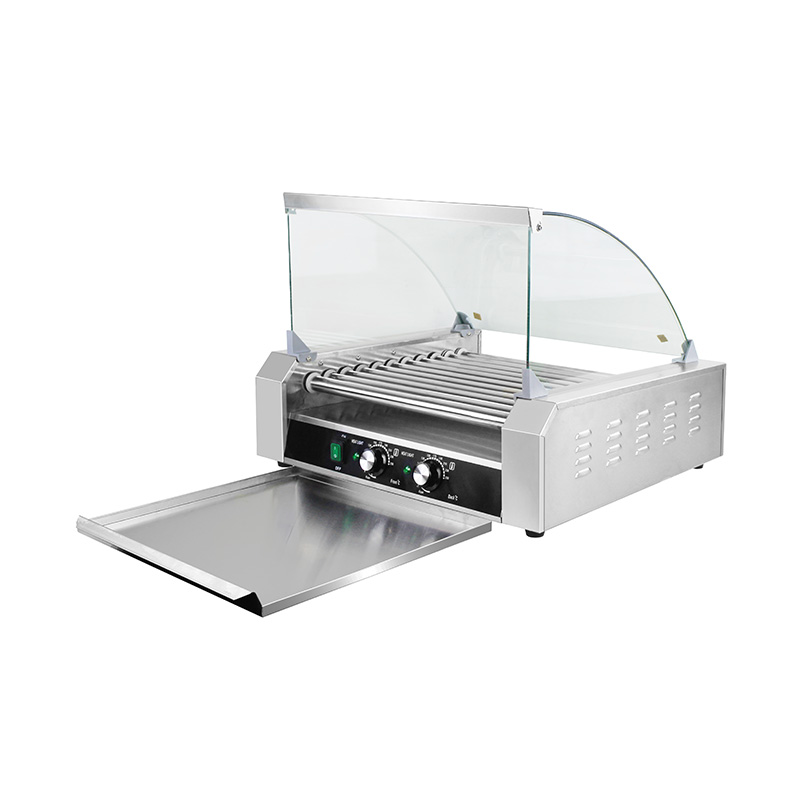
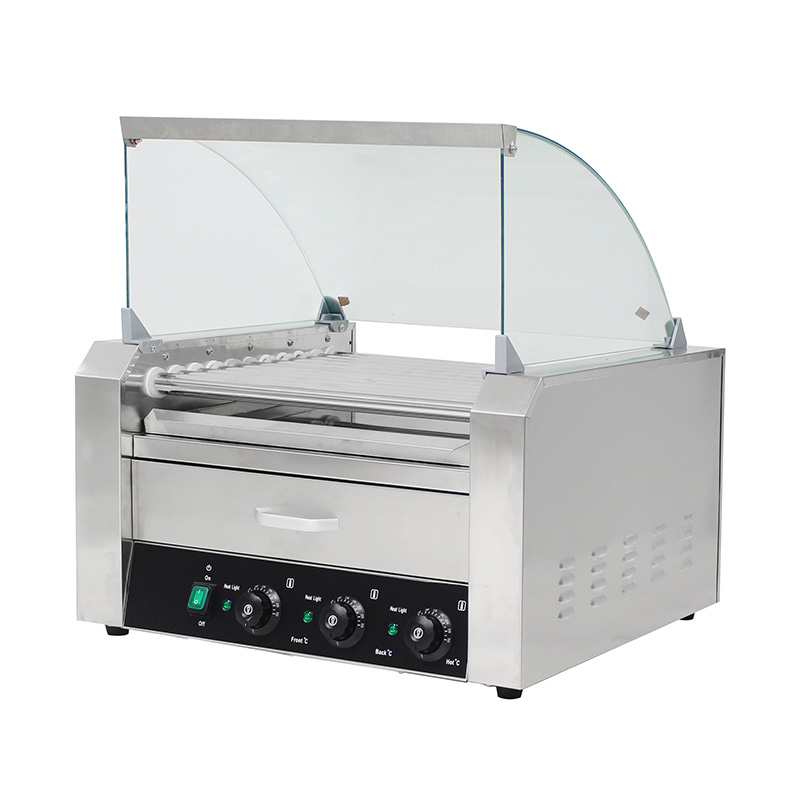
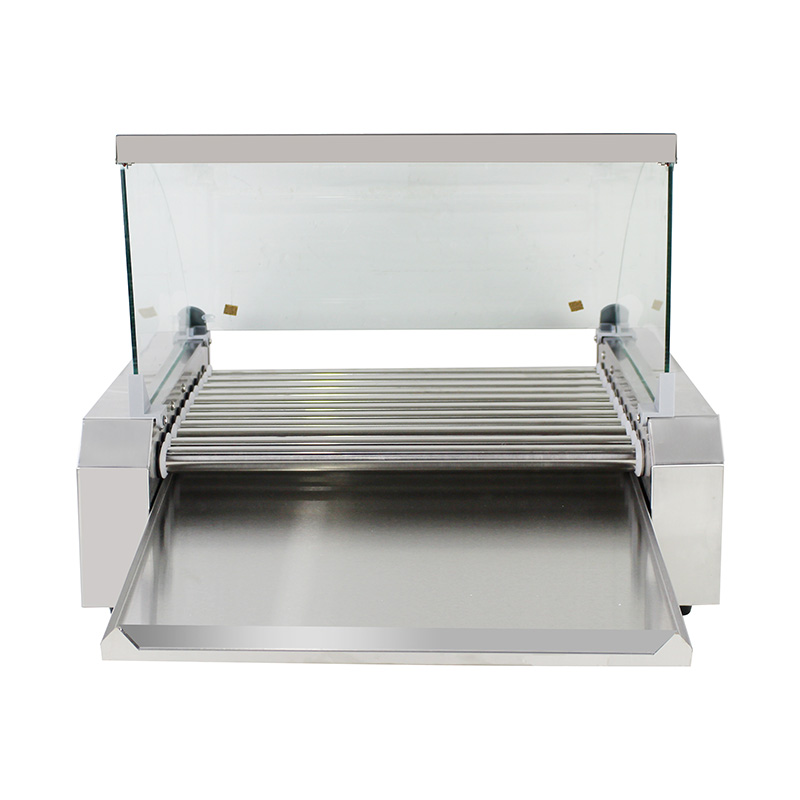
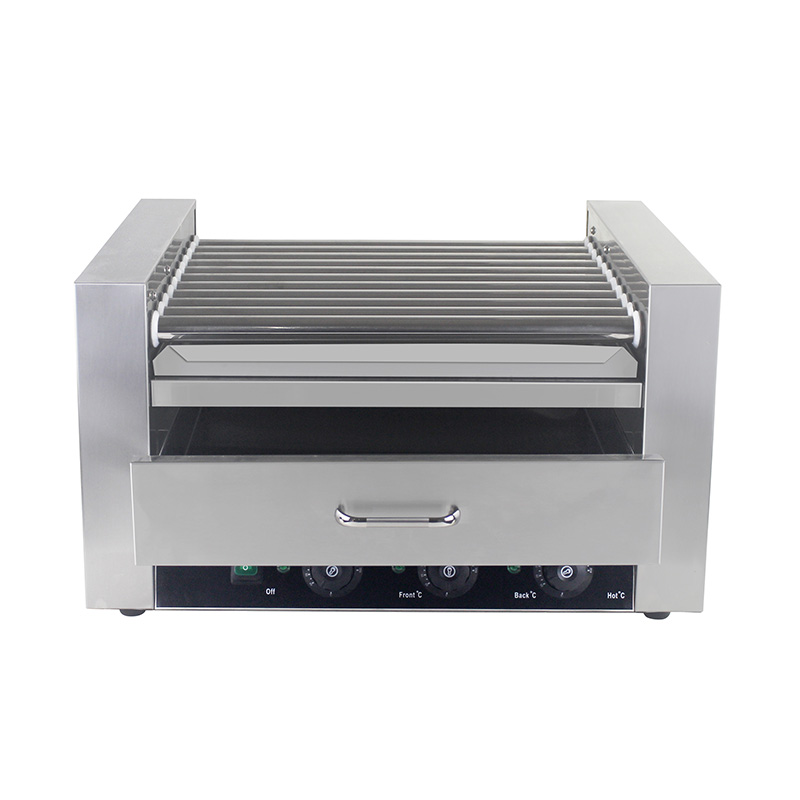
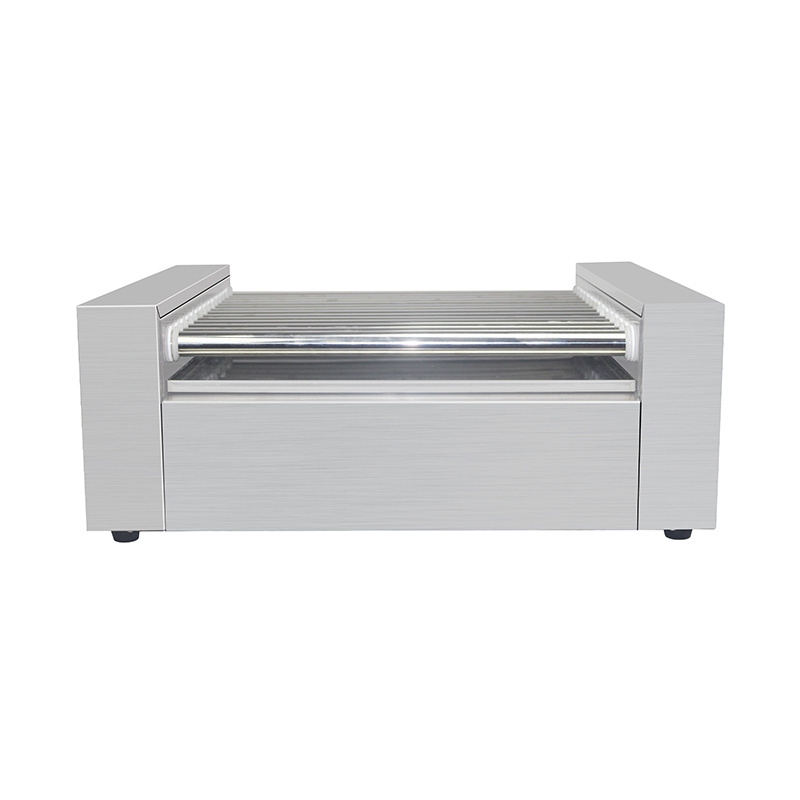
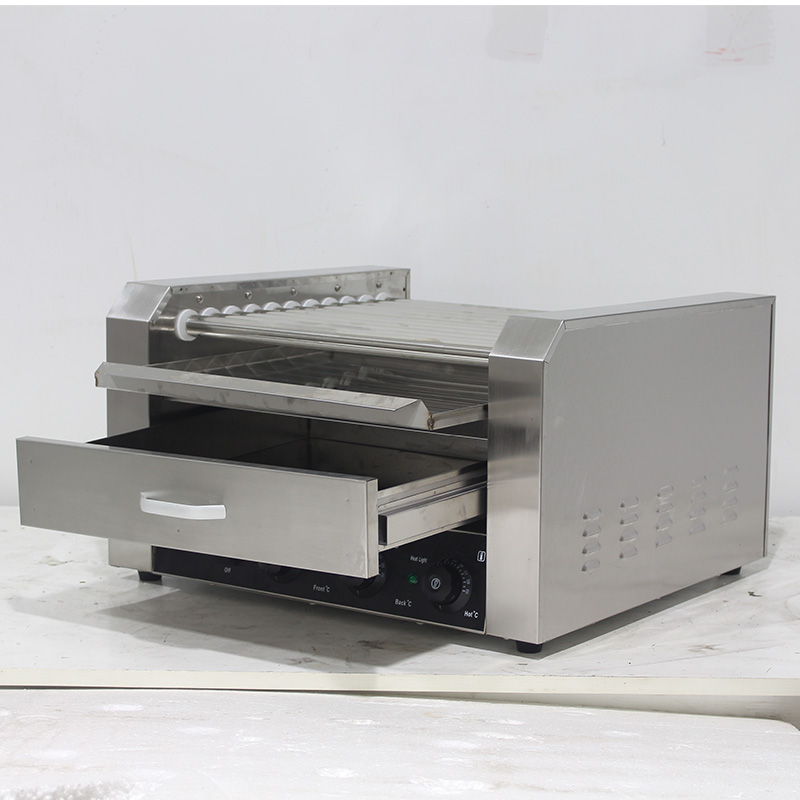
Cleaning and maintenance are also high-interest topics. Removable drip trays are commonly discussed features, as they collect grease and food residue during operation. Users are concerned with less downtime, so ease of disassembly and smooth surface finishes are valued. Additionally, commercial buyers often evaluate the lifespan of heating elements and motors, especially in locations with long daily operating hours.
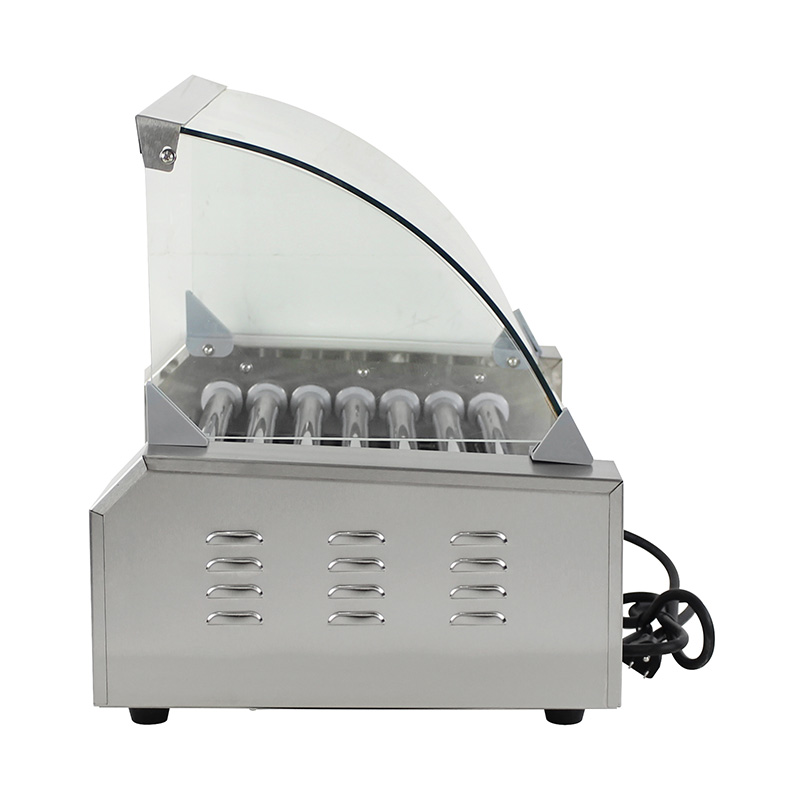
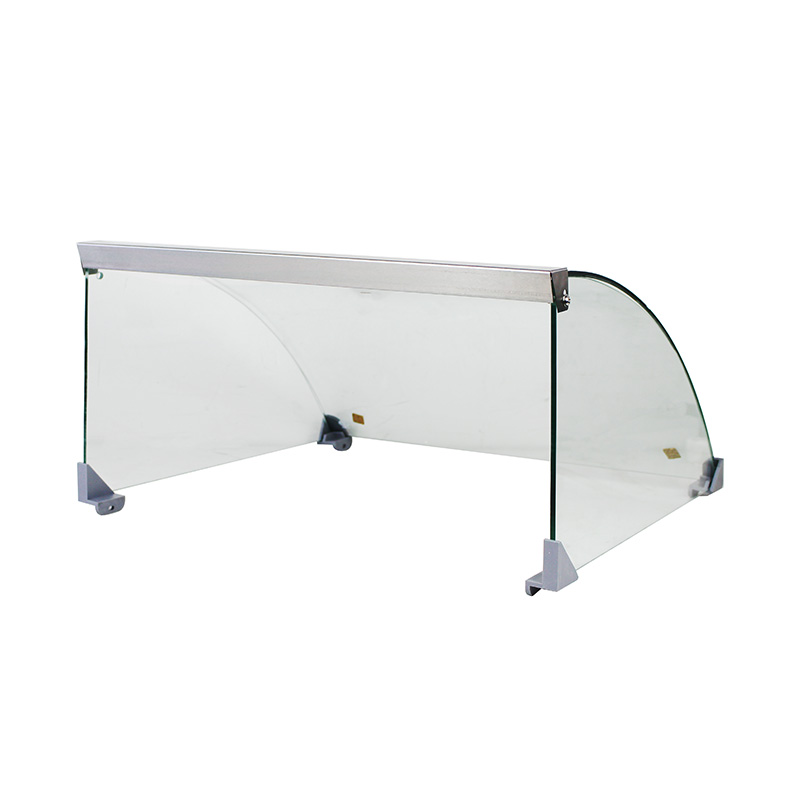
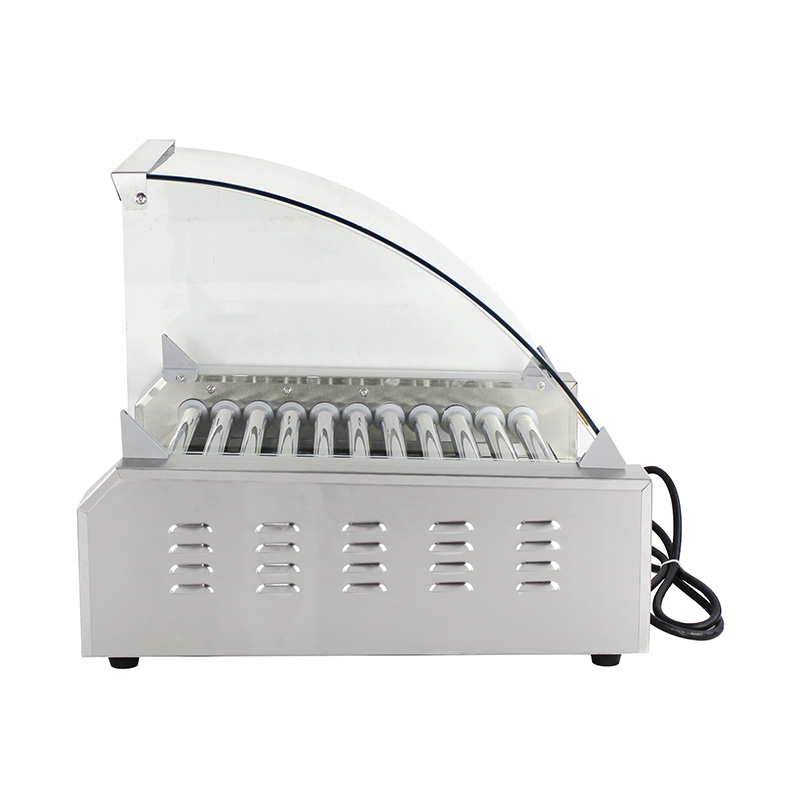
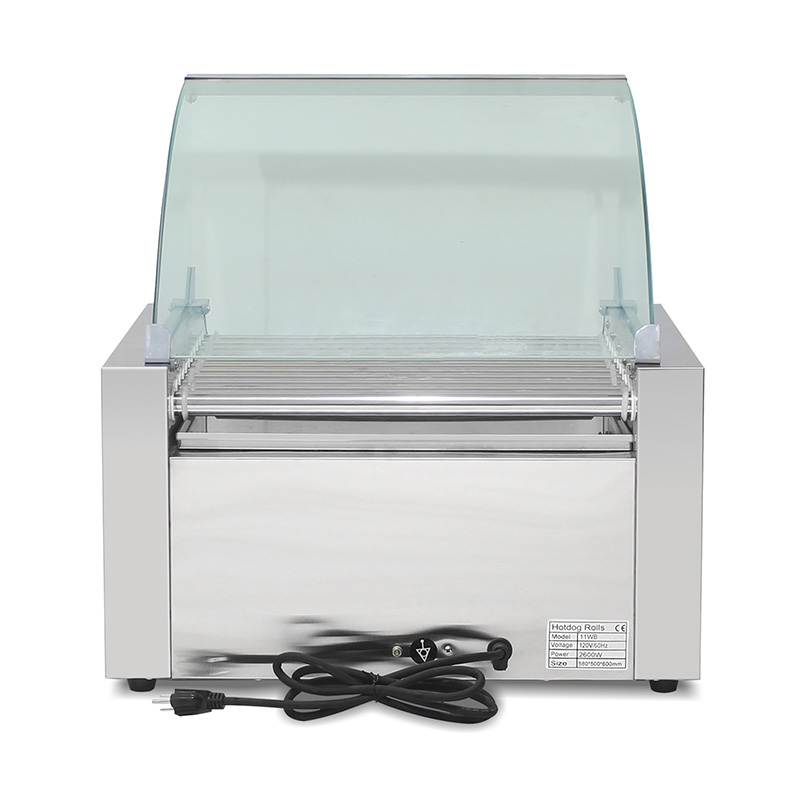
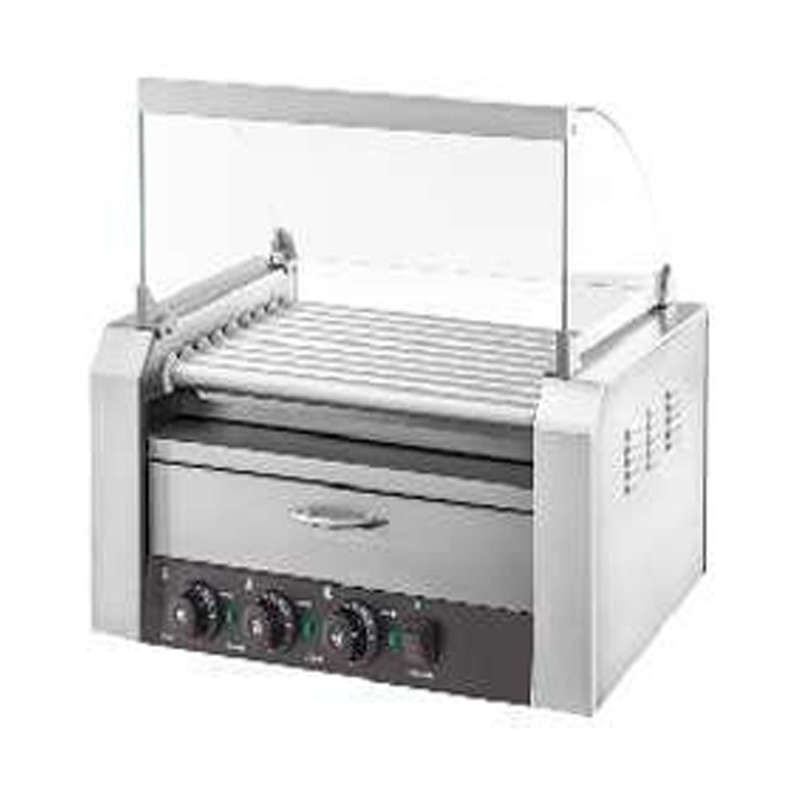
From a business standpoint, visibility and presentation matter. Clear sneeze guards and balanced roller rotation improve product appearance while supporting hygiene expectations in self-service or semi-open counters.
Hot Dog Roller for Grill: Integration with Cooking and Serving Workflows
The term Hot Dog Roller for Grill is often associated with questions about workflow integration and multi-function food preparation. Users searching this phrase typically want to understand how a roller complements grilling equipment rather than replacing it.
In many foodservice setups, grilling is used for initial cooking, while a hot dog roller for the grill serves as a holding and display solution. This combination allows operators to maintain serving temperature without returning products to direct heat.
Another common concern is space efficiency. A hot dog roller for the grill is often selected to fit adjacent to flat grills or fryers within compact kitchen layouts. Buyers evaluate footprint dimensions and electrical configuration to ensure compatibility with existing equipment lines. This reflects broader search interest in modular kitchen planning and workflow optimization.
Food texture is also discussed in search queries. Users want to know whether a roller alters the grilled surface or casing texture. Controlled roller speed and temperature help preserve exterior firmness while preventing excessive moisture loss. This makes the roller suitable for short-term holding after grilling, especially during peak service periods.
Finally, versatility is a growing topic. A hot dog roller for a grill that supports varied menu items allows operators to adapt offerings without adding extra equipment, supporting flexible menu planning.