Understanding the Killing Cone in Poultry Processing
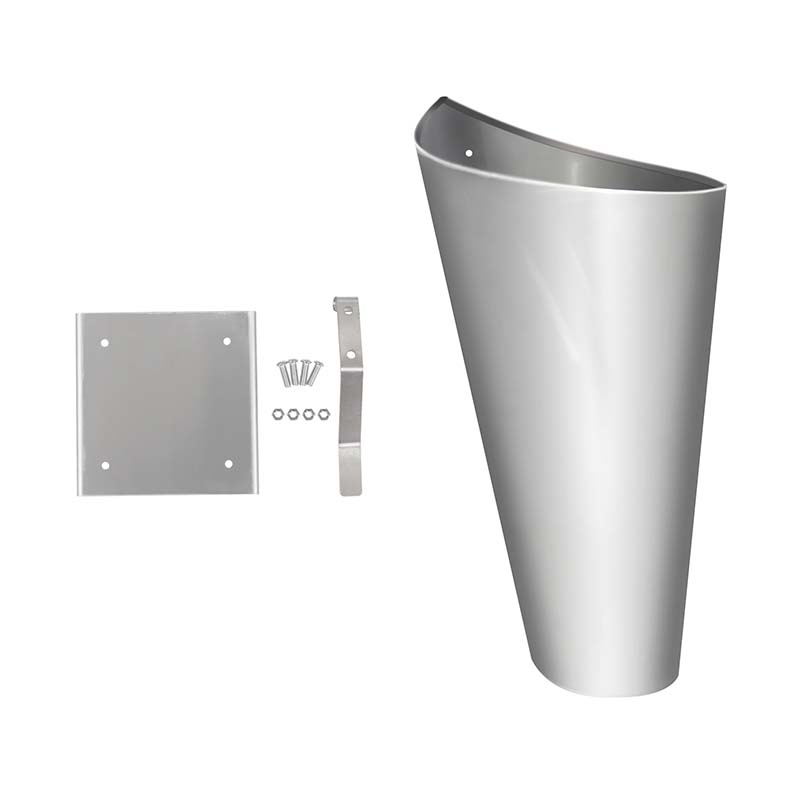
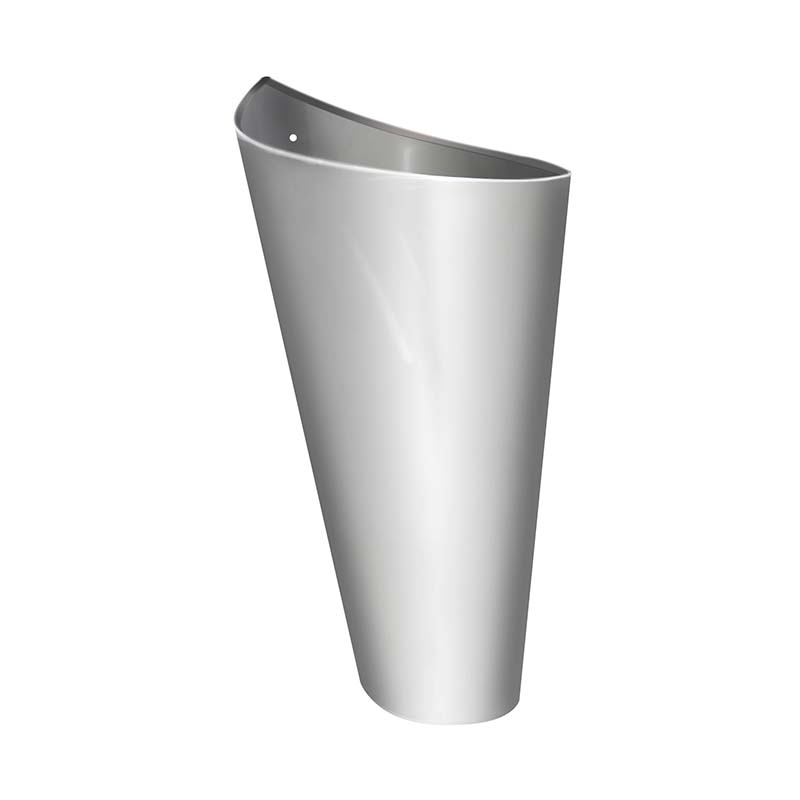
The Killing Cone is a common tool used in poultry processing to help streamline the slaughter process. It is typically a conical-shaped device where poultry birds are placed head down, allowing gravity to assist with bleeding. This tool is widely utilized in small-scale and commercial operations for birds such as chickens, ducks, turkeys, and quails.
The primary purpose of the killing cone is to reduce bird movement during slaughter. By securing the bird in an inverted position, it becomes easier to access the neck for bleeding, improving the efficiency and safety of the process. Users often consider factors such as material, size, and ease of cleaning when selecting a killing cone. Stainless steel models are common because they are durable, resistant to corrosion, and maintain hygiene standards.
Key Benefits of Using a Killing Cone for Poultry Processing
Using a Killing Cone for Poultry Processing can offer several practical benefits. One major advantage is animal welfare. Birds placed in a killing cone experience less stress compared to being handled manually or restrained by hand. This reduced stress can result in improved meat quality, as tension in muscles before slaughter may affect texture and color.
Another benefit is efficiency. The conical design allows processors to handle multiple birds in sequence, reducing the time required for bleeding and plucking. Some operators also find it easier to maintain a clean working environment because the design helps direct blood flow into a container or tray, reduces spillage, and facilitates cleanup.
Materials and Design Considerations for Killing Cones
When selecting a Killing Cone for Poultry Processing, material and design are key considerations. Stainless steel and food-grade plastic are commonly used because of their durability and ease of sanitation. The cone should have smooth surfaces to prevent injury to the bird and allow for easy cleaning.
The size of the cone is also important. A well-sized cone ensures that birds are held securely without excessive pressure, which can reduce the risk of injury and improve safety for the operator. Some killing cones are adjustable or available in multiple sizes to accommodate different poultry species and ages.
Safe Handling Practices with Killing Cones
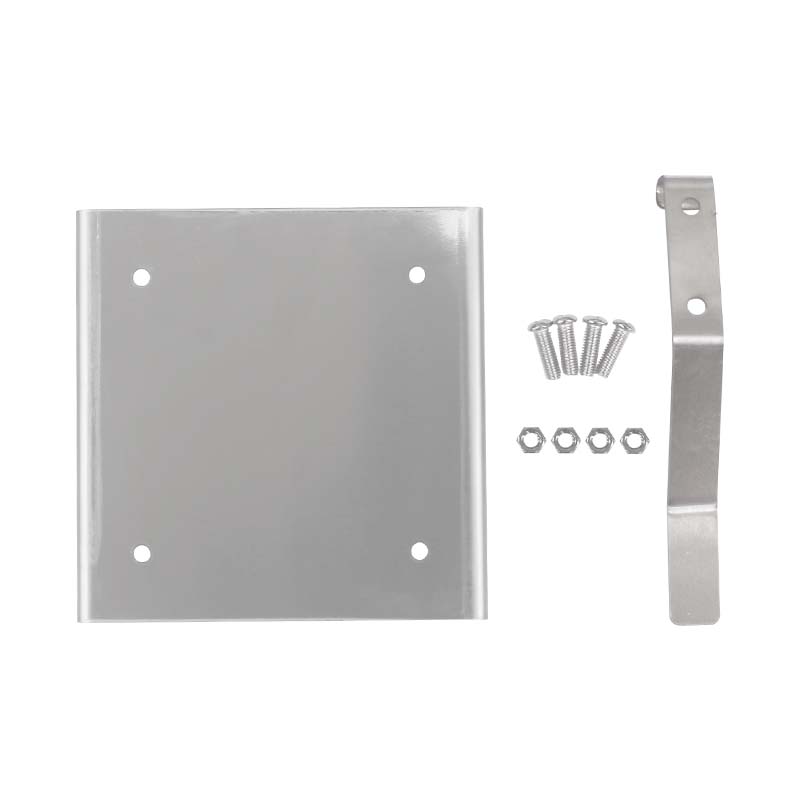
Proper use of a Killing Cone involves several safety considerations. Operators should ensure the bird is handled calmly to reduce stress and prevent flapping or struggling. The cone should be placed on a stable surface or mounted securely to avoid tipping.
It is also essential to follow hygienic practices. Cleaning the cone before and after use with a food-safe disinfectant reduces the risk of contamination. Wearing protective gloves and clothing can prevent exposure to blood and reduce the risk of slipping. By maintaining a clean and organized workspace, poultry processing can be more efficient and safer for both the birds and the processor.
Integration of Killing Cones in Poultry Processing Workflows
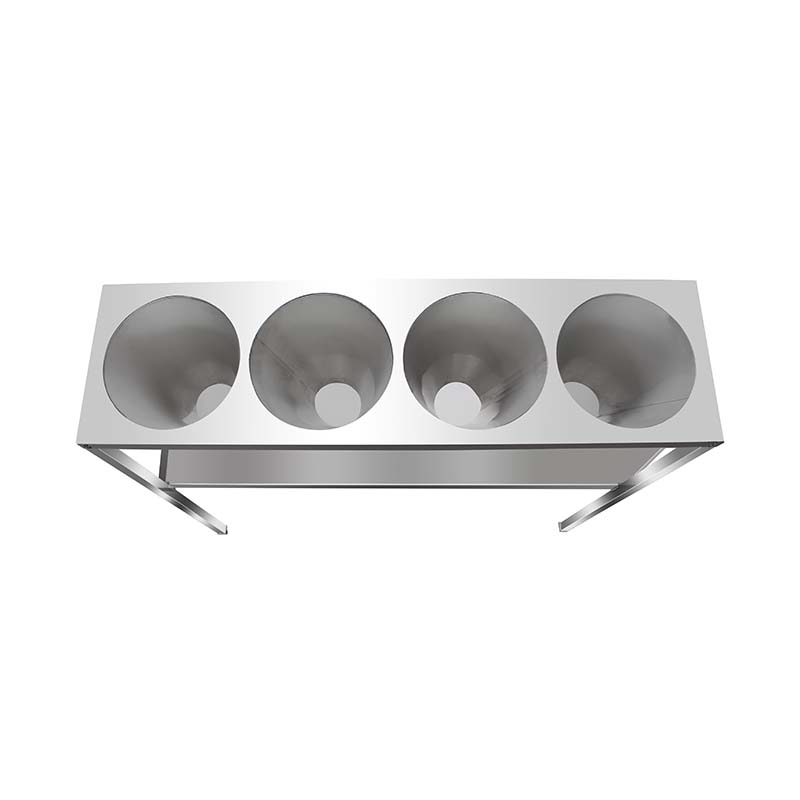
The Killing Cone for Poultry Processing can be integrated into various production workflows. In small-scale operations, a single cone may suffice for processing a few birds per day, whereas commercial operations might use multiple cones mounted on racks for batch processing.
Operators often combine killing cones with other poultry processing equipment, such as pluckers, scalding tanks, and evisceration tables. Using cones in a systematic workflow can help maintain a steady pace, reduce labor fatigue, and ensure consistent handling practices. This method also supports hygiene control by directing blood flow and less contact with surfaces.
Cleaning and Maintenance Tips for Killing Cones
Maintaining a Killing Cone for Poultry Processing is critical for longevity and hygiene. Regular cleaning after each use helps prevent bacterial buildup and ensures the cone remains in good condition. Stainless steel cones can be washed with warm water and mild detergent, while food-grade plastic cones may require gentle scrubbing to remove residue.
Periodic inspections for cracks, rust, or sharp edges are recommended. Damaged cones should be repaired or replaced promptly to prevent injury to birds and operators. Proper storage in a dry and clean area further extends the lifespan of the equipment.
Conclusion: Using Killing Cones for Efficient and Humane Poultry Processing
A Killing Cone is an important tool in poultry processing that supports efficient, safe, and humane handling of birds. By carefully selecting, using, and maintaining the cone, processors can improve workflow, ensure better meat quality, and maintain hygiene standards. Integrating killing cones into processing operations is a practical choice for those aiming to achieve consistent results in both small-scale and larger poultry facilities.