What Is a Manual Plucker Drill and How Does It Work
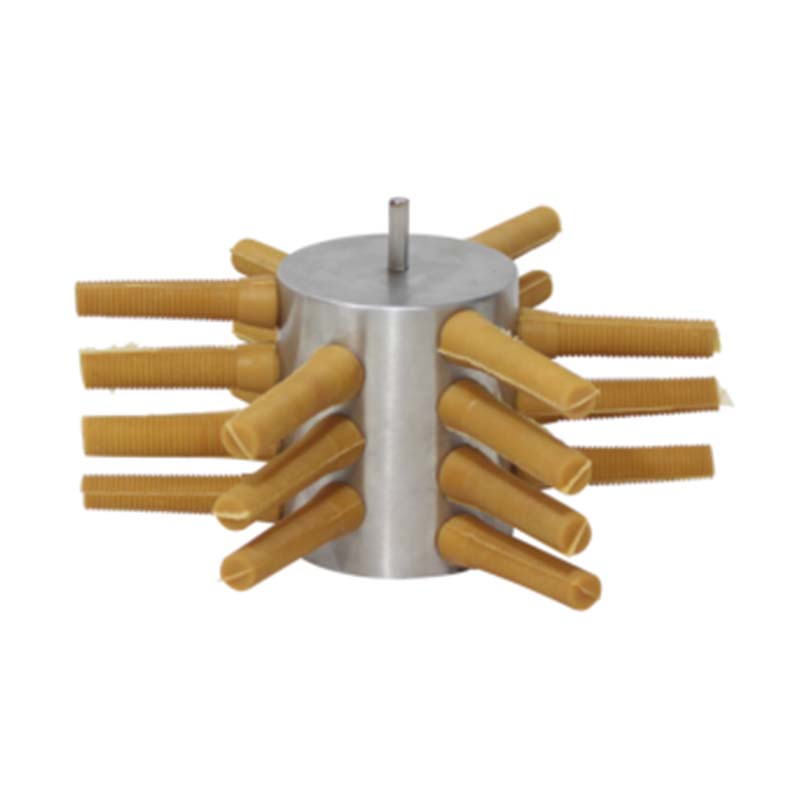
A Manual Plucker Drill is a hand‑operated tool designed to remove feathers from poultry quickly and efficiently. Unlike electric pluckers, the Manual Plucker Drill does not require a power source and operates through mechanical rotation. Rubber fingers attached to a rotating hub remove feathers as the poultry carcass is rubbed against them. Users control the speed and pressure applied, making this tool suitable for small-scale or mobile processing settings where access to electricity may be limited.
This type of plucker is often used in backyard farming, small slaughterhouses, and by independent food businesses where manual control and portability are priorities. The simplicity of its design allows operators to understand every moving part, making troubleshooting and maintenance more intuitive.
Many people searching for a Manual Plucker Drill also want to know how it fits into the overall poultry plucking process. It can be integrated into a sequence of slaughtering, scalding, plucking, and cleaning steps, helping to streamline operations while reducing manual labor compared to hand pulling feathers.
Why Choose a Manual Plucker for Poultry Processing in Small Operations
A Manual Plucker for Poultry Processing can significantly improve efficiency where full electrical automation is unnecessary or impractical. Small farms, community kitchens, and batch processors often need reliable tools that support reasonable throughput without high energy costs or complex infrastructure.
A key reason people search for a Manual Plucker for Poultry Processing is portability. These units can be taken to remote locations, farmers' markets, or temporary processing sheds without worrying about power outlets. This mobility supports flexible workflow planning and can reduce turnaround time on processing days.
Another important aspect is user control. Operators can manage the intensity of feather removal, which helps prevent skin damage on poultry—an essential concern for processors focused on product quality. Manual pluckers allow incremental adjustment as needed, an advantage over fixed‑speed electric tools.
Key Features to Evaluate in a Manual Plucker Drill
When considering a Manual Plucker Drill, buyers tend to research several core features that affect performance and long‑term value:
- Ergonomic Design: The tool should be comfortable to hold and easy to control for extended use. A grip that reduces fatigue benefits frequent operators.
- Sturdy Construction: Durable materials such as reinforced plastic or stainless steel components help ensure longevity. Poultry processing environments can be wet and abrasive, so build quality matters.
- Replaceable Rubber Fingers: The rubber fingers that contact feathers wear over time. A Manual Plucker Drill that supports easy replacement reduces downtim,e and ongoing costs.
- Rotational Efficiency: How well the drill translates manual energy into rotational motion affects plucking speed. Users often look for a smooth, balanced rotation that maximizes feather removal with small effort.
Understanding these functional aspects can help users compare available options and determine which Manual Plucker Drill ideal suits their processing volume and conditions.
How a Manual Plucker for Poultry Processing Impacts Workflow
Integrating a Manual Plucker for Poultry Processing into a workflow means rethinking traditional feather removal tasks. Instead of labor‑intensive hand plucking, the tool automates much of the physical effort. This shift lowers fatigue and can improve consistency across batches.
Processing workflows typically begin with humane slaughter and scalding. After scalding, feathers loosen and become easier to remove. Using a Manual Plucker at this stage allows processors to complete the plucking step more rapidly than hand methods, while maintaining sensitivity to skin quality. For small processing teams, this can free up personnel for other tasks like evisceration, chilling, and packing.
People searching for practical content often ask how long it takes to pluck poultry with a manual tool. While speed varies by user experience and bird size, many operators find that learning proper technique speeds up the process significantly after initial practice.
Maintenance Tips for a Manual Plucker Drill
Maintaining a Manual Plucker Drill is essential to extend its service life and ensure hygiene standards. Because poultry processing involves contact with feathers, skin oils, and moisture, cleaning and upkeep are important.
After each use:
- Rinse with clean water: Removing debris prevents buildup that can cause odors or mechanical drag.
- Sanitize surfaces: Food‑safe sanitizers help reduce contamination risk, especially when switching between bird batches.
- Inspect rubber fingers: Check for signs of wear or hardening. Replacing worn fingers maintains plucking effectiveness.
- Lubricate moving parts: If the drill has bearings or metal interfaces, light lubrication can prevent rust and preserve smooth action.
Clear maintenance guidance helps reassure searchers that manual tools can be hygienic and durable when cared for properly.
Safety Considerations When Using a Manual Plucker for Poultry Processing
Users often search for safety advice regarding a Manual Plucker for Poultry Processing because bird processing carries inherent risks. Key precautions include:
- Wear protective gloves: Helps prevent cuts and abrasions during handling.
- Secure work surface: Ensuring the poultry and plucker remain stable reduces accidental slips.
- Maintain good posture: Manual plucking requires repetitive motion; proper stance helps reduce strain.
Safety guidance reassures prospective buyers that manual poultry pluckers can be integrated into processing spaces without increased risk, as long as standard precautions are followed.