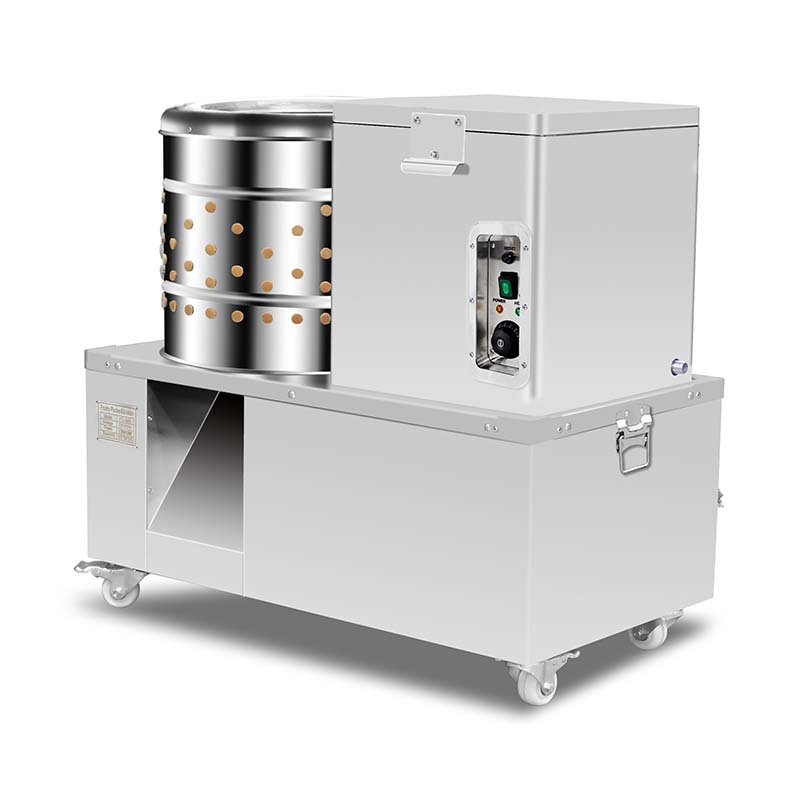
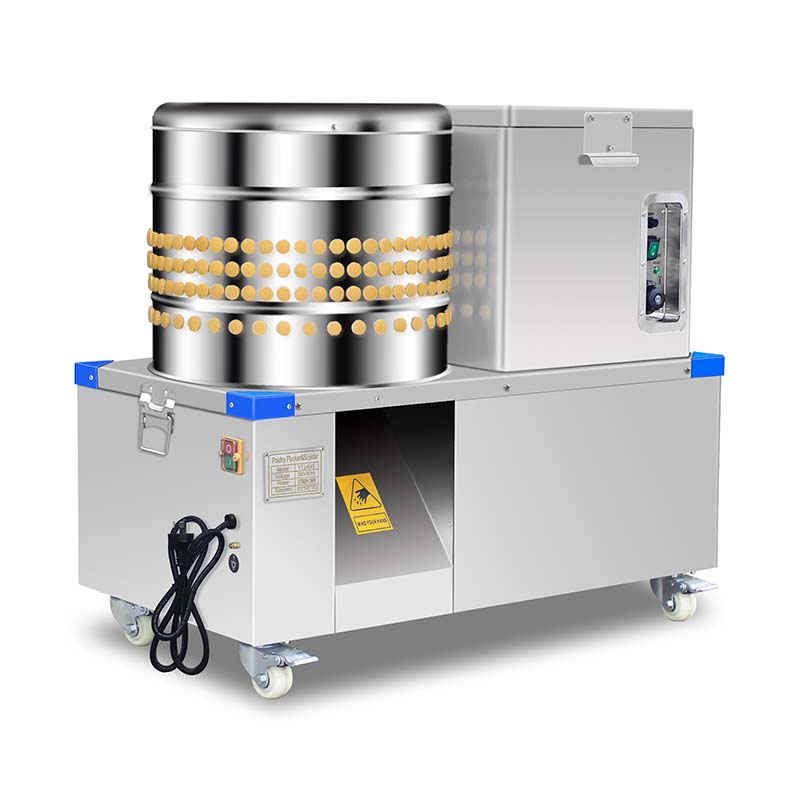
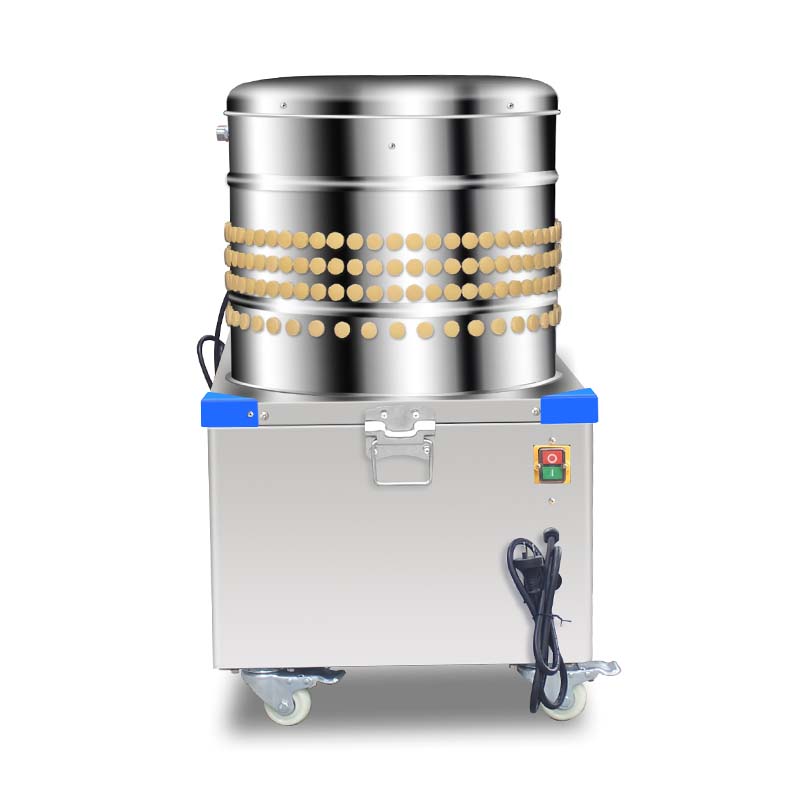
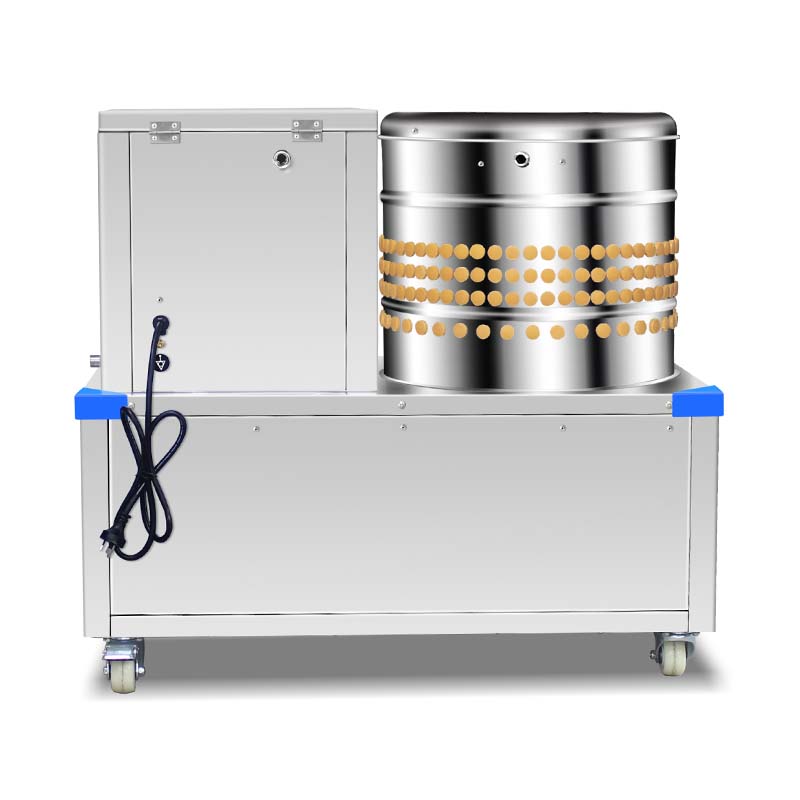
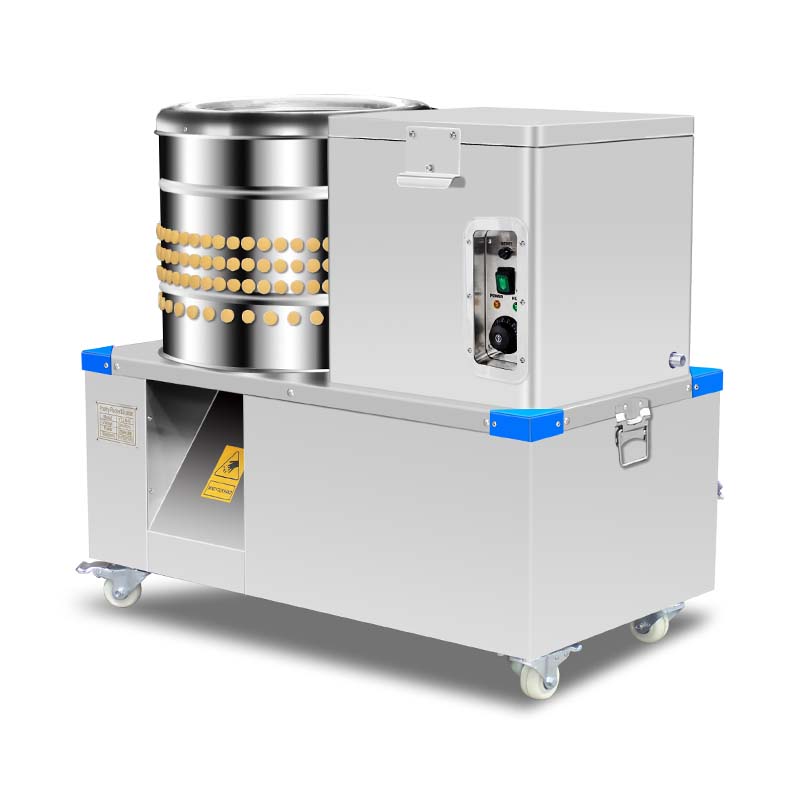
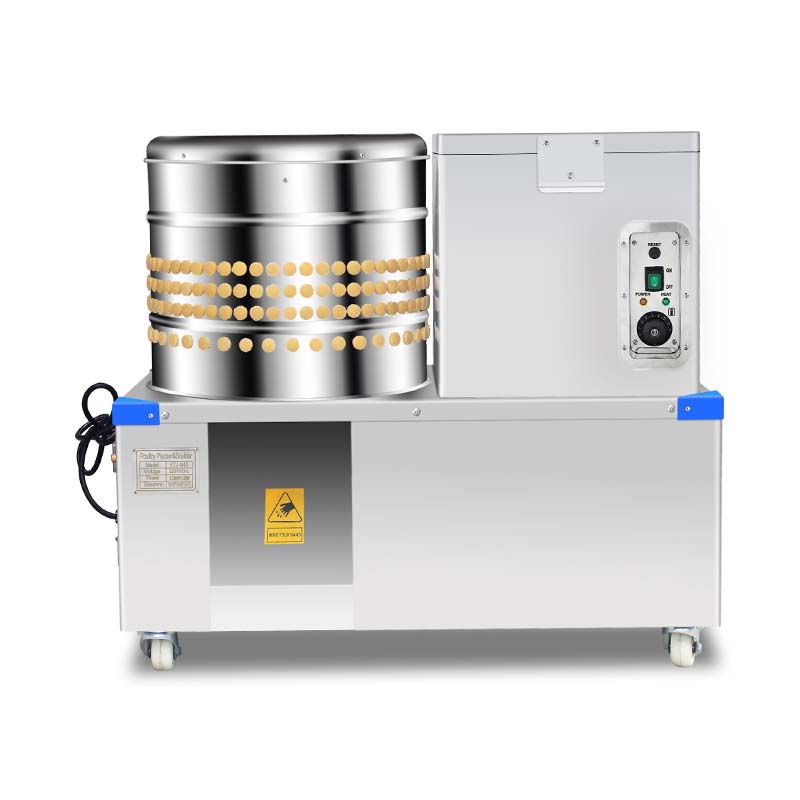
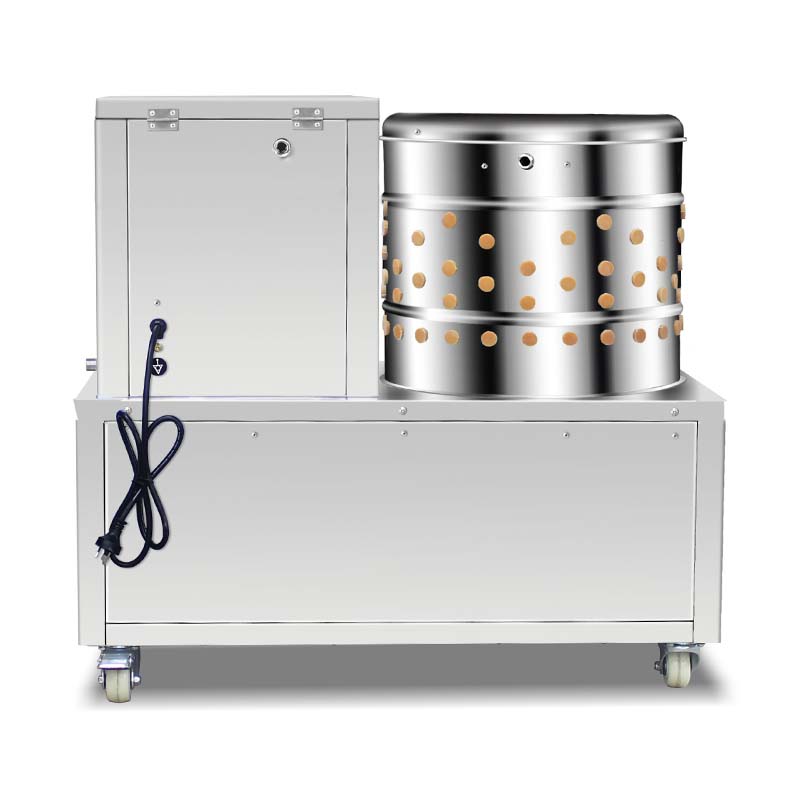
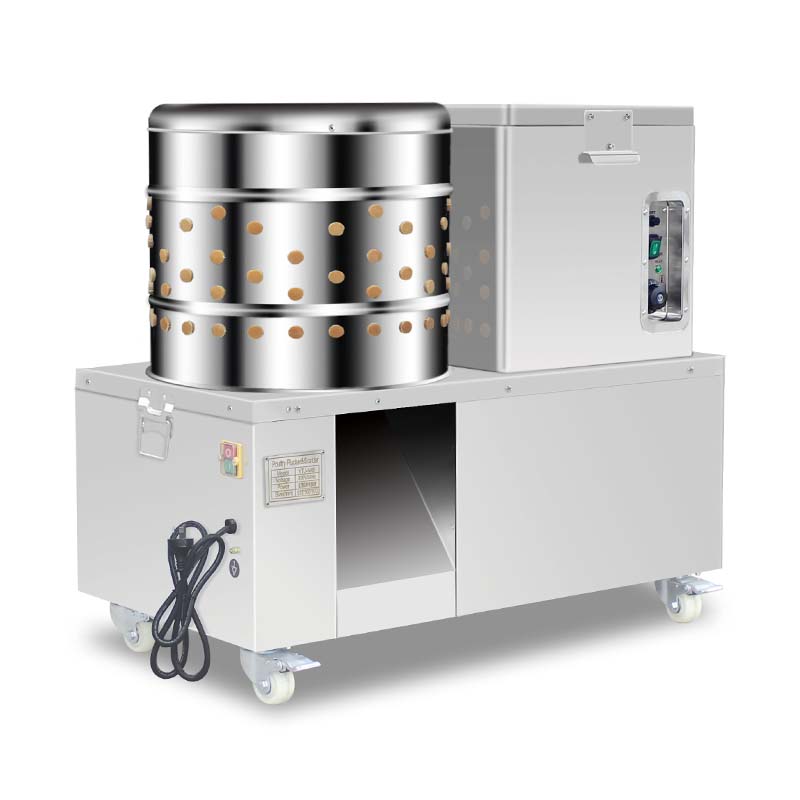
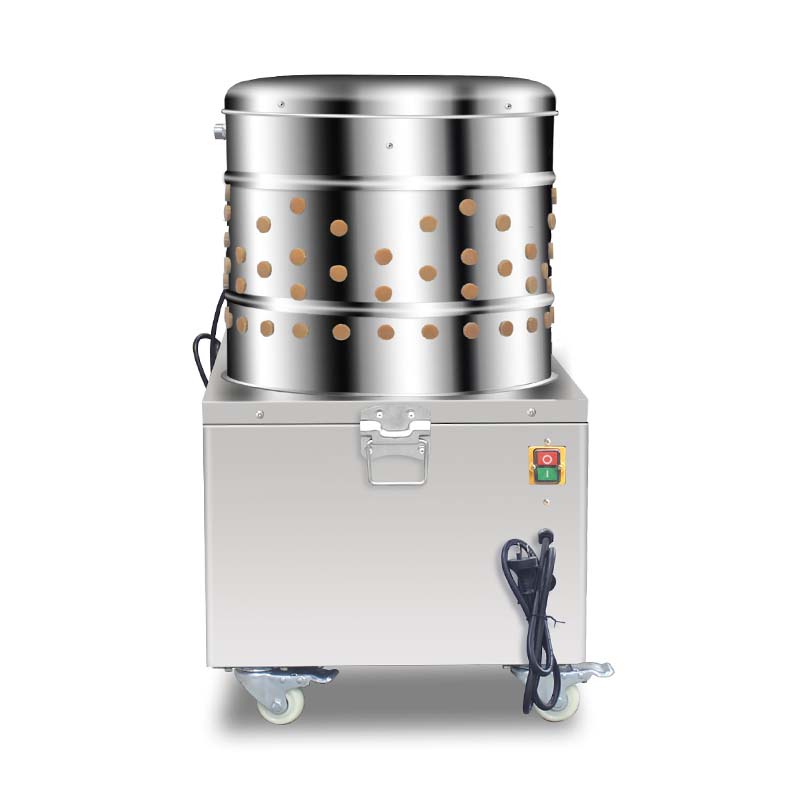
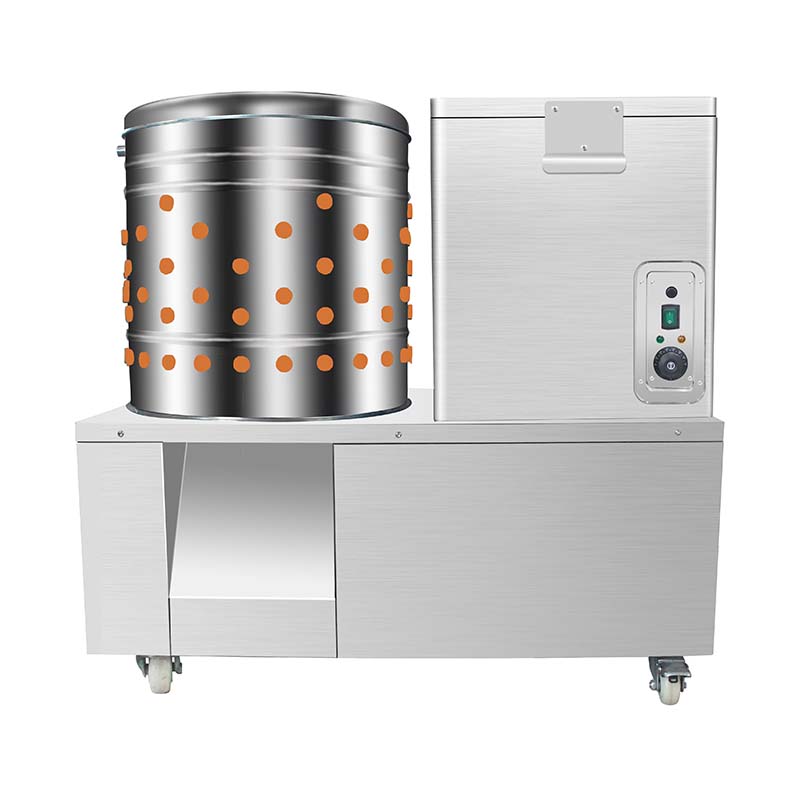
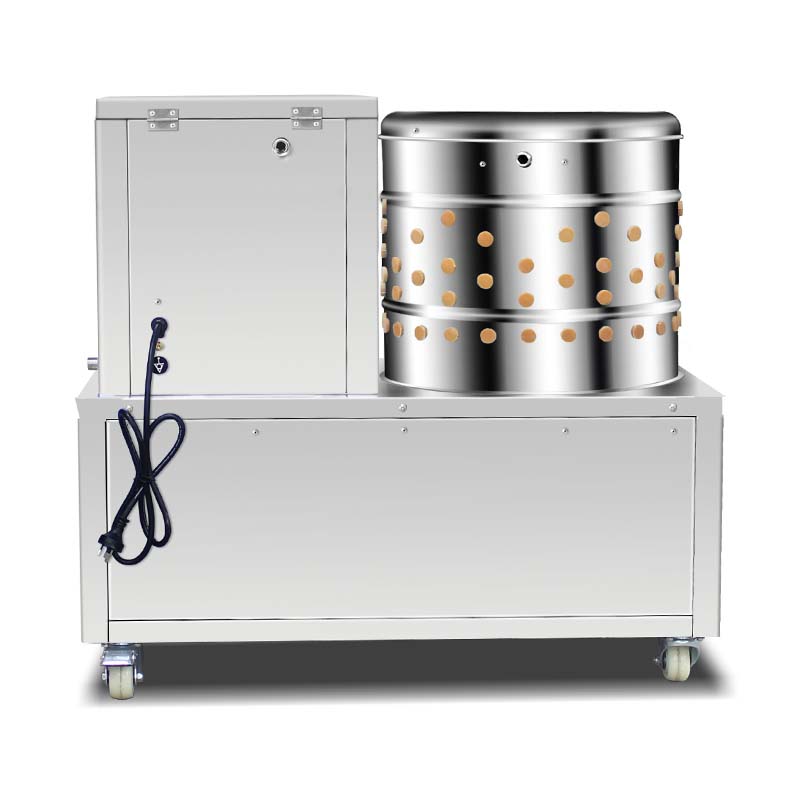
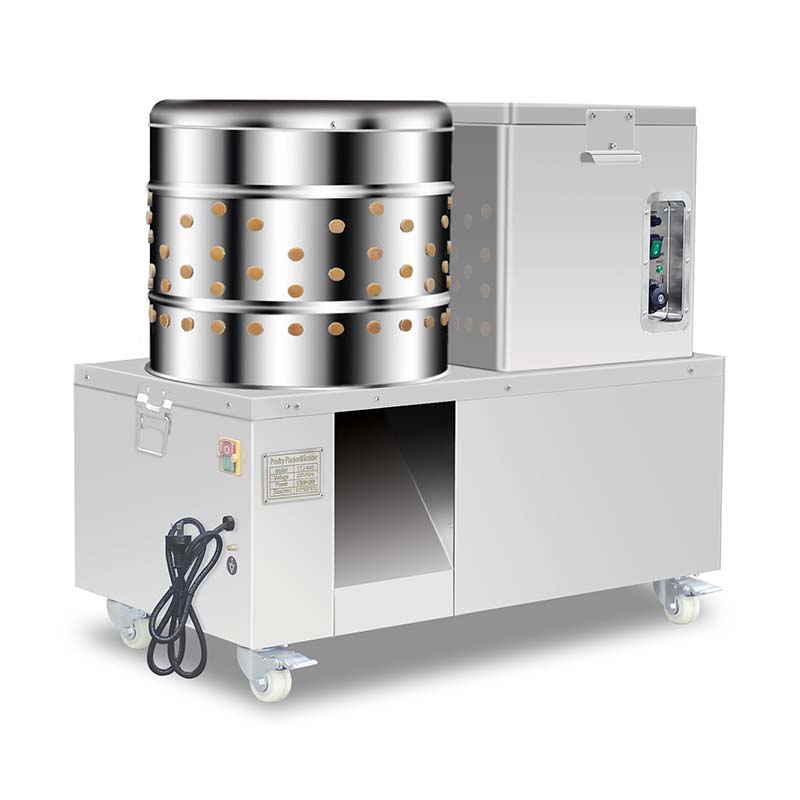
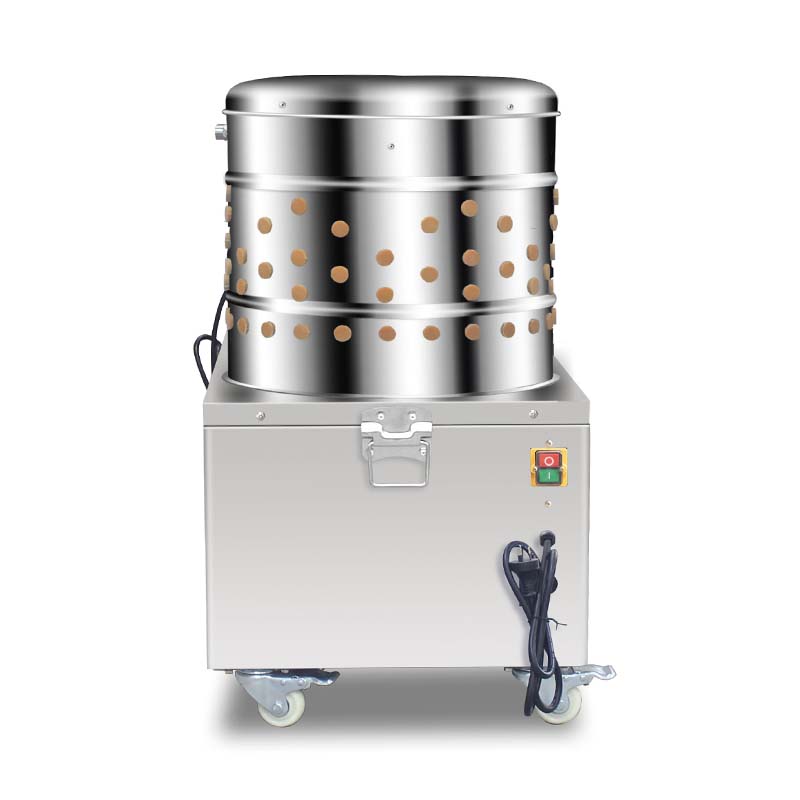
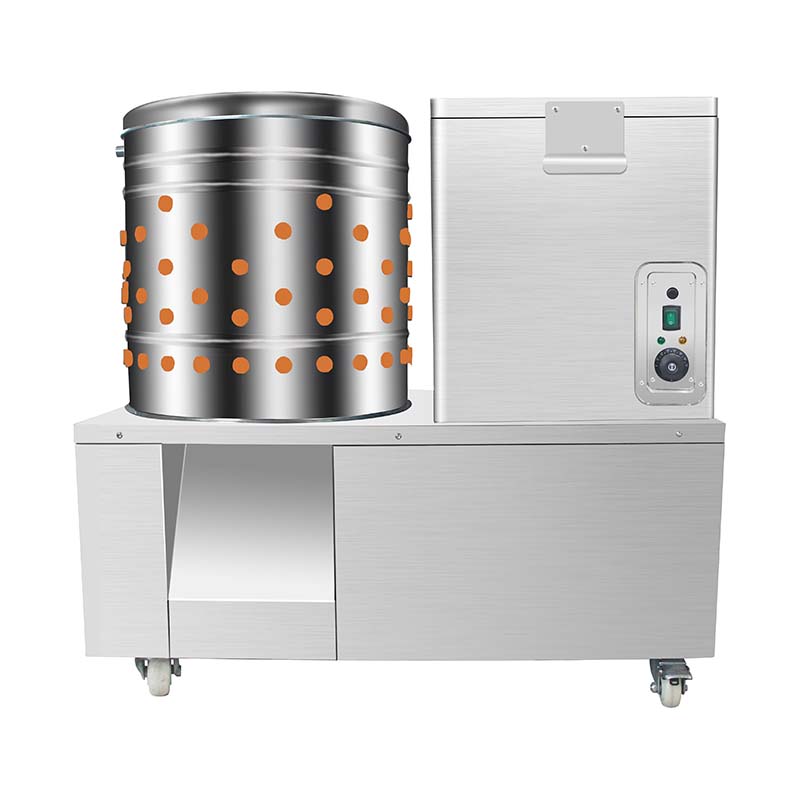
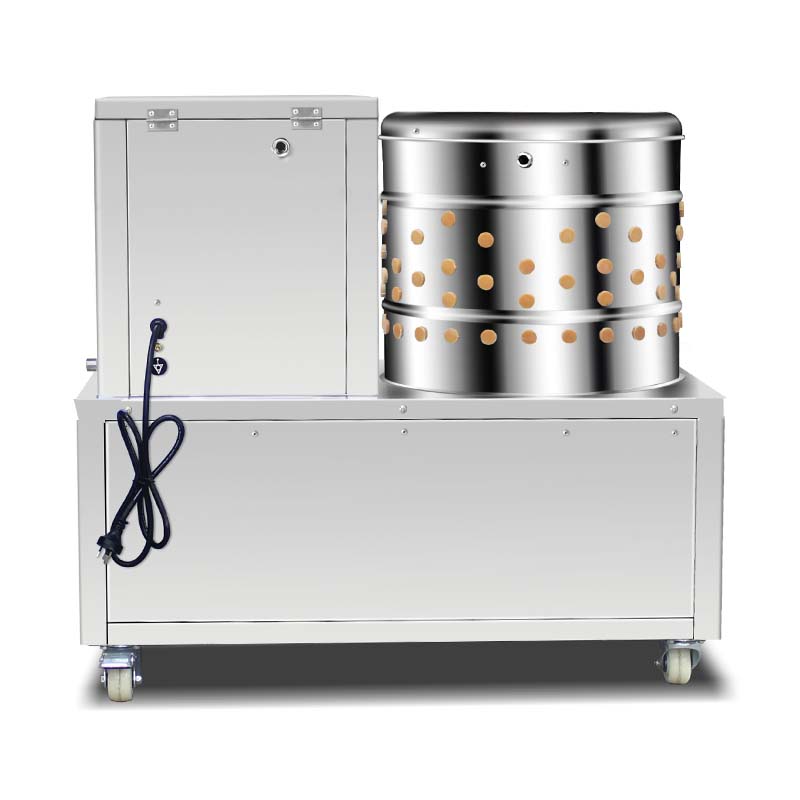
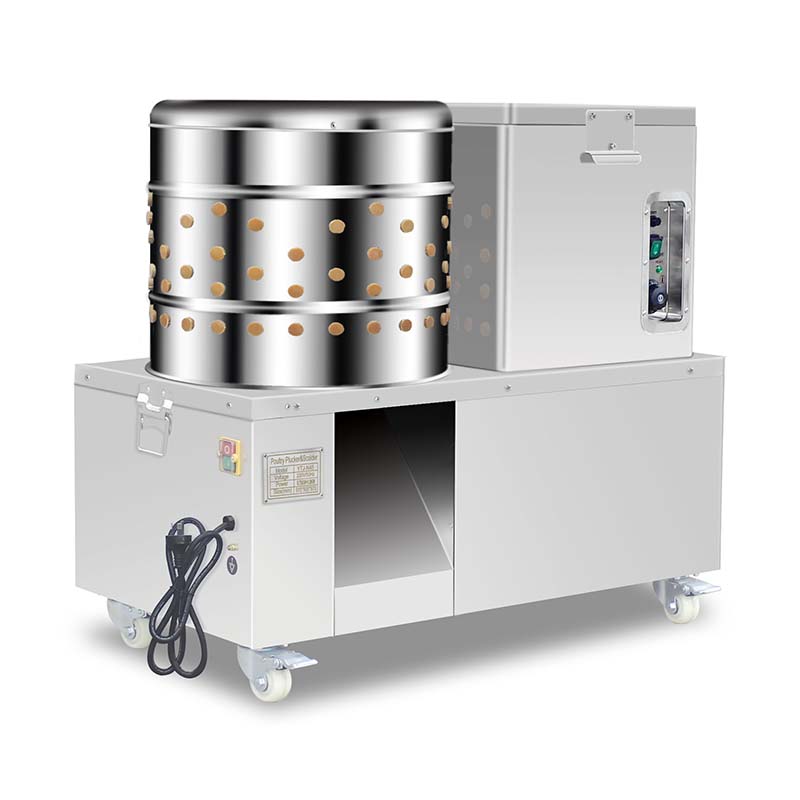
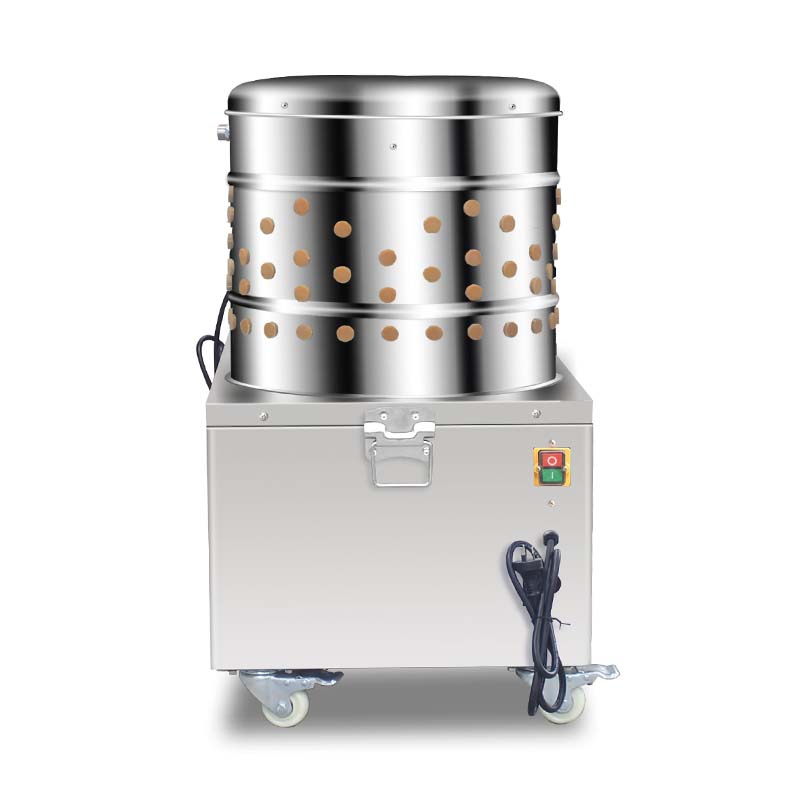
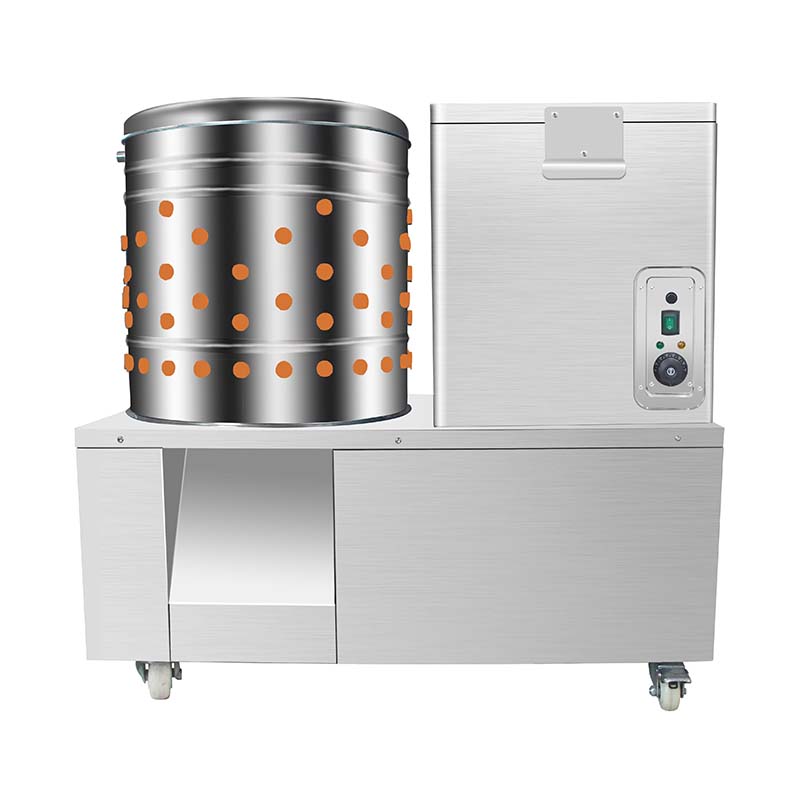
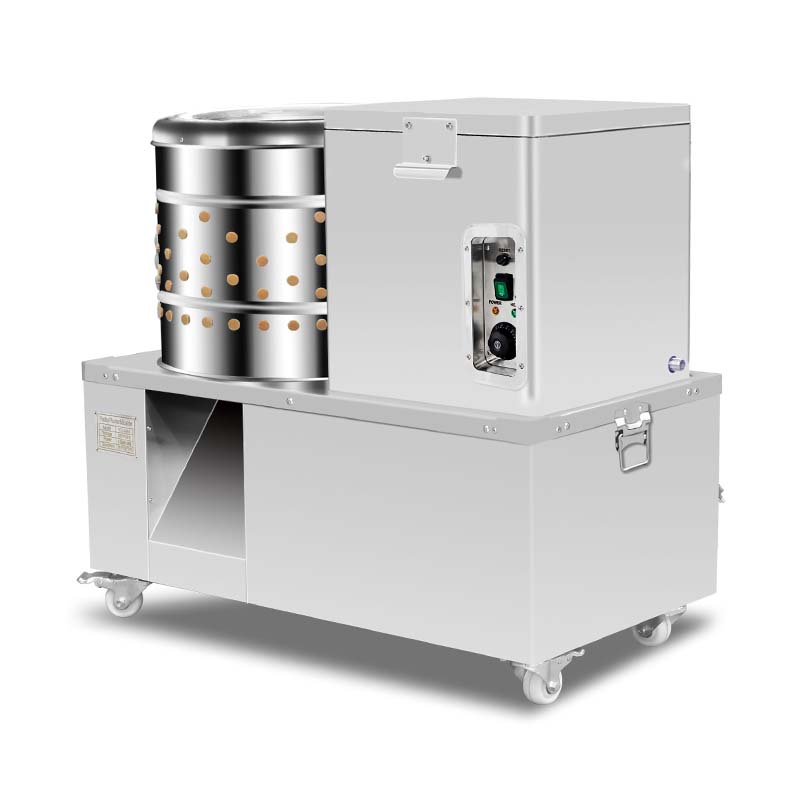
Stainless Steel Electric Chicken Scalder and Plucker for Poultry Processing: Key Features and Benefits
A Stainless Steel Electric Chicken Scalder and Plucker for Poultry Processing is designed to streamline poultry processing for small and medium-scale poultry operations. This type of equipment combines two essential functions: scalding and plucking, allowing operators to process chickens efficiently in one integrated machine. Made from stainless steel, it ensures durability, hygiene, and easy cleaning, which is critical for food safety standards in commercial kitchens.
The scalding function typically involves heating water to a controlled temperature suitable for loosening chicken feathers without damaging the skin. Operators can adjust the temperature based on bird size and type, which helps maintain consistent results. After scalding, the machine’s plucking system uses rubber fingers or paddles to remove feathers rapidly, reducing manual labor and saving time compared to traditional hand plucking.
How to Operate a Stainless Steel Electric Chicken Scalder and Plucker for Poultry Processing Safely
Safety is a key concern for anyone using a Stainless Steel Electric Chicken Scalder and Plucker for Poultry Processing. Users should always follow the manufacturer’s instructions regarding water temperature, bird size, and processing time. Overheating the scalding water can damage the skin, while insufficient temperature may make plucking less effective.
It is recommended to wear protective gloves and avoid reaching into the machine while it is in operation. Regular maintenance, such as checking rubber plucking fingers for wear and cleaning the machine after each use, can prevent accidents and prolong the equipment’s lifespan. Many commercial kitchens also emphasize proper grounding of electric equipment to reduce electrical hazards.
Plucker and Scalder Poultry Plucker with Scalder: Efficiency in Small-Scale Poultry Processing
The Plucker and Scalder Poultry Plucker with Scalder is commonly used by poultry farms, restaurants, and food processing facilities where efficiency is essential. By combining the scalding and plucking processes in one machine, operators can handle a larger volume of birds without requiring multiple devices. This consolidation saves space in processing areas and simplifies workflow management.
Users often value adjustable settings that accommodate different poultry types, from chickens and ducks to larger birds like turkeys. A good plucker and scalder system also results in less feather residue, ensuring cleaner processing and reducing the need for additional cleanup. Stainless steel construction contributes to hygiene, corrosion resistance, and compliance with food safety regulations.
Cleaning and Maintenance Tips for Plucker and Scalder Poultry Plucker with Scalder
Maintaining a Plucker and Scalder Poultry Plucker with Scalder is important for food safety and equipment longevity. After each processing session, it is recommended to drain the water, clean the scalding tank, and rinse all components that come into contact with poultry. Rubber fingers in the plucking drum should be checked for wear and replaced as needed to maintain effective feather removal.
Operators should avoid using harsh chemicals that may damage stainless steel surfaces or rubber parts. Instead, mild detergents or food-grade sanitizers are preferred. Routine inspection of the motor and electrical connections is also necessary to ensure safe and uninterrupted operation. Proper storage in a dry environment can prevent rust and extend the machine’s service life.
Common Questions About Stainless Steel Electric Chicken Scalder and Plucker for Poultry Processing
Many users searching for a Stainless Steel Electric Chicken Scalder and Plucker for Poultry Processing have questions about capacity, energy consumption, and suitability for different poultry types. These machines typically process between 10 to 50 birds at a time, depending on the model. Electric units offer consistent heating and plucking performance without relying on manual effort, which is useful for small-scale commercial operations.
Another frequent concern is compatibility with varying bird sizes. Adjustable scalding temperatures and plucking drum speed help accommodate different weights and feather types. Additionally, operators often inquire about noise levels and water usage. Machines with insulated tanks and efficient motor design can reduce energy and water consumption while providing steady operation.
Choosing Between Different Plucker and Scalder Poultry Pluckers with Scalder Models
When selecting a Plucker and Scalder Poultry Plucker with Scalder, it is important to consider processing capacity, ease of cleaning, and durability. Stainless steel models are preferred due to their resistance to corrosion and food-safe properties. Users should also evaluate whether the machine fits the workflow of their facility, considering the space available and the number of birds processed daily.
Other features, such as adjustable plucking speed, water temperature control, and detachable components, can improve usability and cleaning convenience. Choosing a machine that balances efficiency, safety, and hygiene helps maintain consistent poultry processing quality and fewer operational issues over time.