Understanding the Scalder in Poultry Processing
A scalder is an essential piece of equipment in commercial poultry processing, designed to loosen feathers from chicken, duck, or other poultry skin efficiently. In poultry production, achieving uniform feather removal without damaging the skin is a key concern for food safety and product quality. Users often consider water temperature control, soaking time, and batch size when using a scalder to ensure consistent results.
Modern scalder designs allow for adjustable temperature settings, which help operators manage different poultry sizes and feather types. In addition, effective scalder operation reduces manual labor, speeds up the processing workflow, and ensures the poultry is prepared for subsequent defeathering or cutting stages.
How a Stainless Steel Electric Chicken Scalder Improves Hygiene
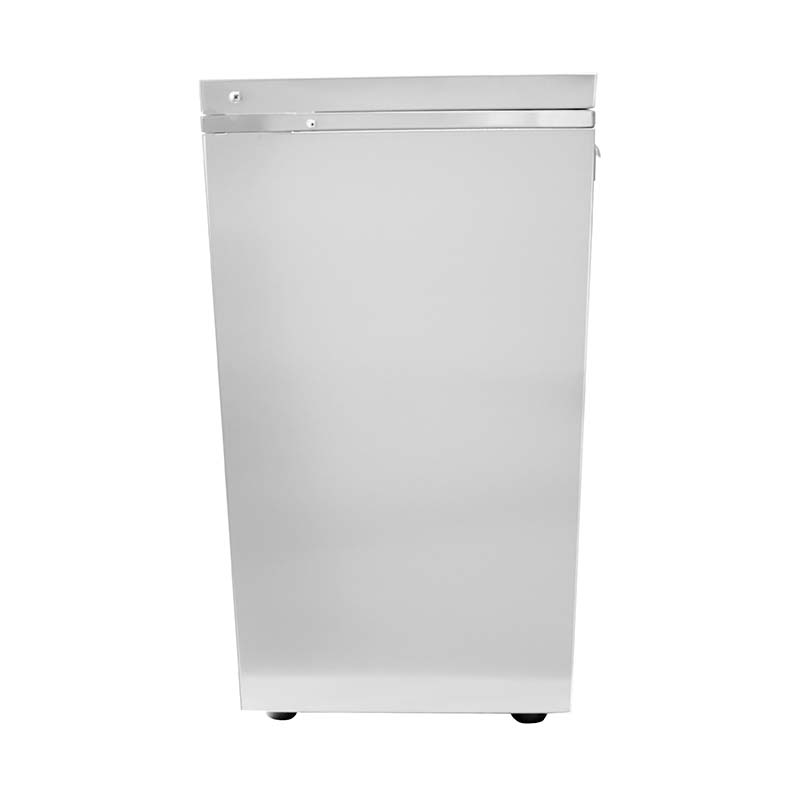
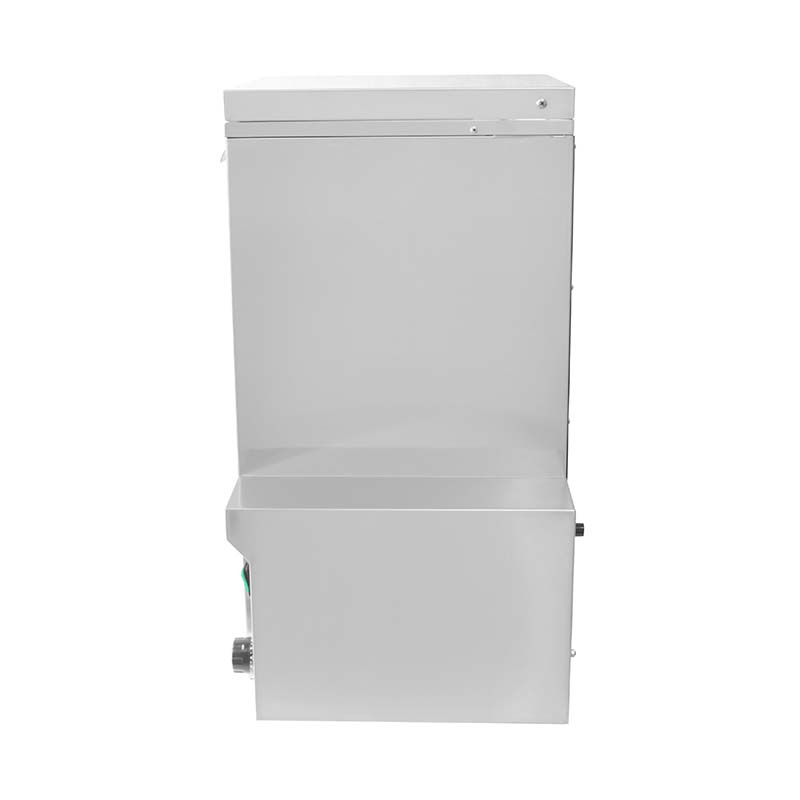
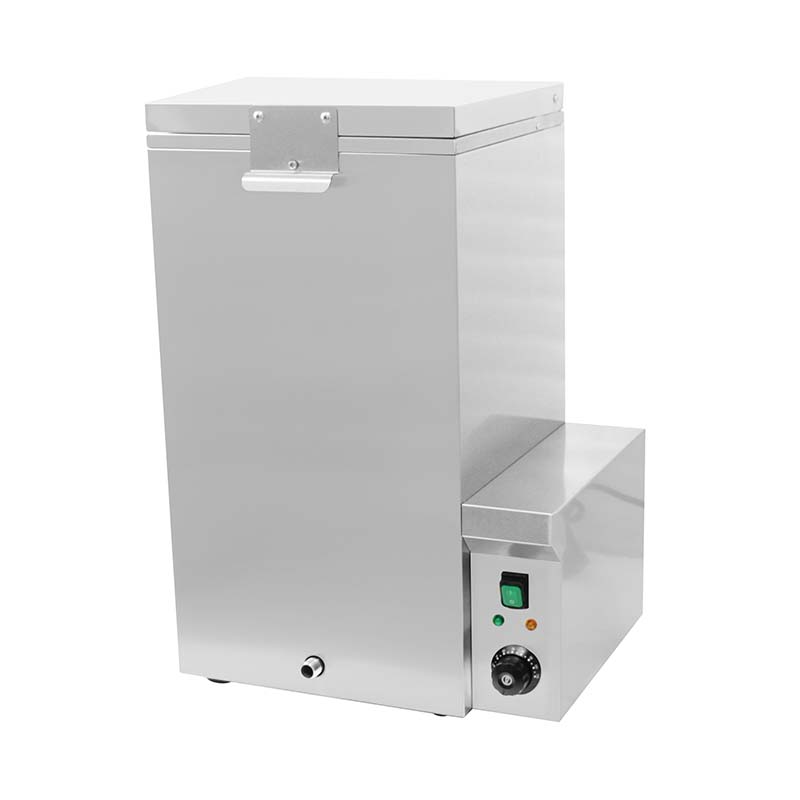
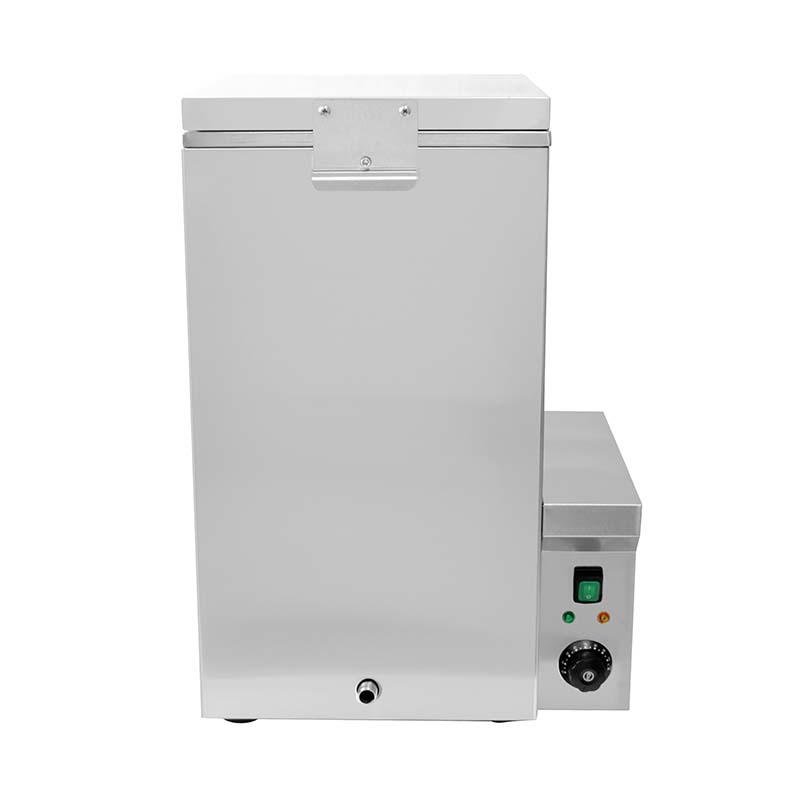
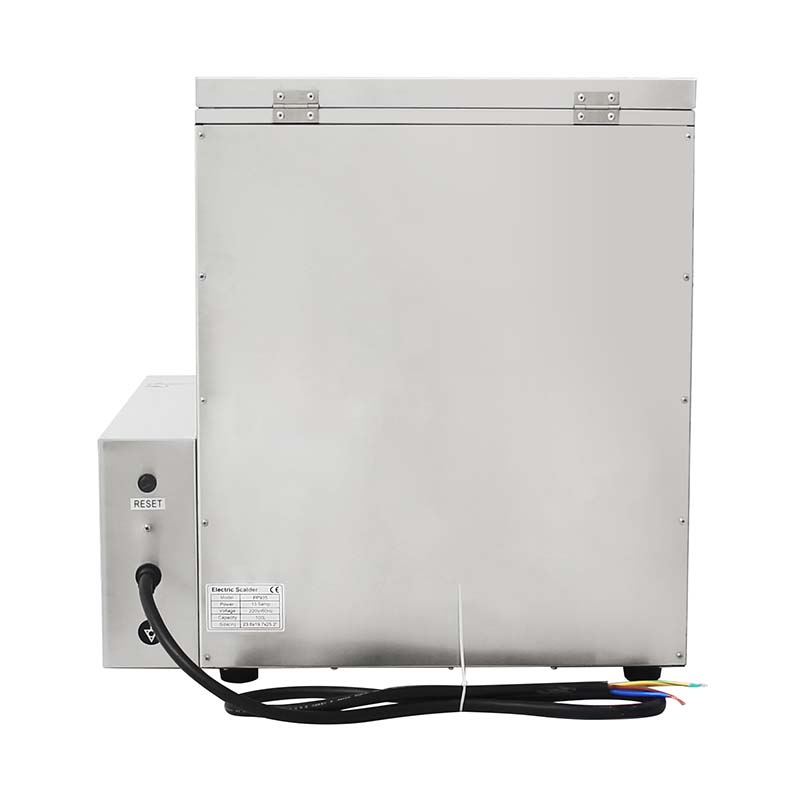
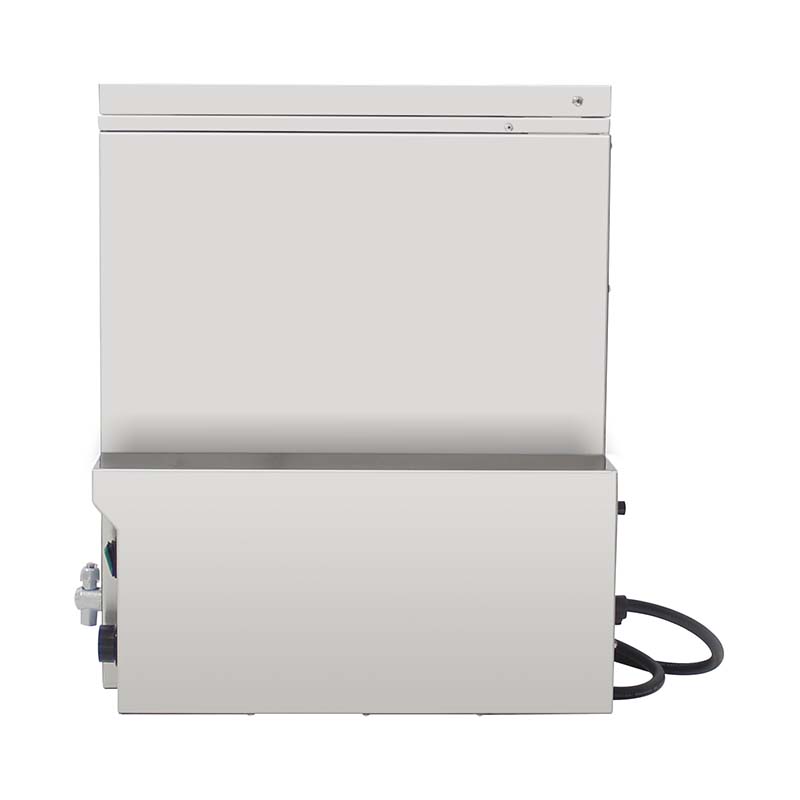
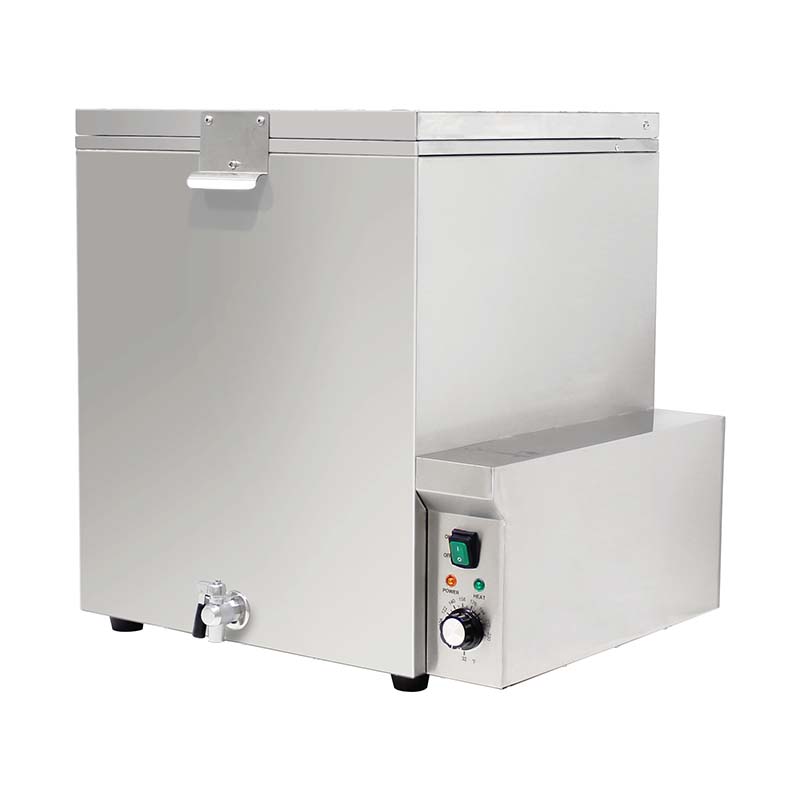
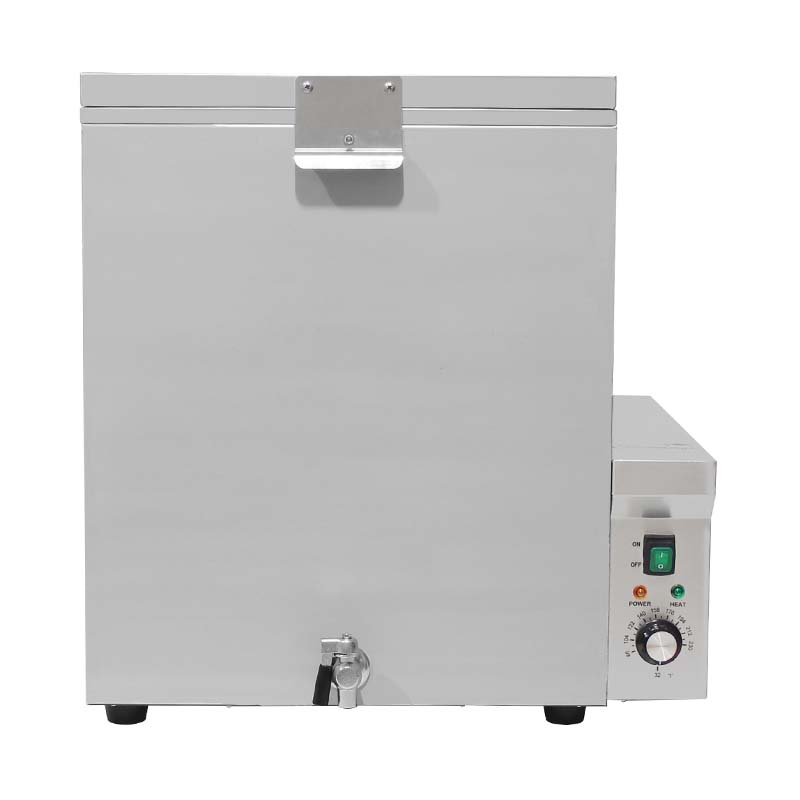
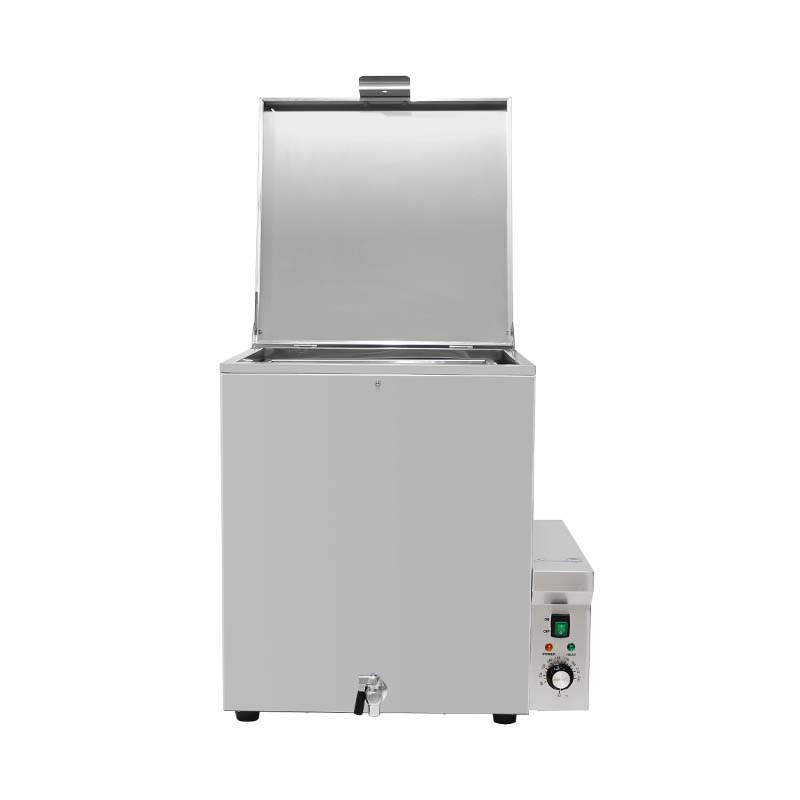
A stainless steel electric chicken scalder offers significant advantages in commercial kitchens and poultry processing facilities due to its material and operational features. Stainless steel construction resists corrosion, making it suitable for high-temperature water immersion and repeated cleaning cycles. This durability ensures long-term hygiene and compliance with food safety standards.
Electric operation provides precise temperature control, which is crucial in avoiding under- or over-scalding. Over-scalding can damage the skin, while under-scalding may leave feathers attached, affecting product quality. Many operators value stainless steel electric chicken scalder models for their easy-to-clean surfaces and automatic heating systems, which reduce downtime and maintain consistent processing conditions.
Temperature Management in Scalder Operations
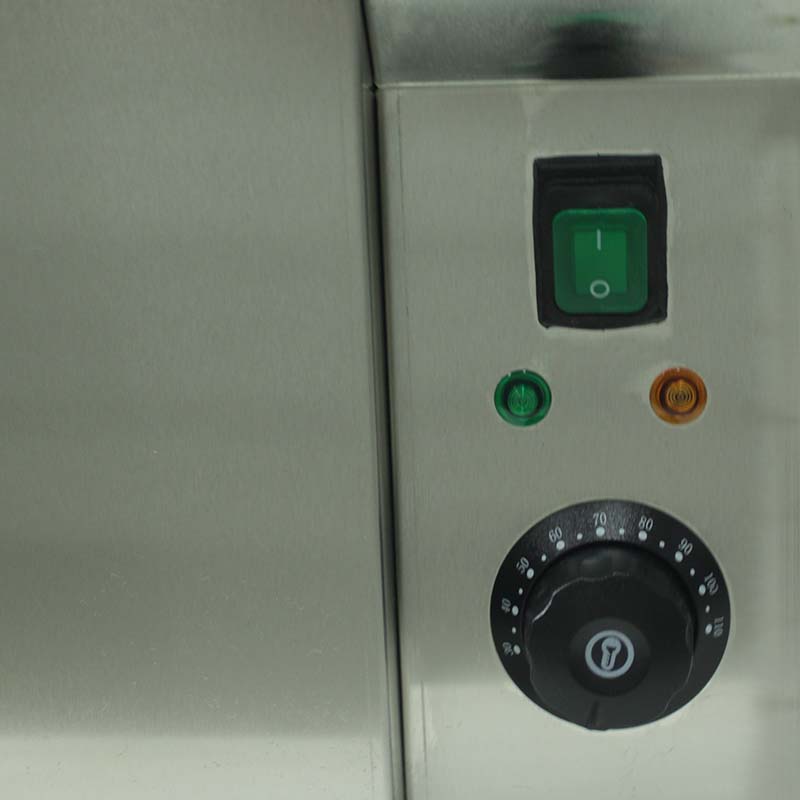
Proper water temperature is a major factor in the efficiency of a scalder. Typically, poultry scalder systems operate in the range of 60–70°C (140–158°F), but variations depend on bird size and feather type. Maintaining a stable water temperature ensures uniform feather loosening with less skin damage.
Operators should monitor temperature regularly, particularly in electric models like the stainless steel electric chicken scalder, which often include built-in thermoreats. Gradual temperature changes and consistent heat distribution are critical to reducing processing errors and maintaining product consistency.
Capacity and Batch Size Considerations for a Scalder
The capacity of a scalder affects workflow efficiency in poultry processing. Choosing a machine that matches production volume helps avoid bottlenecks. For larger operations, a scalder that can handle multiple birds simultaneously without overcrowding ensures even feather removal.
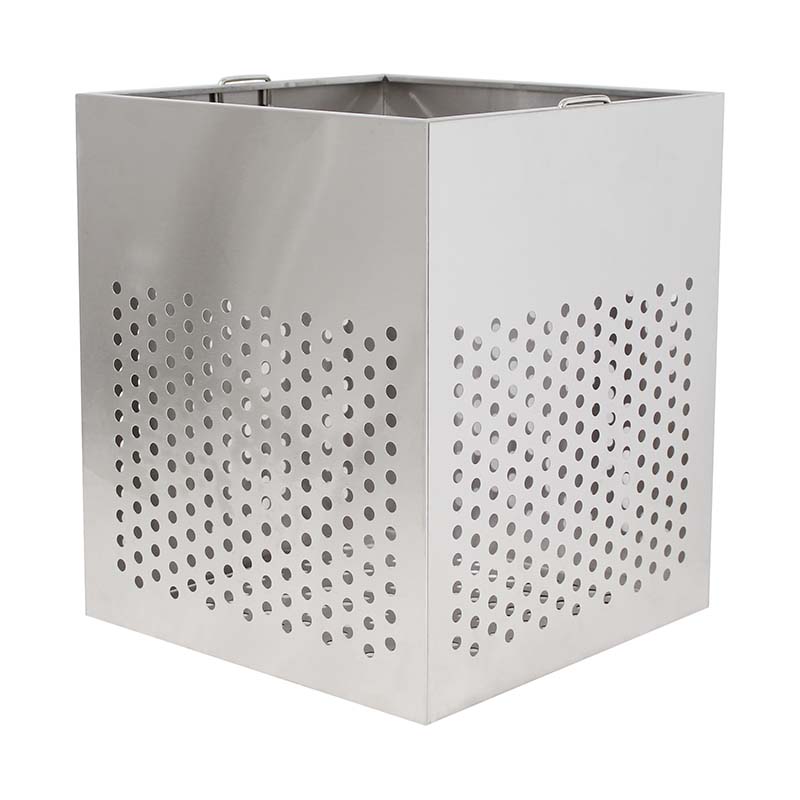
A stainless steel electric chicken scalder often features adjustable racks or baskets to hold varying quantities of poultry. This flexibility allows operators to scale production according to demand while maintaining consistent processing standards. Proper loading and spacing also contribute to better heat distribution and reduced feather residue.
Maintenance and Safety Tips for Stainless Steel Electric Chicken Scalders
Regular maintenance of a stainless steel electric chicken scalder is important to ensure longevity and food safety. Operators should routinely clean and sanitize all contact surfaces, paying attention to heating elements and drainage areas. Stainless steel resists rust but still requires proper care to avoid mineral buildup or residue that can affect efficiency.
Safety considerations include handling hot water carefully and using protective gear when loading and unloading poultry. Electric scalder models often include automatic shut-off or overheat protection features, enhancing workplace safety while reducing the risk of equipment damage.
Energy Efficiency and Operational Costs
Using a stainless steel electric chicken scalder can impact energy consumption and operational costs in a processing facility. Electric models typically provide faster heating and maintain stable temperatures, which reduces energy waste compared to older boiler-based systems.
Operators may consider insulation features, heating element efficiency, and batch size to optimize energy use. Efficient operation not only saves on electricity costs but also supports sustainable processing practices by less water and energy waste.
Scalder Selection for Commercial Kitchens
When selecting a scalder for commercial use, factors such as production volume, cleaning convenience, temperature control, and material quality are crucial. A stainless steel electric chicken scalder provides a balance of hygiene, operational efficiency, and user-friendly features suitable for professional kitchens or small-scale poultry processors.
Choosing the right scalder can improve workflow, reduce labor, and ensure uniform processing results. Operators should evaluate machine capacity, heating efficiency, and ease of maintenance when making a purchase decision.