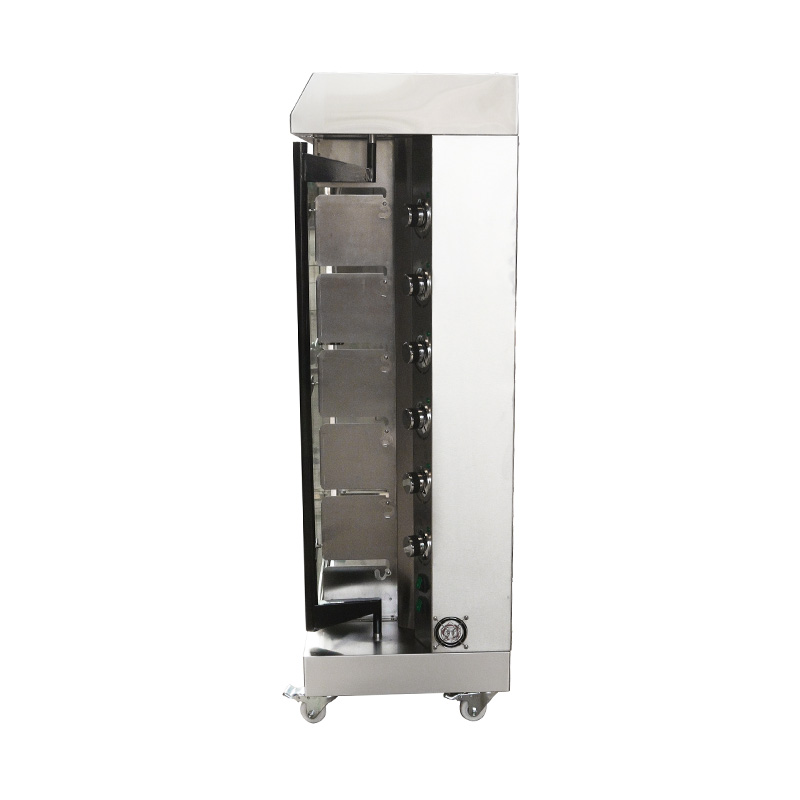
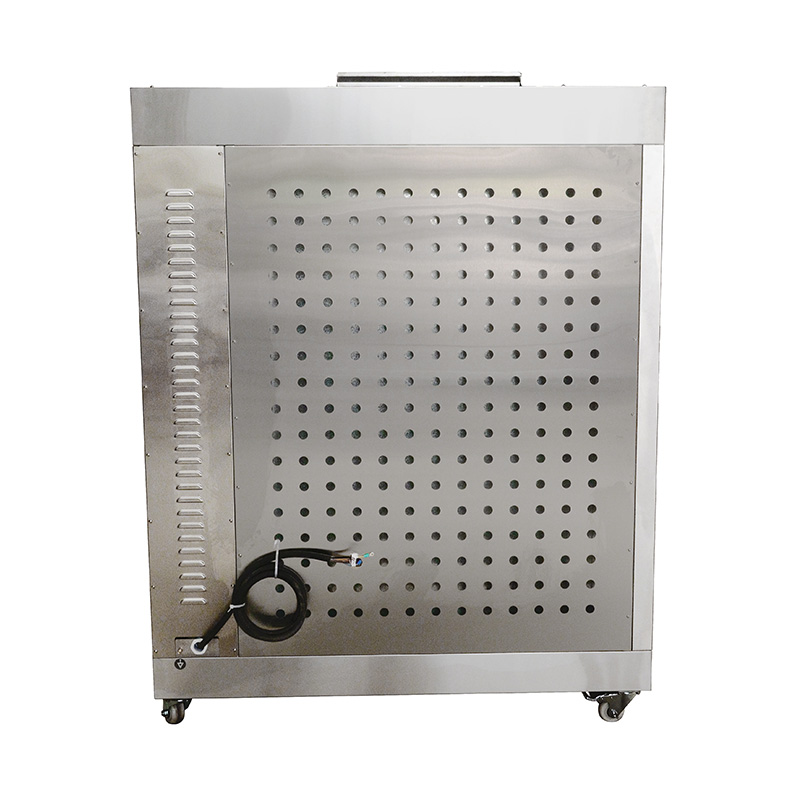
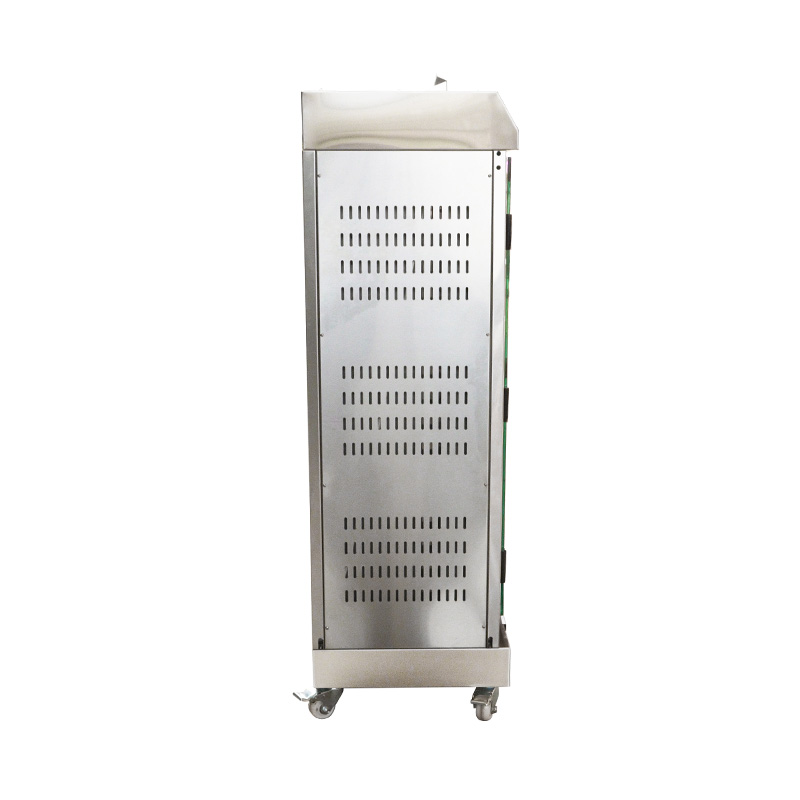
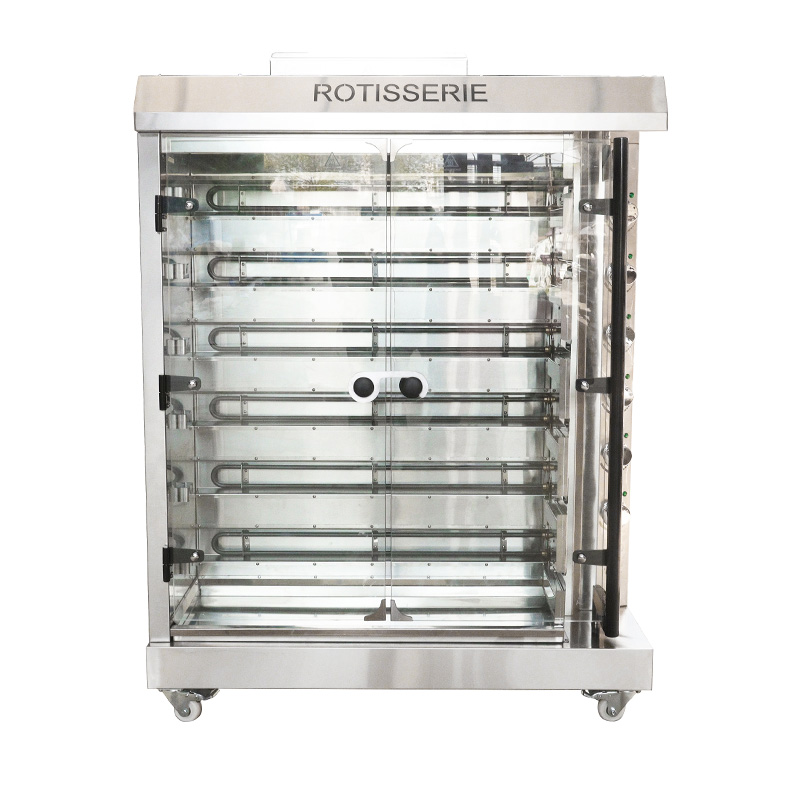
Stainless Steel Commercial Kitchen Chicken Rotisserie Machine Basics
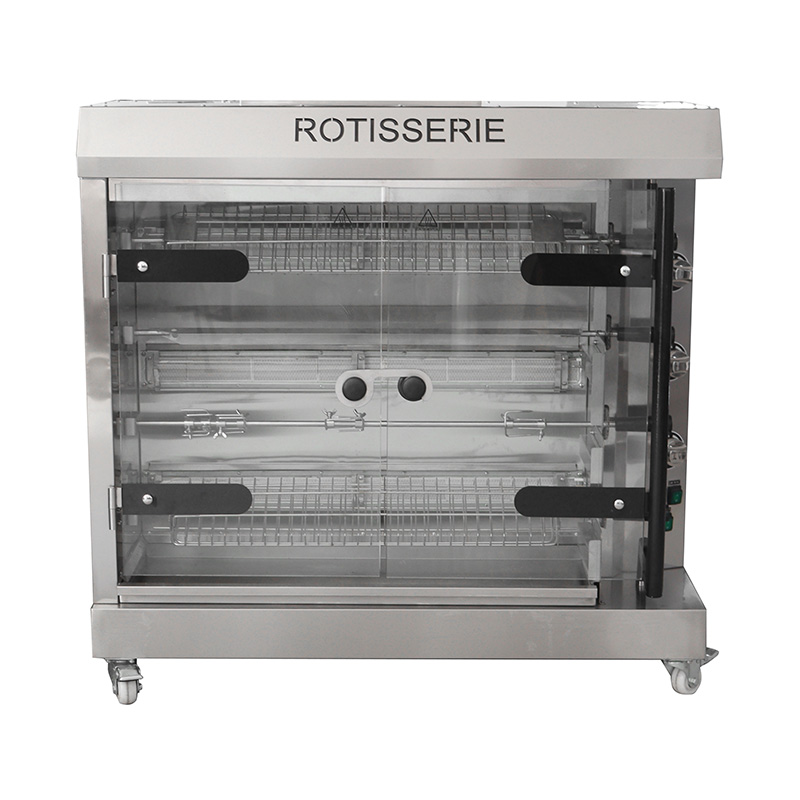
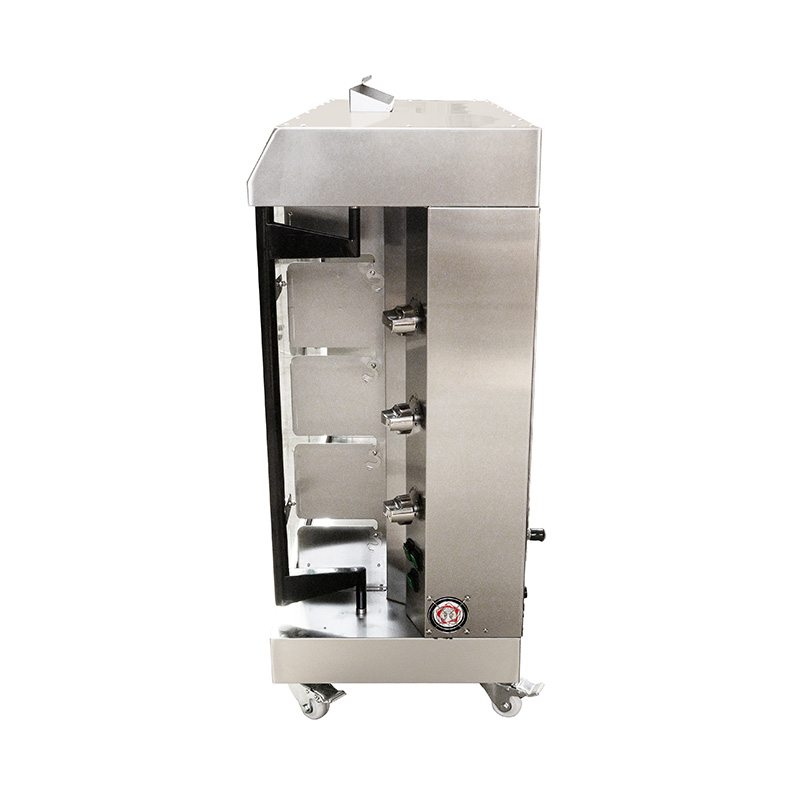
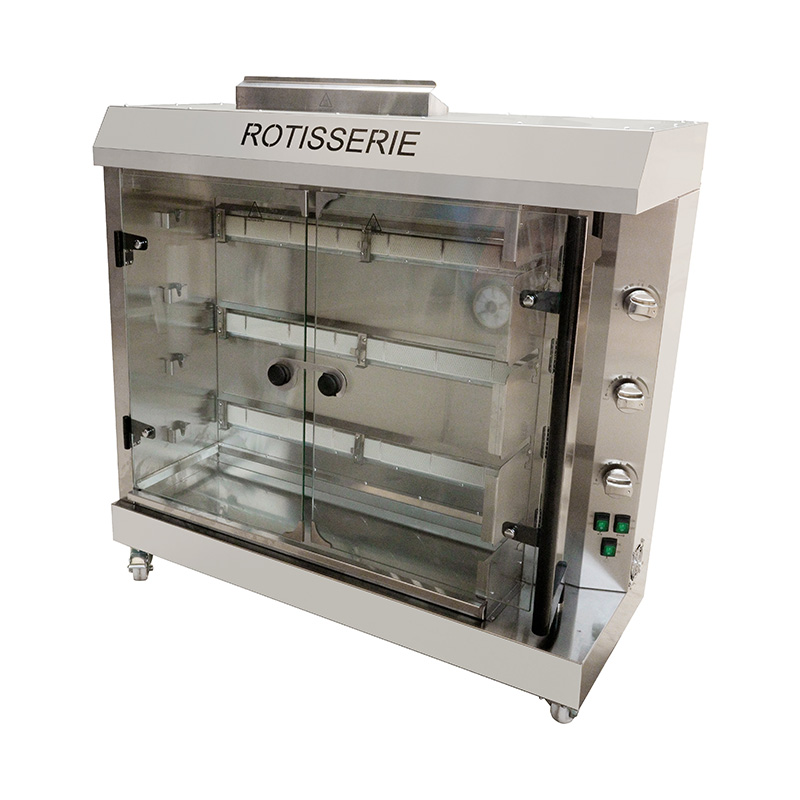
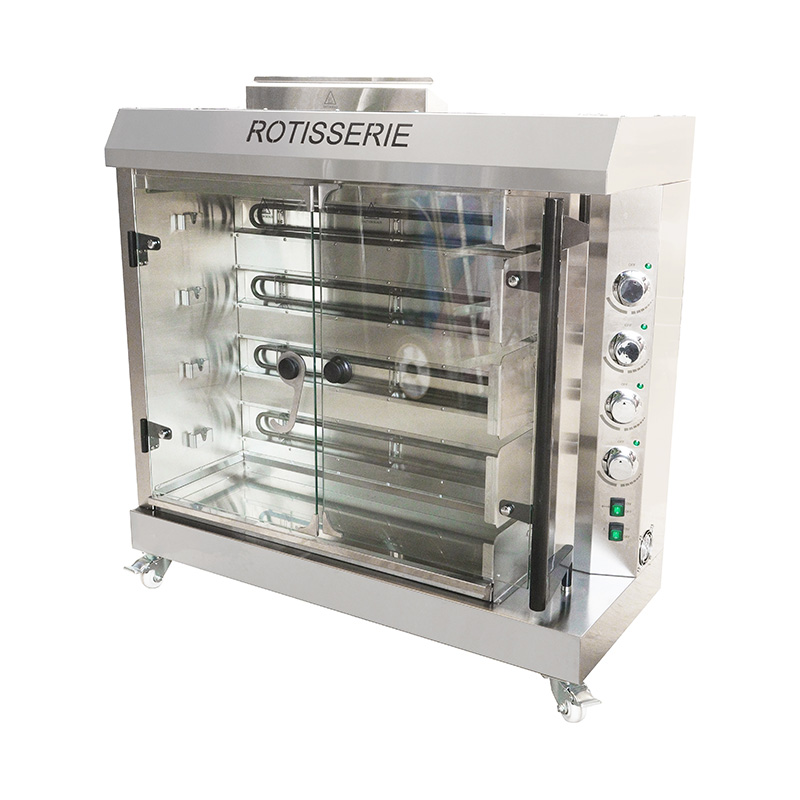
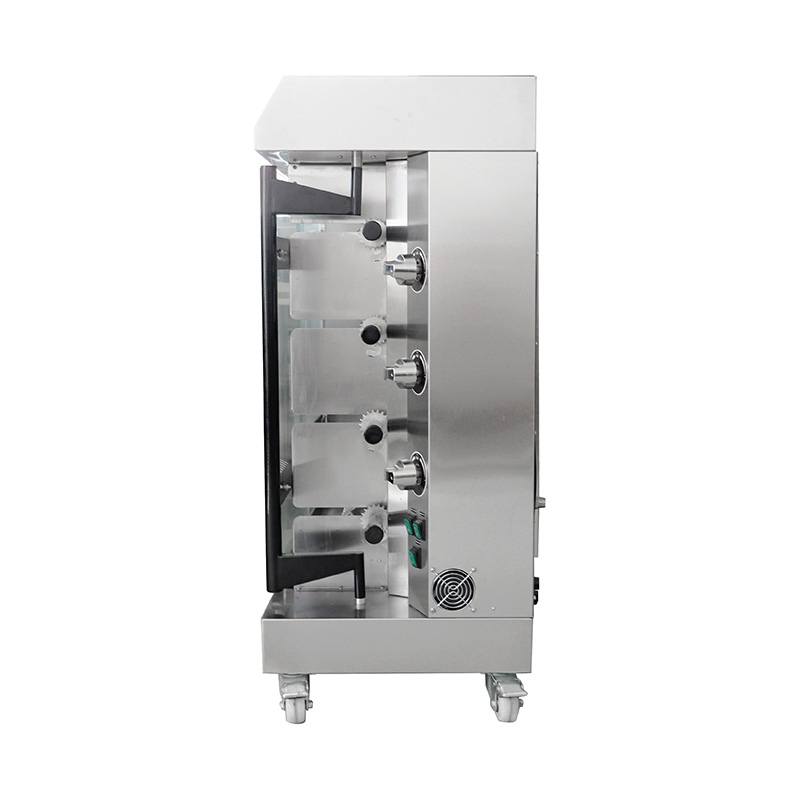
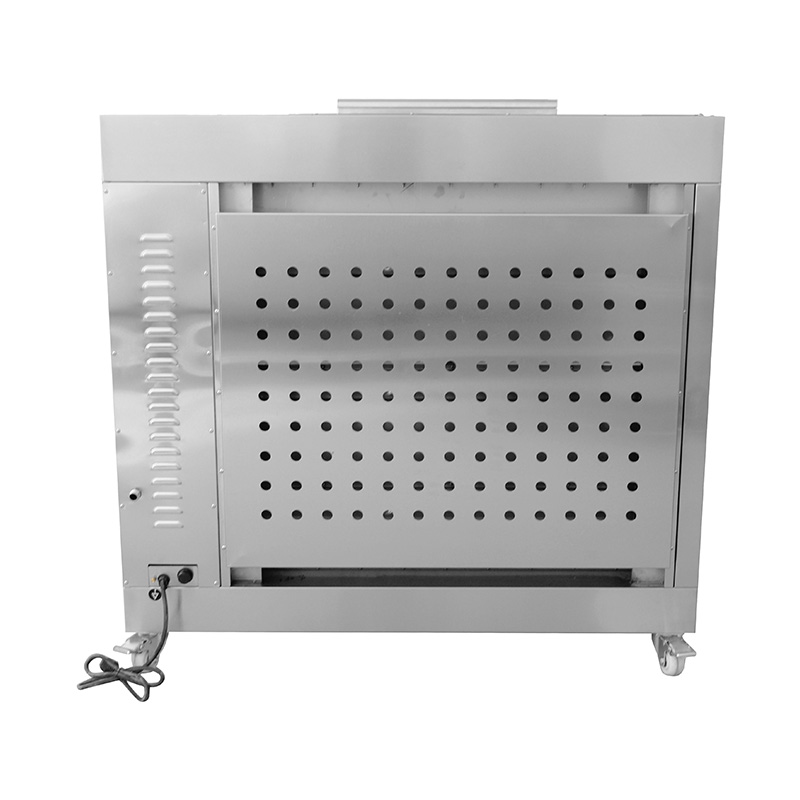
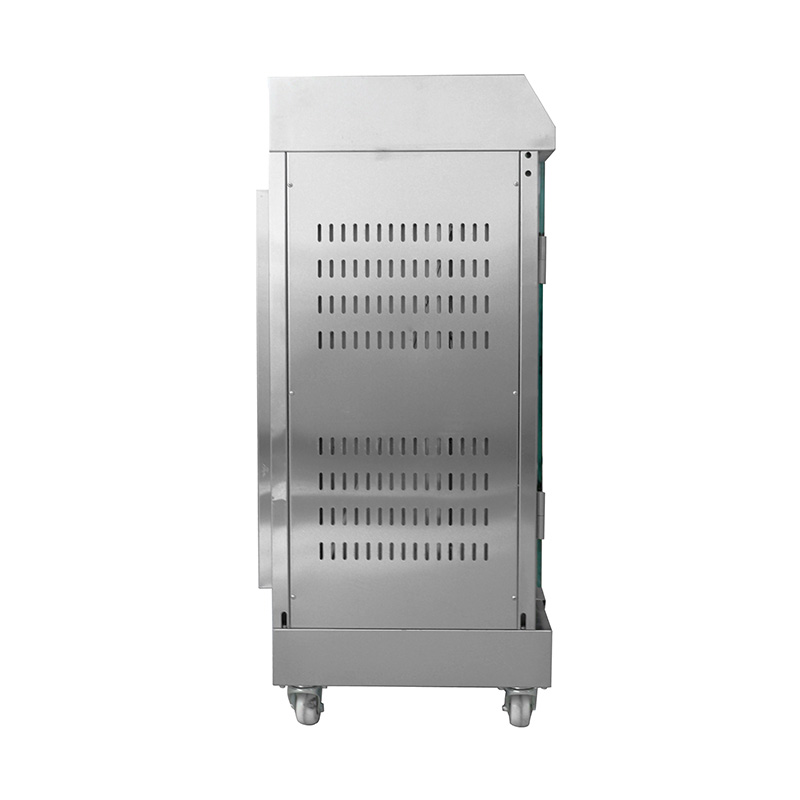
A Stainless Steel Commercial Kitchen Chicken Rotisserie Machine is a foodservice appliance designed for cooking whole chickens and other meats with consistent heat exposure. The stainless steel construction ensures durability, corrosion resistance, and ease of cleaning—features that are critical in high-use commercial kitchen environments. These machines use rotating spits or baskets to expose food evenly to heat, resulting in uniform cooking. For kitchen operators, understanding the basic mechanisms, components, and operation of this machine is key to integrating it effectively into daily service.
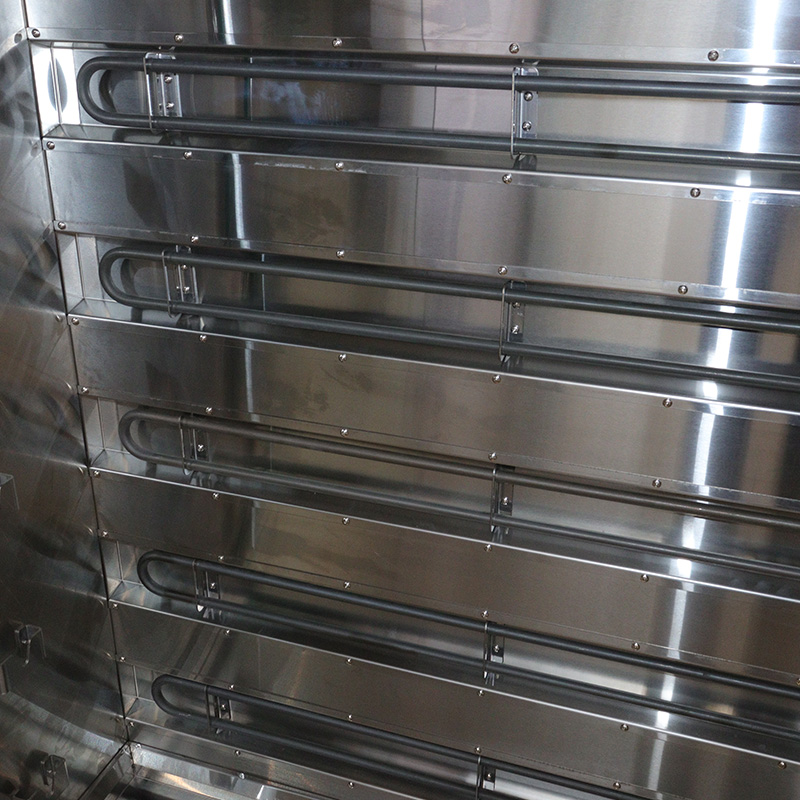
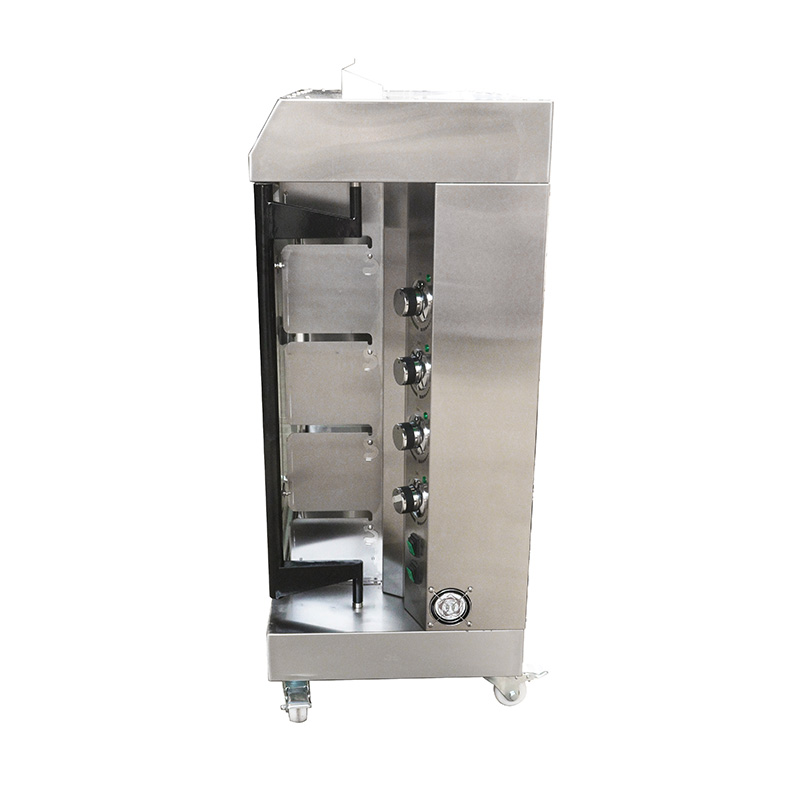
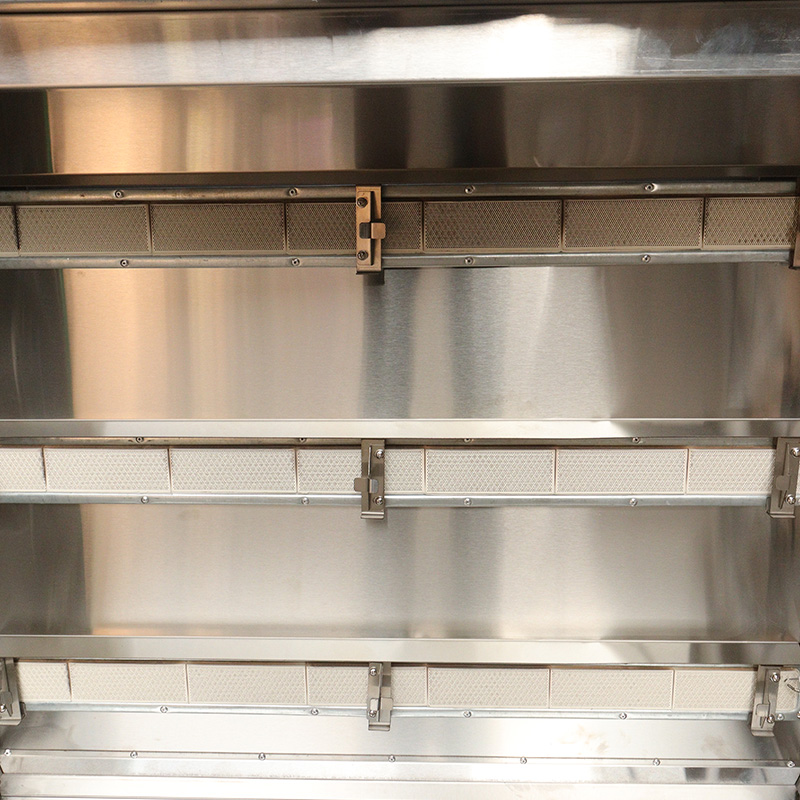
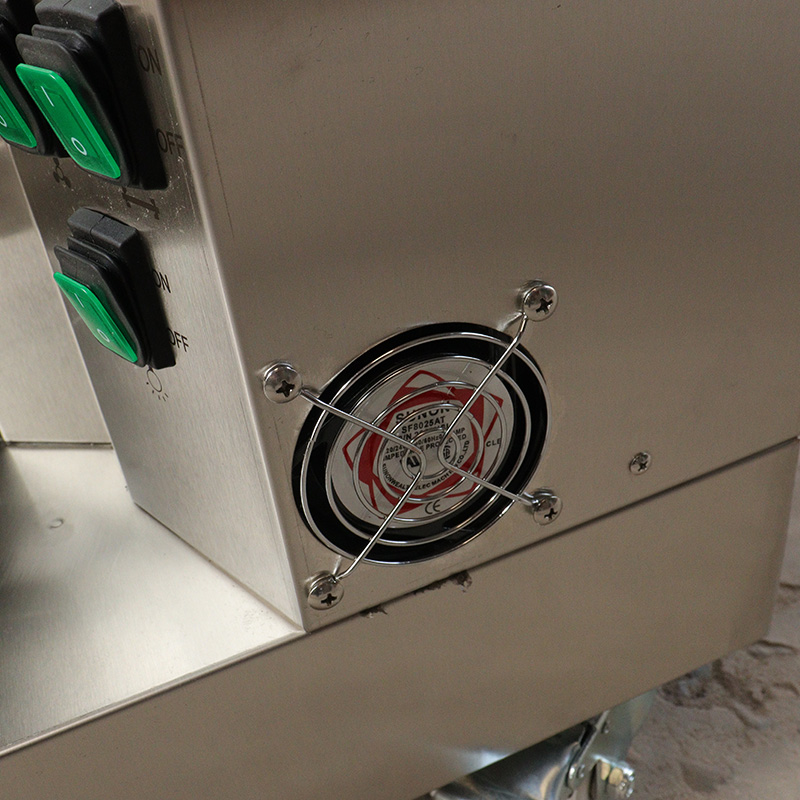
Operators should be aware that rotisserie machines typically include heating elements (gas or electric), motorized rotation systems, drip trays, temperature controls, and safety features. In commercial kitchens where turnover and hygiene are priorities, stainless steel surfaces support quick sanitation and compliance with food safety standards. Daily operation involves preheating, loading food properly on spits or racks, setting times and temperatures, and monitoring the cooking progress to maintain quality and consistency.
How Stainless Steel Commercial Kitchen Chicken Rotisserie Machine Improves Kitchen Workflow
In busy foodservice operations, a Stainless Steel Commercial Kitchen Chicken Rotisserie Machine can significantly improve workflow efficiency. By automating the rotation and even cooking of poultry and other foods, staff time spent checking, turning, and repositioning product is reduced. This allows kitchen teams to allocate effort to preparation, plating, and customer service.
The design of commercial rotisserie machines also supports batch cooking. Operators can cook multiple chickens on a single cycle, which helps maintain a steady supply during peak meal periods. Additionally, the machine’s ability to gently render fat while cooking means less manual intervention for basting or flipping. For many kitchens, this translates into more predictable prep times and reduced food waste.
Rotisserie Cooking Techniques and Food Quality
Rotisserie cooking is valued for its ability to produce evenly cooked, flavorful food with a desirable texture. The slow, rotating action ensures that heat surrounds the food, allowing natural juices to redistribute throughout the meat. This process enhances tenderness and enriches flavor without the need for excessive oils or additives.
In a commercial context, understanding rotisserie cooking techniques helps chefs optimize food quality. Key considerations include rotation speed, distance from heating elements, drip management, and temperature control. Properly calibrated rotisserie cooking promotes consistent browning while less the risk of dryness or undercooking. For proteins like chicken, turkey, and roast cuts, these attributes are especially important for customer satisfaction and repeat business.
Commercial Rotisserie Features that Matter for Foodservice Operators
When selecting a commercial Rotisserie solution, operators should focus on features that influence performance, maintenance, and user experience. A few critical features include:
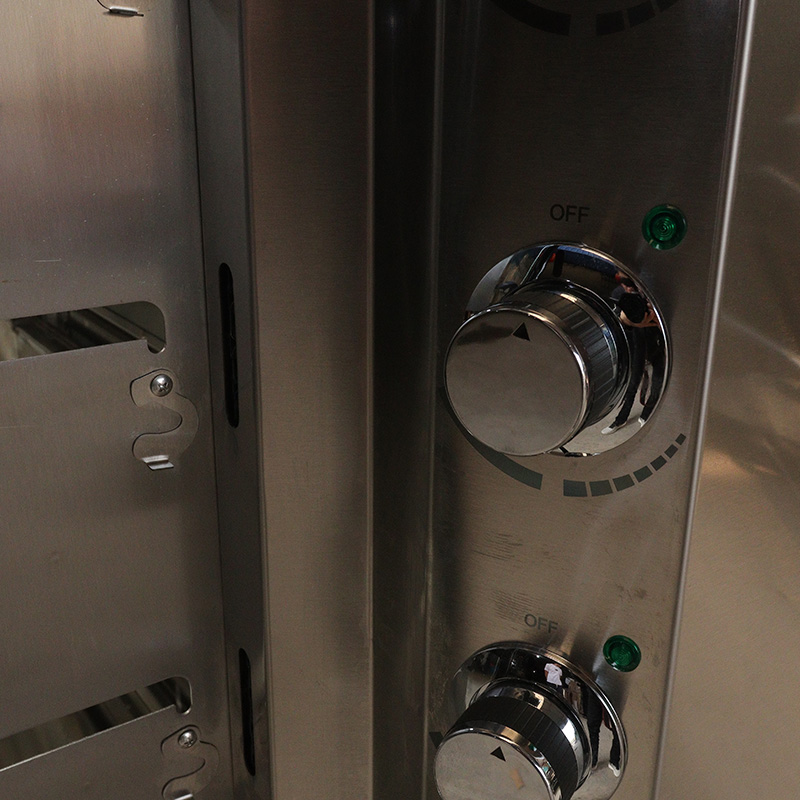
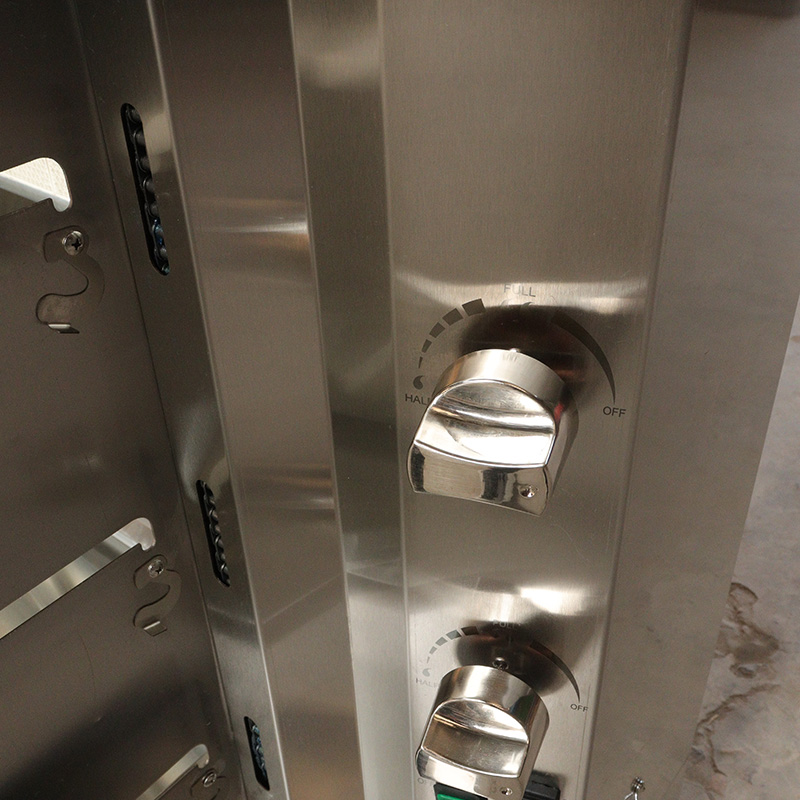
- Adjustable Temperature Controls: Allow precise heat settings for different products.
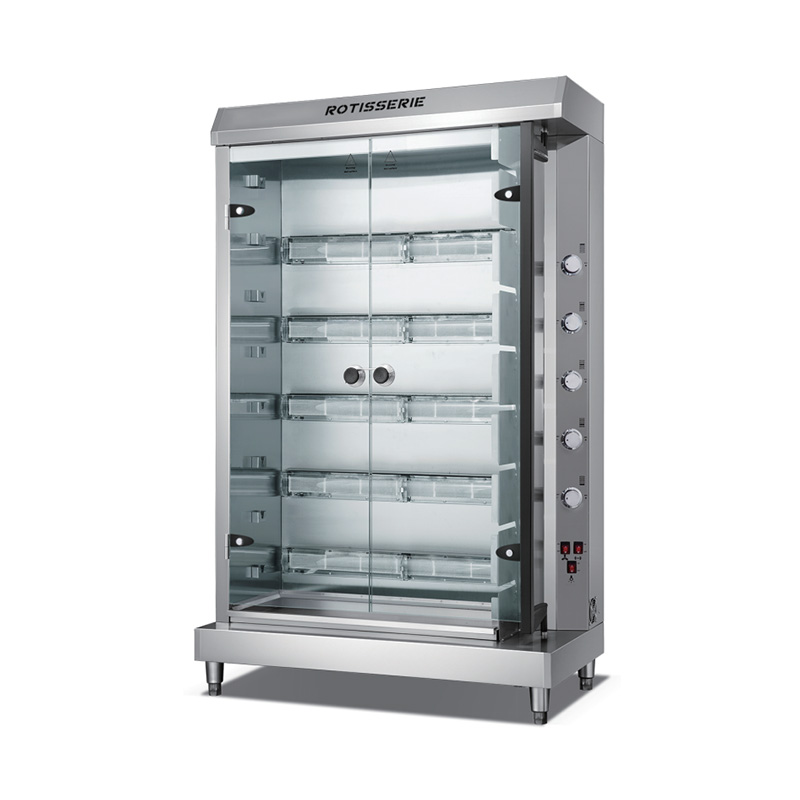
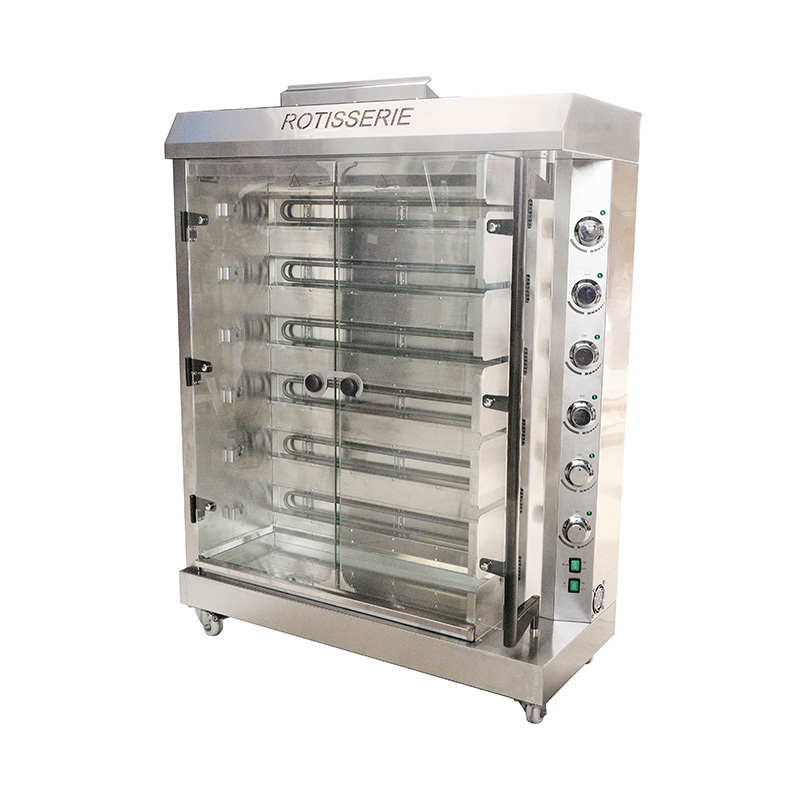
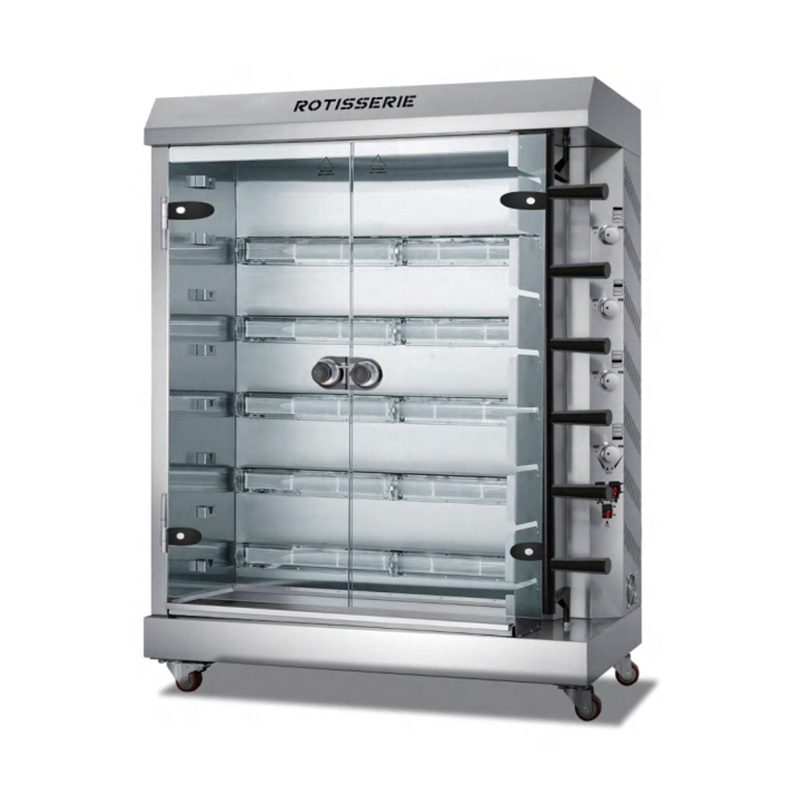
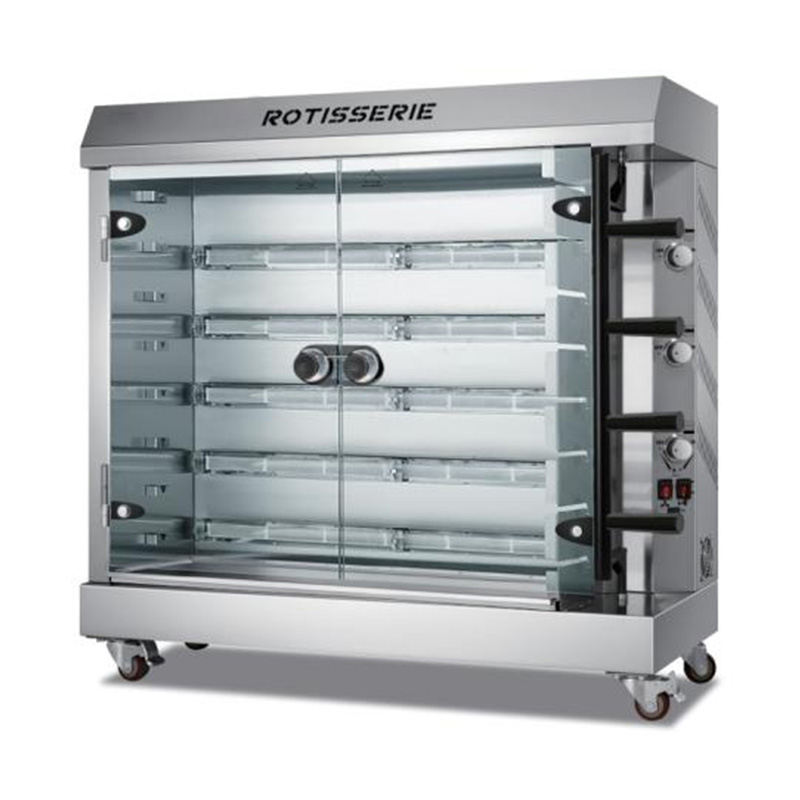
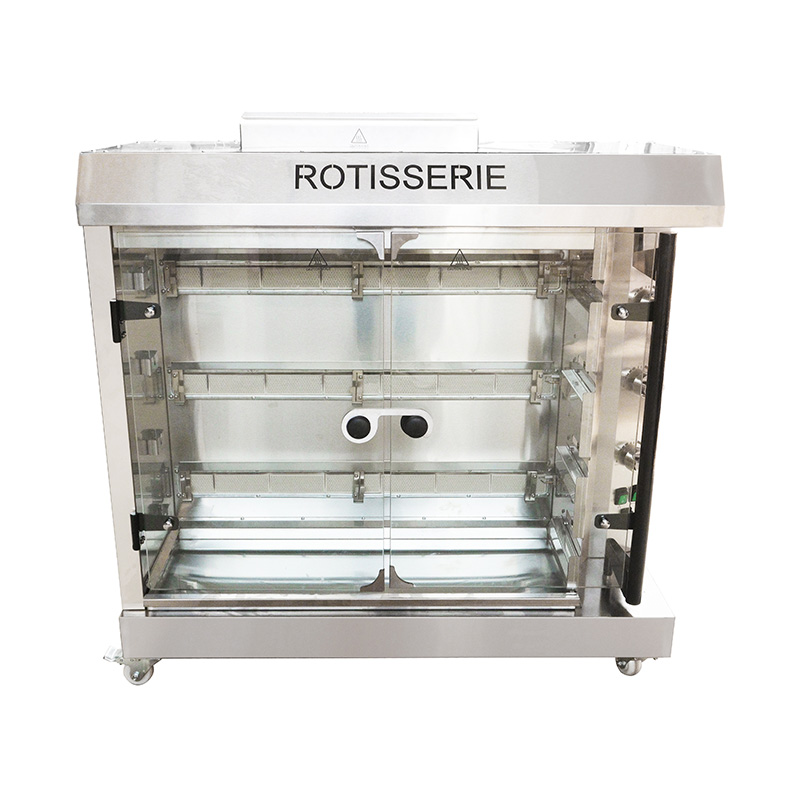
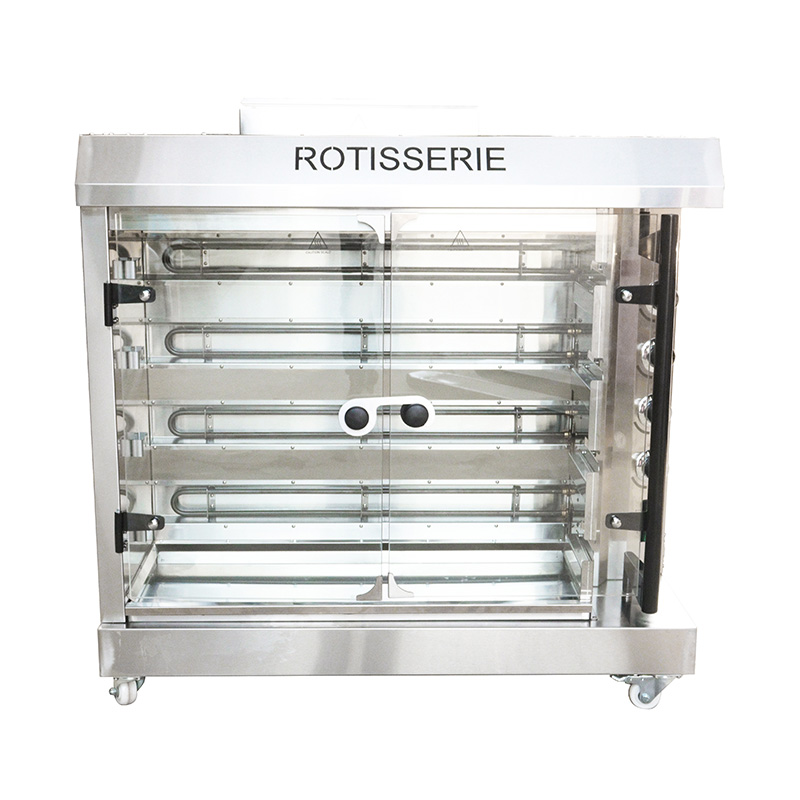
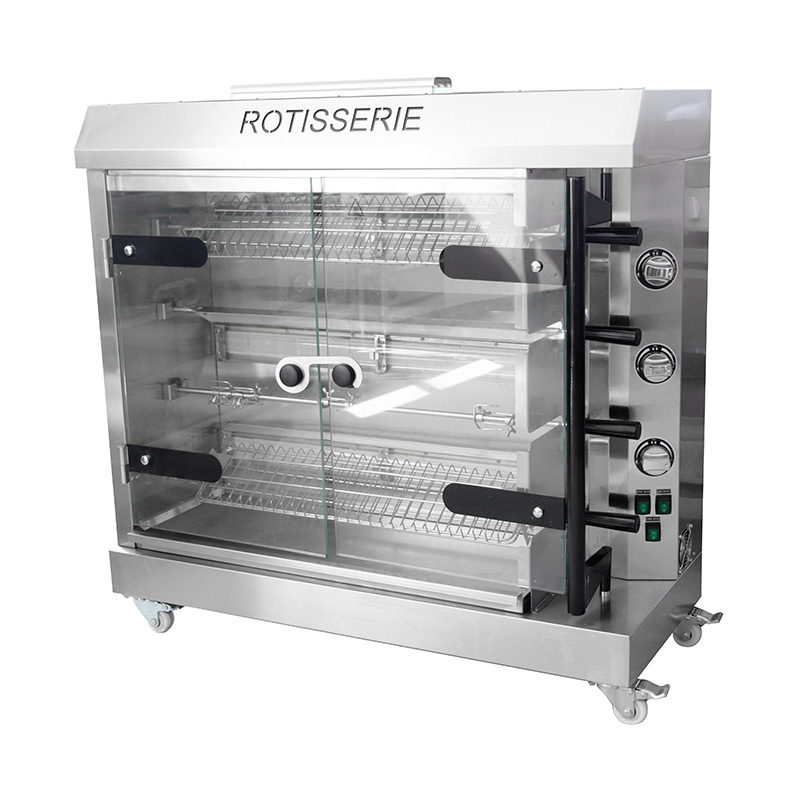
- Multiple Spit Racks: Enables simultaneous cooking of several items.
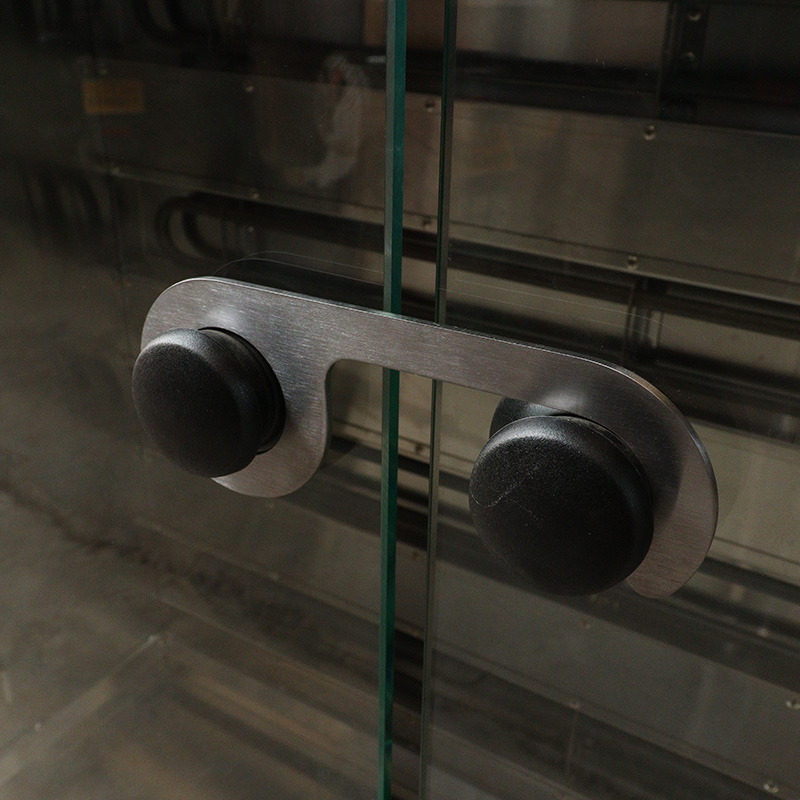
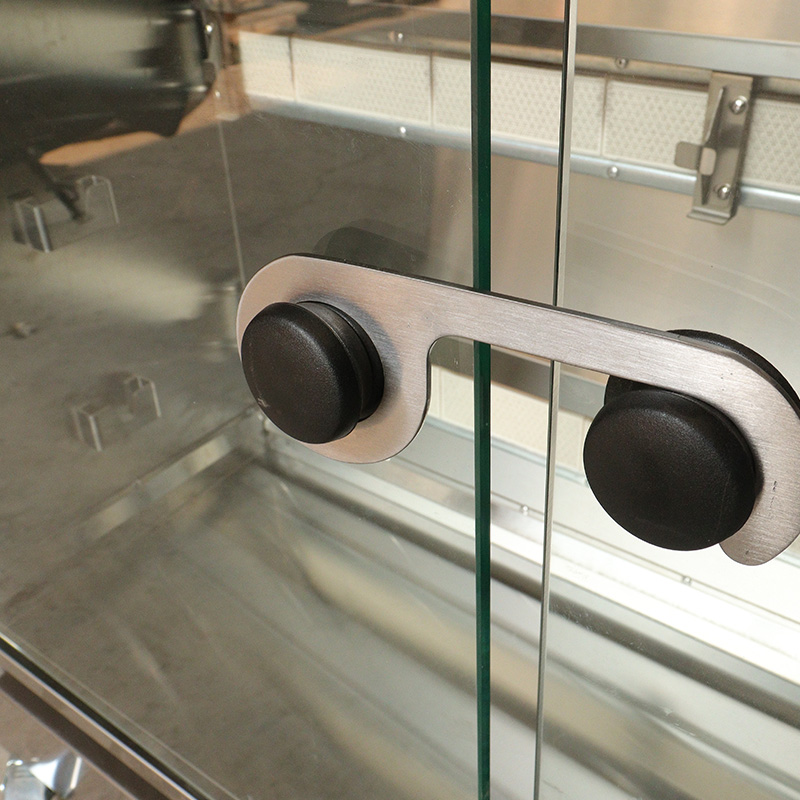
- Glass Viewing Doors: Provide visibility to monitor cooking without opening the unit.
- Drip Management Systems: Collects and directs fat to trays for safer operation and easier cleanup.
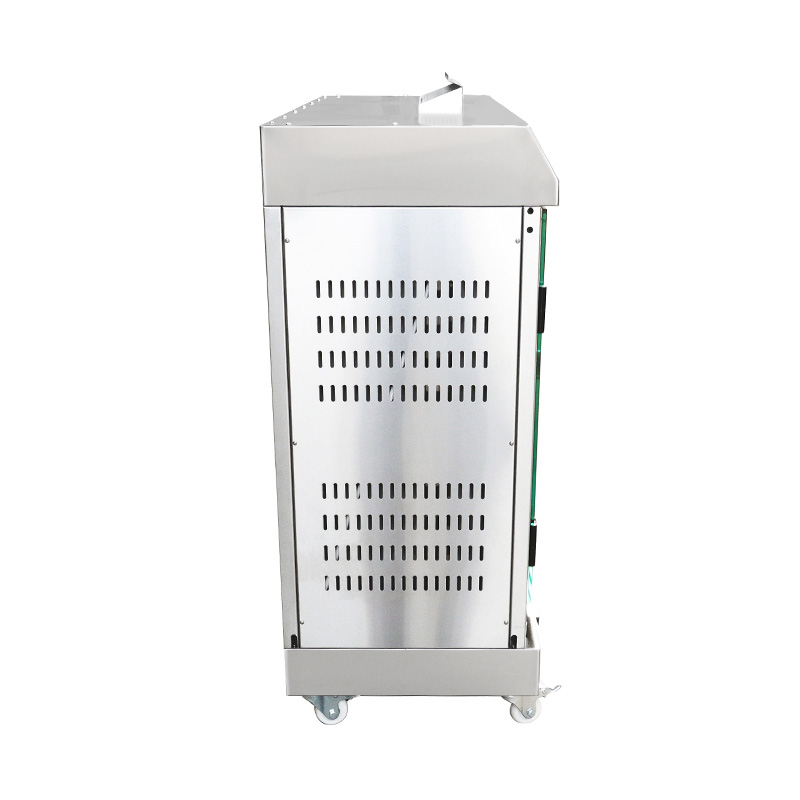
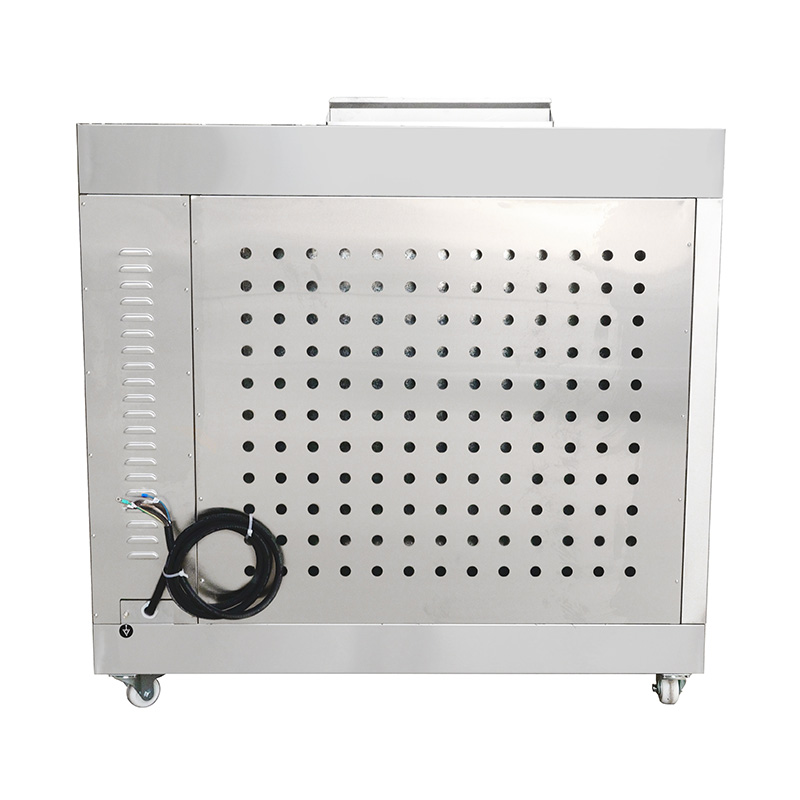
Robust construction with stainless steel interiors and exteriors is essential for long-term durability in commercial rotisserie environments. Additionally, reliable motor systems that maintain consistent rotation under load help reduce breakdowns and ensure stable operation.
Commercial Rotisserie Cleaning and Maintenance
Routine cleaning and maintenance are crucial for any commercial Rotisserie unit, both for food safety and machine longevity. Stainless steel surfaces should be cleaned with food-safe detergents and sanitizers at the end of each service period. Drip trays and removable components, such as spit rods and racks, should be taken out and cleaned thoroughly to prevent buildup of grease and food debris.
Maintenance tasks may also include checking the rotation motor, inspecting heating elements, and replacing worn gaskets or seals. Proper maintenance extends the useful life of the machine and ensures food quality is not compromised by mechanical or hygiene issues.
How Commercial Rotisserie Machines Integrate with Menu Planning
Integrating a commercial Rotisserie into menu planning can expand a kitchen’s offerings and optimize ingredient utilization. Rotisserie cooking is suitable for a variety of proteins—chicken, duck, lamb, beef, and pork—as well as vegetables. Chefs can design menu items around the consistent output of a rotisserie machine, offering roasted entrees, sandwiches, salads, and plated meals that showcase the unique flavor profile created by rotisserie cooking.
Because rotisserie machines can hold and cook several pieces at once, they support menu items that require high-volume preparation without burdening the kitchen staff. For example, a lunch service with rotisserie chicken sandwiches can be managed concurrently with other hot items, as the machine provides predictable cooking times and output.
Energy Efficiency and Safety in Stainless Steel Commercial Rotisserie Operations
Energy use and safety are common concerns among kitchen operators. Modern stainless steel commercial Rotisserie machines are designed to balance efficient heat use with safety features such as insulated handles, automatic shutoffs, and temperature limiters. Choosing a unit with energy-efficient heating elements helps control utility costs, especially in kitchens with continuous service demands.
Safety protocols should include proper training for staff on how to load and unload spits, how to adjust settings safely, and how to respond to overheating or malfunction. Ensuring compliance with local fire and sanitation codes also helps protect staff and customers.