Electric Chicken Rotisserie: What It Is and How It Works
An Electric Chicken Rotisserie is a cooking appliance designed specifically for roasting whole chickens and other meats using electric power. Unlike traditional charcoal or gas rotisseries, an electric model uses controlled heating elements to cook evenly without open flames. The rotisserie mechanism rotates the chicken slowly, allowing heat to circulate around the meat and produce a uniform cook. For commercial kitchens, this means consistent results with less active monitoring by staff. Residential users also find electric rotisseries convenient for preparing meals with balanced flavor and texture.
Electric Chicken Rotisserie Machine: Key Components Explained
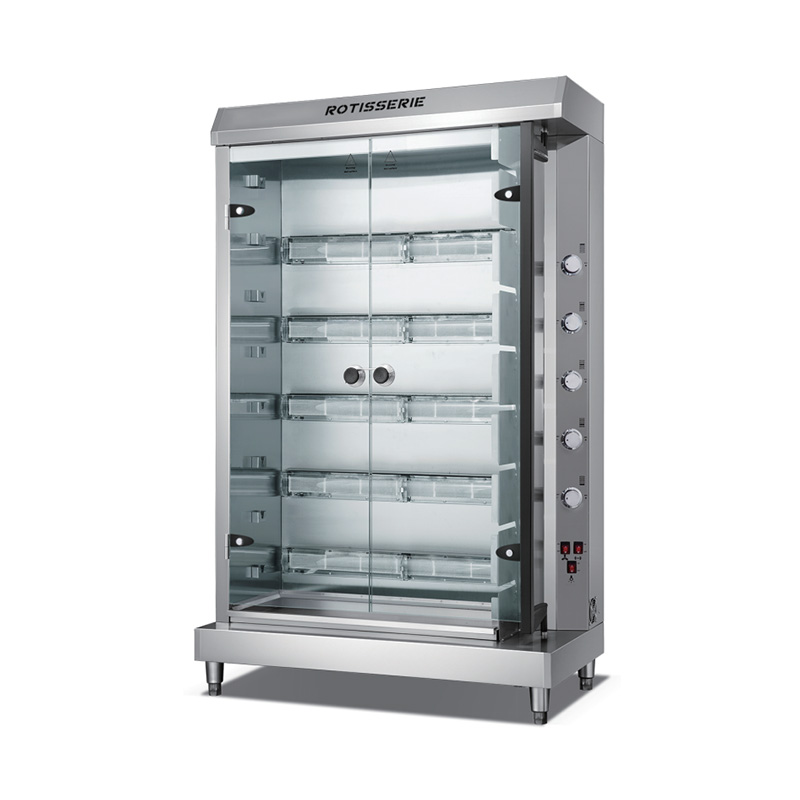
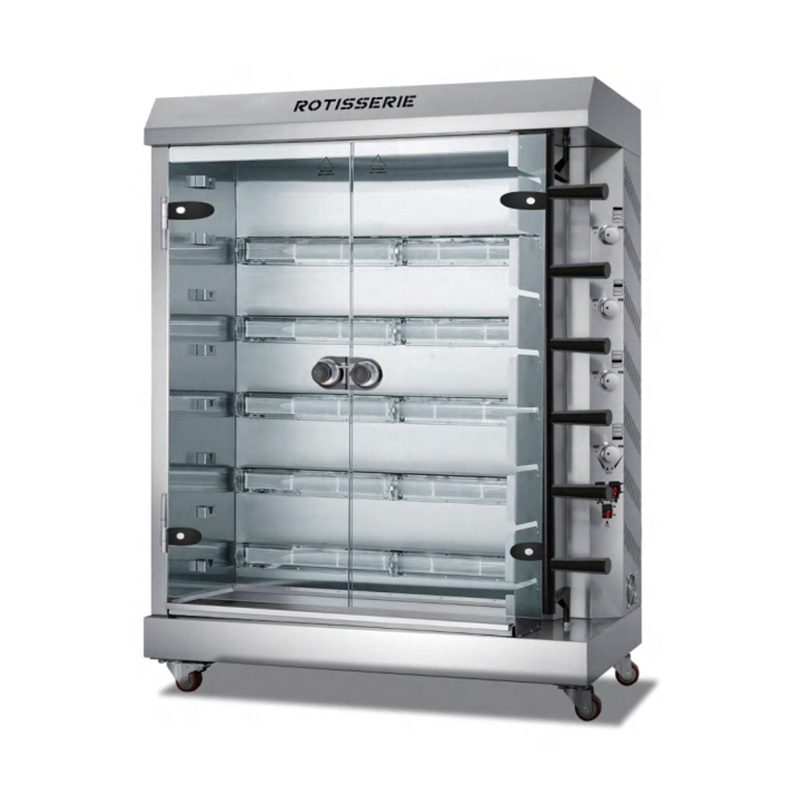
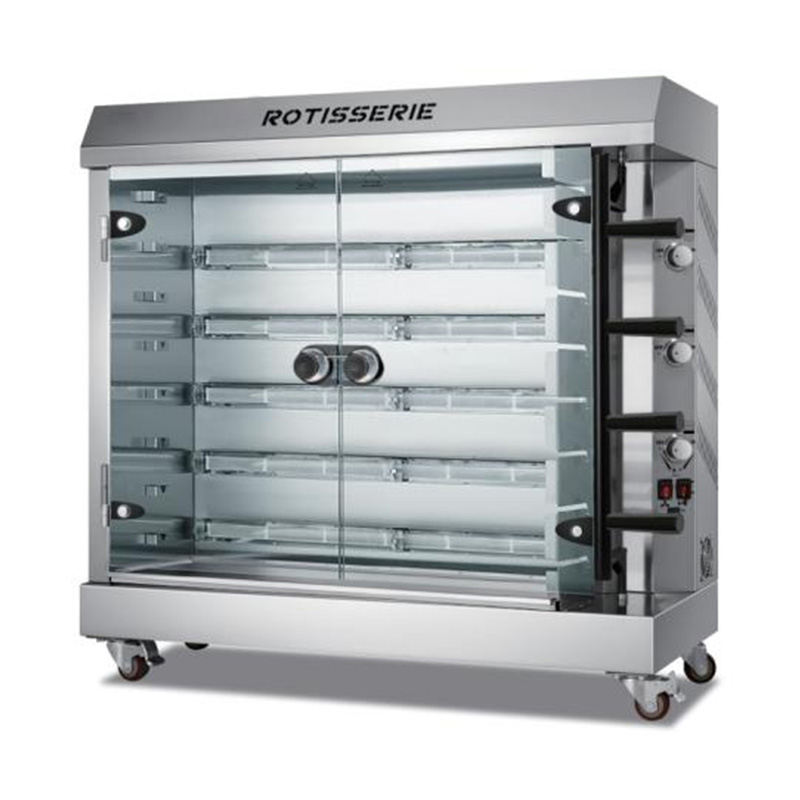
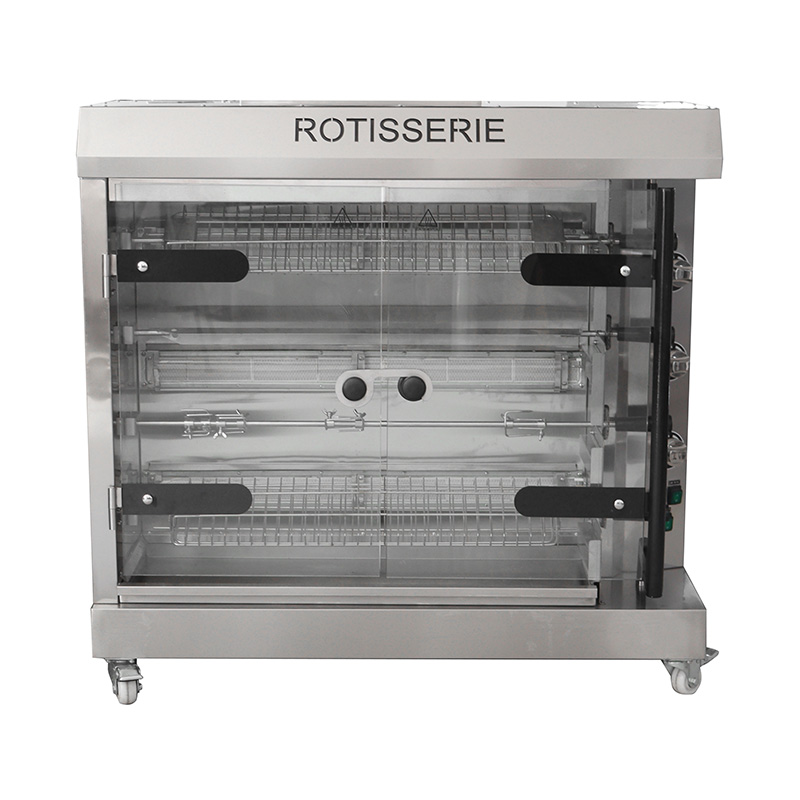
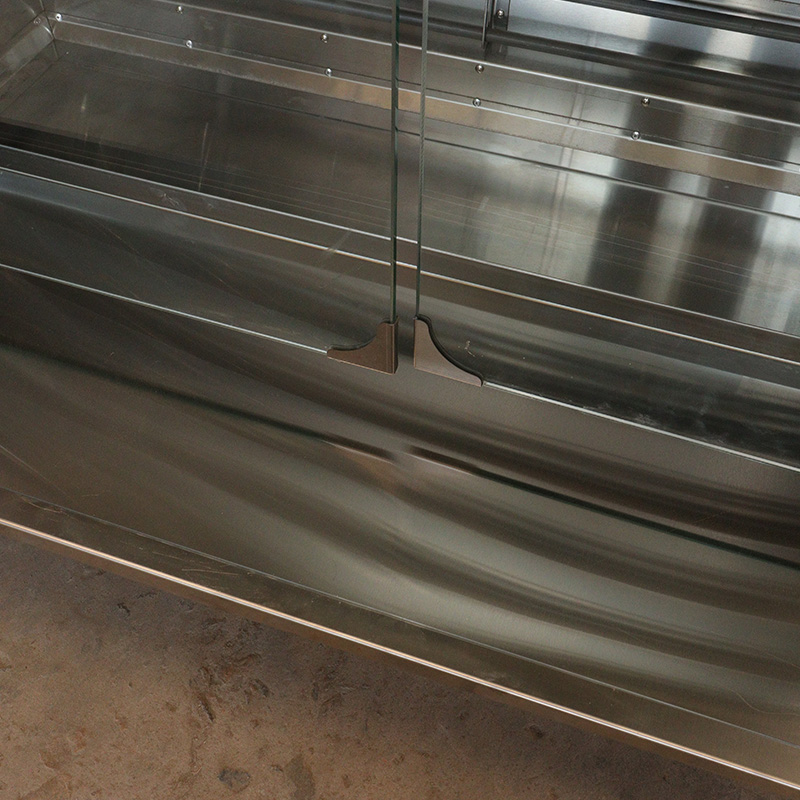
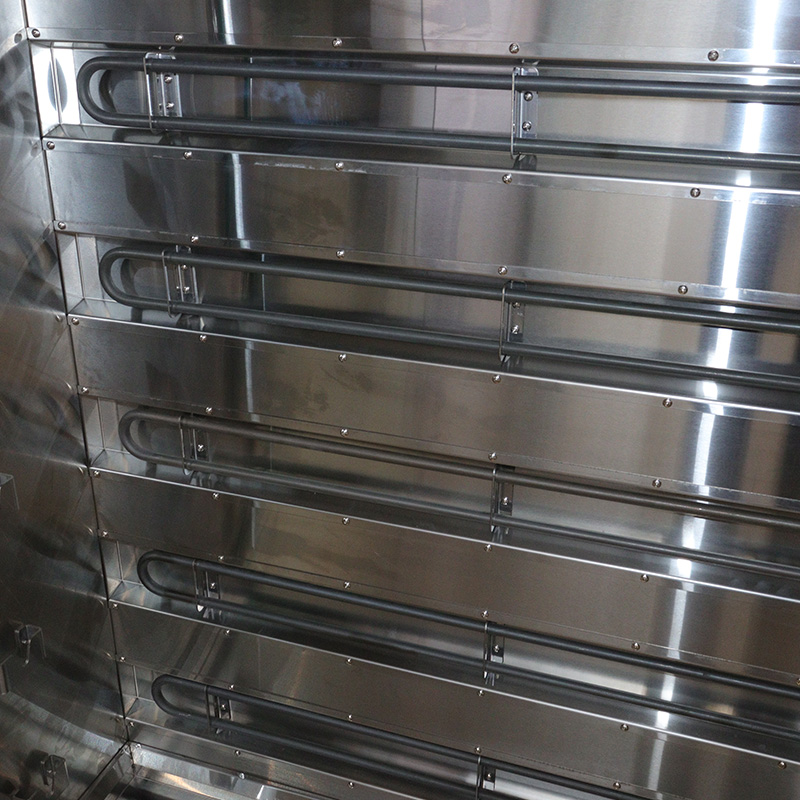
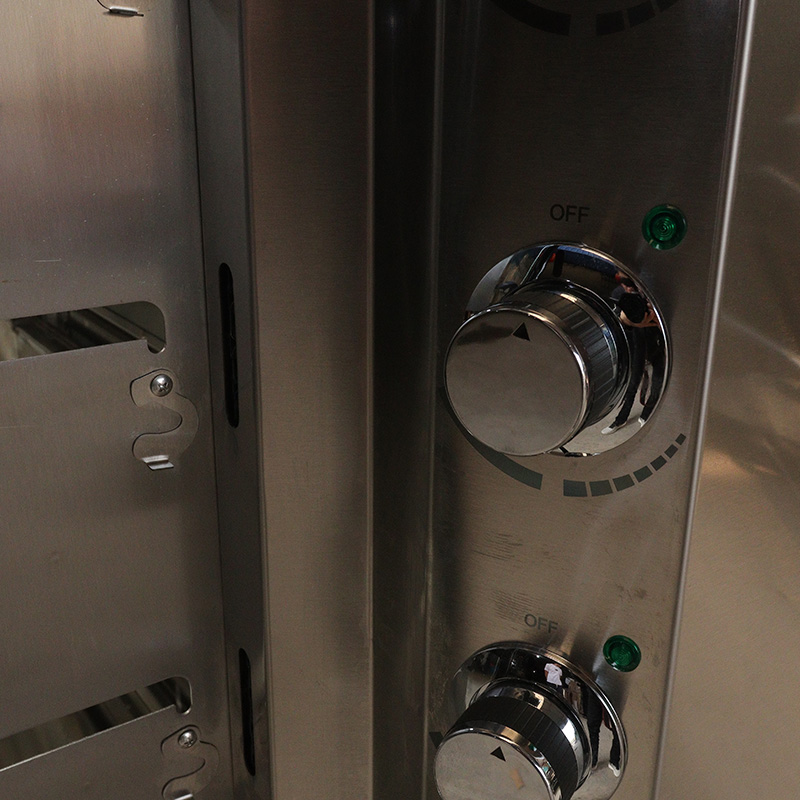
An Electric Chicken Rotisserie Machine typically includes several essential components: heating elements, a rotating spit or rack, drip trays, temperature controls, and safety features. The heating elements may be positioned above and below the meat to ensure even cooking temperatures. The rotating spit keeps the chicken turning steadily so that all sides receive consistent heat exposure. Drip trays collect fat and juices during the roasting process, making cleanup easier and reducing smoke. Temperature and time controls allow operators to adjust settings according to the size and type of poultry, which improves process control and food quality.
Electric Chicken Rotisserie: Why Heat Distribution Matters
Heat distribution is a critical factor in the performance of an Electric Chicken Rotisserie. Uneven heat can result in undercooked areas or overly dry sections of the meat. Electric units are designed to maintain consistent temperature zones, often through multiple heating elements and adjustable racks. This helps ensure that the exterior of the chicken achieves a desirable browning while the interior reaches safe and flavorful doneness. For foodservice operations, consistent heat distribution supports better food safety and customer satisfaction.
Electric Chicken Rotisserie Machine: Energy Efficiency Considerations
Energy efficiency is an important consideration when selecting an Electric Chicken Rotisserie Machine. Because it relies on electricity rather than gas or charcoal, this type of machine can deliver more predictable energy use patterns. Electric units convert nearly all input energy into heat within a closed environment, reducing wasted energy. Many machines also offer insulation and programmable cycles that reduce energy consumption during idle times. For businesses aiming to manage operating costs, understanding the energy performance of different models can influence procurement decisions.
Electric Chicken Rotisserie: Cleaning and Maintenance Tips
Maintaining an Electric Chicken Rotisserie properly extends its service life and ensures food hygiene. Regular cleaning of the drip tray and removal of grease buildup prevents odors and potential fire hazards. Heating elements should be wiped down once cooled to maintain efficiency, and the rotating mechanism must be checked periodically for smooth operation. In commercial settings, a daily cleaning routine supported by scheduled deep cleans helps comply with health standards. Using removable parts that are dishwasher-safe can further simplify maintenance and reduce labor.
Electric Chicken Rotisserie Machine: Safety Features to Look For
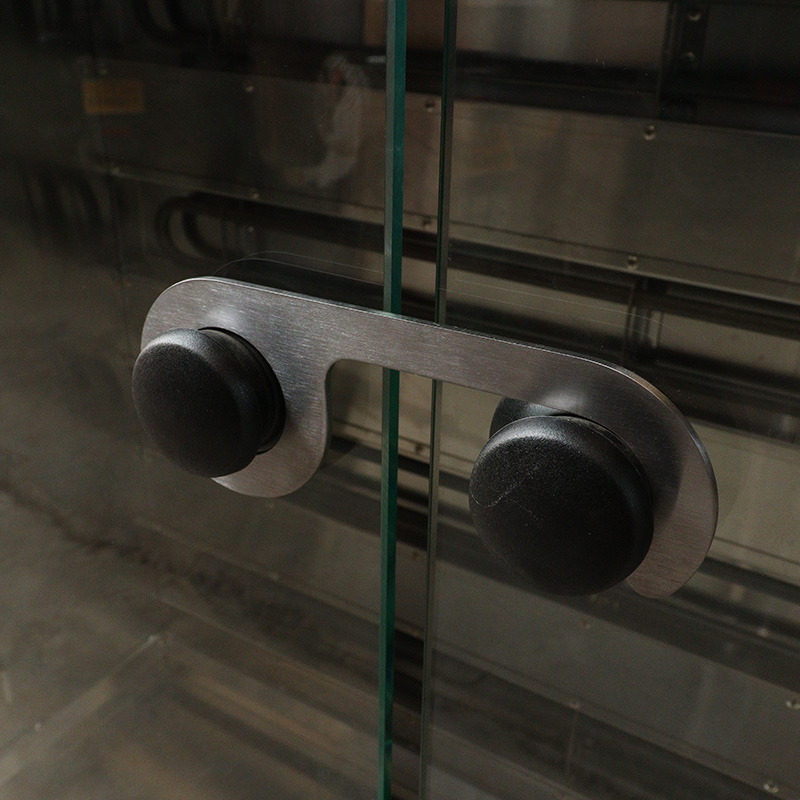
Safety is a key concern when operating an Electric Chicken Rotisserie Machine. Important safety features include automatic shutoff systems, heat-resistant handles, and protective covers for heating elements. Temperature controls with clear displays help prevent overheating, while secure locking mechanisms ensure that the rotating spit stays in place during operation. Machines with overload protection can prevent electrical faults if the unit is inadvertently overfilled. Investing time to understand safety features helps less workplace accidents and supports a safer cooking environment.
Electric Chicken Rotisserie: Impact on Food Quality and Flavor
One reason many kitchens adopt an Electric Chicken Rotisserie is its ability to improve food quality. The slow rotation allows fat to baste the meat naturally, enhancing tenderness and moisture. Even heating promotes a desirable golden-brown skin without excessive charring. Consistent cooking parameters also reduce variations between batches, so customers receive a predictable taste and texture. From crisp skin to juicy interior, the cooking method contributes to a distinct finished product that aligns with consumer expectations for rotisserie-style chicken.
Electric Chicken Rotisserie Machine: Choosing the Right Size and Capacity
Selecting the appropriate capacity for an Electric Chicken Rotisserie Machine depends on the anticipated food volume. Smaller units may suit family-style or small café environments where space and batch size are limited. Larger machines with multiple spits or racks support higher throughput and are a better fit for busy foodservice operations. Capacity also influences electricity usage and installation considerations, such as countertop space and ventilation requirements. Assessing daily cooking needs helps ensure the machine supports workflow without being underutilized or overburdened.
Electric Chicken Rotisserie: Installation and Power Requirements
Installing an Electric Chicken Rotisserie involves understanding power requirements and kitchen layout. Many electric models require a dedicated circuit with appropriate amperage to operate safely. Placement should consider ventilation and ease of access for cleaning and loading. In commercial kitchens, professional electrical installation ensures compliance with local codes and integrates the machine smoothly into existing workflows. Proper setup supports reliable performance and reduces the risk of electrical issues during operation.
Electric Chicken Rotisserie Machine: Common User Questions
Customers often ask about durability, ease of use, and operating cost when considering an Electric Chicken Rotisserie Machine. Durability relates to build materials and the quality of moving parts like motors and bearings. Easy-to-use controls make training quicker and reduce operator error. Understanding how electricity usage translates to operating costs helps in budgeting for long-term use. Providing clear answers to these questions builds confidence and helps buyers choose a machine suited to their needs.