Understanding the Slicing Machine: Key Considerations for Your Kitchen
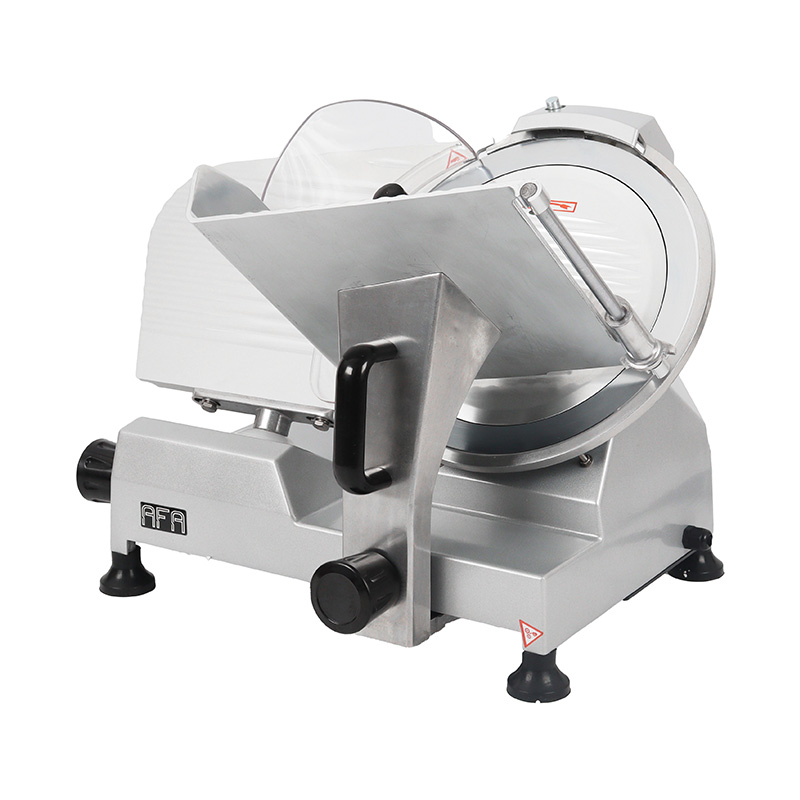
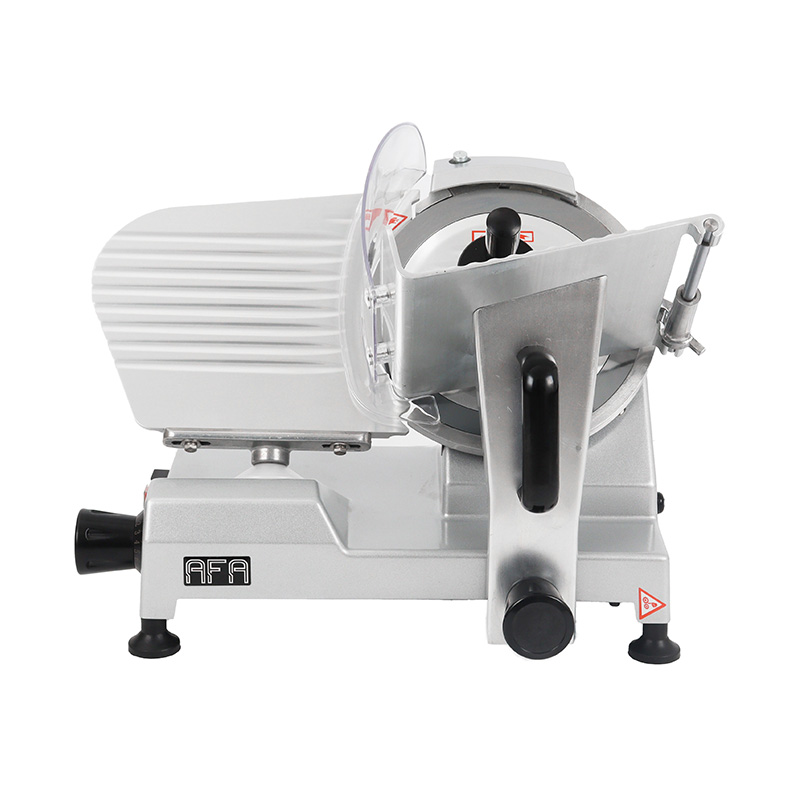
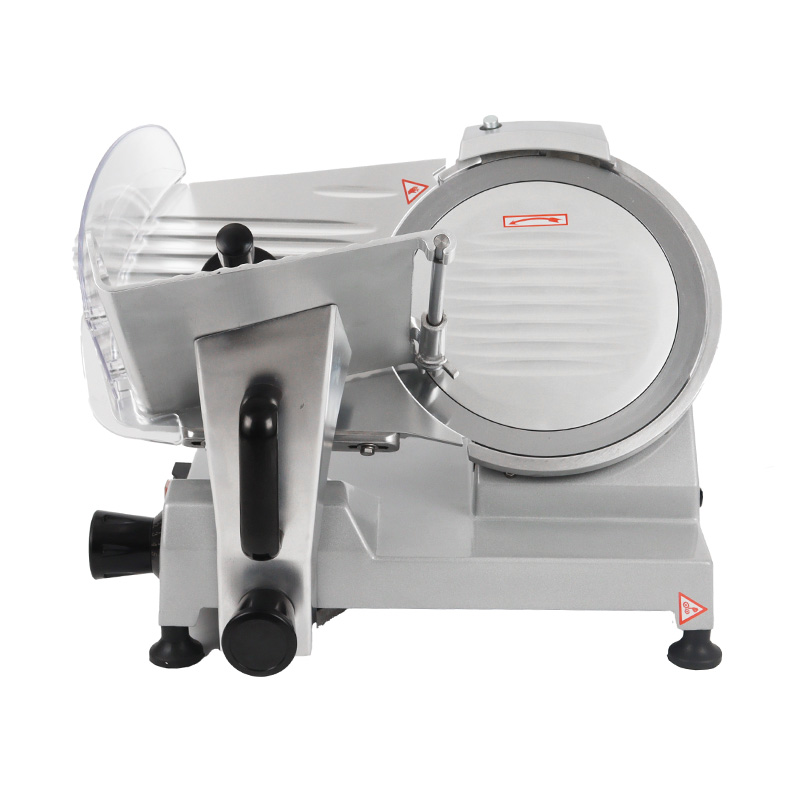
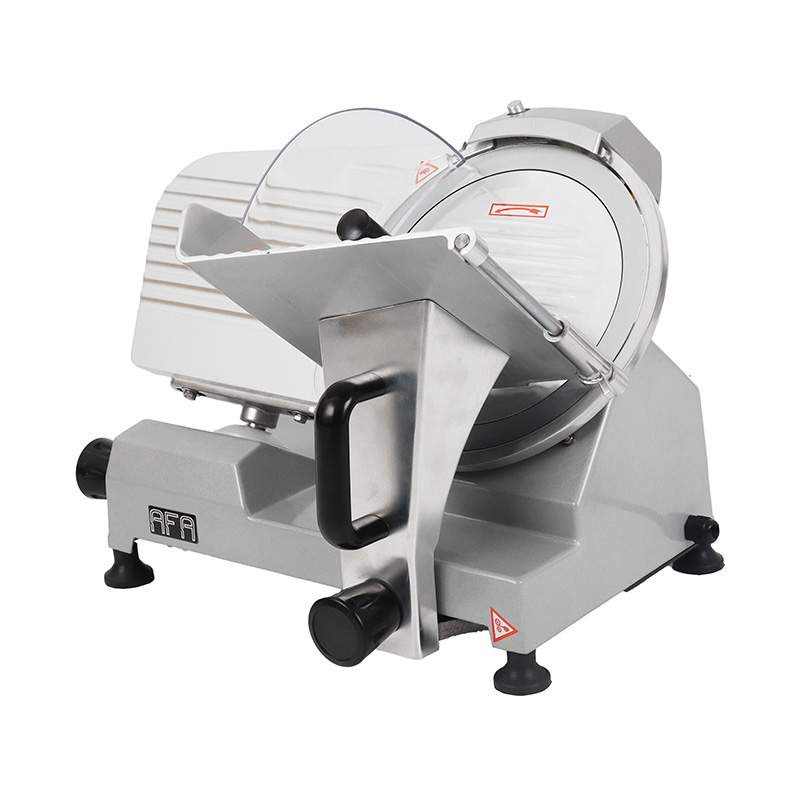
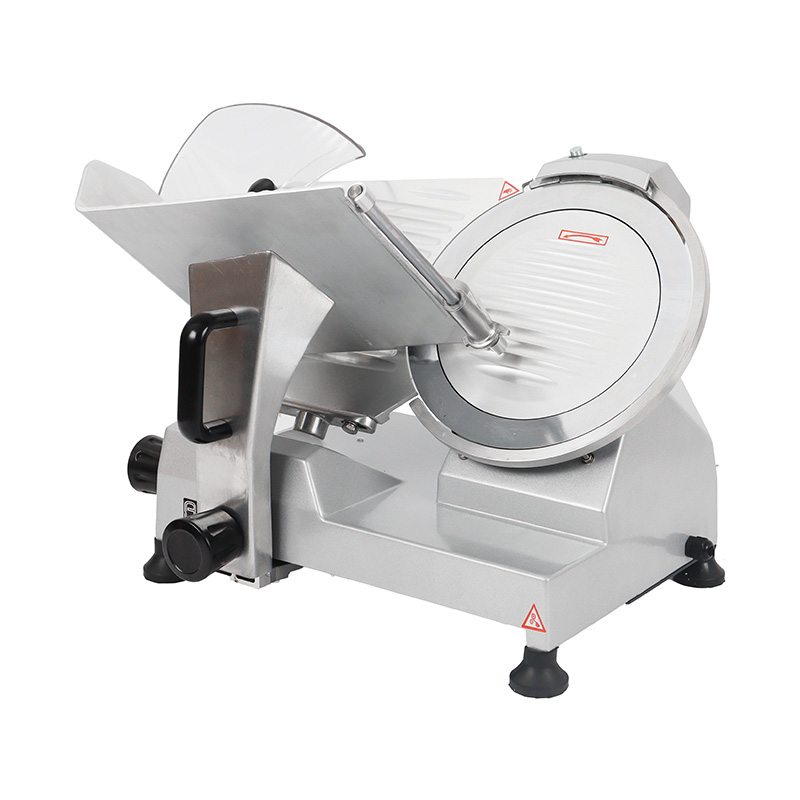
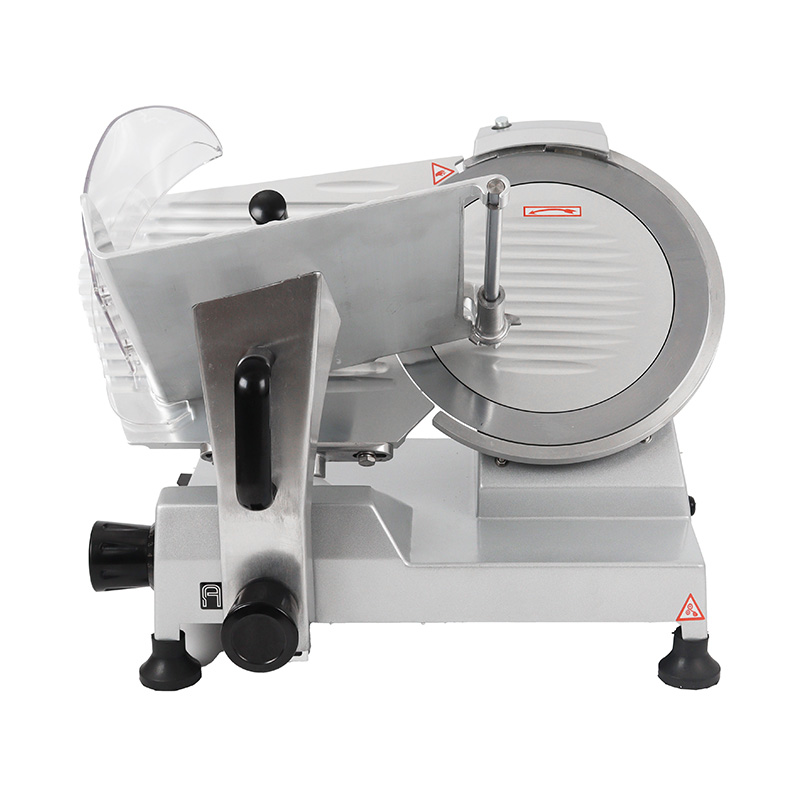
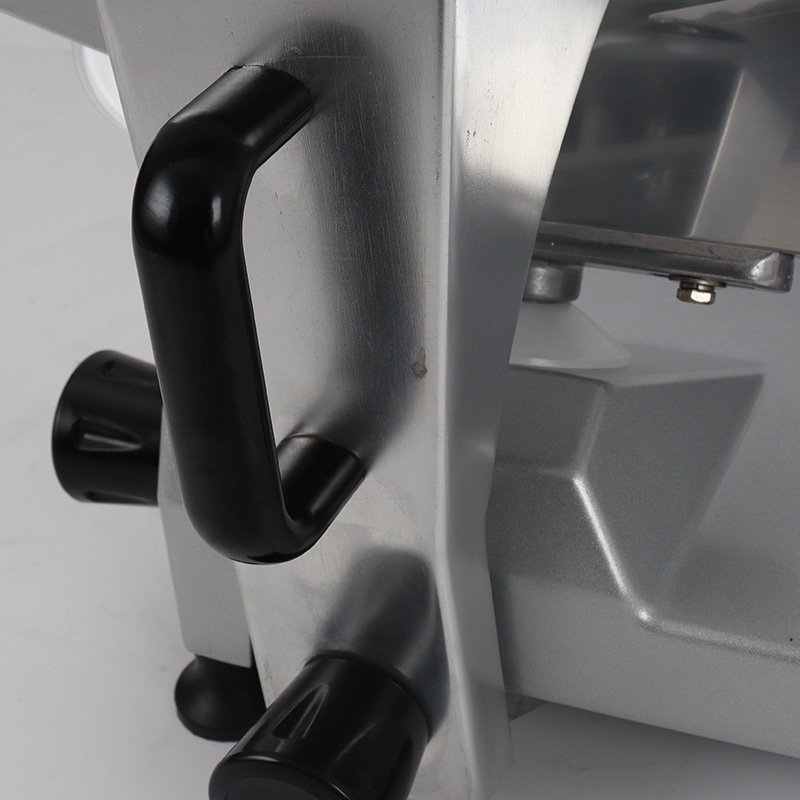
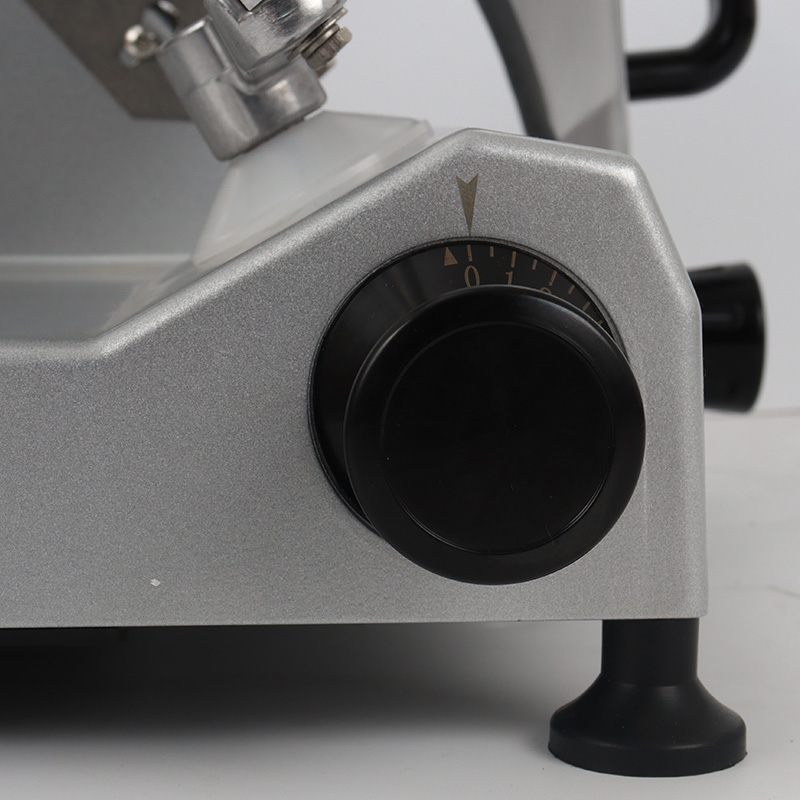
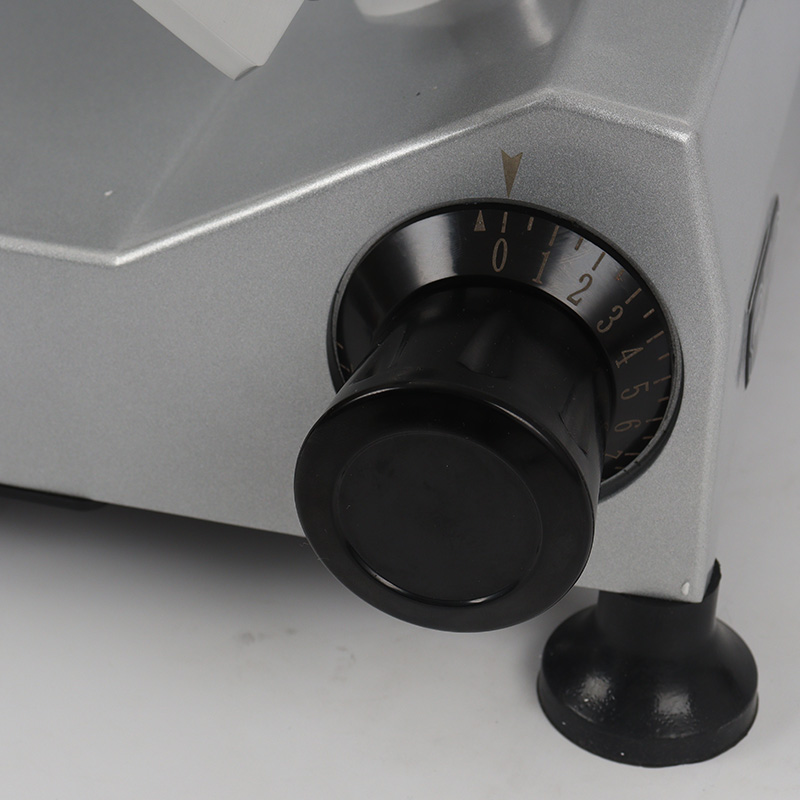
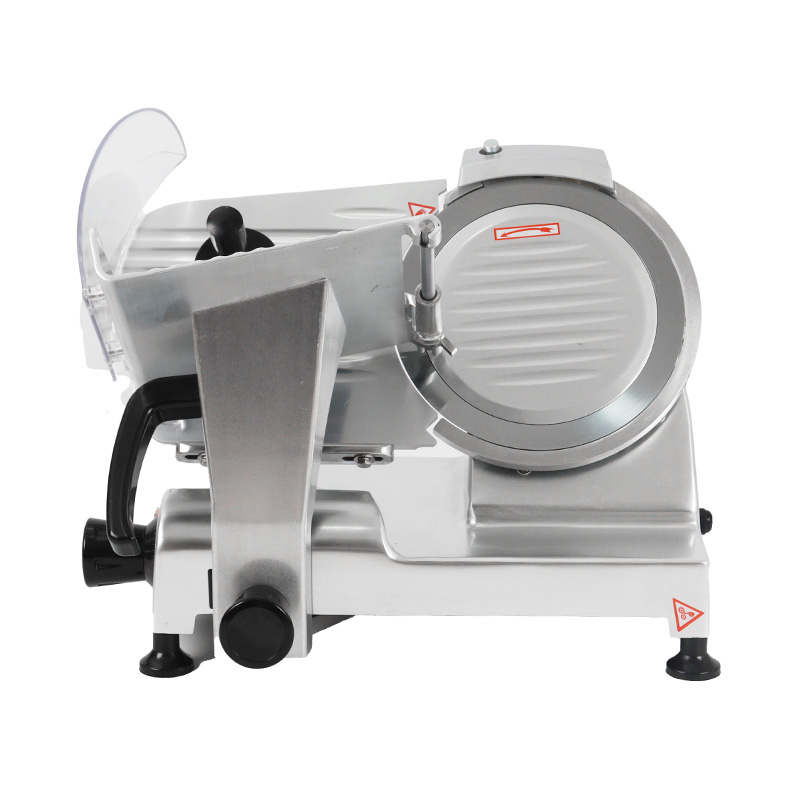
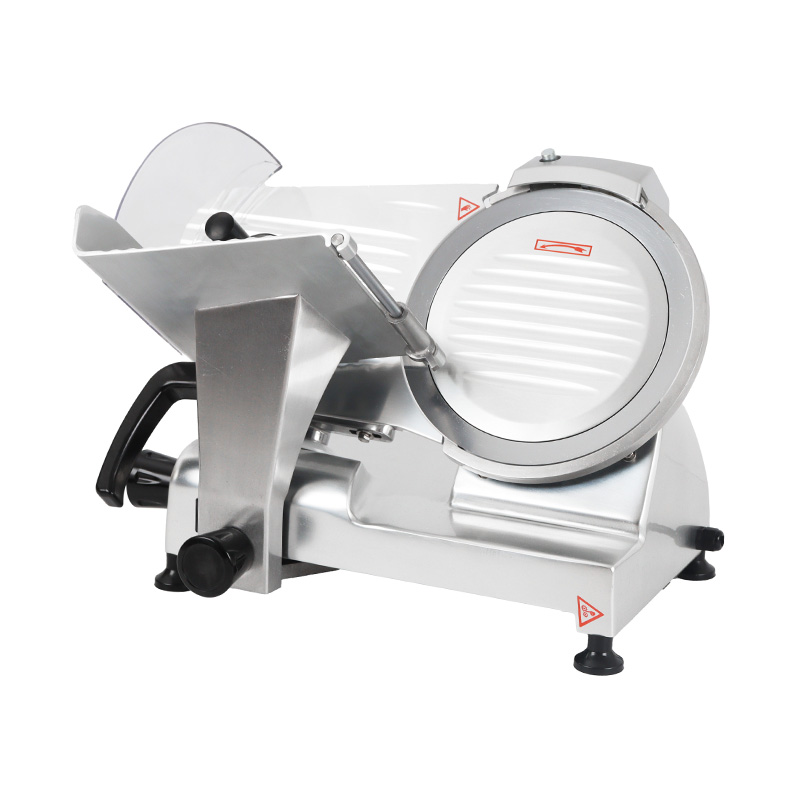
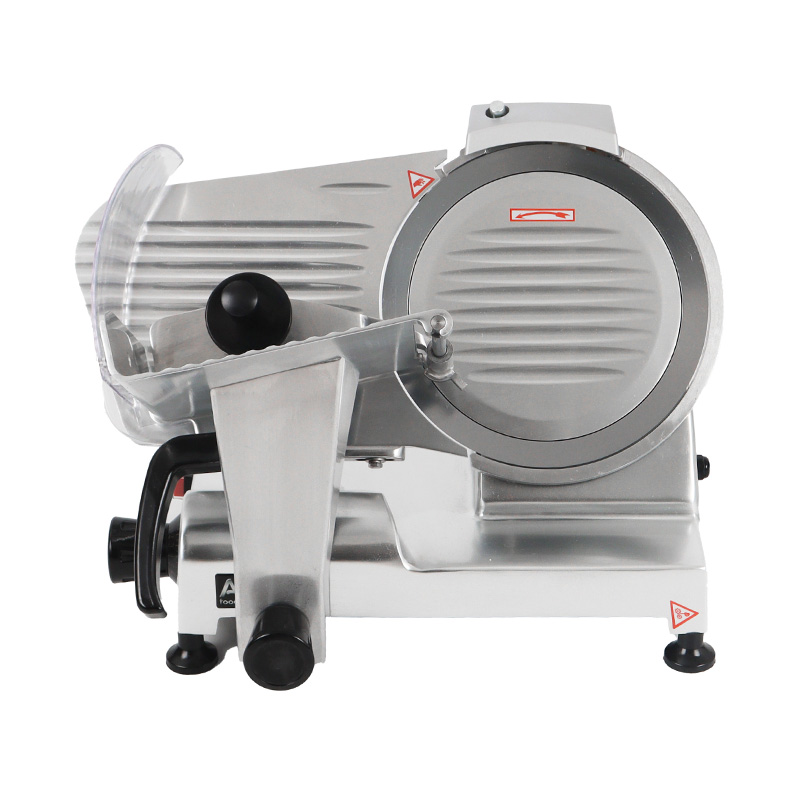
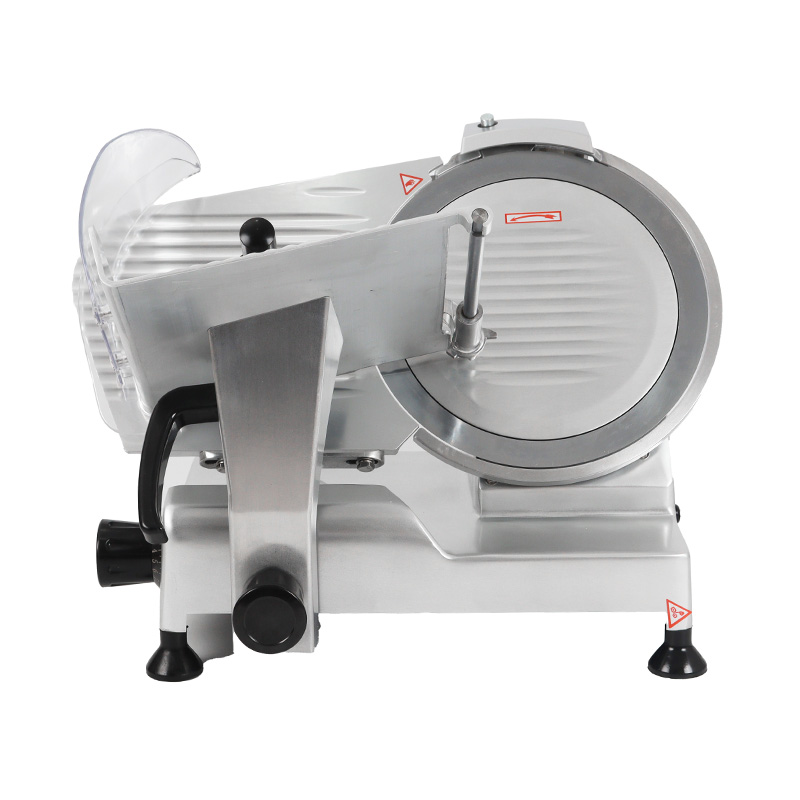
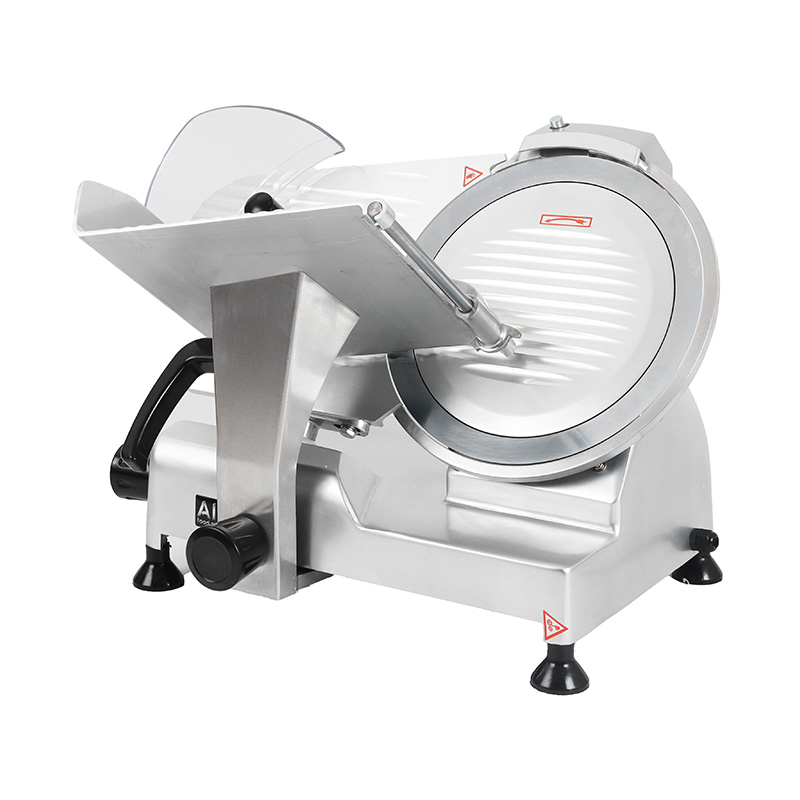
A Slicing Machine is an essential tool for commercial and industrial kitchens, offering consistent cutting for various food products such as meats, vegetables, and cheeses. When choosing a slicing machine, it is important to consider the intended use, frequency of operation, and safety features. Users often ask about adjustable thickness settings, blade speed, and ease of cleaning. Selecting the right model can improve kitchen efficiency, reduce food waste, and ensure uniform portions for recipes or serving.
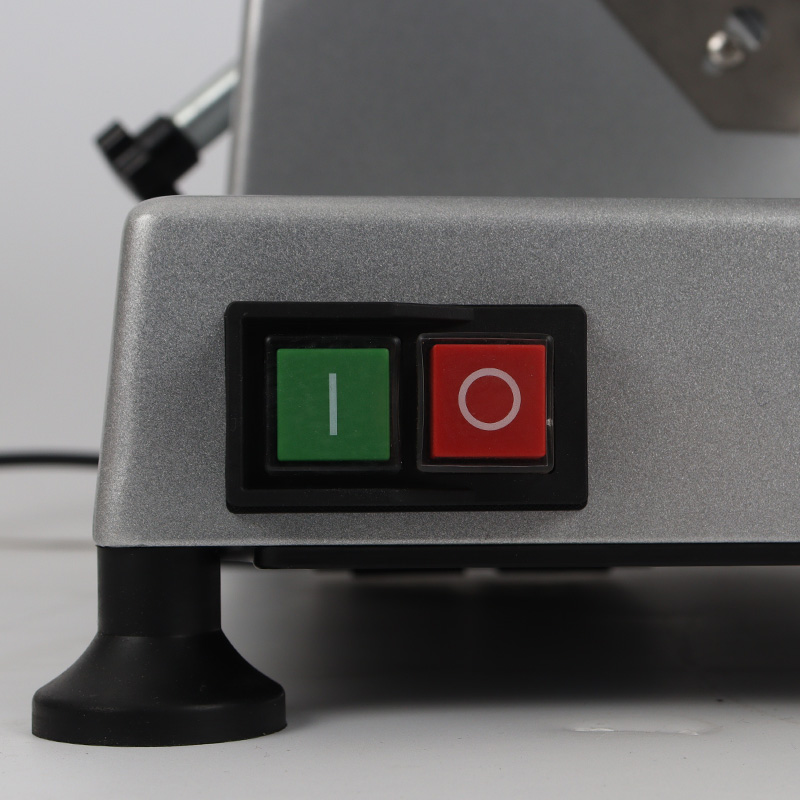
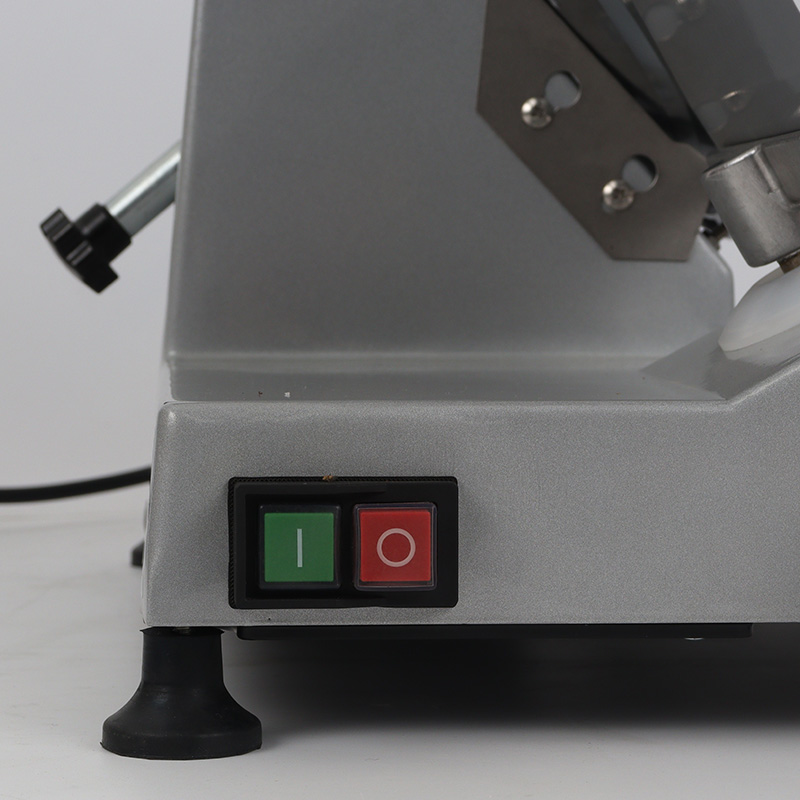
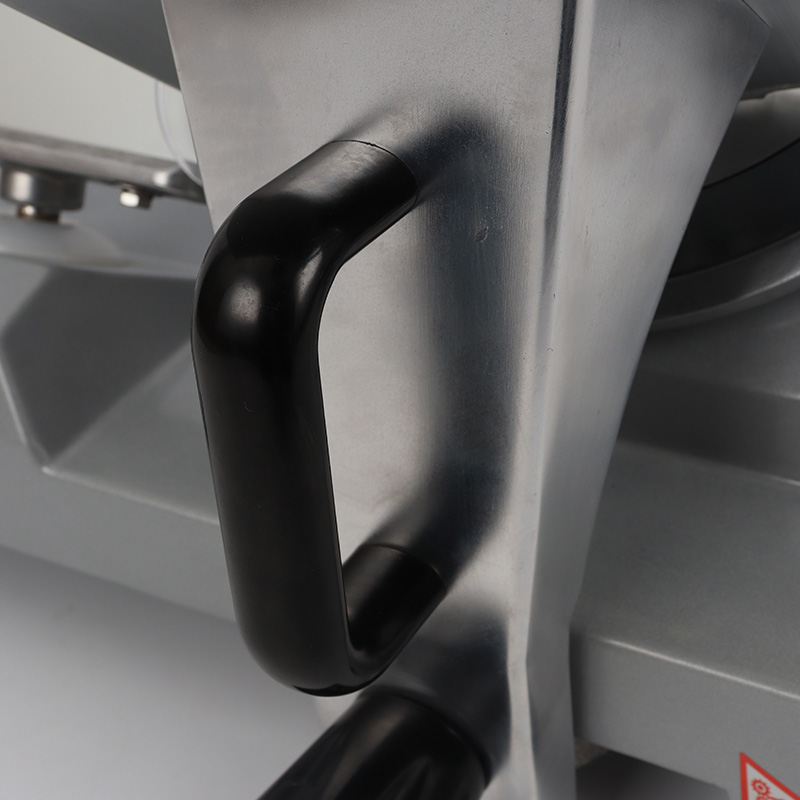
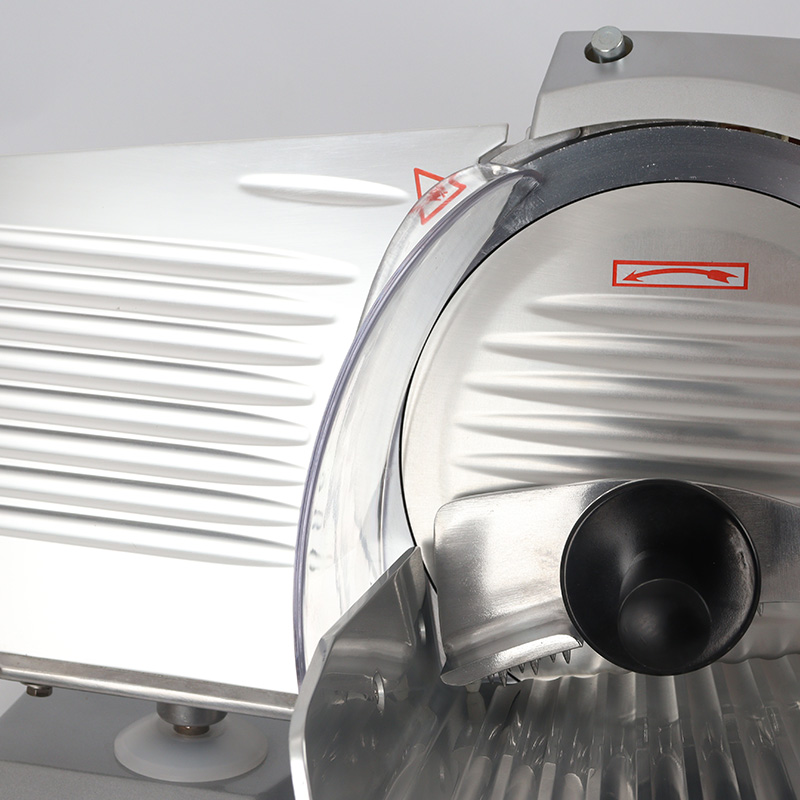
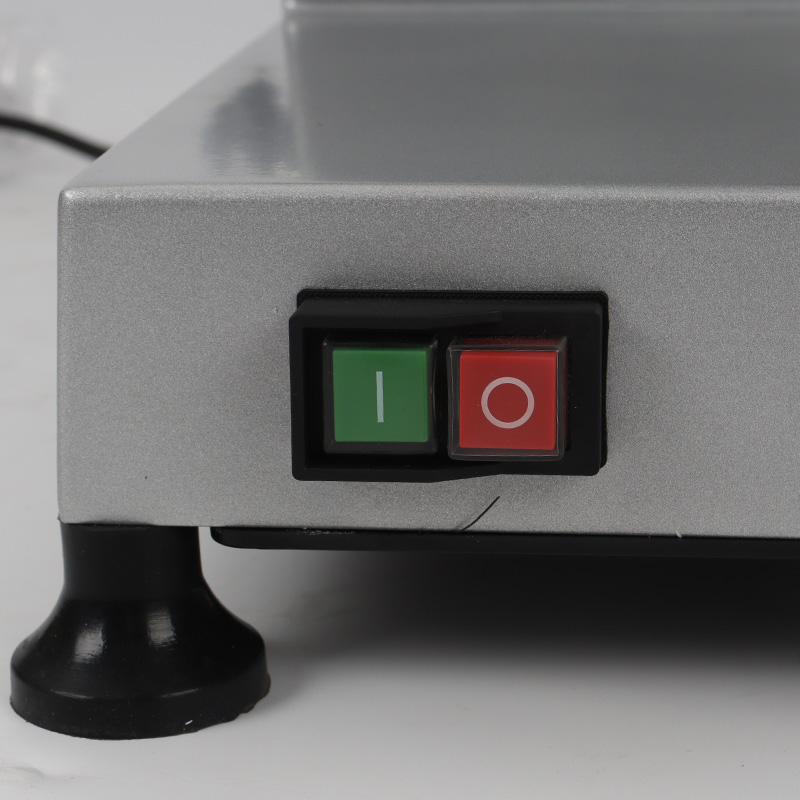
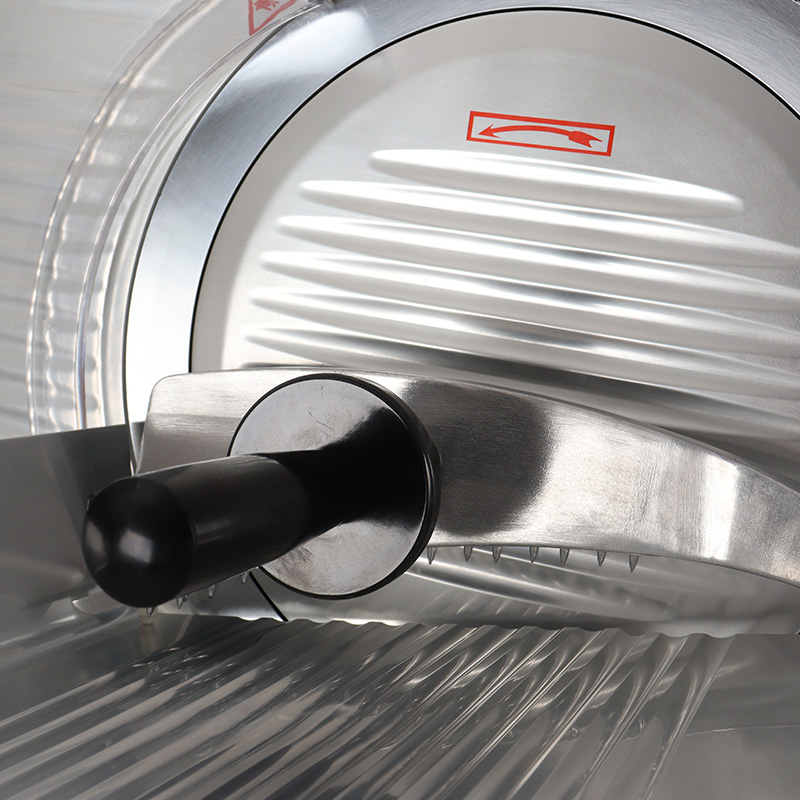
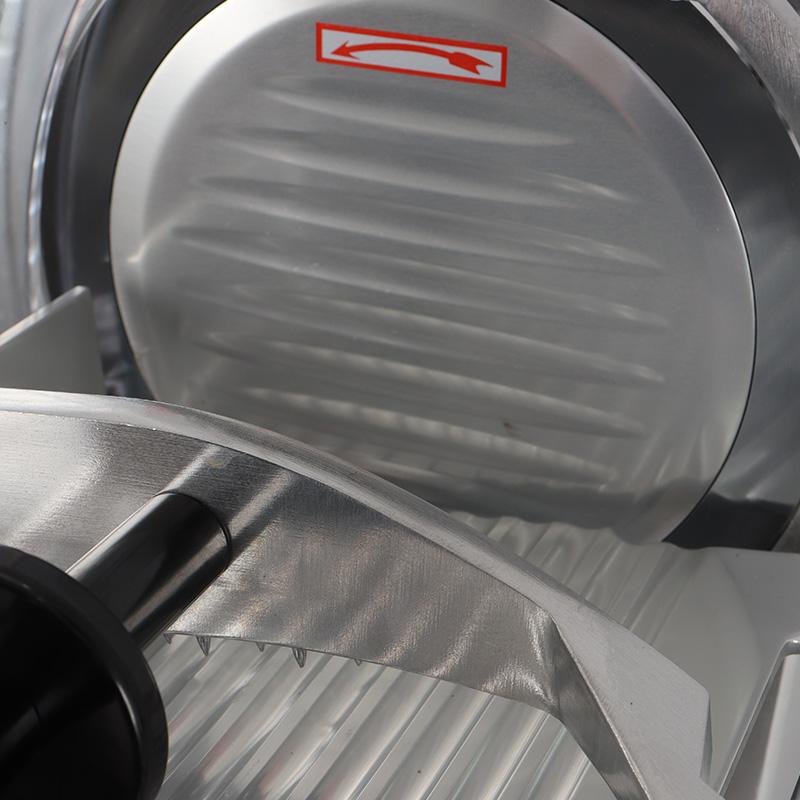
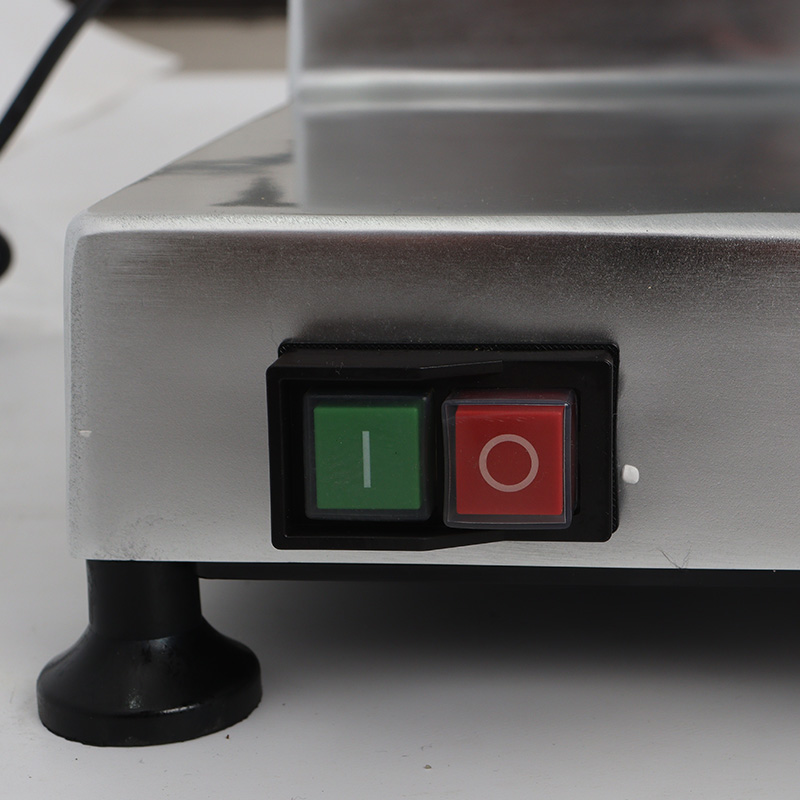
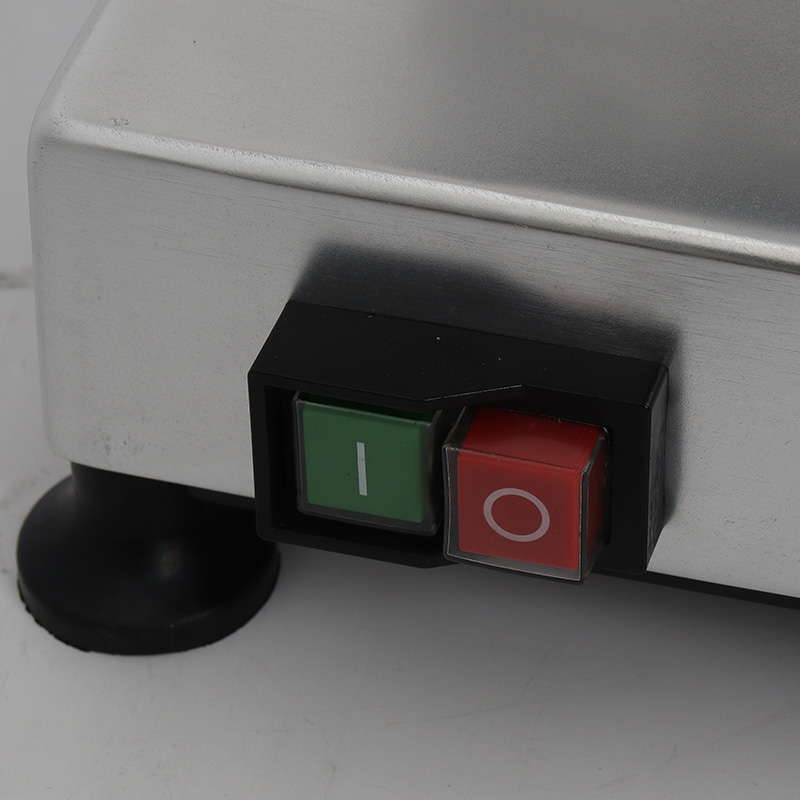
Modern slicing machines come with safety guards, automatic shut-off features, and ergonomic designs to reduce operator fatigue. Additionally, maintenance requirements, including blade sharpening and lubrication, should be reviewed before purchasing. Investing in a slicing machine with easily replaceable parts can prolong the machine's operational life.
Advantages of Stainless Steel Slicing Machine in Commercial Kitchens
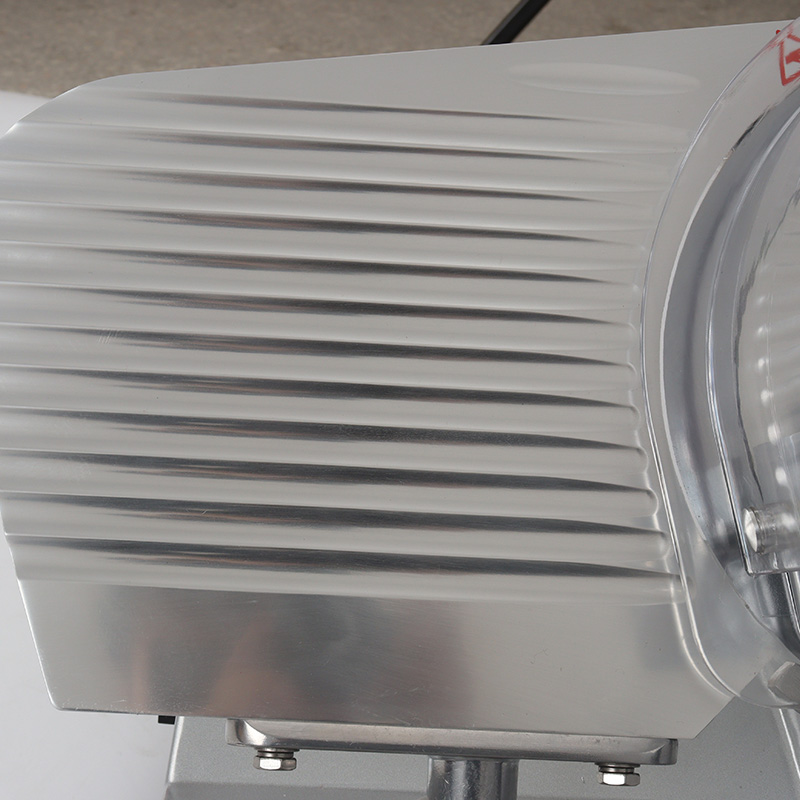
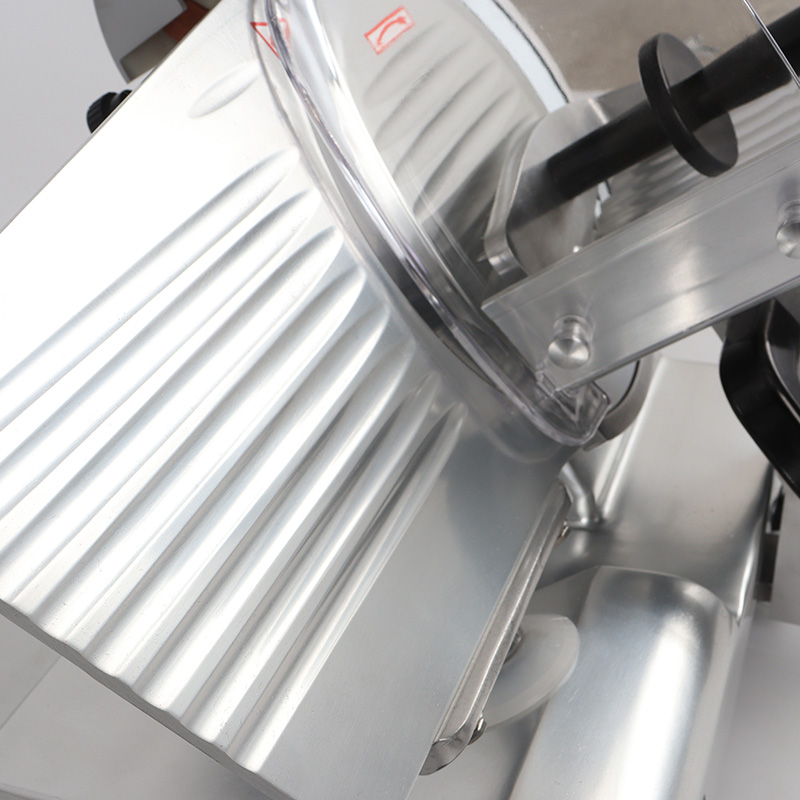
A Stainless Steel Slicing Machine provides durability and hygiene benefits, making it suitable for high-volume food preparation environments. Stainless steel construction resists corrosion, which is particularly important when dealing with acidic foods, oils, or constant cleaning with water-based detergents. This material also prevents food contamination and ensures compliance with food safety regulations.
Users frequently search for stainless steel slicing machines that are easy to sanitize, have removable components, and are resistant to scratches or dents. The smooth surfaces of stainless steel machines less bacteria accumulation, which is a major concern for kitchens in restaurants, catering businesses, and food processing facilities. The longevity of stainless steel machines also supports consistent performance over years of frequent use, reducing replacement costs.
How a Commercial Slicing Machine Enhances Efficiency
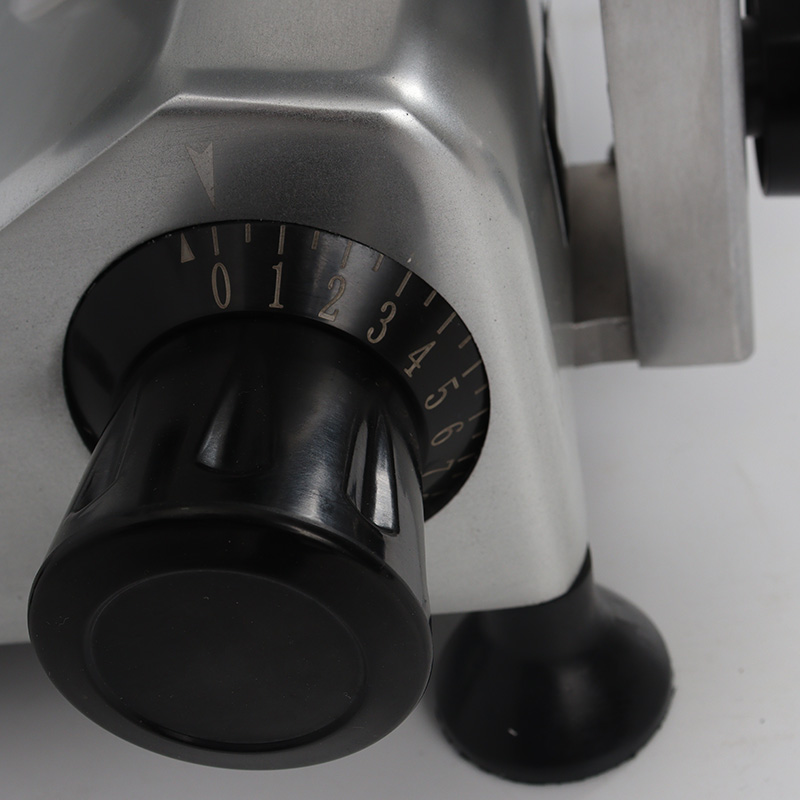
A Commercial Slicing Machine is designed for large-scale food production, handling higher volumes than domestic models. Operators often want machines that can process multiple types of foods without compromising speed or uniformity. Adjustable slicing thickness and blade speed are common points of interest, allowing the machine to handle thin deli slices as well as thicker cuts for sandwiches or cooked products.
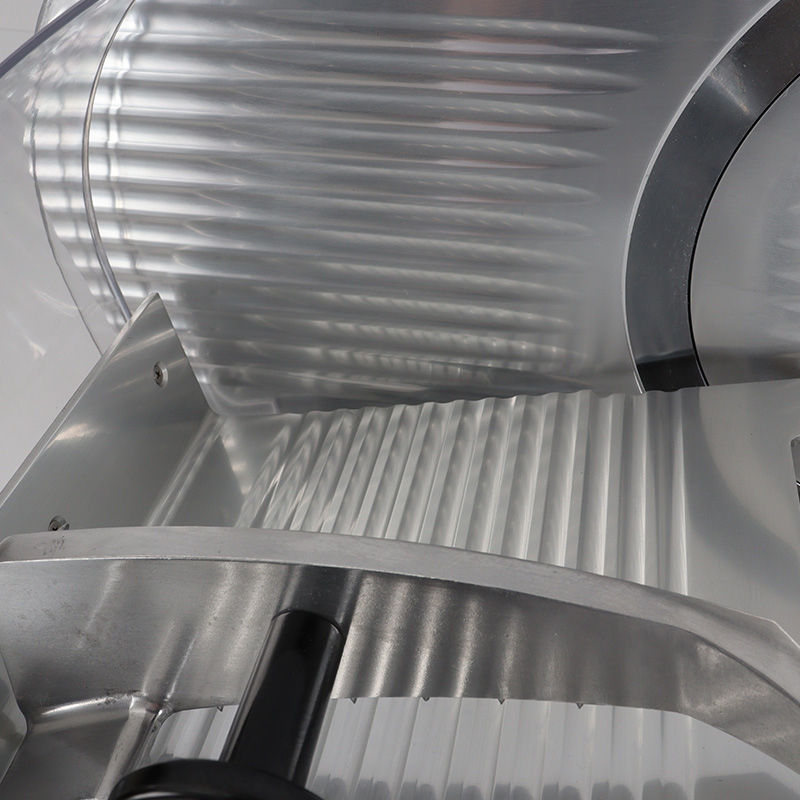
Commercial slicing machines are built for continuous use, featuring strong motors, stable frames, and advanced blade designs. Users typically seek features like removable trays, safety interlocks, and easy assembly for cleaning. These machines not only save time but also reduce labor costs by automating repetitive slicing tasks. Understanding the operational capacity and maintenance needs of a commercial slicing machine helps kitchen managers plan workflow efficiently.
Safety and Maintenance Tips for Slicing Machine Users
Safety is a primary concern for anyone using a Slicing Machine, whether in a restaurant, deli, or food production facility. Common user questions revolve around blade protection, handling techniques, and cleaning procedures. Operators should always use the safety guard and follow recommended cleaning schedules to prevent injuries and maintain hygiene standards.
Regular maintenance extends the life of stainless steel and commercial slicing machines. Blade sharpening, checking for loose parts, and proper lubrication are recommended to ensure smooth operation. Many users also look for machines with detachable blades and components to make cleaning easier. Understanding the maintenance requirements before purchase allows kitchens to reduce downtime and avoid operational disruptions.
Choosing the Right Slicing Machine for Your Business
When selecting a Slicing Machine, considering your kitchen’s scale and menu requirements is critical. For high-volume operations, a Commercial Slicing Machine is usually recommended, whereas smaller cafes or catering services might choose a more compact model. Users also compare stainless steel versus other materials, focusing on hygiene, durability, and ease of maintenance.
Key factors include blade size, cutting speed, adjustable thickness, and safety certifications.