Slush Machine: How Does It Work and What Makes It Efficient?
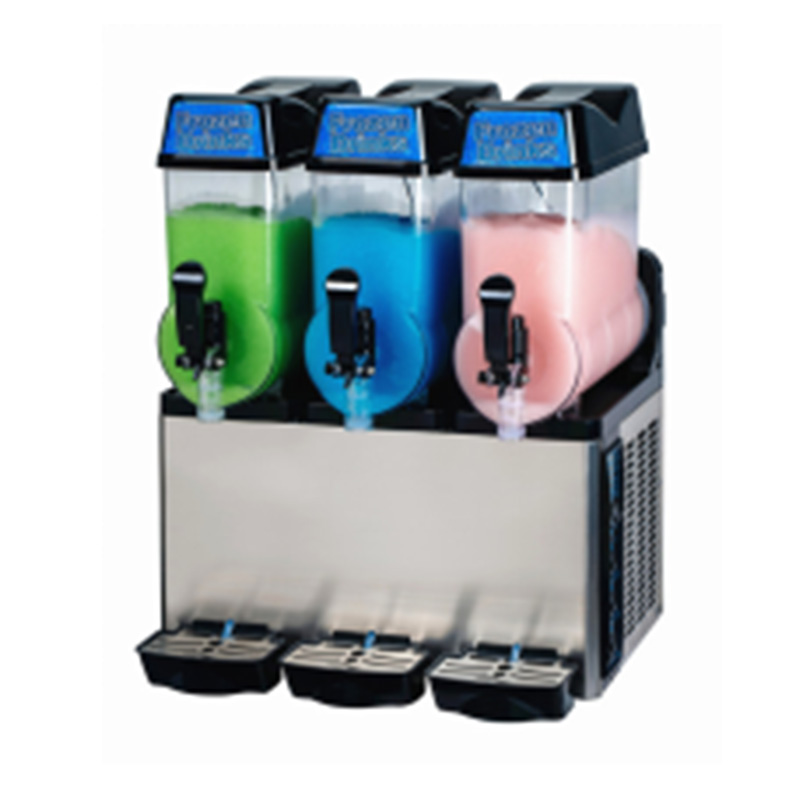
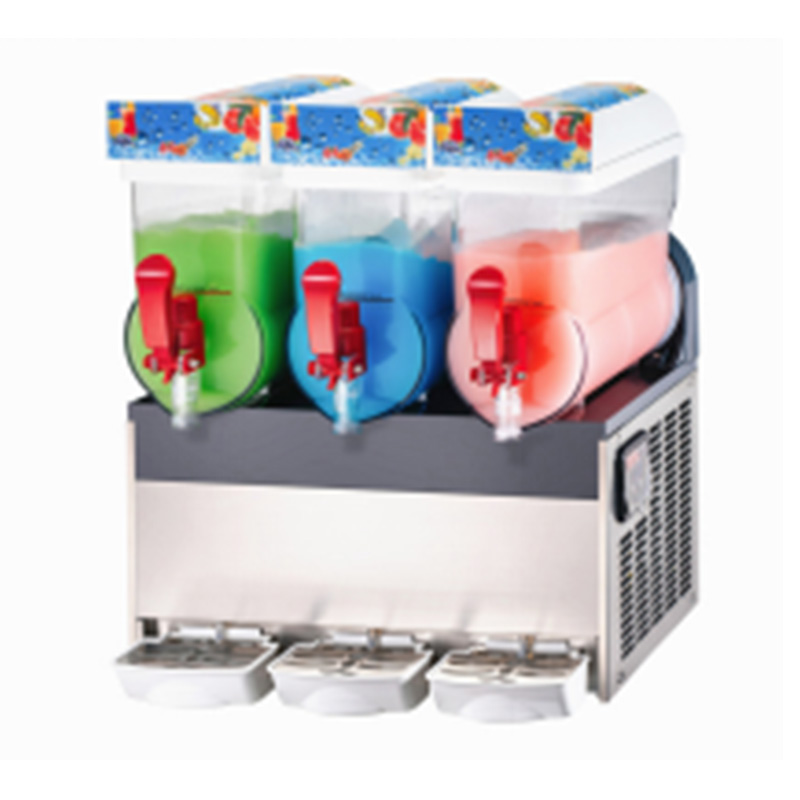
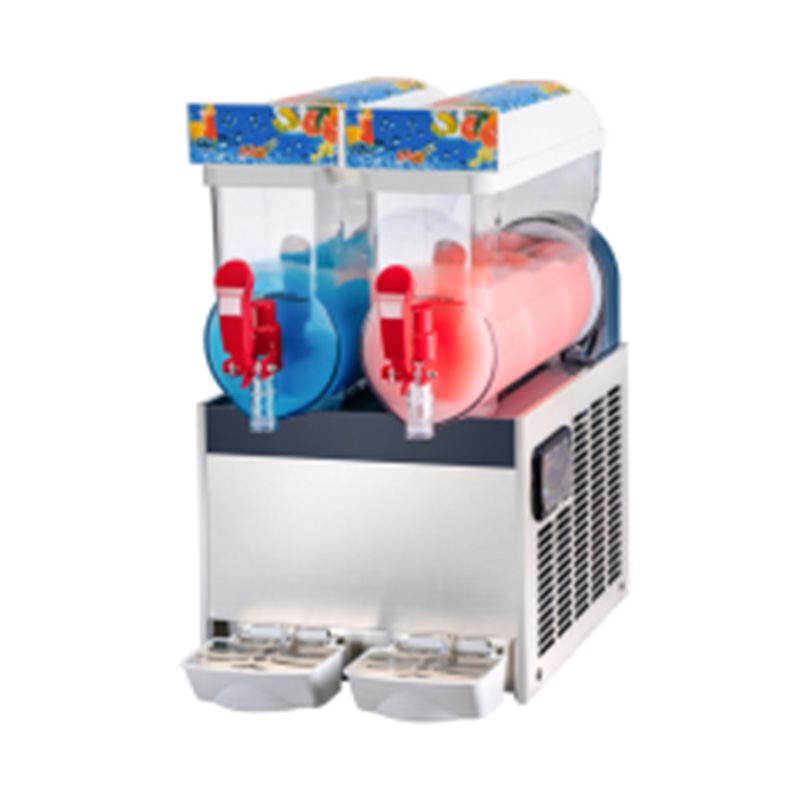
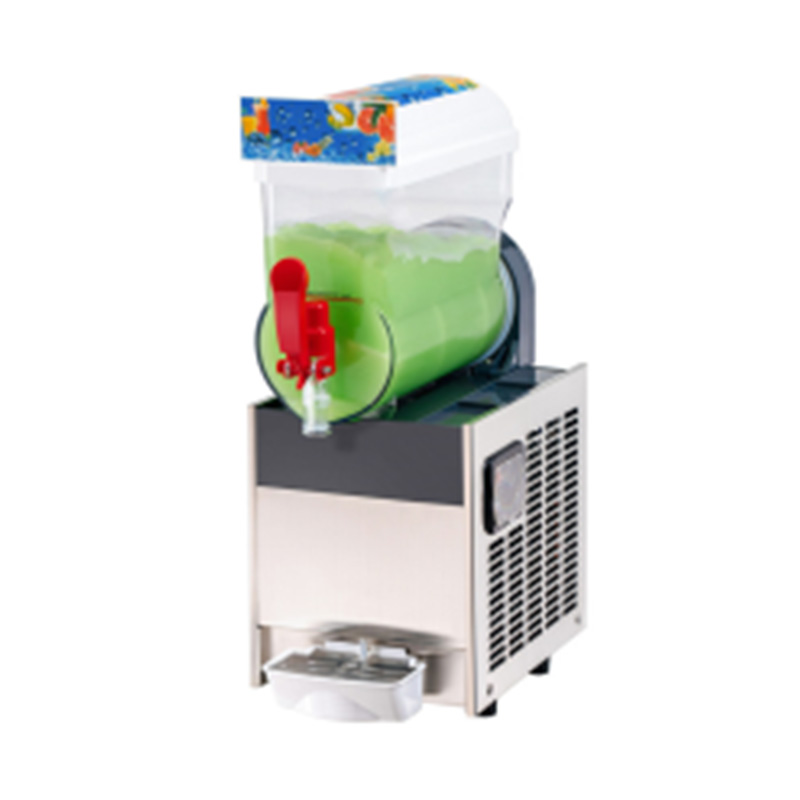
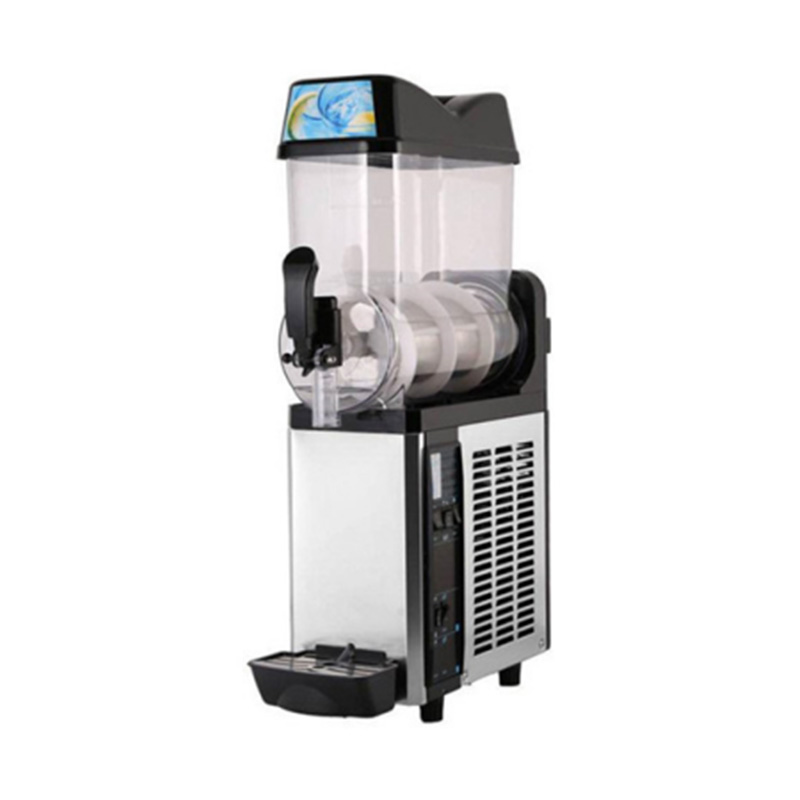
A slush machine is designed to freeze and circulate flavored liquids, creating a smooth, semi-frozen beverage. The machine works through a combination of refrigeration and continuous mixing, which prevents ice crystals from forming into solid blocks. Users often focus on temperature control, mixing consistency, and the machine’s capacity to maintain a uniform texture over time. Choosing a machine with adjustable freezing settings allows operators to prepare a variety of slush textures, from soft-serve style to slightly firmer frozen drinks. Energy efficiency and ease of cleaning are also key considerations, as machines that maintain stable temperatures while consuming less power help reduce operational costs and downtime.
Commercial Slush Machine: Key Considerations for Businesses
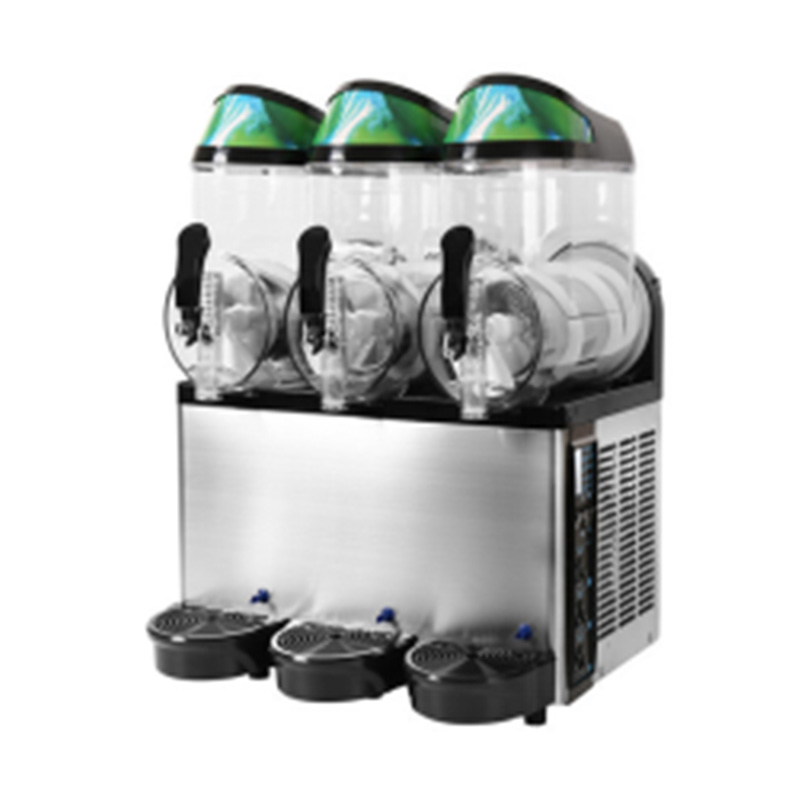
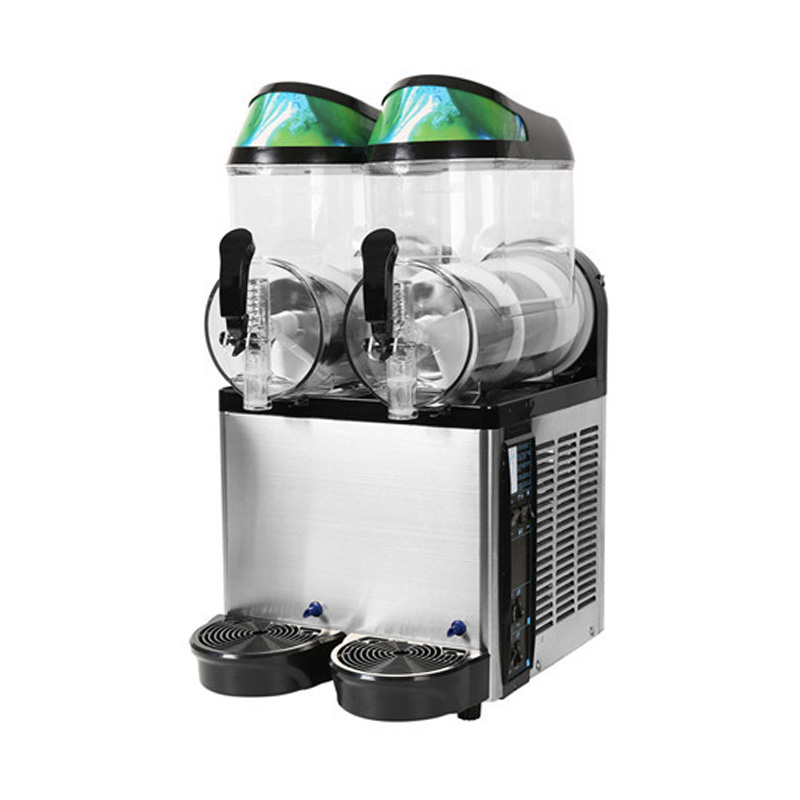
A commercial slush machine is tailored for higher-volume usage, typically in cafes, restaurants, or convenience stores. Businesses often ask about capacity, durability, and reliability under continuous operation. Materials like stainless steel for the frame and BPA-free polycarbonate for the mixing tanks are important for hygiene and longevity. Commercial models also include features such as adjustable dispensing speed, automatic defrosting, and clear measurement markings for precise serving. Understanding the daily output requirement helps in selecting a model that balances production capacity with energy consumption, ensuring the machine meets customer demand without overloading the refrigeration system.
Restaurant Slush Machine: Integrating Into Food Service Operations
A restaurant slush machine is an asset for offering frozen beverages efficiently during peak service hours. Operators often focus on speed, product consistency, and simple maintenance. Machines designed for restaurant use usually include self-contained cooling systems, removable parts for easy cleaning, and user-friendly controls. Staff can quickly prepare multiple flavors simultaneously, making it easier to serve large crowds during lunch or evening hours. Consideration of footprint and placement is also essential, as these machines need to fit seamlessly into kitchen layouts without interfering with other food preparation activities.
Slush Machine: Flavor Options and Customer Preferences
Using a slush machine, businesses can expand beverage offerings to meet customer expectations. Popular flavors often include fruit-based mixes, carbonated slush drinks, and seasonal varieties. Operators frequently ask how to achieve consistent taste and texture across batches. Proper syrup-to-water ratios, continuous stirring, and temperature management are crucial to maintaining a high-quality beverage experience. Some machines allow for pre-chilling of the base liquid, which can help shorten preparation time and improve consistency for peak hours.
Commercial Slush Machine: Maintenance and Longevity Tips
Maintaining a commercial slush machine is essential for reliable operation and safety. Regular cleaning of the mixing cylinder, dispensing valves, and drip trays prevents bacterial growth and residue build-up. Lubricating moving parts and checking refrigeration lines for leaks ensures that the machine operates efficiently. Businesses often look for guidance on preventive maintenance schedules to reduce downtime, extend the machine’s life, and maintain consistent beverage quality. Following manufacturer-recommended cleaning procedures and using safe cleaning agents are key to sustaining hygiene and operational performance.
Restaurant Slush Machine: Energy Use and Operational Efficiency
A restaurant slush machine must balance serving speed with energy efficiency. Restaurants are increasingly concerned about electricity consumption, especially during busy periods when machines operate continuously. Machines with energy-saving modes, automatic standby functions, and efficient refrigeration cycles can help reduce operational costs. Staff training is also important to avoid unnecessary power use, such as leaving the machine running at full capacity when the volume of orders is low. Ensuring that the machine is located in a well-ventilated area can improve cooling efficiency and prevent overheating.
Slush Machine: Safety and Compliance Considerations
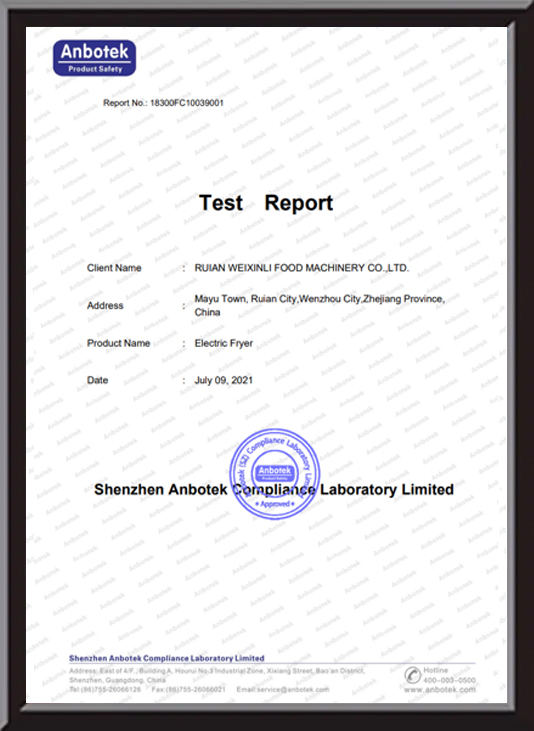
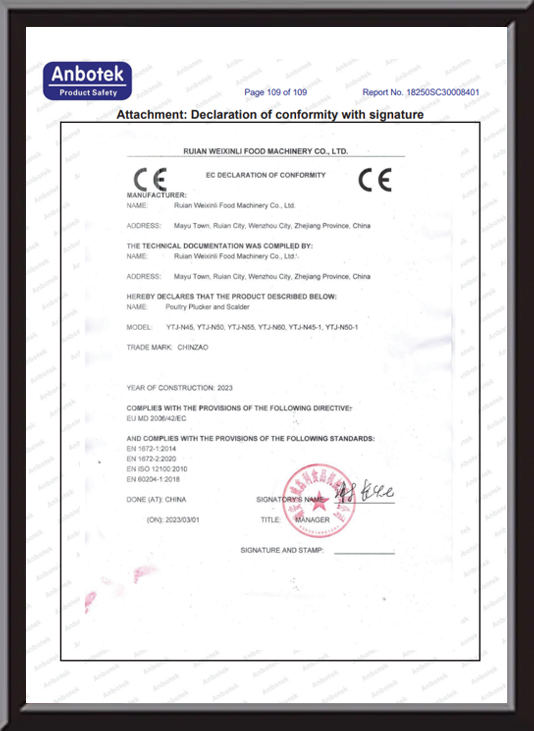
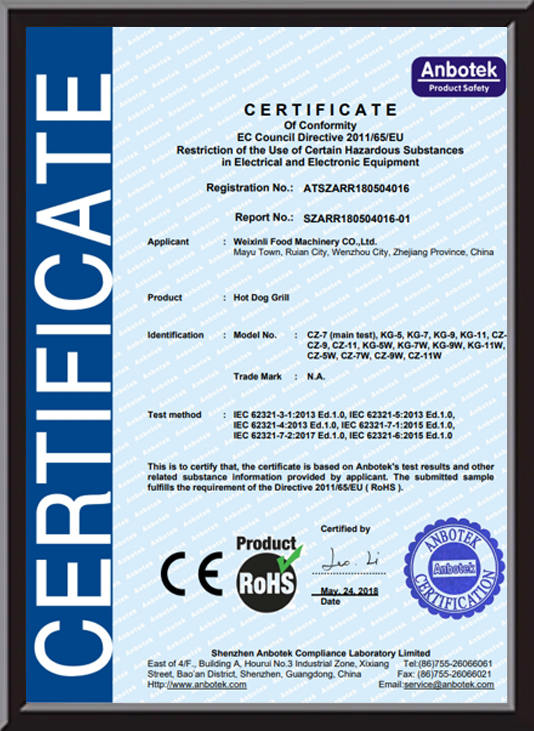
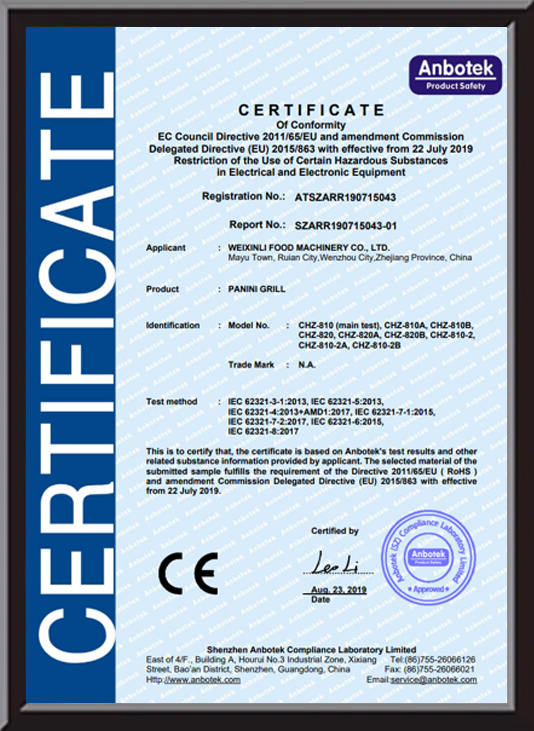
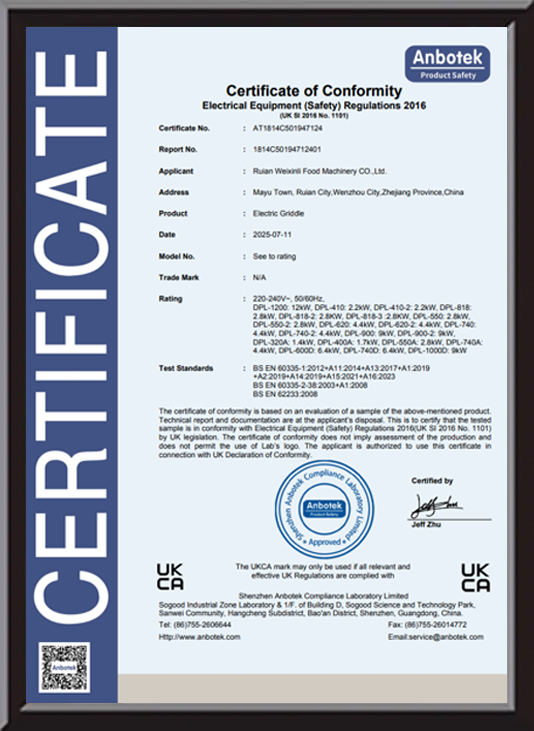
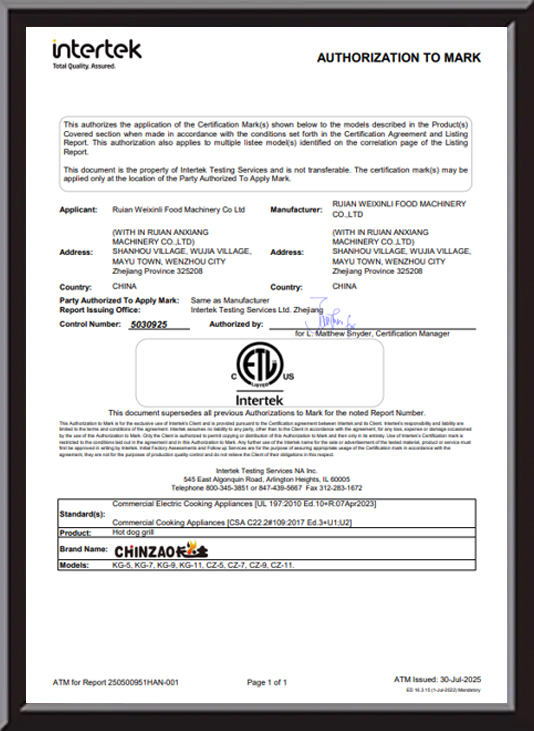
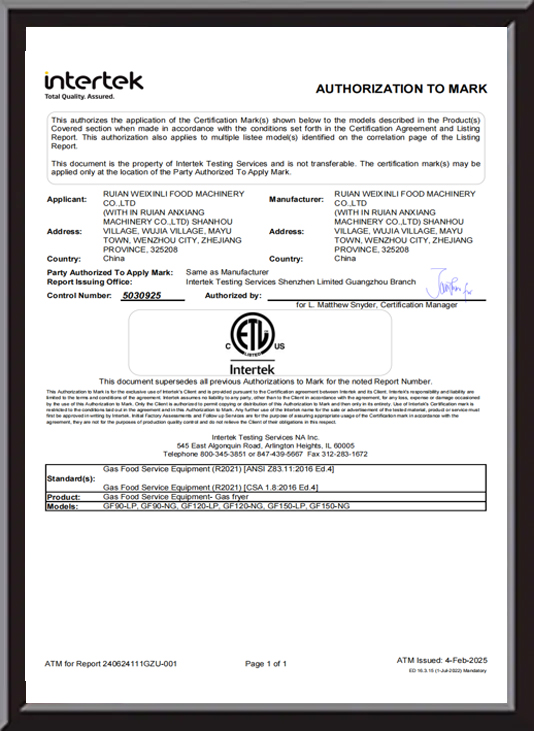
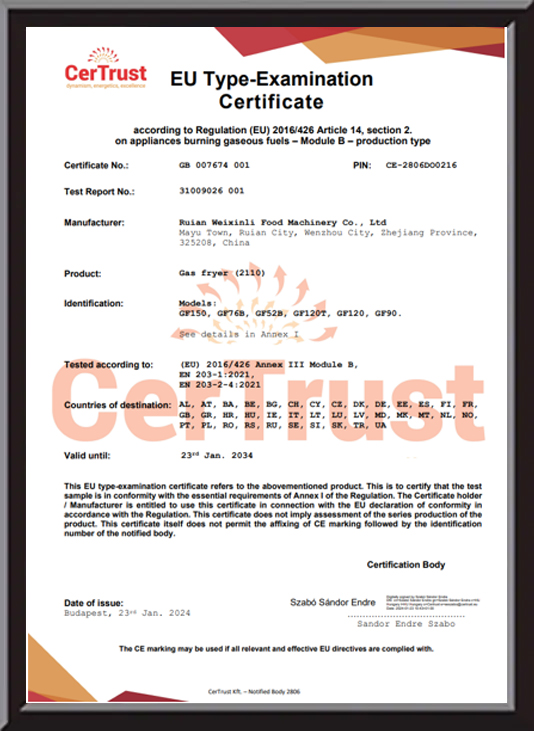
Operating a slush machine safely requires attention to both electrical and food safety standards. Machines should comply with relevant regulations regarding electrical connections, insulation, and hygiene. Clear instructions for safe handling of syrups, cleaning agents, and machine components reduce the risk of accidents. For commercial and restaurant settings, ensuring compliance with local food safety inspections is important to prevent contamination, maintain customer trust, and avoid operational interruptions.