Waffle Maker: Understanding What Buyers Should Know
A Waffle Maker is a kitchen appliance designed to cook waffle batter into the characteristic shape and texture consumers expect. Waffle makers are widely used in homes, hotels, cafés, and foodservice operations. While the basic concept is simple — heat two patterned plates to cook batter — there are several design differences that influence performance, durability, and the eating experience.
How Does a Waffle Maker Work?
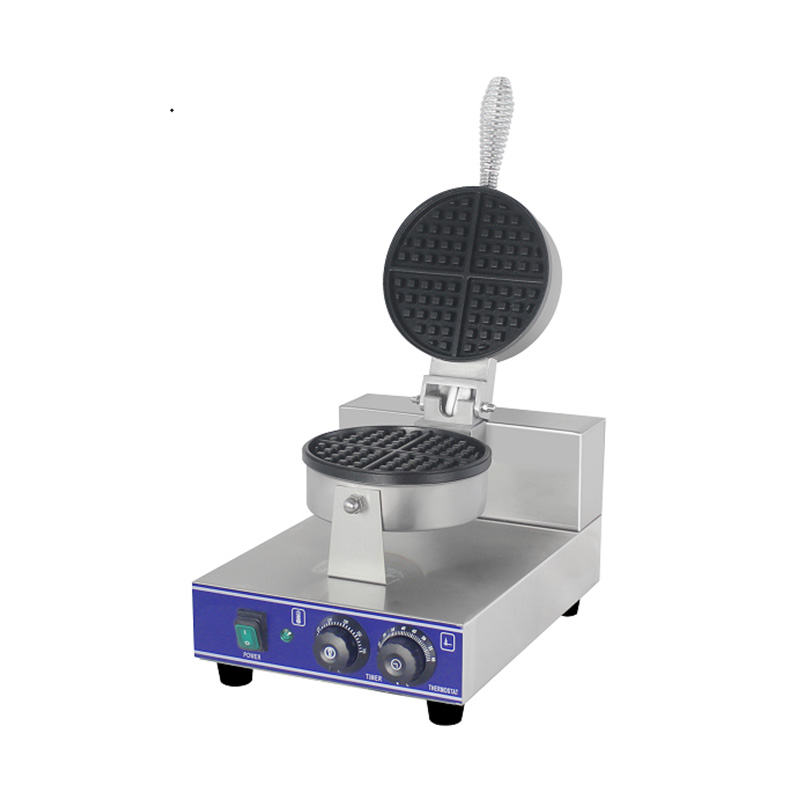
A waffle maker uses electrical heating elements embedded inside the upper and lower plates. When the appliance reaches a set temperature, you pour batter onto the bottom plate, close the top plate, and allow the batter to cook. The plates’ grooves determine the shape and thickness of the waffle. Consistent heat distribution is key to achieving uniform browning and the crisp‑outside, soft‑inside texture that consumers expect.
Key Features to Consider
When comparing waffle makers, users often consider features such as plate size, temperature control, non‑stick surfaces, and ease of cleaning. Adjustable temperature settings allow flexibility for different batter types (e.g., whole grain, gluten‑free, or richer batters). Indicator lights or auditory alerts can help users know when the appliance is ready and when the waffle is done.
Many modern waffle makers also include removable plates that dock out for washing, reducing food residue buildup and simplifying daily maintenance.
Common Questions from Buyers
What size waffle maker should I choose?
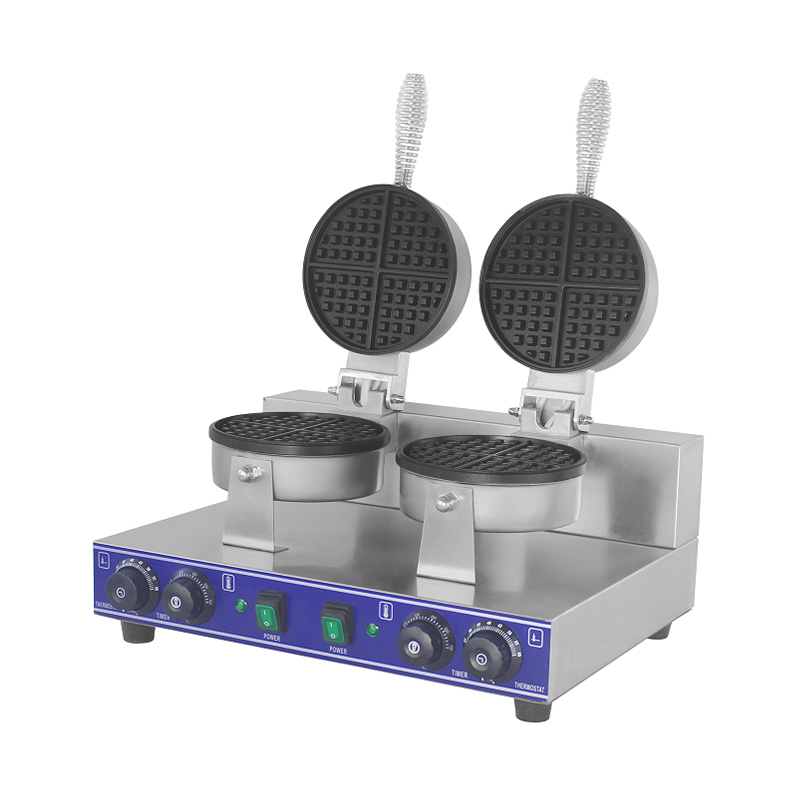
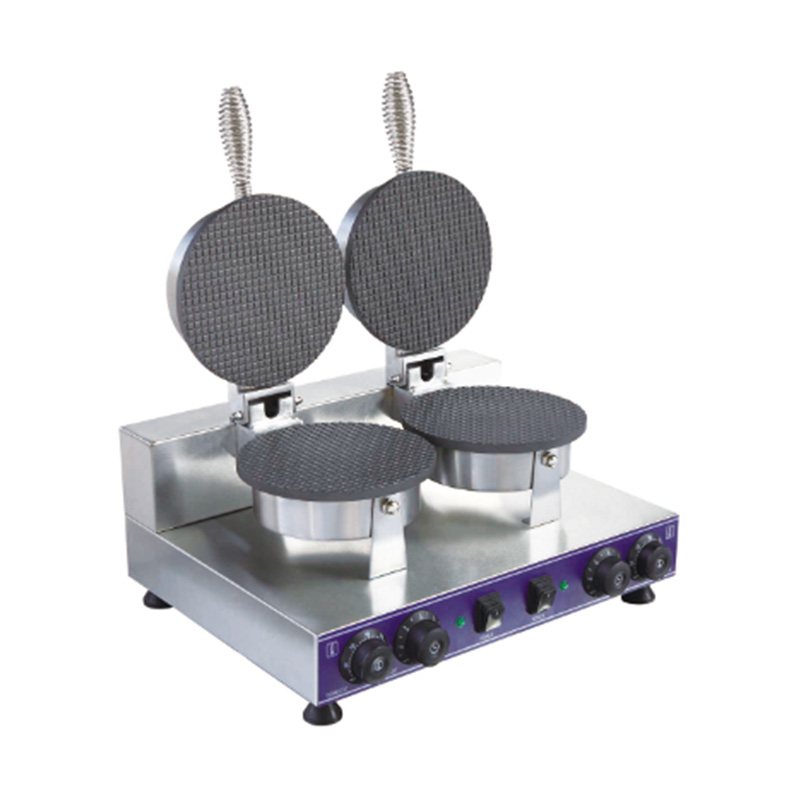
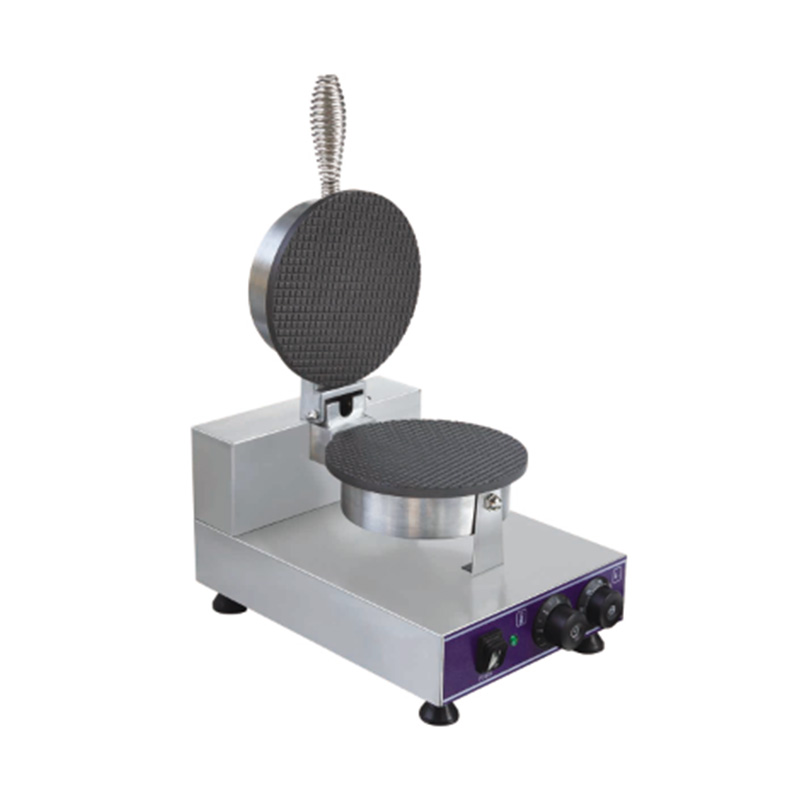
Users often ask whether they should choose single, double, or even large‑format waffle makers. Single units are space‑efficient, while double units increase throughput. The choice depends on the intended use and available space.
Are non‑stick plates safe and durable?
Non‑stick coatings make cleaning easier, but quality matters. Durable coatings resist scratching and peeling from metal utensils. Ceramic‑infused coatings are a popular alternative to traditional non‑stick finishes for improved longevity.
Commercial Waffle Maker: What Professionals Need to Know
A Commercial Waffle Maker is built to withstand heavy usage in foodservice environments like diners, hotels, and institutions. These units differ from residential models in construction, heat recovery, and continuous operation capabilities.
Construction and Materials
Commercial waffle makers are typically constructed from thicker cast iron or heavy‑gauge stainless steel. This enables the machine to absorb and retain heat better and endure repeated opening and closing throughout a busy shift. The frame, hinges, and handles are reinforced to handle higher mechanical stress.
Heat Recovery and Efficiency
One core concern in commercial settings is heat recovery — how quickly the plates return to temperature after cooking each waffle. Slow recovery can cause uneven cooking and slow down service. Commercial models use powerful heating elements and insulation to reduce recovery times, ensuring consistent cooking results even during peak hours.
Throughput and Productivity
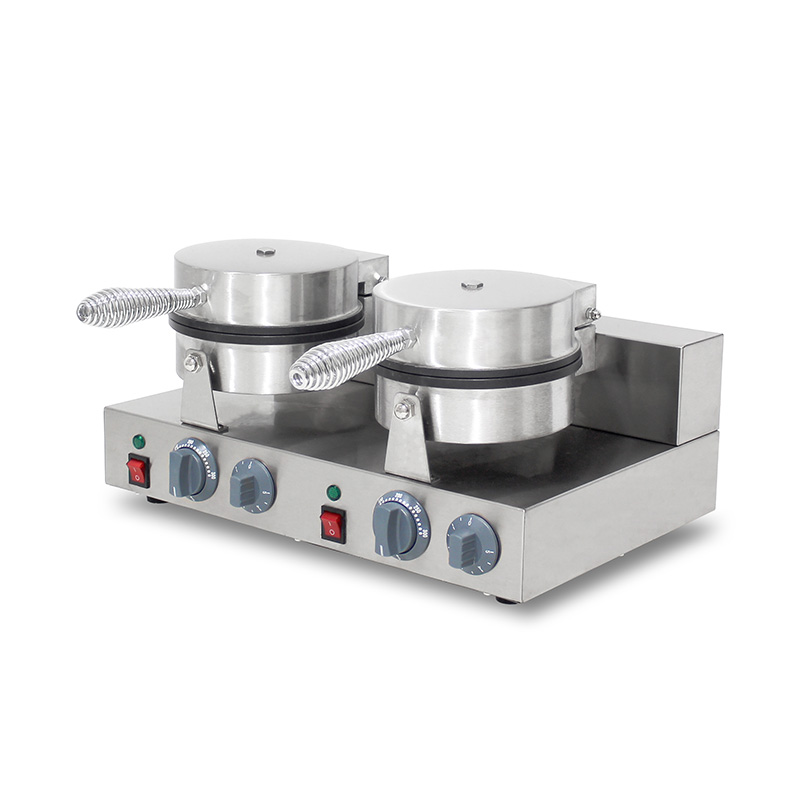
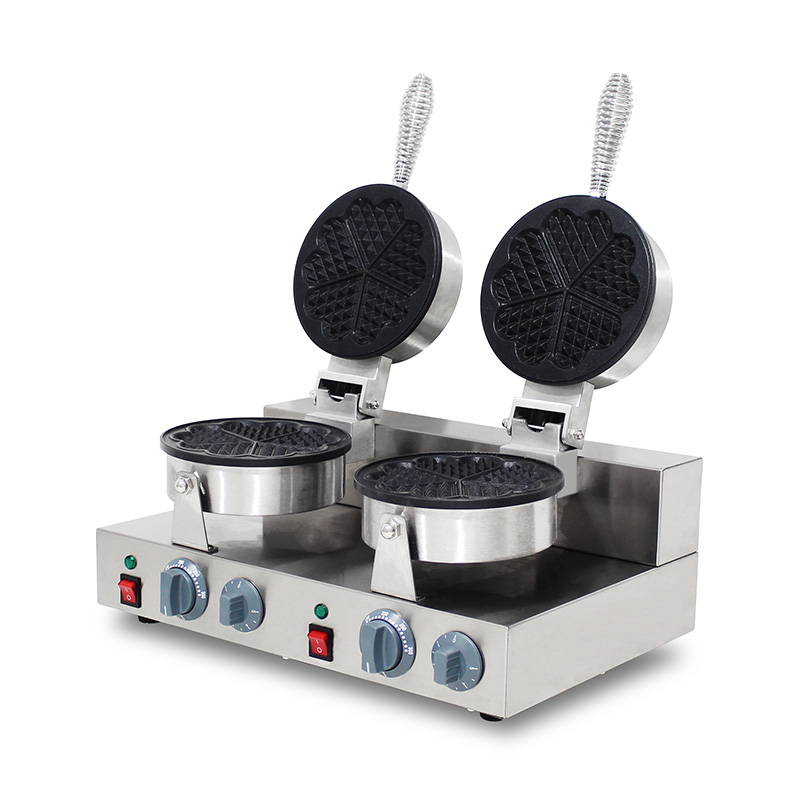
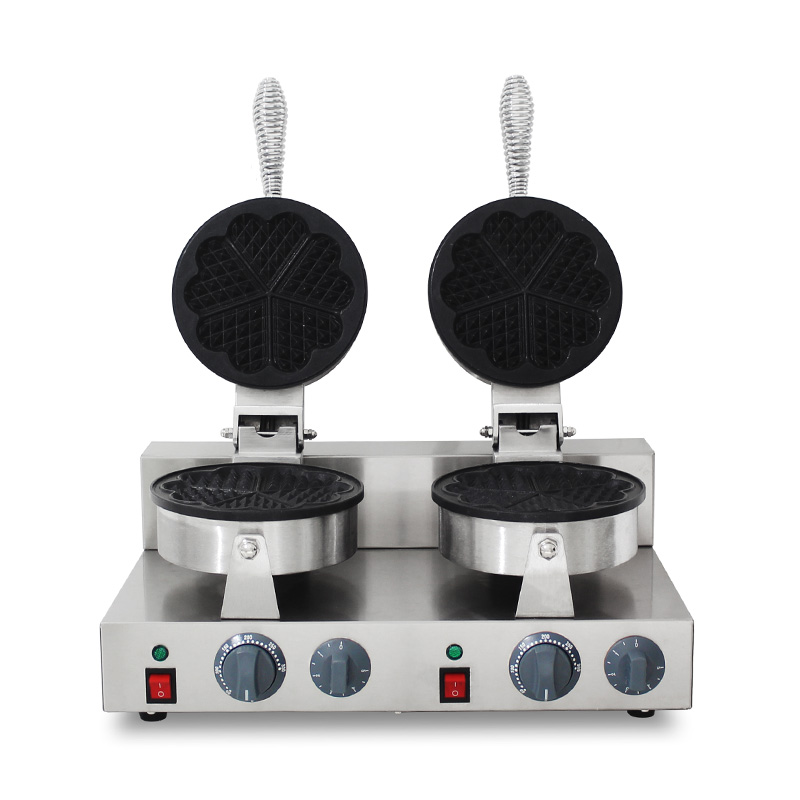
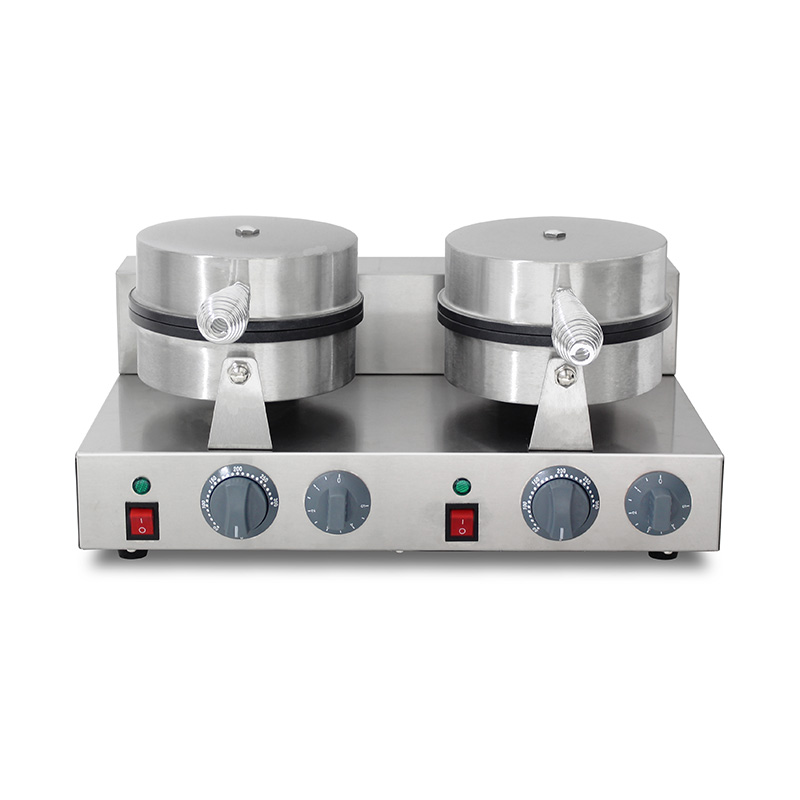
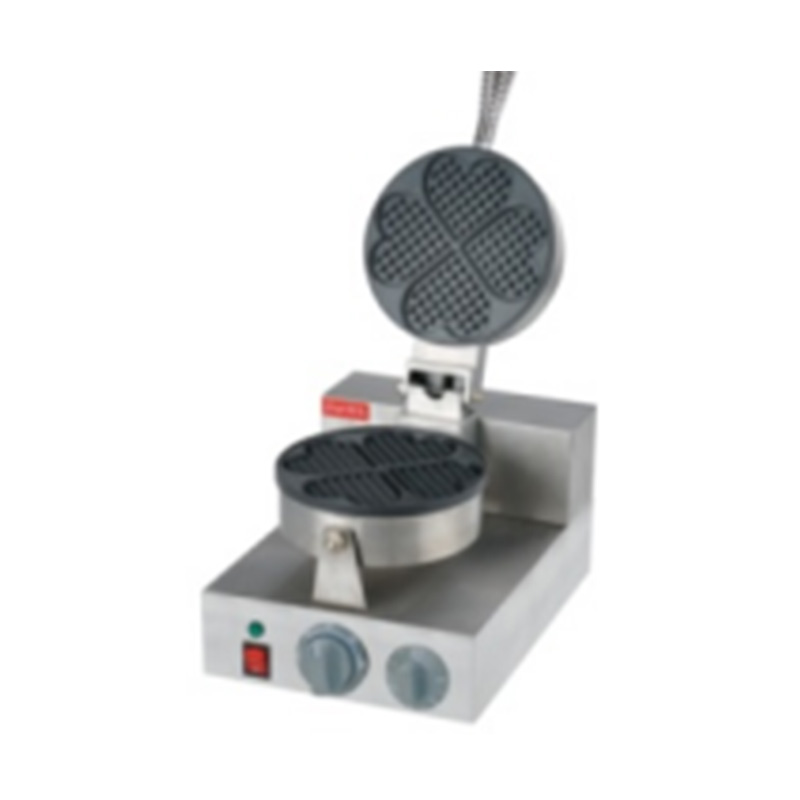
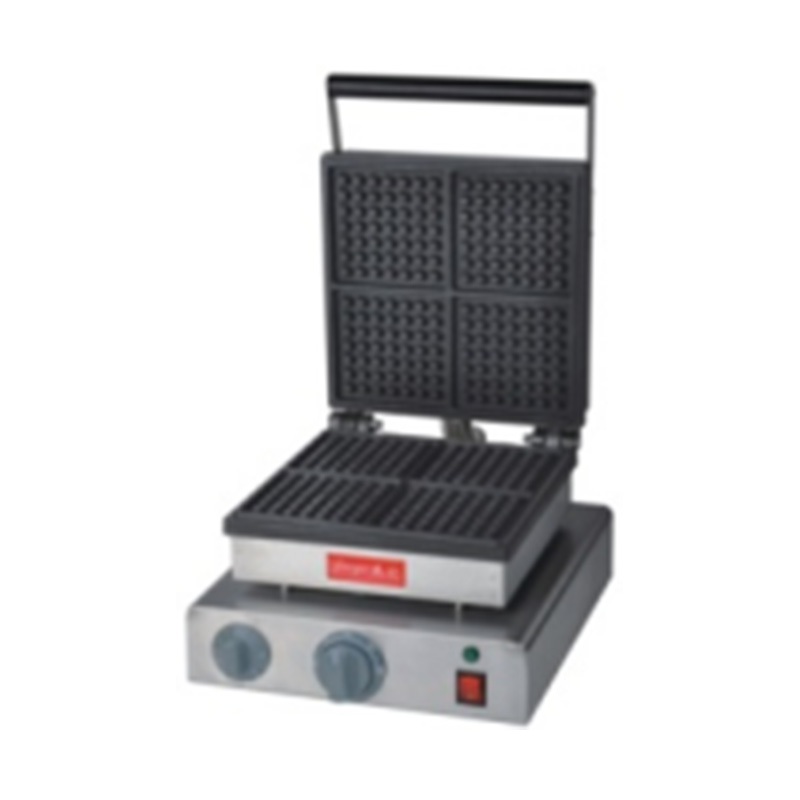
Restaurants and cafés often require high throughput, meaning many waffles per hour. Commercial waffle makers are designed with this in mind, offering larger plate surfaces or dual units that can produce multiple waffles simultaneously. Variations in plate design (e.g., deeper grids for thicker waffles) allow operators to match the product style to customer preferences.
Maintenance and Longevity
Heavy‑duty components make commercial waffle makers easier to maintain and less prone to breakdowns. Removable plates, grease traps, and sealed controls help keep internal components free from batter drips and steam. Operators should follow a regular cleaning schedule to prevent buildup that can affect performance or hygiene standards.
Compliance with Foodservice Standards
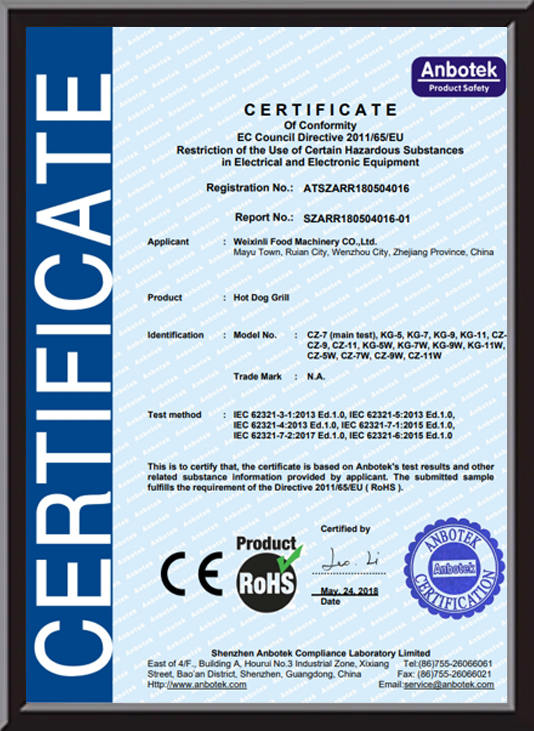
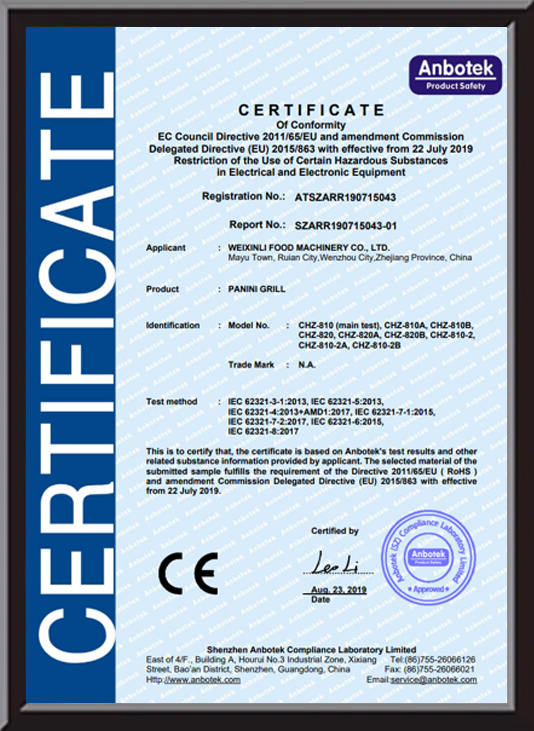
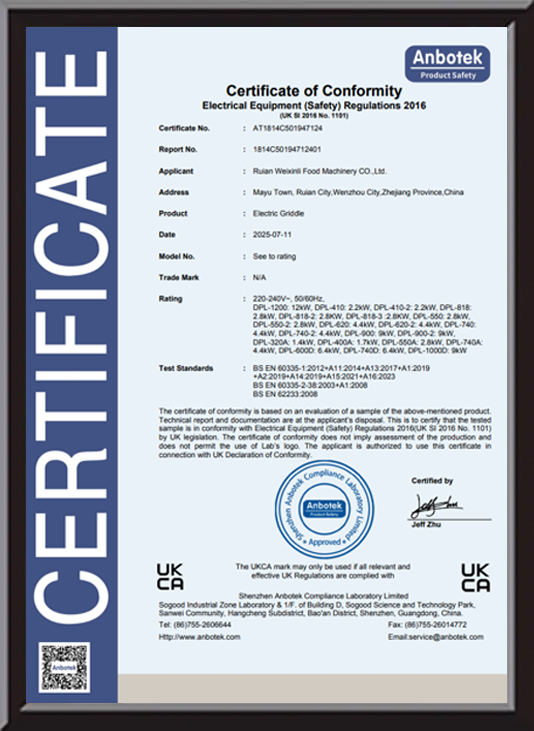
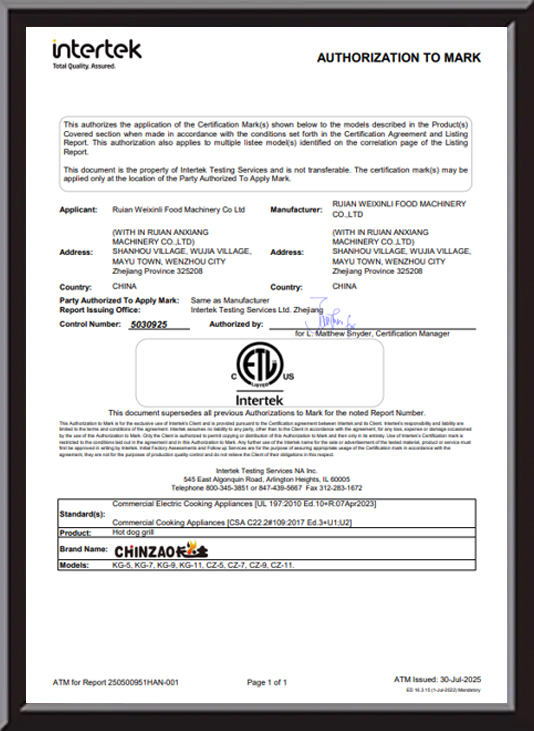
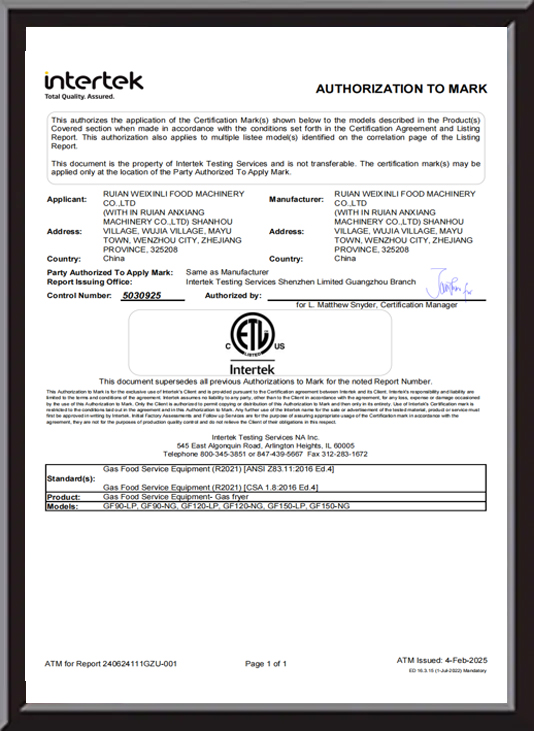
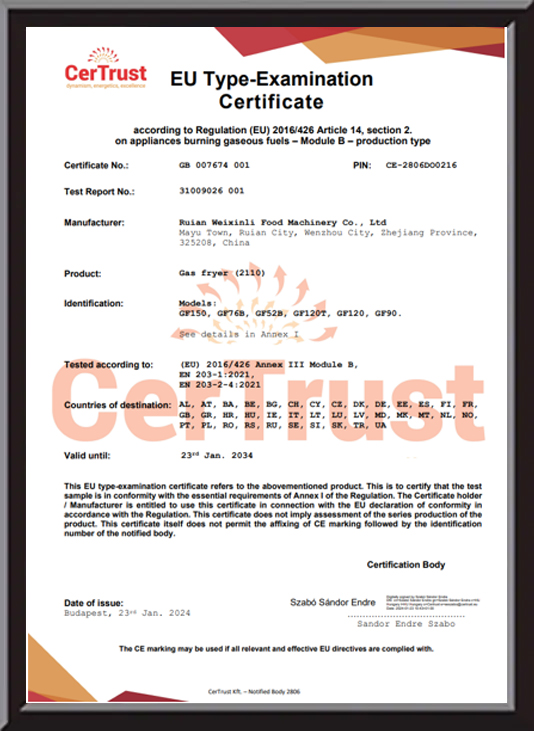
Commercial units must meet electrical safety regulations and are often rated for continuous operation. Certifications from relevant safety organizations provide assurance that a unit can be used in professional kitchens without hazard.
Restaurant Waffle Maker: Integrating Into Daily Operations
A Restaurant Waffle Maker is a subtype of commercial equipment chosen specifically for foodservice businesses where waffles are sold on menus. Whether served as breakfast items, desserts, or snack offerings, waffles require a machine that integrates smoothly into kitchen workflows.
Choosing the Right Style for Your Menu
Restaurant operators should consider the type of waffle they plan to serve. Belgian‑style waffles require deeper grids and may need longer cook times at steady heat, while thinner traditional waffles benefit from faster heat transfer and quicker cycles. Some restaurants offer multiple styles, making flexibility an important factor in the waffle maker selection.
Space and Workflow Considerations
In a busy kitchen, the positioning of the waffle maker matters. It should be placed near batter preparation areas and service counters to minimize movement. Ventilation may also be required if the machine emits steam or foul aroma. Staff access and cleaning space are additional practical considerations.
Training and Consistency
Consistency is crucial in restaurant operations. Staff should be trained on how to measure batter, set temperatures, and detect doneness. Many restaurant waffle makers include programmable timers or digital controls to remove guesswork and ensure consistent output across shifts and operators.
Energy Use and Operating Costs
Commercial kitchen operators pay attention to energy usage, as appliances run for extended periods. Choosing a waffle maker with efficient heating elements and good insulation can reduce operating costs over time. Regular maintenance also helps the machine operate at peak efficiency.
Hygiene and Cleaning Practices
Proper sanitation practices are essential. Restaurant waffle makers with removable, dishwasher‑safe plates can reduce cleaning time and help maintain food safety standards. Grease traps and splash guards should be emptied and cleaned daily to prevent buildup that attracts pests or affects food quality.