Weixinli Weixinli Weixinli Weixinli Weixinli Weixinli Weixinli Weixinli Weixinli Weixinli Weixinli Weixinli Weixinli Weixinli Weixinli
Industry News

Home / News / Industry News / Electric Chicken Plucker for Poultry Processing: Speeds Up Slaughter Workflow

Electric Chicken Plucker for Poultry Processing: Speeds Up Slaughter Workflow

POST BY WeixinliMay 29, 2026

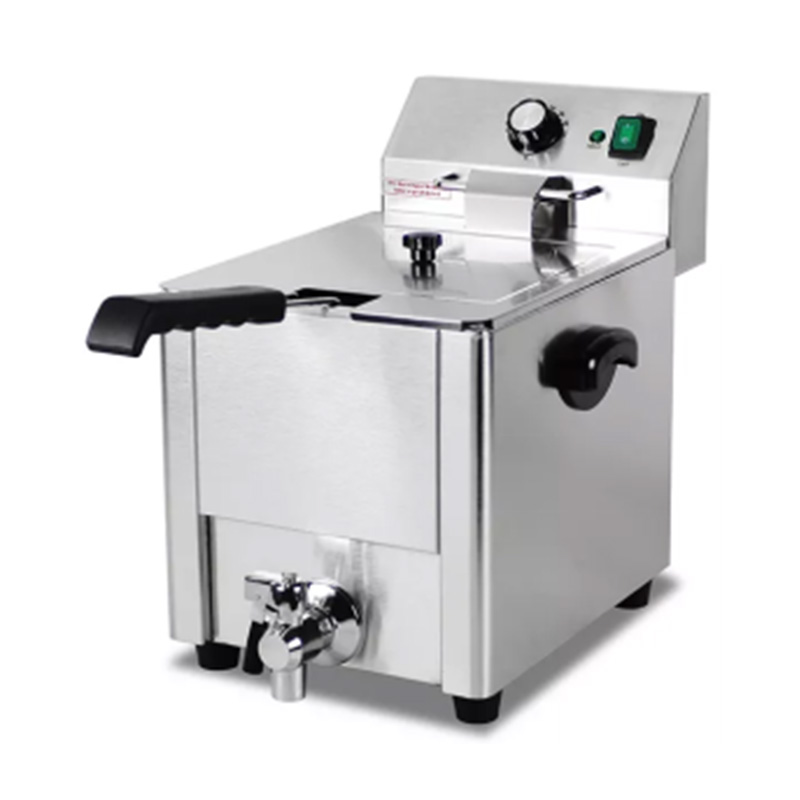
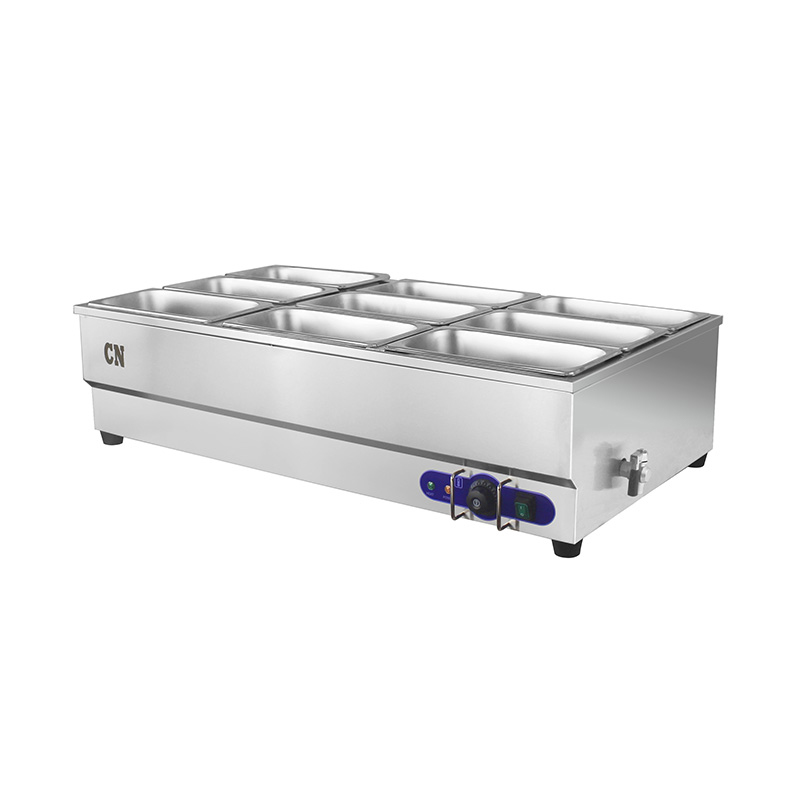
Electric Chicken Plucker for Poultry Processing and Stainless Steel Commercial Electric Bain Marie are commonly used in different stages of food production and service systems, where workflow coordination between processing and serving is required. The Electric Chicken Plucker for Poultry Processing: Speeds Up Slaughter Workflow by reducing manual feather removal steps, while the Stainless Steel Commercial Electric Bain Marie is used later in the chain for maintaining cooked food temperature in catering environments.

Workflow pressure in poultry slaughter and preparation environments

Poultry processing facilities often handle multiple steps in a continuous sequence, including stunning, bleeding, scalding, plucking, cleaning, and packaging. Among these steps, feather removal has traditionally required significant manual effort, especially in small and medium processing setups. When demand increases, manual plucking can become a limiting factor in maintaining steady processing flow.

Another challenge is consistency. Manual feather removal may vary depending on operator experience, bird size, and processing conditions. This can cause uneven processing times and additional handling before final inspection. In contrast, downstream food service systems such as buffet kitchens rely on processed poultry and cooked dishes being delivered in stable condition, often using heating equipment like bain marie units to maintain serving temperature after preparation.

Mechanical design of electric chicken plucker systems

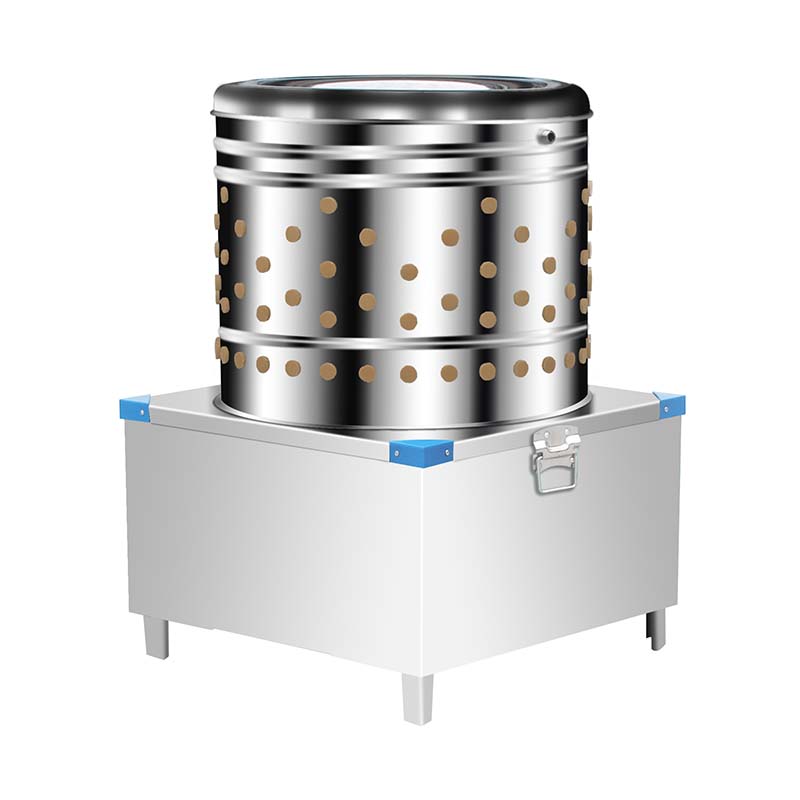
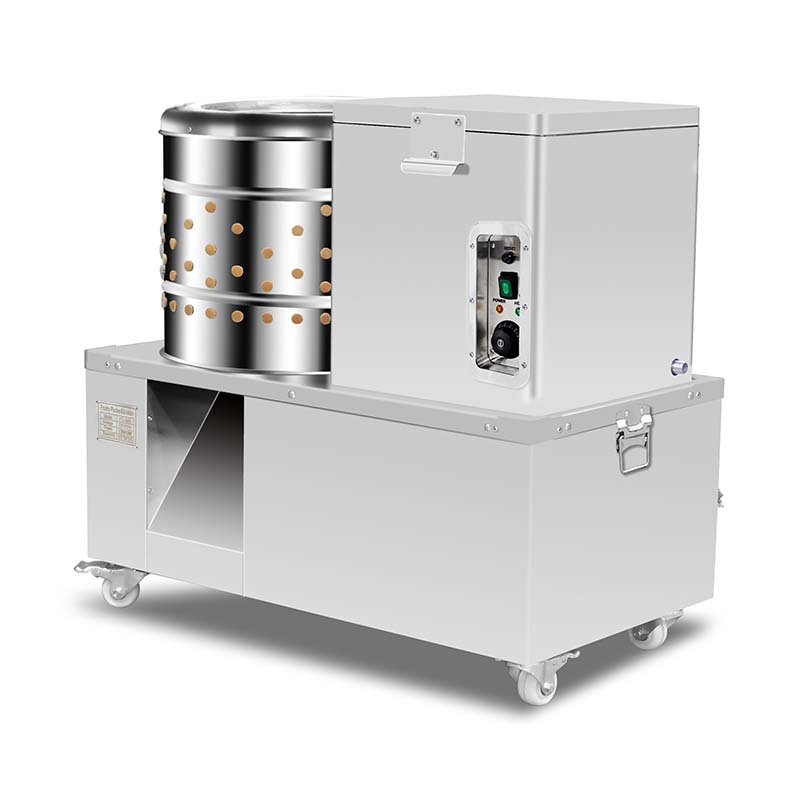
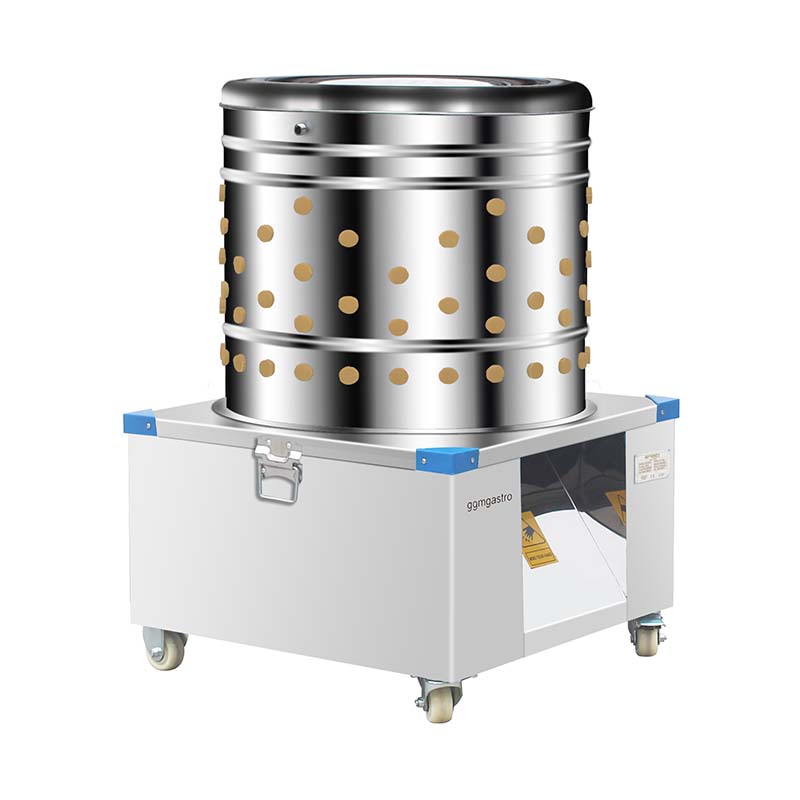
The Electric Chicken Plucker for Poultry Processing is designed around a rotating drum system equipped with flexible rubber fingers. These fingers create repeated frictional contact with poultry skin to remove feathers after scalding. The process is mechanical and structured, allowing batch handling instead of individual manual plucking.

Key structural elements include:

  • Rotating stainless steel or reinforced drum body
  • Rubber finger arrays arranged in controlled spacing
  • Motor-driven rotation system
  • Water spray compatibility for cleaning and debris removal
  • Discharge opening for processed poultry removal

During operation, scalded birds are placed into the drum. As the system rotates, rubber fingers interact with feathers, loosening and removing them within a short cycle. The internal structure is designed to allow continuous movement of birds inside the chamber, reducing the need for repeated manual repositioning.

Component

Function

Drum body

Supports rotation and containment

Rubber fingers

Provide friction for feather removal

Motor system

Drives consistent rotation speed

Water inlet

Assists cleaning during operation

Outlet gate

Allows removal of processed poultry

This configuration allows the machine to handle multiple birds per cycle depending on drum size, supporting batch-based workflow in processing facilities.

Integration into slaughter workflow stages

In poultry processing lines, the electric plucking machine is positioned after the scalding tank. The sequence typically follows a structured flow:

  • Birds are stunned and slaughtered
  • Scalding loosens feather attachment
  • Electric plucker removes feathers
  • Rinsing and inspection are conducted
  • Carcass moves to cutting or packaging stage

This placement allows the plucking system to function as a transitional step between raw slaughter and further processing. By reducing manual intervention in this stage, the workflow becomes more continuous and easier to manage during peak production periods.

While this equipment operates at the processing level, food service systems later in the chain may use Stainless Steel Commercial Electric Bain Marie units to maintain cooked poultry dishes at serving temperature in buffet or catering environments, connecting processing and serving stages within the same supply chain.

Application environments and usage patterns

Electric chicken plucking systems are used in different scales of poultry operations, including small slaughter units, agricultural processing workshops, and regional food supply facilities. The machine is typically operated in batch cycles, where groups of birds are processed sequentially based on production demand.

Operational use characteristics:

  • Batch processing of multiple birds per cycle
  • Short mechanical rotation cycles depending on load size
  • Periodic cleaning between batches
  • Placement in wet processing zones for easier cleaning
  • Integration with scalding and rinsing stations

In catering-linked supply chains, processed poultry may be transported to central kitchens where it is further cooked and later held in buffet systems using bain marie equipment for temperature control during service periods.

Operational data reference in processing environments

Field usage patterns in poultry processing setups show that feather removal is one of the time-sensitive stages in the workflow, especially during high-demand production periods.

Processing factor

Typical observation

Plucking cycle time

1–3 minutes per batch (varies by load)

Batch size range

Small to medium groups of birds

Cleaning frequency

After multiple cycles or shift change

Manual handling reduction

Noticeable compared to hand plucking

Integration point

After scalding stage

These values vary depending on equipment size, bird type, and facility layout, but the general pattern shows that mechanical plucking reduces variability in this stage of processing.

Relationship with downstream food service systems

After poultry is processed and cleaned, it enters the cooking and distribution stages. In catering environments, cooked poultry dishes are often transferred into holding systems such as Stainless Steel Commercial Electric Bain Marie units, where temperature is maintained during serving periods.

This creates a structured connection between processing equipment and food service systems:

  • Electric plucker → raw material preparation
  • Cooking stage → thermal processing
  • Bain marie system → serving temperature control

Each system focuses on a specific phase, reducing overlap between processing and serving tasks and helping organize workflow across facilities that handle both production and catering operations.

Equipment behavior and maintenance considerations

Electric plucking machines require routine cleaning due to feather residue and moisture exposure. The rubber fingers gradually experience wear depending on usage frequency and need periodic inspection. Motor systems are typically enclosed to reduce exposure to water during operation, while drainage systems help remove waste materials from the drum.

Maintenance practices often include:

  • Washing drum interior after batch cycles
  • Checking rubber finger condition
  • Inspecting motor and belt alignment
  • Ensuring water drainage pathways remain clear

These steps help maintain consistent mechanical operation and reduce interruptions during processing shifts.