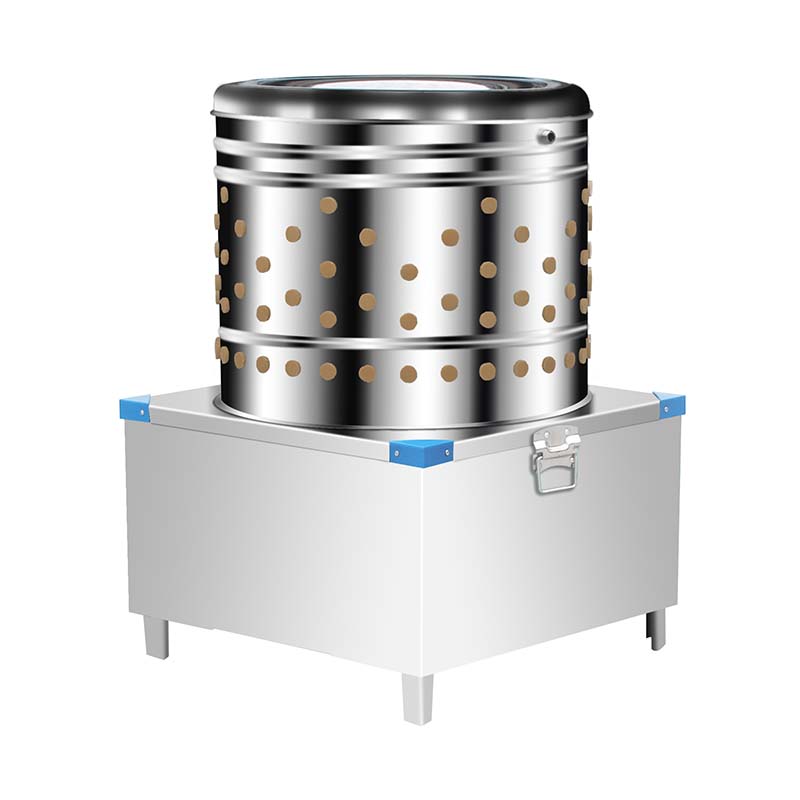
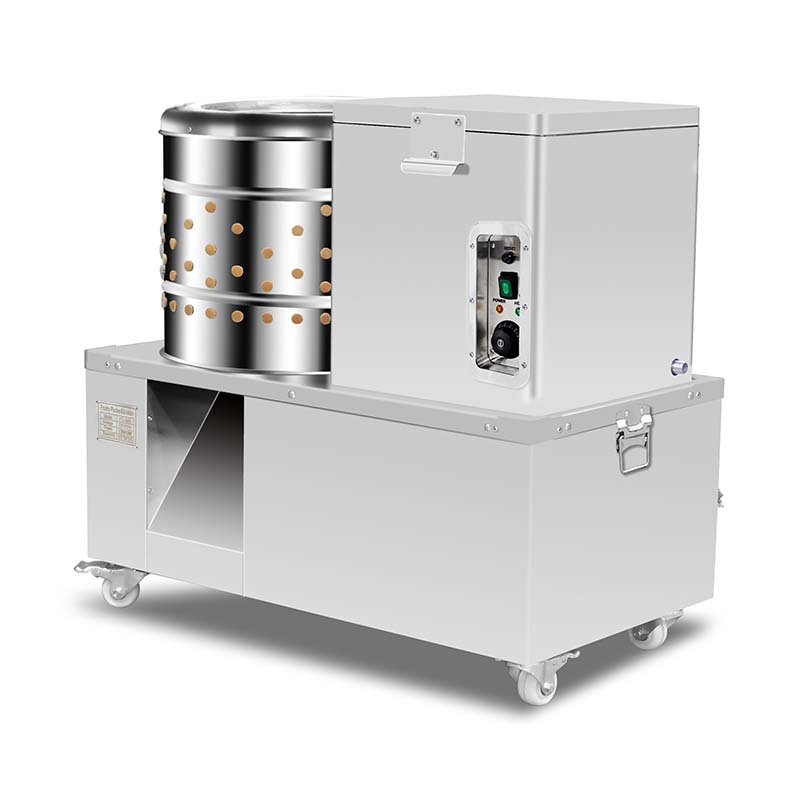
Stainless Steel Commercial Electric Bain Marie and Electric Chicken Plucker for Poultry Processing are increasingly used in food service and food production environments where temperature control and processing efficiency are required. The Stainless Steel Electric Bain Marie Improves Catering Heat Retention Systems by providing stable warming conditions, while poultry processing facilities integrate electric plucking equipment to streamline feather removal workflows.

Food service operations often deal with inconsistent serving temperatures, especially during peak hours when prepared dishes need to be held for extended periods. Traditional warming methods may result in uneven heat distribution, causing food to cool in certain sections while other parts remain overexposed to heat. This affects serving coordination and increases food handling frequency.
In buffet-style restaurants, hotel kitchens, and catering services, maintaining a consistent temperature range for multiple dishes is a recurring operational requirement. At the same time, poultry processing facilities face different but related challenges in preparing raw materials efficiently before the distribution or cooking stages. Both environments rely on controlled thermal or mechanical systems to reduce manual workload and maintain workflow stability.
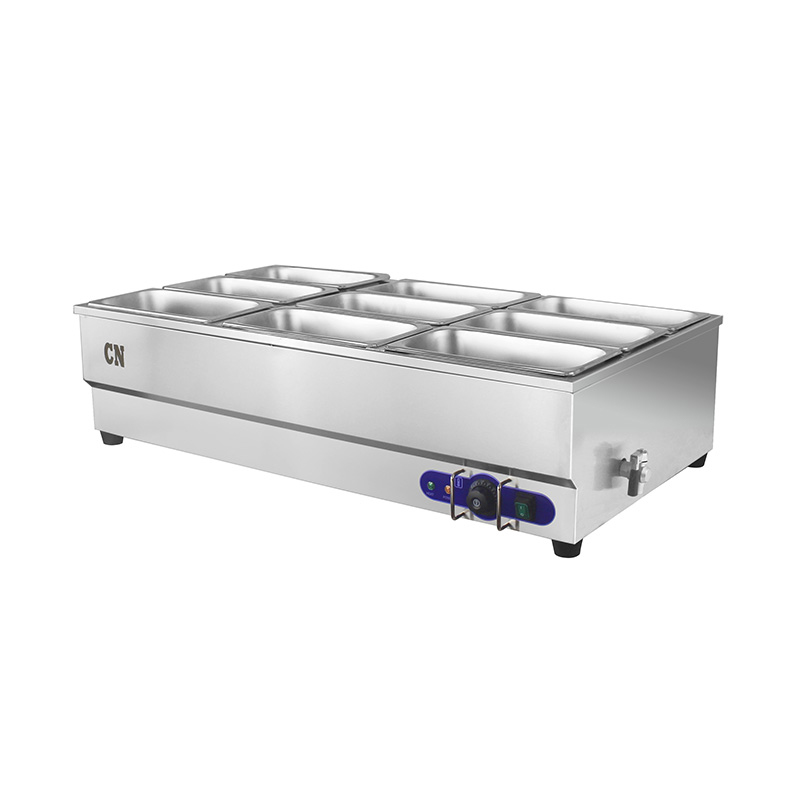
The Stainless Steel Commercial Electric Bain Marie is built with a controlled water bath heating structure, allowing food containers to sit in a heated reservoir. This indirect heating method helps reduce sudden temperature changes.
Key structural characteristics:
|
Component |
Function |
|
Stainless steel tank |
Supports corrosion resistance and easy cleaning |
|
Heating element |
Provides controlled water temperature |
|
Temperature regulator |
Allows adjustment of holding heat range |
|
Pan compartments |
Separates different food items |
|
Drain system |
Assists in cleaning and water replacement |
Rather than direct heating, the system relies on water as a medium, which distributes heat more evenly across multiple food containers. This reduces localized overheating and supports consistent serving conditions across dishes such as soups, sauces, and pre-cooked meals.
In commercial kitchens, chefs often adjust temperature settings based on service duration and food type. The structure allows flexible placement of gastronorm pans, which helps accommodate different menu layouts without requiring separate heating units.
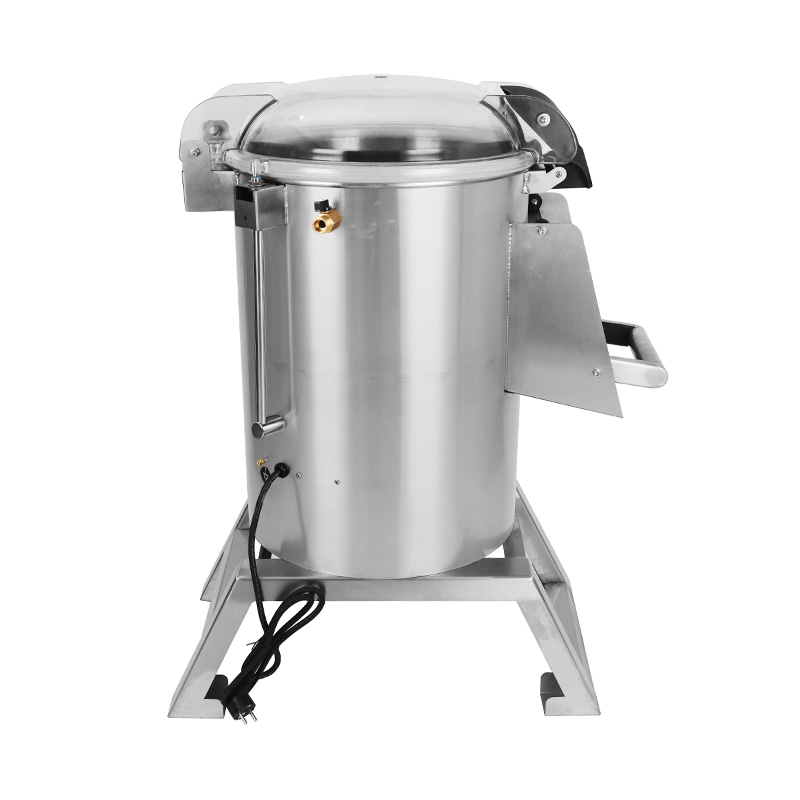
The Electric Chicken Plucker for Poultry Processing is designed to assist in removing feathers from poultry after scalding. It uses a rotating drum system equipped with rubber fingers that create friction to detach feathers without damaging the skin surface.
This equipment replaces manual plucking methods, which are often time-consuming and labor-intensive. The mechanical process helps maintain consistent processing speed, especially in small-to-medium poultry operations.
Operational characteristics include:
In processing environments, operators typically place scalded poultry into the drum, activate the system, and allow the rotation to remove feathers in a controlled cycle. The cleaned poultry is then rinsed and moved to the next stage of processing.
Although both systems serve different industries, they share a common role in improving workflow continuity and reducing manual handling requirements.
|
Equipment |
Industry |
Main Function |
|
Electric Bain Marie |
Catering / Food Service |
Maintains warm food temperature |
|
Chicken Plucker |
Poultry Processing |
Removes feathers from poultry |
The bain marie focuses on thermal consistency for prepared foods, while the plucking machine focuses on mechanical processing of raw poultry materials. Both reduce dependency on manual labor and help stabilize production timing.
In a catering kitchen environment, a stainless steel bain marie is typically placed in the service line after cooking preparation. Food pans are filled and kept in heated compartments until serving time. This reduces repeated reheating cycles and helps maintain serving order during peak demand periods.
In poultry processing units, the electric plucker is usually positioned after the scalding tank. Birds are transferred directly into the machine, processed, and then moved to inspection and cleaning areas. This sequence shortens the handling chain and helps maintain a consistent processing flow.
Some facilities combine both systems in broader food supply chains, where poultry processing units supply prepared meat to catering kitchens that then use bain marie systems for final food service.
|
Parameter |
Bain Marie System |
Chicken Plucker |
|
Processing type |
Thermal holding |
Mechanical processing |
|
Cycle role |
Continuous warming |
Batch feather removal |
|
Human handling level |
Low to moderate |
Moderate reduced after automation |
|
Maintenance need |
Regular cleaning of water tank |
Cleaning of drum and rubber fingers |
These parameters are commonly used in facility planning when selecting equipment for food service or processing lines.
When selecting heating or processing equipment, operators typically consider workflow layout, production volume, and cleaning routines. Stainless steel construction is widely used in bain marie systems due to its compatibility with food hygiene requirements. In poultry processing, machine durability and ease of disassembly are often evaluated to ensure stable operation during repeated cycles.
Facilities with mixed production requirements sometimes adopt both types of equipment to separate thermal preparation from raw material processing stages, helping maintain clearer workflow segmentation.
It is used to maintain prepared food at a controlled warm temperature using indirect water bath heating.
Yes, multiple compartments allow separation of dishes such as soups, sauces, and cooked vegetables.
It uses rotating rubber fingers inside a drum to remove feathers from scalded poultry through friction.
Yes, it can be used in small to medium-scale processing environments where batch handling is needed.
Stainless steel is commonly used for its durability and ease of cleaning in food environments.