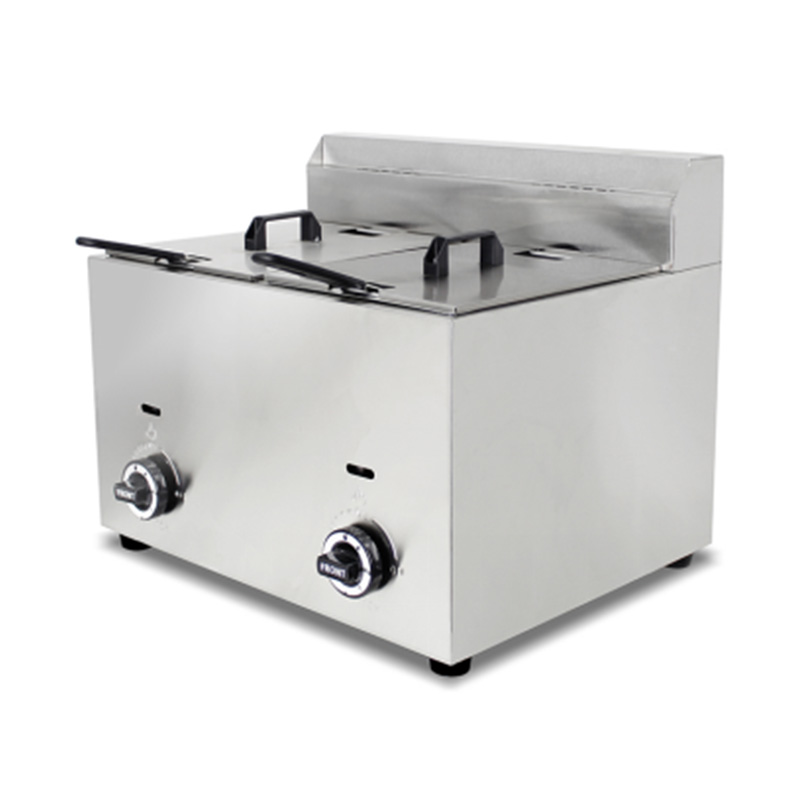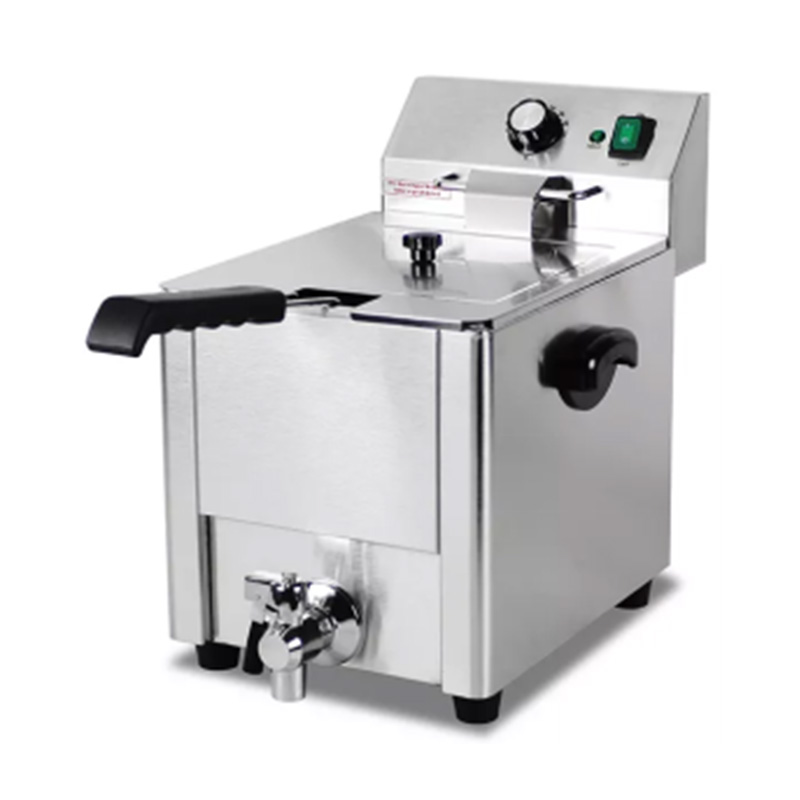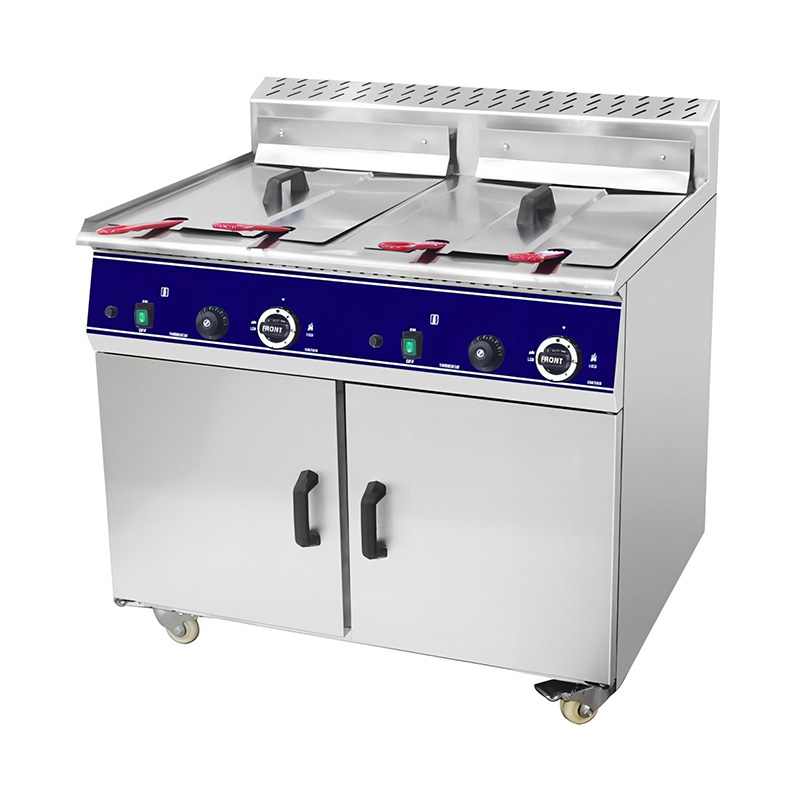






A standing stainless steel commercial deep fryer is bought for a busy kitchen, and it is judged during the rush rather than at installation. Buyers usually compare tank capacity, burner power, and price, while the differences that decide whether the fryer keeps up sit in oil volume, heat recovery between baskets, and how the cold zone at the bottom of the tank behaves when debris collects. A standing stainless steel commercial deep fryer that heats quickly when empty can still slow down after the fifth basket, and that is when the queue forms.

Oil volume sets the recovery time
A larger oil volume holds temperature better when food goes in, because the cold load is spread through more oil. Two points deserve attention:
Cold zone and debris management
The cold zone at the bottom of the tank is where debris settles and stays out of the main oil volume. A well-designed cold zone keeps crumbs away from the heating area, which slows oil breakdown and extends the time between oil changes. Buyers should ask how the tank bottom is shaped, where the heating element sits relative to the cold zone, and how the tank is drained and filtered. A tank that is easy to drain and clean lasts longer between oil changes, and that saving often outweighs a small difference in purchase price.
Stainless steel grade and tank construction
The grade of stainless steel affects corrosion resistance and how the fryer looks after months of use. Buyers should confirm the grade of the tank, the cabinet, and the basket, and whether the tank is welded or folded. A welded tank with proper passivation resists corrosion at the seams, while a folded tank may develop crevices where oil and moisture collect. Buyers should ask how the tank is finished and whether seams are accessible for cleaning, since a seam that cannot be reached will eventually become a source of odor and corrosion.
Controls, safety, and daily operation
Commercial fryers run for long shifts, so controls and safety features matter in daily use. Buyers should ask how temperature is controlled, whether there is a high-limit cutout, and how the fryer behaves if the oil level drops. A fryer that is easy to operate reduces mistakes during a rush, and a clear temperature display helps the operator judge when the oil has recovered. Drain valves, basket hangers, and lid design also affect how quickly the station can be cleaned at the end of service, and a station that cleans quickly is a station that opens on time the next morning.
How to judge a fryer before it is installed
Rather than comparing tank capacity and burner power, buyers can ask how recovery time was measured, how the cold zone is designed, what stainless steel grade is used for each part, and how the controls behave under continuous use. They can also ask how the fryer performs after several baskets in a row, since a single basket tells little about a lunch service. Suppliers who answer with test conditions and construction detail are easier to trust than those who answer with a capacity figure. The fryer is a familiar appliance; the difference lies in whether oil volume and recovery were matched to the menu it will serve.