Weixinli Weixinli Weixinli Weixinli Weixinli Weixinli Weixinli Weixinli Weixinli Weixinli Weixinli Weixinli Weixinli Weixinli Weixinli
Industry News

Home / News / Industry News / What Stainless Steel Electric Hot Dog Roller Grill Machine Features Enhance Cooking Consistency?

What Stainless Steel Electric Hot Dog Roller Grill Machine Features Enhance Cooking Consistency?

POST BY WeixinliApr 24, 2026

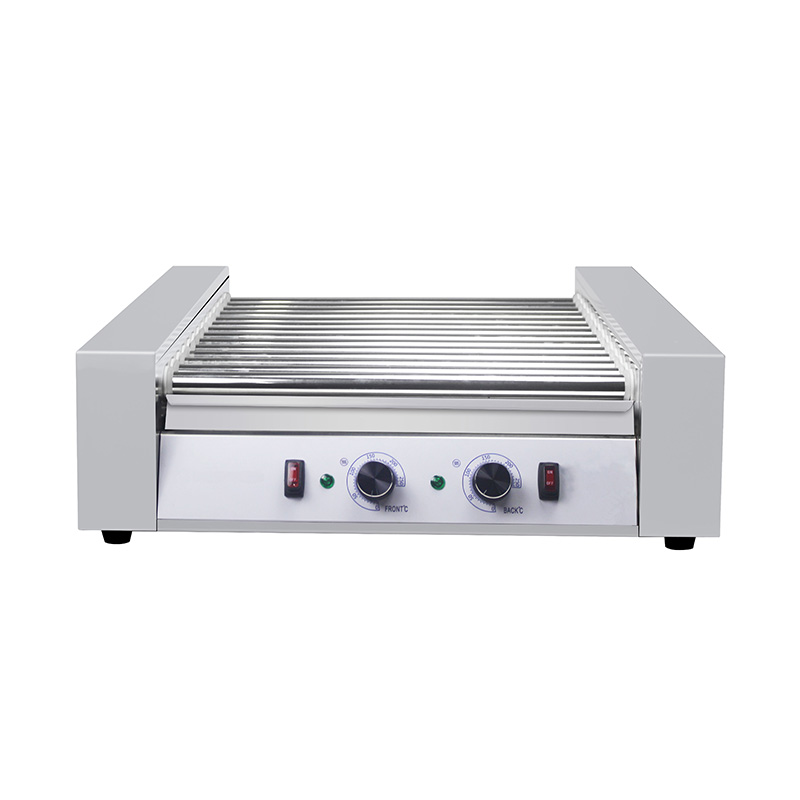
Keeping food quality steady across repeated batches is a common concern in fast-paced kitchens. Equipment such as the Stainless Steel Commercial Kitchen Electric Food Display Warmer Machine and the Stainless Steel Electric Hot Dog Roller Grill Machine is often used to support this goal, especially when preparing items like hot dogs and sausages in large quantities. Their structural features and heating methods are designed to reduce variation during cooking and holding, helping operators maintain a more predictable result throughout the day.

Even Heat Distribution Across Rolling Surfaces

Cooking consistency begins with how heat is applied. The roller grill machine uses internal heating elements positioned beneath each roller, allowing heat to spread evenly along the surface. As the rollers rotate, food items are exposed to similar temperature conditions from all sides, which helps avoid uneven cooking such as overbrowning on one side and underheating on another.

This continuous movement reduces the need for manual turning, which can vary depending on staff attention and timing. By relying on mechanical rotation, the process becomes more standardized. Each item follows a similar cooking path, making it easier to achieve comparable results across multiple batches.

The spacing between rollers is also designed to support stable positioning of food. Items remain in contact with the heated surface without slipping or crowding, which contributes to consistent heat transfer during operation.

Temperature Control That Supports Stable Output

Another important factor in maintaining consistency is temperature regulation. Roller grill machines are typically equipped with adjustable thermostats, allowing operators to set and maintain a specific heat level based on the type of food being prepared.

Once the desired temperature is reached, the system works to maintain it within a certain range. This reduces sudden fluctuations that could affect cooking results. For example, if the temperature drops too low, cooking time may increase unevenly; if it rises too high, surfaces may cook faster than the interior.

The ability to adjust temperature also allows flexibility when preparing different food items. Sausages with varying thickness or composition may require slightly different heat settings, and having control over this aspect supports more consistent outcomes across product variations.

How Key Features Contribute to Cooking Consistency

Rotating Rollers

Continuous motion ensures all sides of the food receive similar heat exposure.

Independent Heating Zones (in some models)

Different sections of the grill can be set to different temperatures, allowing staged cooking or holding.

Adjustable Thermostat Controls

Operators can fine-tune heat levels based on food type and service demand.

Non-stick Roller Coatings

Surfaces help reduce food sticking, which can otherwise cause uneven cooking or tearing.

Stable Roller Spacing

Keeps items aligned and evenly positioned during cooking.

Integration With Food Display Warmers for Consistent Serving Conditions

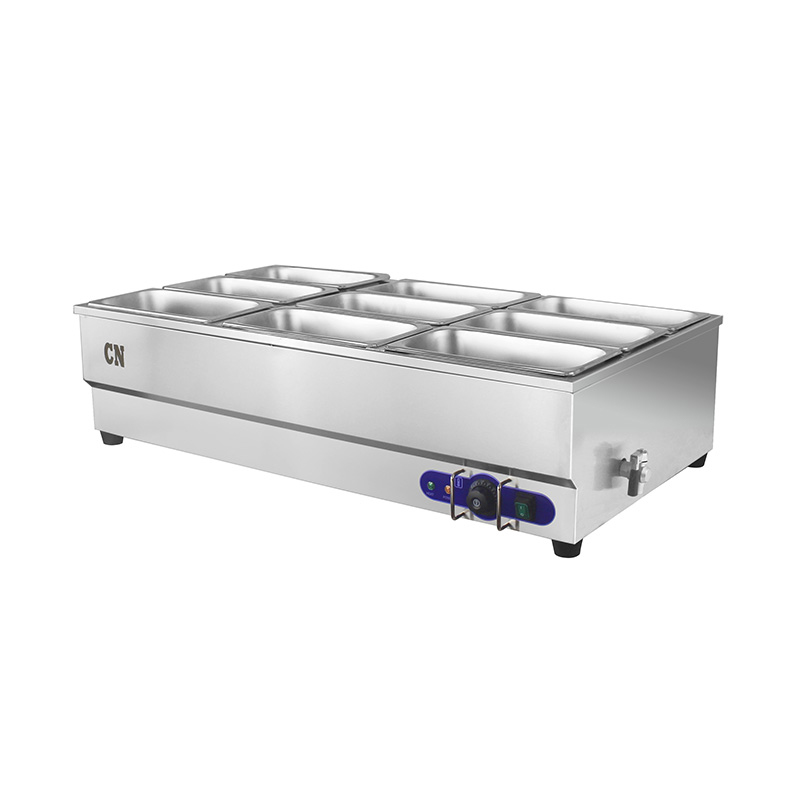
Consistency does not end when cooking is complete. After items are prepared on the roller grill, they are often transferred to a display warmer to maintain serving temperature. The Stainless Steel Commercial Kitchen Electric Food Display Warmer Machine provides an enclosed environment where heat is distributed in a controlled way, helping preserve the condition of cooked items over a short holding period.

This step is important because without proper holding equipment, food can cool down unevenly or lose its intended texture. The warmer allows items to remain at a stable temperature until they are served, reducing the variation between freshly cooked and slightly delayed orders.

Transparent panels on the warmer also allow staff to monitor food status without opening the unit frequently. This helps maintain internal temperature stability while still providing visibility, supporting both operational efficiency and product consistency.

Material Choice and Its Role in Predictable Performance

Stainless steel is commonly used in food service equipment for practical reasons related to durability and maintenance. In the context of cooking consistency, it also contributes to stable performance over time. The material handles repeated heating and cooling cycles without significant deformation, which helps maintain the alignment of components such as rollers and heating elements.

Because stainless steel surfaces do not easily absorb grease or food residue, they remain easier to clean. A clean cooking surface supports more consistent heat transfer, as buildup can create uneven contact between the food and the heated area.

Additionally, the smooth finish of stainless steel helps maintain uniform conditions across different sections of the equipment. This reduces the likelihood of localized hot or cool spots developing due to surface wear or contamination.