Electric Fryer: What It Is and How It Works
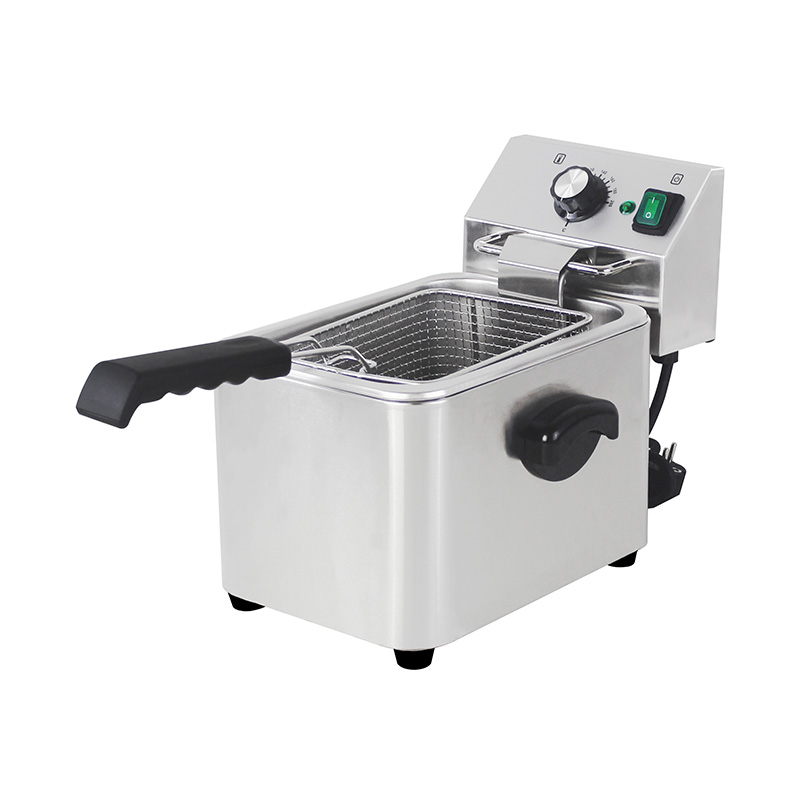
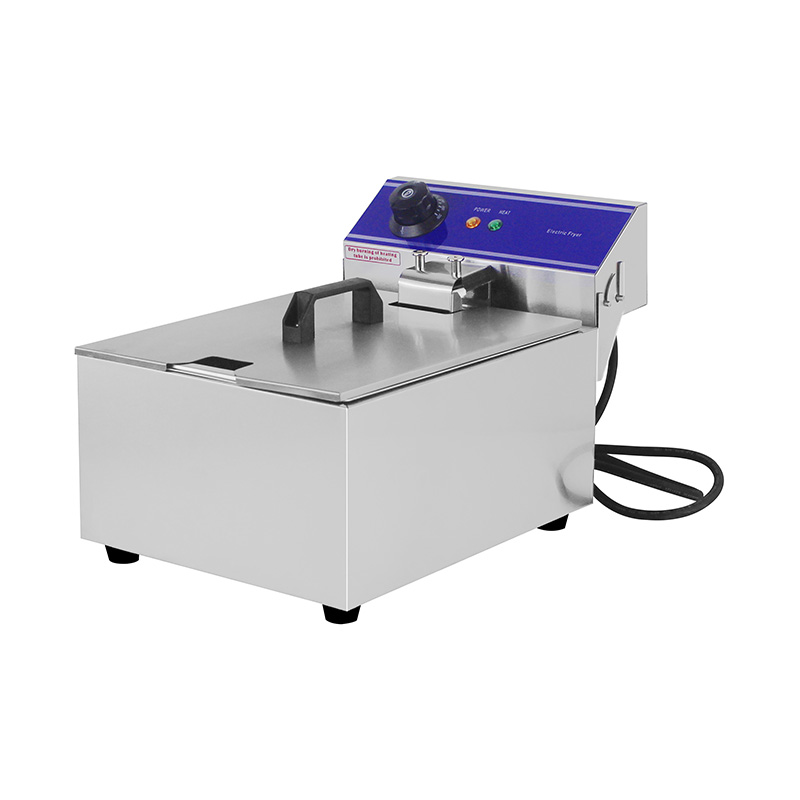
An Electric Fryer is a kitchen appliance designed to cook food by immersing it in hot oil heated through electricity. Unlike gas fryers, electric fryers use heating elements placed directly in the oil basin to deliver stable and controllable heat. This design allows operators to set precise temperatures, which improves consistency and helps maintain food texture and color during cooking. Electric fryers are widely used in commercial kitchens, restaurants, food trucks, and catering operations because they reduce the need for a gas line and simplify installation.
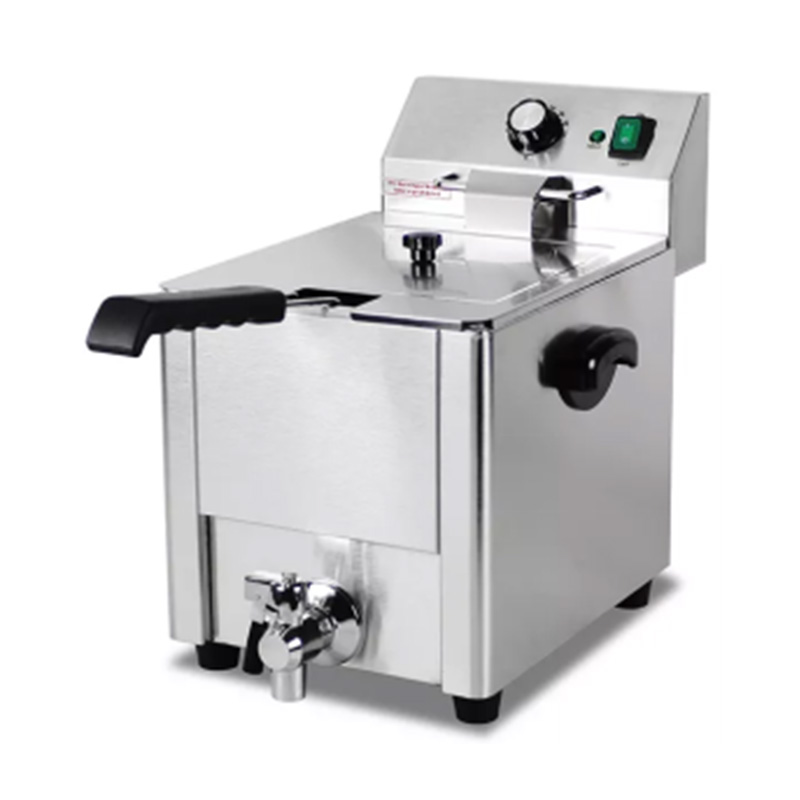
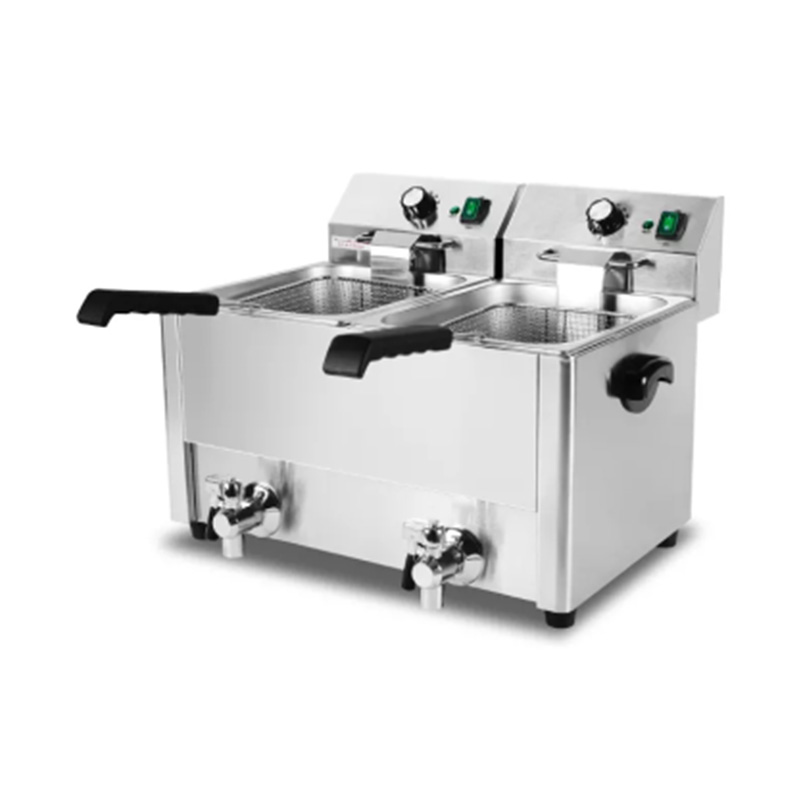
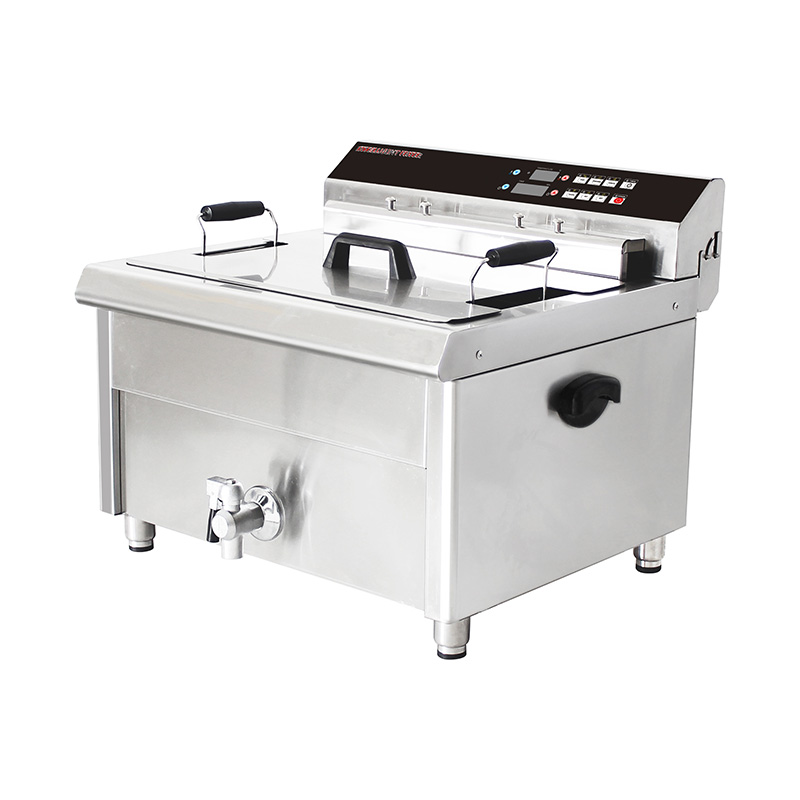
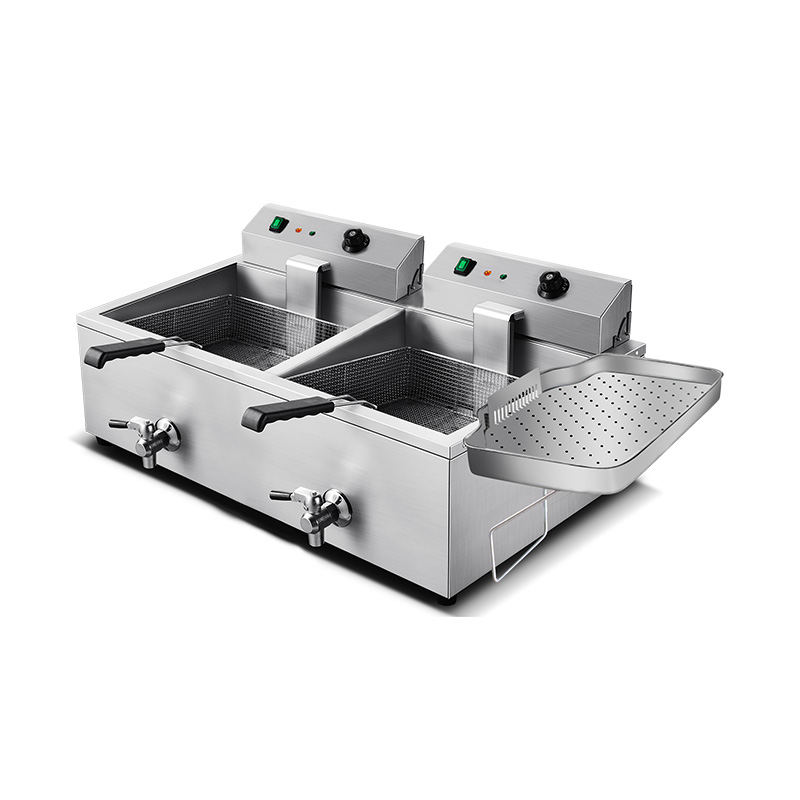
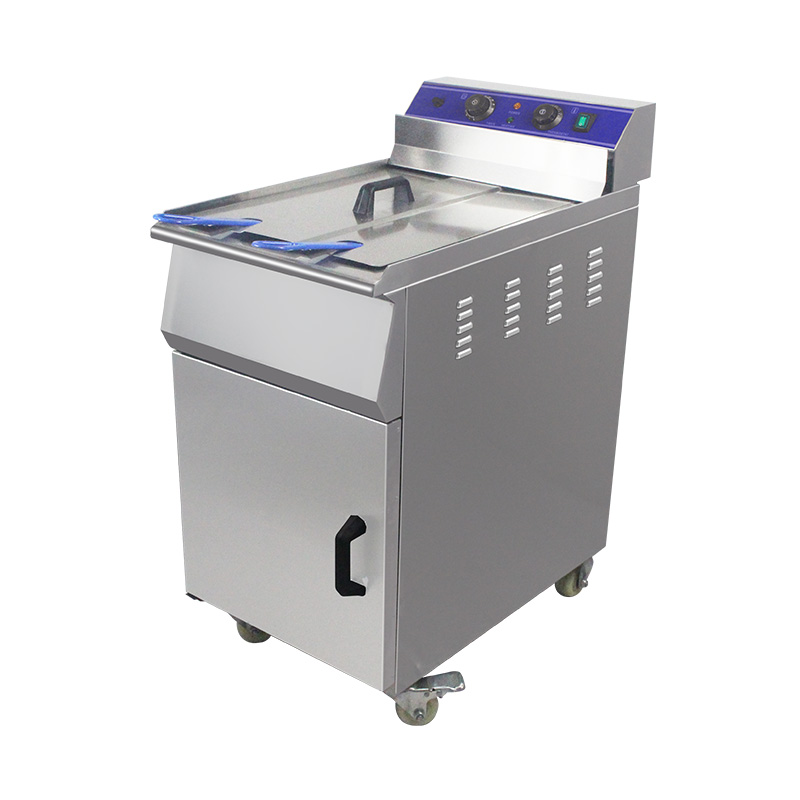
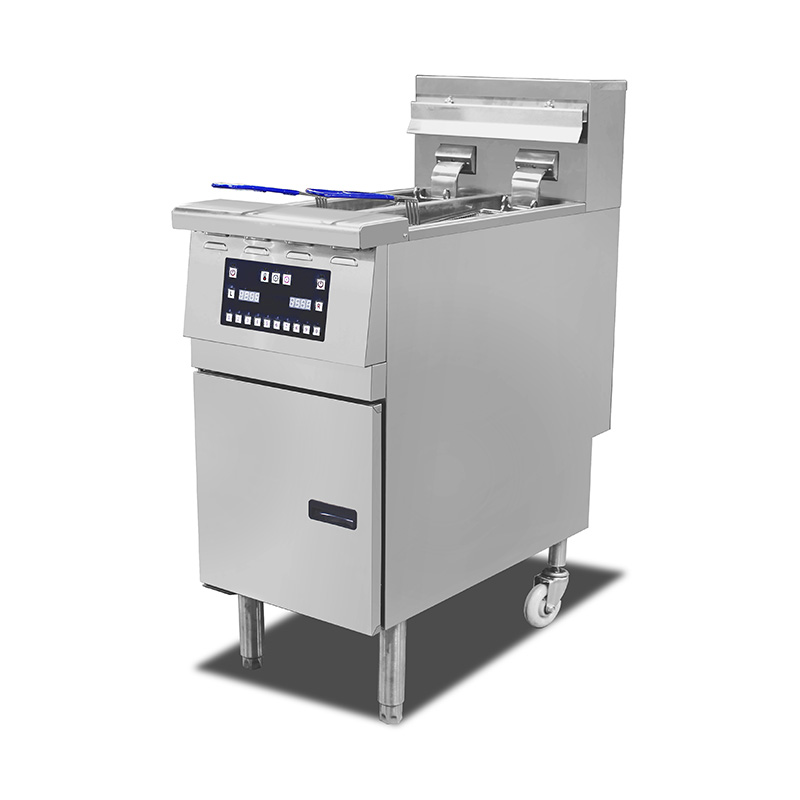
Electric fryers come in several configurations, including countertop units, floor models, and countertop induction fryers that heat more quickly and efficiently. They are favored where installation simplicity and temperature control are priorities. Temperature range typically falls between 150°C to 200°C, allowing a broad range of frying applications from French fries and chicken wings to tempura and doughnuts. Cleaning and maintenance are also more straightforward with electric units, as many include removable baskets and easily accessible oil drains.
Electric Fryer Safety Considerations for Commercial Kitchens
When choosing an Electric Fryer for a busy kitchen, safety is a frequent concern. Operators should consider features like built‑in temperature limiters, overheating protection, and sturdy construction. Because oil reaches high temperatures, it's essential to select a unit with reliable insulation and a well‑designed lid or splash guard to reduce the risk of burns and fires.
Routine maintenance helps keep electric fryers running safely. Daily tasks include filtering and replacing the oil to prevent stale debris from catching fire. It’s also important to check electrical connections and ensure users are trained in safe operation. Clear signage and standard operating procedures further reduce risks associated with hot oil handling.
Commercial Electric Deep Fryers: Energy Efficiency and Cost Control
Commercial Electric Deep Fryers are often evaluated based on their energy usage and impact on operating costs. Electricity costs can vary widely by region, and using a fryer with efficient heating elements and well‑insulated basins can help reduce energy consumption. Many modern commercial electric fryers include programmable controls that reduce idle energy usage and adjust power according to cooking load.
Compared with gas models, commercial electric deep fryers can deliver consistent heat without the need for ventilation hoods in some jurisdictions, depending on local codes. This can lower initial installation costs and ongoing utility expenses. Additionally, precise temperature control contributes to consistent cook times, which also helps reduce oil absorption and prolongs oil life, lowering total operating costs.
Commercial Electric Deep Fryers: Cleaning and Maintenance Ideal Practices
Maintaining Commercial Electric Deep Fryers is vital for food quality, safety, and equipment lifespan. Daily cleaning should begin only after the oil has cooled to a safe temperature. Operators should drain oil through built‑in drains or external valves into approved containers. After oil removal, the interior surfaces should be wiped and washed to remove food particles and grease.
Weekly or monthly deep cleaning might involve removing heating elements, baskets, and filters, and soaking them in sanitizing solutions. It’s also useful to inspect gaskets, seals, and electrical components for wear. A regular schedule not only improves hygiene and performance but also prevents breakdowns that can interrupt service.
Commercial Deep Fryers: Temperature Control and Food Quality
For Commercial Deep Fryers, temperature control directly affects food quality. Frying at too low a temperature results in greasy, undercooked food, while too high a temperature can burn the exterior before the interior is done. Commercial kitchens aim for consistent results to satisfy customers and reduce waste.
Professional fryers include thermoreats and, in many cases, digital displays that show real‑time oil temperature. Some models offer multiple cooking presets for different foods, allowing staff to switch between settings with small training. Accurate temperature regulation also ensures more uniform cooking across batches, which is especially important during peak service times.
Commercial Deep Fryers: Choosing the Right Size and Capacity
Selecting the right Commercial Deep Fryers capacity depends on volume, menu items, and kitchen layout. Fryers are sized by oil capacity and basket weight limit. High‑volume operations like fast‑casual restaurants may require multiple large fryers to handle peak demand without long wait times. Smaller establishments or those with limited space might choose narrower units or countertop versions.
Capacity planning should also consider future growth and menu expansion. Overloading a fryer can prominent to temperature drop, longer cook times, and inconsistent results. Conversely, oversized fryers in low‑volume kitchens can waste energy and increase costs. Evaluating typical order volume and menu diversity helps determine an effective fryer size.
Commercial Deep Fryers: Oil Management and Food Safety
Oil management is a critical part of operating Commercial Deep Fryers. Oil breaks down over time due to heat and food particles, affecting flavor and potentially producing harmful compounds. Regularly filtering oil removes debris and extends usable life. Scheduling complete oil changes based on usage patterns ensures food quality remains high.
Food safety protocols require kitchens to monitor oil condition and temperature closely. Too much degradation can impact texture, taste, and safety. In addition, proper disposal of used oil must follow local regulations to prevent environmental harm. Many establishments partner with recycling services that convert used cooking oil into biofuel or other products.