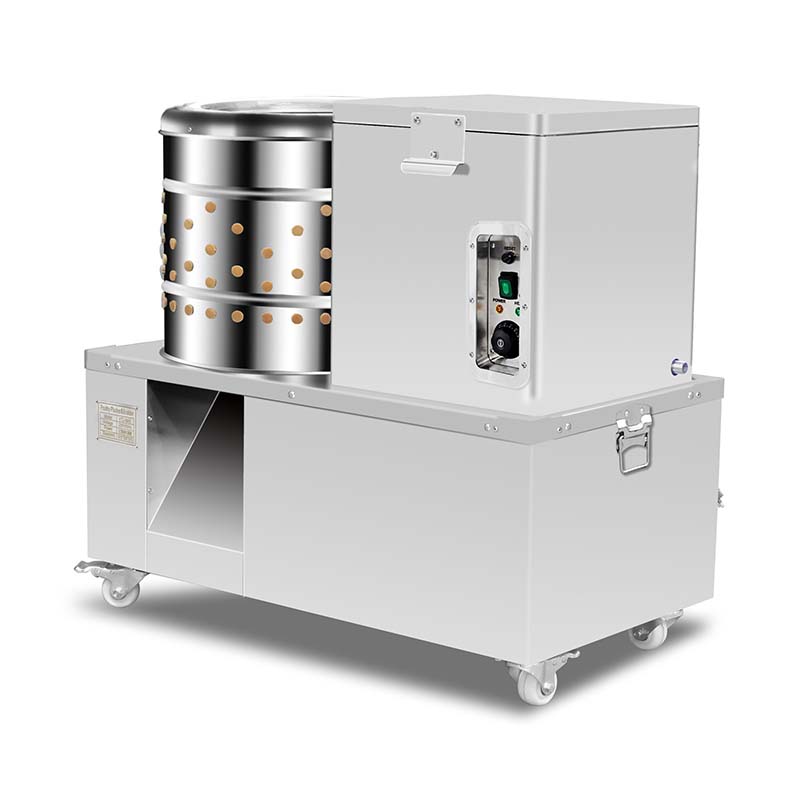
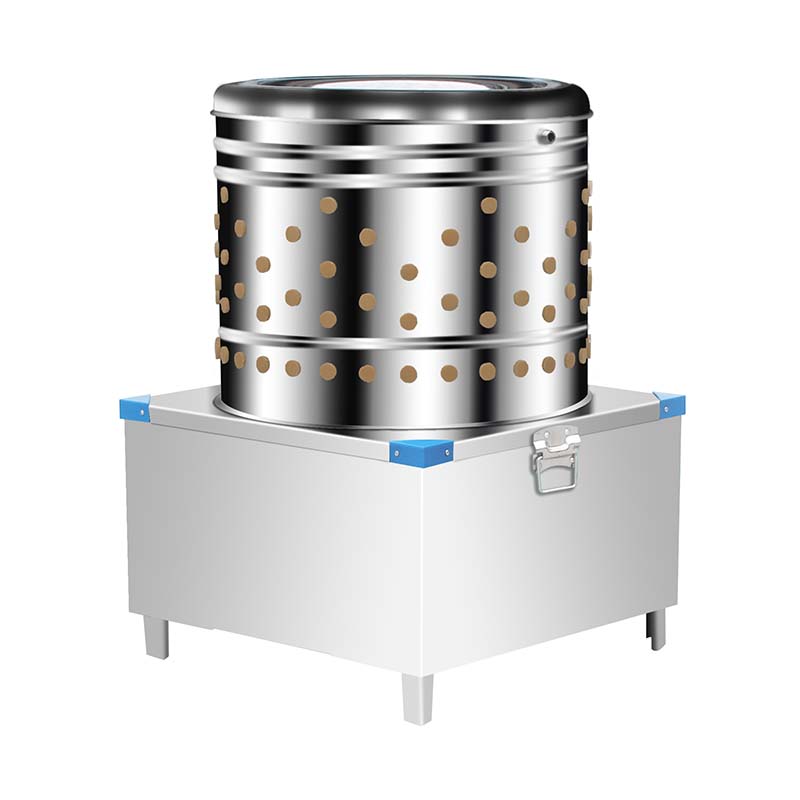
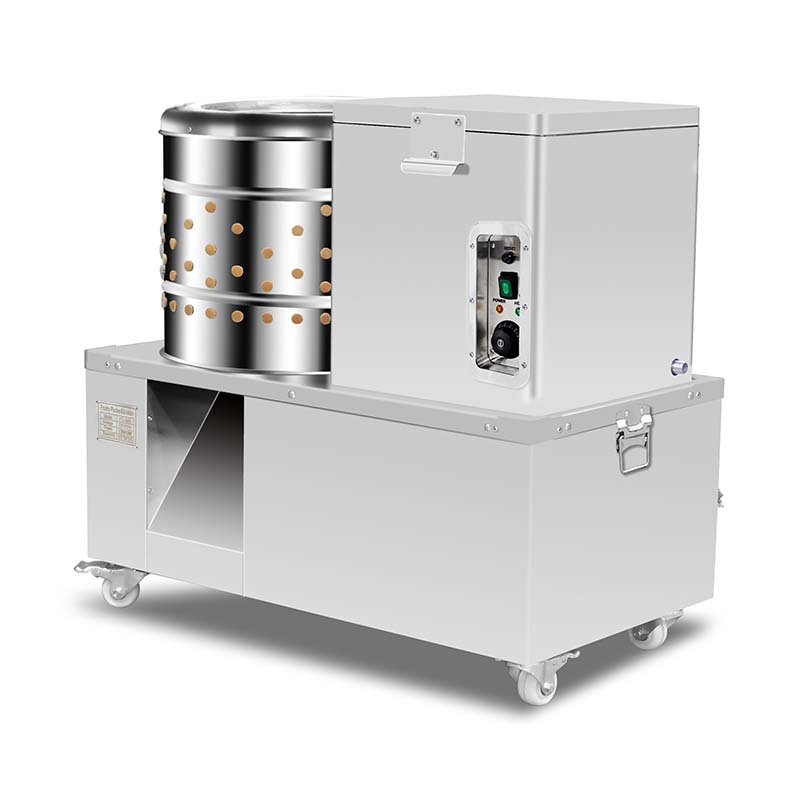
An electric chicken plucker for poultry processing factory looks simple. A spinning drum or plate with rubber fingers. Water sprays. Feathers fly. But simple machines reveal their flaws fast when you run them eight hours a day instead of once a weekend. If you're sourcing one, ignore the catalogue photos of clean yellow rubber fingers and listen to the people who curse at them on Monday mornings.

This is the part everyone gets wrong. They buy the machine and treat the fingers like they'll last forever. They won't. A rubber plucker finger takes thousands of impacts per hour. It stretches, abrades, and eventually tears. An electric chicken plucker for poultry processing factory should be sold with a clear finger replacement schedule and a supply chain that doesn't dry up after the first order.
Finger hardness matters. Too hard, and the finger beats the skin instead of flicking the feathers out. The carcass comes out bruised and torn. Too soft, and the finger folds over without grabbing the feather. The shore hardness sweet spot is usually in the 50 to 60A range, but that varies with bird size. A factory running broilers needs a different compound than one plucking spent hens or ducks. A good electric chicken plucker for poultry processing factory offers multiple finger grades and can tell you which one suits your bird weight.
The finger material is usually natural rubber or a rubber compound with additives for oil resistance and UV stability. Natural rubber grips well wet. Synthetic blends last longer in heavy use. Neither lasts forever. Plan on replacing fingers every few months in a busy plant. If the factory won't sell you a bag of spare fingers at the time of machine purchase, walk away. You don't want to be searching for compatible parts when the machine is half-stripped and the birds are piling up.
The plucking drum gets the attention. The motor does the work. An electric chicken plucker for poultry processing factory can spec a cheap motor with sleeve bearings and no thermal protection. That motor runs hot, gets noisy, and seizes on a long processing day when the ambient temperature in the shed is already high. A motor with sealed ball bearings and a thermal cutout costs more and works longer.
The frame is usually mild steel, painted or powder-coated. Poultry processing means water, blood, and aggressive cleaning chemicals. Powder coating hides rust until it doesn't. One scratch through the coating, and the steel underneath swells. Stainless steel frames cost more and hold up to daily washdown. For a small farm processing fifty birds a week, painted steel is fine. For a processing facility running hundreds a day, stainless is cheaper over three years.
Check the belt guard. A surprising number of machines ship with a flimsy guard that flexes into the belt if you lean on it. The guard should be rigid steel or heavy-gauge plastic, fully covering the belt and pulleys. Fingers are not the only things spinning.
Fixed-speed pluckers are common and cheaper. The drum turns at one RPM, usually between 150 and 300. That's fine if you always process the same breed at the same weight. The moment you switch from a two-kilo broiler to a four-kilo rooster, the fixed speed becomes a compromise. Too fast for the big bird, too slow for the small one.
An electric chicken plucker for poultry processing factory that offers variable speed via a VFD or a stepped pulley gives you room to adjust. Slower for thin-skinned birds. Faster for thick-feathered ones. The operator learns the feel. The skin stays intact. The yield stays high. Ask the factory if the motor is VFD-compatible. Some single-phase motors don't play well with variable frequency drives. A factory that knows the difference is a factory that thinks past the sale.
A factory demo shows the machine working superbly with birds that were scalded just right and hands that know exactly how to load them. That tells you almost nothing. If you can, send the factory a batch of your own birds at your typical processing weight. Ask them to film the run, uncut. Watch the carcass after plucking. Look for broken wings, torn skin, and retained pin feathers. The damage shows in the first five seconds after the bird comes out.
An electric chicken plucker for poultry processing factory that agrees to that test is confident in its machine. One that makes excuses is hiding what the machine does to the skin. This is not a tool that you can afford to trust on promises. It touches every bird you sell. If it bruises the meat, you lose money. If it leaves feathers, your customer picks them off at the table and remembers your farm name for the wrong reason. Test it on your birds, at your scale, and make the factory prove what their brochure claims.