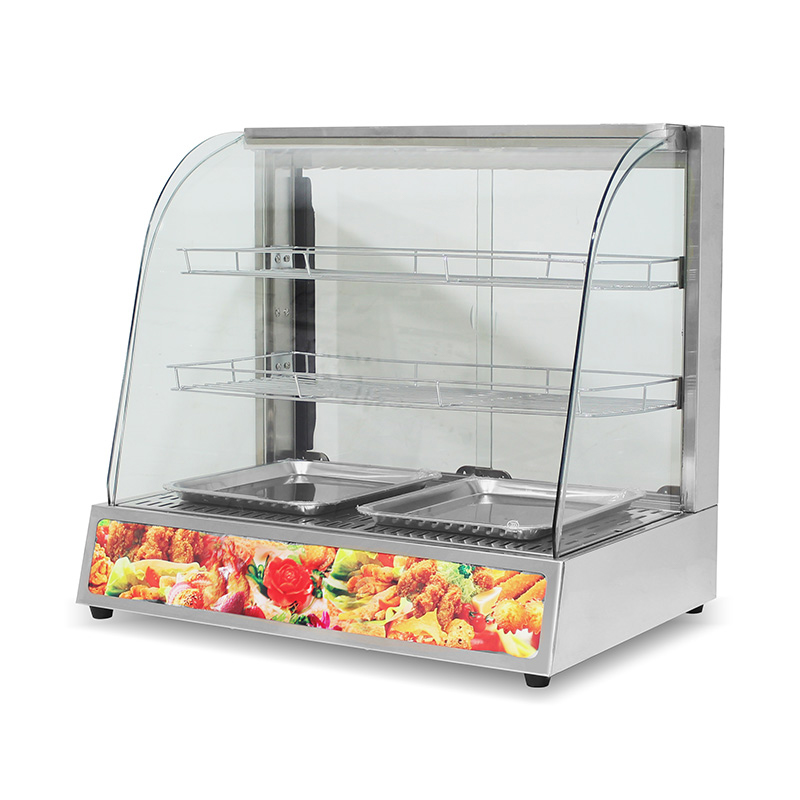
A food display warmer does one job. It keeps cooked food at serving temperature. It does it for hours. The food stays hot. It does not dry out. A food display warmer is used in convenience stores, cafeterias, and buffet lines. Customers see the food. They choose what they want.

The warmer has a heated cabinet. The heat source is at the bottom, top, or rear. Some models use a fan to circulate hot air. Others use radiant heat. The goal is the same. Keep food hot. Keep it safe.
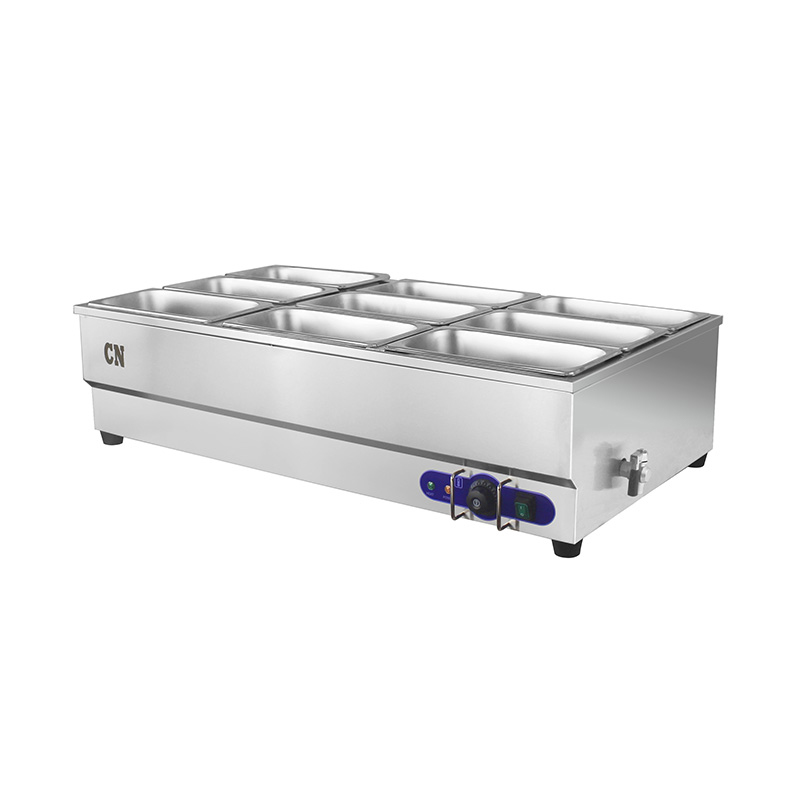
The challenge is moisture. Dry heat evaporates water from the food. A warmer with a water pan adds humidity. The water evaporates. The humid air keeps fried foods crisp. It keeps meats moist.
Temperature control is critical. Food must stay above 60 degrees Celsius. A thermostat maintains the temperature. Good warmers have adjustable thermostats. The temperature stays consistent. Digital controls are more accurate than dial thermostats. They hold the temperature within a few degrees.
Convenience stores use them for hot dogs and sandwiches. The customer grabs what they want. Open-front warmers are fastest. The customer reaches in. Glass doors keep heat in but slow down the customer.
Cafeterias use them in buffet lines. Several warmers sit in a row. Each holds a different item. Mac and cheese in one. Green beans in another. Fried chicken in a third. The staff refills from the kitchen. The warmer keeps the food hot while it sits.
Food trucks use them too. Space is limited. A warmer that sits on a counter saves room. It holds pre-cooked food. The cook pulls from the warmer during the rush. No waiting for fresh cooking.
Even heat distribution is important. A warmer with poor air circulation has hot spots and cold spots. Food in the hot spot dries out. Food in the cold spot is not safe to eat. Good warmers have a fan to circulate air. The temperature is consistent from top to bottom and front to back.
Easy cleaning is essential. Food spills. Sauces drip. The warmer needs to come apart for cleaning. Removable shelves. Removable glass. A water pan that slides out. Smooth surfaces with no crevices for food to hide. Glass that tilts out or lifts off.
Energy efficiency affects operating cost. A warmer runs all day. Sometimes all night. A unit that uses 500 watts costs less to run than one that uses 1,500 watts. LED lighting uses less energy. Double-pane glass doors reduce heat loss. The warmer cycles less often. The heating elements last longer.
Here is what to check in a food display warmer:
A good warmer keeps food safe. It keeps food moist. It keeps customers happy. A bad warmer dries out food. It creates hot spots. It wastes energy. The food looks unappealing. Customers walk past.
Buyers look for even heat distribution. Easy cleaning. Energy efficiency. A good warmer lasts for years. It pays for itself in reduced waste and satisfied customers. The upfront cost is higher. The long-term cost is lower.
Choose a warmer that matches your volume. A small warmer for a coffee shop. A large warmer for a buffet line. Choose the right features. Adjustable thermostat. Water pan. Removable shelves.
A food display warmer is an essential tool for food service. It keeps food hot and ready. It maintains quality. It reduces waste. Choose a warmer with good temperature control. Choose one that is easy to clean. Choose one that is energy efficient.
Here are the key benefits of a quality food display warmer:
Your food will stay hot. Your customers will be satisfied. Your business will benefit. In food service, temperature matters. A good warmer makes the difference. That is what buyers look for. That is what a quality warmer provides.