





Weixinli Weixinli Weixinli Weixinli Weixinli Weixinli Weixinli Weixinli Weixinli Weixinli Weixinli Weixinli Weixinli Weixinli Weixinli
Industry News

Home / News / Industry News / Electric Salamander Machine: Top Heat for Finishing Dishes

Electric Salamander Machine: Top Heat for Finishing Dishes

POST BY WeixinliJun 12, 2026

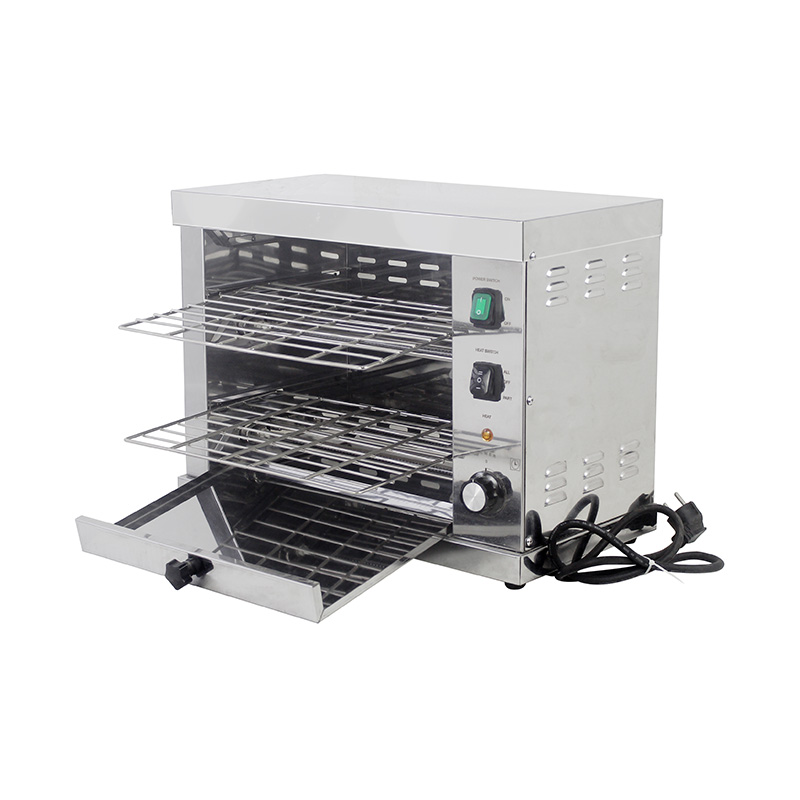
A salamander is not a reptile in a kitchen. It is a broiler. Intense heat from above. Chefs use it to melt cheese, brown tops, and finish dishes. An electric salamander machine sits on a counter or mounts on a wall. No gas line needed. Plug it in. Turn it on. Heat comes up fast.

What an Electric Salamander Machine Does

The heating elements glow red and radiate heat downward

An electric salamander machine has quartz or ceramic heating elements at the top. Turn the dial. The elements glow bright red. Heat radiates down onto the food. The food sits on a rack below. The rack can be high or low. Closer to the elements means more heat. Faster browning.

The heat is intense. 500 to 800 degrees Celsius at the element surface. The food surface gets blasted. The inside stays cool. superb for melting cheese on a burger or browning meringue on a pie.

The machine browns, melts, and caramelizes

A salamander is not for cooking raw meat through. It is for finishing. An electric salamander machine takes a dish that is already cooked and adds the final touch. Cheese melts. Bread toasts. Meringue browns. Casseroles get a crispy top.

Some models have a bottom heat element too. That turns the salamander into a small oven. The top element still does the browning. The bottom element cooks the food through.

Where Electric Salamander Machines Get Used

Commercial kitchens for finishing plates

A busy restaurant uses an electric salamander machine to finish dishes before they go out. The burger is cooked. The bun is toasted. The cheese is cold. Five seconds under the salamander. The cheese melts. The burger goes out.

The same for French onion soup. The soup is hot. The cheese and bread are on top. Under the salamander. The cheese bubbles. The bread browns. The soup is ready.

Pizza shops for melting cheese

A pizza comes out of the oven. The cheese is melted. But maybe not brown enough. An electric salamander machine gives the top a blast of heat. The cheese bubbles. A few brown spots appear. The pizza looks better. It sells better.

Hotels for breakfast service

Eggs sit in a holding pan. They get cold. The tops are pale. An electric salamander machine above the buffet line blasts the eggs. They warm up. They brown. They look fresh.

Here is where an electric salamander machine works good:

  • Restaurants — finishing burgers, sandwiches, French onion soup
  • Pizza shops — browning cheese on pizzas and calzones
  • Hotels — breakfast buffets, eggs, potatoes, meats
  • Bakeries — browning meringue on pies and tarts
  • Cafeterias — melting cheese on sandwiches and casseroles

What to Look for in an Electric Salamander Machine

Element type affects heat speed and consistency

Quartz elements heat up fast. Glow bright. An electric salamander machine with quartz elements is ready in 30 seconds. The heat is intense. Good for quick browning.

Ceramic elements take longer to heat. They hold heat longer. An electric salamander machine with ceramic elements stays hot between uses. Good for high-volume kitchens where the machine runs all day.

Here is how element types compare:

  • Quartz — fast heat-up, intense, cools quickly
  • Ceramic — slower to heat, holds heat, more consistent
  • Metal sheathed — durable, slower than quartz, good for heavy use

Rack height adjustment for different foods

The food sits on a rack. The rack moves up and down. High position close to the elements for fast browning. Low position farther away for gentler heat.

An electric salamander machine with fixed rack height is limited. You cannot adjust for different foods. Toasting bread needs different distance than melting cheese on a casserole.

Here is what rack positions do:

  • High (close to elements) — fast browning, melting cheese
  • Medium — general finishing, toasting bread
  • Low (far from elements) — keeping warm, gentle heating

Size and capacity

Small electric salamander machine units are 12 inches wide. Good for one or two plates. Large units are 24 inches or wider. Good for full sheet pans. The kitchen buys the size that matches their volume.

A pizza shop needs wide racks for whole pizzas. A breakfast buffet needs wide racks for rows of hotel pans. A small restaurant needs a narrow unit for plates.

What Goes Wrong with Cheap Electric Salamander Machines

The elements burn out quickly

Cheap quartz elements use thin wire. The wire breaks. An electric salamander machine with cheap elements fails in months. Good elements last for years.

The heat is uneven

Hot spots and cold spots. An electric salamander machine with poor element placement browns one side of the food. The other side is pale. The chef rotates the pan. Annoying. Slow.

The controls fail

The dial breaks. The switch sticks. An electric salamander machine with cheap controls is unusable. The chef cannot turn it on. Or cannot turn it off.

The body rusts

Cheap stainless is thin. It rusts. An electric salamander machine in a wet kitchen rusts quickly. The rust stains the counter. The machine looks bad. Customers see it.

An electric salamander machine is not a full oven. It is a finishing tool. It melts. It browns. It crisps.

Look for quartz or ceramic elements. Adjustable rack height. Size that matches your volume. Thick stainless steel that does not rust.

A cheap salamander heats unevenly. Elements burn out. Rust appears. The chef gets frustrated. Food goes out looking bad.

A good salamander costs more upfront. It heats evenly. It lasts for years. It makes food look better. In a restaurant, food that looks better sells better. That is the point. A good electric salamander machine pays for itself. Buy the good one. Your chef will thank you. Your customers will see the difference. Your margins will grow.