Commercial kitchens often operate with a combination of cooking and holding equipment to maintain a steady workflow during service hours. A Stainless Steel Commercial Kitchen Countertop Griddle is commonly used for grilling and frying, while a Stainless Steel Commercial Electric Bain Marie plays a different but equally practical role—maintaining prepared food at a consistent serving temperature. When selecting a commercial electric bain marie, buyers need to look beyond basic appearance and focus on structure, heating method, temperature control, capacity, and maintenance requirements. A careful evaluation ensures that the equipment fits actual catering needs rather than simply filling space on the counter.

Before purchasing, it is important to clarify the function of a commercial electric bain marie. Unlike a griddle that applies direct high heat for cooking meats, seafood, and vegetables, the bain marie is primarily designed for holding and gentle reheating.
It supports foods such as:
If the goal is to cook raw ingredients, other equipment, such as a countertop griddle or stove, is more suitable. The bain marie works as a temperature maintenance station between preparation and serving. Buyers should evaluate whether their menu structure truly requires holding capacity and how long dishes typically remain on display.
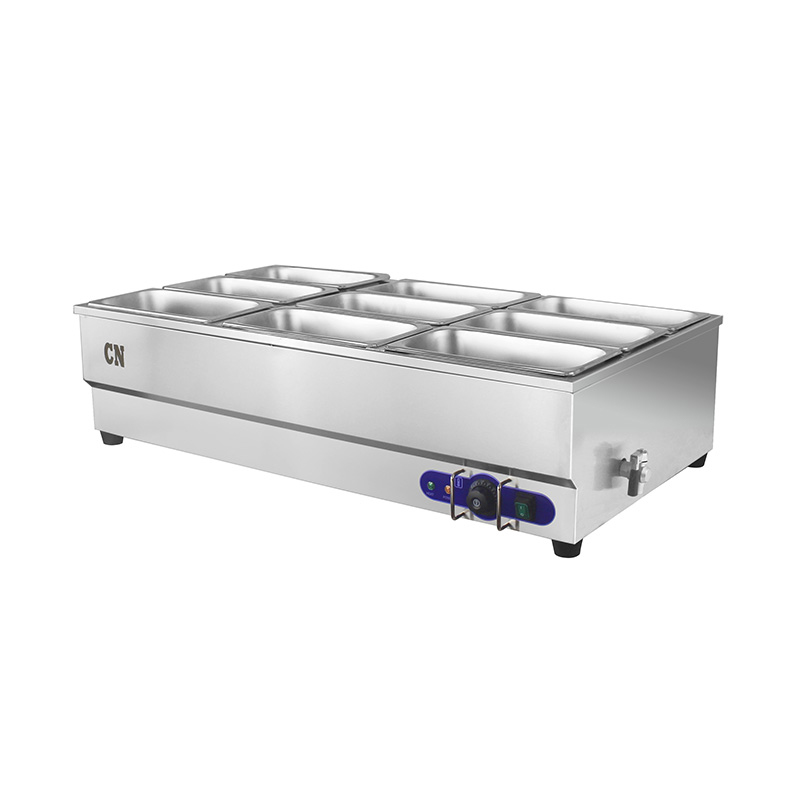
One of the key considerations is the heating structure. Many stainless steel commercial electric bain maries use indirect heating through a water bath or controlled heating plate. Built-in electric heating elements gradually warm the tank, and a thermostat regulates temperature.
When reviewing specifications, check:
Stable heating prevents overheating at the bottom of food pans and reduces temperature fluctuation. Equipment with consistent temperature control helps maintain food texture during extended service periods.
Buyers should also consider whether separate compartments have independent controls. In buffet-style operations, different dishes may require slightly different holding temperatures.
Capacity selection depends on service volume and menu variety. Stainless steel commercial electric bain maries are available in different sizes, ranging from compact countertop units with two or three pans to larger models with multiple compartments.
When evaluating capacity, consider:
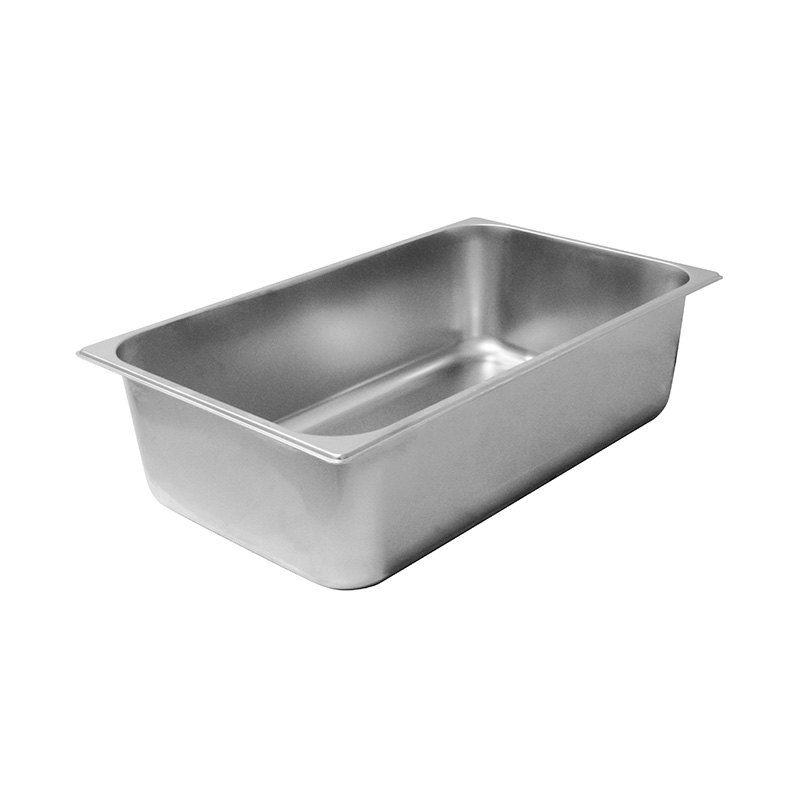
Standard gastronorm (GN) pan compatibility can make replacement and customization easier. Units that accept common pan sizes allow operators to adjust container depth based on portion requirements.
Oversized equipment may consume unnecessary space and power, while undersized models may require frequent refilling. Matching capacity to real demand helps maintain smooth service.
Food-grade stainless steel is widely used in commercial kitchen equipment due to its durability and ease of cleaning. When purchasing a bain marie, inspect the thickness and finishing quality of the stainless steel body.
Key structural elements include:
Smooth inner surfaces without sharp corners
A well-constructed body supports consistent heating and long-term use. Poorly finished welds or thin metal sheets may affect durability under daily operation.
Removable pans and accessible water tanks simplify cleaning, which is essential for maintaining hygiene standards and steady heating performance.
Electric bain maries rely entirely on electrical power. Before purchasing, confirm compatibility with local voltage and power supply standards. Commercial kitchens may operate on different voltage systems depending on location.
Points to verify include:
Energy efficiency is influenced by insulation quality and thermostat accuracy. Equipment that maintains stable heat without frequent power surges helps control electricity use over time.
Since bain maries are often used for several hours daily, steady power consumption contributes to predictable operating costs.
Maintenance requirements directly affect long-term usability. Stainless steel construction allows easy wiping of oil and food residue, but design details matter.
Consider whether the unIt offers:
After daily service, staff should be able to drain the water tank, clean surfaces, and reassemble the unit without complicated procedures. Efficient cleaning reduces downtime and supports food safety compliance.
If the model includes a transparent tempered glass lid, evaluate whether it can be removed easily for washing. Clear lids help protect food from dust while allowing visual monitoring, but they should not complicate cleaning routines.