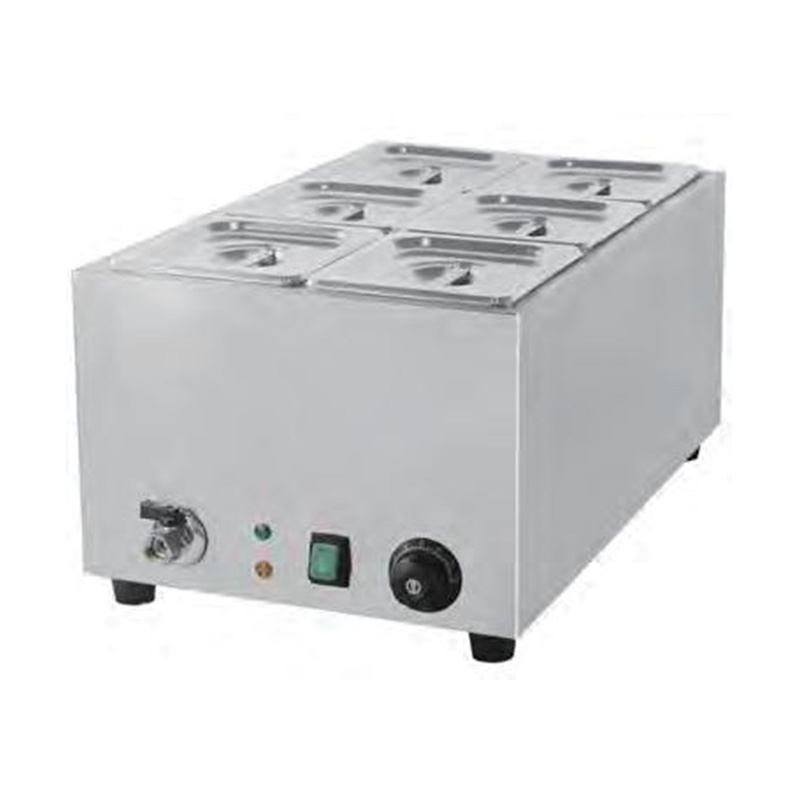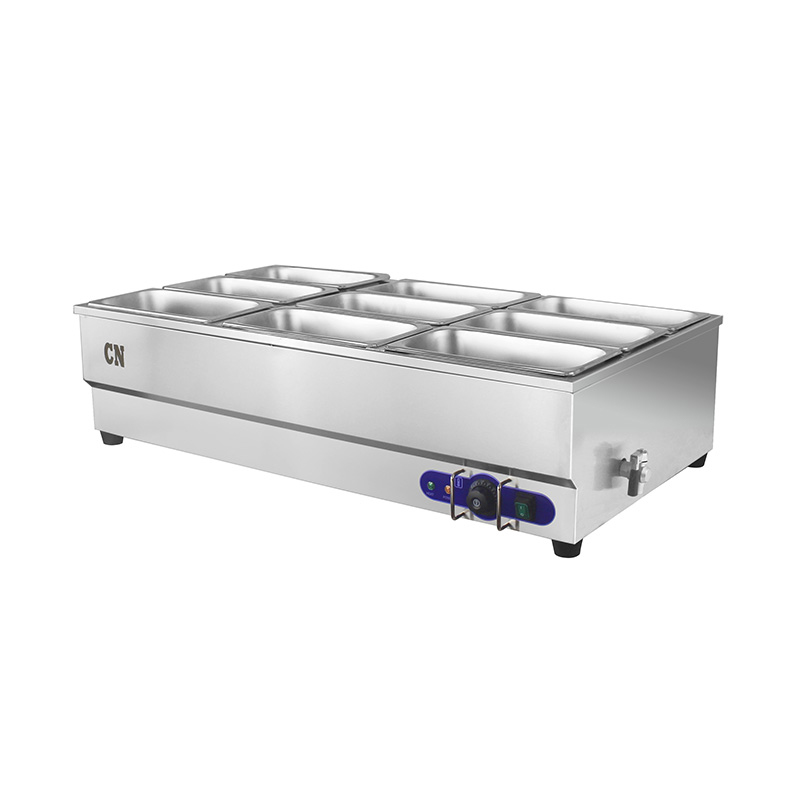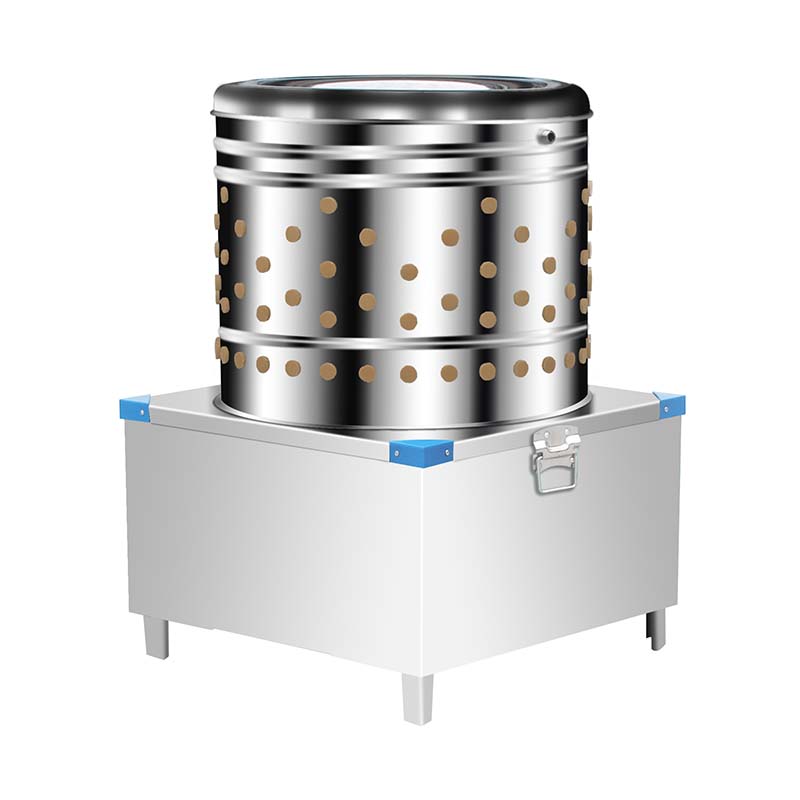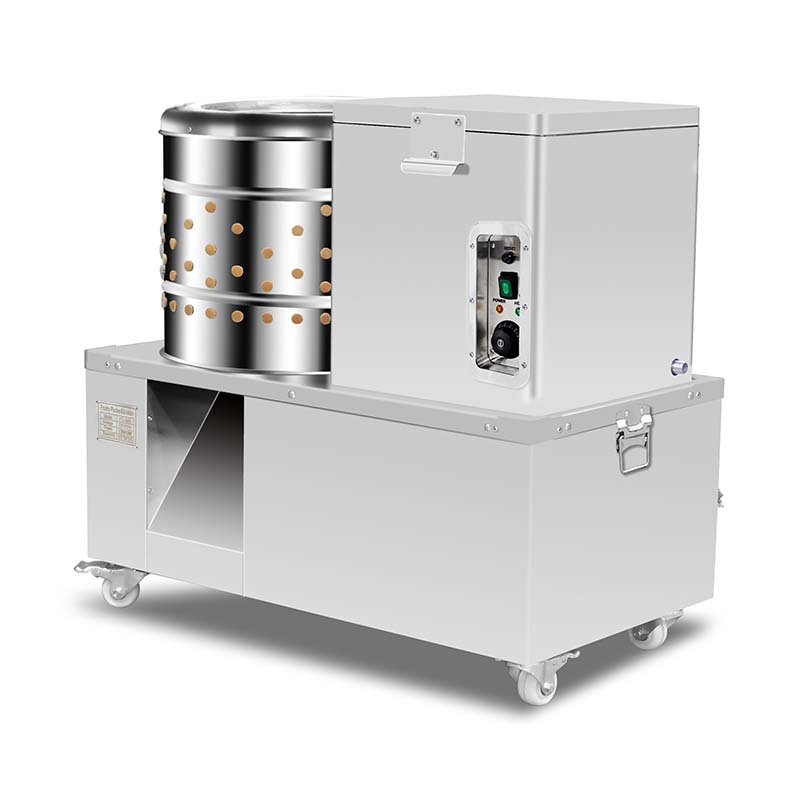
The electric dry burning bain marie machine has become a widely used food warming solution for buffet lines, catering events, and commercial kitchens requiring consistent temperature maintenance without water bath complications. Unlike traditional wet bain maries that rely on water for heat transfer, this machine uses dry heating elements to keep prepared foods at safe serving temperatures, eliminating the need for constant water refilling and reducing the risk of water-related accidents. Recent industry feedback indicates that operators appreciate the dry burning design for its lower maintenance requirements and the elimination of scale buildup and waterborne bacteria concerns.

The electric dry burning bain marie machine is constructed with commercial-grade stainless steel for both the exterior housing and the food pans. The outer shell typically uses 430 stainless steel for structural durability, while the interior and food contact surfaces employ 304 stainless steel for predominant corrosion resistance and food safety compliance. Key construction elements include heavy-gauge steel framing with welded or bolted joints that resist warping under prolonged heat exposure, adjustable legs with non-slip feet to accommodate uneven flooring and prevent movement during operation, a full-perimeter spill tray that captures food drips and simplifies cleanup, and hinged or sliding lids that help retain heat and prevent contamination when food is not being served. The control panel housing is sealed against moisture and grease infiltration. Units are available in countertop and floor-standing configurations.
The machine utilizes electric heating elements positioned beneath the food pan cavity to provide direct, dry heat to the food pans. The heating system typically features multiple independently controlled zones, allowing different temperature settings for different food types placed in separate pans. Temperature control includes a thermostatic regulation mechanism that maintains consistent temperatures between 30°C and 90°C, high-limit safety thermostats that automatically shut off power if temperatures exceed safe operating limits, and digital displays showing set temperature and actual cavity temperature. Power requirements vary with unit size, typically ranging from 1.5 to 5 kilowatts. The dry burning design eliminates steam production, reducing humidity in the kitchen environment and preventing condensation buildup on surrounding surfaces.
The electric dry burning bain marie machine accommodates standard gastronorm pans or deep food pans in various configurations to match different service needs. Common configurations include:
The number of pan positions typically ranges from 2 to 12, depending on the unit size. Pan depths vary from 65 to 150 millimeters, with deeper pans holding more food but requiring longer heat-up times. The cavity design ensures even heat distribution across all pan positions, small hot spots and cold zones that can affect food quality and safety.
The dry burning design operates without water in the heating cavity. Heat transfers directly from the elements to the pan bottom and then to the food. This approach eliminates several common problems associated with wet bain maries, including water evaporation requiring constant refilling, scale and mineral deposit accumulation that reduces efficiency, water contamination risks and bacterial growth, and the need for drain connections or floor drains. However, dry burning requires more careful temperature monitoring to prevent food from drying out or scorching. Food pans with heavier bottoms and tight-fitting lids are recommended to less heat loss and retain moisture.
Maintaining proper food holding temperatures is essential for both food quality and safety compliance. The electric dry burning bain marie machine must maintain food temperatures above 60°C during holding periods to prevent bacterial growth. Operators should verify the temperature of the food itself, not just the cavity temperature, as there can be differences. Regular temperature checks with a calibrated probe thermometer are recommended, and food should be stirred periodically to ensure even temperature distribution throughout the pan. The ideal holding temperature range for most hot foods is 60°C to 75°C, with higher temperatures used for soups and liquids and lower temperatures for solid items that may dry out.
Regular cleaning is essential for food safety and equipment longevity. Recommended cleaning procedures include:
The spill tray should be removed and cleaned separately. Avoid using abrasive pads or harsh chemicals that could damage the stainless steel surface. Never immerse the machine or spray water directly onto the control panel or heating elements.
Electric dry burning bain marie machines are generally more energy efficient than their wet counterparts because no energy is wasted heating and maintaining water. The direct heat transfer means less total energy is required to reach and maintain serving temperature. Insulation quality significantly affects efficiency, with better-insulated units retaining heat longer and cycling less frequently. Operating costs depend on local electricity rates and usage patterns, with units that are turned off during non-service periods showing significant savings. Programmable timers and auto-shutoff features can further reduce energy consumption.
When choosing an electric dry burning bain marie machine, buyers evaluate several important factors. Menu requirements determine the number and size of pan positions needed. Available counter space limits the footprint, with some units designed for drop-in installation. Electrical supply compatibility is essential, with units available in 120V, 208V, or 240V configurations. Temperature control precision affects food quality and holding performance, with digital controls offering better accuracy. Ease of cleaning and maintenance should be considered, as should the availability of replacement parts and service. Warranty coverage is another consideration, typically covering parts and labor for one to three years.